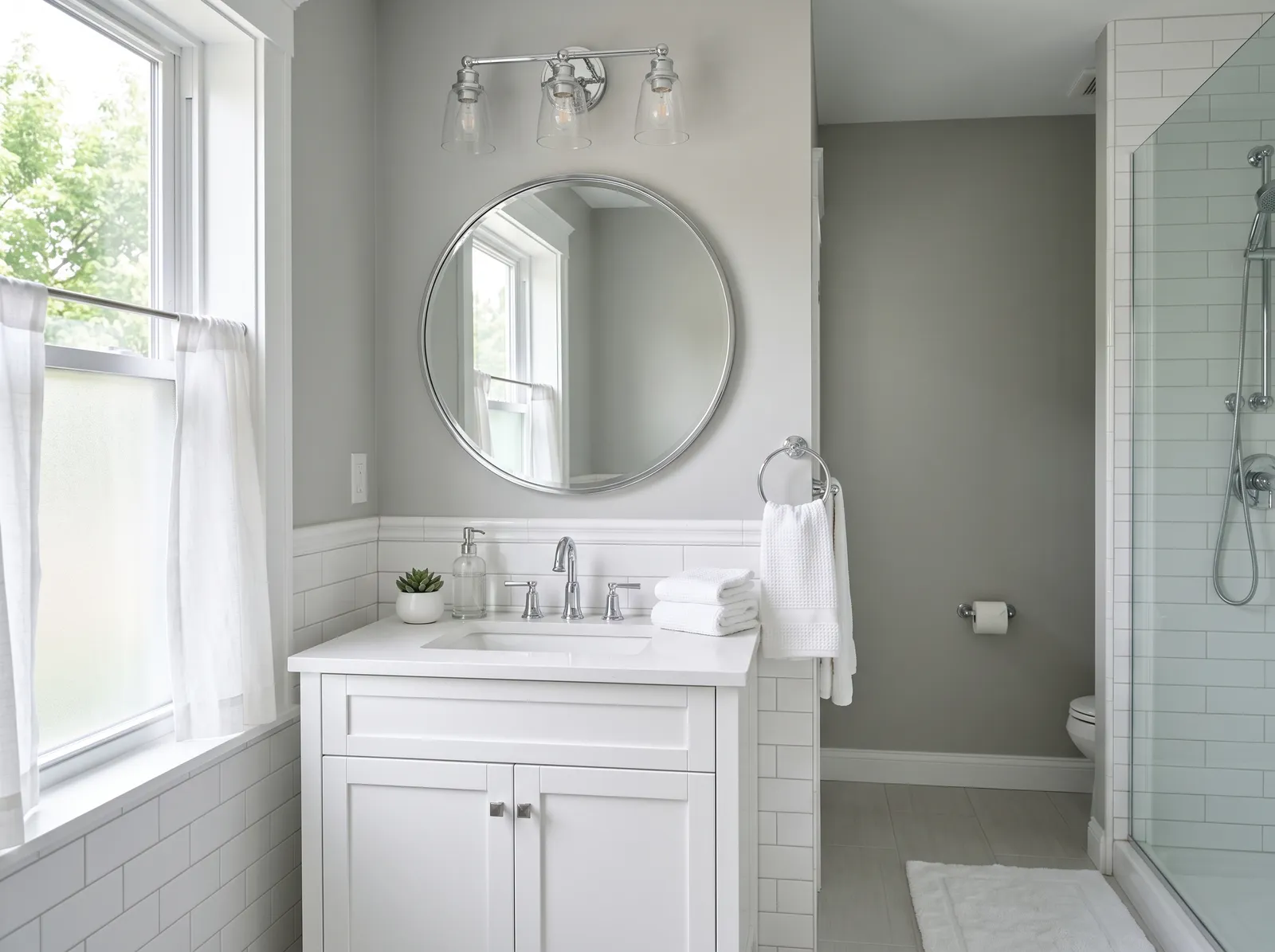
 1
1Gray Owl2137-60 · LRV 65
Gray Owl is the gray people land on when true gray felt too cold and greige felt too beige.
10 curated grays with undertones, LRV, and the honest reasons why, plus the full 301-color gray deck below.
Don't want to compare 301 grays? These four cover most real projects.
Gray Owl is the gray people land on when true gray felt too cold and greige felt too beige.
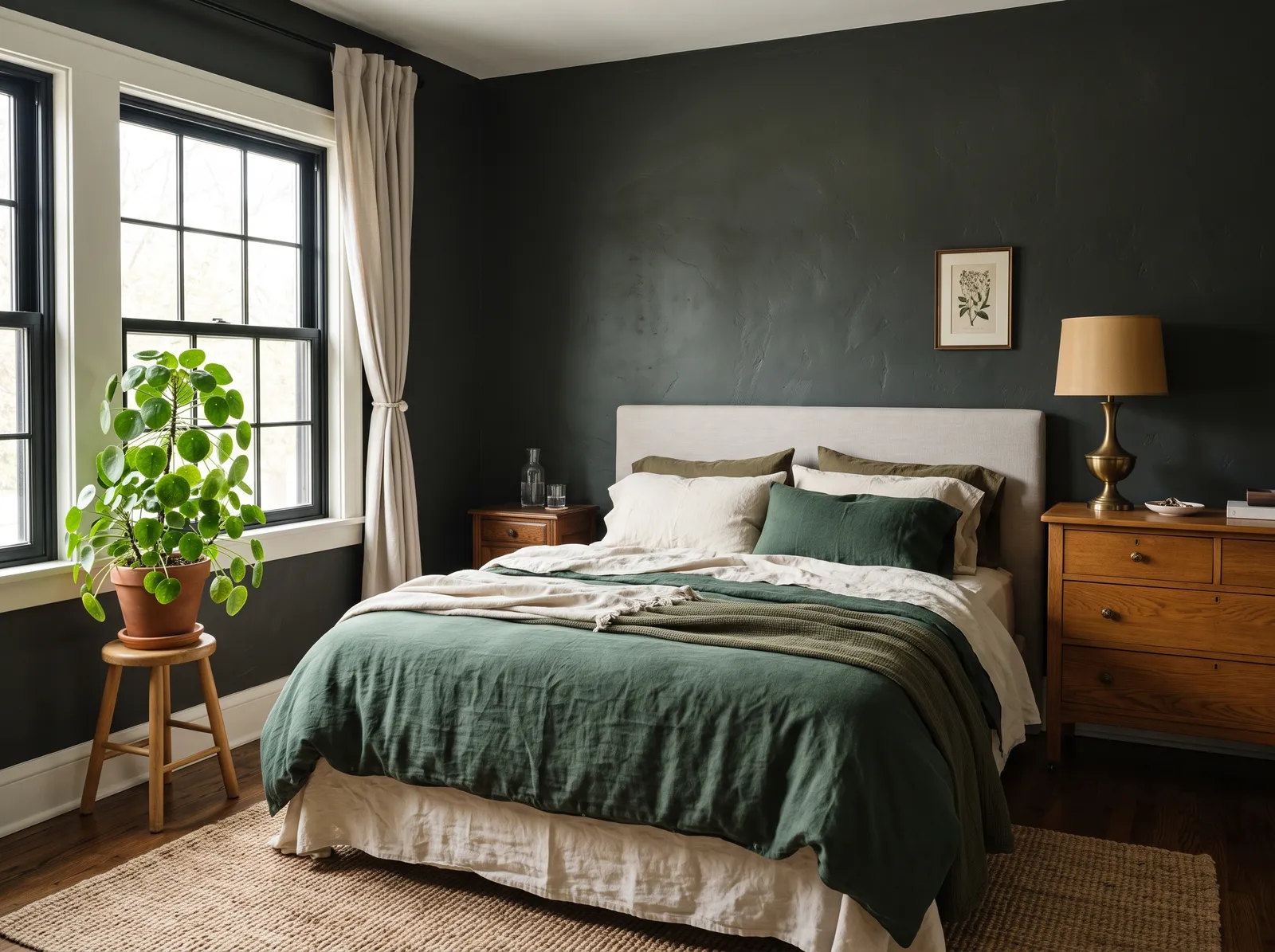
BM's iconic near-black green-black for front doors and millwork
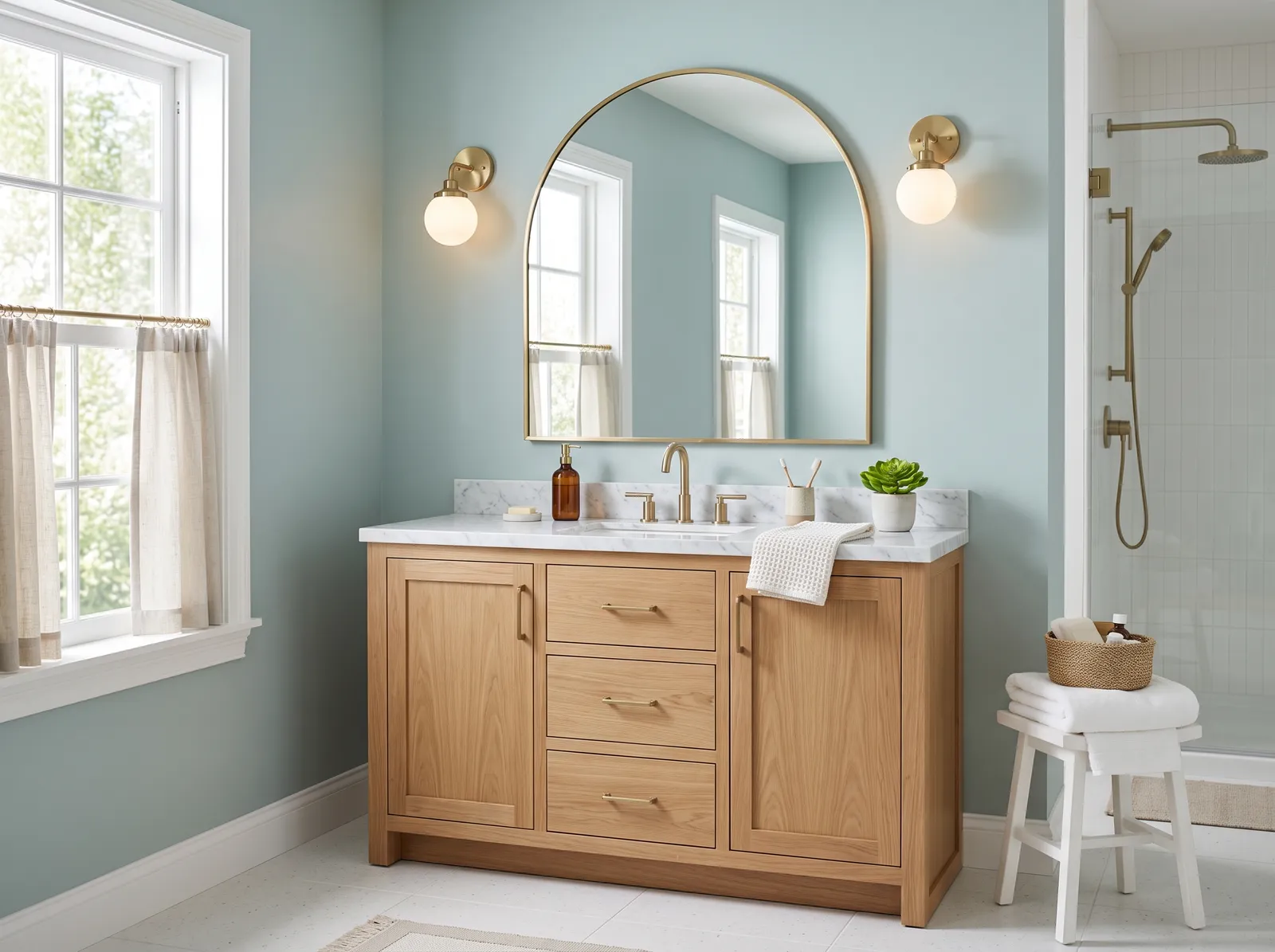
The classic spa-blue / Tiffany-blue staple of bathrooms and bedrooms
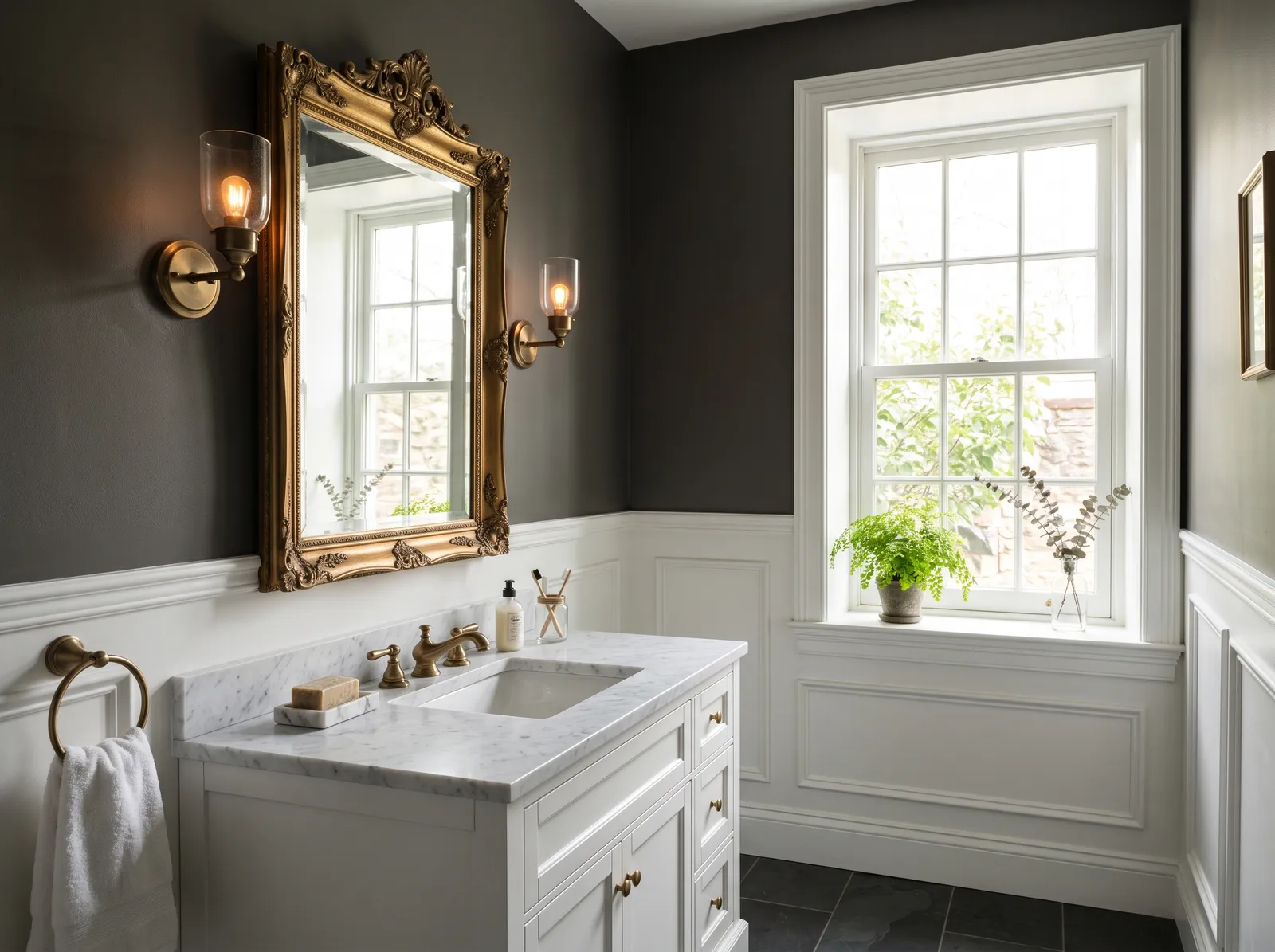
The moody charcoal of choice for libraries, doors, and exteriors
Numbered and curated. Tap any color for its full review, or see it on your own walls in the visualizer.
1Gray Owl is the gray people land on when true gray felt too cold and greige felt too beige.
 2
2BM's iconic near-black green-black for front doors and millwork.
 3
3The classic spa-blue / Tiffany-blue staple of bathrooms and bedrooms.
 4
4The moody charcoal of choice for libraries, doors, and exteriors.
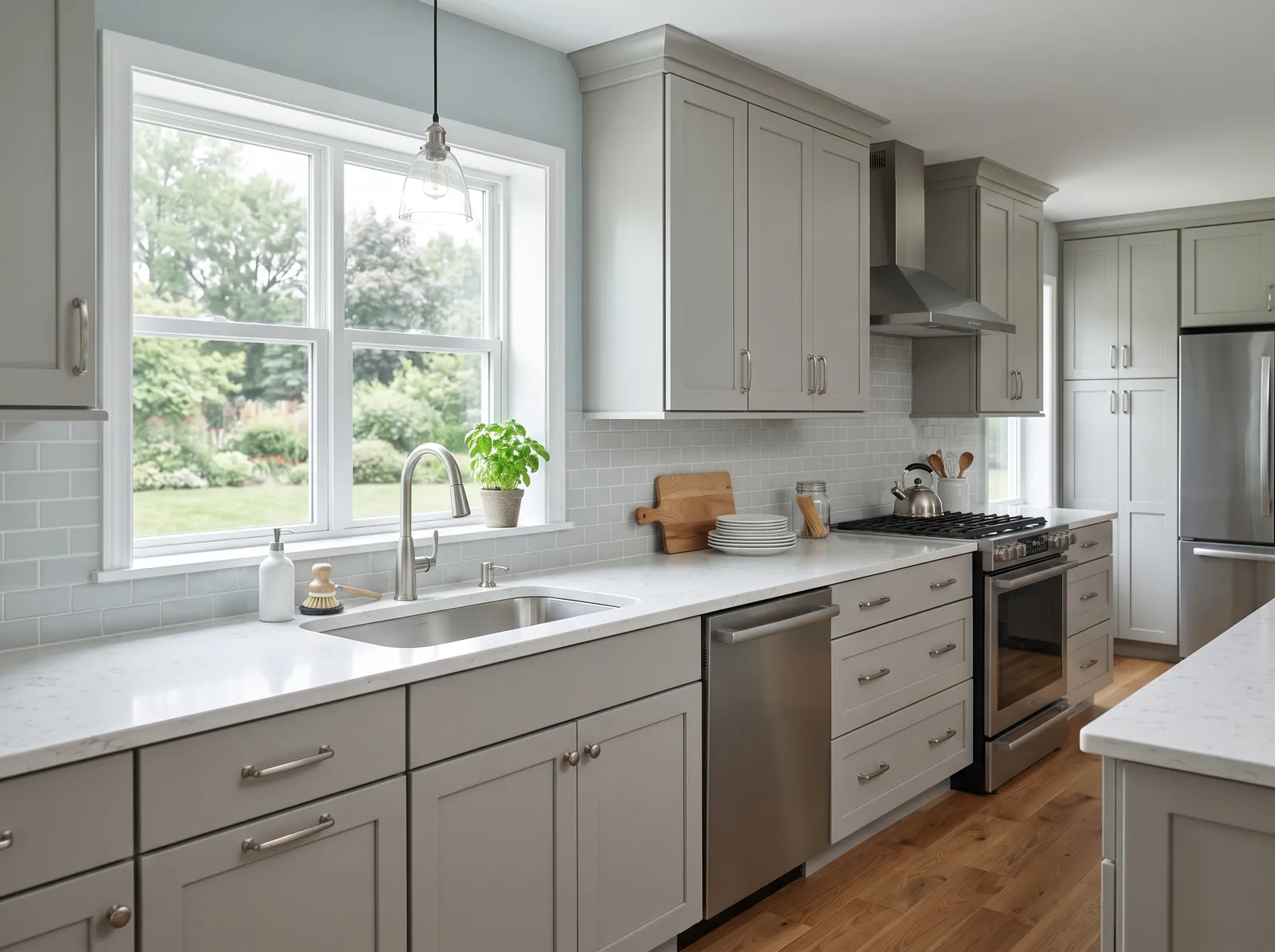 5
5Smoke is the blue-gray that behaves like a neutral until the light says otherwise.
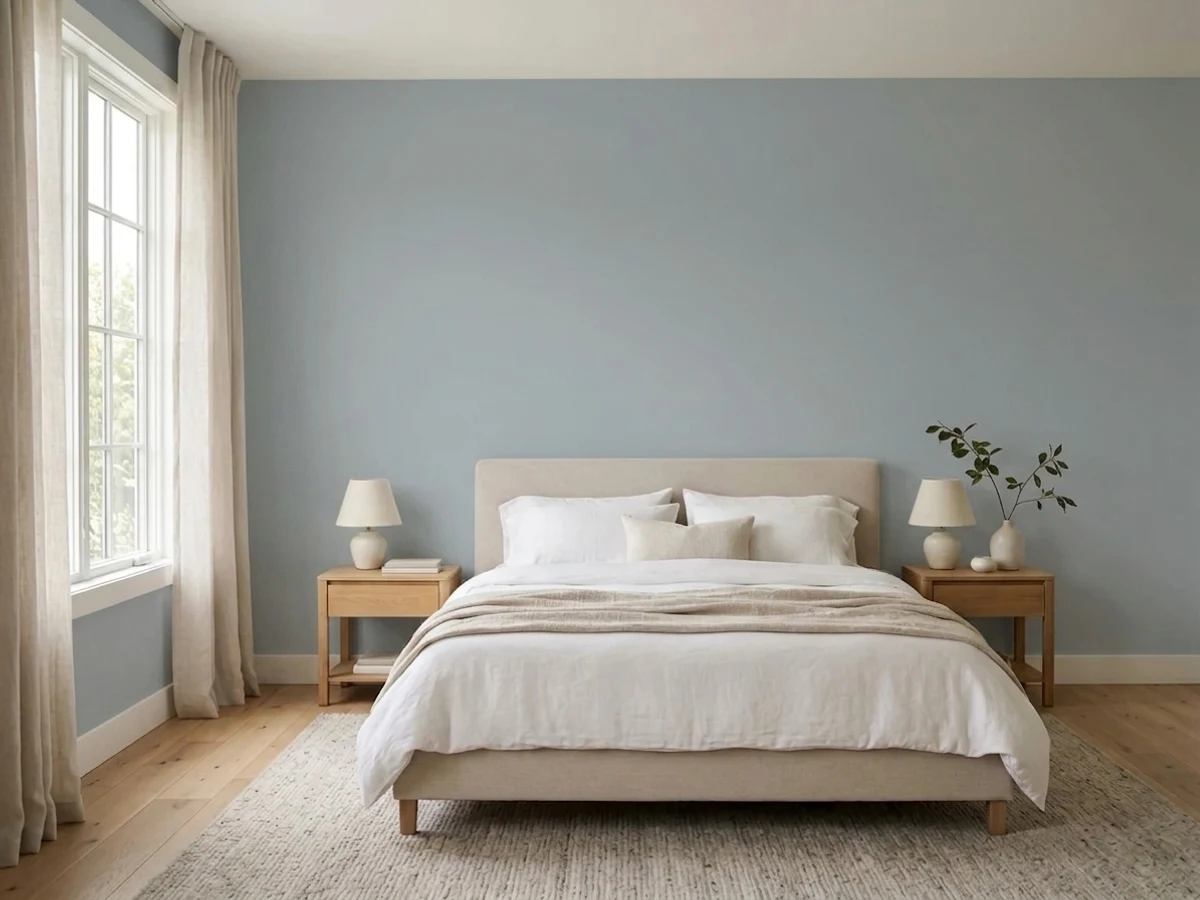 6
6Coastal blue-gray with a name homeowners search by; bedroom and exterior staple.
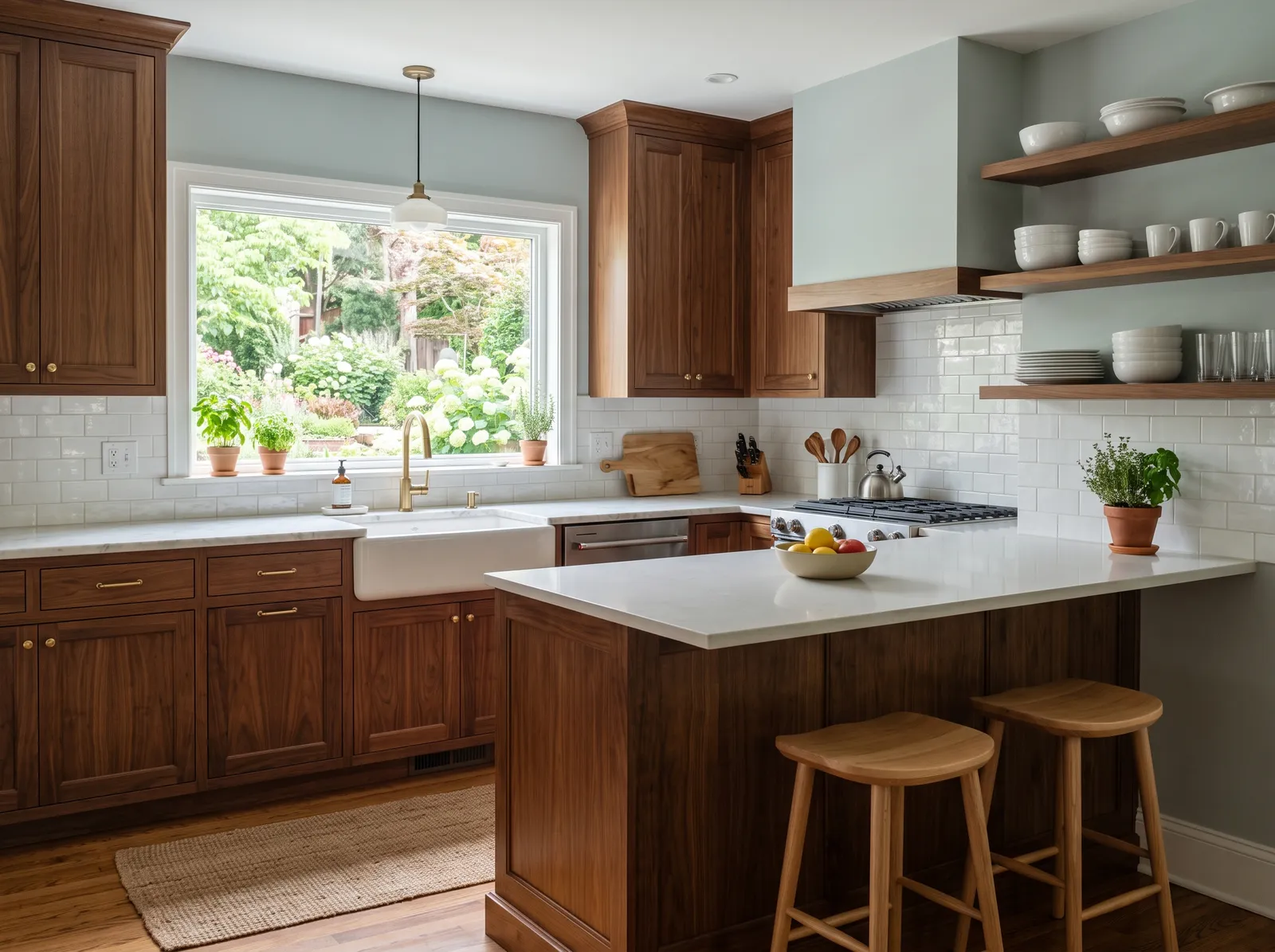 7
7Pale spa-blue-green; recurring BM Pinterest pick for bedrooms and bathrooms.
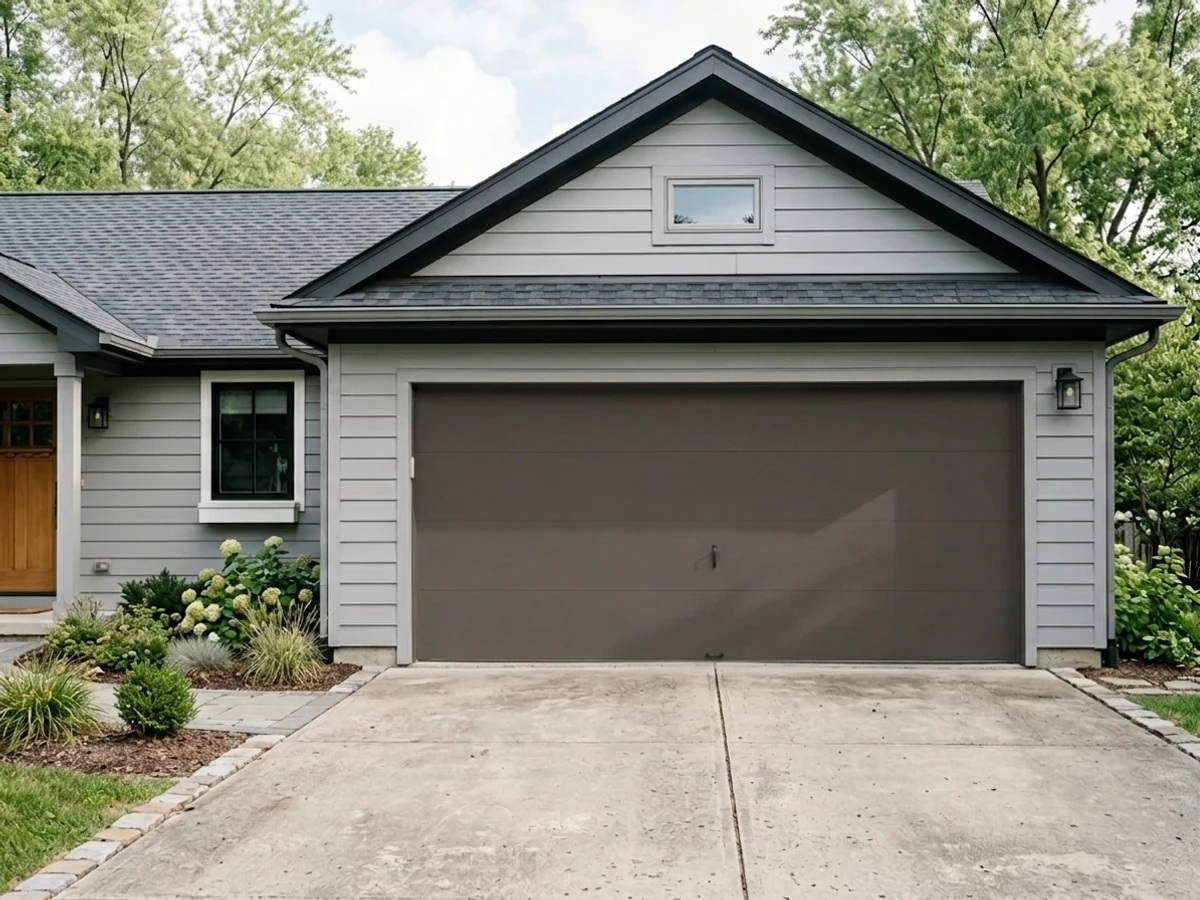 8
8Silhouette is a dark chalky brown that behaves like a charcoal — soft enough to live with, deep enough to change a room completely.
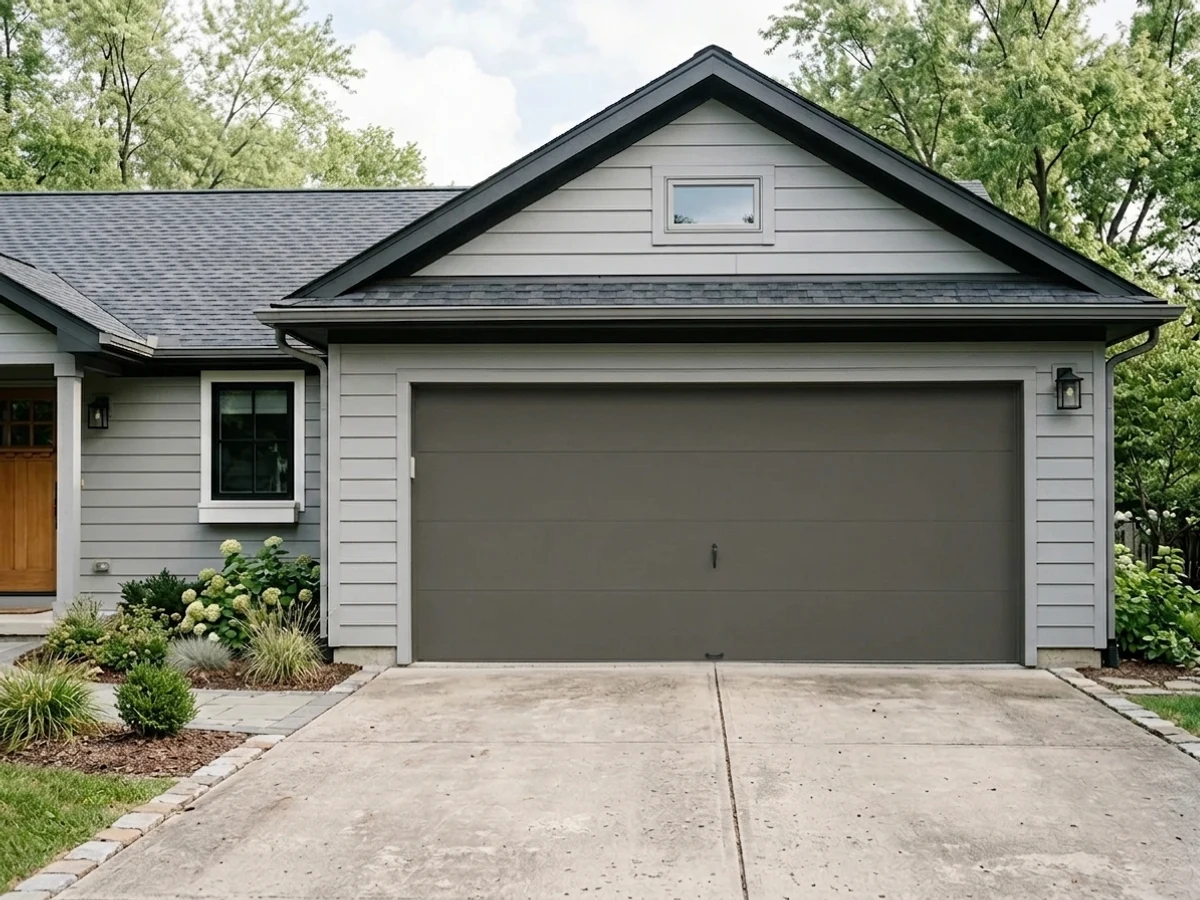 9
9BM's deep cool charcoal; the most-recommended dark-gray exterior color.
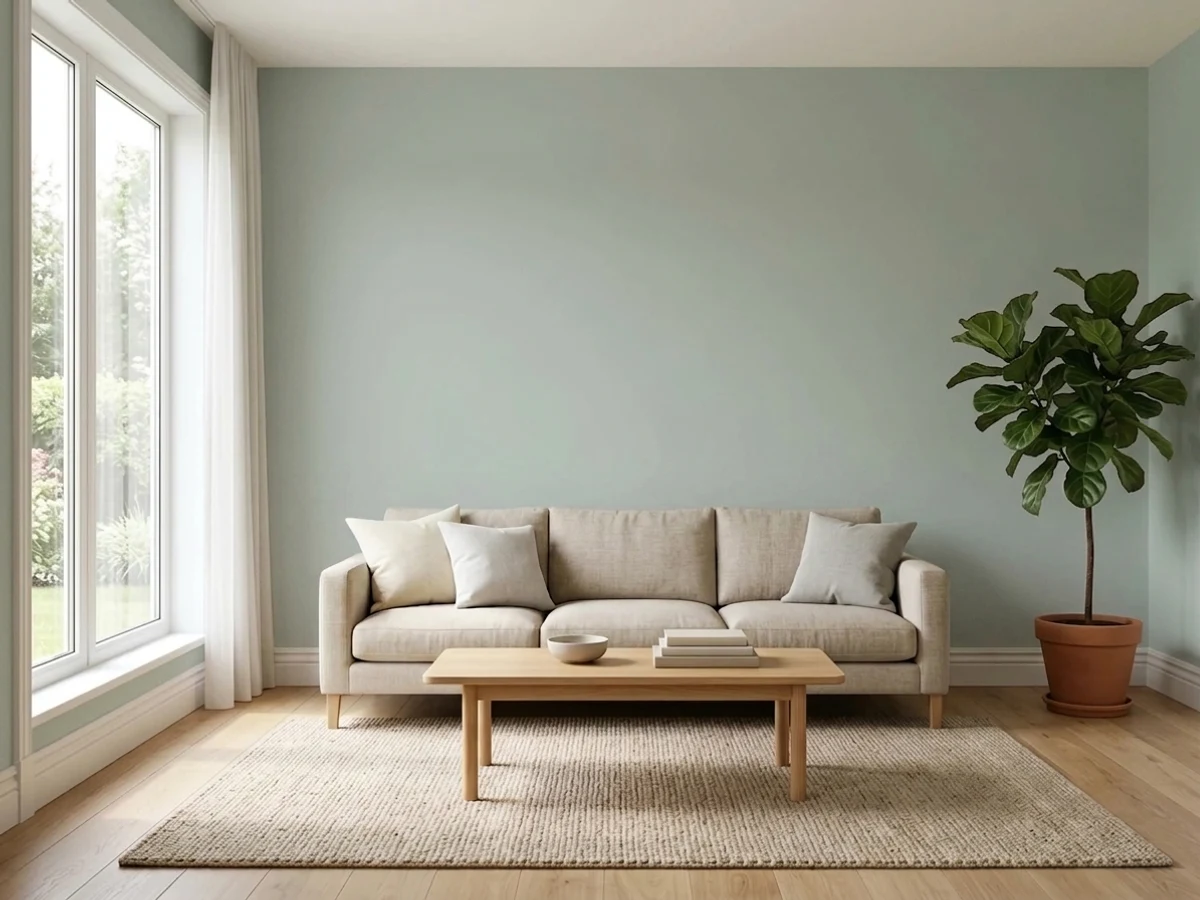 10
10Soft sea-green that became a go-to BM bathroom color in the 2020s.
The most common gray-buyer regret is a surprise undertone on the wall. Start from the direction the color leans, not the chip alone.
Benjamin Moore built its reputation on predictable undertones, and the gray family is where that pays off most. These grays hold their color across the day instead of flipping cold blue at noon and muddy brown at dusk. Designers and architects reach for this deck first precisely because a soft warm gray stays a soft warm gray.
The 460 grays here run from clean cool tones to warm greige and a few that lean green or blue. Glacier Blue (1653) carries a cool, airy cast, while Raintree Green (CC-560) shows how far a gray can drift toward green and still read as a neutral. Charcoal Linen (2133-40) is the moody, grounded end of the same family.
The whole Benjamin Moore gray range by depth. LRV is the number to trust: the same gray looks two steps darker on a wall than on a chip.
LRV is light reflectance value: it tells you how much light a color bounces back, from 0 (black) to about 100 (pure white). This gray slice spans LRV 0 at the darkest up to 83.7 at the lightest, so you can pick by how bright a wall you want before you ever worry about undertone. A high number keeps a room open and airy; a low number adds weight and drama.
For bright, open walls, look near the top: Icing on the Cake (2049-70) at 83.7 reads almost like a soft off-white, and Glacier Blue (1653) at 70 still feels light. Mid-range picks like Piano Concerto (1445) at 51 or Pebble Creek (1453) at 40 give you a true, visible gray. For accent walls, trim contrast, or a cozy den, drop down to Charcoal Linen (2133-40) at 22 or City Shadow (CSP-60) at 12.6.
Stuck between two? These head-to-heads settle the ones people actually can't pick between.
Each room page shows gray picks from every US brand side by side, so you can compare in context.
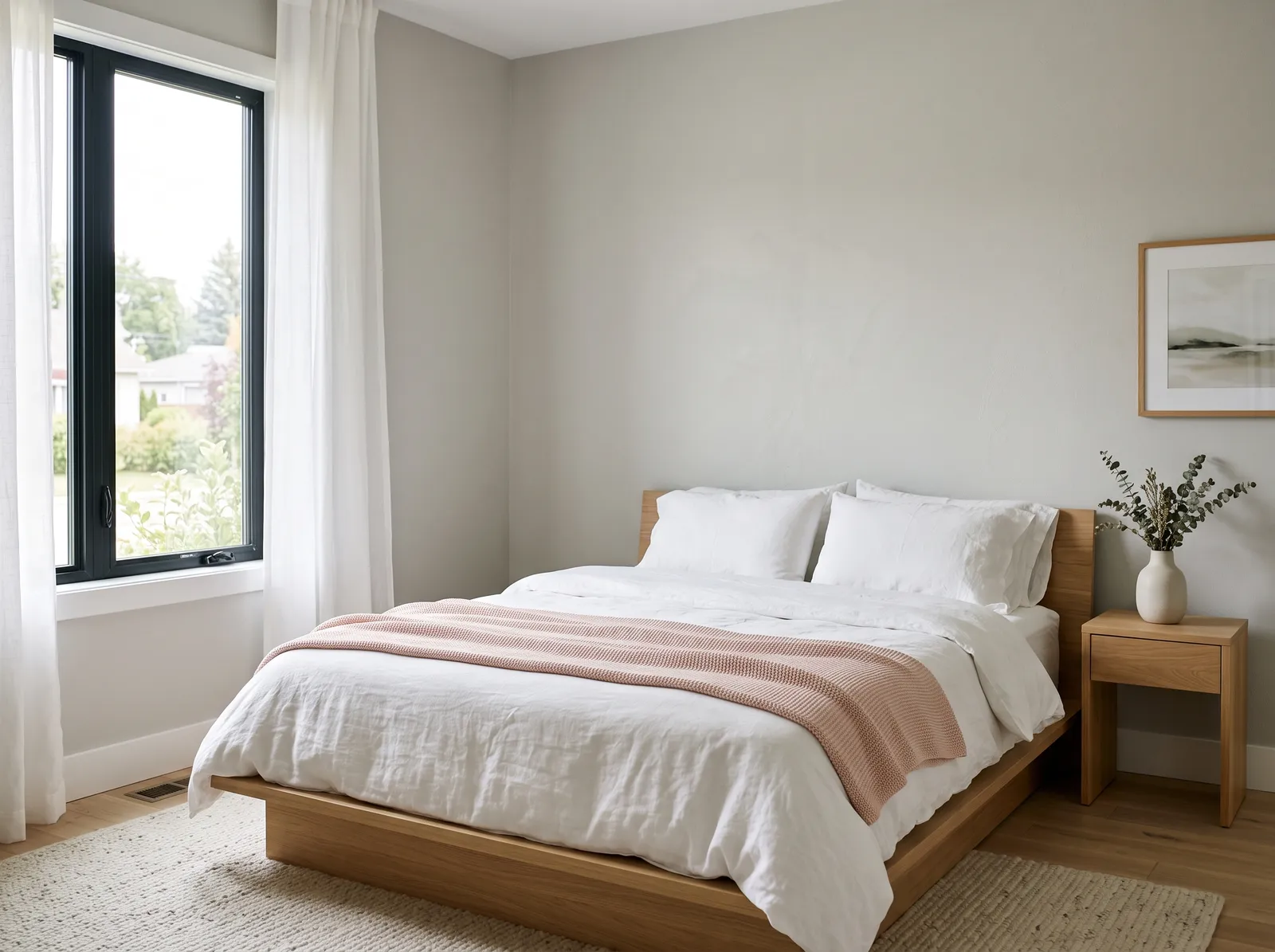
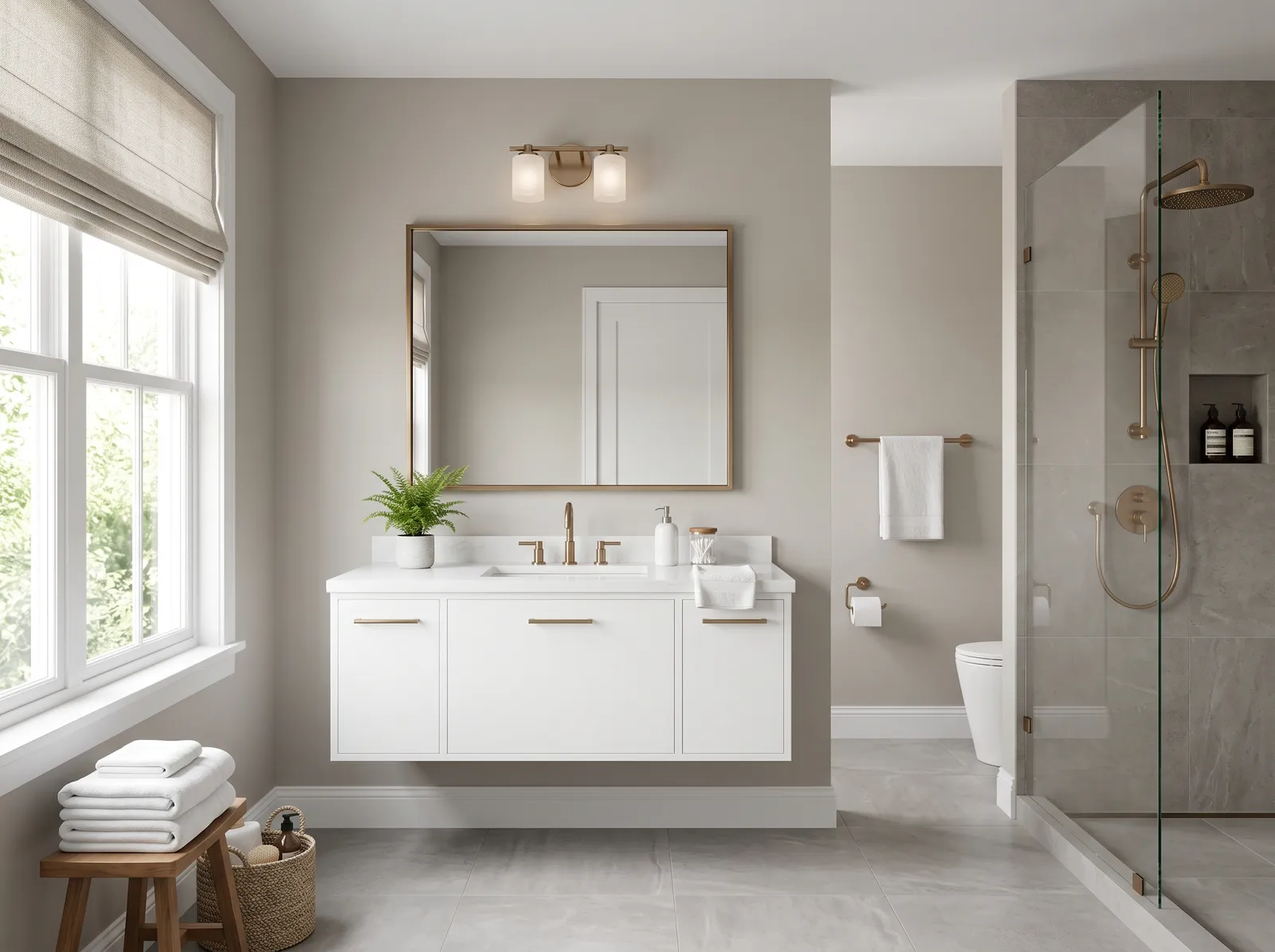
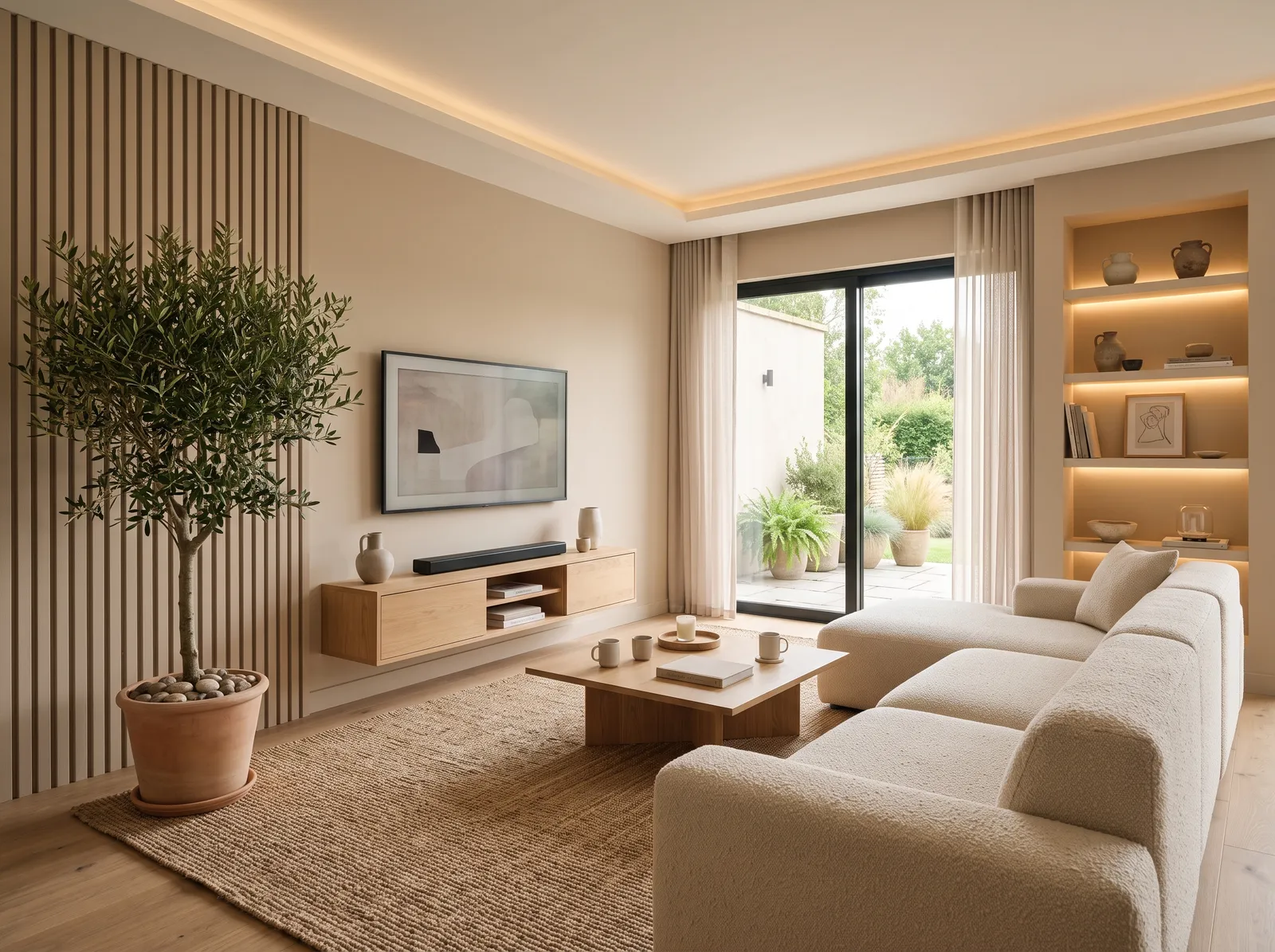
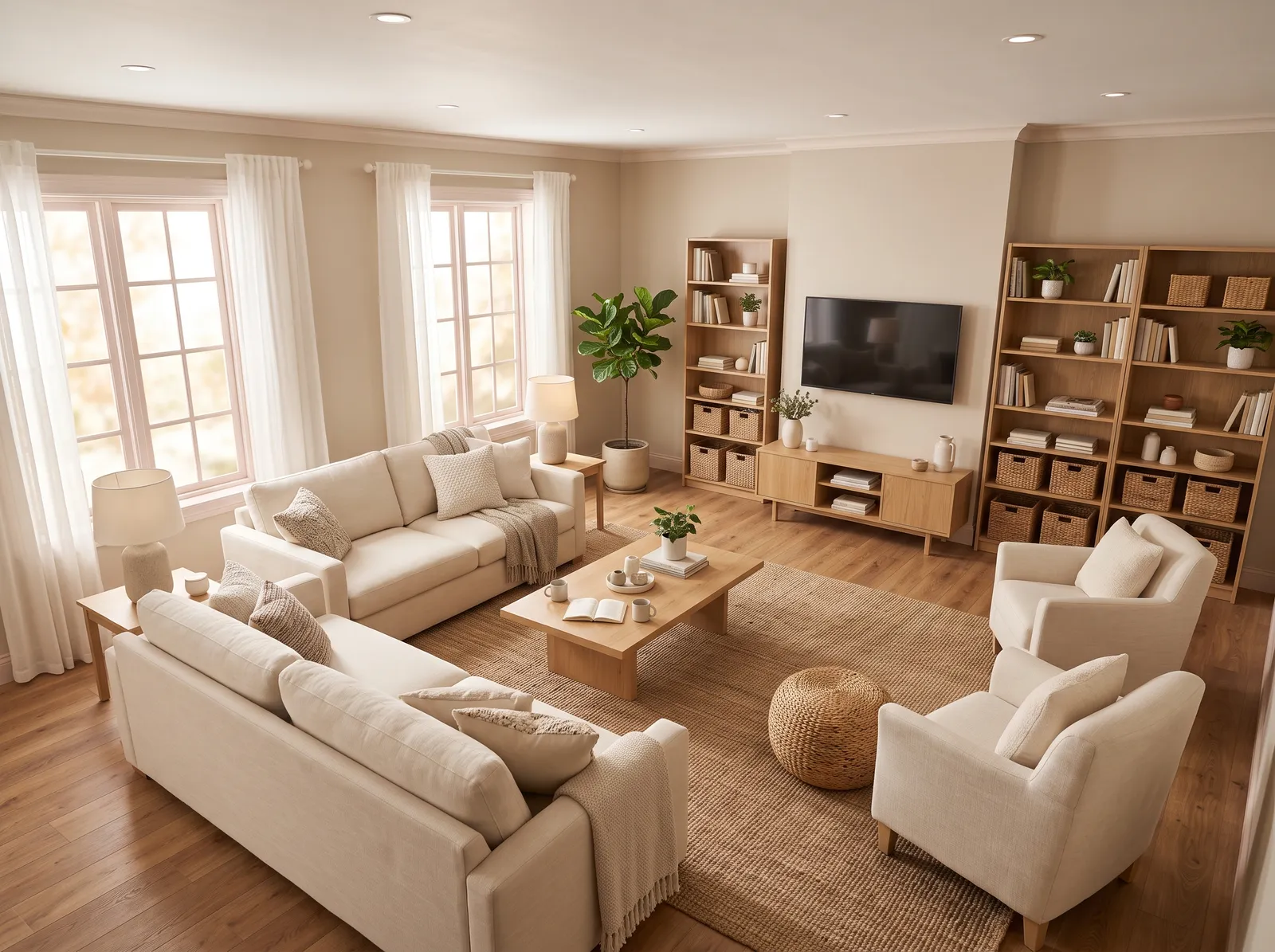
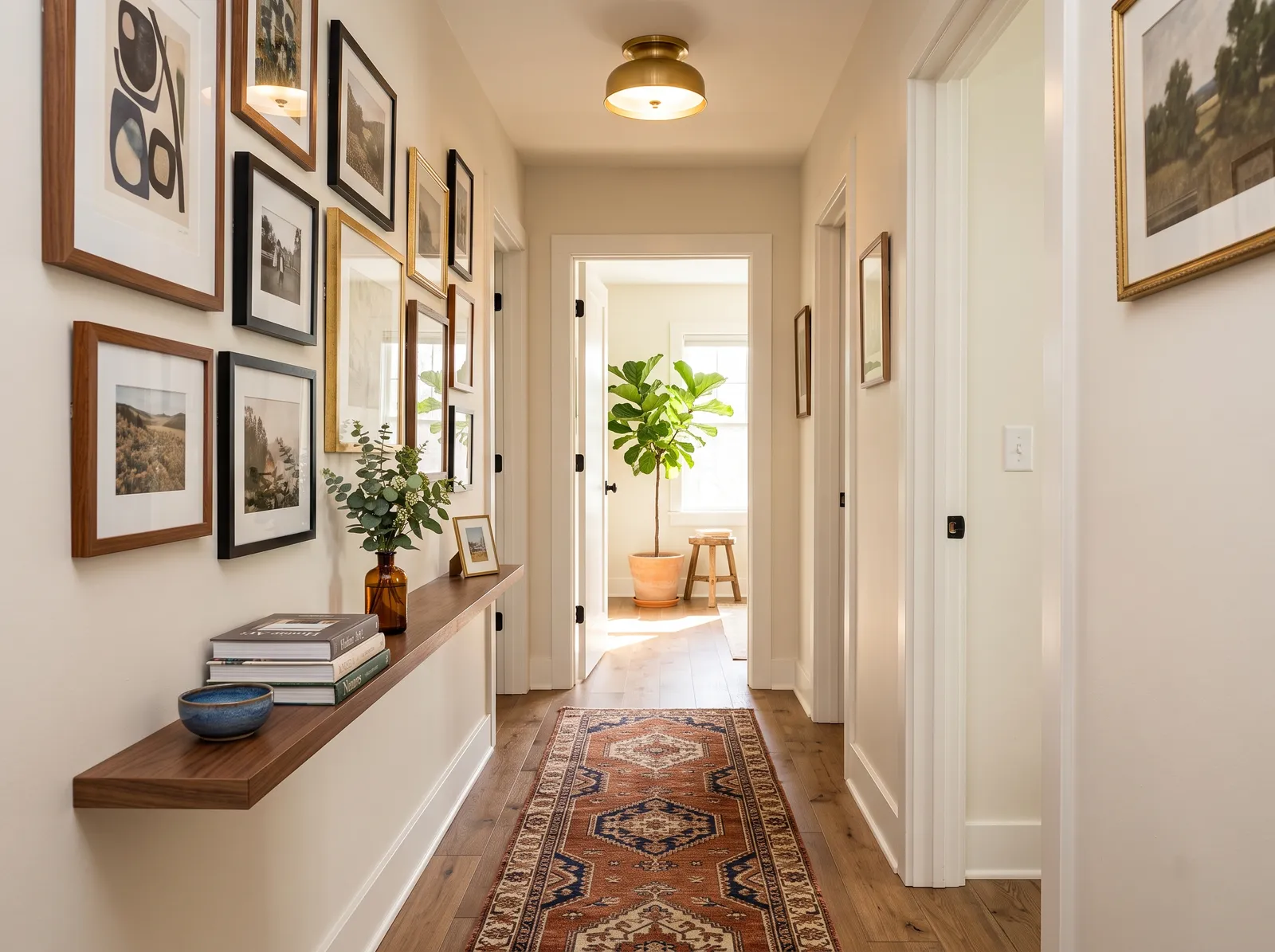
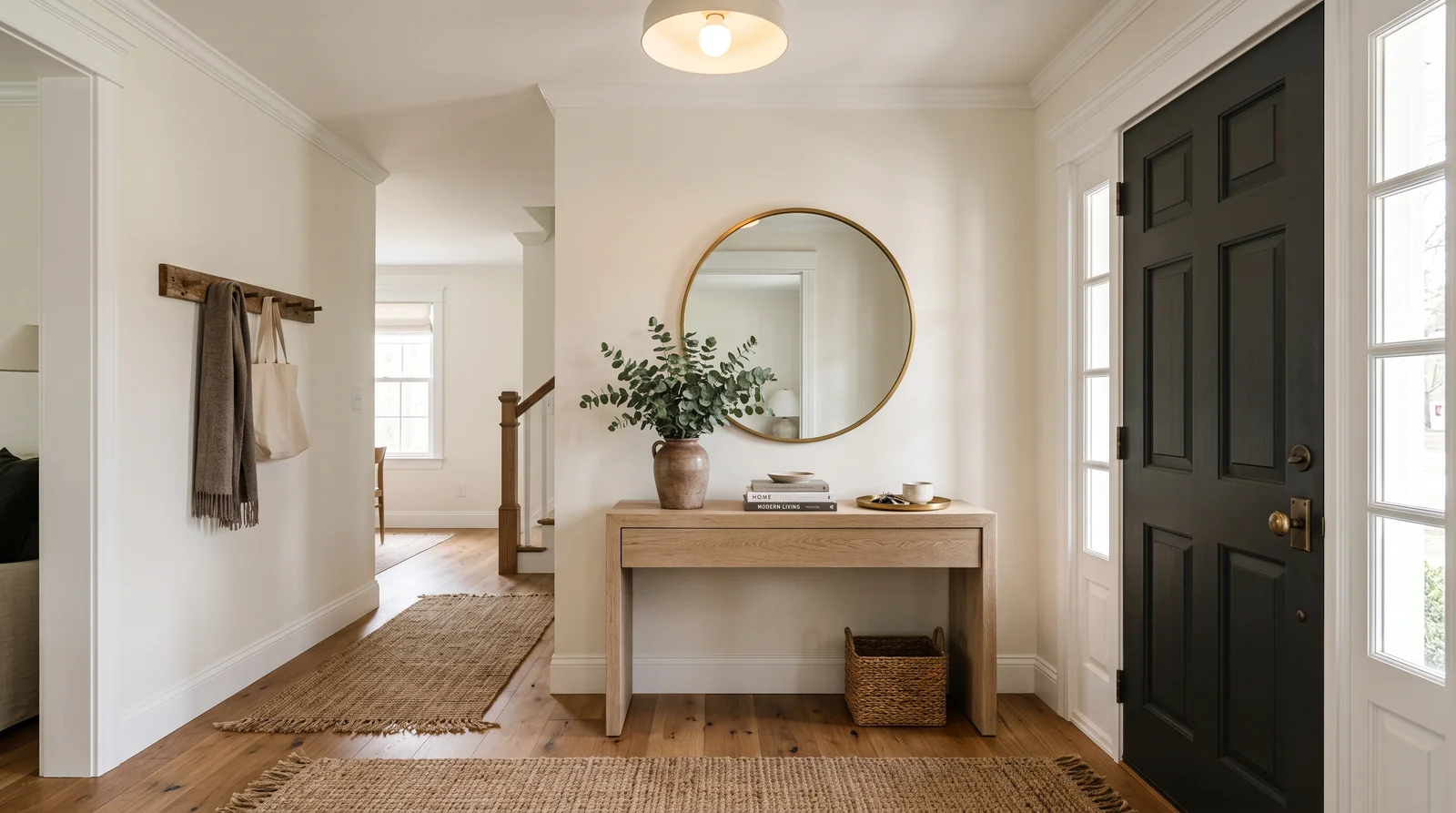
Light grays in the 60 to 84 range suit small rooms, north-facing spaces, and anywhere you want walls to recede. Palace Pearl (CW-650) at 61.8 is bright enough for a bathroom or hallway yet has more presence than a plain white. These tones also work as a quiet backdrop for art and furniture.
Mid grays around 40 to 51, like Pebble Creek (1453) and Piano Concerto (1445), are dependable living room and bedroom colors that still photograph well. Save the darkest grays for accents, islands, built-ins, and rooms you want to feel intimate. Test any gray on the actual wall for a day, since the same color shifts with your light and the floor and trim around it.
Every Benjamin Moore gray, grouped by undertone, warm to cool. Filter by depth or change the order.
Hex values are display approximations from Benjamin Moore's published swatch tools, not a physical sample under controlled lighting. Order a brand-direct sample before specifying.
Upload a photo of the room. We paint it in the gray you chose with your light and your floor, and you can swap colors until one holds.
Benjamin Moore is sold only through independent dealers, not big-box stores, and every color is mixed to order at the counter. You pick the color and the line, and they tint a base to match: ben is the value tier at around $56 a gallon, Regal Select is the mid tier near $75, and Aura is the flagship one-coat at about $95. The code letters tell you the deck: OC is Off-White, HC is Historical Collection, and AF is Affinity, a coordinated designer palette built to work together.
Because these are mixed to order, you can also cross-match. Bring a Benjamin Moore gray to another store and they can color-match it into their own paint, and the same works in reverse from brands like the featured Kompozit deck. A match is read from the color itself, so a fan deck chip or a small painted sample gets you closer than a name alone.
How many gray colors each brand carries, drawn with that deck's own grays from light to dark. Pick your store first, then the color. Every brand equal, no favorites.
Benjamin Moore's off-whites are the natural partners for these grays, and they share the same careful undertone tuning. White Dove (OC-17) is a warm, soft trim white that flatters greige and warmer grays; Chantilly Lace (OC-65) is a cleaner, brighter white that suits cool grays like Glacier Blue (1653). Simply White (OC-117) sits in between for ceilings and trim when you want a touch of warmth without going creamy.
For a darker anchor or a coordinating accent, Hale Navy (HC-154) pairs cleanly with cool and mid grays, while Revere Pewter (HC-172) is itself a warm greige you can layer with lighter members of this family. A simple, safe scheme is a mid gray on the walls, a brighter off-white on the trim, and one deeper gray such as Charcoal Linen (2133-40) for a door or built-in.
Gray Owl (2137-60) — Gray Owl is the gray people land on when true gray felt too cold and greige felt too beige. Wrought Iron and Palladian Blue and Kendall Charcoal round out the short list most people choose from.
Both, and that is the point of this 460-color family. Some lean cool and airy like Glacier Blue (1653), some lean warm greige, and a few drift green like Raintree Green (CC-560). The brand is known for keeping those undertones steady instead of flipping in different light.
In this slice, Icing on the Cake (2049-70) is the lightest at LRV 83.7 and reads almost like a soft off-white. The darkest grays go all the way down to LRV 0, with City Shadow (CSP-60) at 12.6 and Charcoal Linen (2133-40) at 22 sitting in the deep end.
White Dove (OC-17) is a soft warm white that suits greige and warmer grays. Chantilly Lace (OC-65) is cleaner and brighter, which works better with cool grays like Glacier Blue (1653). Simply White (OC-117) is a middle option for trim and ceilings.
Benjamin Moore is sold only through independent dealers, not big-box stores. Every color is mixed to order at the counter, so you choose the color and the paint line and they tint it on the spot.
OC means Off-White, HC means Historical Collection, and AF means Affinity, a coordinated designer palette. Numbers like 1653 or 1445 are colors from the broader Classics and Color Preview decks. The letters just tell you which deck a color belongs to.
Yes. Because paint is mixed to order, most stores can color-match a Benjamin Moore gray into their own line, and the reverse works too, including the featured Kompozit deck. Bring a fan deck chip or a small painted sample for the closest match, since a match reads the color rather than the name.
Ask a Question