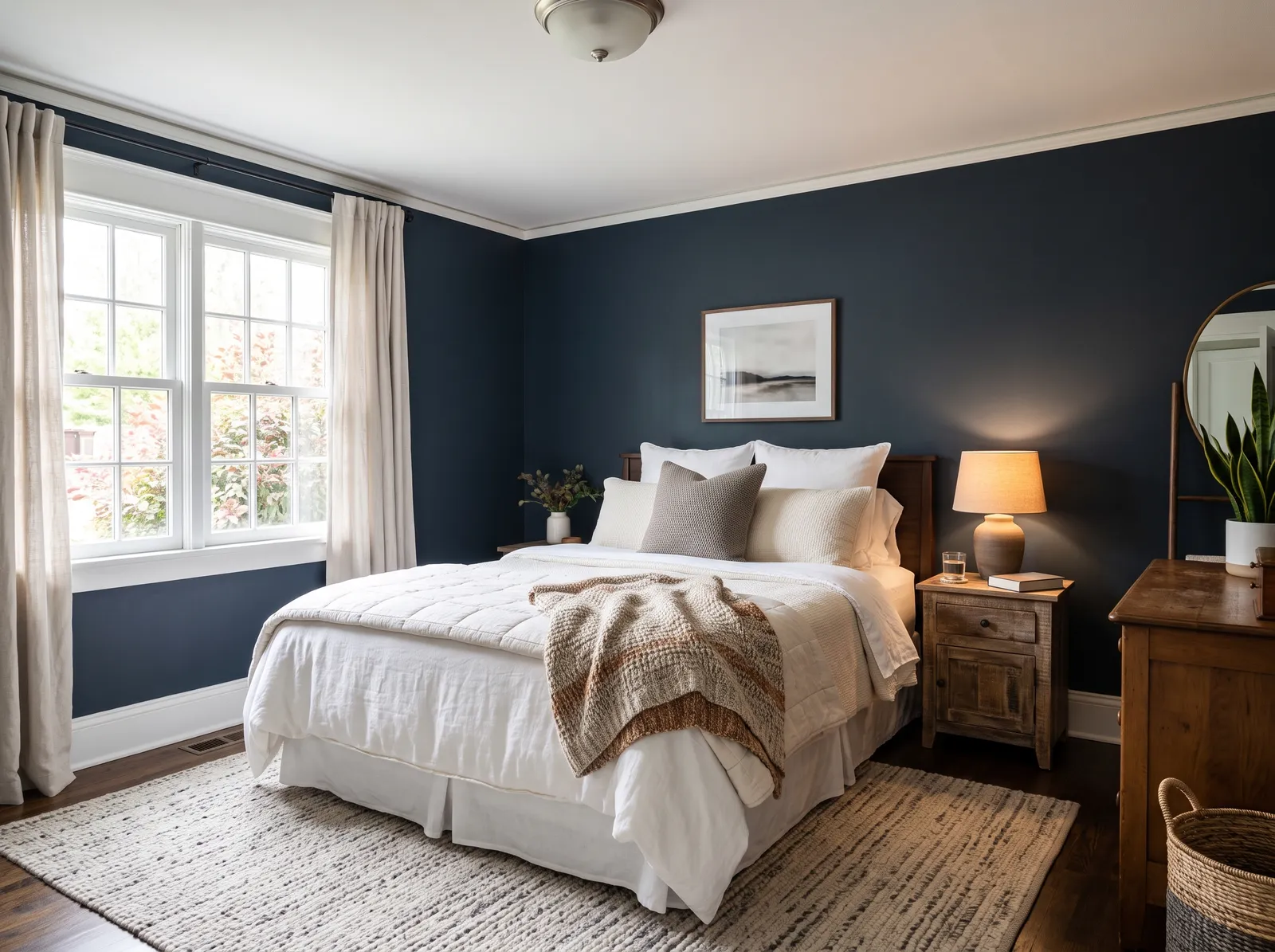
 1
1Hale NavyHC-154 · LRV 8
The benchmark navy for cabinets and front doors; BM's most-searched dark color.
10 curated blues with undertones, LRV, and the honest reasons why, plus the full 225-color blue deck below.
Don't want to compare 225 blues? These four cover most real projects.
Honolulu Blue is a genuinely clear sky blue — no green wash, no gray dilution, just cheerful cyan-blue at a light-but-real LRV 62.
The benchmark navy for cabinets and front doors; BM's most-searched dark color
Blue Note is Benjamin Moore's own answer when a client wants Hale Navy but grayer, sootier, less decorated.
Blue 2066-10 is the rare deep navy that stays blue instead of collapsing into charcoal.
Numbered and curated. Tap any color for its full review, or see it on your own walls in the visualizer.
1The benchmark navy for cabinets and front doors; BM's most-searched dark color.
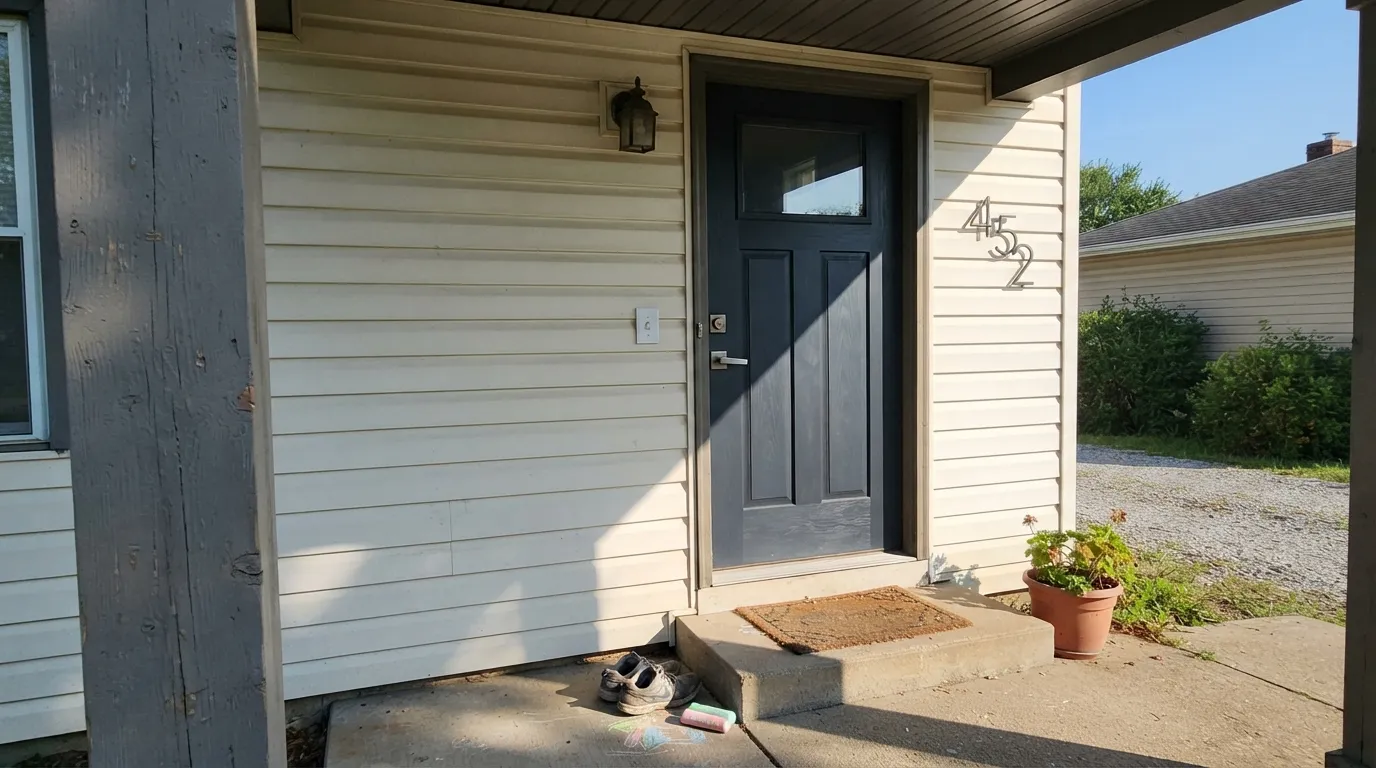 2
2Blue Note is Benjamin Moore's own answer when a client wants Hale Navy but grayer, sootier, less decorated.
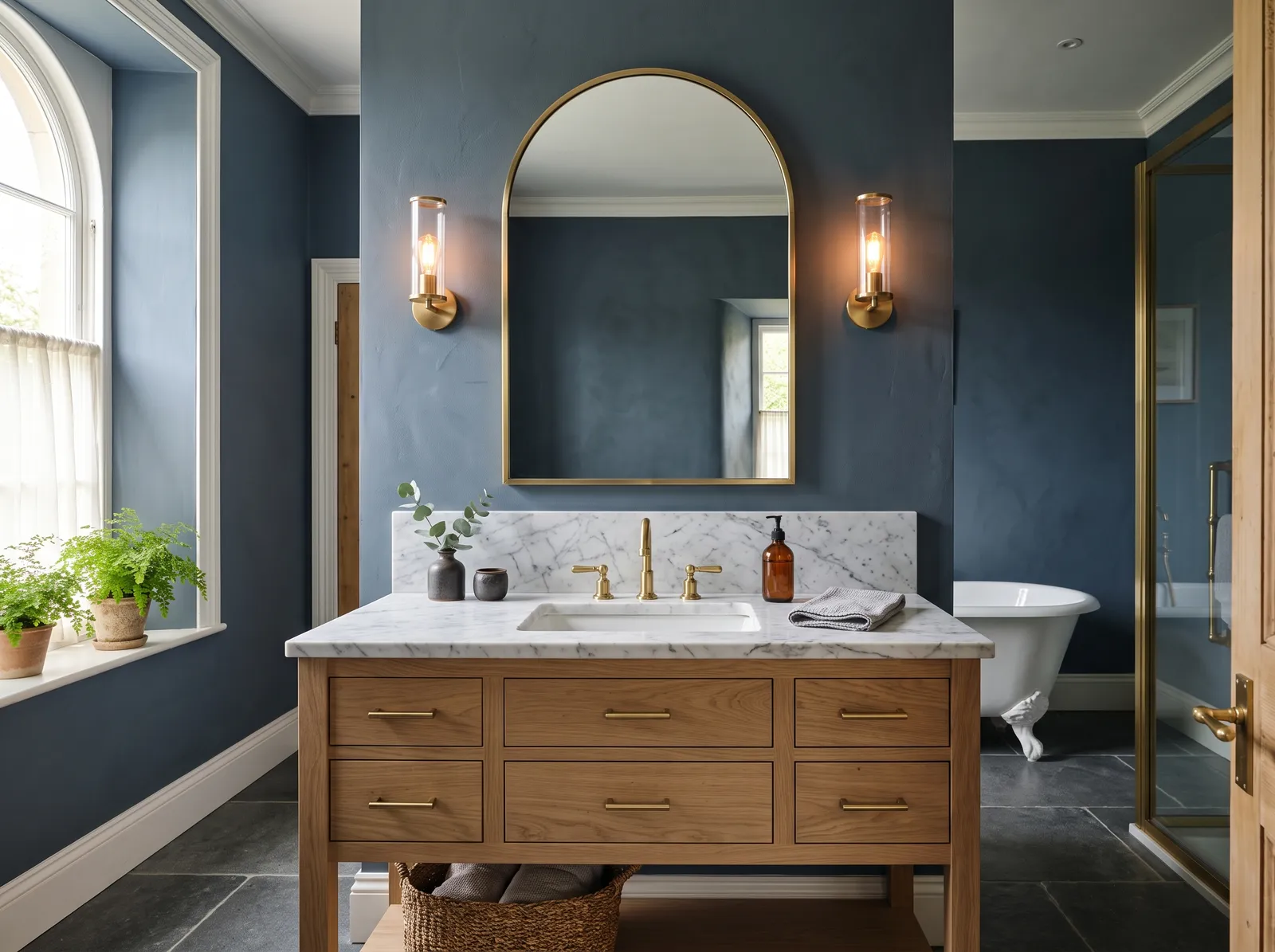 3
3A softer blue-gray navy (LRV 12) than Hale Navy, reading confident blue-gray in good light and nearly black in dim rooms.
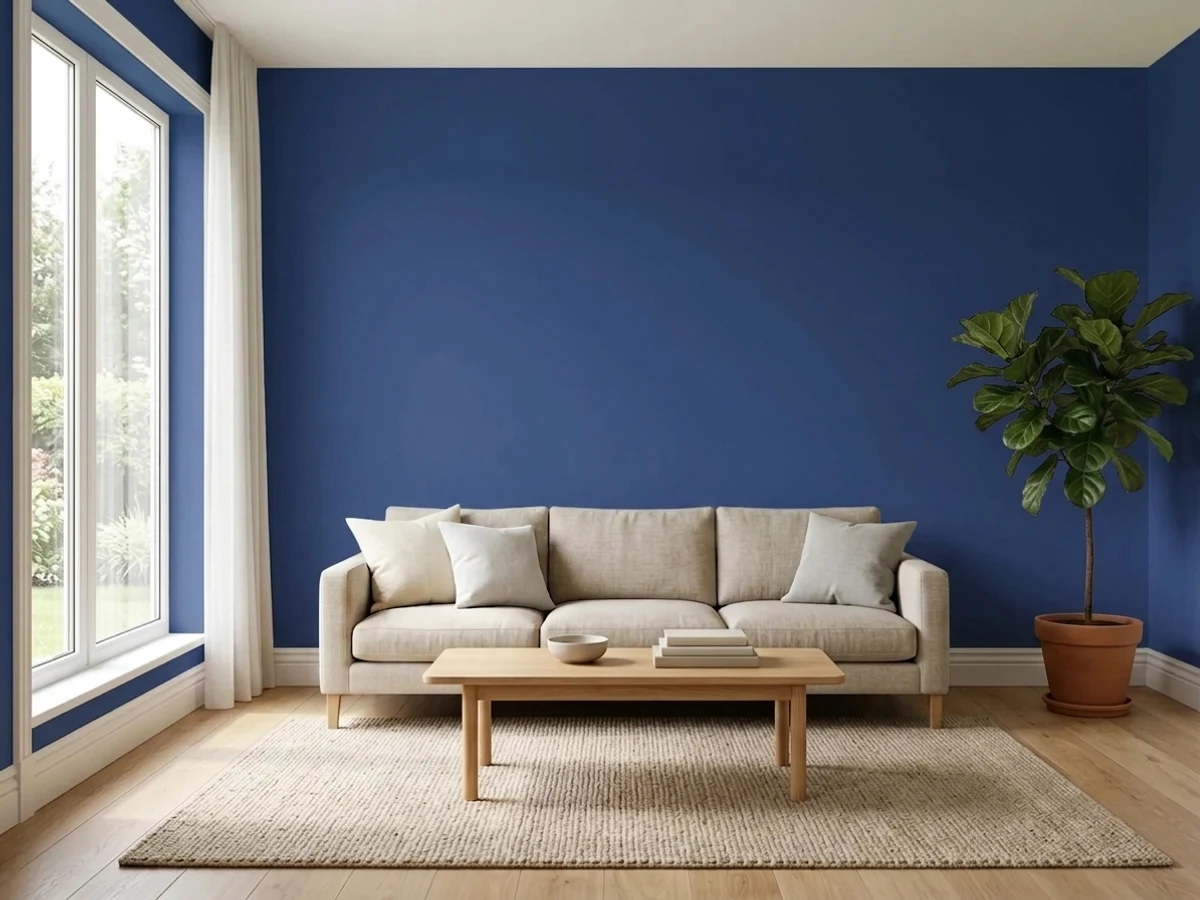 4
4Blue 2066-10 is the rare deep navy that stays blue instead of collapsing into charcoal.
 5
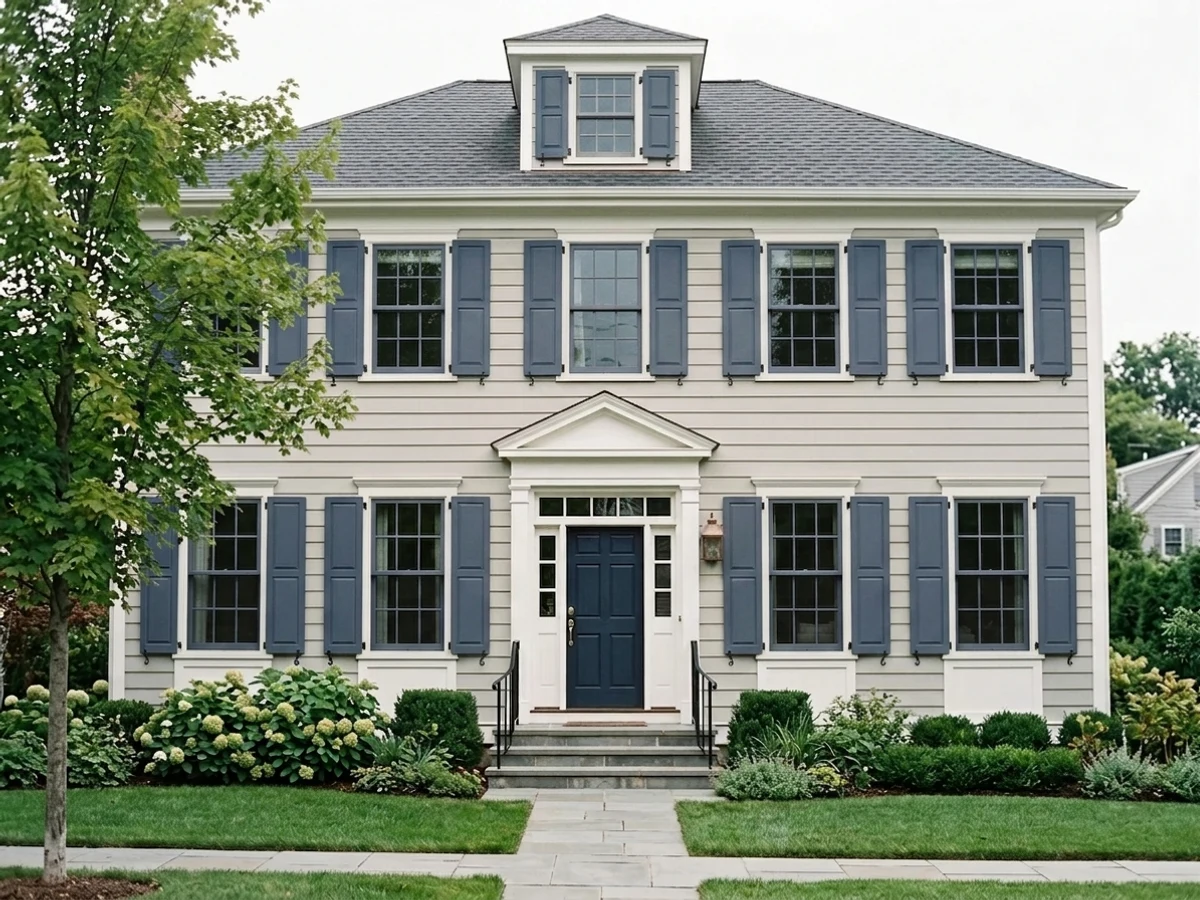
5Kensington Blue is Hale Navy's less-diluted cousin: about the same near-navy depth, more actual blue saturation, less gray mixed in.
 6
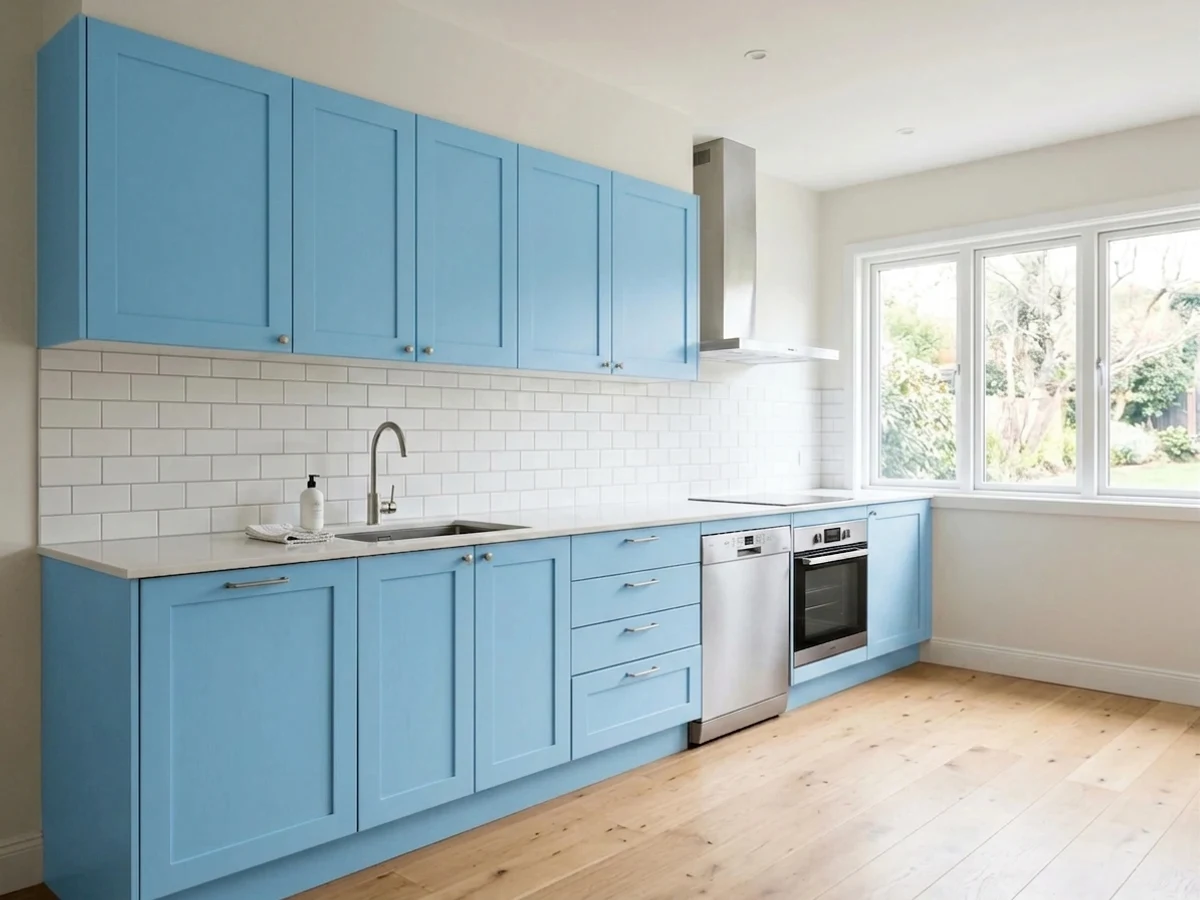
6Honolulu Blue is a genuinely clear sky blue — no green wash, no gray dilution, just cheerful cyan-blue at a light-but-real LRV 62.
 7
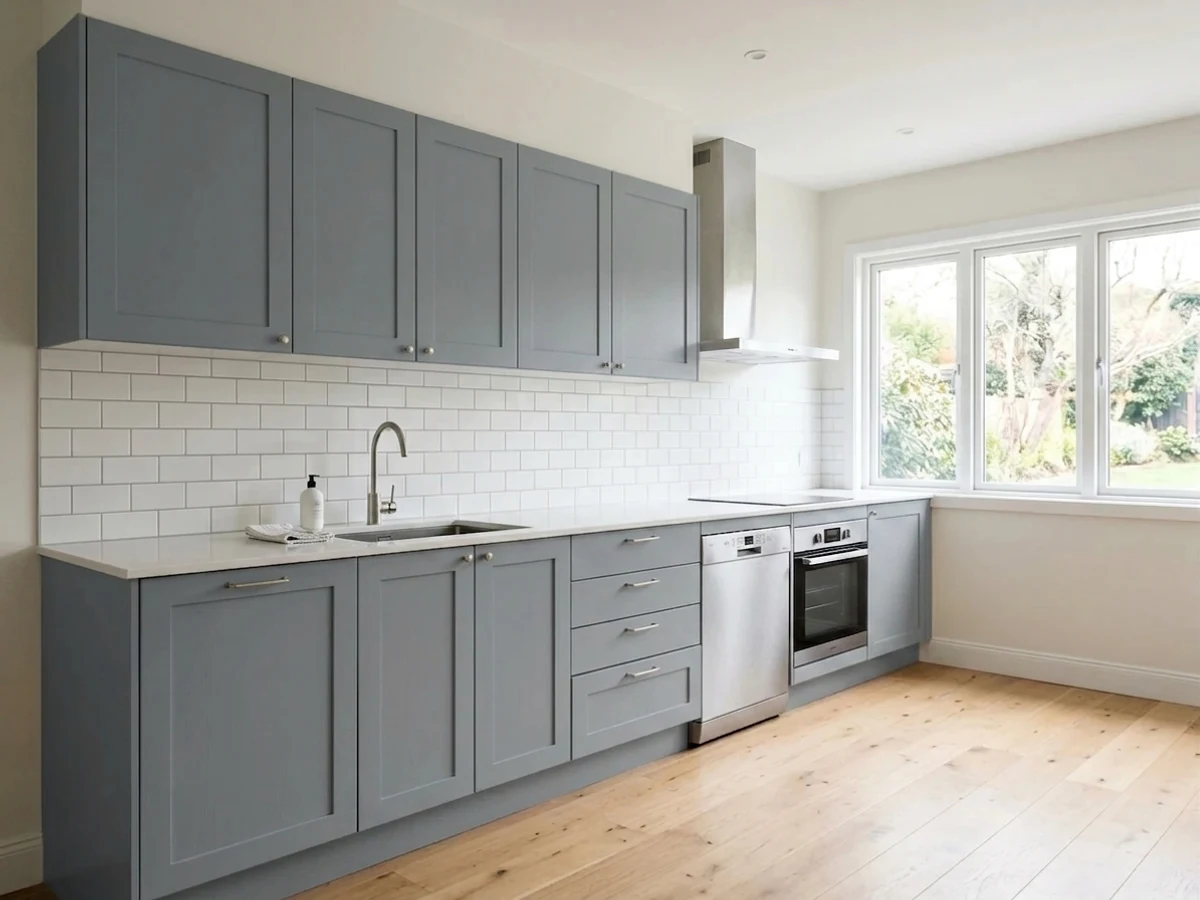
7Wolf Gray is not a greige wearing a gray name — it is a real blue-gray, and at LRV 21 it has enough depth to prove it on every wall.
 8
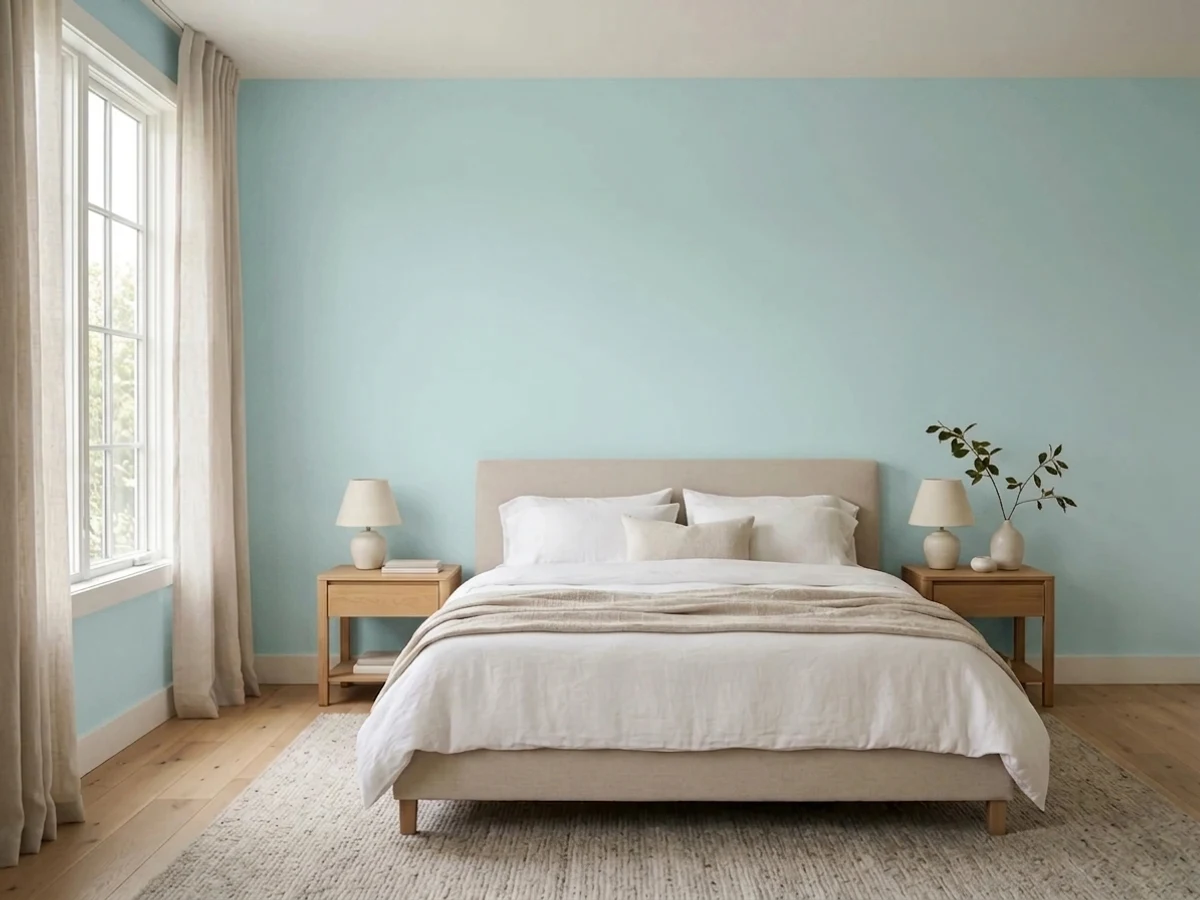
8Blue Hydrangea is a clean, cheerful powder blue that never chickens out.
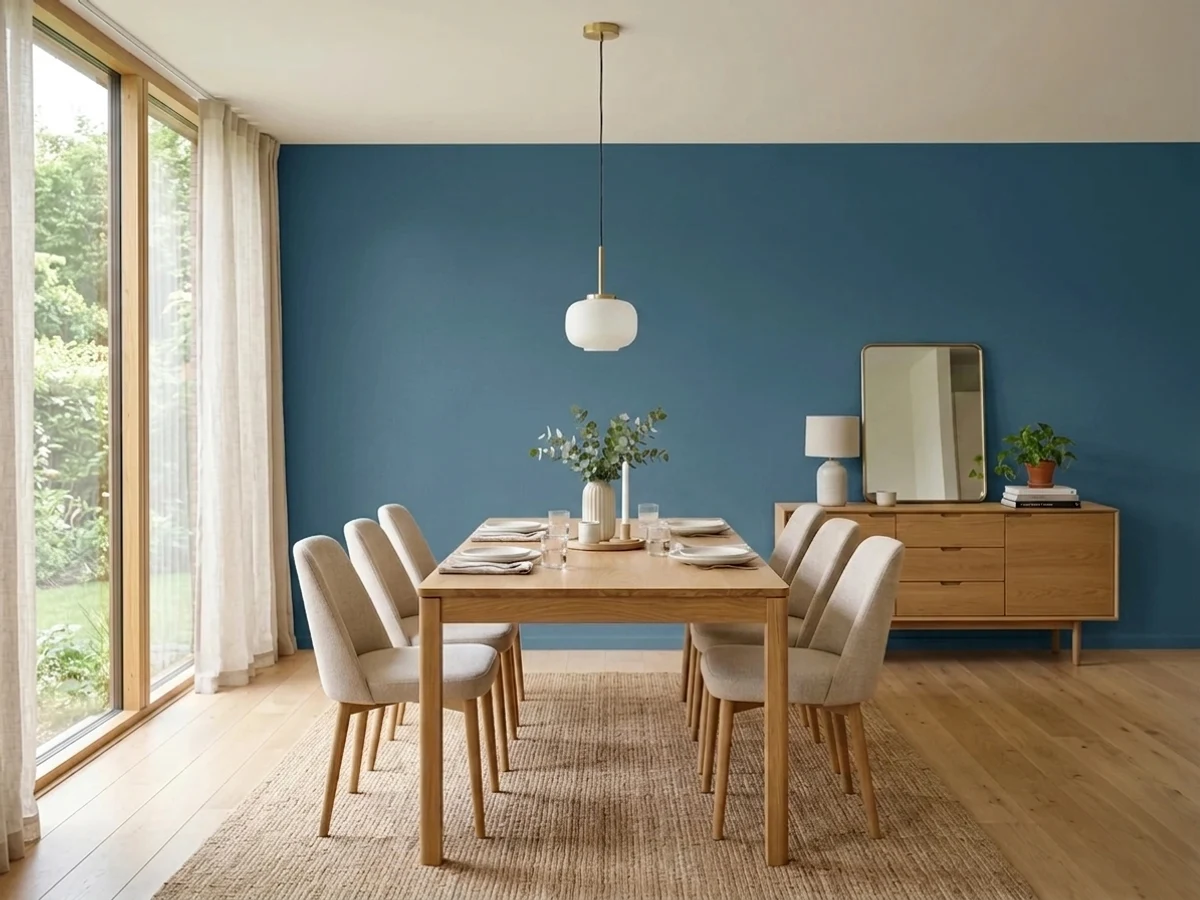 9
9Blue Danube is a deep blue standing on the green side of the family, and that one fact decides whether you love it.
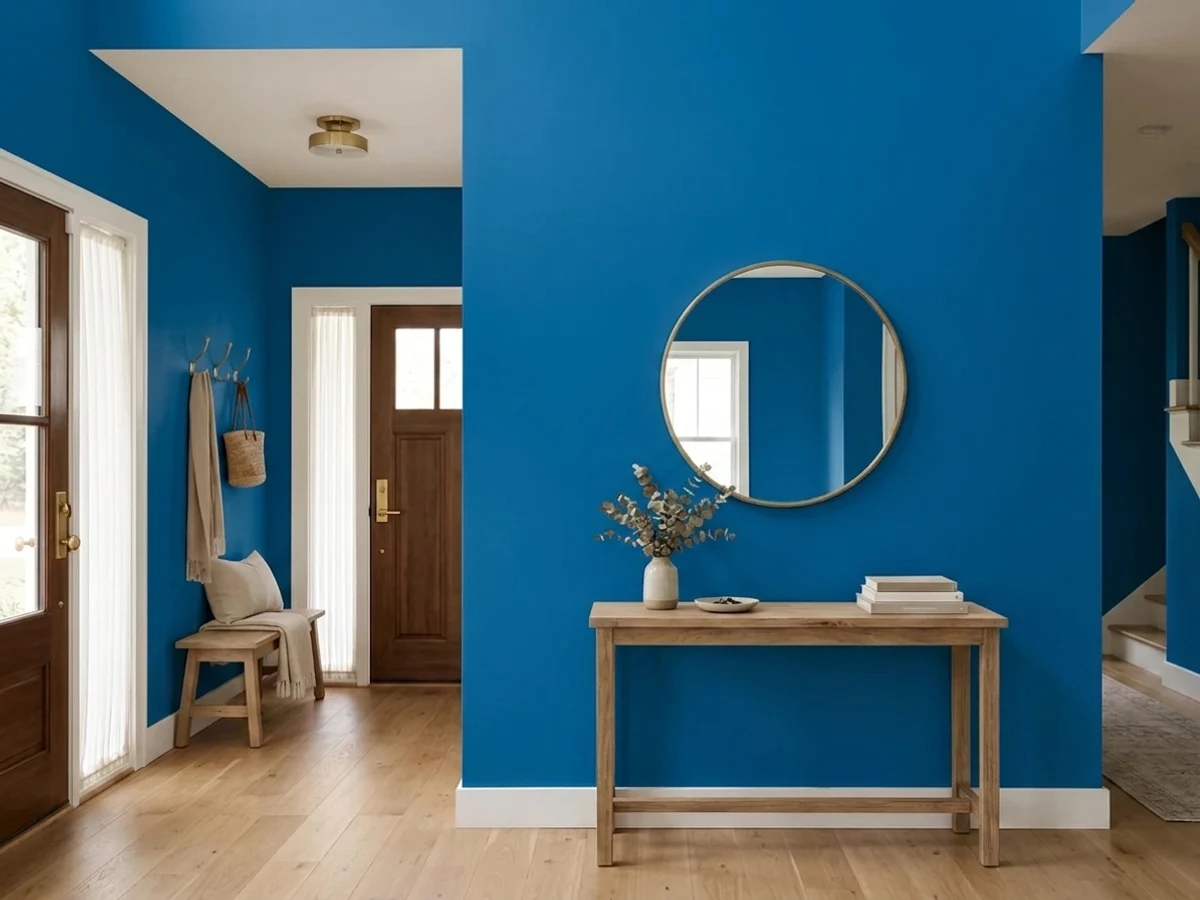 10
10Brilliant Blue is not a navy and never pretends to be.
The whole Benjamin Moore blue range by depth. LRV is the number to trust: the same blue looks two steps darker on a wall than on a chip.
LRV is the light reflectance value, a 0-to-100 number that tells you how light or dark a color looks on the wall. This blue slice runs from Hudson Bay (1680) at LRV 8.1 all the way up to Bashful Blue (2065-70) at LRV 74, so you have everything from near-navy to barely-there sky. Higher numbers bounce more light around a room; lower numbers soak it up and feel heavier.
For walls in an average room, the comfortable middle is roughly LRV 45 to 65, where colors like Crisp Morning Air (780) at 58 and Blue Marguerite (2063-50) at 47 sit. If you want drama or a moody accent wall, drop into Blue Lapis (2067-40) at 27 or Big Country Blue (2066-30) at 12.7. Save the darkest, like Hudson Bay, for spaces with good light or for cabinets, doors, and trim where a little goes a long way.
Stuck between two? These head-to-heads settle the ones people actually can't pick between.
Each room page shows blue picks from every US brand side by side, so you can compare in context.
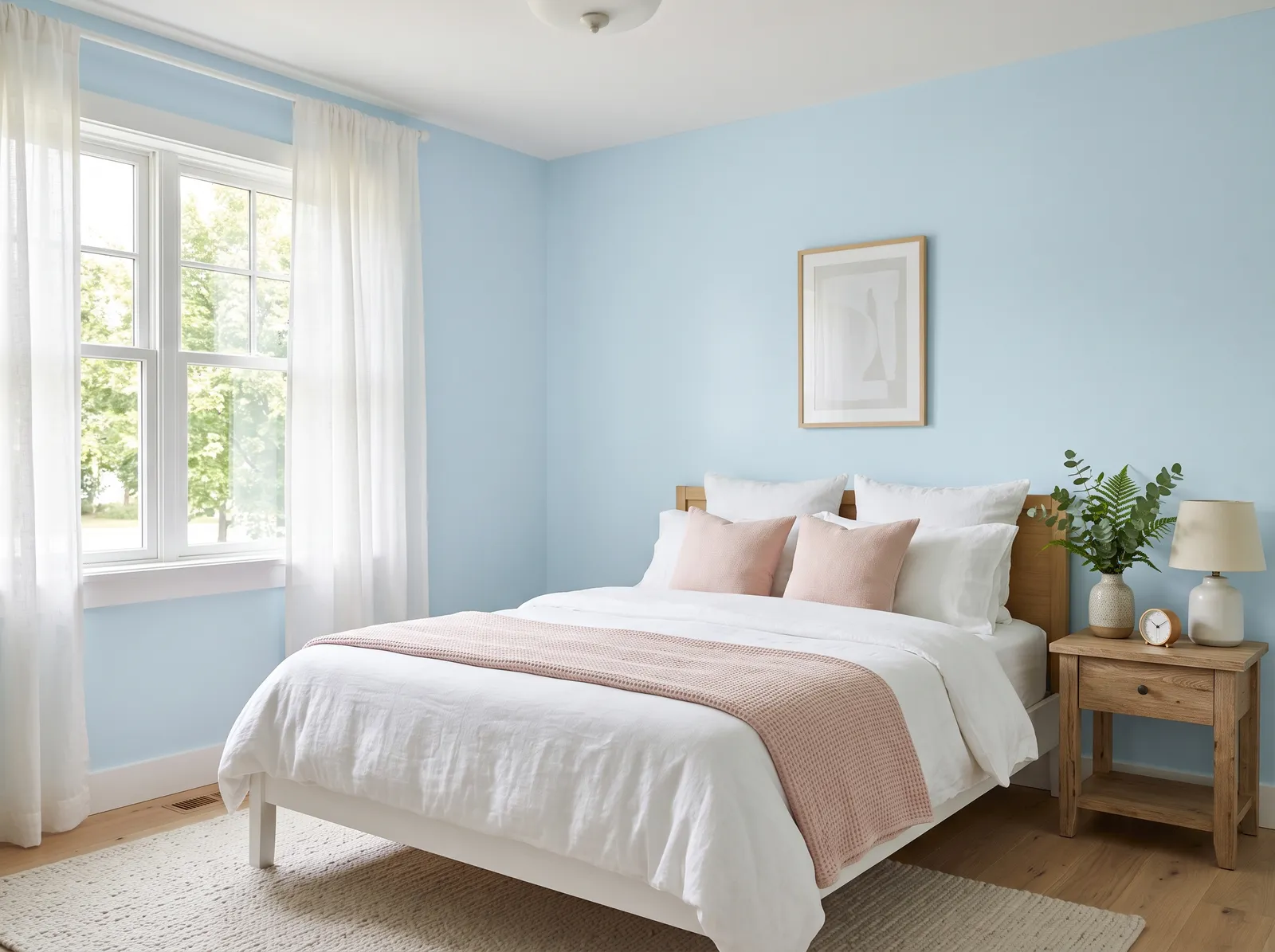
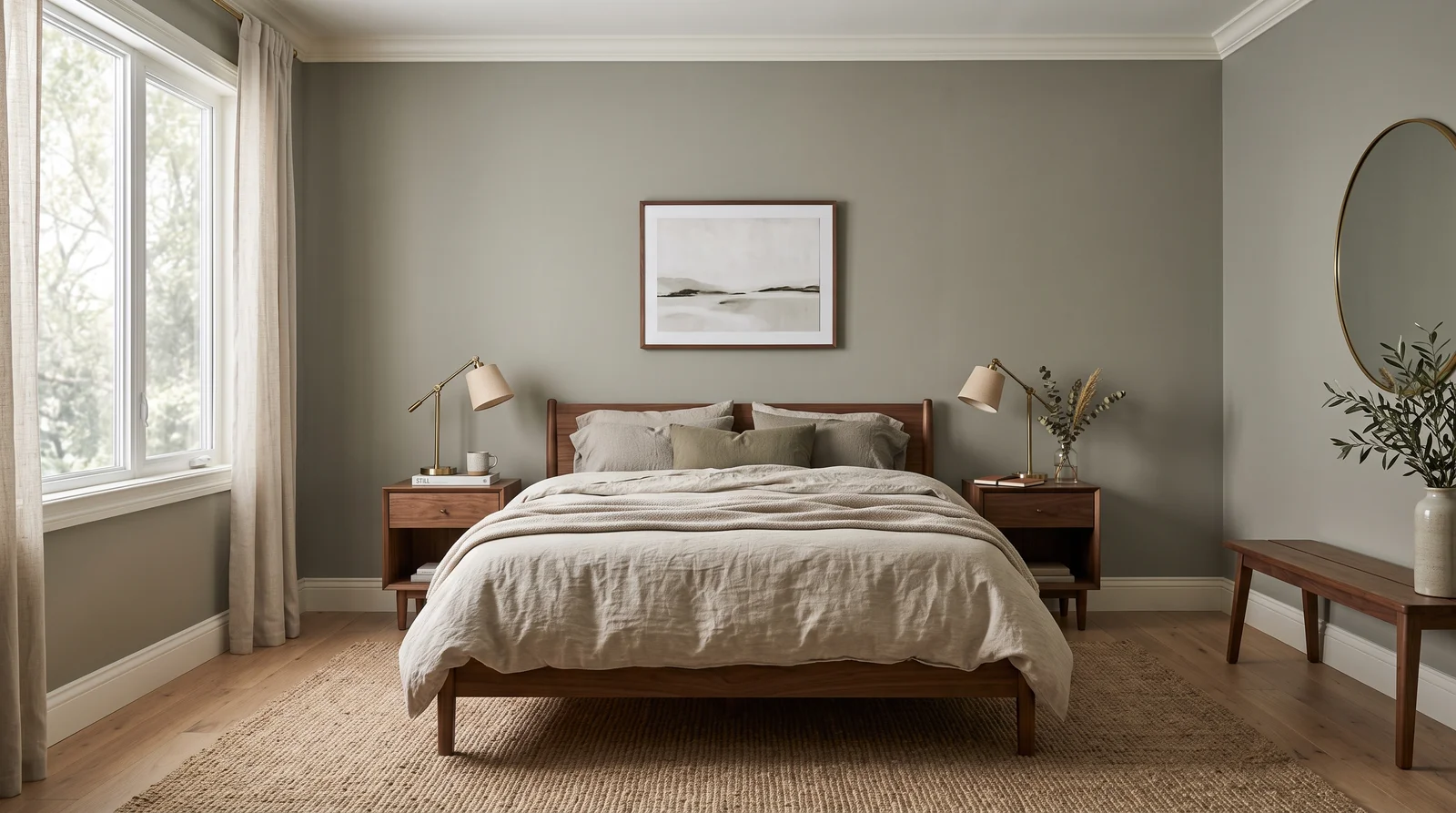
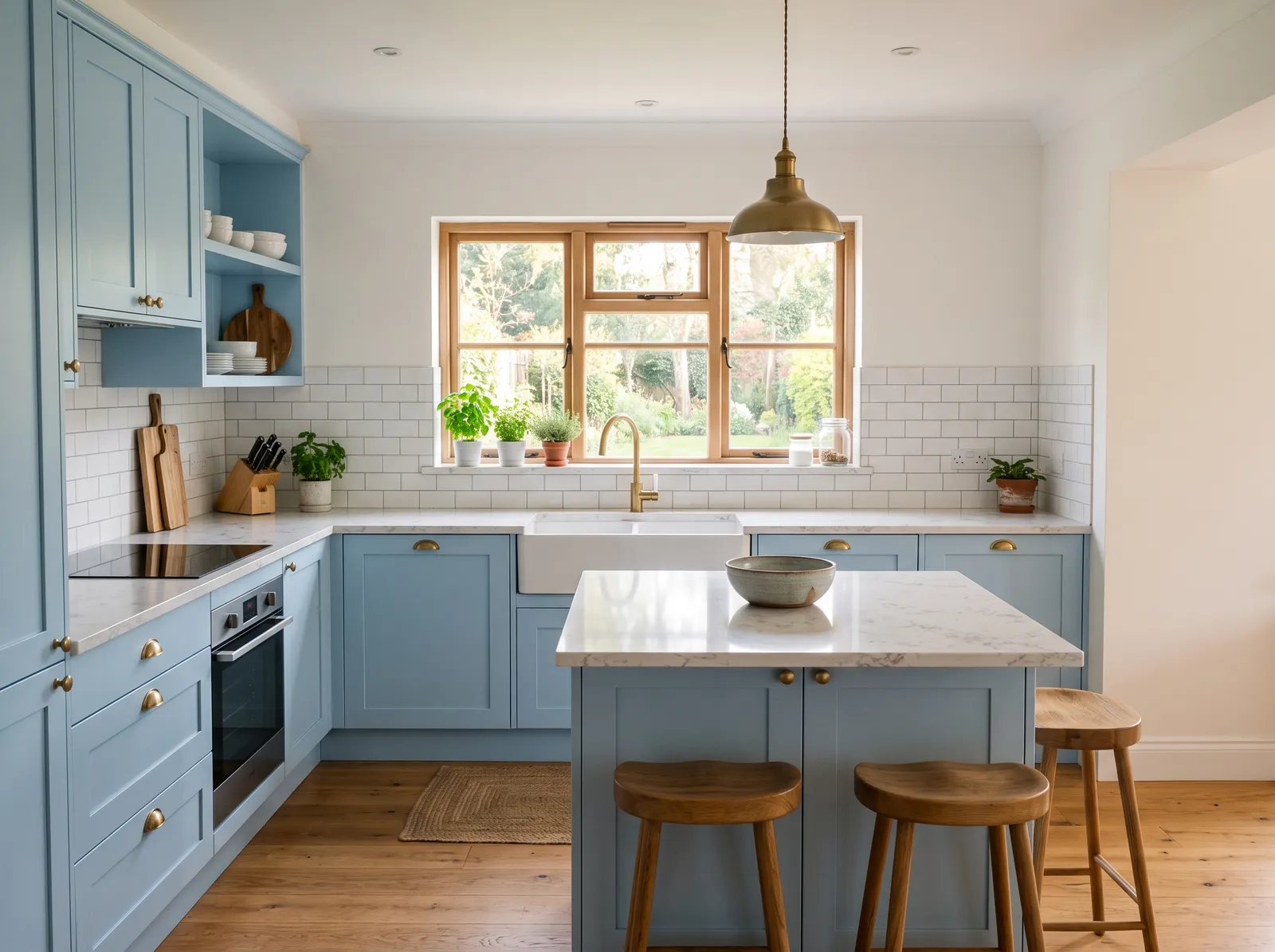
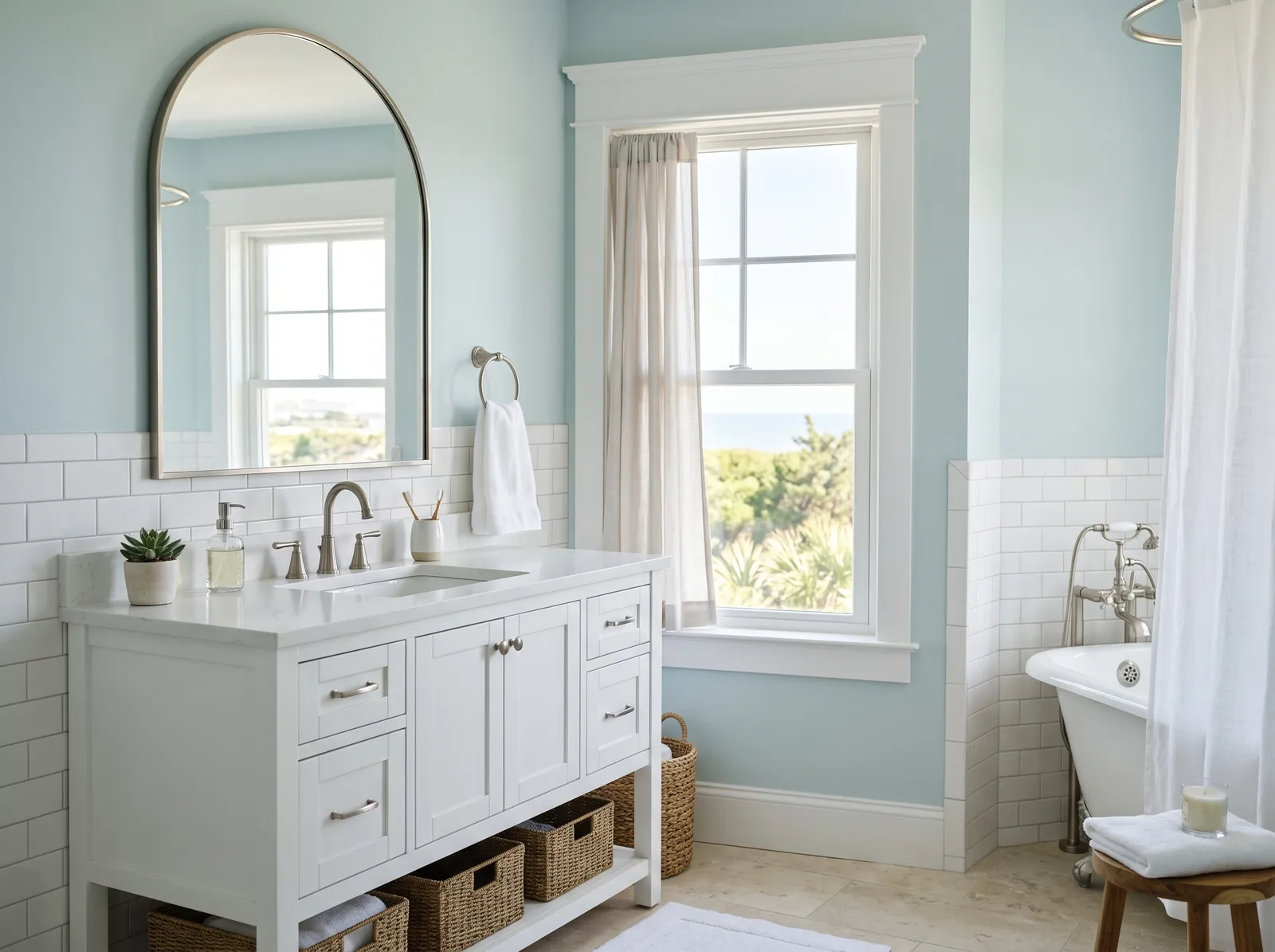
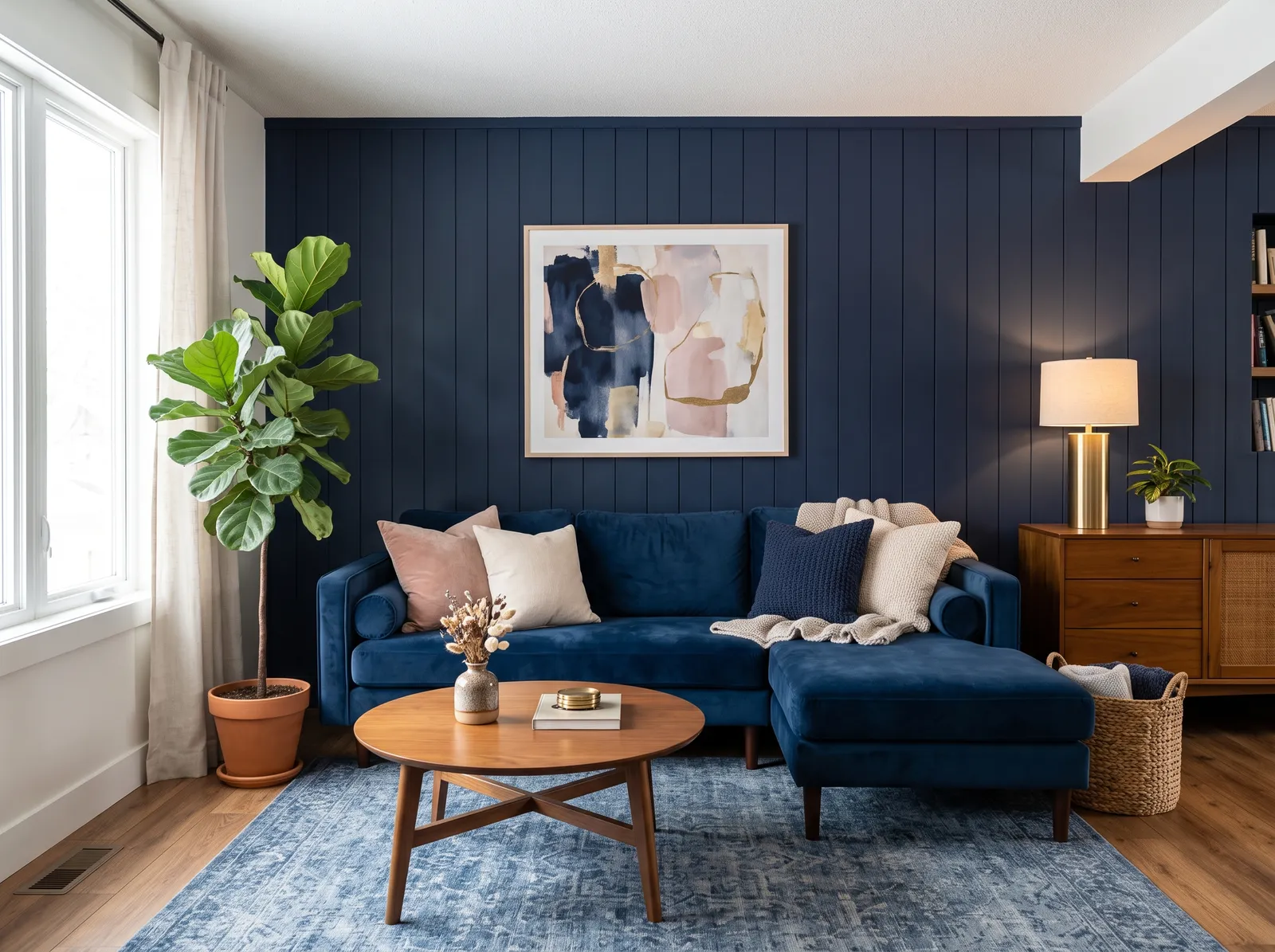
Light blues earn their keep in bedrooms and bathrooms, where a high-LRV color like Bashful Blue (2065-70) keeps the space feeling calm and open. Mid-tones such as Crisp Morning Air (780) and Blue Marguerite (2063-50) work well in living rooms and home offices that get steady daylight, since they have enough color to feel intentional without darkening the room.
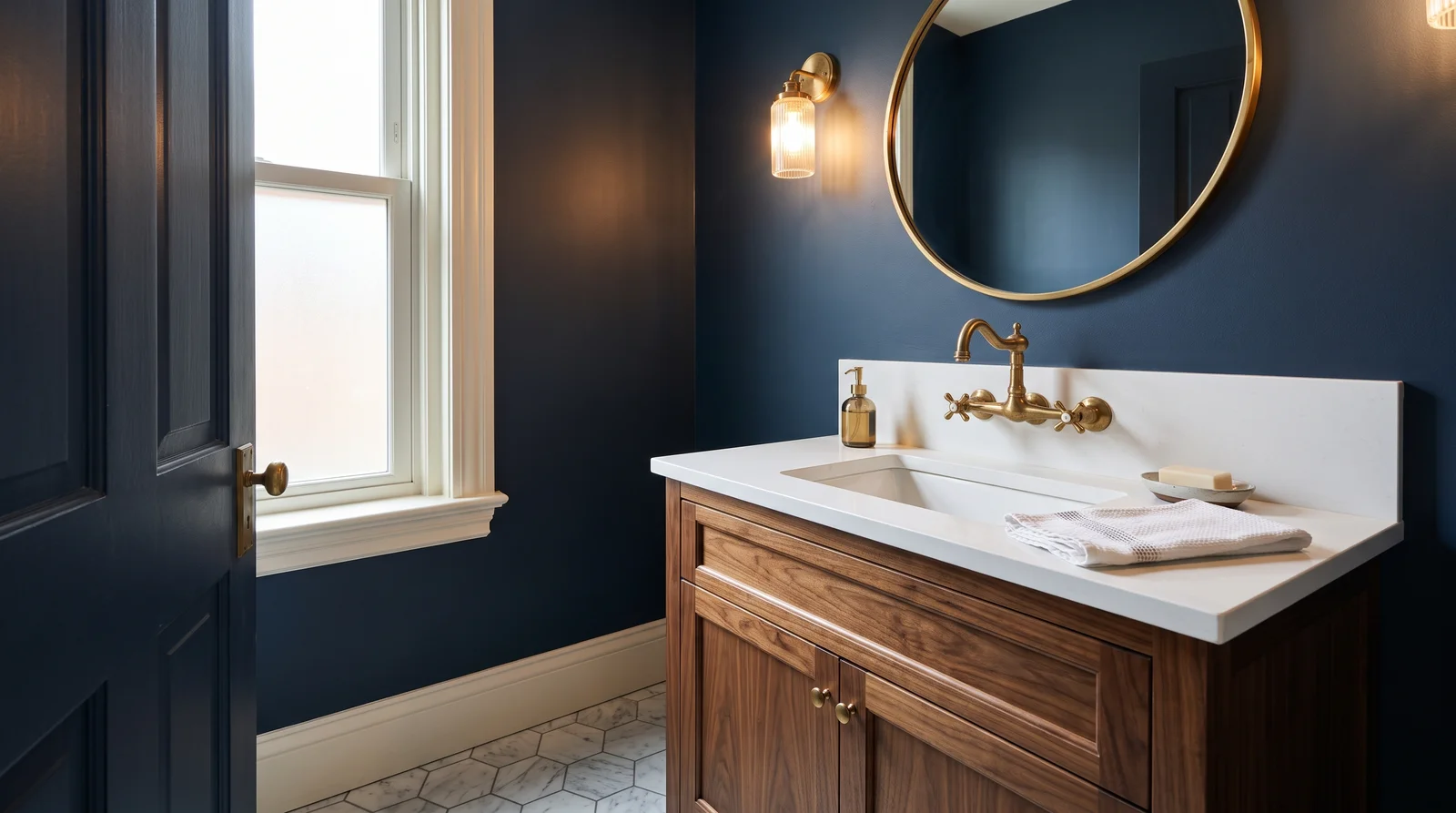
The deeper blues are where this brand shines on built-ins. Big Country Blue (2066-30) and Hudson Bay (1680) look rich on kitchen islands, lower cabinets, a front door, or a study with cozy ambitions. In a small or low-light room, a dark blue can feel like a hug, but test it large before you decide.
Every Benjamin Moore blue, grouped by undertone, warm to cool. Filter by depth or change the order.
Hex values are display approximations from Benjamin Moore's published swatch tools, not a physical sample under controlled lighting. Order a brand-direct sample before specifying.
Upload a photo of the room. We paint it in the blue you chose with your light and your floor, and you can swap colors until one holds.
Benjamin Moore is sold only through independent dealers, not big-box stores, and every color is mixed to order at the counter. You pick the shade, choose a line, and they tint a base for you on the spot, so the swatch you see becomes a real, buyable can. The lines run good to best: ben (around $56 a gallon), Regal Select (around $75), and Aura (around $95), the flagship that often covers in one coat.
The codes help you navigate: OC means Off-White, HC means Historical Collection (heritage shades like Philipsburg Blue HC-159), and AF means Affinity, a curated palette built to coordinate easily. If you already love a blue from another brand, any Benjamin Moore dealer can color-match it into one of these lines, and the same works in reverse, including matching to or from the featured Kompozit deck. Bring a chip or the color name and they will mix the closest equivalent into the base and finish you want.
How many blue colors each brand carries, drawn with that deck's own blues from light to dark. Pick your store first, then the color. Every brand equal, no favorites.
Benjamin Moore is the brand designers reach for when they want a blue that behaves. Across the 204 colors in this blue family, the appeal is the same thing that made the brand's off-whites famous: nuanced, predictable undertones. A soft sky like Bashful Blue (2065-70) reads clean and airy, while Pressed Violet (CSP-520) leans gently lavender and Hudson Bay (1680) goes deep and almost inky.
That range means you can find a true blue, a gray-blue, or a violet-blue without the color shifting on you once it dries. Philipsburg Blue (HC-159) is a good example of the kind of grounded, heritage blue this brand is known for. The undertones are the point, so it pays to look at each color in your own light before you commit.
Benjamin Moore's blues pair naturally with the brand's signature off-whites. For crisp contrast on trim and ceilings, Chantilly Lace (OC-65) or Simply White (OC-117) keep things bright, while White Dove (OC-17) gives a softer, warmer edge that flatters a violet-leaning blue like Pressed Violet (CSP-520).
For a deeper, more tailored look, lean on the brand's neutrals. Revere Pewter (HC-172) is a reliable greige that bridges a mid-blue and warm wood tones, and a navy-adjacent blue like Hudson Bay (1680) sits comfortably next to Hale Navy (HC-154) for a layered, monochrome scheme. As a rule, pull your trim from the OC off-whites and let the blue stay the star.
Hale Navy (HC-154) — The benchmark navy for cabinets and front doors; BM's most-searched dark color. Honolulu Blue and Blue Note and Blue round out the short list most people choose from.
This blue family slice has 204 colors, ranging from a deep, near-navy Hudson Bay (1680) up to the soft, airy Bashful Blue (2065-70). That gives you true blues, gray-blues, and violet-blues to choose from within one brand.
LRV is light reflectance value, a 0-to-100 scale for how light or dark a color looks on the wall. In this slice it runs from 8.1 (Hudson Bay) to 74 (Bashful Blue); higher numbers feel lighter and more open, lower numbers feel deeper and moodier. For most walls, aim for roughly 45 to 65.
Pull your trim from the brand's off-whites. Chantilly Lace (OC-65) or Simply White (OC-117) give crisp, bright contrast, while White Dove (OC-17) is softer and warmer and flatters a violet-leaning blue like Pressed Violet (CSP-520).
Only through independent Benjamin Moore dealers, not big-box stores. Every color is mixed to order at the counter, so you choose the shade and the line and they tint a real can for you on the spot.
The lines go good to best: ben (around $56 a gallon), Regal Select (around $75), and Aura (around $95). Aura is the flagship and often covers in one coat, which can be worth it for deeper blues like Big Country Blue (2066-30) or Hudson Bay (1680).
Yes. Any Benjamin Moore dealer can color-match a blue from another US brand, including the Kompozit deck, into ben, Regal Select, or Aura, and it works in reverse too. Bring a chip or the exact color name and they will mix the closest equivalent into the base and finish you want.
Ask a Question