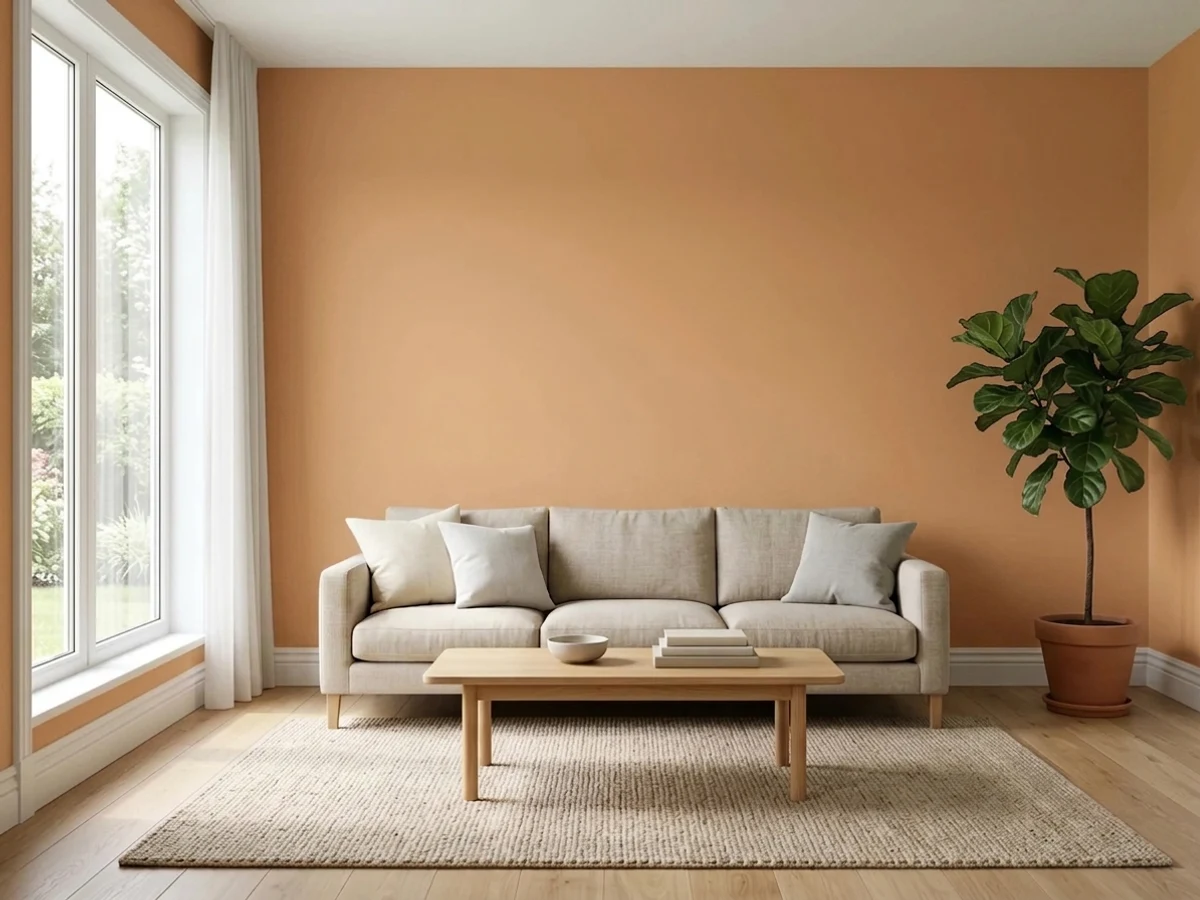
 1
1Soft Pumpkin2166-40 · LRV 42
Soft Pumpkin is orange with the volume turned down: a medium apricot with a creamy softness that keeps it from ever reading neon.
10 curated oranges with undertones, LRV, and the honest reasons why, plus the full 225-color orange deck below.
Don't want to compare 225 oranges? These four cover most real projects.
Soft Pumpkin is orange with the volume turned down: a medium apricot with a creamy softness that keeps it from ever reading neon.
On BM's own most-popular orange list — a rosy terracotta between clay and brick.
The literal rust orange people search for — burnt, earthy, ready for a west-facing accent wall.
A soft baked-adobe orange with a real search following — desert warmth at mid LRV.
Numbered and curated. Tap any color for its full review, or see it on your own walls in the visualizer.
1Soft Pumpkin is orange with the volume turned down: a medium apricot with a creamy softness that keeps it from ever reading neon.
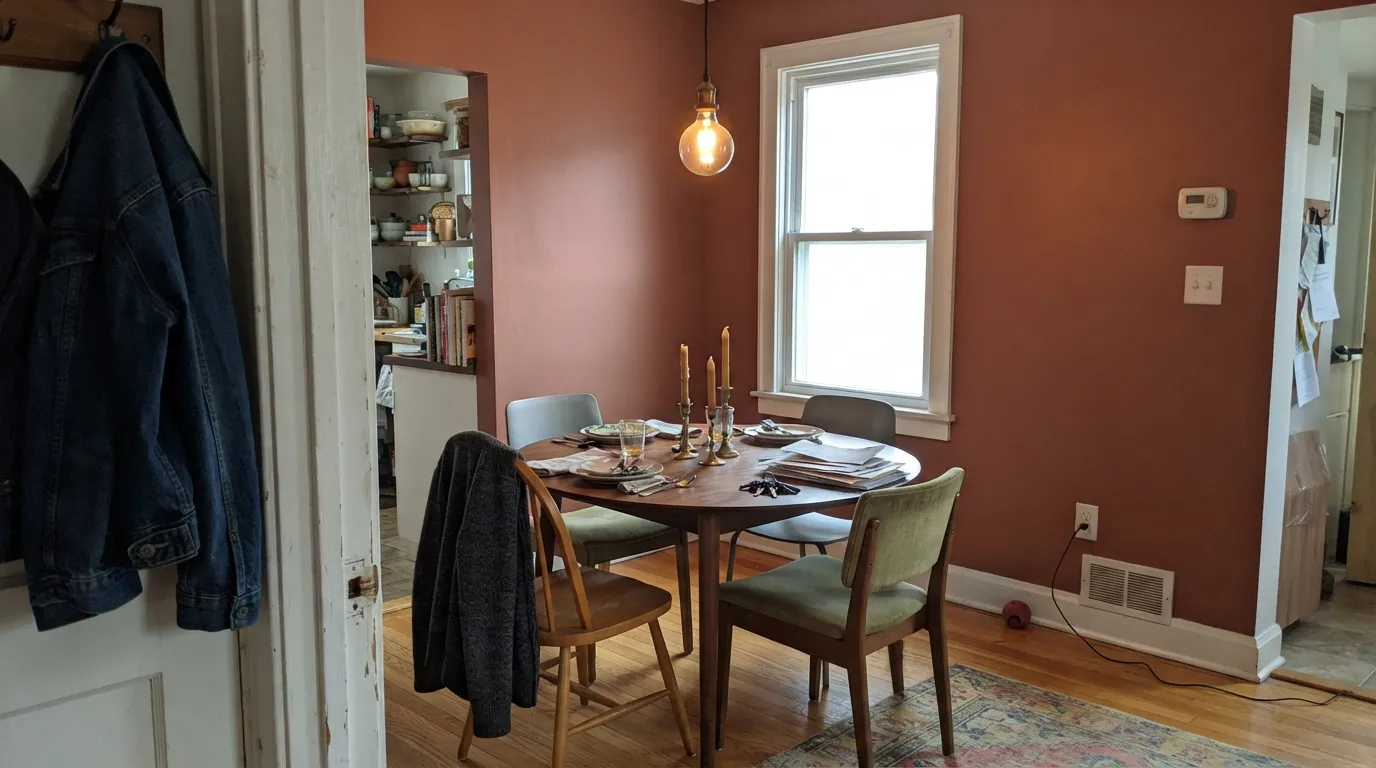 2
2On BM's own most-popular orange list — a rosy terracotta between clay and brick.
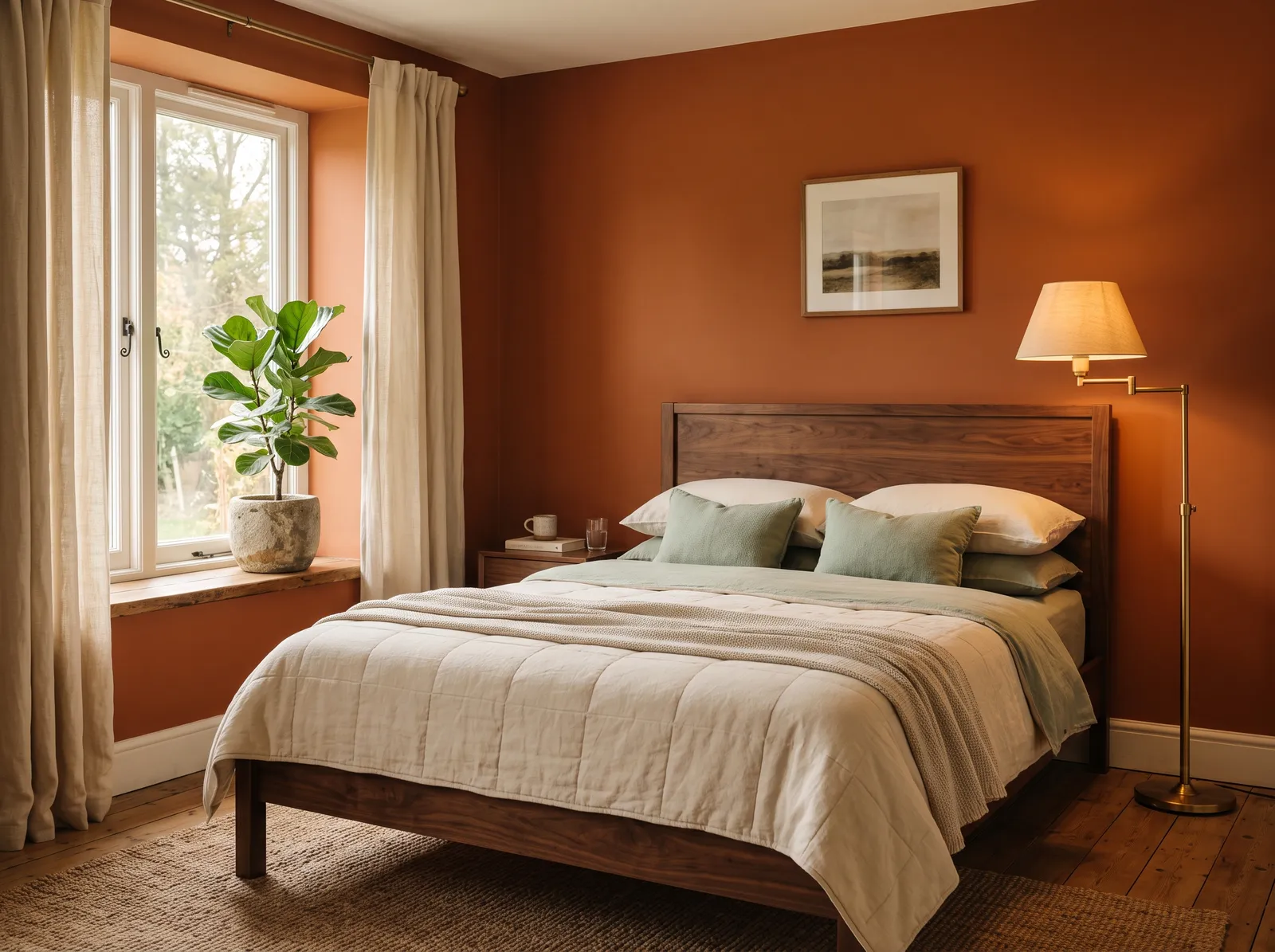 3
3The literal rust orange people search for — burnt, earthy, ready for a west-facing accent wall.
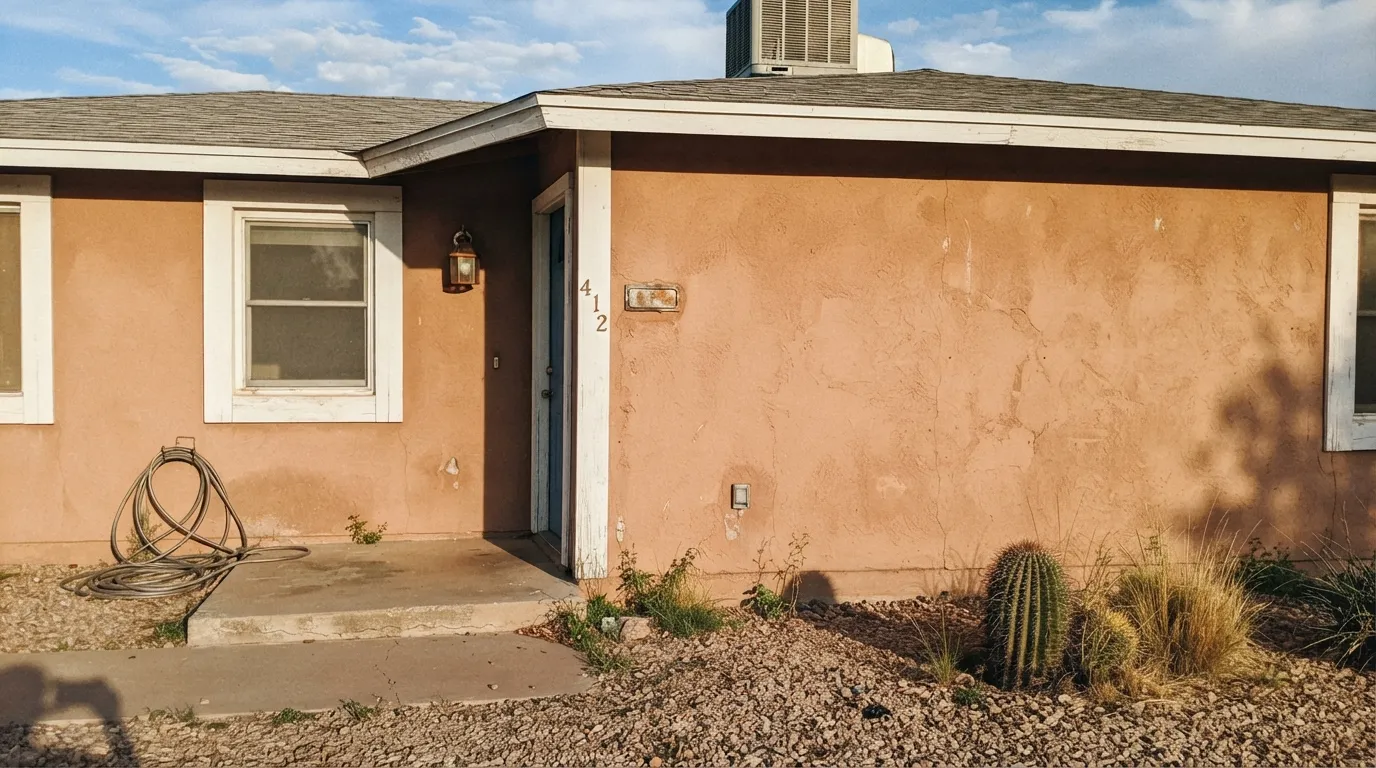 4
4A soft baked-adobe orange with a real search following — desert warmth at mid LRV.
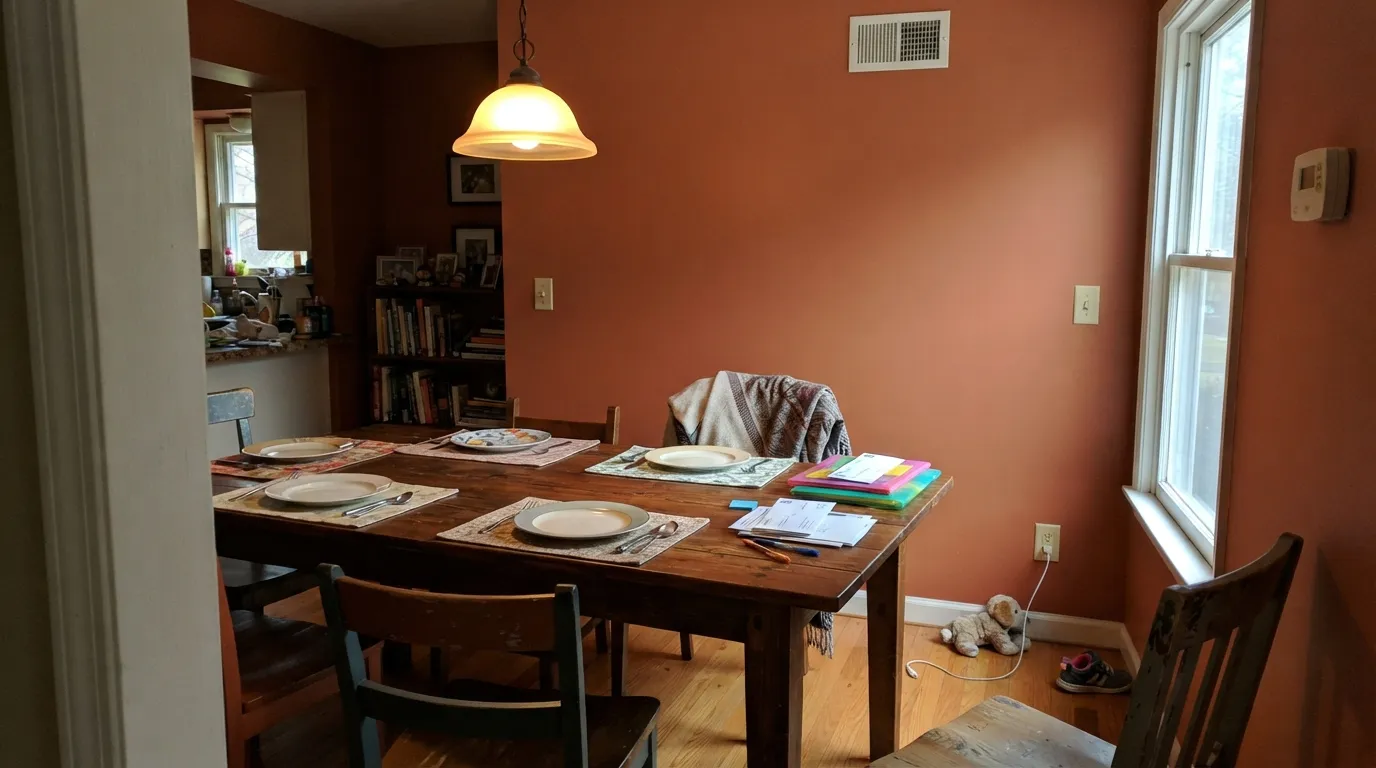 5
5A Tuscan clay-orange from the Affinity line that buyers seek out for dining rooms.
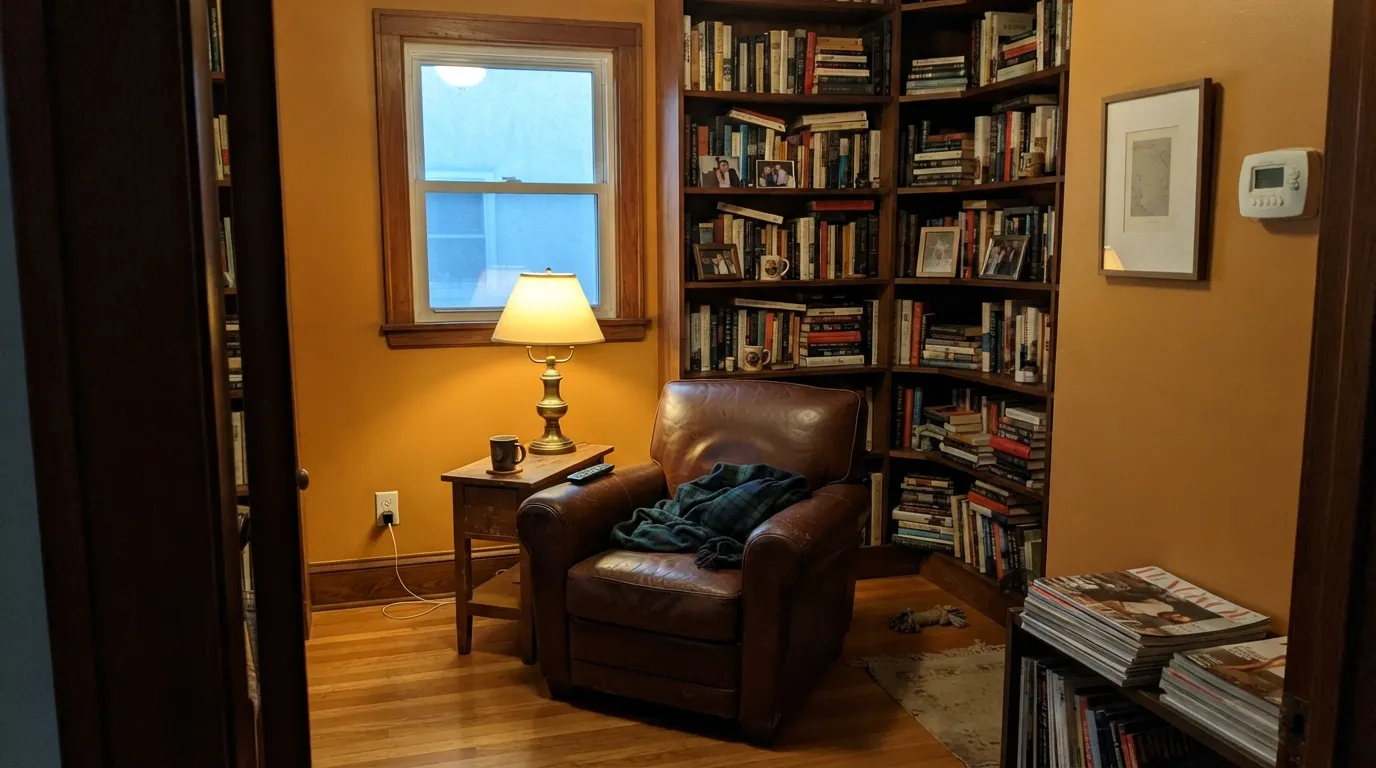 6
6BM's own popular pick for a burnished amber-orange — antique warmth for studies.
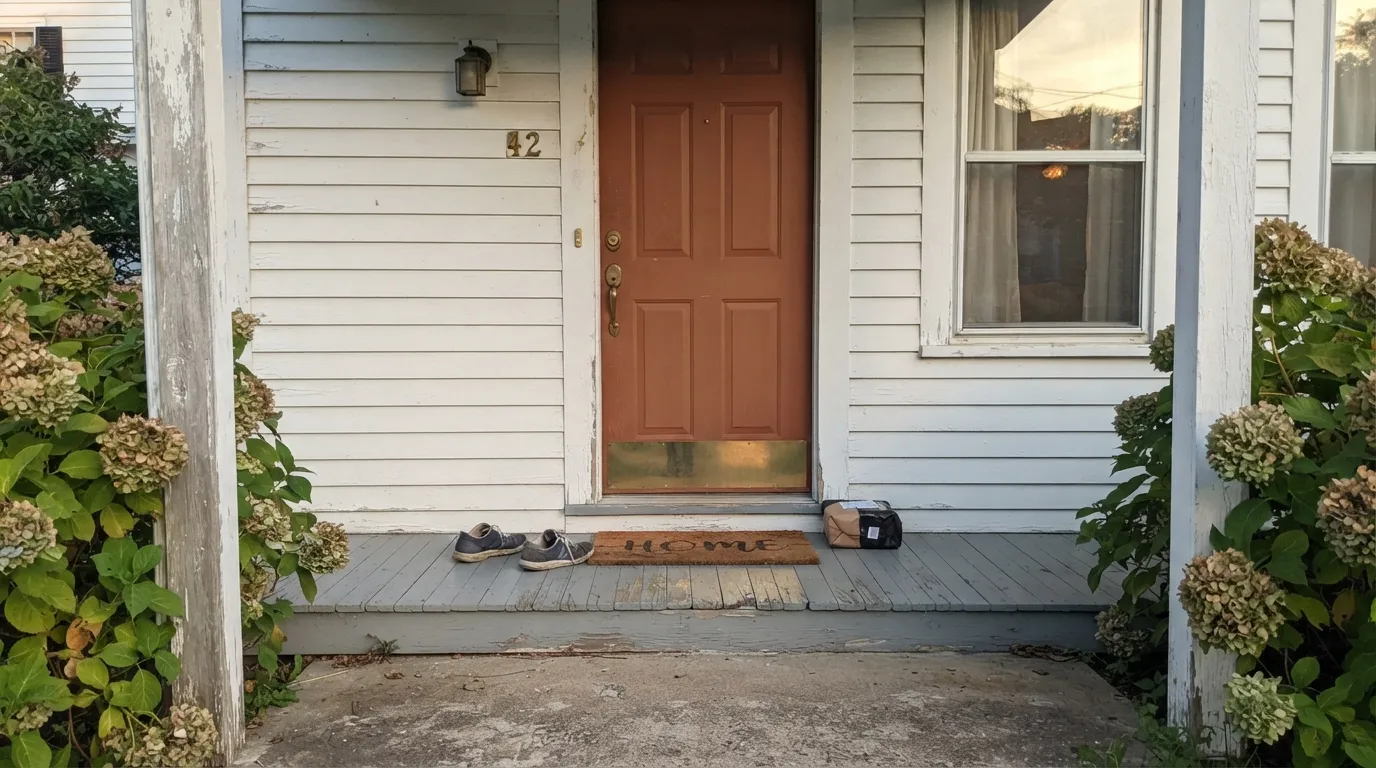 7
7The artist's-pigment orange-brown people search by name — grounded and earthy.
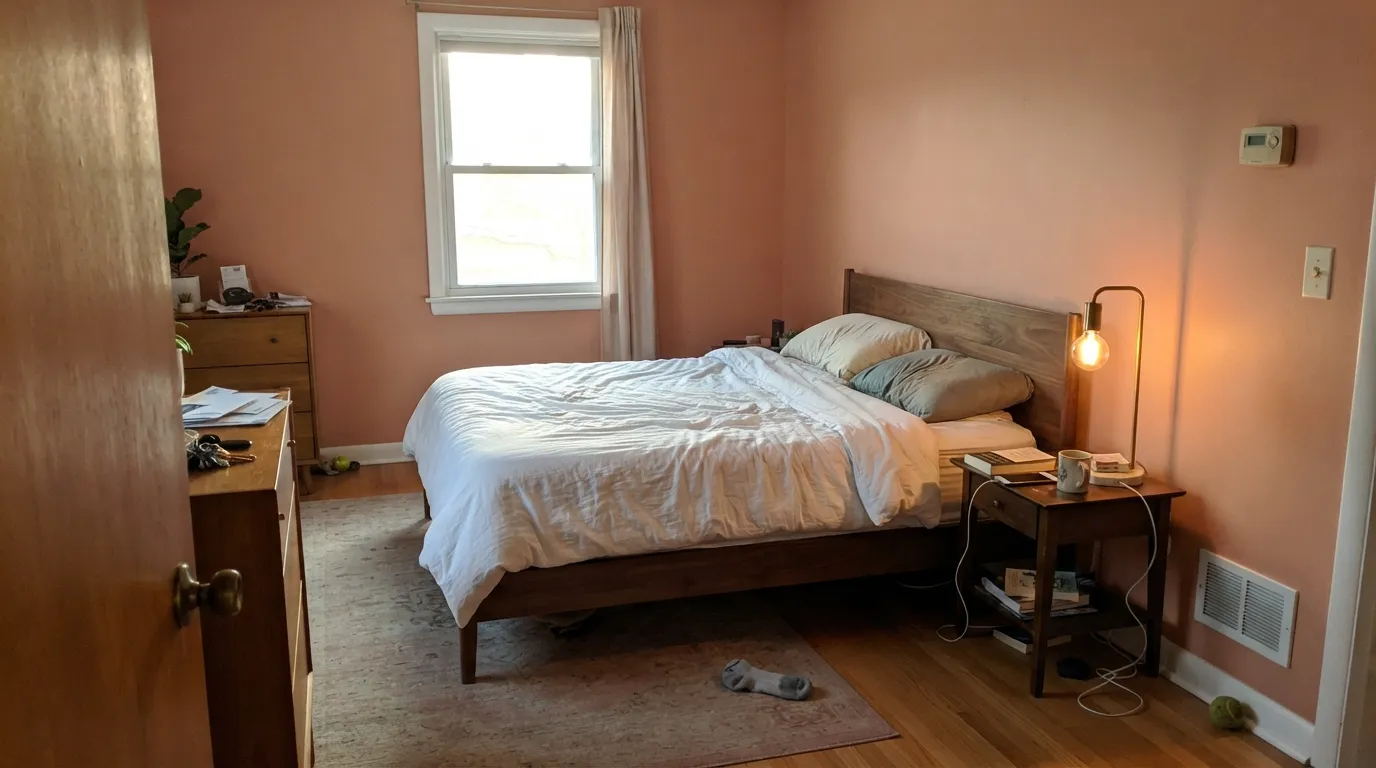 8
8A sun-washed peach-orange with steady search demand — gentle desert color for bedrooms.
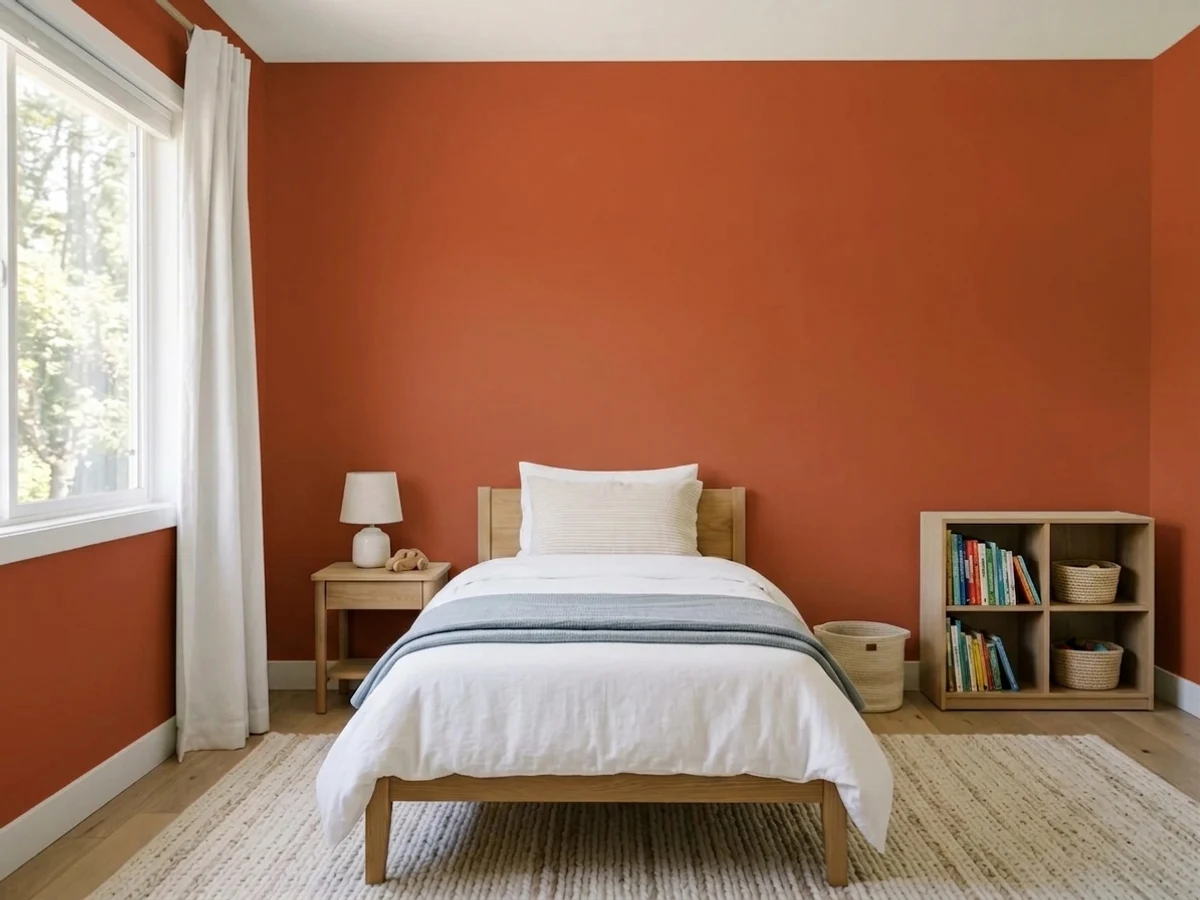 9
9Fireball Orange is not a friendly pumpkin.
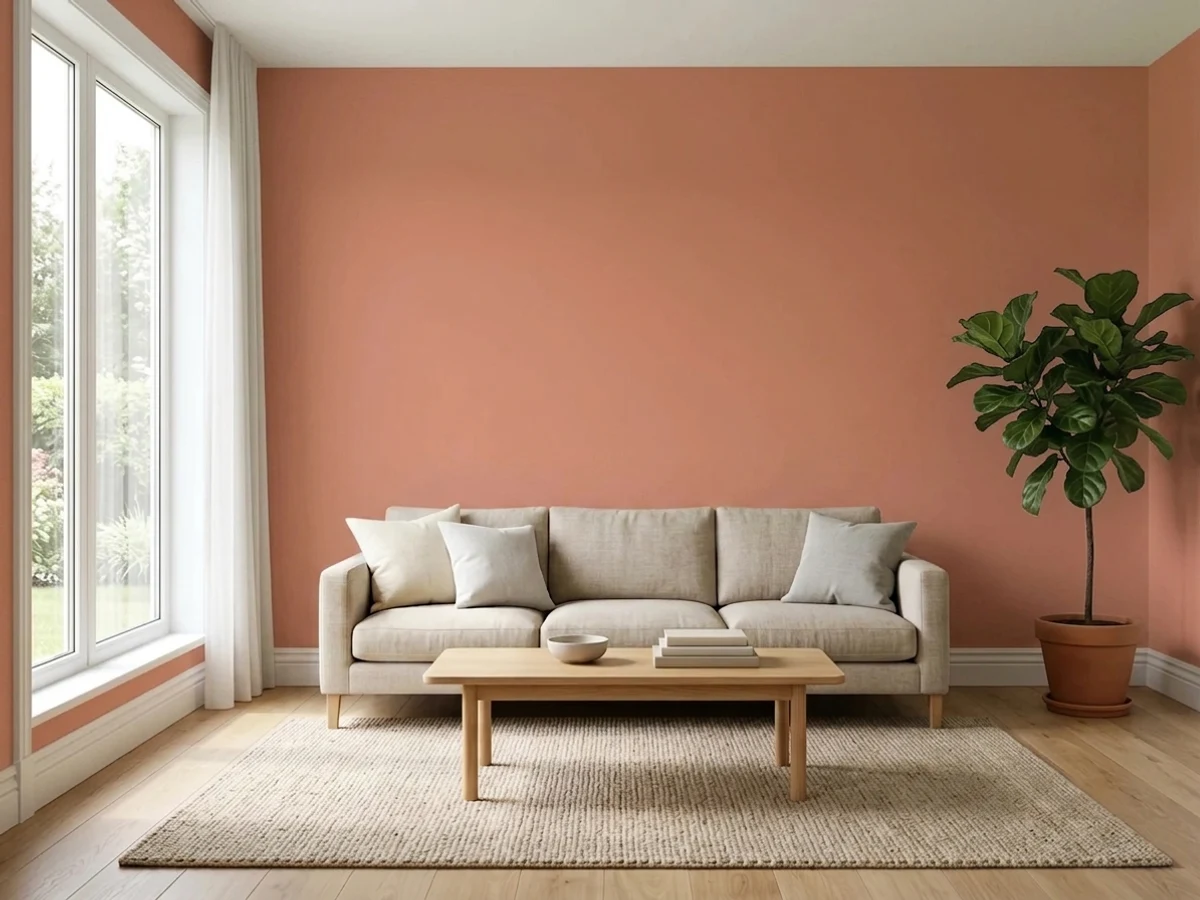 10
10Benjamin Moore's own description is honest for once: coral crossed with terracotta.
The whole Benjamin Moore orange range by depth. LRV is the number to trust: the same orange looks two steps darker on a wall than on a chip.
LRV is light reflectance value. It runs from 0 (pure black) to 100 (pure white) and tells you how much light a color bounces back. In this orange slice the numbers run from 0 at the darkest up to 71.2 at the lightest, so you have real range to work with.
For walls in a bright, open room, a higher-LRV pick keeps things soft and livable. Funky Fruit (2015-50) at 71.2 and Soft Marigold (160) at 53 stay light and easy. Summer Sun Pink (2012-40) at 45.7 and Carrot Stick (2016-30) at 41 sit in the cozy middle, good for a room you want to feel warm but not dark. Down at Golden Dunes (2157-10) at 26.3 and Golden Meadow (2165-20) at 23, you get a rich, enveloping color that works best on an accent wall or a space that gets plenty of daylight.
Each room page shows orange picks from every US brand side by side, so you can compare in context.
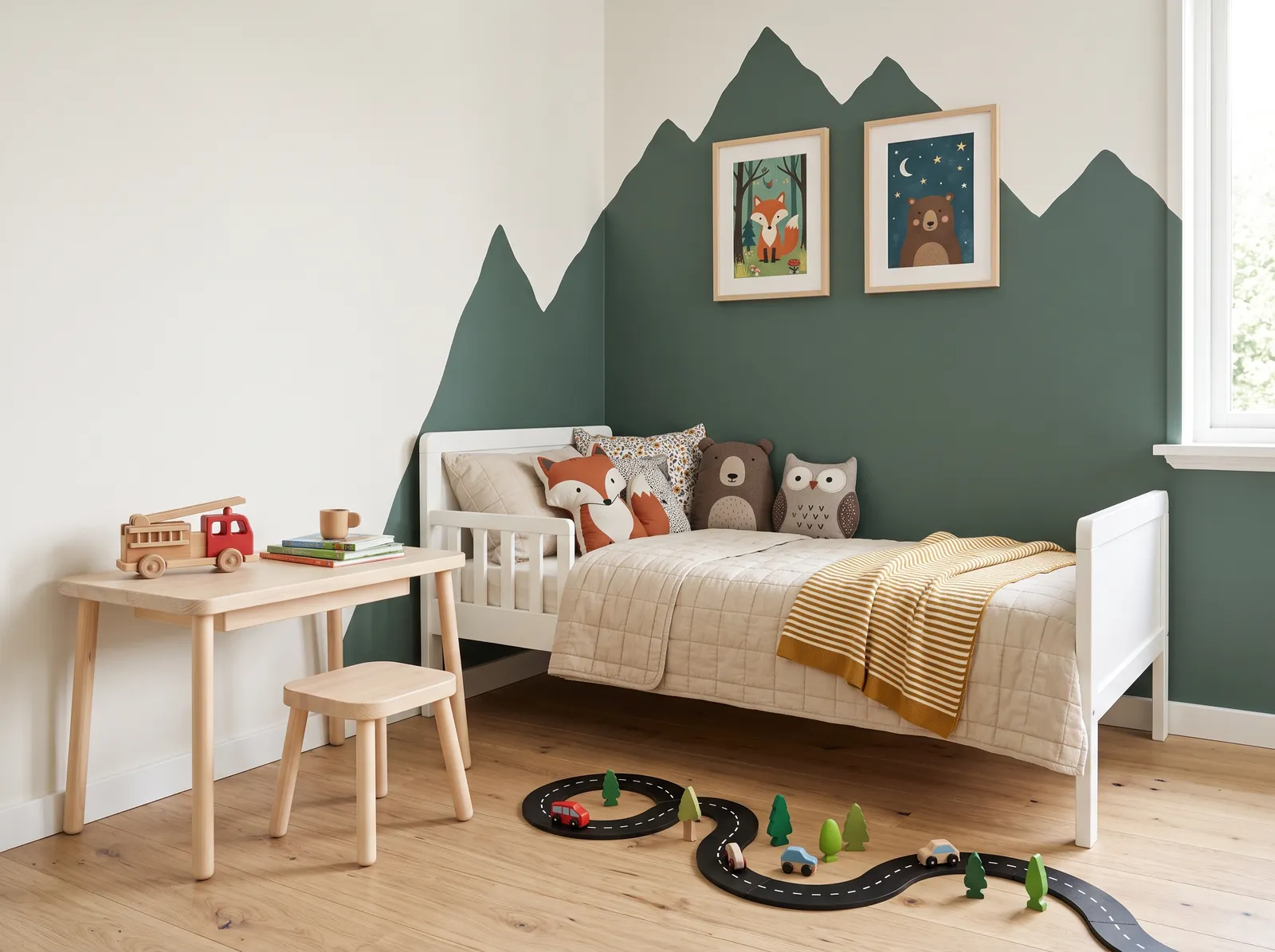
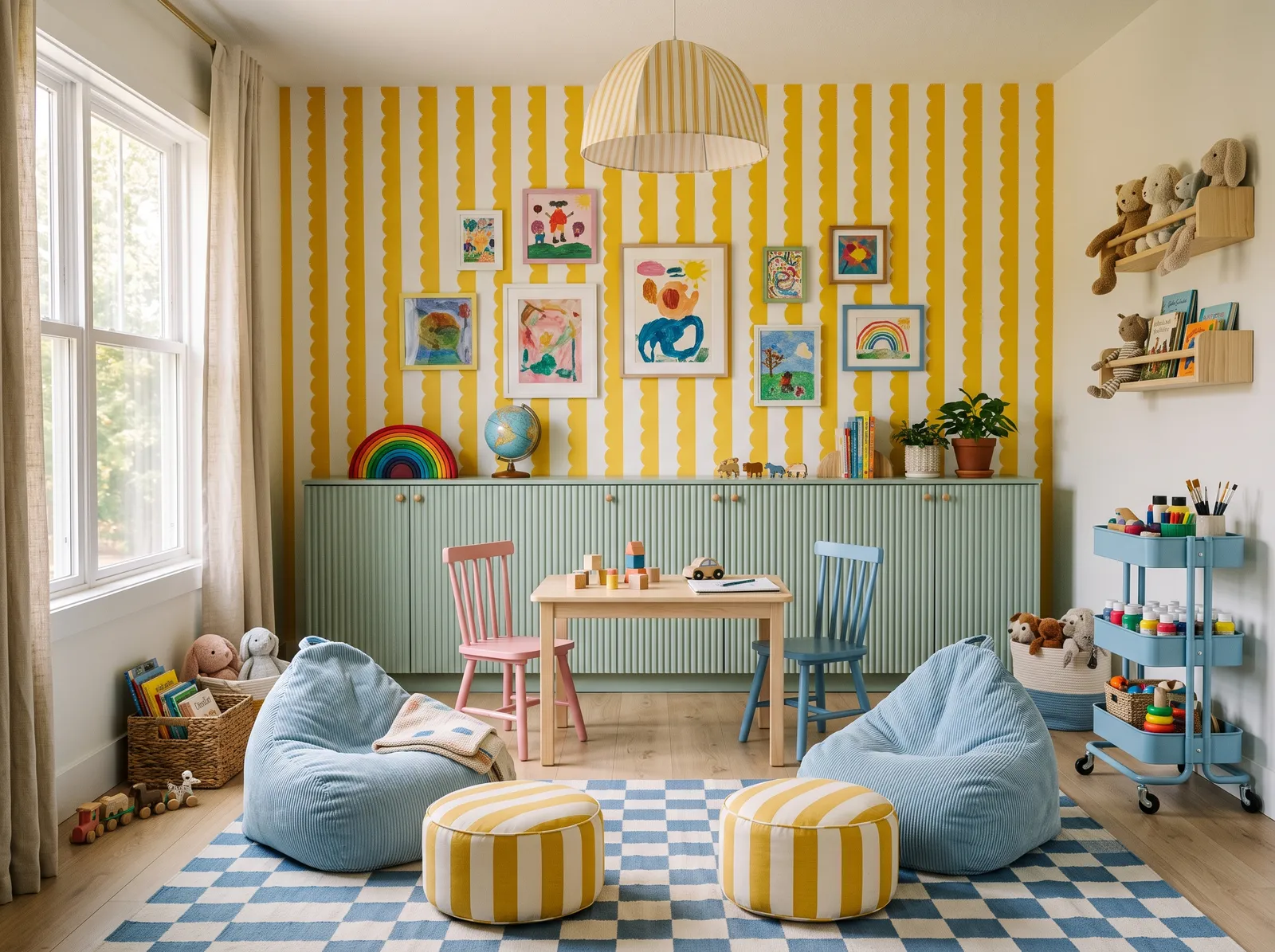
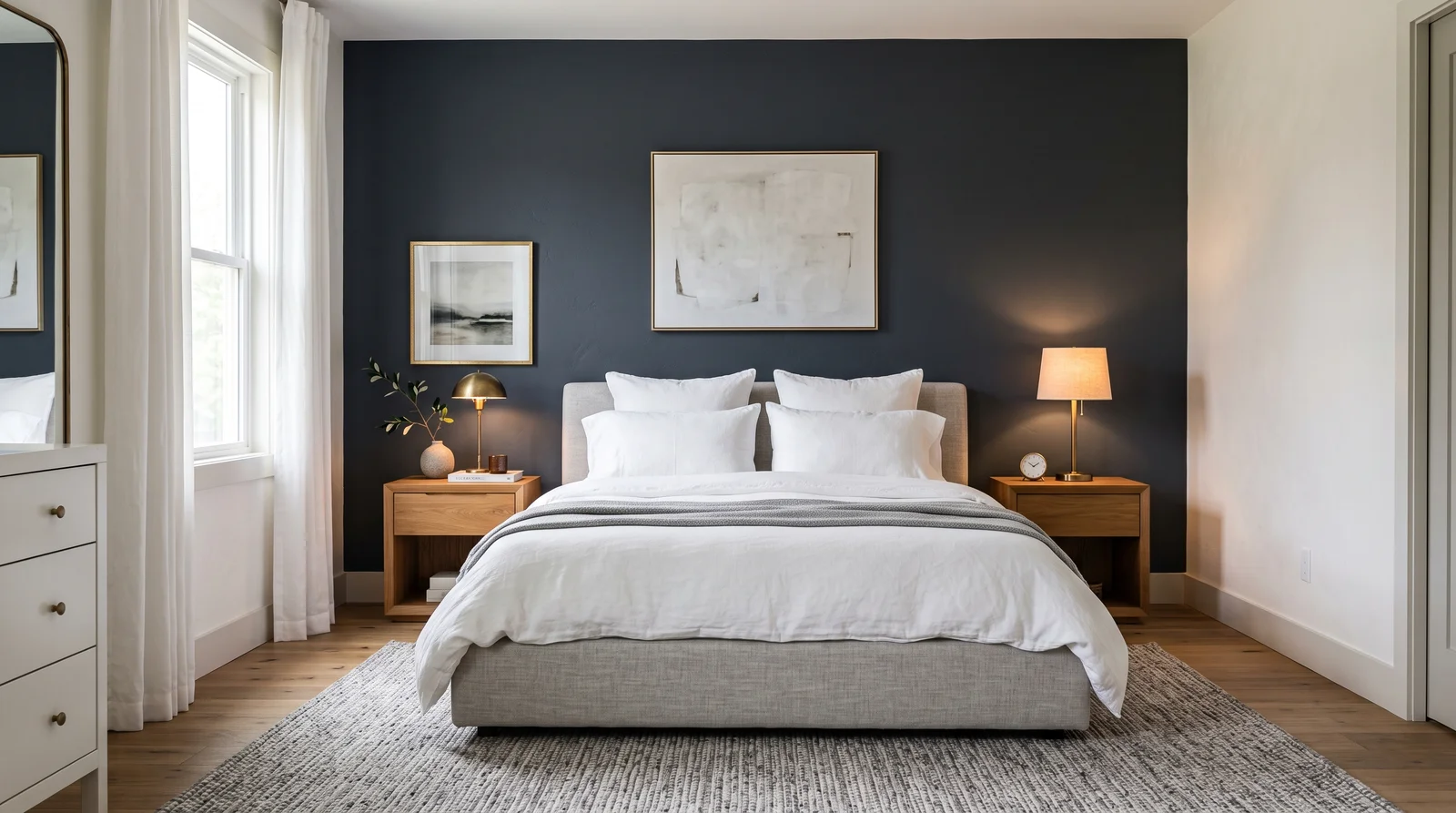
Warm oranges earn their keep in rooms where you want energy and comfort. The deeper, earthier picks like Golden Meadow (2165-20), Golden Dunes (2157-10), and Cornucopia Tan (119) suit dining rooms, dens, and entryways, where a little drama feels welcoming. They also make strong front-door and accent-wall colors.
The lighter, softer tones are more flexible. Funky Fruit (2015-50) and Soft Marigold (160) can carry a whole kitchen, nursery, or sunny breakfast nook without overwhelming it. Mid-tones like Warm Sunglow (CSP-1070) and Summer Sun Pink (2012-40) split the difference and read well in living rooms and hallways that catch good light.
Every Benjamin Moore orange, grouped by undertone, warm to cool. Filter by depth or change the order.
Hex values are display approximations from Benjamin Moore's published swatch tools, not a physical sample under controlled lighting. Order a brand-direct sample before specifying.
Upload a photo of the room. We paint it in the orange you chose with your light and your floor, and you can swap colors until one holds.
Benjamin Moore is sold only through independent dealers, not big-box stores. Every color is mixed to order at the store, so any orange here can be tinted into the line that fits your job: ben (around $56 a gallon) for budget rooms, Regal Select (around $75) for a durable everyday finish, or Aura (around $95), the flagship known for strong one-coat coverage. The color stays the same across all three lines, so you choose based on price and finish, not the shade.
Because the color is just a tint formula, you are not locked in. A paint store can color-match any of these oranges into another brand's base, and you can bring a chip from another deck, including the featured Kompozit line, to match the other way. The match is read off the actual color, so the codes here are a starting point, not a cage. If an exact match matters, ask the dealer to spray a sample and check it in your own light.
How many orange colors each brand carries, drawn with that deck's own oranges from light to dark. Pick your store first, then the color. Every brand equal, no favorites.
This slice holds 208 oranges from Benjamin Moore's main deck, and the range is wider than most people expect. At the soft end you get airy, almost peachy tones like Funky Fruit (2015-50), which reads more like a warm tint than a true orange. As you move deeper, the colors pick up earth and spice: Cornucopia Tan (119), Golden Dunes (2157-10), and Golden Meadow (2165-20) all lean tan, ochre, and clay rather than bright citrus.
Benjamin Moore is known among designers for clean, predictable undertones, and that shows here. The lighter oranges hold their warmth without going pink or muddy, and the mid-tones like Carrot Stick (2016-30) and Warm Sunglow (CSP-1070) stay friendly instead of loud. You can trust these colors to look the way the chip suggests once they are on the wall.
Benjamin Moore's reputation rests on its off-whites, and that is exactly what to pair with an orange wall. A clean white trim like Chantilly Lace (OC-65) keeps a deep orange crisp, while a softer White Dove (OC-17) or Simply White (OC-117) warms things up and flatters the earthier tones like Cornucopia Tan (119) and Golden Dunes (2157-10). For ceilings, a quiet off-white in the OC line keeps the room from feeling top-heavy.
For contrast, these oranges sit beautifully against deep, grounded colors. Hale Navy (HC-154) makes a striking partner for a marigold or clay, and a greige like Revere Pewter (HC-172) lets a brighter orange like Carrot Stick (2016-30) be the star without fighting it.
Soft Pumpkin (2166-40) — Soft Pumpkin is orange with the volume turned down: a medium apricot with a creamy softness that keeps it from ever reading neon. Terra Mauve and Rust and Adobe Dust round out the short list most people choose from.
This slice of Benjamin Moore's deck has 208 colors in the orange family, drawn from the Classics, Off-White (OC), Historical (HC), and Color Collection (CC) lines. That covers everything from soft peach tints to deep clay and ochre tones, so there is room to get specific about the exact warmth you want.
In this family the LRV runs from 0 at the darkest to 71.2 at the lightest. Funky Fruit (2015-50) at 71.2 is among the lightest and reads almost peachy, while the deepest picks sit at the bottom of the range and feel rich and enveloping. LRV just measures how much light a color reflects, which is a quick way to judge how dark a room will feel.
For a kitchen you usually want something that adds warmth without taking over. Lighter, softer tones like Funky Fruit (2015-50) and Soft Marigold (160) carry a whole room well, while a mid-tone like Warm Sunglow (CSP-1070) or Carrot Stick (2016-30) gives more presence on an accent wall. Check the color in your kitchen's own light before committing.
Benjamin Moore's off-whites are the natural match. Chantilly Lace (OC-65) keeps a deep orange crisp and clean, while White Dove (OC-17) or Simply White (OC-117) brings a softer warmth that flatters earthier tones like Cornucopia Tan (119). Any of these work on trim and ceilings to frame the color.
Yes. Every color is just a tint formula mixed to order, so a paint store can color-match any of these oranges into another brand's base, or match a chip from another deck, including the featured Kompozit line, into a Benjamin Moore base. The match is read from the actual color, so ask for a sample and check it in your own light if precision matters.
Benjamin Moore sells only through independent dealers, not big-box stores, and the color is tinted to order at the shop. You pick the shade, then choose the line that fits your budget and finish: ben at around $56 a gallon, Regal Select at around $75, or the one-coat Aura at around $95. The color looks the same across all three.
Ask a Question