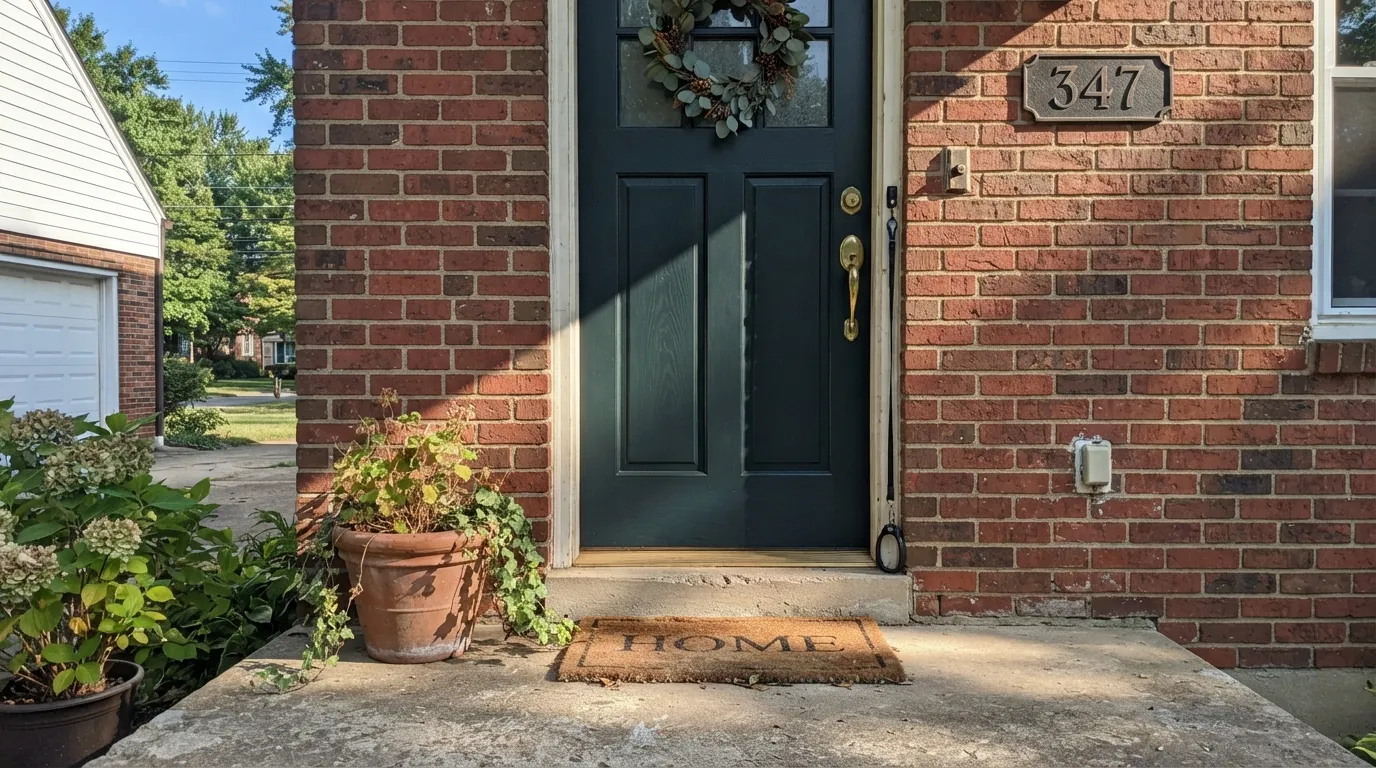
 1
1Black Forest GreenHC-187 · LRV 5
A near-black forest green at LRV 5 from BM's Historical Collection, the classic dark green for shutters, front doors, and paneled studies.
10 curated blacks with undertones, LRV, and the honest reasons why, plus the full 39-color black deck below.
Don't want to compare 39 blacks? These four cover most real projects.
A charcoal-gray black people search by name — softer than jet black, easy on trim and doors.
A near-black forest green at LRV 5 from BM's Historical Collection, the classic dark green for shutters, front doors, and paneled studies.
BM's flagship true black; the simplest black for cabinets, doors, and trim
Onyx is the black you pick when you want black and nothing else — no navy flash in the shade, no brown in the sun, no green when the lawn reflects into it.
Numbered and curated. Tap any color for its full review, or see it on your own walls in the visualizer.
1A near-black forest green at LRV 5 from BM's Historical Collection, the classic dark green for shutters, front doors, and paneled studies.
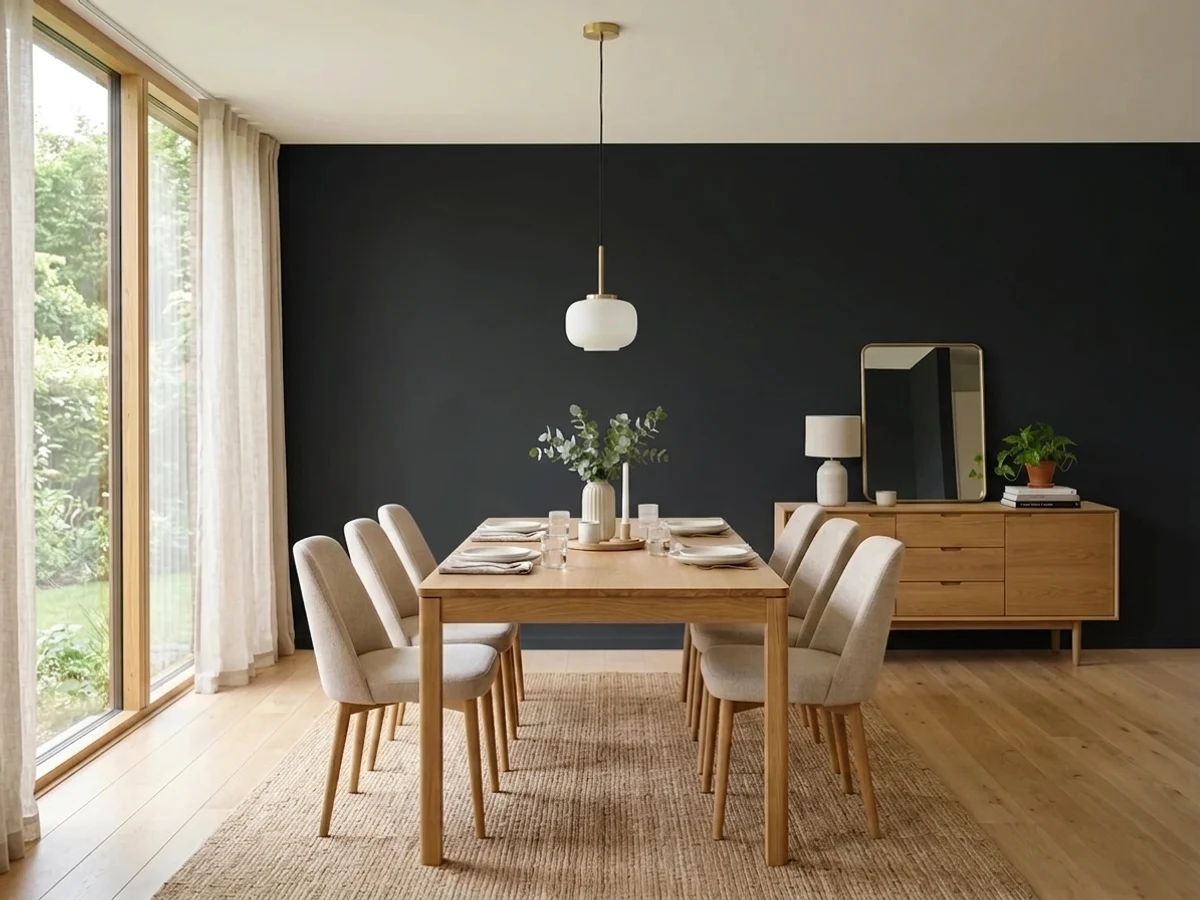 2
2BM's flagship true black; the simplest black for cabinets, doors, and trim.
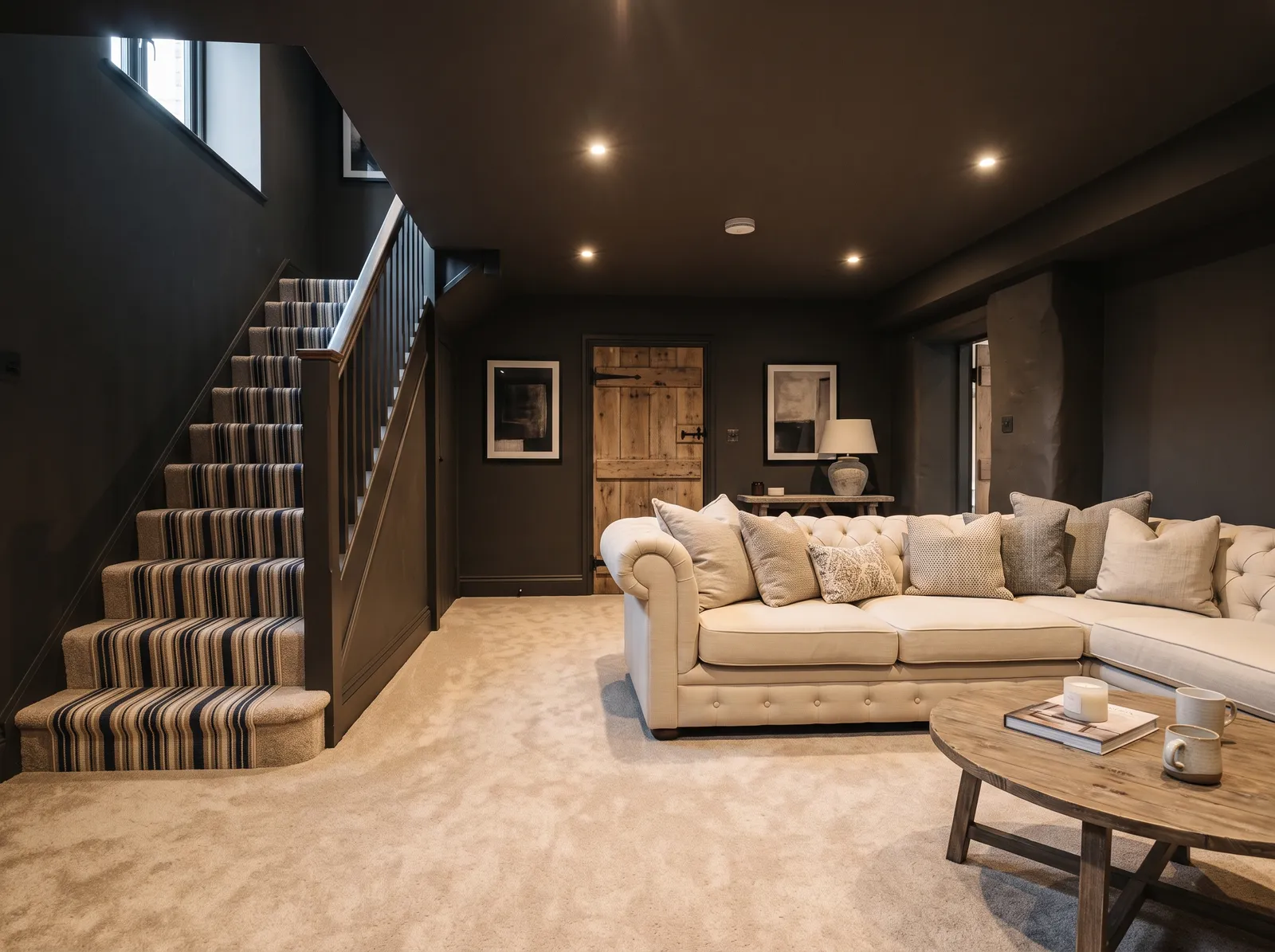 3
3Black Beauty is what happens when a near-black paint actually commits: at LRV 4 it is genuinely dark, but a drop of warm brown-gray keeps it from reading like a hole punched in the wall.
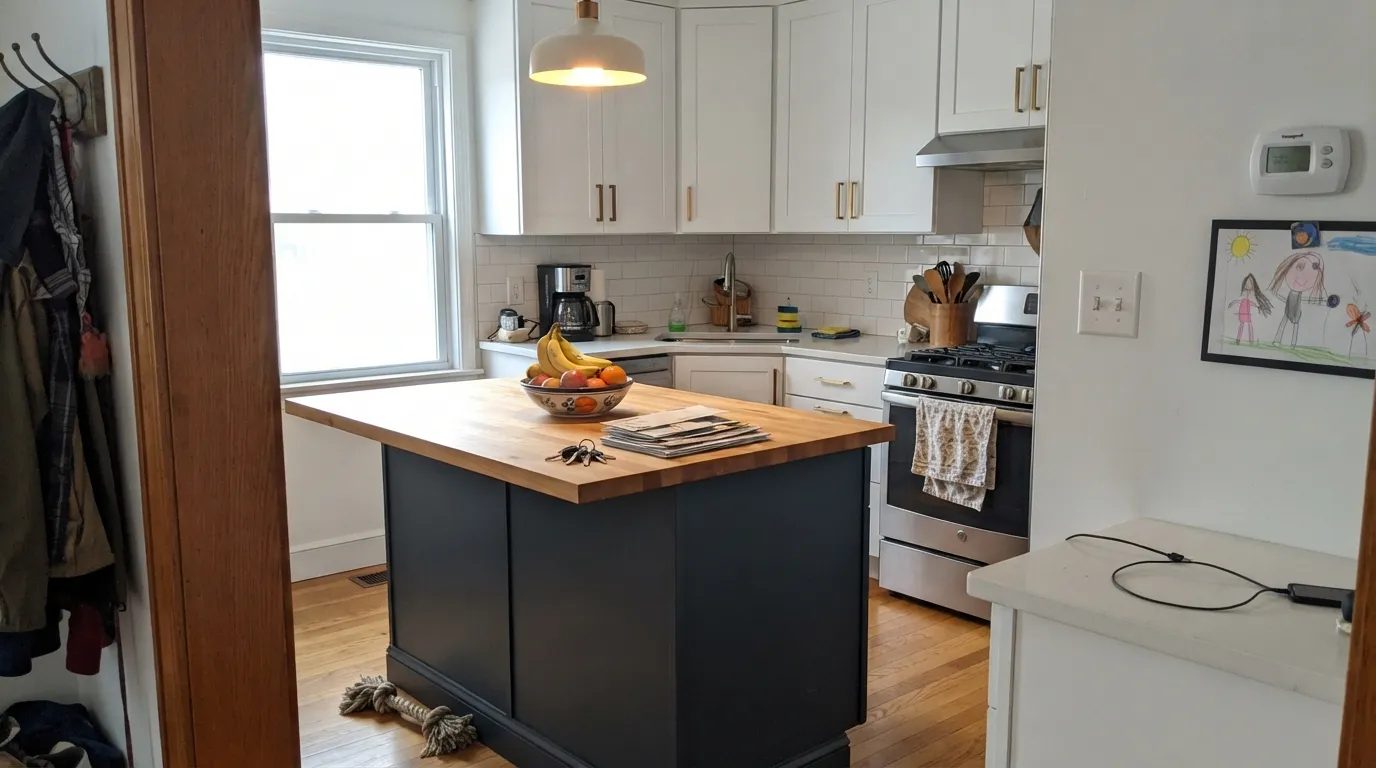 4
4A soft blue-black with real search following — Benjamin Moore's moody favorite for cabinets and accent walls.
 5
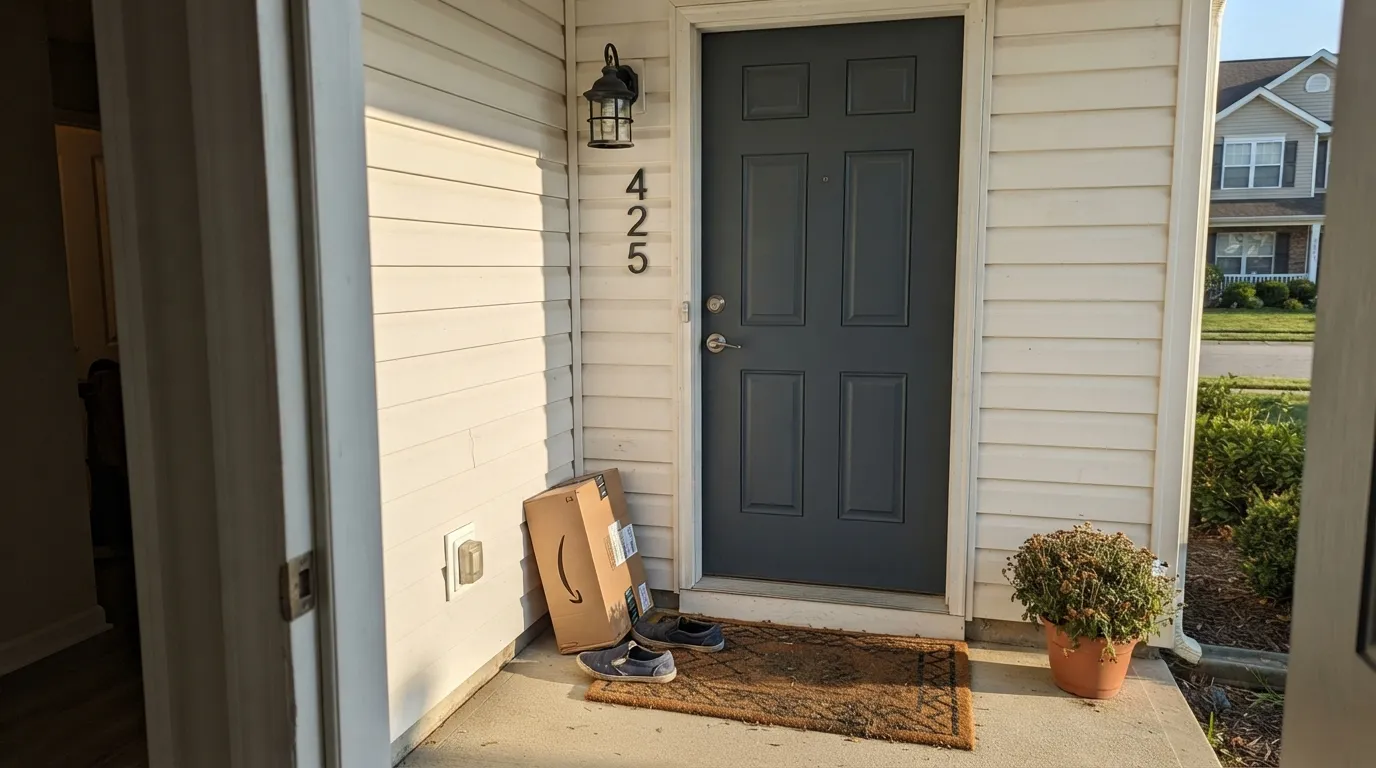
5A charcoal-gray black people search by name — softer than jet black, easy on trim and doors.
 6
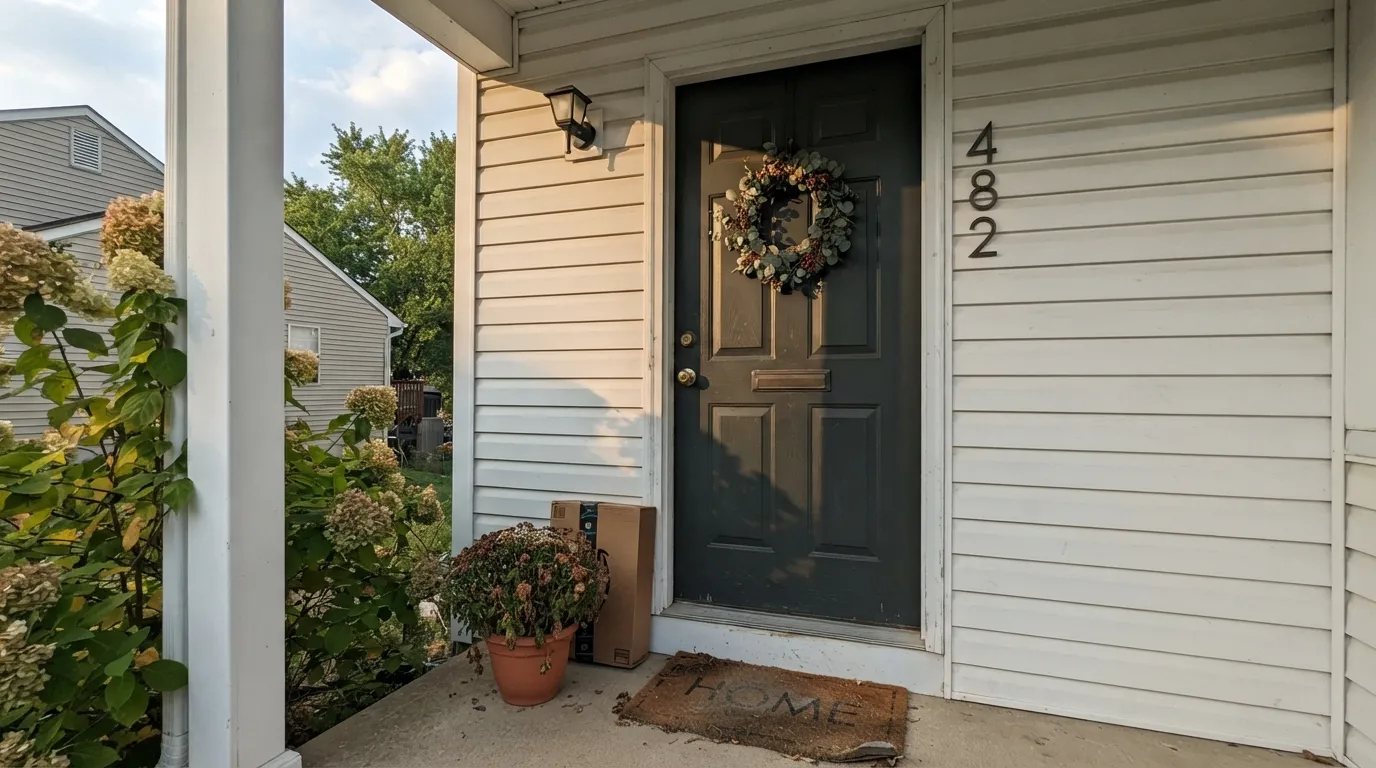
6A green-leaning near-black for exteriors and libraries, deep without going pure black.
 7
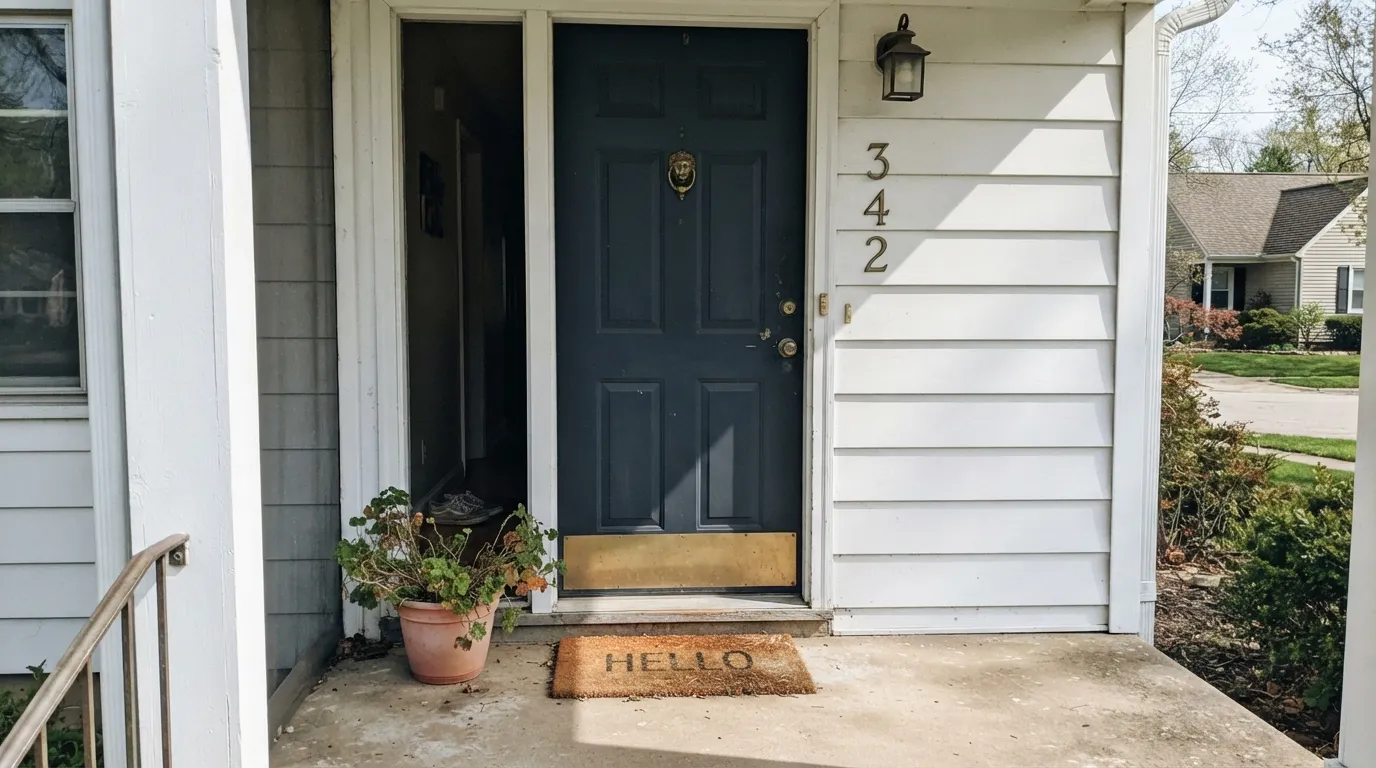
7A true modern black BM buyers hunt for front doors and window frames.
 8
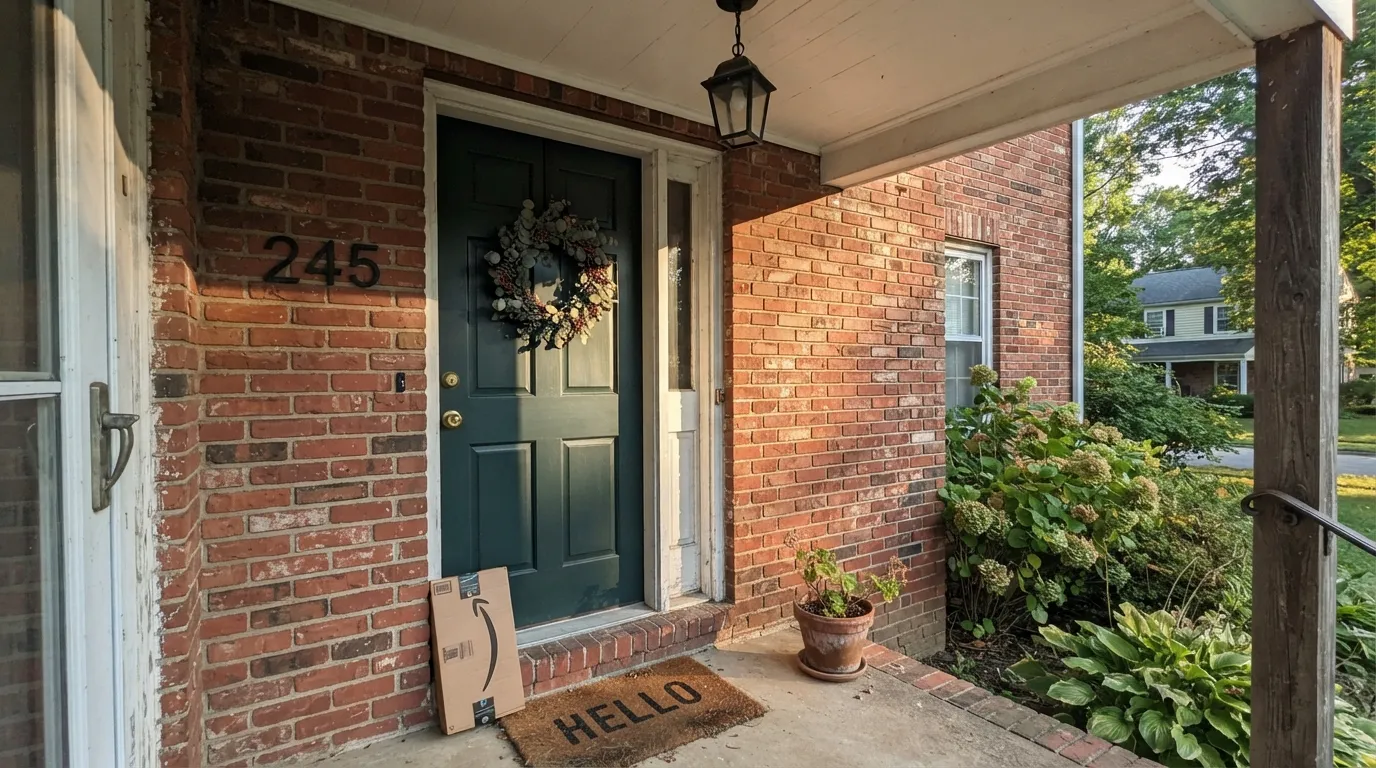
8A black with a hidden green heart — classic for shutters and historic front doors.
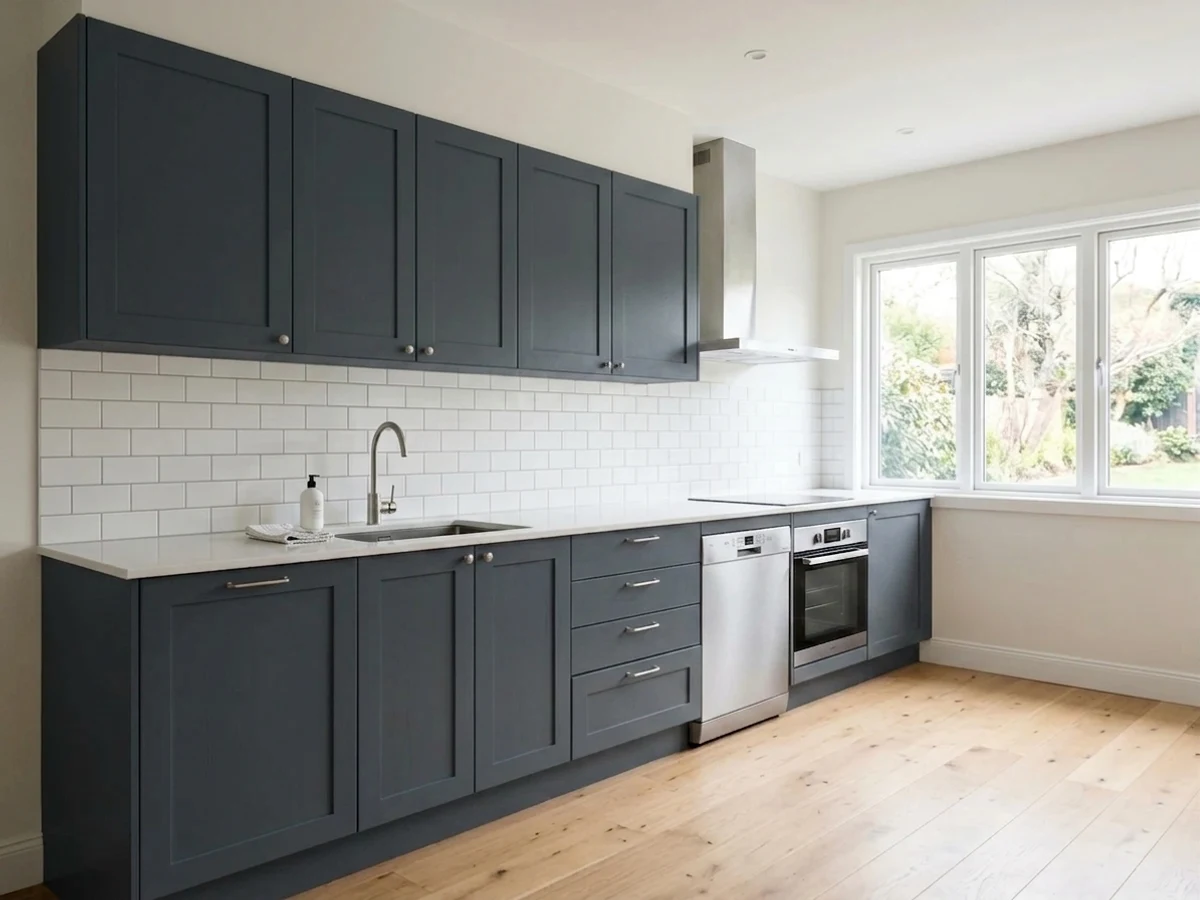 9
9Blackened slate blue — moodier than charcoal but easier to live with on doors and exteriors.
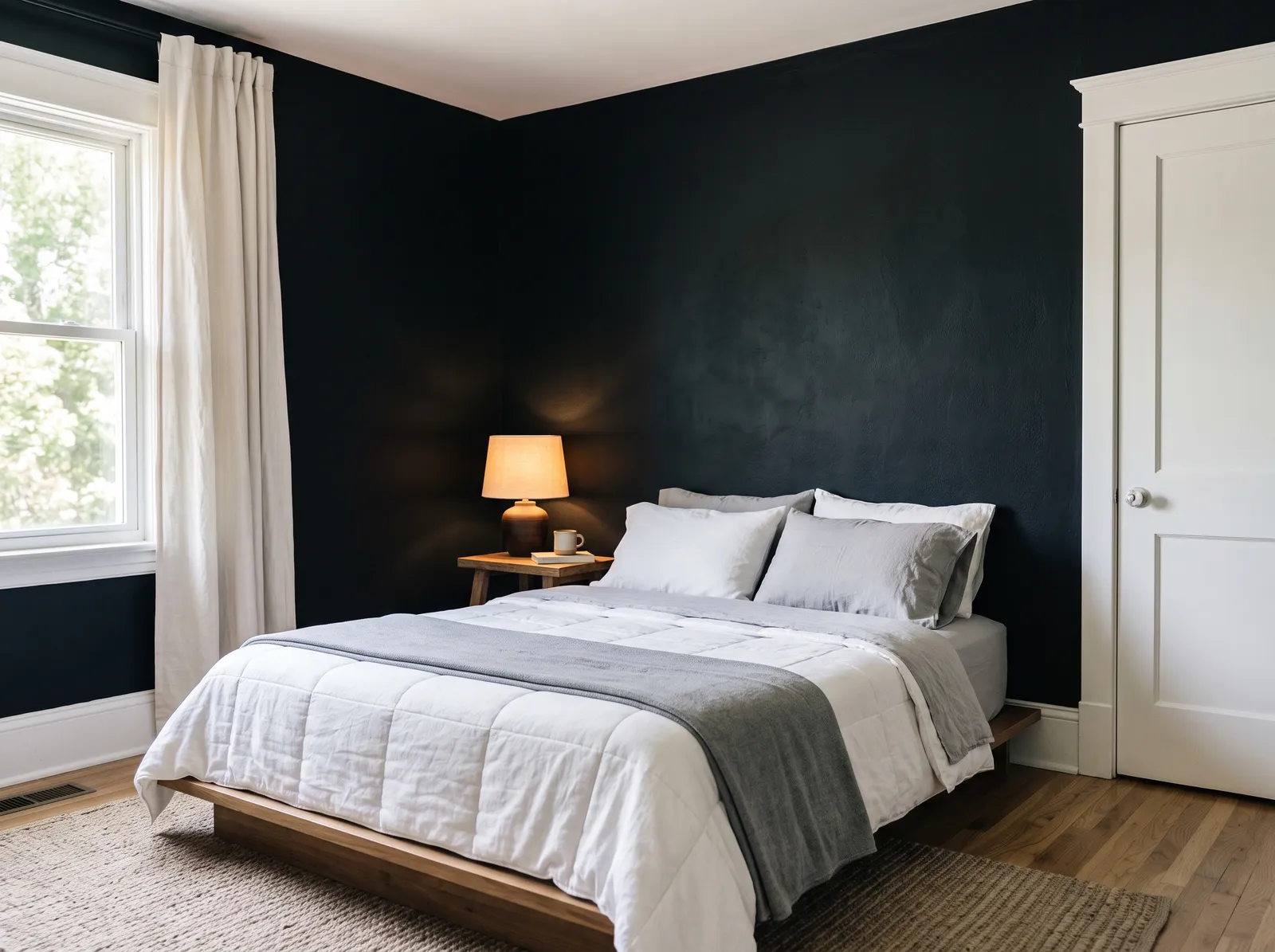 10
10Onyx is the black you pick when you want black and nothing else — no navy flash in the shade, no brown in the sun, no green when the lawn reflects into it.
The most common black-buyer regret is a surprise undertone on the wall. Start from the direction the color leans, not the chip alone.
Black is rarely just black. Benjamin Moore's black family runs from true near-black to deep, almost-charcoal tones, and most of them carry a quiet undertone you only notice once the paint is on the wall. That nuance is exactly what Benjamin Moore is known for. Designers reach for these colors because the undertones are predictable instead of muddy.
This slice has 49 colors, and they are not all the same kind of dark. Black Ink (2127-20) and Black Jack (2133-20) read as clean, classic blacks. Others lean toward another hue entirely: Regent Green (2136-20) and Black Knight (2136-10) carry green, Night Shade (2116-10) leans blue, and Deep Mulberry (2069-10) hides a warm purple-red. Reading the name and the number helps, but the wall is the real test.
Stuck between two? These head-to-heads settle the ones people actually can't pick between.
Each room page shows black picks from every US brand side by side, so you can compare in context.
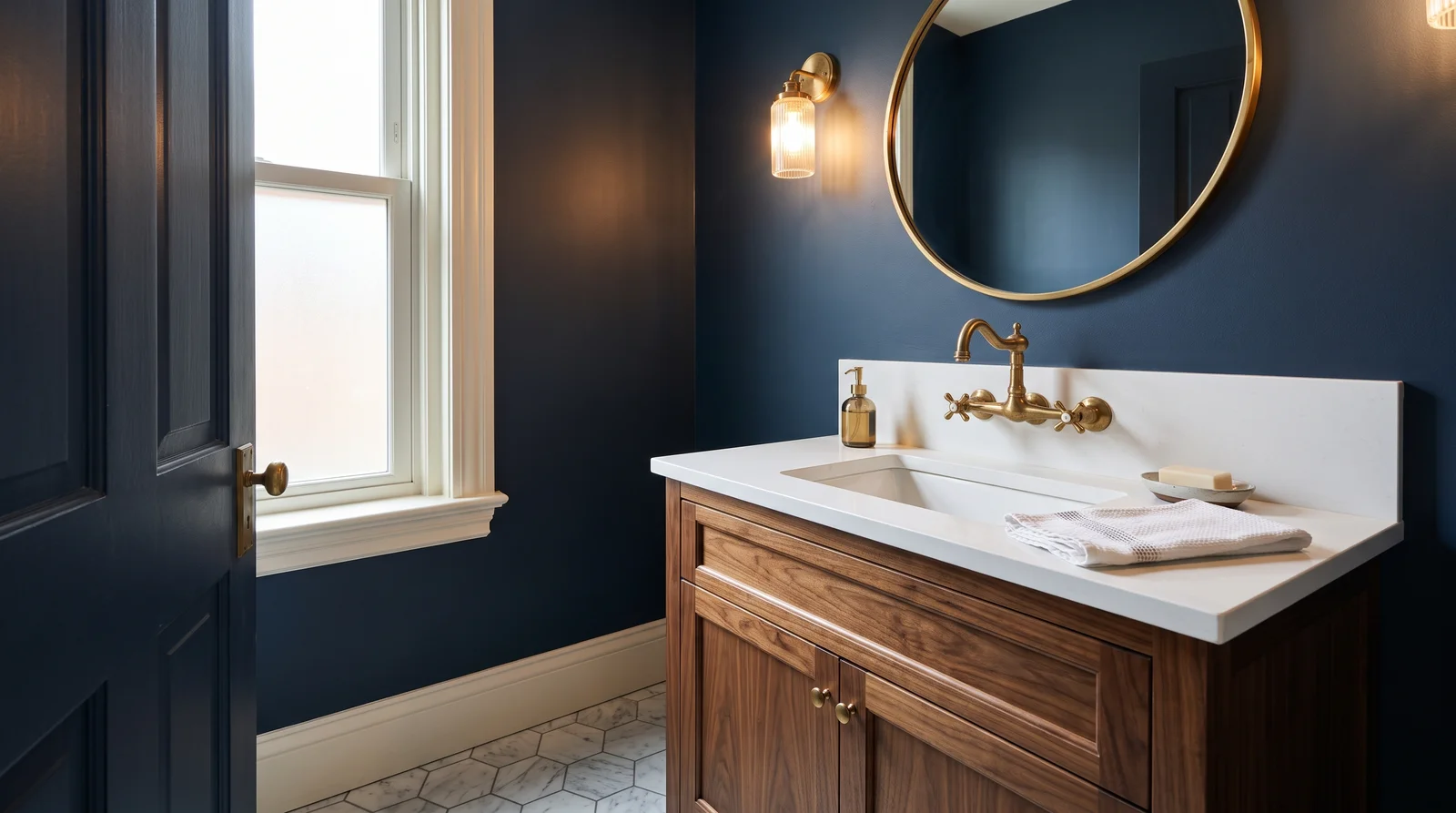
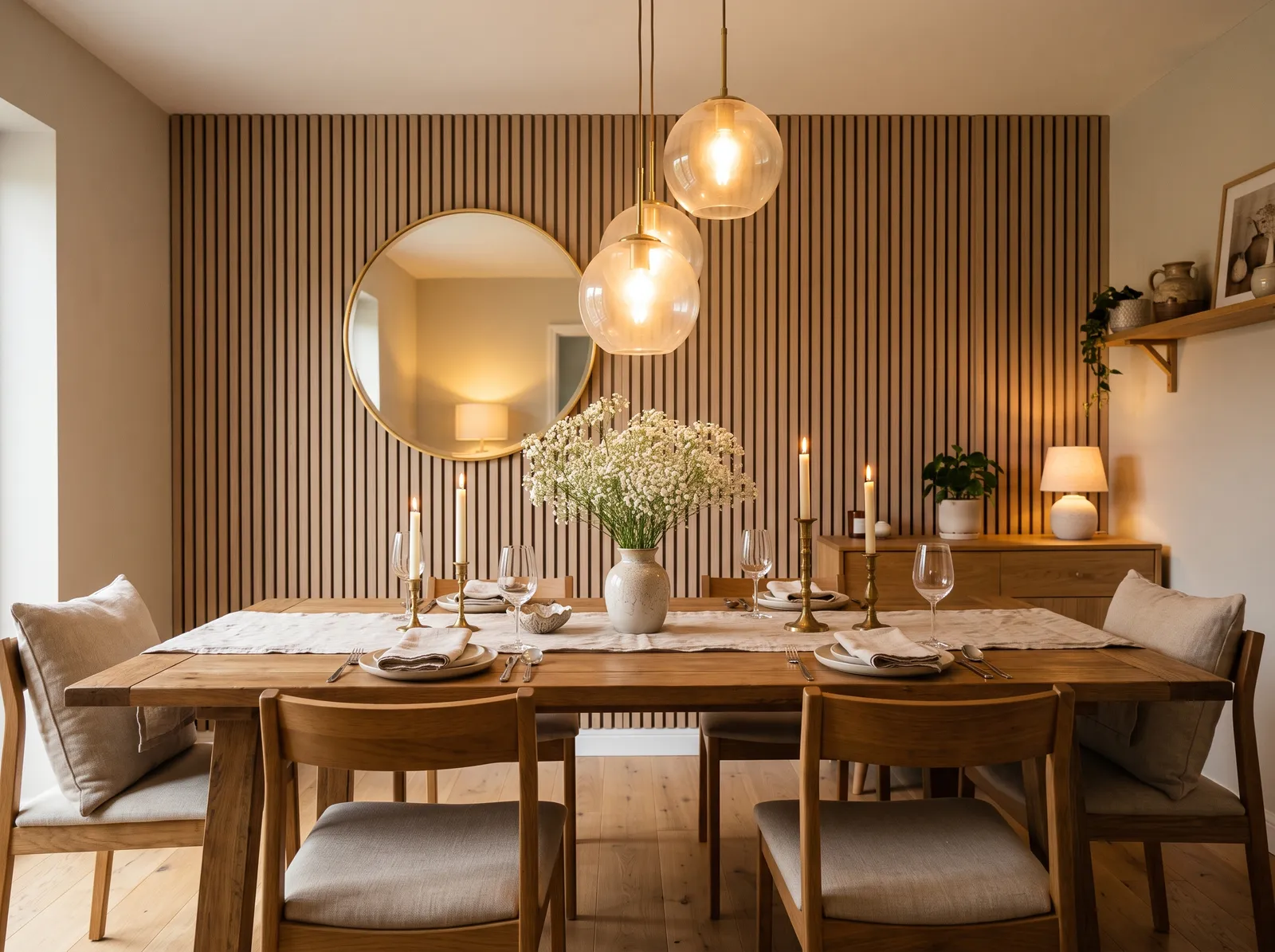
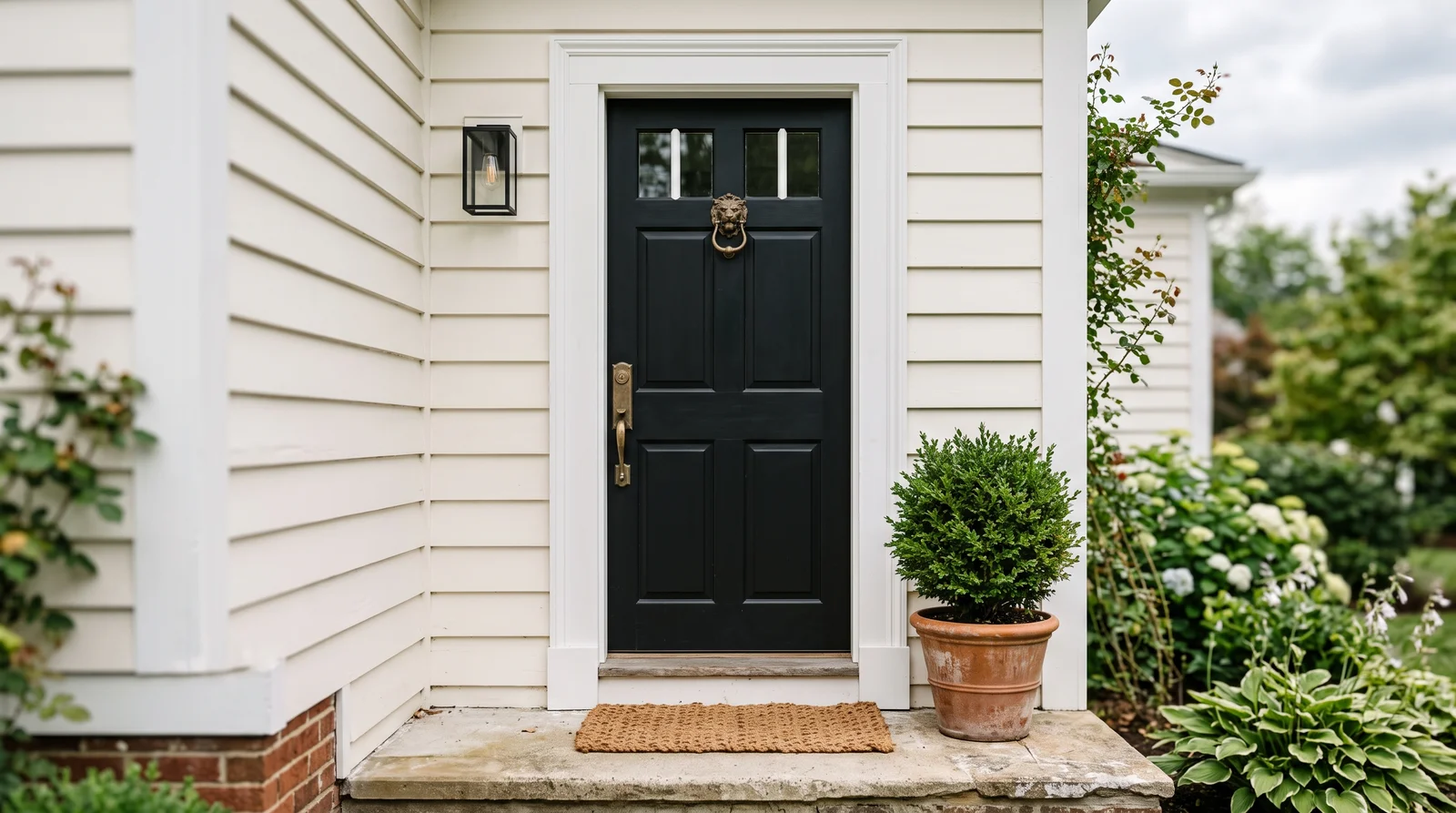
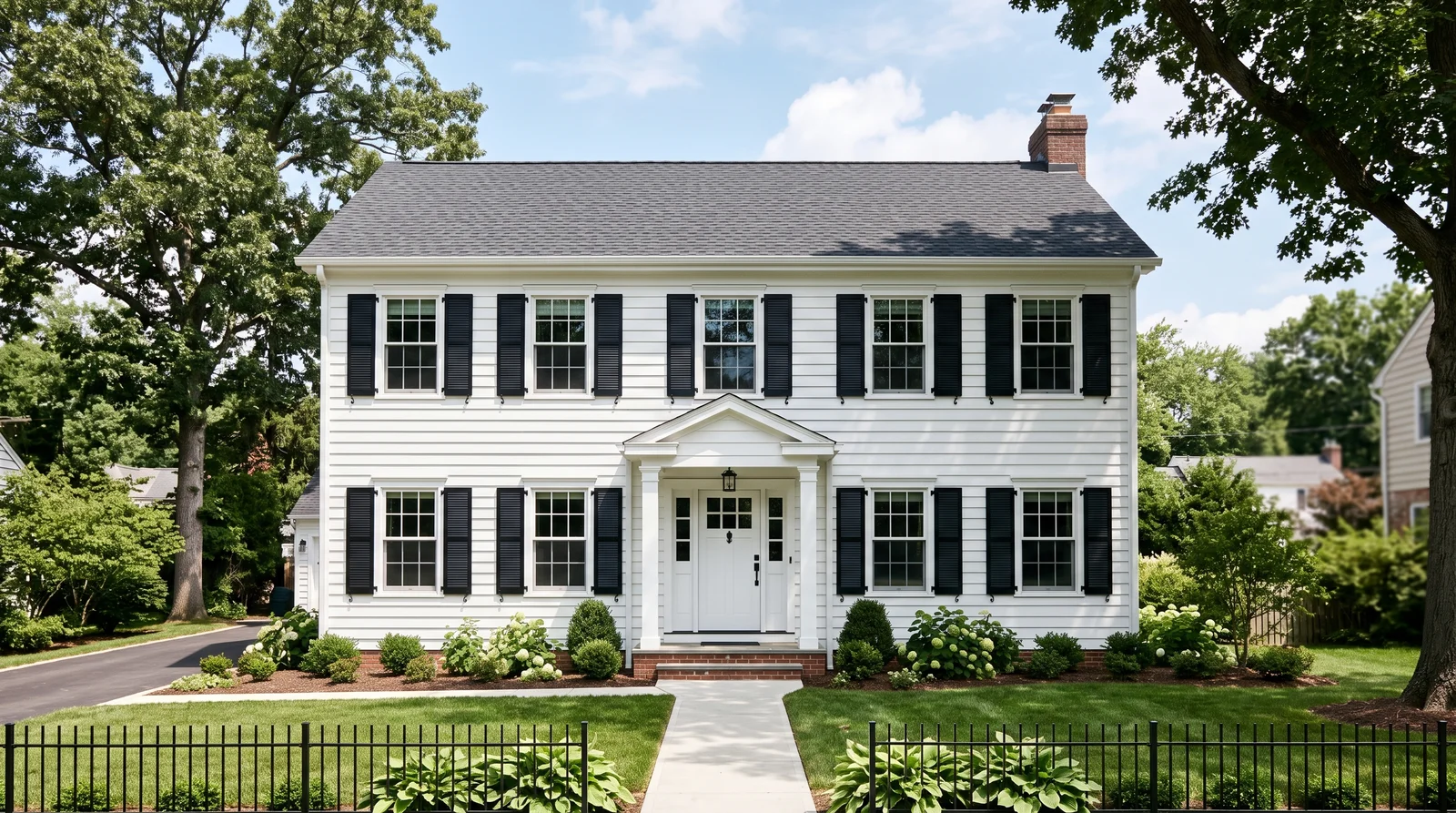
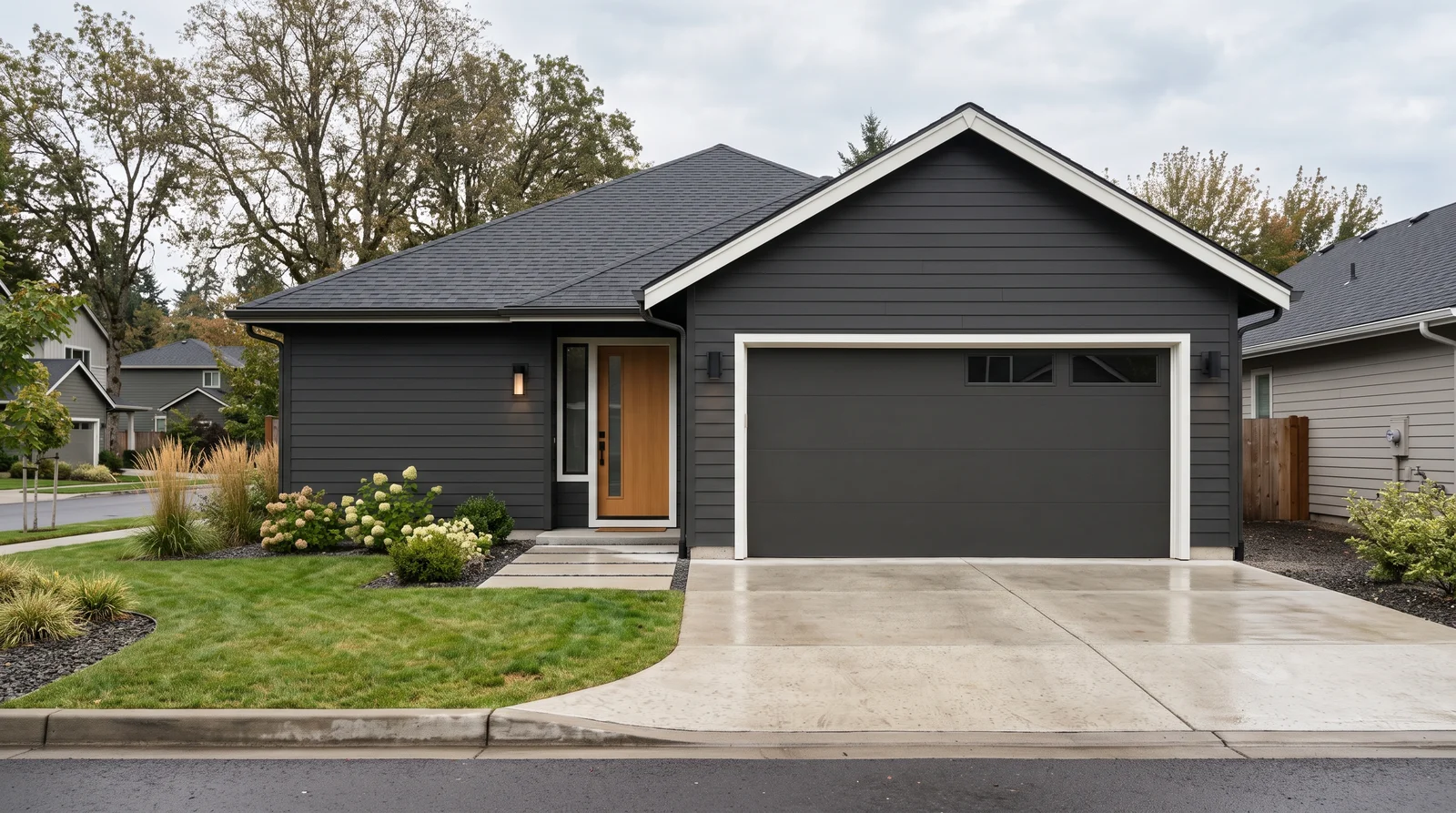
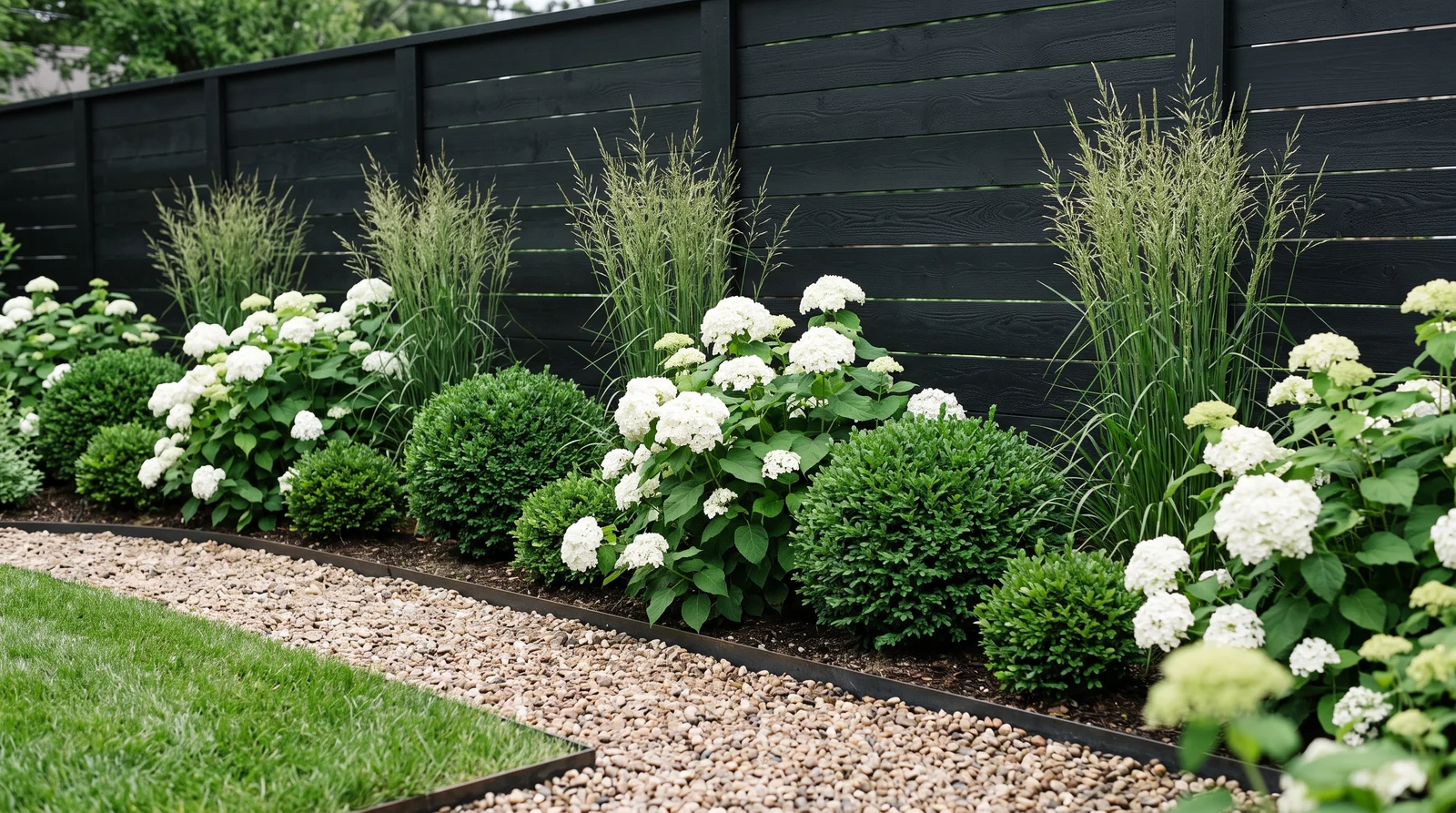
Black earns its keep on accent walls, front doors, kitchen islands, cabinetry, trim, and built-ins. It frames a room and makes everything near it look more intentional. A black like Black Ink (2127-20) on a fireplace wall or Black Jack (2133-20) on lower cabinets gives a space weight without shouting.
Light in the room changes everything. A north-facing or low-light room can make a black feel flat and heavy, while strong daylight will pull the undertone forward — the green in Regent Green (2136-20) or the blue in Night Shade (2116-10) shows up most when the sun hits it. Always test a large sample on the actual wall and look at it morning, midday, and night before you commit.
Every Benjamin Moore black, grouped by undertone, warm to cool. Filter by depth or change the order.
Hex values are display approximations from Benjamin Moore's published swatch tools, not a physical sample under controlled lighting. Order a brand-direct sample before specifying.
Upload a photo of the room. We paint it in the black you chose with your light and your floor, and you can swap colors until one holds.
Benjamin Moore is sold only through independent dealers, not big-box stores. Every color is mixed to order at the counter, so you are not limited to pre-stocked cans — the dealer tints your chosen black into the line you pick. Those lines run good to best: ben (around $56 a gallon), Regal Select (around $75), and Aura (around $95), which is the flagship one-coat paint. The color stays the same across lines; the finish, durability, and coverage are what change.
Because every black has a measurable color value, you can carry one across brands. A Benjamin Moore black can be color-matched at most paint counters, and you can go the other direction too — bring a chip from another deck, including the featured Kompozit deck, and have it matched into Benjamin Moore paint. Match accuracy is best when you hand over the exact name and number, like Space Black (2119-10), rather than eyeballing it. A matched black may shift slightly between brands because the base and tints differ, so confirm with a sample before doing the whole room.
How many black colors each brand carries, drawn with that deck's own blacks from light to dark. Pick your store first, then the color. Every brand equal, no favorites.
LRV means Light Reflectance Value. It is a number from 0 to 100 that tells you how much light a color bounces back. In this black slice the LRV runs from 0 (the darkest) up to 8 (the lightest), so every color here will read as a deep, serious dark in a real room.
The small differences still matter. Deep River (1582) sits at the top of this range at LRV 8, so it holds a hair more depth and shows its undertone more readily in daylight. Black Jack (2133-20) at LRV 4.7 and the colors near LRV 5 and 6 — Space Black (2119-10), Black Knight (2136-10), Black Ink (2127-20) — drink up light and feel closer to a true black. If you want drama that still shows brush detail and texture, aim higher in the range. For the deepest, most light-absorbing look, go lower.
A black wall almost always wants a clean contrast somewhere. Benjamin Moore's own off-whites are the easy, reliable partners — White Dove (OC-17) for a soft warm trim, Chantilly Lace (OC-65) for the crispest bright white, or Simply White (OC-117) for something in between. Those off-whites are the brand's signature strength, so the pairing rarely goes wrong.
For a quieter, tone-on-tone look, set a black against a mid-tone gray or a deep navy like Hale Navy (HC-154), or warm it with a greige like Revere Pewter (HC-172). Ceilings usually look best a few shades lighter than the walls, or in a soft white, so the dark walls feel grounded instead of closing in. If you want the undertone to sing, match the coordinating color to it — pair a green-black like Black Knight (2136-10) with sage, or a purple-leaning Deep Mulberry (2069-10) with a soft mauve.
Black Forest Green (HC-187) — A near-black forest green at LRV 5 from BM's Historical Collection, the classic dark green for shutters, front doors, and paneled studies. Graphite and Black and Onyx round out the short list most people choose from.
This black family slice has 49 colors, drawn from Benjamin Moore's Classics, Off-White (OC), Historical (HC), and Color Capture (CC) collections. They range from true near-blacks to deep darks with hidden green, blue, or purple undertones.
Look at the LRV. In this slice the darkest colors sit near LRV 4.7 to 6, like Black Jack (2133-20) at 4.7 and Black Ink (2127-20) at 6, so those read closest to a clean, light-absorbing black. The lower the LRV, the deeper and less reflective the color.
Yes, and that is the point. Several blacks in this slice lean toward another hue — Regent Green (2136-20) carries green, Night Shade (2116-10) leans blue, and Deep Mulberry (2069-10) hides a warm purple-red. The undertone shows most in strong daylight, so test a sample on the wall first.
A clean off-white is the safe, classic partner. White Dove (OC-17) gives a soft warm edge, Chantilly Lace (OC-65) is the crispest bright white, and Simply White (OC-117) sits in between. For a quieter look, pair the black with a deep navy like Hale Navy (HC-154) or a greige like Revere Pewter (HC-172).
Benjamin Moore is sold only through independent dealers, not big-box stores. Every color is mixed to order at the counter, so you pick the black and the line, and they tint it for you. The lines run ben (around $56 a gallon), Regal Select (around $75), and Aura (around $95).
Yes. Most paint counters can color-match a Benjamin Moore black, and you can match the other direction too, including from the featured Kompozit deck. Bring the exact name and number for the best result, and test a sample, since a matched black can shift slightly between brands.
Ask a Question