 1
1First Light2102-70 · LRV 76
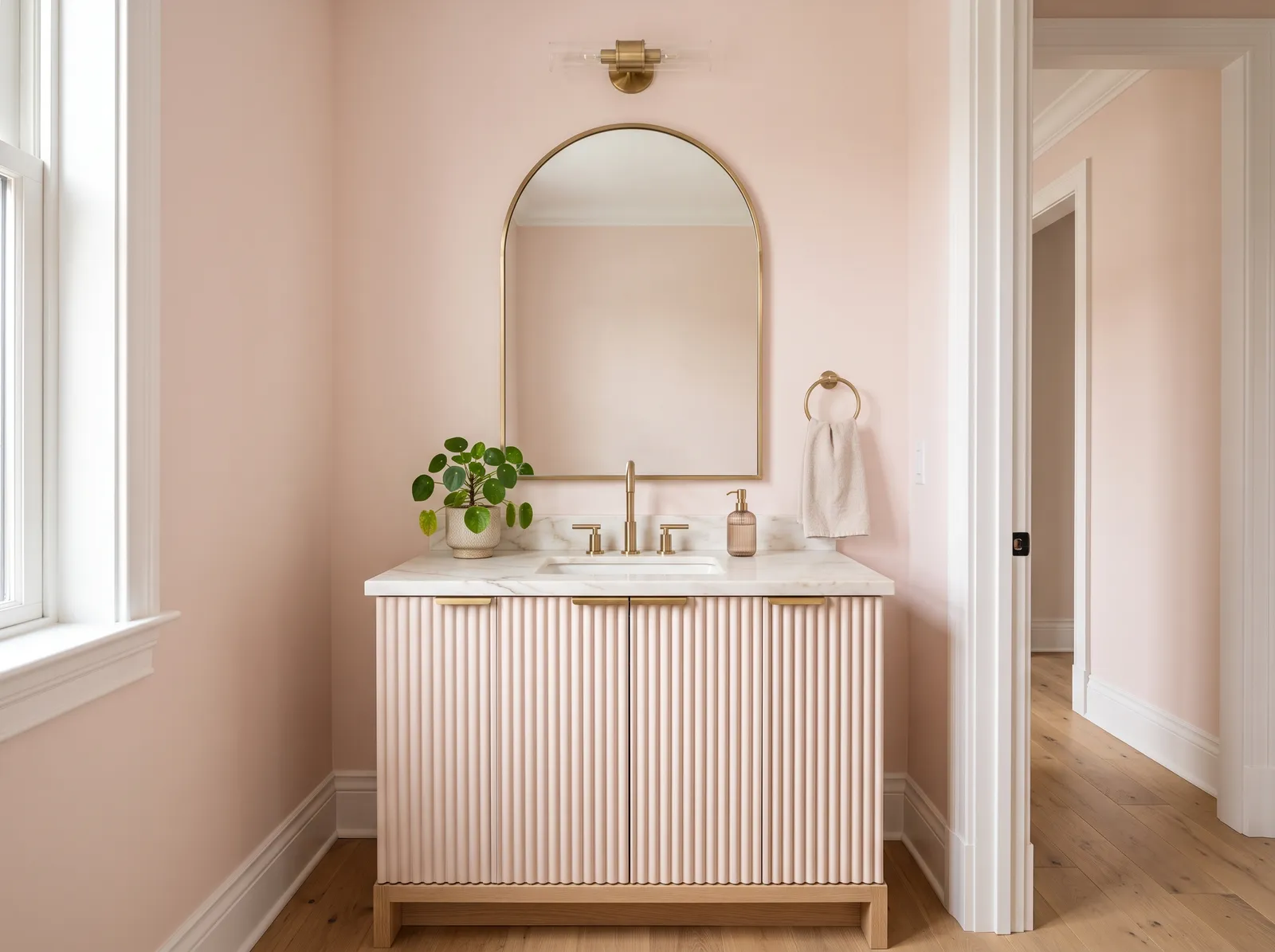
First Light is the pink for people who do not want a pink room.
10 curated pinks with undertones, LRV, and the honest reasons why, plus the full 313-color pink deck below.
Don't want to compare 313 pinks? These four cover most real projects.
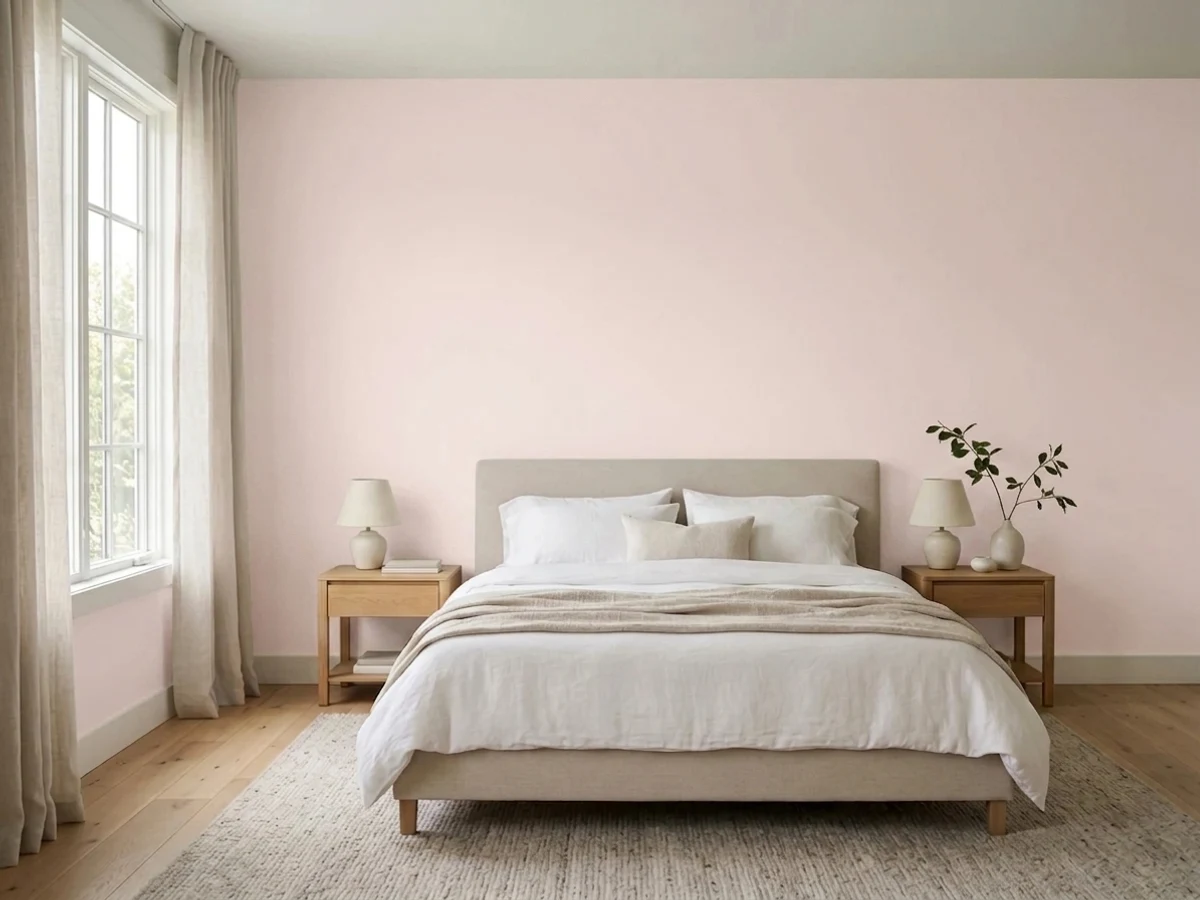
The palest pink in Benjamin Moore's deck, LRV 82 — soft blush in warm light, fading to plain cream in daylight.
First Light is the pink for people who do not want a pink room.
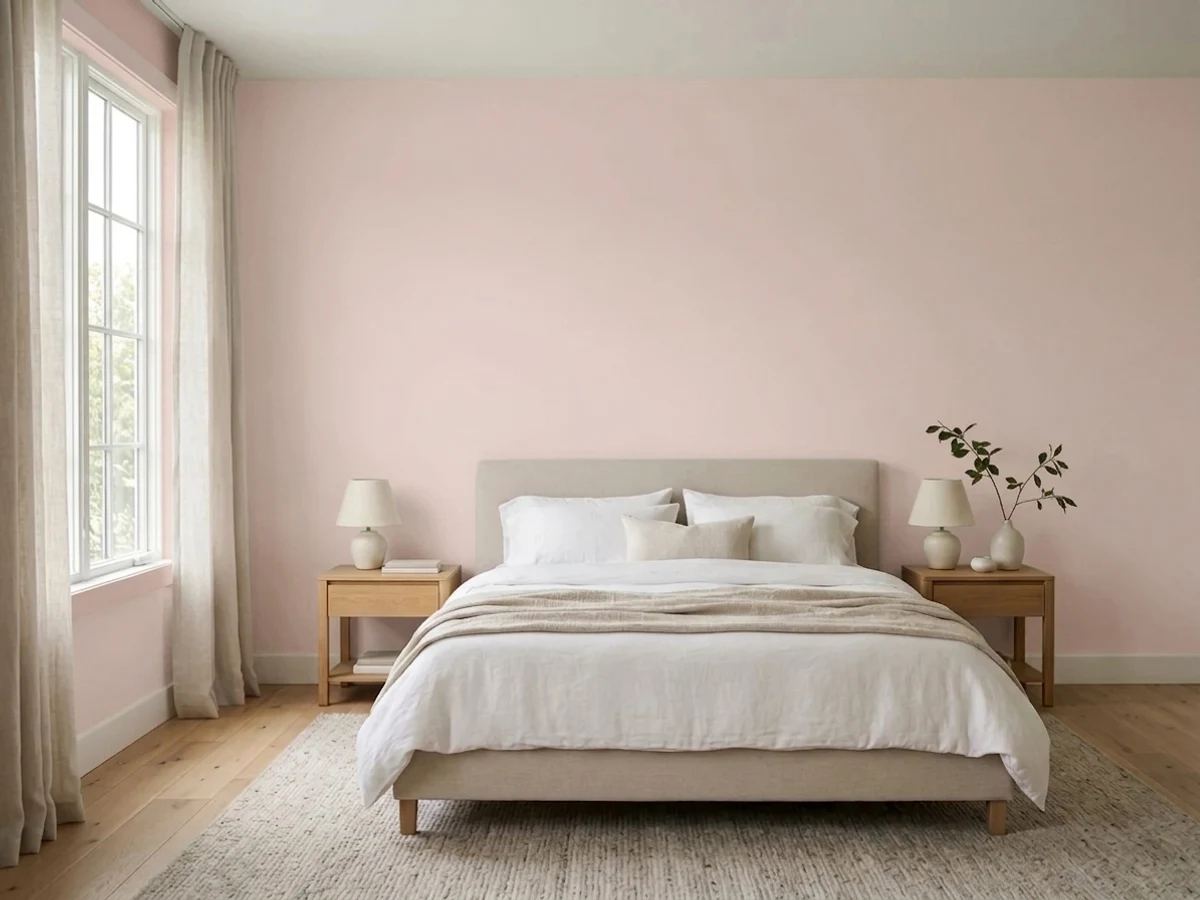
A pale, dusty pink at LRV 61 so muted it reads almost neutral — soft warmth for bedrooms or nurseries without going bold.
Razzle Dazzle is a real hot pink — saturated, slightly blue-violet, and completely uninterested in being a background.
Numbered and curated. Tap any color for its full review, or see it on your own walls in the visualizer.
1First Light is the pink for people who do not want a pink room.
 2
2A pale, dusty pink at LRV 61 so muted it reads almost neutral — soft warmth for bedrooms or nurseries without going bold.
 3
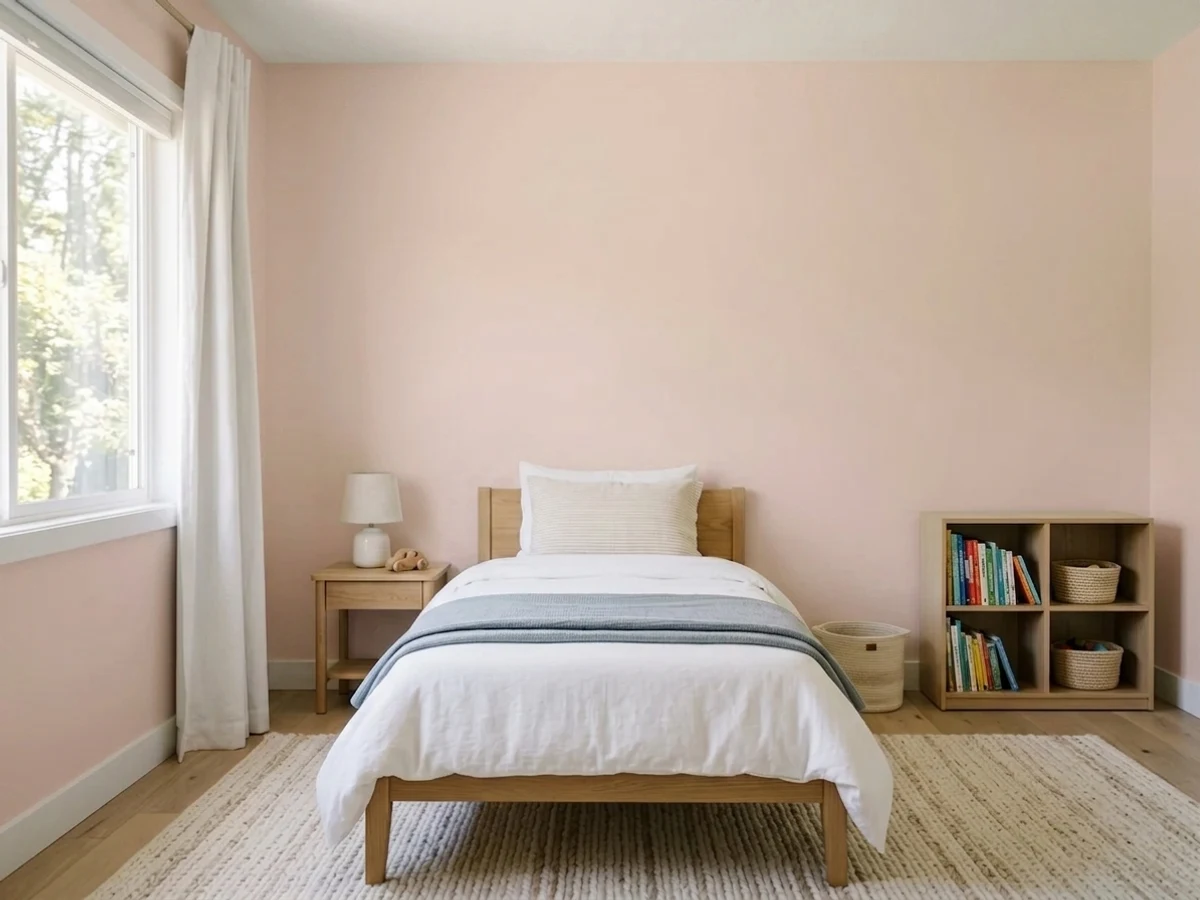
3Odessa Pink is what happens when a pink decides to behave like a neutral.
 4
4The palest pink in Benjamin Moore's deck, LRV 82 — soft blush in warm light, fading to plain cream in daylight.
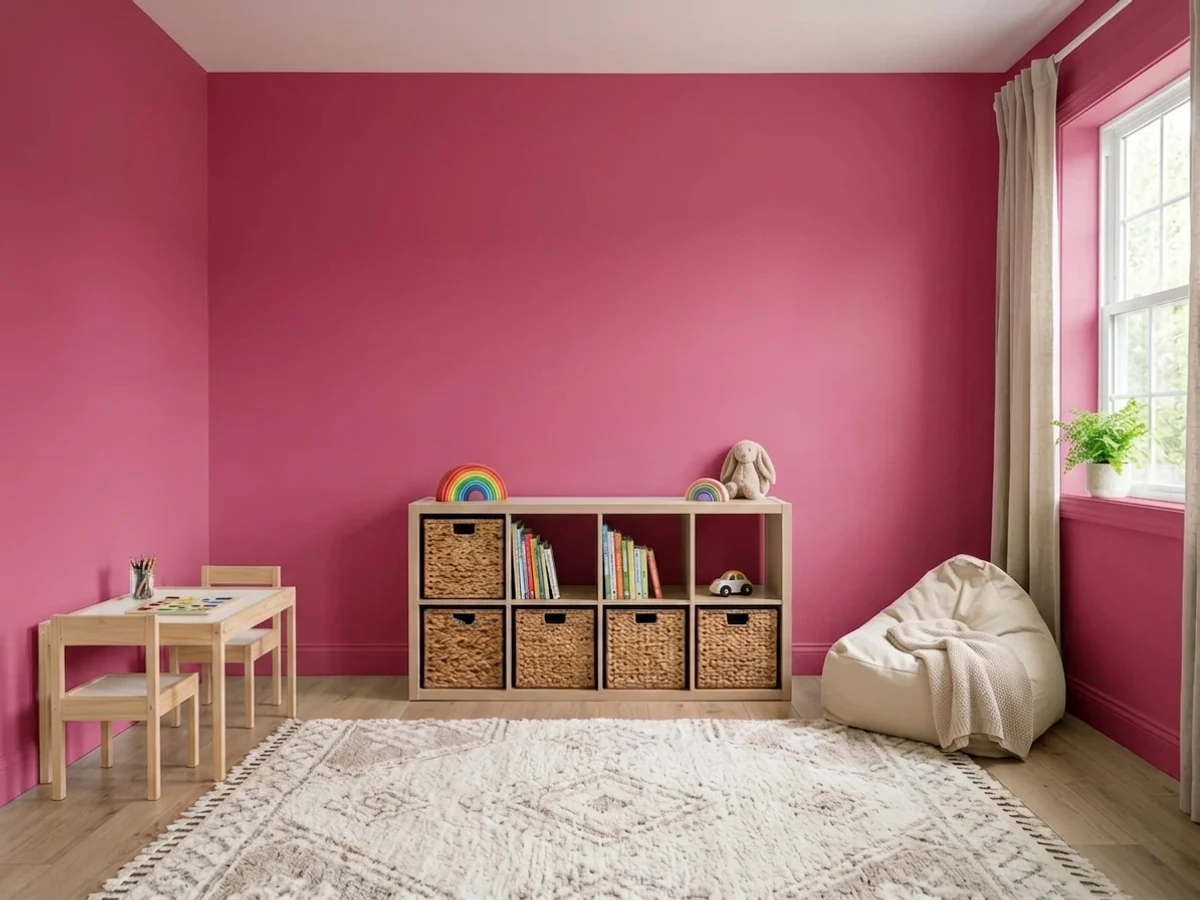 5
5Razzle Dazzle is a real hot pink — saturated, slightly blue-violet, and completely uninterested in being a background.
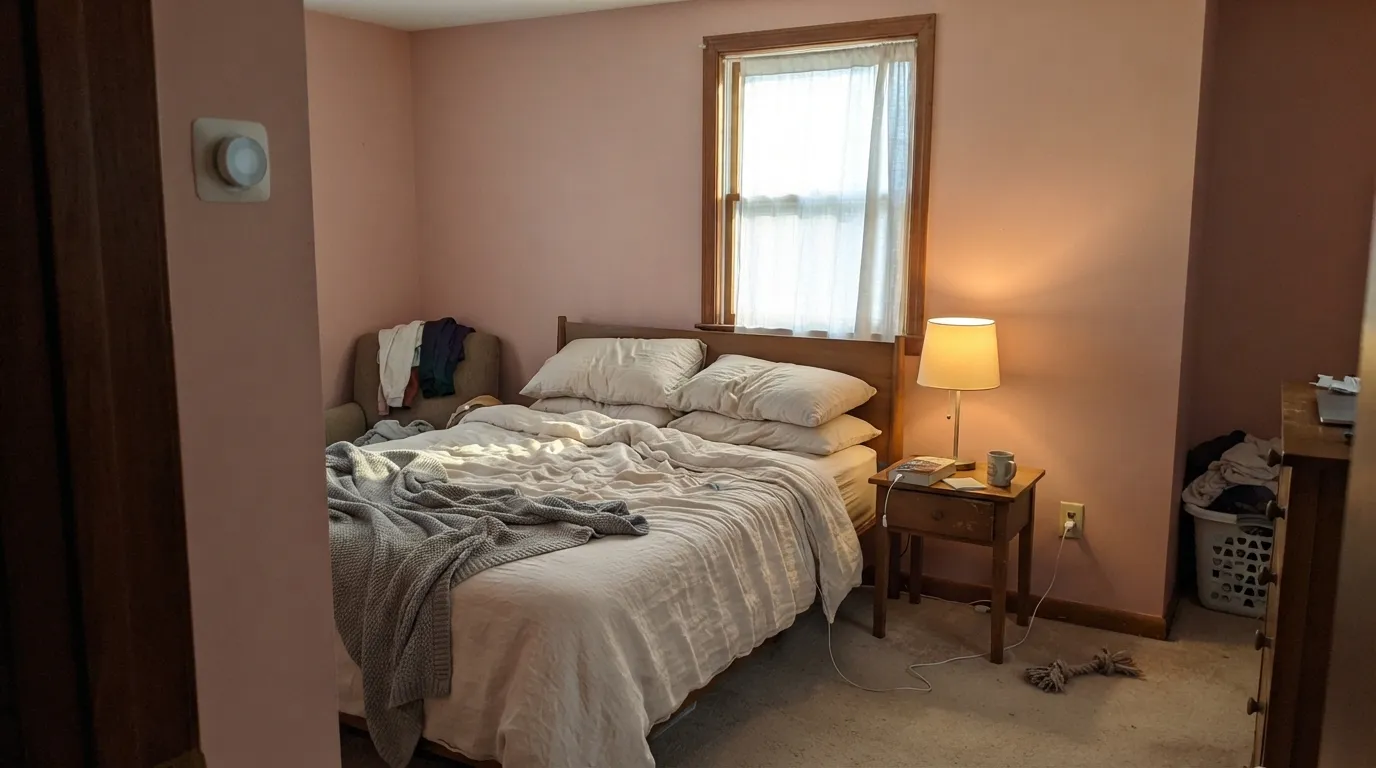 6
6On BM's own popular pink list — a sun-faded shell pink that behaves like a warm neutral.
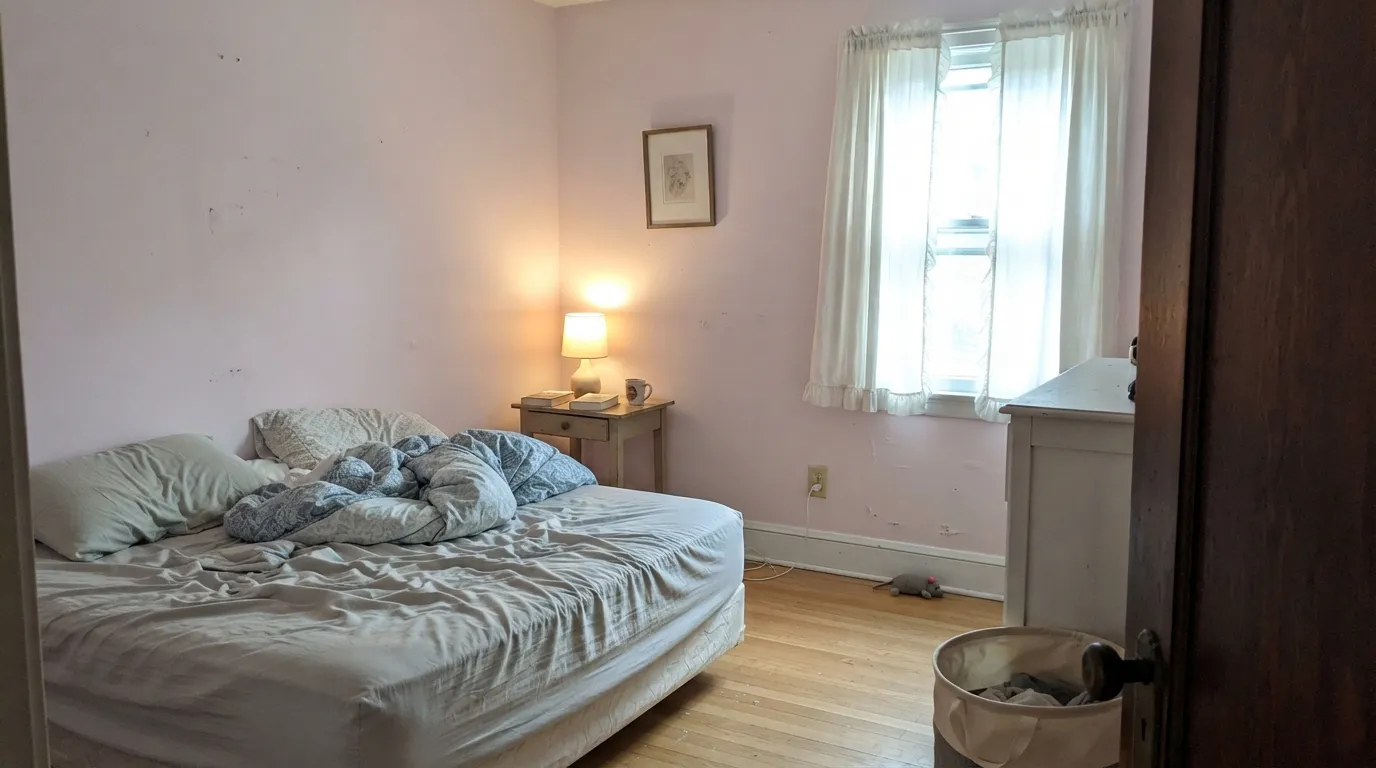 7
7A whipped blush-white from BM's popular picks — the gentlest way to try pink.
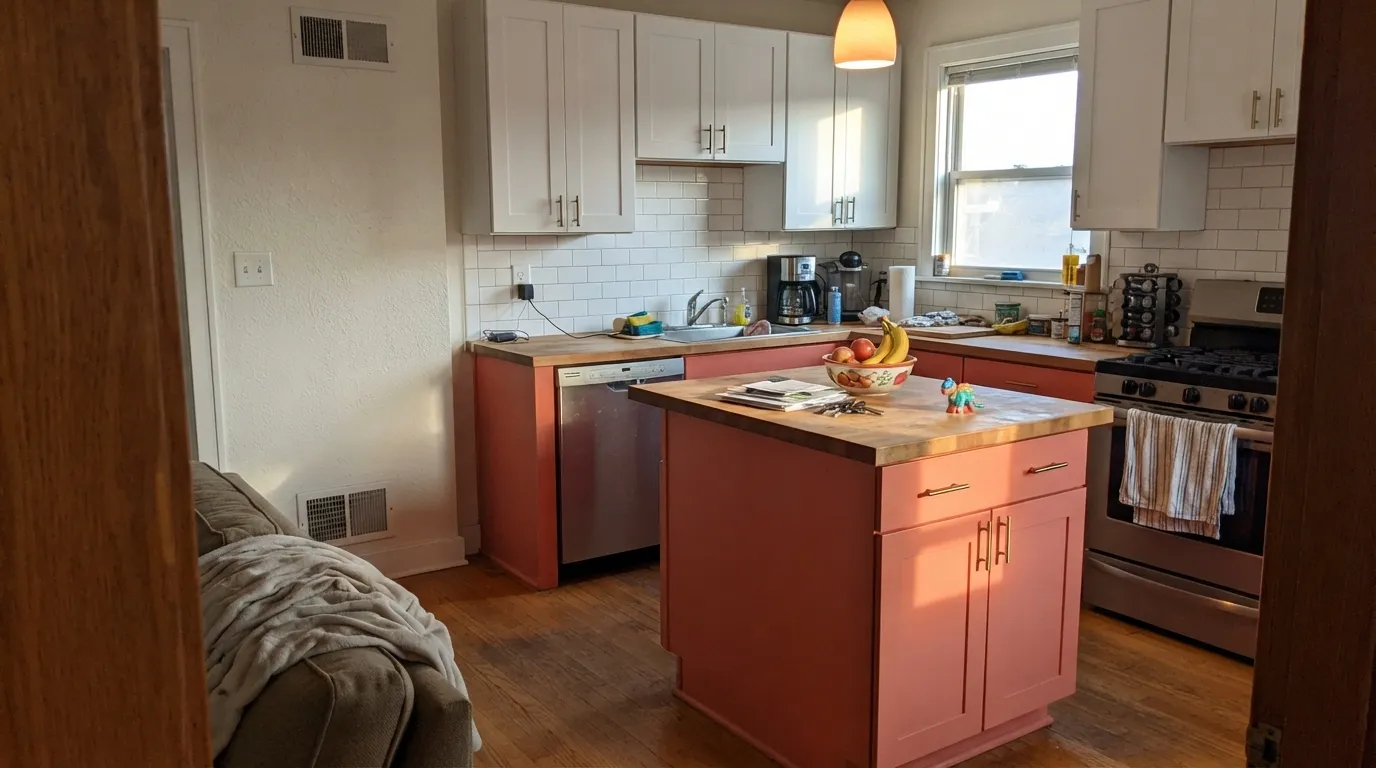 8
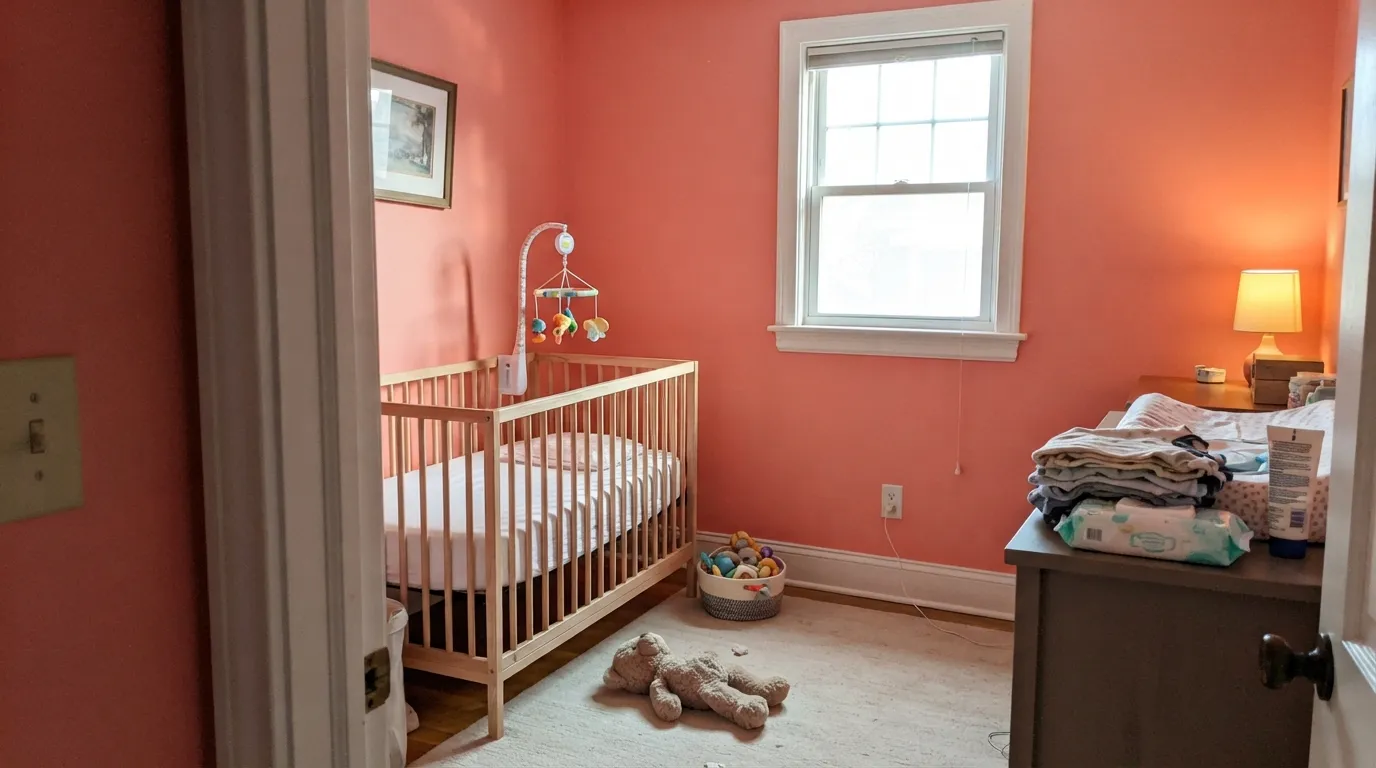
8Warm coral-pink (LRV 39) that swings orange in evening light.
 9
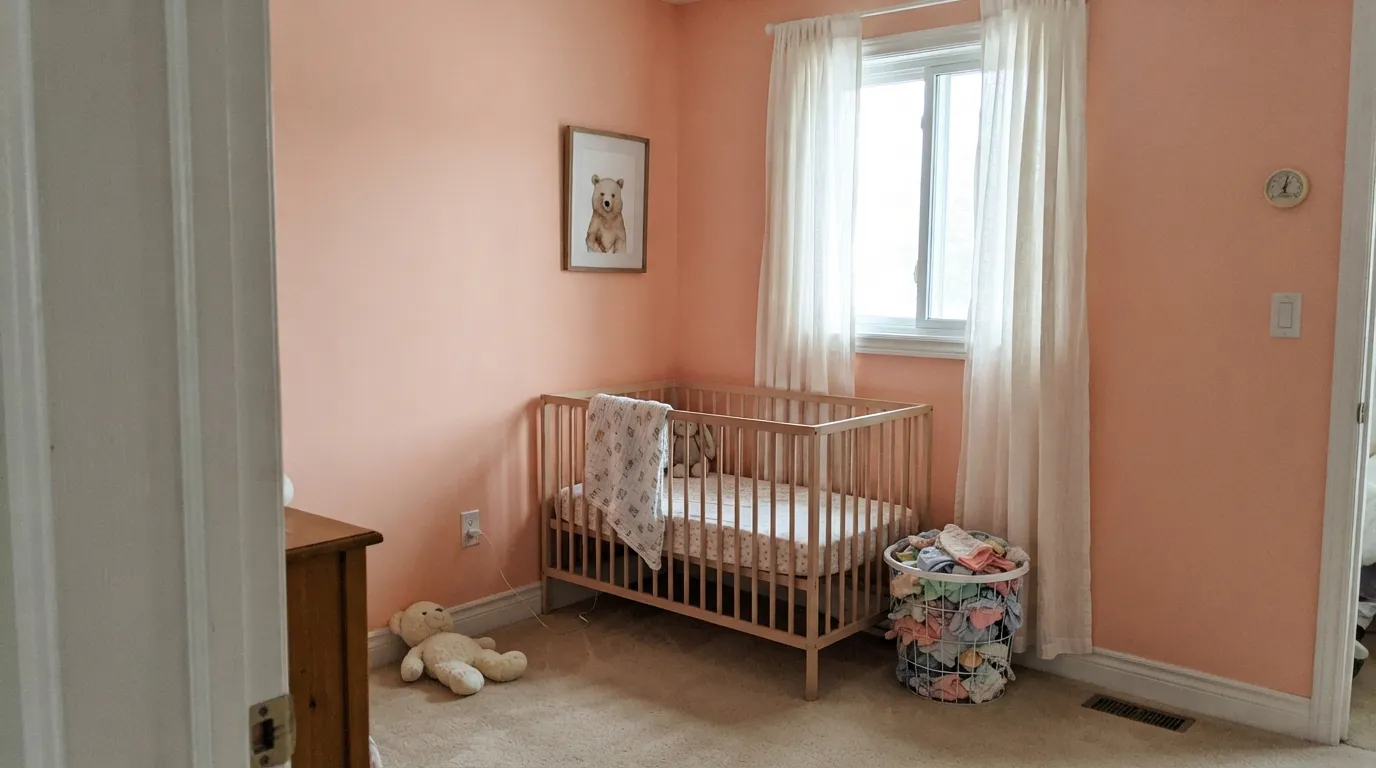
9BM features it among its most popular pinks — a happy coral-rose with vintage charm.
 10
10A peach-cream on BM's own popular pink shortlist — soft enough for whole rooms.
The whole Benjamin Moore pink range by depth. LRV is the number to trust: the same pink looks two steps darker on a wall than on a chip.
LRV (Light Reflectance Value) tells you how much light a color bounces back, from near-white at the top to deep and shadowy at the bottom. This pink slice runs from 86 at the lightest down to 17.6 at the darkest, which is a wide spread to work with. Soft Pink (2012-70) at LRV 86 and Pale Oats (2166-60) at 76.3 are airy, whole-wall pinks that read almost neutral in daylight.
The middle is where most rooms live. Kitsilano Beach (CC-278) at 66.8 and Antique Coral (1198) at 62 give you color you can clearly see without going dark. Groundhog Day (1166) at 51 and Titanic Rose (2092-50) at 39.5 are richer choices best saved for accent walls, smaller rooms, or spaces with strong light, since pinks under about LRV 45 can feel heavy across four walls.
Each room page shows pink picks from every US brand side by side, so you can compare in context.
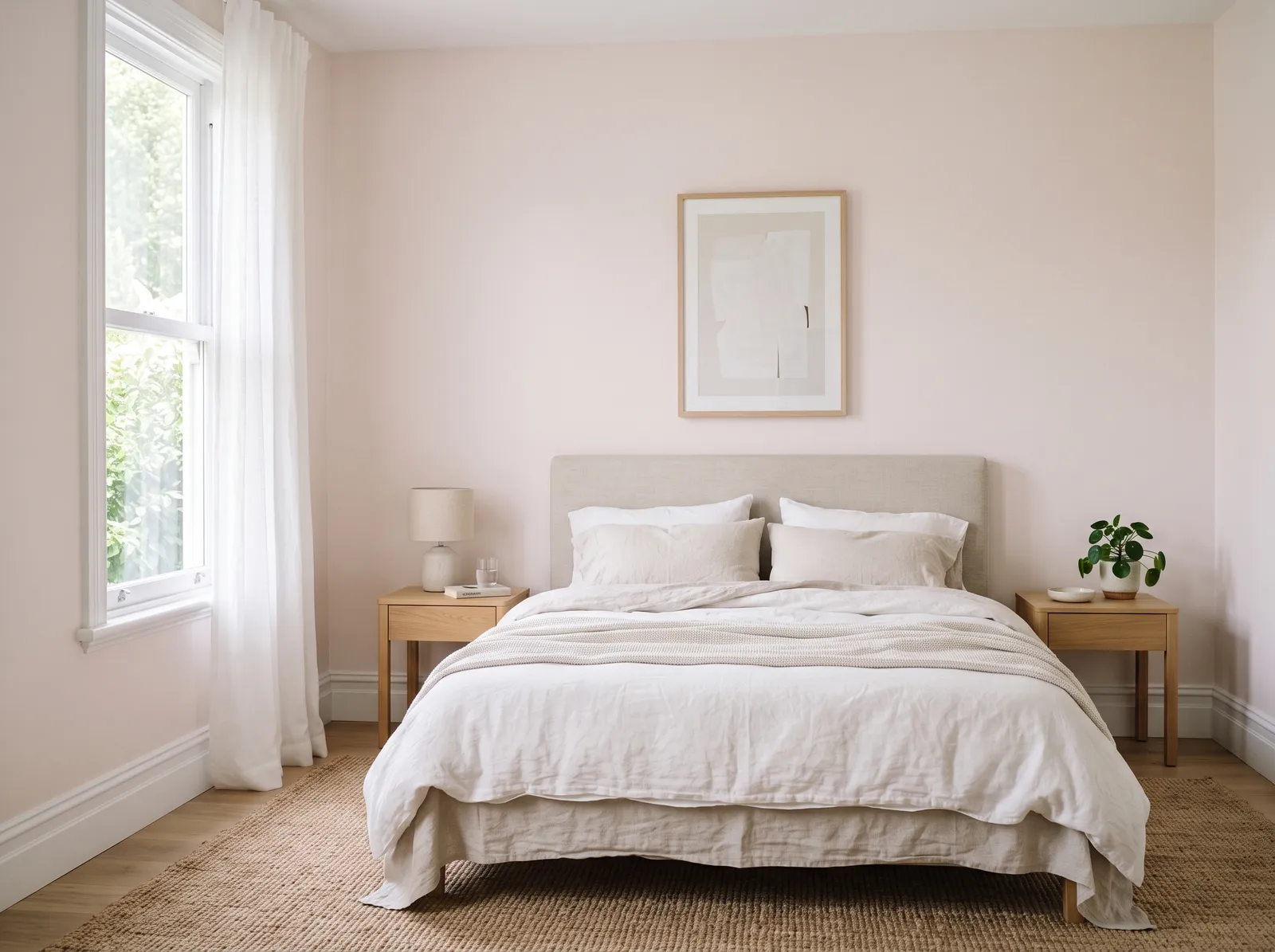
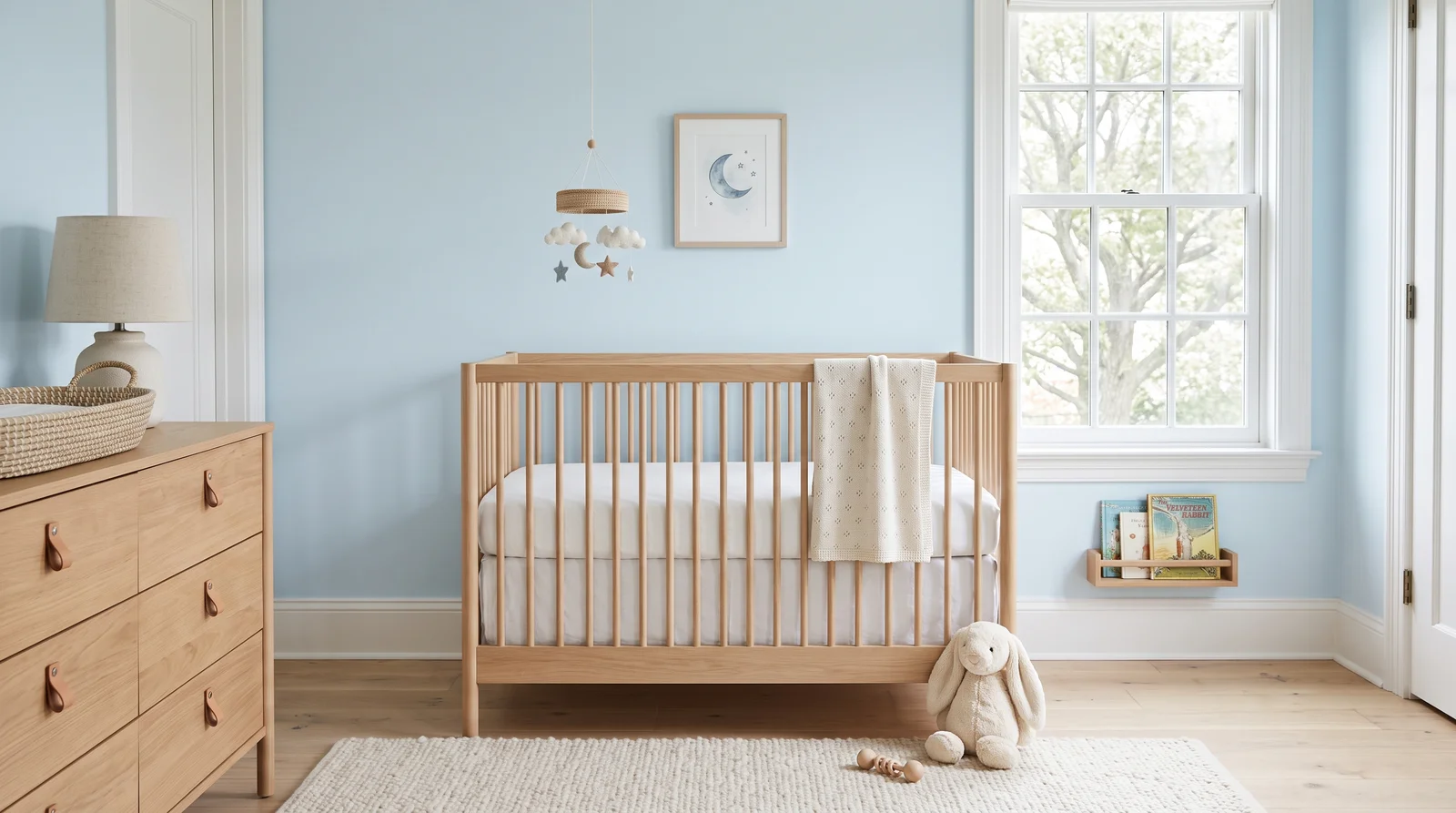
The lightest pinks work almost anywhere. Soft Pink and Pale Oats are easy in bedrooms, nurseries, bathrooms, and even main living spaces where you want warmth without obvious color. They flatter skin tones and morning light, which makes them reliable in rooms where people get ready.
The mid and deeper pinks ask for more intention. Georgetown Pink Beige (HC-56) is a quiet, sophisticated pick for whole rooms or trim-heavy spaces, while Antique Coral (1198) and Titanic Rose (2092-50) shine on a single feature wall, a dining room, or a powder room where a little drama is welcome. Test any pink on the actual wall and look at it morning and night, because pink shifts more than most colors as the light changes.
Every Benjamin Moore pink, grouped by undertone, warm to cool. Filter by depth or change the order.
Hex values are display approximations from Benjamin Moore's published swatch tools, not a physical sample under controlled lighting. Order a brand-direct sample before specifying.
Upload a photo of the room. We paint it in the pink you chose with your light and your floor, and you can swap colors until one holds.
Every Benjamin Moore pink here is mixed to order. You bring the name or code to an independent Benjamin Moore dealer, they tint a base to match, and you walk out with that exact color. The brand is not sold in big-box stores, so plan to buy local. Lines run good to best: ben (around $56 a gallon), Regal Select (around $75), and Aura (around $95), the flagship that often covers in one coat.
These colors also cross-match well. Any paint store can scan a Benjamin Moore chip or use an LRV and undertone target to mix a close equivalent in another brand's base, and the same works in reverse to bring a competitor's pink into a Benjamin Moore line. The featured Kompozit deck can be matched the same way, since match is driven by color values, not the label. When you cross-match, confirm with a brushed-out sample rather than trusting the on-screen swatch, because a small tint shift is more visible in pink than in a neutral.
How many pink colors each brand carries, drawn with that deck's own pinks from light to dark. Pick your store first, then the color. Every brand equal, no favorites.
Pink covers a lot of ground at Benjamin Moore, and this family of 398 colors proves it. You will find barely-there blush whites like Soft Pink (2012-70), warm putty-pinks like Georgetown Pink Beige (HC-56), and deeper, dustier roses like Titanic Rose (2092-50). The thread running through all of them is undertone control, which is what designers and architects come to this brand for.
That matters more with pink than almost any other color. A pink can read peachy, mauve, salmon, or near-beige depending on the light, and Benjamin Moore's pinks are mixed to hold their tone instead of drifting. Antique Coral (1198) leans warm and earthy, while Heirloom (023) keeps a soft, clean blush, so you can pick a direction and trust it stays put.
Pink wants a clean, well-chosen white nearby or it can tip toward looking sweet. Benjamin Moore's own off-whites are the natural partners: Chantilly Lace (OC-65) for a crisp, modern edge, White Dove (OC-17) or Simply White (OC-117) for a softer, warmer frame. These are coded OC for Off-White, and the wider system uses HC for the Historical Collection and AF for Affinity, a tightly coordinated palette built to mix and match easily.
For contrast and grounding, a deep neutral keeps pink from feeling one-note. Revere Pewter (HC-172) is a flexible greige companion, and Hale Navy (HC-154) gives a confident, classic pairing on cabinetry or a lower wall. With the warmer pinks like Georgetown Pink Beige, lean into earthy whites and soft taupes; with cooler blush like Heirloom, a true bright white reads cleaner.
First Light (2102-70) — First Light is the pink for people who do not want a pink room. Pink Bliss and Pale Cherry Blossom and Razzle Dazzle round out the short list most people choose from.
This slice of the Benjamin Moore deck has 398 colors in the pink family, drawn from the Classics, Off-White (OC), Historical (HC), and Color Capsule (CC) lines. They range from near-white blush to deep dusty rose, so there is room to go subtle or bold.
In this family the LRV runs from 86 at the lightest down to 17.6 at the darkest. Soft Pink (2012-70) sits near the top at LRV 86, an airy almost-neutral blush, while the deepest pinks are rich enough to read as accent colors rather than whole-room choices.
For full walls, the lighter end is safest. Soft Pink (2012-70), Pale Oats (2166-60), and Georgetown Pink Beige (HC-56) carry a room without overwhelming it. Save deeper picks like Titanic Rose (2092-50) for a feature wall, a powder room, or a space with strong natural light.
A clean white keeps pink from looking too sweet. Chantilly Lace (OC-65) gives a crisp modern edge, while White Dove (OC-17) or Simply White (OC-117) frame it more softly. For contrast on cabinets or a lower wall, Hale Navy (HC-154) or the greige Revere Pewter (HC-172) ground the look.
Benjamin Moore is sold only through independent dealers, not big-box stores. Bring the color name or code and they will mix it to order. Choose your line by budget and finish: ben at about $56 a gallon, Regal Select around $75, or the one-coat flagship Aura around $95.
Yes. Any paint store can scan a Benjamin Moore chip or match its LRV and undertone to mix a close equivalent in another brand's base, including the featured Kompozit deck, and the same works in reverse. Always confirm with a brushed-out sample, since small tint shifts show more in pink than in neutrals.
Ask a Question