Farrow & Ball Pink All 13, sorted honestly.
Every pink in the Farrow & Ball deck: 13 colors, LRV 81 down to 17, grouped by undertone and depth.
All 13 Farrow & Ball Pink Paint Colors
Every pink in the Farrow & Ball deck, LRV 81 down to 17. Grouped by undertone, warm to cool. Filter by depth or change the order.
Hex values are display approximations from Farrow & Ball's published swatch tools, not a physical sample under controlled lighting. Order a brand-direct sample before specifying.
Upload a photo of the room. We paint it in the pink you chose with your light and your floor, and you can swap colors until one holds.
Farrow & Ball is a British premium import sold through its own showrooms and authorized stockists, and it runs around $100 or more per gallon, roughly two to three times mainstream paint. The deck is tightly curated at about 132 colors, each carrying a number such as No. 245. You choose a finish to fit the surface: Estate Emulsion for chalky matt walls, Modern Emulsion for a washable wall, Estate or Modern Eggshell for wood and metal, plus Dead Flat and Full Gloss.
Like all the colors on this site, these pinks are mixed to order rather than sitting pre-made on a shelf. That also means you are not locked in. If the price or the supply is a problem, you can color-match any of these pinks, by LRV and undertone, into a more widely available US line or into the featured Kompozit deck, then have it tinted at a local store. Match on the look and light behavior, not just the name, and always test a sample on your own wall before committing.
Light to Dark
The whole Farrow & Ball pink range by depth. LRV is the number to trust: the same pink looks two steps darker on a wall than on a chip.
The pink family here runs from LRV 27 at the darkest to 84 at the lightest, so there is real range. LRV is just how much light a color bounces back: high numbers stay bright and airy, low numbers go moody and absorbing. Middleton Pink (No. 245) at 84 is the lightest and nearly behaves like a warm off-white, while Cinder Rose (No. 246) at 41 reads as a deep, smoky rose.
For most main walls in average rooms, the mid-to-high group is the safe bet. Pink Ground (No. 202) at 71, Calamine at 67, and the pair of Savage Ground (No. 213) and Setting Plaster at 57 give you soft color without darkening the space. Save the lower-LRV picks like Nancy's Blushes (No. 278) at 55 or Cinder Rose for accent walls, smaller rooms, or spaces where you want drama.
Farrow & Ball Pink, Room by Room
Each room page shows pink picks from every US brand side by side, so you can compare in context.
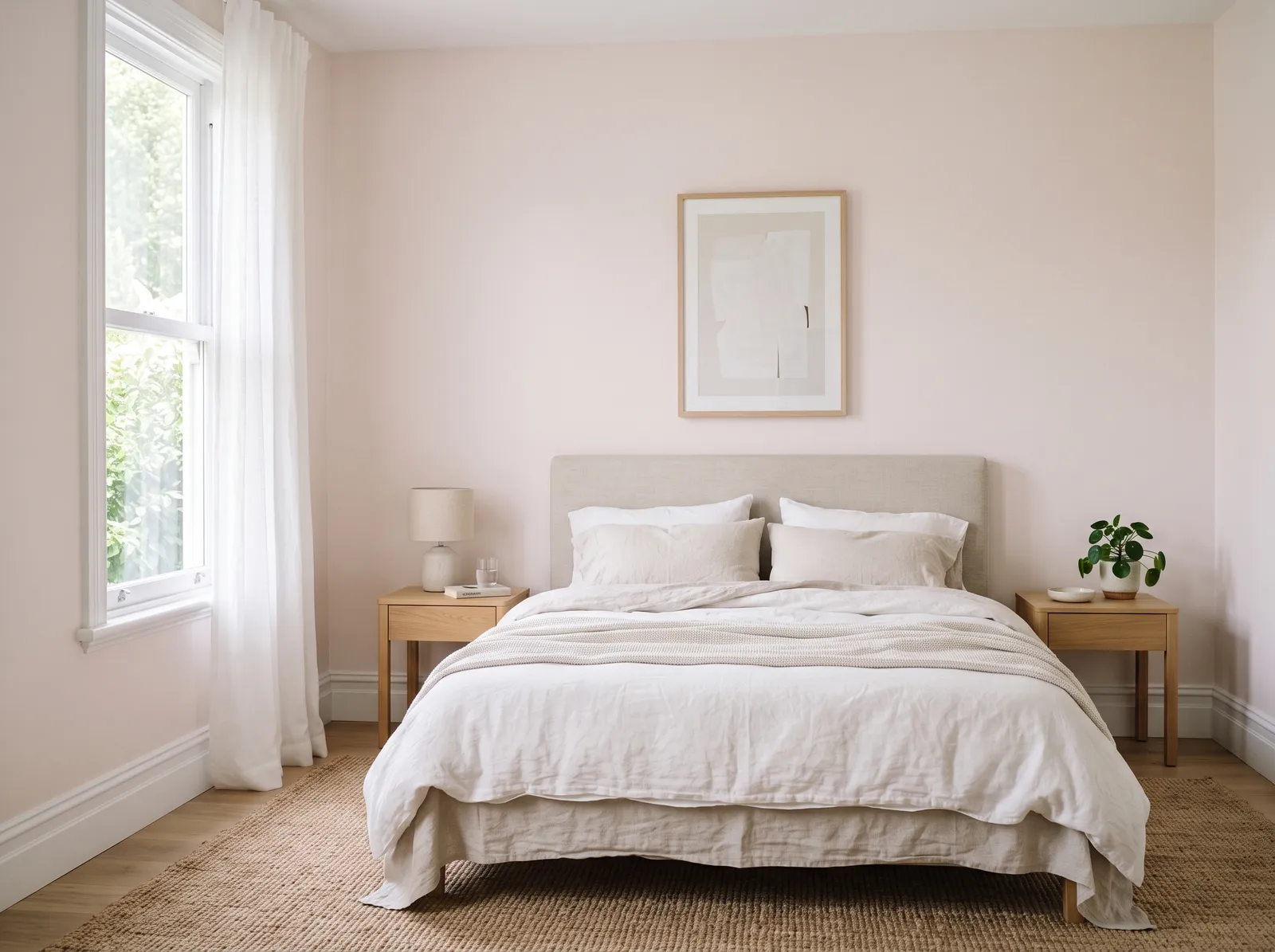

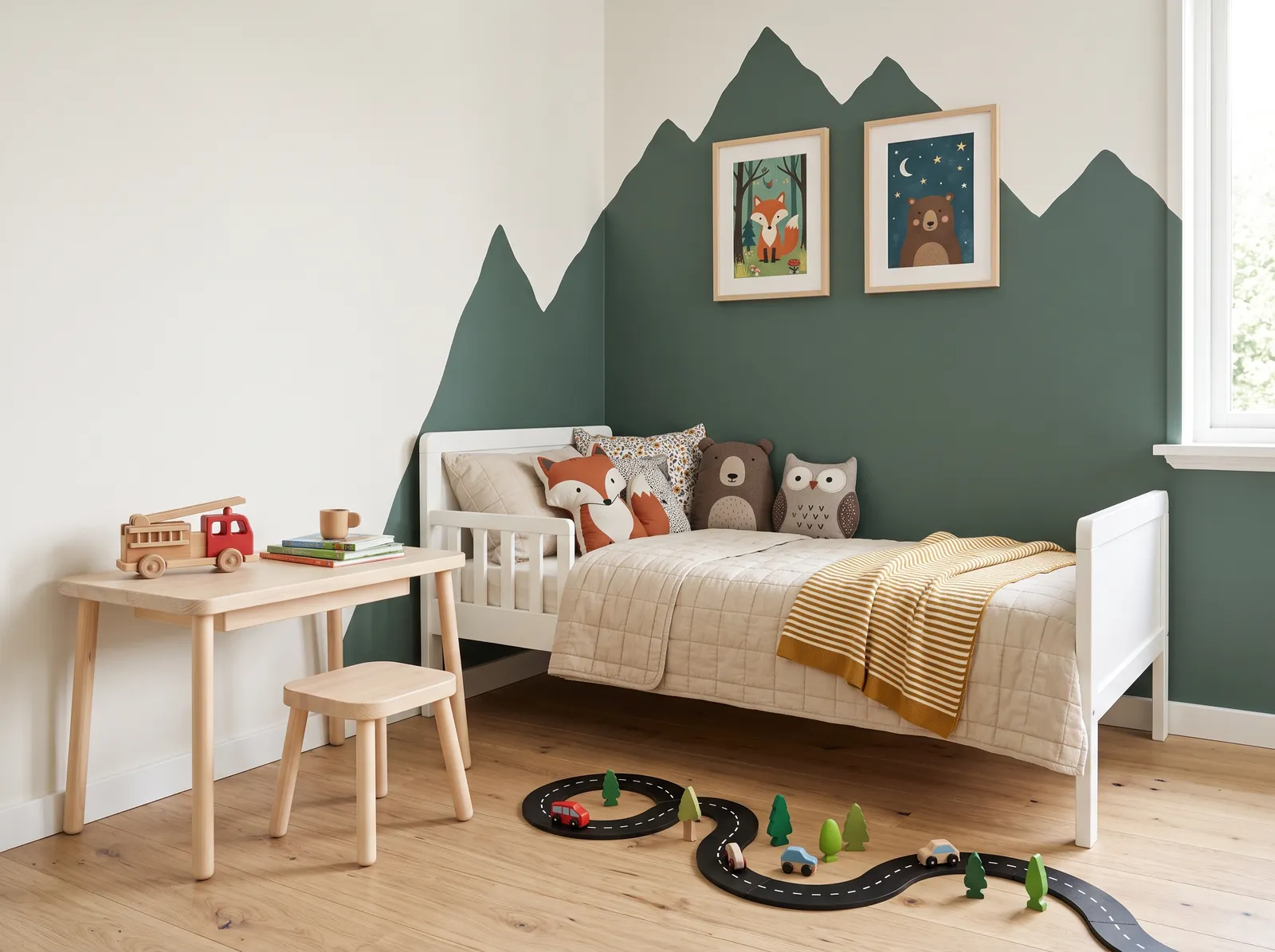
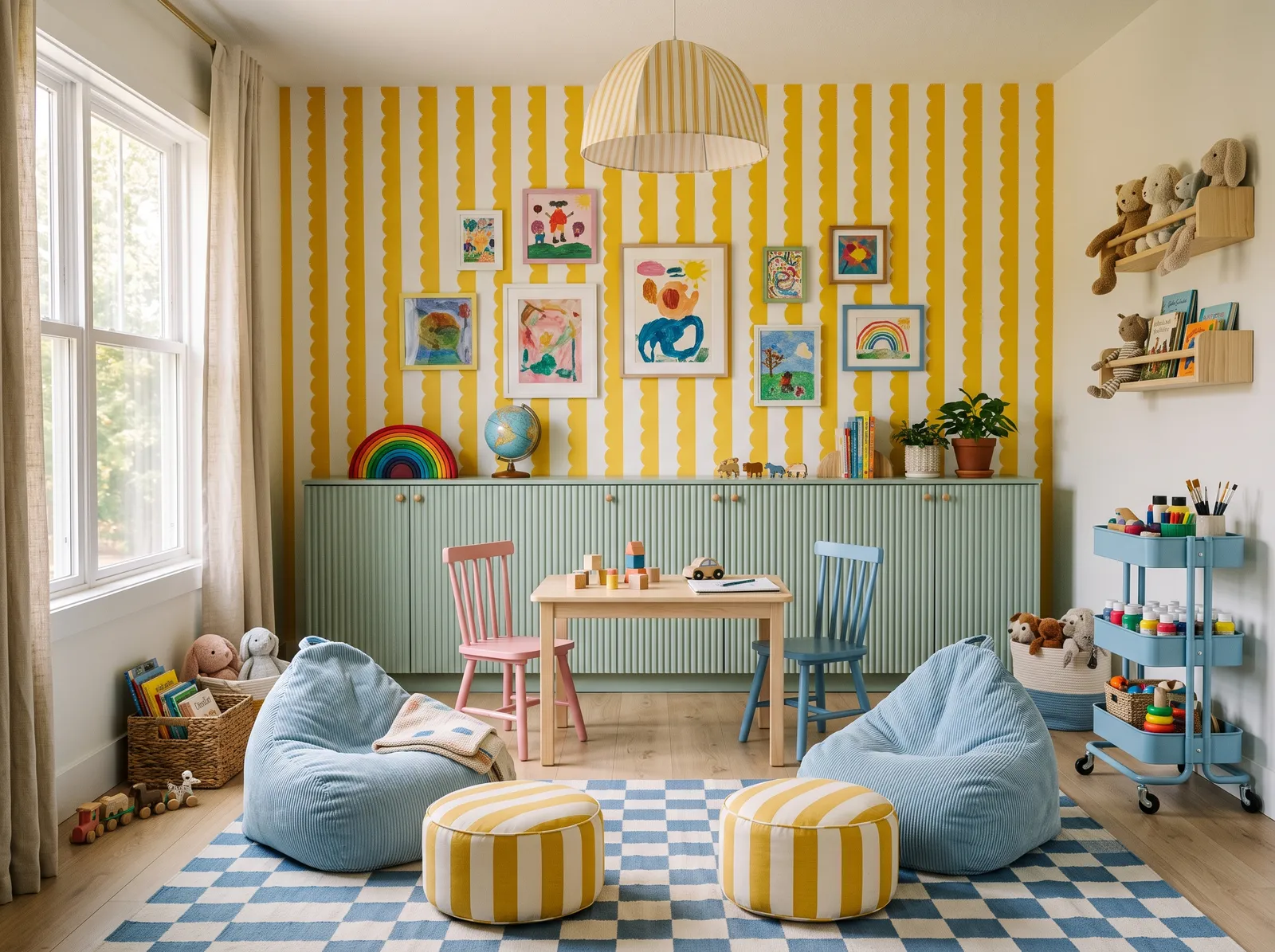
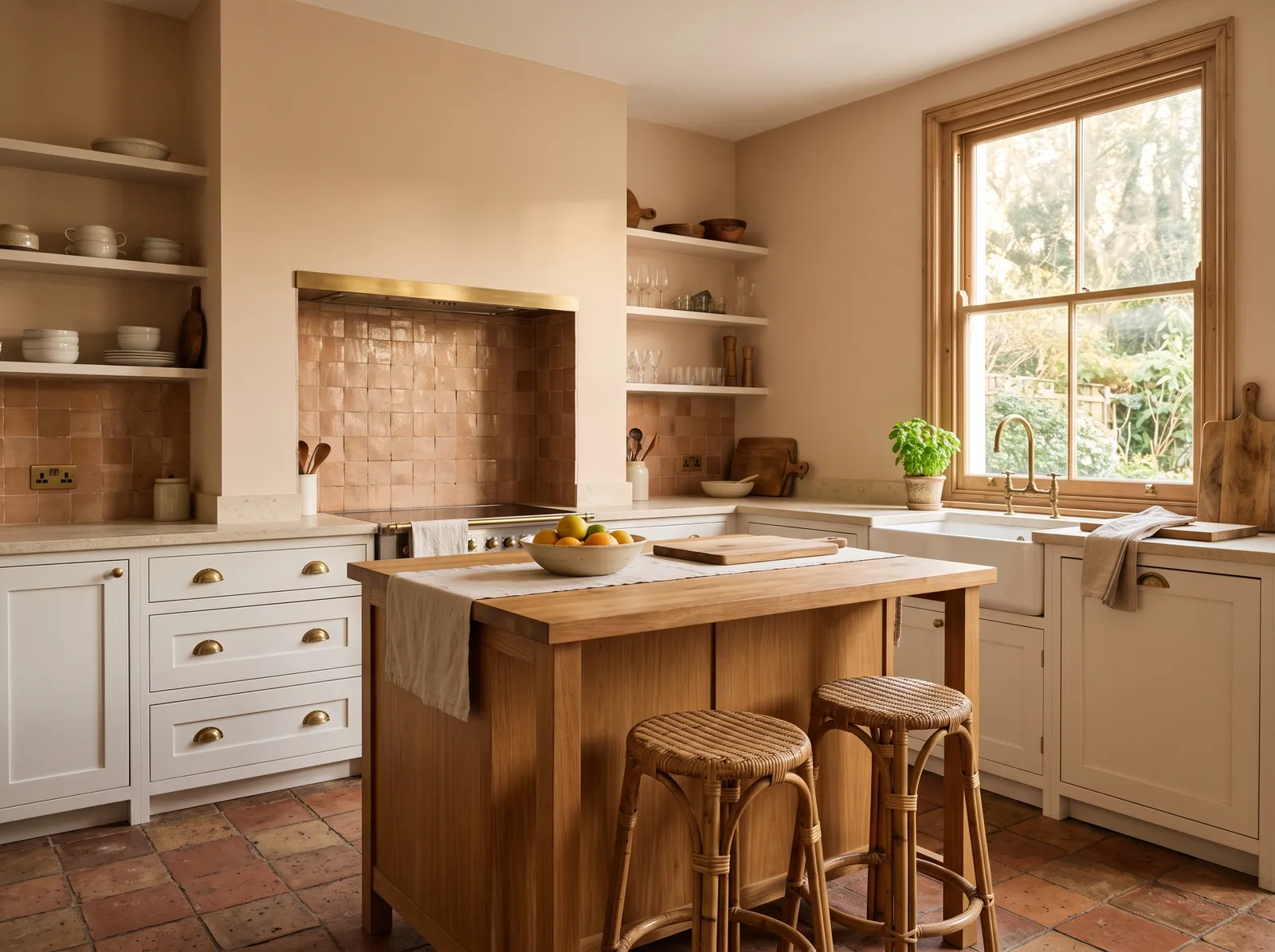
The lighter plaster pinks suit bedrooms, living rooms, and hallways where you want warmth that does not shout. Middleton Pink and Pink Ground are easy on north-facing rooms because their warmth pushes back against cool, grey daylight. Setting Plaster and Savage Ground are workhorse neutrals-with-a-blush that pair well with wood floors and linen.
The deeper pinks earn their keep in rooms you want to feel cozy or intimate. Nancy's Blushes and Cinder Rose work on a dining room, a study, or as a cabinet and millwork color. Oxford Stone (No. 264) at 56 sits more on the muddy, mushroom side and is a strong pick for trim or a whole-room envelope when you want quiet, not pink-pink.
How Deep Each Pink Deck Goes
How many pink colors each brand carries, drawn with that deck's own pinks from light to dark. Pick your store first, then the color. Every brand equal, no favorites.
More on Farrow & Ball pink paint colors
The Character of Farrow & Ball's Pinks
Farrow & Ball pinks rarely read as sweet or candy-colored. They lean toward dusty, earthy, plaster-like tones built on warm pigment, so they feel grown-up on a wall instead of childish. Names like Setting Plaster (No. 231) and Cinder Rose (No. 246) tell you the story: these are pinks with grey, brown, or red mixed in, not bright bubblegum.
The brand is known for deep pigment and colors that shift through the day. A pink like Calamine (No. 230) can look soft and cool in morning light and warmer by evening. That movement is the whole point, and it is why these pinks feel richer than a flat sample chip suggests.
Pairing With Trim, Ceilings, and Coordinating Colors
Plaster pinks love a soft, warm white rather than a stark bright white, which can make the pink look washed out. A gentle off-white on trim and ceiling keeps everything in the same family and lets the wall color breathe. For more contrast, the brand's darker greens and blues are classic partners against these pinks.
Within this slice you can also layer pinks themselves. Use a lighter one like Pink Ground on walls and a deeper one like Nancy's Blushes or Cinder Rose on a door, alcove, or built-in. Earthy greys and warm browns from outside the pink family also balance the warmth so a room does not tip too sweet.
Farrow & Ball Pink Paint FAQ
What is the most popular Farrow & Ball pink paint color?
Setting Plaster (No. 231) — The cult millennial-pink that ran the trend cycle 2018-2022. round out the short list most people choose from.
Are Farrow & Ball pinks too pink for a whole room?
Most of them are not, because they are muted plaster and rose tones rather than bright candy pinks. Lighter picks like Middleton Pink (No. 245) and Setting Plaster (No. 231) read almost as a warm neutral on a full room. If you want even less pink, Oxford Stone (No. 264) leans mushroom and Savage Ground (No. 213) stays soft and earthy.
What does LRV mean and which pink should I pick?
LRV is light reflectance value, or how much light a color bounces back, on a 0 to 100 scale. In this pink slice it runs from 27 at the darkest up to 84 at the lightest. For bright, airy walls go high like Middleton Pink at 84 or Pink Ground (No. 202) at 71; for a cozy, moody feel go lower like Cinder Rose (No. 246) at 41.
Why is Farrow & Ball so expensive, and is there a cheaper option?
It is a British premium import sold through showrooms and authorized stockists, so it runs about $100 or more per gallon, two to three times mainstream paint. The pigment depth and the way the colors shift in light are part of what you pay for. If that is out of budget, you can color-match the pink you like into a more affordable US brand or the Kompozit deck and have it tinted locally.
Does Farrow & Ball have a pink Color of the Year I should know about?
No. Farrow & Ball does not do a Color of the Year and openly rejects the idea. Instead the brand releases new colors and trend predictions each year, so there is no single official pink to chase.
What trim and ceiling color goes with these pinks?
A soft warm white usually works better than a stark bright white, which can make the pink look faded. Keeping trim and ceiling in a gentle off-white lets the wall color stay warm and full. For contrast instead, the brand's deeper greens and blues are classic partners with plaster pinks.
Do I have to buy these in cans or are they mixed to order?
These colors are mixed to order rather than sold as fixed stock, and you choose a finish to match the surface, such as Estate Emulsion for matt walls or Eggshell for woodwork. Because the color is tinted on demand, you can also reproduce the same shade in another paint line if needed. Always brush a sample on your own wall and check it in daylight and at night before buying gallons.
Ask a Question