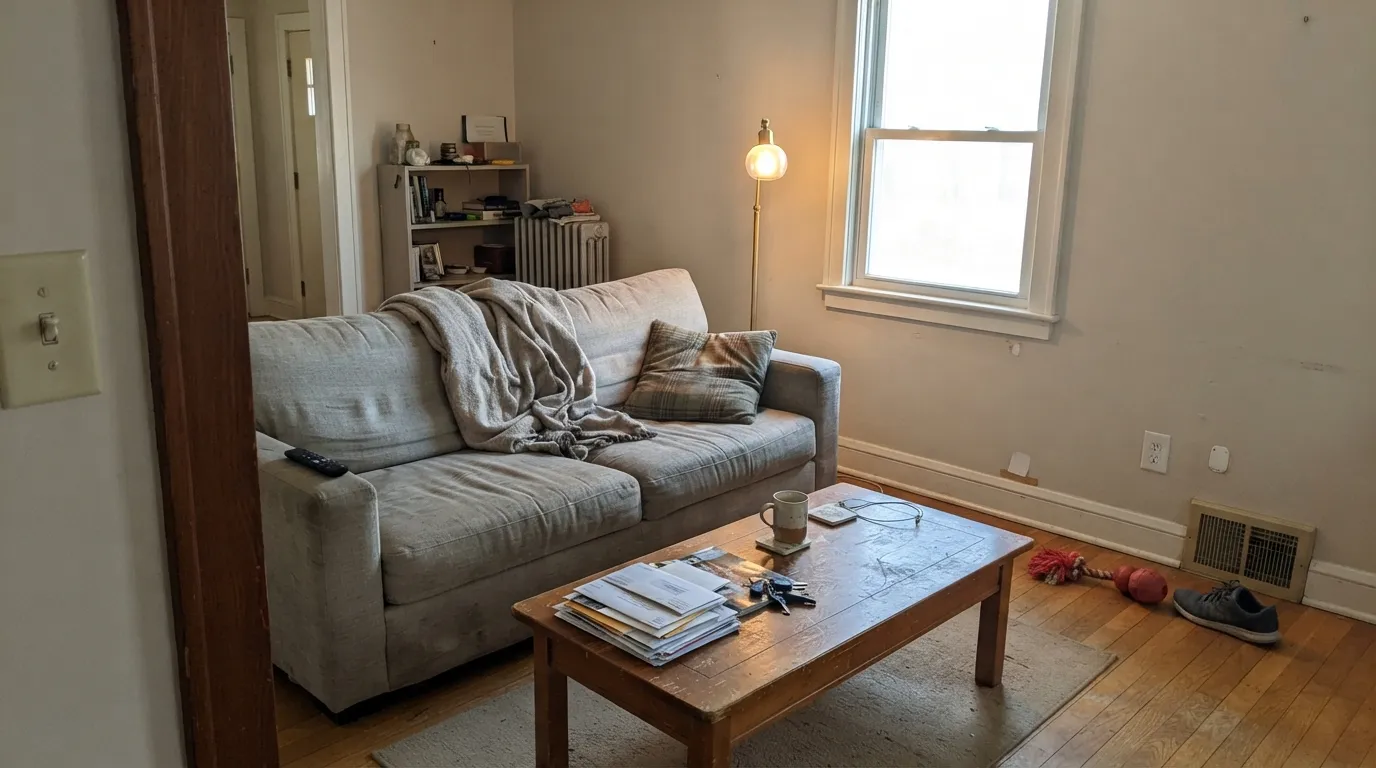
 1
1Skimming StoneNo. 241 · LRV 67
The off-white most-searched as alternative to BM Classic Gray.
10 curated neutrals with undertones, LRV, and the honest reasons why, plus the full 78-color neutral deck below.
Don't want to compare 78 neutrals? These four cover most real projects.
Warm cream with a yellow cast; F&B's go-to color for sunny rooms
The off-white most-searched as alternative to BM Classic Gray
Soft sage-leaning gray; F&B's most searched 'green-gray' crossover
Cult muted pink-beige that became an F&B social-media signature
Numbered and curated. Tap any color for its full review, or see it on your own walls in the visualizer.
1The off-white most-searched as alternative to BM Classic Gray.
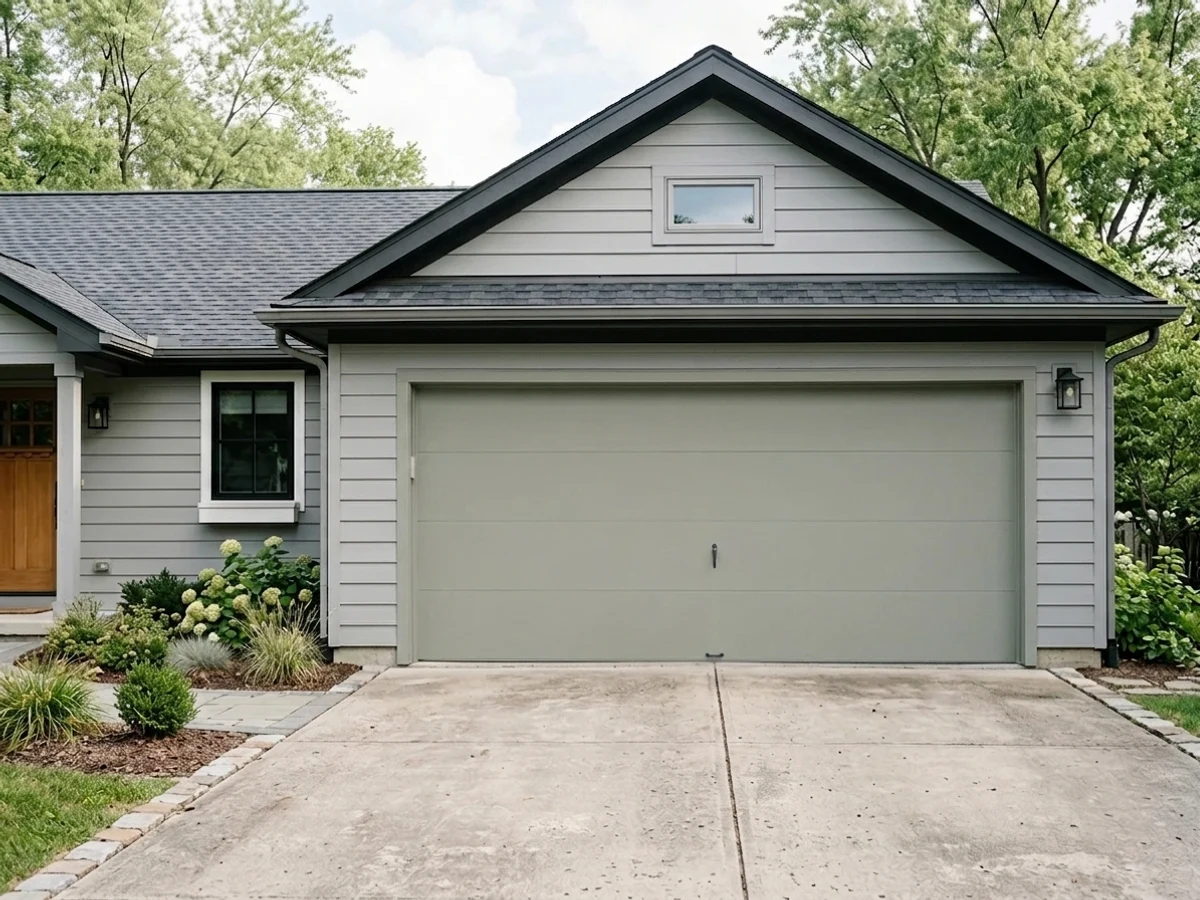 2
2Soft sage-leaning gray; F&B's most searched 'green-gray' crossover.
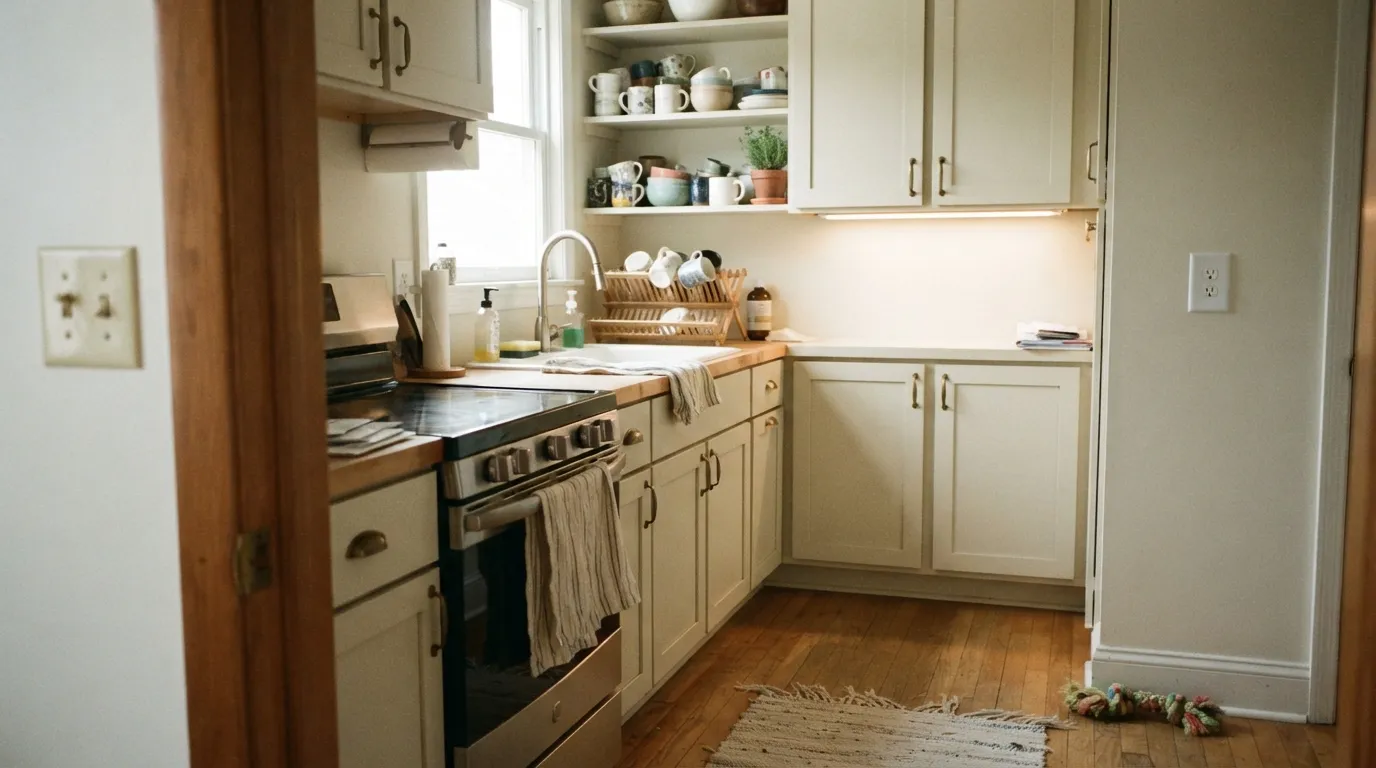 3
3Soft cream-white spec'd alongside Pointing for trim/wall layering.
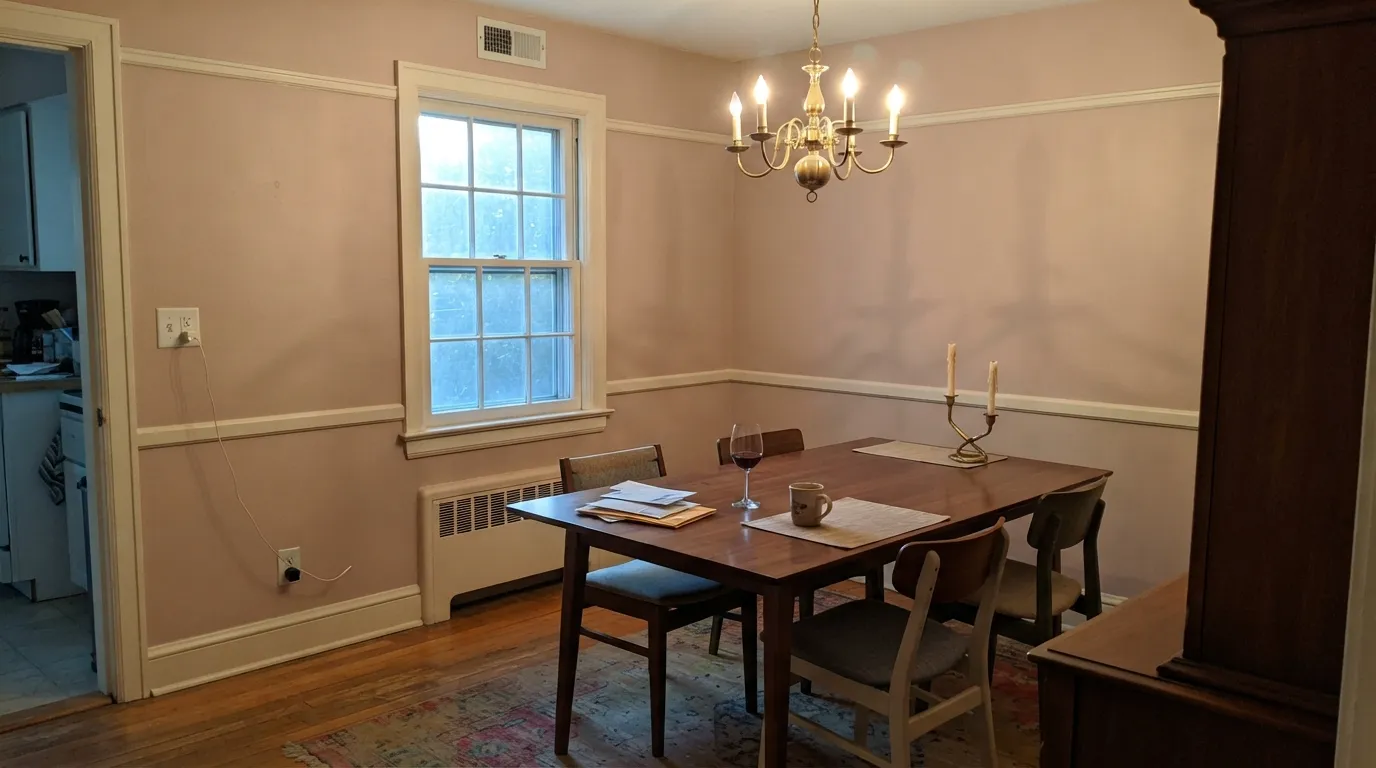 4
4Cult muted pink-beige that became an F&B social-media signature.
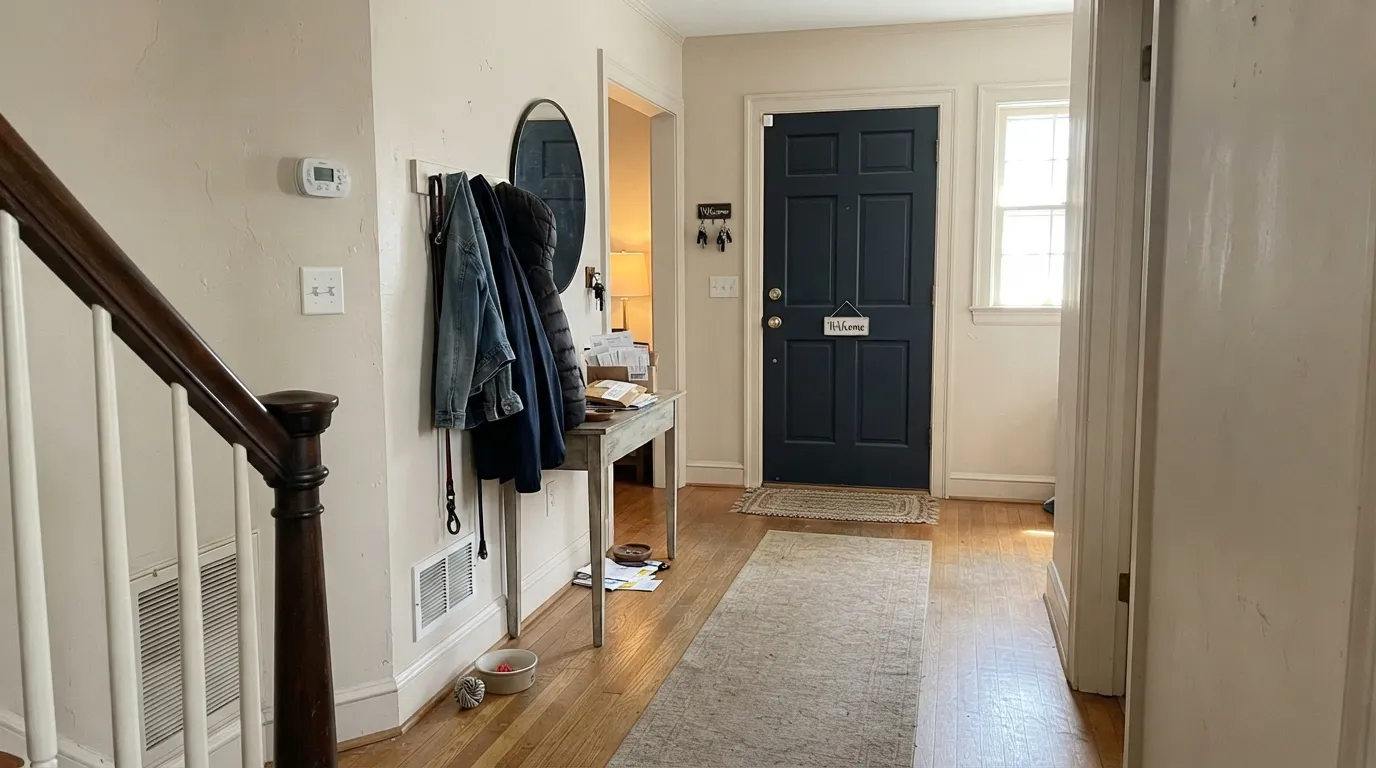 5
5Warm cream with a yellow cast; F&B's go-to color for sunny rooms.
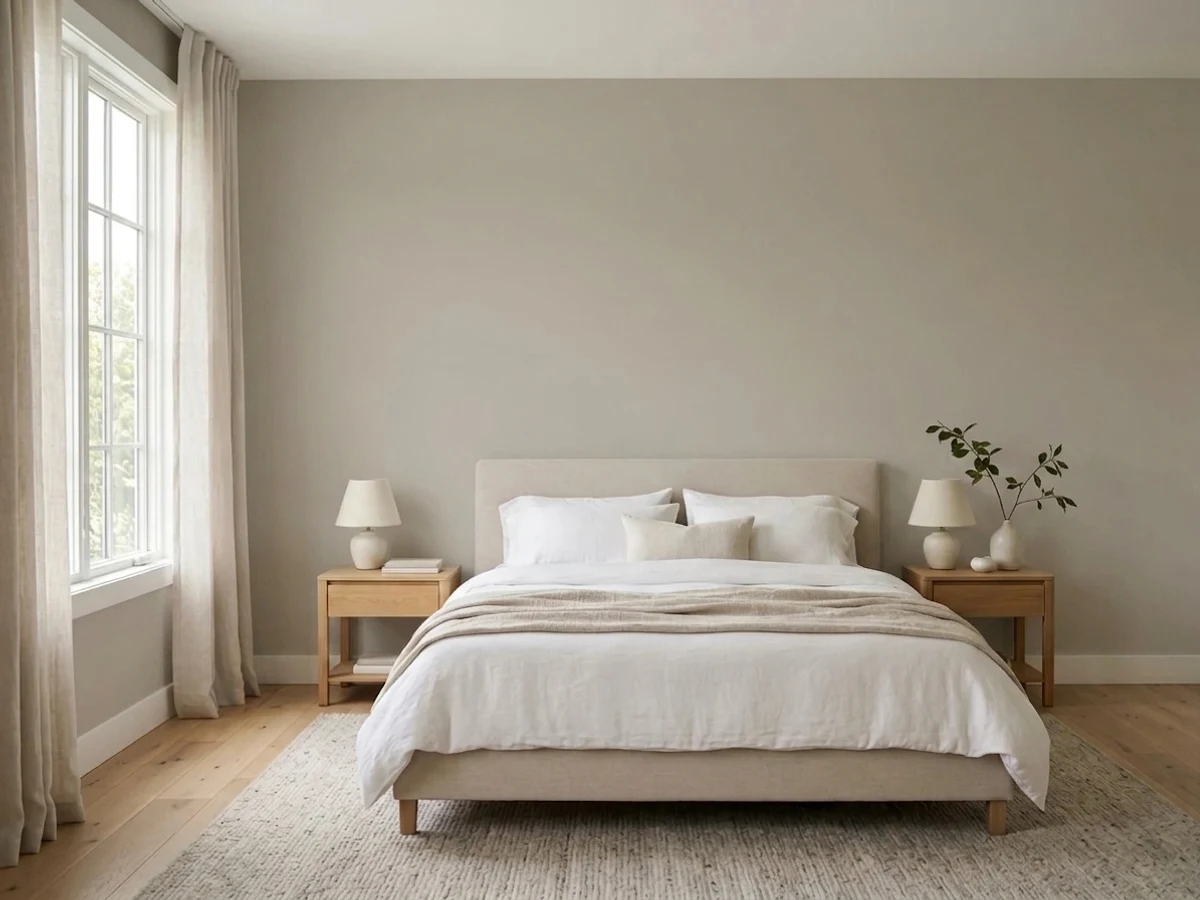 6
6F&B's most-searched greige; House Beautiful and AD favorite.
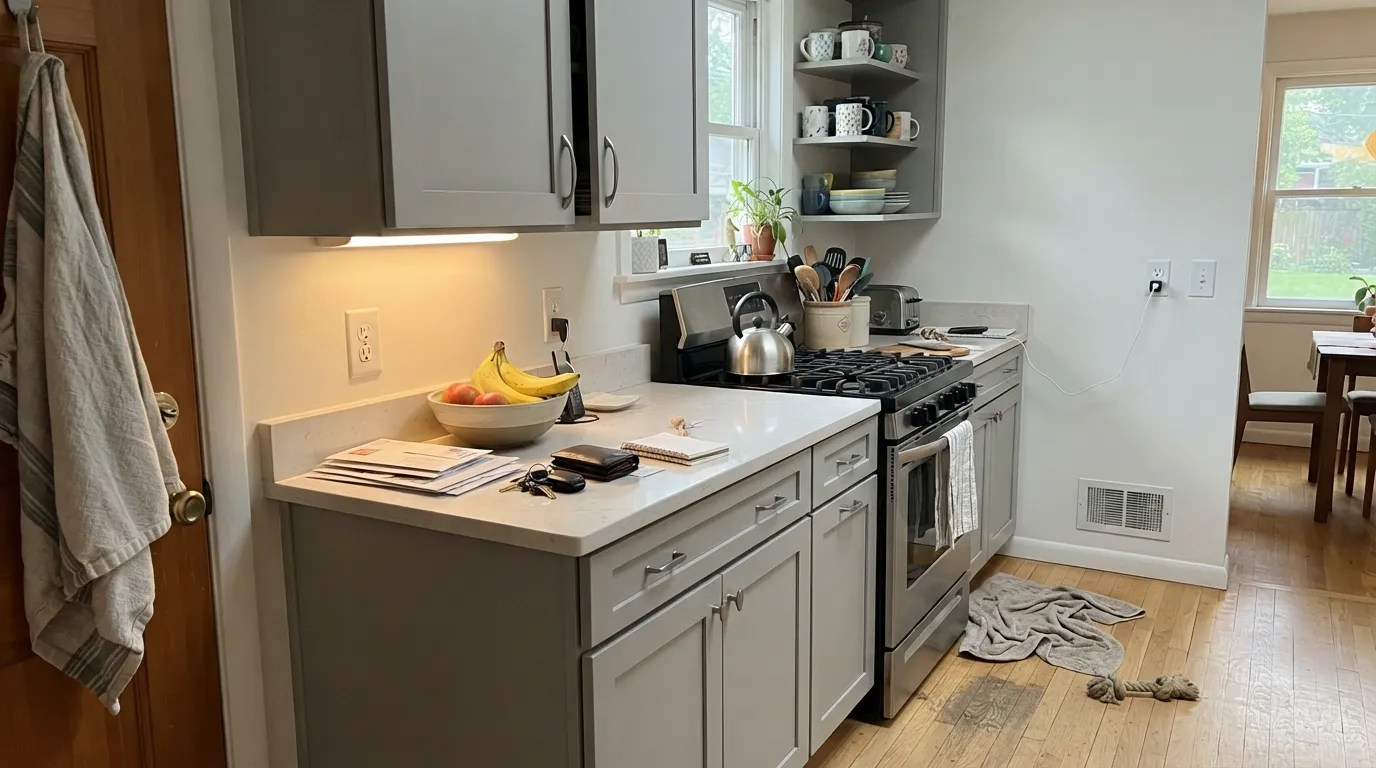 7
7F&B's bestselling cool mid-gray for kitchens and bedrooms.
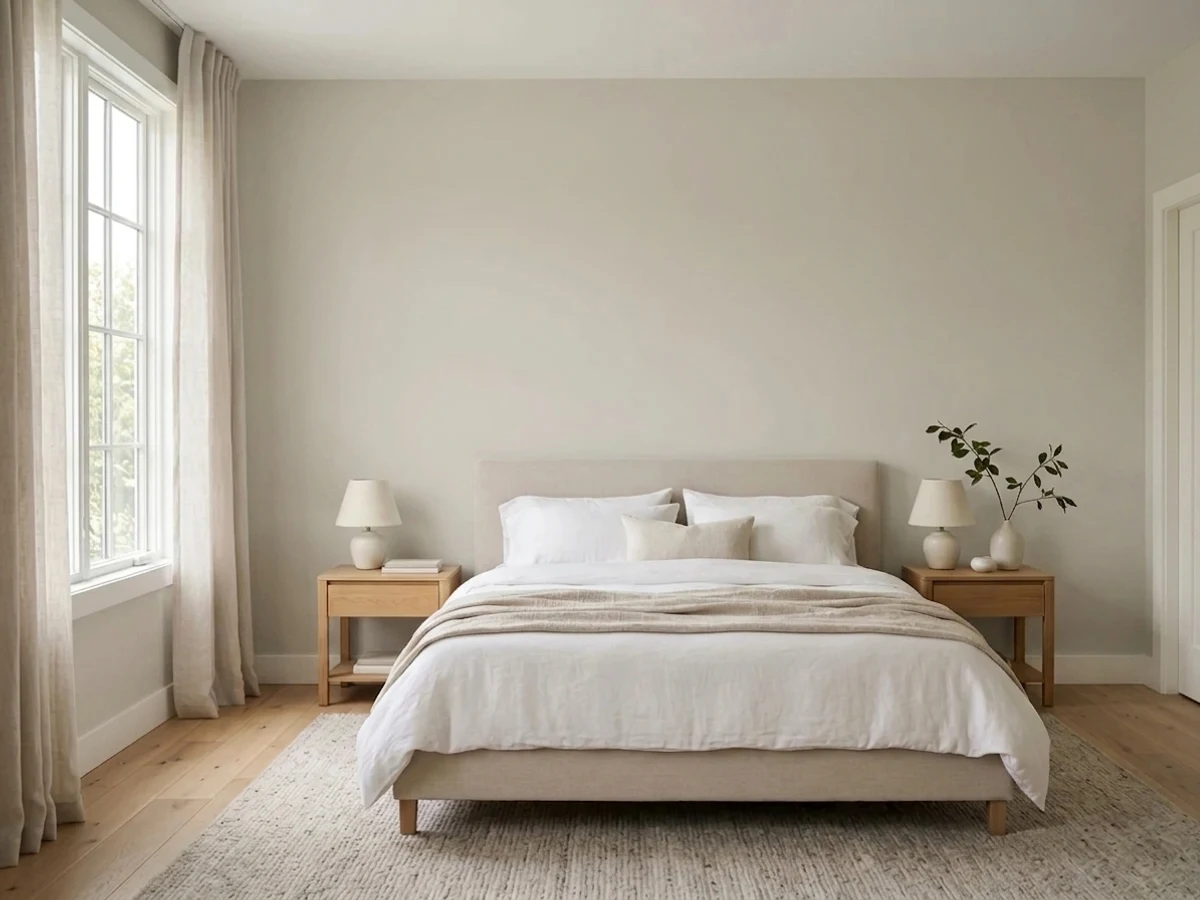 8
8The designer's gray that turned F&B into a US household name.
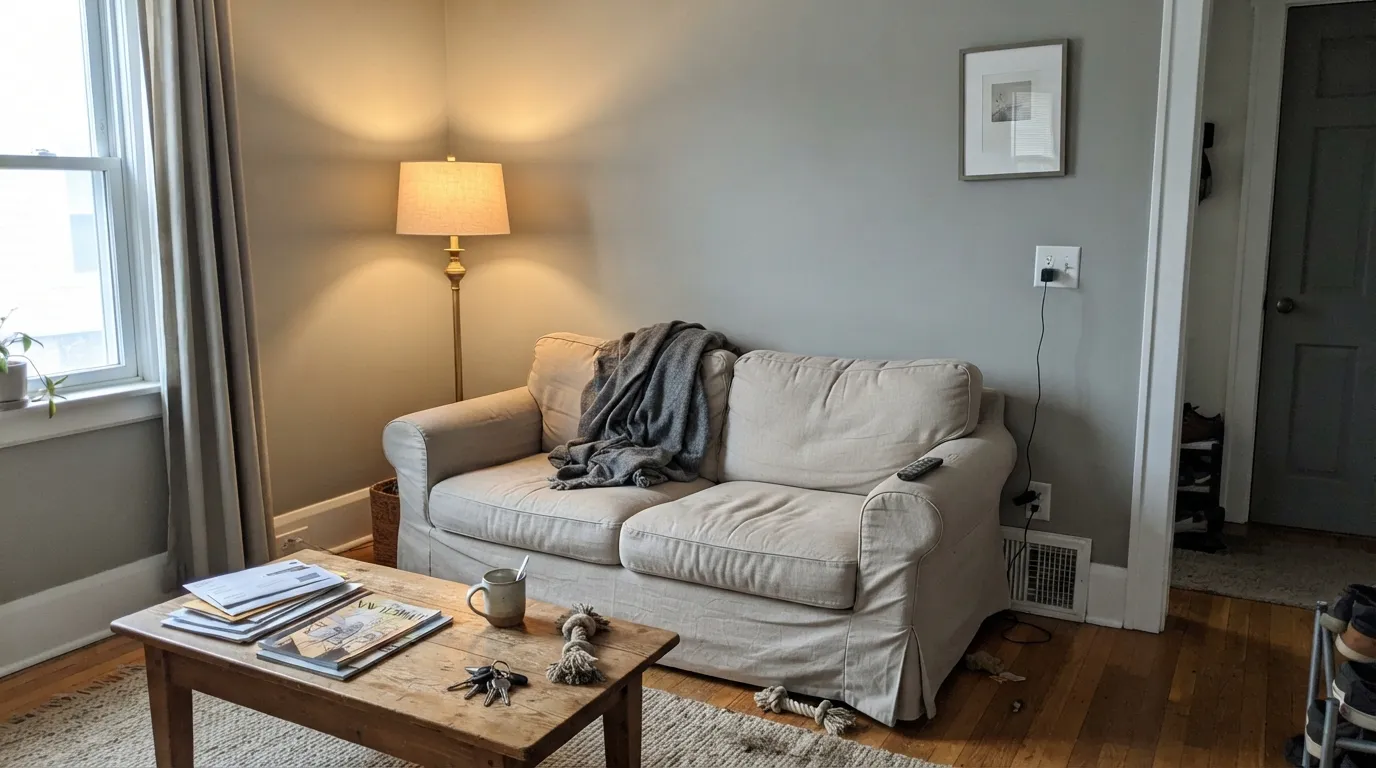 9
9Mid cool gray; F&B's bestselling Repose Gray equivalent in US press.
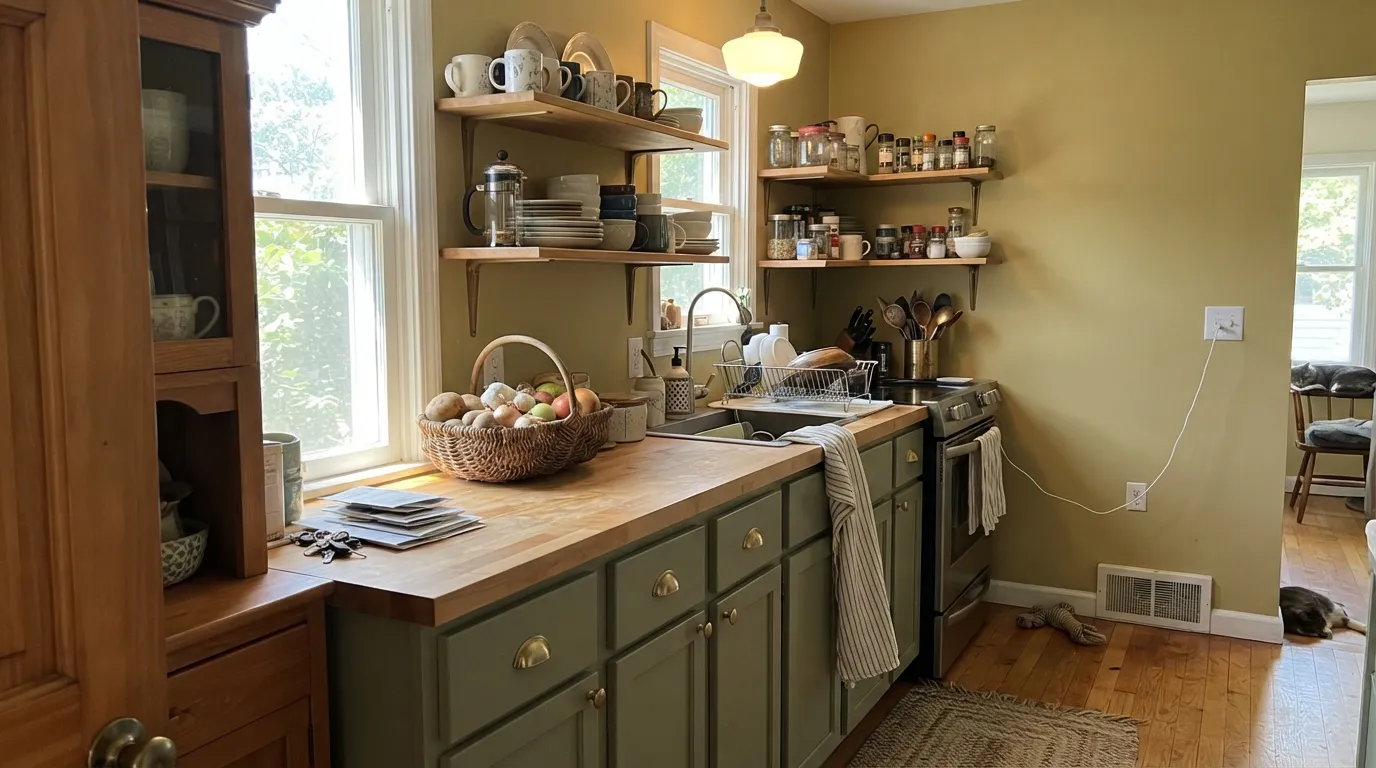 10
10The whole Farrow & Ball neutral range by depth. LRV is the number to trust: the same neutral looks two steps darker on a wall than on a chip.
LRV (Light Reflectance Value) tells you how much light a color bounces back. In this neutral group the range is 13 at the darkest to 78 at the lightest, so you have a wide span to work with. Higher numbers keep a room bright and open; lower numbers add weight and mood.
For a small or north-facing room that needs to feel larger, lean toward Dimity (No. 2008) at LRV 78 or Joa's White (No. 226) at LRV 64. For a cozy study, dining room, or accent wall, drop down to Jitney (No. 293) at LRV 46 or Charleston Gray (No. 243) at LRV 30. Mid-range picks like Cord (No. 16) at LRV 56 give you color you can feel without losing brightness.
Stuck between two? These head-to-heads settle the ones people actually can't pick between.
Each room page shows neutral picks from every US brand side by side, so you can compare in context.
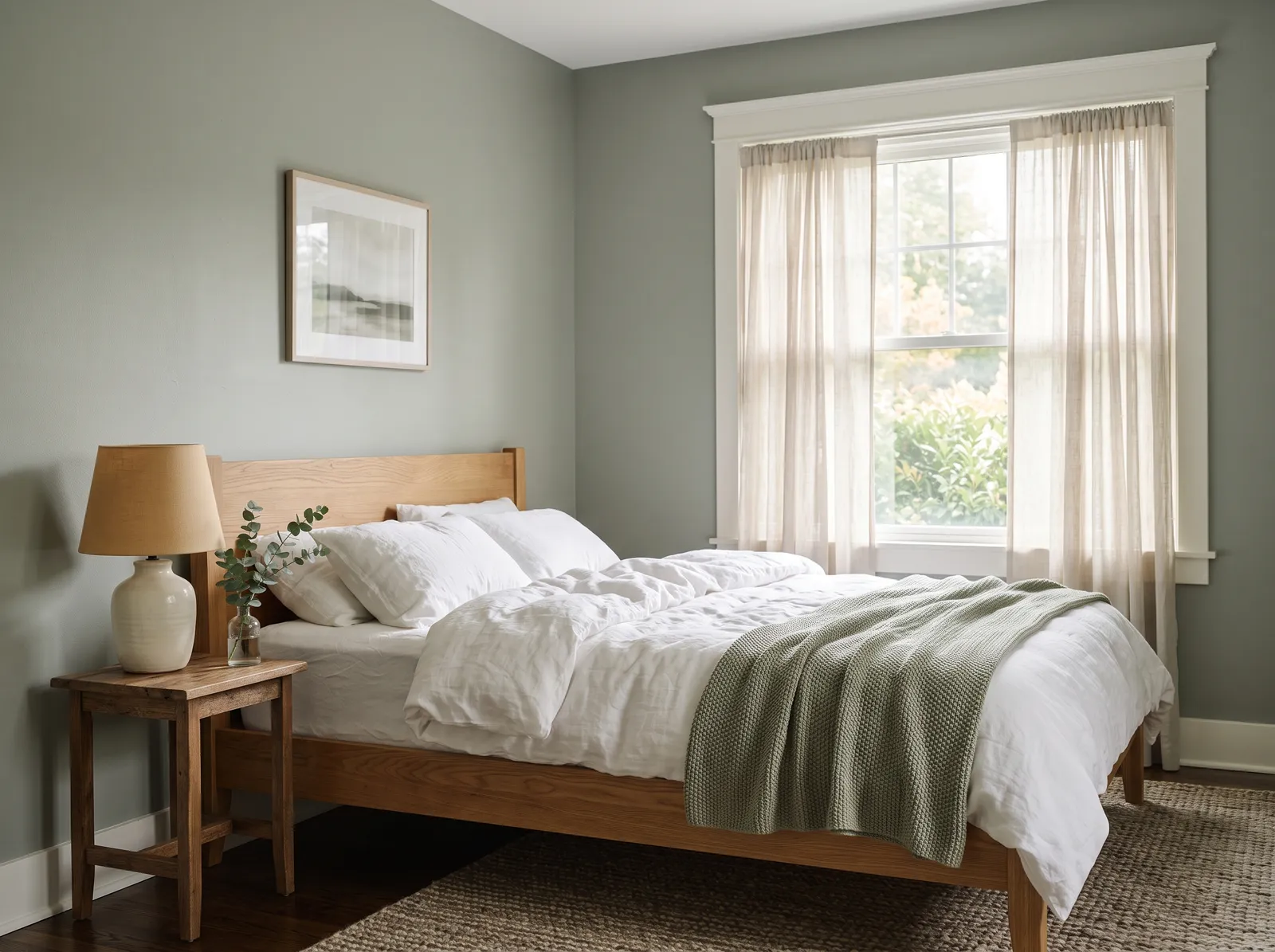
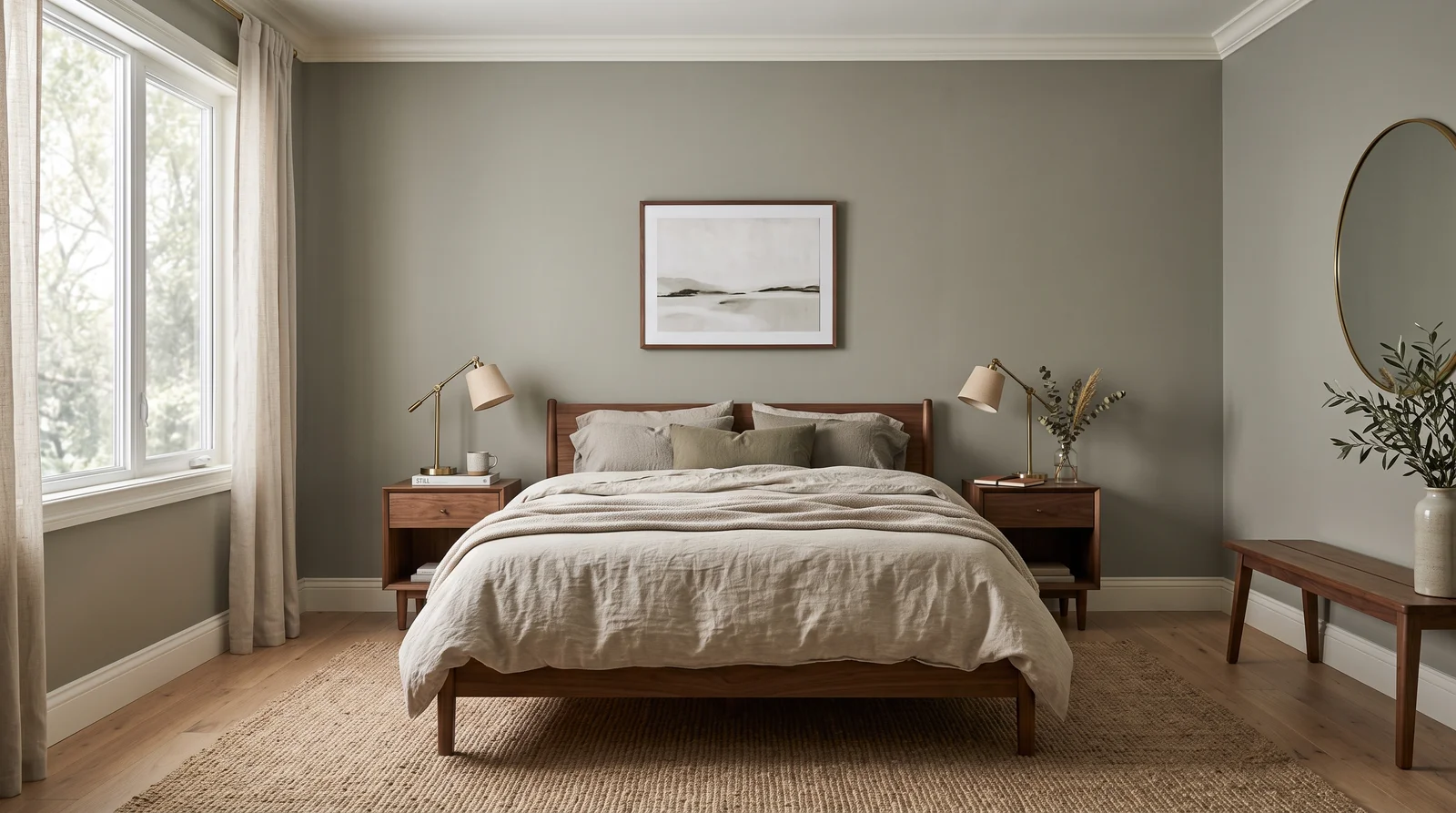
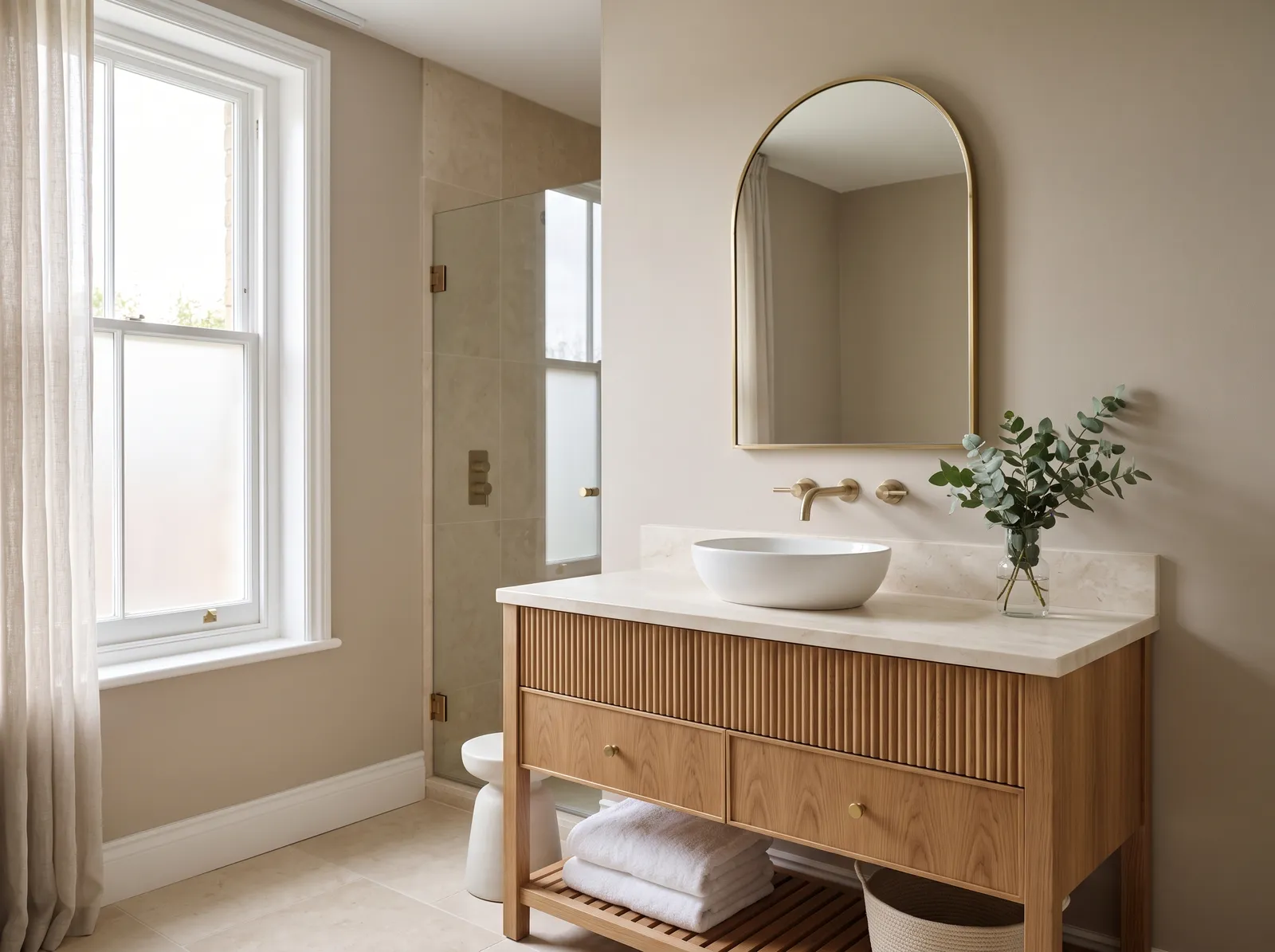
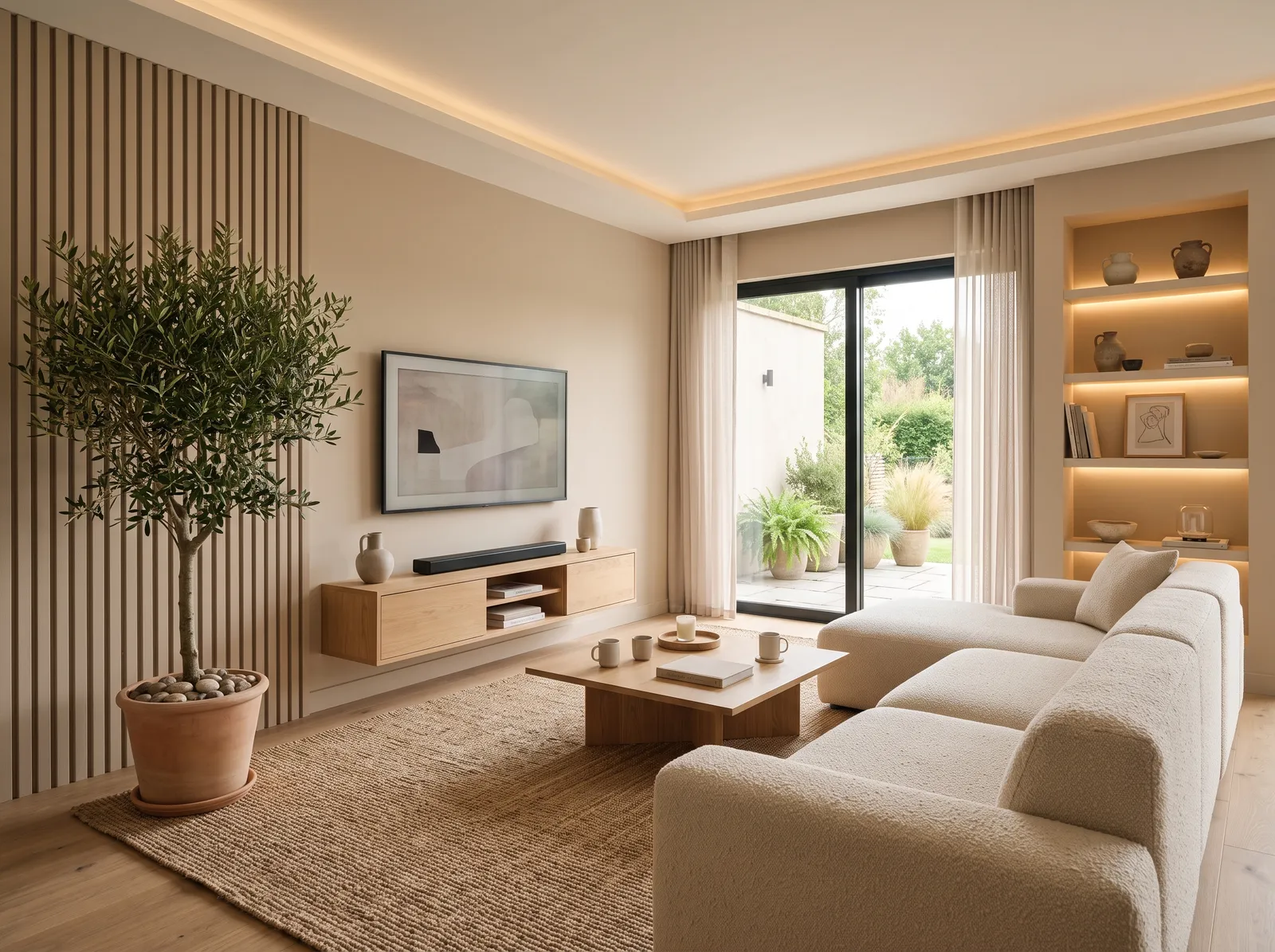
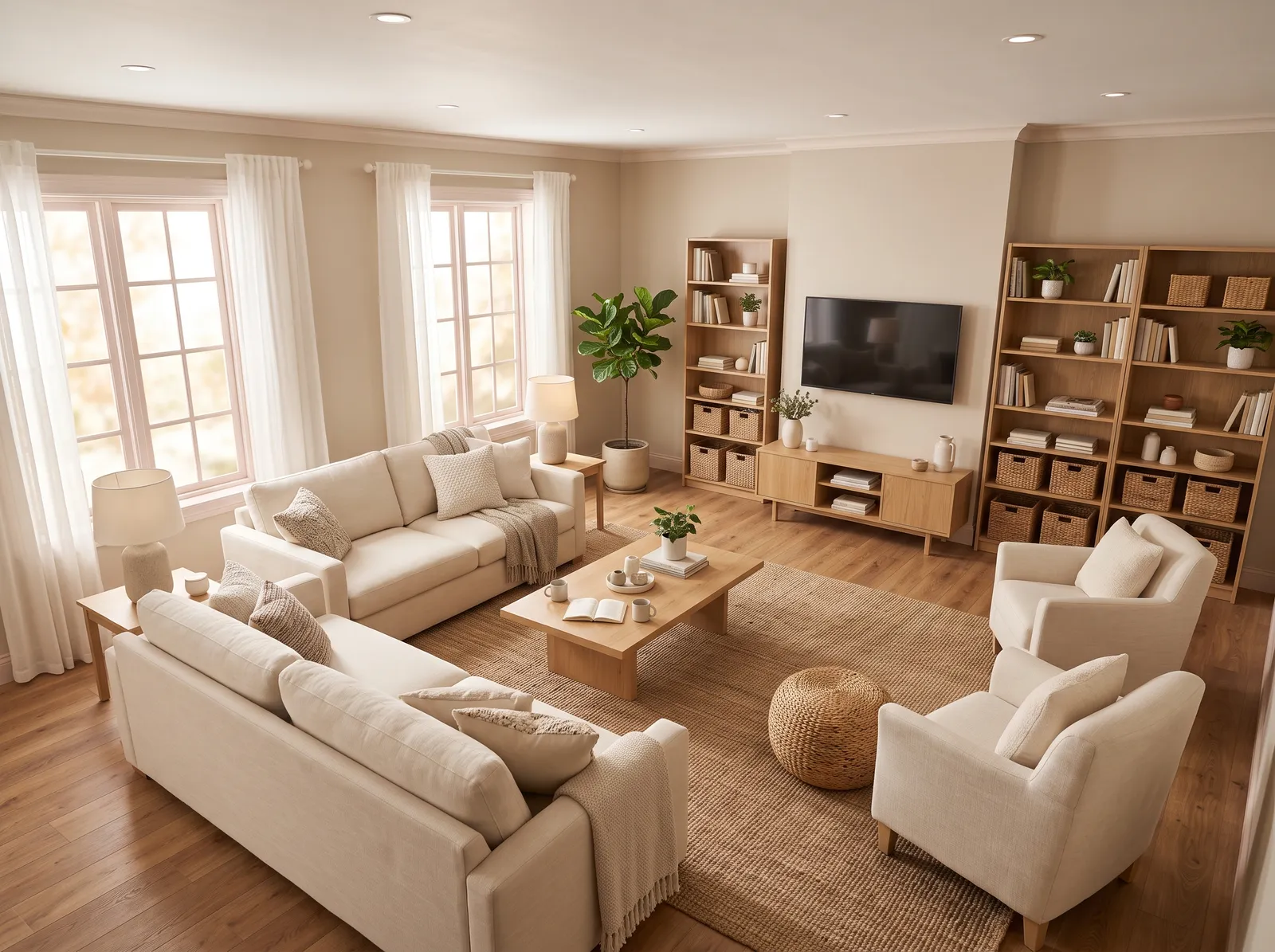
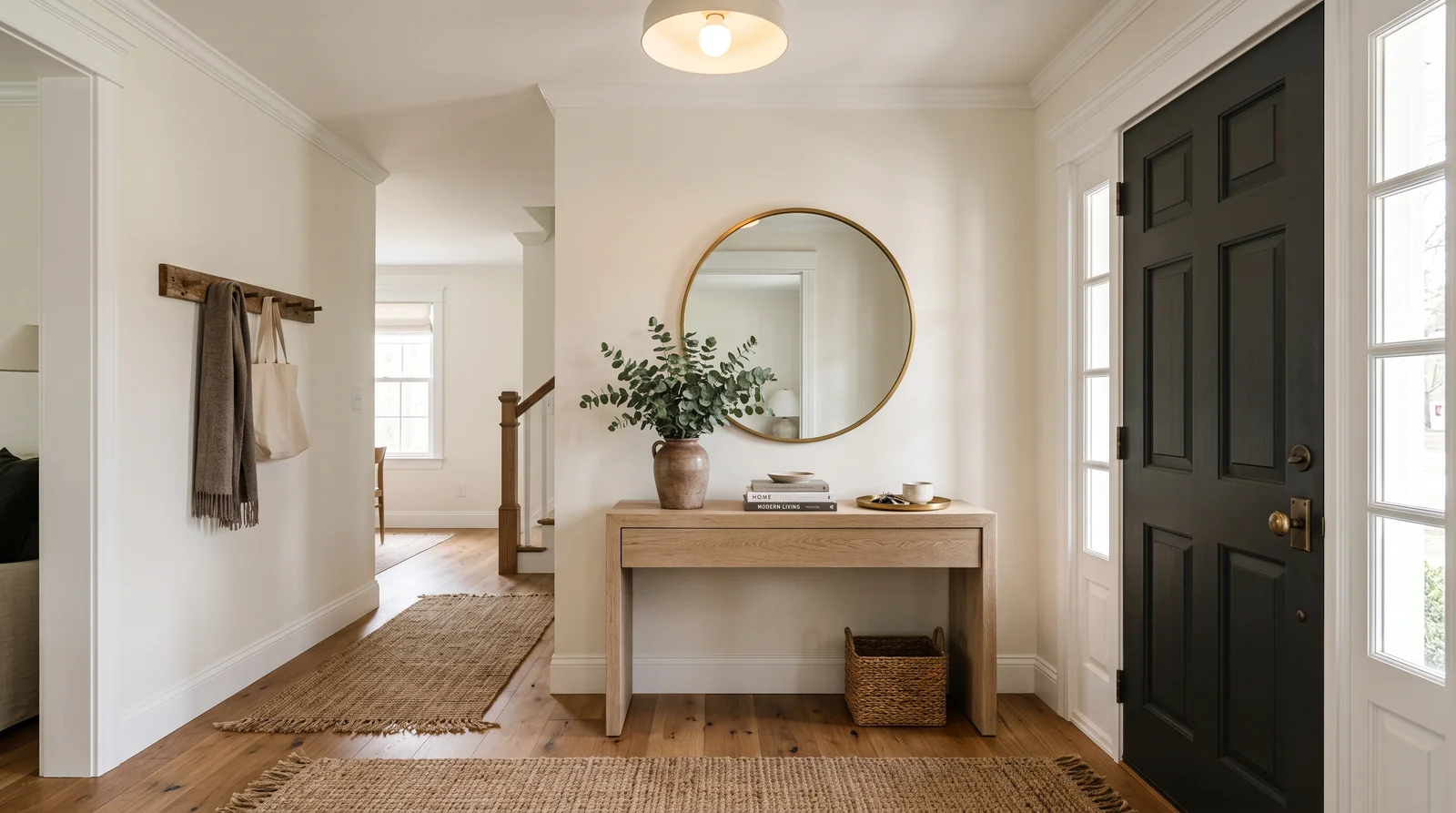
The lighter neutrals here are easy to live with anywhere. Use Shadow White (No. 282) or Joa's White (No. 226) on living-room walls, bedrooms, and hallways where you want warmth without going stark white. Elephant's Breath (No. 229), one of the brand's most loved colors, suits open-plan spaces that get a mix of light through the day.
The deeper neutrals do their best work as feature moments. Lamp Room Gray (No. 88) and Charleston Gray (No. 243) look right on a single wall, on cabinetry, or in a room you want to feel intimate. Because these colors change with the light, paint a test patch and watch it morning and evening before you commit.
Every Farrow & Ball neutral, grouped by undertone, warm to cool. Filter by depth or change the order.
Hex values are display approximations from Farrow & Ball's published swatch tools, not a physical sample under controlled lighting. Order a brand-direct sample before specifying.
Upload a photo of the room. We paint it in the neutral you chose with your light and your floor, and you can swap colors until one holds.
Farrow & Ball is a British premium import sold through the brand's own showrooms and authorized stockists. Expect roughly $100 or more per gallon, which is two to three times the price of mainstream paint, in named finishes like Estate Emulsion (chalky matt walls), Modern Emulsion (washable), Estate and Modern Eggshell for wood and metal, plus Dead Flat and Full Gloss. The line is tightly curated at around 132 colors, each with its own number such as No. 30.
Like all paint on this site, these colors are mixed to order rather than sitting pre-made on a shelf. If the F&B price is more than you want to spend, you can cross-match a color you love to another US deck. A tint shop can match the look of Elephant's Breath (No. 229) or Charleston Gray (No. 243) into a more affordable line, including the featured Kompozit deck, by matching the formula or scanning a sample.
How many neutral colors each brand carries, drawn with that deck's own neutrals from light to dark. Pick your store first, then the color. Every brand equal, no favorites.
Farrow & Ball neutrals are not flat, do-nothing beiges. They carry real undertones and visible depth, so a color like Elephant's Breath (No. 229) reads warm and almost rosy in one room and cooler in another. The brand uses high pigment loads, which is why these colors seem to shift as the light moves across the day.
This slice of 40 colors runs from soft off-whites to deep, grounded grays. Dimity (No. 2008) and Shadow White (No. 282) sit at the light, airy end. Lamp Room Gray (No. 88) and Charleston Gray (No. 243) anchor the dark end with a quiet, sophisticated feel.
A reliable F&B move is to pair a wall neutral with a lighter neutral on the trim and ceiling. Dimity (No. 2008) or Shadow White (No. 282) make clean, soft trim against the mid-tone walls in this slice, and they avoid the hard contrast of a bright white. Keeping everything in the same family gives a calm, layered look that the brand is known for.
If you want contrast, the brand's famous deeper colors coordinate well here. Charleston Gray (No. 243) walls pair handsomely with one of F&B's signature darks like Hague Blue No. 30 or Studio Green on a door or built-in. For a tonal scheme, stack two or three colors from this neutral range by LRV, light on top and darker below.
Skimming Stone (No. 241) — The off-white most-searched as alternative to BM Classic Gray. Dimity and French Gray and Dead Salmon round out the short list most people choose from.
Both, depending on the color and your light. This neutral slice ranges from warm off-whites like Dimity (No. 2008) to cooler, grounded grays like Lamp Room Gray (No. 88) and Charleston Gray (No. 243). Their high pigment depth means many of them shift between warm and cool as the daylight changes, so always test a sample on your own wall.
Reach for the highest LRV in the slice. Dimity (No. 2008) at LRV 78 and Joa's White (No. 226) at LRV 64 reflect the most light and help a small or north-facing room feel larger and brighter. Save deeper picks like Charleston Gray (No. 243) at LRV 30 for rooms where you want a cozier mood.
It is a British premium import sold through its own showrooms and authorized stockists, so it runs around $100 or more per gallon, roughly two to three times mainstream paint. You are paying for high pigment depth and finishes like Estate Emulsion and Estate Eggshell. If the price is a stretch, you can cross-match the color into a cheaper US line, including the featured Kompozit deck.
Yes. A paint store can match the look of a color like Elephant's Breath (No. 229) into another deck by scanning a sample or using the formula. The match is very close on flat walls, though the exact undertone shift F&B is known for may read slightly differently in a different paint base. This works in both directions, including to and from the Kompozit deck.
No. Farrow & Ball does not run a Color of the Year and openly rejects the idea. Instead the brand releases new colors each year along with its own trend predictions, while keeping its core line tightly curated at around 132 colors.
For walls, Estate Emulsion gives the signature chalky matt look, while Modern Emulsion is the washable choice for kitchens, baths, and high-traffic spots. For trim, doors, and metal, use Estate Eggshell or Modern Eggshell. Dead Flat and Full Gloss are available when you want either no sheen or a high shine.
Ask a Question