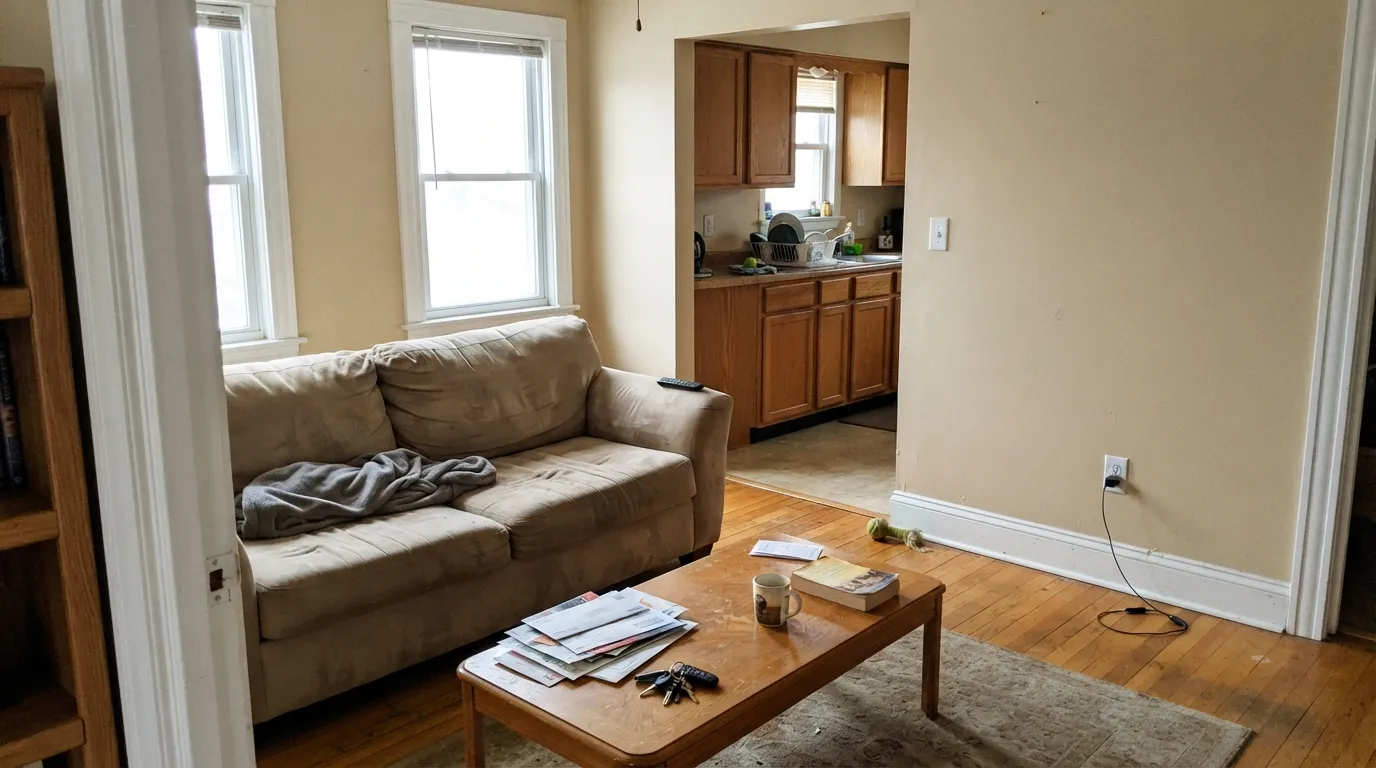
 1
1Even Better BeigeDC-010 · LRV 60
A mid-depth beige (LRV 60) with a cleaner, less yellow base than most beiges, though west-facing light can nudge it peachy.
10 curated neutrals with undertones, LRV, and the honest reasons why, plus the full 790-color neutral deck below.
Don't want to compare 790 neutrals? These four cover most real projects.
A warm creamy neutral at LRV 73 with a soft beige-yellow tint, the traditional antique white used for trim, doors, and whole-house walls.
A mid-depth beige (LRV 60) with a cleaner, less yellow base than most beiges, though west-facing light can nudge it peachy.
Creamy Mushroom is the color people picture when they say taupe: warm, soft, and heavy enough to look like a decision instead of a builder default.
A grayed sage green at LRV 28, the dusty herb green people search for kitchen cabinets, mudrooms, and bedroom accent walls.
Numbered and curated. Tap any color for its full review, or see it on your own walls in the visualizer.
1A mid-depth beige (LRV 60) with a cleaner, less yellow base than most beiges, though west-facing light can nudge it peachy.
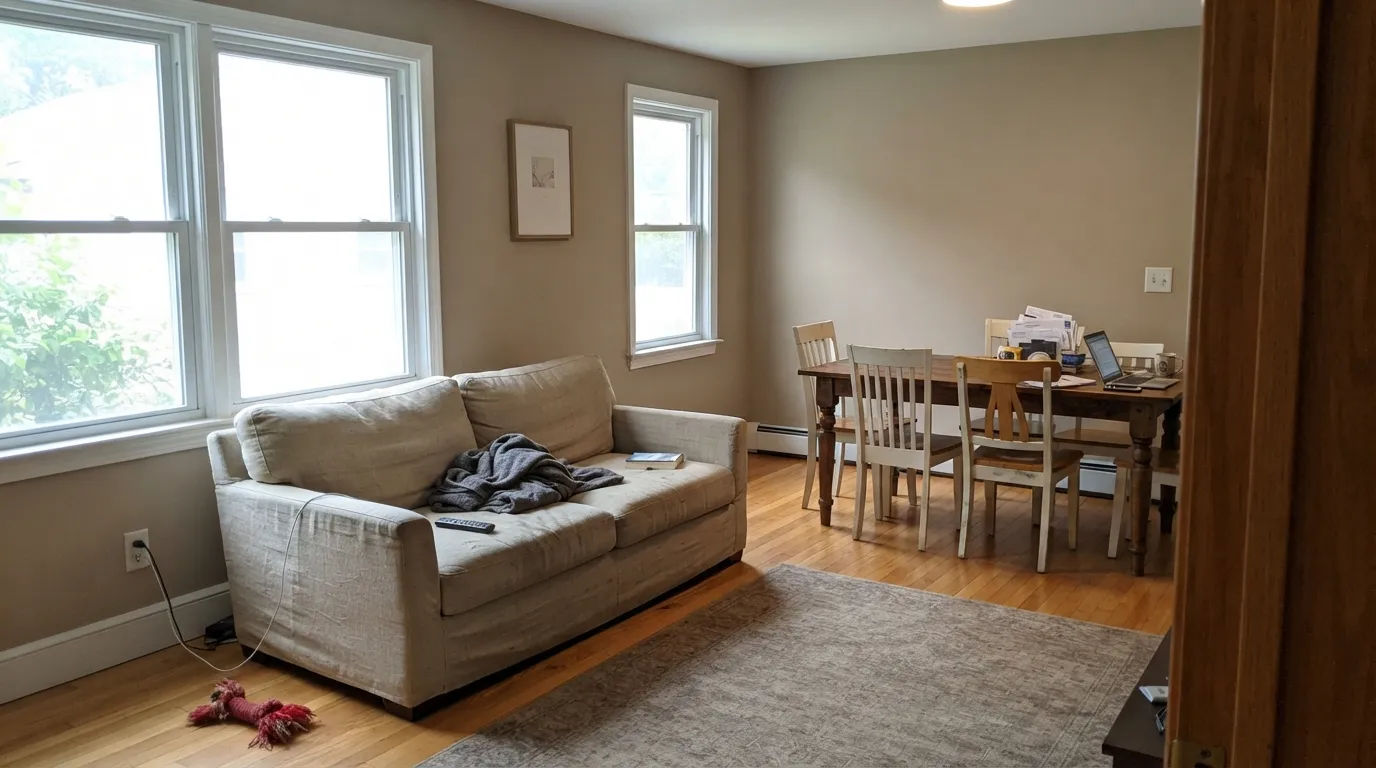 2
2Creamy Mushroom is the color people picture when they say taupe: warm, soft, and heavy enough to look like a decision instead of a builder default.
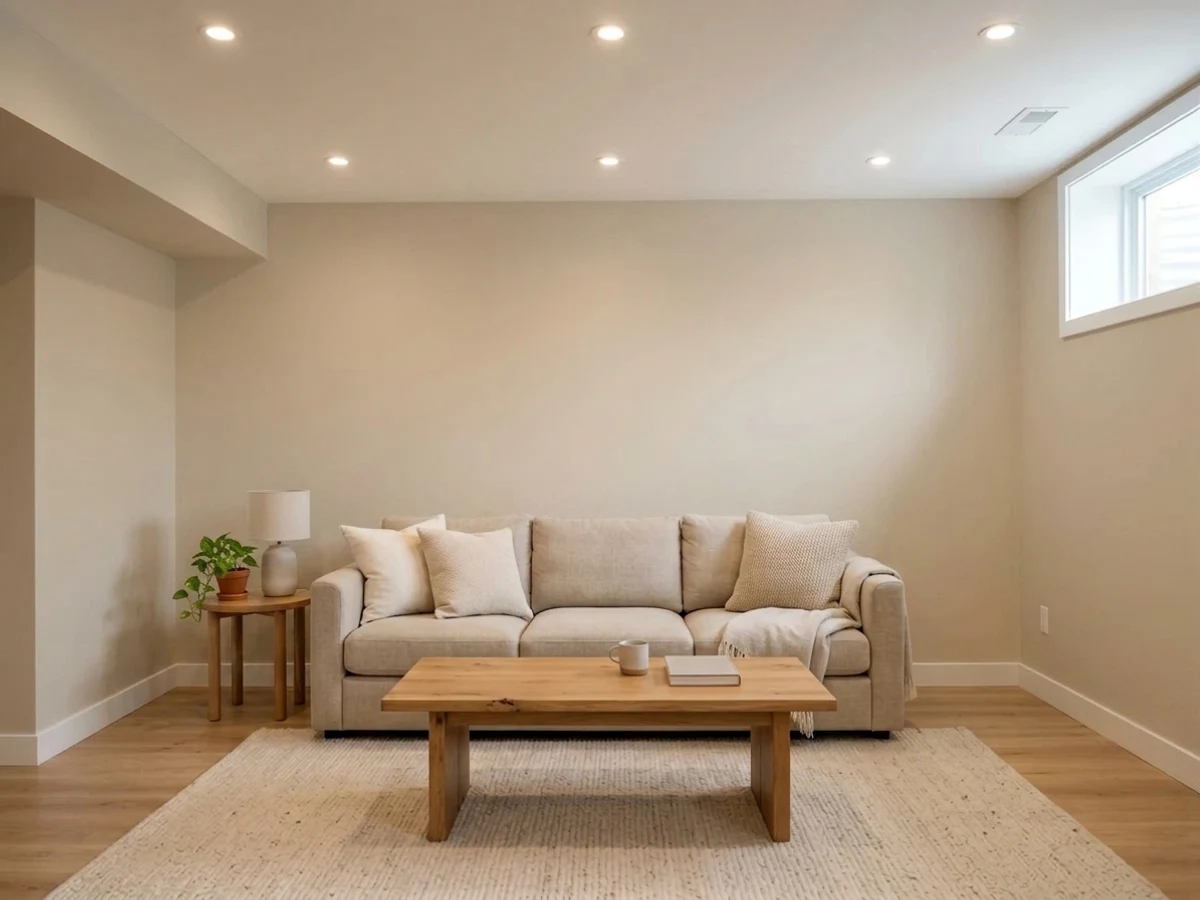 3
3Bestselling Behr warm-neutral; recurring BHG roundup mention.
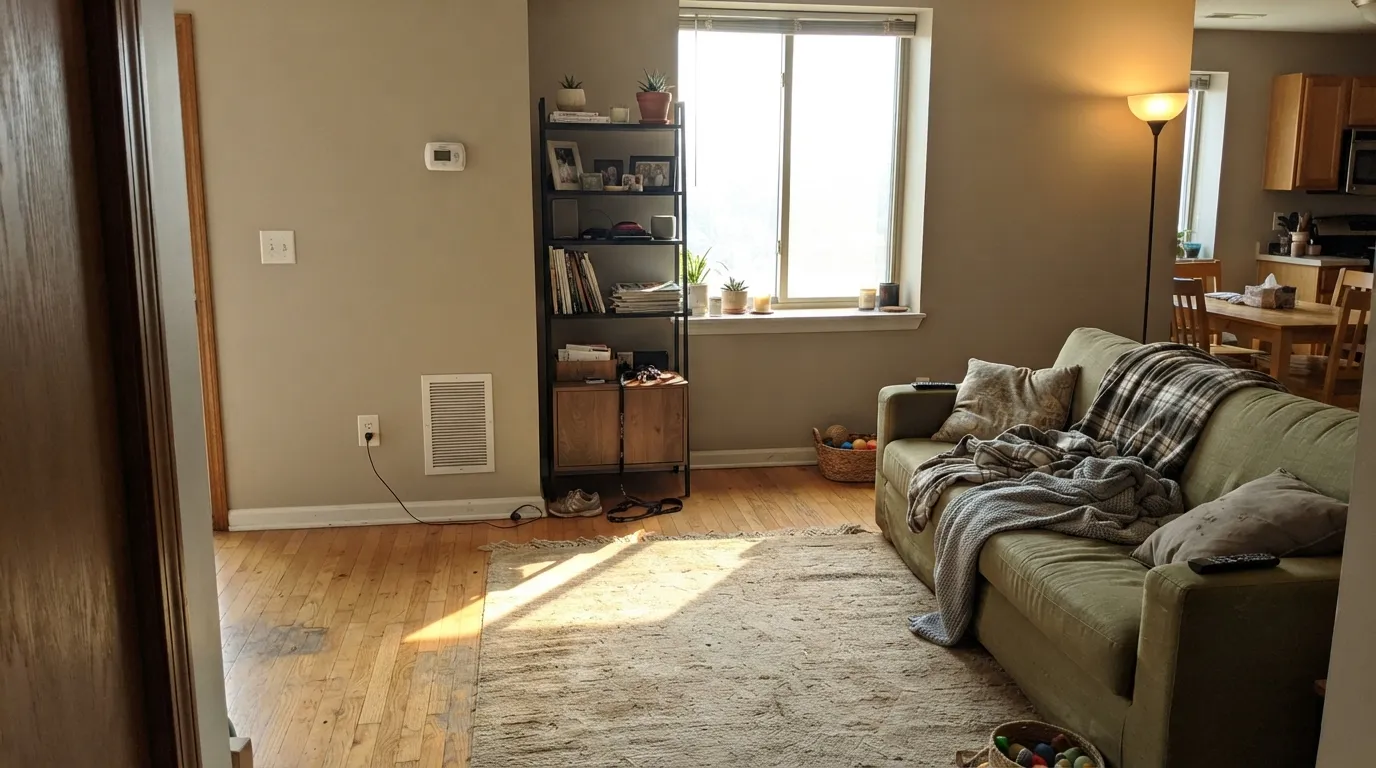 4
4A light warm greige at LRV 67 from Behr's Home Decorators Collection, the soft neutral people use when gray alone feels too cold.
 5
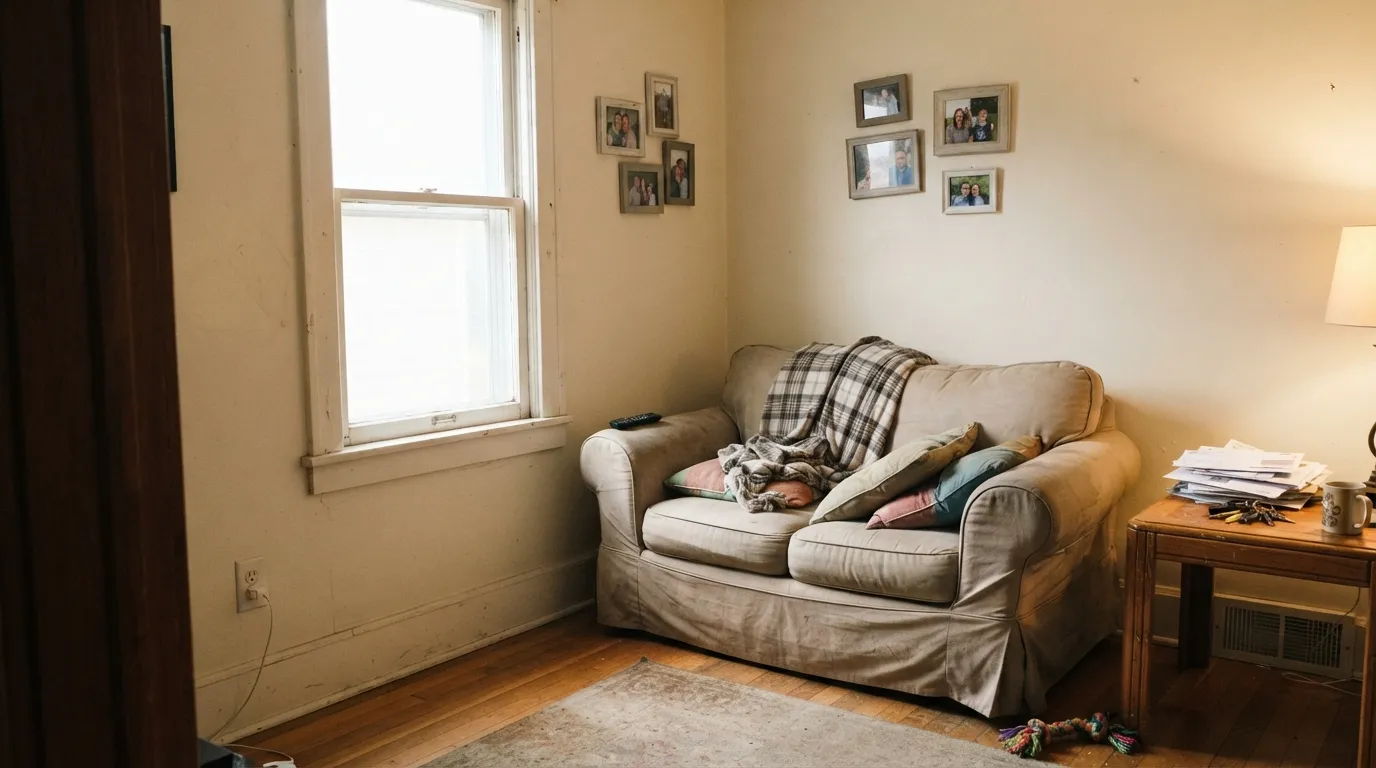
5A warm creamy neutral at LRV 73 with a soft beige-yellow tint, the traditional antique white used for trim, doors, and whole-house walls.
 6
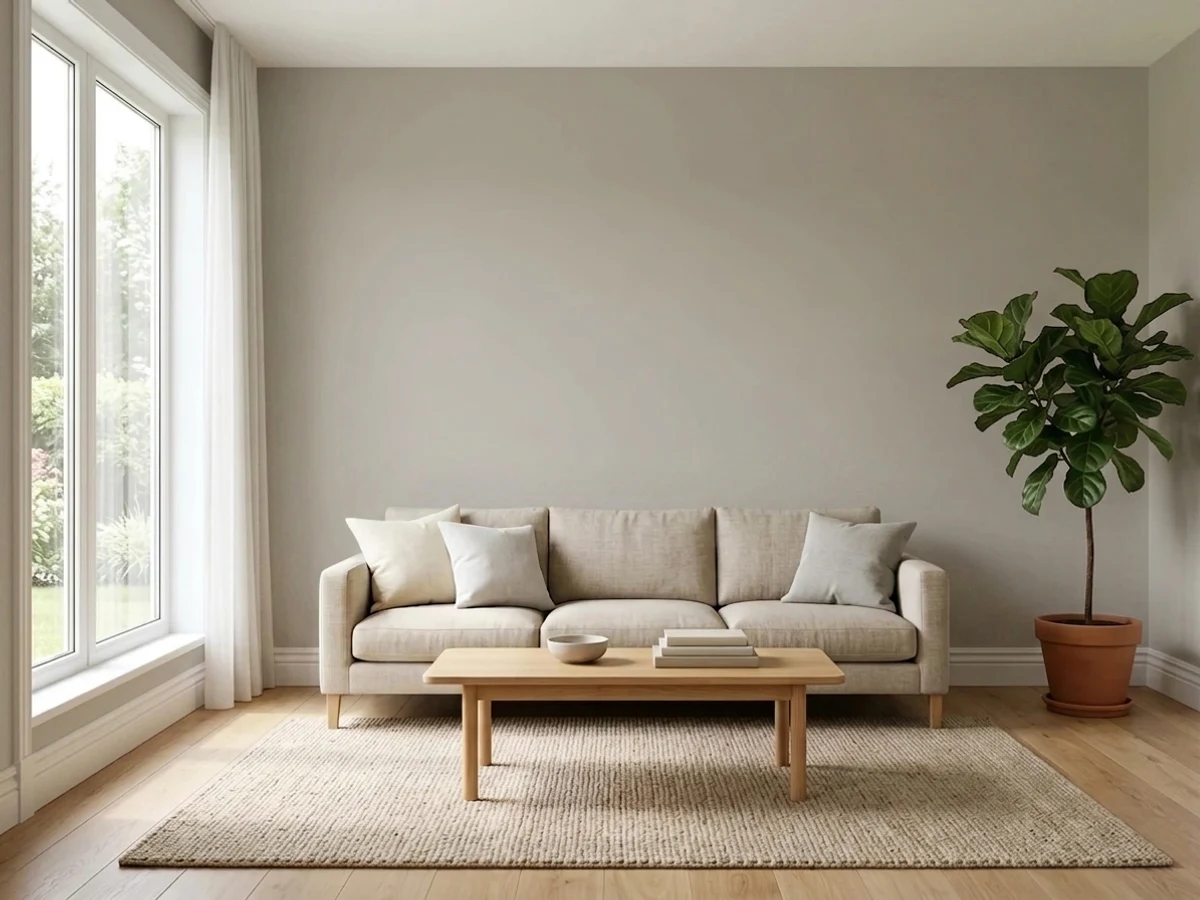
6The Behr greige most-compared to Agreeable Gray on Reddit and design forums.
 7
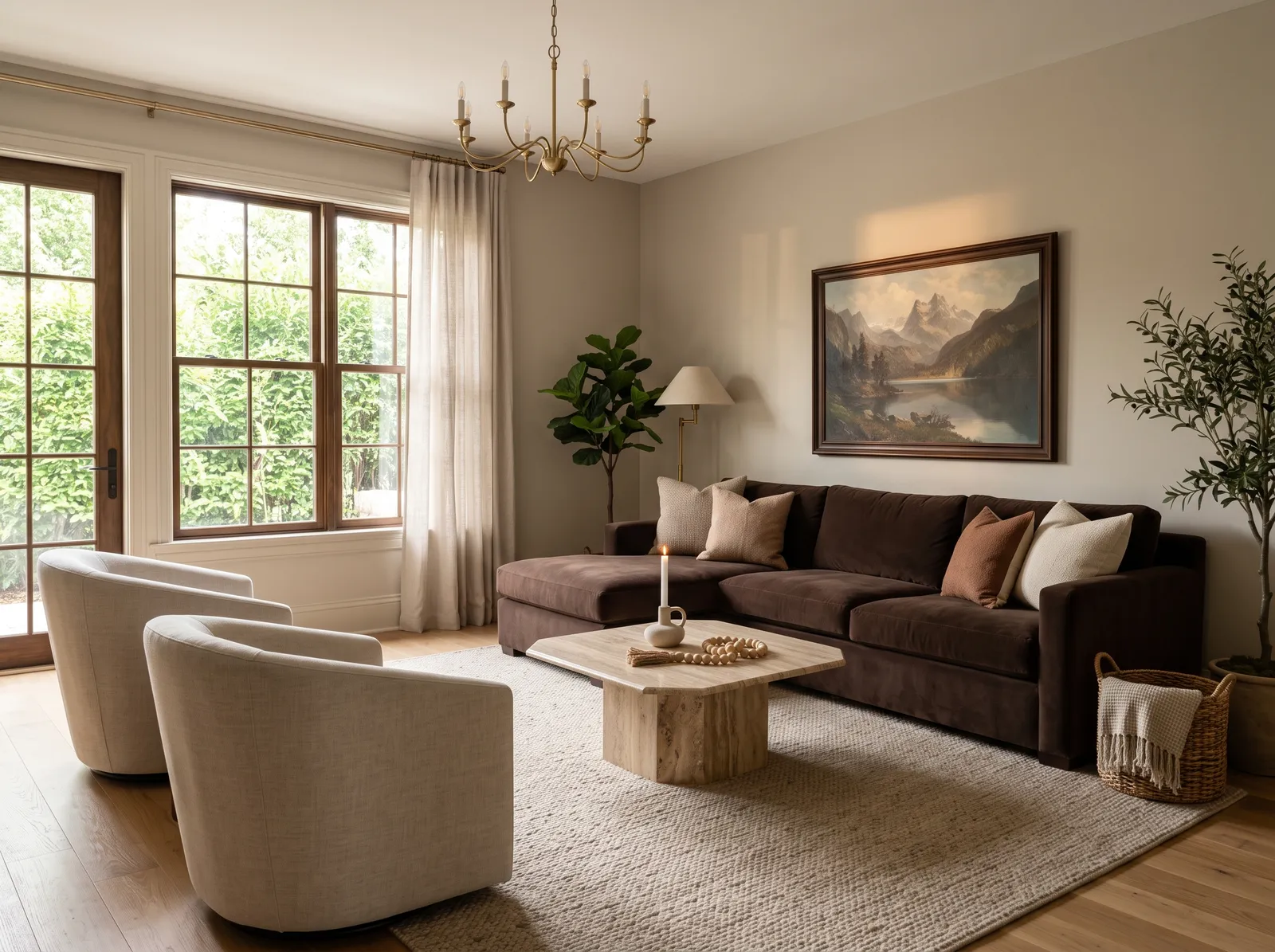
7A warm greige (LRV 61) that works well in living spaces but can shift olive under warm artificial light, despite the name.
 8
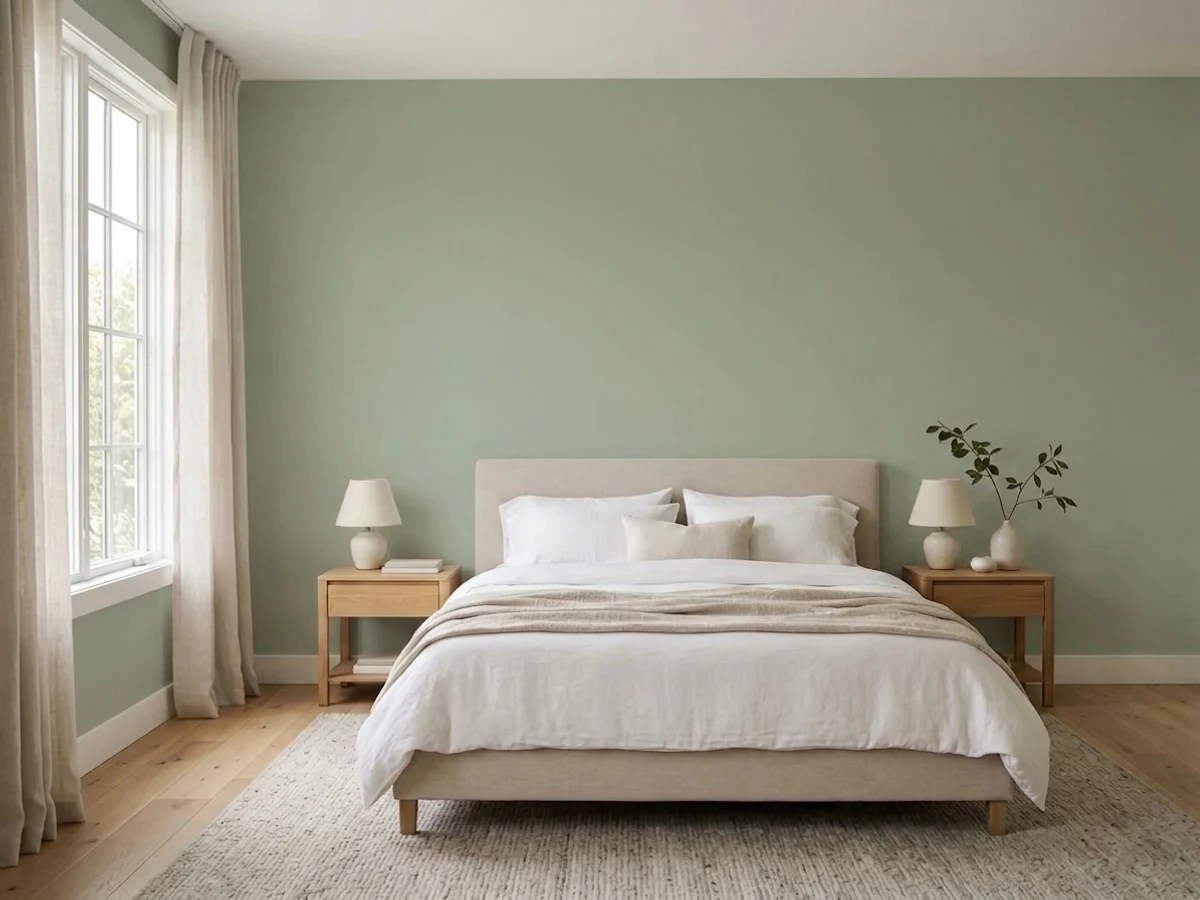
8Jungle Camouflage is not what its name promises.
 9
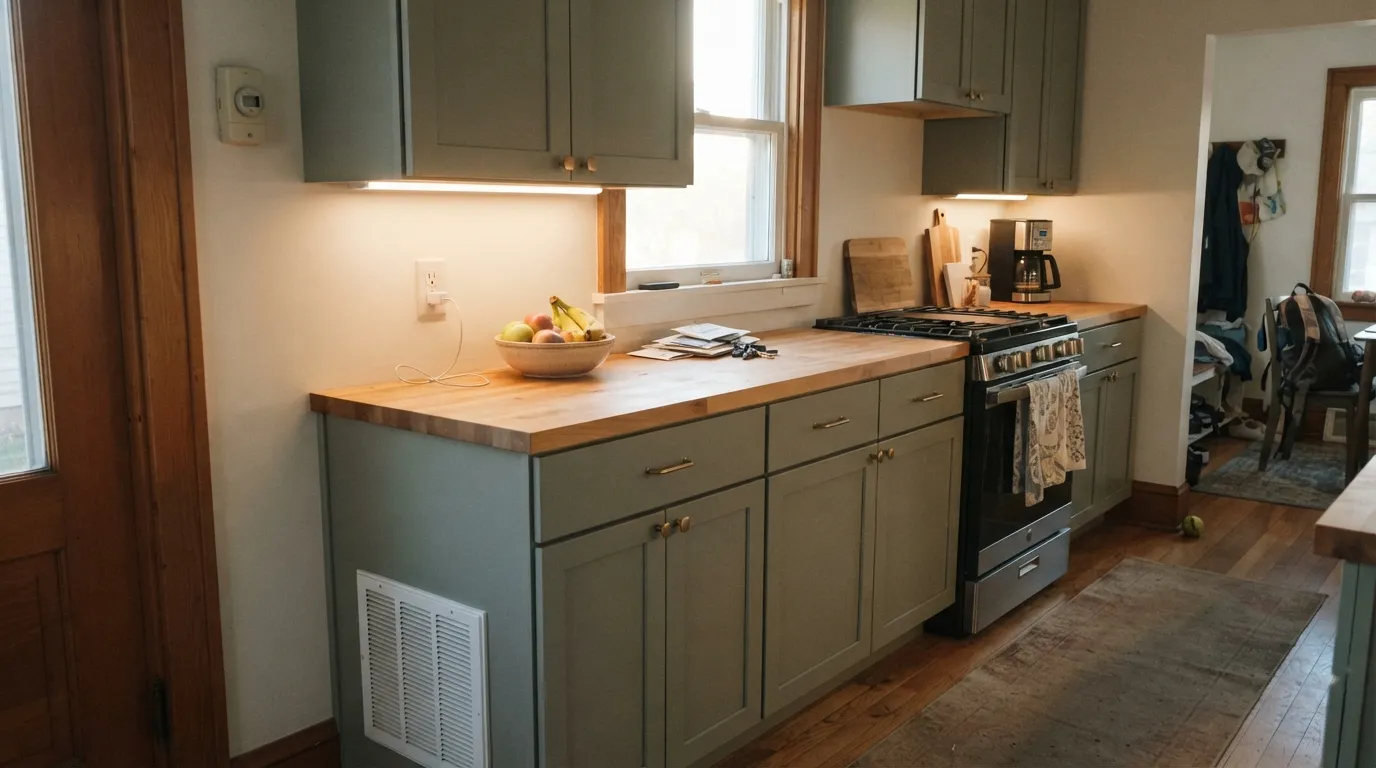
9A grayed sage green at LRV 28, the dusty herb green people search for kitchen cabinets, mudrooms, and bedroom accent walls.
 10
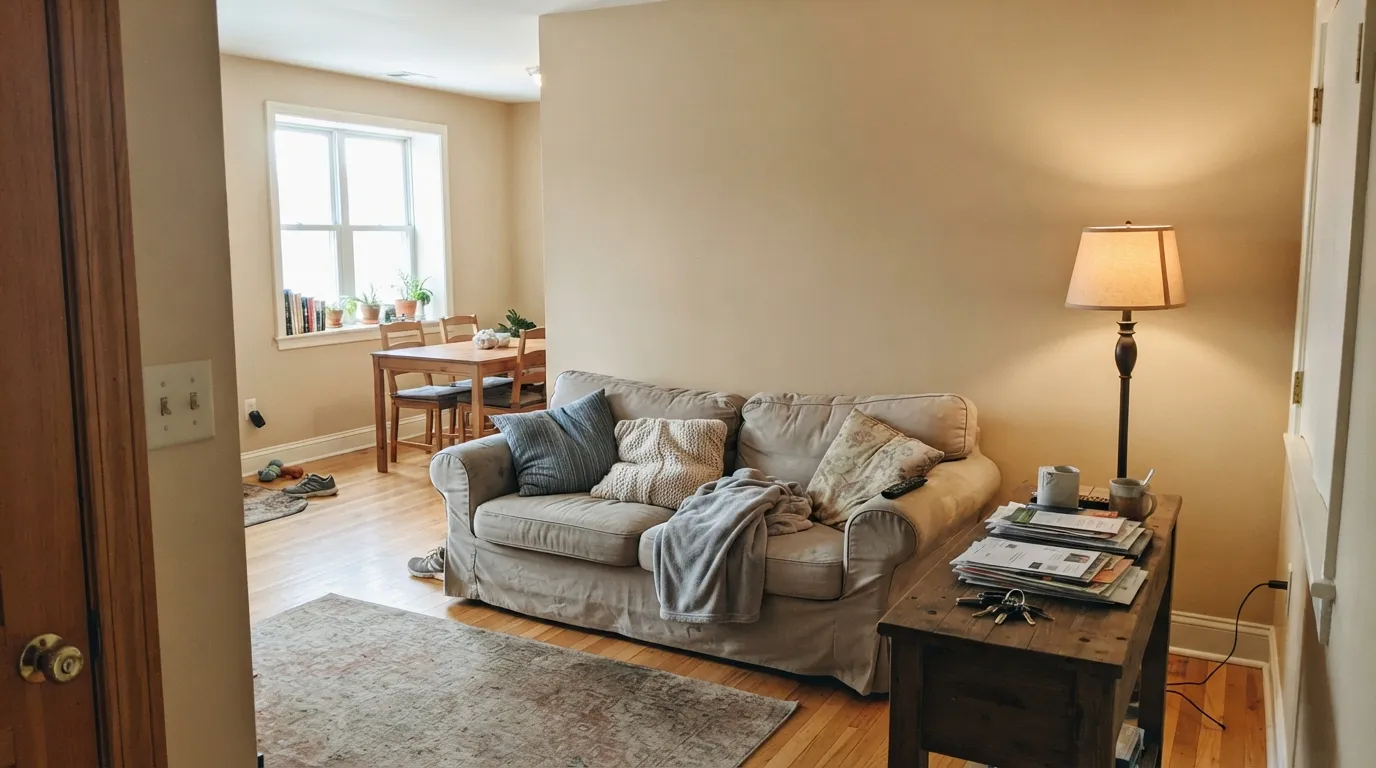
10A straightforward warm beige at LRV 65, originally an exterior color, best in warm light rather than the modern greige palette.
The whole Behr neutral range by depth. LRV is the number to trust: the same neutral looks two steps darker on a wall than on a chip.
LRV is light reflectance value. It runs 0 (black) to 100 (white) and tells you how bright a color will feel on the wall. This Behr slice spans LRV 5 to 89, so you have the full spread to work with.
For bright, open rooms, stay high: Silk Lining sits at 89 and Hazelnut Cream at 74. For a calm but still-light wall, the middle works well, like Limescent (MQ3-16) at 65 or Pebble Path at 55. Drop lower for cozy or dramatic spaces, where Light Oak (QE-29) at 46, Country Cork at 39, Clay (HDC-NT-04A) at 31, and Chocolate Heart at 18 carry real weight. As a rule, north-facing or dim rooms do better with higher LRV, while sunny rooms can handle the darker end.
Stuck between two? These head-to-heads settle the ones people actually can't pick between.
Each room page shows neutral picks from every US brand side by side, so you can compare in context.
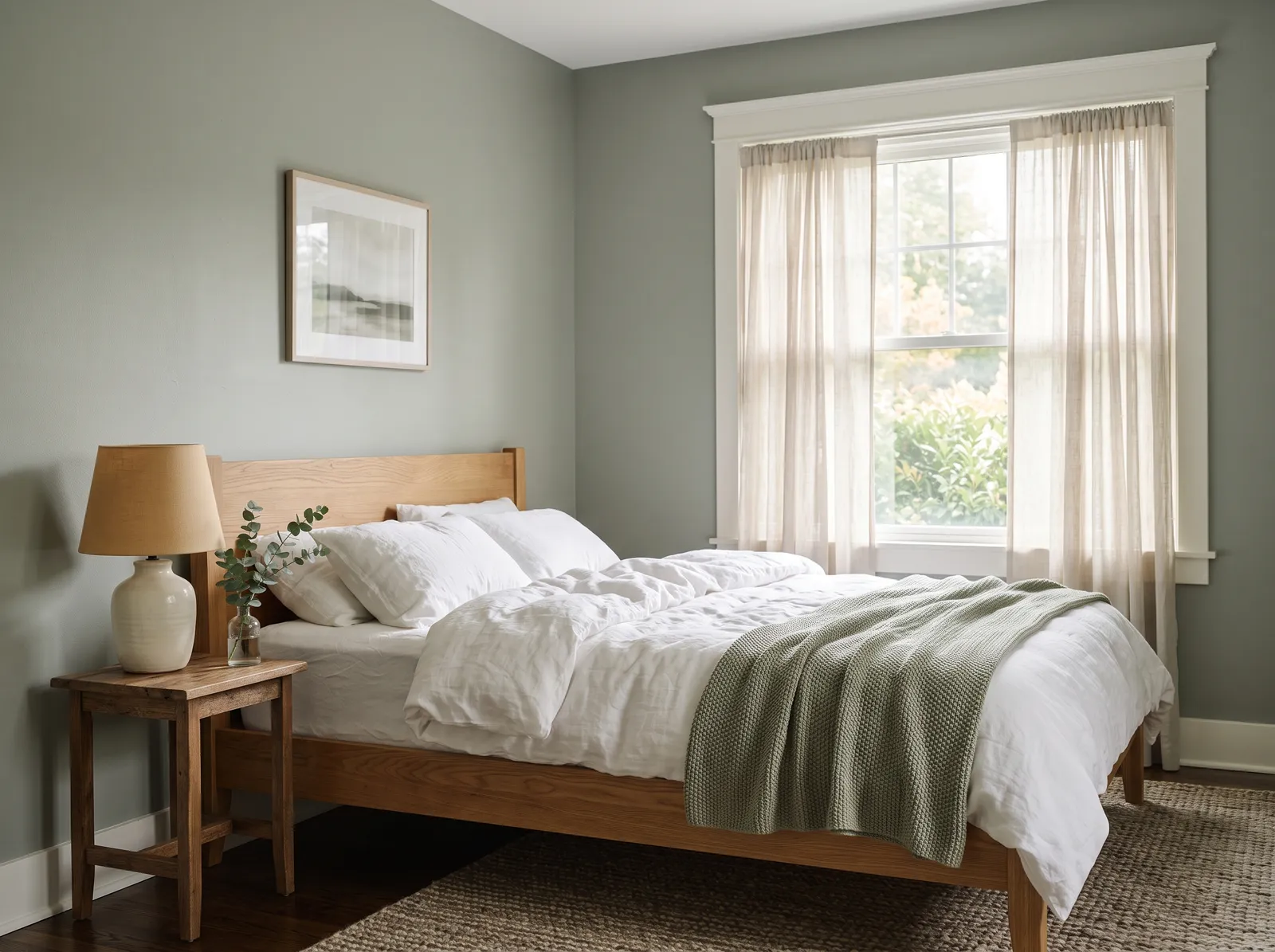
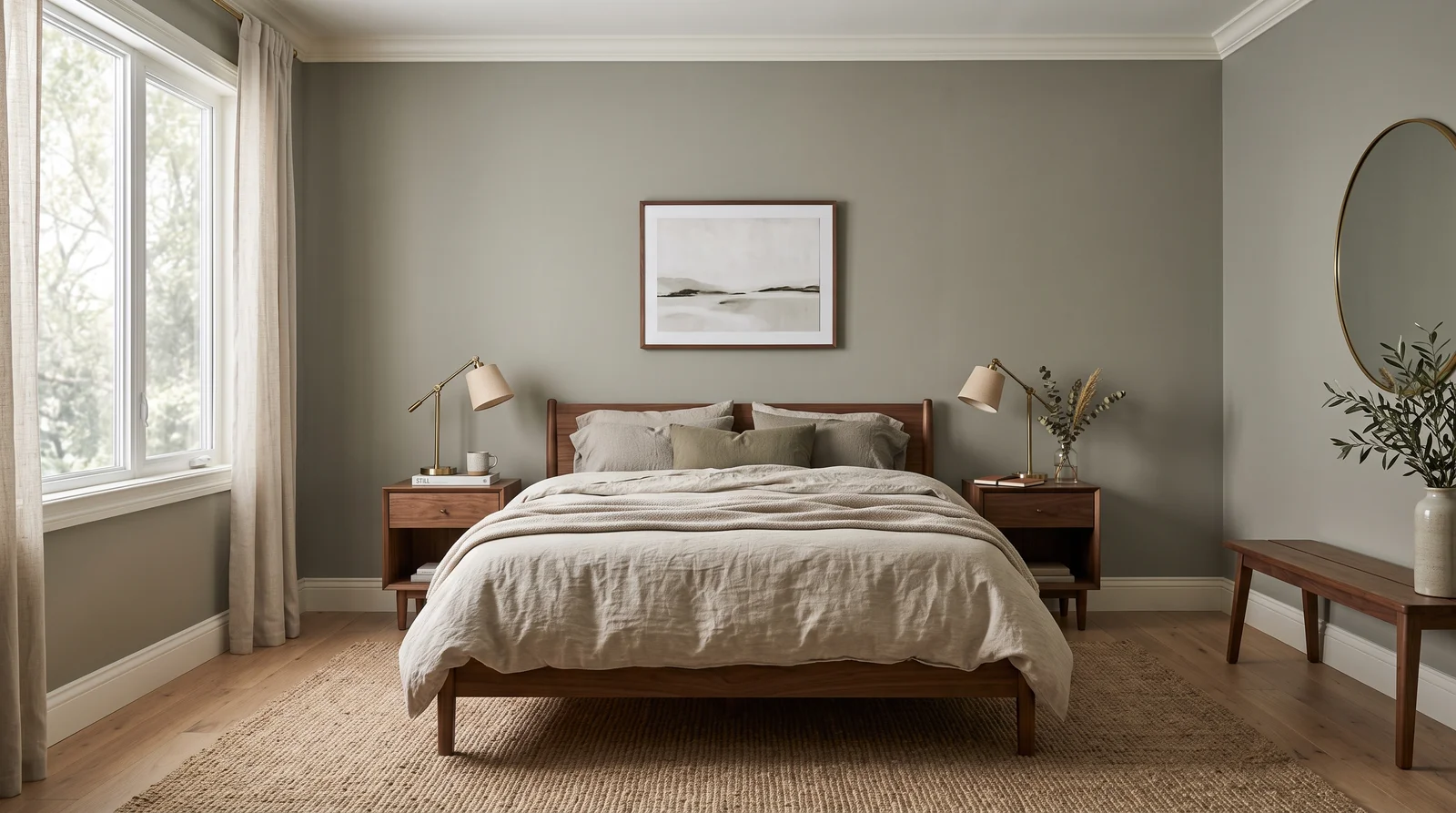
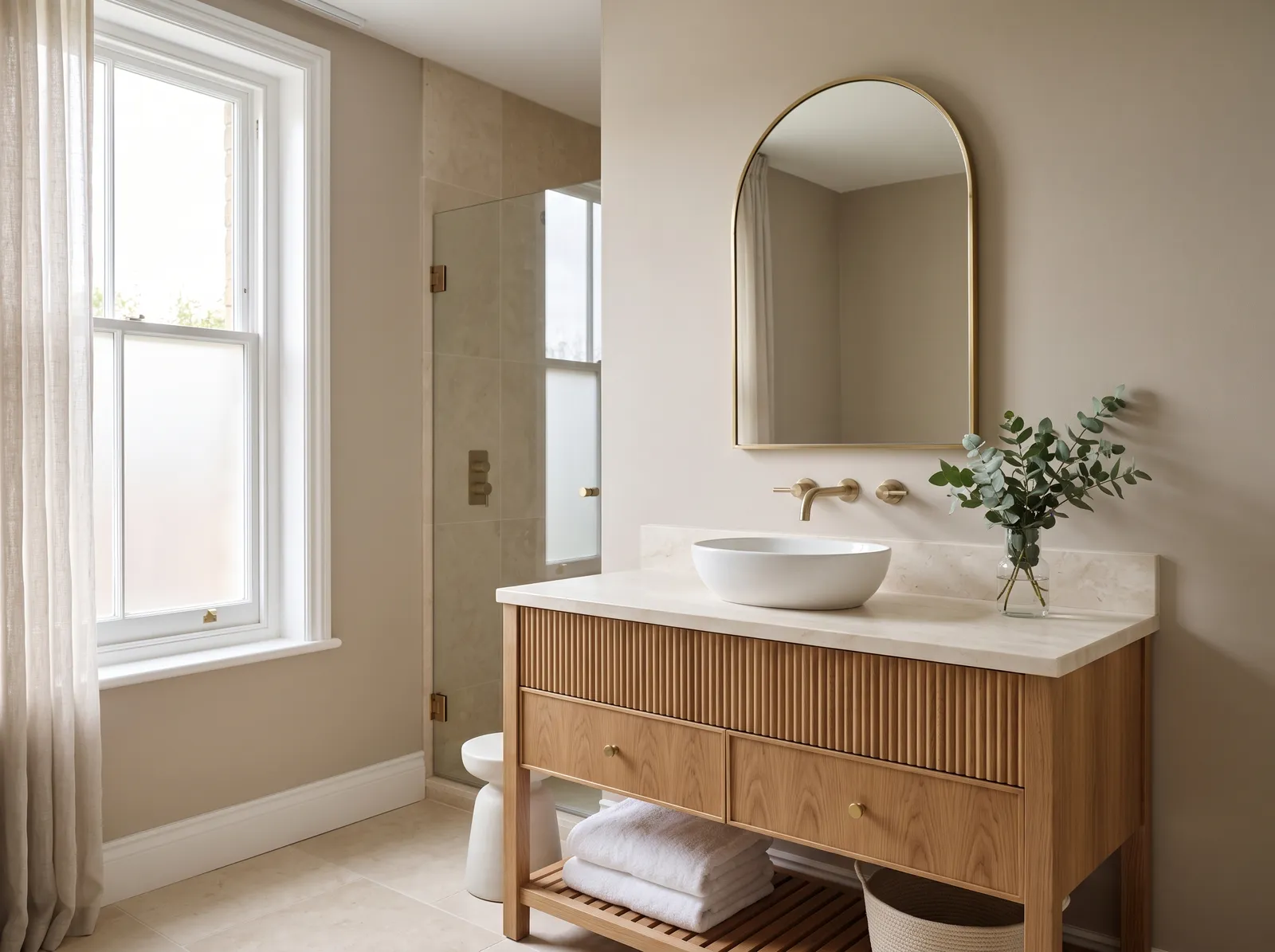
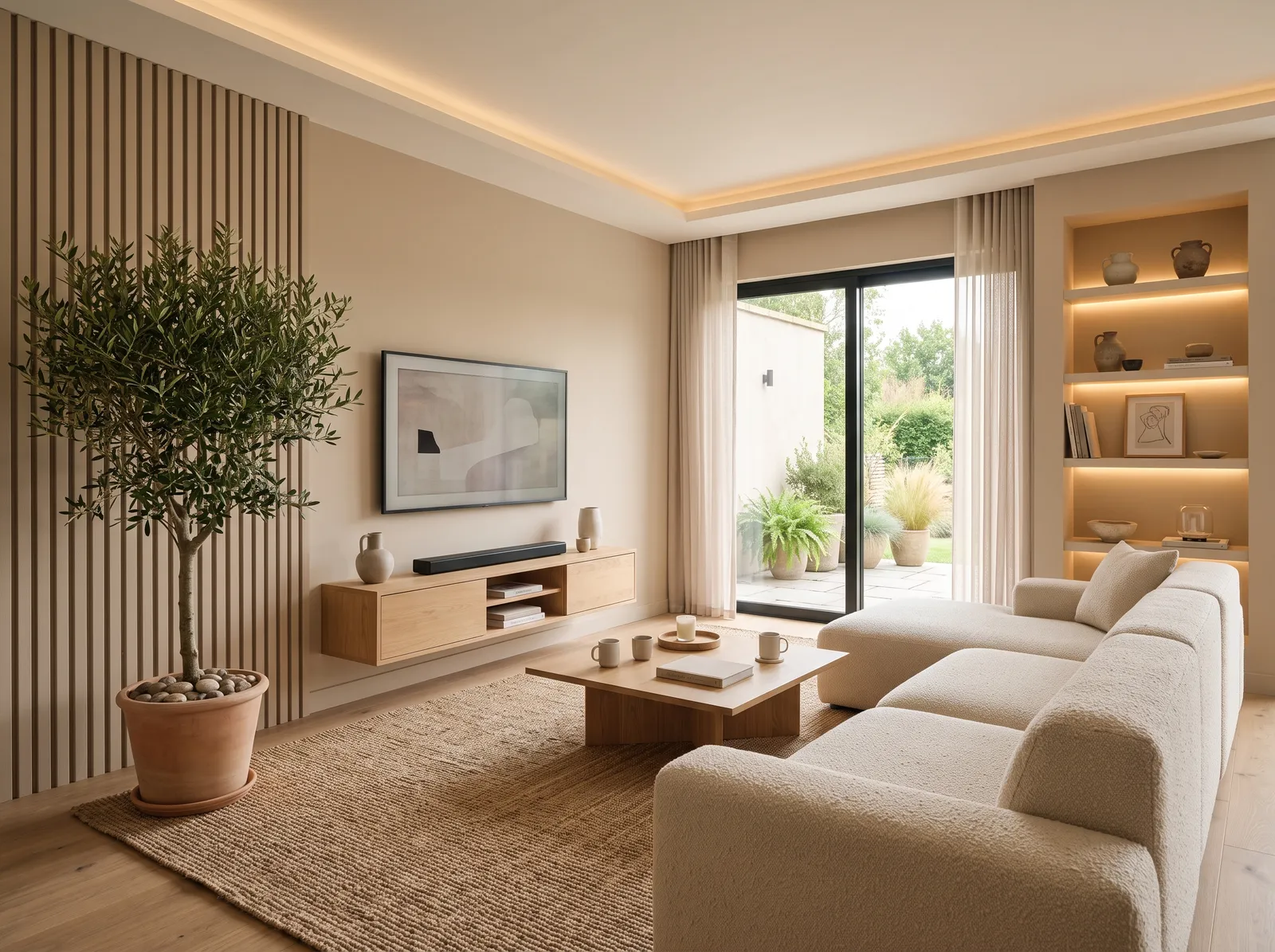
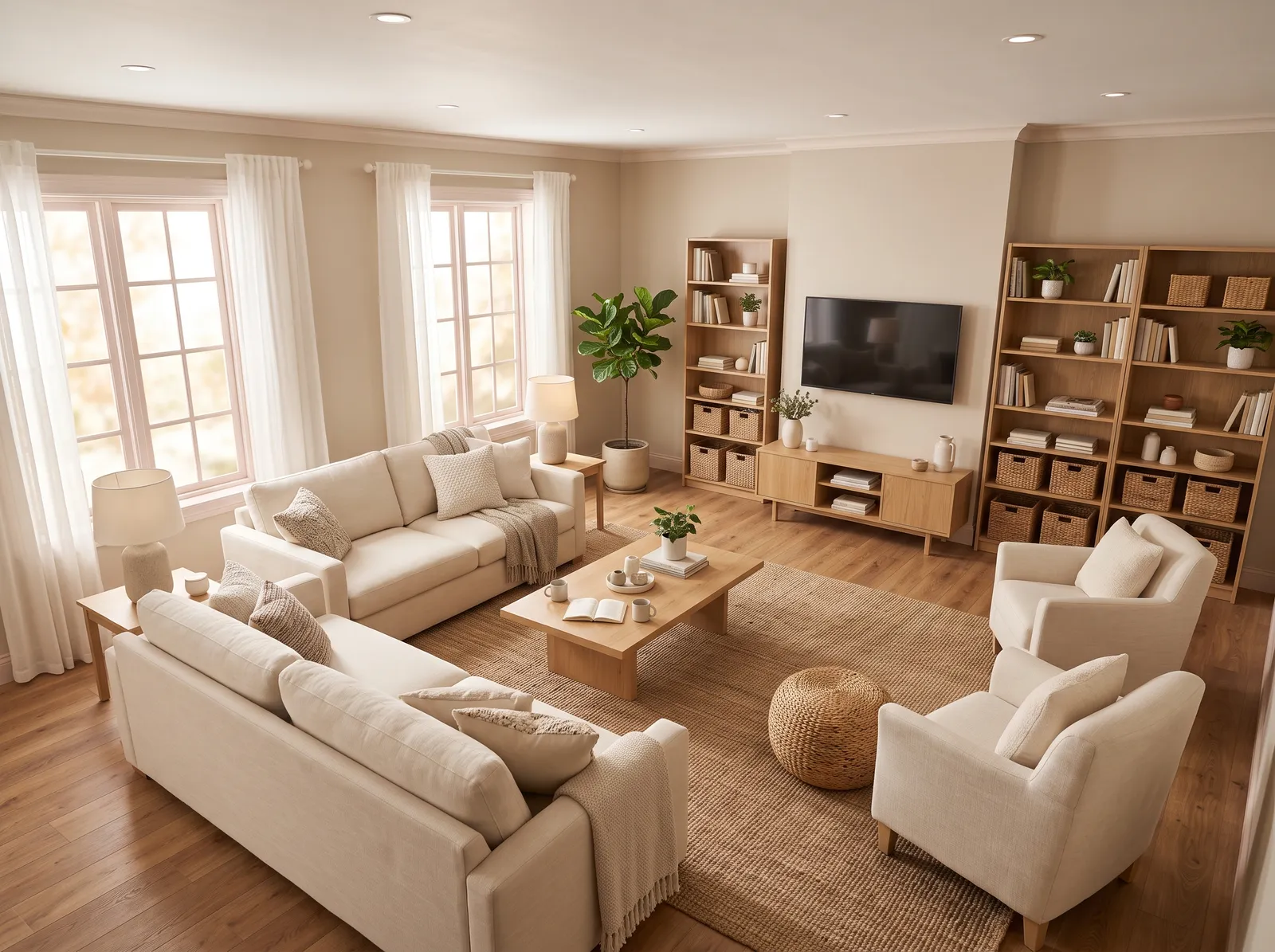
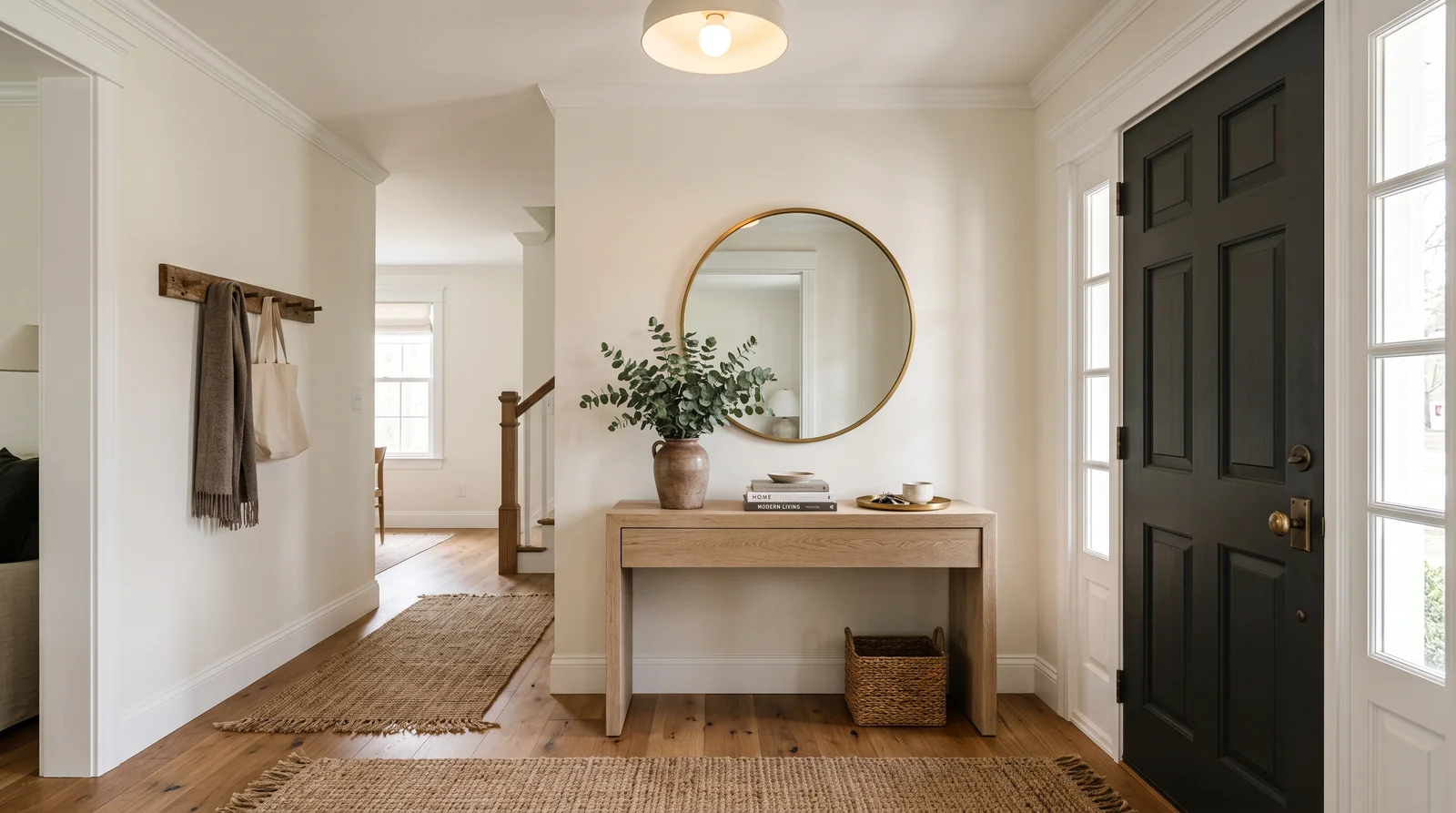
The light end of this family is built for everyday living. Pale creams and soft greiges like Silk Lining, Hazelnut Cream, and Limescent work as whole-house wall colors, ceilings, and trim because they keep rooms open and pair with almost anything.
The mid and dark neutrals are where you add character. Pebble Path and Light Oak make warm, lived-in living rooms and bedrooms. Country Cork and Clay suit accent walls, dining rooms, and cabinets. Chocolate Heart, at LRV 18, is a strong choice for a moody study, an island, or an exterior accent.
Every Behr neutral, grouped by undertone, warm to cool. Filter by depth or change the order.
Hex values are display approximations from Behr's published swatch tools, not a physical sample under controlled lighting. Order a brand-direct sample before specifying.
Upload a photo of the room. We paint it in the neutral you chose with your light and your floor, and you can swap colors until one holds.
Behr is sold exclusively at The Home Depot, and every color here is mixed to order at the paint counter. You're not limited to pre-stocked cans; the tinting machine builds your exact color in the line you pick. Premium Plus is the value choice around $35 a gallon, Marquee is the one-coat option near $55, and Dynasty is the top line near $65 with the best stain and scuff resistance. Across the premium lines Behr earns its reputation as the best big-box value for coverage and durability.
If you've seen a neutral you like from another US brand, you don't have to switch stores or start over. Any paint counter can color-match a sample or a code, so a Benjamin Moore or Sherwin-Williams neutral can be mixed in a Behr line, and a Behr color like Pebble Path or Clay can be matched into the featured Kompozit deck. The match is read from the color itself, so you keep the look while choosing the brand and finish that fit your project.
How many neutral colors each brand carries, drawn with that deck's own neutrals from light to dark. Pick your store first, then the color. Every brand equal, no favorites.
Behr's neutral family is large and practical. There are 491 colors in this slice, running from very light to very dark, so almost any room can find a fit here.
The undertones lean warm and earthy more often than cool. You see soft creams like Silk Lining (BWC-14) and Hazelnut Cream (750C-2), grounded mid-tones like Pebble Path (330F-4) and Country Cork (HDC-CT-07), and deep browns like Chocolate Heart (N170-5). It's a forgiving range that reads natural in real daylight, not flashy on a screen.
A simple, reliable scheme keeps the wall in this neutral family and goes brighter on trim and ceiling. Behr's well-known whites do this job: Ultra Pure White or Swiss Coffee on the trim against a warmer wall like Hazelnut Cream or Pebble Path reads clean and intentional.
To build a full palette, step through the LRV range. Pair a light wall such as Limescent with a deeper coordinating tone like Clay or Country Cork for accents, then close with a crisp white ceiling. Keep undertones in the same warm-earthy lane so the colors feel like a set, not a clash.
Even Better Beige (DC-010) — A mid-depth beige (LRV 60) with a cleaner, less yellow base than most beiges, though west-facing light can nudge it peachy. Antique White and Creamy Mushroom and Muted Sage round out the short list most people choose from.
This neutral slice of Behr's deck has 491 colors. They span from very light to very dark, with LRV ranging from 89 at the lightest down to 5 at the darkest, so you have the full range to work within.
They lean warm and earthy more often than cool. Creams like Silk Lining and Hazelnut Cream feel soft and warm, mid-tones like Pebble Path and Country Cork read grounded, and deep options like Chocolate Heart go rich brown rather than gray.
Pick a higher LRV to keep the space open. Silk Lining at 89 or Hazelnut Cream at 74 reflect the most light. Save darker picks like Clay or Chocolate Heart for rooms with plenty of natural light or where you want a cozy, enclosed feel.
It depends on your budget and the room. Premium Plus around $35 a gallon is the value pick, Marquee near $55 is the one-coat option, and Dynasty near $65 is the top line with the strongest stain and scuff resistance. All of them mix any color in this neutral family.
Yes. Paint counters color-match from the color itself, so a Behr neutral like Pebble Path or Clay can be mixed into another brand such as Kompozit, and a neutral you saw at another store can be mixed in a Behr line at The Home Depot.
Yes. Behr colors are tinted at the counter at The Home Depot when you buy them, not pre-stocked. You choose the color and the line, and the machine mixes your exact gallon on the spot.
Ask a Question