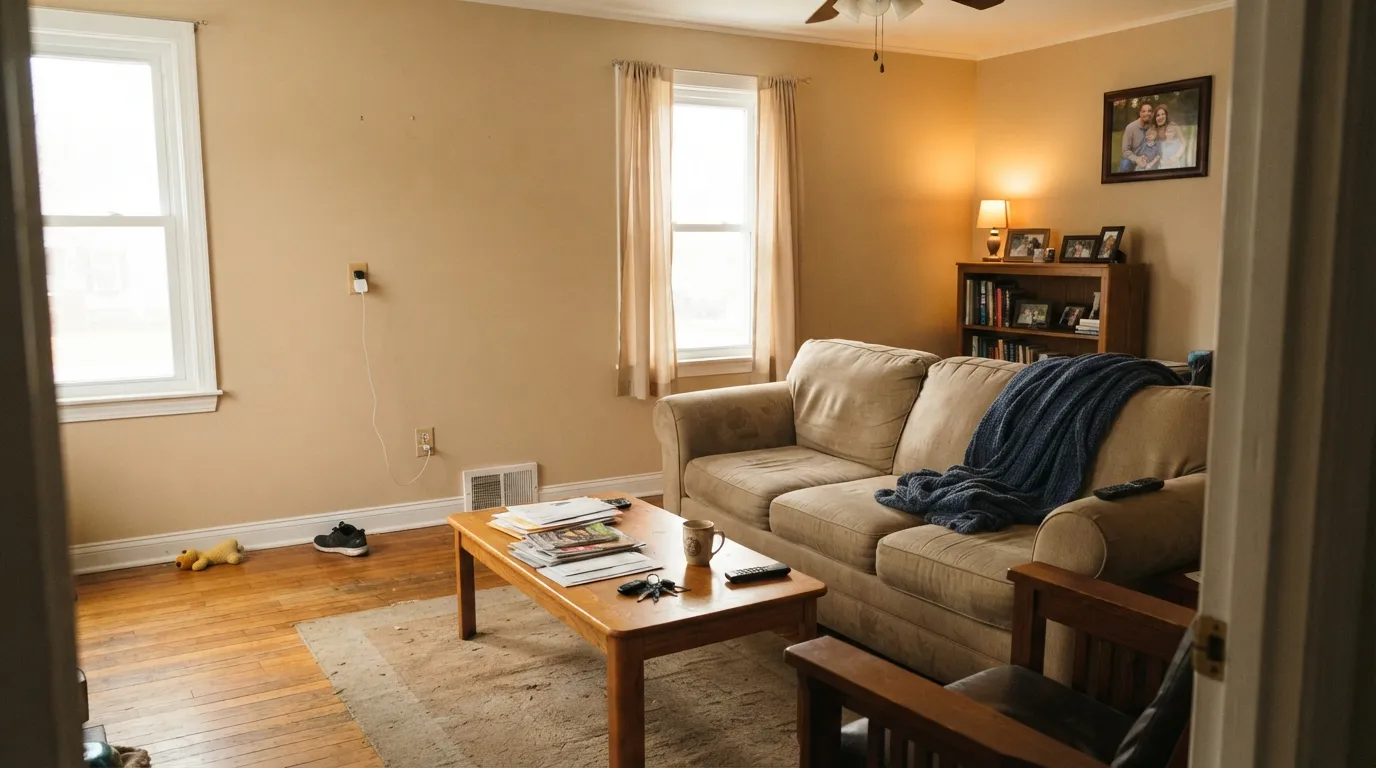
 1
1Toasted AlmondPPG1097-3 · LRV 63
Glidden's perennial warm-tan bestseller.
5 curated neutrals with undertones, LRV, and the honest reasons why, plus the full 407-color neutral deck below.
Don't want to compare 407 neutrals? These four cover most real projects.
Soft warm cream; PPG's go-to soft-white-with-cream-cast trim color
Glidden's perennial warm-tan bestseller
The most-searched warm white at PPG / Lowe's
Best Beige is beige without an apology.
Numbered and curated. Tap any color for its full review, or see it on your own walls in the visualizer.
1Glidden's perennial warm-tan bestseller.
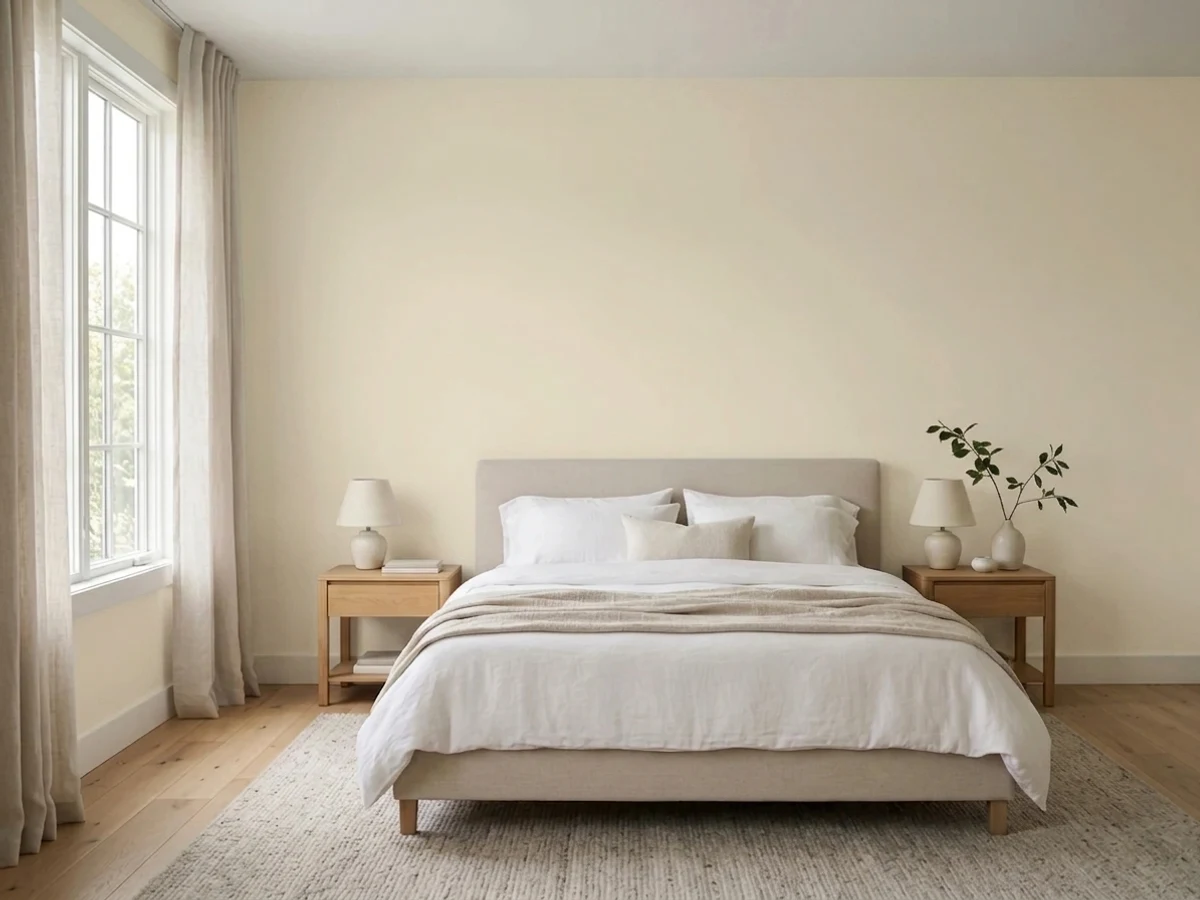 2
2The most-searched warm white at PPG / Lowe's.
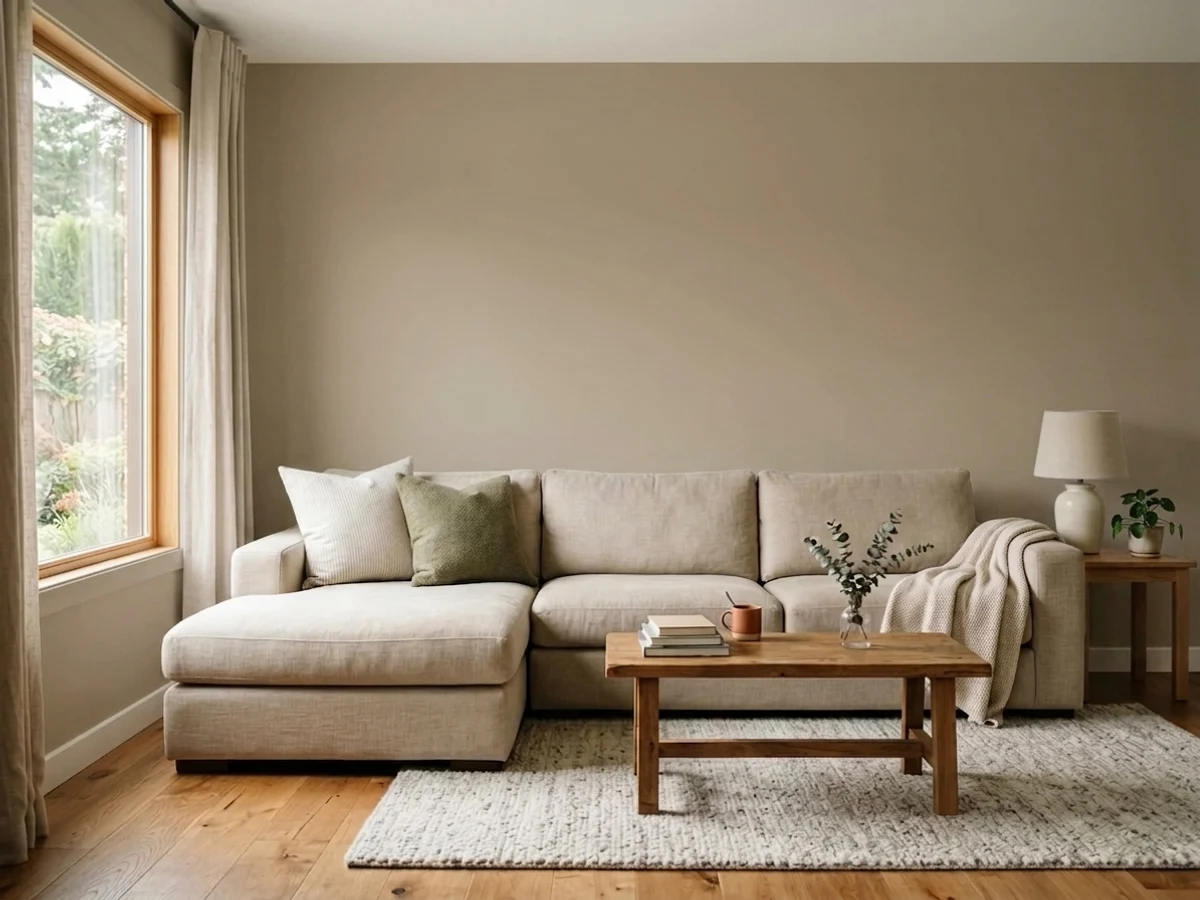 3
3Best Beige is beige without an apology.
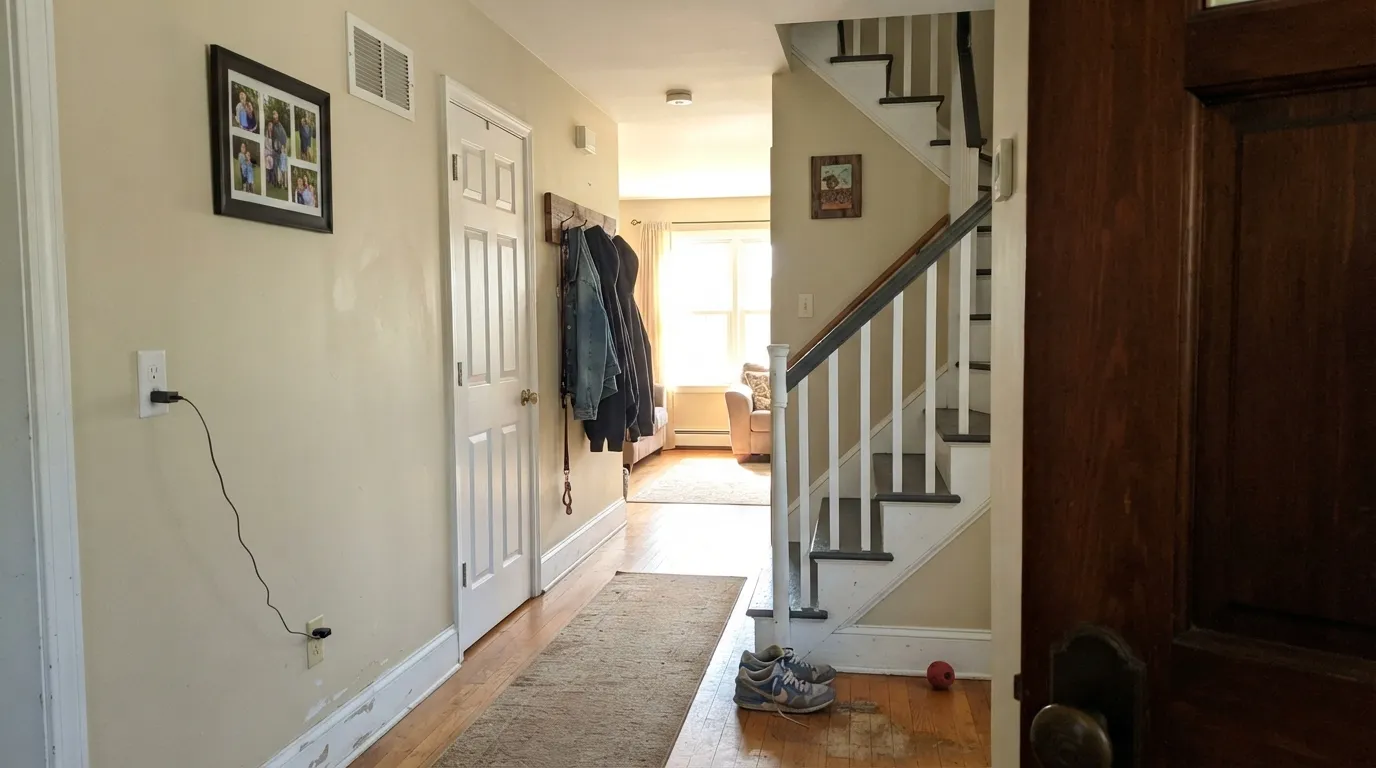 4
4Soft warm cream; PPG's go-to soft-white-with-cream-cast trim color.
 5
5Whiskers is the warm gray you pick when every popular greige has started to look too beige.
The whole PPG / Glidden neutral range by depth. LRV is the number to trust: the same neutral looks two steps darker on a wall than on a chip.
LRV (light reflectance value) tells you how much light a color bounces back. In this neutral slice the numbers run from 6 at the darkest to 84 at the lightest, so the single number is the fastest way to predict how a swatch will feel on a wall. Higher means brighter and more open; lower means cozier and more enclosed.
For most walls in a normal room, an LRV in the 60s to 80s keeps things light and airy — think Bone White (1085-2) at 70 or Bermuda Sand at 61. Drop into the 40s and 50s, like Dusty Trail at 51 or Thumper (1075-4) at 43, and you get a warmer, more saturated mid-tone. Anything in the 20s and 30s, such as Diversion (1021-4) at 33 or Twisted Tail at 24, works best as a contrast wall, a moody small room, or trim against a pale field.
Stuck between two? These head-to-heads settle the ones people actually can't pick between.
Each room page shows neutral picks from every US brand side by side, so you can compare in context.
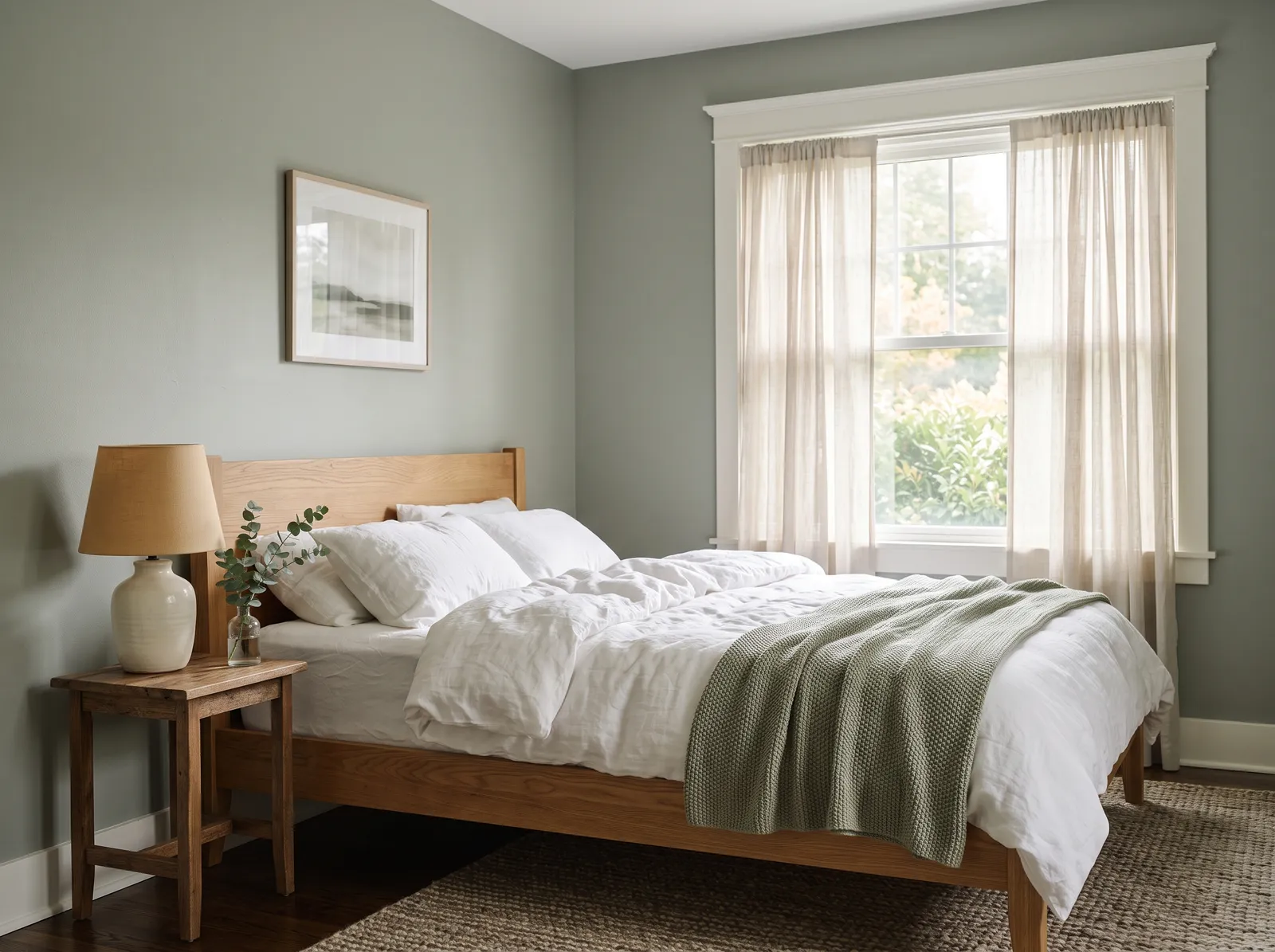
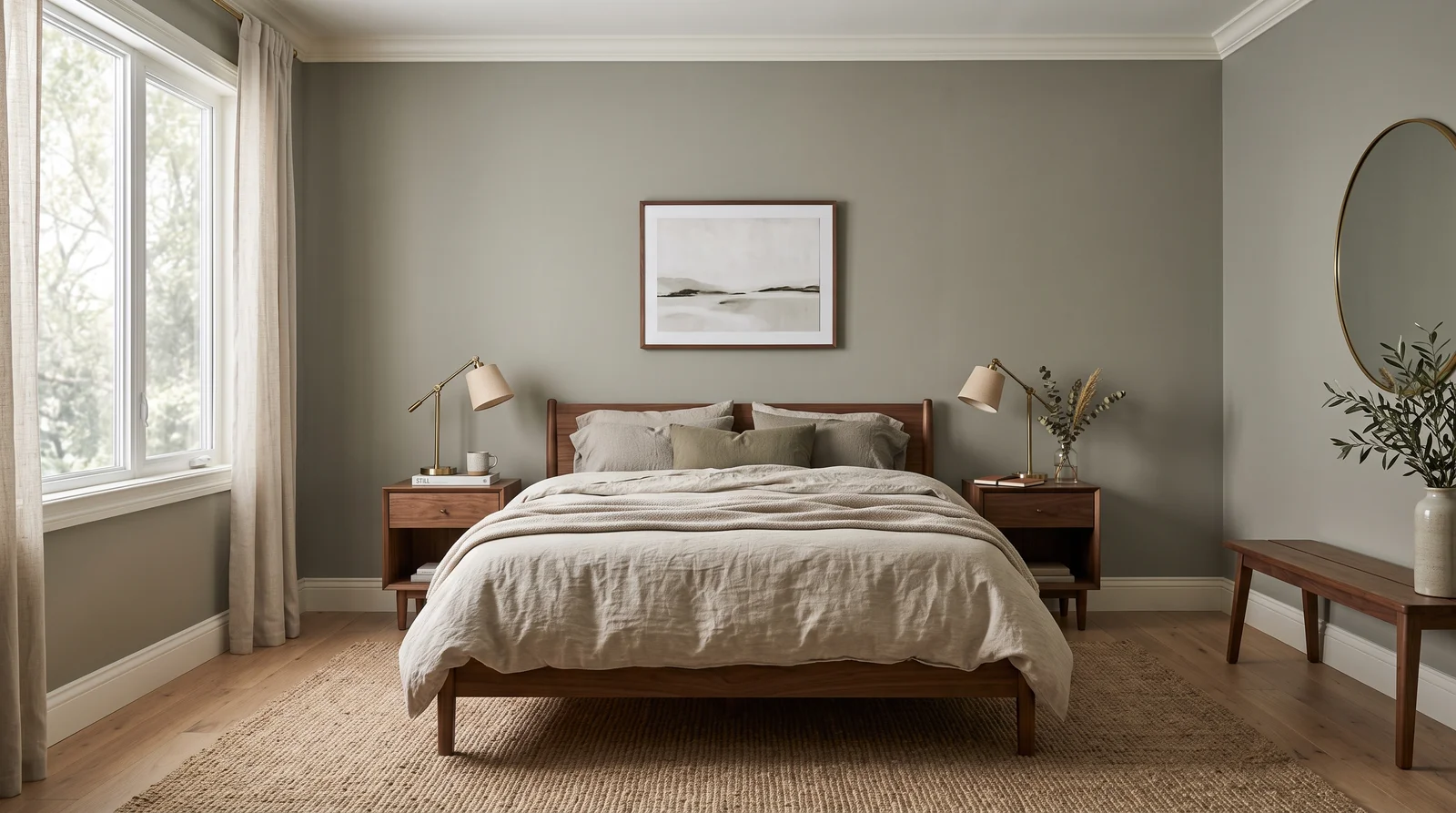
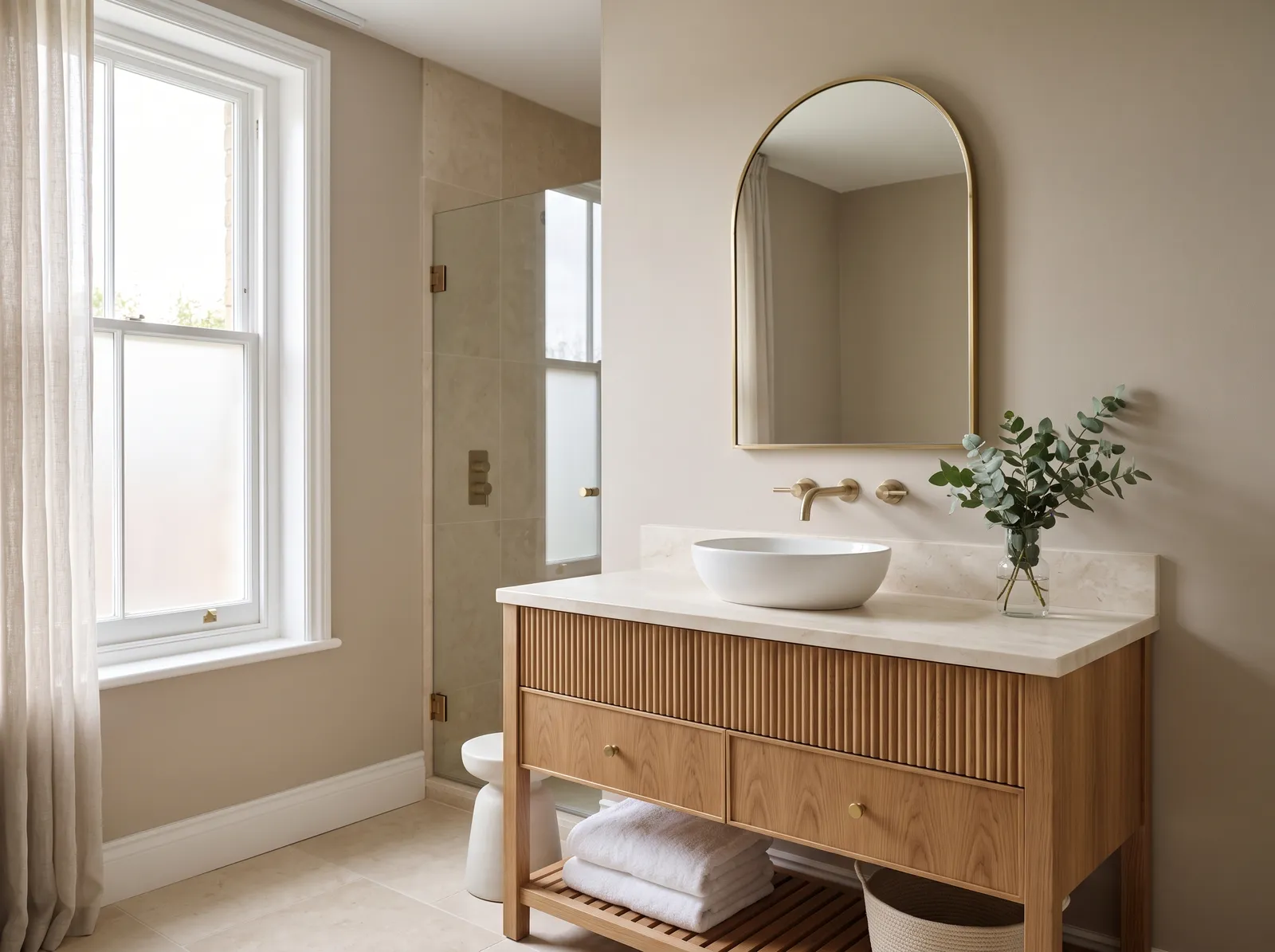
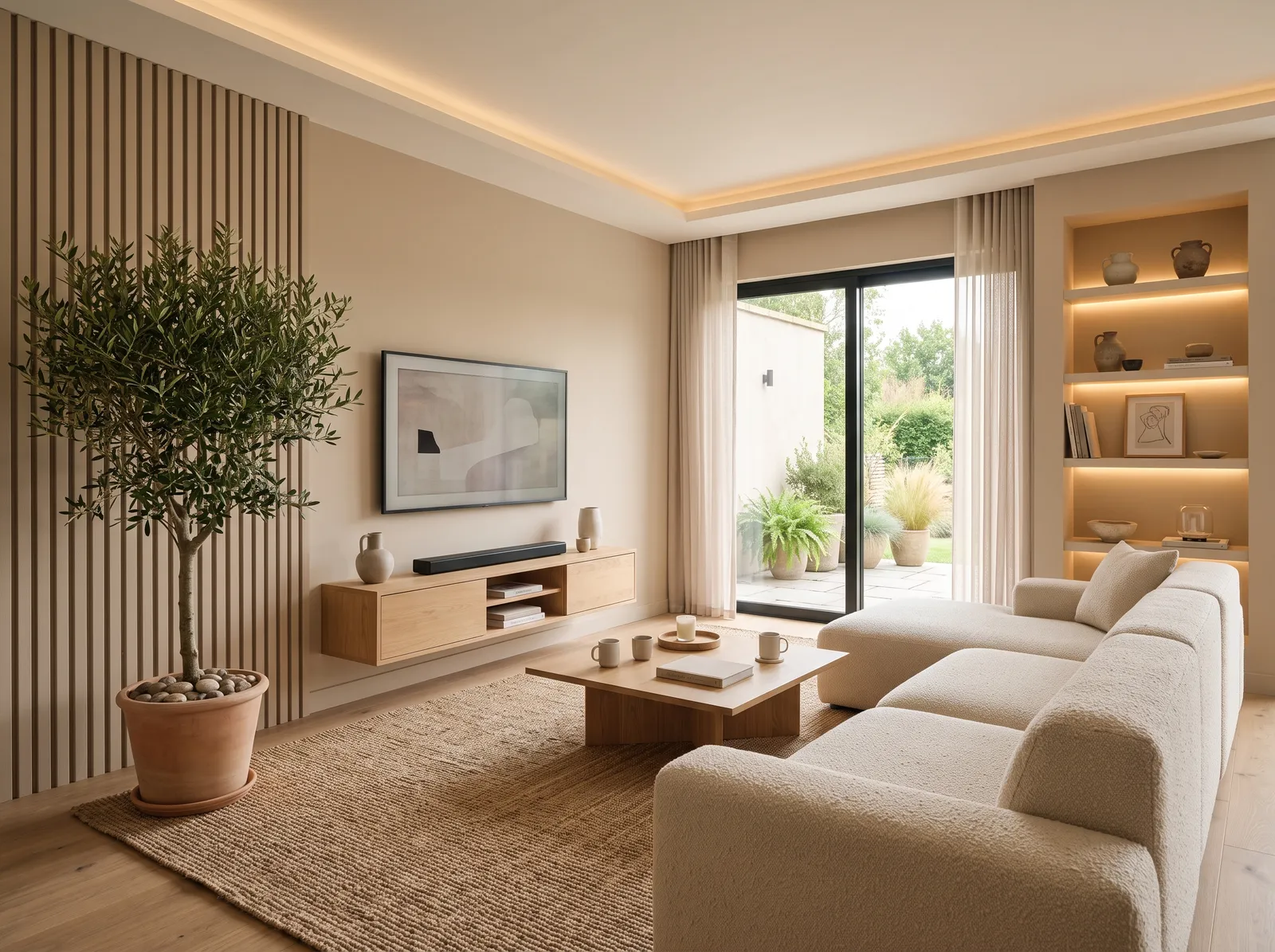
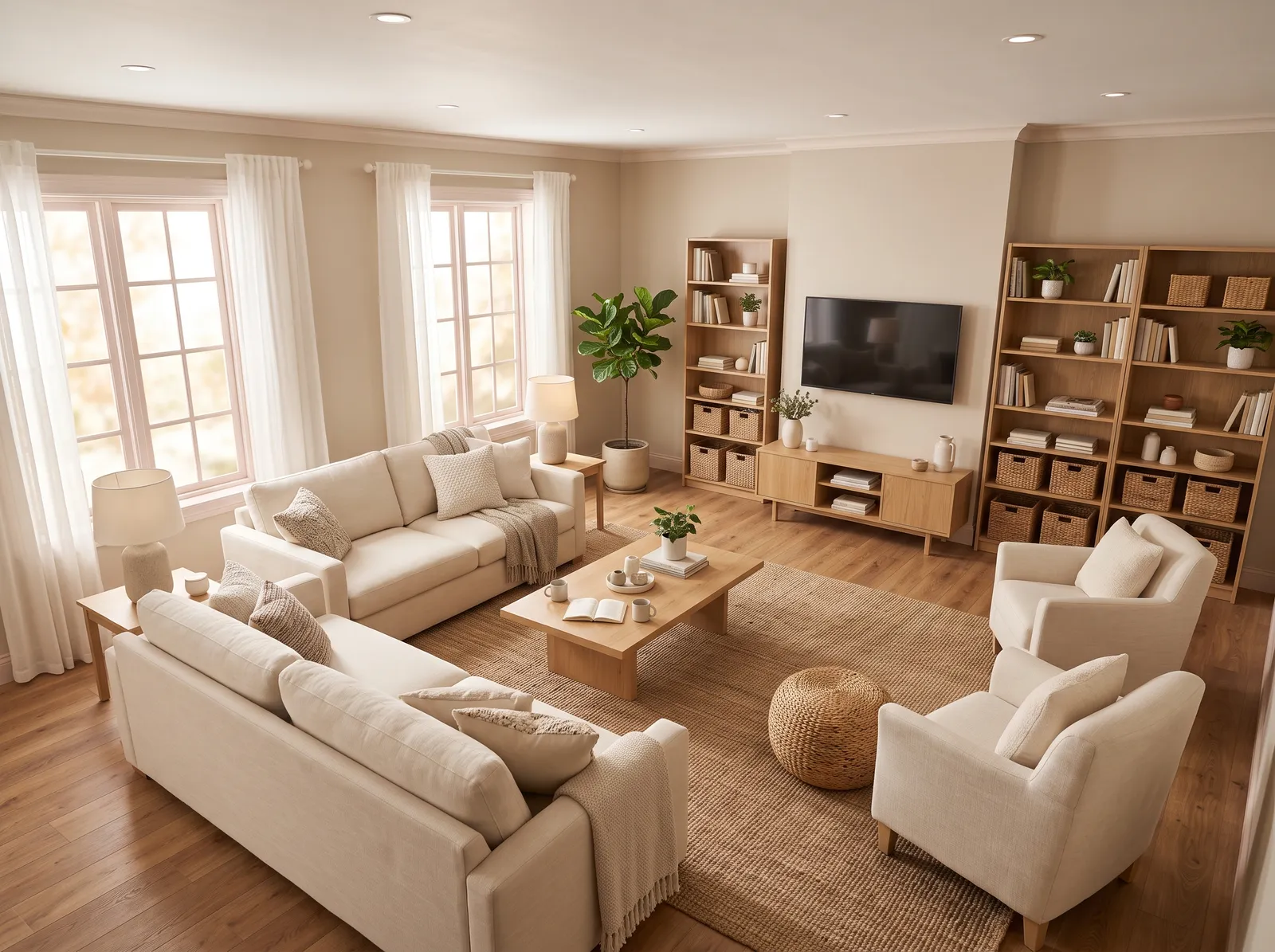
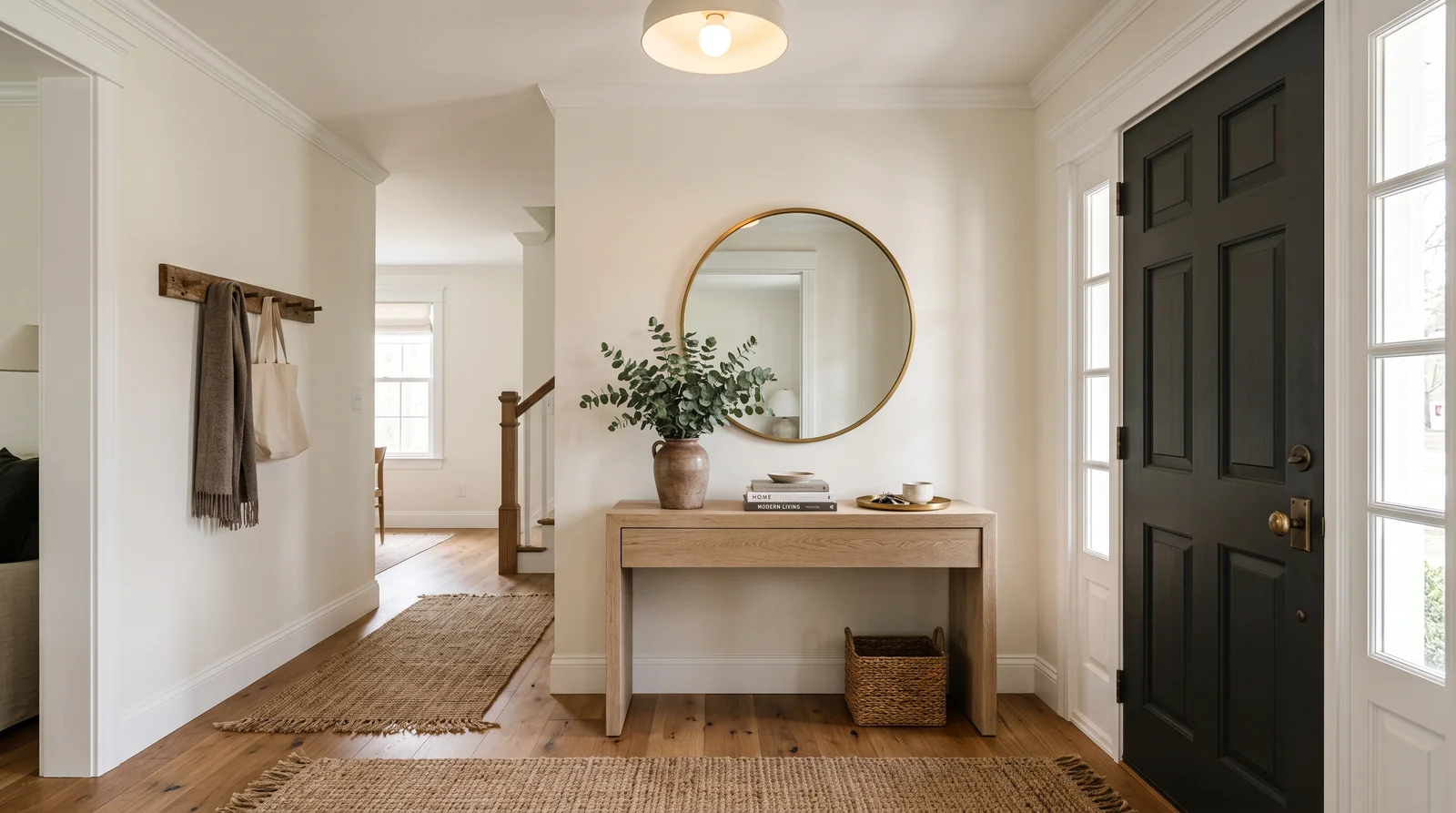
The lightest tones here are made for spaces you want to feel bigger and brighter. Pale Ecru and Morocco Sand suit north-facing rooms, hallways, and small bathrooms where every bit of reflected light helps. They also make safe, repaintable choices for whole-home consistency.
The mid and deep neutrals earn their place where you want comfort over openness. A color like Thumper or Diversion grounds a bedroom, a study, or a dining room, and the darkest pick, Twisted Tail, can carry an accent wall or millwork without going fully black. In high-traffic areas, step up to a more durable Glidden or PPG line so the finish holds up to cleaning.
Every PPG / Glidden neutral, grouped by undertone, warm to cool. Filter by depth or change the order.
Hex values are display approximations from PPG / Glidden's published swatch tools, not a physical sample under controlled lighting. Order a brand-direct sample before specifying.
Upload a photo of the room. We paint it in the neutral you chose with your light and your floor, and you can swap colors until one holds.
Every color here is mixed to order. A store starts with a base and tints it to your chosen color, so any of these 368 neutrals can be made in the finish and quantity you need. Glidden and PPG Timeless are sold at The Home Depot, while PPG Paints and Pittsburgh Paints & Stains run through company stores and independent dealers; the lines step up from Glidden Essentials, Premium, and Diamond through PPG Timeless and PPG Diamond as you move from value to more durable.
Because these are recipe-based colors, you are not locked to one brand. A paint counter can read a color with a spectrophotometer and match a PPG or Glidden neutral into another brand's base, or match it into the featured Kompozit deck, and the reverse works too. The match is close but rarely identical across brands, so always confirm with a sample pot or a brushed-out swatch before you commit to a full room.
How many neutral colors each brand carries, drawn with that deck's own neutrals from light to dark. Pick your store first, then the color. Every brand equal, no favorites.
PPG and Glidden share one of the largest neutral libraries in American paint, and this slice alone holds 368 colors. The range runs from soft warm whites like Pale Ecru (1195-1) all the way down to deep, grounded tones like Twisted Tail (1100-6). Most of these neutrals lean a touch warm, with sandy and greige undertones rather than cold gray.
You can see that warmth in names like Morocco Sand (1096-2), Bermuda Sand (1074-3), and Dusty Trail (1097-4). These are forgiving colors that read as calm backdrops, not statements. If you want a neutral that plays well with wood floors and natural light, this family is built for it.
The easiest, most reliable trick is to build a ladder by LRV. Pair a wall in the 50s or 60s, like Bermuda Sand, with a lighter trim and ceiling pulled from the 70s or 80s, such as Bone White or Pale Ecru, so the trim quietly frames the wall. Keeping everything in the same warm neutral family avoids the clash you get when a cool white meets a warm wall.
For contrast that still feels intentional, set a deep neutral like Diversion or Twisted Tail against one of the pale tones. Because these colors share sandy undertones, they coordinate without much fuss — the darker shade reads as a deliberate anchor rather than a fight.
Toasted Almond (PPG1097-3) — Glidden's perennial warm-tan bestseller. Oyster Cracker and Antique White and Best Beige round out the short list most people choose from.
They are part of the same company's deck, so many neutrals overlap, but they are sold as different lines. Glidden is the budget-friendly, value line found at The Home Depot, while PPG Paints carries more architectural credibility and sells through company stores and dealers. This neutral slice pulls from both, giving you 368 colors to choose from.
Most of them lean warm, with sandy and greige undertones rather than cold blue-gray. You can see it in colors like Morocco Sand, Bermuda Sand, and Dusty Trail. That warmth makes them easy to pair with wood floors, natural light, and other warm neutrals.
For a small or dark room, choose a higher LRV so the walls reflect more light and feel open. Something in the 70s or 80s, like Bone White at 70 or Pale Ecru at 84, brightens the space. Save the lower numbers in the 20s to 40s for rooms where you want a cozier, more enclosed feel.
Yes. A paint counter can scan the color and mix a close match into another brand's base, or into the featured Kompozit deck, and it works the other way around too. The match is usually very close but not always perfect across brands, so test a sample first.
They are mixed to order. The store tints a neutral base to your exact color, so any of the 368 neutrals can be made in the sheen and size you want. That also means you can order the same color again later from the recipe.
Step up to a more durable line for hallways, kitchens, and kids' rooms. The lines move from Glidden Essentials, Premium, and Diamond up through PPG Timeless and PPG Diamond as durability increases. A tougher finish stands up better to scrubbing and scuffs over time.
Ask a Question