Sherwin-Williams Agreeable GrayvsPPG / Glidden Whiskers
Why this comparison: PPG’s Whiskers is nearly a formula twin of Agreeable Gray. Agreeable Gray and Whiskers are visually nearly identical (ΔE 0.48). Most eyes can't tell them apart on a wall — pick whichever is easier to source.

Built from our full reviews of both colors — same measured data, same real-room photos. About the testing process →
The Numbers
LRV is essentially equal (60 vs 60) — both reflect light the same.
What Each Color Really Is
A warm gray built on a taupe base, not a beige one — and that distinction explains almost everything about how it behaves. Beige-based neutrals carry yellow, so they stay warm no matter what the light does. Agreeable Gray carries a soft brown-violet instead, which is why it reads gray first and warm second, and why the warmth can switch off when the light turns cool. Sherwin-Williams sells it as the agreeable one because it refuses to commit to an undertone, and that refusal is both the reason it goes on more American walls than almost any other color and the reason a small share of people hate it.
At LRV 60 it reflects a bit more than half the light that lands on it, which puts it in the mid-light band — light enough to open a room, not light enough to act as a bright neutral. The number looks close to Revere Pewter (HC-172) at 56, but on a wall the gap feels bigger than four points because Revere Pewter also carries green and reads a full step heavier and more traditional. Put Agreeable Gray beside a real off-white like Alabaster (SW 7008) at LRV 82 and the comparison is honest: this is a color, not a pale wash, and it will hold visible shadow in corners and behind furniture.
A warm gray with a sepia-umber base — the brown kind of warmth, not the yellow kind. That distinction is the whole color. Most best-selling greiges are built on a yellow oxide base, which is why Accessible Beige reads beige the moment sun hits it and why Agreeable Gray drifts creamy in a south room. Whiskers takes the warmth from the brown side of the wheel instead, so it stays quietly gray while still feeling warm. Owners describe it the same way over and over: a very warm gray, almost taupe, that looks pale gray in one corner and taupe in another.
It is also genuinely less colorful than its competition. Compare our hex values and Whiskers carries roughly two-thirds the warmth of Agreeable Gray and about half of Accessible Beige. That is why it survives rooms where those two look yellow, and equally why it looks flat in rooms where they still look cozy. At LRV 60 it sits exactly where the popular greiges sit — light-medium, not light. It will not brighten a dark room, and anyone shopping it as a soft white will be disappointed by the second wall.
Specs Side by Side
| Spec | Agreeable Gray | Whiskers |
|---|---|---|
| Brand | Sherwin-Williams | PPG / Glidden |
| SKU | SW 7029 | PPG1025-3 |
| Hex | #D1CBC1 | #D1CBC2 |
| RGB | 209, 203, 193 | 209, 203, 194 |
| LRV | 60 | 60 |
| Undertone | red-orange / warm | red-orange / warm |
| Family | Neutral | Neutral |
How Light Changes Them
Warms up and looks its softest and lightest. Can wash toward a pale beige at midday — most people love it anyway.
The warmth drains out. Gray, sometimes violet, often just dingy. Sample this room first — or go warmer.
2700K lamps push it cozy and beige. 4000K daylight bulbs pull the gray out and can trigger the violet. Swap bulbs before you repaint.
One color, two rooms, two looks: warm and beige by the south windows, gray and cool in the shaded corner. Fine if you expect it, jarring if you don't.
Low warm sun brings the umber forward and the walls go softly taupe. This is the light people fall in love with.
Cool gray daylight strips the brown and leaves flat putty — the version of this color the bad reviews describe. Test here first.
Golden in the morning, warmest and most taupe by mid-afternoon, quietly gray in between. The swing is real but gentle.
2700K lamps keep it warm and grounded. 4000K LEDs drain it toward gray-mauve — change bulbs before you change paint.
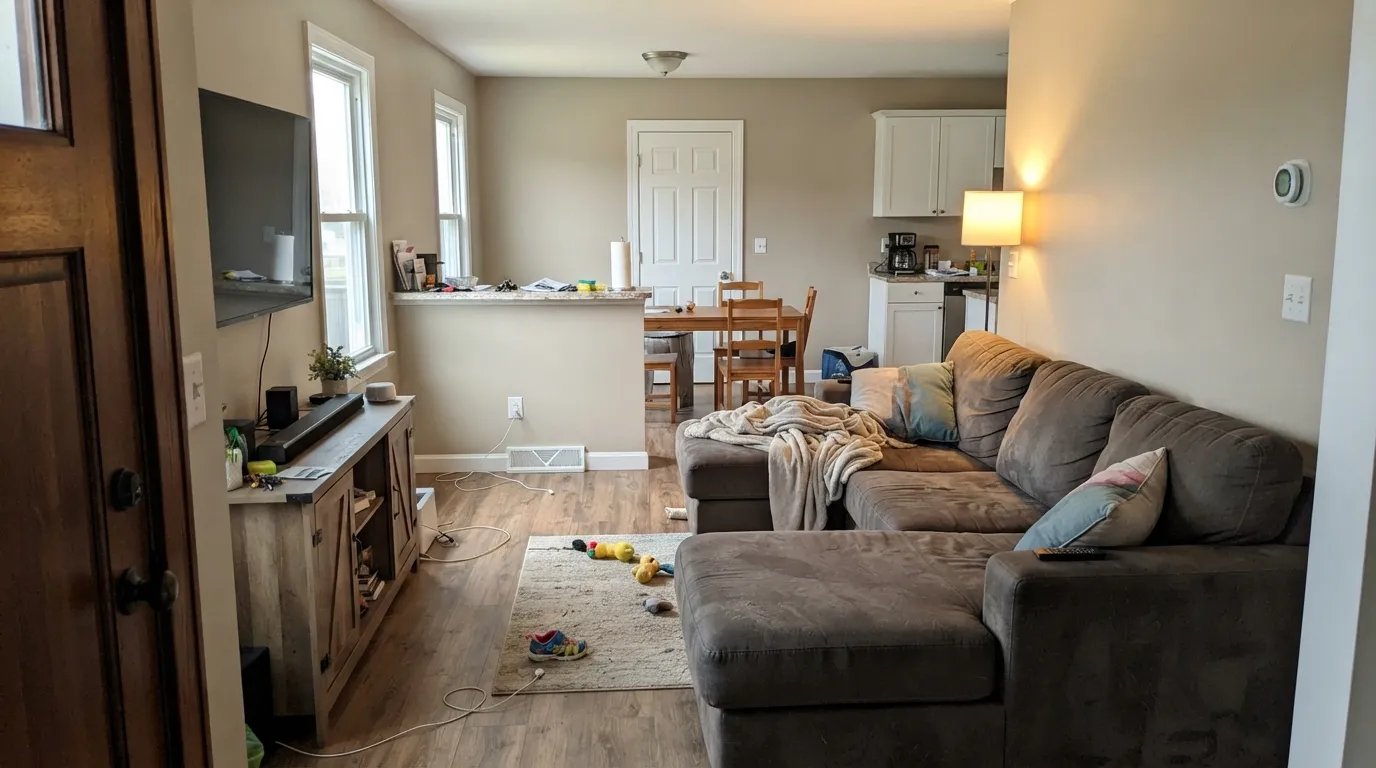
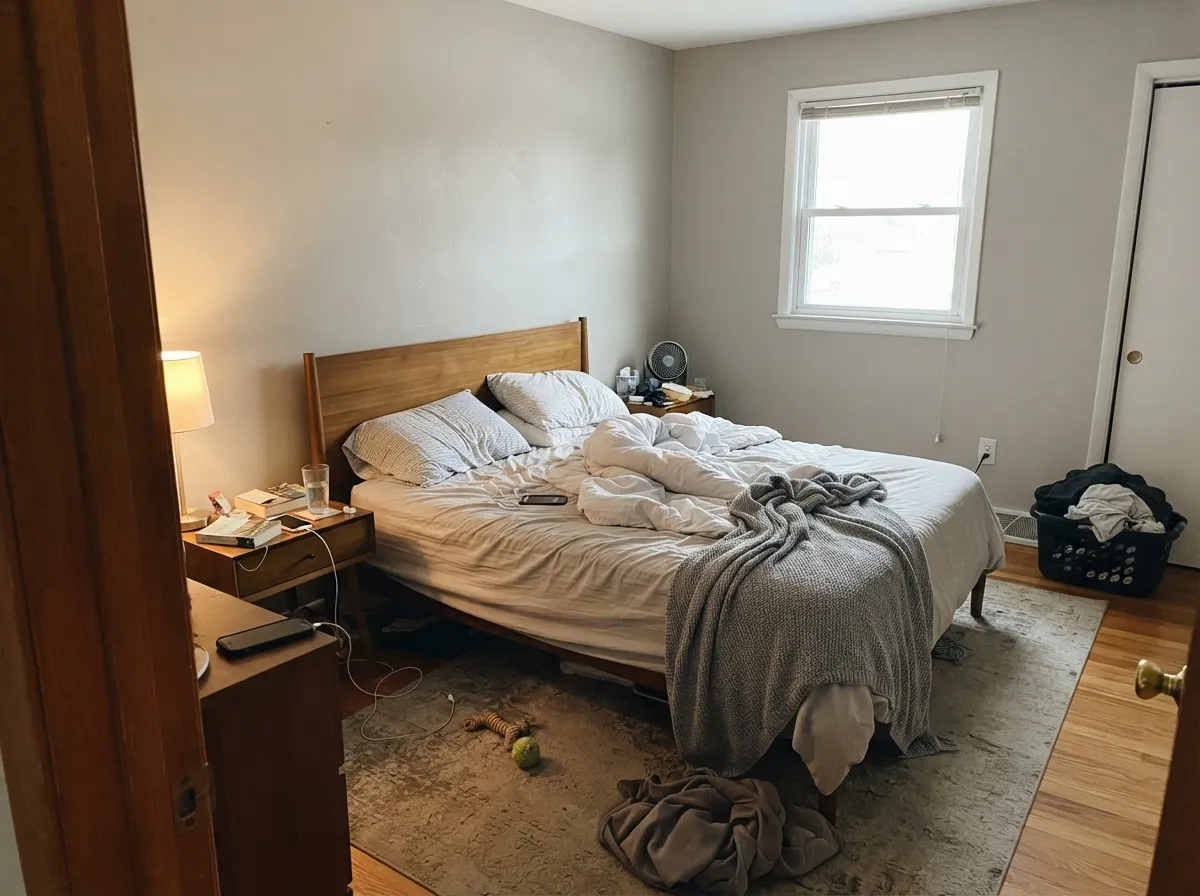
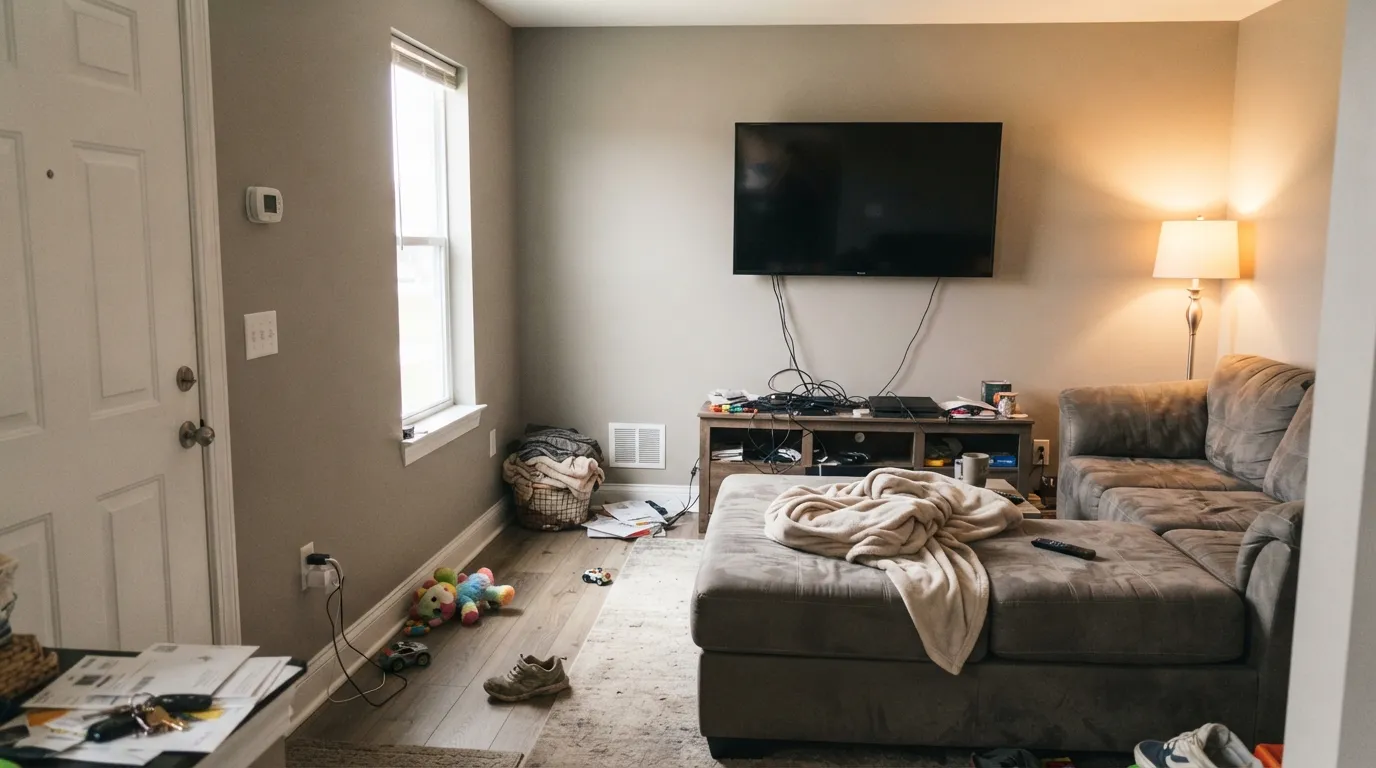
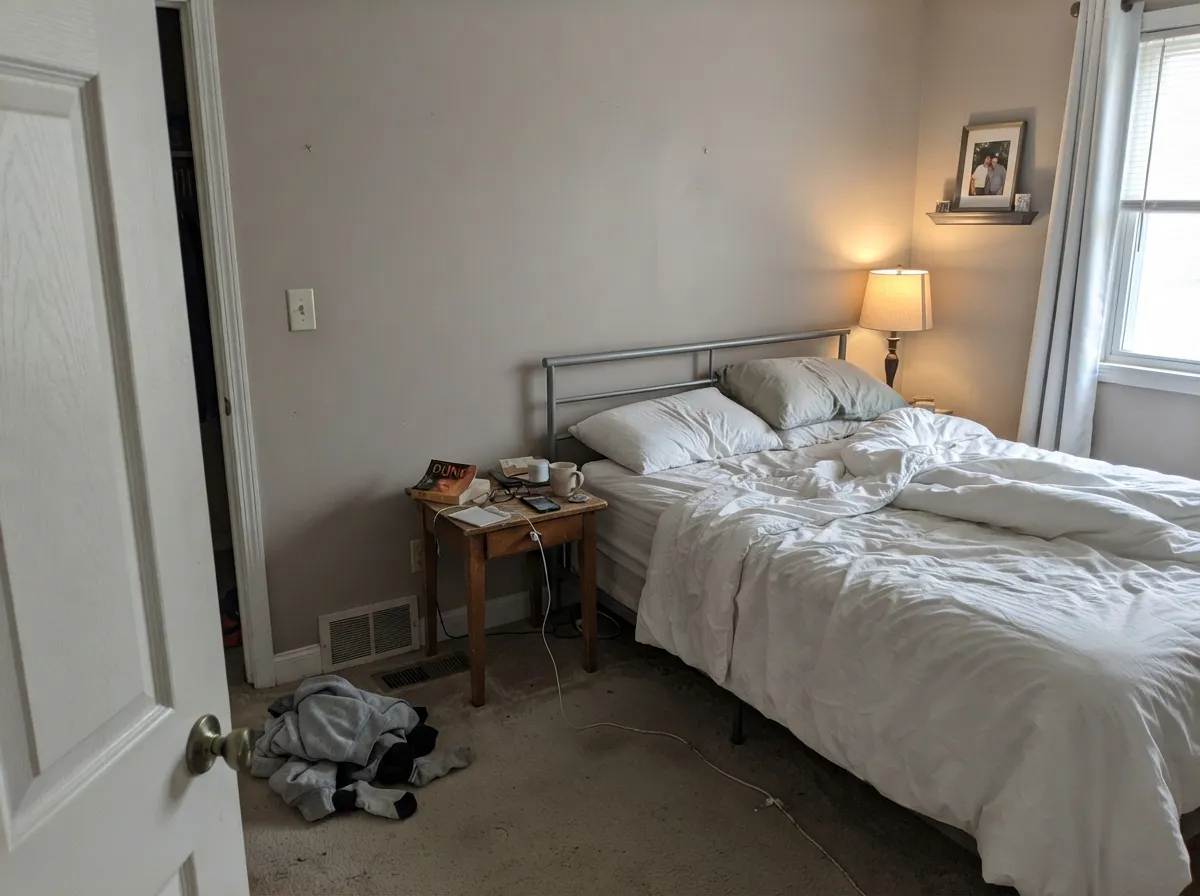
Both Colors in Real Rooms
Photos from our full reviews — the same rooms and captions, so you can judge each color where it actually lives, not on a chip.
When to Pick Which
Whole-house flow in rooms with real daylight · open-plan main floors · kitchen and bath cabinets with brass or matte black · anyone who thinks beige is too yellow and gray is too cold
Your room is north-facing and dim · your trim or cabinets are cream · your tile, counters or flooring lean cool violet-gray · you want a wall color with an actual opinion
Family rooms and open main floors · hallways and entries that need one color everywhere · bedrooms with warm lamps · anyone who tried Agreeable Gray and found it too beige
Your room is dim and north-facing with no lamps · you want a true cool gray · the next room is painted a warmer beige · you need a light, bright neutral (LRV 60 is mid)
No comparison page can see your light. Upload one photo of your room and try both colors on the same walls, seconds apart.
Agreeable Gray vs Whiskers FAQ
Which is lighter, Agreeable Gray or Whiskers?
They are practically the same lightness — LRV 60 vs 60. Neither will make the room brighter than the other.
Which is warmer, Agreeable Gray or Whiskers?
They share the same undertone family — both read red-orange / warm. The difference between them is lightness and depth, not temperature.
How similar are Agreeable Gray and Whiskers?
Agreeable Gray and Whiskers are visually nearly identical (ΔE 0.48). Most eyes can't tell them apart on a wall — pick whichever is easier to source. The only reliable test is seeing both in your own room and light — a side-by-side on a screen or chip flattens the difference.
Can I use Agreeable Gray and Whiskers together in one house?
Not in the same room, and be careful in the same house. At ΔE 0.48 they are so close that two walls in each will read as a tinting mistake, not a design choice. Pick one, or keep them on different floors where they are never seen together.
Ask a Question