Dunn-Edwards
Dunn-Edwards is the Southwest's hometown paint brand, and two of its lines beat the national premium equivalents at the jobs they were built for. Here is the full line ladder with real counter prices, the website markup nobody warns you about, and the cons the product pages leave out.

Maya spent five years running comparative product testing at a consumer testing nonprofit before joining CompositePaint. She has priced the same Dunn-Edwards gallons at the store counter and on the company website to see what the gap is actually worth. About the testing process →
The Fast Verdict
In the Southwest, yes, this is genuinely top-tier paint. Evershield holds color through Phoenix and Vegas summers better than the national premium exteriors, and Aristoshield matches SW Emerald Urethane and BM Advance on trim at a lower sticker. The mid-line is harder to defend against Behr Marquee. The real limit is geography: there are no company stores east of Texas. For most of the country the honest answer is buy Sherwin-Williams, Benjamin Moore, or PPG instead.
- Evershield is built for desert UV, and it holds saturated color on stucco where SW Emerald Exterior and BM Aura Exterior fade by year five
- Aristoshield hits HB pencil hardness at 7 days and over 4,000 scrub cycles, for $75 to $85 at the counter against Emerald Urethane's $95 to $110
- Everest is genuinely zero-VOC, self-priming, and one-coat on mid-tone repaints, at $15 to $25 a gallon under Benjamin Moore Aura
- Every gallon is made in one Phoenix plant, so a touch-up can bought a year later usually still matches
- A contractor account is easy to open, runs 15 to 25 percent off year-round, and adds 2 percent more for paying by the 15th
- Free cross-brand matching against SW, BM, Behr, Farrow & Ball, RAL, plus internal Frazee and Kelly-Moore libraries most counters no longer keep
- Store staff know the regional substrate problems cold: chalking stucco, redwood bleed-through, coastal moisture
- Zero company stores east of Texas, which takes the brand off the menu for most of the country
- The company website charges roughly 30 percent more per gallon than the same store's counter
- Dunn-Edwards Dura is a separate national direct-to-consumer brand, and buyers outside the footprint keep mistaking it for the store lineup
- Contractors report that the low-VOC reformulations cost adhesion and coverage, with Everest the most-named product
- Spartawall and Spartashield are honest paints that are hard to defend on price against Behr Marquee at Home Depot
- The deck runs about 2,000 colors against Benjamin Moore's 3,400-plus, and the gap shows on deep historic blues and jewel tones
- No usable Amazon path: what is listed there is third-party resellers, sample pots, and marked-up old stock
Which Dunn-Edwards Paint to Buy
This is the block most people came for. Prices are per gallon at Dunn-Edwards company stores in 2026, with the pro-account or contractor-desk price beside them. Where the company website charges more than the counter, the row says so, because that gap is the single most expensive mistake buyers make with this brand.
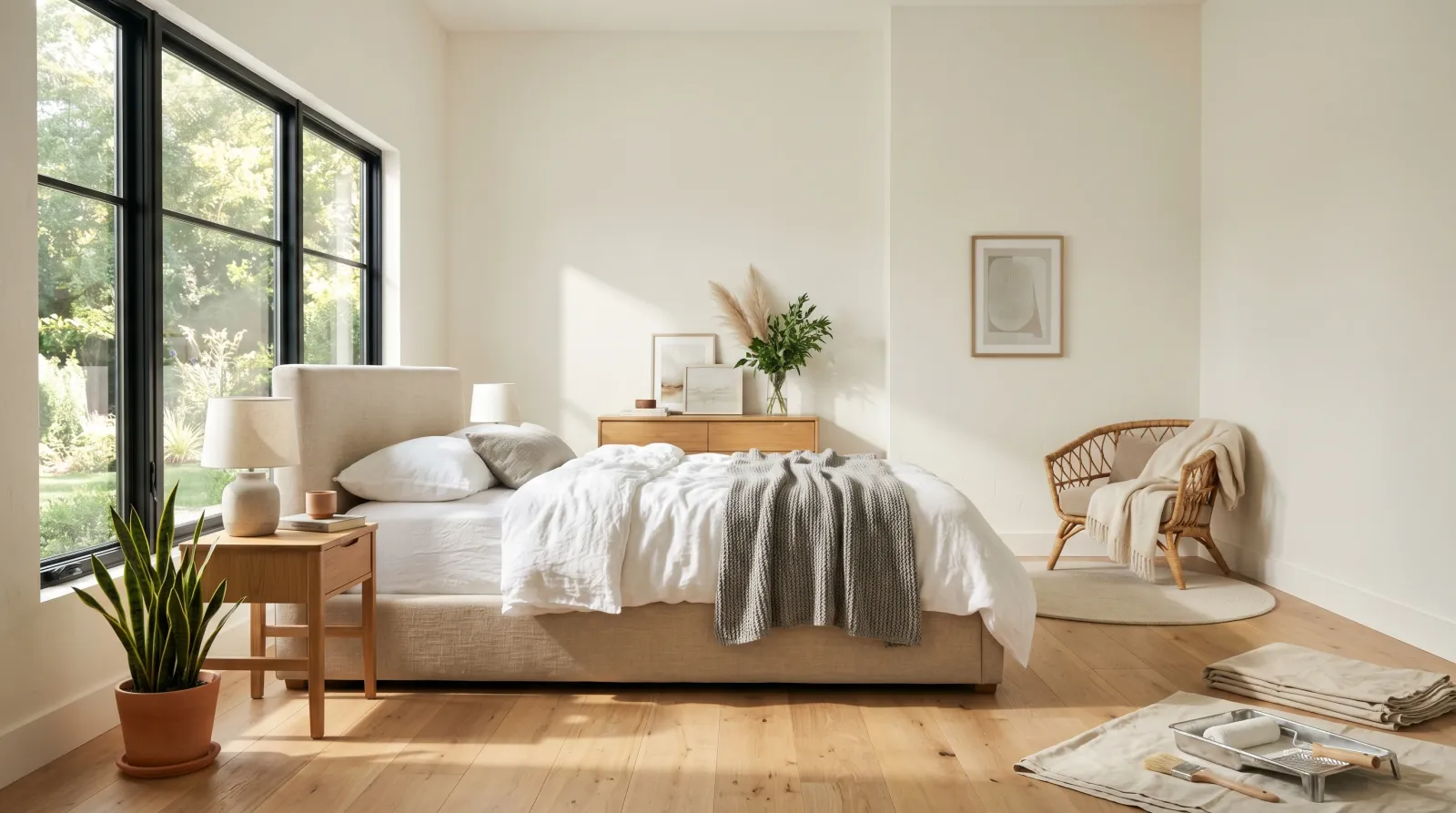 Flagship interior
Best for Low-odor whole-house repaints
Genuinely zero-VOC, self-priming, and one-coat on mid-tones. The best interior dollar in the line, though contractor forums name it most often in adhesion complaints.
Full review →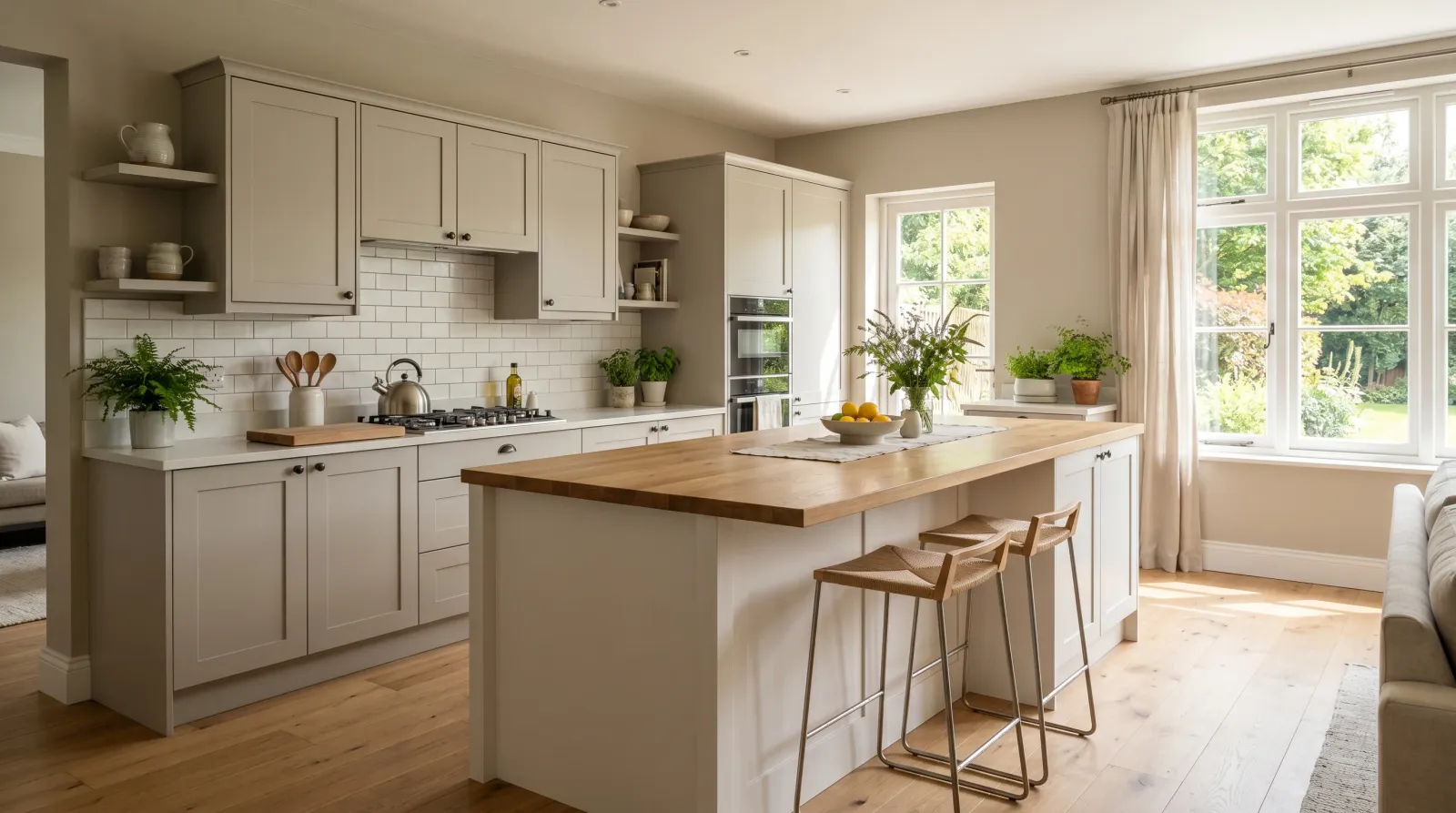 Deluxe washable matte
Best for Hallways and kids' rooms
A matte you can actually scrub, which is the one thing it does better than anything else here. Everest costs about $10 less and self-primes, so only buy up for the washability.
Full review →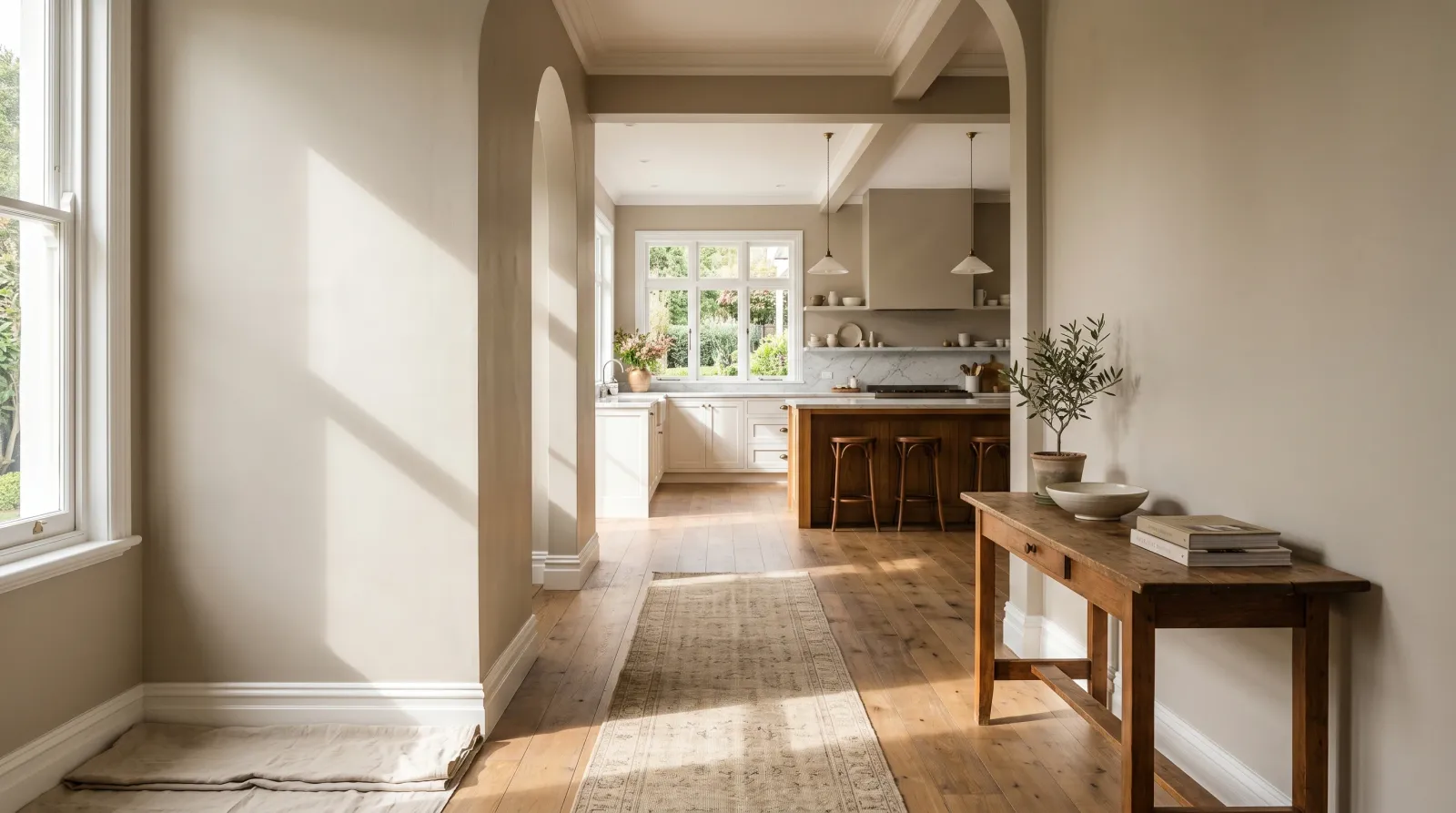 Premium interior
Best for Kitchens, mudrooms, touched walls
Holds its sheen through repeat cleaning better than almost anything in its tier. It is not one-coat and it is not zero-VOC, so do not buy it for either.
Full review →Best for Flips, rentals, volume repaints
The DE answer to SW ProMar 200 and what your painter is probably rolling. Hide is acceptable, scrub is mediocre, and that is the correct trade on a turnover.
Best for Schools, healthcare, nurseries
MPI X-Green and Green Wise Gold certified and built to pass CA Section 01350. Buy it for the air-quality spec, not for durability over Suprema.
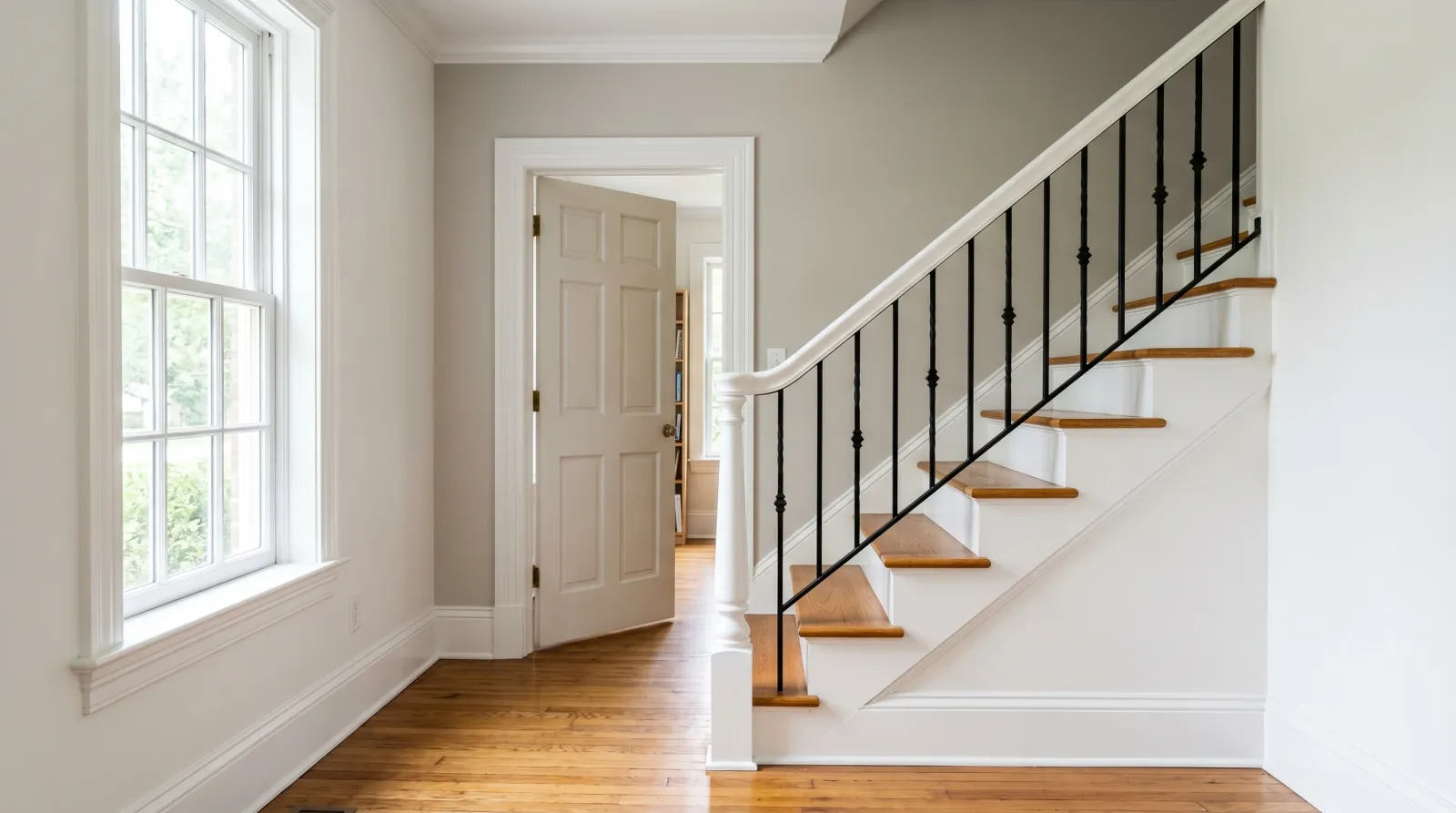 Flagship trim enamel
Best for Cabinets, doors, trim, metal
The waterborne urethane alkyd that levels like oil without yellowing. Buy it at the counter, never on the website, and keep it off walls.
Full review →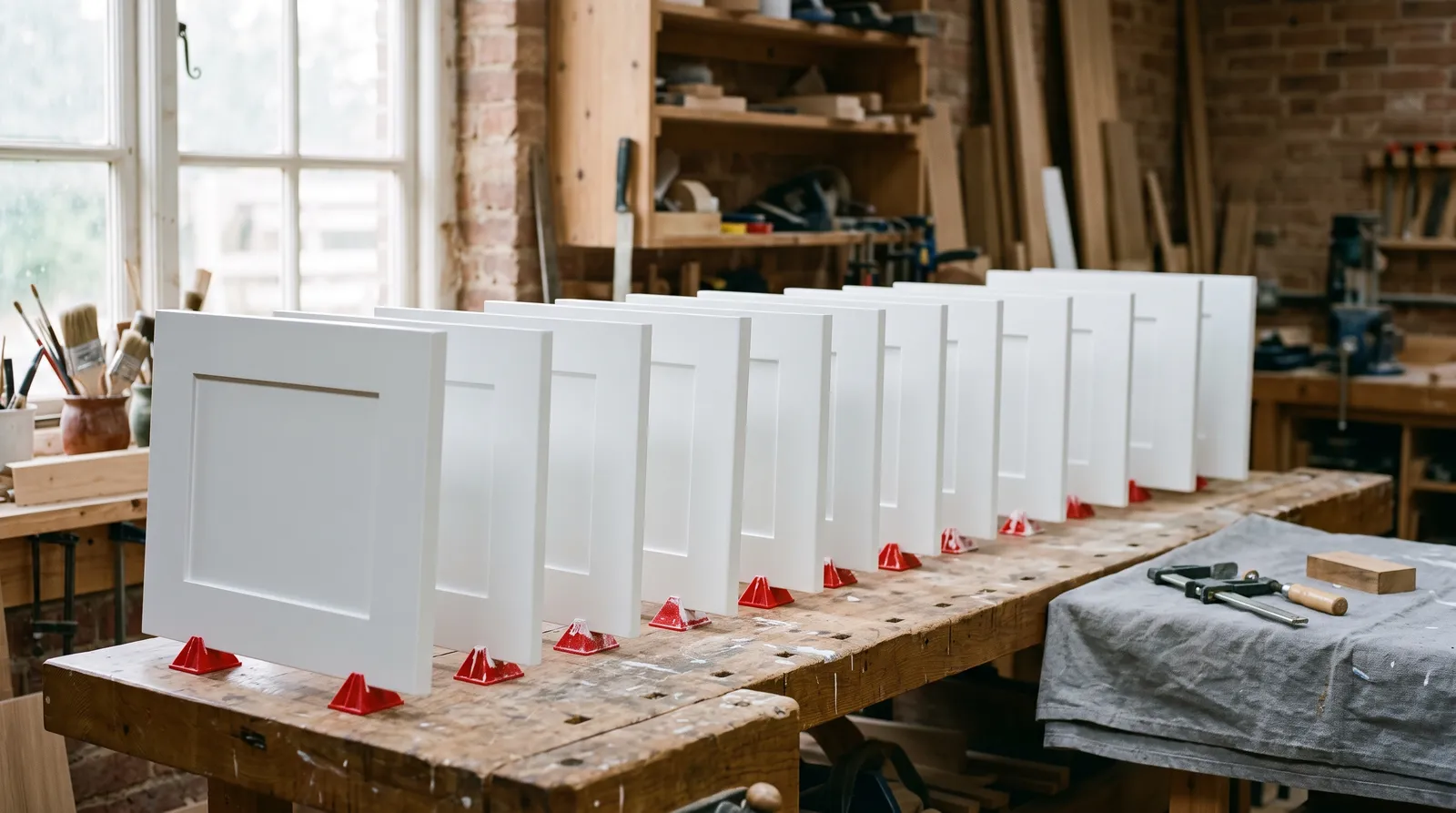 Interior cabinet enamel
Best for Interior cabinets and doors
More focused than Aristoshield on interior cabinet work and back in service in about a week. The moment the job also touches metal or the outdoors, buy Aristoshield instead.
Full review →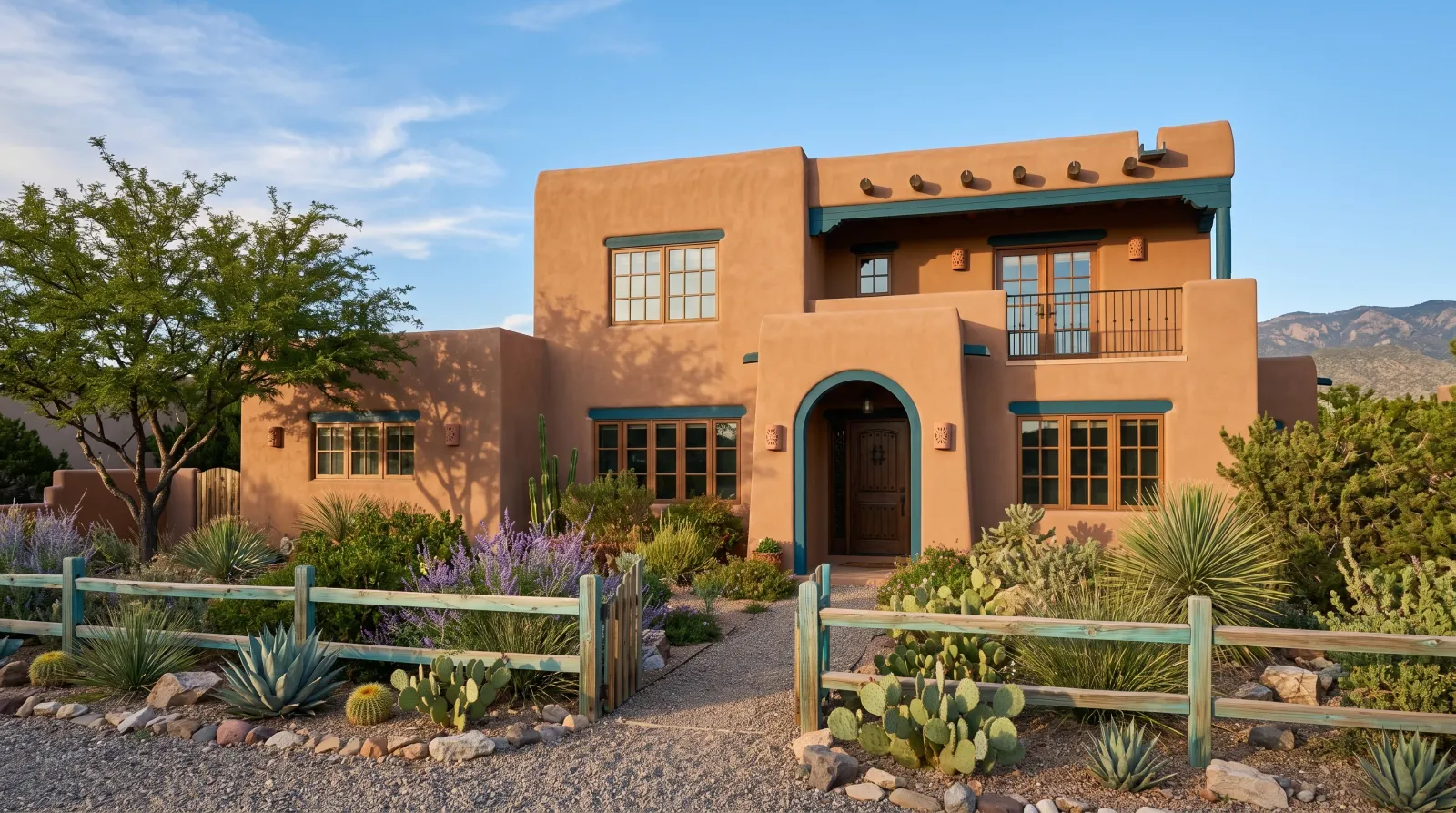 Flagship exterior
Best for Stucco under desert sun
The best thing Dunn-Edwards makes and the reason to cross town for this brand. The website wants $89.50 to $96.50 for the same gallon, so go to the store.
Full review →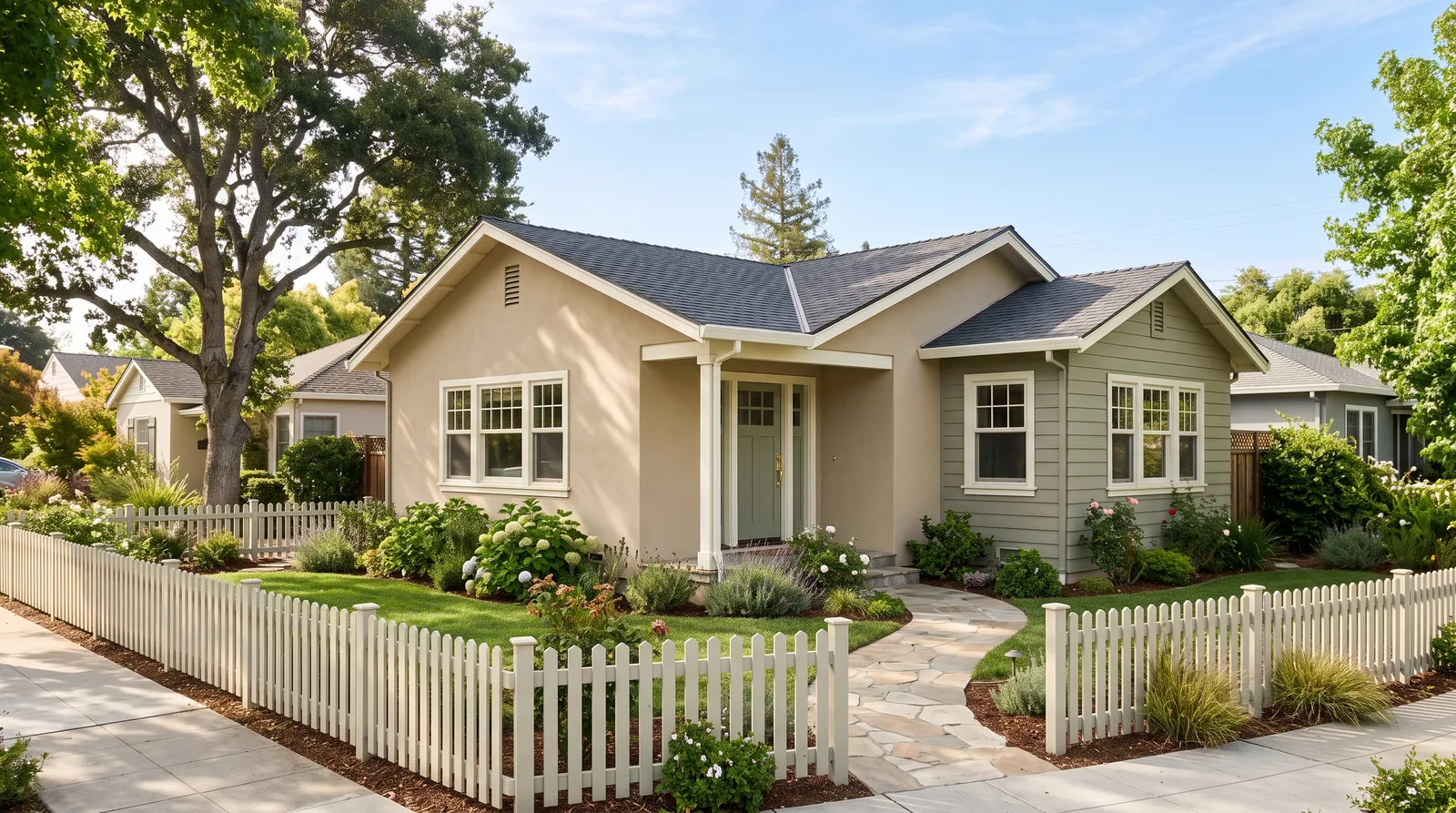 Contractor exterior
Best for Shaded walls, sound substrate
Applies better than exteriors costing more and saves $20 to $30 a gallon. Wrong paint for a south or west wall in all-day desert sun; split the order with Evershield.
Full review →Best for Porous stucco and concrete
The DE answer to SW Loxon: seals porous masonry, and in the heavy-build version bridges hairline cracks. Specified less outside the contractor channel, but it works.
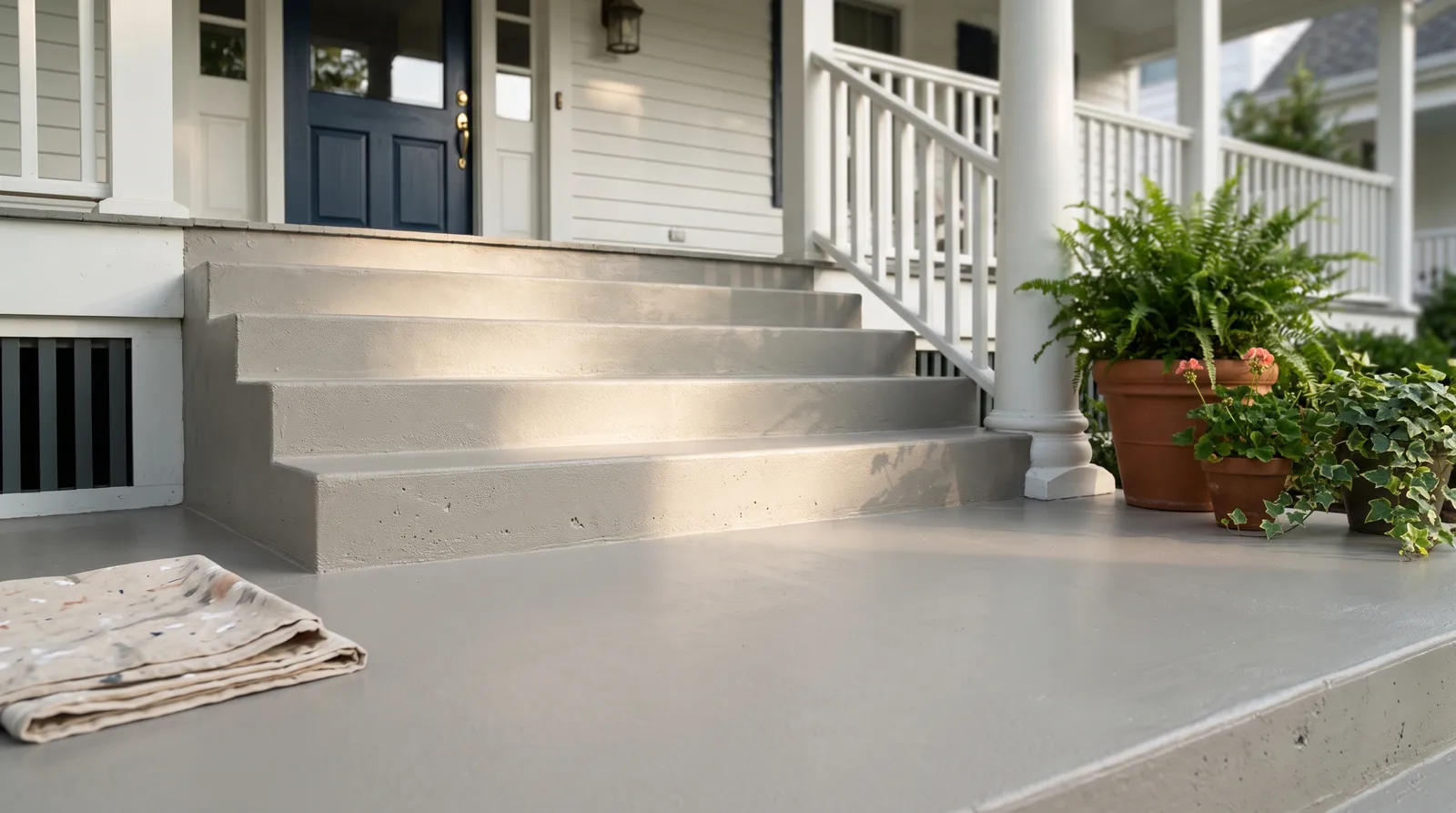 Floor coating
Best for Concrete and wood porches
Self-levels, needs no mixing, cleans up with water, and covers 300 to 400 sq ft. It launched in April 2025, so nobody can tell you how it looks after three winters.
Full review →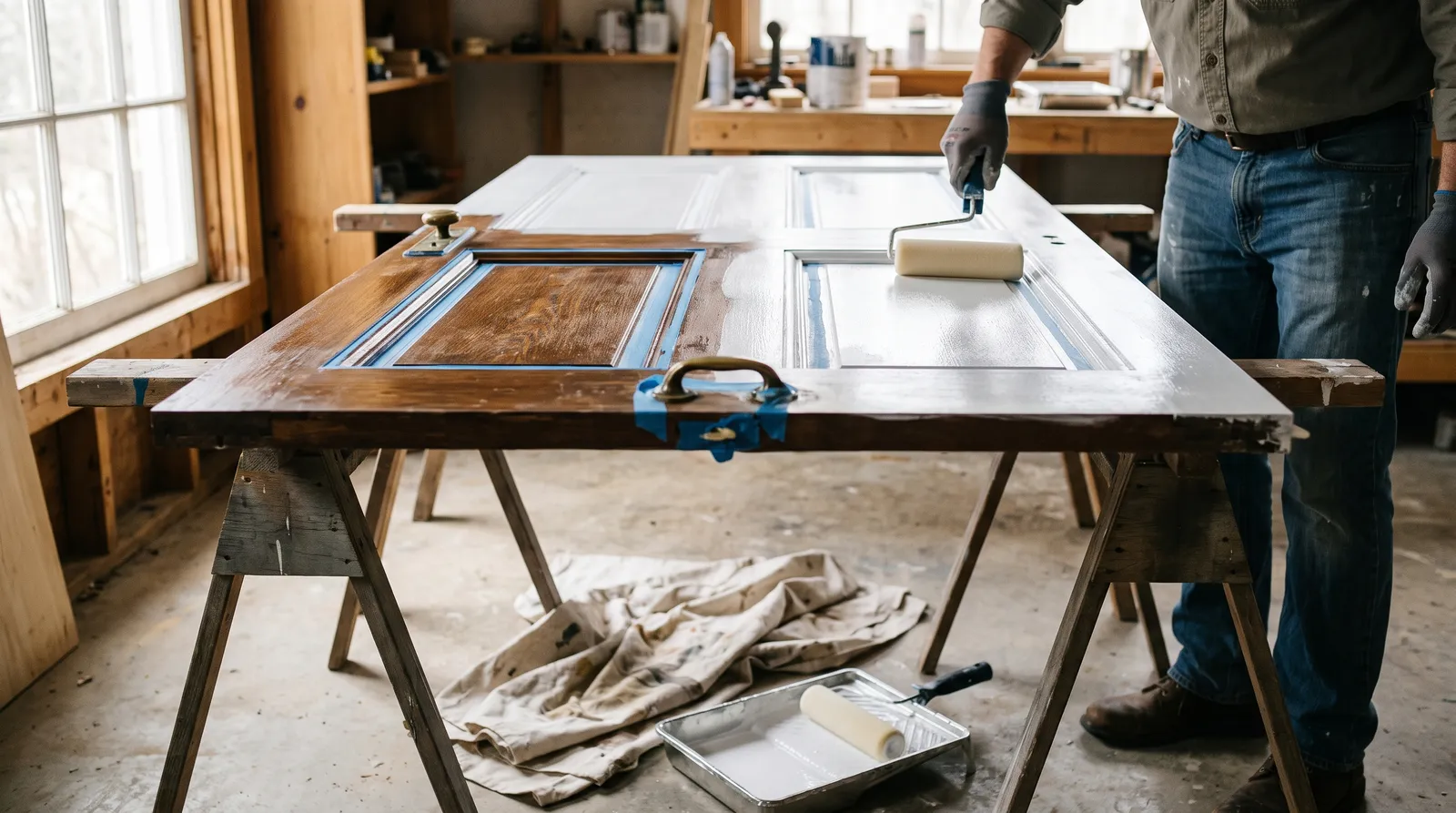 Bonding primer
Best for Aged gloss, aluminum, vinyl
The right can under an Aristoshield cabinet job. It still expects you to dull the gloss first, and it does not cover glazed tile, glass, or melamine.
Full review →Best for Wood, hardboard, new wallboard
The standard primer under Decoglo on interior trim and doors. Fine for clean substrate; step up to Ultra-Grip the moment the surface is slick or previously oiled.
Buy at the Counter, Not the Website
Dunn-Edwards does not run Sherwin-Williams' every-four-weeks discount treadmill, so the sticker is closer to honest and you do not have to time a project around a promo weekend. What DE does run is a handful of real 25 to 30 percent off events across paints, primers, and stains, clustered around Memorial Day, Labor Day, and the November-into-December holiday window, plus occasional regional promos tied to a store opening or a color collection drop. Join the email list, and if a five-gallon exterior job can wait three weeks, waiting saves $80 to $100. Do not restructure the project around it.
The bigger lever is the price gap between the store counter and dunnedwards.com, and almost nobody warns you about it. Evershield is $89.50 to $96.50 a gallon on the website and $60 to $75 at the store. Aristoshield is $92 to $102 online and $75 to $85 at the counter. That is roughly a 30 percent markup for the convenience of not driving, on a product where you were going to visit the store for tinting anyway. Online orders over $50 ship free, but they are non-returnable, which is the wrong trade on a color you have not seen on your own wall.
The account is what actually moves the number. Apply through Credit Services on dunnedwards.com or in person with any store sales rep, and pick either a revolving charge account or a cash-only account. Cash-only is the easy homeowner route: pro pricing, no credit pull. That is 15 to 25 percent off retail year-round with no calendar to watch. Take the charge version and pay the balance by the 15th and a 2 percent Prompt Pay Discount comes off on top, shown as terms code 2NEM on the invoice. Open it before you need paint, not at the register on day one.
The Dunn-Edwards Color Deck
The DE deck runs roughly 2,000 standard colors, bigger than Sherwin-Williams' 1,700 and well under Benjamin Moore's 3,400-plus. The depth sits where DE has always competed: warm whites, desert neutrals, terra cottas, sage greens, and the muted grays that read as California modern.
The Whole Dunn-Edwards Fan Deck, One Shelf
Every Dunn-Edwards color sorted into the families painters actually use. Pick a chip to browse light to dark.
Upload a photo of the room. We paint it in the Dunn-Edwards color you pick, with your light and your floor, before you buy a sample.
The Cons Only Forums Talk About
There Is No Store East of Texas
This is the biggest weakness and it is not close. The official coverage list is ten states, and only Arizona, California, Nevada, New Mexico, and Texas have real company-store density. Kentucky, Montana, Oregon, Utah, and Wyoming are dealer pockets where pricing runs above company-store retail and the experience is uneven. If you live in Atlanta, Charlotte, Chicago, Boston, or DC, Dunn-Edwards is a brand you read about, not one you buy. Check the store locator before you plan a project around it, and if the nearest store is two hours away, take a DE chip to an SW or BM counter and have it matched.
The Website Costs About 30 Percent More Than the Counter
Nobody at either end explains this. Evershield is $89.50 to $96.50 a gallon on dunnedwards.com and $60 to $75 at the store. Aristoshield is $92 to $102 online and roughly $75 to $85 at the counter. Buyers researching the brand land on the online shop, read the price, and conclude Dunn-Edwards is expensive, when the store two miles away is charging Sherwin-Williams sale-day money for the same can. Online orders over $50 ship free but are non-returnable. Use the website for samples and order-ahead pickup; buy the gallons at the counter.
Dunn-Edwards Dura Is Not the Store Lineup
DE launched Dura in September 2022 as a separate national direct-to-consumer brand, sold at its own site with a curated 210-color palette, peel-and-stick samples, and paid color consultations. It ships anywhere in the continental US, which is exactly why people outside the Southwest find it first and assume they are buying Evershield or Everest in a shipping box. They are not. Dura is its own product line at its own price with its own smaller deck. Judge it on its own terms, and do not read reviews of the store lineup and then order Dura expecting the same paint.
Contractors Say the Low-VOC Reformulations Cost Something
On PaintTalk and ContractorTalk, the recurring complaint from painters who have used DE for decades is that the VOC-compliance reformulations changed the products, and that DE has not fully recovered on some of them. Everest gets named most, with reports of adhesion and coverage failures on jobs and crews saying the company was slow to stand behind them. This is not universal, and plenty of high-volume painters in the same threads report zero callbacks in years. Treat it as a reason to test a quart on your actual substrate before committing a whole-house order, especially over an unknown existing coating.
Exterior Peeling Complaints Cluster Around Prep
The BBB file shows a run of exterior complaints from 2019 onward, the pattern being Evershield applied to a house, peeling appearing within a year or two, and the same areas plus new ones failing again a few years later. Almost every one of these ends in an argument about surface prep, and on chalky sun-blasted stucco that argument is usually correct. It is still a real risk you can price out: on any exterior older than fifteen years, budget for a wash, a chalk test, and a masonry sealer or bonding primer. Skipping that step is where DE exteriors go wrong.
The Questions Between Two Cans
Evershield resists UV fade, chalking, and surfactant leaching better, sticks to older high-alkaline stucco, and carries the lifetime limited warranty, for $20 to $30 more a gallon. Spartashield is the contractor gallon for a sound wall in moderate exposure, and it applies beautifully. On most Southwest repaints the right answer is to split the order: Evershield on the south and west elevations, Spartashield on the shaded ones.
All comparisons →Both are premium DE enamels and the difference is scope. Decoglo is the purpose-built interior cabinet and trim enamel, with lacquer-like flow and a roughly 7-day cure that puts a kitchen back in service in a week, at about $81. Aristoshield is the urethane alkyd that also handles metal and exterior work, at $75 to $85 in store. Interior-only cabinet job, Decoglo. Anything that leaves the house, Aristoshield.
All comparisons →Everest is the default at $67 to $74: genuinely zero-VOC, self-priming, one-coat on mid-tones. Suprema at $58 to $70 is the cheaper pick that holds sheen best through repeat washing, so it belongs in kitchens and mudrooms. Exquisite at $78 to $85 exists for one reason, a matte you can actually scrub. Buy by the room, not by the tier name; the deluxe label is not a durability ranking.
All comparisons →In the Southwest this is close, and DE wins on price transparency. DE counter retail lands near where SW lands on a sale weekend, so you do not have to time a promo to feel fairly treated. SW wins on published test data, on store count everywhere else in the country, and on specialty depth. Outside DE's ten states there is no contest, because there is no store.
All comparisons →Premium against premium, DE runs 10 to 20 percent cheaper and matches BM on volume solids in the top lines. BM wins clearly on the deck, 3,400-plus colors against roughly 2,000, and the gap is widest on deep historic blues and jewel tones. BM also sells through independent dealers nationwide, so pricing varies block to block but a dealer usually exists. Shopping saturated color first, BM. Shopping Southwest exterior performance, DE.
All comparisons →Dunn-Edwards Questions, Answered
Is Dunn-Edwards paint good?
In the Southwest, yes, and two lines are best-in-class for their job. Evershield holds color through Phoenix and Vegas sun better than the national premium exteriors, and Aristoshield competes with SW Emerald Urethane and BM Advance on trim at a lower sticker. The mid-tier is harder to defend against Behr Marquee, and the deck is thinner than Benjamin Moore's on deep saturated colors. East of Texas there are no company stores, so the honest answer there is no.
Where can I buy Dunn-Edwards paint?
At Dunn-Edwards company stores, at dealers in adjacent states, or from shop.dunnedwards.com. There is no Home Depot or Lowe's path. Company stores cluster in California, Arizona, Nevada, New Mexico, and Texas, with dealer-only coverage in Kentucky, Montana, Oregon, Utah, and Wyoming. What shows up on Amazon under this brand is third-party resellers, sample pots, and old stock at marked-up prices, so skip it. Check the store locator first.
How much does a gallon of Dunn-Edwards paint cost?
At the store counter in 2026: Spartawall $40 to $50, Enso $45 to $55, Spartashield $50 to $64, Suprema $58 to $70, Evershield $60 to $75, Ultra-Grip Premium $64 to $66, Everest $67 to $74, Aristoshield $75 to $85, Exquisite $78 to $85, and Decoglo around $81. Subtract 15 to 25 percent with a pro account. The company website charges roughly 30 percent more than the counter on the same gallon.
What is the best Dunn-Edwards exterior paint?
Evershield, and it is not close. It is 100 percent acrylic, ultra-low VOC, built for Southwest UV, and it carries a lifetime limited warranty, at $60 to $75 a gallon at the counter. Spartashield is the step down at $50 to $64 and it is the right call on shaded elevations and sound substrate. On a south or west stucco wall taking all-day desert sun, spend up to Evershield.
What is the difference between Suprema, Everest, and Exquisite?
Everest is the flagship interior: zero-VOC, self-priming, one-coat hide on mid-tone repaints, $67 to $74. Suprema is cheaper at $58 to $70 and holds sheen best through repeat scrubbing, which makes it the kitchen and mudroom pick. Exquisite at $78 to $85 is a washable matte, worth the step up only if you specifically want a scrubbable flat finish. Pick by the room, not by which tier sounds fancier.
What is the difference between Aristoshield and Decoglo?
Aristoshield is a waterborne urethane alkyd rated for interior and exterior, including metal, and it hits HB pencil hardness at 7 days with over 4,000 scrub cycles. Decoglo is the interior-only cabinet and trim enamel, with lacquer-like leveling and a roughly 7-day cure. If the project stays inside and is all cabinets and doors, Decoglo. If it touches metal or goes outdoors, Aristoshield.
Does Dunn-Edwards ever go on sale?
Yes, but not on Sherwin-Williams' schedule. Expect a handful of 25 to 30 percent off events on paints, primers, and stains each year, clustered around Memorial Day, Labor Day, and the November-into-December holiday window, plus regional promos tied to store openings or color launches. Join the email list. Do not build a project timeline around waiting, because DE sticker pricing is already close to what SW charges on a sale day.
How do I get the Dunn-Edwards contractor discount?
Apply through Credit Services on dunnedwards.com or in person with a store sales rep, and pick either a revolving charge account or a cash-only account. Cash-only is the easy homeowner route: pro pricing, no credit pull. That runs 15 to 25 percent below retail year-round. Charge-account holders who pay by the 15th of the month earn another 2 percent, shown as terms code 2NEM. Account support is (888) 337-2468.
Will Dunn-Edwards color-match a Sherwin-Williams or Benjamin Moore color?
Yes, free, in any DE base. Bring a chip, a fan deck, or a printed reference. Matching is good on neutrals and pastels, slightly off on deep saturated blues and greens because the pigment systems differ, and unusually tight on the SW warm-gray family because SoCal architects spec both brands interchangeably. For a designer-spec saturated wall, buy the original. For Repose Gray across a 2,400-square-foot repaint, a DE match works fine.
Is Dunn-Edwards Dura the same paint as the store lineup?
No. Dura is a separate national direct-to-consumer brand DE launched in September 2022, sold on its own site with a curated 210-color palette, peel-and-stick samples, and paid color consultations. It ships nationwide, which is why people outside the Southwest find it first. It is not Evershield, Everest, or Suprema in a shipping box. Reviews of the store lineup do not describe Dura, and the two should be judged separately.
Where is Dunn-Edwards paint made, and who owns it?
Every gallon comes from one plant in Phoenix, Arizona, opened in 2011 as the world's first LEED Gold-certified paint factory, with capacity of 12 to 13 million gallons a year. Nippon Paint Holdings of Osaka bought Dunn-Edwards outright in December 2016. Headquarters stayed in Commerce, California. Single-plant production is a real practical benefit: batch-to-batch color consistency is good, so a touch-up gallon a year later usually still matches.
Did Dunn-Edwards replace Kelly-Moore?
Functionally in Northern California, yes. When Kelly-Moore shut down in January 2024, DE opened 17 new NorCal stores that year across the Bay Area, Sacramento, Santa Cruz, and Chico, and hired roughly 150 former Kelly-Moore employees. If you are touching up a Kelly-Moore color, bring the chip or the color name to a DE color desk. Matching defunct regional decks, Kelly-Moore and Frazee both, is routine work there.
Ask a Question