Sherwin-Williams
Sherwin-Williams sells good paint at prices almost nobody should pay in full. Here is the whole line ladder with list and sale pricing, the sale calendar that decides your real cost, and the cons the marketing pages leave out.

Maya spent five years running comparative product testing at a consumer testing nonprofit before joining CompositePaint. She built the round-up protocol the team uses, and she has priced the same Sherwin-Williams gallons at list and on sale to see what the discount is actually worth. About the testing process →
The Fast Verdict
Sherwin-Williams is good paint sold on a promotional pricing model. Emerald, Emerald Urethane Trim Enamel, and Duration Exterior earn their money. The line most people should actually buy is SuperPaint at $60 to $72 list, and $40 to $50 on sale. The trap is the sticker. SW runs 30 to 40 percent off every four to six weeks, and a discounted SW gallon lands right at a competitor's everyday list price. Pay full retail on a Tuesday and you have overpaid by about a third.
- Emerald Interior scrubs at 750 to 800 ASTM cycles, and it shows on hallway and kitchen walls by year three
- Cashmere is the best paint in the lineup to actually apply: self-leveling, low roller texture, sometimes one coat covers
- Emerald Urethane Trim Enamel recoats in four hours instead of overnight, which is the whole weekend cabinet argument
- ProMar 200 is the pro favorite for workability, not marketing: it tints fast, cuts clean, and rolls at volume
- Roughly 5,000 company stores with staff who know paint and will mix a quart at 7pm on a Tuesday
- Free color matching of Benjamin Moore, Behr, Farrow & Ball, and printed references, no charge and no appointment
- One of the widest specialty benches in the category: Loxon XP for masonry, Latitude for 35 degree weather, ArmorSeal for shop floors
- Emerald is nearly impossible to touch up invisibly, and the common fix is repainting the whole wall
- Painters report gallon-to-gallon color drift on the same order, so unmixed cans are a real risk on big jobs
- Color matching is weakest exactly where it is most visible: whites and very light colors
- Cashmere at $70 to $75 list scrubs near 400 cycles, which is hard to defend against cheaper competitors at sticker
- No Amazon, Home Depot, or Lowe's path to a real store gallon, so the brand only works if a store is close
- HGTV Home by Sherwin-Williams at Lowe's is a separate consumer line, and buyers constantly mistake it for the store lineup
Which Sherwin-Williams Paint to Buy
This is the block most people came for: which Sherwin-Williams line to actually buy. Prices are per gallon at SW stores in 2026, with the realistic 30 to 40 percent sale price beside them. Every row has one blunt verdict.
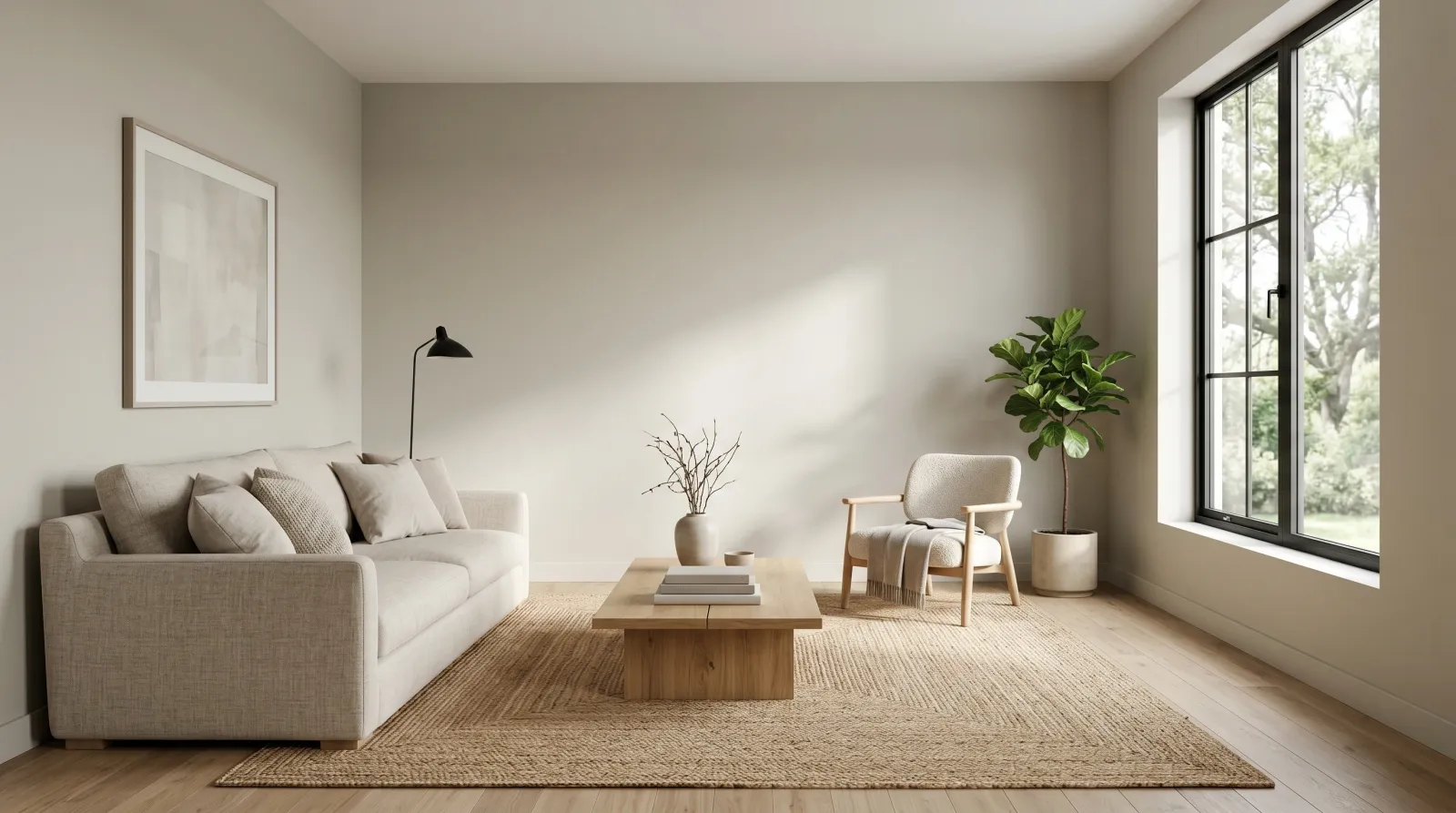 Flagship interior
Best for High-traffic walls and kitchens
The scrub number is real. So is the touch-up problem, so buy enough to finish each wall in one session.
Full review →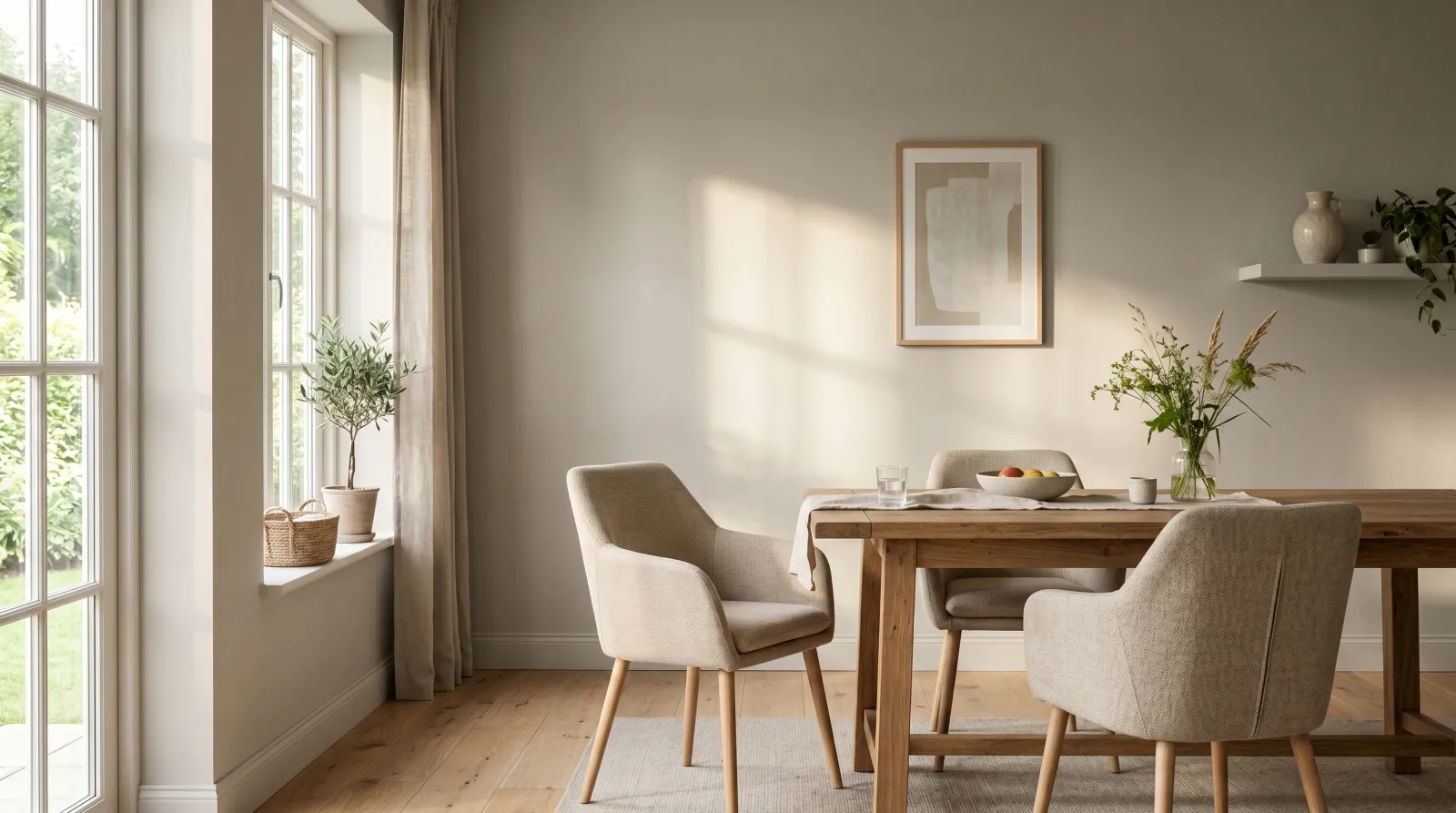 Premium mid interior
Best for Smooth finish in calm rooms
The application favorite of the whole lineup. Around 400 scrub cycles, so keep it out of kitchens, hallways, and kid zones.
Full review → Value sweet spot
Best for Most rooms in most houses
The line most people should buy. Honest two-coat hide, recoat in 2 to 4 hours, and $20 to $30 under Emerald.
Full review →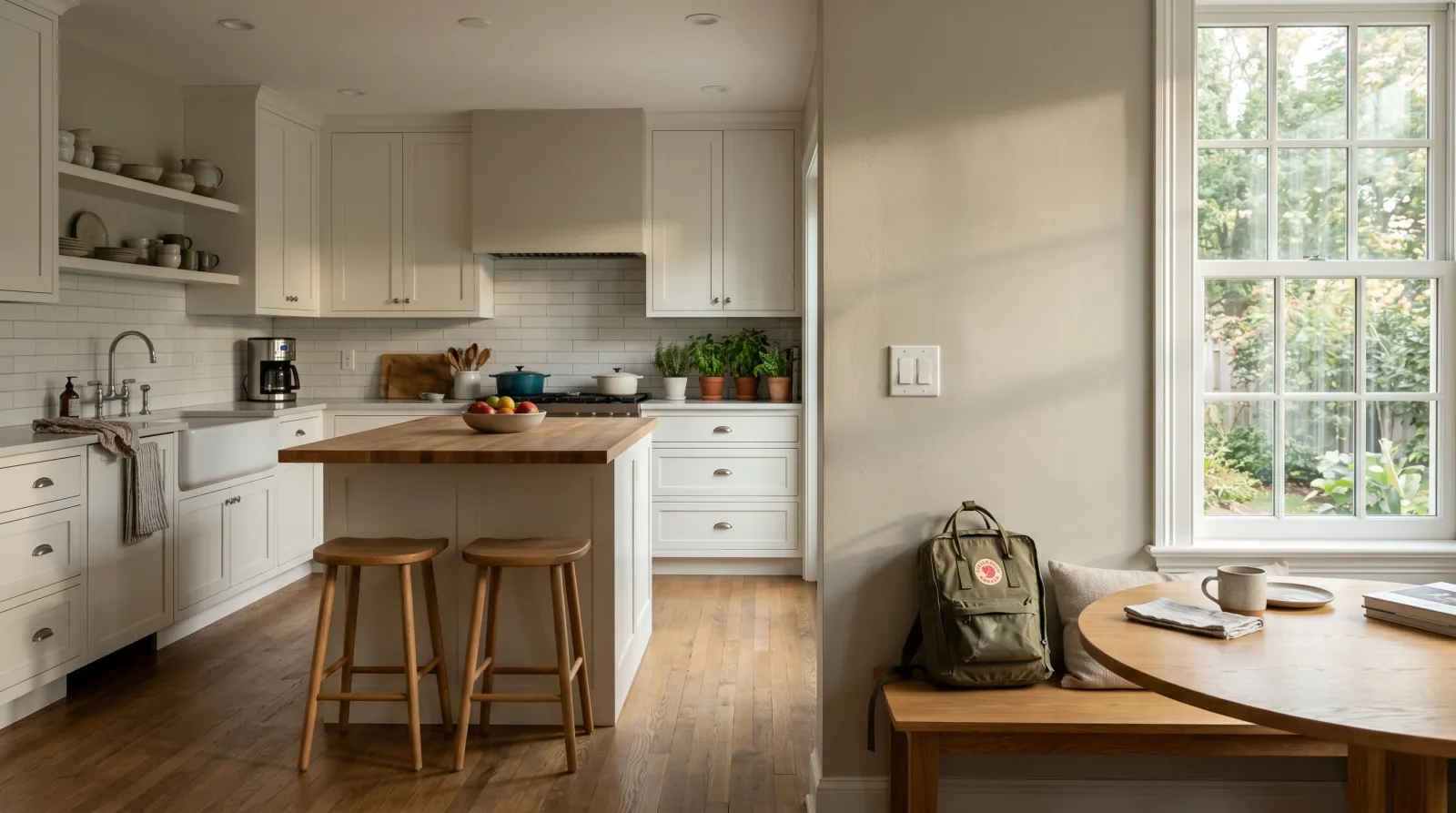 Moisture-resistant interior
Best for Bathrooms and laundry rooms
Good wipeable wall paint. Completely different product from Duration Exterior, which confuses everyone at the counter.
Full review →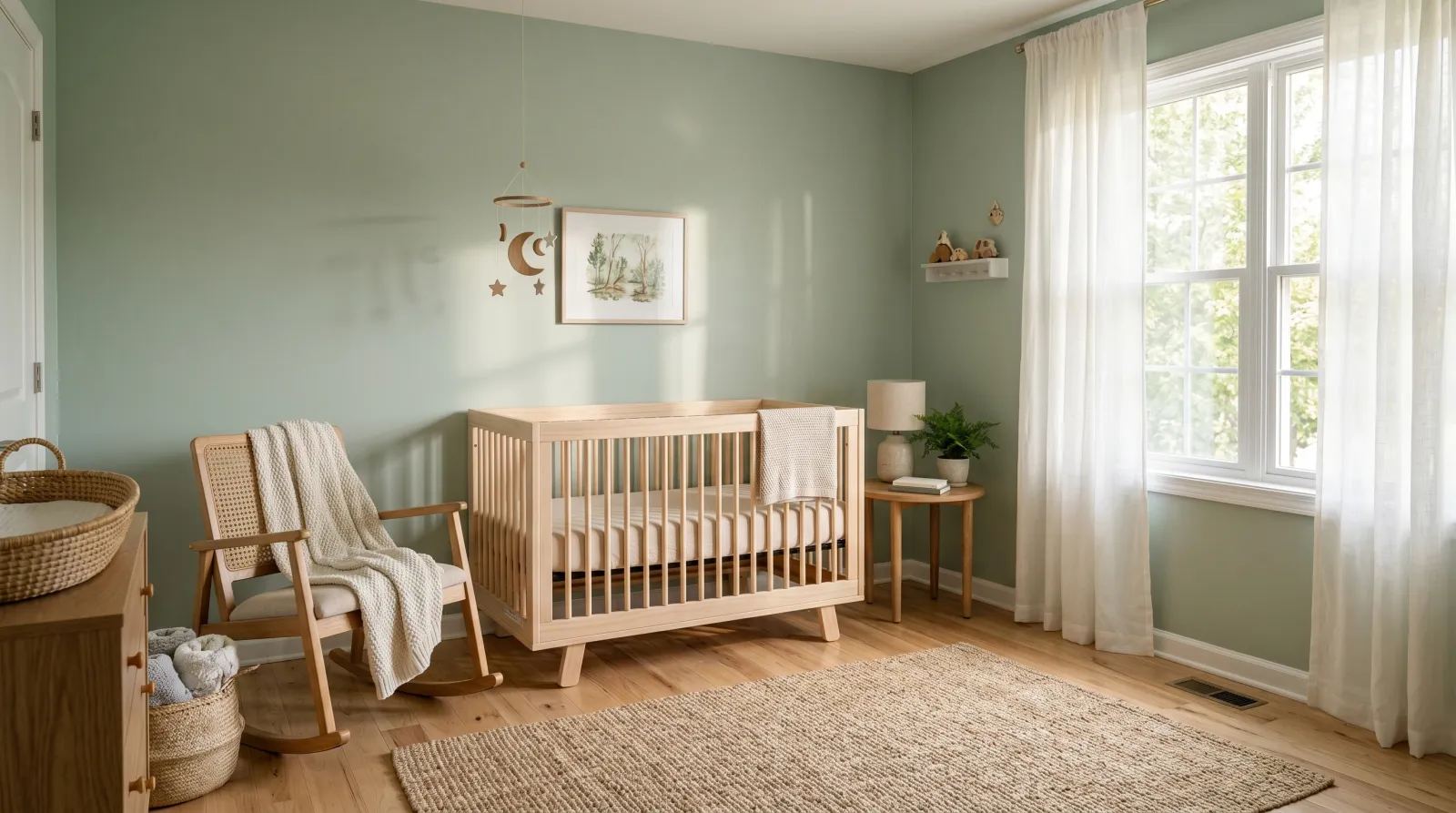 Low-odor interior
Best for Bedrooms, nurseries, damp rooms
Zero-VOC with anti-mildew additive for mid-tier money. Hide is average, so plan on two coats over any color change.
Full review → Budget consumer interior
Best for Rentals, flips, light colors
The cheapest can with a real SW label and the full tint deck. Five-year paint, not forever paint.
Full review → Contractor interior
Best for Volume repaints and builder spec
What your painter is probably rolling. Pros pick it for workability and tint speed, not durability.
Full review → Contractor budget flat
Best for Ceilings and quick turnovers
Nobody pays list on this one. The film is thin, so it belongs on ceilings far more than on walls.
Full review → Contractor ceiling flat
Best for Flat white ceilings
The cheapest thing on the contractor shelf and correct for the job. Do not put it on a wall.
Full review → Flagship trim enamel
Best for Cabinets, doors, trim
The best cabinet enamel SW makes, and it recoats in four hours. At $110 it is not worth it without 25 percent off or better.
Full review → Mid trim enamel
Best for Trim and doors on a budget
A fine acrylic enamel that never cures as hard as Emerald Urethane. Skip the oil version unless you are matching existing oil trim.
Full review → Fast-dry door enamel
Best for Front doors in humid weather
Dries fast enough to shut the door the same day. Narrow use case at a premium price, so buy it only for that problem.
Full review →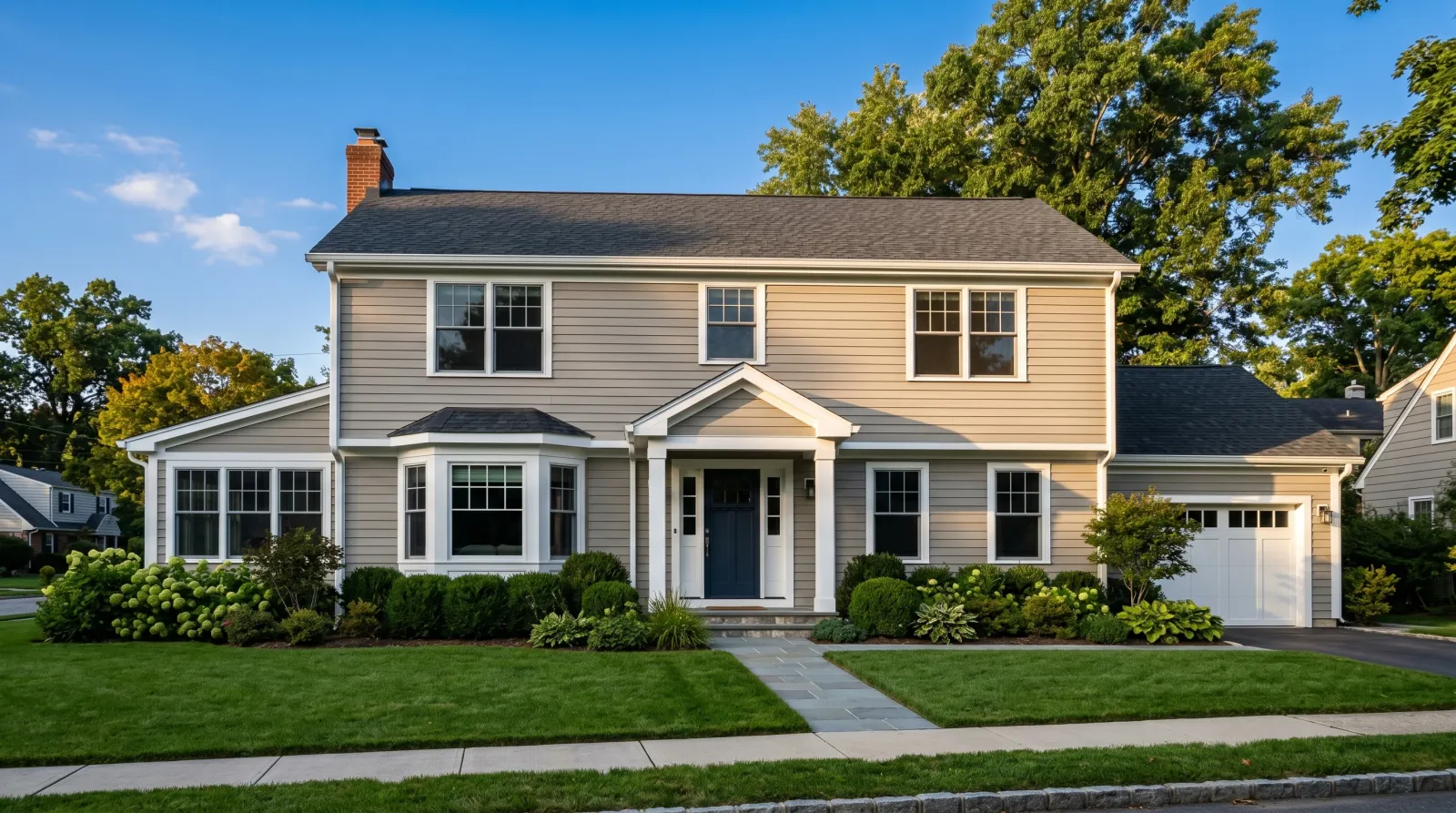 Flagship exterior
Best for Hard substrates and saturated colors
Pick it over Duration when the substrate is chalky, the color is deep, or the exposure is coastal. Otherwise you are paying up for nothing.
Full review →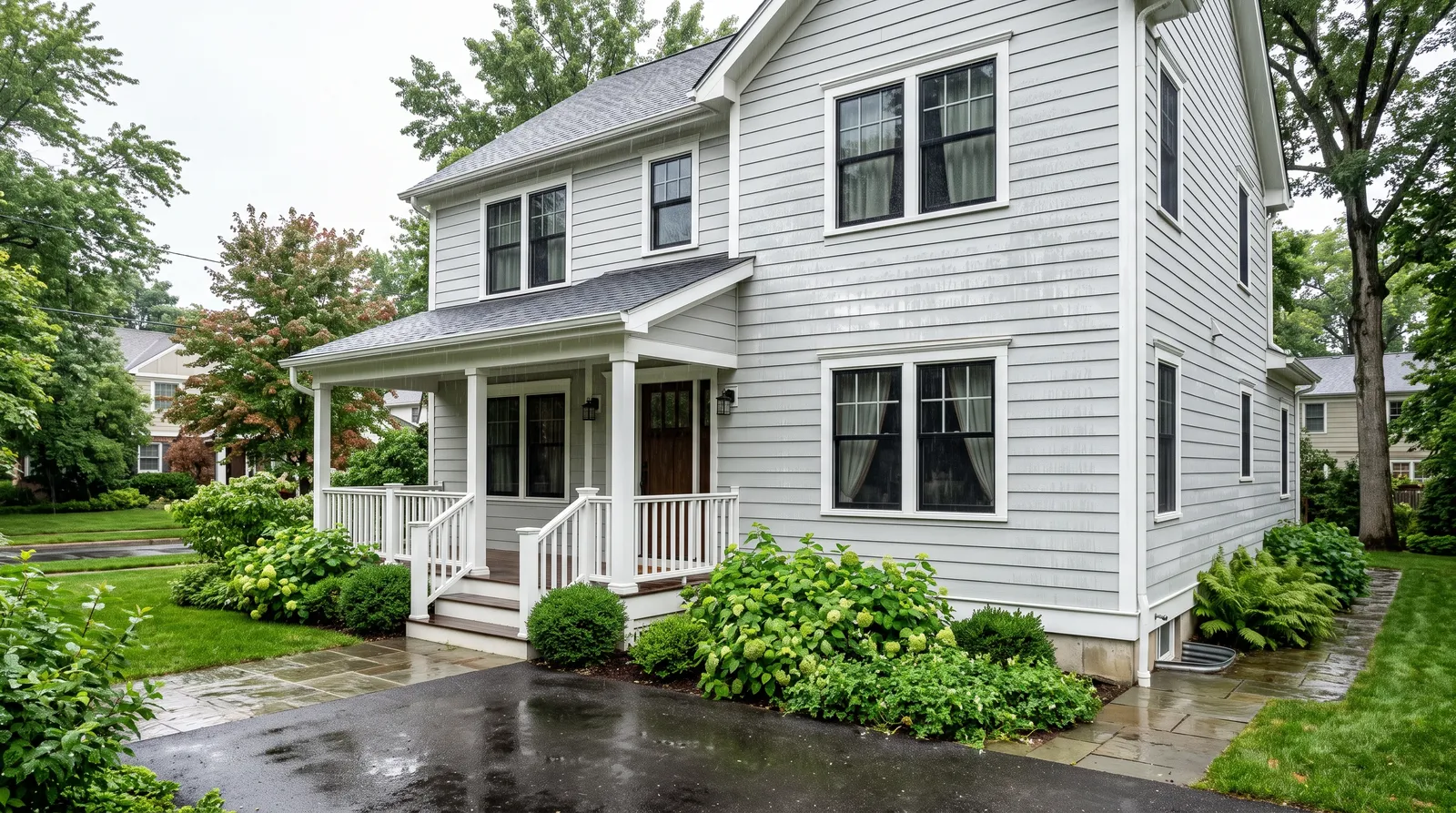 Self-cleaning exterior
Best for Dirty siding in wet climates
The self-cleaning film needs real rainfall to do anything. In a dry climate you are paying the top of the line for a feature you cannot use.
Full review →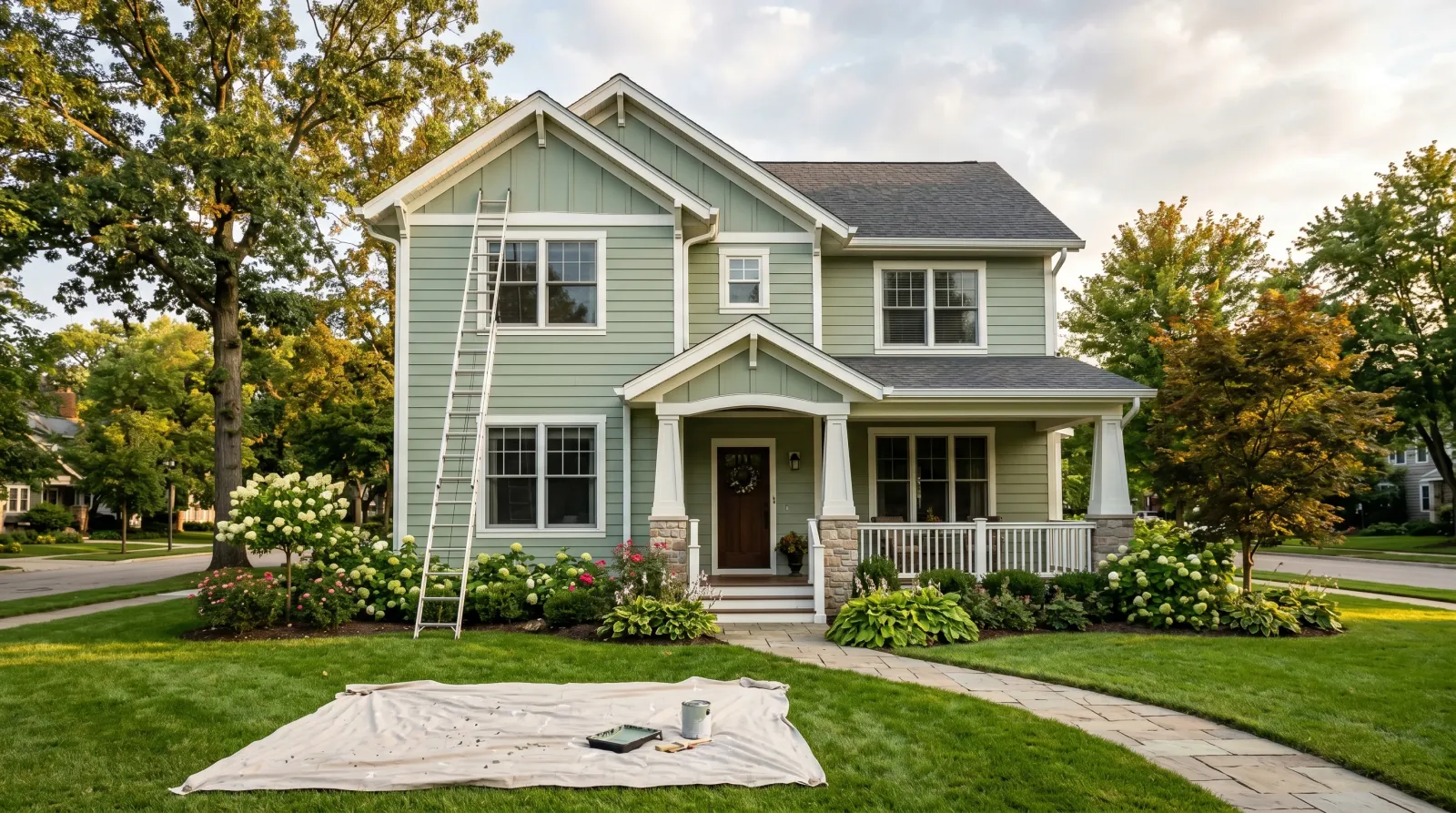 Premium exterior
Best for A house you plan to keep
Best film build and color hold in its price tier, with a real lifetime limited warranty. The cure window is slow, so do not start it against weather.
Full review →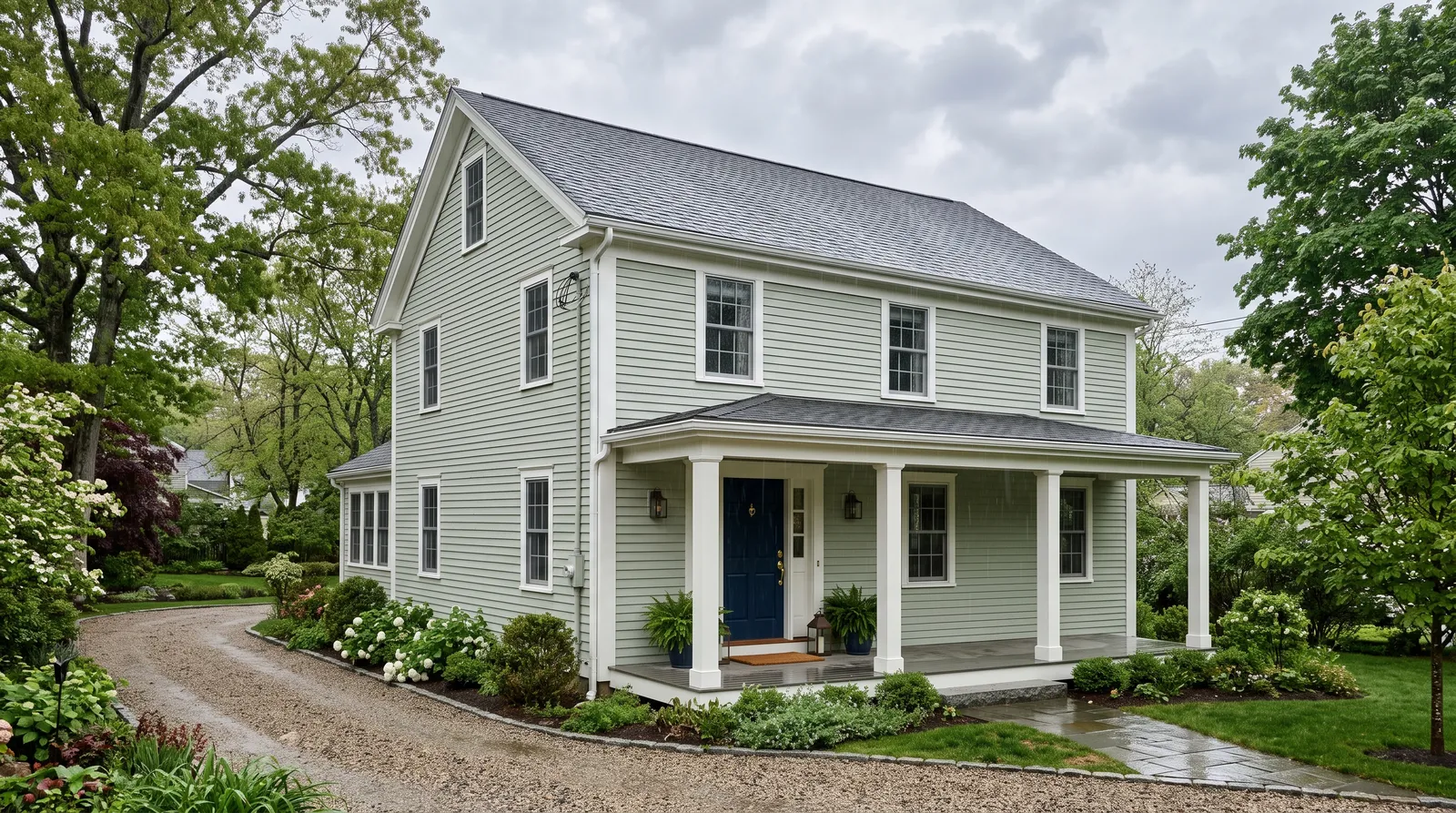 Moisture-tolerant exterior
Best for Unreliable forecasts
Buy it when rain may arrive before the film is safe. If the weather is stable, Duration holds color longer for similar money.
Full review →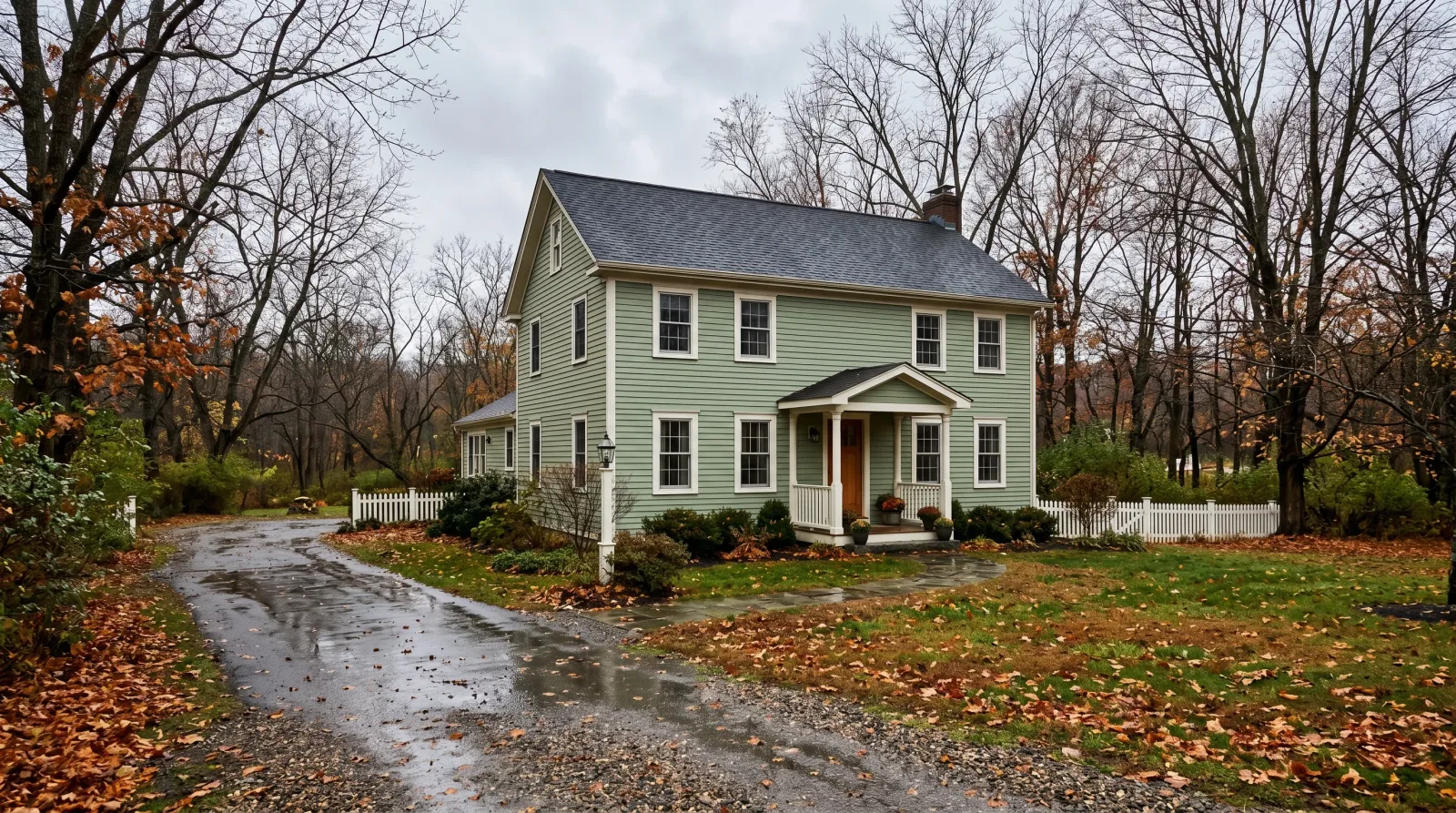 Cold-weather exterior
Best for Painting at 35 degrees
Goes on at 35°F and shrugs off rain in about 30 minutes. Pointless money if your forecast is warm and stable.
Full review →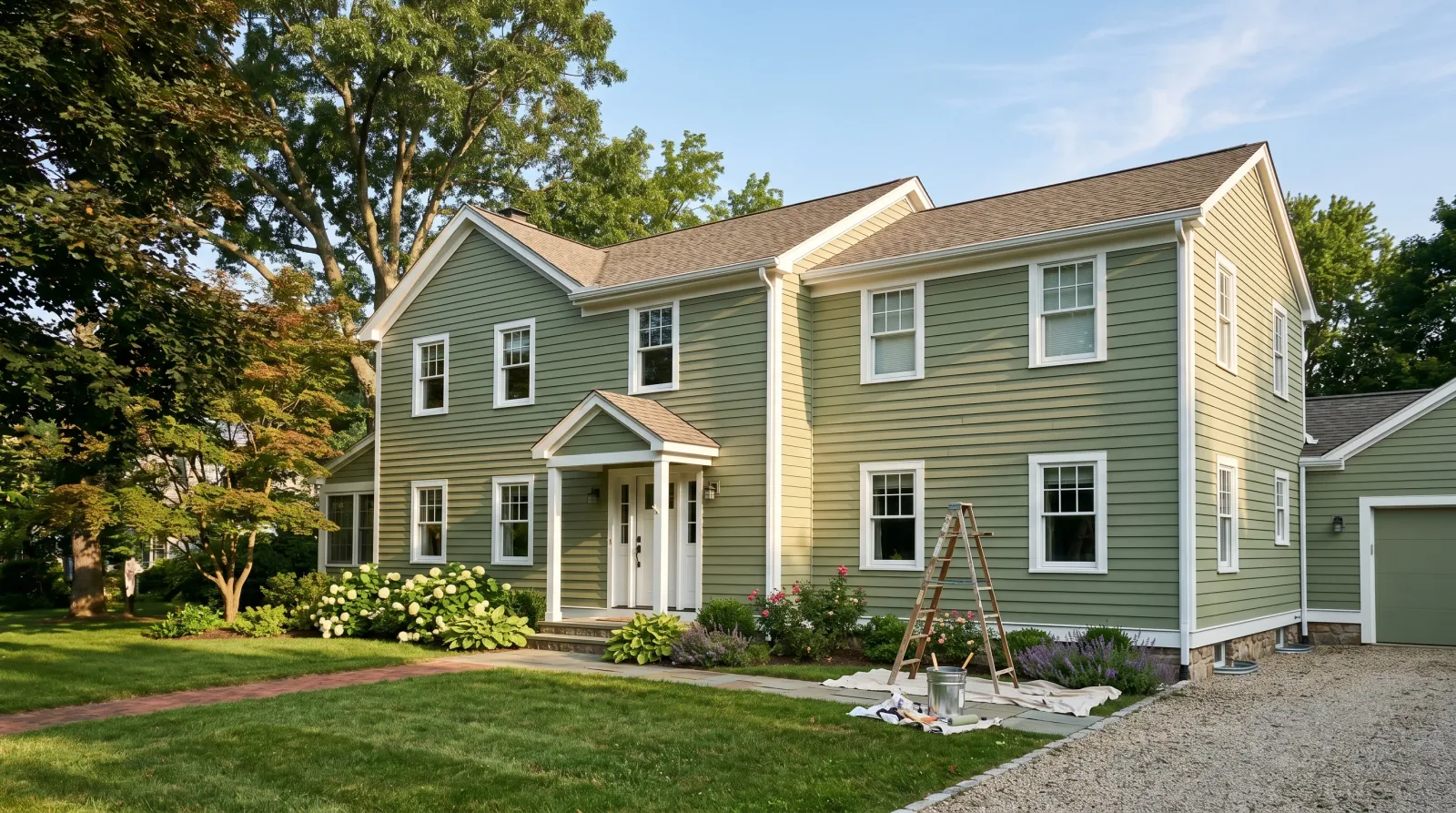 Budget exterior
Best for Rentals, sheds, flips
The cheapest real SW exterior. Fine over sound, stable siding and nothing harder than that.
Full review → Flagship, designer deck
Best for Deep saturated color, flat finish
Only worth the step up if the exact color you want lives in that deck. Otherwise standard Emerald is the same money better spent.
Full review →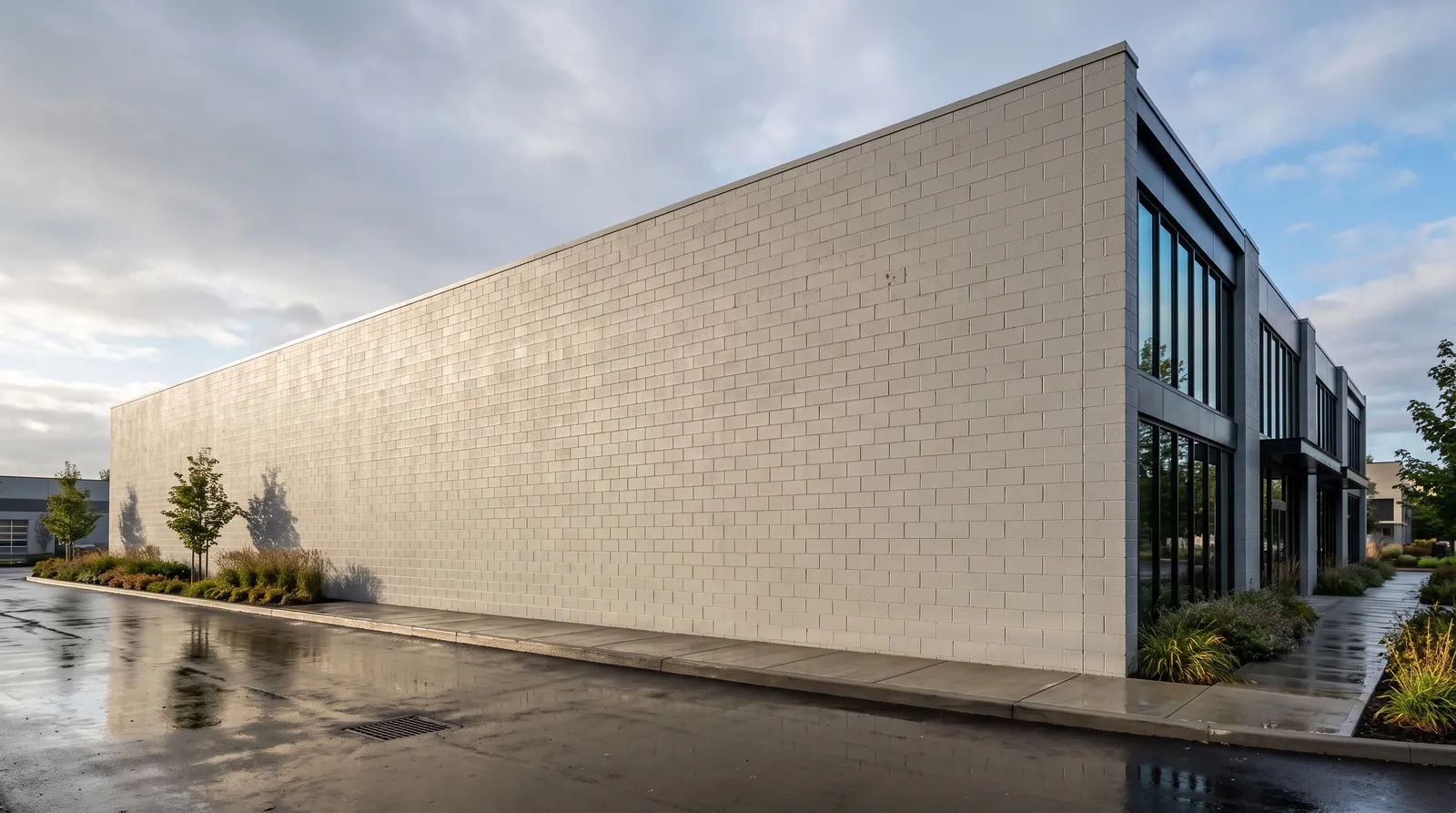 Masonry waterproofing
Best for Stucco, block, concrete
The right answer when water is the actual problem. A standard exterior acrylic is not, no matter how premium it is.
Full review →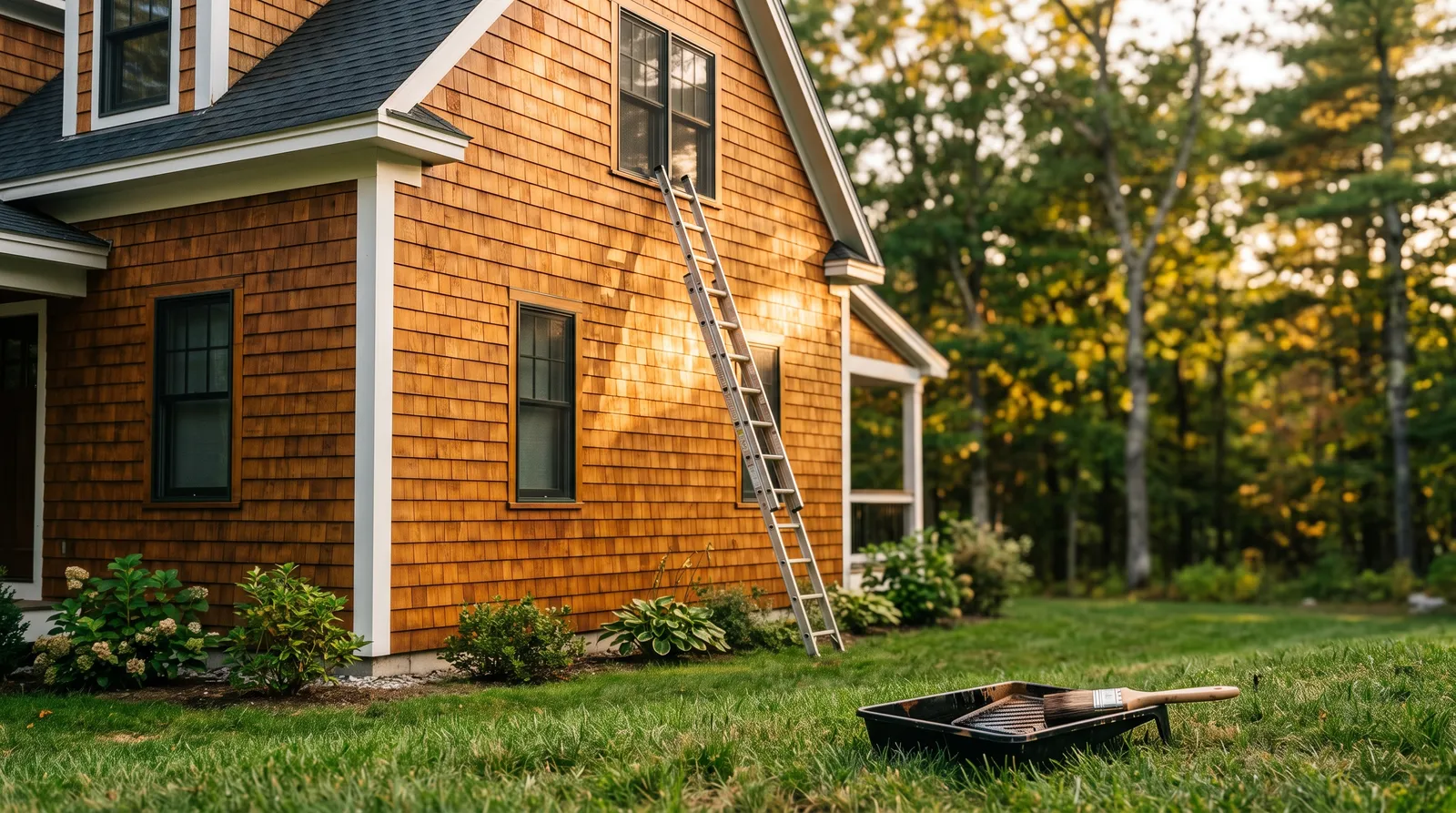 Exterior wood stain
Best for Siding, shakes, fences
Solid opaque and semi-transparent wood coating. Prep decides the outcome here far more than the can does.
Full review →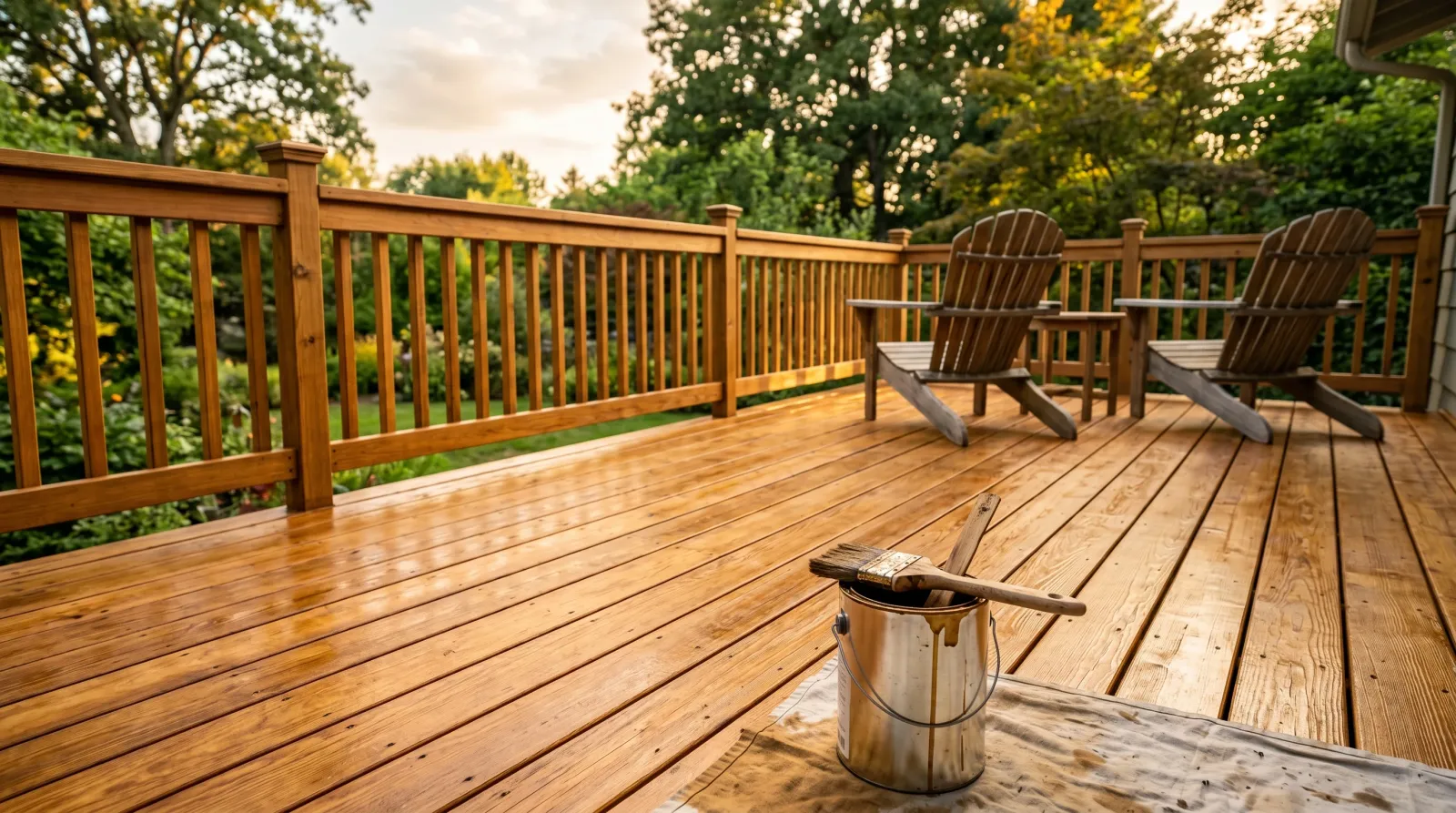 Deck stain
Best for Decks and railings
Reasonably priced for a store-brand deck stain. Horizontal wood is a maintenance schedule, not a one-time purchase.
Full review →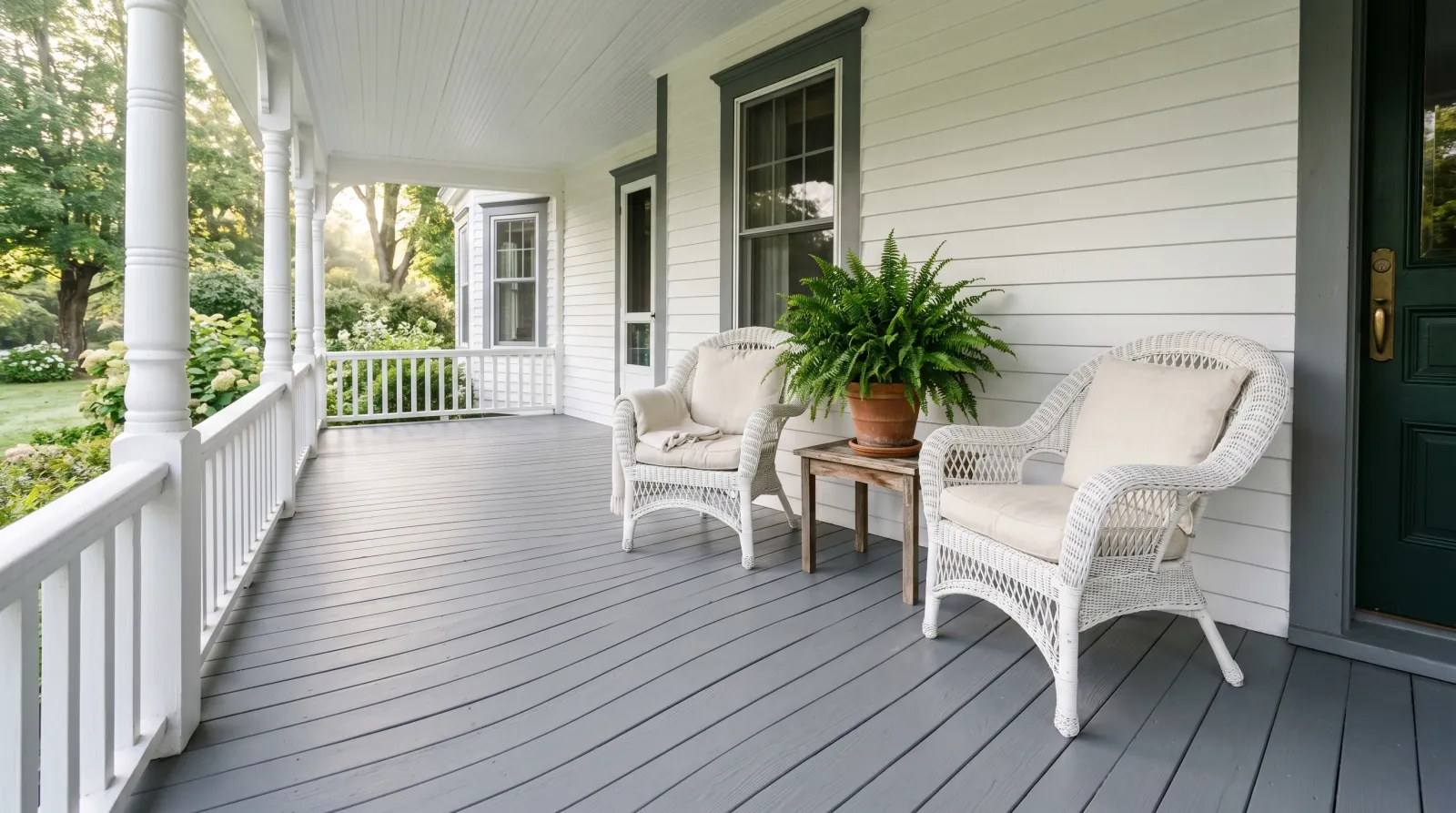 Floor enamel
Best for Porches, steps, light garage duty
Cheap and easy compared to epoxy, and softer too. Right for a porch, wrong for a workshop floor.
Full review →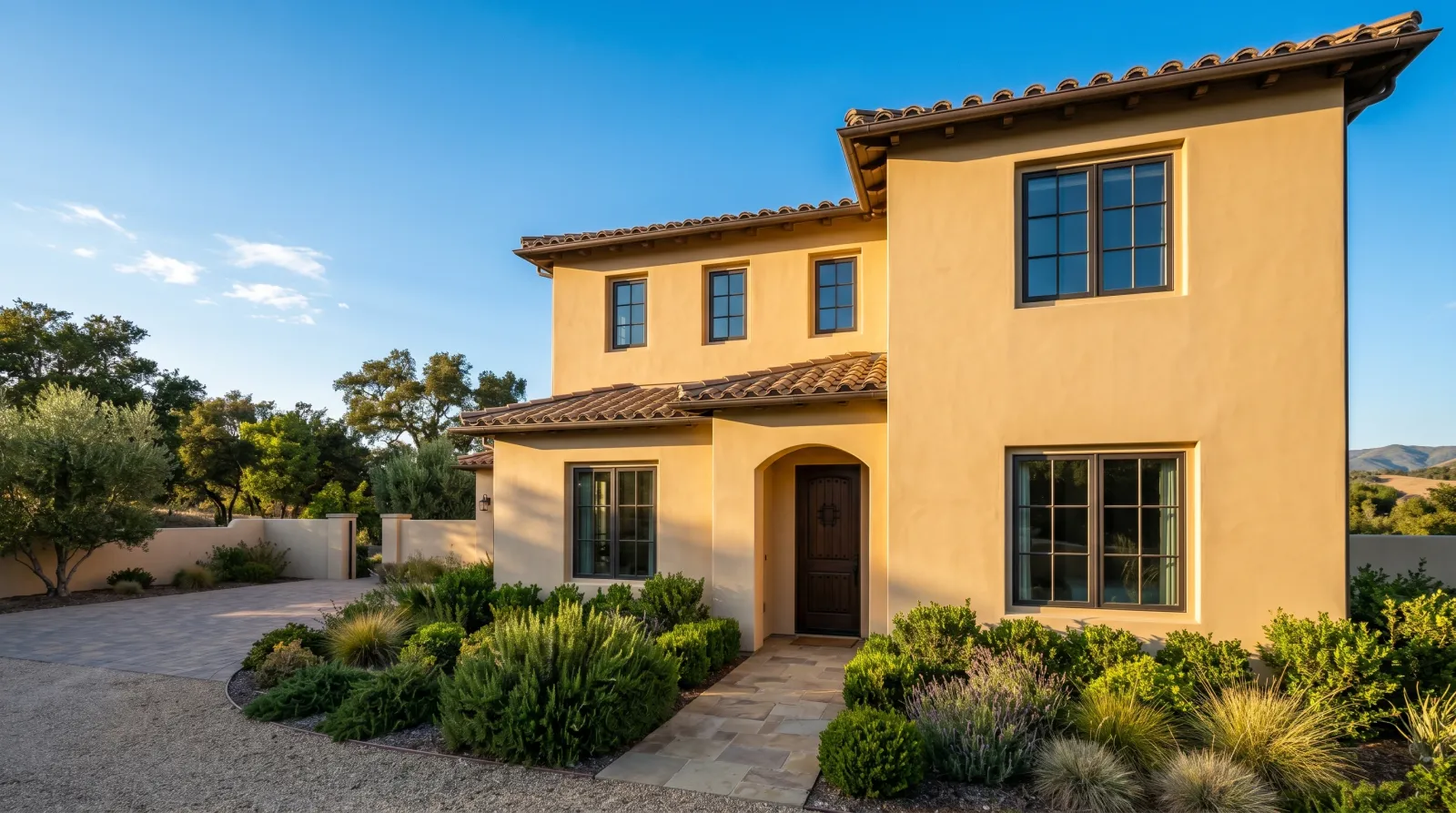 Masonry primer & coating
Best for Bare stucco, block, fresh concrete
Best-in-class on raw, high-pH masonry — the primer-and-coating system that handles efflorescence and hot new stucco. Heavy, thirsty, and misunderstood everywhere else.
Full review →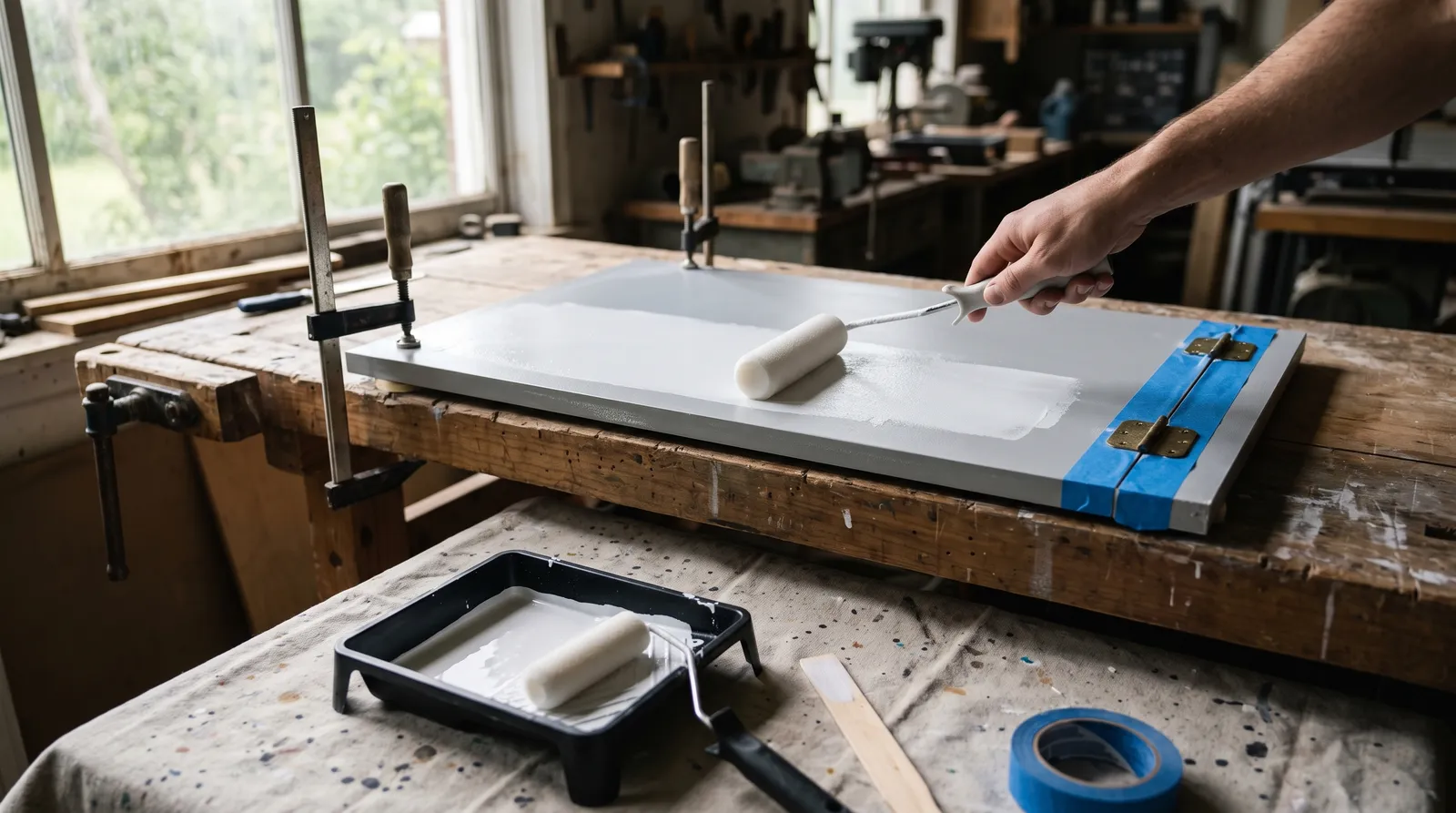 Adhesion primer
Best for Slick, glossy, previously coated surfaces
The primer that makes cabinet and tile-adjacent jobs stick. Buy it whenever you are painting something you cannot fully sand.
Full review →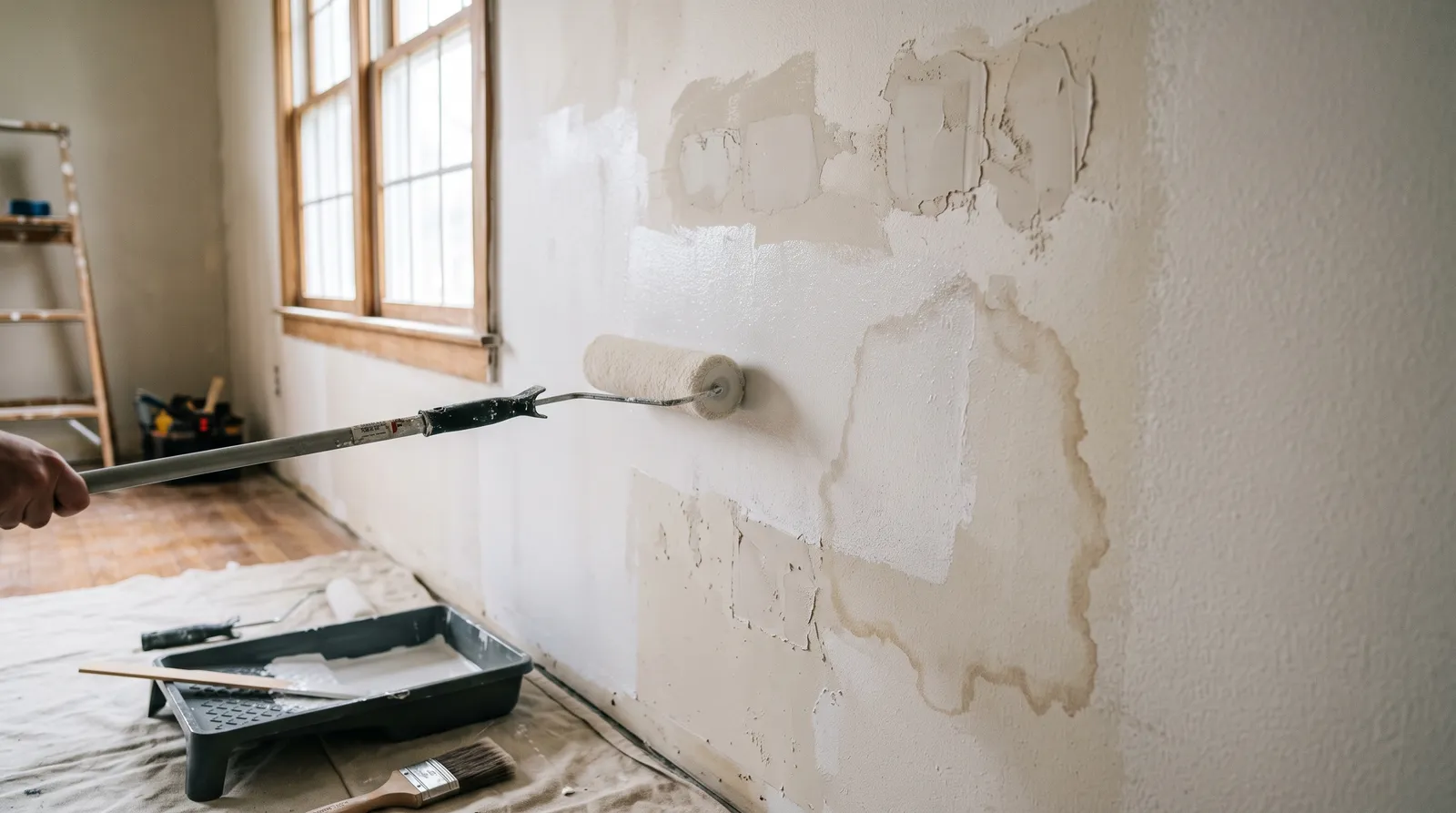 Stain-blocking primer
Best for Water stains, smoke, tannin bleed
Good general stain blocker in both oil and latex. For heavy smoke damage a shellac primer still wins.
Full review →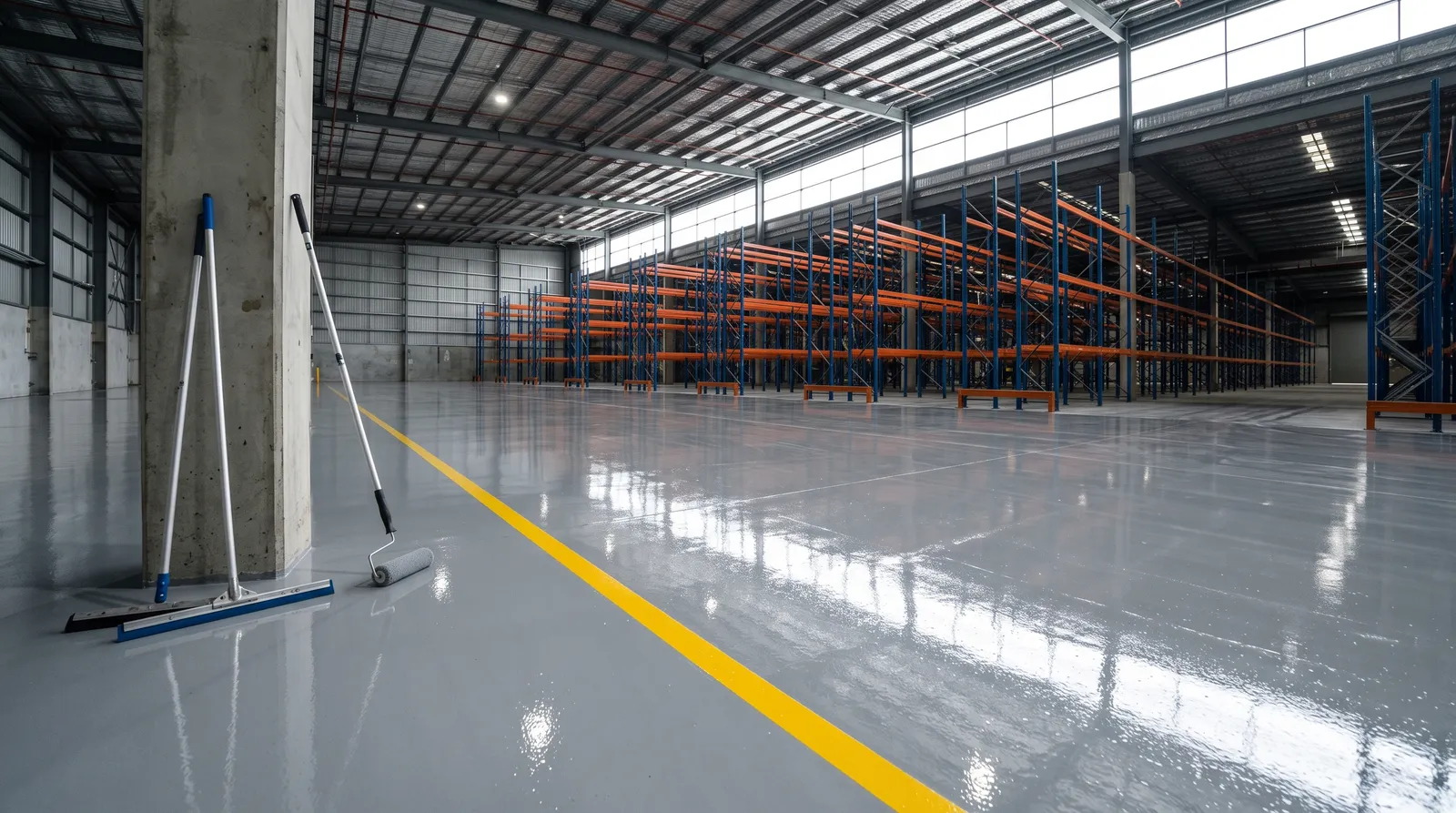 Industrial floor coating
Best for Shop and warehouse floors
Not a homeowner product, and SW does not publish list pricing online. For a one-car garage, a consumer epoxy kit is closer to your scale.
Full review → Industrial epoxy
Best for Structural steel, tanks, pipe racks
The North American maintenance workhorse for steel — 72 percent solids, 5-10 mil builds, and a coating that gives back exactly what your surface prep puts in.
Full review →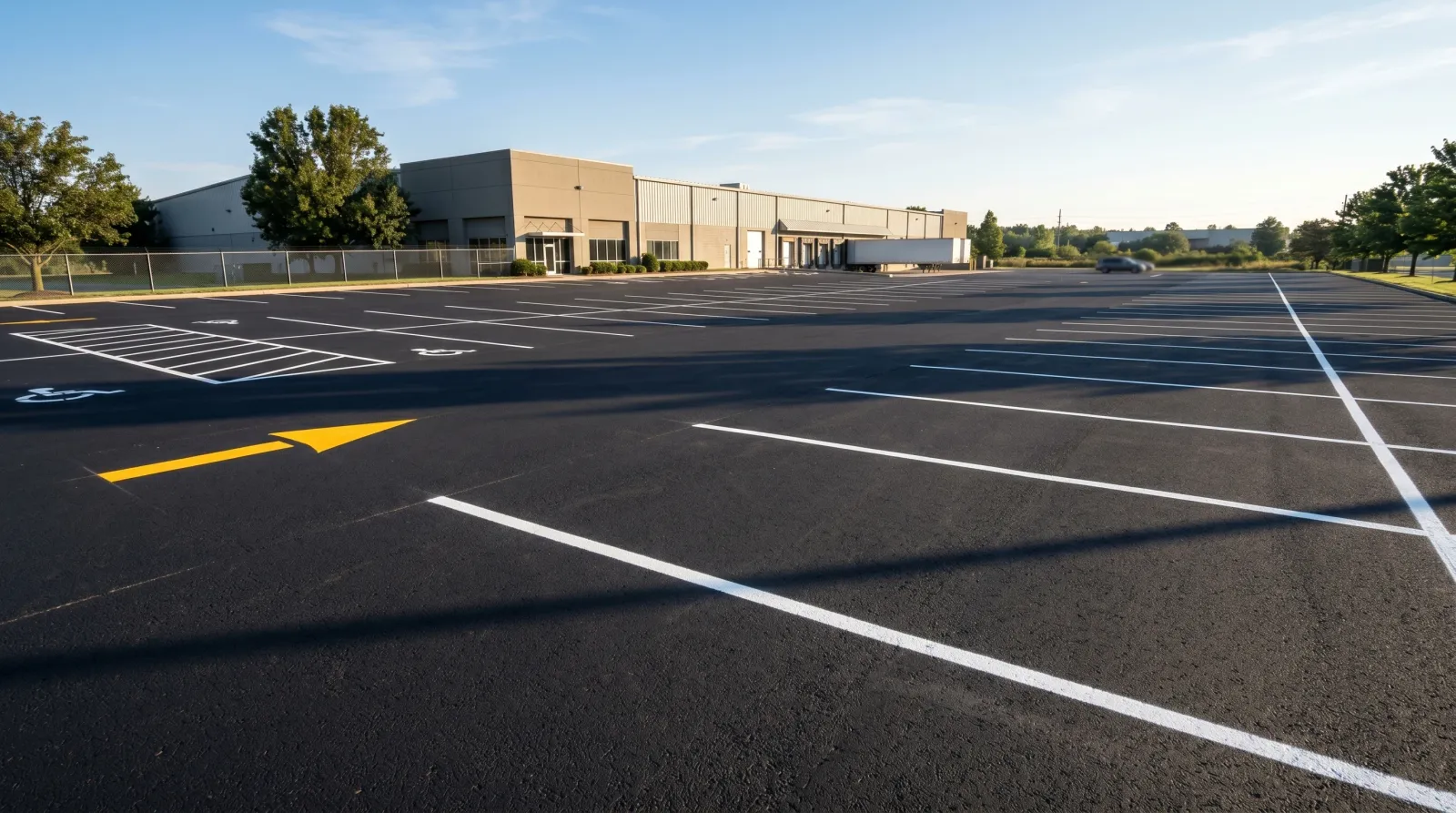 Traffic marking
Best for Parking lots, aisle striping, DOT work
The right waterborne pail for white and yellow work above 50°F, and the wrong one for anything colder or any color beyond that.
Full review →
Never Pay Full Price
This is the single most repeated piece of advice about this brand, from pros and homeowners alike: nobody should pay Sherwin-Williams list price. The store runs 30 to 40 percent off paint and stain events every four to six weeks, usually across a Friday through Sunday or Monday window, with the deepest 40 percent events landing near Memorial Day, July 4th, Labor Day, and Black Friday. Time your project to that window and the ladder moves down a full tier. Emerald at $90 becomes about $60. SuperPaint at $65 becomes about $45.
Sale pricing is applied at the counter only during the event windows, so time the purchase to one and check the current promotion before you pay. Contractors hold 20 to 40 percent off year-round through a pro account without waiting for a calendar; the formal tier asks for a business name and tax ID, and some stores will open one for a real multi-gallon project.
Run the math before you assume SW is expensive. A discounted SW gallon lands almost exactly at a competitor's everyday list price, which is why the brand looks overpriced on a Tuesday and competitive on a sale Saturday. The clearest example is trim: Emerald Urethane Trim Enamel at $110 is not worth it without 25 percent off or better, and at $80 it is the best cabinet enamel in most stores. If your project starts tomorrow and there is no sale, buy down the ladder instead of paying up. SuperPaint at sticker beats Emerald at sticker on value almost every time.
The Sherwin-Williams Color Deck
The SW deck runs roughly 1,700 standard colors, smaller than Benjamin Moore's but deepest exactly where most homeowners shop: warm whites, greiges, and quiet neutrals. These eight are the ones that show up in real houses over and over.
The Whole Sherwin-Williams Fan Deck, One Shelf
Every Sherwin-Williams color sorted into the families painters actually use. Pick a chip to browse light to dark.
Upload a photo of the room. We paint it in the Sherwin-Williams color you pick, with your light and your floor, before you buy a sample.
The Cons Only Forums Talk About
Emerald Is Very Hard to Touch Up
This is the complaint that comes up most often from people who actually live with the paint. Emerald's film is dense and it flashes at the repair. A dab from the same can, weeks later, reads as a visible patch in raking light, and the usual fix is recoating the whole wall corner to corner. Plan around it: keep leftover paint from the same batch, feather touch-ups with a roller rather than a brush, and accept that a scuff repair may cost you a wall. If a room will get dinged often, SuperPaint touches up far more forgivingly.
Gallon-to-Gallon Color Drift
Painters report the same tint code coming out slightly different can to can, especially across separate orders or separate stores. On one accent wall you will never notice. Across an open-plan main floor rolled over two days, you can. The fix is old and boring and it works: buy all your gallons at once, from one store, and box them by pouring everything into a five-gallon pail and stirring before you cut in. If you have to reorder mid-job, start the new batch at a corner or a break line, never mid-wall.
Color Matching Is Weakest on Whites
SW will match anything for free, and the match is genuinely good on mid-tone and saturated colors. Whites and very pale colors are where it slips. At those tint loads a tiny error in colorant becomes a visible undertone shift, so a matched competitor white can land a shade warmer or grayer than the chip. If you are matching existing white trim or a pale ceiling, buy the original brand, or get a quart mixed and paint a two-foot test patch before you commit to gallons.
HGTV Home at Lowe's Is Not the Store Lineup
Sherwin-Williams owns HGTV Home by Sherwin-Williams and sells it through Lowe's, but it is a separate consumer line, not Emerald or SuperPaint in different packaging. Nobody at either store explains this, so shoppers read reviews of the store lineup and buy the Lowe's product expecting the same paint. They are not interchangeable in formula or price. If you want the paint the reviews are talking about, you have to go to a Sherwin-Williams store or order from sherwin-williams.com.
The Sticker Price Punishes Anyone Who Cannot Wait
SW's model assumes you will time your purchase. That works fine for a planned repaint and badly for an emergency. There is no Amazon, Home Depot, or Lowe's route to a real store gallon, so you cannot shop around for a better price on the same product. When the sale is two weeks out and your painter starts Monday, your only real lever is buying down the ladder. That is why so many people conclude SW is overpriced: they met the brand on a full-price Tuesday.
The Questions Between Two Cans
SuperPaint is the right answer for most rooms, at $60 to $72 list. Step up to Emerald only where walls get scrubbed, since its 750 to 800 cycle durability is the one thing it clearly buys you. Cashmere is the best of the four to apply but the weakest on scrub, so use it in calm rooms. Duration Home is the bathroom and laundry pick for moisture resistance.
All comparisons →Aura and Regal run around 45 percent volume solids against Emerald's roughly 40 percent, so BM lays a slightly heavier film per coat. The bigger difference is the store model: SW is corporate stores with one national promo calendar, BM is independent dealers whose pricing and service vary block to block. Buy on the sale you can actually reach.
Full comparison →At list price Behr wins on value, plainly. On an SW sale weekend the gap closes to near nothing and SW's counter help becomes the tiebreaker. Behr also wins on convenience, since Home Depot is open late and stocks paint off the shelf. Buy Behr if the store is closer, buy SW if you can time the sale or need a specialty line like Loxon XP.
All comparisons →ProMar 200 at $38 to $48 is the contractor line, and pros prefer it for workability: it tints fast, cuts clean, and rolls all day without dragging. SuperPaint costs $20 or so more and gives you better hide and a tougher film. If you are hiring the labor, ProMar 200 is fine. If you are rolling it yourself and living with it, SuperPaint.
All comparisons →Emerald Urethane cures harder and recoats in about four hours, which is what makes a weekend cabinet job possible. ProClassic costs $20 to $25 less and never reaches the same hardness. On cabinets and doors that get handled daily, pay for Emerald Urethane on a sale day. On low-touch trim, ProClassic is enough.
All comparisons →Sherwin-Williams Questions, Answered
Is Sherwin-Williams paint worth the price?
On sale, yes. At list, usually not. Emerald, Emerald Urethane Trim Enamel, and Duration Exterior are genuinely strong products, but SW's pricing model assumes a 30 to 40 percent discount. A discounted SW gallon costs about what a competitor charges every day. Pay sticker on a Tuesday and you have overpaid by roughly a third for the same can.
Why is Sherwin-Williams paint so expensive?
Two reasons. First, SW sells through its own stores, so the list price carries retail rent, counter staff, and tinting service that a big-box shelf price does not. Second, the list price is designed to be discounted. The brand runs frequent 30 to 40 percent events and year-round pro pricing, so sticker exists mostly for people who did not wait.
What is the best Sherwin-Williams paint line?
For most people, SuperPaint at $60 to $72 list and $48 to $55 on sale. It covers in two honest coats, recoats in 2 to 4 hours, and costs $20 to $30 less than Emerald. Emerald is the better paint on high-traffic walls where its 750 to 800 scrub cycles matter. Cashmere is the nicest to apply but the weakest on scrub.
What is the difference between Emerald, Duration, Cashmere and SuperPaint?
Emerald is the flagship with the best scrub durability. Duration Home is the moisture-resistant interior for bathrooms and laundry, and Duration Exterior is a completely separate product with the same name. Cashmere is the smoothest to roll but only scrubs near 400 cycles. SuperPaint is the value line that most homes actually need. Pick by room, not by tier.
How often does Sherwin-Williams have 30 to 40 percent off sales?
Roughly every four to six weeks, usually as a Friday through Sunday or Monday window covering all paint and stain. The deepest 40 percent events cluster around Memorial Day, July 4th, Labor Day, and Black Friday. Join the email list, then plan your project around the window instead of the other way around. It is the single biggest lever on your paint budget.
How much is a gallon of Sherwin-Williams paint?
It spans a wide range. ProMar 200 runs $38 to $48, SuperPaint $60 to $72, Cashmere $70 to $75, Emerald $85 to $100, and Emerald Urethane Trim Enamel $95 to $110. Subtract 30 to 40 percent for sale pricing, so Emerald lands near $60 and SuperPaint near $48 during a promo weekend.
Is SuperPaint good enough or do I need Emerald?
SuperPaint is enough for bedrooms, living rooms, dining rooms, offices, and ceilings. Buy Emerald for kitchens, hallways, stairwells, and kids' rooms, where washing is routine and the 750 to 800 cycle scrub rating pays for itself. One more thing to weigh: SuperPaint touches up far more forgivingly than Emerald does.
What Sherwin-Williams paint do professional painters use?
ProMar 200 on most interior repaints, at $38 to $48 a gallon. Pros pick it for workability rather than durability: it tints quickly, cuts in cleanly, and rolls all day without dragging. When a homeowner specifies an upgrade, the painter usually moves to SuperPaint or Emerald. On exteriors, Duration and Emerald Exterior are the common pro specs.
Is HGTV Home by Sherwin-Williams at Lowe's the same paint?
No. HGTV Home by Sherwin-Williams is a separate consumer line sold through Lowe's. SW owns it, but it is not Emerald, SuperPaint, or Cashmere in different packaging, and the formulas and prices differ. If you want the products reviewed here, buy them at a Sherwin-Williams store or from sherwin-williams.com. The Lowe's line should be judged on its own.
Why is Emerald so hard to touch up?
Its film is dense and it flashes where new paint meets cured paint, so a spot repair reads as a shiny or slightly off patch in raking light, even from the same gallon. Many people end up recoating the whole wall. Save leftover paint from the same batch, roll rather than brush the repair, and feather it out toward the corners.
Is Sherwin-Williams better than Benjamin Moore or Behr?
Not decisively. BM Aura and Regal run near 45 percent volume solids against Emerald's roughly 40 percent, so BM lays a slightly heavier film, though BM buys from independent dealers with uneven pricing. Behr wins on everyday value and late Home Depot hours. SW wins when you can time a sale and want a real paint counter.
Ask a Question