White paint colors
White is the most popular paint color in America, and also the easiest one to get wrong. The reason is simple: there is no single white. Every white on a fan deck leans somewhere — a little warm, a little cool, a little gray or green or pink — and that lean is what decides whether your room feels clean and calm or cold and clinical. The good news is that once you know what to look for, picking the right white stops being a gamble and starts being a decision you can actually make on purpose.
The White Colors People Actually Buy
Don't want to compare 2,343 white colors? These four cover most real projects. Ranked by how often designers and homeowners specify them, not by our taste.
2016 SW Color of the Year; remains the default white for cabinets, trim, and walls in HGTV makeovers
The default warm white for trim, cabinets, and ceilings in nearly every BM-spec'd home
Soft warm white widely cited as the Alabaster alternative for trim and walls
Swiss Coffee is the white people pick when plain white feels cold and hospital-like.
Pick by Undertone
The most common white-buyer regret is a surprise undertone on the wall. Start from the direction the color leans, not the chip alone.
Six Kinds of White
Same family, very different rooms. Each shade has its own page with every brand's version.
White Rooms
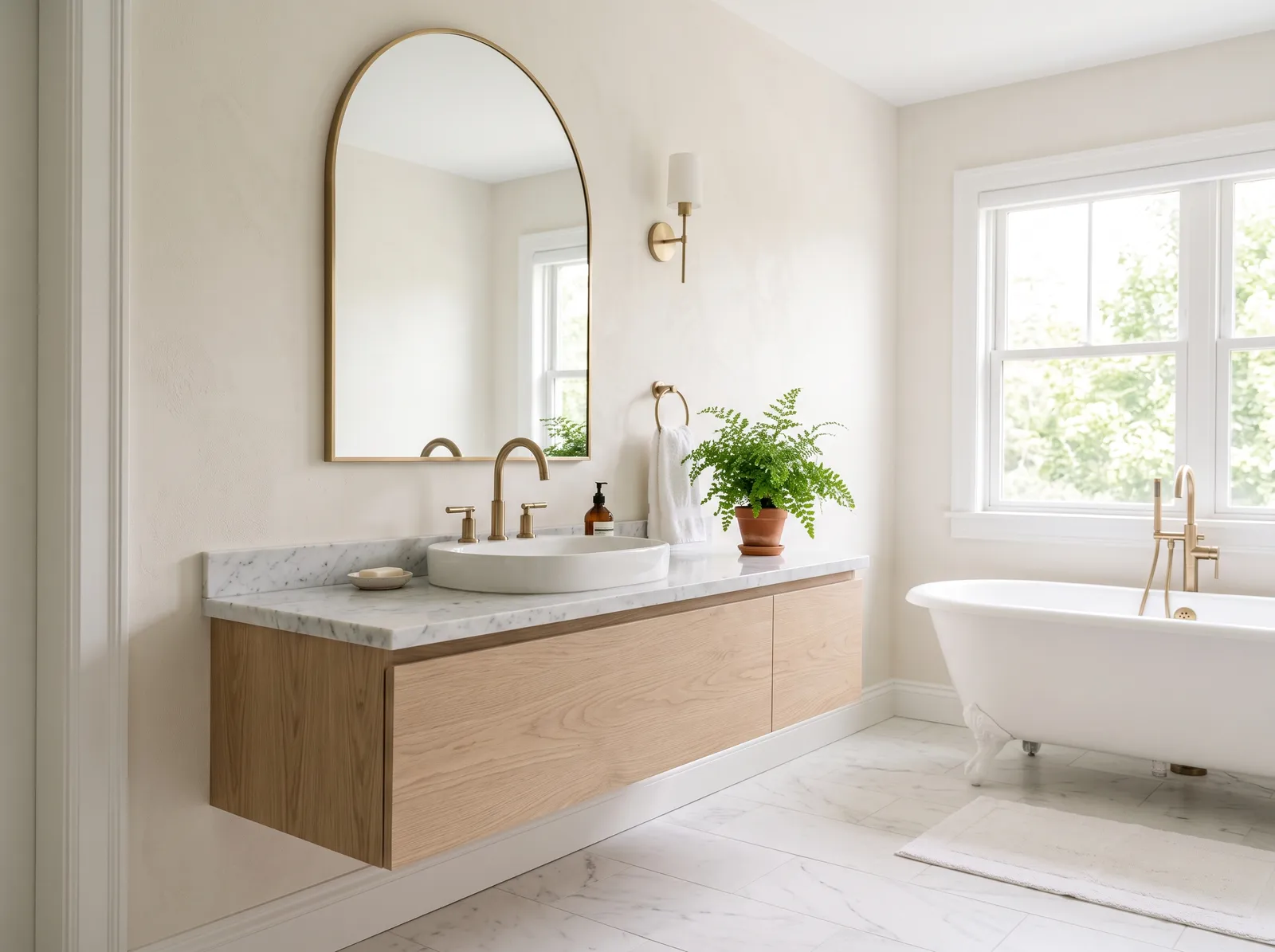
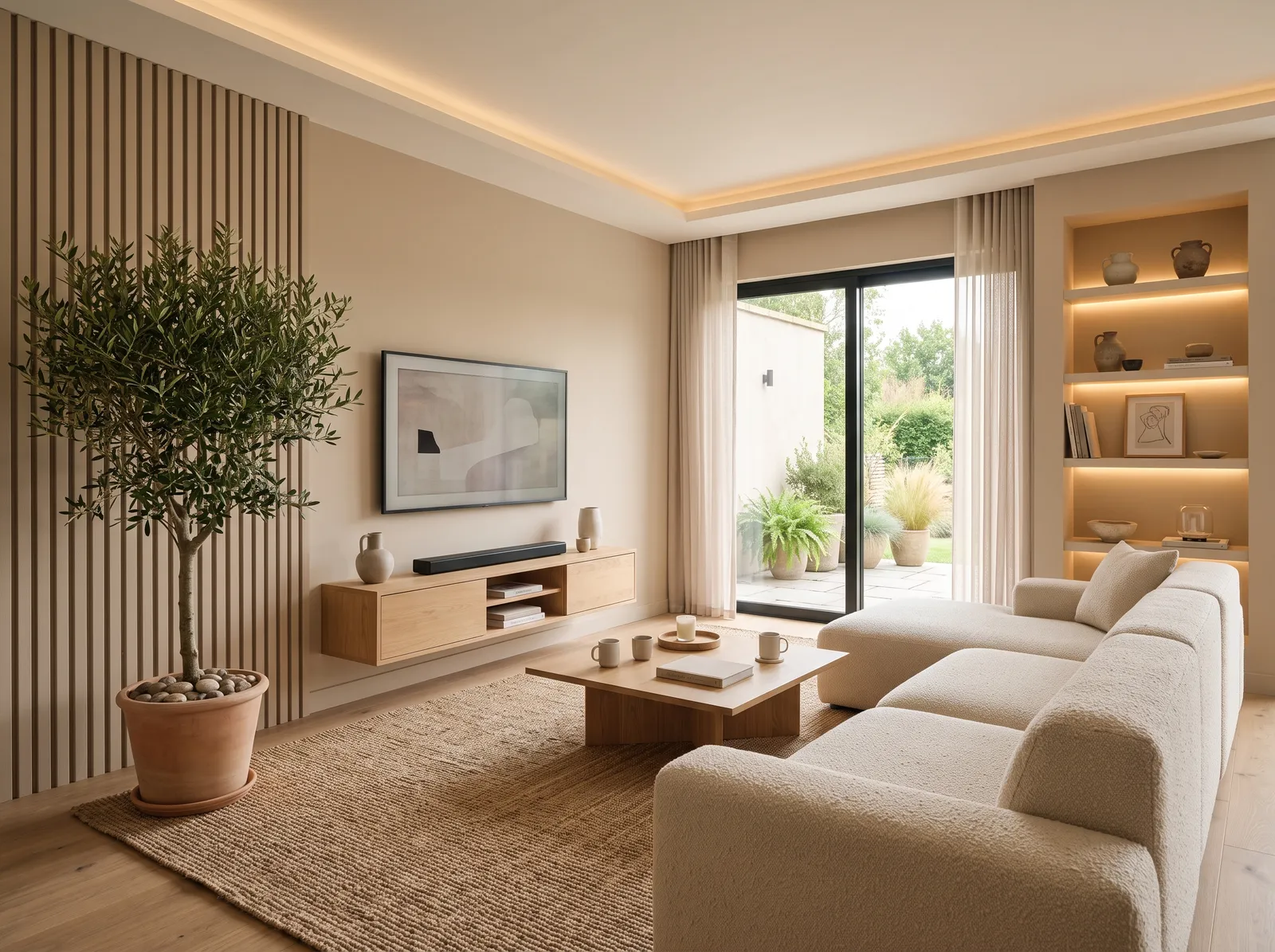
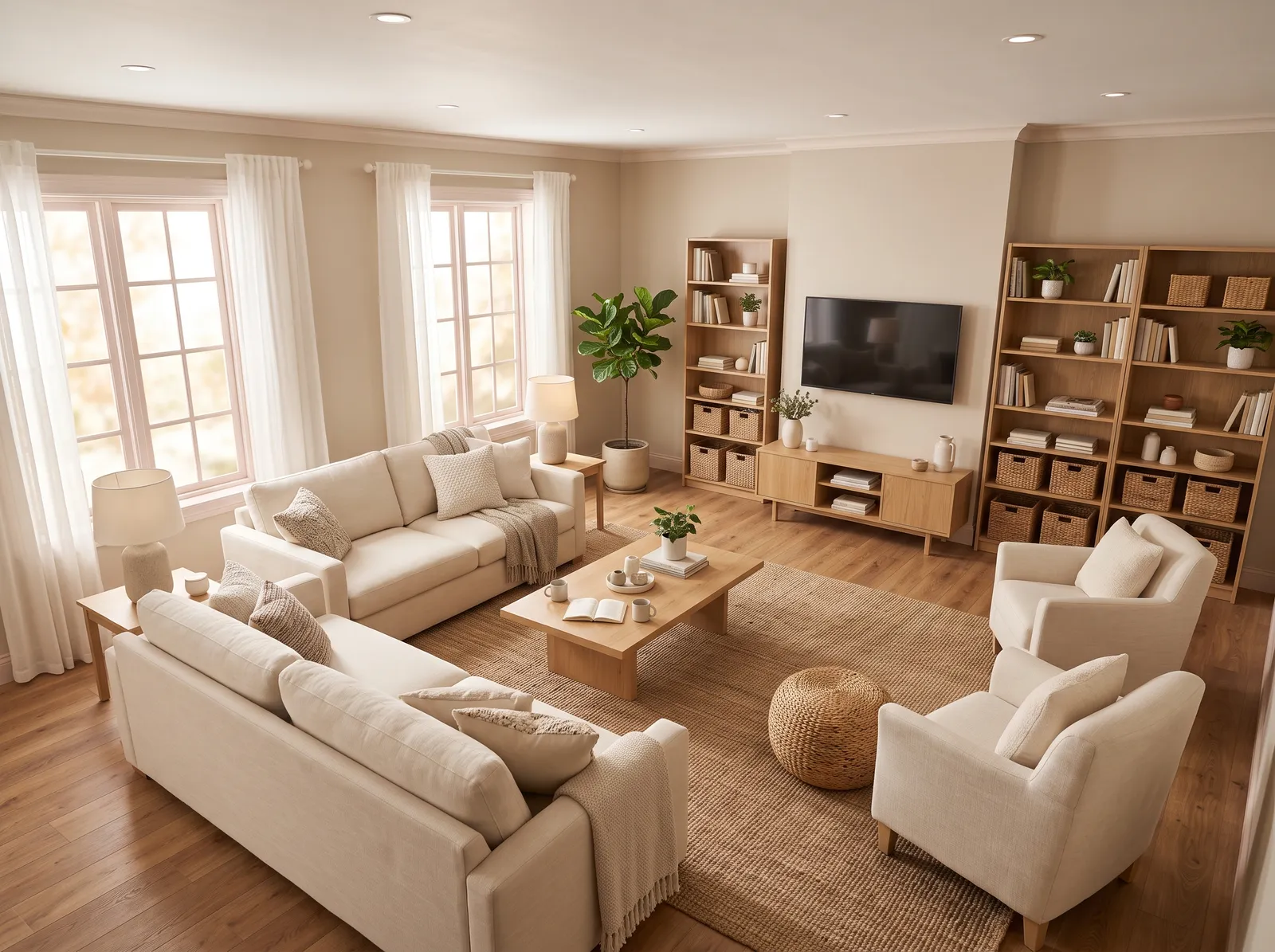
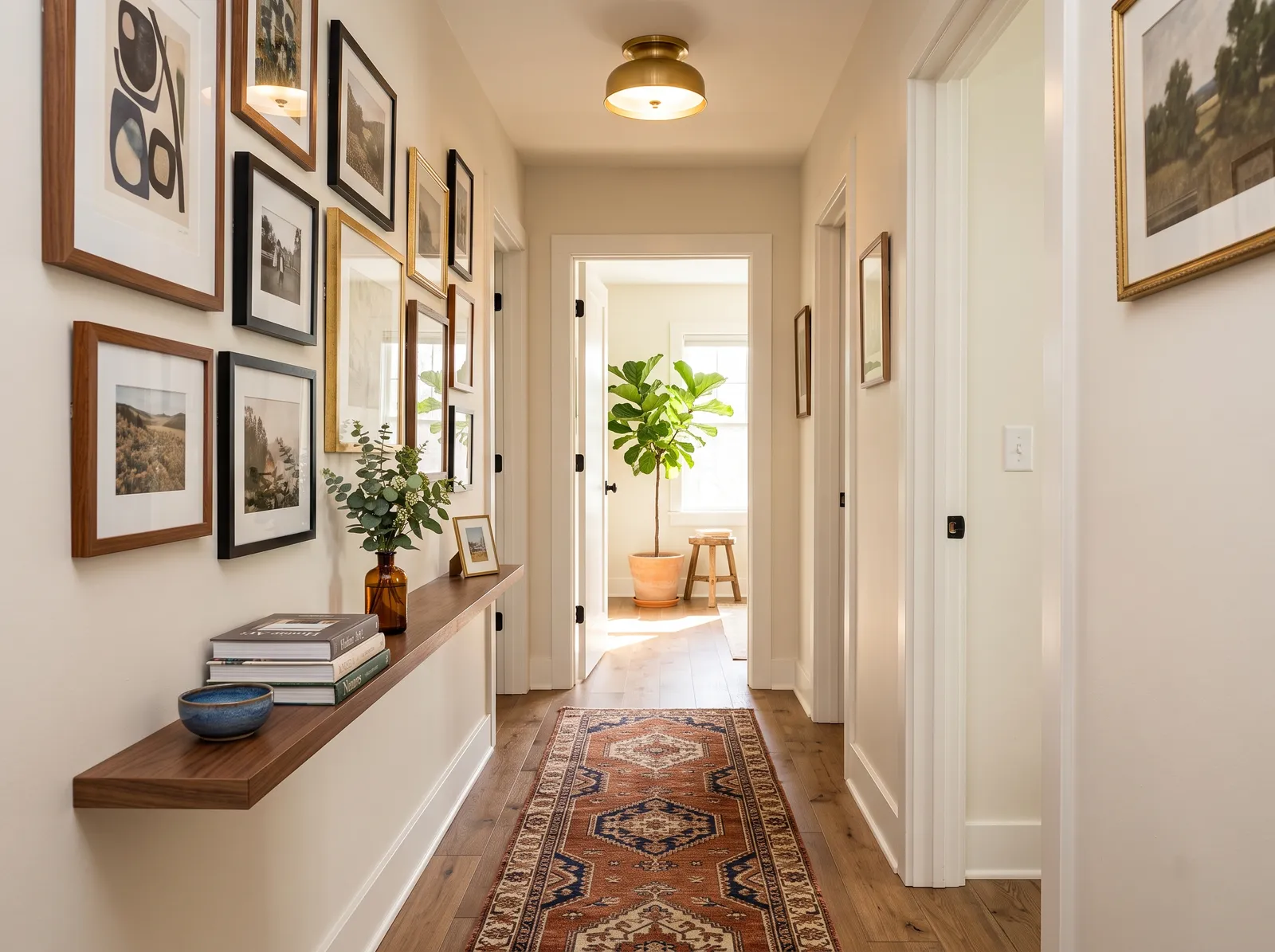
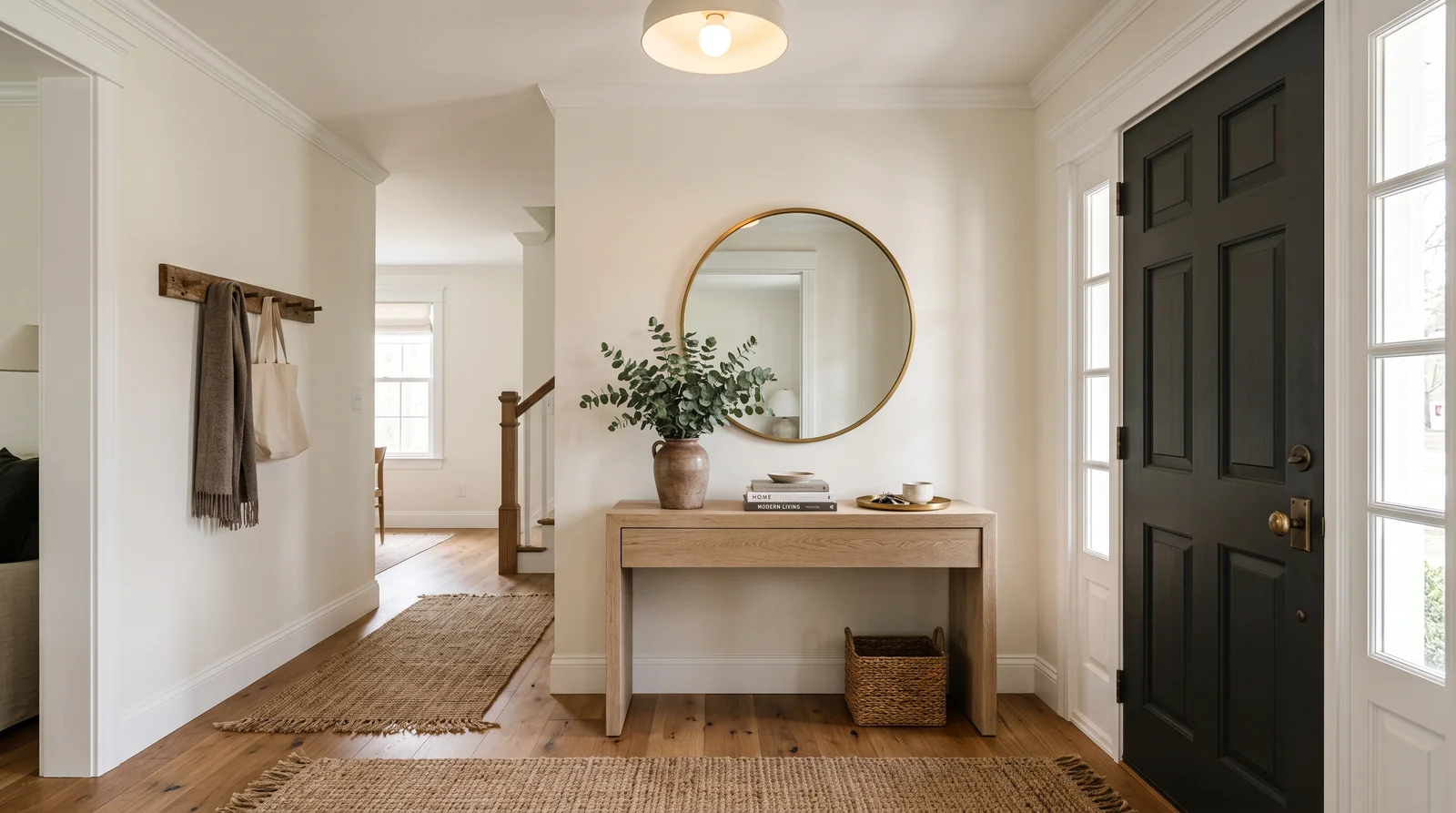
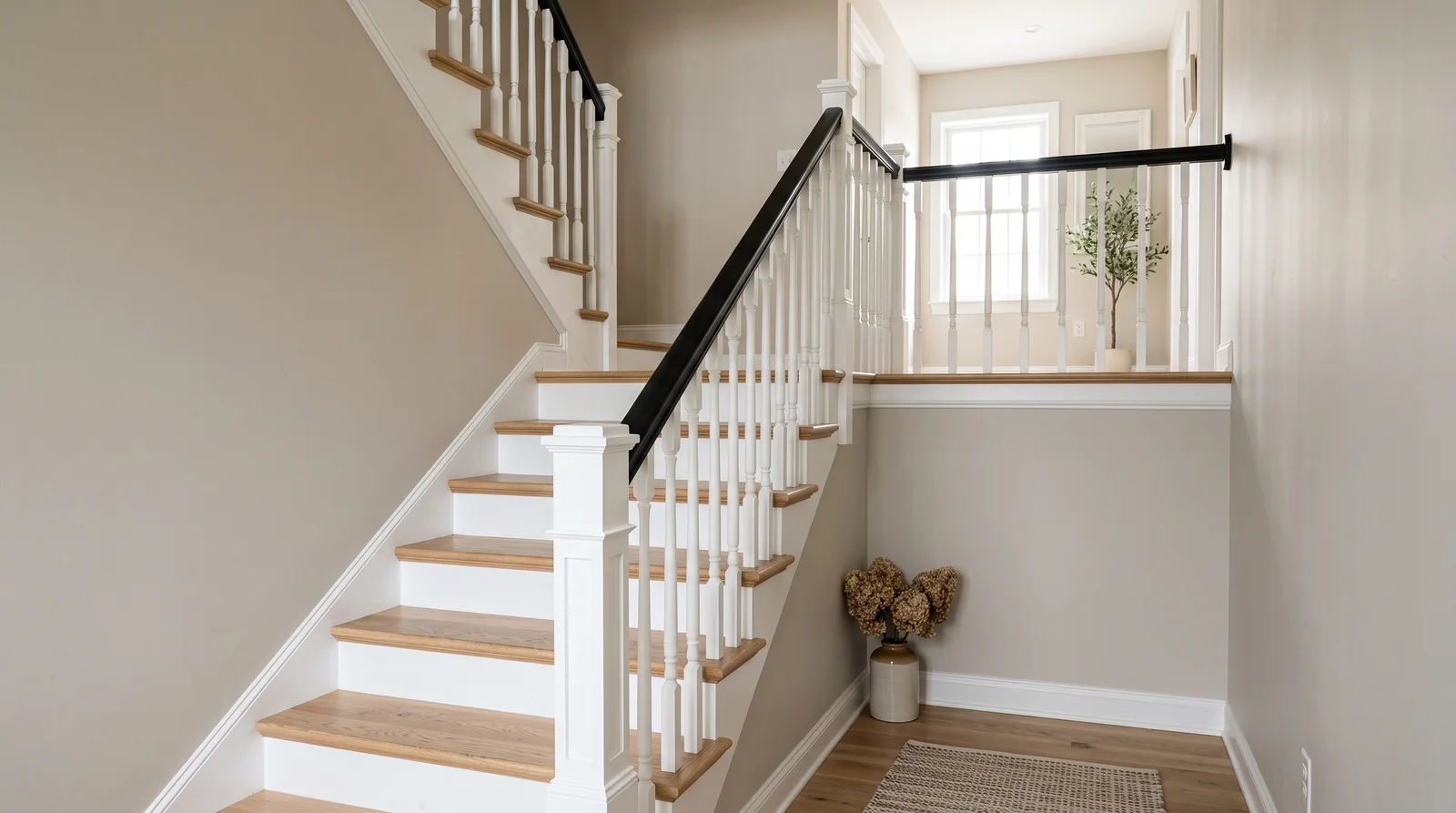
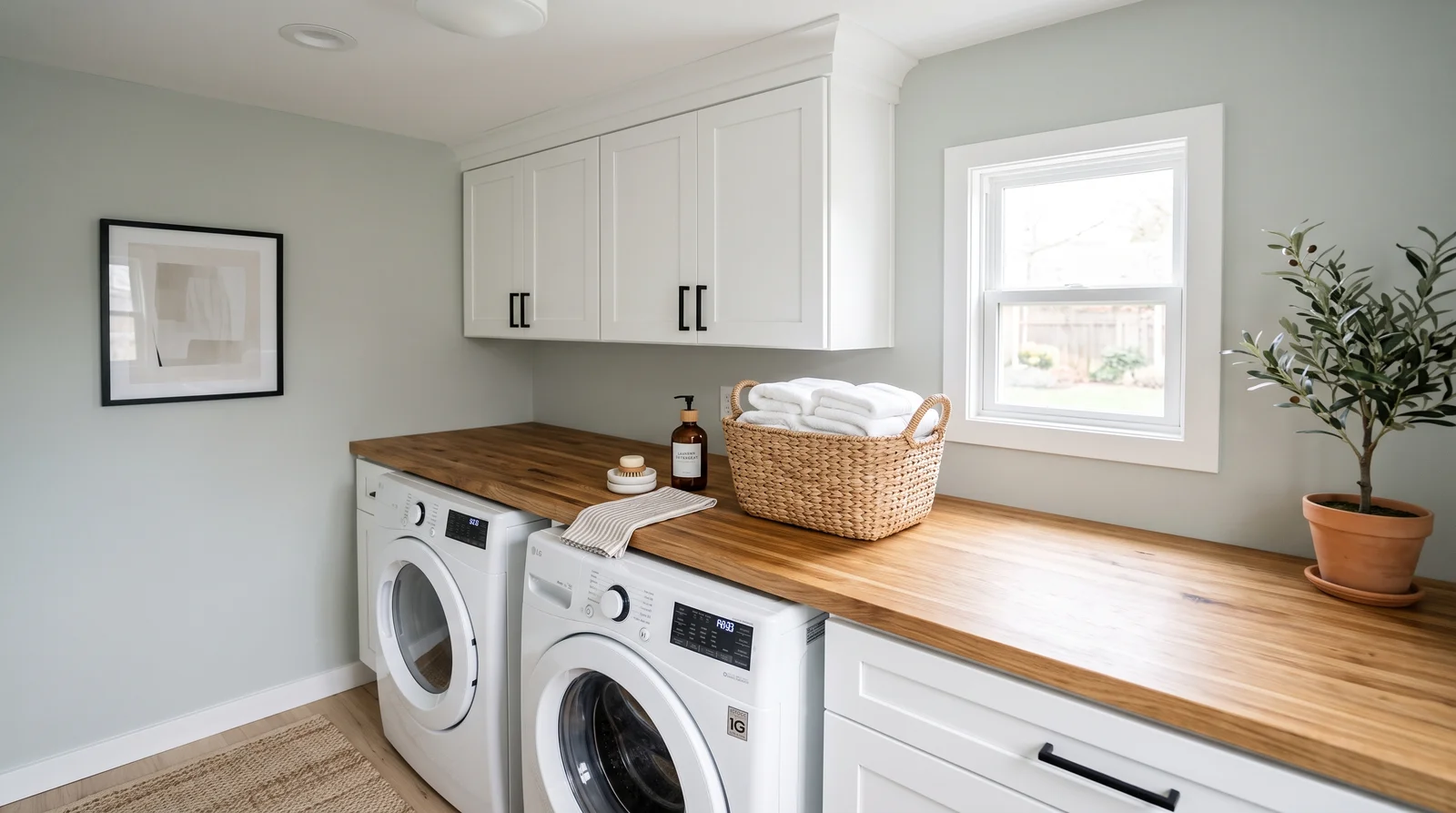
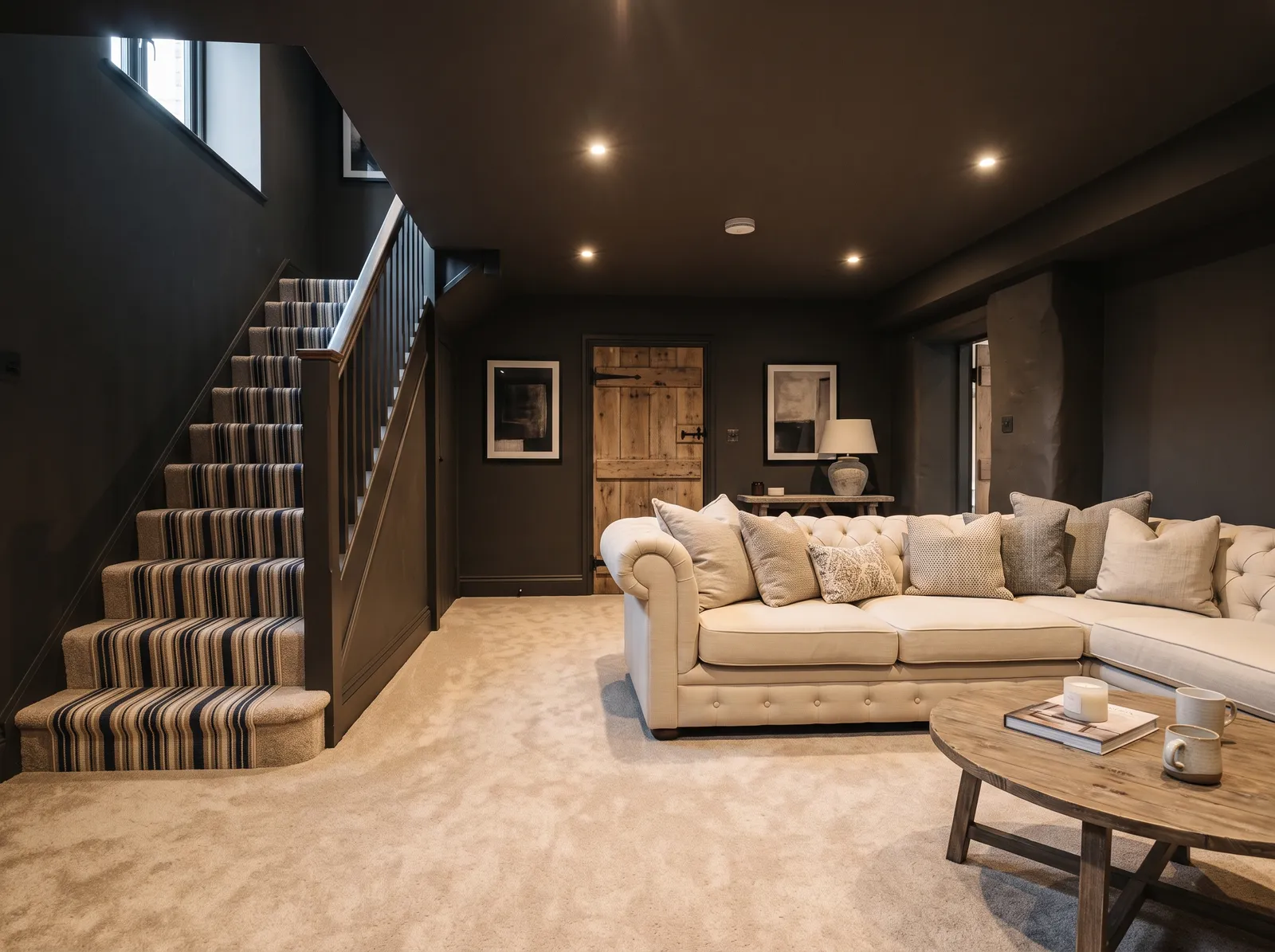
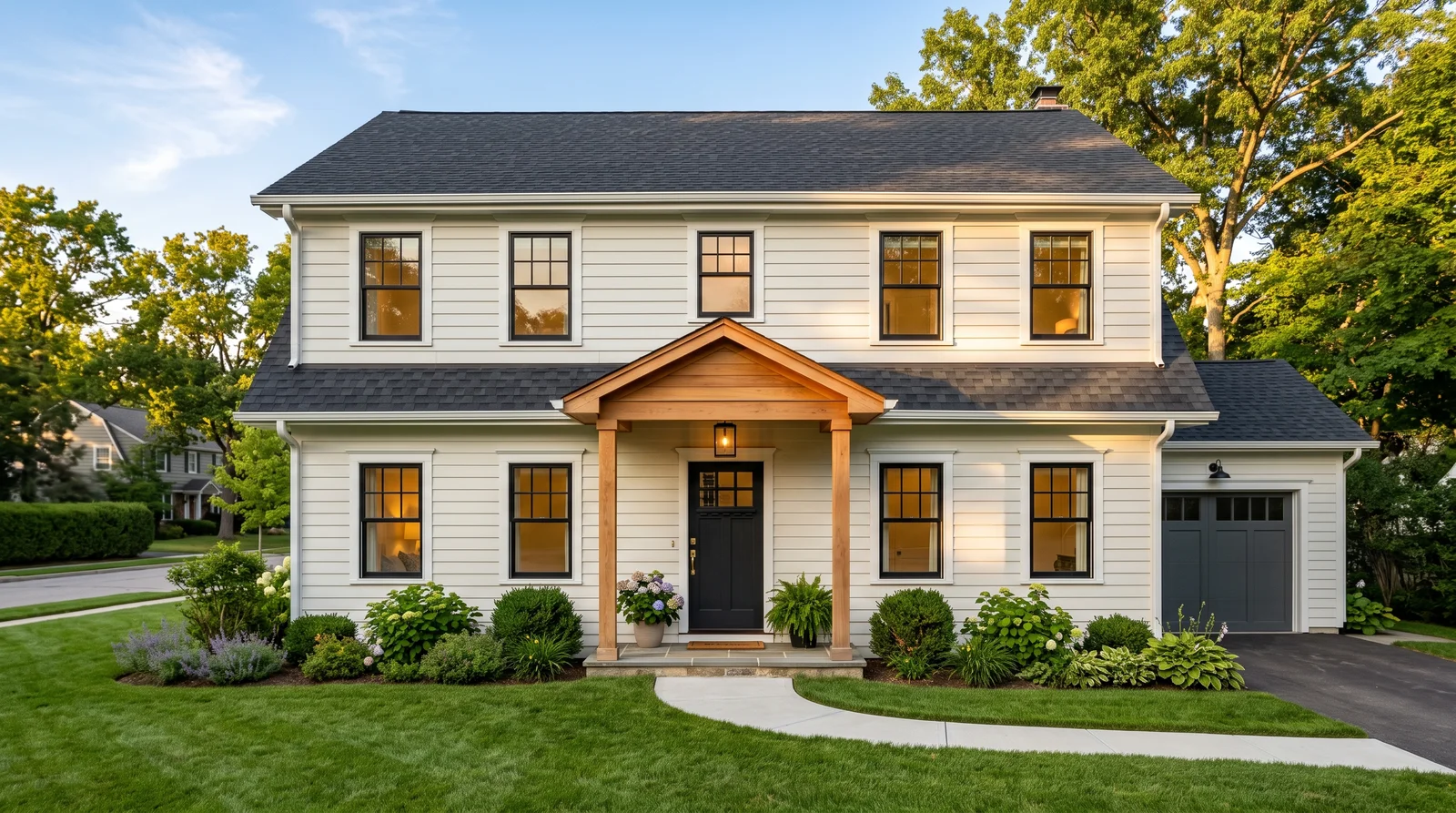
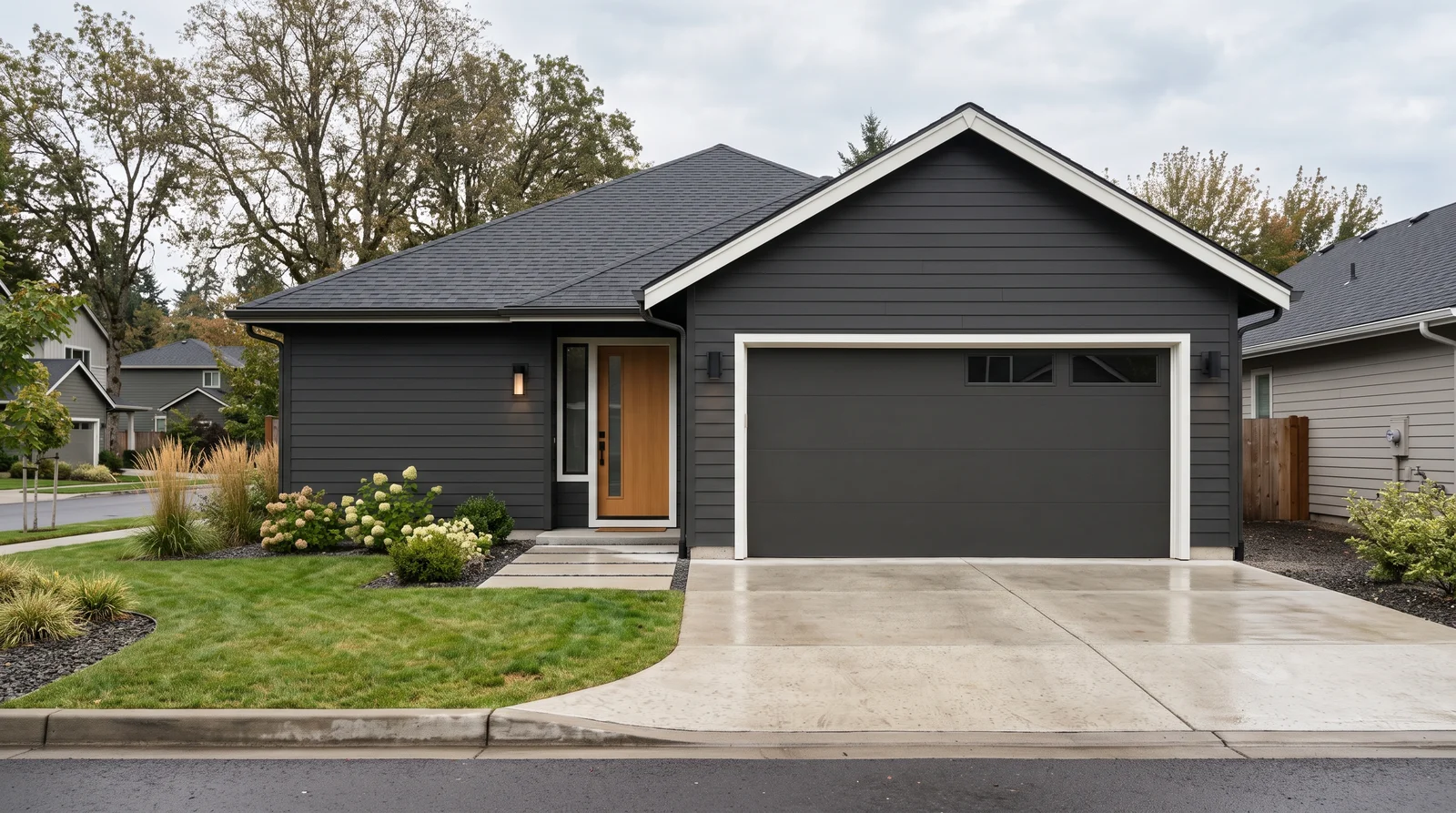
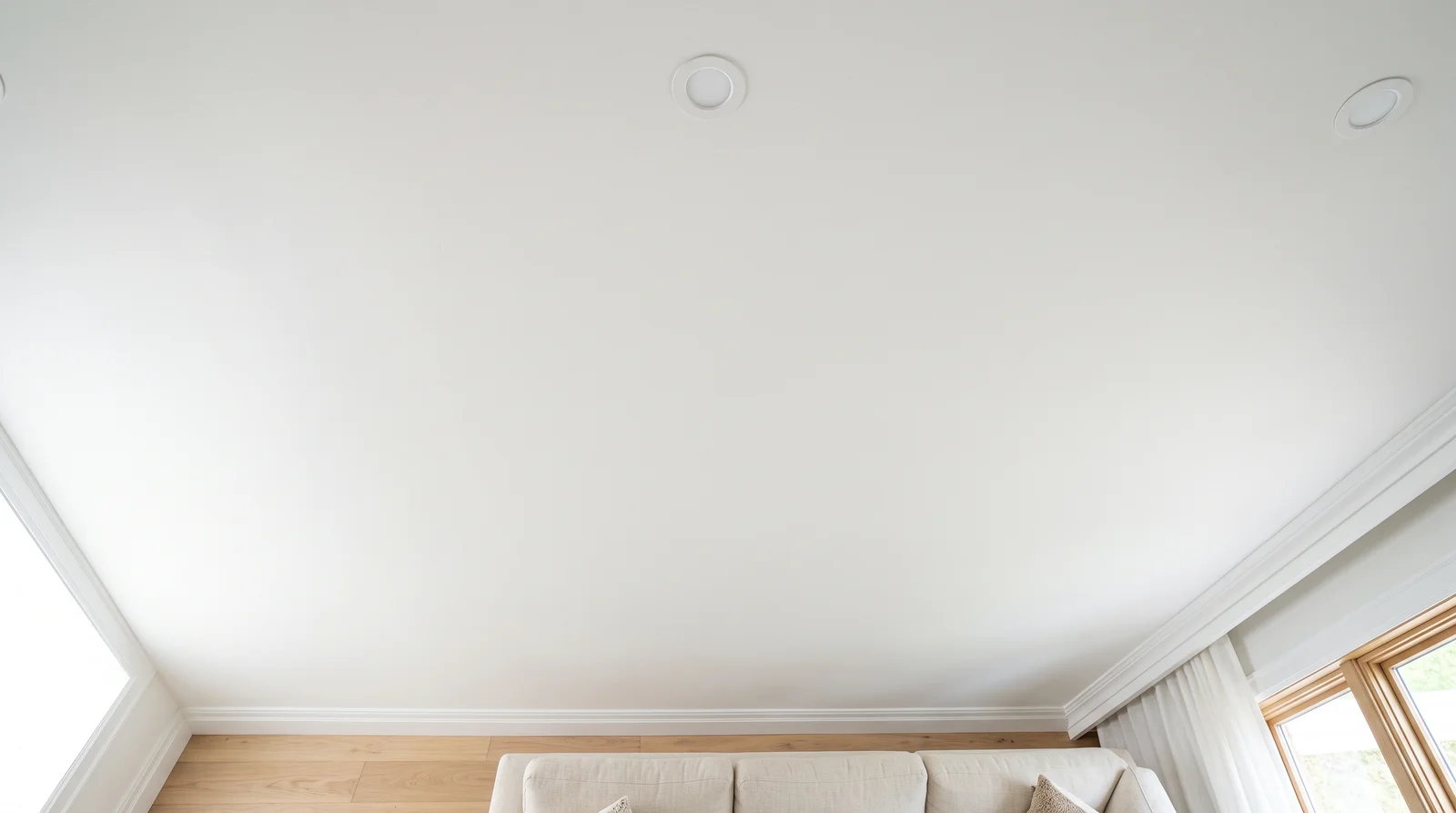
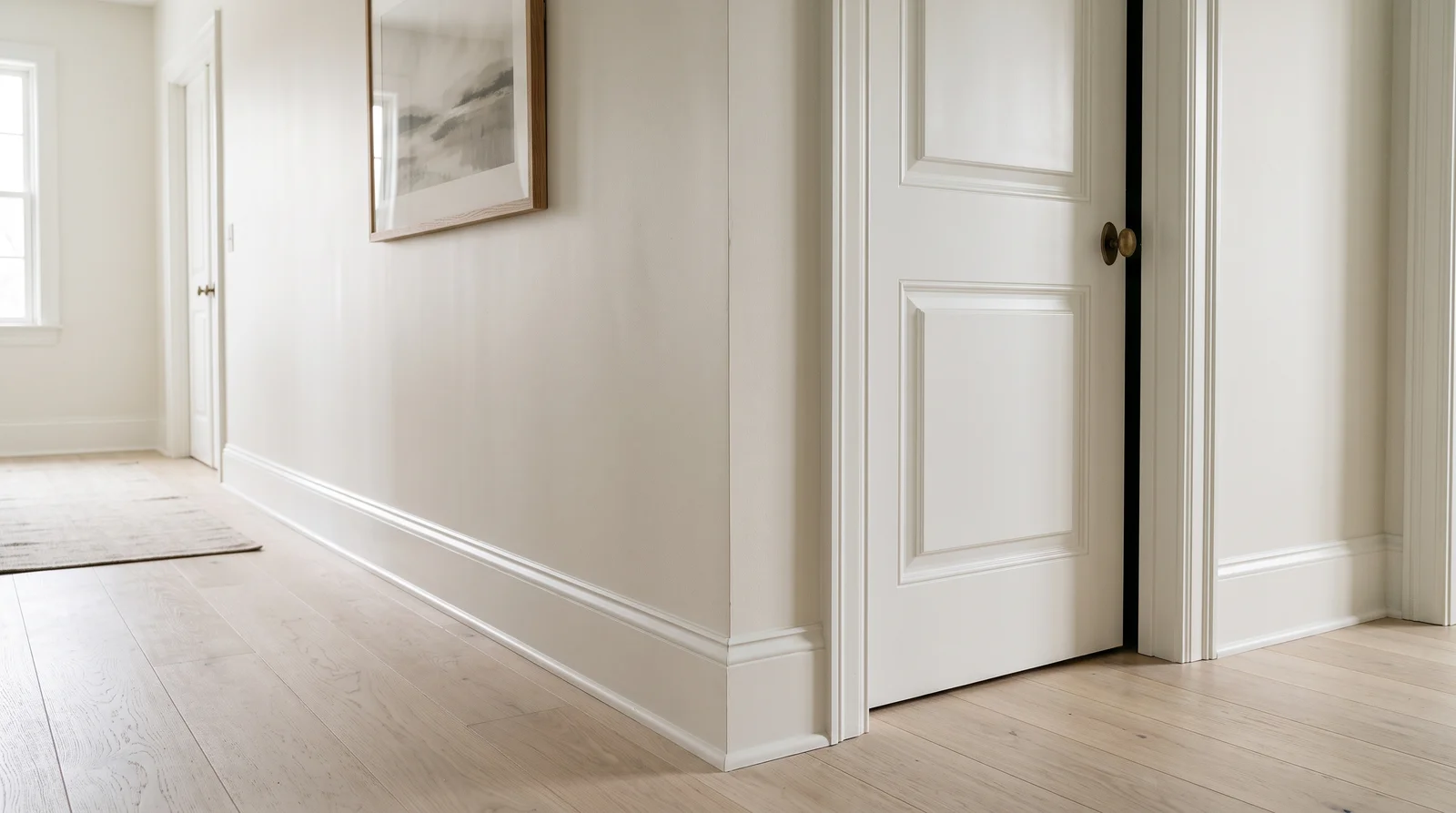
Each room page shows white picks from every US brand side by side, so you can compare in context.



All 2,343 White Paint Colors
Every white from every brand we track, merged into one shelf. Grouped by undertone, warm to cool. Filter by brand or depth, or change the order.
Swatches are each brand's published display value, not a physical sample under controlled lighting. Screens vary, and so does your light. Order a brand-direct sample or preview the color on a photo of your own wall before you specify.
Upload a photo of the room. We paint it in the white you chose with your light and your floor, and you can swap colors until one holds.
More on white paint colors
This is a guide to the whole white family across every major brand, not a pitch for one swatch. The same handful of rules — undertone, light reflectance, and the light in your own room — apply whether you are looking at a bright builder white or a soft, creamy off-white. We will walk through how to read those signals, how white behaves in different rooms and different light, and how to pair it with trim, ceilings, and the colors around it.
One thing worth saying up front: every color here is mixed to order. Paint stores tint a base can to match the formula, so a white you like in one brand can almost always be cross-matched into another brand's paint. You are not locked in by the logo on the lid. That frees you to choose by how the color actually looks, then buy it in whatever paint and finish you prefer.
What Counts as White and the Undertones to Watch
A "white" paint is rarely pure white. Most contain a small amount of pigment that pushes the color slightly warm or cool, and that hidden lean is called the undertone. Warm whites carry a touch of yellow, cream, or beige and feel soft and cozy. Cool whites carry a touch of blue, gray, or green and feel crisp and modern. A true white with no clear lean exists, but it is less common than people expect.
The undertones to watch most closely are yellow, gray, green, and pink, because they are the ones that surprise people on the wall. A white that looked perfectly neutral on the chip can read distinctly creamy or oddly cool once it covers a whole room. The trick is to never judge a white by itself — hold it next to a sheet of printer paper or two or three other whites, and the real undertone jumps out immediately.
Using LRV to Predict How Bright a White Will Read
LRV, or Light Reflectance Value, is a number from 0 (black) to 100 (pure white) that tells you how much light a color bounces back. Almost every usable white sits between about 80 and 95. It is one of the few truly objective numbers on a paint chip, and most brands print it right there, so it is the fastest way to compare whites across different fan decks.
Here is what the ranges mean for white specifically. An LRV in the low 80s is a soft, gentle white that reads as a true off-white and hides its undertone gracefully. The high 80s to low 90s is the sweet spot for most rooms — bright and clean without glare. Anything in the mid 90s and up is a high-reflectance, almost stark white that can feel brilliant in sunlight and a little hospital-like in dim rooms. Higher LRV is not better or worse; it just means more brightness and less forgiveness.
How White Reads in Different Rooms and Light
The same can of white will look like two different colors in two different rooms, because the light is doing half the work. North-facing rooms get cool, indirect light all day, which drags whites toward gray and amplifies any blue or green undertone. In a north room, a warmer white usually keeps the space from feeling chilly. South-facing rooms get warm, abundant light, which can make even a neutral white glow yellow, so a cooler or cleaner white often balances it out.
East and west rooms shift through the day — warm and golden at one end, flatter and cooler at the other — so judge those whites at the time you actually use the room most. Room function matters too: a bright high-LRV white can feel energizing in a kitchen but harsh in a bedroom, while a soft warm white that feels cozy in a den can look dingy in a bathroom under cool bulbs. Always tape a large sample to the wall and look at it morning, noon, and night before you commit.
Pairing White with Trim, Ceilings, and Other Colors
The classic move is white walls with a slightly brighter or crisper white trim, which gives quiet definition without contrast that shouts. If you want trim to truly stand out, step up to a higher-LRV, cleaner white than the walls; if you want a seamless, modern look, paint walls and trim the same white in different finishes — flat or matte on walls, satin or semi-gloss on trim. Ceilings painted a touch brighter than the walls make a room feel taller, while the exact same white overhead reads softer and more enveloping.
For coordinating colors, let the white's undertone lead. Warm whites pair beautifully with woods, brass, beiges, and earthy greens; cool whites sit naturally alongside grays, blacks, blues, and chrome. The fastest way to make a scheme feel off is to fight the undertone — a cool white next to warm wood and gold fixtures can look accidental rather than intentional.
The Most Common White Paint Mistakes
The biggest mistake is choosing white from the chip alone, in the store, under fluorescent light. Whites change more dramatically between settings than any other color, so a swatch that looks perfect on the rack can betray its undertone the moment it is on your wall. Always sample at home, big and on more than one wall.
The other frequent errors cluster together: picking a stark high-LRV white for a dim north room and ending up cold, ignoring the trim and ceiling so the undertones clash, and matching white to the wrong fixed elements. Your floors, countertops, cabinets, and tile all have undertones, and the wall white has to live with them. Choose the white to flatter what you cannot easily change, not the other way around.
Mixed to Order and Cross-Matched Between Brands
Whites are not pre-bottled products waiting on a shelf; they are formulas. A store starts with a base can and adds tint to hit the exact recipe for the color you chose, which is why you can order the same name in different sheens and different paint lines. It also means a white is a target a machine can reproduce, not a one-of-a-kind item.
Because of that, almost any white from one brand can be cross-matched into another brand's paint. If you love how a particular white looks but prefer a different paint's durability, finish, or price, a store can usually match it closely. Pick the color by eye and the paint by performance — they do not have to come from the same place.
White Paint FAQ
What is the difference between a warm white and a cool white?
A warm white has a subtle hint of yellow, cream, or beige in it, which makes a space feel soft and cozy. A cool white leans slightly toward blue, gray, or green and feels crisp and clean. The pigment is tiny, but it changes the whole mood of a room, so it is the first thing to decide before you compare specific whites.
What LRV should I look for in a white paint?
Most whites fall between about 80 and 95 on the LRV scale. The high 80s to low 90s is the comfortable middle for everyday rooms — bright and fresh without glare. Go higher, into the mid 90s, only if you want a very bright, stark white, and stay around the low 80s if you want a softer, gentler off-white.
Which white works best in a north-facing room?
North-facing rooms get cool, gray-toned light that can make whites feel chilly and bring out any blue or green undertone. A warmer white with a touch of cream usually balances that light and keeps the room from feeling cold. Avoid the starkest, highest-LRV whites in these rooms, since they tend to read flat and clinical there.
Do I have to use the same white on the walls, trim, and ceiling?
No, and you usually shouldn't. A common approach is a slightly brighter or cleaner white on the trim and ceiling than on the walls, which adds quiet definition. If you want a seamless modern look, you can use one white everywhere but change the finish — matte on walls, satin or semi-gloss on trim.
Why does my white paint look different on the wall than on the chip?
Whites are extremely sensitive to light, and the lighting on a store rack is nothing like the light in your home. Room size, the direction your windows face, your bulbs, and the colors of your floors and furniture all shift how a white reads. That is why you should always paint a large sample at home and look at it across the whole day before committing.
Can I get a white from one brand mixed in a different brand's paint?
Usually, yes. Every white is a tint formula, and paint stores can cross-match a color from one brand into another brand's base paint, getting very close to the original. This lets you choose the white you love by appearance and then pick the paint line you want for finish, durability, or price.
What is the most common mistake people make with white paint?
Choosing it from the small chip in the store instead of sampling it at home. White changes more between settings than any other color, so a swatch that looks neutral on the rack can turn creamy, gray, or cold on your wall. Testing a large sample on more than one wall, in your own light, prevents almost every white-paint regret.
Ask a Question