Teal paint colors
Teal sits right between blue and green, which is exactly what makes it so useful and so tricky. Lean it one way and you get a calm, watery blue. Lean it the other way and it turns lush and almost emerald. The same color name can read very differently from one wall to the next, so the goal of this page is to help you see what you are actually buying before the can is mixed.
The Teal Colors People Actually Buy
Don't want to compare 2,184 teal colors? These four cover most real projects. Ranked by how often designers and homeowners specify them, not by our taste.
Hidden Gem is Behr's 2026 Color of the Year, and it earns the title — a deep, smoky jade that gives a room the weight of black without the coldness.
Near-black green spec'd as a more sophisticated alternative to Wrought Iron
A muted historic blue at LRV 31 with a strong gray-teal cast, deep enough for cabinets yet calm enough for a whole bedroom.
A soft teal-gray (LRV 48) and 2012 Color of the Year that shifts between blue and green depending on the light in the room.
Six Kinds of Teal
Same family, very different rooms. Each shade has its own page with every brand's version.
Teal Rooms
Each room page shows teal picks from every US brand side by side, so you can compare in context.
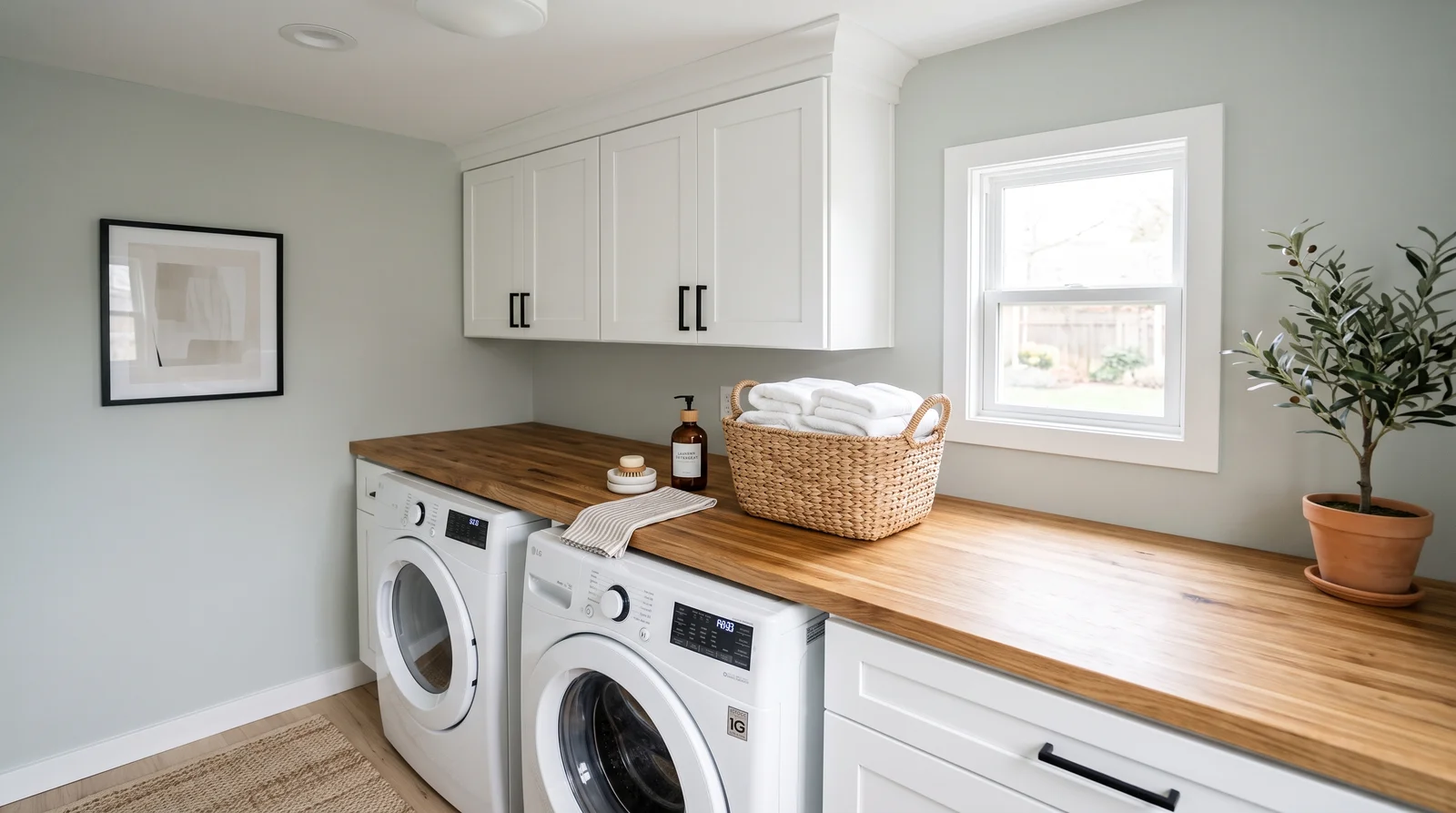
All 2,184 Teal Paint Colors
Every teal from every brand we track, merged into one shelf. Grouped by undertone, warm to cool. Filter by brand or depth, or change the order.
Swatches are each brand's published display value, not a physical sample under controlled lighting. Screens vary, and so does your light. Order a brand-direct sample or preview the color on a photo of your own wall before you specify.
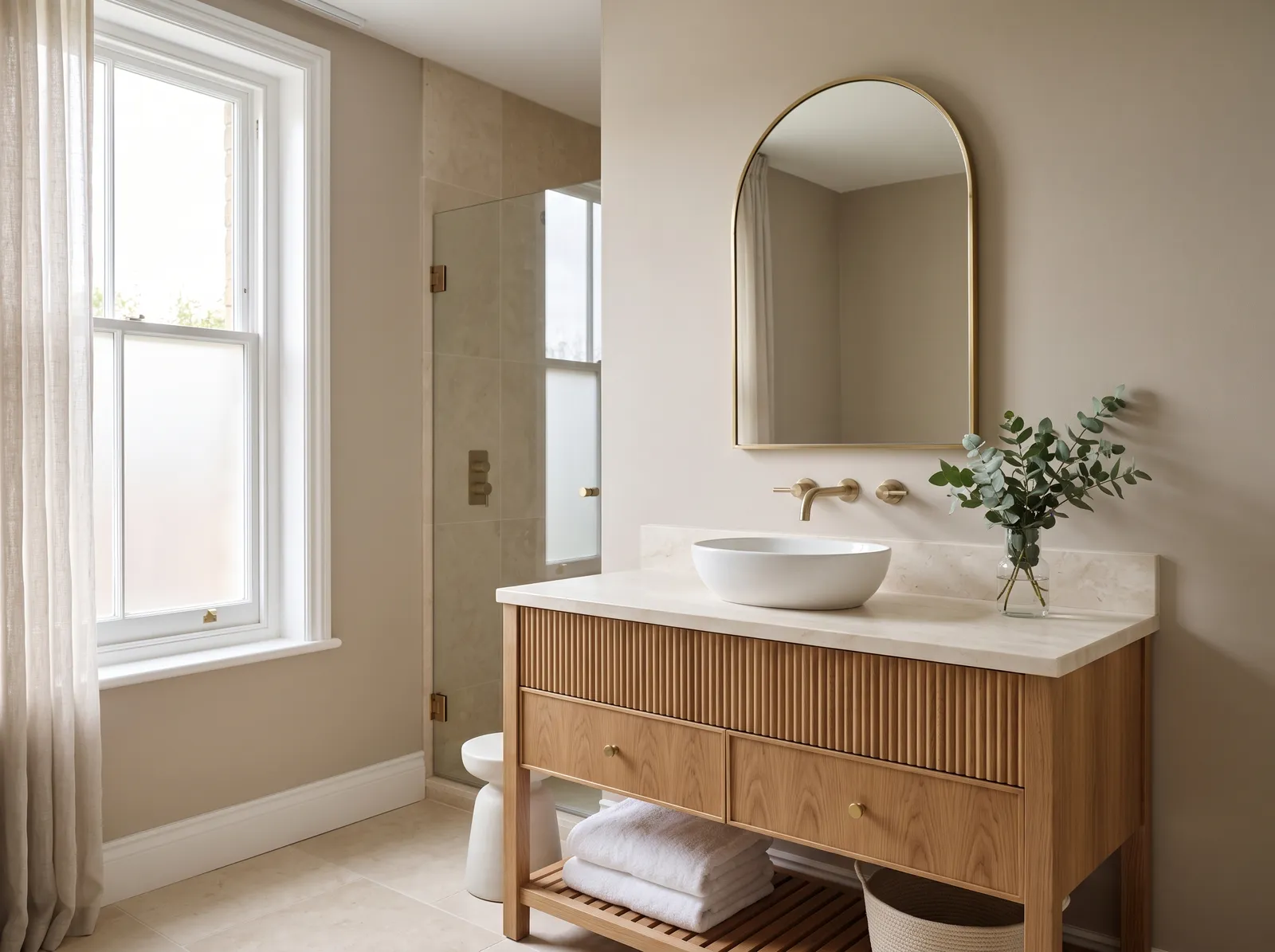
Upload a photo of the room. We paint it in the teal you chose with your light and your floor, and you can swap colors until one holds.
More on teal paint colors
This is a cross-brand guide, not a sales pitch for any one paint maker. Every major US brand sells teals, and the family behaves in predictable ways no matter whose label is on the can. Below we cover what defines a true teal, how to read its lightness with LRV, how it shifts in different rooms and light, and how to pair it without the room feeling cold or busy.
One thing worth knowing up front: paint colors are mixed to order at the store. A teal is just a tint recipe loaded into a machine, which means you are choosing a real, buyable product, not a mood board. It also means a teal you love from one brand can usually be cross-matched into another brand's paint line if you prefer a different finish or formula.
What Counts as a Teal
Teal is a blue-green. The classic version is balanced, like the color of shallow tropical water, but the family stretches from soft blue-leaning shades to deep, saturated jewel tones that flirt with emerald. If a color reads clearly more blue, it has drifted toward navy or peacock. If it reads clearly more green, it is sliding into spruce or pine.
The undertone is the thing to watch. Cooler teals carry a gray or blue base and feel crisp and modern. Warmer teals carry a touch of yellow-green and feel softer and more lived-in. Always look at a sample next to a plain white card so you can see which way the color is actually pulling, because the name on the chip rarely tells you.
Reading Teal by LRV
LRV, or light reflectance value, is a 0-to-100 scale of how much light a color bounces back. Black sits near 0 and pure white near 100. Most teals you will consider fall somewhere between the low teens and the high 40s, and that single number predicts how the color will feel on a wall better than the swatch does.
Deep teals in the roughly 5-to-15 LRV range read as rich, dramatic, and almost ink-like in low light. Mid teals around 20 to 35 are the everyday workhorses that still feel like color but do not swallow the room. Lighter teals in the high 30s to high 40s read airy and watery and are the safest choice for small or dark spaces. As a rule, the lower the LRV, the more the room's lighting has to do the work.
How Teal Behaves Room to Room
Light direction changes teal more than almost any other family because the color sits on the cool side to begin with. North-facing rooms get soft, indirect light that pulls cool colors cooler, so a teal there can tip gray, flat, or chilly. In those rooms, lean toward warmer, slightly greener teals or step up the LRV so the wall does not go dim.
South-facing rooms get warm, abundant light that brings teal to life and can even warm it slightly, so you can get away with deeper, bluer shades. East light is bright and bluish in the morning, while west light turns golden by evening, so a teal in those rooms will visibly shift across the day. Bathrooms and powder rooms are forgiving spots for bold teal, while large open-plan spaces usually want a calmer mid-LRV version that you will not tire of.
Pairing Teal With Trim, Ceilings, and Color
Crisp white trim is the default partner and it works, but watch the white's undertone. A soft warm white keeps deep teal from feeling cold, while a stark blue-white can make the whole room feel like a hospital. Ceilings usually look best a shade lighter than the trim, or in the same soft white, so the eye travels up cleanly.
For coordinating colors, teal loves warm contrast. Brass, natural wood, terracotta, mustard, and warm beige all balance its coolness and stop the room from feeling one-note. If you want a quieter scheme, pair teal with greige, soft gray, or creamy off-white and let the teal be the single hit of color.
Common Mistakes With Teal
The biggest mistake is judging teal from the chip or the screen. Teal shifts hard between blue and green depending on light and neighboring colors, so a swatch that looks perfect in the store can go gray-blue or murky-green on your wall. Always paint a large sample, put it on two different walls, and look at it morning, midday, and night before you commit.
The second mistake is going too dark in a dark room and assuming the color will brighten it. It will not. A low-LRV teal in a north-facing space with little light just reads as a dim, heavy wall. The third is over-coordinating, where every accent is also teal or blue and the room turns flat and cold. One confident teal plus a warm partner almost always beats three cool colors fighting each other.
Buying and Cross-Matching Teal
Every teal on this site is a tint recipe, not a pre-made bucket on a shelf. The store loads the formula into a machine and mixes it into your chosen base and finish, so you can get the same color in a flat for ceilings, an eggshell for walls, or a tougher finish for trim and doors.
Because it is just a recipe, a teal you found in one brand's deck can usually be cross-matched into another brand's paint. That is handy when you love a color but prefer a different brand's durability, sheen options, or price. Bring the color name or chip to the counter and ask them to match it, then always test the matched sample, since formulas across brands are close but not identical.
Teal Paint FAQ
Is teal a blue or a green?
It is both. Teal is a blue-green, sitting right between the two on the color wheel. Some teals lean bluer and some lean greener, so the undertone is what really decides how it reads on your wall.
What LRV should I look for in a teal?
It depends on the room. For small or dark spaces, look for a teal in the high 30s to high 40s so it stays airy. For a dramatic, moody look in a well-lit room, deep teals in the 5-to-15 range work beautifully. Mid teals around 20 to 35 are the most flexible everyday choice.
Will teal make my room feel cold?
It can, especially a blue-leaning teal in a north-facing room with soft indirect light. To keep it warm, choose a slightly greener teal, raise the LRV, and pair it with warm whites, wood, or brass accents instead of stark cool tones.
What trim color goes with teal walls?
A clean white is the safe default, but choose a softer warm white rather than a stark blue-white so the room does not feel chilly. Keep ceilings a shade lighter than the trim or in the same soft white for a clean, calm transition.
Why does my teal look different than the swatch?
Teal shifts a lot with light direction and the colors around it. A swatch viewed under store lighting can turn grayer, bluer, or greener once it is on your wall. Always paint a large sample on two walls and check it at different times of day before deciding.
Can I get the same teal in different paint brands?
Usually yes. A paint color is a tint recipe, so a teal from one brand can typically be cross-matched into another brand's paint at the store. The match is close but not always identical, so test the new sample before painting the whole room.
Where does teal work best in a home?
Bathrooms, powder rooms, studies, and accent walls are forgiving spots for bolder teal. In large open-plan areas, a calmer mid-LRV teal tends to wear better over time than a deep saturated one.
Ask a Question