Neutral paint colors
Neutrals are the most-painted colors in any home, and for good reason. They give you calm walls that work with almost any furniture, floor, and fixture, and they let the rest of a room do the talking. But "neutral" is a wide family, and the difference between a warm greige that feels cozy and a cool gray that feels cold can come down to a single undertone you didn't notice on the chip.
The Neutral Colors People Actually Buy
Don't want to compare 5,507 neutral colors? These four cover most real projects. Ranked by how often designers and homeowners specify them, not by our taste.
Most-searched US paint color of the last decade; SW's #1 best-seller and the warm-greige flagship every designer roundup names
A perennial BM warm-neutral winner in HB and BHG round-ups
Drift of Mist is the quiet end of greige.
The greige that beat plain beige; top 5 best-seller and a Better Homes & Gardens staple
Pick by Undertone
The most common neutral-buyer regret is a surprise undertone on the wall. Start from the direction the color leans, not the chip alone.
Six Kinds of Neutral
Same family, very different rooms. Each shade has its own page with every brand's version.
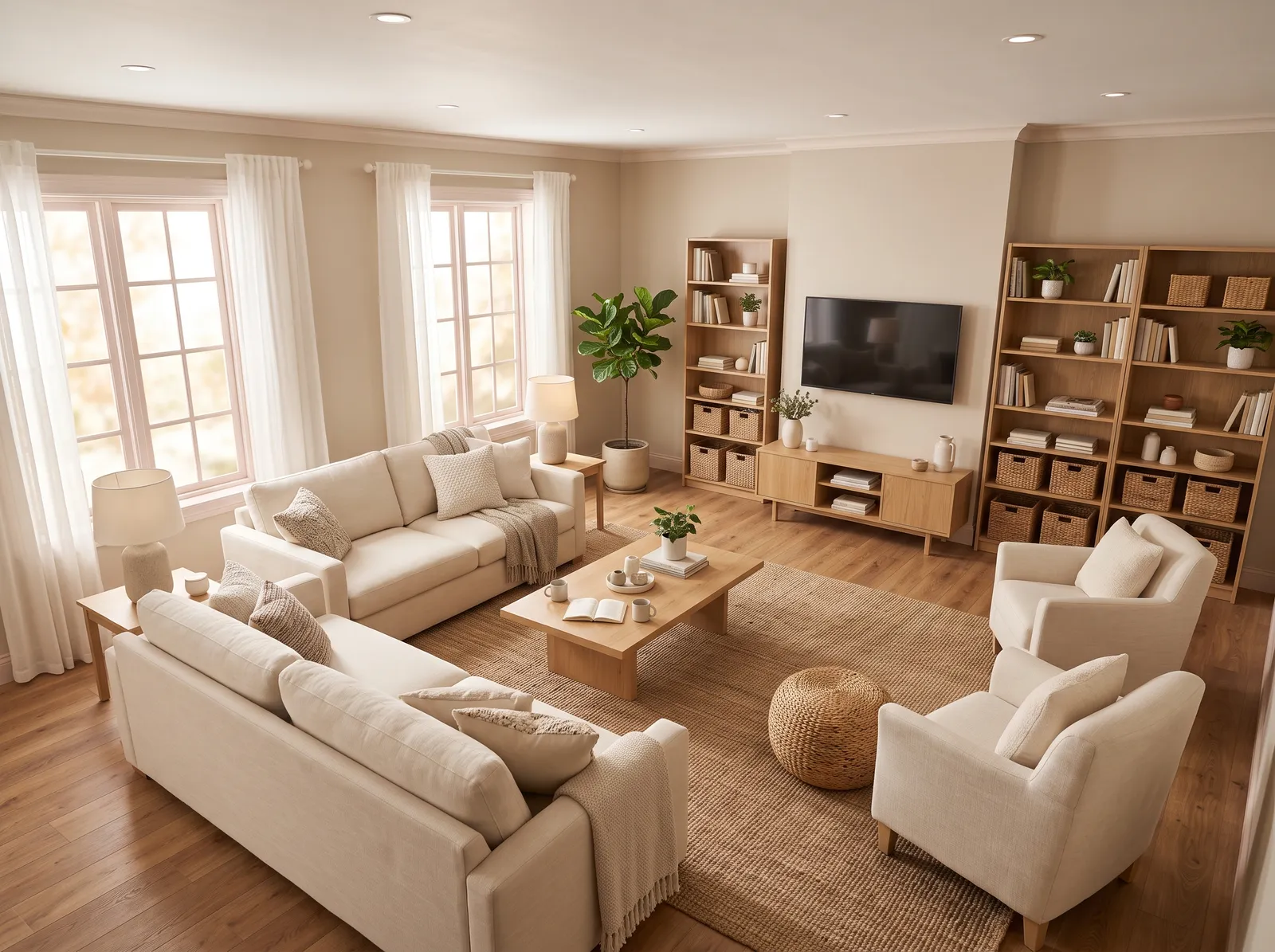
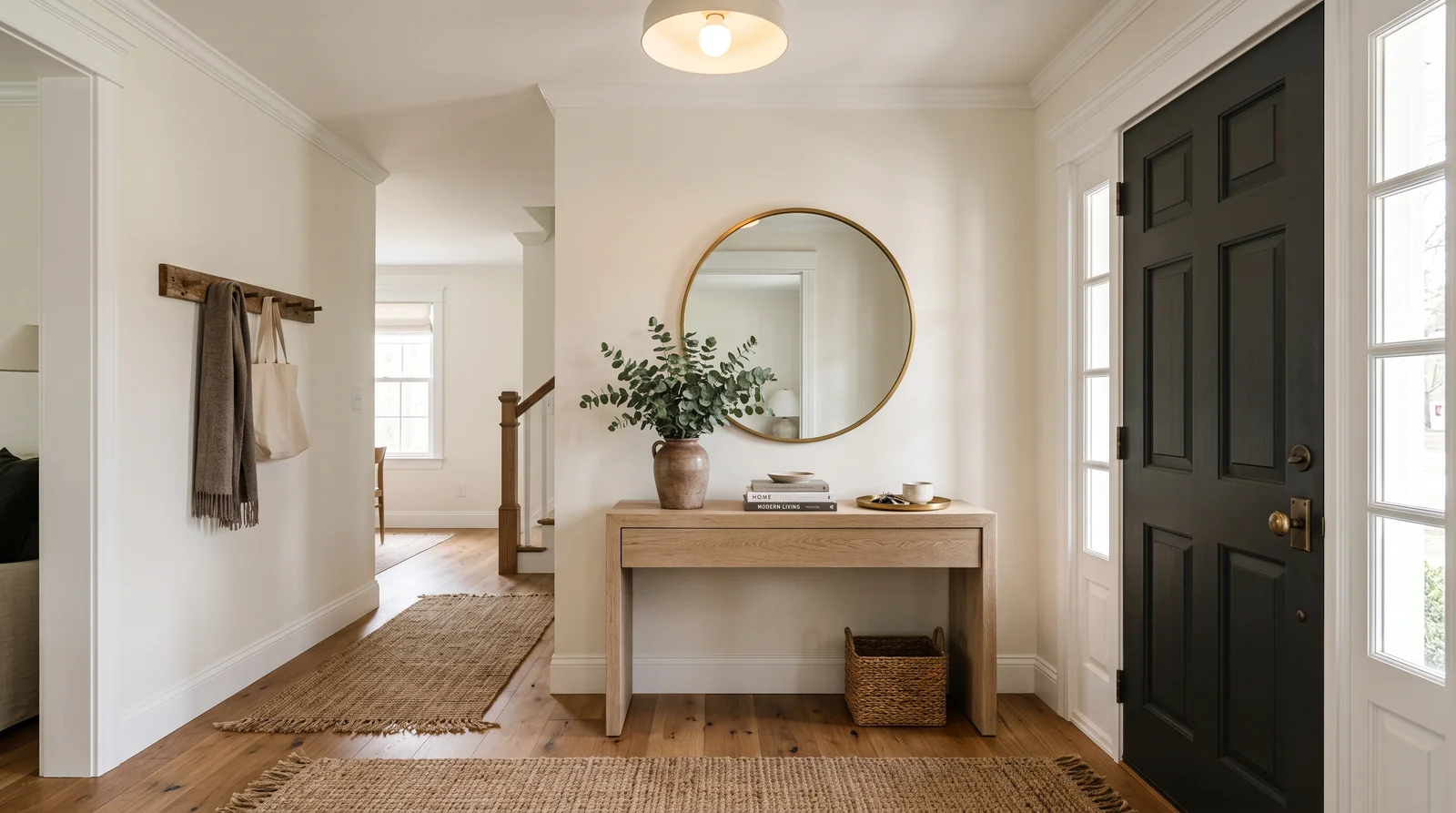
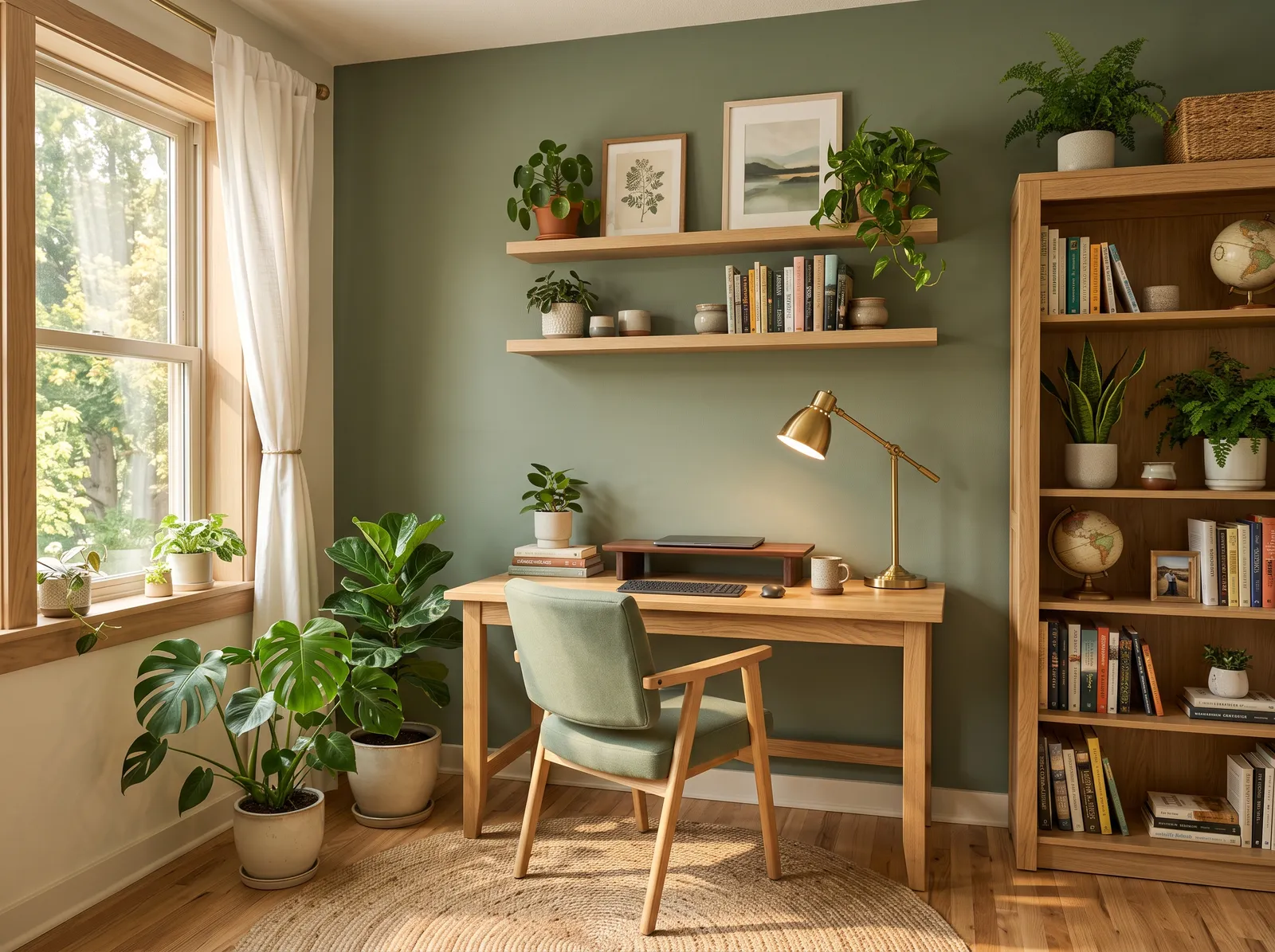
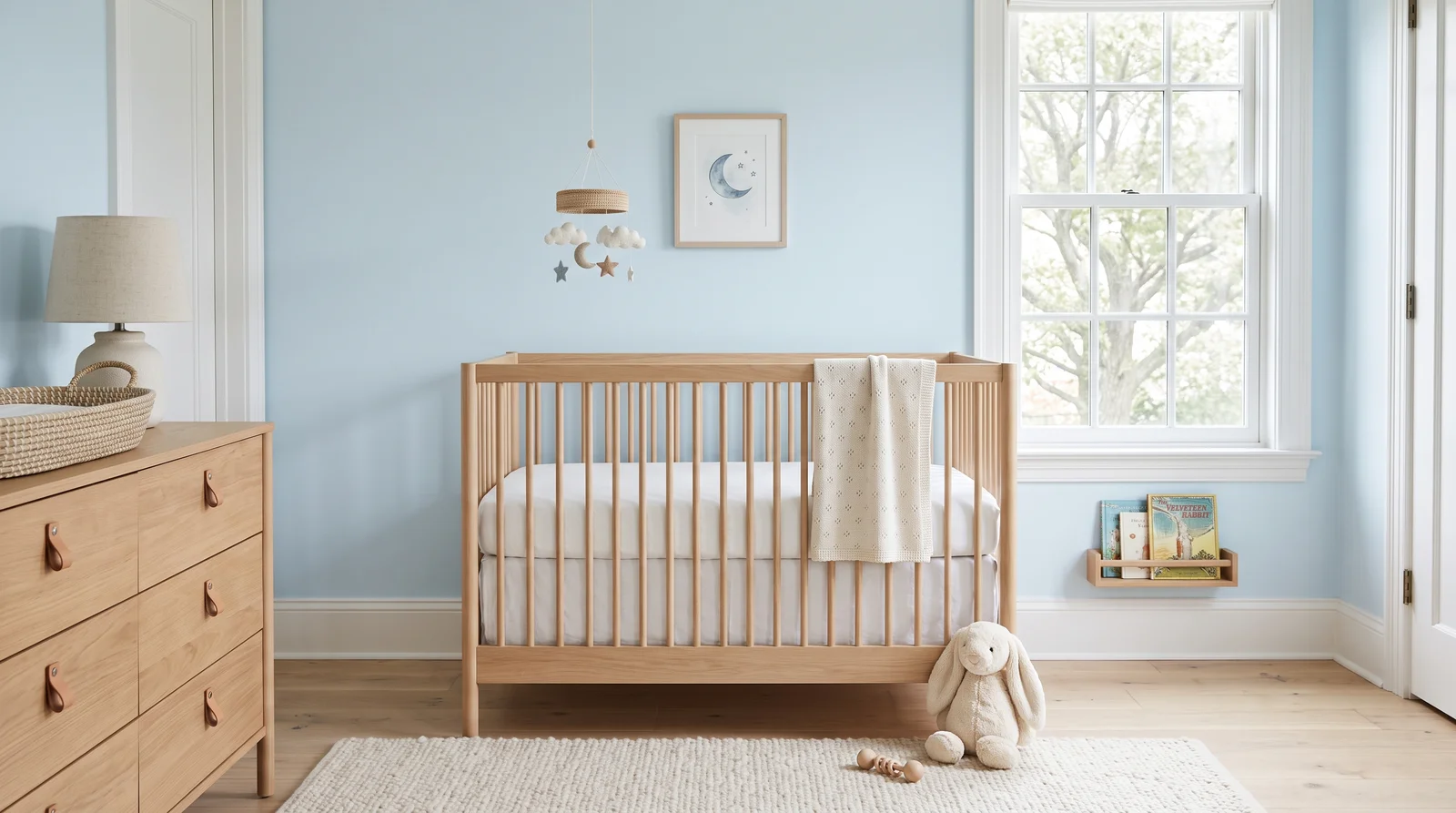
Neutral Rooms
Each room page shows neutral picks from every US brand side by side, so you can compare in context.
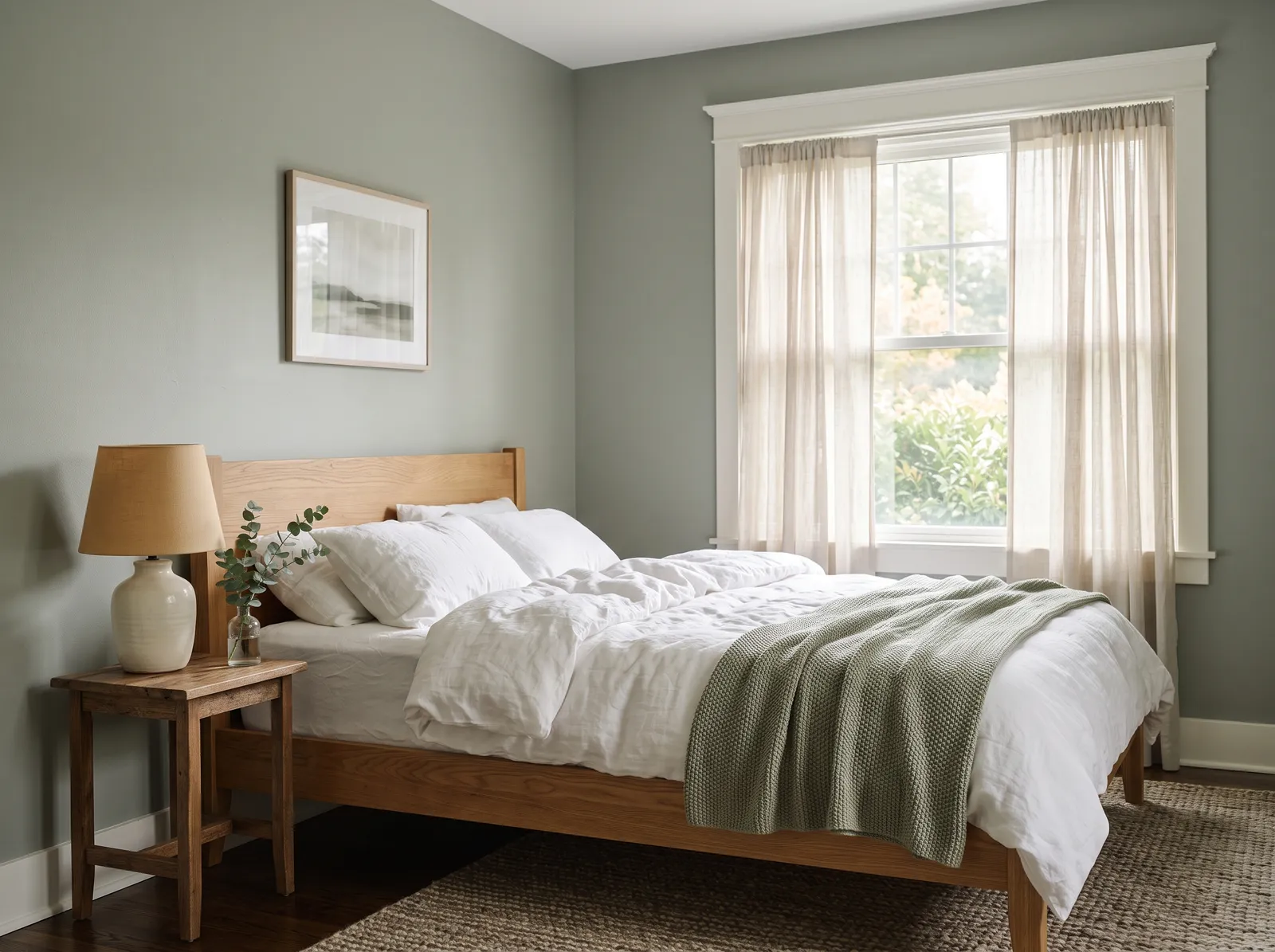
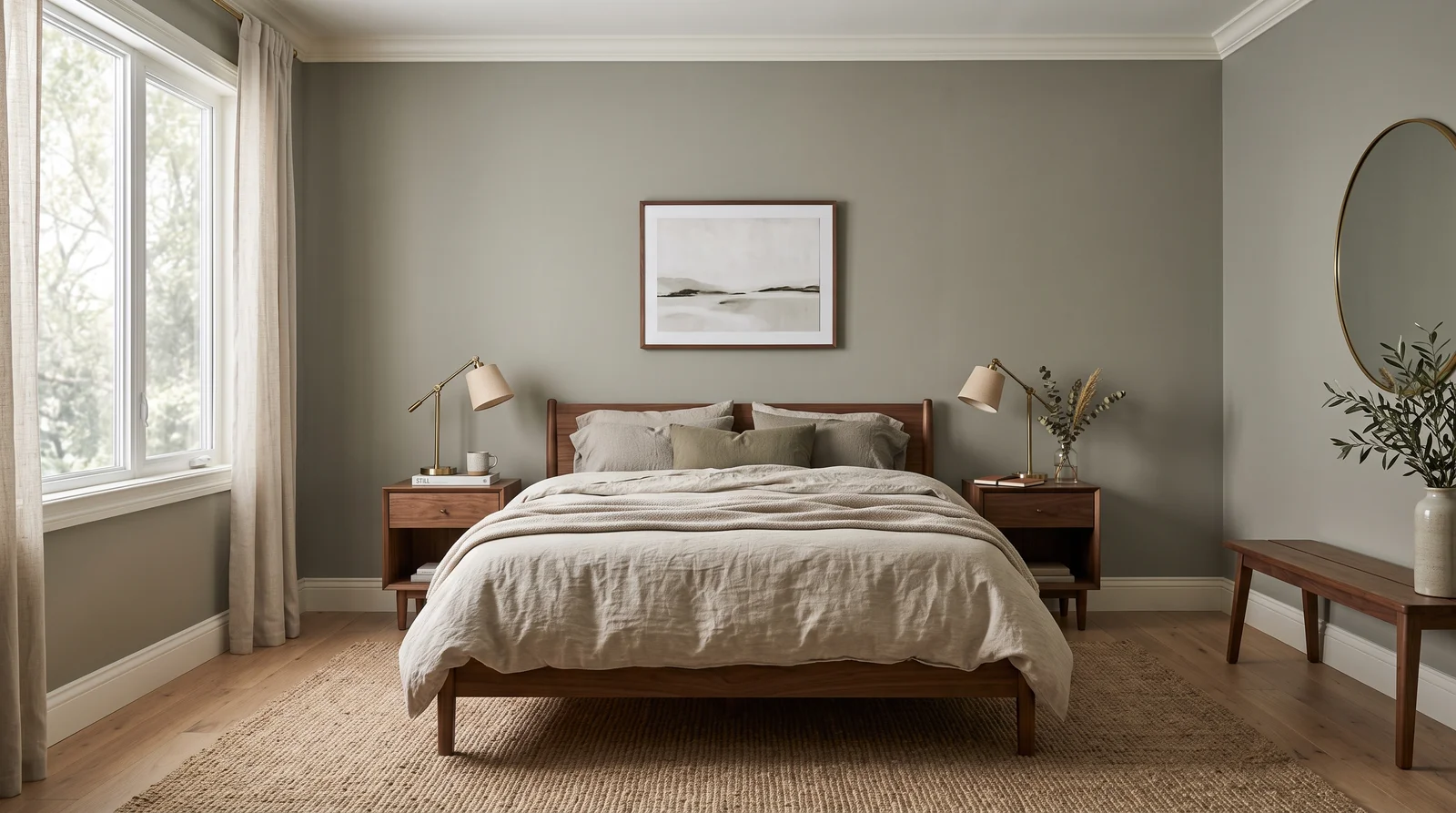
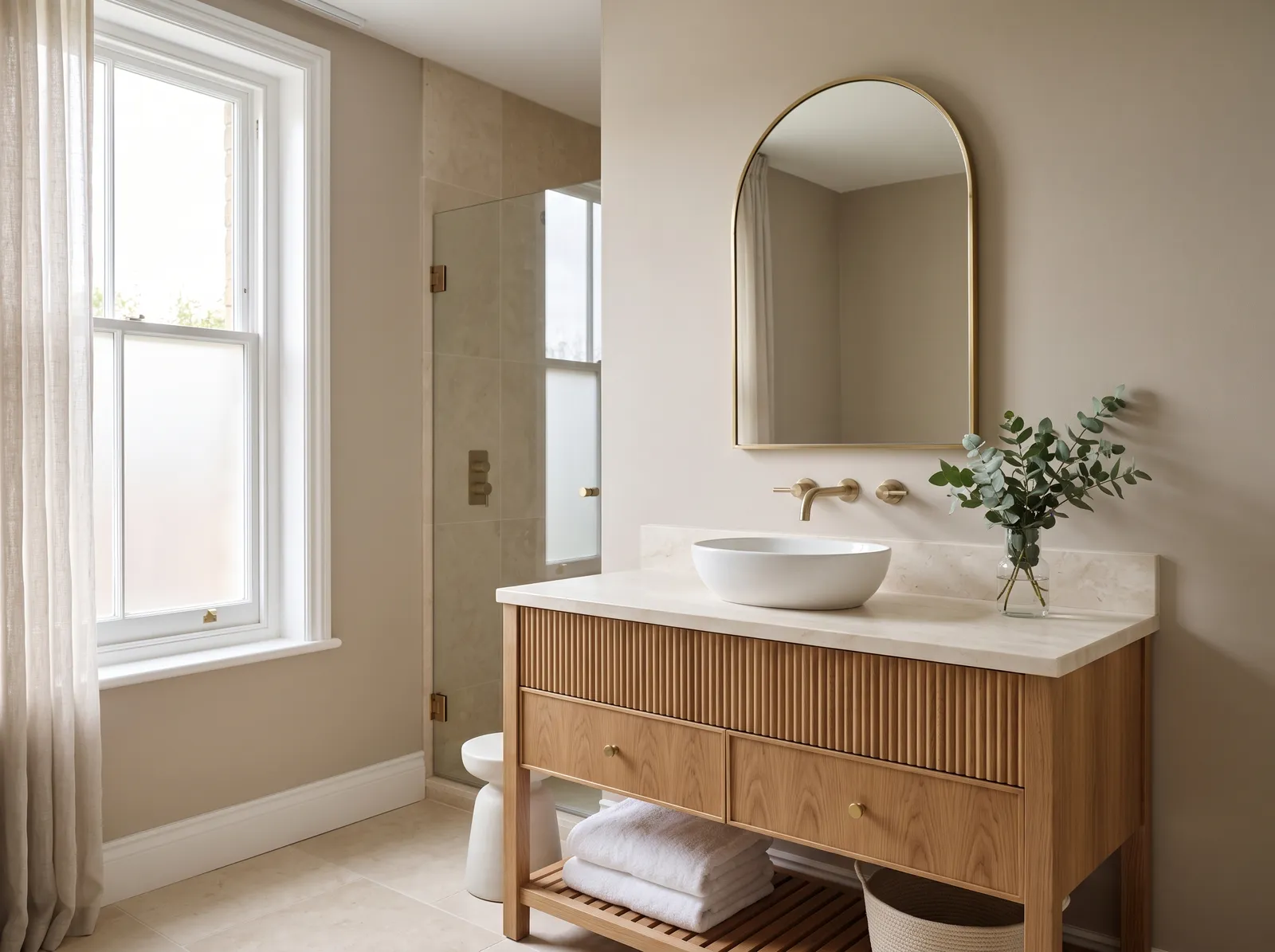
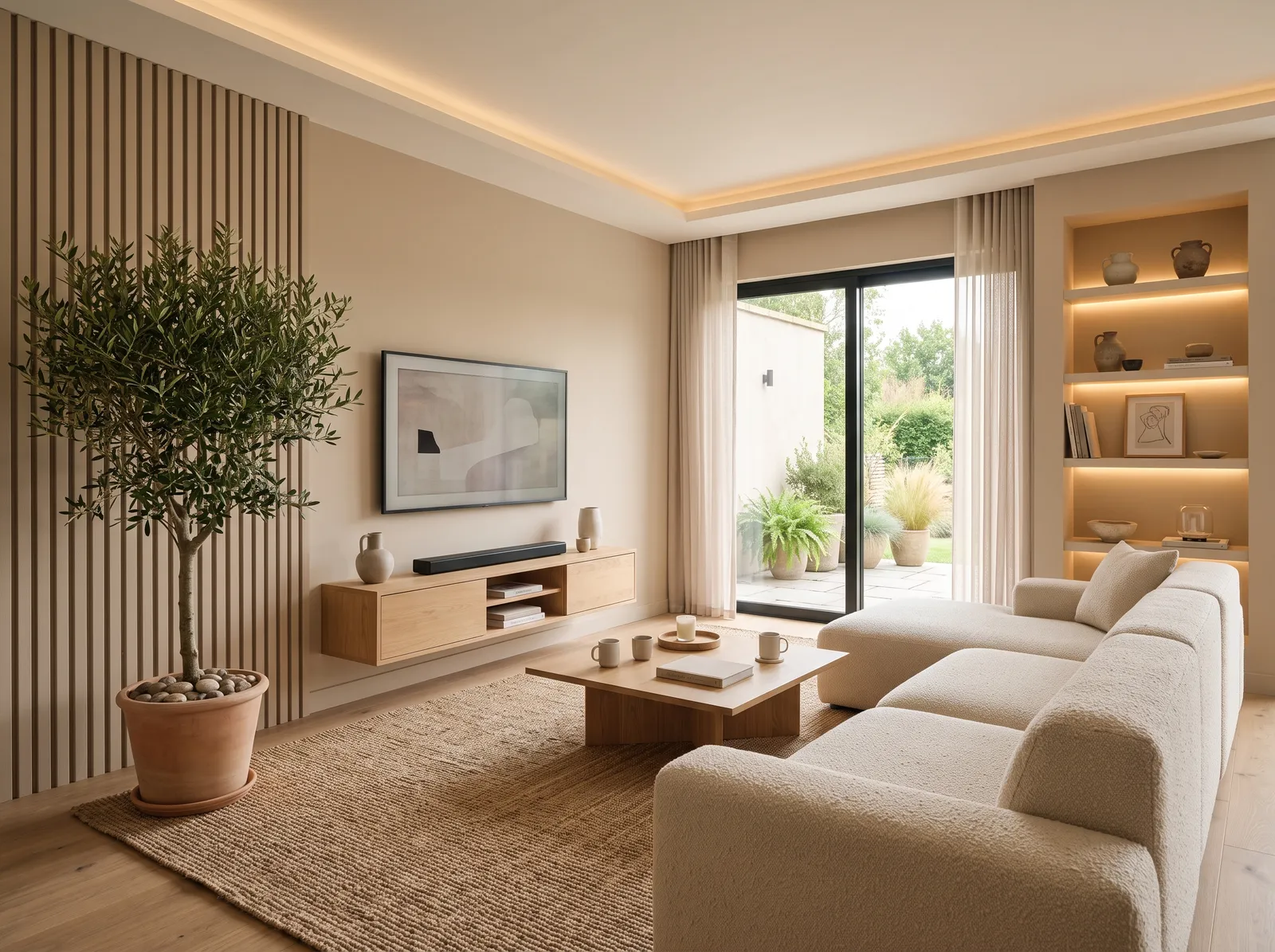
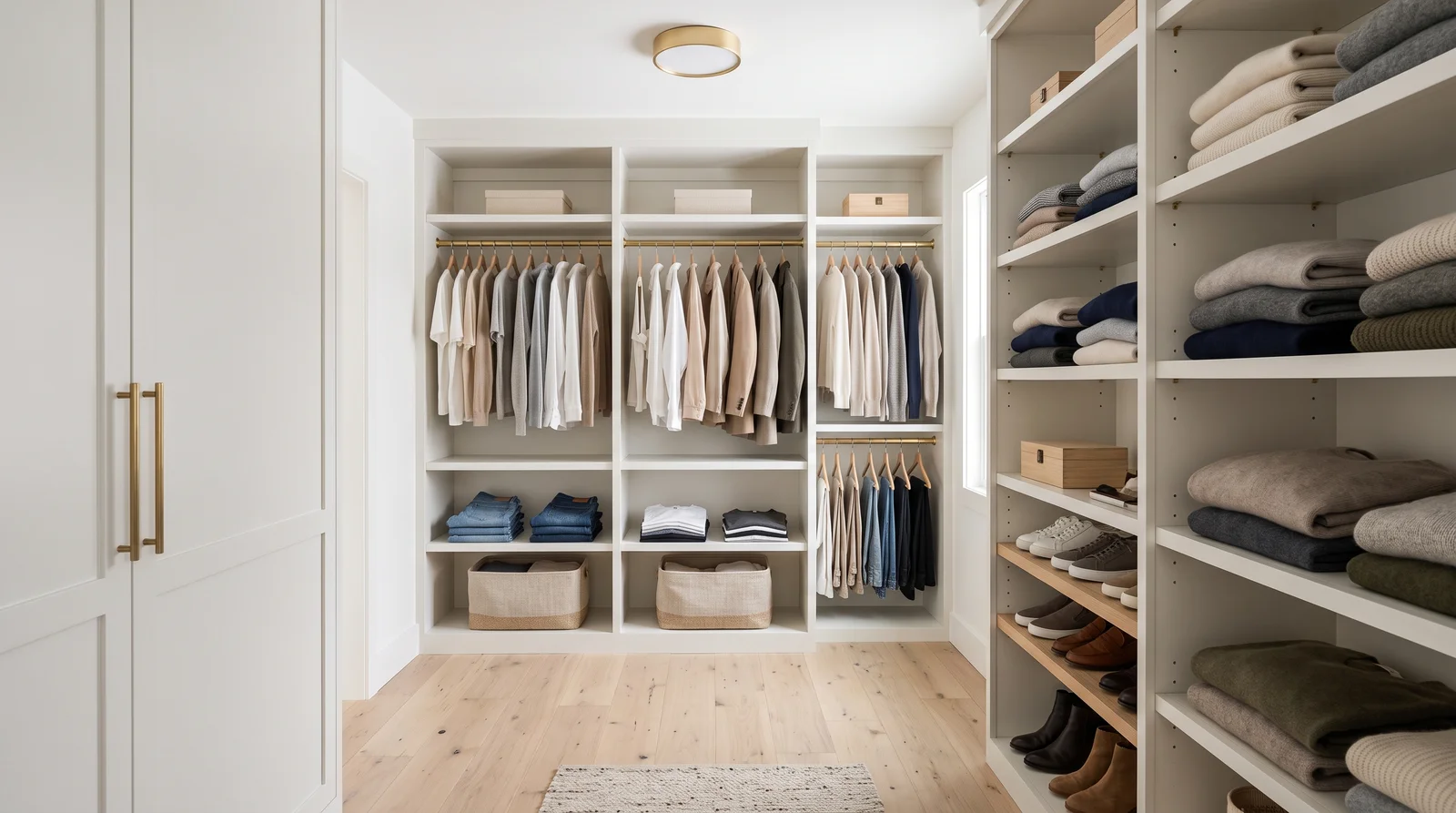
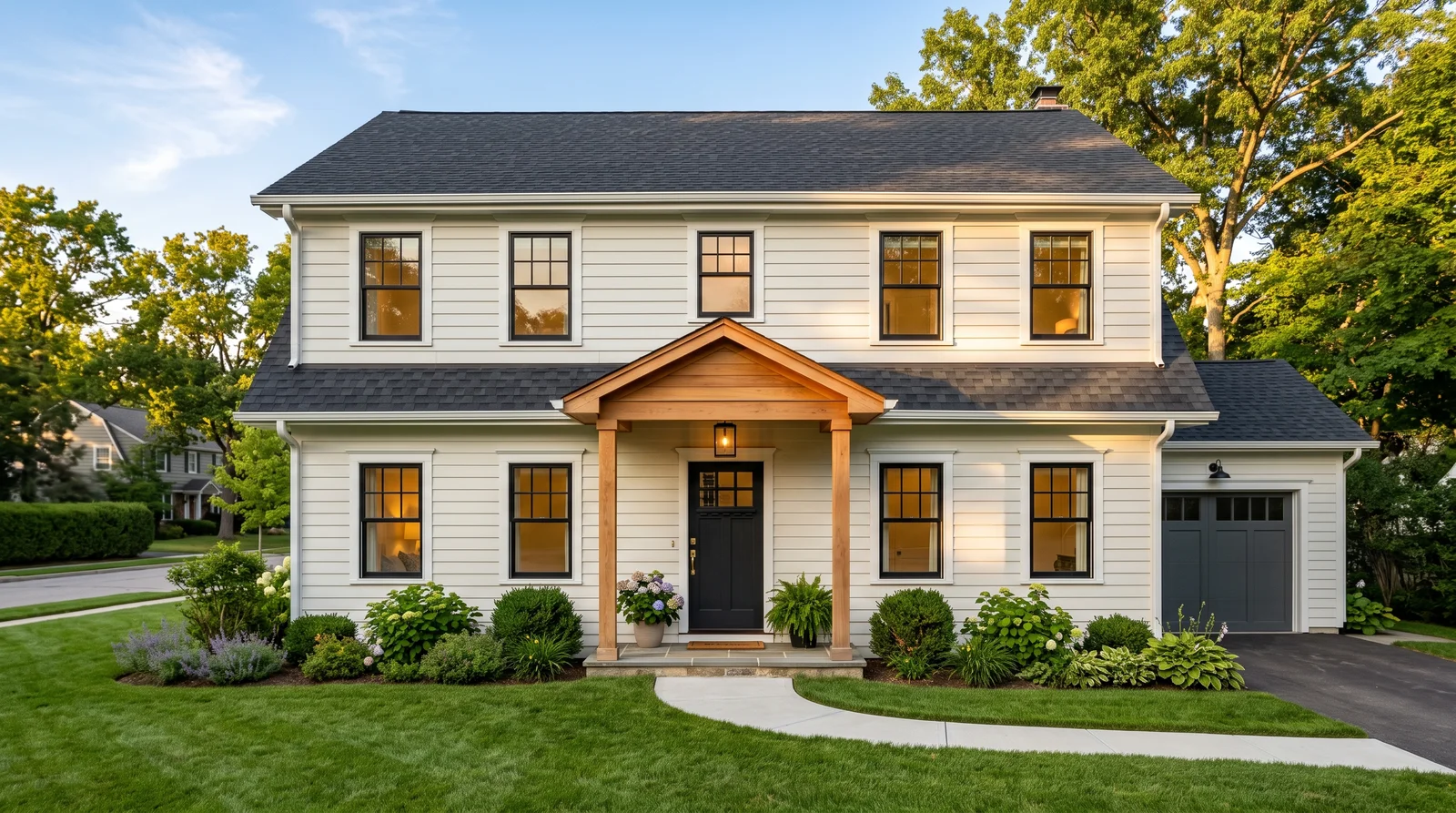
All 5,507 Neutral Paint Colors
Every neutral from every brand we track, merged into one shelf. Grouped by undertone, warm to cool. Filter by brand or depth, or change the order.
Swatches are each brand's published display value, not a physical sample under controlled lighting. Screens vary, and so does your light. Order a brand-direct sample or preview the color on a photo of your own wall before you specify.
Upload a photo of the room. We paint it in the neutral you chose with your light and your floor, and you can swap colors until one holds.
More on neutral paint colors
This guide is brand-agnostic on purpose. Every major US paint line makes excellent neutrals, and the smart way to shop is to compare colors across brands instead of falling in love with one fan deck. We'll walk through what actually makes a color neutral, how to read light reflectance value (LRV), how these colors shift from room to room and in north versus south light, and the pairing and mistakes that trip most people up.
One thing worth knowing up front: any color you see here is mixed to order at the store. A store clerk loads the base and adds tint right there, so you are buying a real product, not just a swatch. That also means a neutral you love in one brand can usually be cross-matched into another brand's paint if you prefer their finish or price.
What Makes a Color Neutral
A neutral is a low-saturation color that reads as white, gray, beige, greige, or soft tan rather than a clear hue like blue or green. It has color in it, just not much, which is exactly why it plays well with so many other things in a room. The trade-off is that the small amount of color hiding inside, called the undertone, is what you live with every day.
The undertones to watch for are pink, yellow, green, blue, violet, and the warm-cool split that runs through all of them. A beige with a pink undertone and a beige with a green undertone are both "beige" on paper but feel completely different on the wall. Always look at a neutral next to a true white and next to the other neutrals you are considering, because the undertone only shows up by comparison.
How to Use LRV to Pick the Right Depth
LRV, or light reflectance value, is a number from 0 (black) to 100 (pure white) that tells you how much light a color bounces back. Most usable neutrals land between about 45 and 80. It is the single most useful spec on a paint chip because it predicts how light or heavy a color will feel before you ever open a can.
As a rough map: LRV in the high 70s and up reads as a soft white or barely-there neutral; the 60s to low 70s is a true light neutral that still has presence; the 50s feels like a confident mid-tone greige or tan; and the 40s starts to read as a moody, grounding neutral. Darker rooms usually want a higher LRV to avoid feeling dim, while bright rooms can carry a lower LRV without going cave-like.
How Neutrals Read in Different Rooms and Light
The same neutral can look like three different colors in three rooms, and the biggest driver is the direction your windows face. North-facing rooms get cool, indirect light that pulls neutrals grayer and can make cool undertones feel chilly, so warm greiges and soft tans usually behave better there. South-facing rooms get warm, strong light that can wash out pale colors and bring out yellow, so a cooler or slightly deeper neutral often holds up best.
East light is warm in the morning and cooler by afternoon, and west light does the reverse, going golden and intense in the evening. Beyond the windows, your floors, big furniture, and even a green lawn outside bounce color onto the walls. This is why a test patch matters: paint a large sample, look at it morning, noon, and night, and watch how the undertone moves before you commit.
Pairing Trim, Ceilings, and Coordinating Colors
The classic move is a warmer or cooler white on the trim and ceiling so the wall neutral reads cleanly. If your wall has a warm undertone, a crisp cooler white trim adds contrast; if the wall is cool, a softer warm white keeps things from feeling clinical. The key is to match the warmth direction intentionally rather than grabbing whatever white is on hand.
For coordinating colors, neutrals do their best work in families. Pick two or three neutrals that share an undertone and step down in LRV for an easy whole-home flow, or pair a warm greige wall with a single grounding accent in a deeper version of the same temperature. Because these colors are mixed to order, you can build a coordinated palette across brands and still get one consistent finish if you cross-match them at the store.
The Most Common Neutral Paint Mistakes
The biggest mistake is judging a neutral from the chip alone or under store lighting. Fluorescent and LED store light is nothing like your home, and a 1-inch chip can't show the undertone the way a full wall will. The second mistake is ignoring undertones entirely and ending up with a "gray" that turns purple or a "beige" that turns yellow once it covers the room.
People also pick a neutral that is too light for a dark room, then wonder why it looks dingy, or too cool for a north-facing space, then call it depressing. And many forget to coordinate the trim, ceiling, and existing fixed elements like flooring and countertops. Test big, test in your own light, and check the color against the things you can't repaint.
Buying Neutrals: Mixed to Order and Cross-Matched
Every neutral on this site is a paint that gets mixed when you buy it. The store starts with a tint base and adds colorant to hit the exact formula, which is why you can order any color in different sheens and can sizes without it being a special product. There is no "out of stock" on a color itself, only on the base.
This also gives you real flexibility between brands. If you love a neutral from one line but prefer another brand's price, finish, or store location, most colors can be cross-matched into the second brand's paint. The match is not always identical down to the undertone, so for a critical space it is worth a sample pot of the cross-matched version before you buy gallons.
Neutral Paint FAQ
What exactly counts as a neutral paint color?
A neutral is a low-saturation color that reads as white, beige, gray, greige, or soft tan instead of a clear hue. It still has a small amount of color inside it, called an undertone, but not enough to be called blue, green, or another distinct color.
What is LRV and what range should I look for?
LRV (light reflectance value) is a 0-to-100 number for how much light a color reflects, with higher numbers being lighter. Most usable neutrals fall between about 45 and 80; pick a higher LRV for dark rooms and you can go lower in bright rooms.
Why does my neutral look different in another room?
Light direction is the main reason. North light is cool and pulls colors grayer, south light is warm and can bring out yellow, and your floors and furniture bounce their own color onto the walls, so the same paint shifts from room to room.
How do I pick trim and ceiling colors for a neutral wall?
Match the warmth direction on purpose: a cooler white trim sharpens a warm wall, and a softer warm white keeps a cool wall from feeling clinical. Keeping the trim and ceiling in the same temperature family as the wall gives the cleanest result.
What is the most common mistake with neutral paint?
Judging the color from a small chip under store lighting and ignoring the undertone. Always paint a large test patch and look at it in your own room at different times of day before buying gallons.
Are the colors shown here real products I can buy?
Yes. Every color is mixed to order at the store from a tint base, so you can get it in different sheens and can sizes. The color itself is never out of stock, only the base it is mixed into.
Can I get a neutral from one brand mixed in another brand's paint?
Usually, yes. Most neutrals can be cross-matched into another brand's paint if you prefer their finish, price, or store. The match may not be identical, so grab a sample pot first for any important room.
Ask a Question