Red paint colors
Red is the boldest move in the paint aisle, and it covers a huge range — from a soft brick that reads almost like a warm neutral to a fire-engine red that stops you in your tracks. The "red family" here includes true reds, brick and barn reds, crimson and berry tones, and the deep oxblood and burgundy shades that lean almost brown. They all share one thing: a warm, energetic base that brings life to a room. The differences come down to undertone and depth, and those two things decide whether a red feels cozy, dramatic, or jarring.
The Red Colors People Actually Buy
Don't want to compare 1,174 red colors? These four cover most real projects. Ranked by how often designers and homeowners specify them, not by our taste.
Cinnamon Slate is the rare dark color that feels soft instead of heavy — a grayed-out red that lands somewhere between plum, brown, and old velvet.
A dark brown-based oxblood (LRV 8), Behr's 2025 Color of the Year, that glows red under warm lamps and reads nearly black in dim rooms.
Bewitched is Benjamin Moore's quiet answer to a wine-red near-black: a deep, muted oxblood-brown that sits at LRV 6, right where Hale Navy and Wrought Iron live.
Carnelian is a deep, muted red-brown at LRV 6 — near-black on the reflectance scale, with a warm oxblood glow that only shows up in real light.
Six Kinds of Red
Same family, very different rooms. Each shade has its own page with every brand's version.
Red Rooms
Each room page shows red picks from every US brand side by side, so you can compare in context.
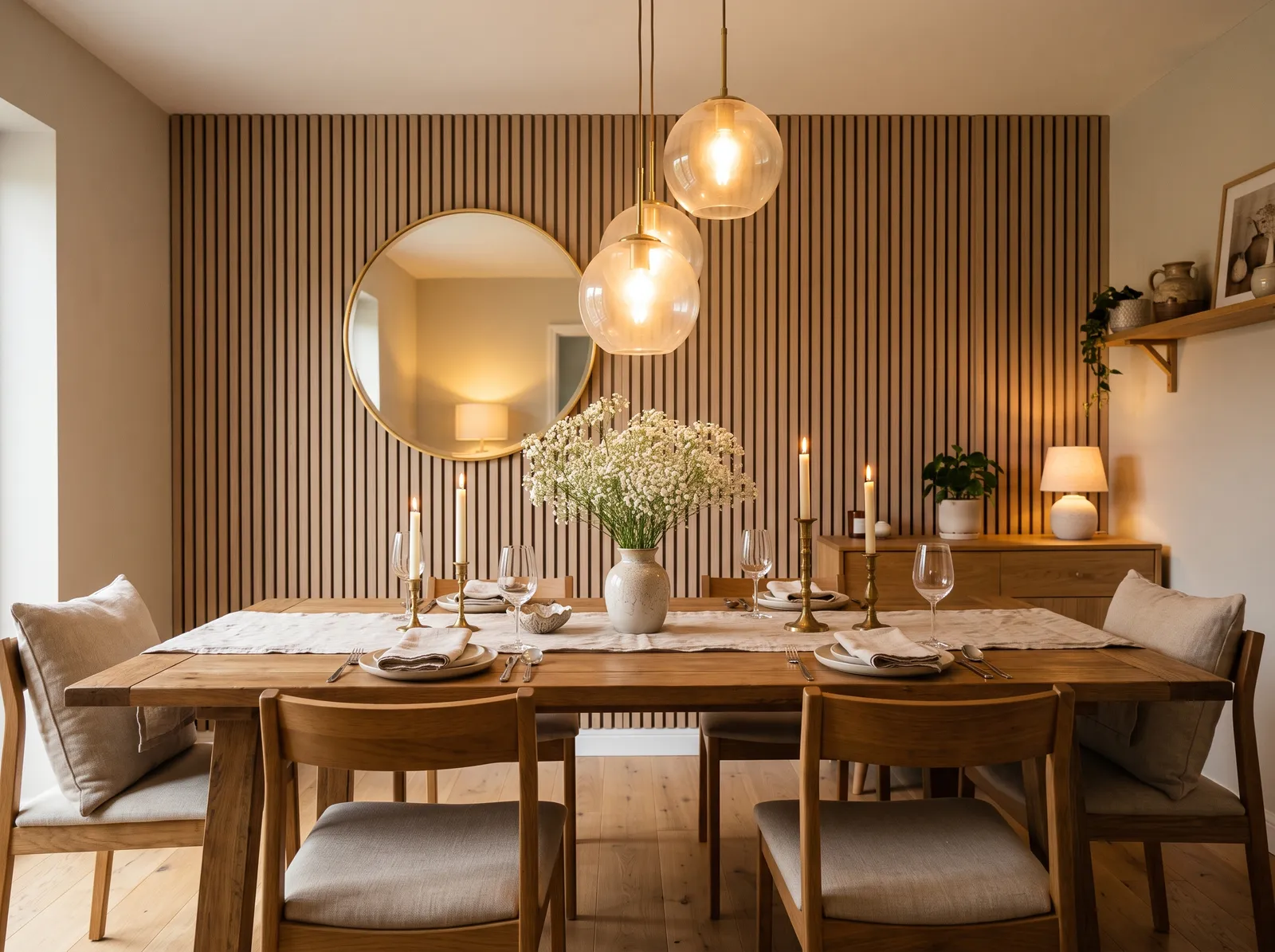
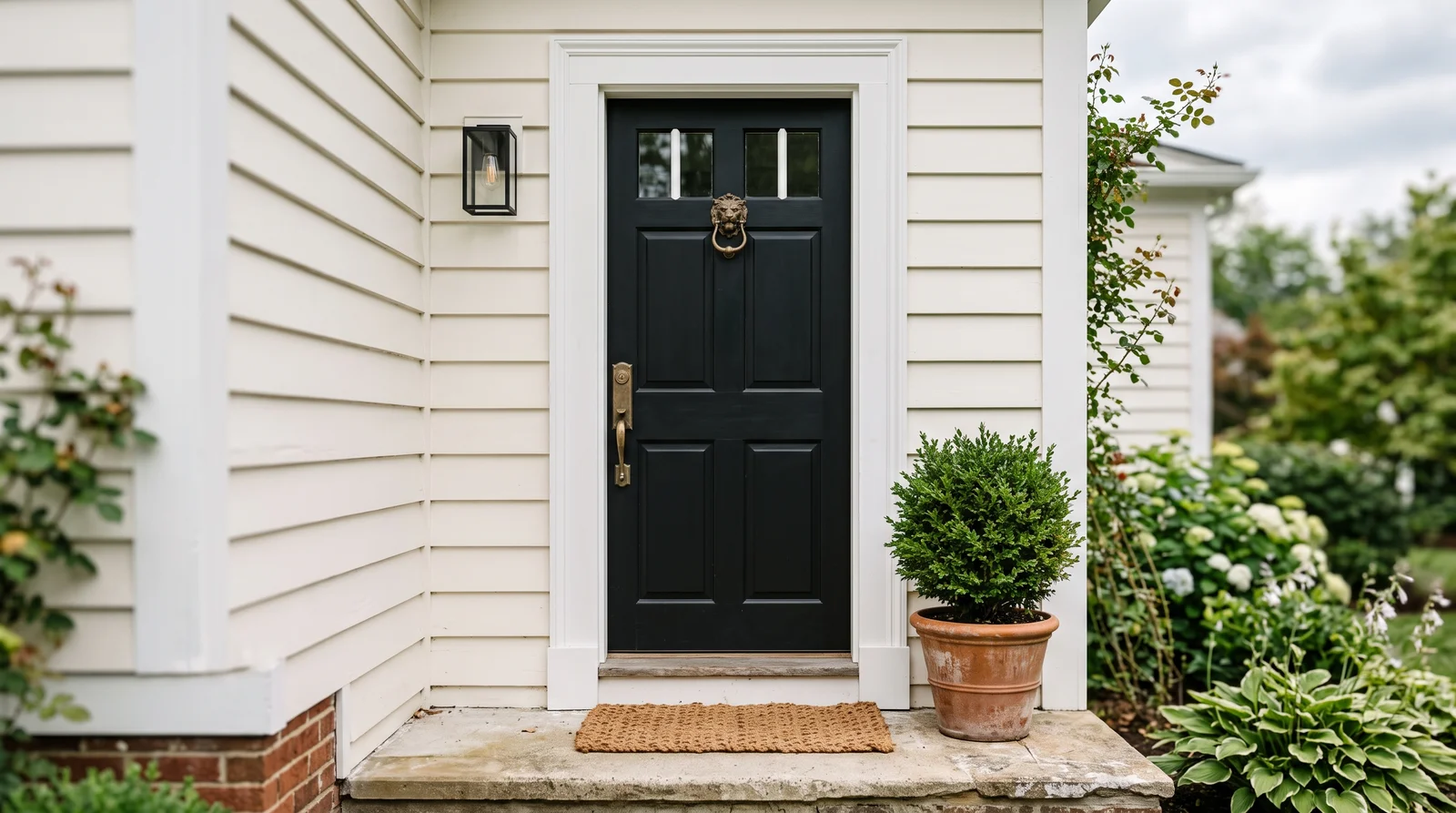
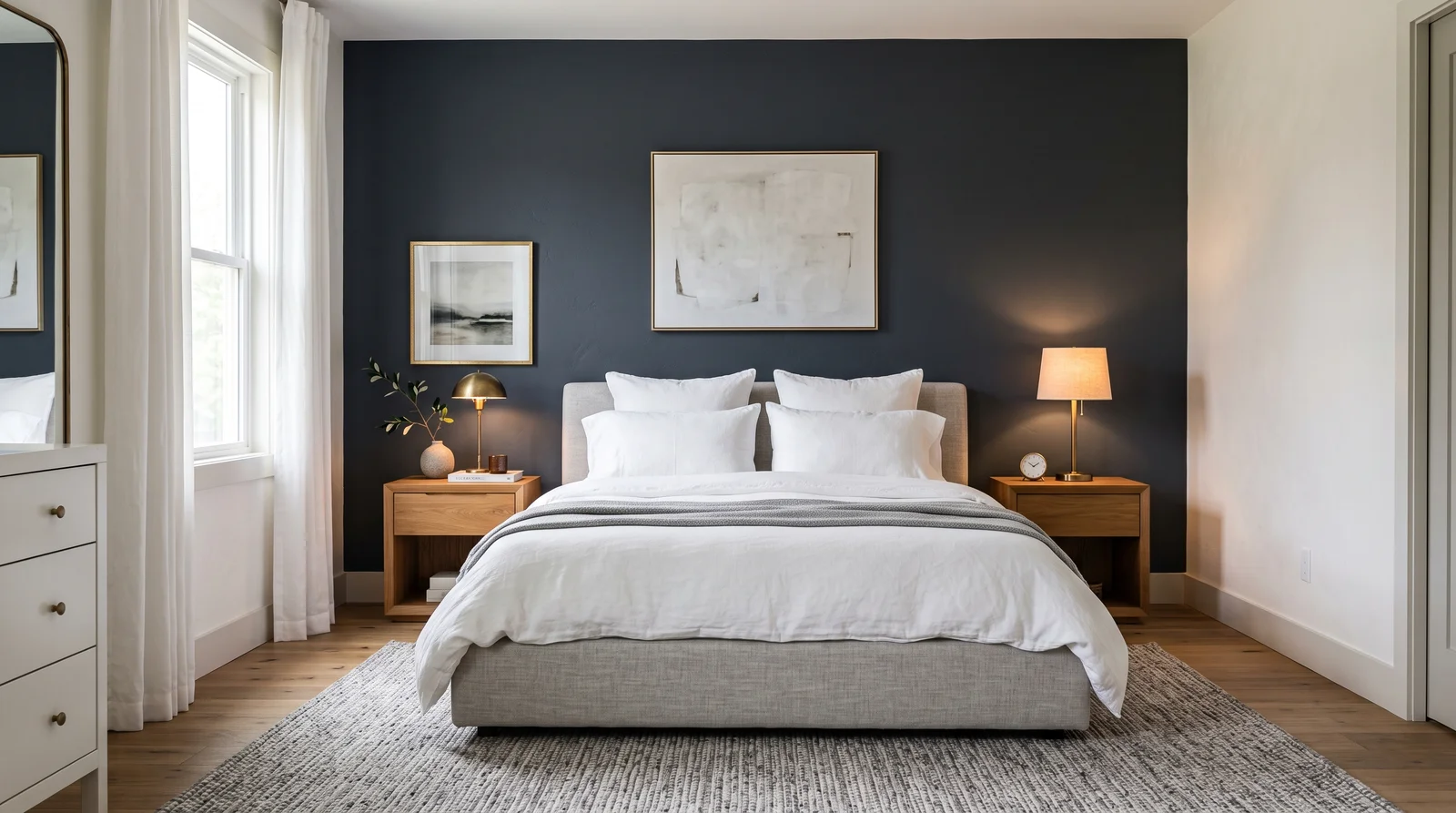
All 1,174 Red Paint Colors
Every red from every brand we track, merged into one shelf. Grouped by undertone, warm to cool. Filter by brand or depth, or change the order.
Swatches are each brand's published display value, not a physical sample under controlled lighting. Screens vary, and so does your light. Order a brand-direct sample or preview the color on a photo of your own wall before you specify.
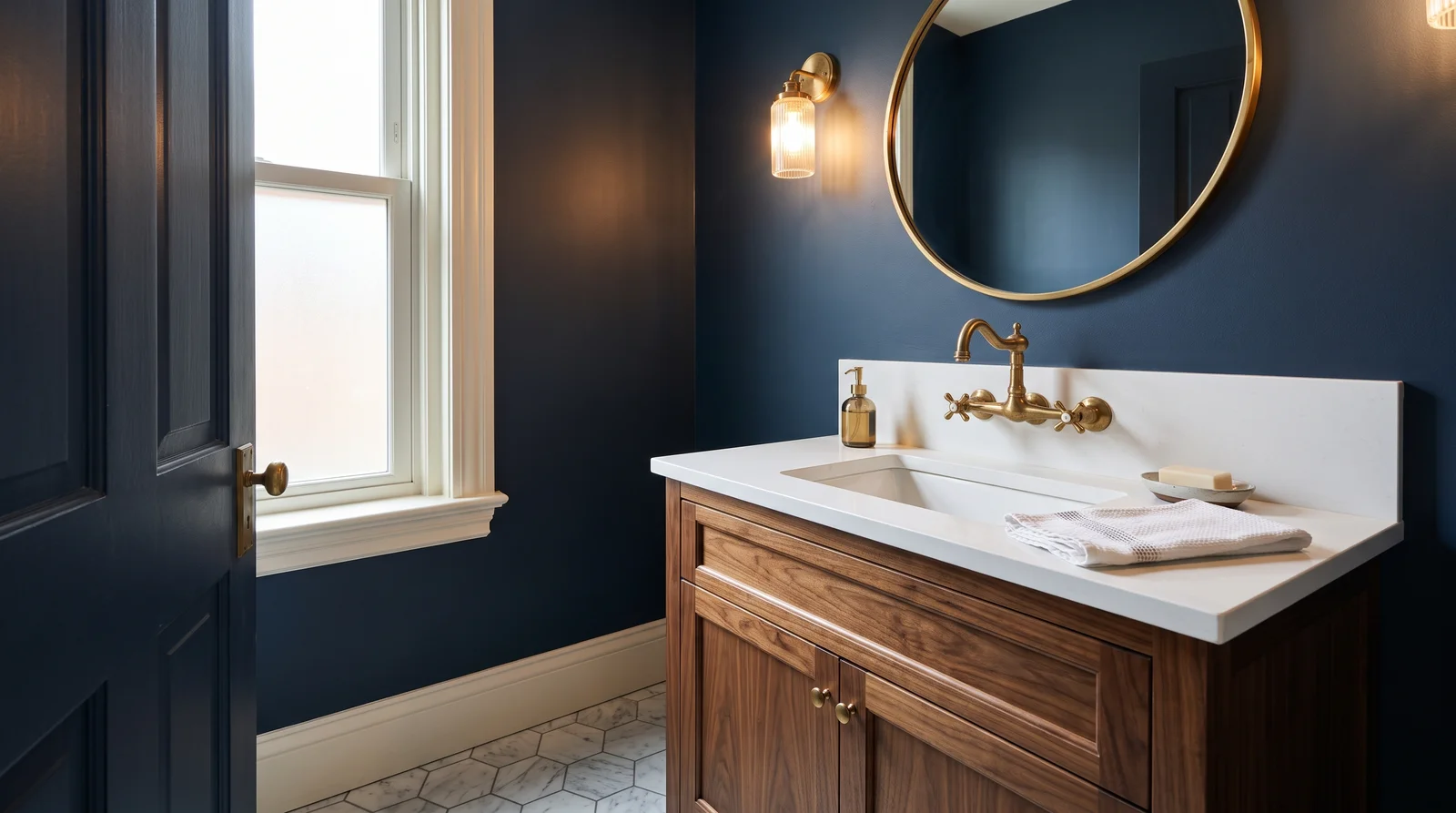
Upload a photo of the room. We paint it in the red you chose with your light and your floor, and you can swap colors until one holds.
More on red paint colors
The trick with red is that it never sits still. Reds shift hard with the light, the time of day, and whatever sits next to them. A swatch that looks rich and grounded in the store can turn loud and plasticky on a sunny wall, or muddy and dark in a dim hallway. That's normal, and it's why testing on your own wall matters more with red than with almost any other color.
This guide is brand-neutral. The reds you'll see across the site come from every major US paint line, and the names and codes differ from one brand to the next. What matters is the actual color in the can — and because paint is mixed to order at the store from a base and tint, you can take a red you love from one brand and have it cross-matched into another brand's paint. Pick the shade first; the label comes second.
What Defines the Red Family
Red is a warm color at its core, but no two reds carry the same warmth. The undertone is the quiet second color hiding underneath, and it's what makes one red feel like a cozy brick and another feel like a candy apple. Orange-based reds lean toward terracotta, rust, and barn red — earthy and grounded. Blue-based reds push toward crimson, cherry, and wine — cooler, richer, and more formal. A few reds sit close to pink when they're light, or close to brown when they're deep, so depth changes the read as much as the undertone does.
The easiest way to spot the undertone is to put a few red samples side by side. Next to a true red, an earthy brick will suddenly look orange, and a wine red will look almost purple. Whichever direction your red leans is the direction it will lean even harder once it's on the wall.
Using LRV to Choose Your Red
LRV, or light reflectance value, is a 0-to-100 scale that tells you how much light a color bounces back. Black is near 0, pure white is near 100. Most reds land low on that scale — a deep burgundy or oxblood often sits around 5 to 10, a true barn or brick red around 10 to 20, and a brighter, lighter red maybe 20 to 30. There's almost no such thing as a high-LRV red; once a red gets light enough to reflect a lot of light, it has usually turned pink or coral.
What this means in practice: nearly every red will darken a room and absorb light rather than spread it. A very low-LRV red (under 10) creates a dramatic, enveloping feel and needs good lighting to look its best. A mid-range red (15 to 25) is the most flexible for a full room because it still has presence without swallowing all the light. Use LRV to set expectations, then always confirm with a sample, because the same number can look very different depending on the undertone.
How Red Reads Room to Room and in Different Light
Light direction changes red more than most people expect. North-facing rooms get cool, steady light, which tones reds down and can pull out their blue or gray side — a wine red may look dustier, and a bright red calms into something more sophisticated. South-facing rooms get warm, strong light that amplifies red, making it richer and sometimes hotter than the swatch promised, especially with orange-based bricks. East light is warm in the morning and cool by afternoon, while west light goes the other way, so a red can look like two colors across a single day.
Room function matters too. Reds shine in dining rooms, libraries, studies, and powder rooms — spaces where a warm, contained, dramatic mood is welcome. They're trickier in bedrooms, where the energy can feel restless, and in small bright kitchens, where a hot red can overwhelm. A brick or terracotta red works beautifully as a grounding tone in living spaces, while a deep oxblood feels rich and timeless on cabinetry, a front door, or an accent wall.
Pairing Red With Trim, Ceilings, and Other Colors
Red wants a calm partner, and crisp white trim is the classic choice — but match the white to your red's temperature. A warm brick or barn red looks best with a soft, creamy white that shares its warmth; a cool wine or crimson can take a cleaner, brighter white. Avoid a stark blue-white next to a warm red, because the contrast can make the red look muddy and the trim look cold. For ceilings, a soft white or a barely-tinted warm white keeps the room from feeling boxed in by all that depth.
For coordinating colors, reds love neutrals that give the eye a rest: warm grays (greige), soft taupes, putty, and creamy off-whites all calm a red down and let it be the star. If you want contrast, a deep forest green, a navy, or a brass-toned accent pairs naturally with red and feels collected rather than loud. Stay away from competing warm brights like orange or gold in large amounts, since they fight the red instead of supporting it.
The Most Common Mistakes With Red Paint
The biggest mistake is skipping the test — red is the least forgiving family to choose from a tiny chip. Buy a sample, paint a large patch on at least two walls, and look at it in morning, midday, and evening light before you commit. The second mistake is ignoring undertone: an orange-based red and a blue-based red are both "red," but they create completely different rooms, and mixing the wrong one with your floors, trim, or existing furniture is where regret comes from.
A few other traps show up often. People go too bright for a whole room when a slightly muted or deeper red would have aged better and felt richer. They forget that red needs good lighting, then wonder why a deep shade looks flat and dead in a dim space. And they underestimate coverage — strong reds often need a tinted primer and extra coats to look even, so plan for the time and paint that takes.
Any Red, Any Brand — Mixed to Order
Every red on this site is a real, buyable product, not just inspiration. Paint stores mix color to order from a neutral base and tint, which means the red you choose is made fresh when you buy it, in the finish and quantity you need. You're not locked into whatever happens to be on the shelf.
It also means brand isn't a cage. If you fall for a red in one brand's line but prefer another brand's paint formula, durability, or price, most stores can cross-match that color into the paint you want. Choose the shade that's right for your room and your light first, then pick the brand and finish that fit your budget and the surface you're painting.
Red Paint FAQ
What undertone should I look for in a red paint color?
Decide whether you want a warm, earthy red or a cool, rich one. Orange-based reds lean toward brick, terracotta, and barn red and feel grounded and cozy. Blue-based reds lean toward crimson, cherry, and wine and feel cooler and more formal. Put a few samples side by side and the undertone becomes obvious — whichever way a red leans, it leans harder once it's on the wall.
What LRV is normal for red paint?
Most reds are low on the LRV scale. Deep burgundy and oxblood often sit around 5 to 10, true barn and brick reds around 10 to 20, and brighter or lighter reds around 20 to 30. There's almost no high-LRV red, because by the time a red reflects a lot of light it has usually turned pink or coral. Expect any red to darken a room rather than brighten it.
How does red look in a north-facing room versus a south-facing one?
North light is cool and steady, so it tones reds down and can pull out their blue or gray side, making them look dustier or calmer. South light is warm and strong, so it amplifies red and can make it look hotter and richer than the swatch — especially with orange-based bricks. Always test on the actual wall, because the direction of your light can shift the color noticeably.
What trim and ceiling colors go with red walls?
Crisp white trim is the classic pairing, but match the white to the red's temperature: a creamy warm white for brick and barn reds, a cleaner bright white for cool wine and crimson. Avoid a stark blue-white next to a warm red. For ceilings, a soft or barely-tinted warm white keeps the room from feeling closed in.
Which rooms work best for red paint?
Reds shine in dining rooms, libraries, studies, and powder rooms, where a warm, dramatic, contained mood feels right. They're harder to live with in bedrooms, where the energy can feel restless, and in small bright kitchens, where a hot red can overwhelm. A muted brick or terracotta works well as a grounding tone in living spaces, and a deep oxblood is timeless on cabinets or a front door.
Why do red walls sometimes need extra coats?
Strong reds are made with intense pigments that don't cover as easily as neutrals, so they can look patchy over a plain white primer. A gray or tinted primer underneath helps the color reach its true depth, and most reds need two coats or more to look even. Plan for the extra paint and time so the finish looks rich rather than streaky.
Can I get the same red in a different brand of paint?
Usually, yes. Paint is mixed to order at the store, and most stores can cross-match a red from one brand into another brand's paint. Choose the shade that suits your room and light first, then pick the brand, finish, and price that work for you. The color in the can matters more than the name on the label.
Ask a Question