Gray paint colors
Gray is the color people reach for when they want a room to feel calm, current, and easy to live with. It sits between black and white with no strong color of its own, which is exactly why it works almost anywhere. But that same neutrality is what trips people up. A gray that looks perfect on a chip can turn blue, purple, or green once it covers a wall, because the small undertone hiding inside it gets amplified by your light and your floors.
The Gray Colors People Actually Buy
Don't want to compare 2,824 gray colors? These four cover most real projects. Ranked by how often designers and homeowners specify them, not by our taste.
The viral coastal spa color featured in countless Apartment Therapy and HB bathroom roundups
The Studio McGee / HB favorite for moody kitchen islands and powder rooms
2021 SW Color of the Year; the moody warm-charcoal that defined post-COVID dark walls
The warm dark charcoal SW pushes opposite Iron Ore — top-3 dark-room search
Pick by Undertone
The most common gray-buyer regret is a surprise undertone on the wall. Start from the direction the color leans, not the chip alone.
Six Kinds of Gray
Same family, very different rooms. Each shade has its own page with every brand's version.
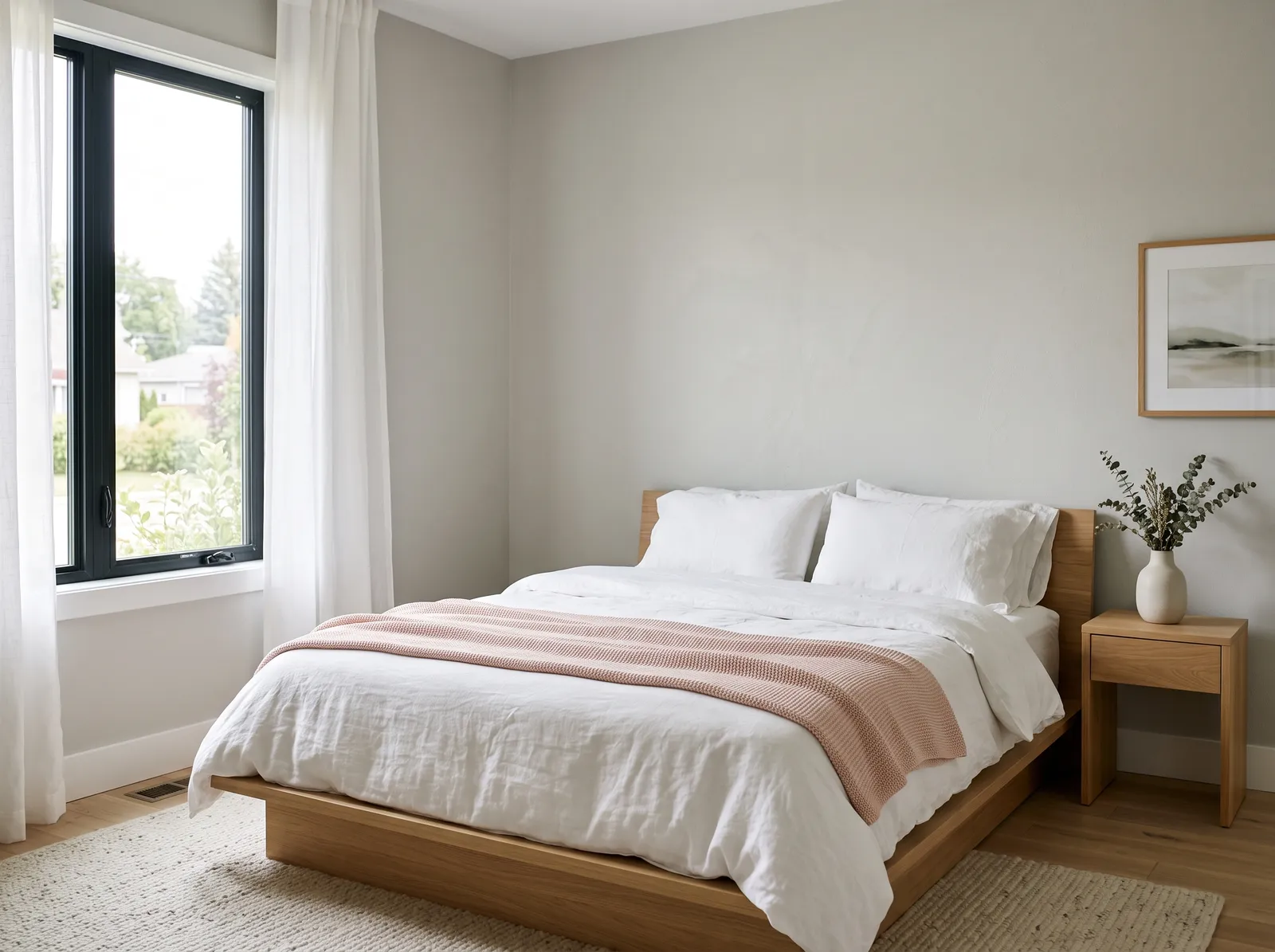
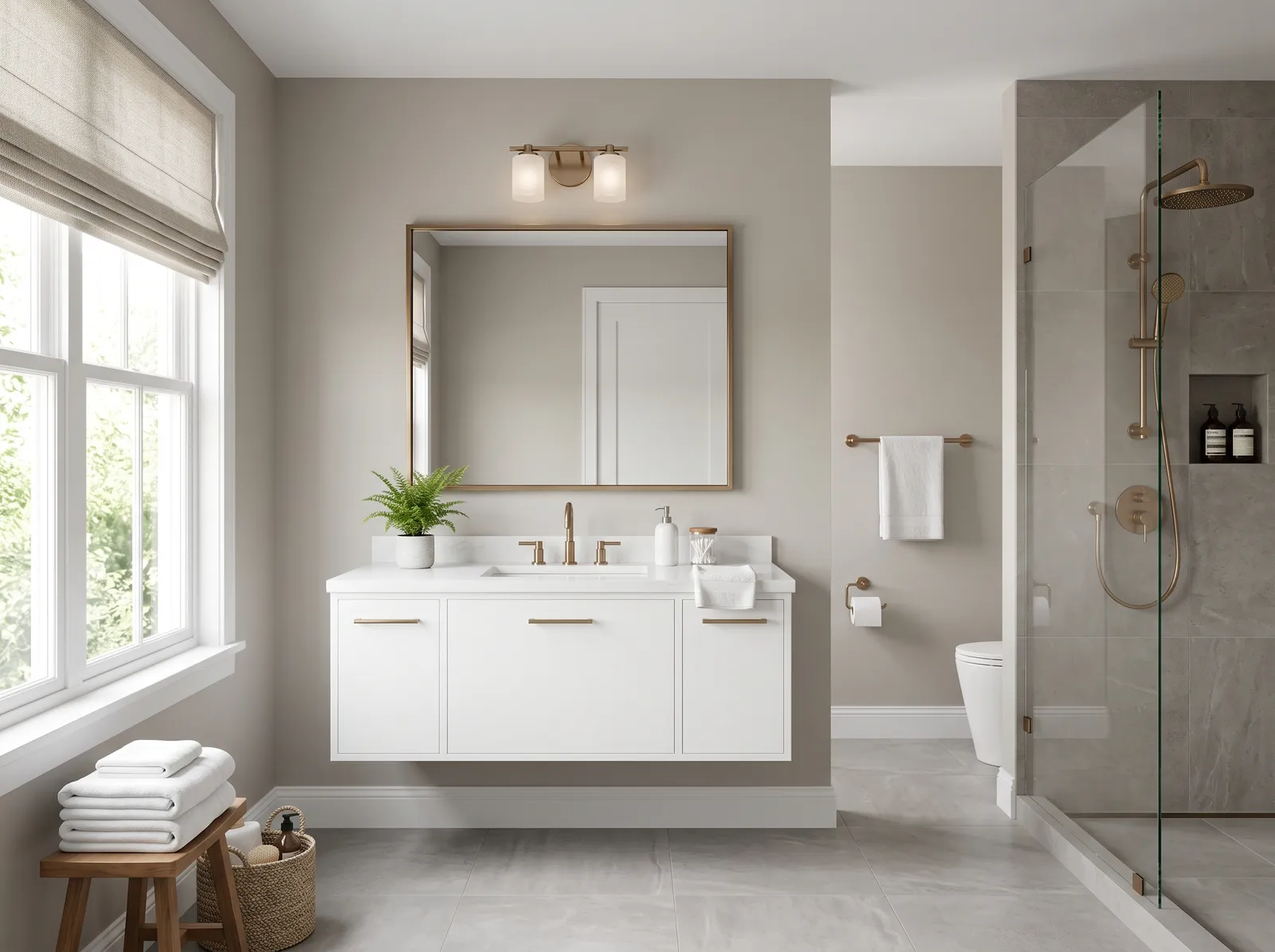
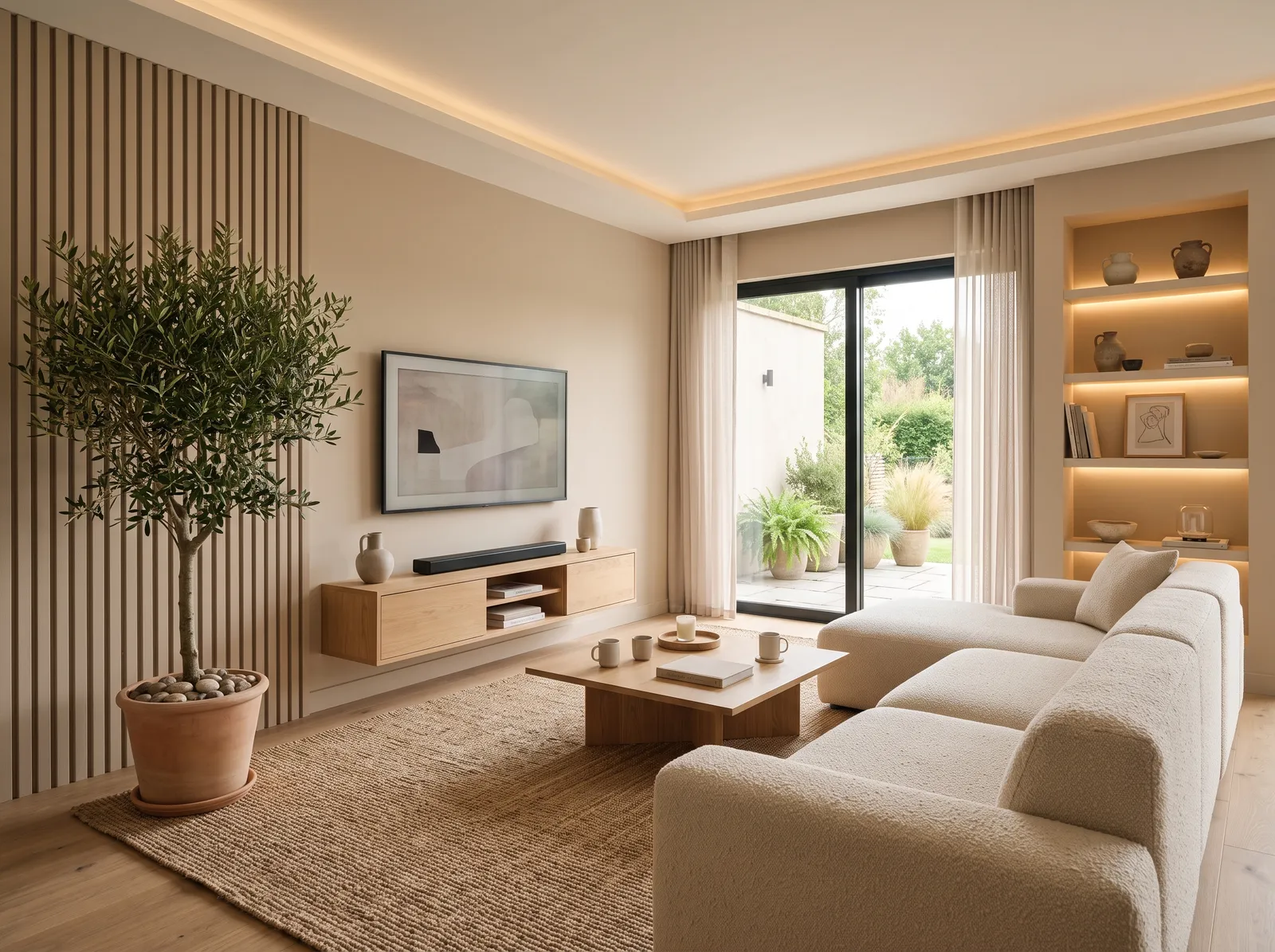
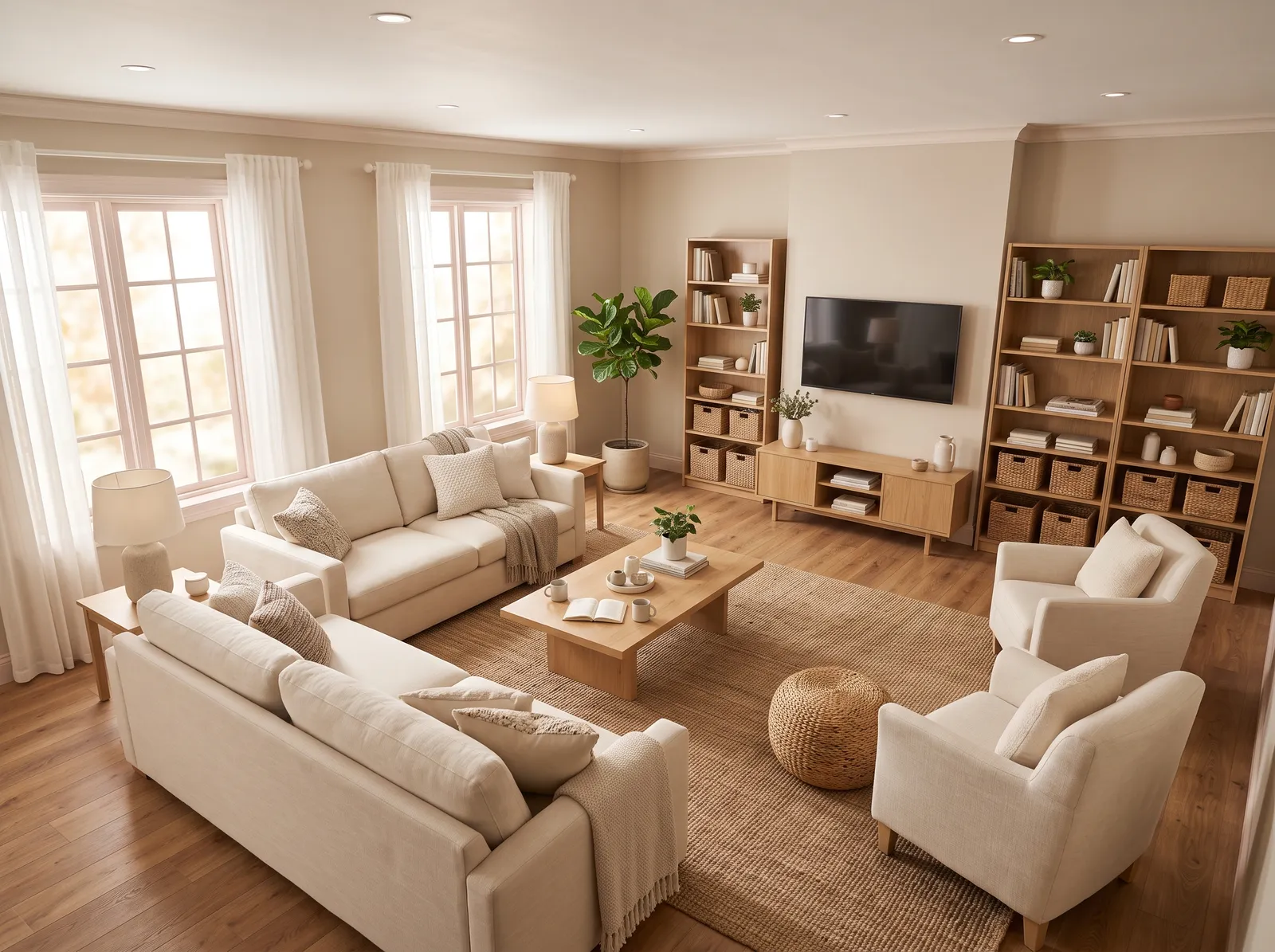
Gray Rooms
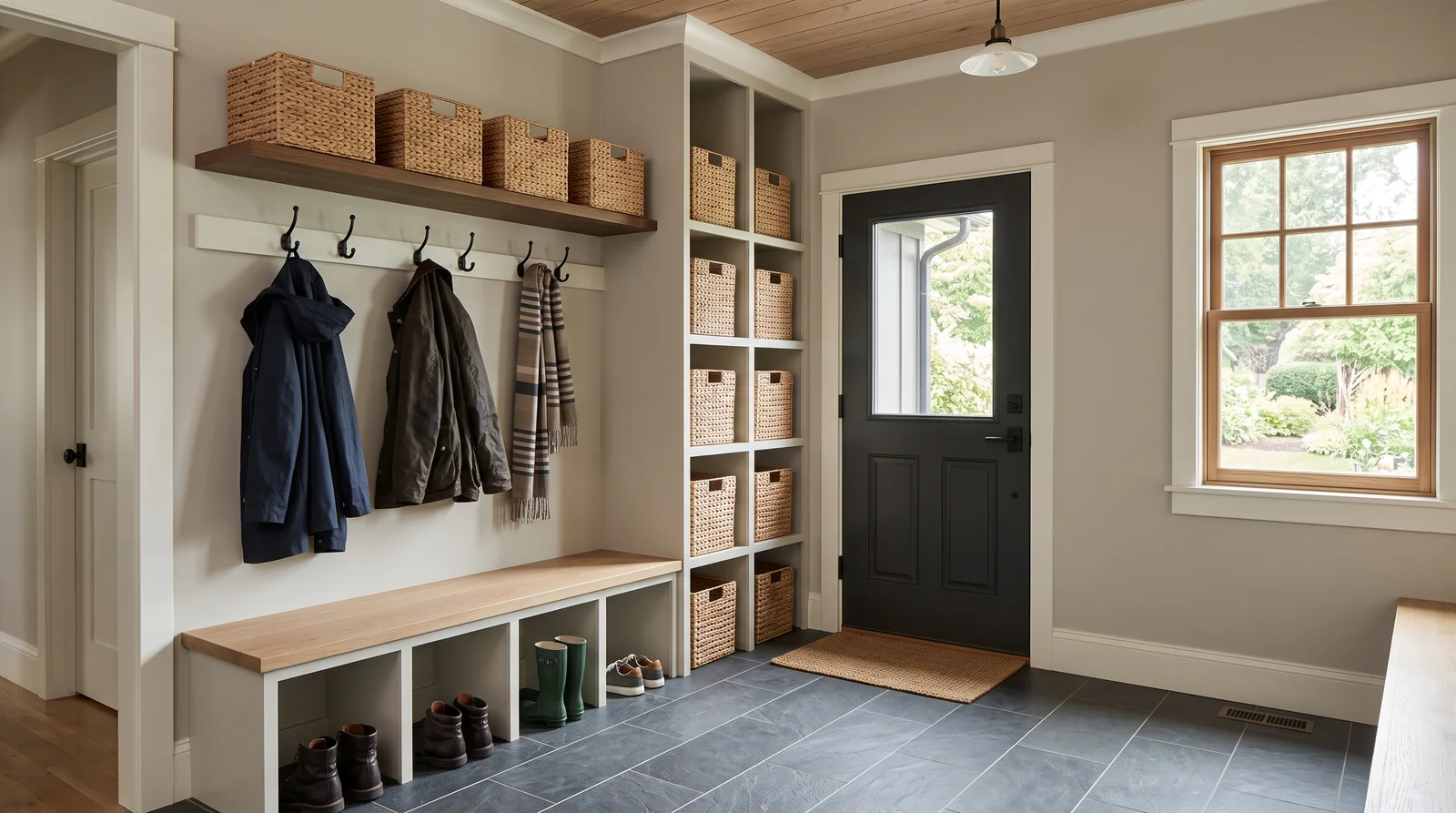
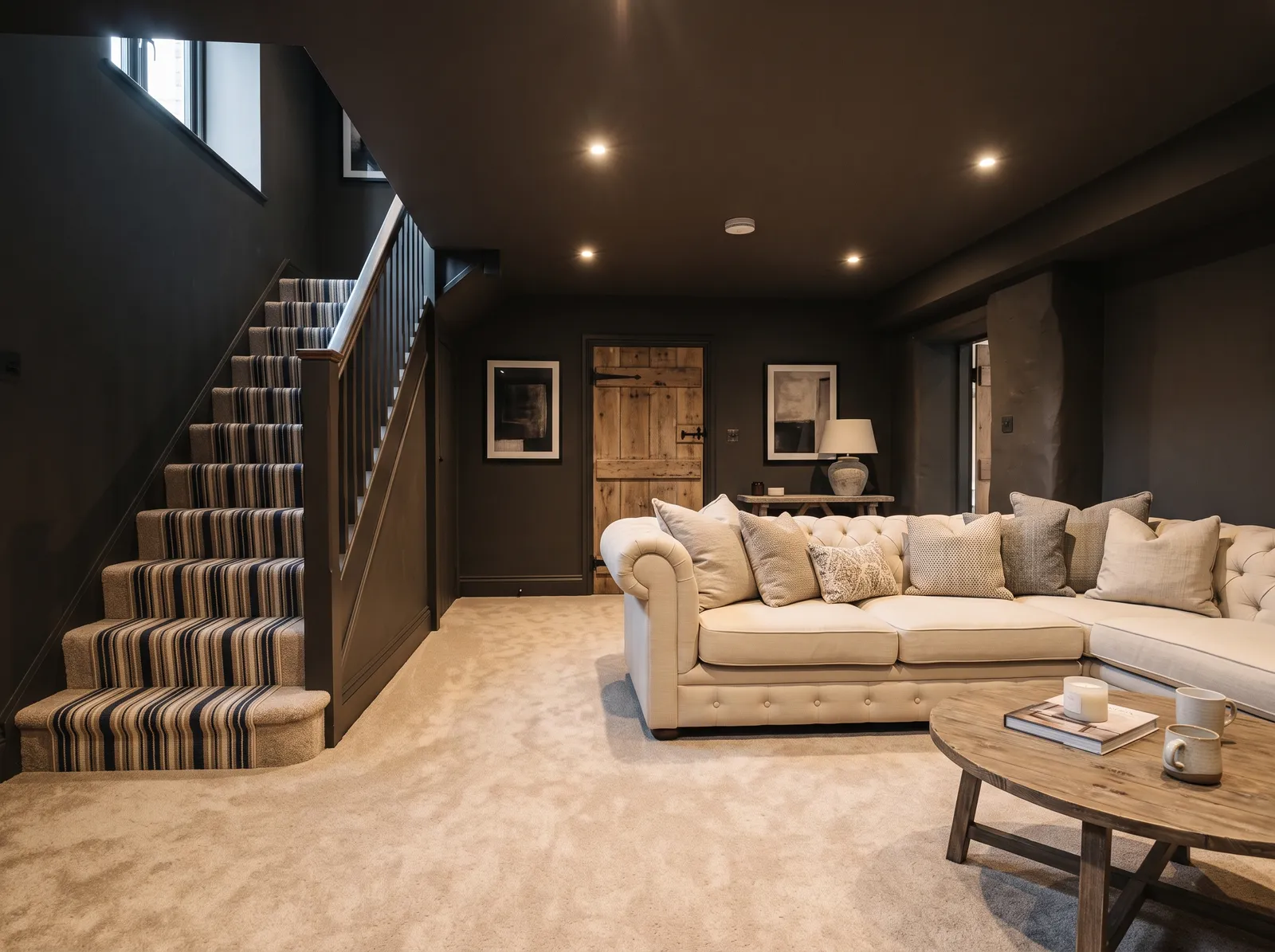
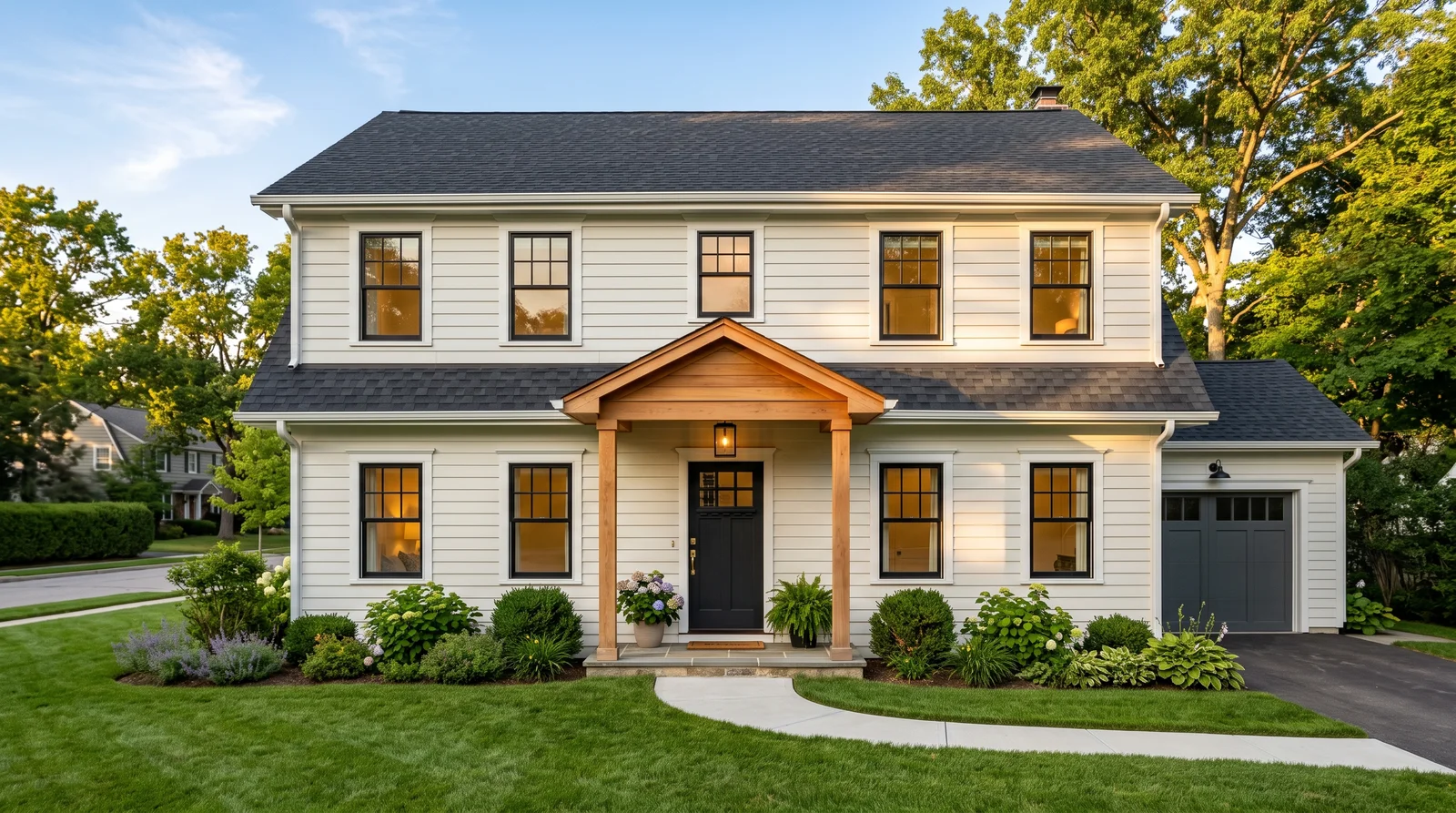
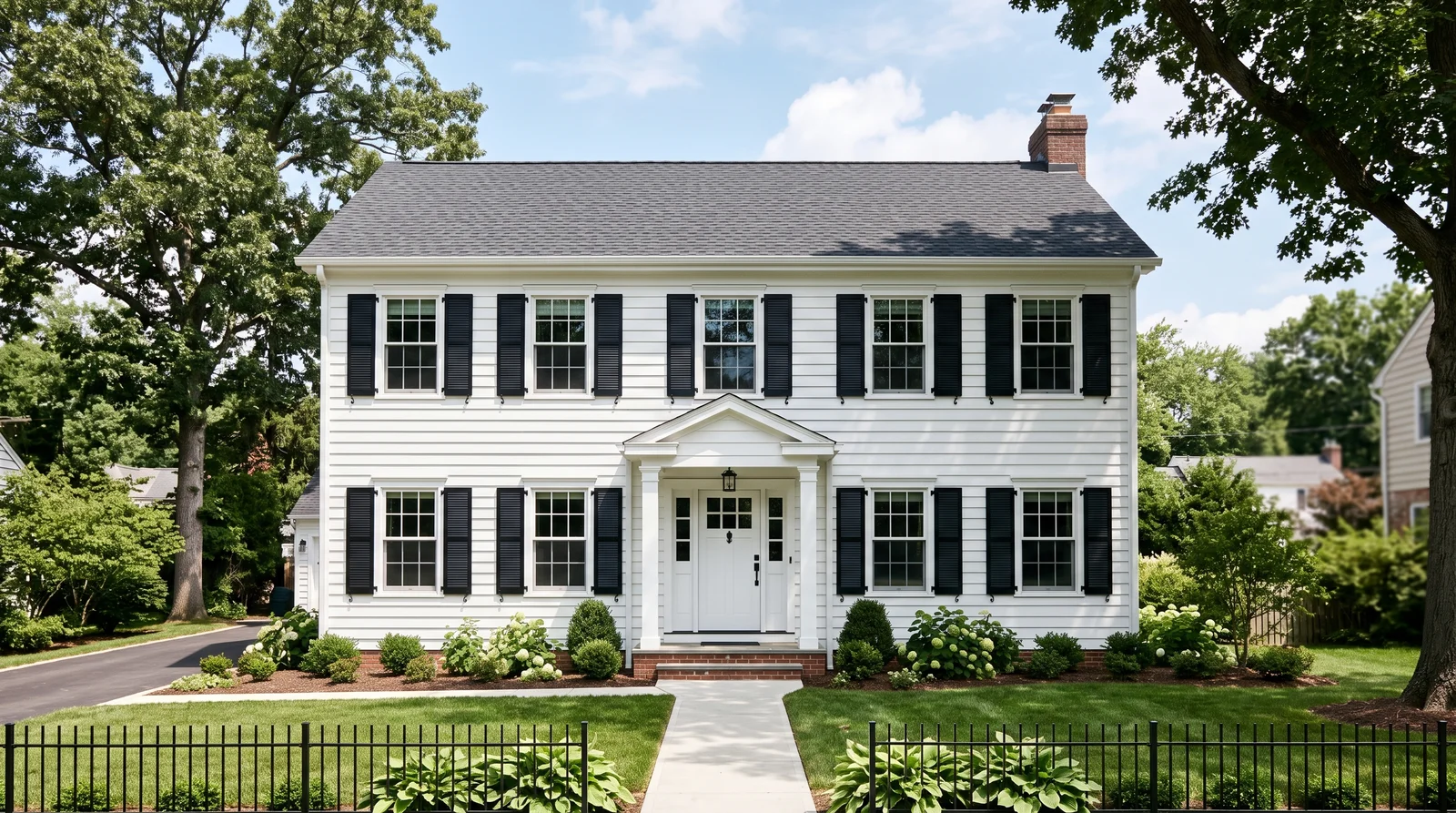
Each room page shows gray picks from every US brand side by side, so you can compare in context.
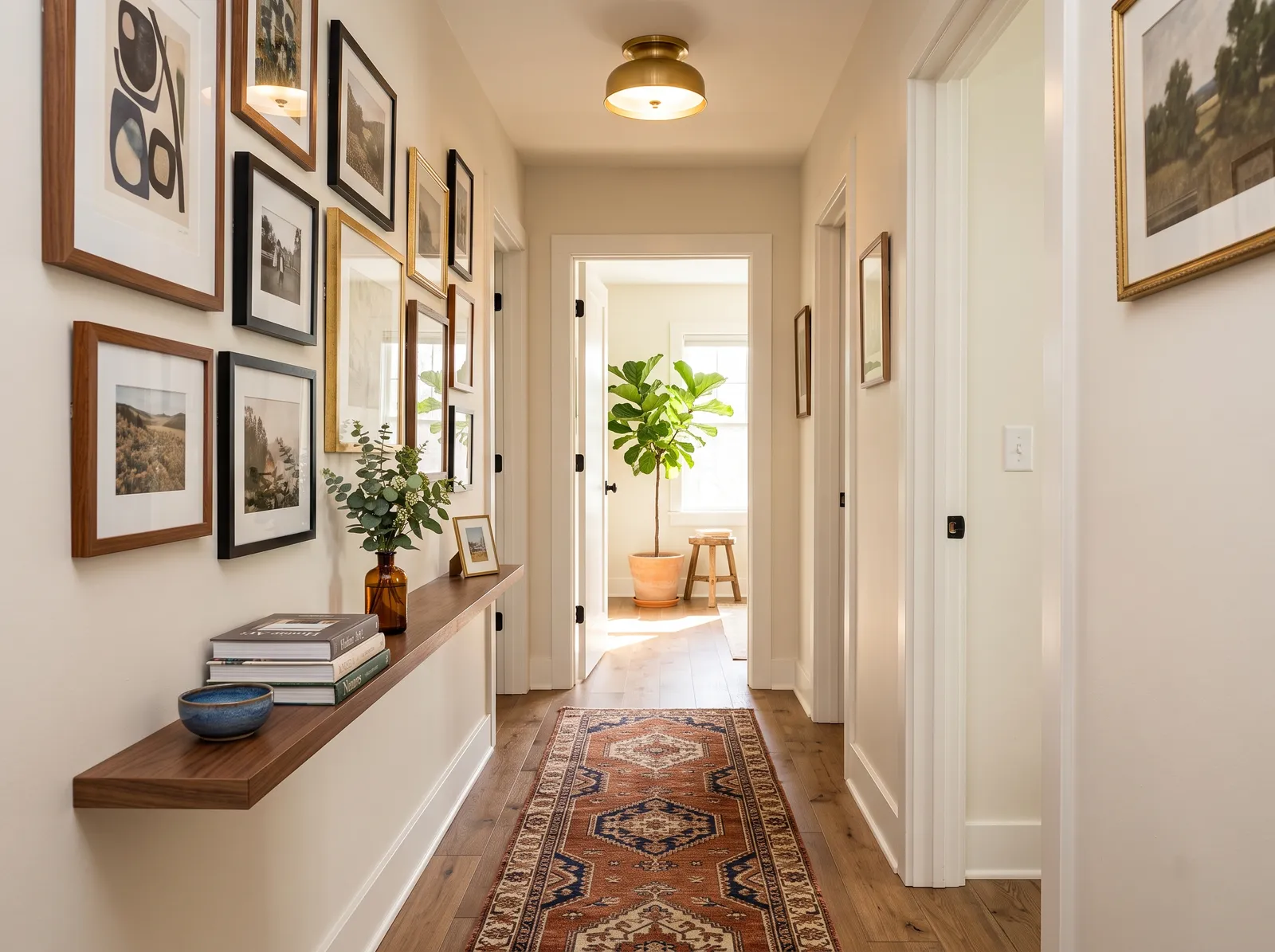
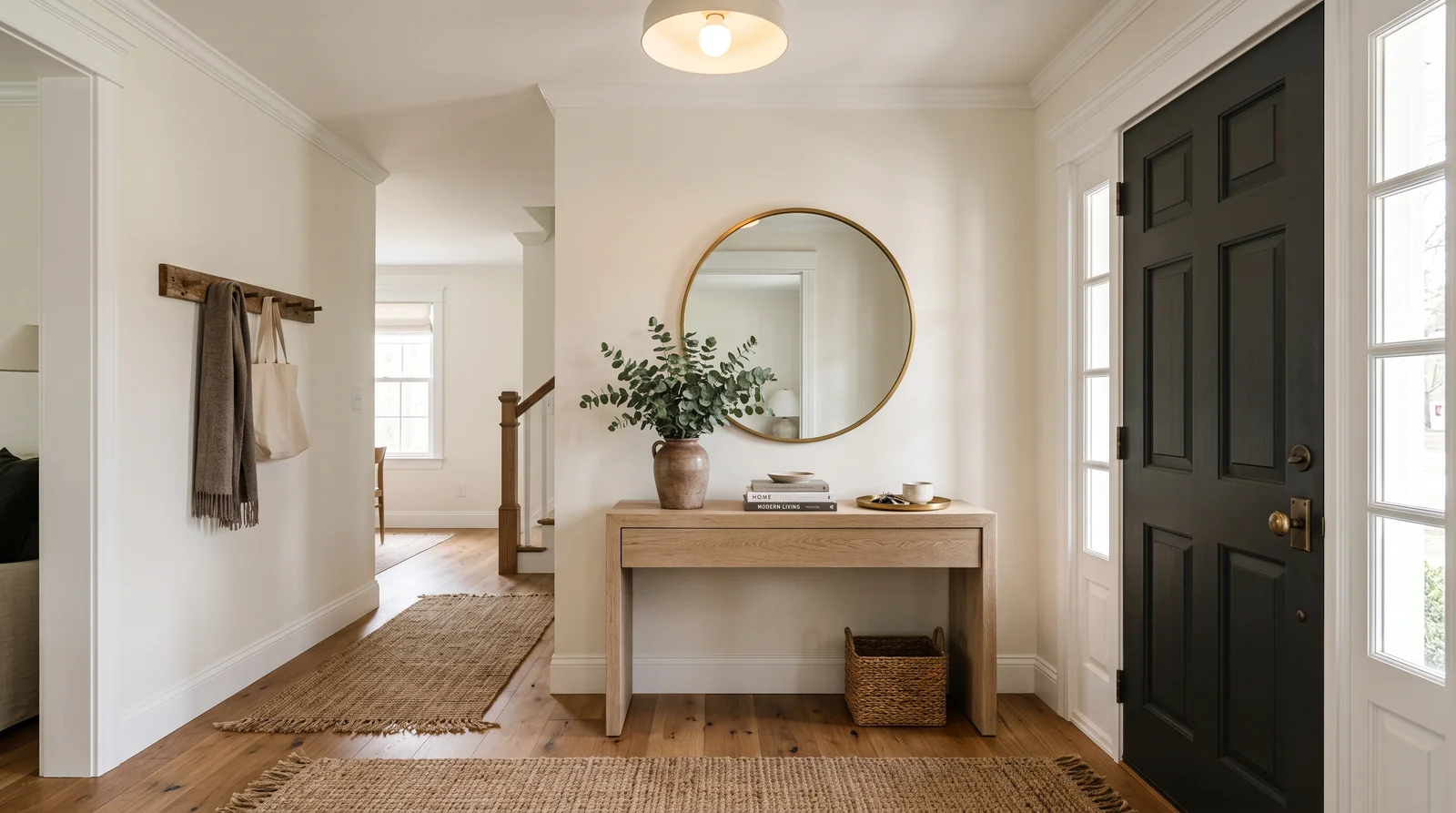
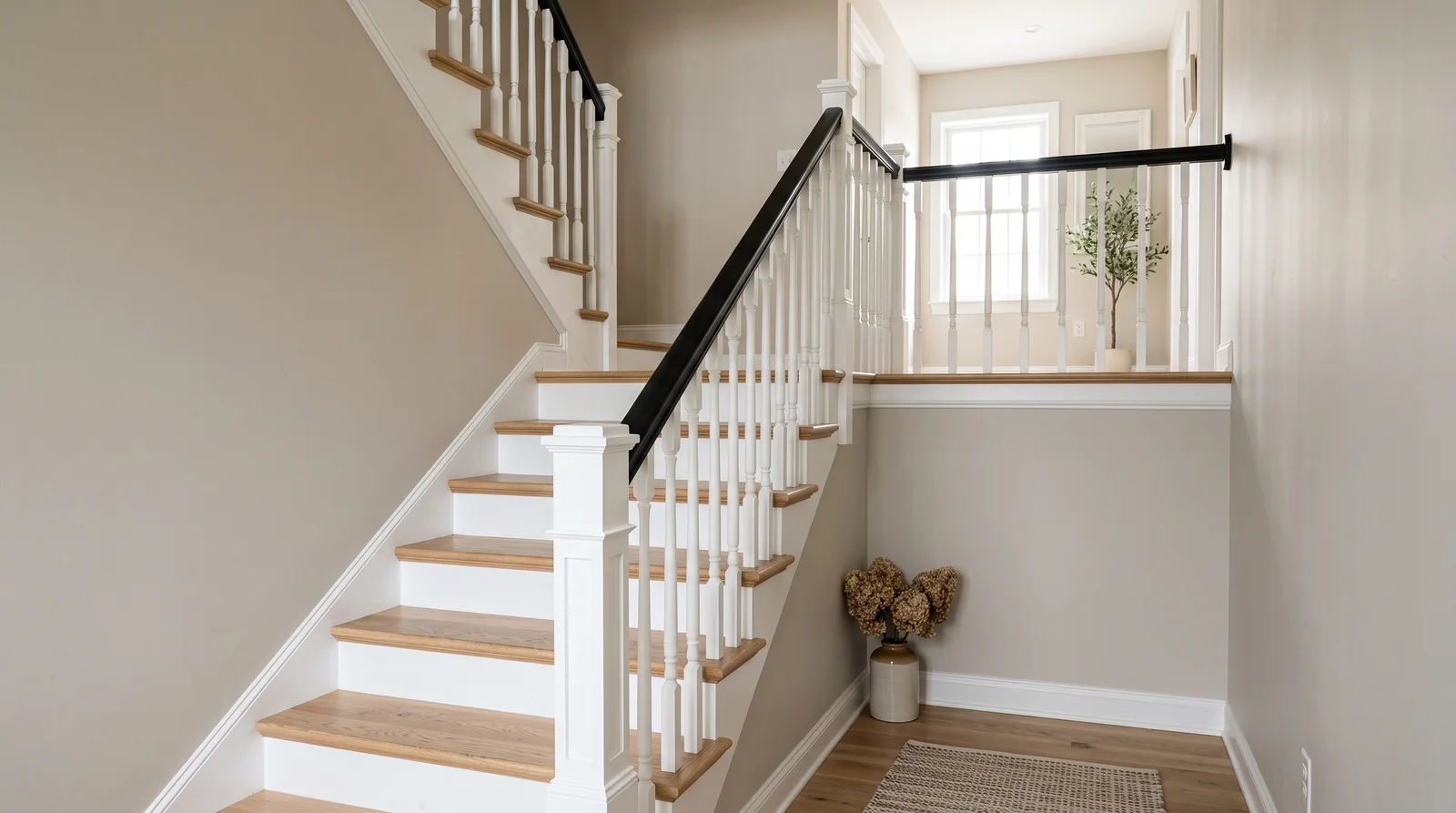
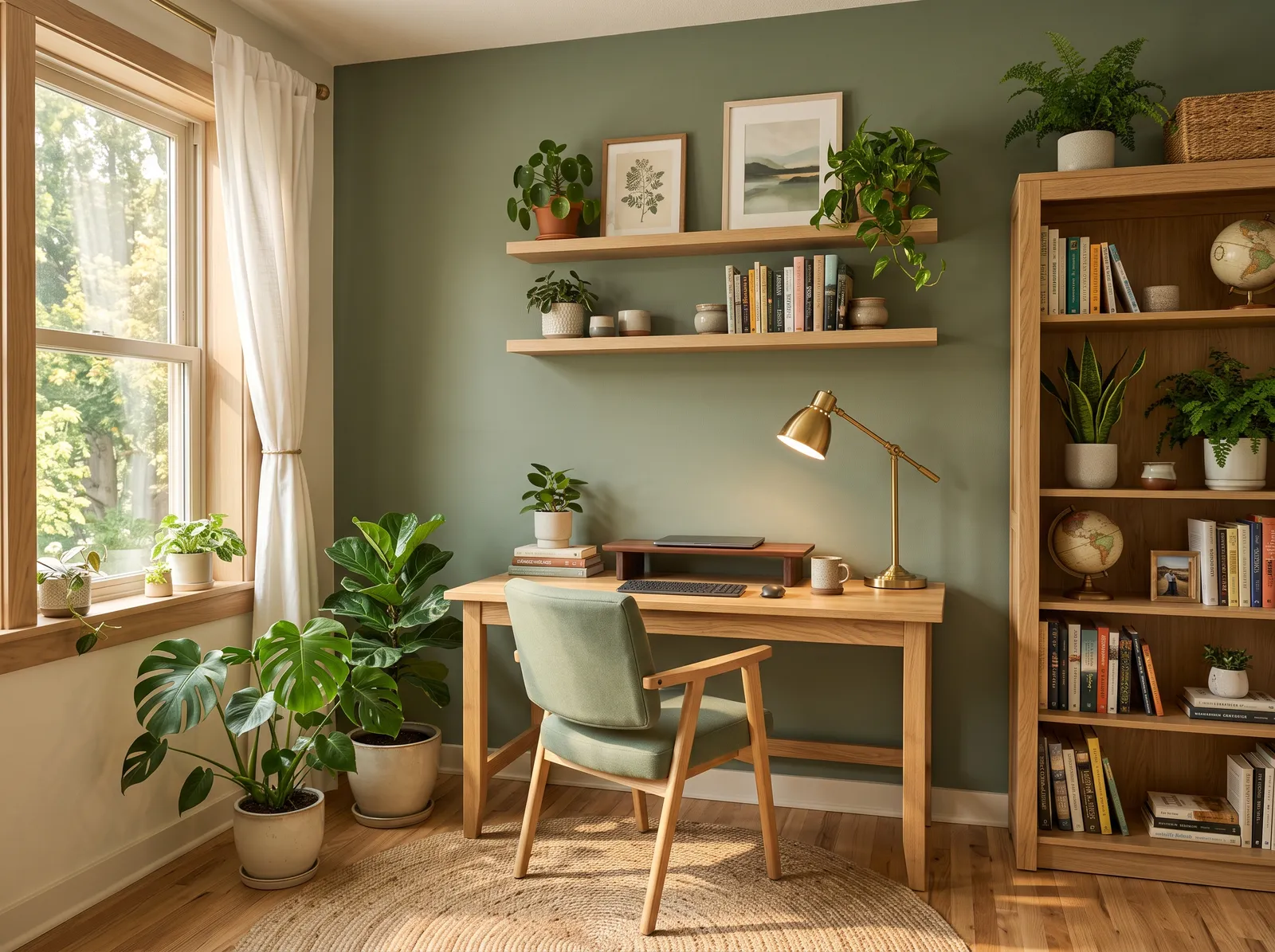

All 2,824 Gray Paint Colors
Every gray from every brand we track, merged into one shelf. Grouped by undertone, warm to cool. Filter by brand or depth, or change the order.
Swatches are each brand's published display value, not a physical sample under controlled lighting. Screens vary, and so does your light. Order a brand-direct sample or preview the color on a photo of your own wall before you specify.
Upload a photo of the room. We paint it in the gray you chose with your light and your floor, and you can swap colors until one holds.
More on gray paint colors
This page is your starting point for gray across every major brand we cover. Instead of pushing one paint maker, we look at how the whole family behaves: the undertones to watch for, how to read light reflectance value so you pick the right depth, and how gray shifts from room to room and from a north-facing window to a south-facing one. The goal is to help you choose with confidence, not to sell you a single can.
One thing worth knowing up front: every gray you see here is mixed to order at a paint counter from a tint base, so you are never locked into one store or one brand. If you fall for a shade and want it in a different brand's paint, the counter can cross-match it closely. That freedom is part of what makes gray such a safe, flexible choice.
What Makes a Color Gray (And the Undertones to Watch)
True gray is a balance of black and white with no dominant hue, but very few paints are truly neutral. Most grays lean slightly toward blue, green, purple, or warm beige, and that lean is called the undertone. On a tiny chip the undertone is almost invisible, but spread across four walls it becomes the whole personality of the room.
The undertones to watch most closely are blue and green, which can read cold or even clinical, and violet, which sneaks in and makes a gray look dusty or sad. "Greige" leans warm and reads cozy. The fastest way to spot an undertone is to tape a few large samples next to a sheet of pure white printer paper; against true white, the color's real lean shows itself.
Using LRV to Pick the Right Depth
LRV, or light reflectance value, is a number from 0 (black) to 100 (pure white) that tells you how much light a color bounces back. It is printed on most brand chips and fan decks, and for gray it is the single most useful number you have. A high-LRV gray keeps a room bright and open; a low-LRV gray feels deep, moody, and enveloping.
For grays, roughly: LRV 60 and up reads as a soft, light gray that behaves almost like a warm white. The 45 to 60 range is the popular mid-gray that still feels airy in average light. The 25 to 45 band gives you a confident, grounded gray for feature walls, islands, and cabinets. Below 25 you are into charcoal and near-black territory, dramatic and best reserved for rooms with strong light or a deliberately cozy mood.
How Gray Reads in Different Rooms and Light
Light direction changes gray more than almost any other family. North-facing rooms get cool, indirect light that pushes any blue or green undertone forward, so a gray that looked neutral in the store can turn icy there. In those rooms, lean toward warmer grays and greiges, and bump up the LRV a notch so the space does not feel gloomy.
South-facing rooms get warm, generous light for most of the day, which softens cool undertones and can make even a crisp gray feel welcoming. East light is warm in the morning and cooler later; west light does the reverse. Always test your samples on more than one wall and look at them at the times you actually use the room, because morning gray and evening gray are not the same.
Pairing Gray With Trim, Ceilings, and Other Colors
Gray is one of the easiest families to pair because it gets along with so much. For trim and ceilings, a clean white is the classic move, but match the temperature: a warm white with a greige, a cooler white with a blue-gray, so the two do not fight. If you want a softer, less contrasty look, paint the trim a few shades lighter than the wall in the same gray family.
For coordinating colors, gray plays beautifully off navy, deep green, black, and natural wood for a grounded look, or off blush, mustard, and brass when you want warmth and a little life. Because gray is neutral, it lets one or two accent colors do the talking. When in doubt, pull the accent from something already in the room, like a rug or a countertop, so the palette feels intentional.
The Most Common Mistakes With Gray Paint
The number one mistake is choosing from a chip and skipping real samples. Grays shift hard between store fluorescents and home light, and the undertone you ignored on the chip is the one that will haunt the finished wall. Always paint large samples, view them in your own light, and live with them for a day or two.
The other frequent slip is going too cold or too dark for the light a room actually gets. A trendy deep gray in a dim north room can feel like a cave, while a blue-leaning gray in an already cool space reads hospital-clinical. Match the gray's warmth and LRV to the room rather than to a photo you saw online, and ignore the temptation to pick the exact shade from a styled image shot under studio lighting.
Mixed to Order and Cross-Matched Between Brands
Every gray on this site is a real, buyable product, mixed on demand at a paint counter from a tint base and colorant. That means you are not limited to whatever a single store stocks on the shelf; the formula is made fresh in the finish and quantity you need. It also means stock-outs of a specific can rarely matter.
It also means you are not married to one brand. If you love a particular gray but prefer another brand's paint line for its durability, sheen options, or price, the counter can cross-match the color closely in that brand's product. Bring the name or a chip, and you can keep the look while choosing the paint that fits your project and budget.
Gray Paint FAQ
How do I find out a gray's undertone before I paint?
Tape a large sample next to a sheet of pure white paper and look at it in daylight. Against true white, the gray's real lean toward blue, green, violet, or warm beige becomes obvious. Big samples beat small chips every time, because the undertone grows stronger as the area gets larger.
What LRV should I look for in a light, airy gray?
Aim for an LRV of about 60 or higher for a soft, bright gray that keeps a room open and behaves almost like a warm white. The 45 to 60 range is the popular mid-gray that still feels airy in average light. Lower than that and the room starts to feel deeper and cozier rather than light.
Why does my gray look blue or purple on the wall?
That is the hidden undertone being amplified by your light and the larger surface area. Cool, north-facing light pushes blue and green forward, and many grays carry a faint violet base that shows up at scale. Choosing a warmer gray and testing it in your actual room light usually fixes the problem.
What color trim and ceiling go best with gray walls?
A clean white is the classic choice, but match the temperature to your gray, a warm white with greige and a cooler white with a blue-gray. For a softer look, use a lighter shade of the same gray on the trim. The key is to avoid pairing a cool white with a warm wall, or they will visually clash.
Is gray a good choice for a dark, north-facing room?
It can be, but choose carefully. North light is cool and will exaggerate any blue or green undertone, so lean warm and pick a higher LRV so the space does not feel gloomy. Avoid deep, cold grays in a dim room unless you genuinely want a cave-like, enveloping mood.
Can I get the same gray in a different paint brand?
Yes. Every gray here is mixed to order at a paint counter, and the staff can cross-match a color closely into another brand's paint line. Bring the color name or a chip, and you can keep the look while choosing the brand, sheen, and price that suit your project.
What is the single biggest mistake people make with gray?
Picking from a small chip and never testing real samples in their own home. Gray shifts dramatically between store lighting and home light, and the undertone you overlook on the chip is the one that disappoints on the wall. Paint large samples, view them at the times you use the room, and live with them for a day or two before committing.
Ask a Question