Yellow paint colors
Yellow is the color most people reach for when they want a room to feel warm, awake, and a little sunny even on a gray day. It is also the color that surprises homeowners the most, because the soft butter yellow on the swatch can turn loud, green, or almost neon once it covers a whole wall in real light. The good news is that yellow is wide open. It runs from the palest cream that reads almost white, through honey and gold, all the way to deep ochre and mustard, so there is a version that fits almost any room.
The Yellow Colors People Actually Buy
Don't want to compare 2,695 yellow colors? These four cover most real projects. Ranked by how often designers and homeowners specify them, not by our taste.
Lemon Chiffon is a soft, creamy pale yellow with the volume turned down just enough to avoid candy or neon territory.
A bold mustard-gold at LRV 21, best used as a single accent like a door or niche rather than on full walls.
A ripe apricot-gold yellow at LRV 62, warm enough to carry a front door, laundry room, or accent wall without going acid.
A tea-stained amber with steady demand — cozy and traditional in dens.
Six Kinds of Yellow
Same family, very different rooms. Each shade has its own page with every brand's version.
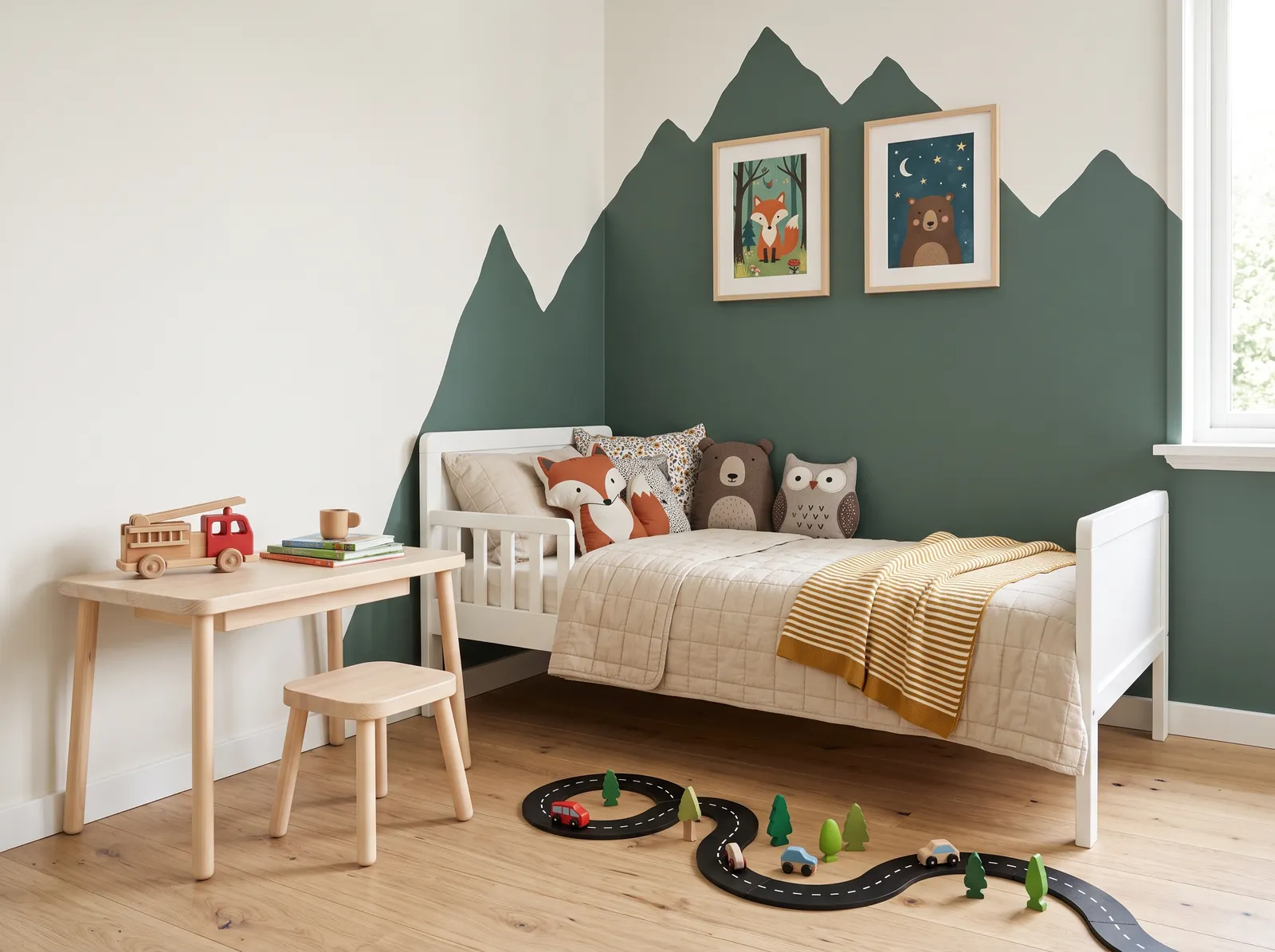
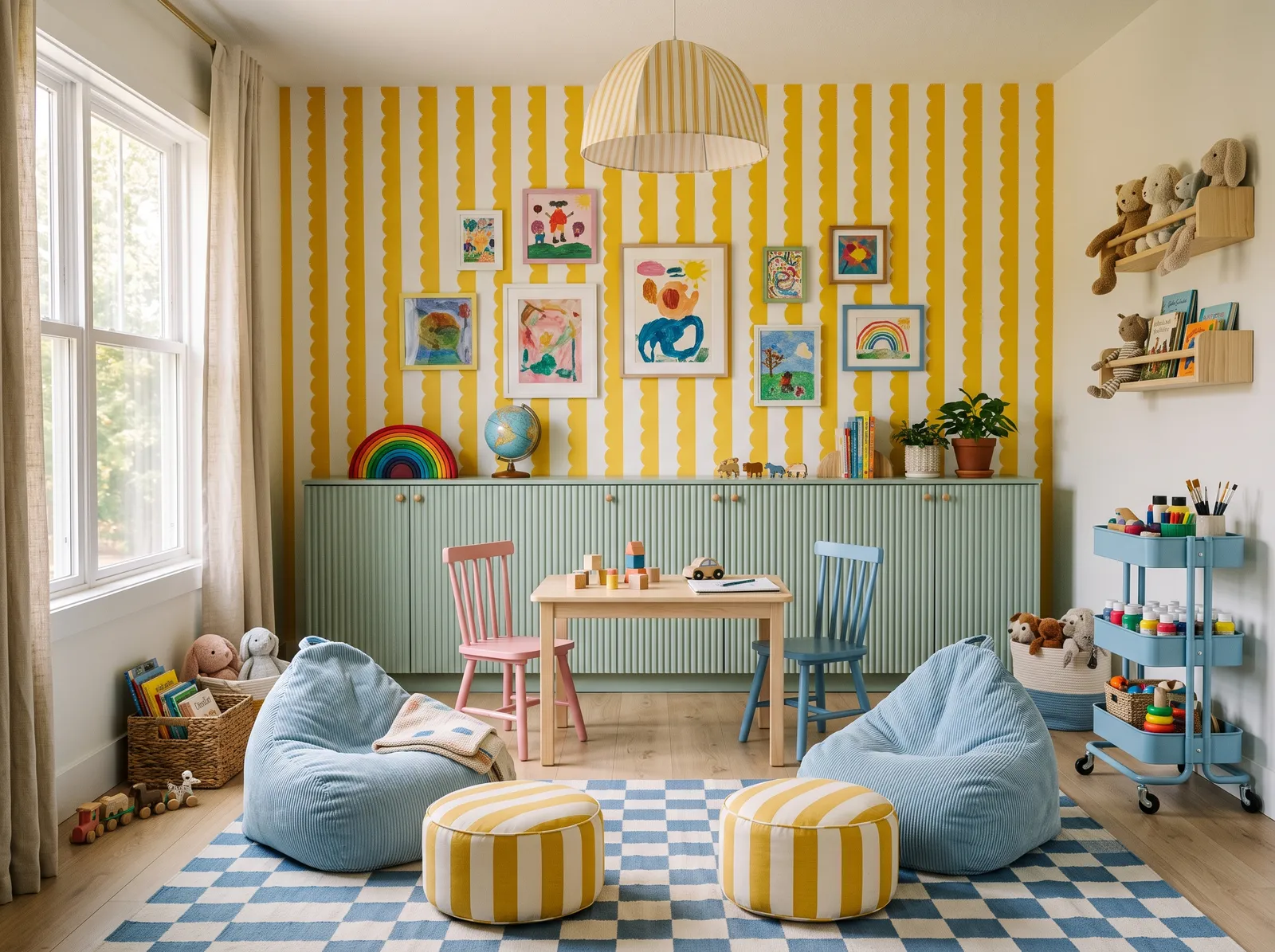
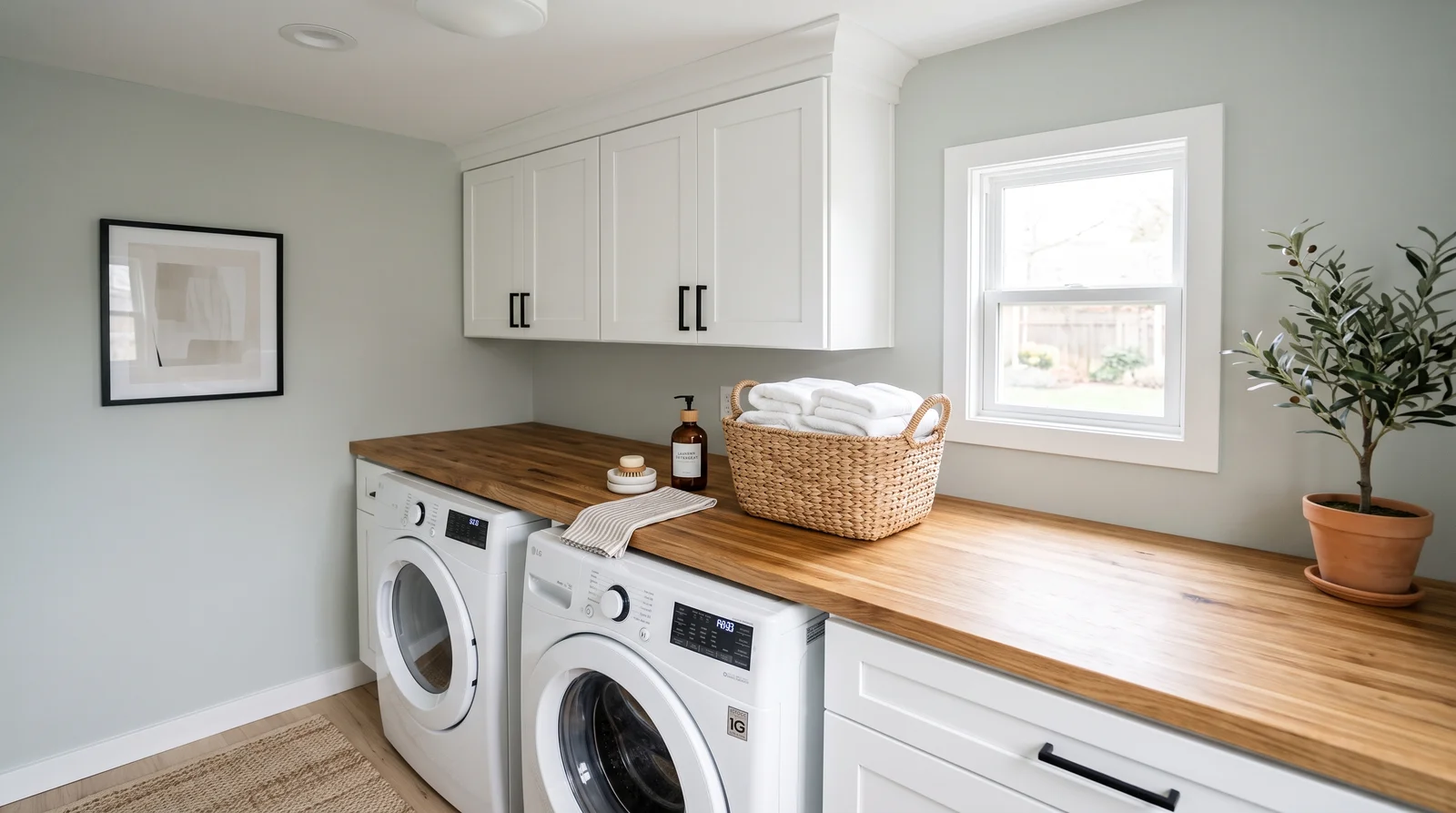
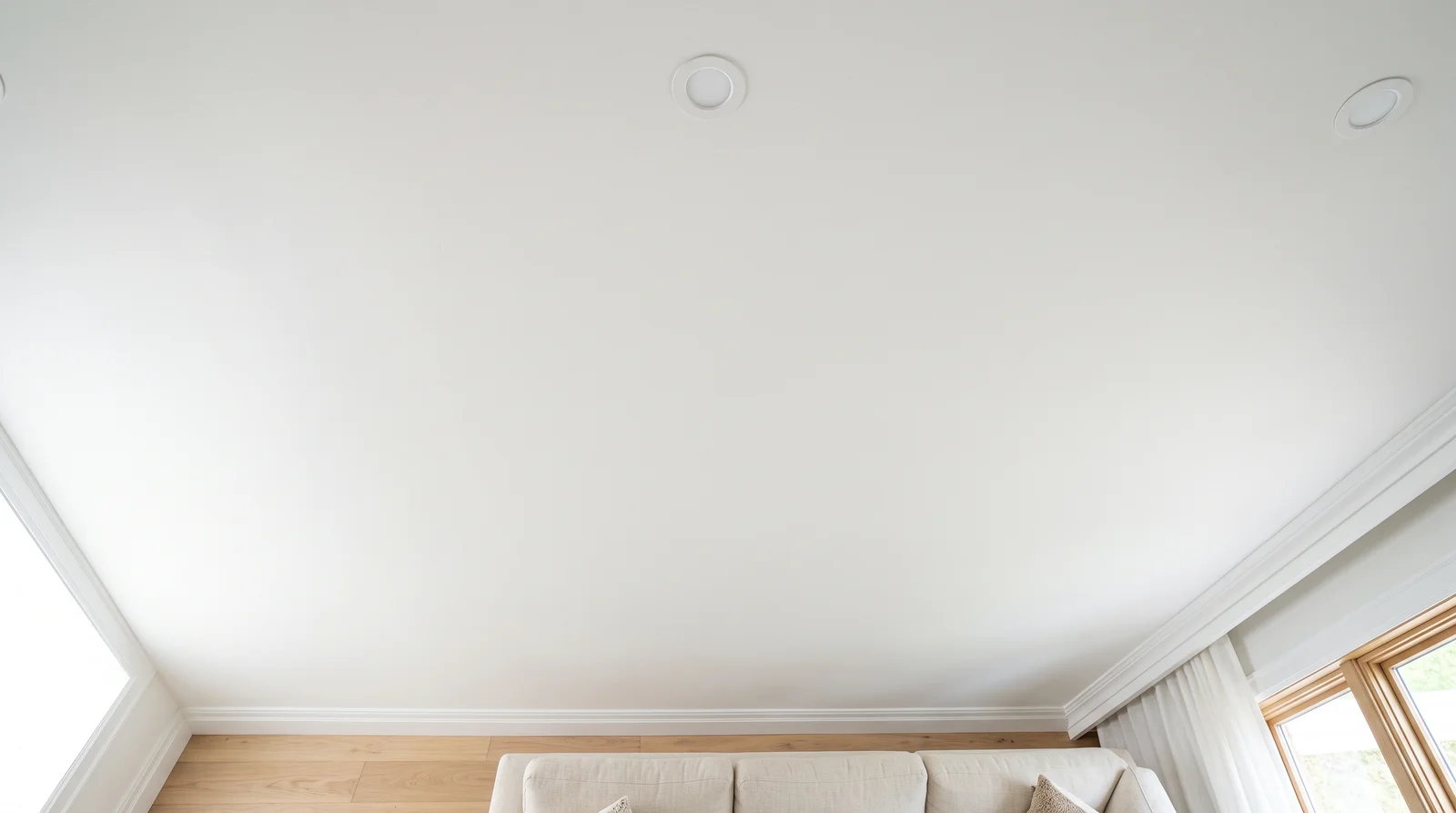
Yellow Rooms
Each room page shows yellow picks from every US brand side by side, so you can compare in context.
All 2,695 Yellow Paint Colors
Every yellow from every brand we track, merged into one shelf. Grouped by undertone, warm to cool. Filter by brand or depth, or change the order.
Swatches are each brand's published display value, not a physical sample under controlled lighting. Screens vary, and so does your light. Order a brand-direct sample or preview the color on a photo of your own wall before you specify.
Upload a photo of the room. We paint it in the yellow you chose with your light and your floor, and you can swap colors until one holds.
More on yellow paint colors
This page is the top-level guide to yellow paint across every major US brand, not a pitch for one company. The same yellow family shows up at Sherwin-Williams, Benjamin Moore, Behr, Valspar, and the rest, and the way you judge undertone, brightness, and light works the same no matter whose name is on the can. We will walk through what actually makes a yellow work, how to read its LRV, how it behaves in different rooms and light, and the mistakes that trip people up.
One thing worth knowing up front: every color you see here is mixed to order. A store tints a base can to the exact formula on demand, so a yellow is a real product you can buy in the sheen and size you need. It also means a yellow you love from one brand can usually be cross-matched into another brand's paint if you prefer their line, so pick the color first and sort out the brand second.
What Counts as a Yellow, and the Undertones to Watch
Yellow covers a lot of ground. At one end you have soft creams and butter shades that look almost neutral; in the middle sit clear, sunny yellows and warm honey tones; at the far end you find gold, ochre, and mustard that lean toward brown. What ties them together is warmth, and what separates a good pick from a regret is the undertone hiding underneath.
The two undertones to watch are green and orange. A yellow with green in it can read sour or acidic on a big wall, especially in cool light. A yellow with orange or red in it feels richer and cozier but can also go heavy or dated if you push it too far. Hold the swatch against something true white to see which way it leans before you commit.
How to Read LRV and What the Ranges Mean Here
LRV, or light reflectance value, is a 0-to-100 number that tells you how much light a color bounces back. Zero is pure black, 100 is pure white. Most brands print the LRV right on the color page or chip, and for yellow it is the single most useful number you can check.
Pale creams and the lightest yellows usually land in the high 70s and 80s. They keep a room bright and feel barely there. Clear, sunny mid-yellows tend to sit in the 50s and 60s, which is where the color reads as obviously yellow without going dark. Golds, ochres, and mustards drop into the 20s, 30s, and 40s; these add real depth and drama but eat light, so they want a room that already gets plenty of it.
How Yellow Reads in Different Rooms and Light
Light direction changes yellow more than almost any other family. North-facing rooms get cool, flat light that can mute a soft yellow into something gray or push it green, so people in those rooms often need a warmer, slightly stronger yellow than they expect. South-facing rooms get warm, generous light that makes yellow glow and can even amp it up, so a shade that looked safe on the chip may turn intense by midafternoon.
Room by room, yellow earns its keep in kitchens, breakfast nooks, entryways, and kids' rooms, where the cheerful warmth fits the mood. In a small or windowless space, a pale yellow can fake sunshine. In a north-facing bedroom or office, a muted honey or gold tone often feels more grounded than a bright primary yellow. Always test a large sample on more than one wall and look at it morning, noon, and night before buying gallons.
Pairing Yellow With Trim, Ceilings, and Other Colors
For trim and ceilings, a crisp, slightly cool white keeps yellow looking clean and stops the whole room from going amber. If your yellow is warm and deep, a soft warm white can feel more harmonious than a stark bright white, which might look chalky next to gold. A white ceiling almost always works; just avoid a creamy ceiling over a creamy wall unless you want the room to feel uniformly soft.
For coordinating colors, yellow pairs naturally with crisp whites, warm grays, and soft greens for a fresh, sunny look. It also plays well against deeper anchors like navy, charcoal, and slate, which calm the warmth and make the yellow feel intentional rather than loud. Black hardware, doors, or accents give a yellow room a modern edge.
The Most Common Mistakes With Yellow Paint
The biggest mistake is judging yellow from a tiny chip or a phone screen. Yellow intensifies on a wall, so the shade you picked often comes out two notches brighter and warmer than expected. Going one step softer than your gut says is usually the safer bet, and a real sample painted large will save you from repainting.
The other common traps are ignoring undertone and ignoring light. A green-leaning yellow in a cool north room can turn the space sickly, and a bright yellow in a sunny south room can become overwhelming by afternoon. People also forget sheen: higher gloss bounces more light and makes yellow read even stronger, so flatter finishes calm a bold yellow while satin or semi-gloss can push it.
Buying Yellow: Mixed to Order and Cross-Brand Matching
Every yellow here is a real product, not just inspiration. The store starts with a base can and tints it to the exact formula on demand, which is why you can get the same color in flat, eggshell, satin, or semi-gloss and in the size you need, from a sample to multiple gallons.
Because yellows are mixed this way, you are not locked to one brand. If you fall for a yellow from one company but prefer another brand's paint line or already have it on hand, a store can usually cross-match the color closely into that line. Choose the shade that looks right in your room first, then decide which brand and finish to buy it in.
Yellow Paint FAQ
What undertone should I watch for in yellow paint?
Watch for green and orange. A green-leaning yellow can look sour or acidic on a big wall, especially in cool light, while an orange- or red-leaning yellow feels cozier but can go heavy. Hold the swatch next to a true white to see which way it tilts before you commit.
What LRV range is best for yellow?
It depends on how bold you want to go. Pale creams sit in the high 70s and 80s and keep a room bright, clear sunny yellows fall in the 50s and 60s, and golds, ochres, and mustards drop into the 20s to 40s. Deeper, lower-LRV yellows add drama but eat light, so save them for rooms that already get plenty.
How does yellow look in a north-facing room?
North light is cool and flat, so it can mute a soft yellow toward gray or push it green. In those rooms a slightly warmer or stronger yellow, like a honey or muted gold, usually reads better than a pale or green-leaning one. Always test a large sample on the actual wall before buying gallons.
What trim and ceiling color goes with yellow walls?
A crisp, slightly cool white trim keeps yellow looking clean, and a white ceiling almost always works. If your yellow is deep and warm, a soft warm white can feel more harmonious than a stark bright white. Avoid pairing a creamy ceiling with creamy walls unless you want a fully soft, low-contrast look.
What colors pair well with yellow?
Yellow pairs naturally with crisp whites, warm grays, and soft greens for a fresh feel. It also looks great anchored by deeper colors like navy, charcoal, or slate, which calm the warmth. Black hardware and doors add a clean, modern edge.
Why does my yellow paint look brighter on the wall than on the chip?
Yellow intensifies when it covers a large area and catches room light, so it almost always comes out brighter and warmer than a small chip suggests. Higher-gloss sheens make this stronger because they bounce more light. Going one step softer than your gut says, and testing a large sample, helps avoid surprises.
Can I get the same yellow in a different brand of paint?
Usually, yes. Yellows are mixed to order at the store from a base can, so a color you love can typically be cross-matched into another brand's paint line. Pick the shade that looks right in your room first, then choose the brand and finish.
Ask a Question