Brown paint colors
Brown is the color of wood, leather, coffee, and soil, so it lands as warm and grounded almost everywhere you use it. But "brown" covers a huge range, from soft mushroom and greige all the way to deep espresso and near-black walnut. The trick is not picking a brown you like on a chip, but picking one that still looks like that brown on your actual walls, in your actual light.
The Brown Colors People Actually Buy
Don't want to compare 1,967 brown colors? These four cover most real projects. Ranked by how often designers and homeowners specify them, not by our taste.
A warm dark brown-neutral (LRV 13) that gives moody depth to cabinets, trim, or an accent wall without leaning trendy.
Turkish Coffee is exactly what the name says: the color of strong brewed coffee, dark enough to sit one step above true black on the LRV chart.
The 2019 terracotta that sparked the desert-color trend, glowing like adobe in direct sun and going loud in strong exposure.
A warm clay-brown at LRV 30 that shifts toward blush-pink in cooler light, Sherwin-Williams' most debated Color of the Year.
Six Kinds of Brown
Same family, very different rooms. Each shade has its own page with every brand's version.
Brown Rooms
Each room page shows brown picks from every US brand side by side, so you can compare in context.
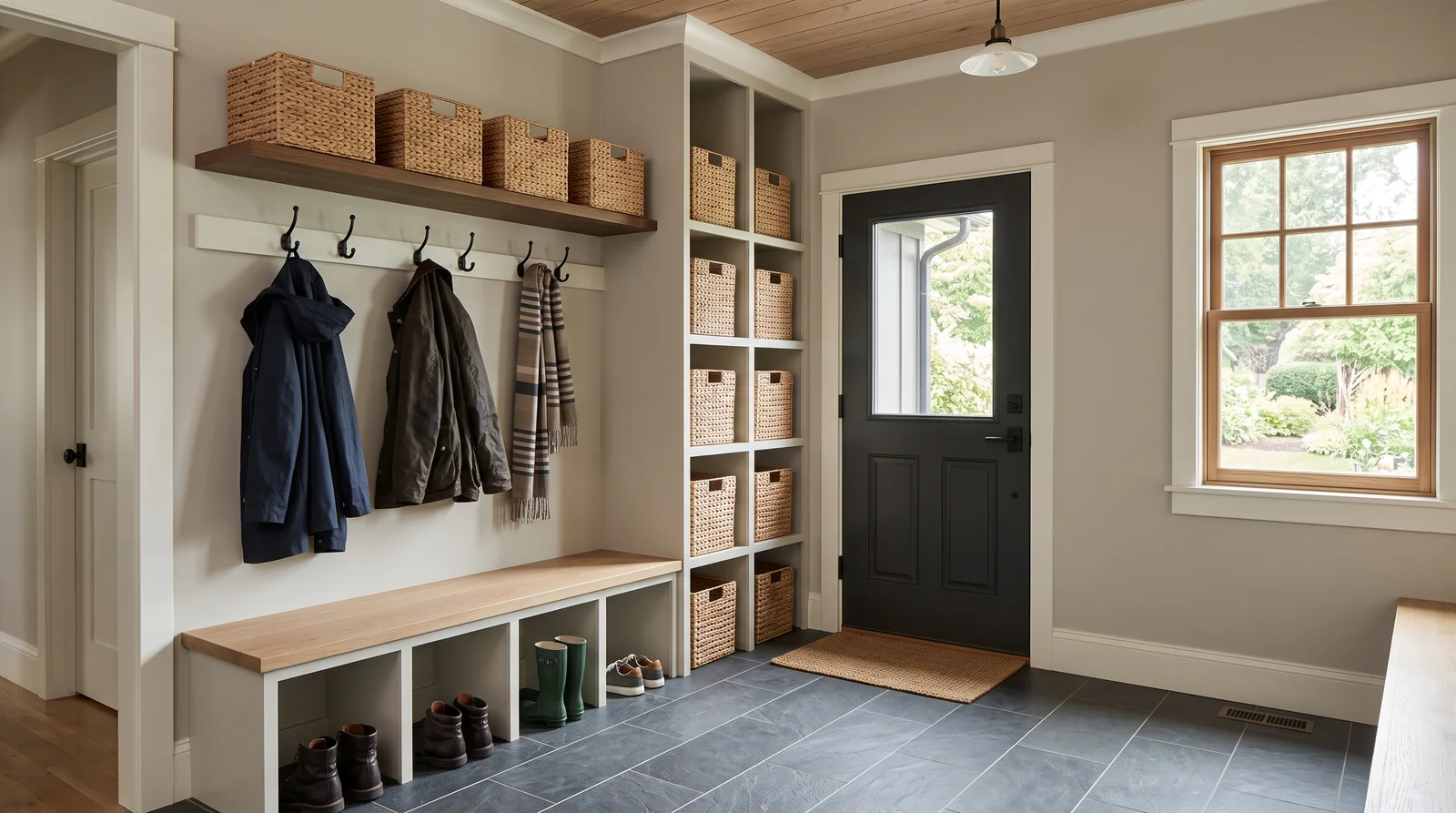
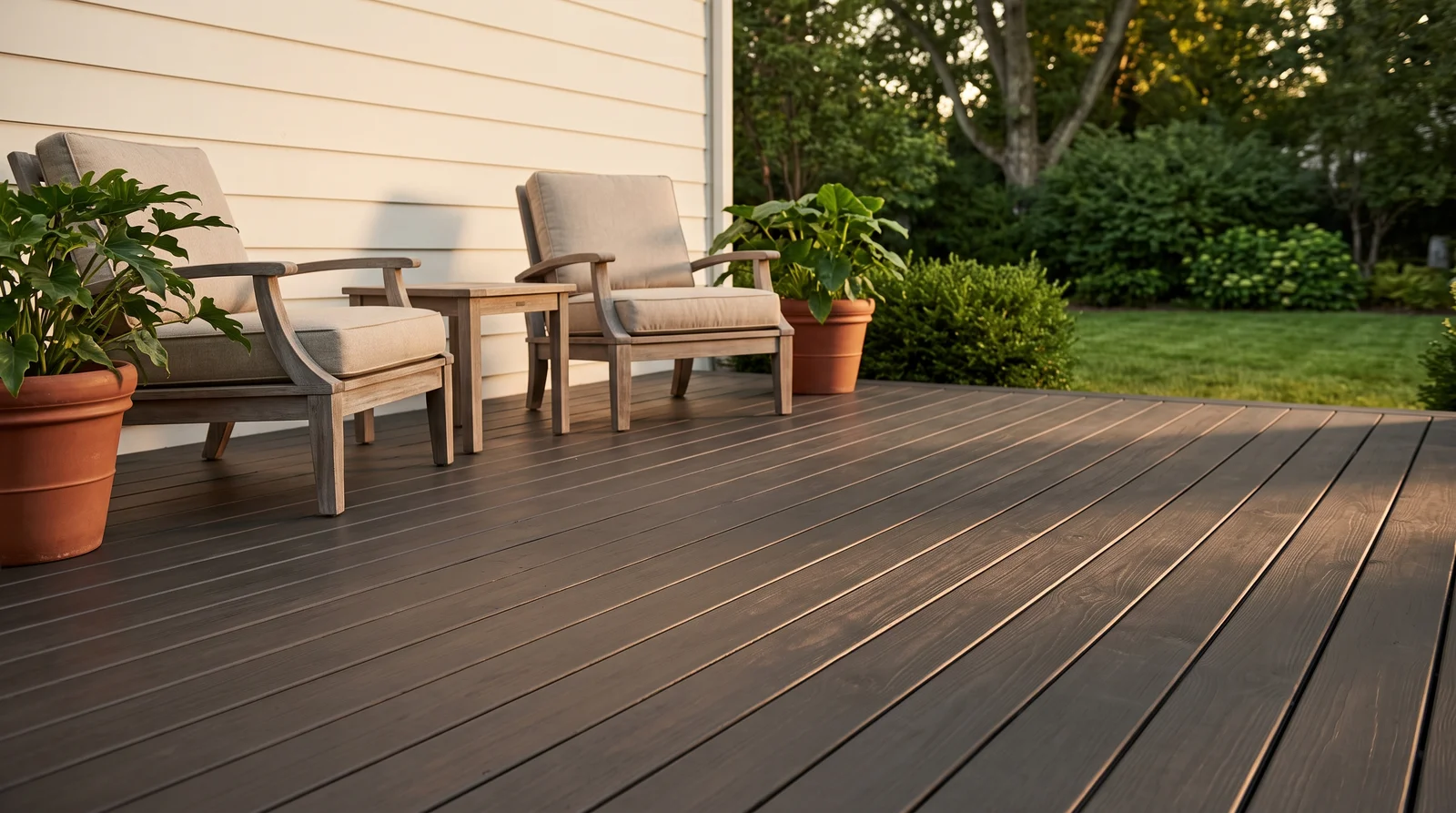
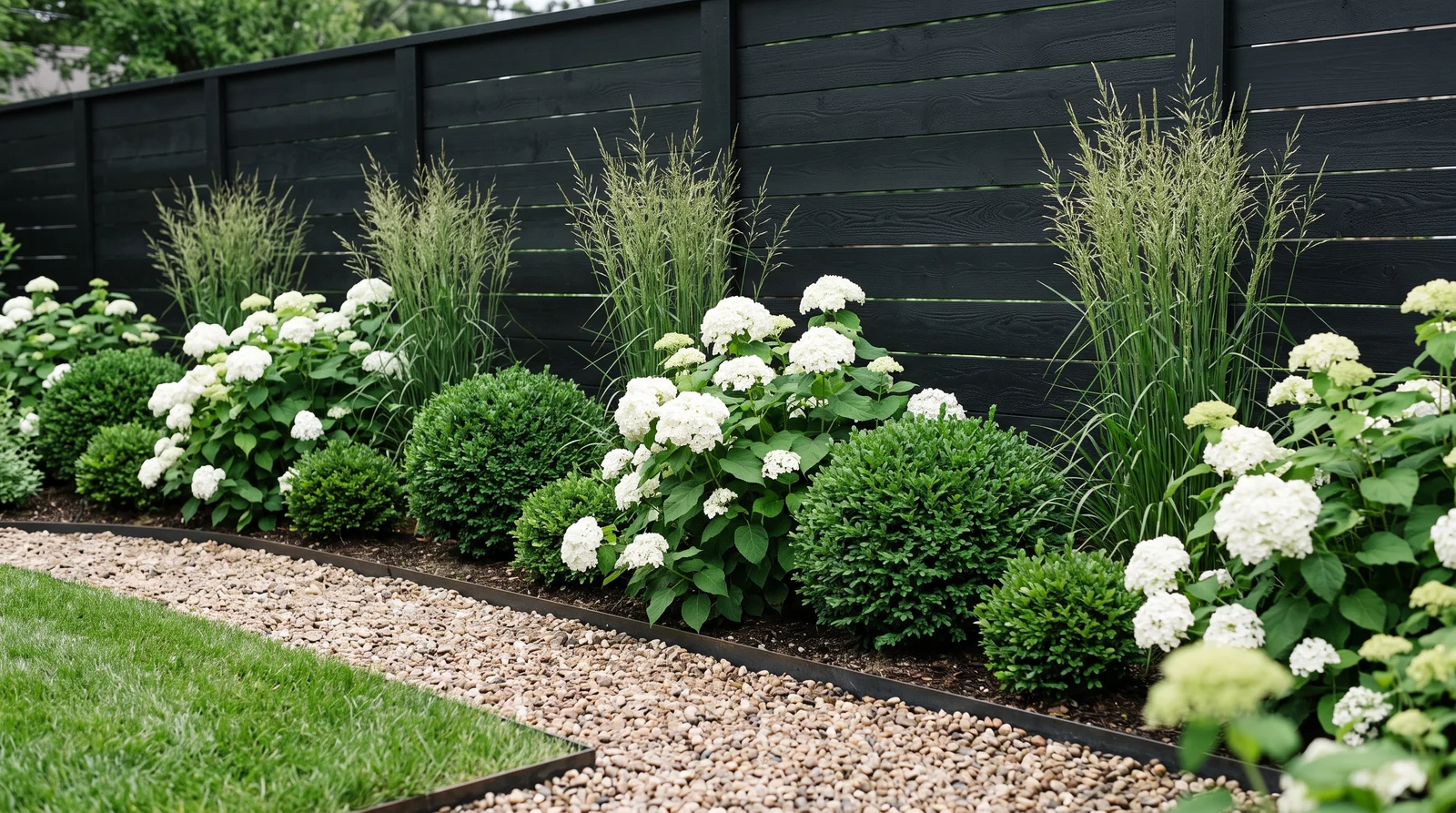
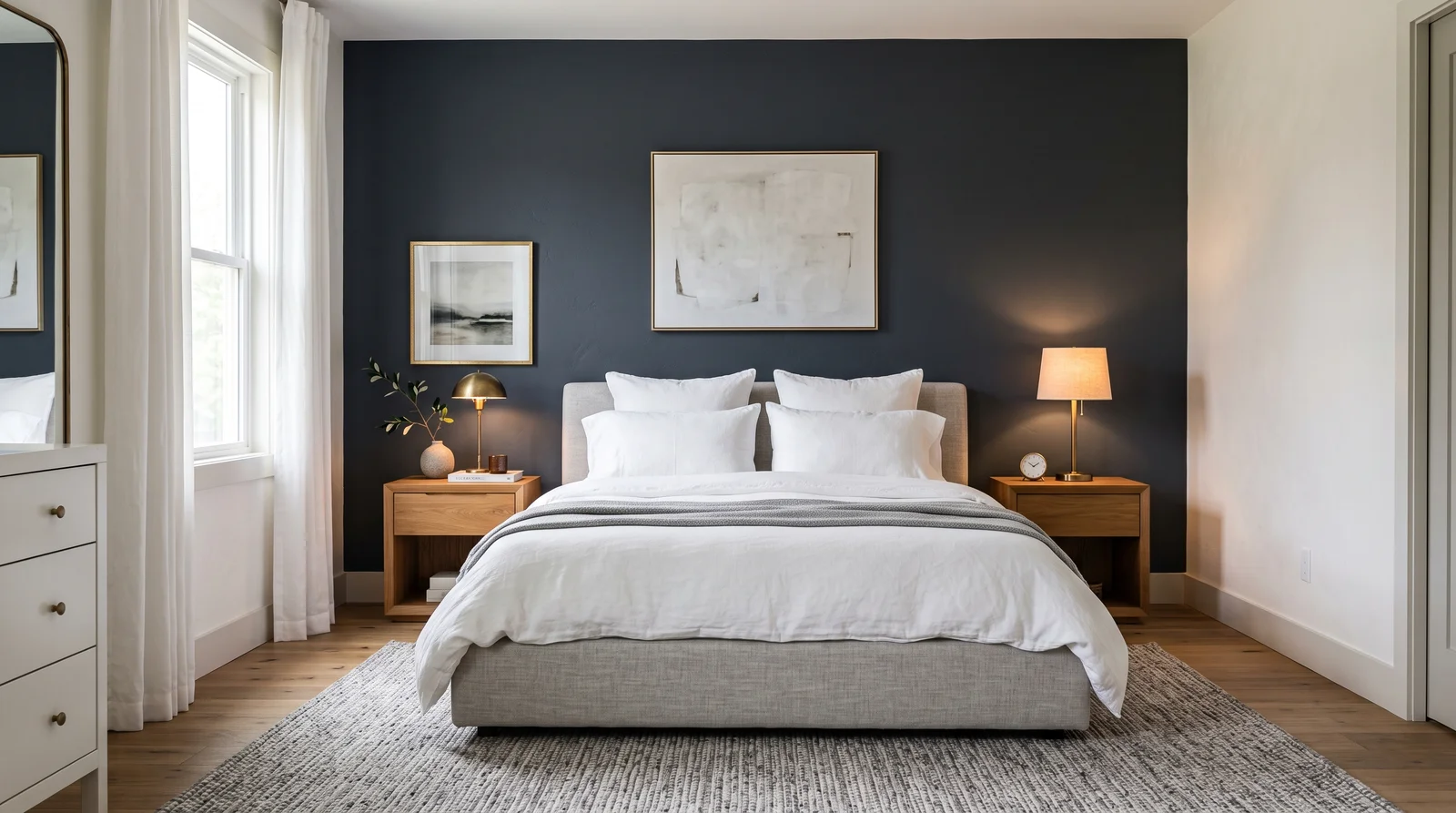
All 1,967 Brown Paint Colors
Every brown from every brand we track, merged into one shelf. Grouped by undertone, warm to cool. Filter by brand or depth, or change the order.
Swatches are each brand's published display value, not a physical sample under controlled lighting. Screens vary, and so does your light. Order a brand-direct sample or preview the color on a photo of your own wall before you specify.
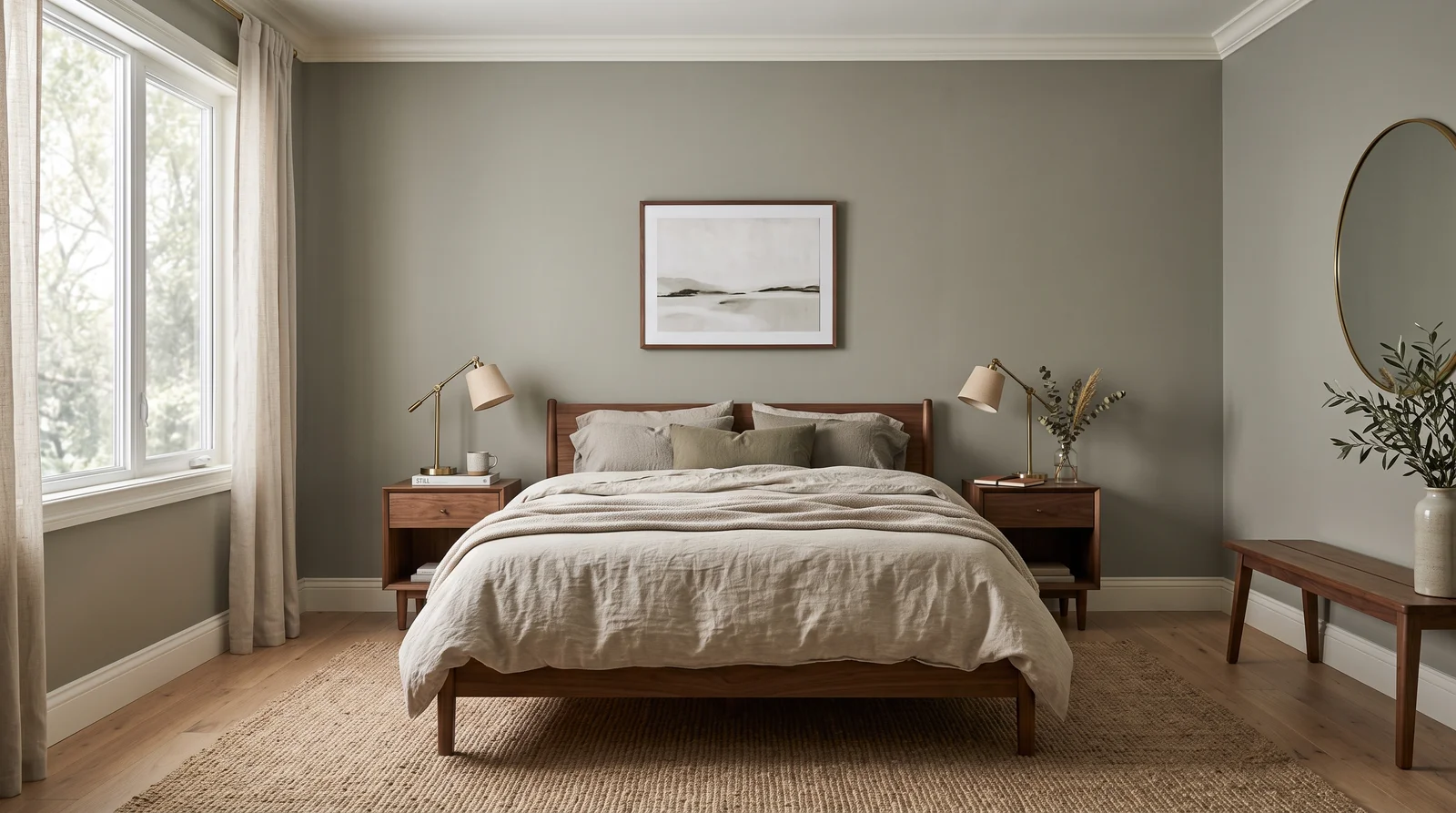
Upload a photo of the room. We paint it in the brown you chose with your light and your floor, and you can swap colors until one holds.
More on brown paint colors
This guide is brand-neutral. We pull from every major US paint line, because the right brown for your room might be a Benjamin Moore, a Sherwin-Williams, a Behr, or any other brand, and you should choose by how the color behaves, not by the logo. A few ideas matter most: the undertone hiding inside the brown, the LRV that tells you how light or dark it will read, and the direction your windows face.
One more thing worth knowing up front. Any paint color you fall for can be mixed to order at a paint counter, and most colors can be cross-matched from one brand into another brand's base. So you are never locked in by which store is closest. Find the brown that works, then get it mixed wherever is convenient.
What Makes a Brown a Brown
At its core, brown is a darkened, muted orange, which is why every brown carries a warm or cool bias underneath. Some browns lean red (think terracotta and brick), some lean yellow or gold (caramel, tan, wheat), some lean green or gray (mushroom, drab, greige), and a few lean cool and almost purple. That hidden lean is the undertone, and it is the single thing that decides whether two browns sit happily side by side or fight.
The practical move is to compare your chip against a true neutral and against the browns near it. Hold it next to a piece of white paper and a couple of other tan chips. The undertone usually jumps out the moment you stop looking at the brown alone.
Reading Brown by LRV
LRV, or light reflectance value, is a 0-to-100 score for how much light a color bounces back. Black is near 0, white is near 100, and browns spread across most of that range. Knowing the number tells you how a brown will actually feel before you ever open a can.
Light, airy browns and greiges usually sit around LRV 55 to 70 and read almost like warm neutrals. Mid-tone browns like caramel and clay land roughly 25 to 50 and bring real color without going dark. Deep browns such as chocolate, coffee, and walnut fall below 20 and behave like dramatic, cozy darks. As a rough rule, if a room gets little natural light, a brown under 25 LRV can feel like a cave, so reserve the darkest browns for rooms you want to feel enveloping on purpose.
How Brown Reads Room by Room and in Different Light
Light direction changes brown more than people expect. North-facing rooms get cool, steady, bluish light that mutes warmth, so a brown that looked rich in the store can turn flat or gray on the wall. In those rooms, lean toward browns with a clear red or gold undertone to keep them from going lifeless. South-facing rooms get warm, generous light that amplifies warmth, so the same brown reads cozier and a little more orange, and a cooler greige often balances it nicely.
Room function matters too. Browns make bedrooms, dens, and dining rooms feel grounded and intimate, while lighter tans and greiges work hard as whole-house neutrals in living spaces and halls. In kitchens and baths, test against your counters and cabinets, since a brown that flatters oak can clash with cool gray stone.
Pairing Brown With Trim, Ceilings, and Other Colors
Brown walls love crisp contrast at the edges. A soft warm white on trim and ceilings keeps deeper browns from feeling heavy, while a creamier white blends gently with tans for a more seamless, layered look. Avoid a stark blue-white against a warm brown, because the temperature mismatch makes both look slightly off.
For coordinating colors, brown is one of the most flexible families there is. It pairs naturally with cream, soft white, and muted greens for an organic feel, with deep blues and blacks for something more tailored, and with terracotta or rust for warmth on warmth. Because brown is essentially a neutral, you can treat it as the steady backdrop and let a single accent color do the talking.
The Most Common Mistakes With Brown Paint
The biggest mistake is ignoring the undertone and ending up with a brown that reads pink, mustard, or muddy gray once it covers a whole wall. The second is going too dark for the available light, which turns a warm idea into a gloomy result. Always sample large, on more than one wall, and look at it morning, midday, and night before committing.
People also forget that brown shifts against fixed materials. A tan that looks perfect on the chip can clash with yellow oak floors or cool tile. Tape your samples next to the floor, the counter, and the cabinets, not just the wall, so you are judging the brown in its real company.
Buying and Cross-Matching Any Brown You Like
Every brown on this site is a real, buyable color. Paint stores mix it to order on the spot using a tint machine and a base, so you are not limited to pre-made cans on a shelf. That is also why you can get an exact gallon of a very specific brown rather than settling for the closest stock option.
Just as useful, most browns can be cross-matched between brands. If you love a brown from one line but prefer another brand's paint or have a store closer to home, the counter can match the color into a different base. Bring the name or code, confirm the match on a sample first, and buy where it is easiest for you.
Brown Paint FAQ
How do I find a brown's undertone?
Put the chip next to a sheet of white paper and a couple of other brown chips. Against that backdrop the lean shows up fast, usually as red, yellow or gold, green, or gray. That hidden lean is what decides how the brown plays with your floors, furniture, and other colors.
What LRV should I look for in a brown?
It depends on the feel you want. Light, neutral browns and greiges run about 55 to 70 LRV, mid-tone browns land roughly 25 to 50, and deep, dramatic browns sit below 20. In a room with little natural light, going below 25 LRV can feel cave-like, so save the darkest browns for spaces you want to feel cozy and enclosed.
Why does my brown paint look gray or muddy on the wall?
Usually it is the light. North-facing rooms get cool light that mutes warmth and can drain a brown until it reads gray or flat. Choose a brown with a clearer red or gold undertone for those rooms, and always test a large sample on the actual wall before buying.
What trim and ceiling color goes with brown walls?
A soft, warm white is the safest choice for both trim and ceiling, since it gives crisp contrast without fighting the brown's warmth. For lighter tans, a creamier white blends more gently for a layered look. Skip a stark blue-white, because the temperature clash makes both colors look slightly off.
What colors pair well with brown?
Brown is a flexible near-neutral, so it works with a lot. Cream, soft white, and muted greens give an organic feel, deep blues and blacks make it look tailored, and terracotta or rust add warmth on warmth. The easiest approach is to keep brown as the steady backdrop and let one accent color stand out.
Can I get the exact brown I picked here at any paint store?
Yes. Every color shown is mixed to order at the paint counter using a base and a tint machine, so it is a real product you can buy, not just inspiration. Bring the color name or code and they will mix you a gallon on the spot.
Can a brown from one brand be matched in another brand's paint?
In most cases, yes. Paint counters can cross-match a color into a different brand's base, so you can keep the brown you love but use the paint or store you prefer. Always confirm the match on a small sample first, since cross-matches can shift slightly, then buy where it is most convenient.
Ask a Question