Green paint colors
Green is the color that connects a room to the outside world. It sits in the middle of the spectrum, which is exactly why it feels easy to live with — your eye reads it as natural and restful, like trees, moss, and sage. That same middle position is also why green has so many faces. A green can lean cool and blue, warm and yellow, gray and muted, or bright and grassy, and those small shifts change everything about how it feels on a wall.
The Green Colors People Actually Buy
Don't want to compare 3,087 green colors? These four cover most real projects. Ranked by how often designers and homeowners specify them, not by our taste.
2022 SW Color of the Year; muted sage that dominated kitchen-cabinet trends
Behr's answer to the single biggest color search of the moment, a grayed mid-depth sage at LRV 22 for cabinets, doors, and accent walls.
Clary Sage is the green people pick when they do not want to be brave.
Historic-collection gray-green sage — decades of use on cottage cabinets and calm bedrooms.
Six Kinds of Green
Same family, very different rooms. Each shade has its own page with every brand's version.
Green Rooms
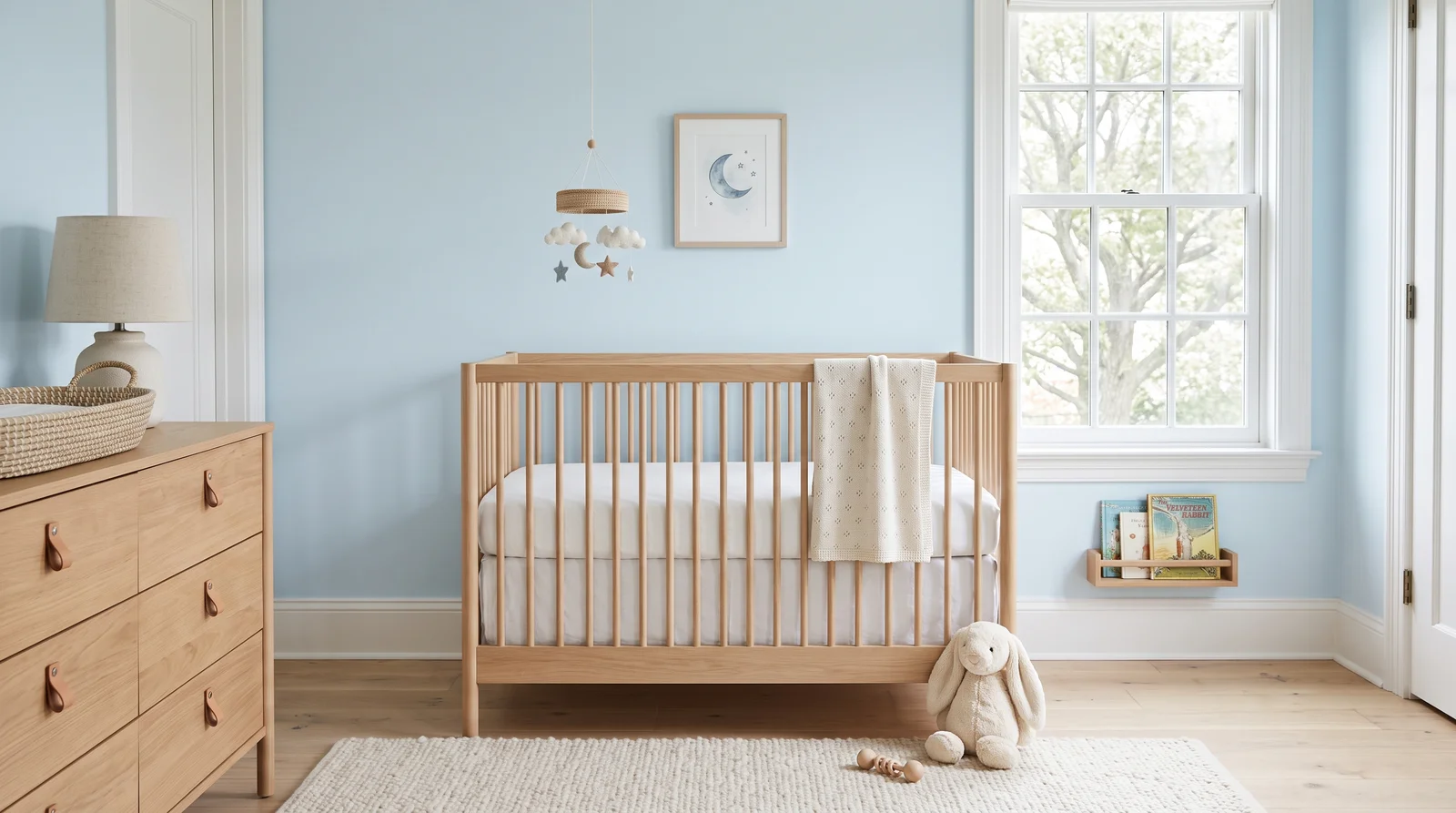
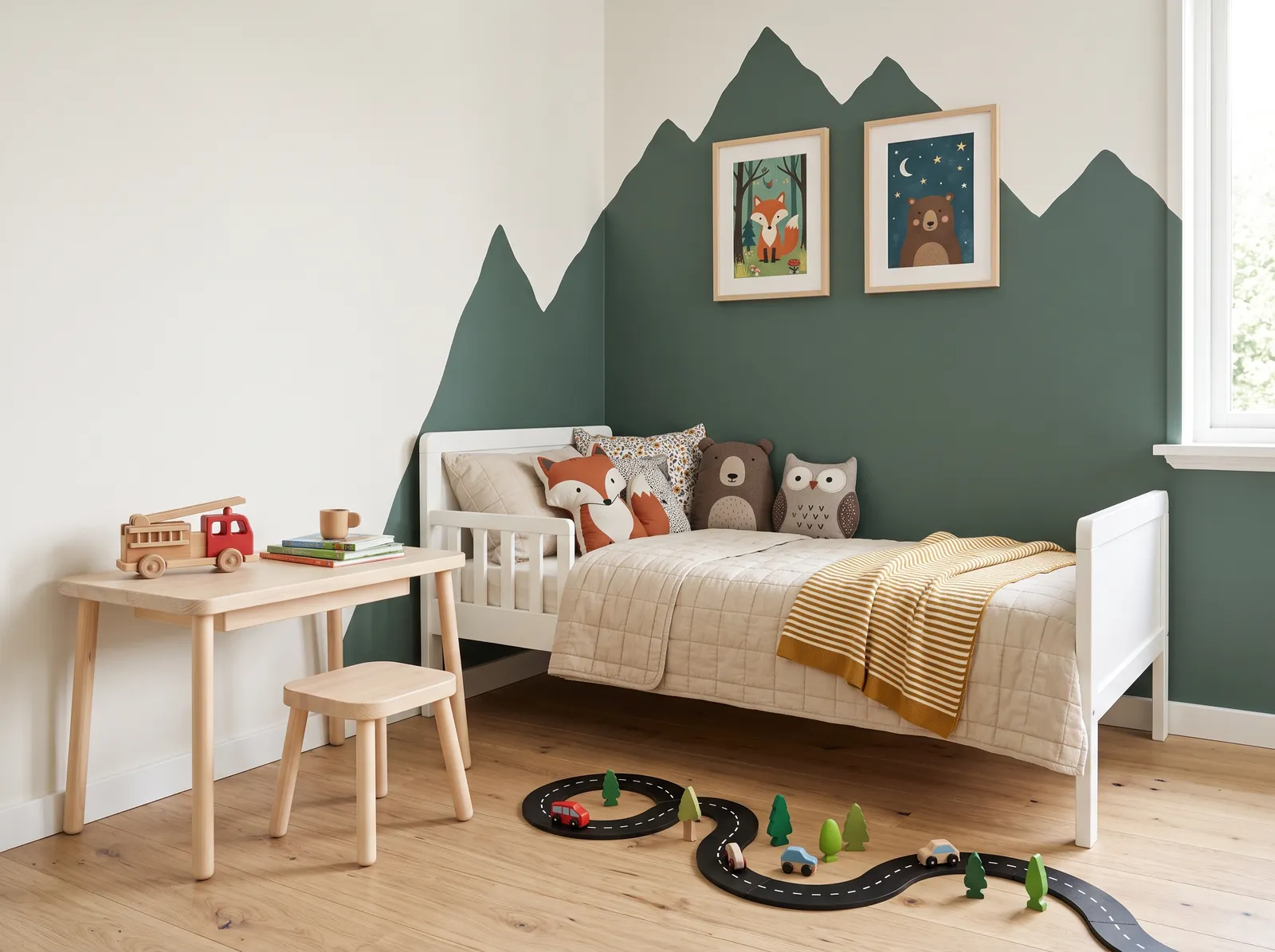
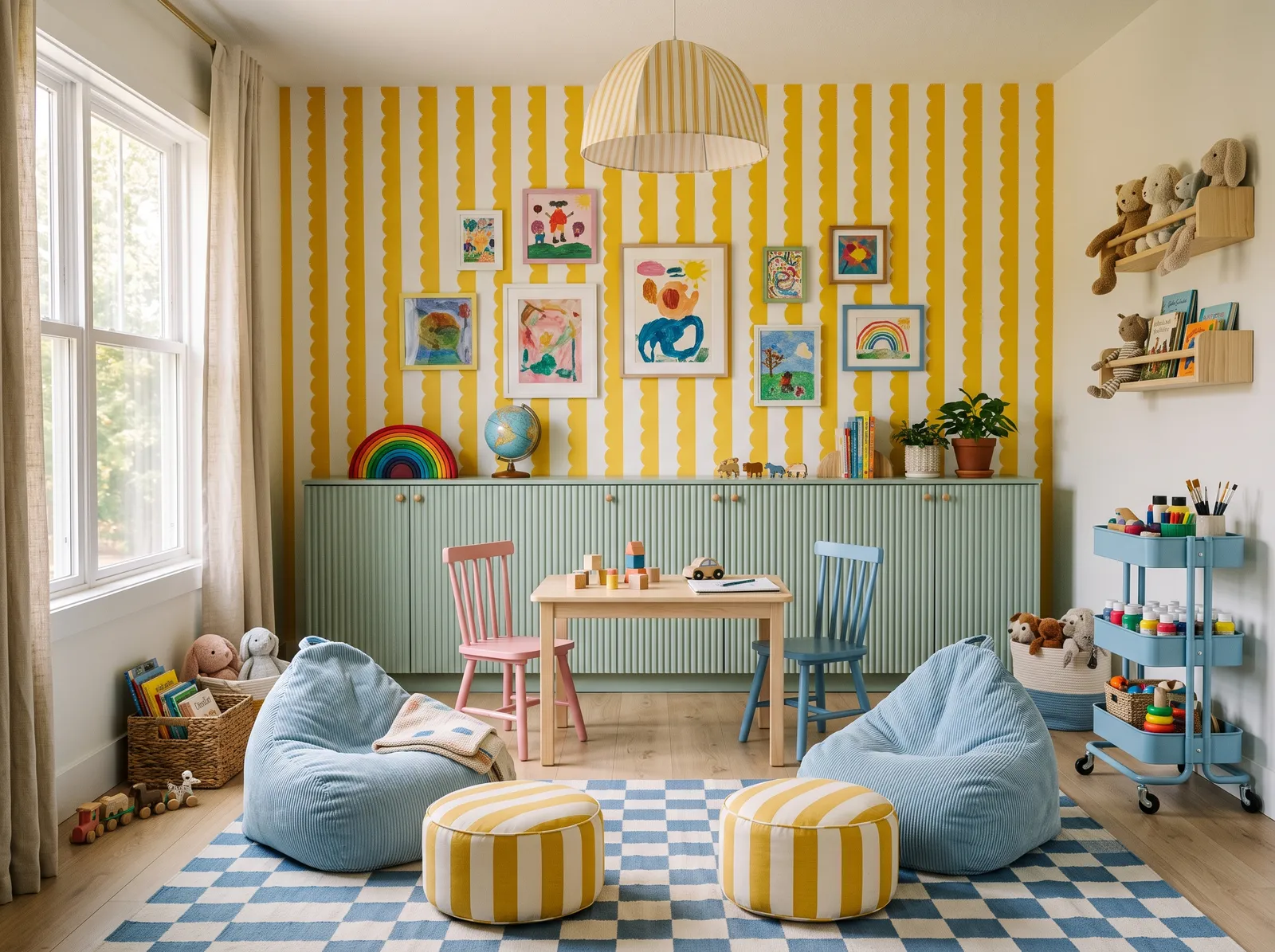
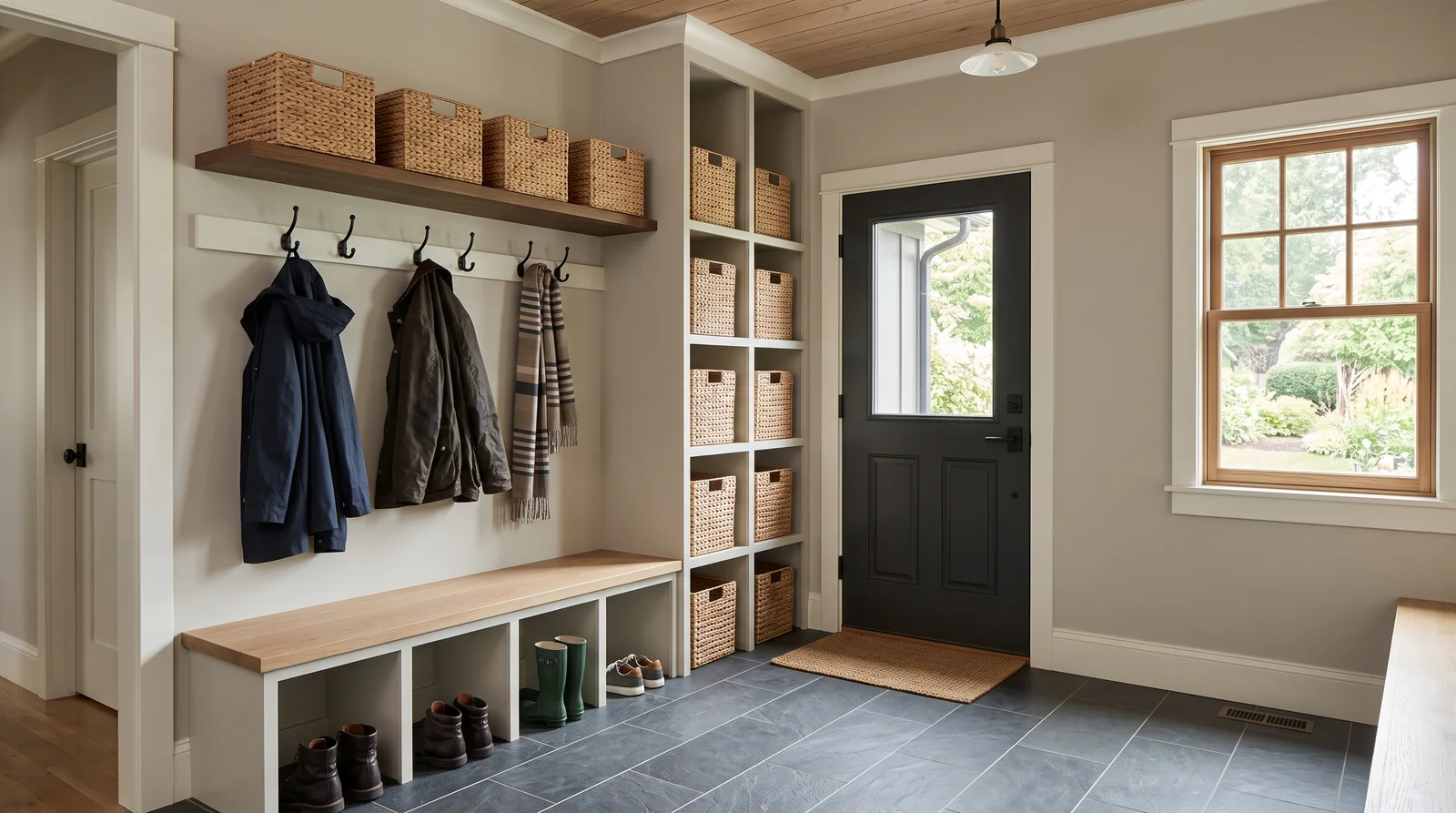
Each room page shows green picks from every US brand side by side, so you can compare in context.
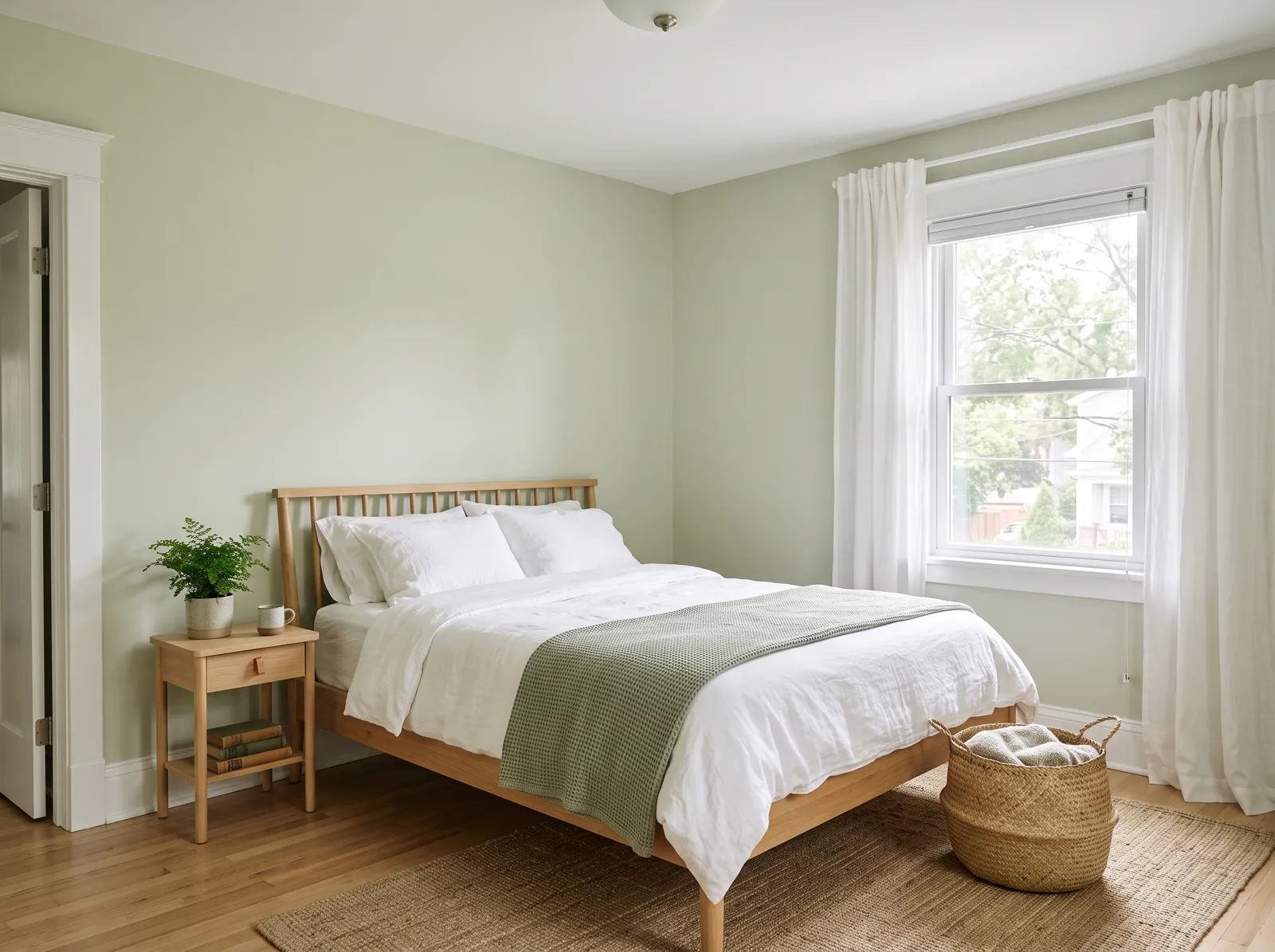
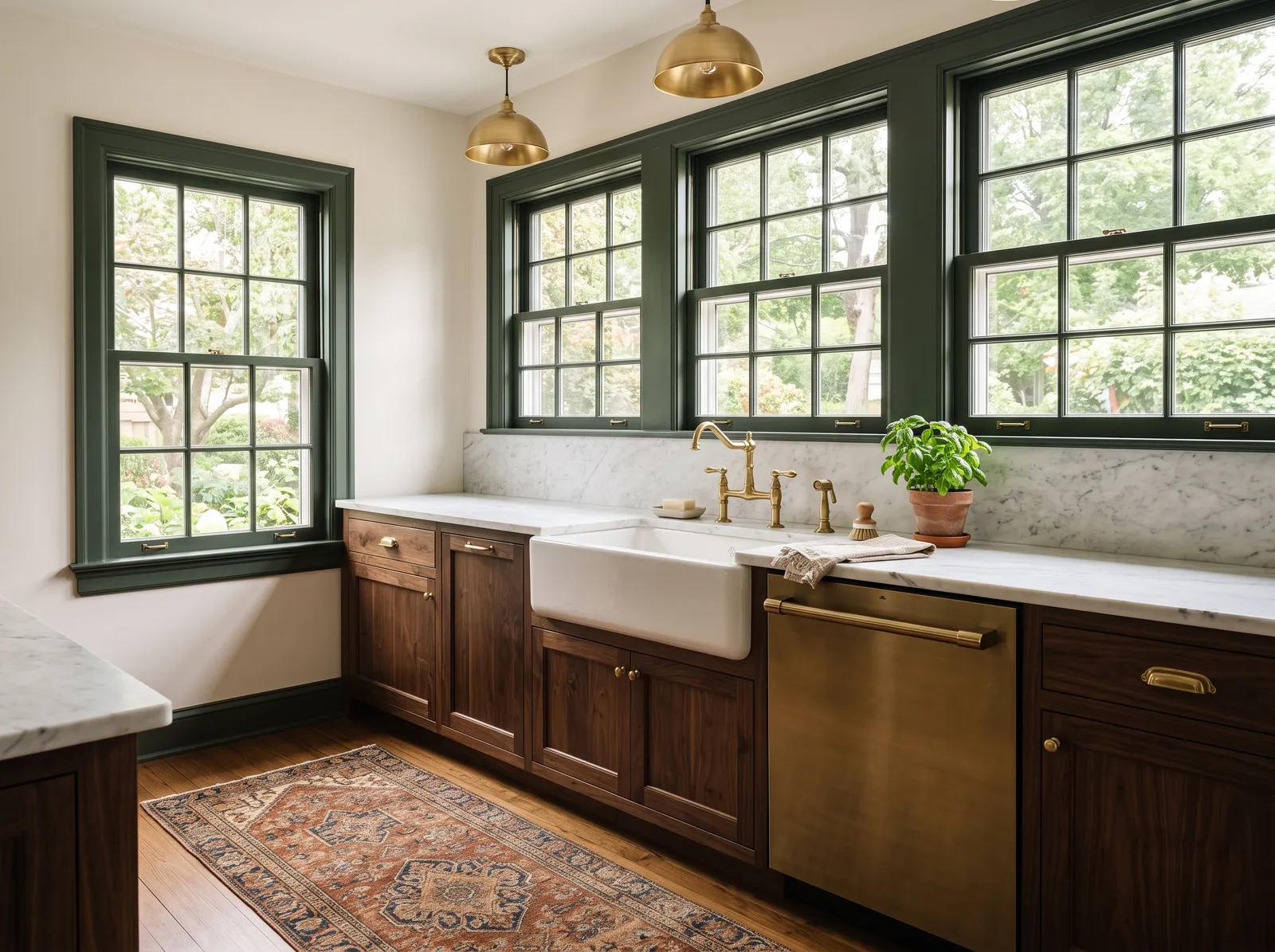
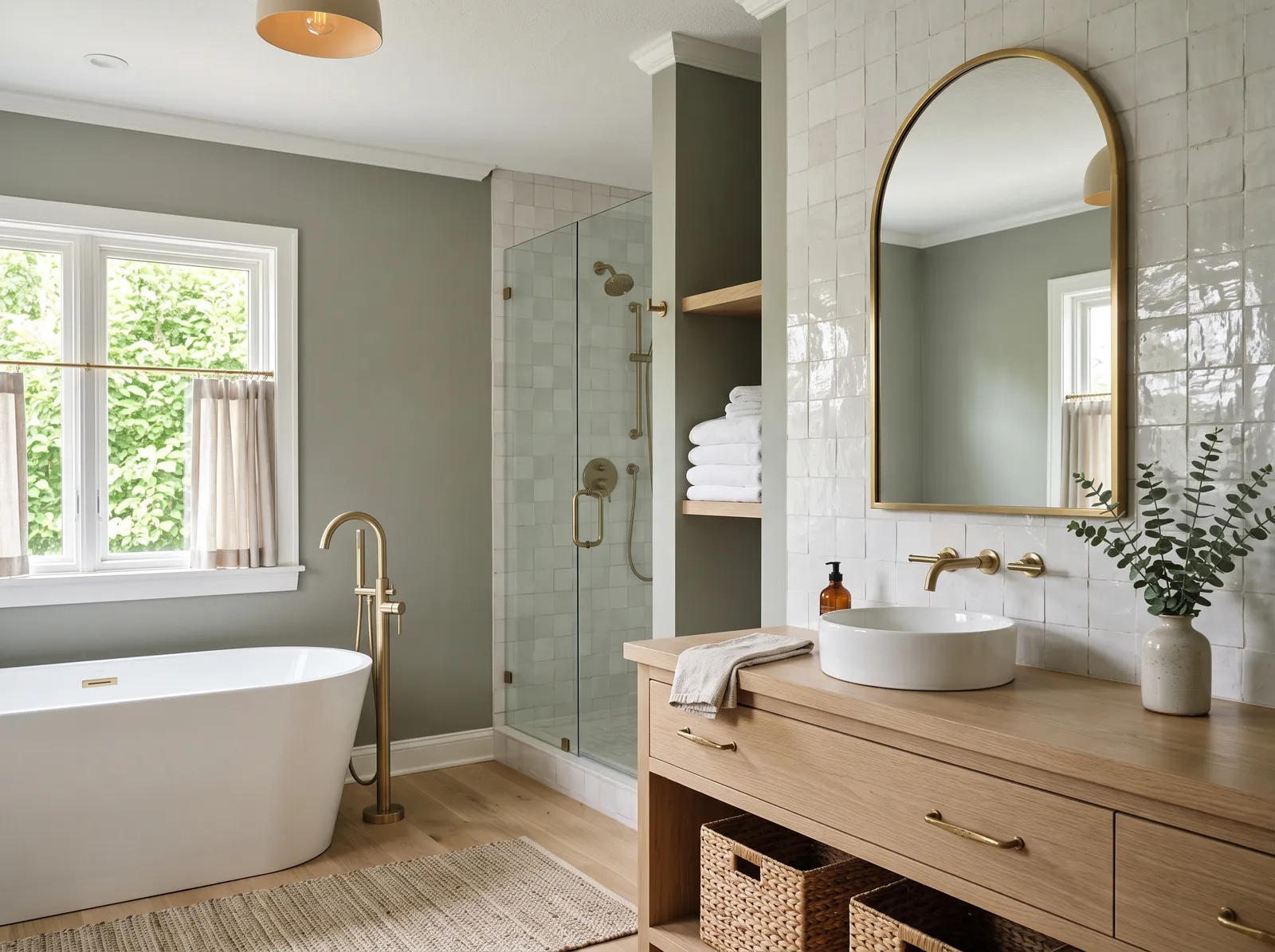
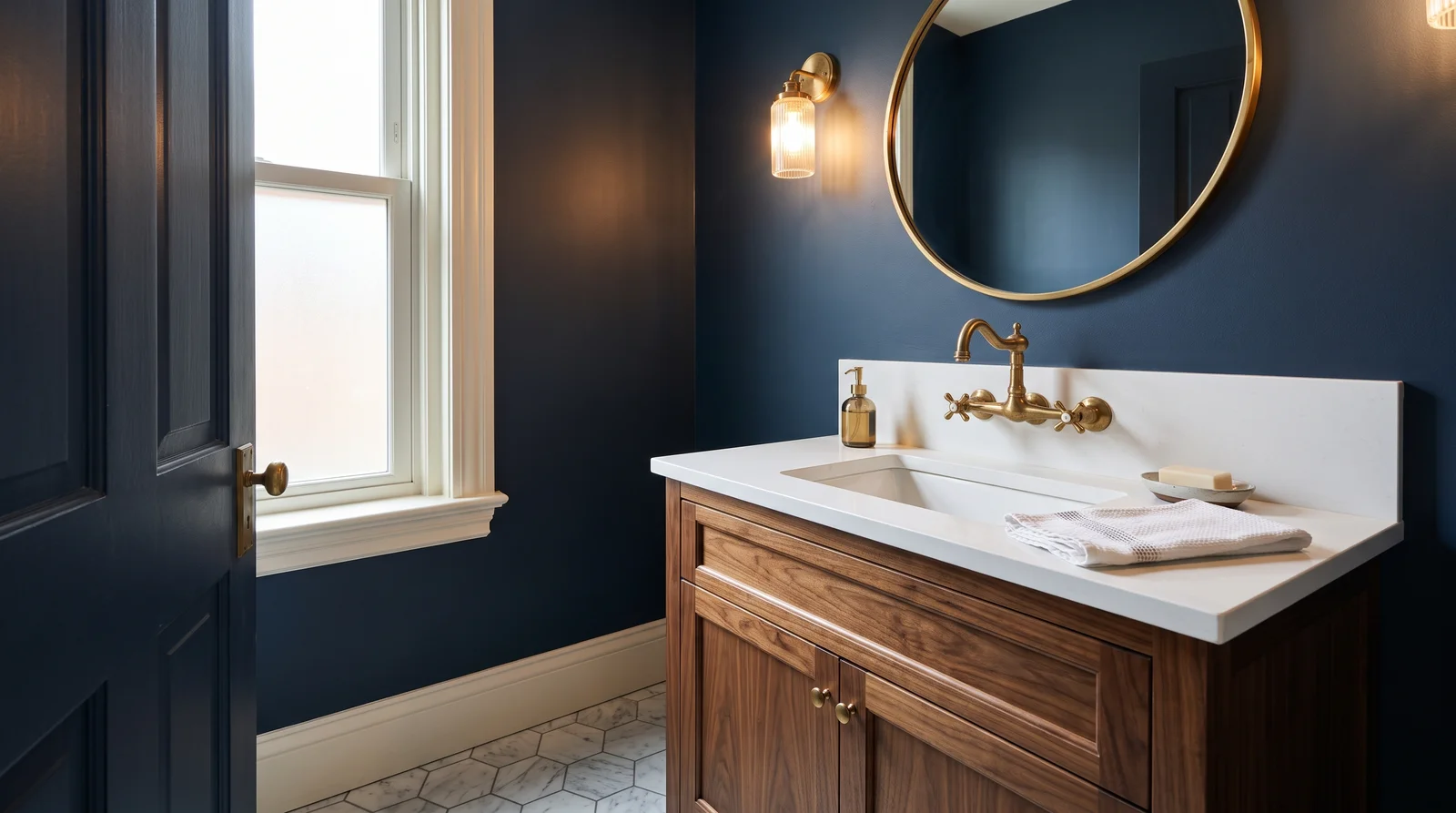
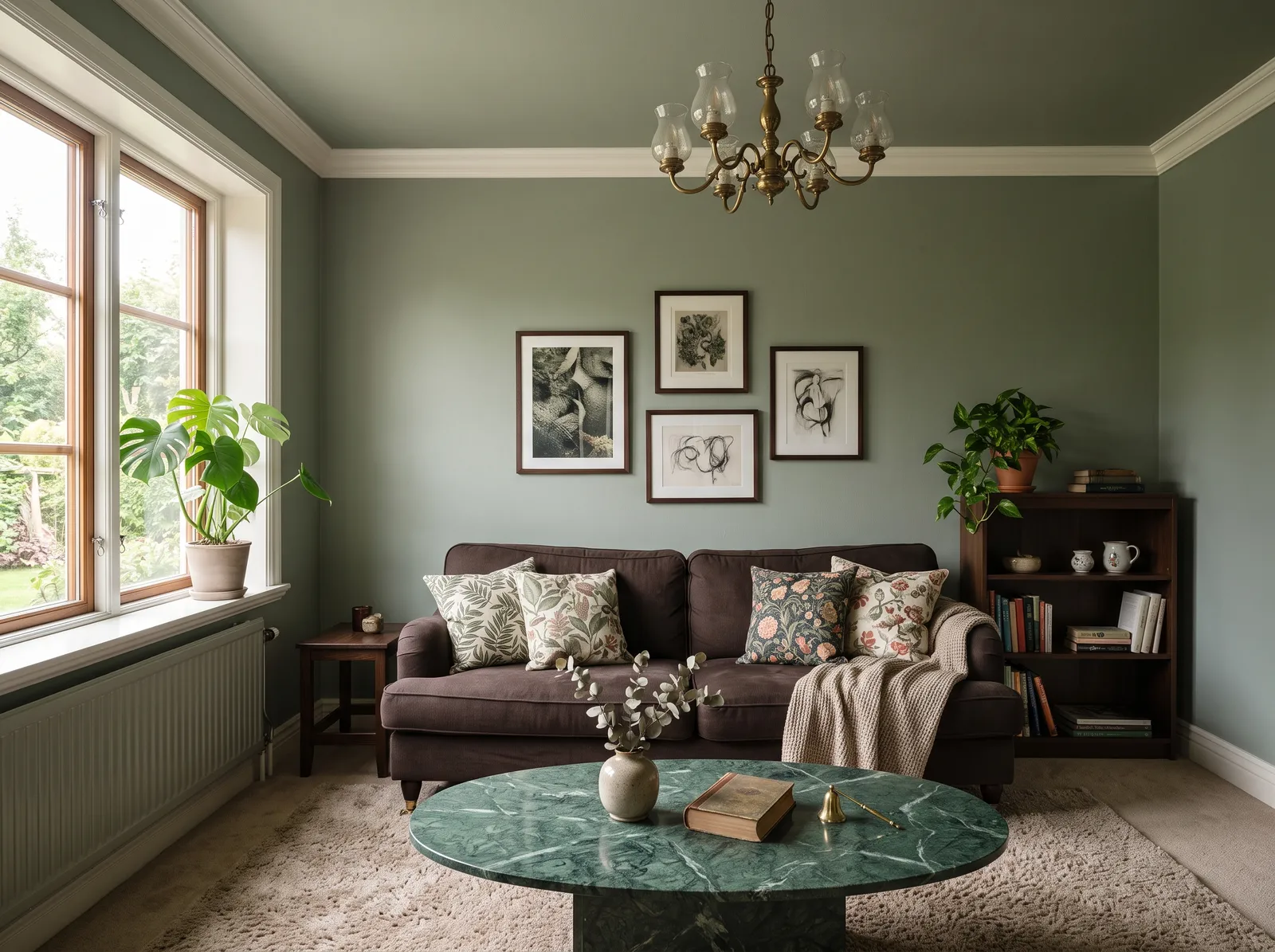
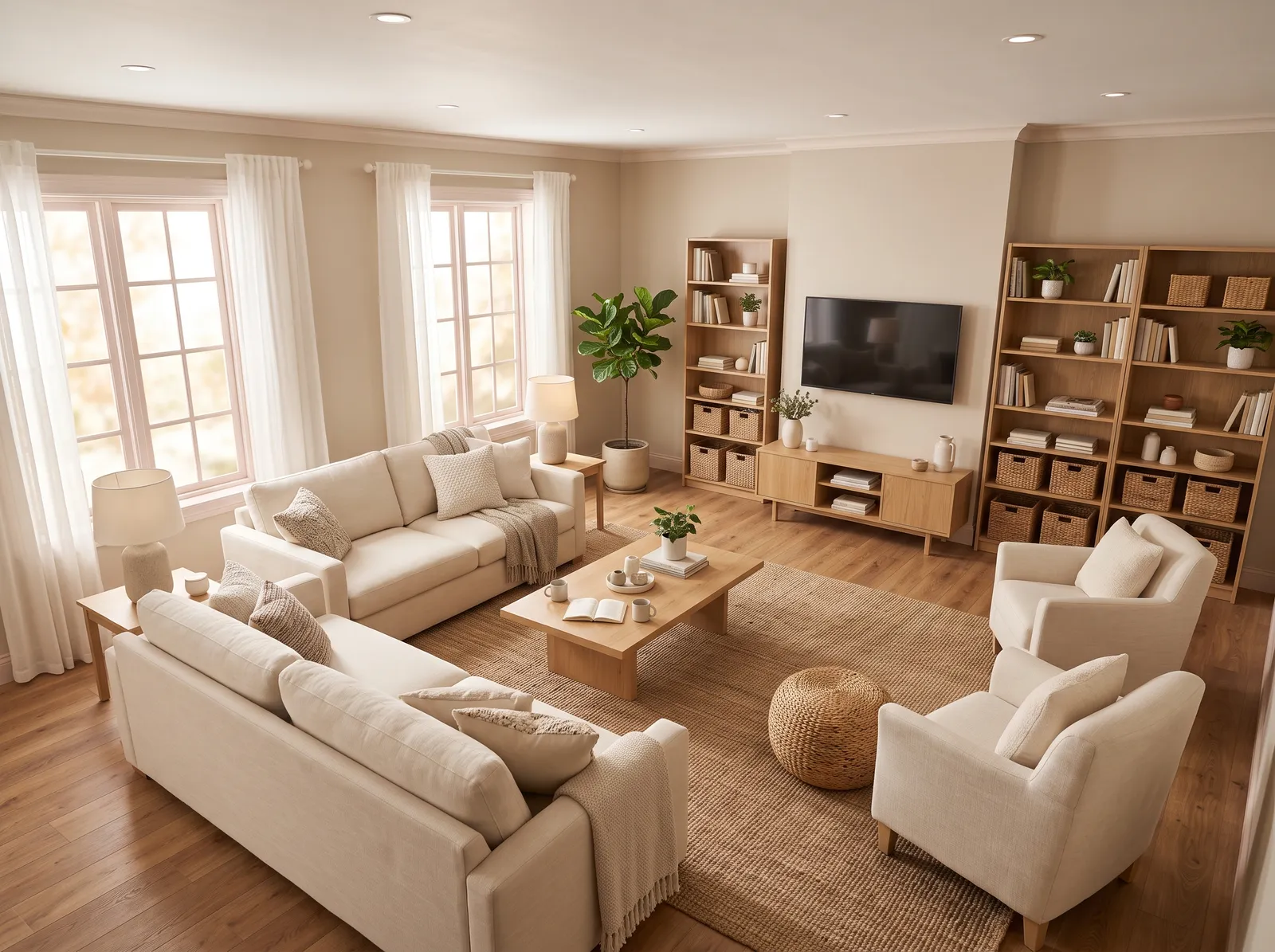
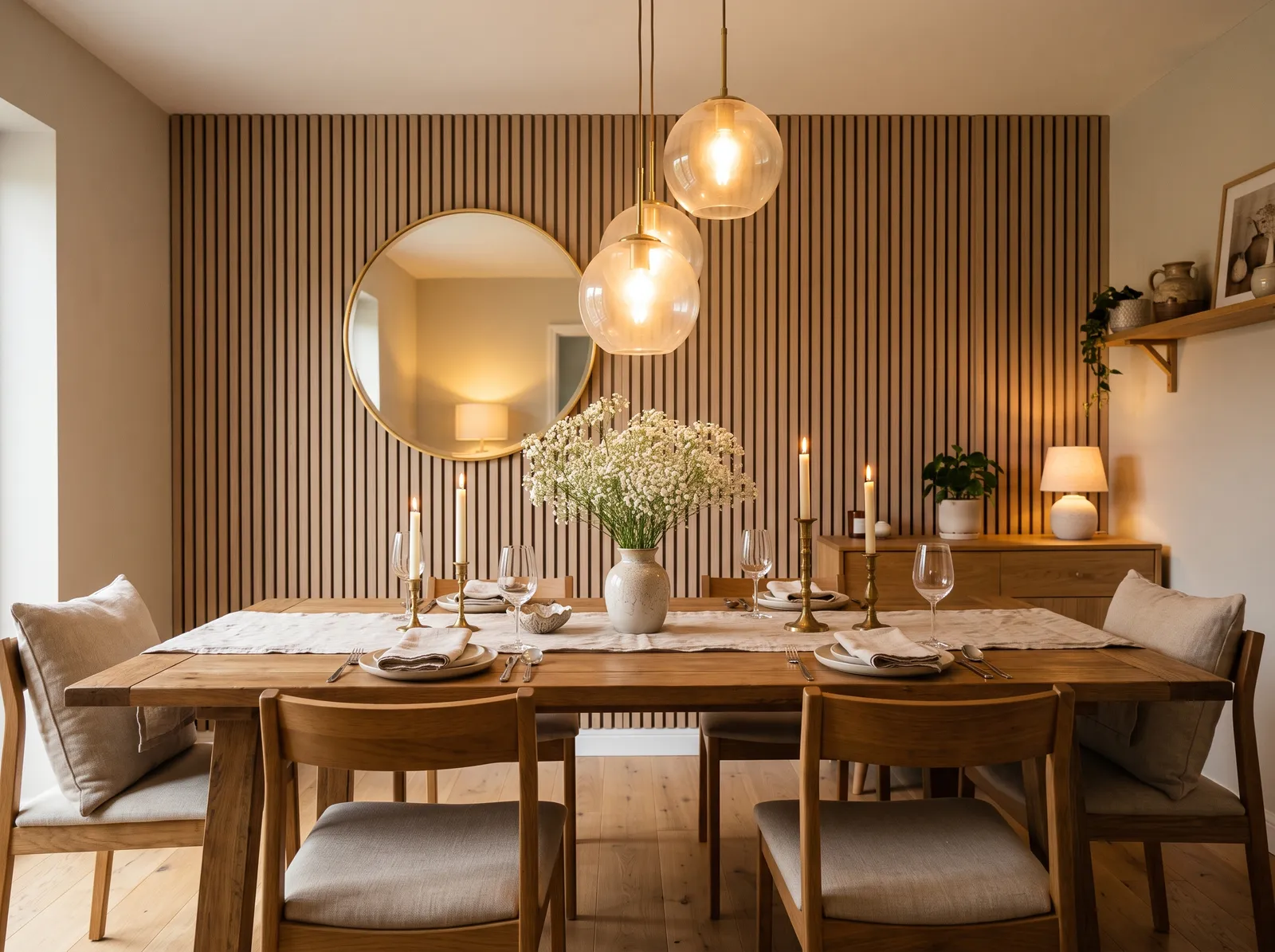
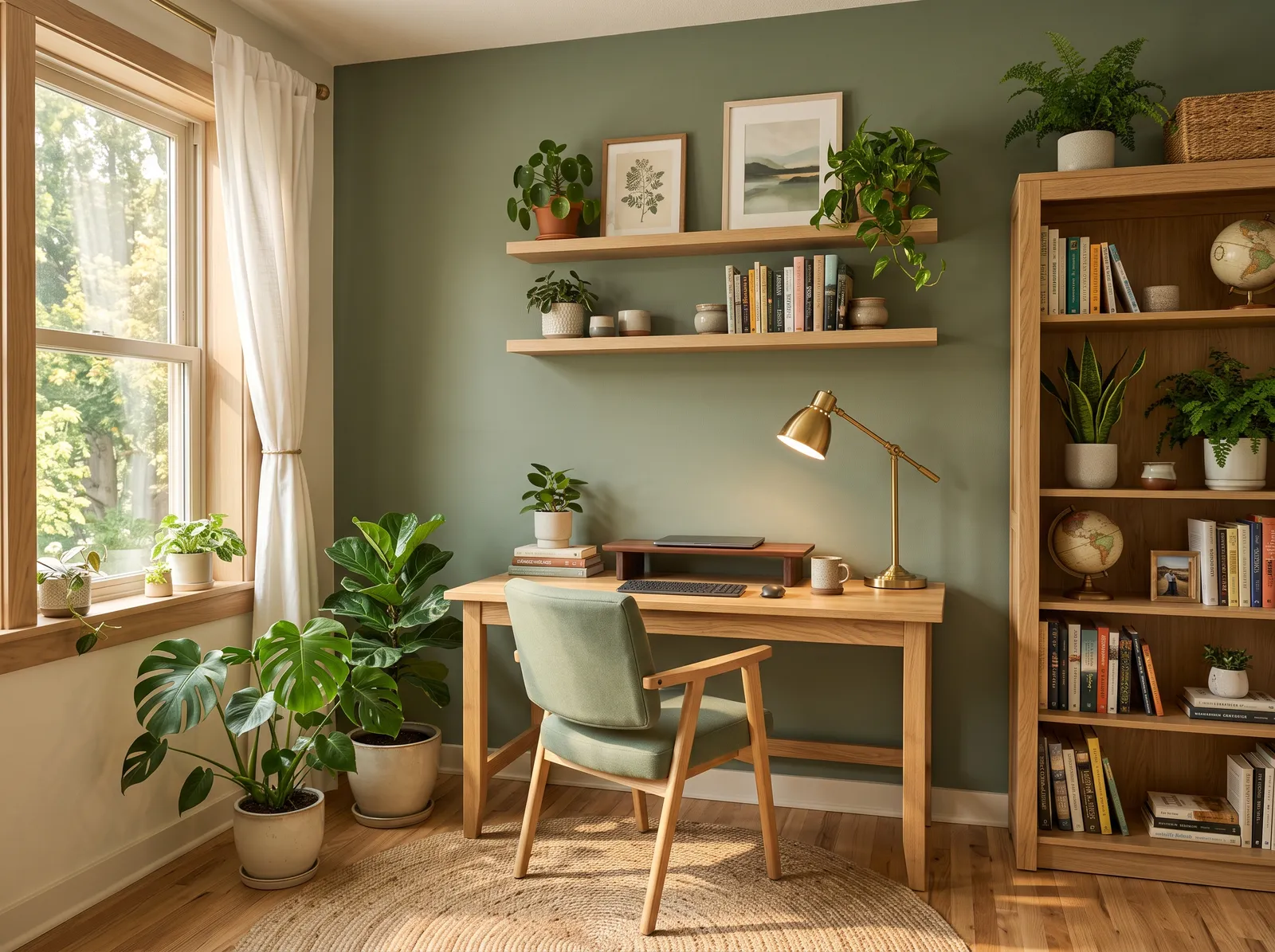
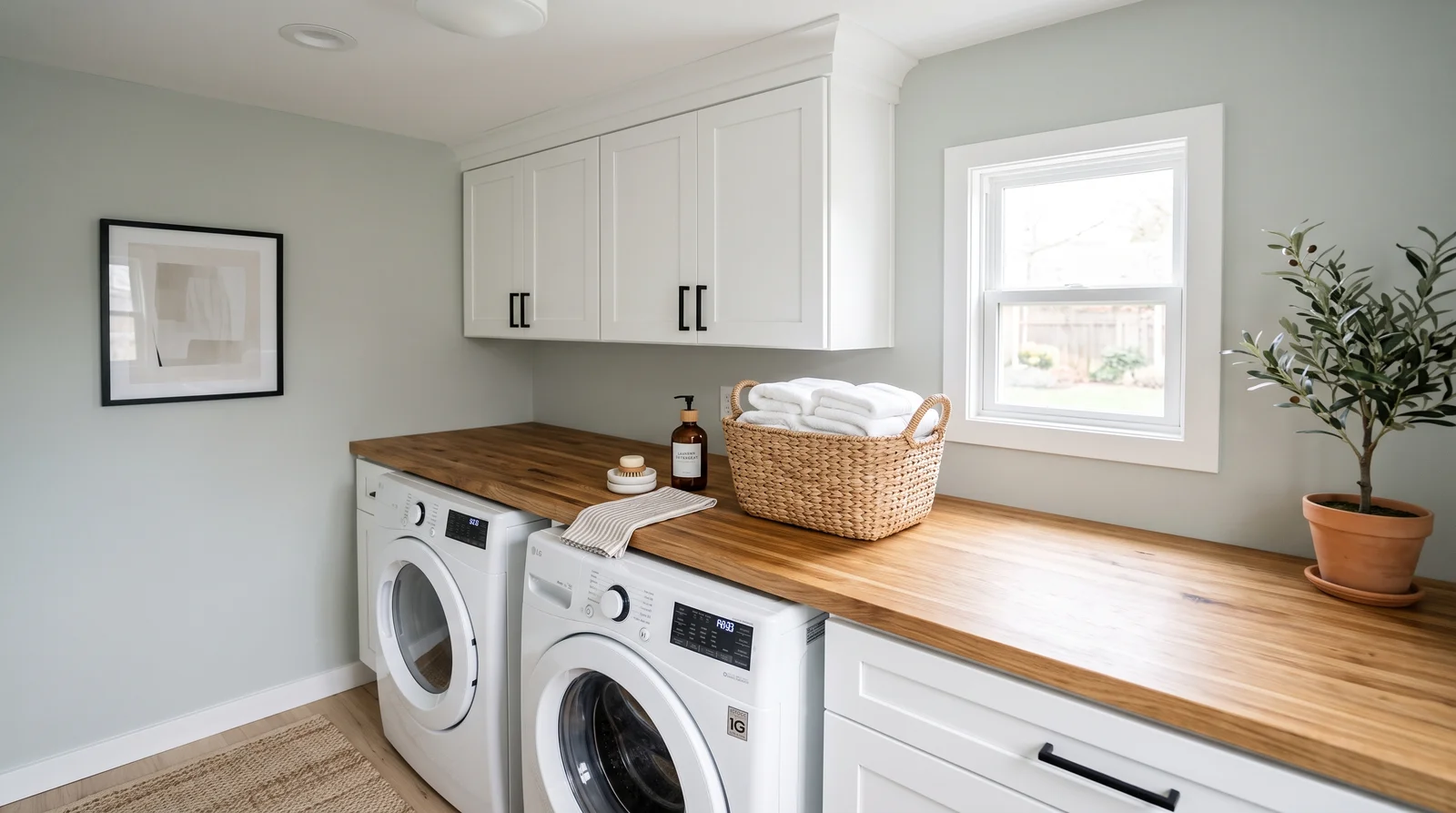
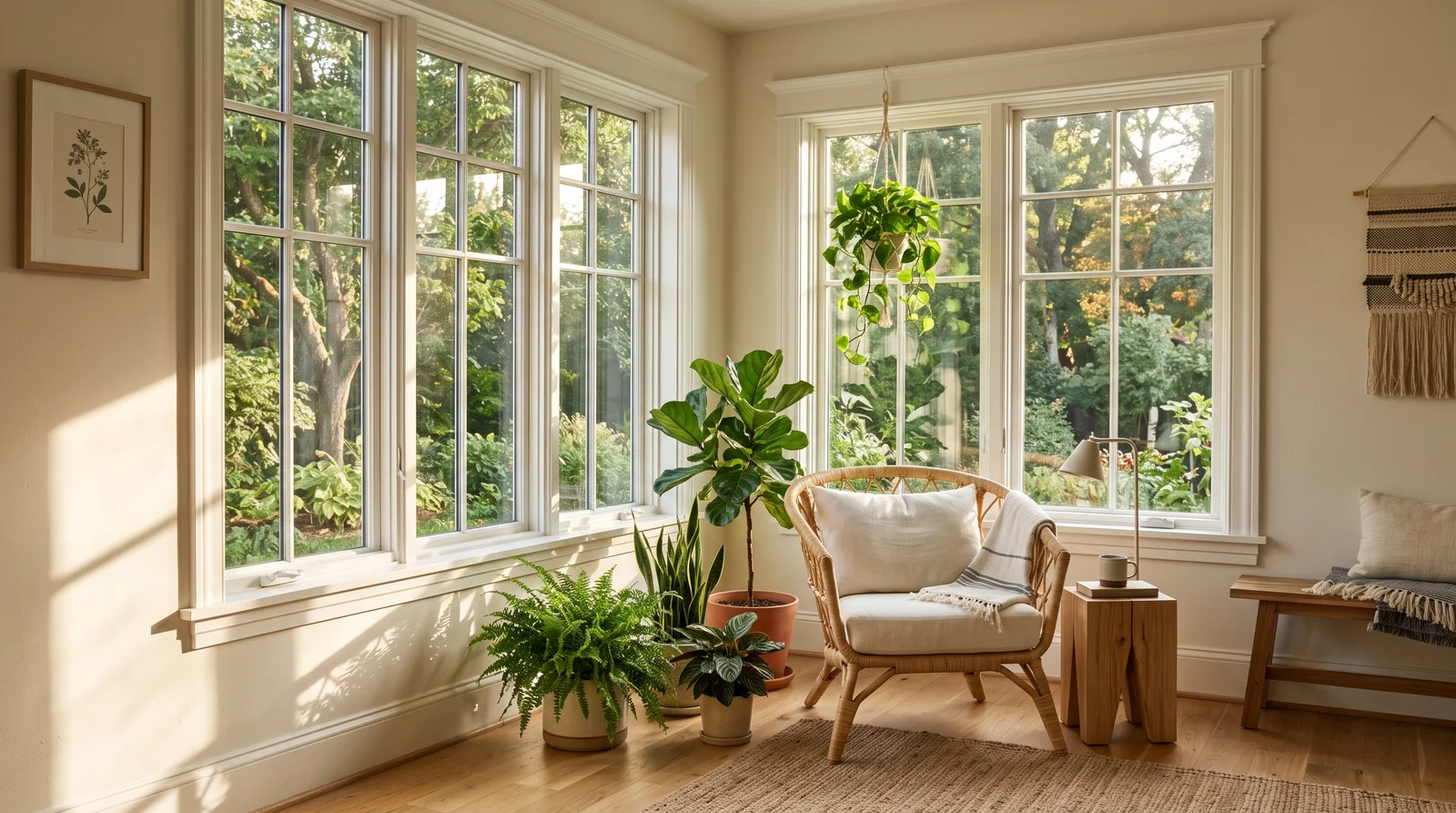
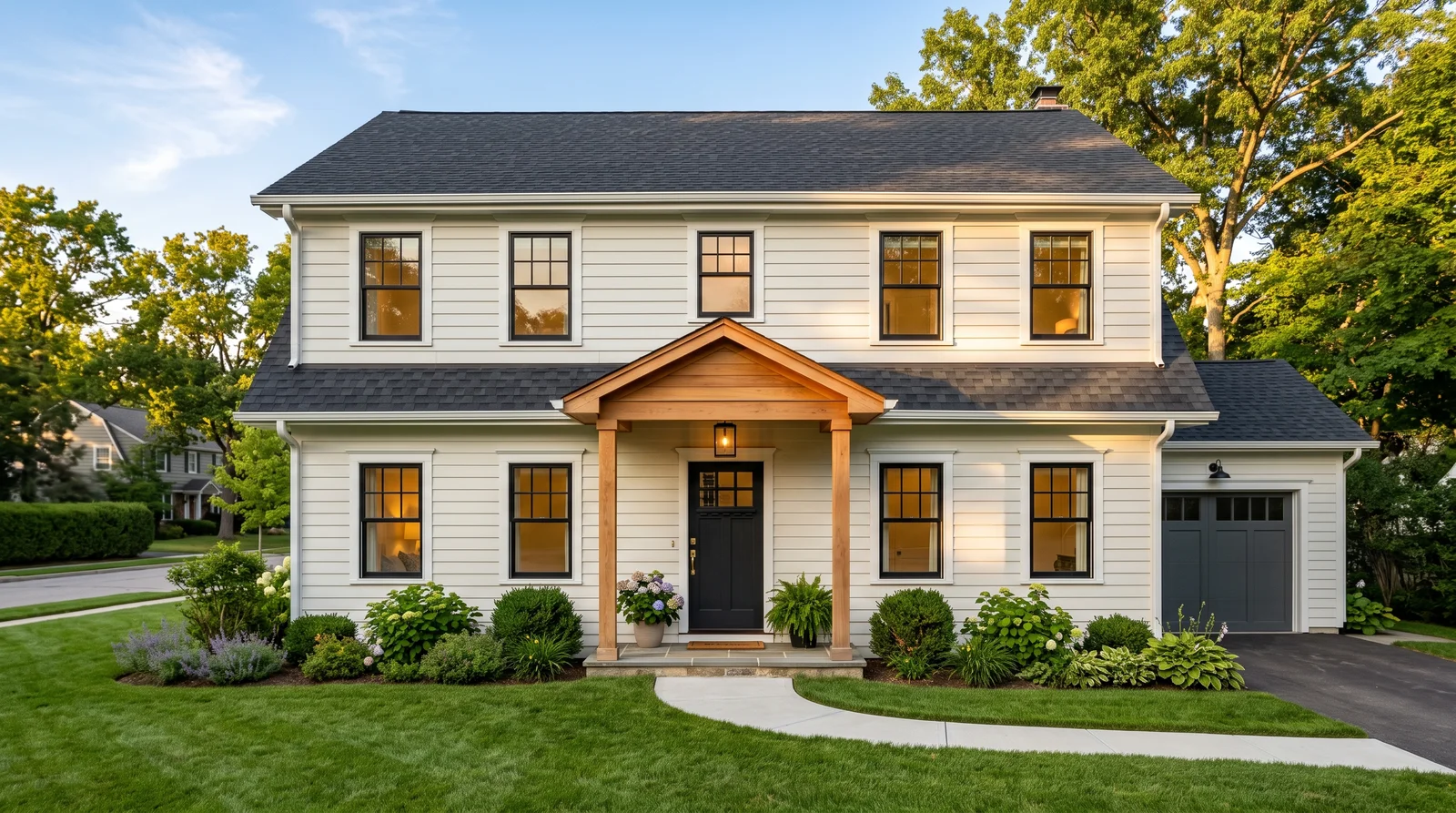
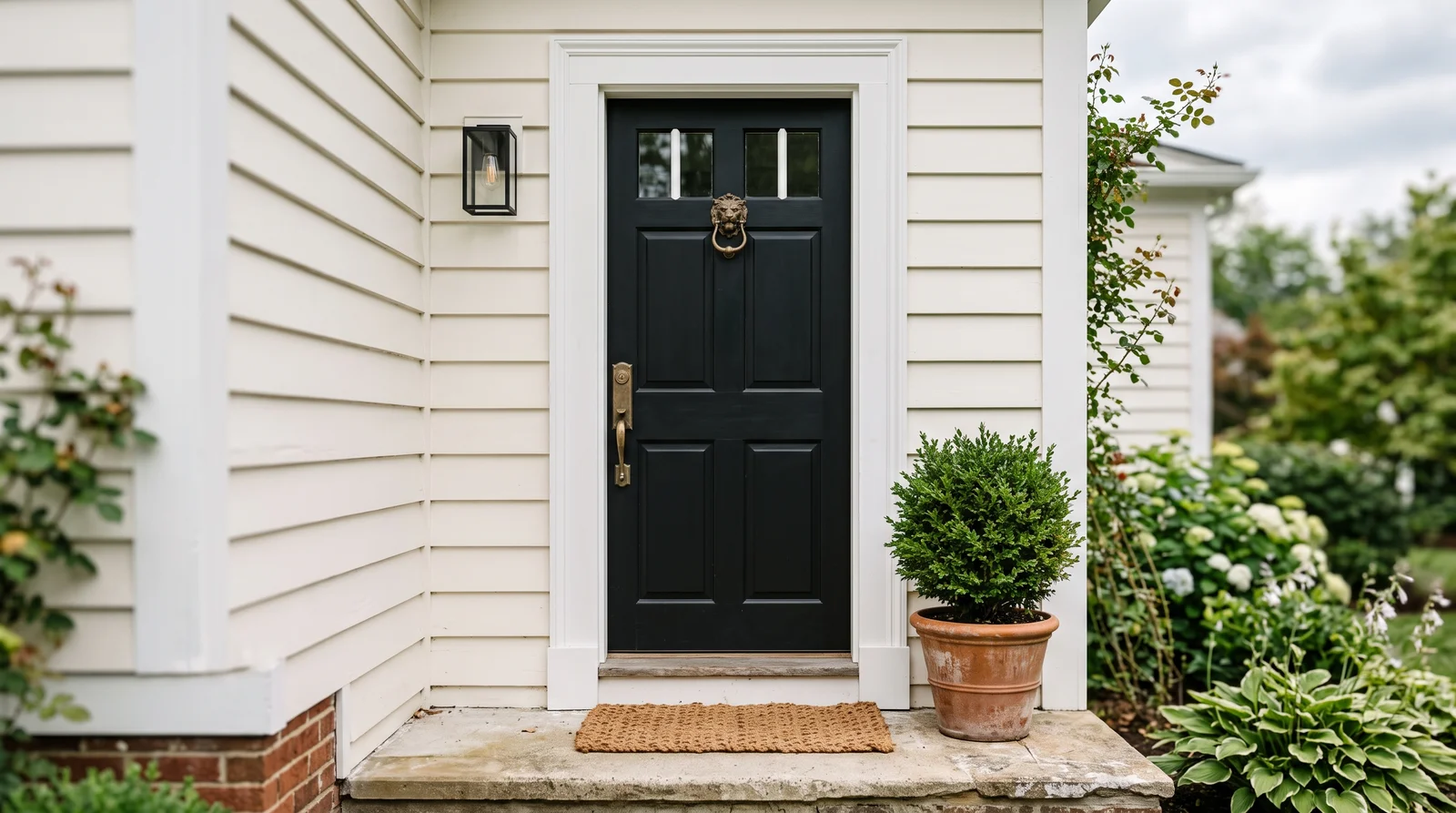
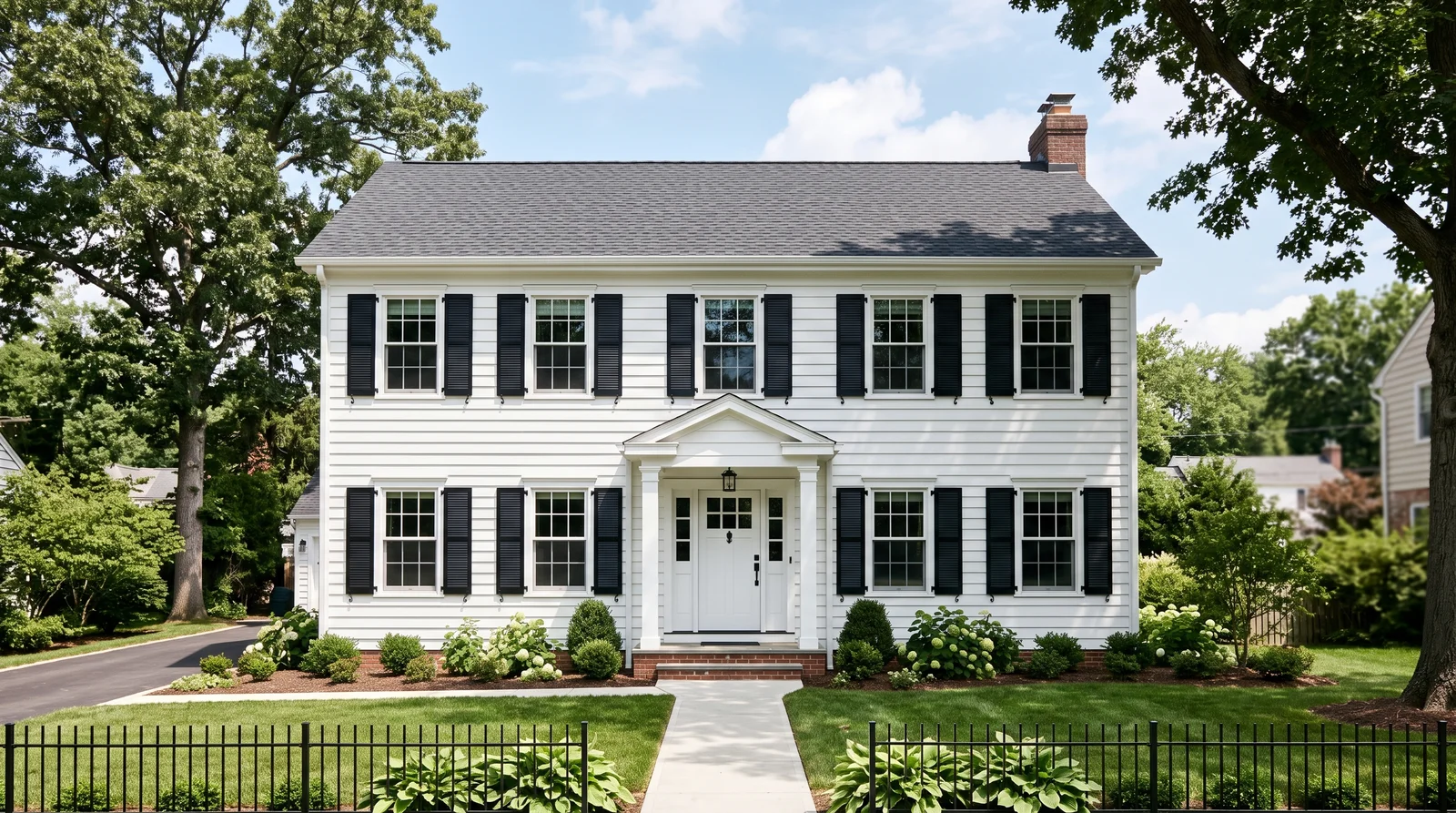
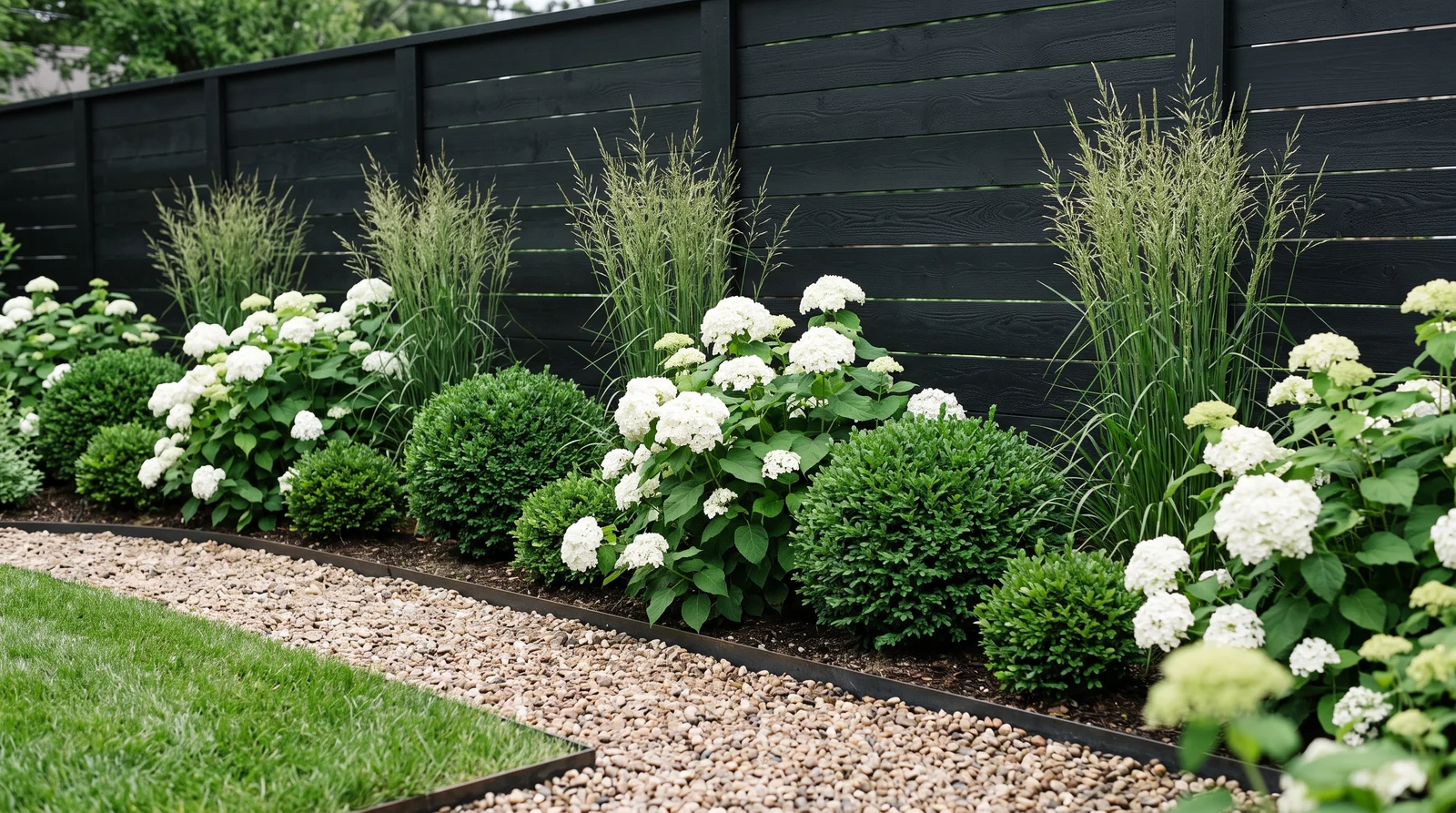
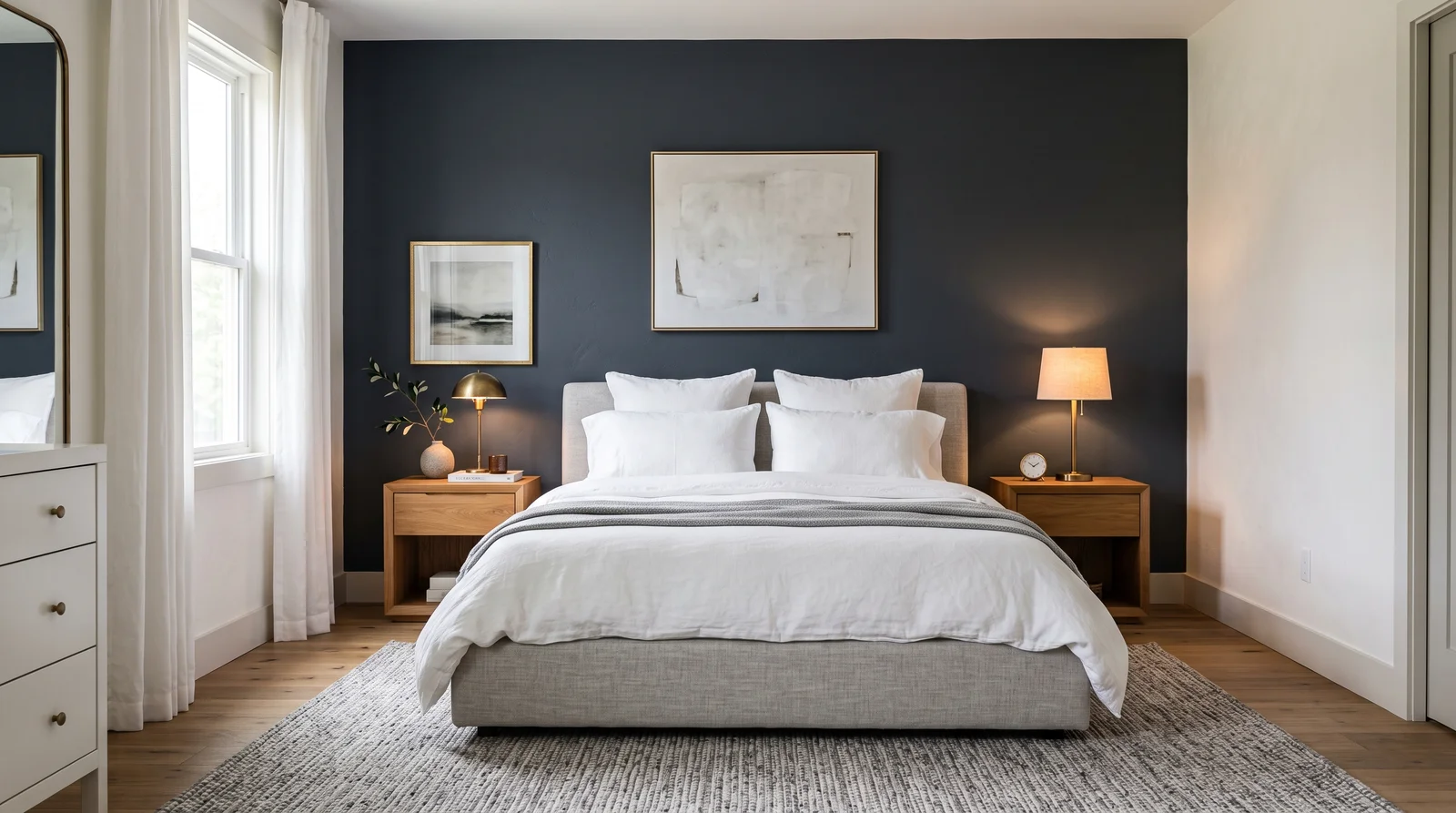
All 3,087 Green Paint Colors
Every green from every brand we track, merged into one shelf. Grouped by undertone, warm to cool. Filter by brand or depth, or change the order.
Swatches are each brand's published display value, not a physical sample under controlled lighting. Screens vary, and so does your light. Order a brand-direct sample or preview the color on a photo of your own wall before you specify.
Upload a photo of the room. We paint it in the green you chose with your light and your floor, and you can swap colors until one holds.
More on green paint colors
This page is your starting point for choosing green paint across every major brand. We will cover what actually makes a green read the way it does, how to use light reflectance value (LRV) to predict whether a color will feel dark or airy, how green changes from room to room and with the direction your windows face, and how to pair it with trim, ceilings, and other colors.
One practical thing to keep in mind: every paint color is mixed to order at the store. A swatch is a formula, not a fixed product on a shelf. That means you are never locked into one brand — if you fall in love with a green from one company, a paint counter can almost always cross-match it close enough that no one would ever notice the difference.
What Makes a Green a Green
Green lives between blue and yellow, and the balance between those two is the single most important thing to look at. A green with more yellow in it feels warm, sunny, and earthy — think herbs and olive. A green with more blue feels cool, crisp, and a little formal — think eucalyptus or deep teal-leaning shades.
The other thing to watch is gray. Most of the greens people actually paint their walls are softened with gray, which tones down the brightness and makes them livable. A pure, saturated green can be wonderful on a front door or a small accent, but on a full room it often feels louder than people expect. When you hold a chip up, ask yourself two questions: is it leaning yellow or blue, and how gray is it?
Reading the Undertones Before You Commit
Undertones are the quiet colors hiding underneath the main one, and they are what make a green look great in the store and wrong at home. A sage that looked calm on the chip can suddenly read yellow next to your warm wood floors, or turn cold and almost gray under a north window. The undertone did not change — the light and the surroundings revealed it.
The fix is simple and worth the effort. Buy a sample, paint a big patch (at least two feet square) on more than one wall, and look at it in the morning, at midday, and at night with your lamps on. Hold it next to the things that will actually share the room: your floor, your sofa, your countertop. Greens with strong yellow undertones can clash with cool grays, and blue-greens can fight warm wood, so seeing them together first saves a repaint.
Using LRV to Predict Light and Depth
LRV, or light reflectance value, is a number from 0 (black) to 100 (white) that tells you how much light a color bounces back. It is the most useful number on the back of a paint chip because it predicts how dark or airy a green will feel before you ever open the can. Two greens can look similar on screen but behave completely differently once you know their LRV.
For green specifically: an LRV in the 60s and above gives you a soft, barely-there green that keeps a room feeling open and works well in small or low-light spaces. The 40s and 50s land in true mid-tone sage and fern territory — color you clearly see, but still easy to live with. Drop into the 20s and 30s and you get rich, enveloping greens that feel cozy and dramatic but need decent light to avoid going flat. Below 20 you are in deep forest and near-black green, which is gorgeous on cabinets, libraries, and accent walls but heavy for a whole bright room.
How Green Behaves Room by Room and by Light Direction
The direction your windows face changes a green more than almost anything else. North-facing rooms get cool, steady light that pushes greens toward gray and blue, so a color that looked fresh in the store can feel a bit flat or chilly there — warmer, yellow-leaning greens hold up best. South-facing rooms get warm, generous light that makes greens look richer and slightly more yellow, so cooler and grayer greens stay balanced and lively. East light is warm in the morning and cool by afternoon, while west light does the reverse, so expect your green to shift across the day in those rooms.
Room by room, green is forgiving. Soft sages and muted greens feel calming in bedrooms and bathrooms, mid-tones bring life to kitchens and living rooms, and deep greens turn a dining room or home office into something that feels intentional and grounded. Because green reads as natural, it rarely feels jarring — it just needs the right depth for how much light the room gets.
Pairing Green With Trim, Ceilings, and Other Colors
The safest and most timeless move is green walls with crisp white or soft off-white trim. A warm white flatters yellow-leaning greens and keeps them from looking dingy, while a cleaner white sharpens cool blue-greens. For ceilings, white is the default, but a very pale tint of the wall color or a soft warm white can make a deep green room feel finished rather than top-heavy.
For coordinating colors, green plays well with the earthy family — warm woods, terracotta, cream, and soft browns all sit naturally beside it. If you want contrast, blush and warm pinks are a classic partner to green, and navy or charcoal deepens a green scheme without competing. Greens also pair beautifully with brass and natural materials like stone and linen, which is why the family feels so at home in kitchens and entryways.
The Most Common Mistakes With Green
The biggest mistake is judging green from a tiny chip or a phone screen. Green shifts more than most colors between store light and home light, so a chip that looks like soft sage can turn lime or gray on your wall. Always sample large, and always look at it in your own room across a full day.
The second mistake is going too bright or too saturated for a whole room. A clean grassy green is exciting in small doses but exhausting on four walls. The third is ignoring undertones against your fixed finishes — putting a yellow-green next to a cool gray floor, or a blue-green next to honey-toned wood, almost always reads as a clash. And remember you are not stuck: since every color is mixed to order, you can take a green you love and have it matched at any paint counter, so chase the right color rather than the right logo.
Green Paint FAQ
How do I know if a green has a warm or cool undertone?
Look at whether it leans toward yellow or toward blue. Yellow-leaning greens feel warm, earthy, and sunny, while blue-leaning greens feel cool, crisp, and a little more formal. The easiest test is to set the chip next to a clearly warm green and a clearly cool green and see which side it falls toward, then confirm it on your actual wall in daylight.
What LRV should I look for in a green paint?
It depends on how much light your room gets and how bold you want to go. For a soft, airy green that keeps a room open, look in the 60s or higher; for a clear mid-tone sage or fern, the 40s and 50s; and for a rich, cozy green, the 20s and 30s. Deep forest greens below 20 are stunning but need good light or they can feel flat.
Why does my green paint look different at home than in the store?
Store lighting is usually bright and cool, which hides a green's true undertone, and your home light is different in color and direction. North light cools a green down toward gray, while south light warms it up and brings out yellow. This is why you should always paint a large sample at home and check it in morning, midday, and evening light before deciding.
What trim color goes best with green walls?
Crisp white and soft off-white are the most reliable choices for almost any green. Pair warm, yellow-leaning greens with a warmer white so they don't look dingy, and pair cool blue-greens with a cleaner, brighter white to keep them sharp. When in doubt, sample the trim white next to your wall green before committing.
Is green a good color for a north-facing room?
Yes, as long as you choose the right green. North light is cool and can make a green look gray or chilly, so warmer, yellow-leaning greens hold their character best in those rooms. Avoid the coolest blue-greens in north light unless you specifically want a quiet, muted effect.
What colors pair well with green?
Green is happiest with the natural, earthy family: warm woods, cream, terracotta, soft browns, and stone. For contrast, blush pink is a classic partner, and navy or charcoal adds depth without competing. Brass and natural materials like linen also make green schemes feel warm and intentional.
Can I get the same green color in a different brand of paint?
In almost all cases, yes. Every paint color is mixed to order at the store from a formula, not pulled off a shelf as a fixed product, so a paint counter can cross-match a green from one brand to another. The match is close enough that the difference is invisible on the wall, which means you can choose the color you love and not worry about which brand printed the chip.
Ask a Question