Purple paint colors
Purple is one of the most misunderstood colors on a paint deck. People love it on the chip and then fear it on the wall, mostly because they have only ever seen it done loud. But purple is a huge family. It runs from soft gray-violets that read almost like a warm gray, through dusty lavenders and mauves, all the way to deep plum and eggplant. Most of the best purples for a home are the quiet ones you might not even name as purple at first glance.
The Purple Colors People Actually Buy
Don't want to compare 1,696 purple colors? These four cover most real projects. Ranked by how often designers and homeowners specify them, not by our taste.
Blue Nova is Benjamin Moore's 2024 Color of the Year, and it is a deliberately quiet one — a blue-violet mid-tone built for a single confident move, not a whole house.
Gothic Purple is not the moody eggplant its name promises.
A mid-depth mauve-brown at 26 LRV that shifts between purple and taupe by the light, used for bedrooms and moody accent walls.
A deep plum-brown at LRV 5 from Behr's 2018 trend palette, near-black on the wall with a warm purple cast in daylight.
Six Kinds of Purple
Same family, very different rooms. Each shade has its own page with every brand's version.
Purple Rooms
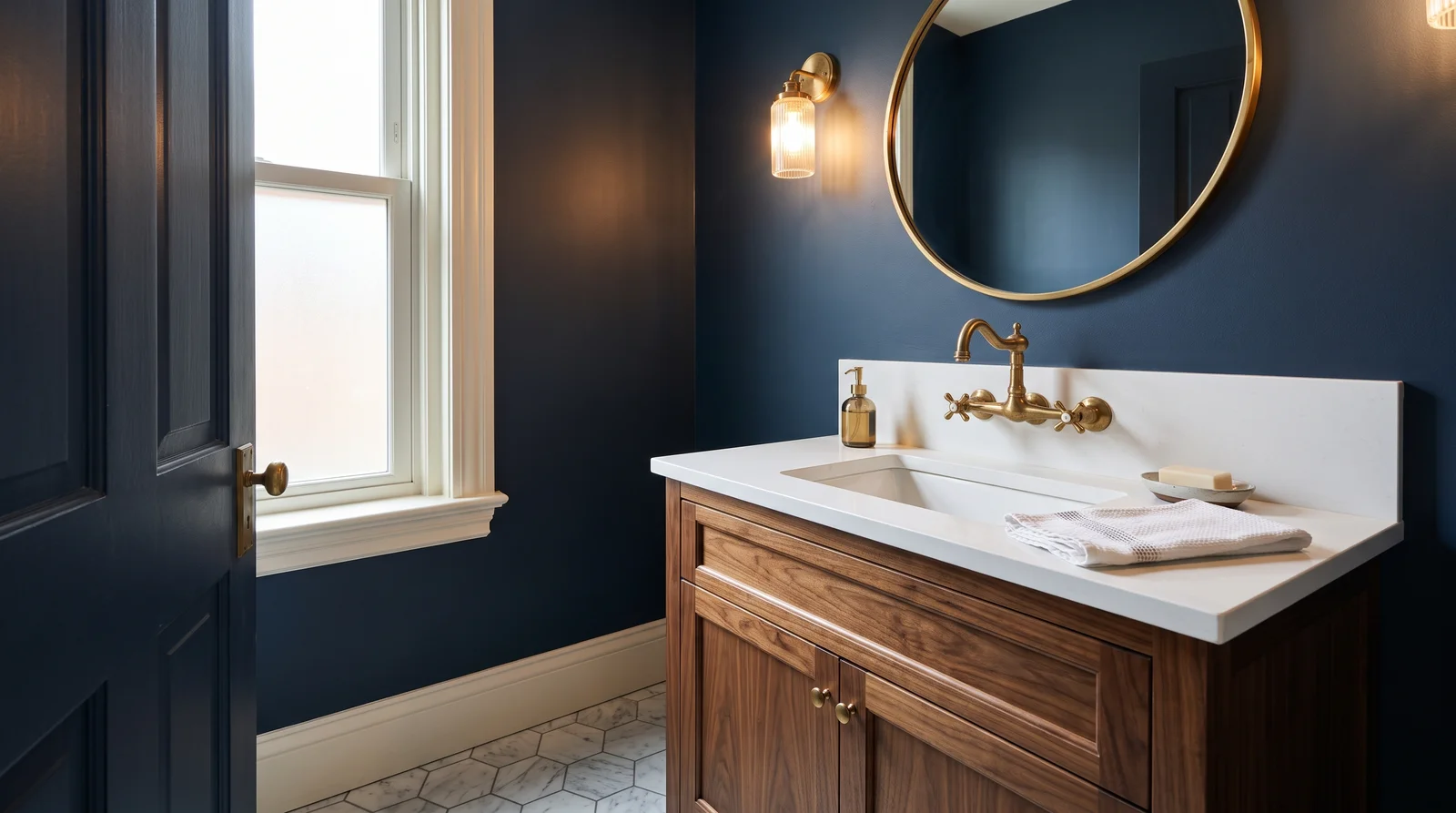
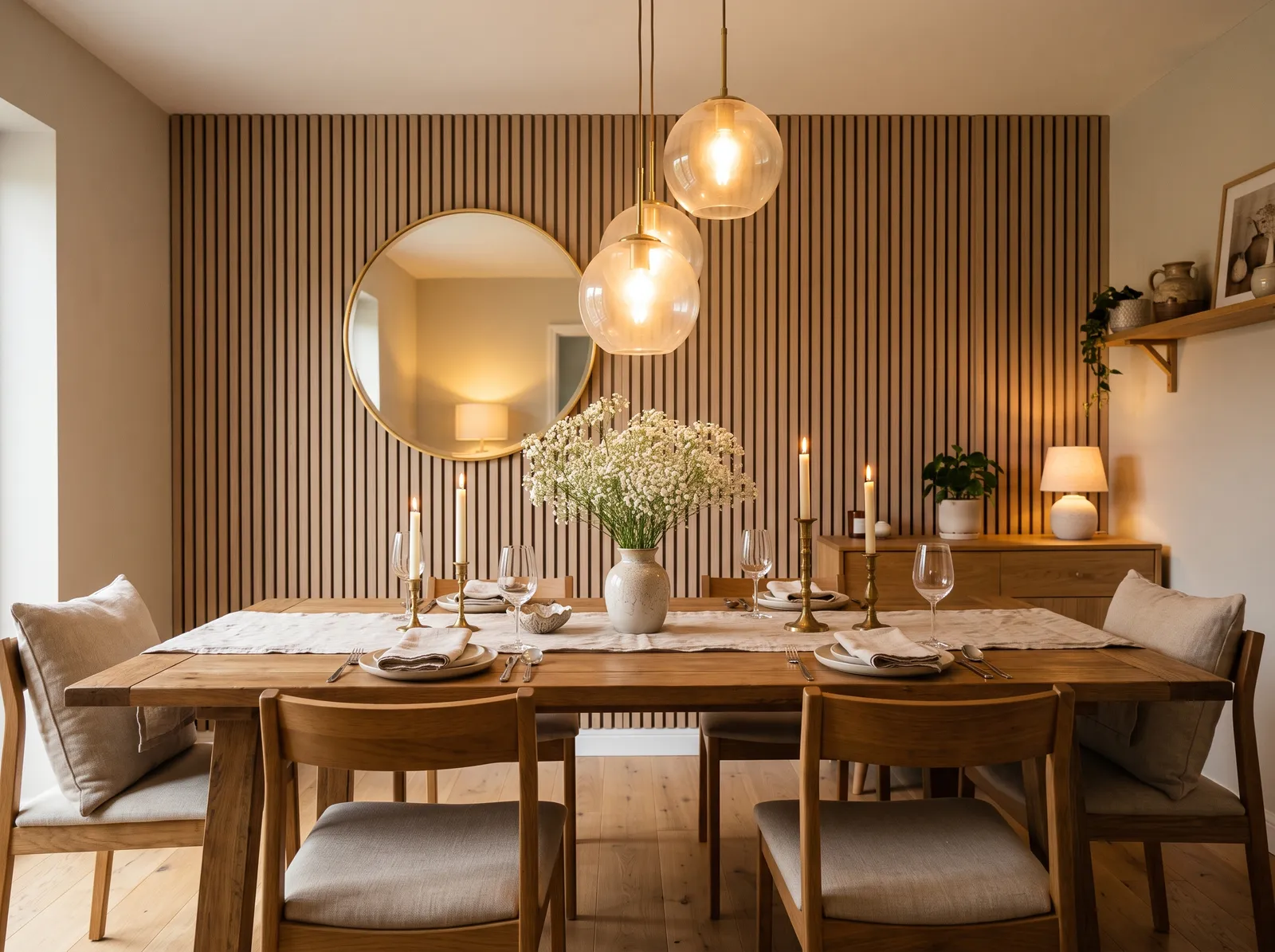
Each room page shows purple picks from every US brand side by side, so you can compare in context.
All 1,696 Purple Paint Colors
Every purple from every brand we track, merged into one shelf. Grouped by undertone, warm to cool. Filter by brand or depth, or change the order.
Swatches are each brand's published display value, not a physical sample under controlled lighting. Screens vary, and so does your light. Order a brand-direct sample or preview the color on a photo of your own wall before you specify.
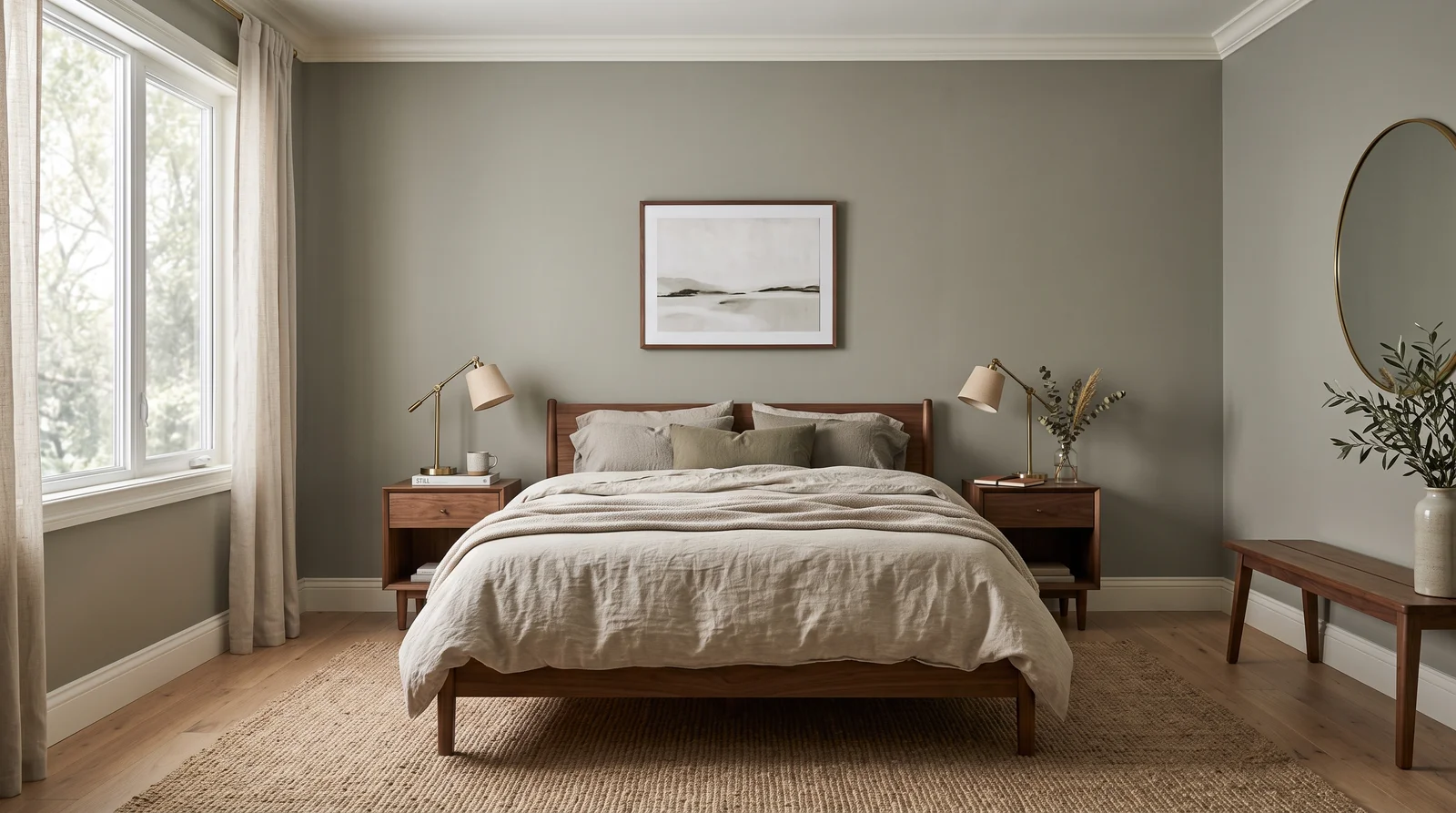
Upload a photo of the room. We paint it in the purple you chose with your light and your floor, and you can swap colors until one holds.
More on purple paint colors
This page is the top-level guide to the whole purple family across every major US brand. The same ideas apply whether you are looking at a chip from Benjamin Moore, Sherwin-Williams, Behr, Farrow & Ball, or anyone else. We will walk through the undertones to watch for, how to read a color's light reflectance value (LRV), how purple behaves in different rooms and different light, and how to pair it with trim and ceilings.
One thing to keep in mind the whole way through: every color you see here is mixed to order. A store tints it into your can on the spot, so you are buying a real, repeatable product. That also means a purple you like from one brand can usually be cross-matched into another brand's paint line if you prefer a different finish or price.
What Counts As Purple, And The Undertones To Watch
Purple sits between blue and red on the color wheel, and that is exactly why it is tricky. Lean a purple toward blue and it cools off into a periwinkle or a gray-violet. Lean it toward red and it warms into mauve, plum, or a dusty rose-purple. The amount of gray mixed in decides whether it reads as a true purple or a soft neutral with a purple cast.
The undertone is the part that surprises people. A pale lavender can flash pink in warm light or turn cold and blue under LEDs. Before you commit, hold the chip next to a true gray and a true blue. If it looks warmer than the blue and grayer than a crayon purple, you are looking at the kind of livable purple most homes want.
Reading LRV: From Airy Lavender To Deep Plum
LRV is a 0-to-100 score for how much light a color bounces back. Black sits near 0, bright white near 100. It is printed on most brand chips and color pages, and it is the single most reliable number for predicting how a purple will feel on a wall.
For purple, soft lavenders and gray-violets usually land in the 55 to 70 range and keep a room feeling open and calm. Mid-tone mauves and dustier violets fall around 30 to 50, which gives real color without going dark. Deep plum and eggplant drop below 15, where they read rich and moody and soak up light, so they want a brighter room or good lamps to balance them.
How Purple Reads By Room And By Light Direction
North-facing rooms get cool, steady light that pushes purple toward its blue and gray side. A lavender that looked friendly in the store can turn chilly and flat here, so warmer mauves and plums hold up better. South-facing rooms get warm, strong sun that brings out the red side of a purple and can make pale ones glow pink, so a slightly grayer pick stays balanced.
Room by room, soft purples shine in bedrooms and bathrooms where calm is the goal, and they make nurseries and offices feel restful. Deep plum and eggplant are powerful in dining rooms, powder rooms, and studies, where a little drama is welcome. Always test a large sample on more than one wall and check it morning, midday, and night before you buy gallons.
Pairing Purple With Trim, Ceilings, And Other Colors
Crisp white trim is the safest partner for almost any purple, and a soft white keeps a pale lavender from feeling stark. For ceilings, a plain white works, but painting the ceiling a lighter version of the wall color makes a deep plum room feel wrapped and intentional instead of boxed in.
For coordinating colors, greens and warm neutrals are purple's natural friends. Sage and olive sit opposite enough to feel fresh without clashing, and gray-greens echo the gray in a muted purple. Warm whites, soft taupes, and brass or aged-gold metals all warm up a cool violet, while a touch of dusty pink plays up the red side if you want it softer.
The Most Common Mistakes With Purple Paint
The biggest mistake is choosing from the chip alone. Purple shifts more than most colors between store lighting and home lighting, so a sample that looked like a gentle gray-violet can turn loud or cold on the wall. Test it large and live with it for a few days.
The next trap is going too saturated. A purple that is fun on a small swatch can overwhelm a whole room, so when in doubt step down to the grayer, dustier version of the color you love. Also watch your white: a cool white trim next to a warm mauve can make the mauve look muddy, and the wrong undertone pairing is what makes people think they hate purple when they really just hate the combination.
Mixed To Order And Easy To Cross-Match
Every purple on this site is a real product you can buy, not just a screen swatch. The store tints the color into a base can while you wait, which is why the exact same formula comes out consistent every time you reorder.
That also gives you flexibility. If you fall for a plum from one brand but prefer another brand's finish, durability, or price, a store can usually cross-match the color closely into the line you want. So pick the shade you love first, then choose the paint that fits the job.
Purple Paint FAQ
Is purple a hard color to live with?
Not the way most people fear. The soft, grayed-down purples behave a lot like warm neutrals and are easy to live with for years. The bold, saturated purples take more commitment, so save those for smaller rooms or accent walls if you are unsure.
What undertone should I worry about most with purple?
Watch the blue-versus-red lean. A purple that tips blue can feel cold, especially in north light, while one that tips red can flash pink in sunlight. Holding the chip next to a true gray and a true blue makes the undertone obvious.
What LRV makes a purple feel light and open?
Pale lavenders and gray-violets in roughly the 55 to 70 LRV range keep a room feeling airy. If you want noticeable color without going dark, look in the 30 to 50 range, and reserve anything under 15 for deep, moody plum and eggplant looks.
What colors go best with purple walls?
Greens are the most reliable partner, from sage to olive to gray-green. Warm whites, soft taupes, and dusty pinks also work, and brass or aged-gold metal finishes warm up a cooler violet nicely.
Will purple work in a north-facing room?
It can, but cool north light pulls purple toward its blue and gray side and can make pale lavenders feel chilly. Warmer mauves and plums hold their color better there, so lean warm if the room faces north.
Can I get a purple from one brand mixed in another brand's paint?
Usually yes. Every color here is mixed to order at the store, and a store can cross-match a shade closely into a different brand's line. Pick the color you love first, then choose the paint line that fits your finish and budget.
How do I avoid picking a purple that looks loud on the wall?
Buy a large sample, paint it on more than one wall, and check it in morning, midday, and evening light before committing. If it feels too strong, step down to the grayer, dustier version of the same color.
Ask a Question