Accessible Beige
America's default warm greige, reviewed honestly: the rooms where it glows, the three rooms where people cry about it, and what to paint instead.

Jessica has spec'd whites and neutrals for more than 300 rooms and keeps a sample wall of painted drawdowns in her studio. Every color review is checked against real reader rooms in the comments and re-tested when a formula changes. About the testing process →
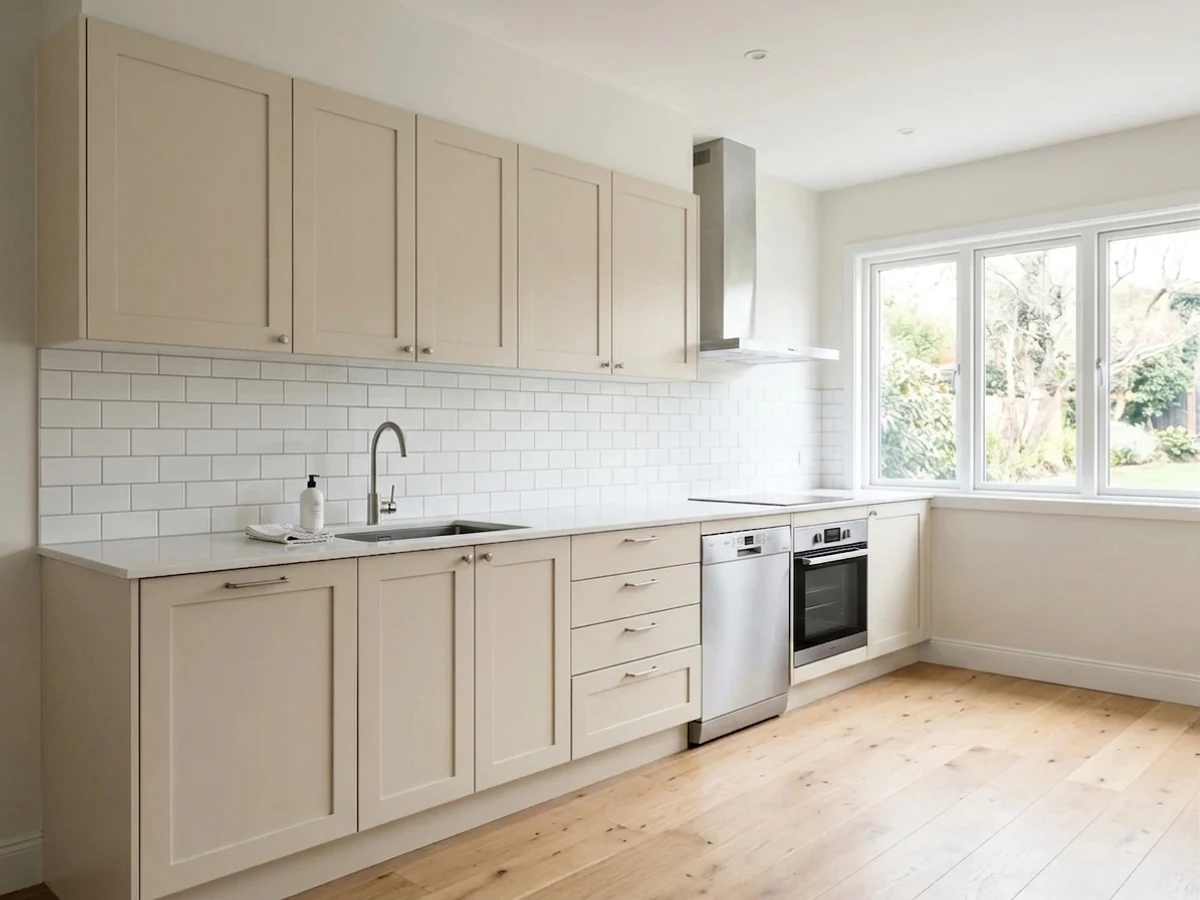
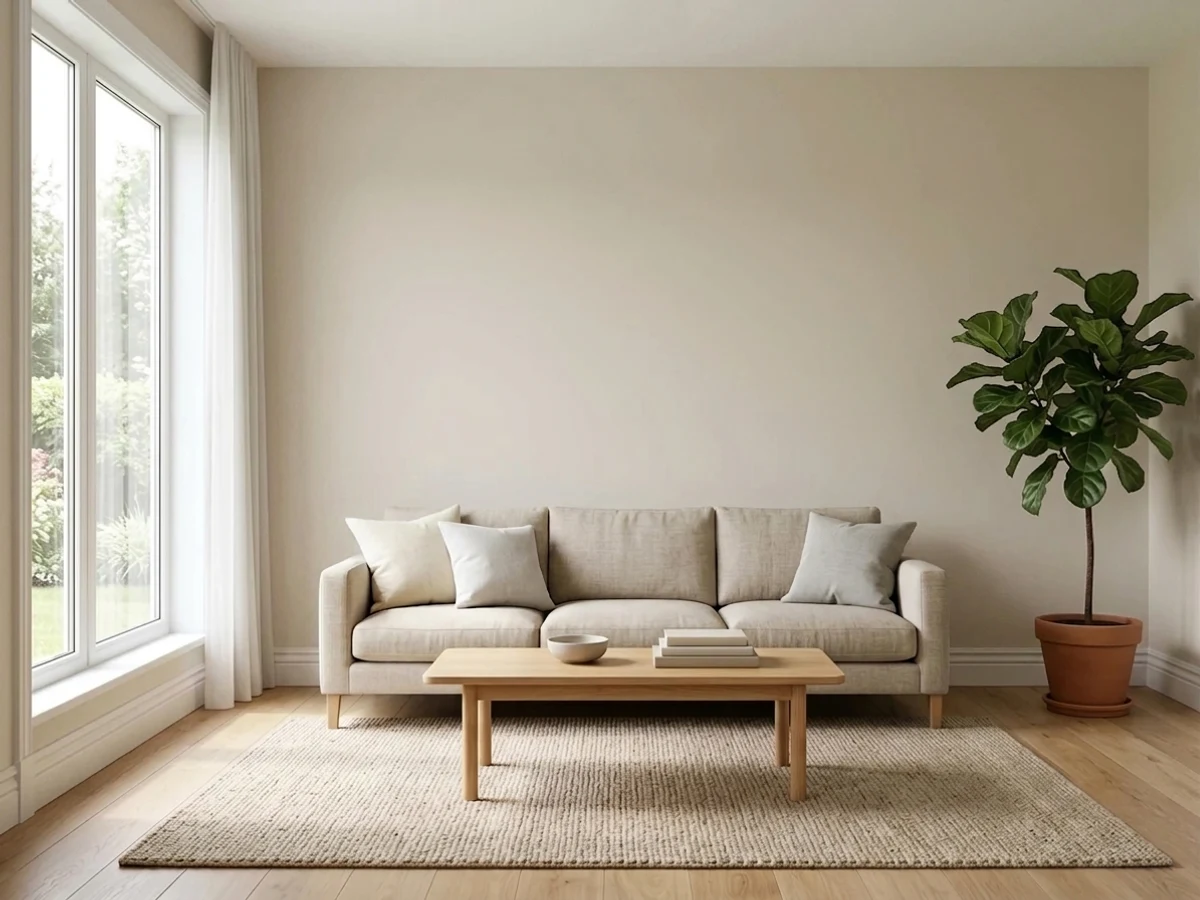
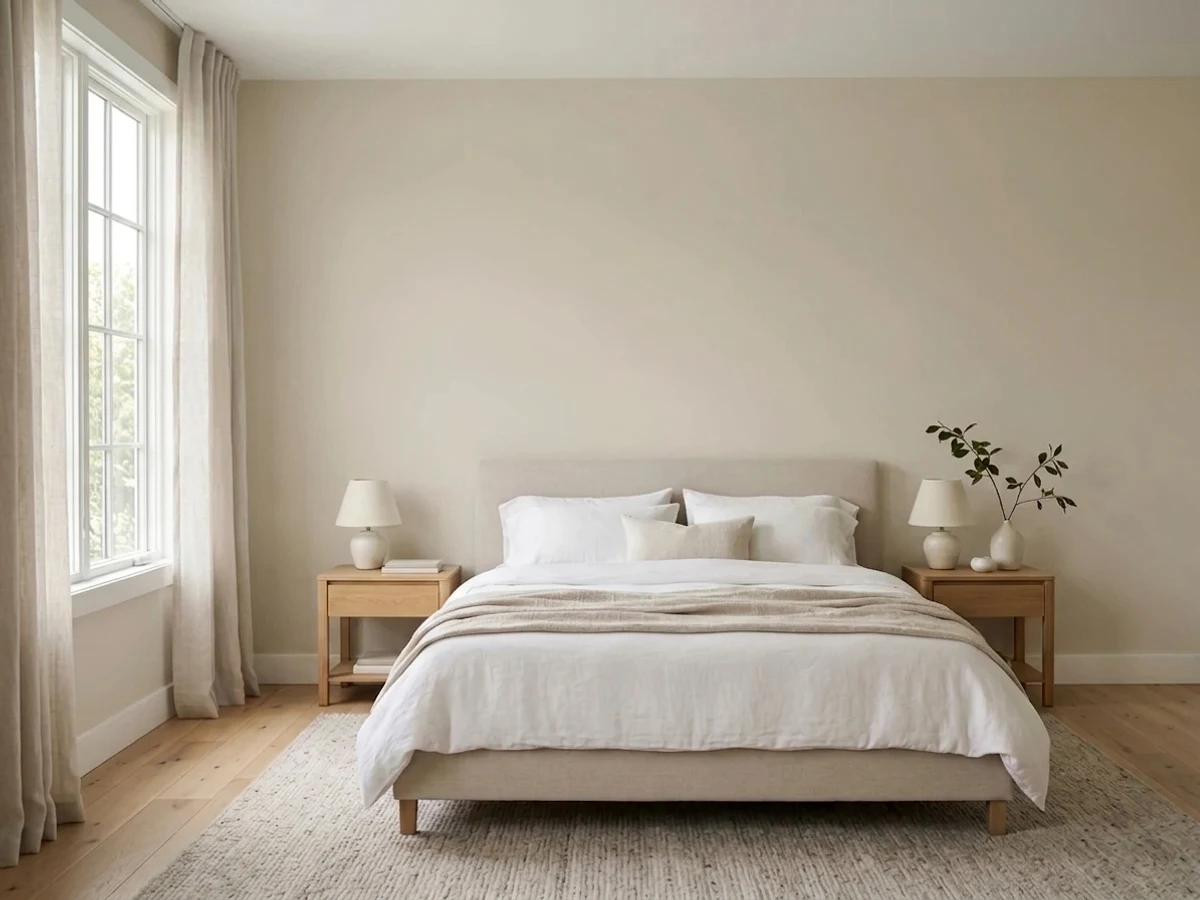
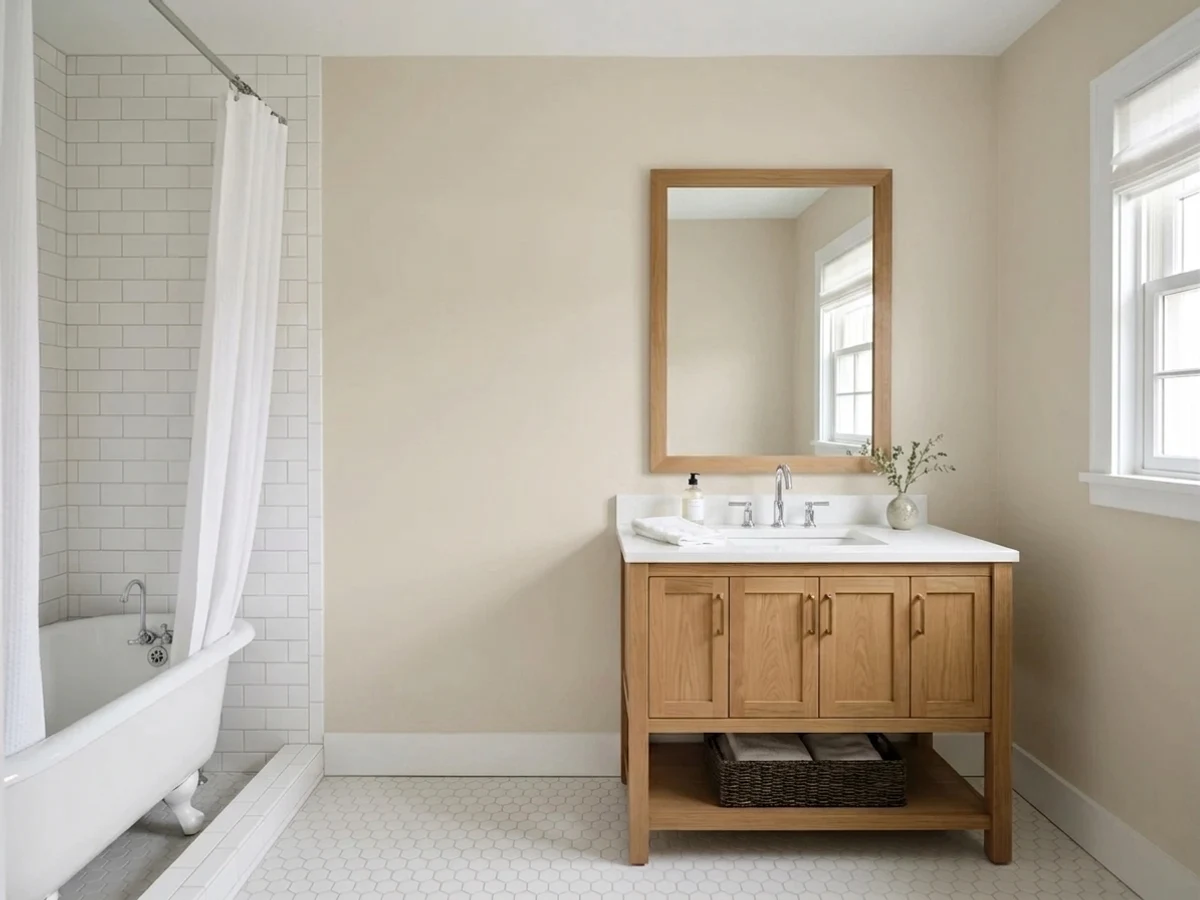
- 1Mindful Gray48
- 2Light French Gray53
- 3Accessible Beige58
- 4Pale Oak69
- 5Shoji White74
The Fast Verdict
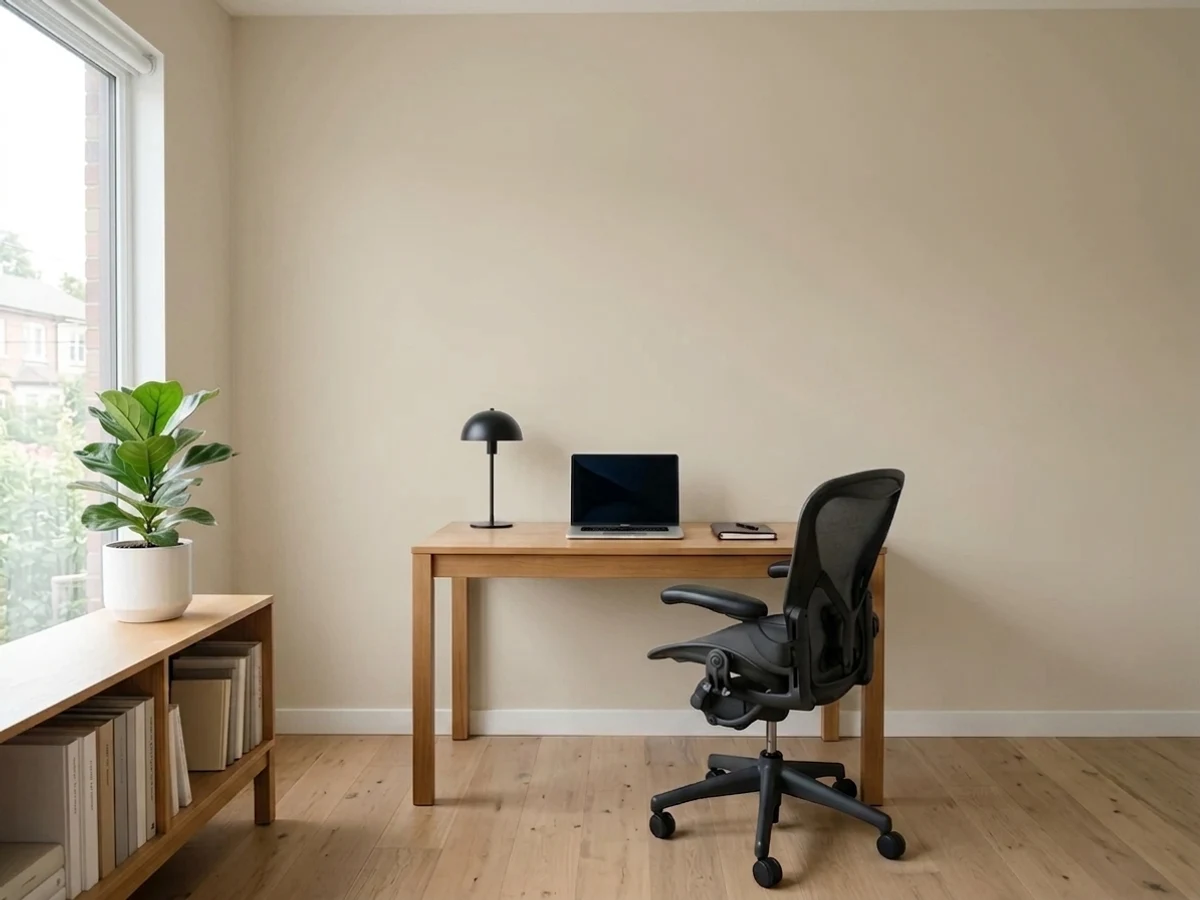
Accessible Beige is the color you pick when plain gray felt cold and plain beige felt dated. It is a warm tan with just enough gray to stay modern, and at LRV 58 it flows through a whole floor without going dark or clinical. It has earned its top-five spot.
But it is not bulletproof: cool light drains the warmth out of it and leaves something grayer and duller than the chip promised, and that is where every bad review comes from.
Open-plan main floors that need one color everywhere · south and west rooms with real daylight · resale prep and rentals · warm wood, brass, and cream furnishings
Your room faces north and stays dim · your floors are red-toned cherry or red oak · your trim is a warm white like Alabaster · you want a beige that reads clearly beige, not taupe
- Warm without the yellow cast that dated old beige
- LRV 58 flows through a whole floor — halls, living, bedrooms, one color
- Buyers and renters read it as clean and finished, never bold
- Beautiful with oak, walnut, brass, leather, and cream
- Deep enough to hide scuffs better than a pale off-white
- Cool north light strips the warmth and leaves it gray and dull
- Reads cold and washed next to warm whites like Alabaster
- Flashes green over red-toned wood floors in strong daylight
- Leans taupe, not beige — people expecting sand are surprised
What Color Is Accessible Beige, Really?
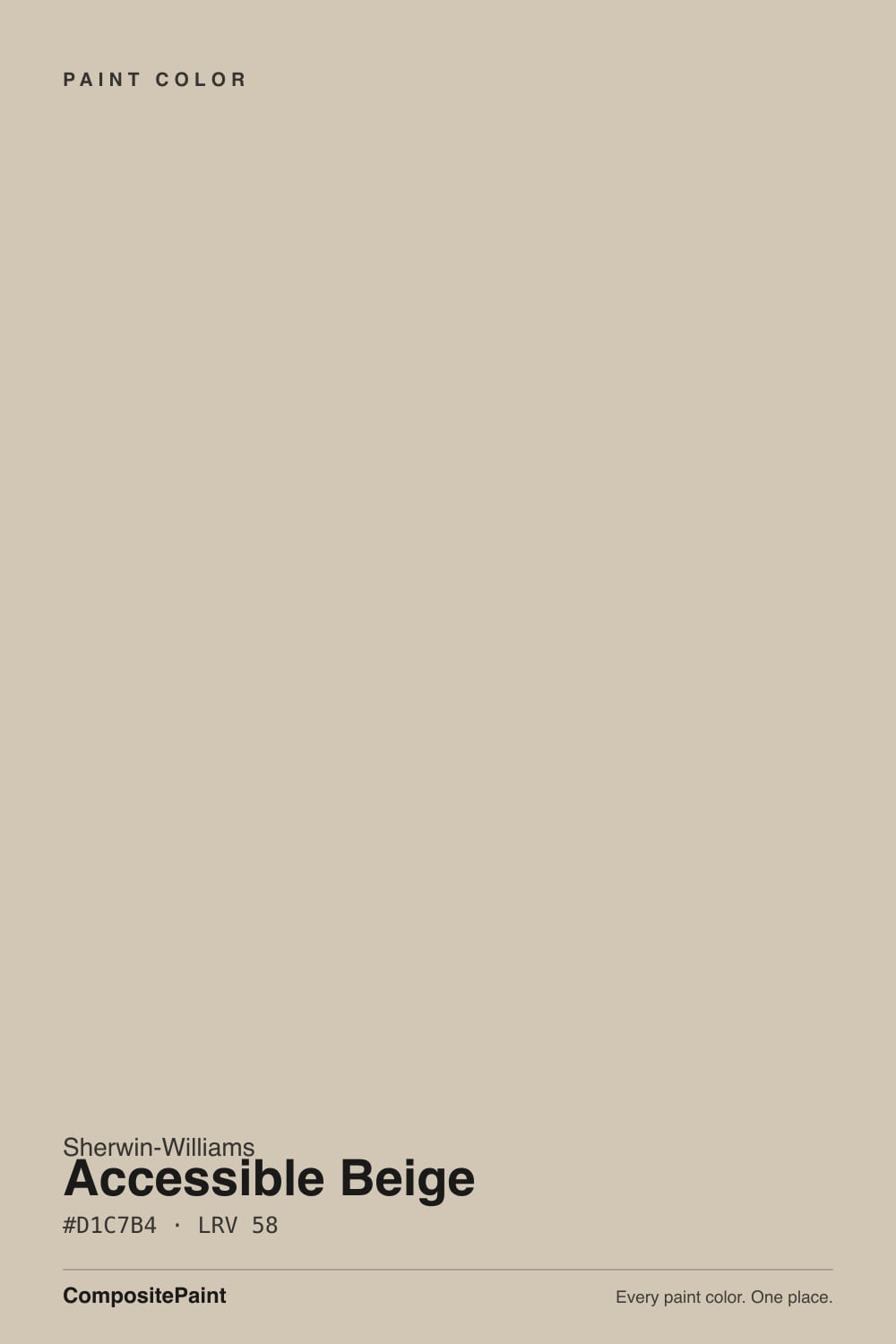
A tan built on a real gray backbone — which is exactly why people argue about whether it is beige or greige. It sits on the line. The useful way to see it is by how it is put together compared to its rival: Agreeable Gray is a gray that has been warmed up with beige, and Accessible Beige is a beige that has been steadied with gray. The gray is doing a specific job. Old builder beige was mixed with yellow-orange pigment, which is what made it go gold under lamplight and eventually look dated; the gray in Accessible Beige cancels that gold before it can show up. Take the gray out and you have 1998 back.
LRV 58 means it bounces back a little under 60% of the light that lands on it — mid-light, not pale. That number is worth sitting with, because Agreeable Gray is LRV 60, which is effectively the same lightness. If Accessible Beige looks darker to you on the chip, you are reading the extra brown in it, not less light. Against a clean trim white like Pure White at LRV 84 there is a clear step, so trim reads as trim. In a room with real windows it behaves like a light neutral. In a room without them, it stops being light and starts being a mid-tone — same paint, different job.
Undertone in one line: warm tan over a gray backbone — a whisper of pink in the formula, never a drop of yellow. On the wall it swings taupe in cool light and green next to anything orange, and both of those are your room talking, not the can.
Where It Shines
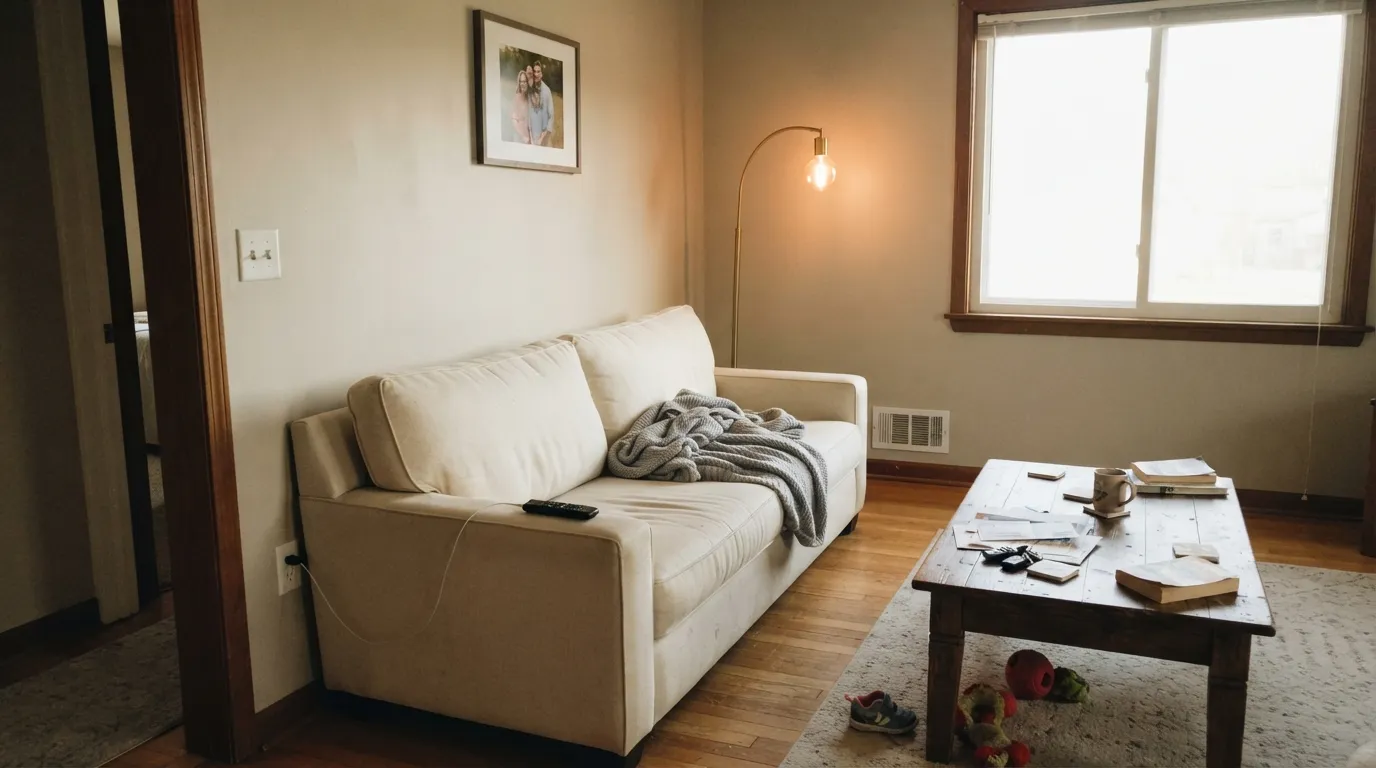
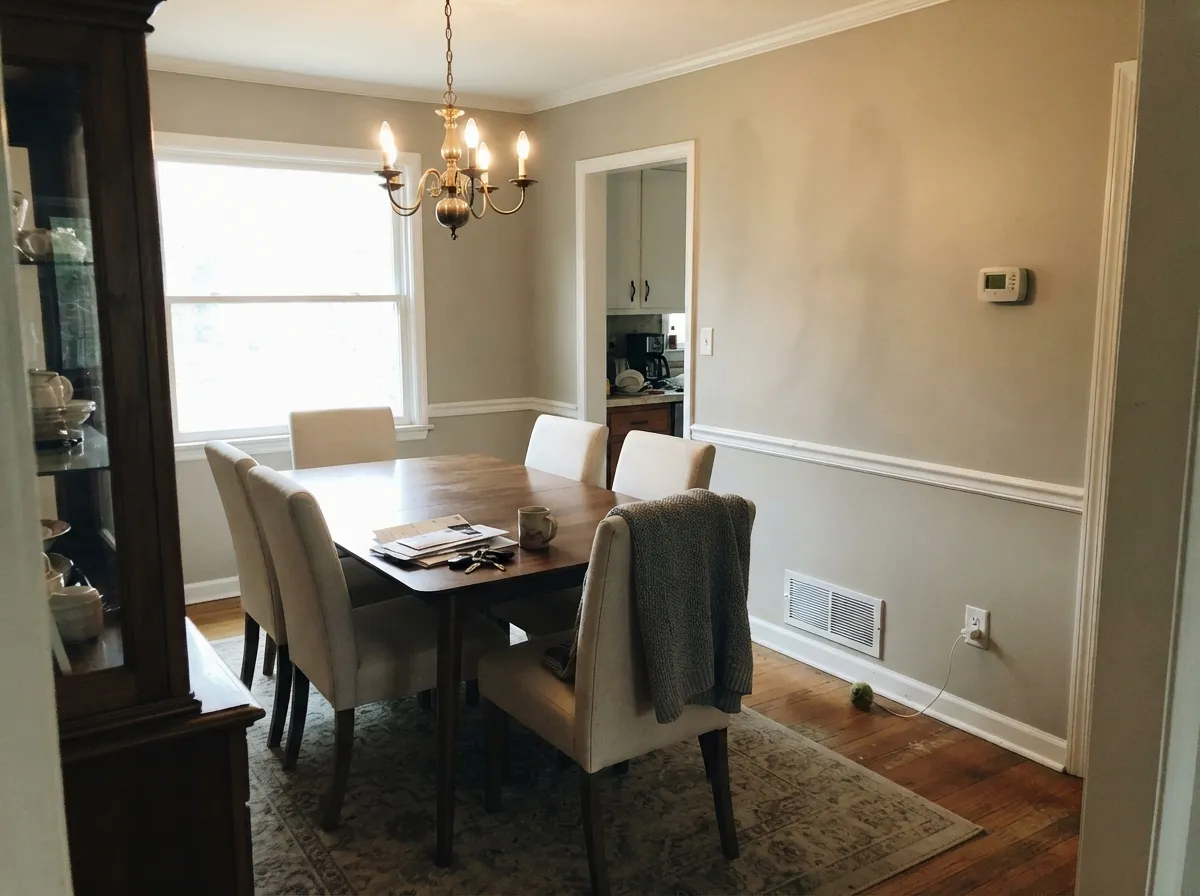
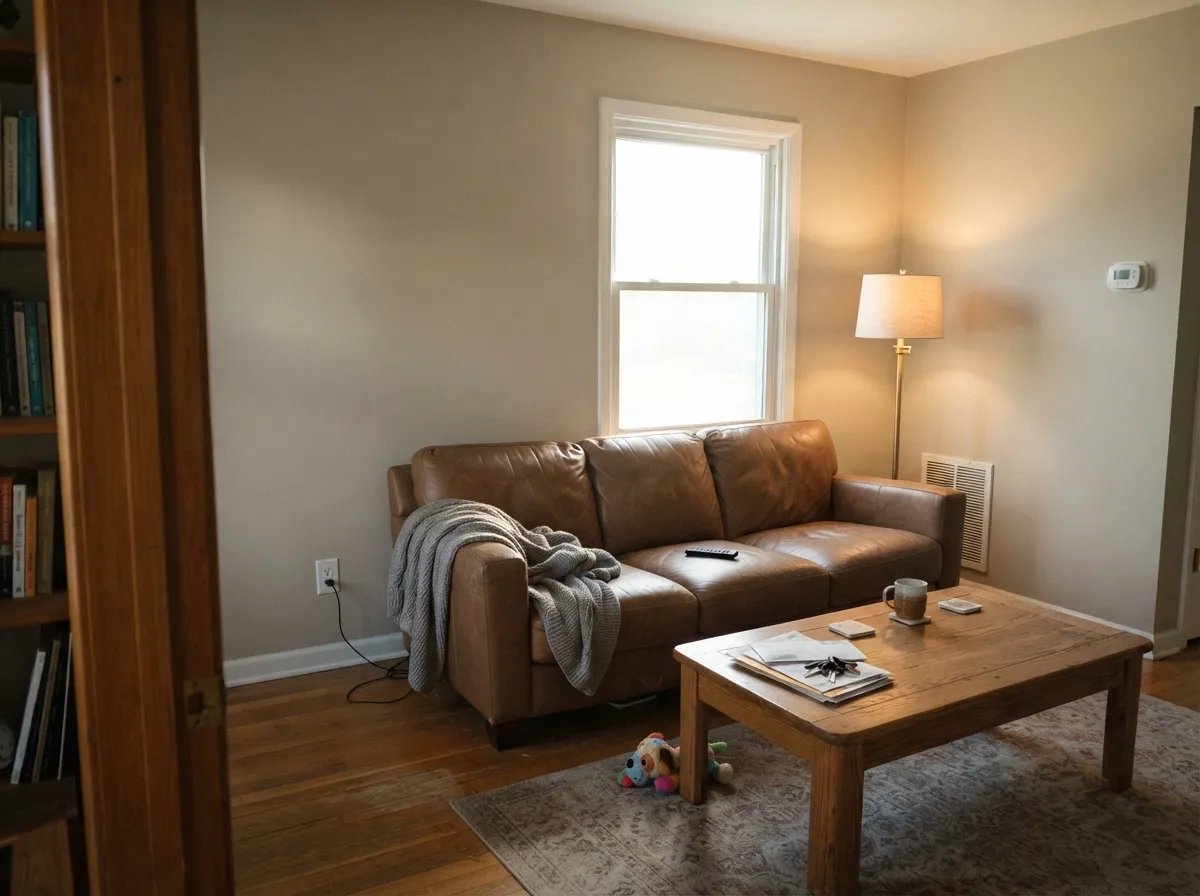
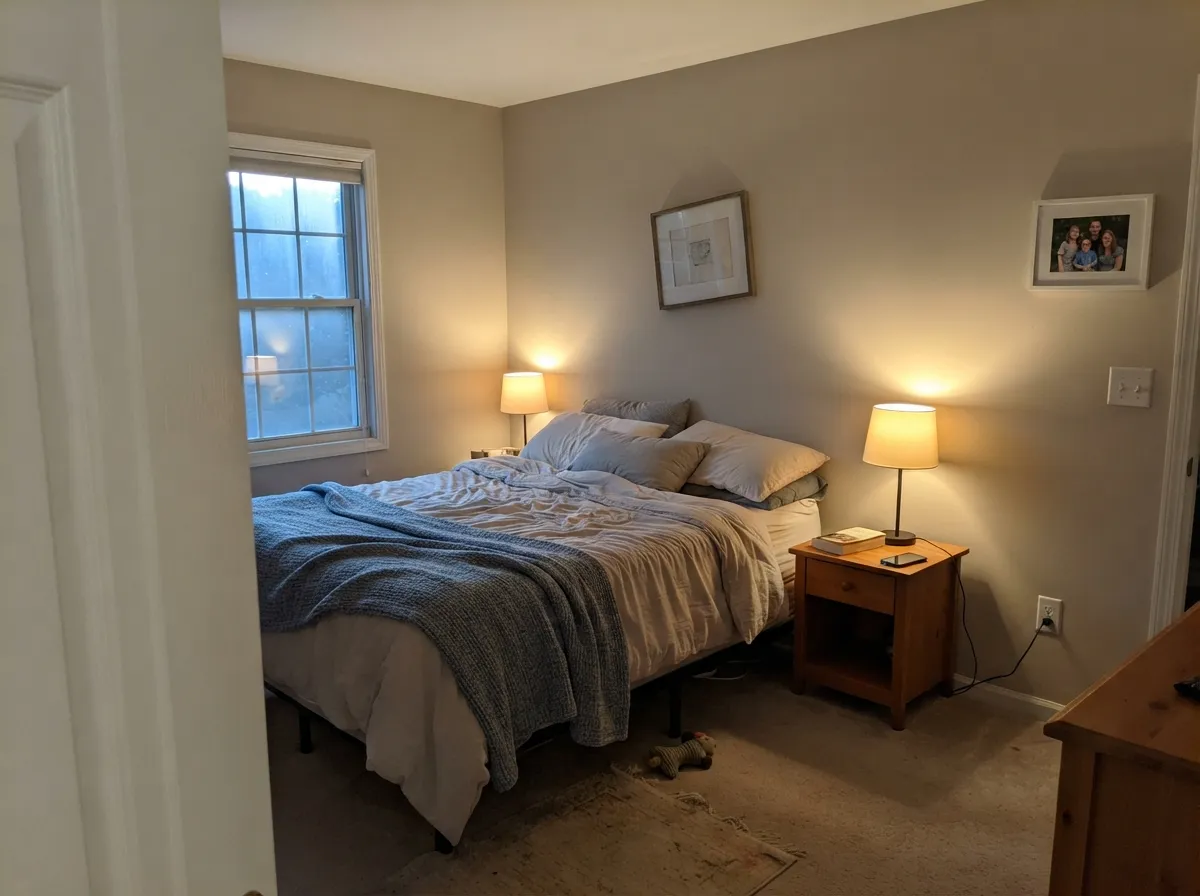
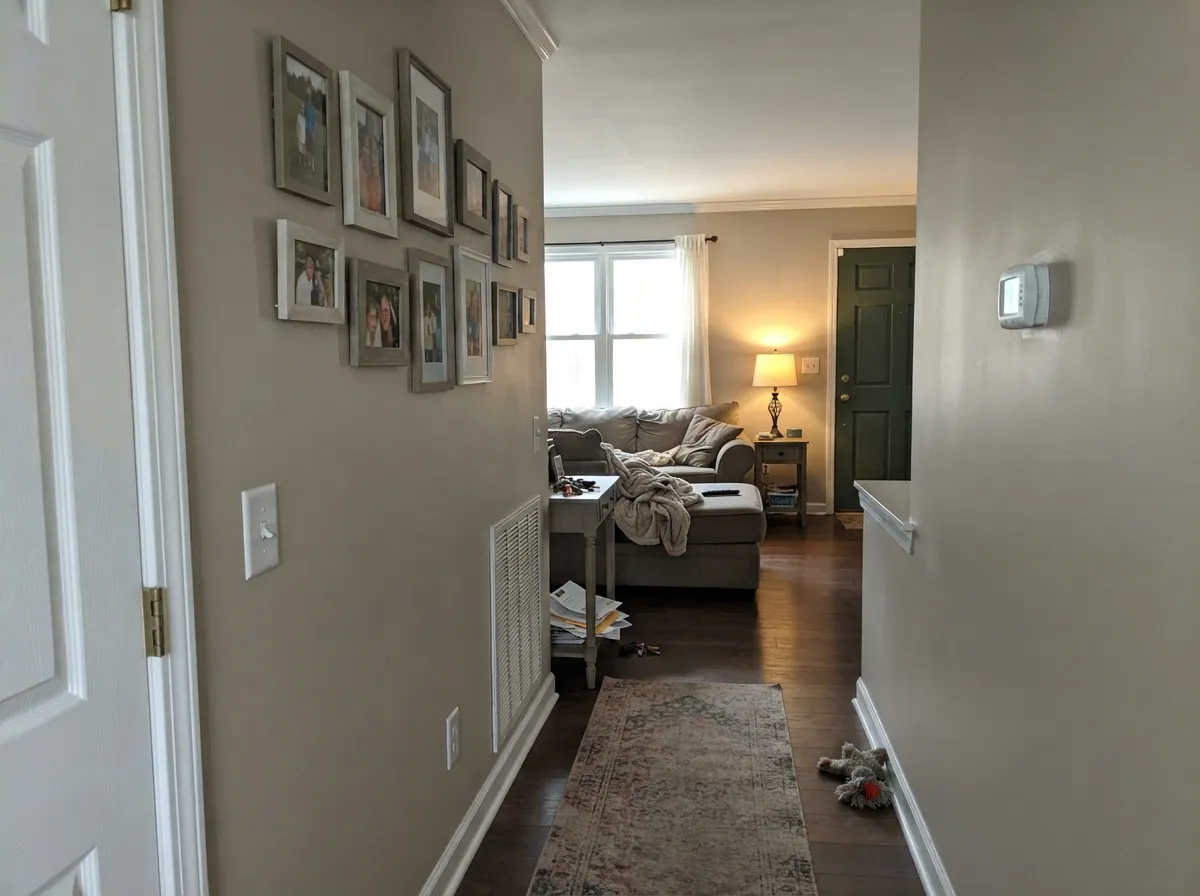
Give it real daylight and warm materials — oak, walnut, brass, leather, cream — and Accessible Beige does exactly what people hope a greige will do. Its best showing is the open main floor with south or west windows, where one color runs from the entry through the living room and halls and still looks warm at every hour.
Where It Fails
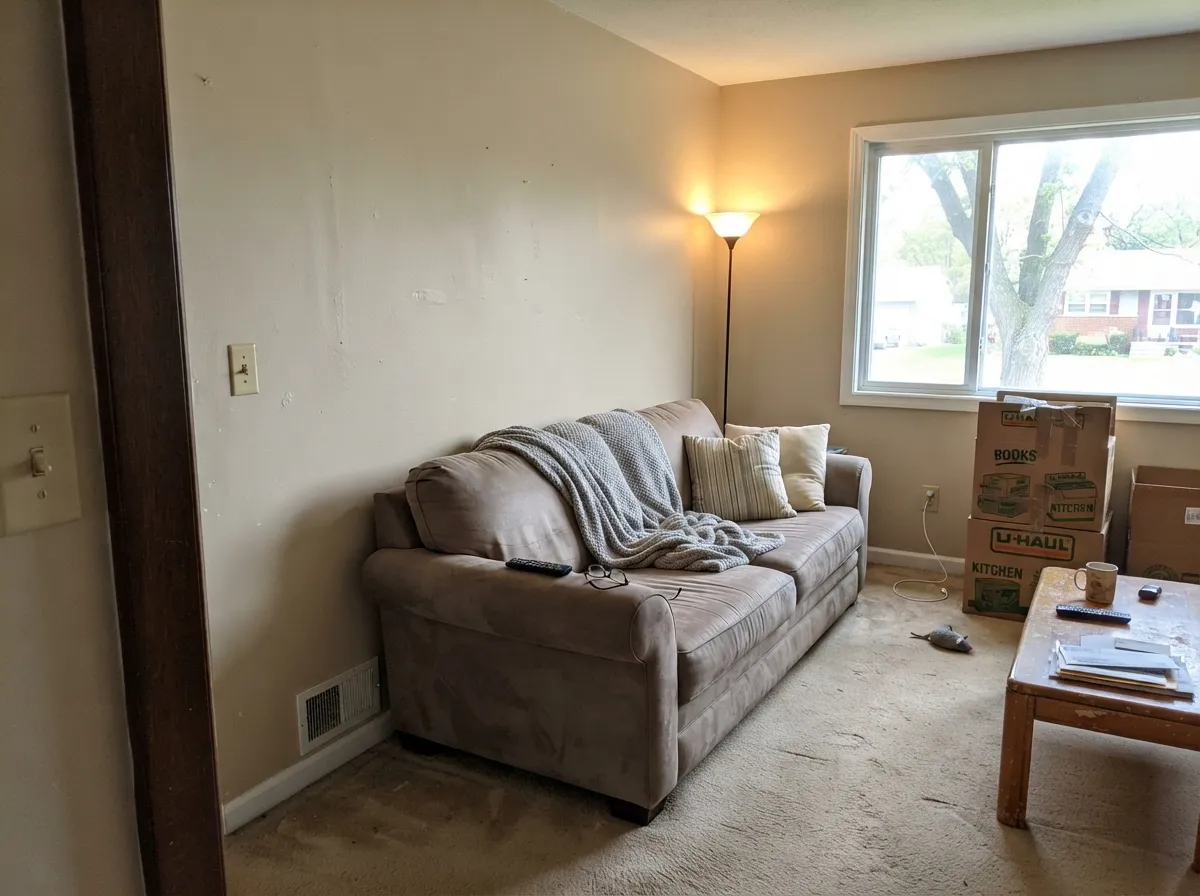
The complaint threads about Accessible Beige are strikingly consistent. Three situations account for almost all of them, and all three are about the light and the things standing next to the wall — not the paint. If your room matches one of these, a second coat will not save it.
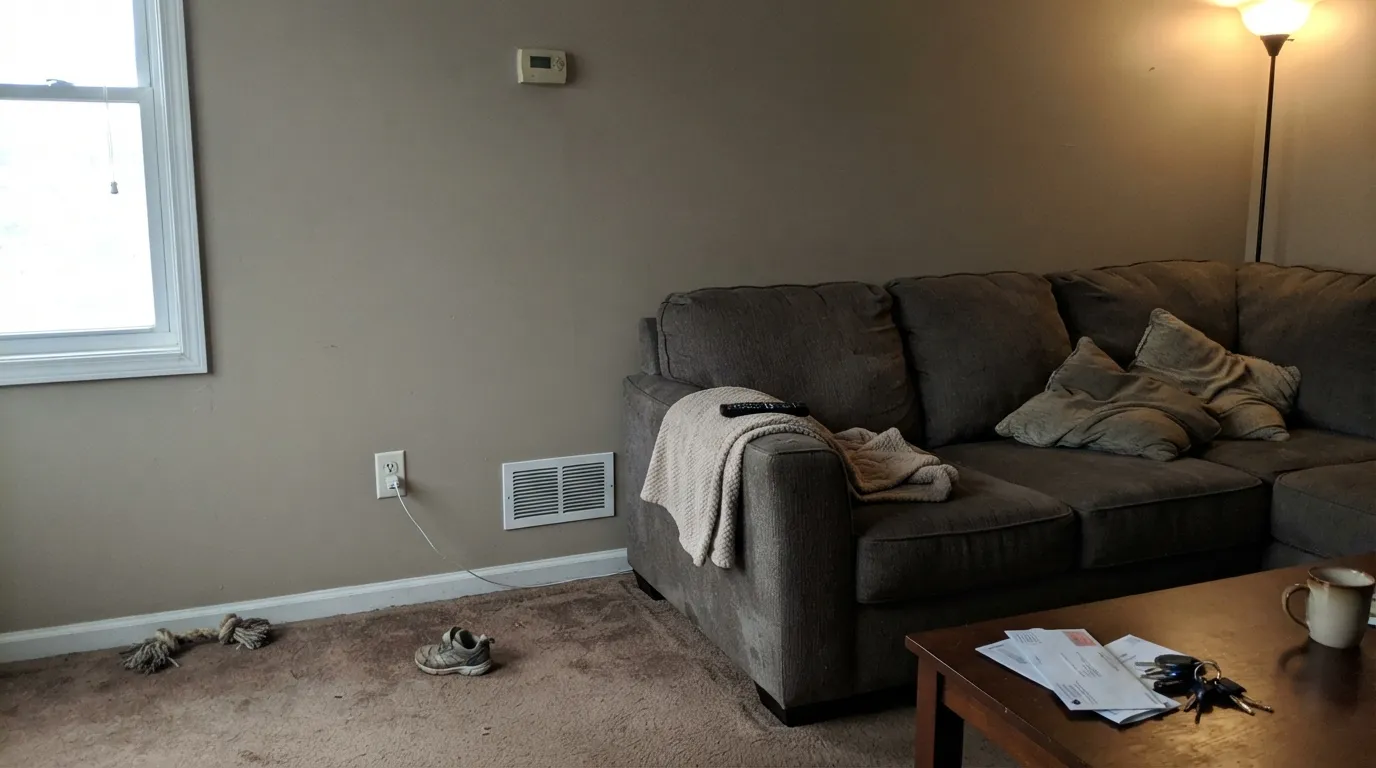
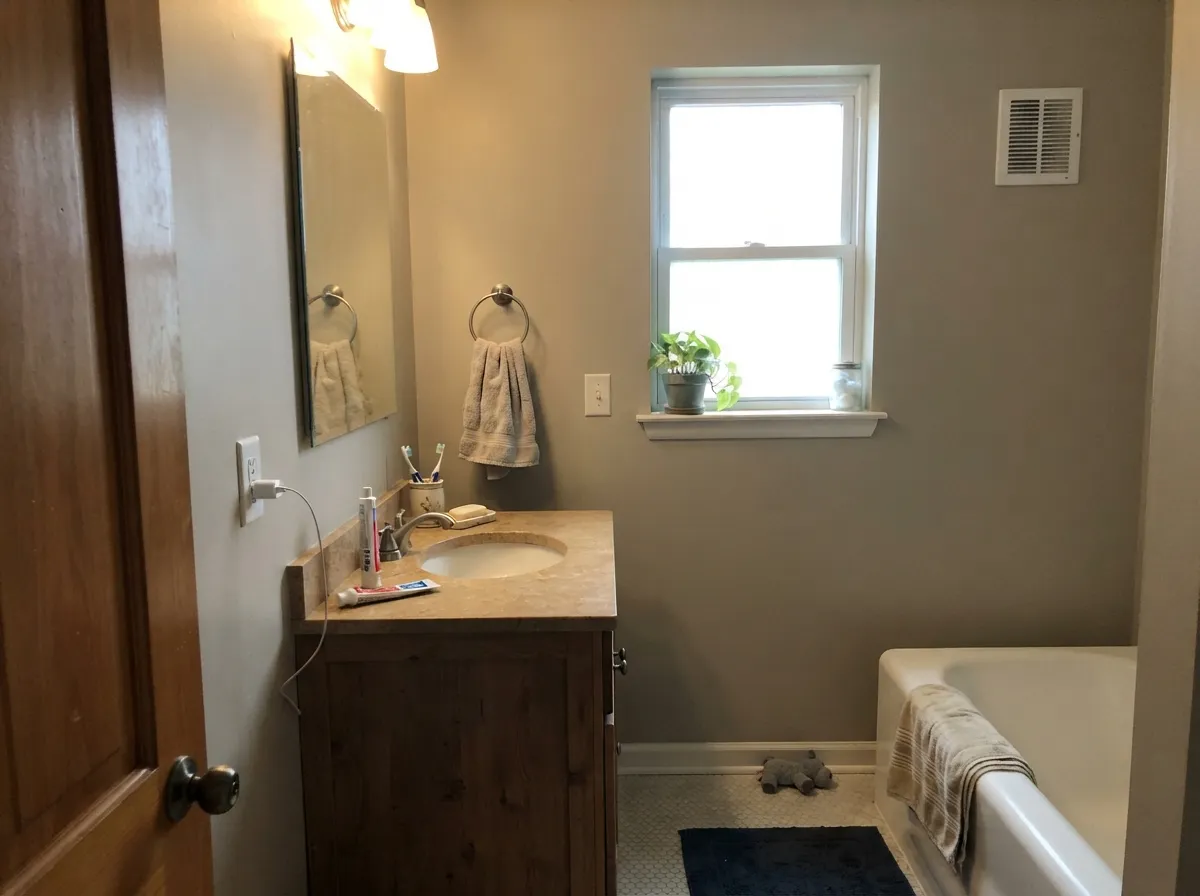
North light is cool and blue, and it cancels the warm side of the color. What is left is the gray, and readers describe it as drab, muddy, or almost brown. One homeowner posted that her whole north-facing house read "so drab and too grey." Warm 2700K bulbs help, but if the room has little daylight, start warmer: Natural Linen (SW 9109) keeps its cream in cool light.
This is the most heartbreaking version. People pair Accessible Beige walls with Alabaster (SW 7008) cabinets or trim, and the creamy white makes the wall look gray and cold by comparison. A Houzz poster with Alabaster cabinets called it "TOOOO GRAY" six hours after the last coat. Use a cleaner trim white — Pure White (SW 7005) — and the beige reads warm again.
Brazilian cherry, red oak, and reddish stains throw red light back at the wall, and the eye answers with green. Owners report walls that look like pea soup in the morning and beautiful again by evening lamplight. Sherwin-Williams puts no green in the can — your floor does it. With red wood, go to a straight warm beige with no gray to tip: Kilim Beige (SW 6106).
Room by Room
Your Light Is the Risk
Strong warm sun all day pushes the tan forward. Soft, creamy, and never orange.
Cool daylight kills the warmth and the gray takes over. Reads taupe, sometimes drab. Sample first.
2700K bulbs make it warm and cozy. Cool LEDs above 3500K flatten it to gray — change bulbs, not paint.
With no daylight it loses its lift and can read dingy or faintly pink-taupe. Go lighter or warmer here.
Most complaints about Accessible Beige are a light mismatch. Upload a photo of your actual room and see it on your walls — then ask for the same wall in north light or evening lamps before you buy a single sample.
Need It From Another Brand?
Any paint counter can custom-tint Sherwin-Williams SW 7036 directly. If you would rather stay in one brand's own deck, these are the closest stock matches, measured as ΔE2000. Under 2 is a difference you will not see on the wall.
| Brand | Closest color | ΔE | LRV | |
|---|---|---|---|---|
| Behr | Shoreline HazeMQ6-31 · Behr | 0.5 | 58 | Color page → |
| Benjamin Moore | Desert Light1004 · Benjamin Moore | 1.9 | 58 | Color page → |
| Valspar | Villa Grey6005-1B · Valspar | 1.6 | 58.6 | Color page → |
| PPG / Glidden | Moth GrayPPG1024-4 · PPG / Glidden | 0.5 | 58 | Color page → |
| Glidden | Ostrich FeatherPPG14-32 · Glidden | 1.5 | 57 | Color page → |
| Dutch Boy | Sandstone Tint441-2DB · Dutch Boy | 0.7 | 59 | Color page → |
Similar Sherwin-Williams Colors
The nearest shades to Accessible Beige within Sherwin-Williams's own range, ranked by perceptual color distance — useful when you want the same look a touch lighter, darker, or warmer.
WCAG 2.1: AA is 4.5 : 1 for normal text, 3 : 1 for large text, AAA is 7 : 1.
Accessible Beige vs the Colors You're Also Considering
Every Accessible Beige sample board has the same rivals on it. The numbers show the real lightness gap — then it comes down to which risk you would rather live with.
Pick this when you want the warmth to be obvious — this is the browner one.
Sherwin-Williams SW 7029 · LRV 60Agreeable GrayPick this if your furnishings, counters, or floors run cool — it is grayer and a touch lighter.
Side-by-side comparison →Pick this when the room has good daylight and you want the gray to keep it modern.
Sherwin-Williams SW 9109 · LRV 67Natural LinenPick this for dim or north-facing rooms — the extra cream survives cool light.
Side-by-side comparison →The most common comparison is Agreeable Gray (SW 7029), LRV 60. Agreeable Gray is a touch lighter and clearly grayer, so it reads cooler and more modern. Accessible Beige is the warmer, browner choice. Pick Agreeable Gray if your furnishings are cool; pick Accessible Beige if you want obvious warmth.
Balanced Beige (SW 7037), LRV 47, is the darker sibling in the same family. It is noticeably deeper and browner, better for a cozy, enclosed feel or an accent wall, where Accessible Beige stays lighter and more open.
For a cross-shopper, Edgecomb Gray (HC-173), LRV 63, is lighter and leans slightly green-gray, so it feels airier and cooler. Choose it when you want a brighter, softer greige and Accessible Beige when you want more visible warmth and a bit more grounding.
Accessible Beige Coordinating Colors
The rule for coordinating with Accessible Beige is to keep every partner on the warm or neutral side and to make the value gap obvious. Because the color sits mid-light with low saturation, anything within a few LRV points of it goes invisible against it and the room reads flat. Give it a clean white above, something clearly deeper below, and at most one color with an actual opinion.
These are the partners that keep showing up in rooms that work — a crisp trim white, two deeper greiges from the same warm family for cabinets, built-ins, or a lower half, one quiet accent, and one dark note for a door.
Accessible Beige With Oak, Travertine, and Existing Tan Finishes
This is the job most people are really hiring it for. The house already has honey oak trim, oak cabinets, travertine or tumbled stone tile, a tan granite counter — none of it is being replaced — and the walls have to make all of it look intentional. Accessible Beige is unusually good here because the gray pulls the room back from gold without going cold. A straight beige would double the yellow already in the oak, and a true gray would make that oak read orange.
Two things to watch. Red-based finishes are the first: Brazilian cherry, red oak with a reddish stain, pinkish travertine, rose-toned granite. In strong daylight those bounce red at the wall and your eye answers with green. The second is the opposite problem — if the existing tan is close to Accessible Beige in both lightness and warmth, the walls melt into the trim and the whole room goes muddy. Widen the gap instead of changing the wall color: a clean white on the trim usually fixes it in an afternoon.
Test it the way the room will actually see it. Put a big sample board flat against the counter and lay it on the floor, not on a bare wall by itself, and look at it in the morning and again under lamps.
Accessible Beige on Exteriors
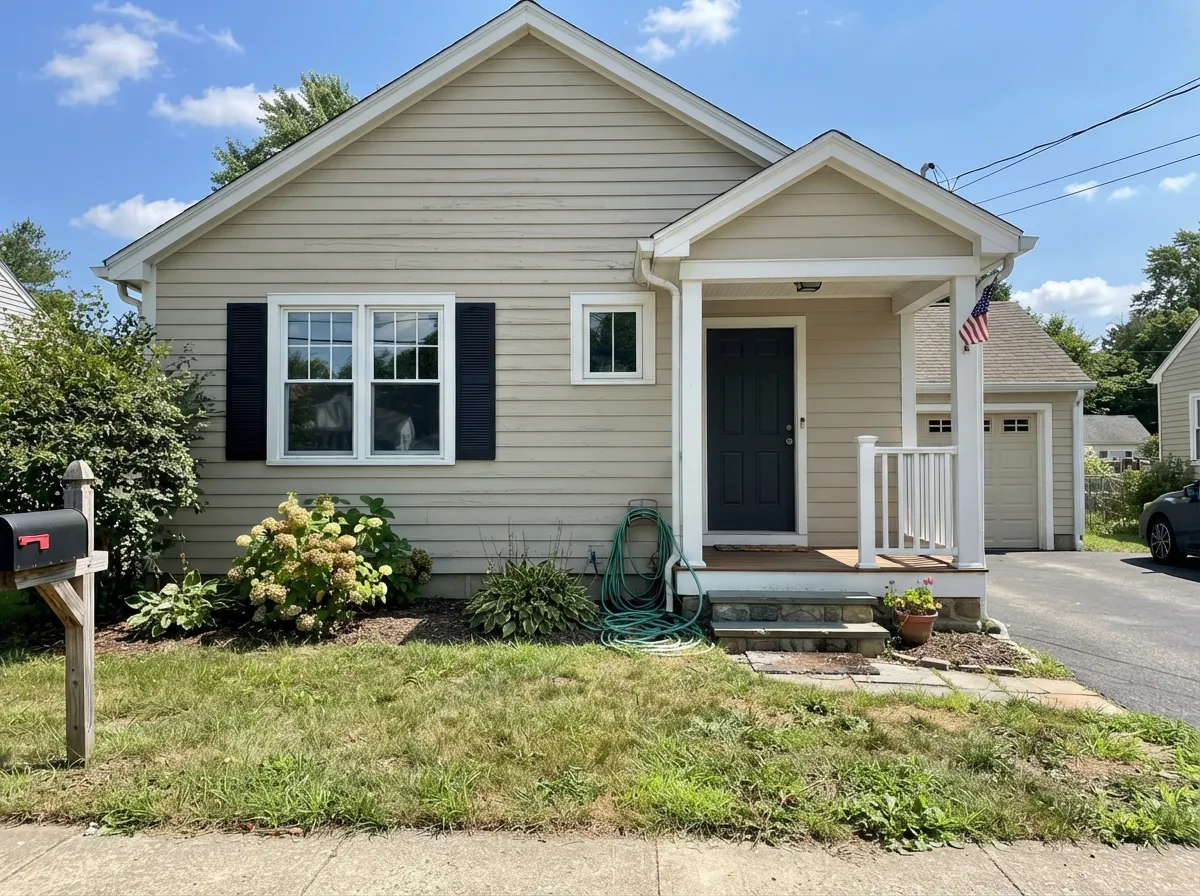
Outside it behaves like a different color, and better than most people expect. Direct sun lifts it several steps, so a sunny elevation reads like a soft warm white with a tan shadow line rather than like the chip in your hand, while the shaded north side stays a full step deeper and grayer. That split is normal and it is also why exterior samples have to go on the real wall, on at least two sides of the house, and get looked at in the morning and late afternoon.
For pairings, the version people ask for most is warm siding with near-black trim, shutters, and door — Iron Ore or Black Fox both give that contrast without the blue coldness a true black can have against beige. Dover White is a better outdoor trim white than an interior-crisp white, because full sun already brightens everything a step. What to skip: cool blue-gray shutters, which drain the warmth right back out. And check the two colors you are not painting first — the roof and any stone or brick. Accessible Beige is easy with brown and tan masonry and brown or weathered-wood roofs, and it fights a cool gray roof.
Three Ready Palettes Built on Accessible Beige
A color is never alone on the wall. These are complete combinations in the 60-30-10 pattern, with the reason each one holds together. Every one opens in the visualizer.
Pure White at LRV 84 is clean enough to sit well above the beige, so the trim stays crisp and the wall keeps reading warm instead of muddy. The black door is the one dark note a mid-light neutral needs to look finished rather than unfinished.
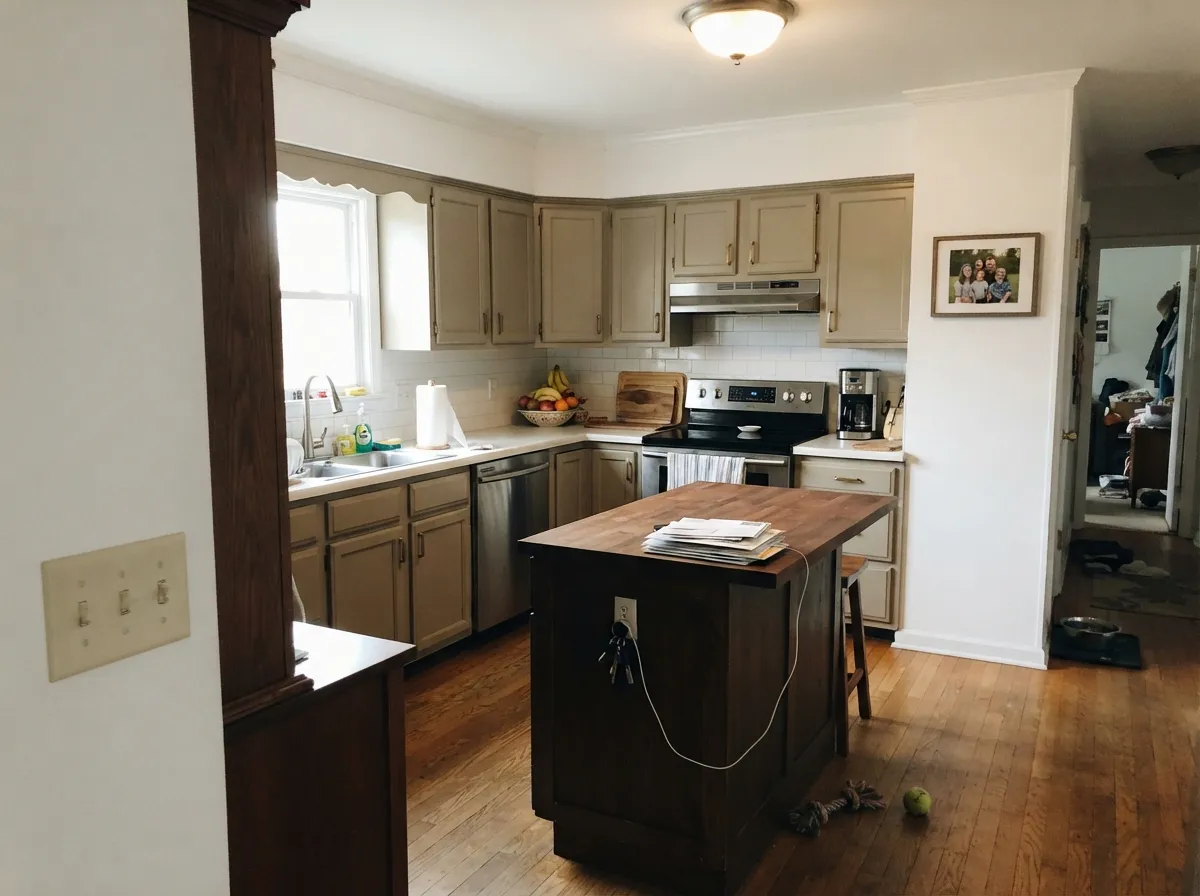
Try this palette in your roomFlipping the usual order — beige on the boxes, clean white on the walls — keeps the warmth at eye level where brass and butcher block meet it, and the cool white prevents the gray-cabinet look you get next to a creamy trim. Urbane Bronze is warm-based too, so the island grounds the room without introducing a second undertone.
Try this palette in your roomEvergreen Fog is a muted, gray-based green, so it reads as a soft partner to the beige rather than a color statement, and the two settle down together under warm lamps. Pure White keeps the edges bright enough that the pair never slides into drab.
Try this palette in your roomAccessible Beige FAQ
Is Accessible Beige beige or gray?
Beige first, gray second. In a warm, well-lit room most people call it beige without hesitating; in flat or cool light the gray steps forward and the same wall gets called greige or taupe. Nobody is wrong — it is one of the few colors that genuinely changes category depending on where you stand.
Accessible Beige or Agreeable Gray?
They are the same lightness, so this is purely about warmth. Hold both chips flat against your countertop and your floor, not against each other: cool gray LVP, cool white quartz, or blue-gray tile want Agreeable Gray, and oak, cream, brass, tan stone, or beige carpet want Accessible Beige. Picking the wrong one does not look bad on its own — it looks bad next to the thing you did not change.
Does Accessible Beige look pink?
There is a trace of pink-red in the mix, and it only surfaces in one situation: a small room with no daylight, under warm bulbs, where the color can settle into a faint pink-taupe. In any room with a window you will never see it. The cast people report far more often is green, and that comes from orange-toned wood or stone bouncing light back at the wall.
What trim white goes with Accessible Beige?
Pure White (SW 7005) in semi-gloss is the answer that works in every room. A creamy white like Alabaster only works when the room has plenty of warm daylight and you want a soft tonal look — otherwise the cream wins and the wall behind it reads gray and cold. The version that never works is a cream cabinet or cream trim in a dim room.
Is Accessible Beige still in style?
Yes. Warm neutrals replaced the cool-gray era and Accessible Beige sits in the middle of that shift, which is why it has held a top-five spot for years. It is a background color rather than a trend color, so it does not date the way a saturated wall does. The only real argument against it is how common it is — if that bothers you, Natural Linen and Balanced Beige do the same job with fewer neighbors.
Will Accessible Beige look too dark in a small room?
Not in a small room with a window — at LRV 58 it stays open and actually hides scuffs better than a pale off-white in a tight hallway. The problem room is the small one with no daylight at all: a powder room, an interior hall, a basement. There it loses its lift and goes dingy, and the fix is a color above LRV 65, not a lighter sheen.
Does it work on exteriors?
Yes — it is one of the most-used warm siding neutrals in the Sherwin-Williams deck. Sun lifts it several steps lighter than it ever goes indoors, so a sunny wall reads almost like a soft warm white while the shaded side stays deeper and grayer. Sample on the real wall on more than one elevation; the exterior section below has the pairings.
Have you painted with Accessible Beige?
Rate it — one tap helps the next reader decide.
Ask a Question