One Horn White
Magnolia Home's do-it-everywhere warm white, reviewed honestly: the surfaces it's actually built for, the undertone one real renovator caught on camera, and what to check before you buy the gallon.

Jessica has spec'd whites and neutrals for more than 300 rooms and keeps a sample wall of painted drawdowns in her studio. Every color review is checked against real reader rooms in the comments and re-tested when a formula changes. About the testing process →
- 1Heirloom Shade63
- 2Titanium68
- 3One Horn White73
- 4Alabaster82
- 5Chantilly Lace91
The Fast Verdict
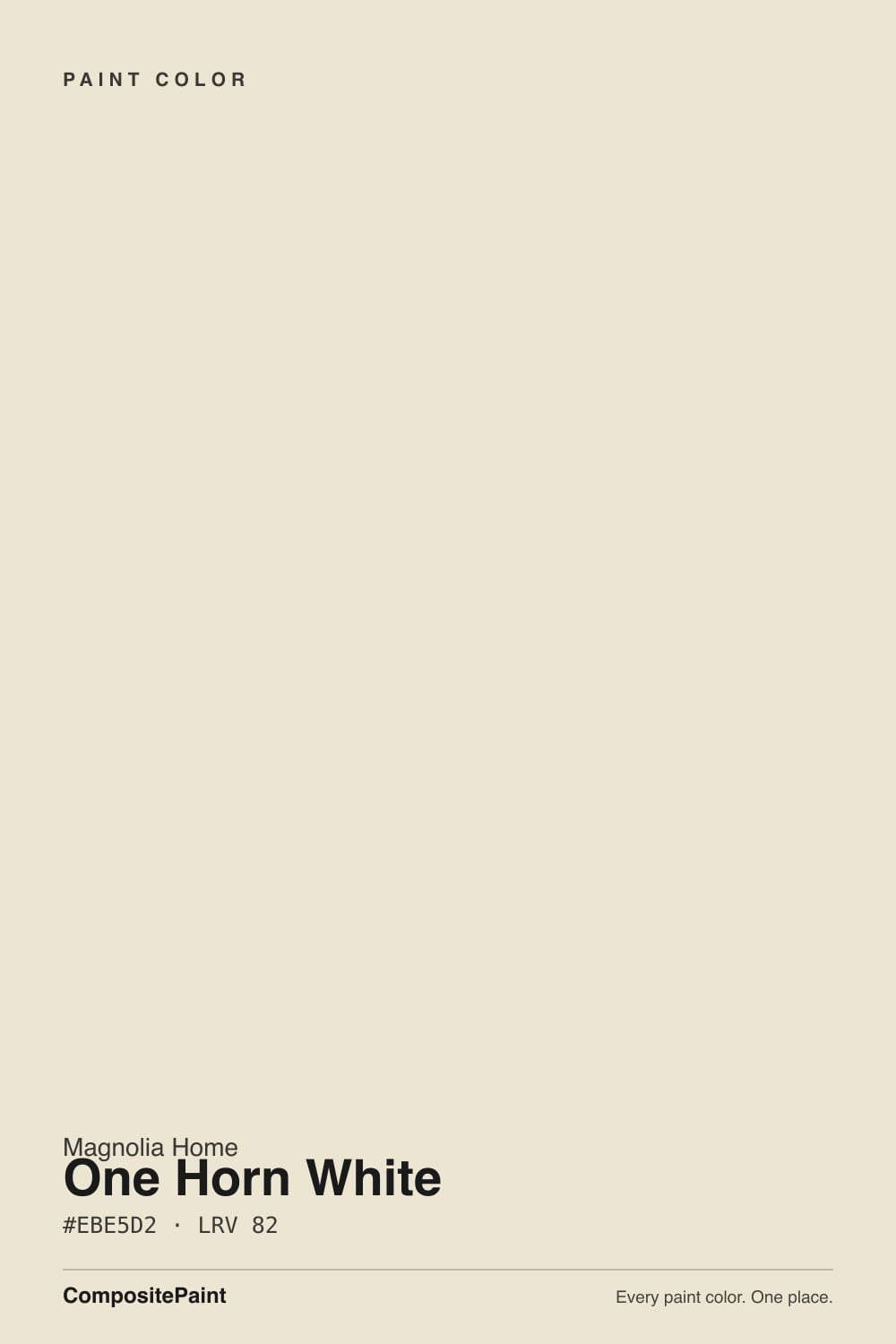
One Horn White is the rare off-white Magnolia Home sells across its whole catalog — interior walls, cabinet and furniture enamel, and exterior siding paint all come in this exact color, which tells you the brand trusts it more than almost anything else in the deck. Magnolia's own copy calls it a warm white with a light beige tint, and most rooms will read it exactly that way.
But at least one careful renovator swatch-tested it against Magnolia's other whites and caught a faint green cast that the marketing copy doesn't mention — reason enough to test big before you paint a whole exterior.
Modern-farmhouse whole-property schemes · kitchen and bath cabinets · exterior siding under black windows and trim · rooms with warm wood floors or butcher block
You want an unmistakable, obviously creamy white (look at Blanched instead) · your room runs dim and north-facing · you're matching it to another warm white you haven't swatched side by side · you want zero undertone risk, sight-unseen
- One matched color across interior walls, cabinets, trim, and exterior siding — genuinely rare
- Official description ("warm white, light beige tint") holds up in most warm light
- Flatters butcher block, oak floors, brass and matte-black hardware
- Dedicated cabinet/furniture enamel formula cures harder than standard wall paint
- LRV 73 keeps it light without going stark-bright
- At least one documented real-world test found a faint green undertone the marketing copy doesn't mention
- Goes flatter and cooler under overcast light or cool LEDs, which can make the green more visible
- Magnolia's deck has several similar light off-whites (Blanched, Silos White, True White) that are easy to mismatch by memory
- Thin public track record outside a handful of blog posts — fewer real-room photos to check against than a major national brand's white
What Color Is One Horn White, Really?
Magnolia Home by Joanna Gaines is manufactured and sold through KILZ, and One Horn White is one of roughly 150 colors in the line — but it does something most of those colors don't: it's sold as a matching color across three separate product lines. The same shade shows up in Magnolia's Classic Interior paint, its Trim, Door + Cabinetry enamel, and its Premium Exterior paint. Brands rarely bother matching a color that carefully across that many surfaces unless it's a genuine workhorse, and Magnolia's own description backs that up in plain language: a warm white with a light beige tint, built to be a background color rather than a statement.
At LRV 73 it sits in the same light-reflectance range as Sherwin-Williams Alabaster (LRV 73) — a real off-white, not a stark bright. It will read noticeably softer than a trim white like Sherwin-Williams Extra White and noticeably lighter than a mid-depth greige. On walls that puts it in classic "builder-upgrade neutral" territory: enough color to feel finished, not enough to fight your furniture.
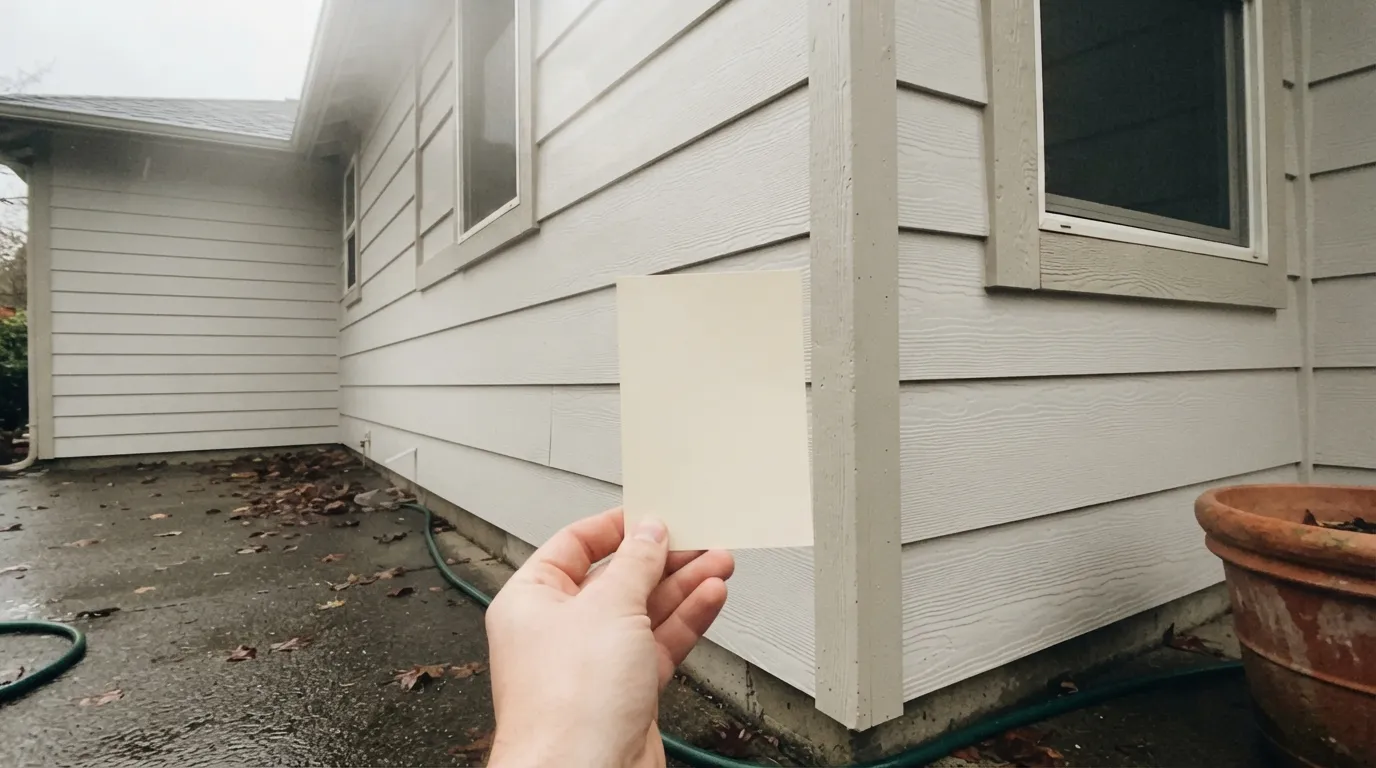
Undertone in one line, from the official copy: warm, with a light beige base — no pink, no gray called out. But real-world testing tells a slightly different story: a renovator who painted foam-board swatches of several Magnolia whites side by side for an exterior repaint specifically flagged a slight green undertone in One Horn White next to a yellower undertone in Magnolia's Blanched. That is the kind of detail a marketing page never volunteers, and it's the one fact worth checking with your own sample before you commit a whole facade to it.
Where It Shines
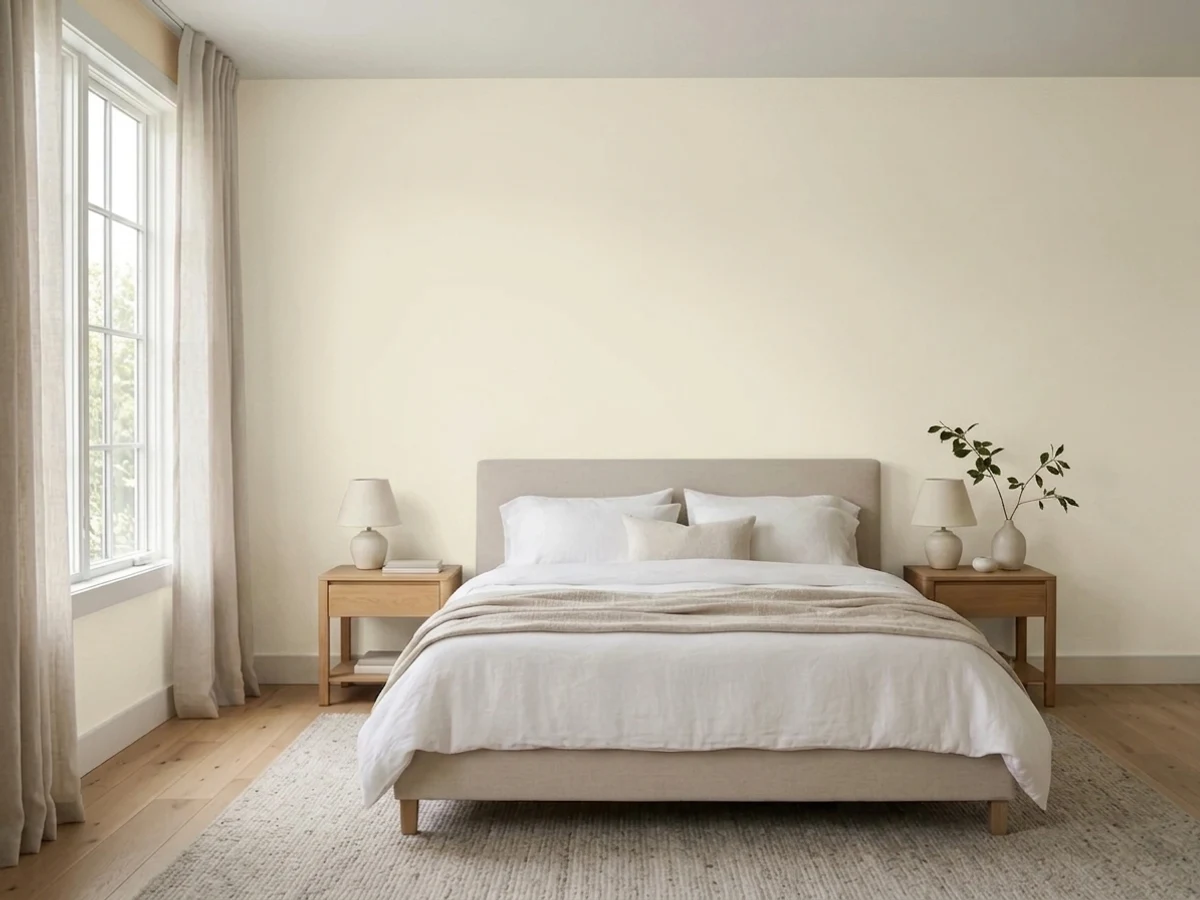
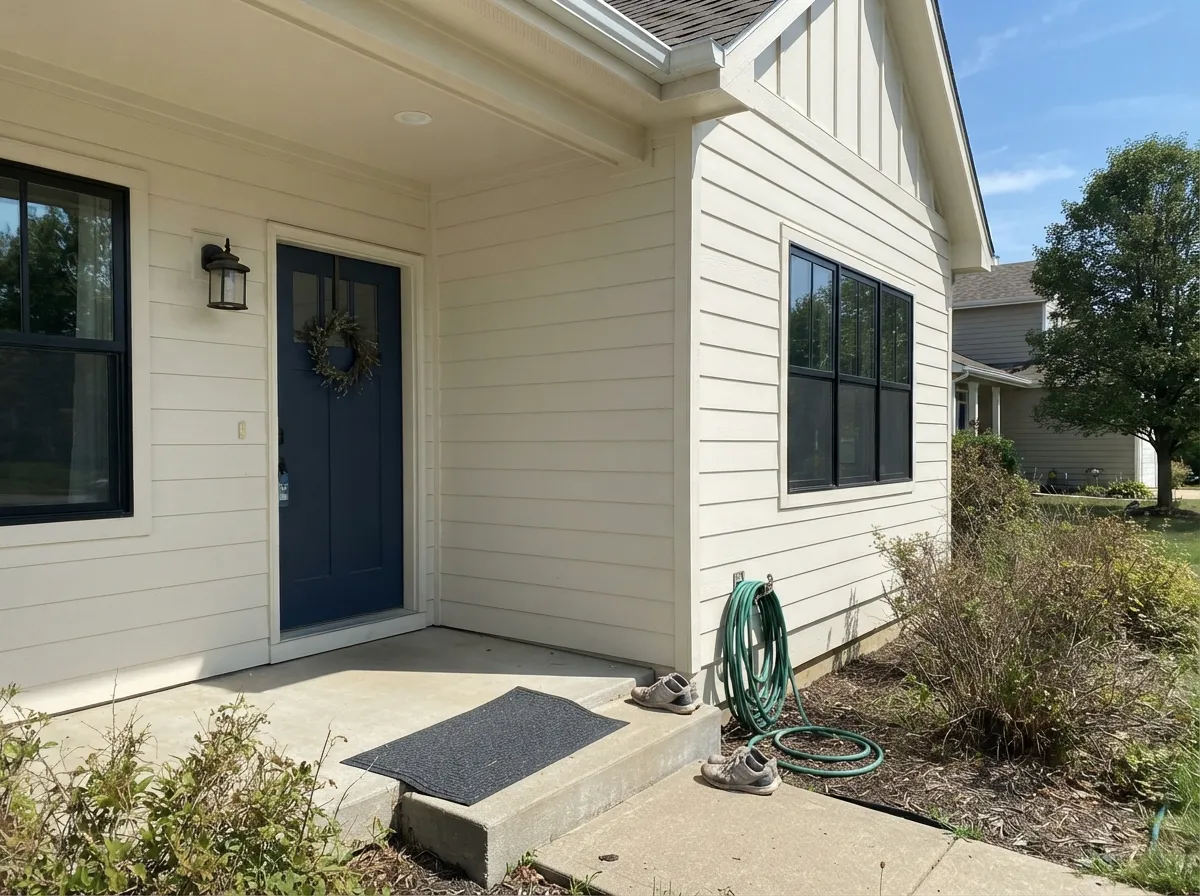
Its best trick is consistency across surfaces most brands never bother matching. Buy walls, cabinets, trim, and exterior siding in One Horn White and you get one continuous color running from the front porch to the kitchen island — a genuinely useful shortcut for a full modern-farmhouse repaint where you'd otherwise be color-matching three different paint lines by eye. It also does the classic warm-white job well: next to butcher block, oak floors, and brass or matte-black hardware, the beige base reads calm and expensive rather than stark.
Where It Fails
The handful of real complaints about One Horn White trace back to one of three situations, and none of them are unique to this color — but they're worth knowing before you buy a full exterior's worth.
This is the one documented complaint on the record: a renovator testing Magnolia whites for an exterior repaint found One Horn White carried a slight green undertone next to Blanched's more straightforward yellow warmth, and ended up choosing a different Magnolia color instead. If your goal was a classic butter-cream white, sample it big before you buy — the marketing copy calls it just "warm with a light beige tint" and doesn't mention the green.
Like most warm off-whites in this LRV range, One Horn White depends on some warm light — sun, incandescent bulbs, wood tones — to keep its beige base forward. Under flat gray sky or cool LEDs it settles toward a plainer, slightly cooler off-white, which is when a green undertone becomes more noticeable, not less.
Magnolia's deck includes several similarly light, similarly priced off-whites — Blanched, Silos White, True White — and picking one for walls and another for trim from memory, or from two different online listings, is how mismatched whites happen. Order actual sample cards of both and hold them together in your room's light before you paint.
Room by Room
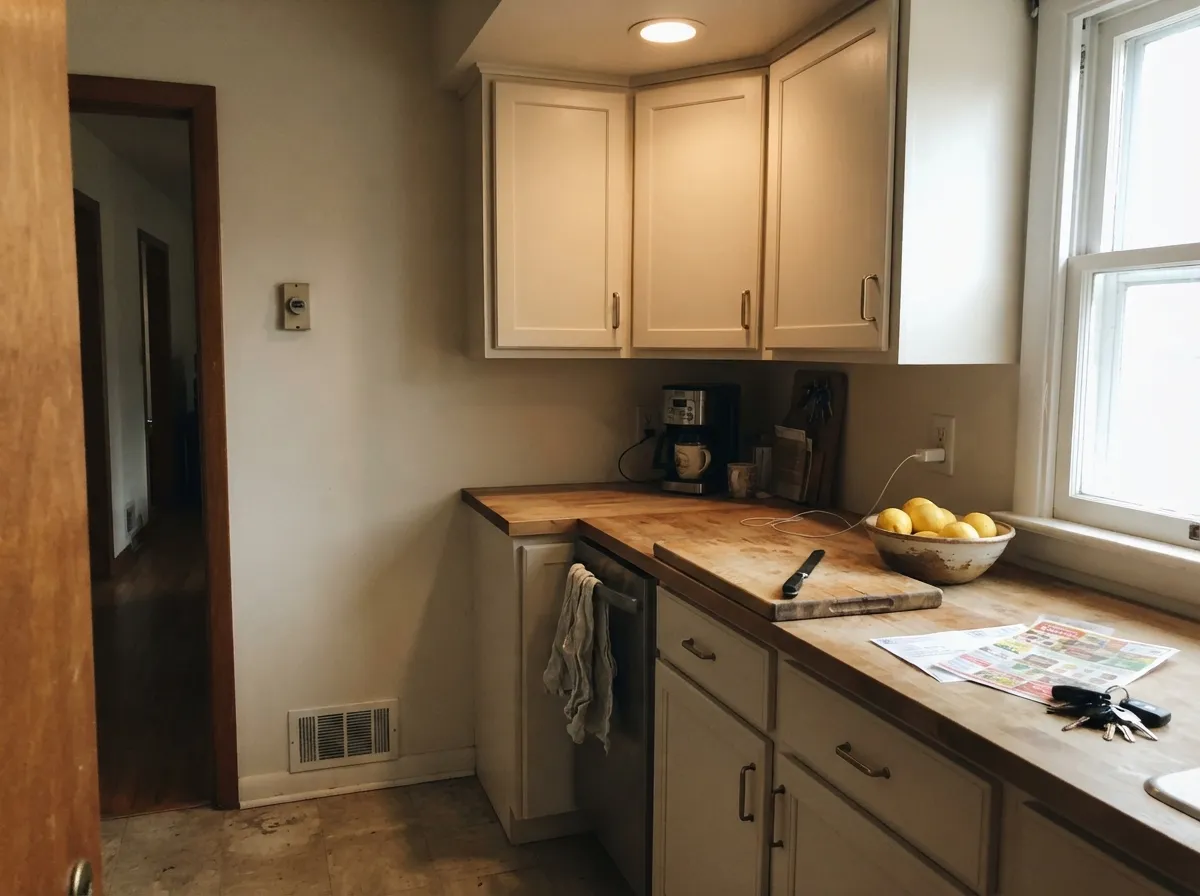
Magnolia sells One Horn White in its Cabinetry and Furniture Paint line specifically, a fast-drying acrylic enamel meant to cure harder than standard interior paint. Against butcher block, brass pulls, and warm wood floors it reads clean and traditional. Use satin, not matte, so the cabinets wipe clean.
One Horn White is also sold as a dedicated Premium Exterior formula for siding, trim, and fascia. It pairs well with black windows and dark trim for a modern-farmhouse look, but this is the exact use case where a real renovator caught the green undertone — order the biggest sample size available and view it on your actual siding, in your actual light, before committing to gallons.
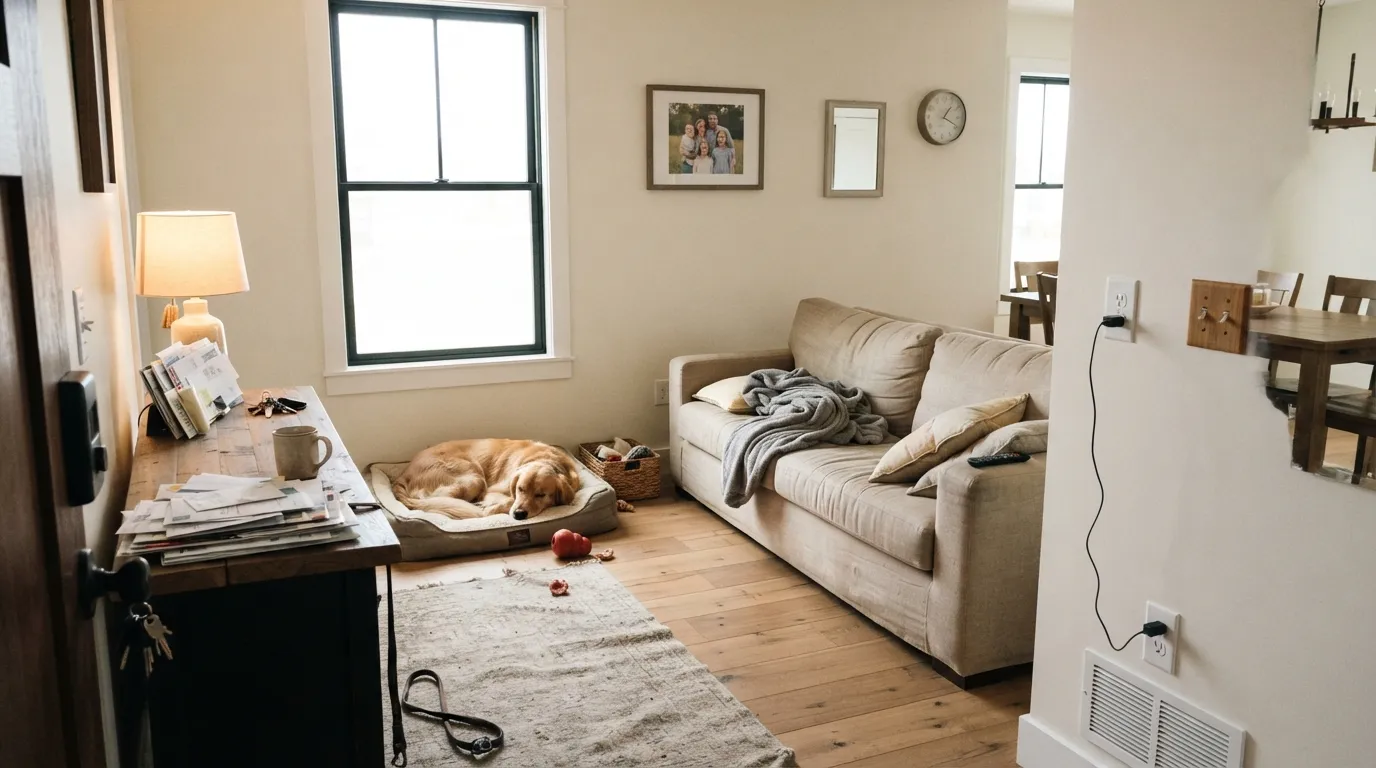
In decent daylight it behaves like most warm off-whites at this LRV: quiet, background-friendly, forgiving of mismatched furniture. It won't read as characterful as a named designer white, but it also won't fight anything you put in front of it.
Because it's sold in a matching Trim, Door + Cabinetry formula, it's an easy default trim white when the walls are also One Horn White or another warm Magnolia neutral. Paired with a cooler or brighter wall white, the trim can look slightly duller by comparison — the classic warm-white-next-to-bright-white mismatch.
Under a warm lamp at night it settles into the same soft off-white it reads as in daylight. In a dim, north-facing bedroom with no warm light source, this is where the green undertone is most likely to show — sample the wall before committing a whole room.
With warm wood vanities and brass fixtures it's a fine match. Against cool-toned tile or stone, test it directly next to your materials first; a warm white with any green in it can look slightly off against blue-gray stone in particular.
Your Light Is the Risk
Direct warm daylight pushes the beige base forward and keeps the color reading as a clean, quiet off-white — its best and most reliable light.
Cool, flat daylight is where the documented green undertone is most likely to show. Test a large sample outdoors on a cloudy day before you commit a whole exterior.
Warmer and creamier at the sun-facing hours, quieter and more neutral the rest of the day — a normal shift for a warm white at this LRV.
2700K warm bulbs keep the beige forward and calm. Cool white LEDs flatten it and can nudge it toward the cooler, slightly green read some owners describe.
Most complaints about One Horn White are a light mismatch. Upload a photo of your actual room and see it on your walls — then ask for the same wall in north light or evening lamps before you buy a single sample.
Need It From Another Brand?
Any paint counter can custom-tint Magnolia Home JG-11 directly. If you would rather stay in one brand's own deck, these are the closest stock matches, measured as ΔE2000. Under 2 is a difference you will not see on the wall.
| Brand | Closest color | ΔE | LRV | |
|---|---|---|---|---|
| Sherwin-Williams | MortarSW 9584 · Sherwin-Williams | 1.7 | 74 | Color page → |
| Behr | Mission WhitePPU24-15 · Behr | 0.5 | 74 | Color page → |
| Benjamin Moore | Going to the Chapel1527 · Benjamin Moore | 0.9 | 72 | Color page → |
| Valspar | Gilded Linen6002-1A · Valspar | 1.2 | 73.8 | Color page → |
| PPG / Glidden | Rain CloudPPG1125-1 · PPG / Glidden | 1.1 | 75 | Color page → |
| Glidden | Misty China Rain Green30GY 73/053 · Glidden | 1.9 | 73 | Color page → |
Similar Magnolia Home Colors
The nearest shades to One Horn White within Magnolia Home's own range, ranked by perceptual color distance — useful when you want the same look a touch lighter, darker, or warmer.
WCAG 2.1: AA is 4.5 : 1 for normal text, 3 : 1 for large text, AAA is 7 : 1.
One Horn White vs the Colors You're Also Considering
Every One Horn White sample board has the same rivals on it. The numbers show the real lightness gap — then it comes down to which risk you would rather live with.
Pick this if you want one matched color across walls, cabinets, trim, and exterior siding, which Behr's line doesn't offer the same way.
Behr 12 · LRV 80Swiss CoffeePick this if you want the same warm cream territory without gambling on undertone — Behr's version stays a straightforward warm off-white even in cooler light.
Pick this if the exterior siding needs to match the cabinets can-for-can and you don't want to color-match two different brands.
Sherwin-Williams SW 7008 · LRV 82AlabasterPick this for cabinets specifically — Alabaster is the far more tested, far more photographed cabinet white if you want confidence going in.
Pick this if you already know exactly what to expect — a real owner review already flagged the one thing to check.
Sherwin-Williams SW 7566 · LRV 80Westhighland WhitePick this for the same honest, undecorated warm-white mood from a major national deck with a longer track record.
Pick this if you're already building a full Magnolia Home palette — matching cabinets, trim and siding to one branded deck beats color-matching White Dove across three different paint lines.
Benjamin Moore OC-17 · LRV 85White DovePick this for the famous, exhaustively tested version of this same idea, a shade brighter and with decades of real rooms to check against.
Carter Creme (JG-16, LRV 80) is the closest neighbor. It is a hair softer and slightly warmer in feel, so at similar lightness the two are very close. Choose Carter Creme if you want the cream read to feel a touch gentler, and One Horn White if you want marginally more brightness.
Pearly Cotton (JG-33, LRV 83) sits at nearly the same lightness but reads a little cleaner and less yellow. If One Horn White feels too creamy in your sunny, south-facing room, Pearly Cotton is the safer pick for a fresher off-white without going cold.
Soft Landing (JG-17, LRV 75) is noticeably deeper. That lower LRV makes it feel more like a light greige on the wall, with more presence and cozier depth. Use Soft Landing when you want the walls to have body, and One Horn White when you want the room to stay bright and airy.
One Horn White Coordinating Colors
Because Magnolia sells One Horn White across interior, cabinet, and exterior lines, most of its best pairings come from staying inside a warm, low-drama palette and reaching for real black or navy only where you want a deliberate dark note. These are the partners that show up most in the way it's actually sold and used:
One Horn White on Exteriors
One Horn White's exterior formula is one of its genuine strengths as a product: it's sold and marketed for siding, trim, windows, doors, shutters, fascia, and fencing, across drywall, stucco, brick, masonry, wood, fiber-cement, and vinyl. That range makes it a realistic choice for a full modern-farmhouse repaint, and black window frames or dark trim give it the crisp contrast the style depends on.
The one thing to do before buying gallons: get the largest sample size Magnolia offers and paint it directly on your siding, not just a board propped against it. The documented real-world complaint about this color — a slight green undertone next to a warmer white like Blanched — came from exactly this kind of exterior side-by-side test. Overcast days will show it most clearly if it's going to show up at all.
One Horn White With Wood Tones and Cabinets
This is the pairing the color is built for. Magnolia sells One Horn White in its own Cabinetry and Furniture Paint — a fast-drying, harder-curing acrylic enamel meant specifically for kitchen and bathroom cabinets, furniture, and window frames — and against butcher block, oak floors, and brass hardware it reads warm and traditional rather than stark.
Cool-toned stone counters or gray-washed floors are the one combination worth testing first. A warm white carrying any hint of green, as the documented owner review describes, can look slightly off next to blue-gray materials in a way it won't next to warm wood.
Three Ready Palettes Built on One Horn White
A color is never alone on the wall. These are complete combinations in the 60-30-10 pattern, with the reason each one holds together. Every one opens in the visualizer.
Black-framed windows and a navy door are what make a light warm siding color read modern-farmhouse instead of just beige. Sample the One Horn White big and outdoors first — this exact combination is where the green-undertone caution matters most.
Try this palette in your roomAgreeable Gray's warm greige gives the room its neutral backdrop while One Horn White carries the cabinets in the brand's dedicated cabinet enamel. Wrought Iron on the island adds the one dark note without going full black.
Try this palette in your roomThe whole appeal of a matched-line color is using it everywhere: same can on walls, trim, and cabinets, sheen changes doing the separating. Shiplap, Magnolia's own deeper warm neutral, gives one adjoining room a step more depth without leaving the family.
Try this palette in your roomOne Horn White FAQ
Is One Horn White warm or cool?
Warm, according to Magnolia's own description — a warm white with a light beige tint. In most real rooms with decent light it will read exactly that way. The one caveat: a real renovator testing it against Magnolia's other whites for an exterior project found a slight green undertone, so it's worth a large sample if a true, unmistakable cream is the goal.
Is it good for kitchen cabinets?
Yes — Magnolia sells it as a dedicated Trim, Door + Cabinetry enamel, a fast-drying acrylic formula meant to cure harder than standard wall paint. It flatters warm wood and brass hardware. Use satin for durability and easy cleanup.
Does One Horn White work as an exterior siding color?
Yes, it's sold as a matching Premium Exterior formula, and it pairs well with black windows and dark trim for a modern-farmhouse look. This is also the exact use case where the documented green-undertone complaint came from, so order the largest sample size and check it on your actual siding before buying gallons.
How does One Horn White compare to Magnolia's other whites, like Blanched or True White?
One Horn White reads as a warm, light beige-white with a possible faint green cast in cool light; a side-by-side test found Blanched leans more clearly yellow by comparison. True White and Silos White sit lighter (LRV 87 and 84 versus One Horn White's 82). If you're choosing between them, order actual sample cards and compare them together in your room rather than trusting the names alone.
What trim or accent color goes with One Horn White?
For a modern-farmhouse look, a near-black like Sherwin-Williams Iron Ore on windows and trim is the classic pairing, with a navy front door for one saturated note. Indoors, its own matching Trim, Door + Cabinetry formula is the safest choice — a different bright white can make One Horn White look duller by comparison.
Does it work with warm wood floors?
Yes — oak, butcher block, and other warm wood tones are exactly the company this color was built to keep, and Magnolia's own product photography leans on that pairing. It's cooler-toned stone and tile where testing first matters more.
Have you painted with One Horn White?
Rate it — one tap helps the next reader decide.
Ask a Question