 1
1Crisp MuslinDE6212 · LRV 71
10 curated neutrals with undertones, LRV, and the honest reasons why, plus the full 372-color neutral deck below.
Don't want to compare 372 neutrals? These four cover most real projects.
Numbered and curated. Tap any color for its full review, or see it on your own walls in the visualizer.
1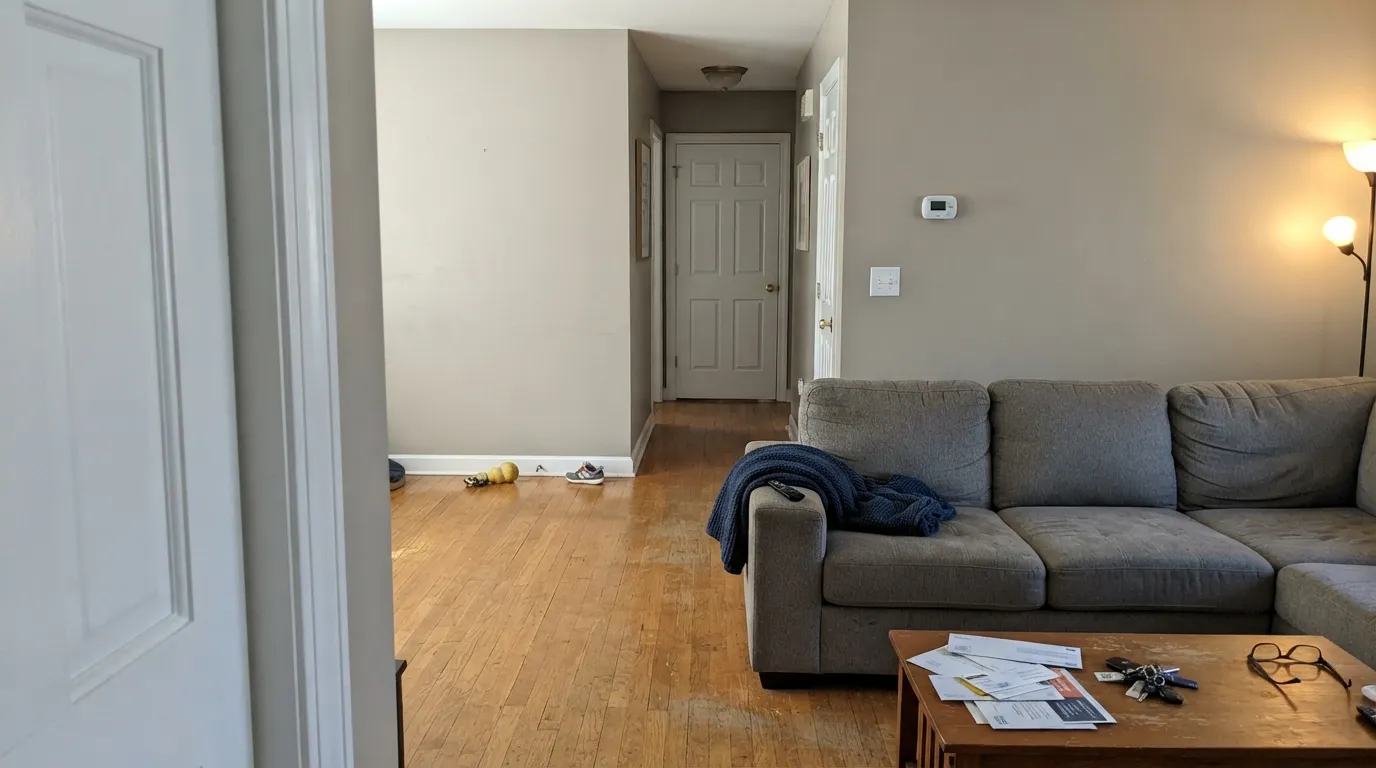 2
2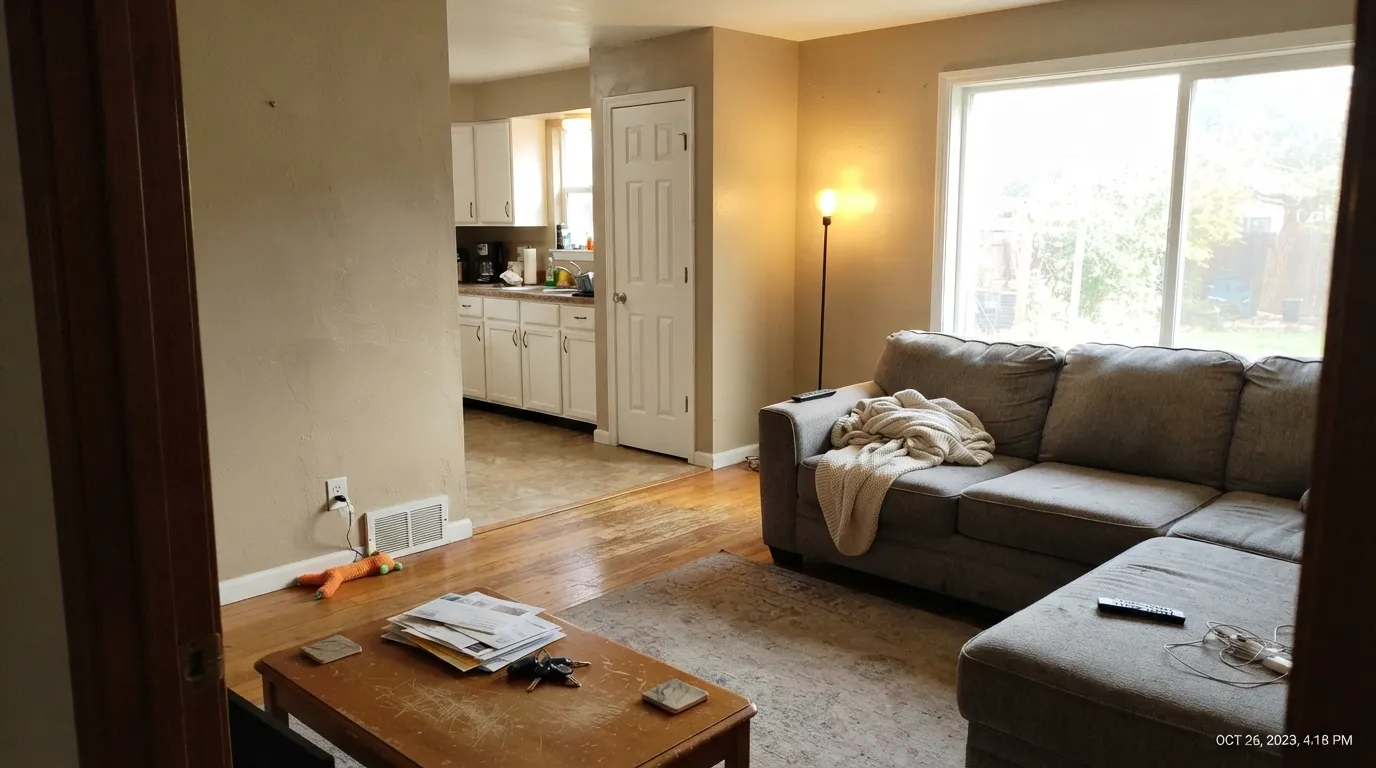 3
3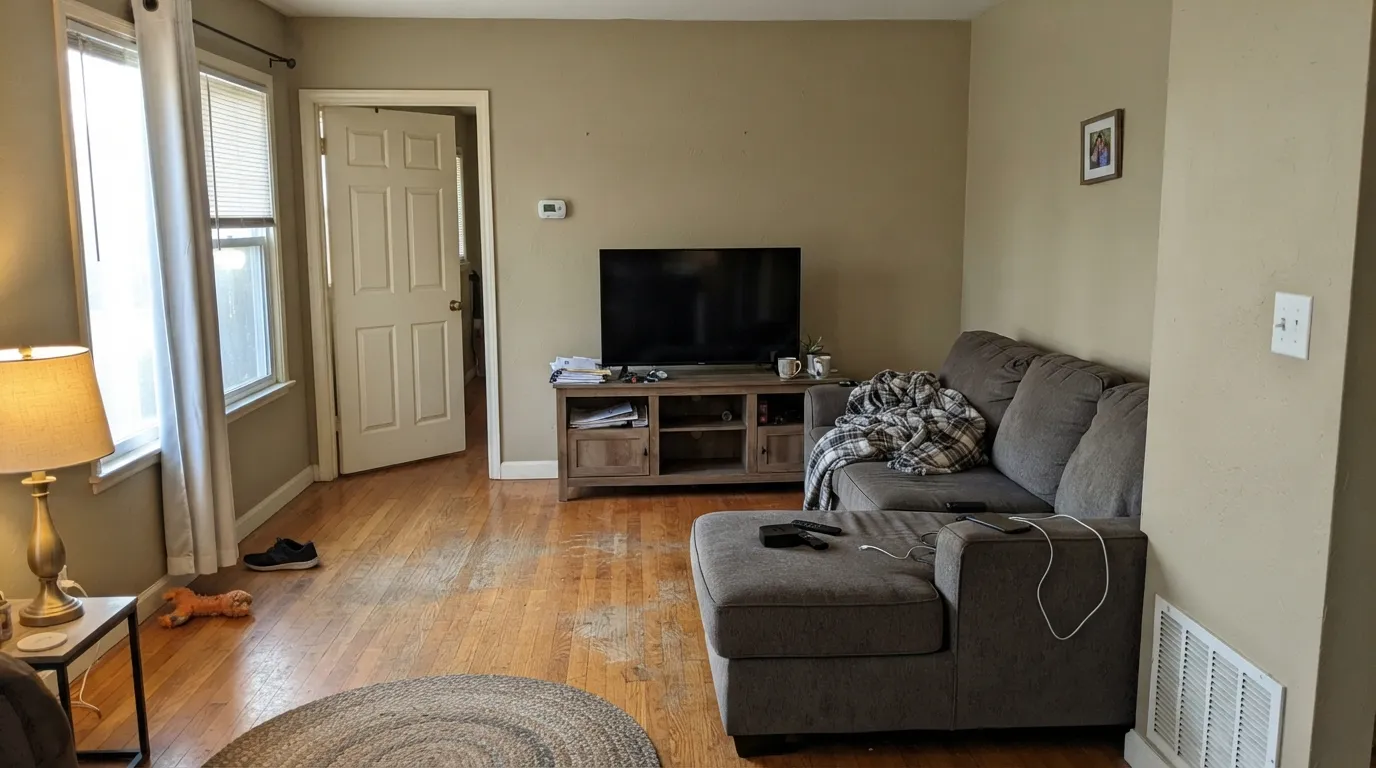 4
4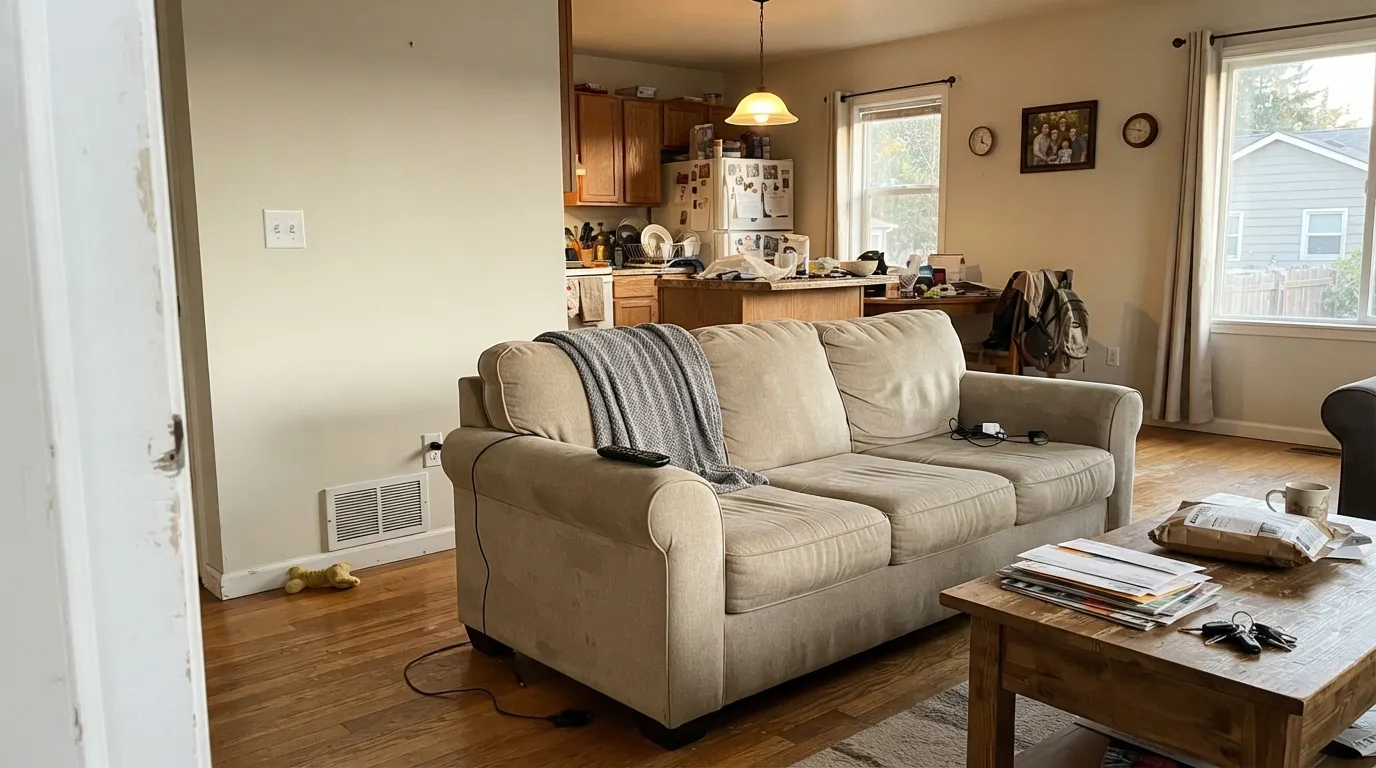 5
5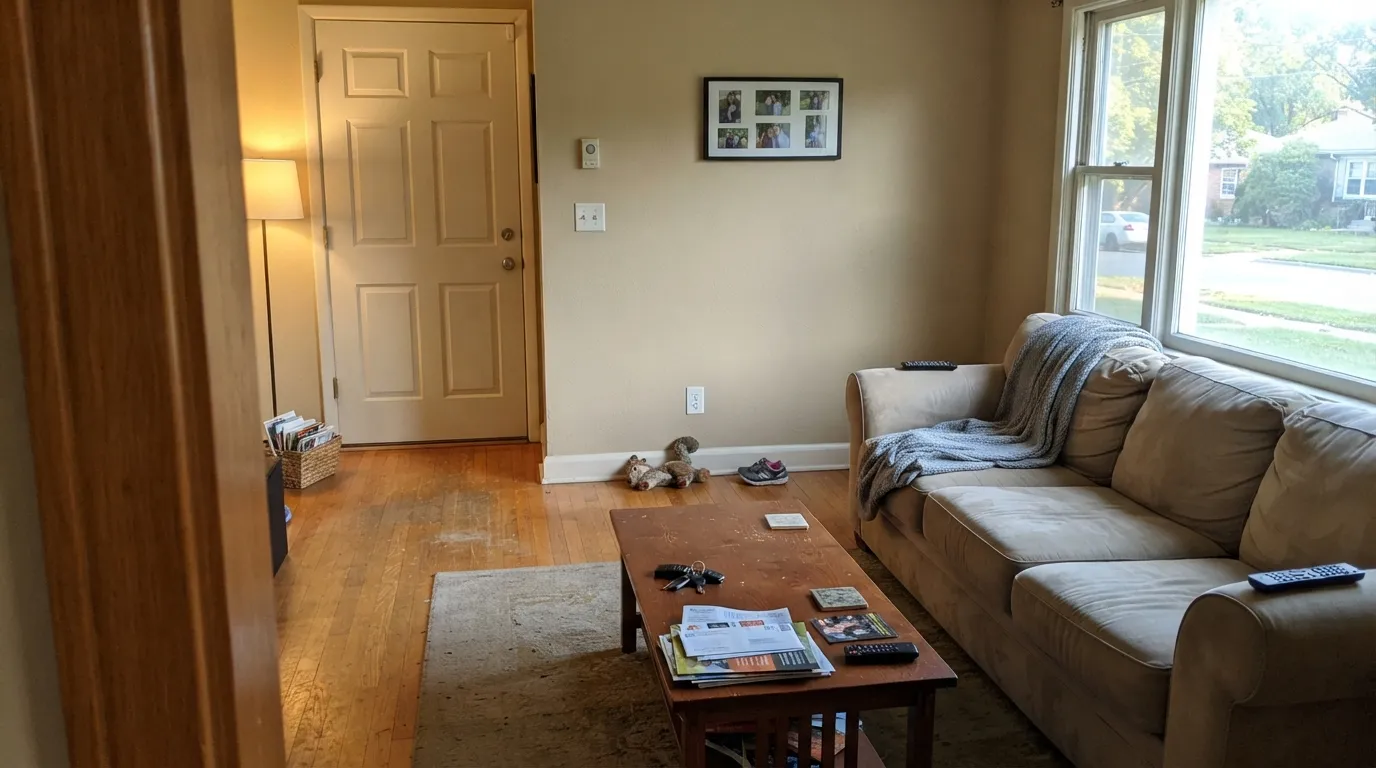 6
6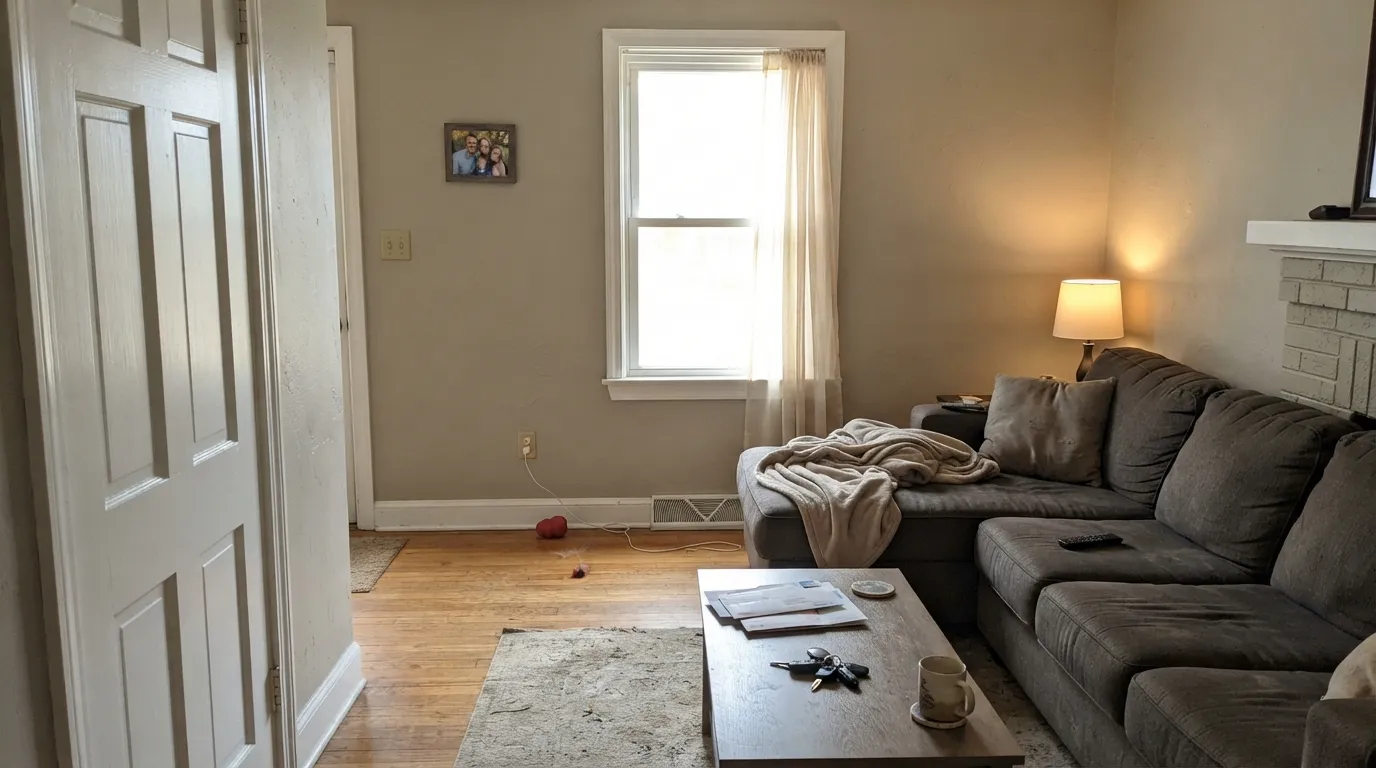 7
7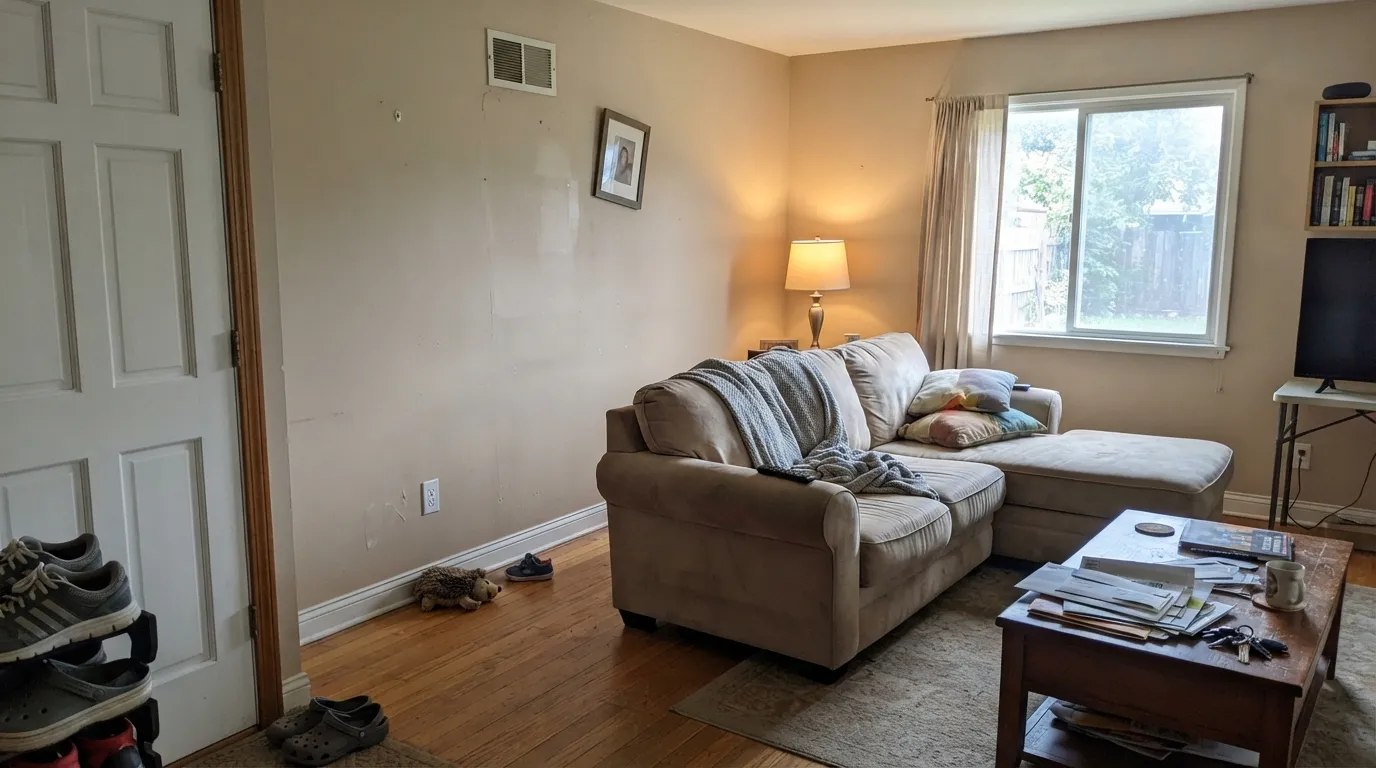 8
8 9
9 10
10The whole Dunn-Edwards neutral range by depth. LRV is the number to trust: the same neutral looks two steps darker on a wall than on a chip.
LRV is the light reflectance value, a 0-to-100 scale of how much light a color bounces back. In this neutral slice the numbers run from 7 at the darkest to 92 at the lightest, so you can match a color to how bright a room already is. Ambrosia Ivory at LRV 92 will keep a north-facing or small room feeling open, while a low number like the deep end of this range absorbs light and adds weight.
For most walls in average rooms, the middle of the range works best. Cream Wave (DE6198) at LRV 72 stays light without going stark, Heather (DEC773) at LRV 63 reads as a soft greige, and Coral Clay (DEC719) at LRV 45 gives you real color while staying livable. Drop to Veranda Gold (DE6187) at LRV 33 or lower when you want a room that feels cozy and enclosed.
Each room page shows neutral picks from every US brand side by side, so you can compare in context.
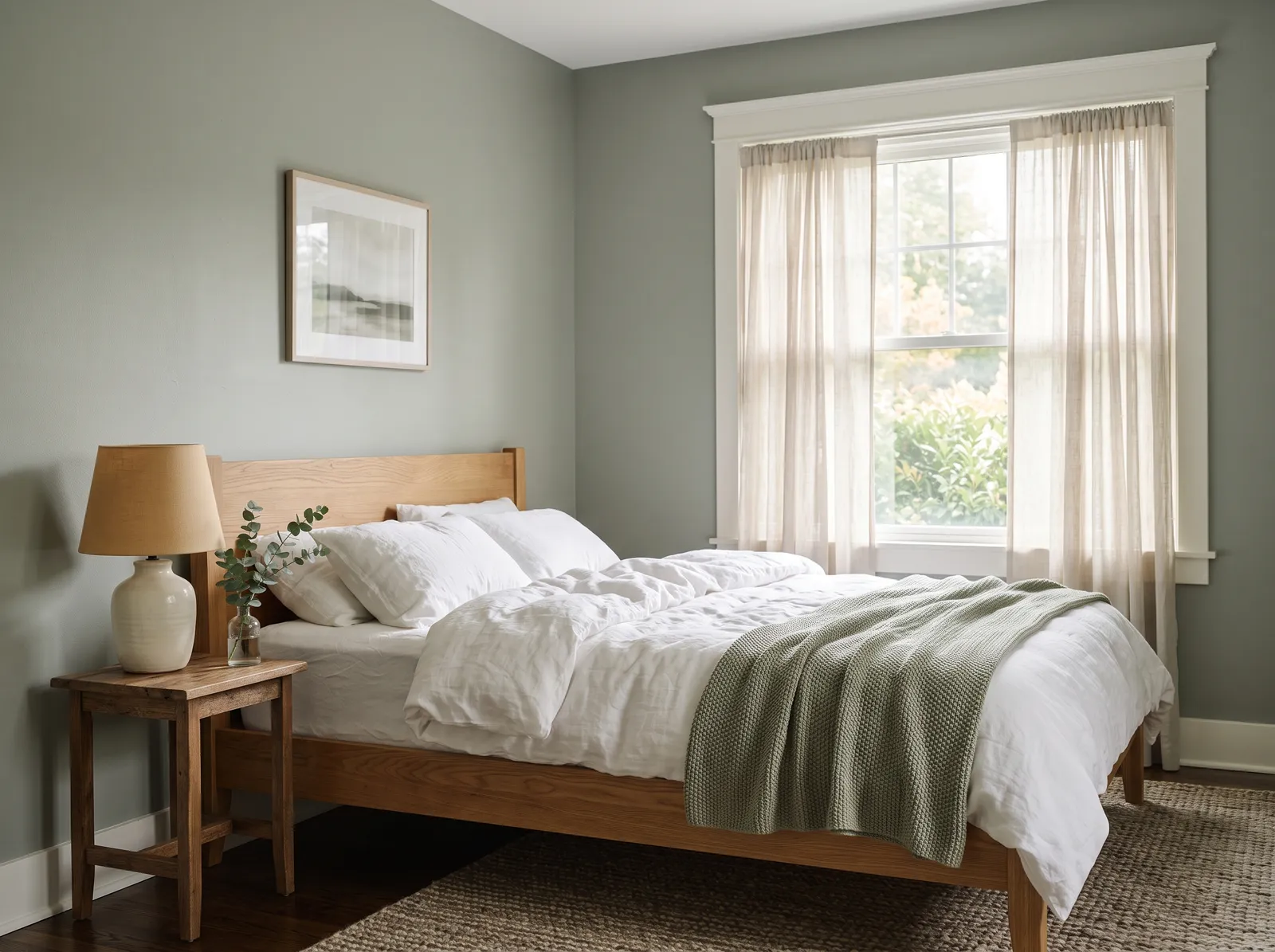
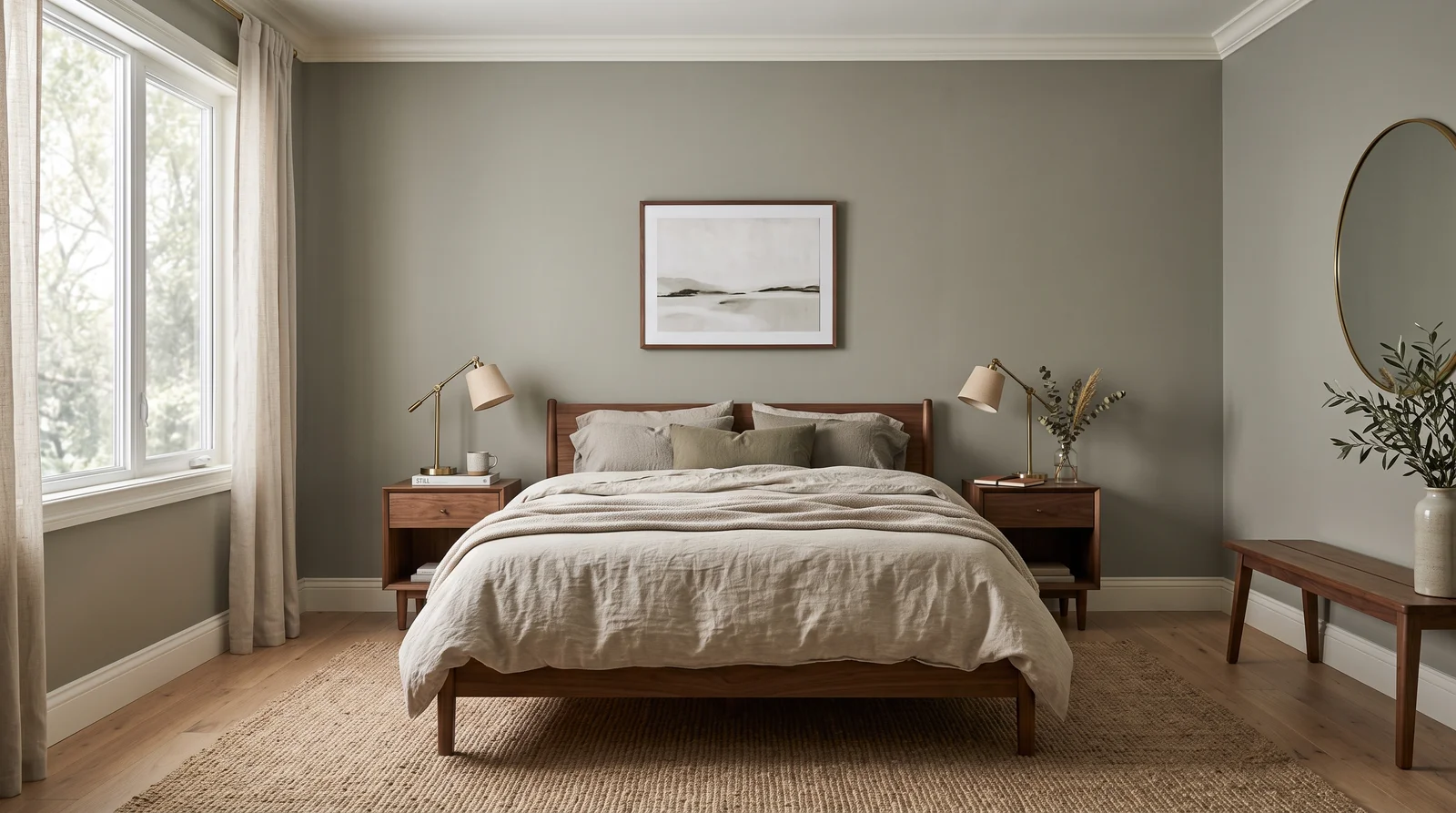
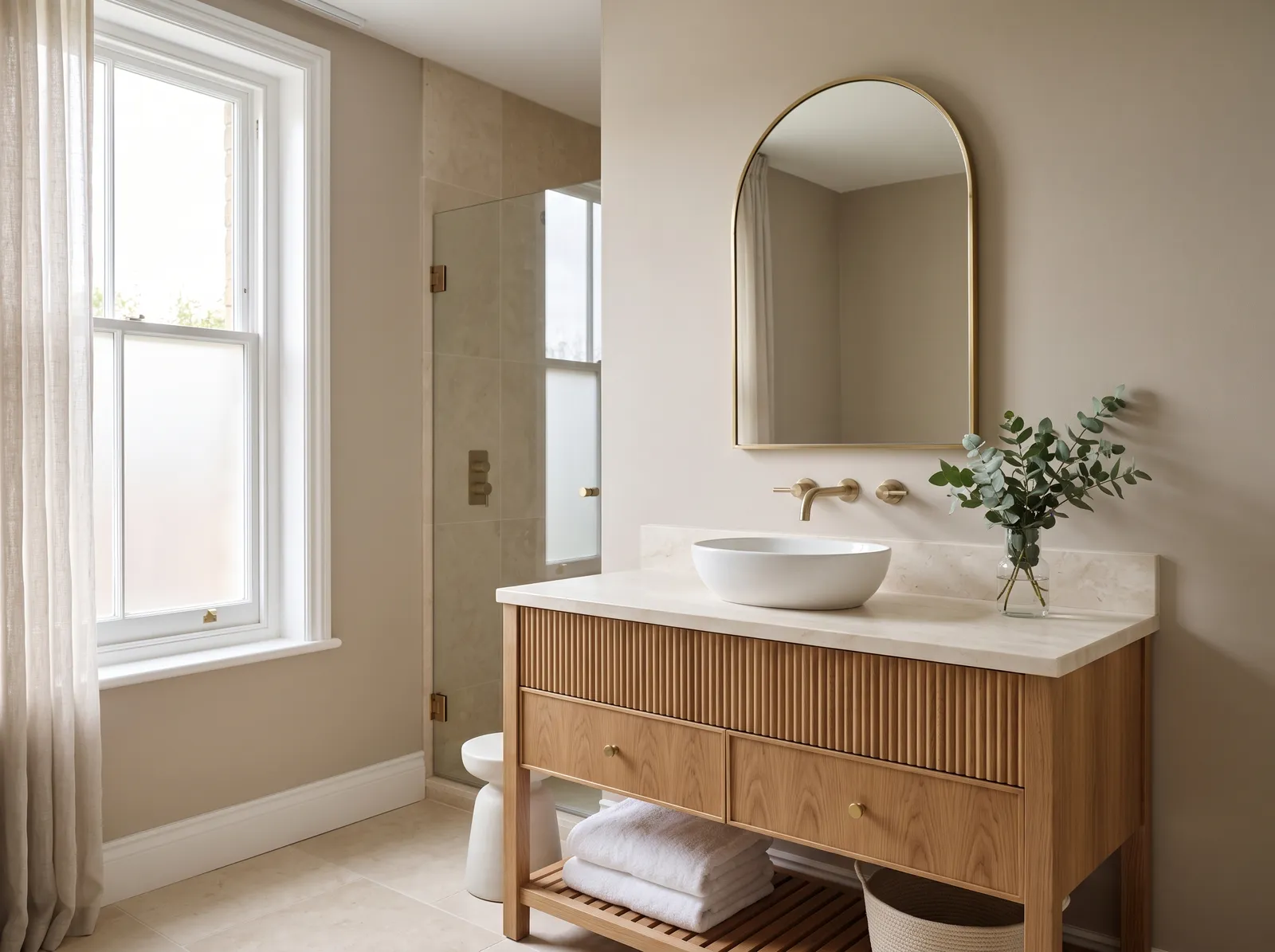
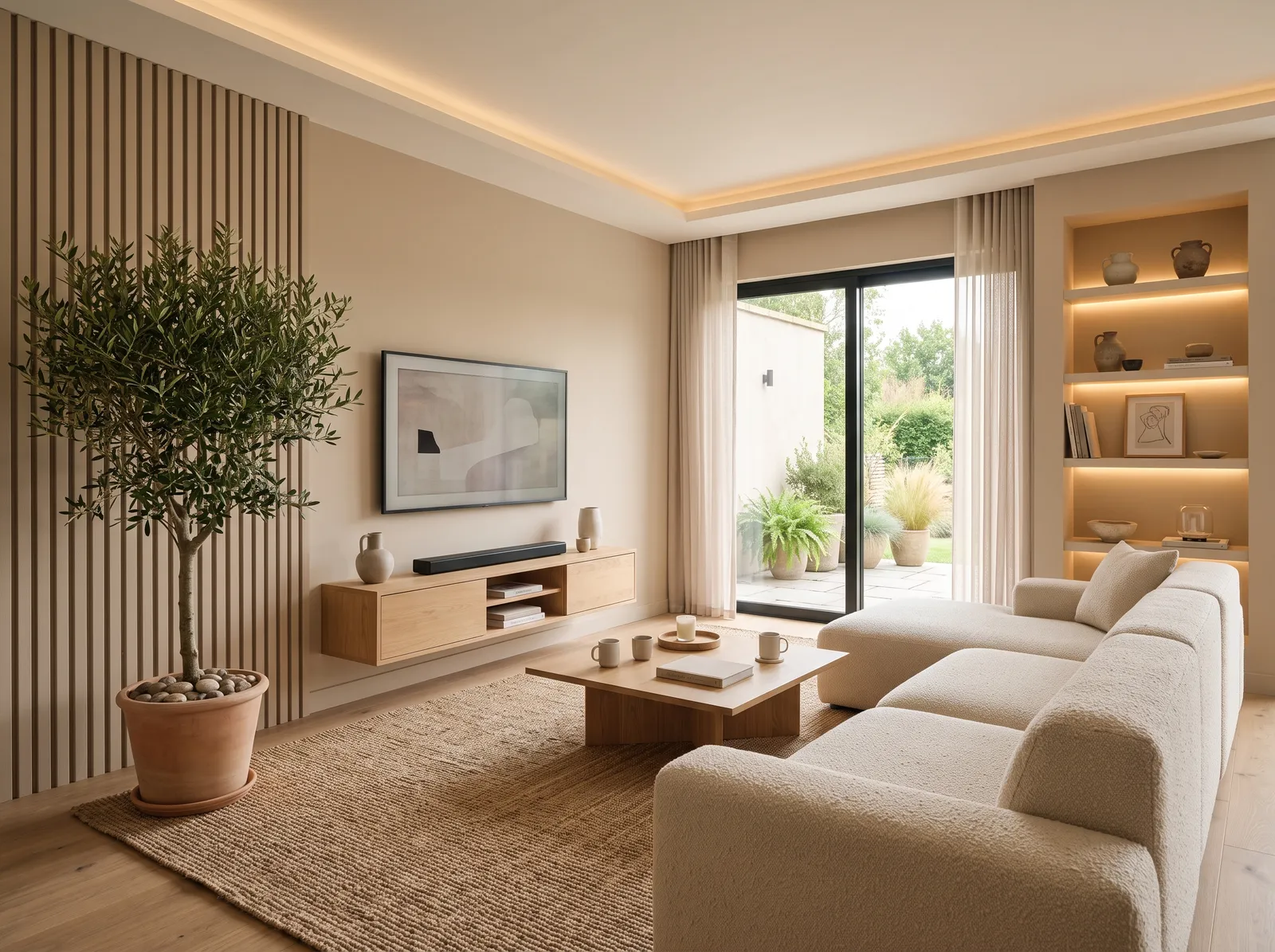
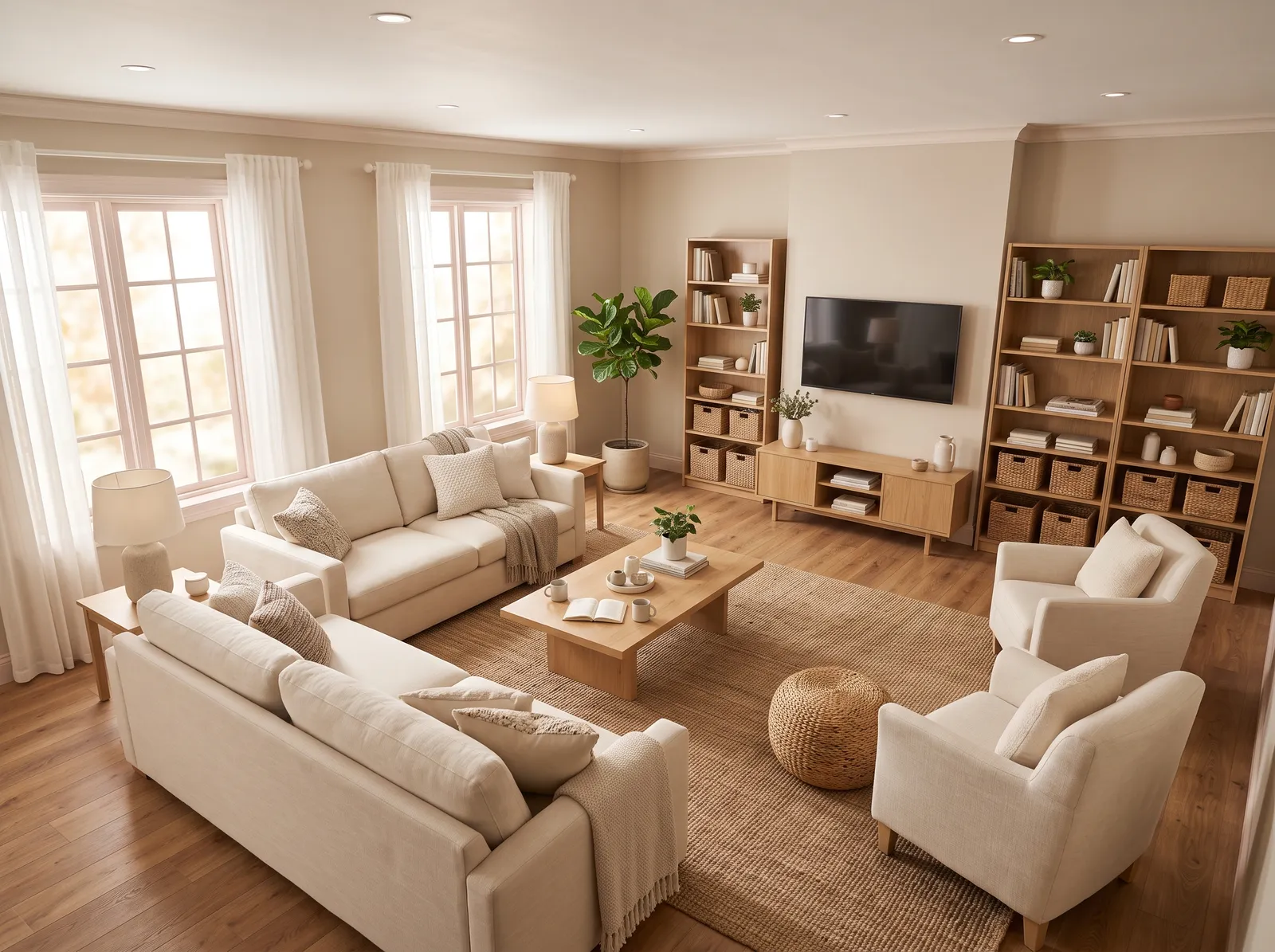
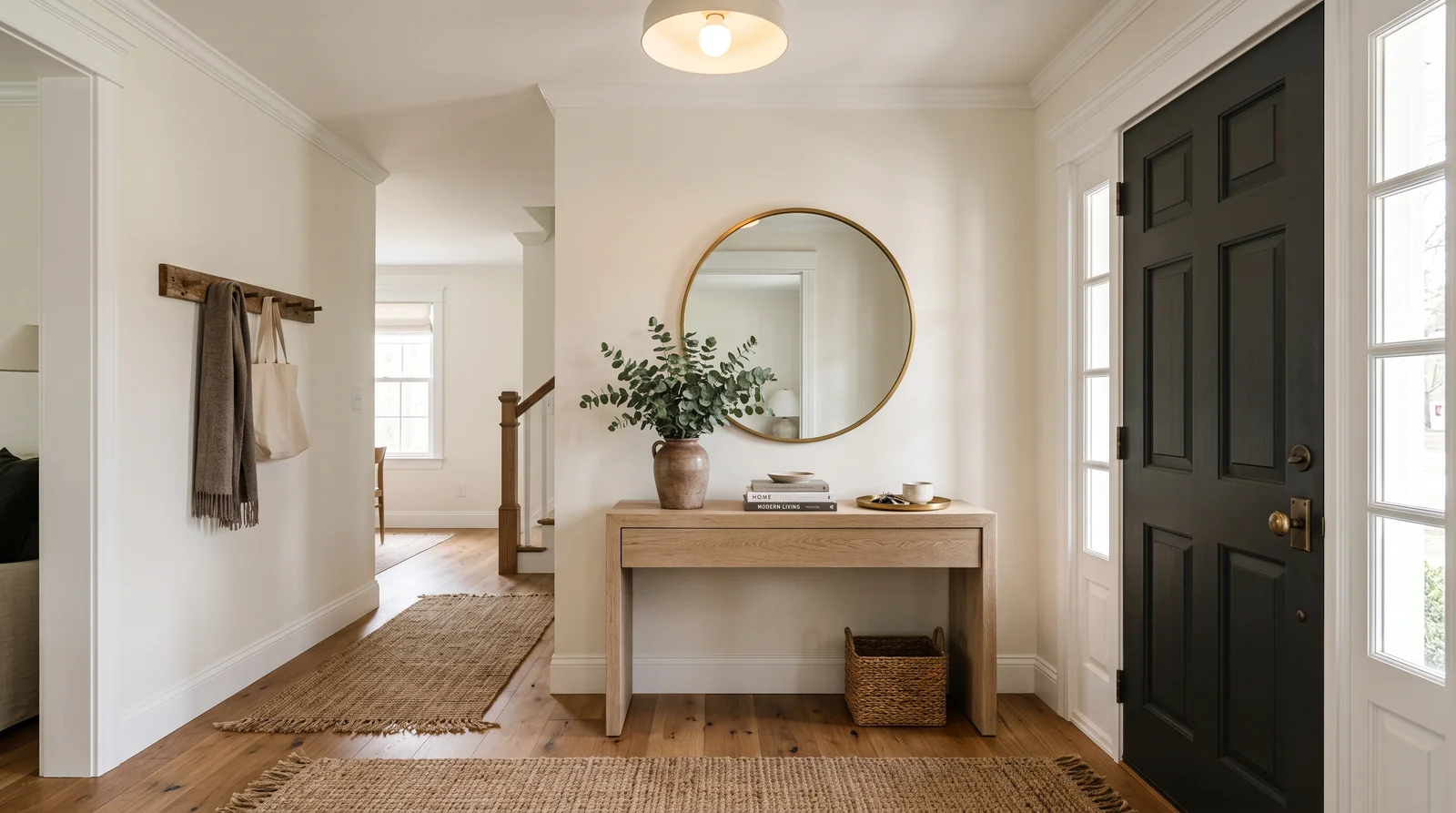
Lighter neutrals here are the safe, flexible choice for living rooms, bedrooms, and hallways where you want the space to feel open and easy. Siamese Kitten (DE6121) at LRV 77 and Cream Wave at LRV 72 are the kind of soft backgrounds that work with almost any furniture and hold up across changing daylight.
The deeper neutrals earn their place in rooms you want to feel intimate: a study, a dining room, an accent wall, or built-ins. Veranda Gold and Green Scene bring warmth and depth without reading as a bold color statement. For trim, cabinets, and doors, Dunn-Edwards makes ARISTOSHIELD, a tough urethane-alkyd enamel; SUPREMA is the premium ultra-low-VOC interior wall paint, and EVERSHIELD is the exterior line built for desert UV.
Every Dunn-Edwards neutral, grouped by undertone, warm to cool. Filter by depth or change the order.
Hex values are display approximations from Dunn-Edwards's published swatch tools, not a physical sample under controlled lighting. Order a brand-direct sample before specifying.
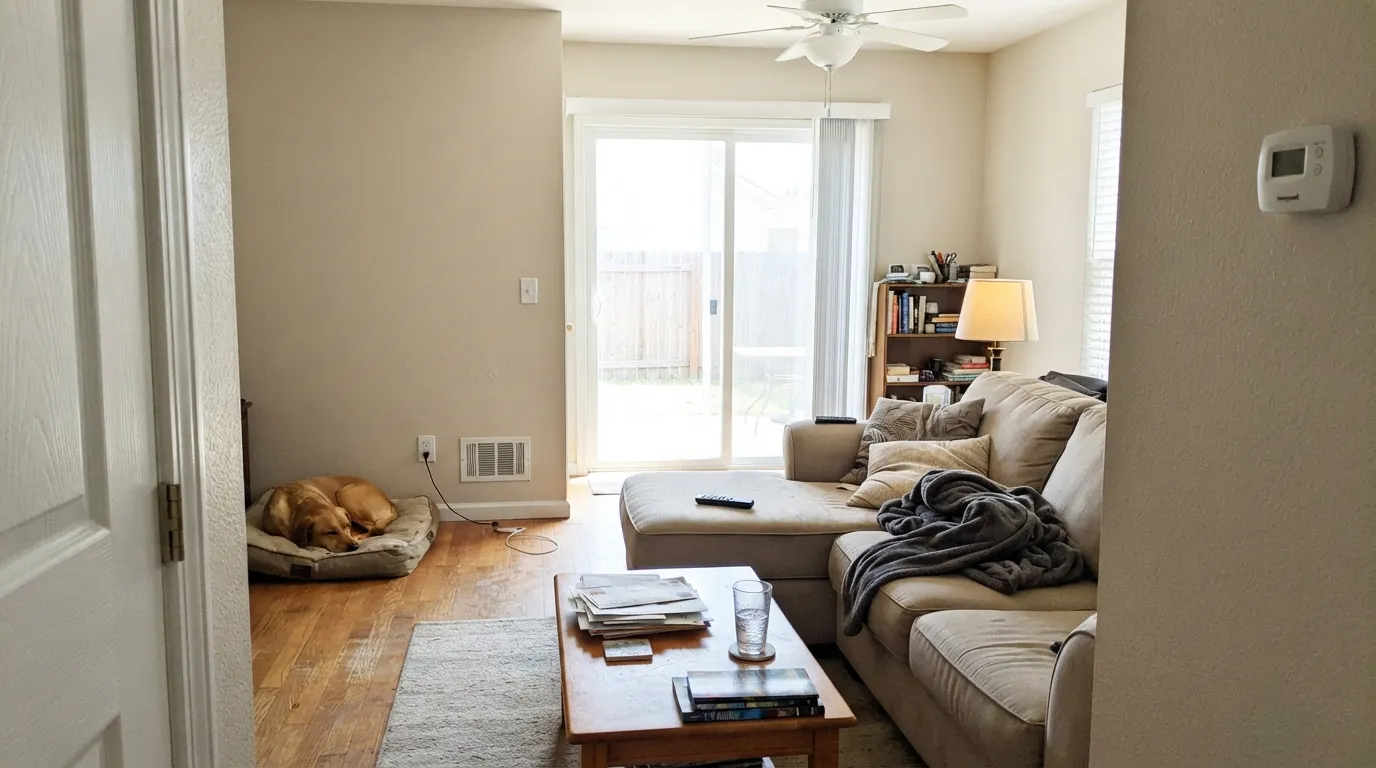
Upload a photo of the room. We paint it in the neutral you chose with your light and your floor, and you can swap colors until one holds.
Dunn-Edwards is a regional brand. It sells through its own company-owned stores in the West and Southwest only, meaning California, Arizona, Nevada, New Mexico, and Texas, not nationwide and not in big-box stores. Like all paint colors, every shade here is mixed to order at the counter, so the same formula is available whenever you go back for more. Expect roughly $55 to $65 a gallon depending on the line.
If you live outside Dunn-Edwards territory, you can still use these colors as a target. Any full-service paint counter can color-match a sample, a chip, or a code like DE6172 onto another brand's base, so a neutral you love here can be remade in a paint sold near you. The same works in reverse with the Kompozit deck and other US brands: pick the shade you want, bring the code or a swatch, and have it matched into the paint you can actually buy locally.
How many neutral colors each brand carries, drawn with that deck's own neutrals from light to dark. Pick your store first, then the color. Every brand equal, no favorites.
Dunn-Edwards has spent decades making colors for strong Western and desert light, and it shows in this neutral family of 167 shades. These are warm, grounded neutrals with quiet undertones rather than stark grays. You see it in colors like Ambrosia Ivory (DE5210), a soft near-white, and Bungalow Taupe (DE6172), a calm mid-tone that reads earthy in real rooms.
The slice spans a wide light range, from very pale to deep and shadowy. That gives you everything from a barely-there off-white to a saturated anchor color like Green Scene (DE6251) without leaving the neutral family. The common thread is balance: none of these fight the room or the light pouring into it.
A reliable formula is to put your main neutral on the walls, then go lighter for trim and ceiling. If your walls are a mid-tone like Bungalow Taupe (LRV 52) or Heather (LRV 63), a high-LRV white such as Ambrosia Ivory (LRV 92) on the trim gives clean contrast that frames the room. Dunn-Edwards is also known for whites like Swiss Coffee, Bone China, and Cottage White, which are popular safe trim and ceiling choices.
To coordinate within the family, keep the undertones in the same direction and let LRV do the work. Pair a light like Cream Wave with a deeper warm neutral like Veranda Gold for an easy two-tone scheme, or layer Coral Clay with a softer Siamese Kitten for a tone-on-tone look. The wide LRV range in this slice means you can build a whole palette without leaving Dunn-Edwards's neutrals.
Crisp Muslin (DE6212). Ball of String and Crystal Haze and Bison Beige round out the short list most people choose from.
Most lean warm. The brand builds its colors for intense Western and desert light, so this neutral family skews toward soft, grounded, earthy tones rather than cool blue-grays. Examples like Bungalow Taupe (DE6172) and Veranda Gold (DE6187) show that warm, livable character clearly.
Reach for the highest LRV in the slice. Ambrosia Ivory (DE5210) at LRV 92 reflects the most light and keeps a small or north-facing room feeling open. Siamese Kitten (DE6121) at LRV 77 and Cream Wave (DE6198) at LRV 72 are also bright enough to lift a darker space.
Not directly. Dunn-Edwards sells only through its own stores in California, Arizona, Nevada, New Mexico, and Texas, with no big-box or nationwide distribution. If you live elsewhere, take the color name or code to a local paint counter and have it matched into a brand you can buy near you.
They are mixed to order. The counter tints a base to your chosen color when you buy it, so any shade in this 167-color neutral family is available on demand and can be remade from the same formula later.
Use a much lighter white for contrast. If your walls are a mid-tone like Heather (DEC773) at LRV 63 or Bungalow Taupe at LRV 52, a high-LRV white such as Ambrosia Ivory on trim and ceiling frames the room cleanly. The brand's well-known whites, Swiss Coffee, Bone China, and Cottage White, are popular safe choices too.
Bring the color code or a physical swatch to a paint counter. A code like DE6198 or a painted chip can be scanned and matched into another brand's base, including the Kompozit deck. This works in both directions, so you can recreate the look in whatever paint is sold locally.
Ask a Question