 1
1Black BeanDE6385 · LRV 7
6 curated grays with undertones, LRV, and the honest reasons why, plus the full 205-color gray deck below.
Don't want to compare 205 grays? These four cover most real projects.
Numbered and curated. Tap any color for its full review, or see it on your own walls in the visualizer.
1 2
2 3
3 4
4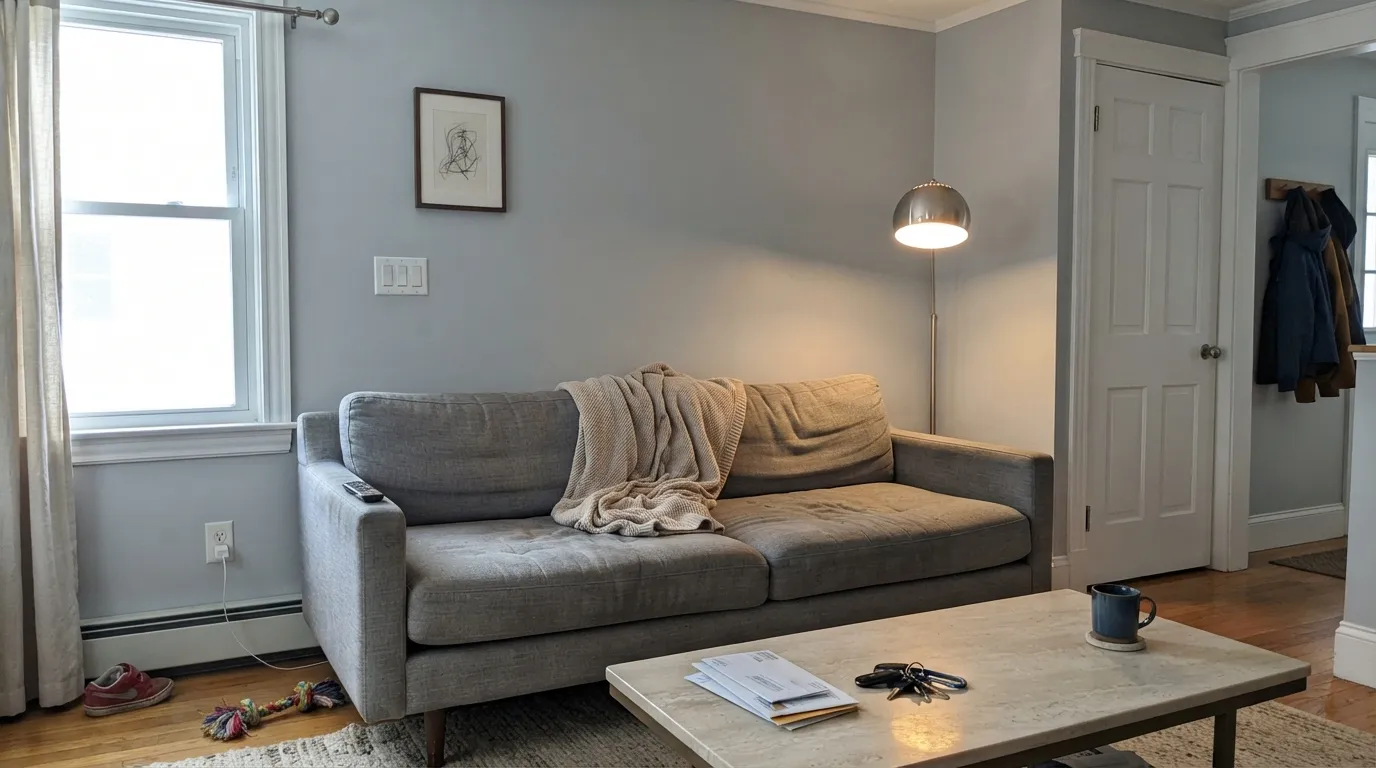 5
5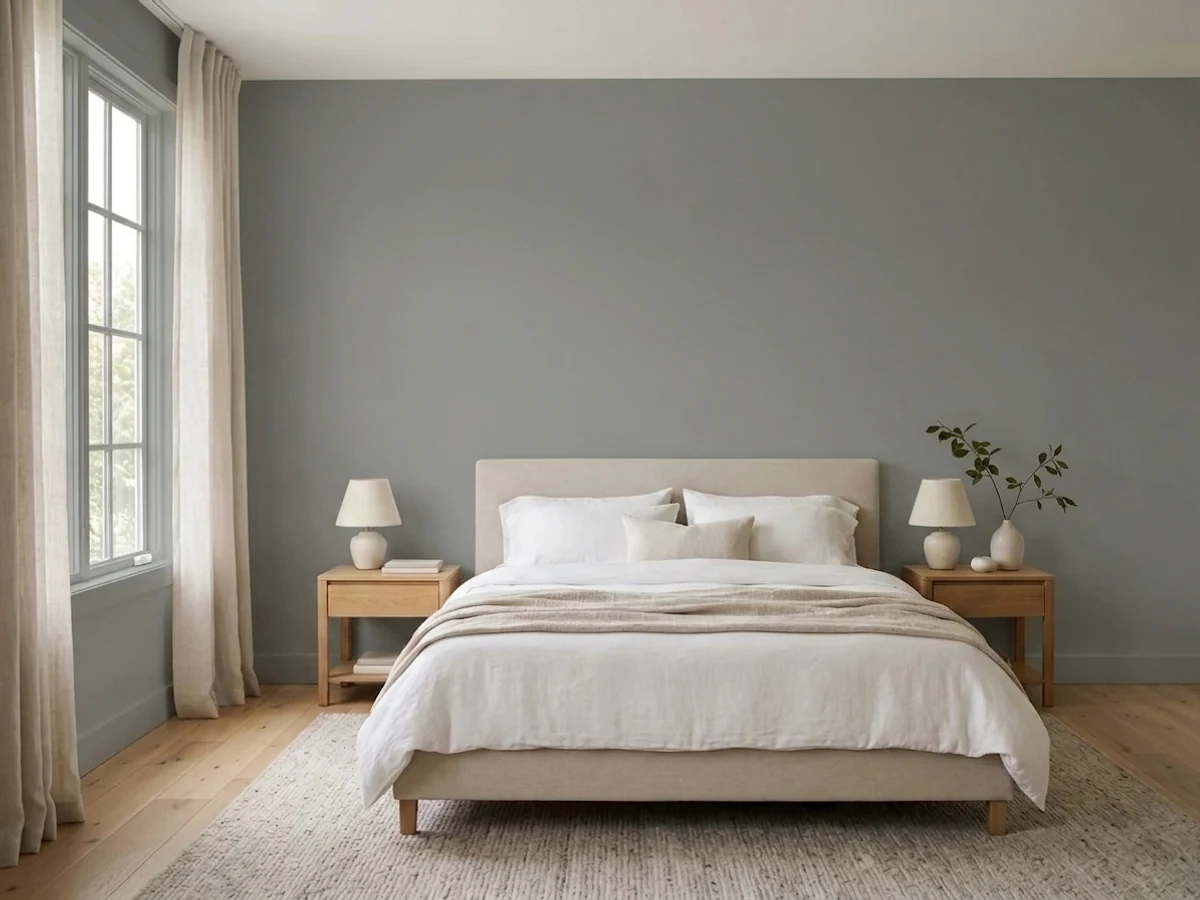 6
6DE's most-searched mid-gray for exteriors.
The whole Dunn-Edwards gray range by depth. LRV is the number to trust: the same gray looks two steps darker on a wall than on a chip.
LRV is light reflectance value: how much light a color bounces back, from 0 (black) to 100 (pure white). This gray slice spans LRV 6 at the darkest to 84 at the lightest, so the number tells you fast whether a color will read airy or heavy on your wall.
For bright, open rooms, lean high: Let it Snow (84) and Frosty Fog (75) keep spaces feeling light. For everyday living-room walls, the middle works well: Silver Lined (52) or Dusty Dream (35) give real color without going dark. Save the low end for drama: Bank Vault (17) and Midnight Spruce (10) suit accent walls, doors, and cabinets where you want weight.
Each room page shows gray picks from every US brand side by side, so you can compare in context.
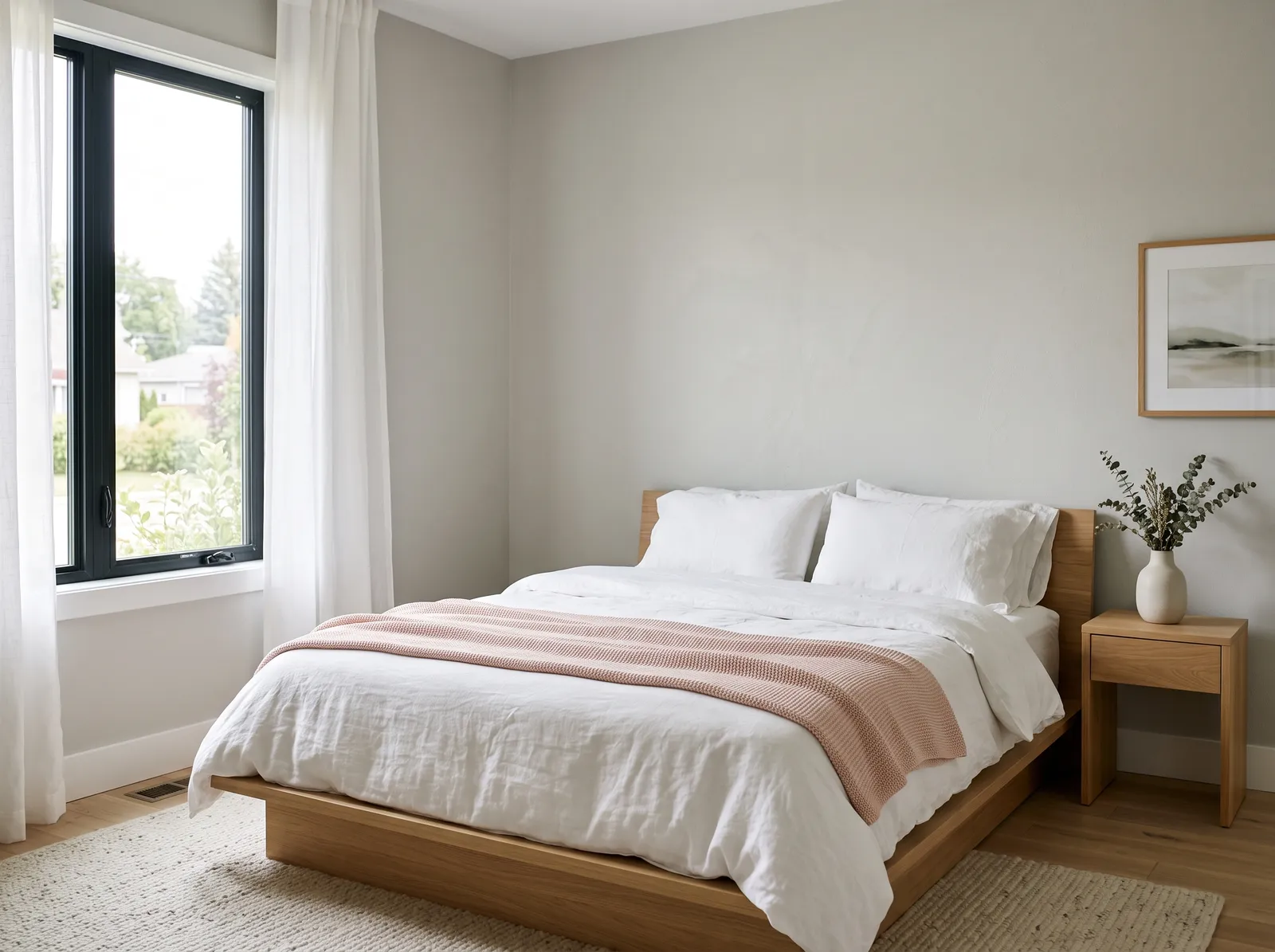
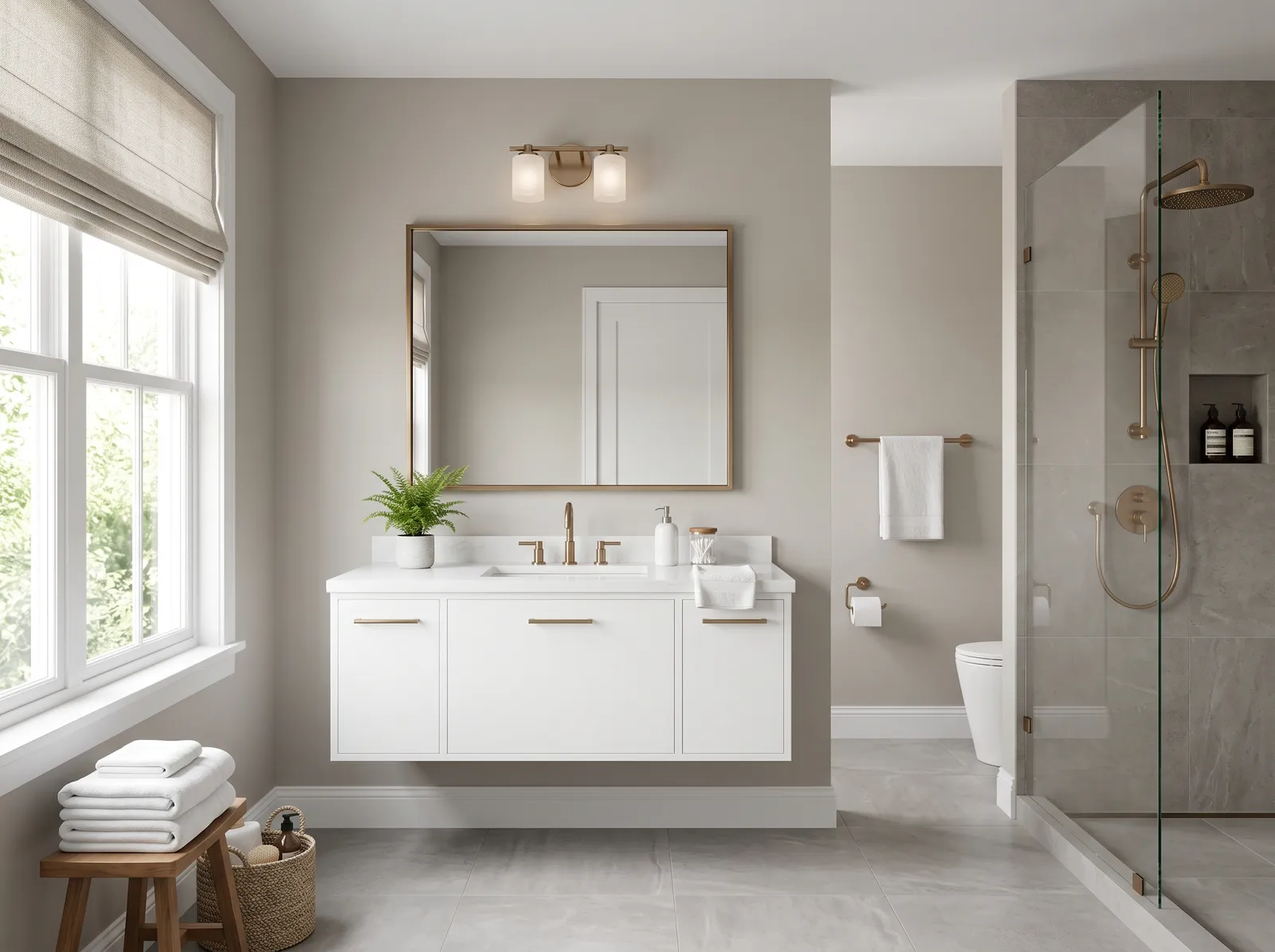
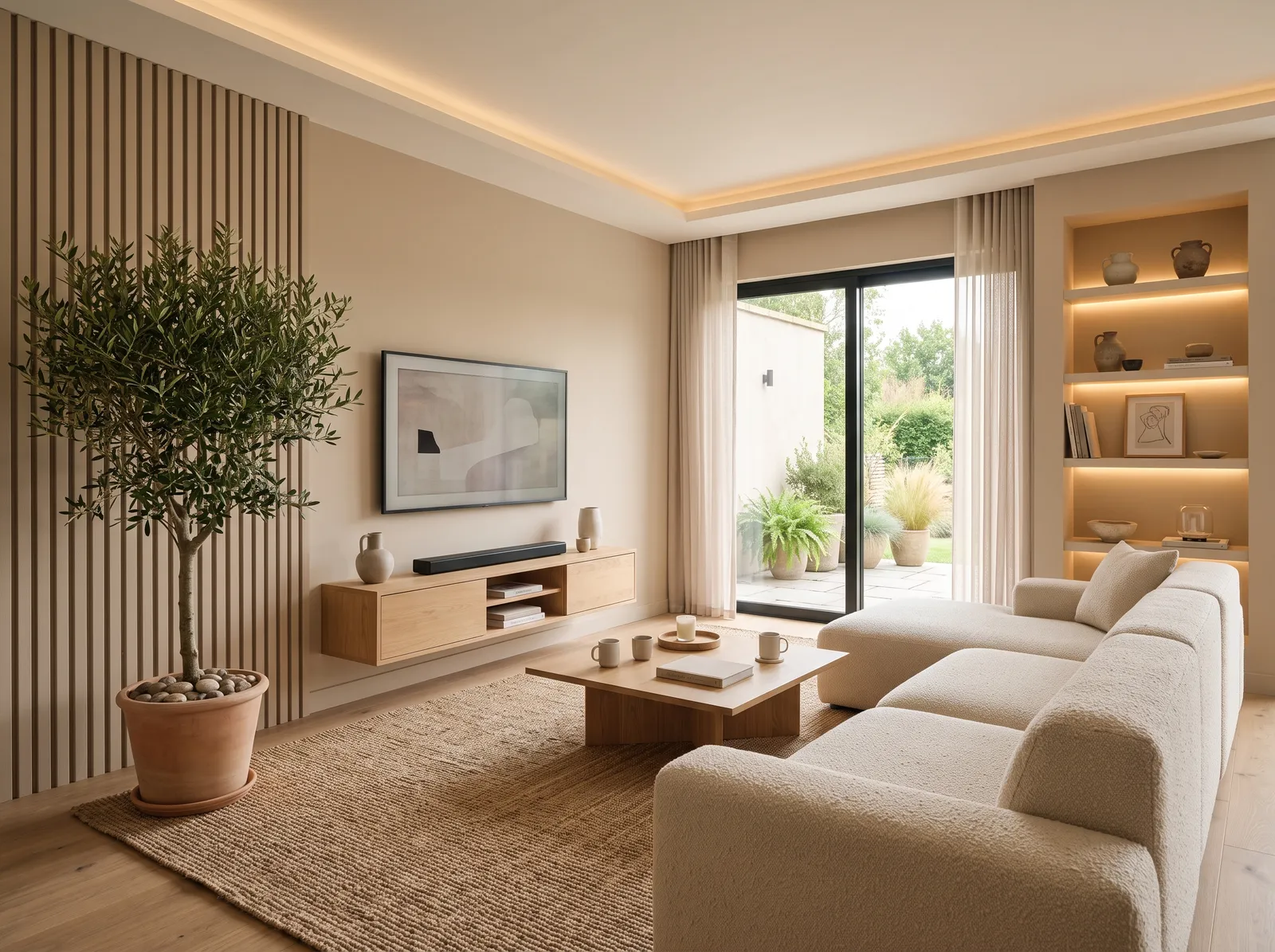
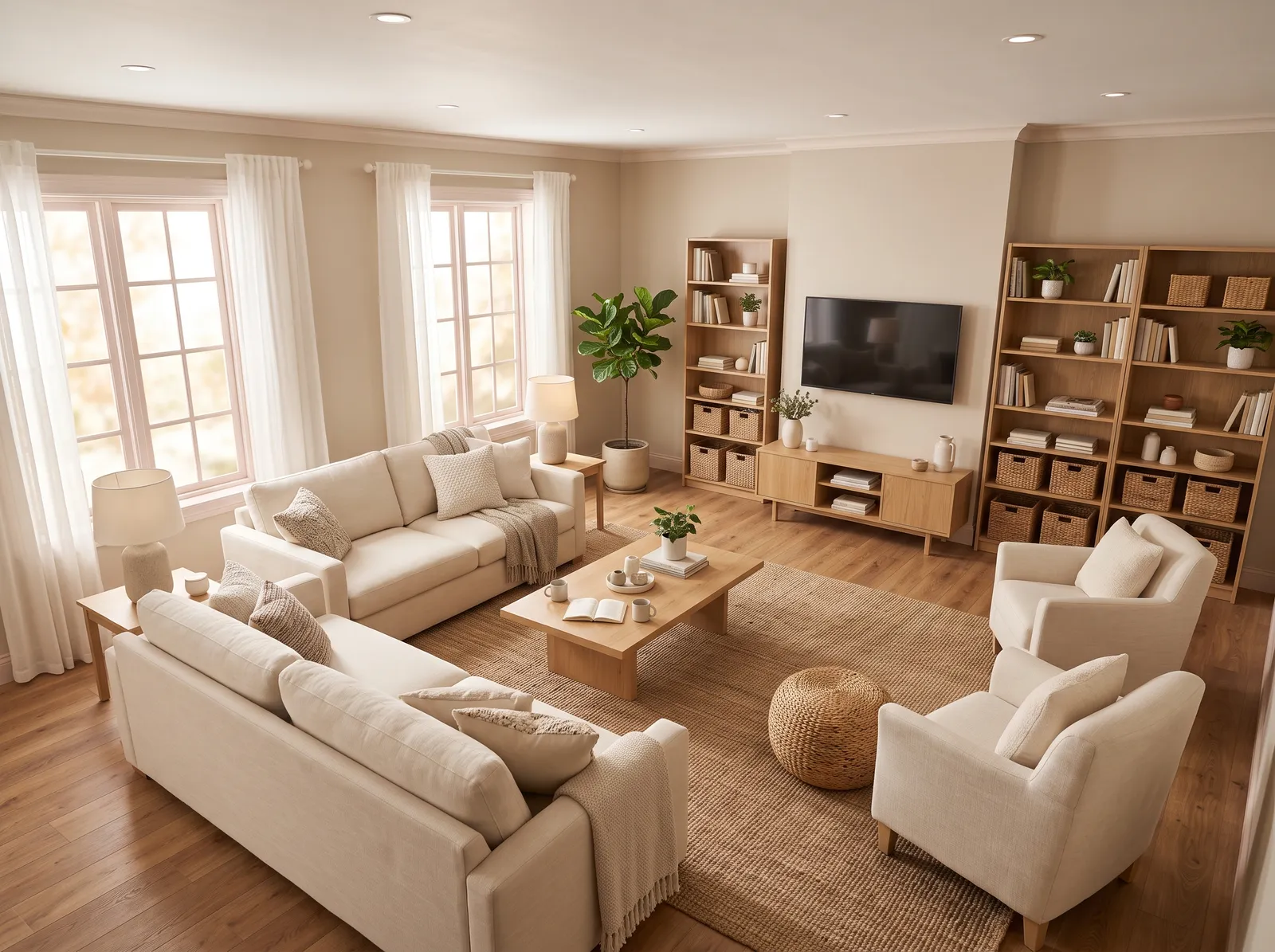
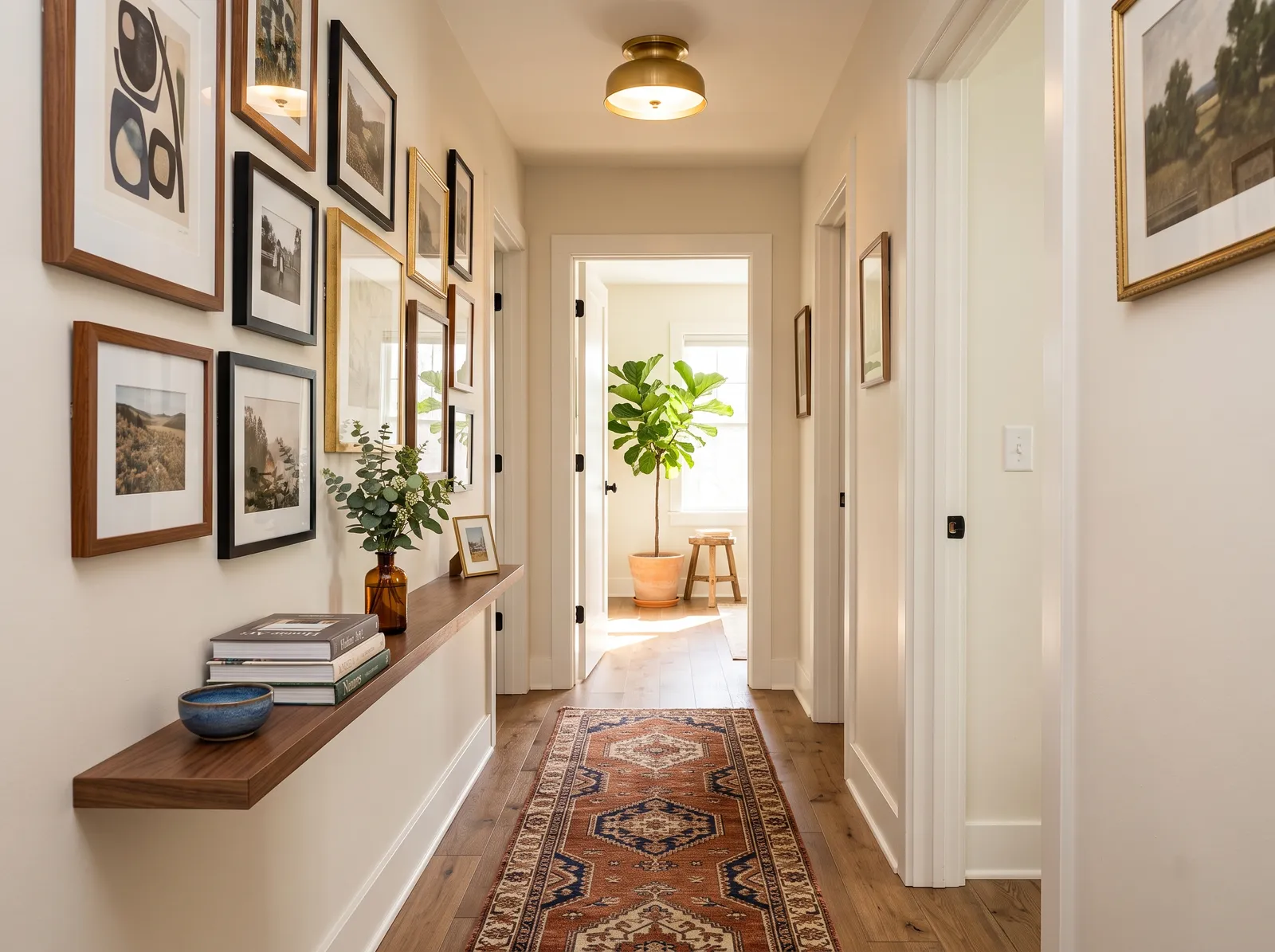
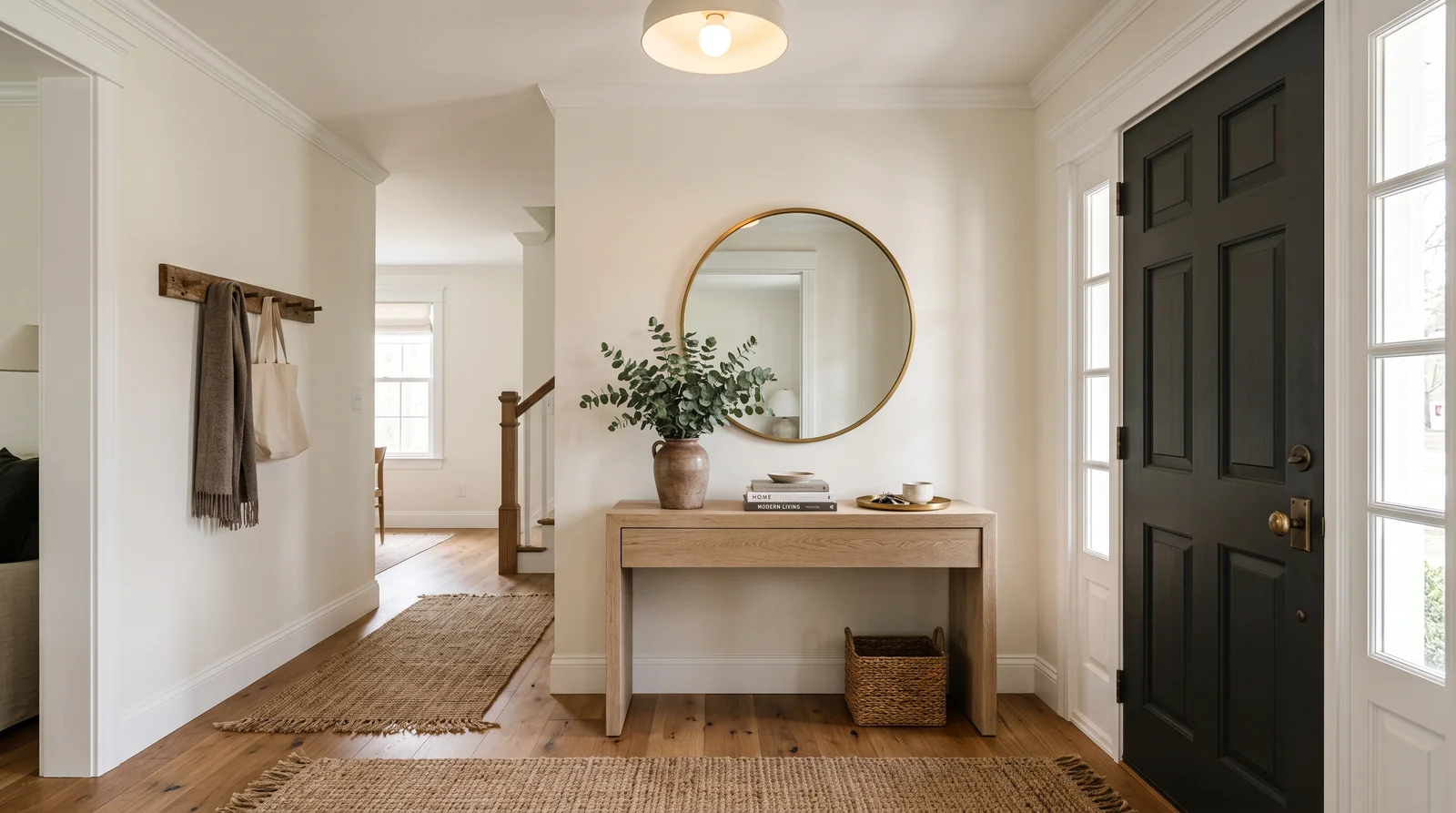
Light grays like Frosty Fog (75) and Falling Tears (65) are easy picks for bedrooms, hallways, and small rooms that need to feel bigger, since they reflect plenty of light. Mid-tones such as London Fog (30) and Dusty Dream (35) bring a calm, grounded feel to living rooms and offices that get good daylight.
The deep grays earn their place on trim, doors, and cabinets. Dunn-Edwards makes ARISTOSHIELD, a urethane-alkyd enamel built for exactly those hard-wear surfaces, so a color like Bank Vault (17) or Midnight Spruce (10) can hold up on a front door or island. For walls, SUPREMA is the ultra-low-VOC interior line, and EVERSHIELD handles exteriors under desert UV.
Every Dunn-Edwards gray, grouped by undertone, warm to cool. Filter by depth or change the order.
Hex values are display approximations from Dunn-Edwards's published swatch tools, not a physical sample under controlled lighting. Order a brand-direct sample before specifying.
Upload a photo of the room. We paint it in the gray you chose with your light and your floor, and you can swap colors until one holds.
Every Dunn-Edwards color is mixed to order at the store, not sold pre-canned, so the gray you choose is tinted into the line you need at purchase. The catch is reach: Dunn-Edwards sells through its own stores in California, Arizona, Nevada, New Mexico, and Texas only, not big-box retailers or nationwide, with gallons roughly $55 to $65.
If you are outside those states, most paint counters can color-match a Dunn-Edwards gray by its name and code into another brand's base. Bring the code, like DE5917 for Frosty Fog, for the closest read. The same works in reverse and with the featured Kompozit deck: match by LRV and undertone first, then fine-tune, since a cross-match is always an approximation rather than an exact copy.
How many gray colors each brand carries, drawn with that deck's own grays from light to dark. Pick your store first, then the color. Every brand equal, no favorites.
Dunn-Edwards builds its grays for the strong sun of the West and Southwest, so they tend to hold their color under bright light instead of washing out. Across this family you get clean, balanced grays plus plenty with soft undertones leaning blue, green, or warm taupe, all drawn from the Perfect Palette.
The range runs wide. Let it Snow (DE5756) is a near-white pale gray, Falling Tears (DE5792) sits in the middle, and Midnight Spruce (DE6294) is a deep charcoal with a green-leaning depth to it. That spread means you can find a gray for almost any wall, trim, or accent without leaving one brand.
A simple, safe formula is to pull your trim and ceiling from the light end of this same family. Pair mid or deep gray walls with Let it Snow (84) on trim and ceilings for crisp contrast, or use Dunn-Edwards favorites like Swiss Coffee, Bone China, or Cottage White for a softer warm-white edge.
For a layered, one-brand look, stack three grays by LRV: a light like Frosty Fog (75), a mid like Silver Lined (52), and a deep like London Fog (30). The gaps in LRV keep each one readable. To add a quiet accent, the Then, Now & Forever collection's Southwestern colors pair naturally with these grays.
Black Bean (DE6385). Silver Spoon and Battleship Gray and Black Tie round out the short list most people choose from.
This gray family includes 169 colors from the Dunn-Edwards Perfect Palette. They range from a near-white pale gray at LRV 84 (Let it Snow) down to a deep charcoal at LRV 6, so you have a full light-to-dark spread to work with.
Let it Snow (DE5756) is among the lightest at LRV 84, reading almost like a soft white. The darkest grays in the slice reach down to LRV 6, with Midnight Spruce (DE6294) at LRV 10 as a deep, near-black example.
Not directly. Dunn-Edwards sells through its own stores only in California, Arizona, Nevada, New Mexico, and Texas, not through big-box retailers or nationwide. If you are elsewhere, take the color name and code to a local paint counter and ask them to color-match it into another brand's paint.
Choose from the light end of the family. Frosty Fog (DE5917) at LRV 75 or Let it Snow (DE5756) at LRV 84 reflect more light and help a small or dim room feel larger and brighter.
A clean light gray or warm white makes easy trim. Let it Snow (DE5756) gives crisp contrast against mid or deep gray walls, while Dunn-Edwards whites like Swiss Coffee, Bone China, or Cottage White give a softer, warmer edge.
Start with LRV and undertone, then fine-tune. Find a color in the other deck (including Kompozit) with a similar LRV, like Silver Lined at LRV 52 for a mid-gray, and compare undertones in your own light. A cross-match is always an approximation, so confirm with a sample before committing.
Ask a Question