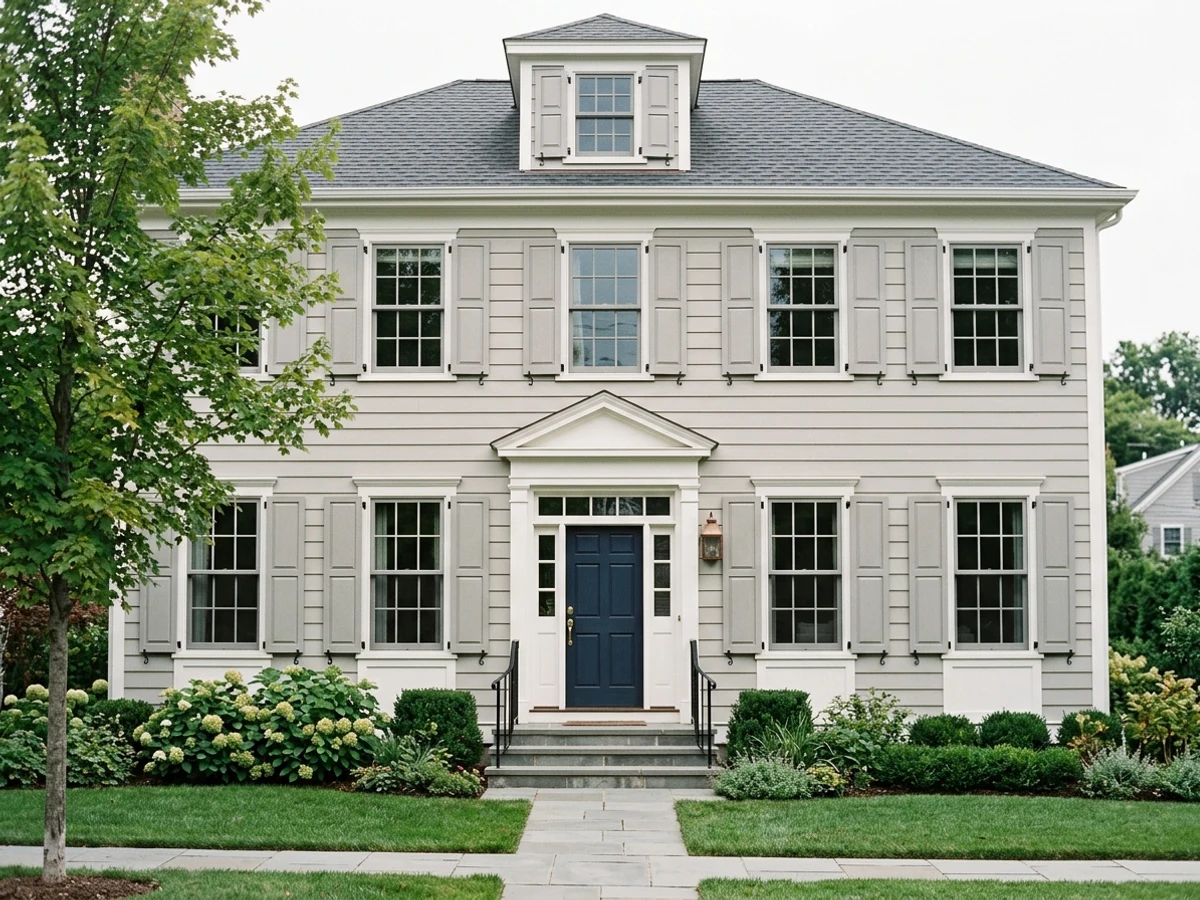
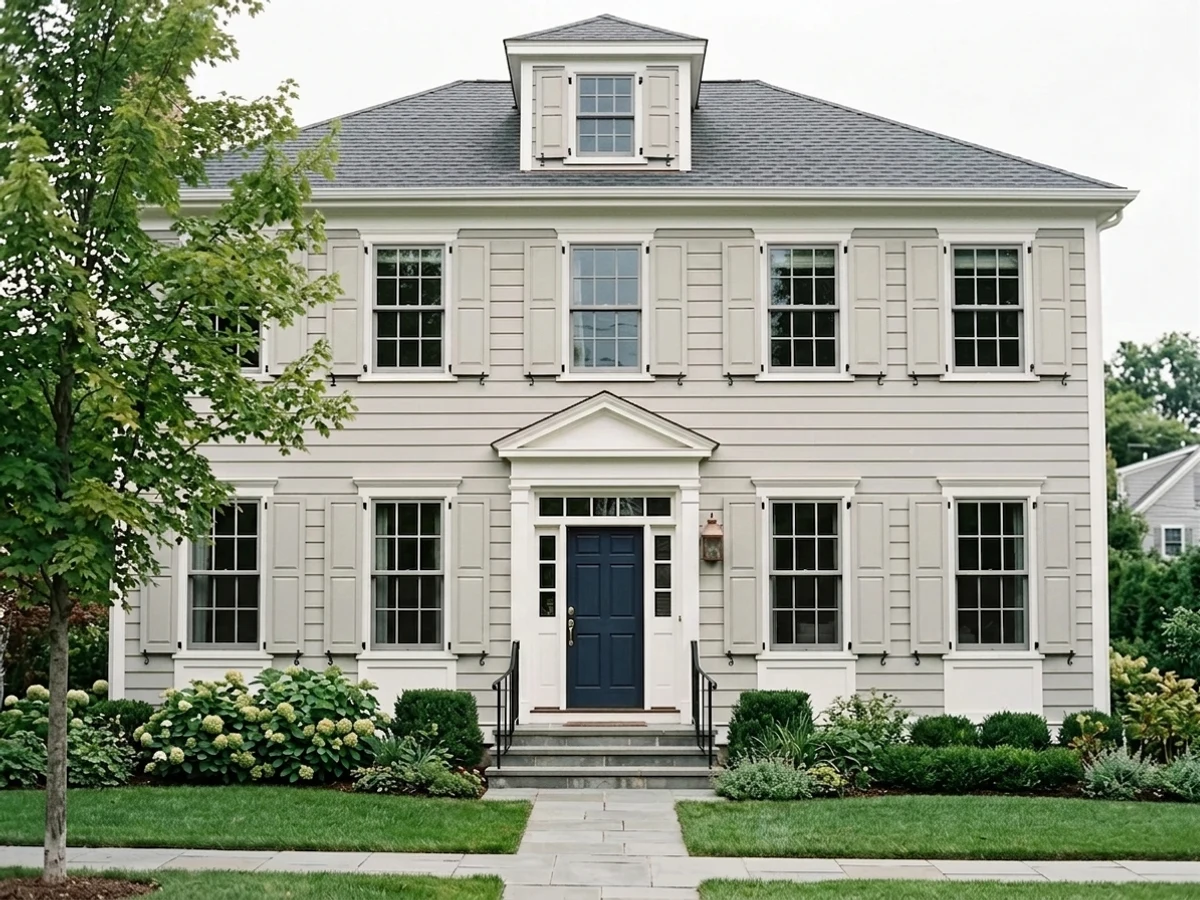
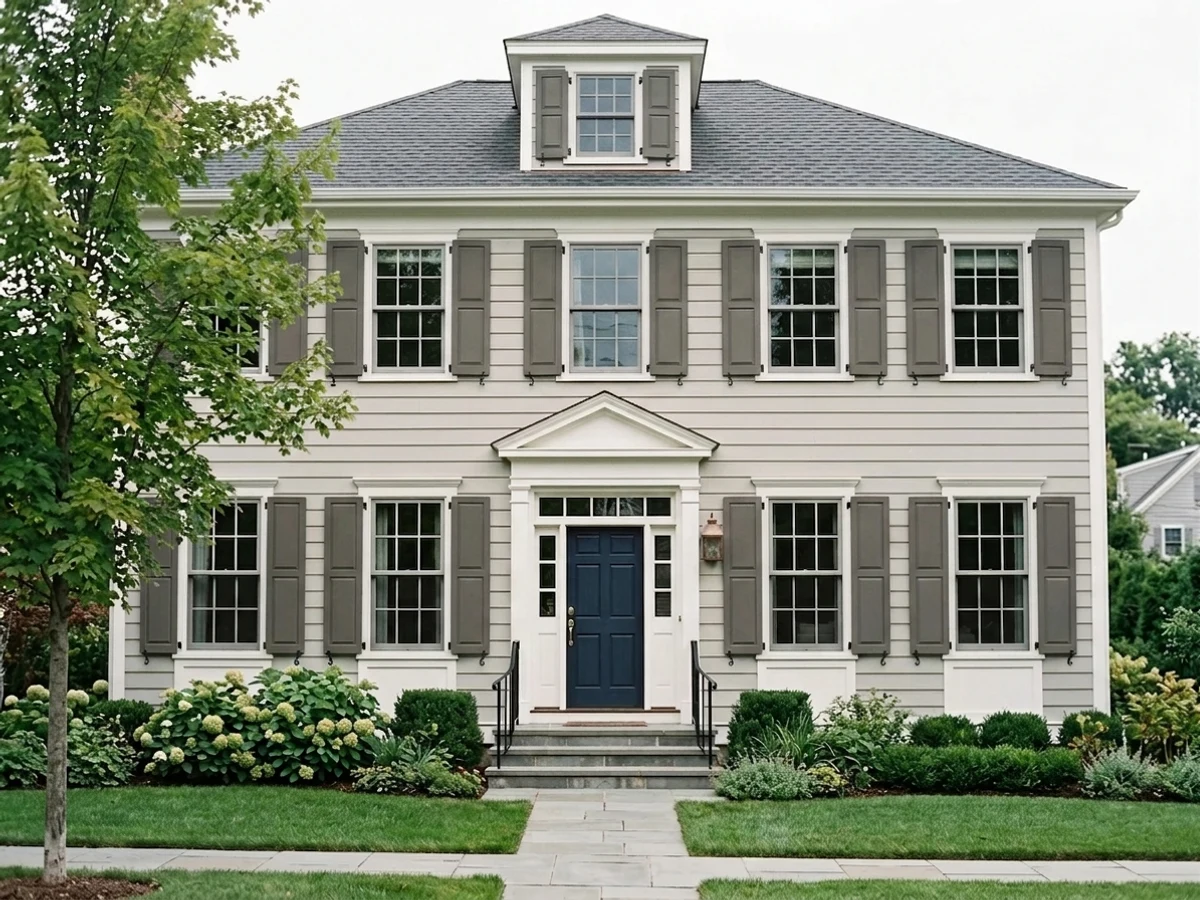
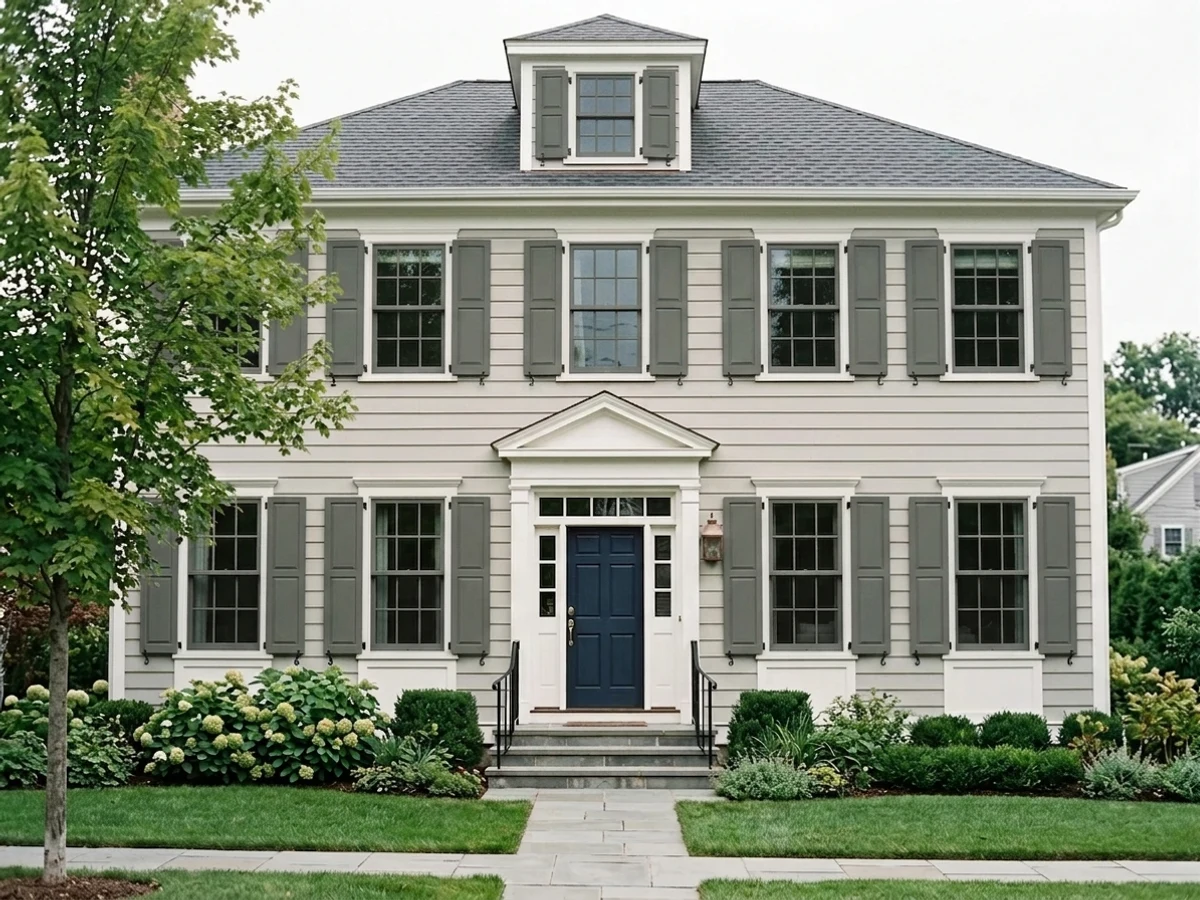
Room Colors · Gray Shutters
8 Best Gray Shutters Paint Colors for 2026
ideas, combinations, and real rooms
8 curated picks from real gray shutterss — with the exact colors, honest reasons why, and the combinations that hold the room together.

Former interior stylist who can spot a green undertone from across a room. Jessica writes the color and mood pieces — what to choose, what pairs, and why your "white" looks pink.
The Fast Answer
Don't want to read 8 picks? These four are the safe answers.

Top Picks for the Gray Shutters
Tap a shade to see the gray shutters in it, then try it on your own room.
Versatile gray shutters flatter almost every siding without ever looking stark.
Gray Shutters Color Trends 2026 — What's In, What's Out


- Flat, Cool Mid-Gray Shutters — Plain, cool-toned mid-gray shutters are reading generic next to grays with visible green or blue undertone taking over in 2026.
- Gray Shutters On Gray Siding — All-gray exteriors with matching gray shutters are giving way to schemes that pair gray shutters against warmer siding for contrast.
- Light Silvery Gray Shutters — Pale, silvery grays are losing ground to darker, richer charcoal shutters that give the house more visual weight.
The 8 Best Gray Shutters Paint Colors
Every pick below is a real rendered gray shutters, not a chip. The lead color first; the swatches are the full scheme in the photo — walls, furniture, textiles, accent.

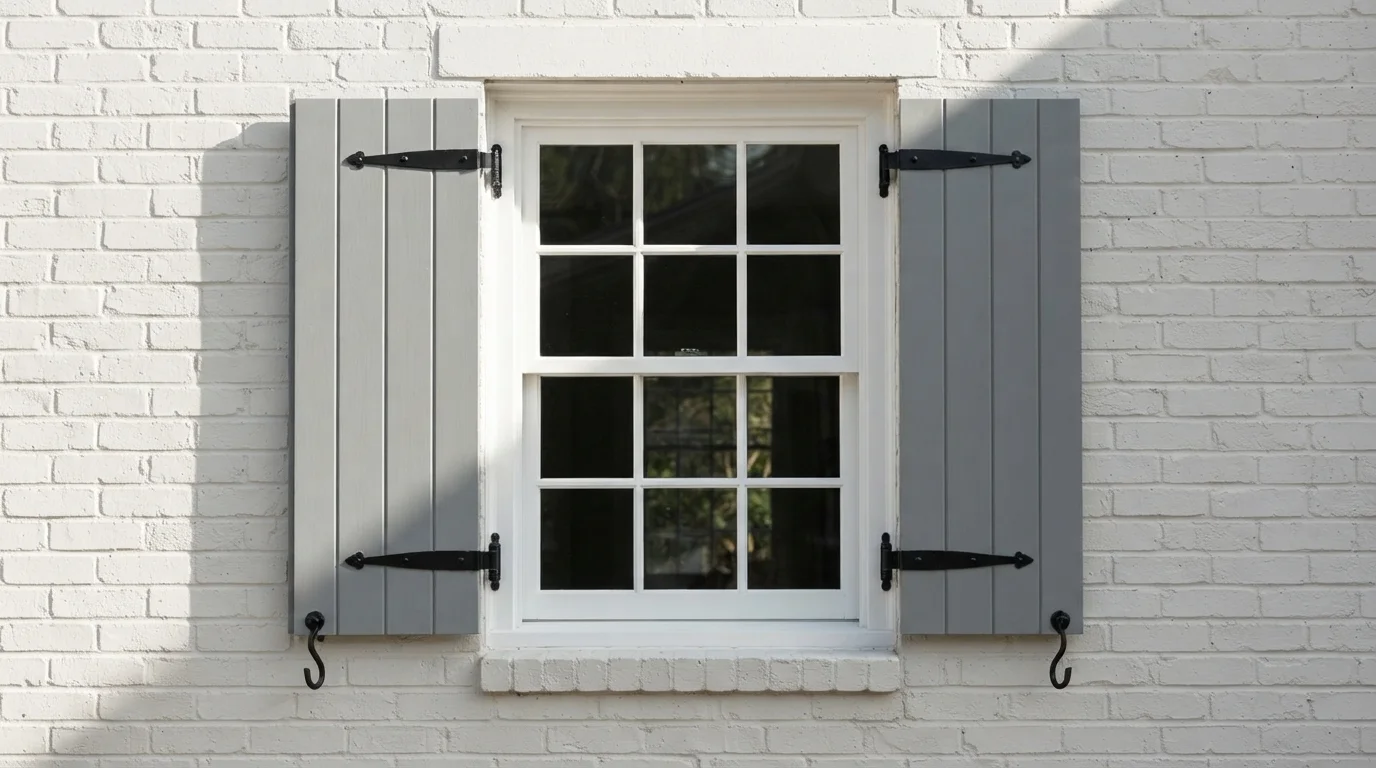
Cool slate gray shutters add quiet elegance against crisp painted white brick in bright, natural sunlight.
Slate gray is a soft, balanced neutral with a cool edge. In this photo, that tranquil gray covers the board-and-batten shutters while clean white dresses the surrounding brick walls and window sash. The exterior feels tidy, calm, and effortlessly traditional. This look works because the subtle contrast gives the facade dimension without ever feeling loud or harsh. It is a fantastic choice for anyone who loves timeless curb appeal with clean, understated lines.
SEE STEELY GRAY ON YOUR WALLS →
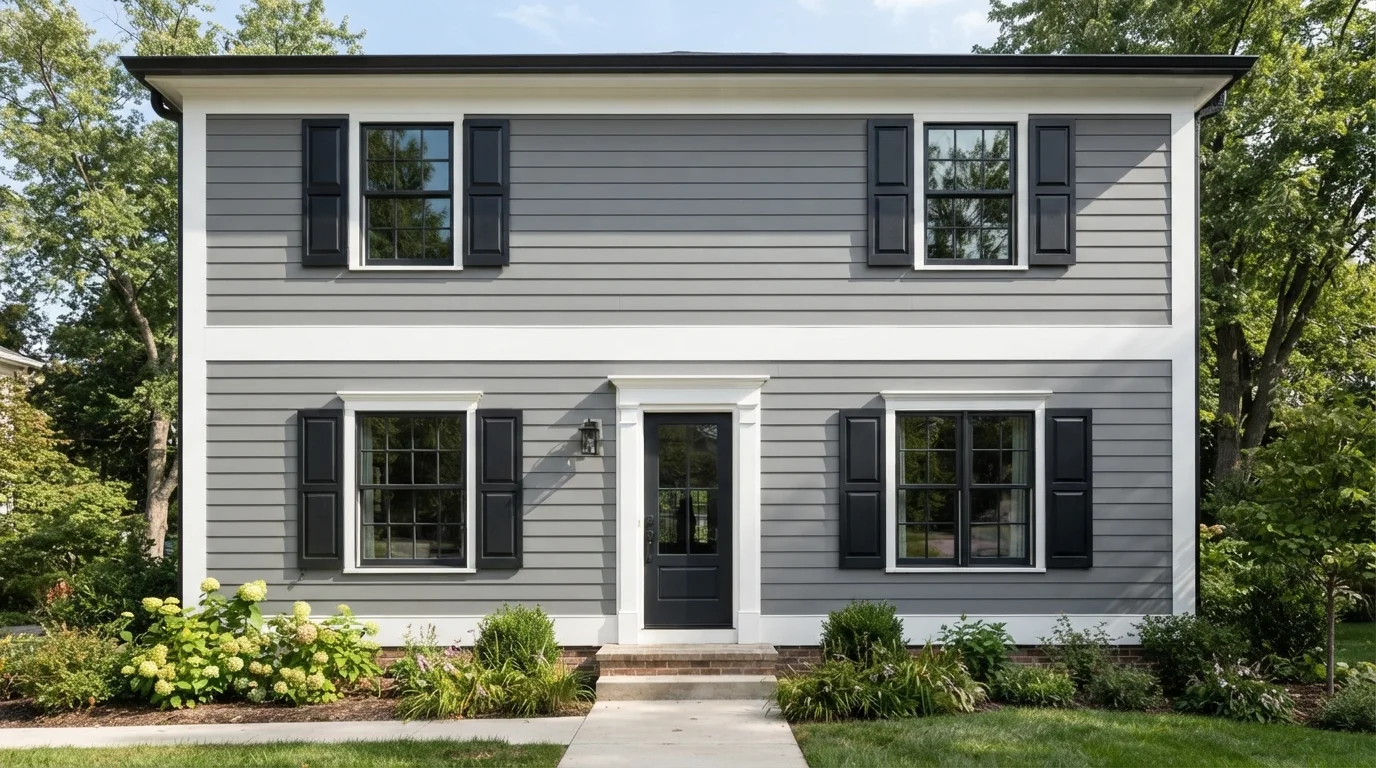
Cool medium gray siding paired with clean white trim and black shutters delivers an enduring, polished curb appeal.
Medium slate gray is a calm, balanced neutral. In this photo, the smooth gray lap siding coats the exterior walls, outlined with bright white trim around the windows and horizontal band boards, while bold black shutters frame the double-hung glass. The exterior feels clean, stately, and welcoming. The high contrast of white casings and black shutters keeps the mid-tone gray looking crisp rather than flat. This look is perfect for homeowners who want traditional elegance with effortless curb appeal.
SEE WOLVERINE ON YOUR WALLS →
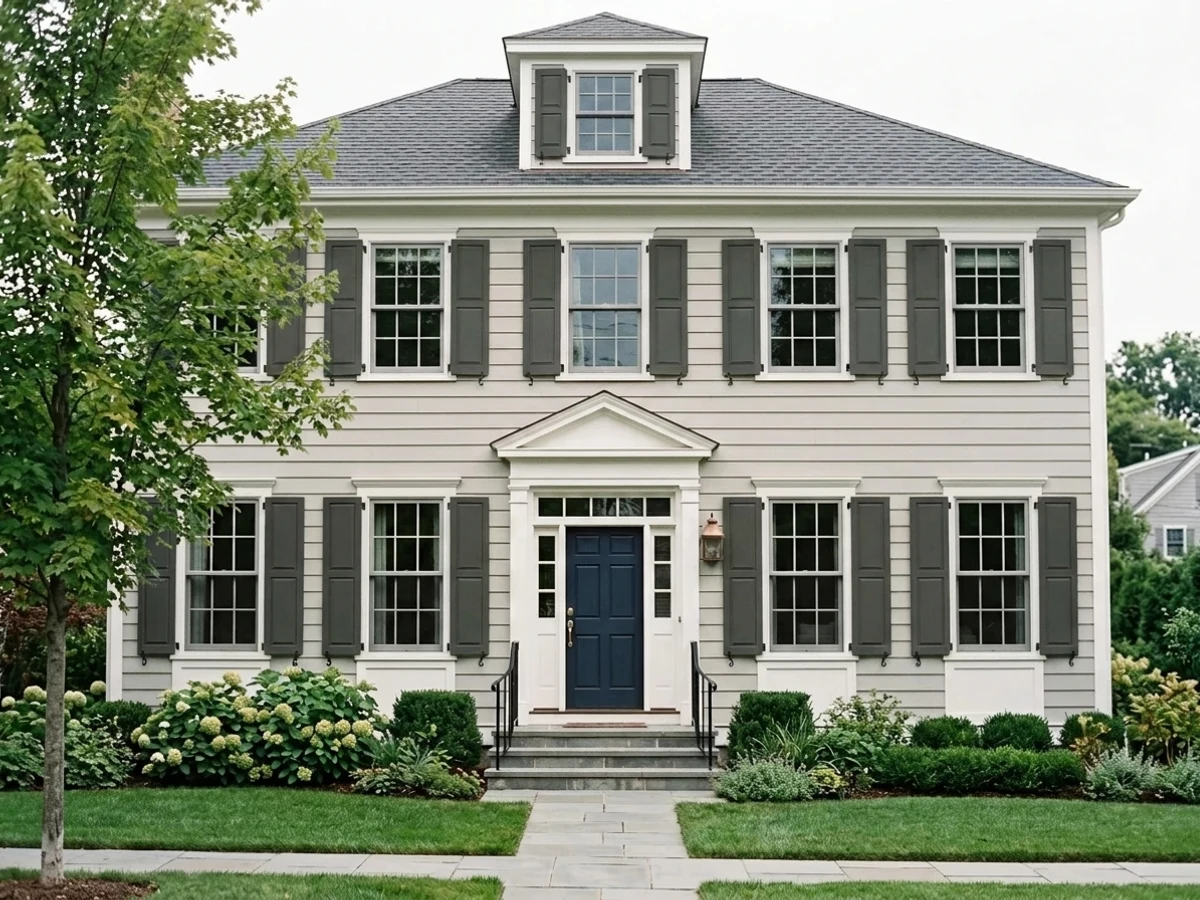
Cool dove gray siding pairs with crisp white trim and dark charcoal shutters for clean, timeless curb appeal.
Dove gray is a soft, airy light gray with a cool touch. In this exterior, that gentle hue wraps the horizontal siding, paired with bright white trim around the windows, gables, and front portico. Deep charcoal coats the raised-panel shutters and the front door to ground the entire look. The home feels polished, crisp, and beautifully structured. High contrast between the dark shutters and white molding keeps the soft siding from feeling washed out. This look is perfect for anyone seeking timeless, elegant curb appeal that stays fresh year-round.
SEE SOOT ON YOUR WALLS →
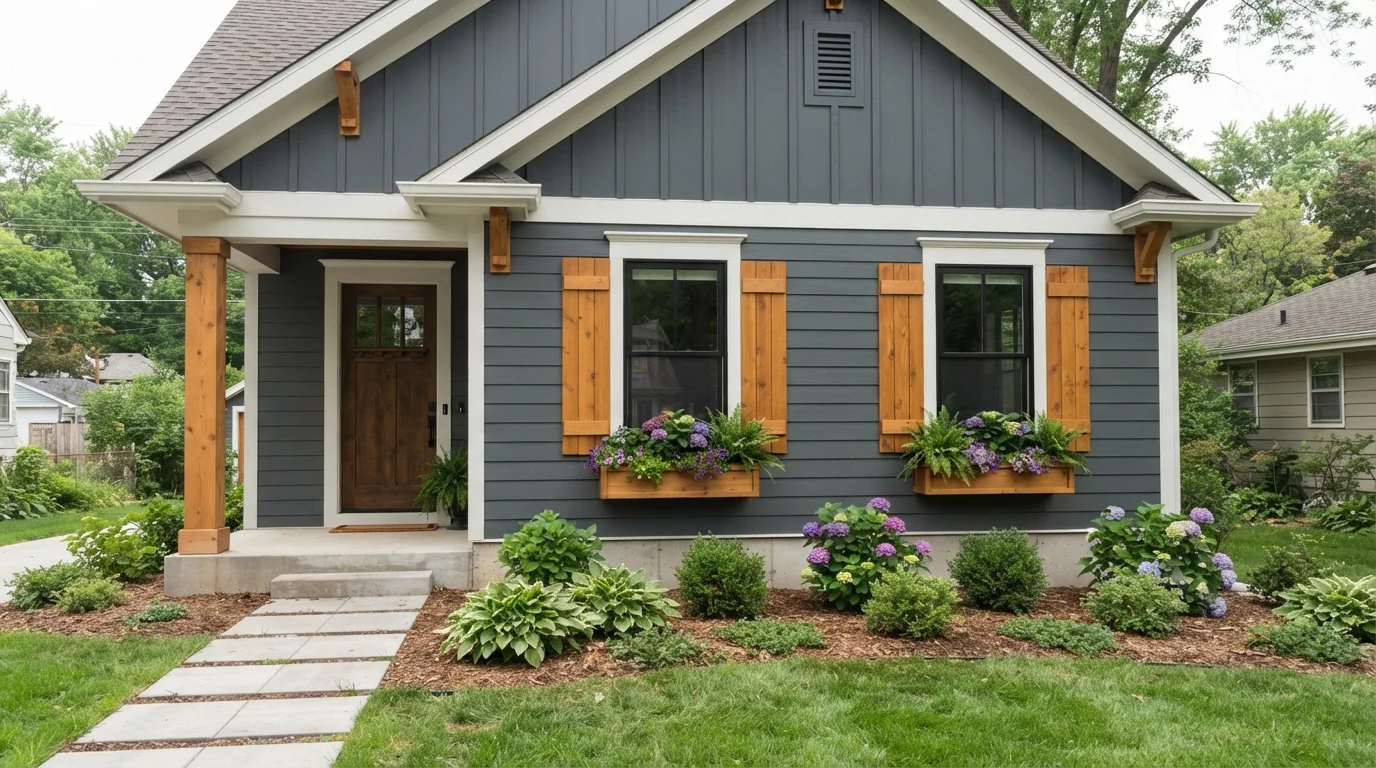
Deep charcoal siding establishes a bold, elegant backdrop for rich wood shutters and crisp white trim.
Charcoal is a deep, balanced smoky gray. In this exterior, the dark gray coats both the horizontal lap siding and vertical gable paneling, framed neatly by bright white fascia and window trim. The home feels grounded, stylish, and welcoming from the curb. Combining deep gray with natural honey-toned wood works because the warm timber balances the cool, dark siding effortlessly. It is a fantastic choice for anyone looking to give a classic suburban home an updated, tailored feel.
SEE WESTCOTT NAVY ON YOUR WALLS →
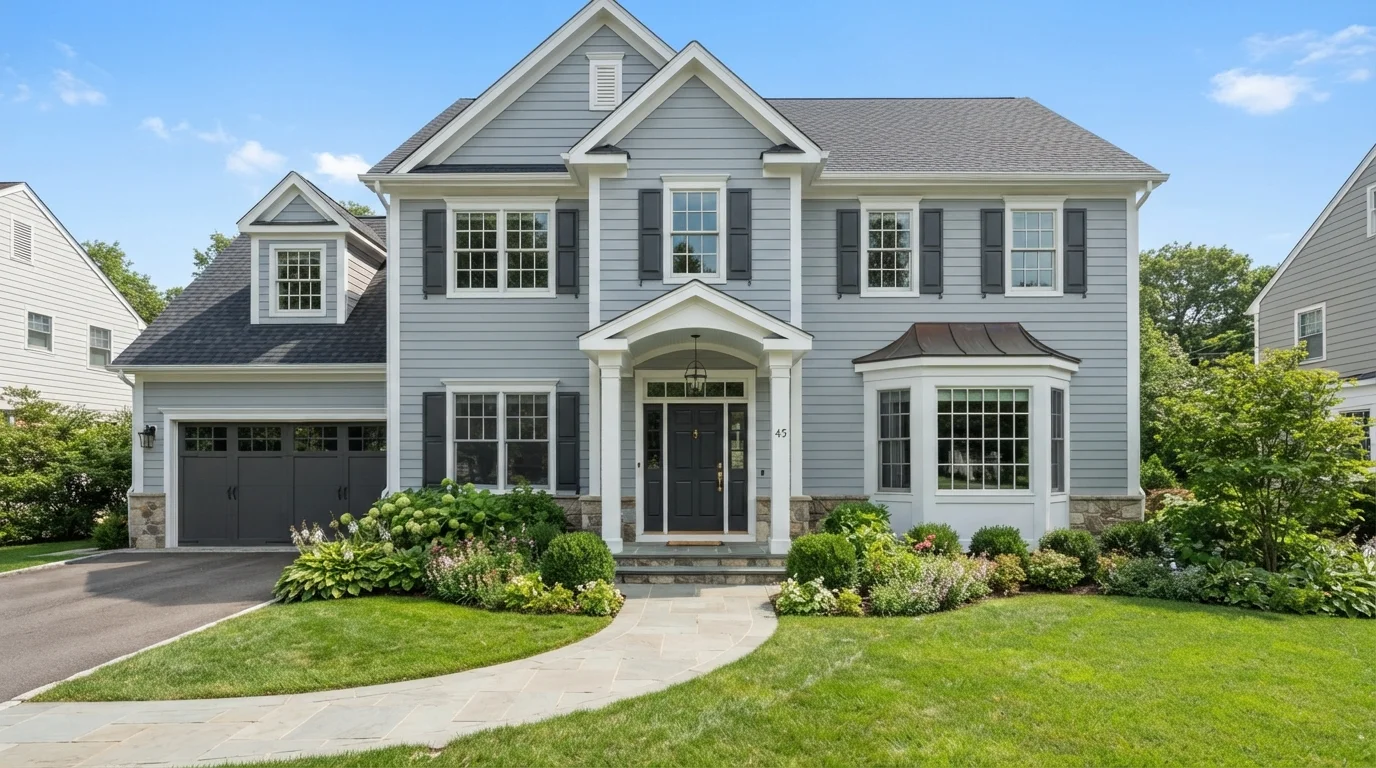
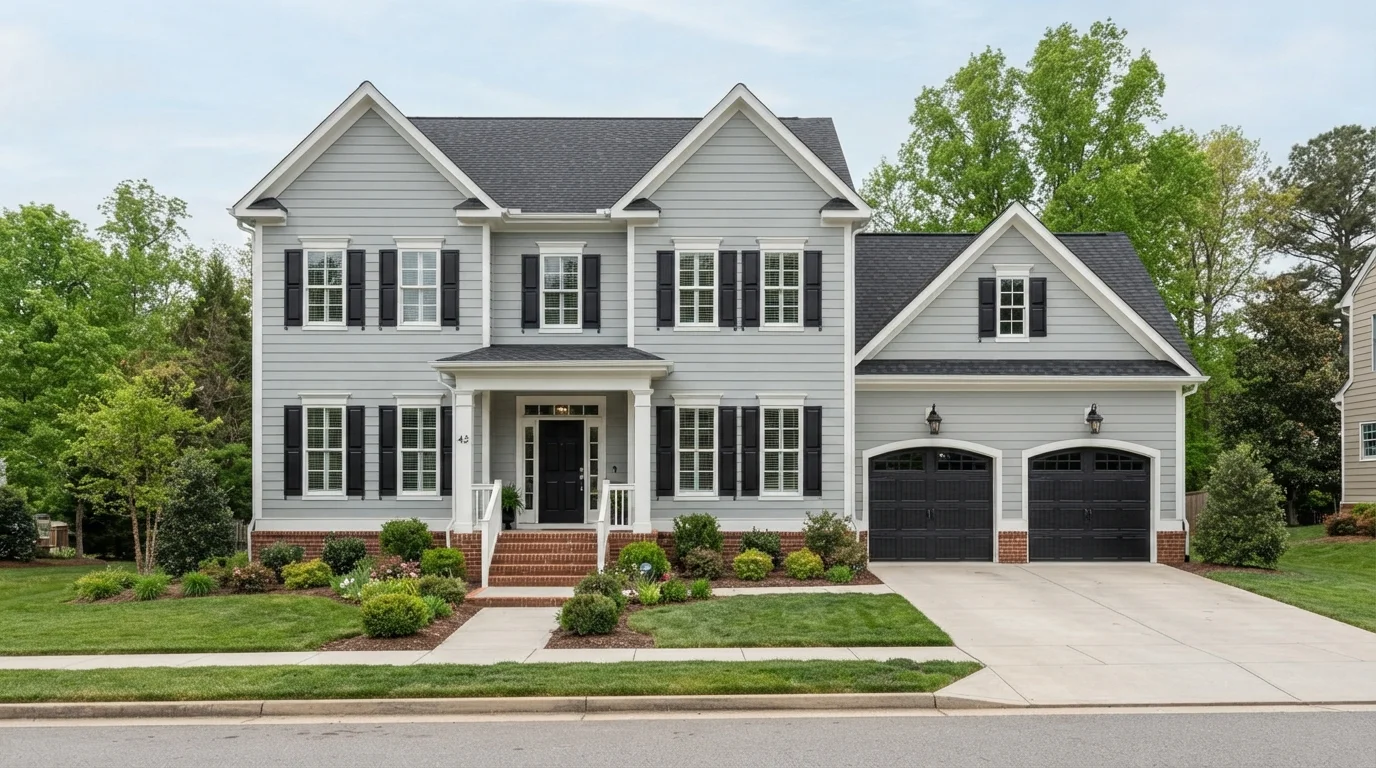
Cool grey siding pairs with bold black accents and bright white trim for a crisp, timeless front elevation.
Slate grey is a cool, versatile neutral with a clean and breezy feel. Here, light grey horizontal siding covers the entire facade, perfectly set off by bright white trim around the gables, windows, and porch columns. Deep black paint on the shutters, entry door, and carriage garage doors adds rich depth. The whole exterior feels organized, fresh, and stately. This high-contrast mix works because the stark black and white naturally balance out the mid-tone grey. It is a fantastic choice for anyone looking for timeless curb appeal.
SEE CRESTLINE ON YOUR WALLS →
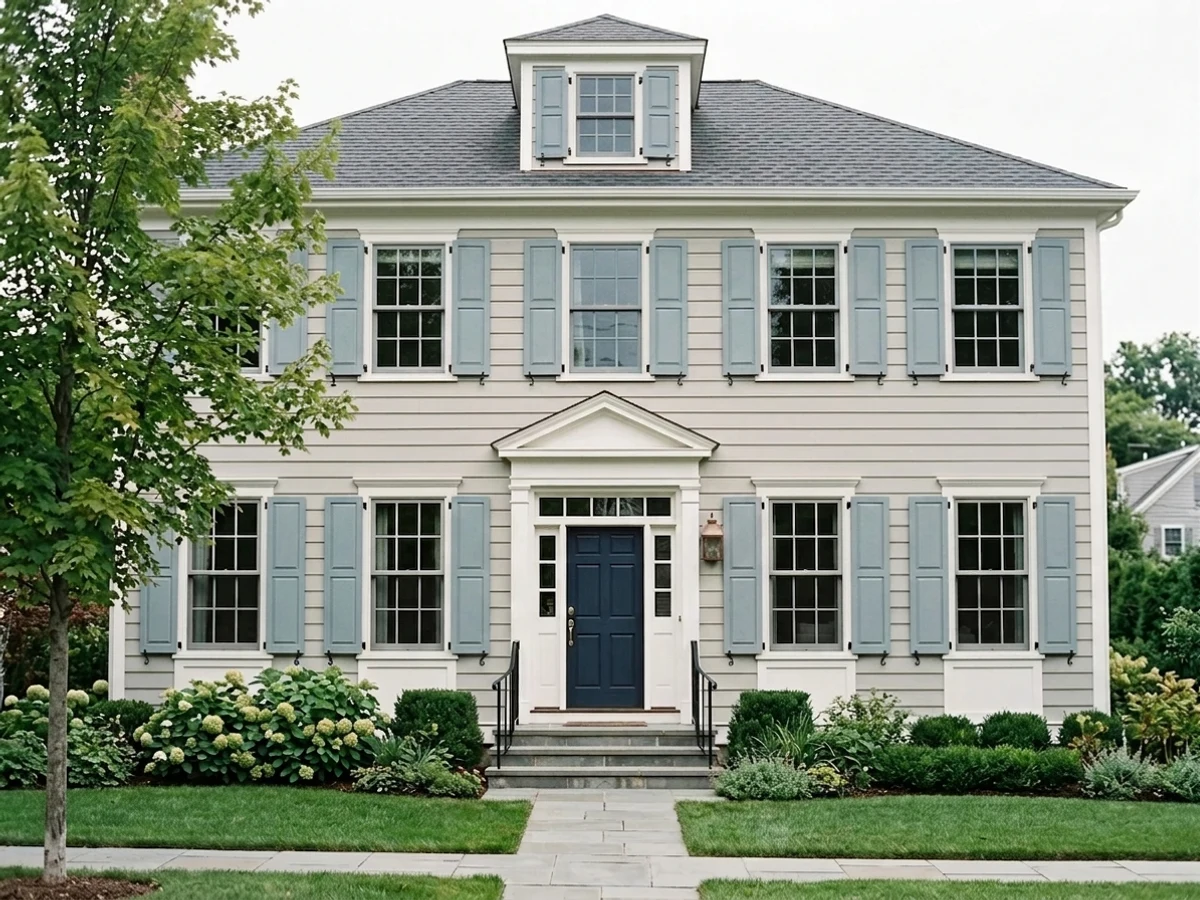
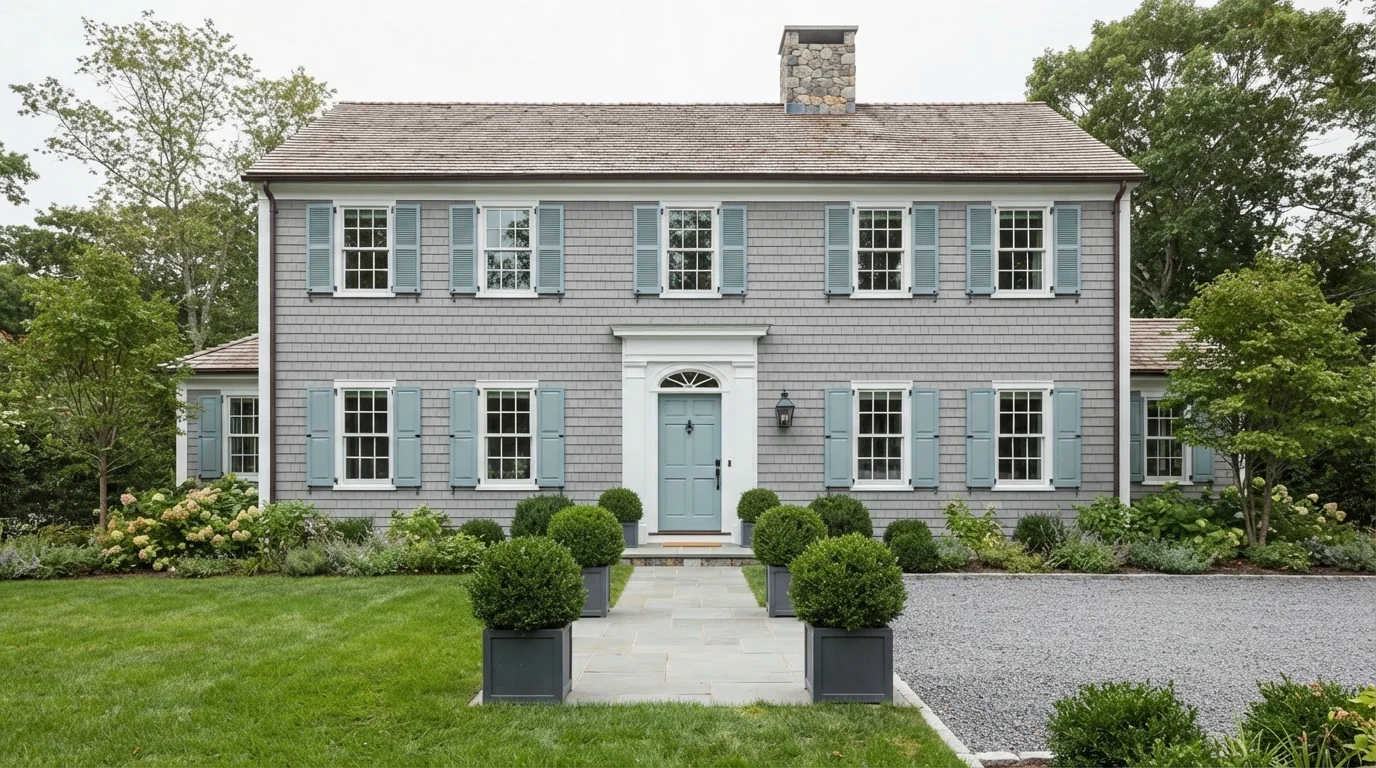
Soft sea-glass shutters and a matching front door bring breezy coastal charm to classic gray shingle siding.
Muted slate gray is a cool, balanced neutral that feels both clean and grounded. In this exterior, smooth gray shingles cover the walls, outlined by crisp white trim and paired with gentle duck-egg blue shutters and a matching front door. The entry feels welcoming, calm, and effortlessly polished. The light blue-green accents give the cool gray facade a breezy lift without overwhelming the classic architecture. It is ideal for anyone who loves traditional coastal curb appeal.
SEE IT ON YOUR WALLS →
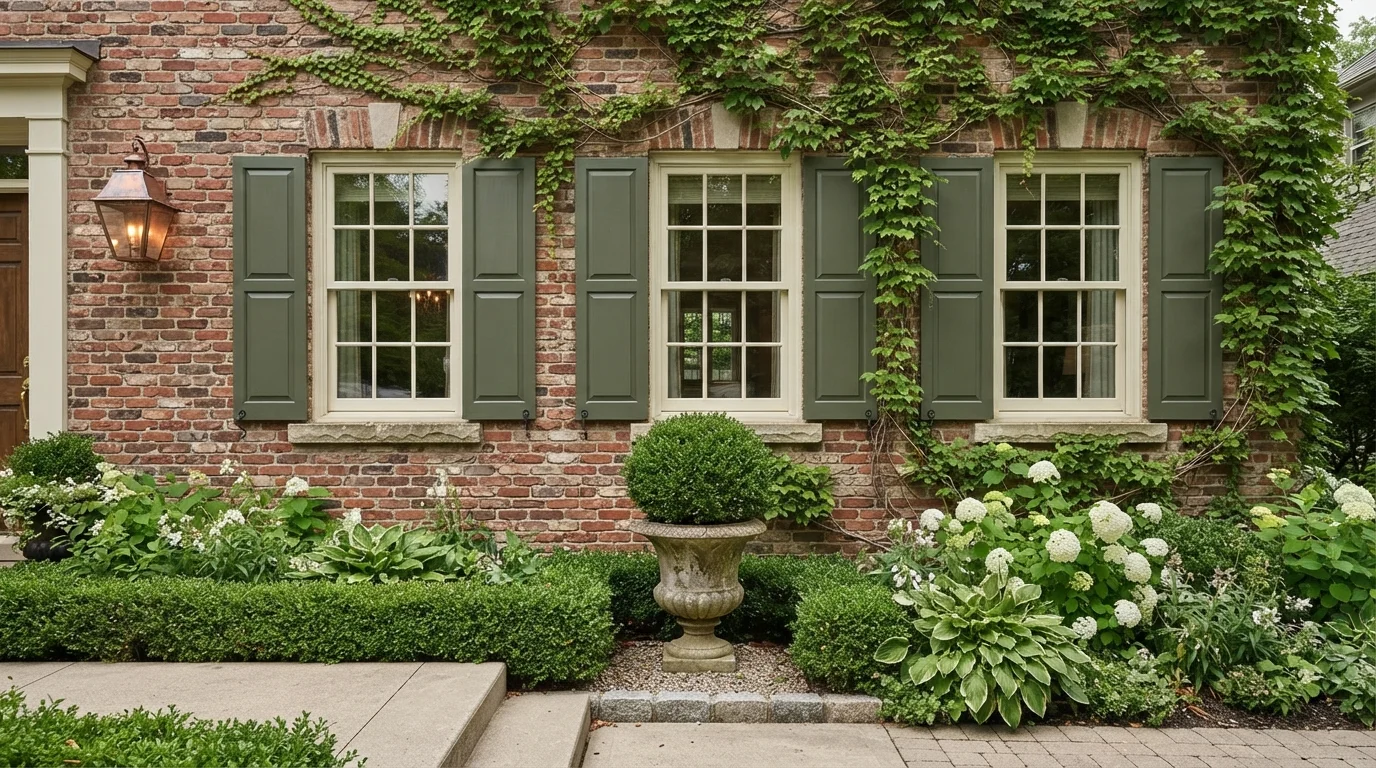
Offers an earthy charm that ties your exterior nicely to nature.
SEE PEWTER GREEN ON YOUR WALLS →
Gray Shutters Wall Color Combinations
A wall color never works alone. These are the full schemes from the rooms above — the lead color first, then the supporting colors that make the photo work.
Cool slate gray shutters add quiet elegance against crisp painted white brick in bright, natural sunlight.
TRY THIS PALETTE →Cool medium gray siding paired with clean white trim and black shutters delivers an enduring, polished curb appeal.
TRY THIS PALETTE →Cool dove gray siding pairs with crisp white trim and dark charcoal shutters for clean, timeless curb appeal.
TRY THIS PALETTE →Deep charcoal siding establishes a bold, elegant backdrop for rich wood shutters and crisp white trim.
TRY THIS PALETTE →Kendall Charcoal or Iron Mountain shutters read best against white, light gray, or greige siding with white trim — the near-black LRV against a light wall is the whole point of the combination, and a black front door pulls the look together without adding a third color. Pewter Green works the same contrast trick but softens it for houses with brick, stone accents, or warm-toned siding, since its green undertone bridges the gap between the gray shutter and any earthy material nearby.
For the lighter blue-grays, pair Wedgewood Gray or Blue Heather with white or pale gray siding and keep the trim crisp white — the shutters will still define the windows, just without stark contrast. Niebla Azul and Fast As The Wind lean cooler and brighter, so they suit siding that's already gray or white and benefit from a darker front door (navy or charcoal) as the one accent that keeps the exterior from looking flat. French Toile is the most neutral of the light set and works as a safe match to almost any gray or white house when the goal is shutters that look intentional but never loud.
More Shutters Color Ideas
Set on a color family already? Each page has its own real rooms and picks.
Light or Dark Gray Shutters Colors?
Go Light (LRV 60+) If…
The room is small, faces north, or has to work at every hour. Light warm colors make it feel bigger and stay calm in evening light — the light you actually live in.
Go Dark (LRV Under 20) If…
You want the cocoon effect and the room has real daylight. Dark works best on one feature wall — or fully color-drenched in a large room with good windows.
For shutters specifically, the LRV gap between the pick and the siding is what creates the contrast people are after — not the shutter color in isolation. Kendall Charcoal, Iron Mountain, and Pewter Green all sit at LRV 11-13, so against white or light-gray siding (LRV 70+) they read as a strong, deliberate frame around each window. That's the classic dark-shutter, light-house combination, and it's the one most searches for gray shutters are actually asking about.
Go lighter — Wedgewood Gray, French Toile, Blue Heather, Niebla Azul, or Fast As The Wind, all in the LRV 41-59 range — when the house itself is already gray or the goal is a softer, more blended exterior. These work well on homes with less overhang shade or a lot of direct afternoon sun, since a very dark shutter in full southern exposure will fade and chalk faster than a mid-tone one. If the shutters are vinyl rather than wood or composite, skip the darkest three picks unless the product is labeled vinyl-safe — standard paint on dark colors can make vinyl hot enough to warp.
See It. Love It.
Paint It.
Upload one photo of your gray shutters and try every color on this page on your own walls — in your own light, before you buy a drop of paint.

Repose GrayBeforeVinyl Shutters and Dark Gray Paint
Most exterior shutters sold today are vinyl, and vinyl has a heat limit that solid wood doesn't. A dark color like Kendall Charcoal or Iron Mountain absorbs enough afternoon sun to push the shutter's surface temperature well past what the vinyl was engineered for, and the panel can warp, bow, or pull away from its mounting pins within a season or two. Manufacturers know this, which is why most vinyl shutter warranties exclude damage from repainting into a dark color with standard exterior paint.
The fix isn't to avoid dark grays — it's to use a paint formulated for the shift, usually marketed as vinyl-safe or heat-reflective exterior paint, which uses different pigments to keep surface temperatures down even at a low LRV. If that's not an option, the lighter picks here — Wedgewood Gray, French Toile, Blue Heather, Niebla Azul, Fast As The Wind — are all safe on stock vinyl without a special formulation, since none of them sit low enough on the LRV scale to trap significant heat.
Sheen for Exterior Shutters
Satin or semi-gloss holds up better on shutters than flat or matte, mainly because shutters catch rain and grime at an angle that flat paint doesn't shed well. A slight gloss also makes the louvers and panel lines read more crisply from the street, which matters more on shutters than on a flat wall since the whole point of the piece is the shadow line it throws across the window.
On darker picks like Pewter Green or Iron Mountain, a flat finish will show water spotting and pollen buildup more visibly than the same finish in a lighter gray, simply because dark, low-sheen surfaces show every bit of dust. Semi-gloss on these darker colors keeps the shutter looking clean between washes and holds its color longer under UV than a flat sheen of the same paint.
Getting the Proportion Right
A common mistake with gray shutters — dark or light — is sizing them wrong for the window. Shutters should look like they could plausibly close over the glass, meaning each pair together should roughly match the window's width, not sit narrower and float on the siding with a gap on either side. This matters more with the darker picks, since Kendall Charcoal or Iron Mountain at the wrong width reads as two black bars stuck to the wall rather than an architectural frame.
The other mismatch to watch for is undertone. Pairing a blue-leaning gray like Niebla Azul or Blue Heather with warm-toned siding — yellow-beige brick, warm taupe — can make both colors look slightly off, since the cool shutter fights the warm wall instead of framing it. Pewter Green or French Toile are safer choices against warmer siding because their undertones split the difference instead of clashing with it.
About Gray Shutters Paint Colors
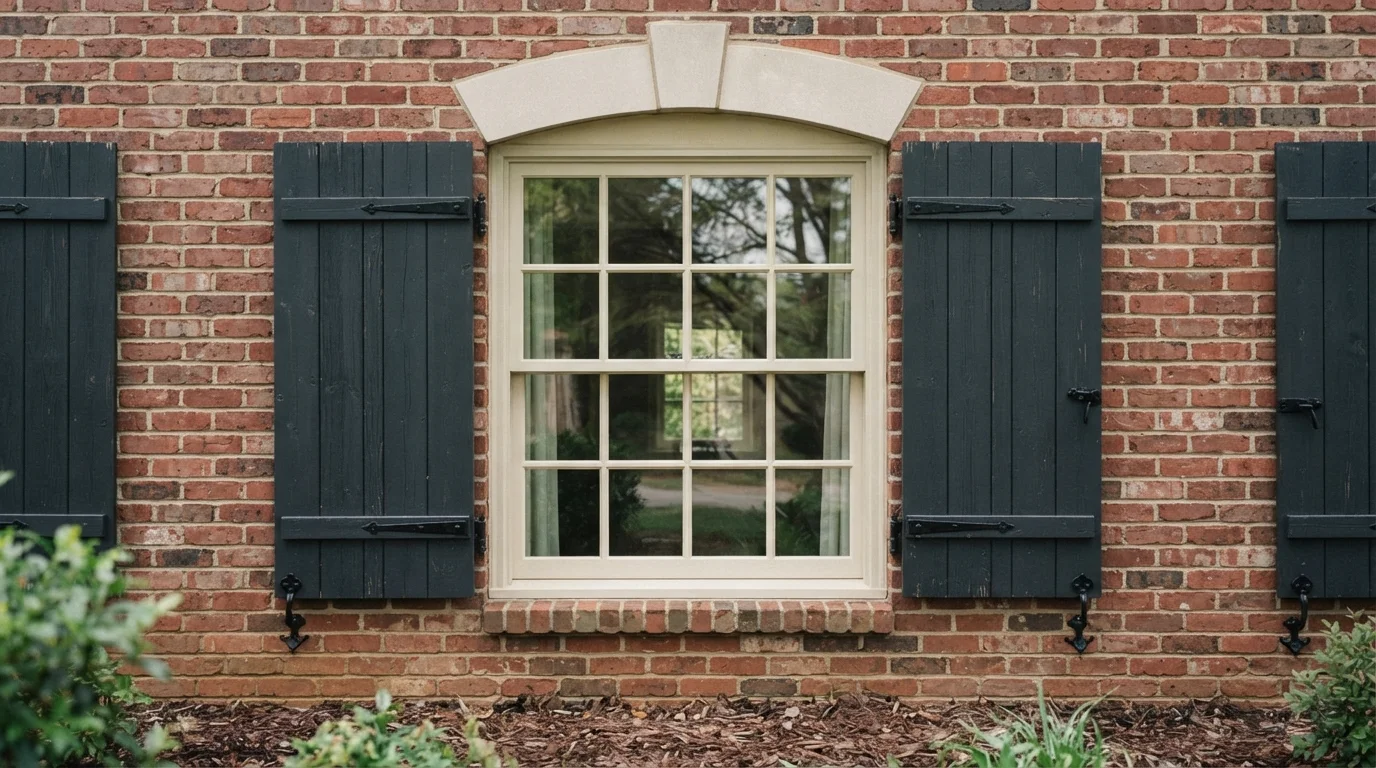
Gray shutters do the same job black shutters do — frame the windows and give the house a hard edge — but with more room to move. On the dark end, Kendall Charcoal from Benjamin Moore (HC-166, LRV 13) and Iron Mountain (2134-30, LRV 11) read almost black from the curb, which is exactly why people reach for them: they carve a crisp line around every window without the flatness of true black. Pewter Green from Sherwin-Williams (SW 6208, LRV 12) does the same job with a green undertone pulled in, so it leans toward siding with brick, stone, or a lot of trees around it instead of sitting stark against white.
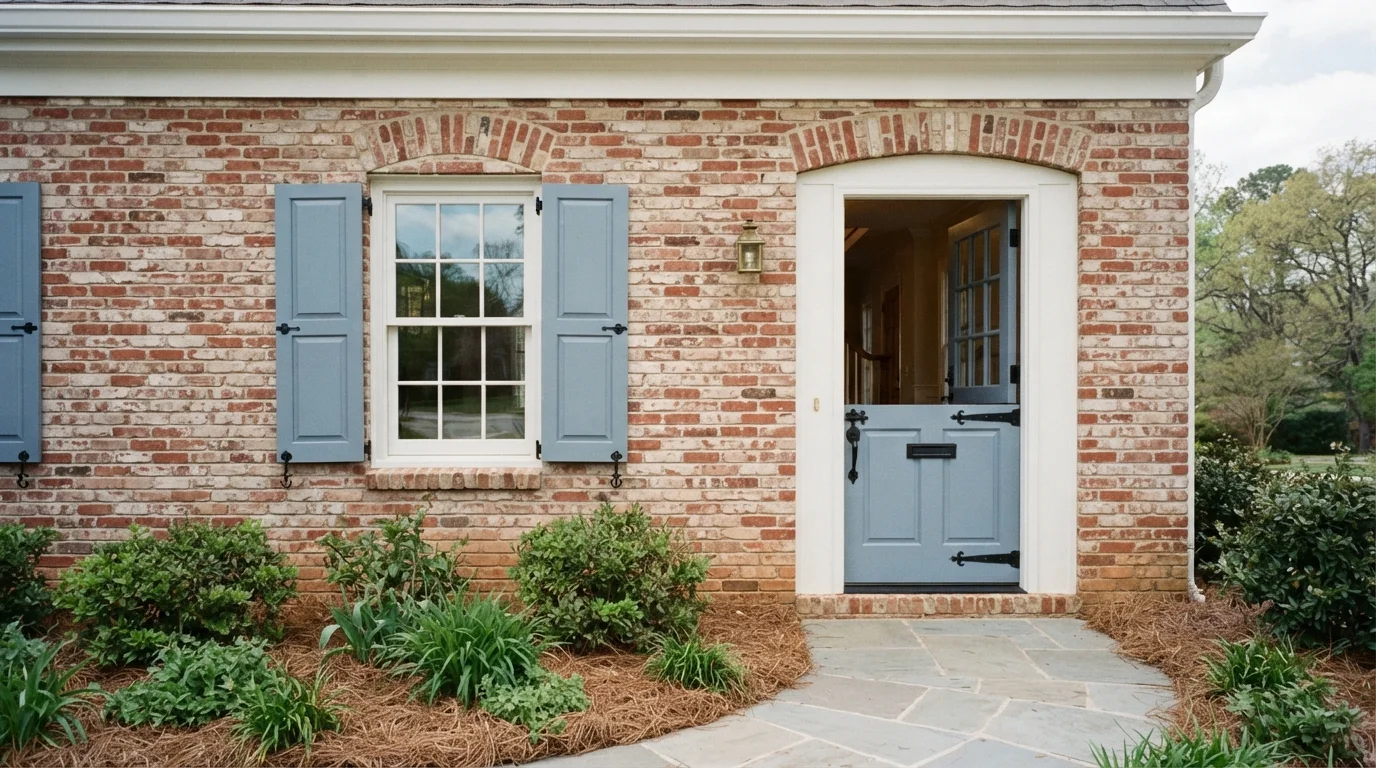
Not every gray shutter is meant to pop. Wedgewood Gray (HC-146, LRV 41), Blue Heather (1620, LRV 51), French Toile (CSP-595, LRV 43), Niebla Azul (SW 9137, LRV 53), and Fast As The Wind (Behr PPU26-17, LRV 59) are all light-to-mid grays with a cool, slightly blue cast. On a house that's already gray, white, or pale blue, these shutters blend instead of contrast — the windows still get a defined edge, just a quiet one instead of a shout.
The split matters because shutters are a small surface next to a big wall of siding, so the color reads more saturated outdoors than the chip suggests. A shutter gray that looks soft on a paint deck can look nearly black once it's mounted next to white trim in full sun. Every one of these is a standard mix-on-demand color — any paint store can match the brand and code, so there's no reason to settle for whatever shade the shutters shipped in.

The Questions Everyone Asks
What color should I paint my gray shutters?
If you want one answer, start with the safe picks above — Pewter Green, Wrought Iron, Soot, Steely Gray. They read well in any light and survive furniture changes. Then check the light: strong afternoon sun wants a step cooler, a north-facing room wants a step warmer.
should shutters be darker or lighter than the house color?
Darker is the classic choice and the one most people mean by "gray shutters" — Kendall Charcoal or Iron Mountain against white or light-gray siding gives a clean, defined frame around each window. Lighter works too, especially if the house is already gray: Wedgewood Gray or Blue Heather blend in rather than contrast, which reads as softer and more traditional rather than bold.
what color shutters look best with a gray house?
A gray house has room to go either direction. A darker gray like Iron Mountain or Kendall Charcoal deepens the look without introducing a new hue. A softer option like French Toile or Wedgewood Gray keeps everything in the same family for a quieter, monochrome exterior. Black is the other classic pairing if the house gray leans light.
can you paint vinyl shutters a dark gray color?
Yes, but standard paint on a dark color like Pewter Green or Iron Mountain can make light vinyl shutters hot enough in direct sun to warp or bow, and most manufacturers won't cover that under warranty. Use a paint labeled vinyl-safe or heat-reflective, or stick to a lighter pick like Fast As The Wind or Niebla Azul, which don't trap enough heat to matter.
what sheen should exterior shutters be painted?
Satin or semi-gloss, not flat. Shutters shed rain and dust better with some sheen, and the louvers read more crisply from the street. This matters most on darker colors like Kendall Charcoal or Pewter Green, where a flat finish shows water spots and grime far more than the same color in semi-gloss.
do gray shutters fade in direct sunlight?
Grays hold their color better than reds or deep blues, but a very dark, low-LRV gray like Iron Mountain (LRV 11) will still chalk and lighten faster on a south- or west-facing wall than a mid-tone pick like Wedgewood Gray (LRV 41). A quality exterior acrylic and a semi-gloss finish slow the fade regardless of which shade is chosen.
What two-color combination works best in a gray shutters?
The reliable pattern is a quiet main color plus one deep accent on a single wall. Keep trim and ceiling in one warm white so the two colors are the only event in the room — the combination cards above show complete schemes from real rooms.
What colors make a gray shutters look bigger?
High-LRV, slightly warm colors — LRV 60–75 is the sweet spot. Paint the walls and trim close to the same light color so the corners blur, and keep the ceiling white. Stark cool white actually works against you; it creates hard shadows that show the room's edges.


Ask a Question