Room Colors · Gray Fence
8 Best Gray Fence Paint Colors for 2026
ideas, combinations, and real rooms
8 curated picks from real gray fences — with the exact colors, honest reasons why, and the combinations that hold the room together.

Former interior stylist who can spot a green undertone from across a room. Jessica writes the color and mood pieces — what to choose, what pairs, and why your "white" looks pink.
The Fast Answer
Don't want to read 8 picks? These four are the safe answers.

Top Picks for the Gray Fence
Tap a shade to see the gray fence in it, then try it on your own room.
Gray Fence Color Trends 2026 — What's In, What's Out


- Cool Blue-Gray — The flat, blue-leaning gray that dominated fences in the 2010s now reads cold and dated next to 2026's warmer, more nuanced gray tones.
- Gray Fence With No Contrast Trim — An all-gray fence with matching gray posts and caps is losing favor as homeowners add darker or wood-tone trim for more visual interest.
- Pale Washed-Out Gray — A very light, chalky gray that reads almost white in full sun is losing ground to 2026's deeper, richer gray tones with more visible warmth.
The 8 Best Gray Fence Paint Colors
Every pick below is a real rendered gray fence, not a chip. The lead color first; the swatches are the full scheme in the photo — walls, furniture, textiles, accent.

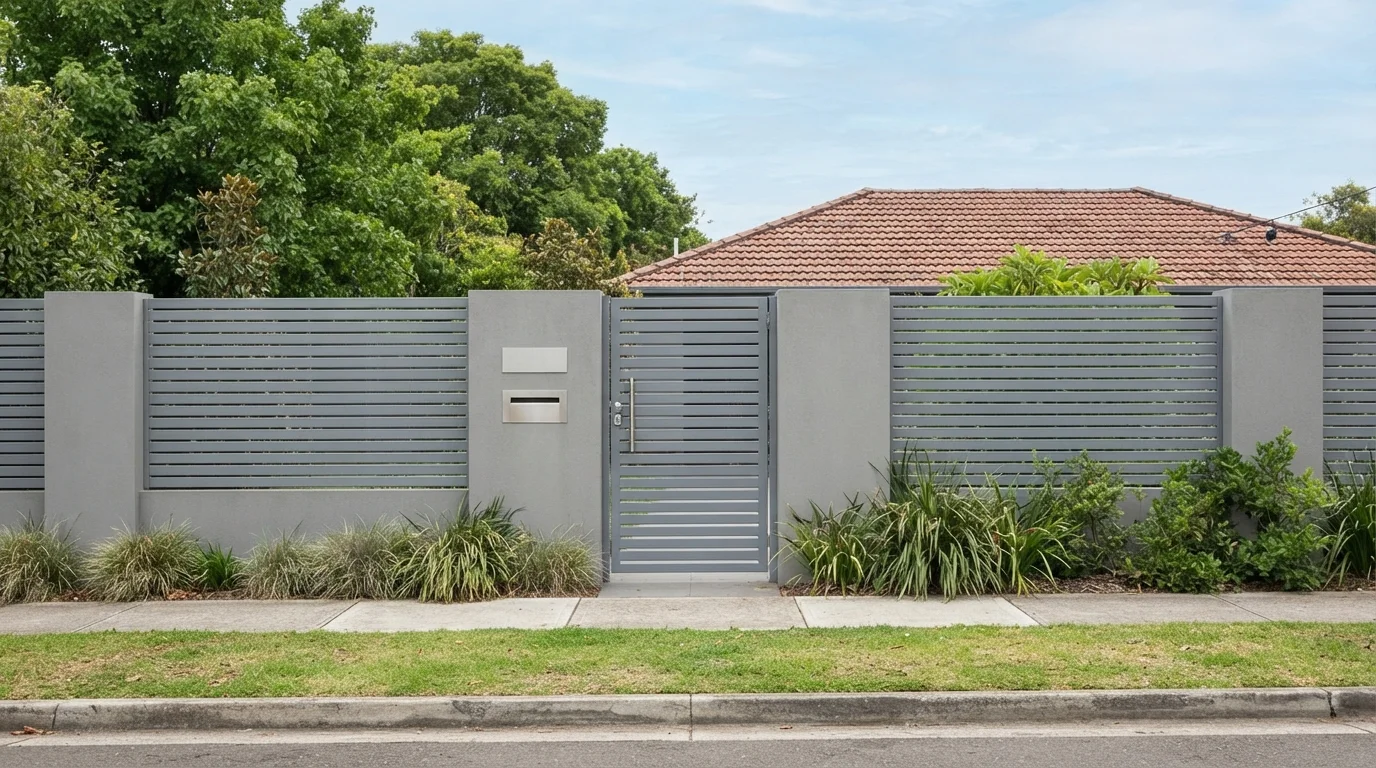
Crisp horizontal gray slats and neutral piers create a sleek, peaceful modern boundary surrounded by lush greenery.
Cool slate gray is a clean, modern neutral with a quiet hint of blue. In this front yard, crisp gray horizontal slats form the gate and privacy panels, supported by smooth taupe-gray rendered posts. The look feels calm, tidy, and refined. Neutral gray works beautifully because it lets the vivid green garden plants and warm terracotta roof tiles stand out without competing. It is perfect for homeowners who want sleek curb appeal with low-maintenance contemporary style.
SEE SHINING KNIGHT ON YOUR WALLS →
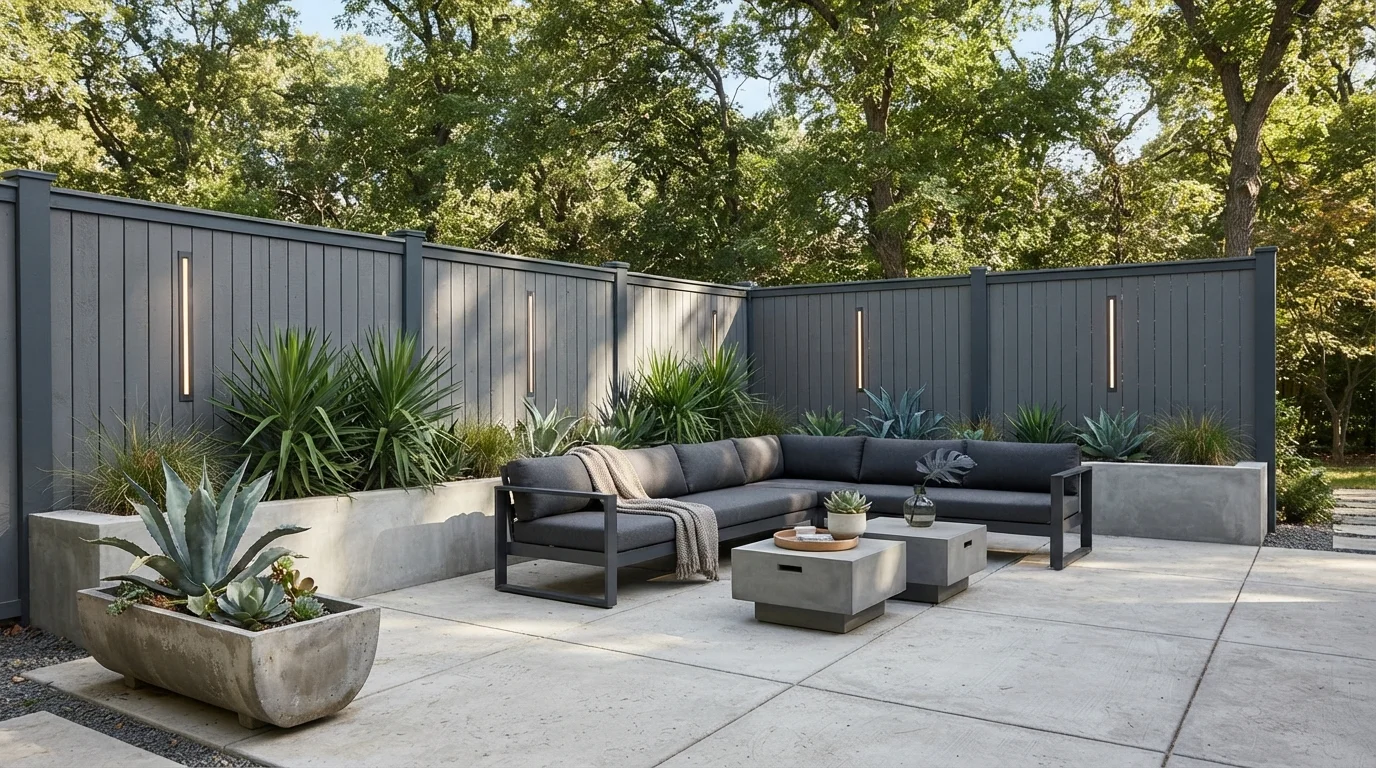
Clean vertical lines, cool slate tones, and sculptural greenery create a private, tranquil outdoor lounge you will love.
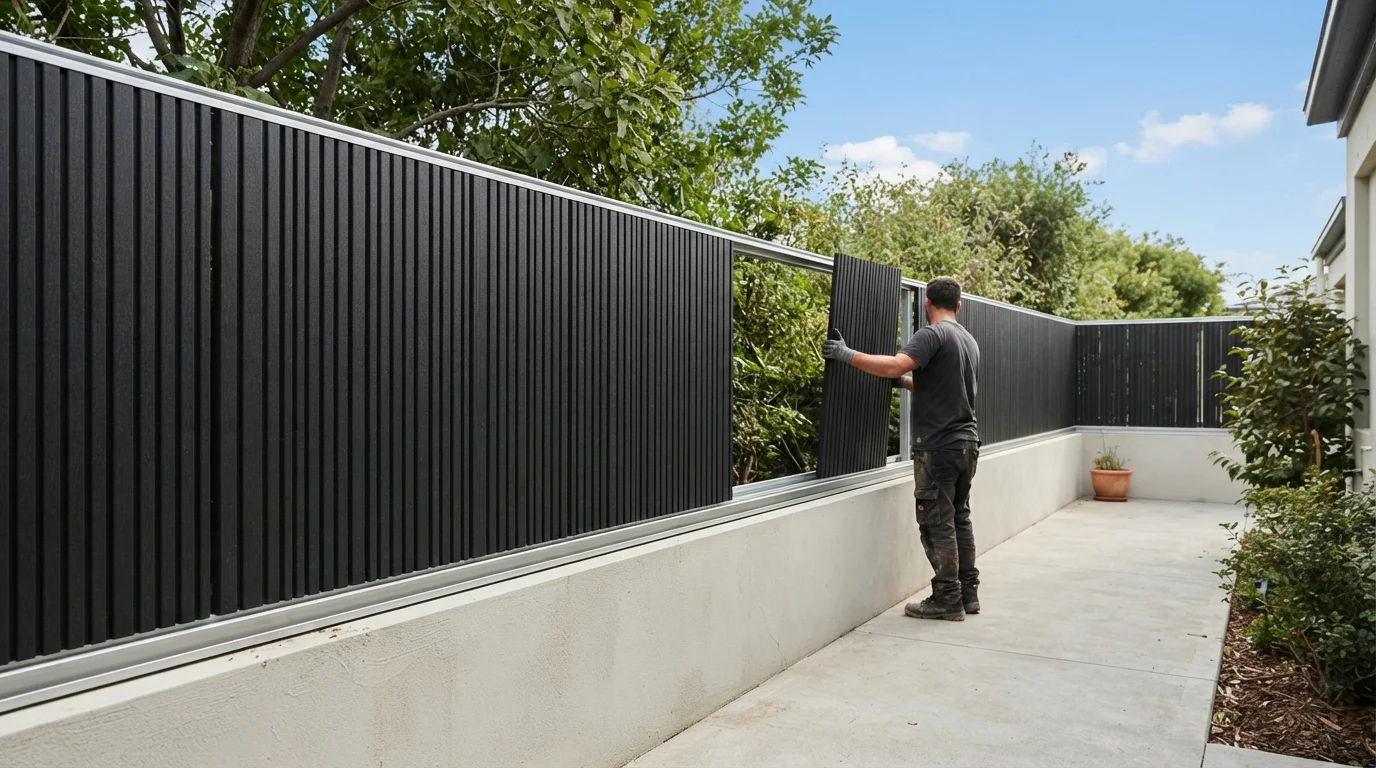
Muted slate gray is a cool, refined neutral. Here, tall vertical slatted fencing wraps the entire patio in soft gray, complemented by charcoal outdoor seating and crisp concrete planters. The space feels remarkably serene, balanced, and private. Pairing crisp architectural woodwork with spiky green succulents keeps the monochrome layout lively and grounded. It is ideal for modern design lovers who want an effortless, low-maintenance backyard retreat.
SEE REFINED GRAY ON YOUR WALLS →
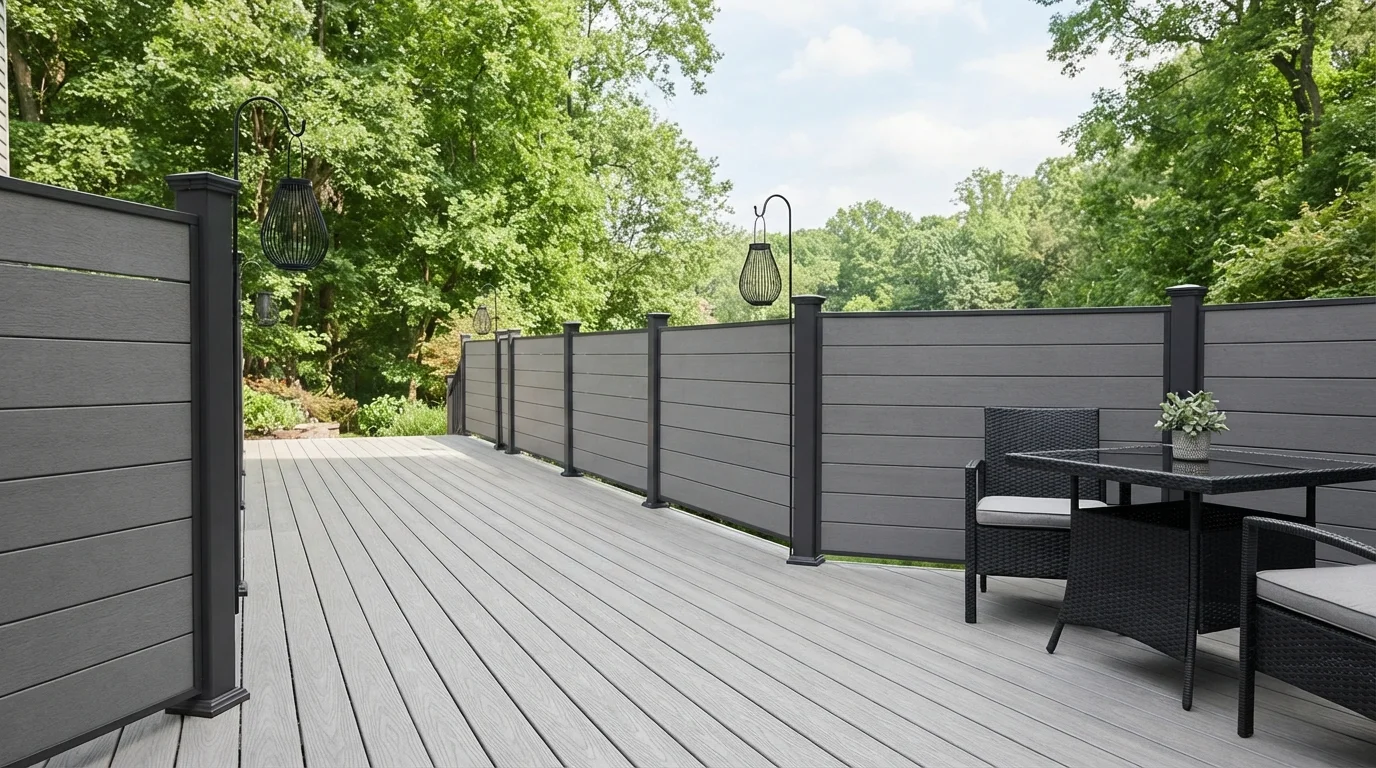
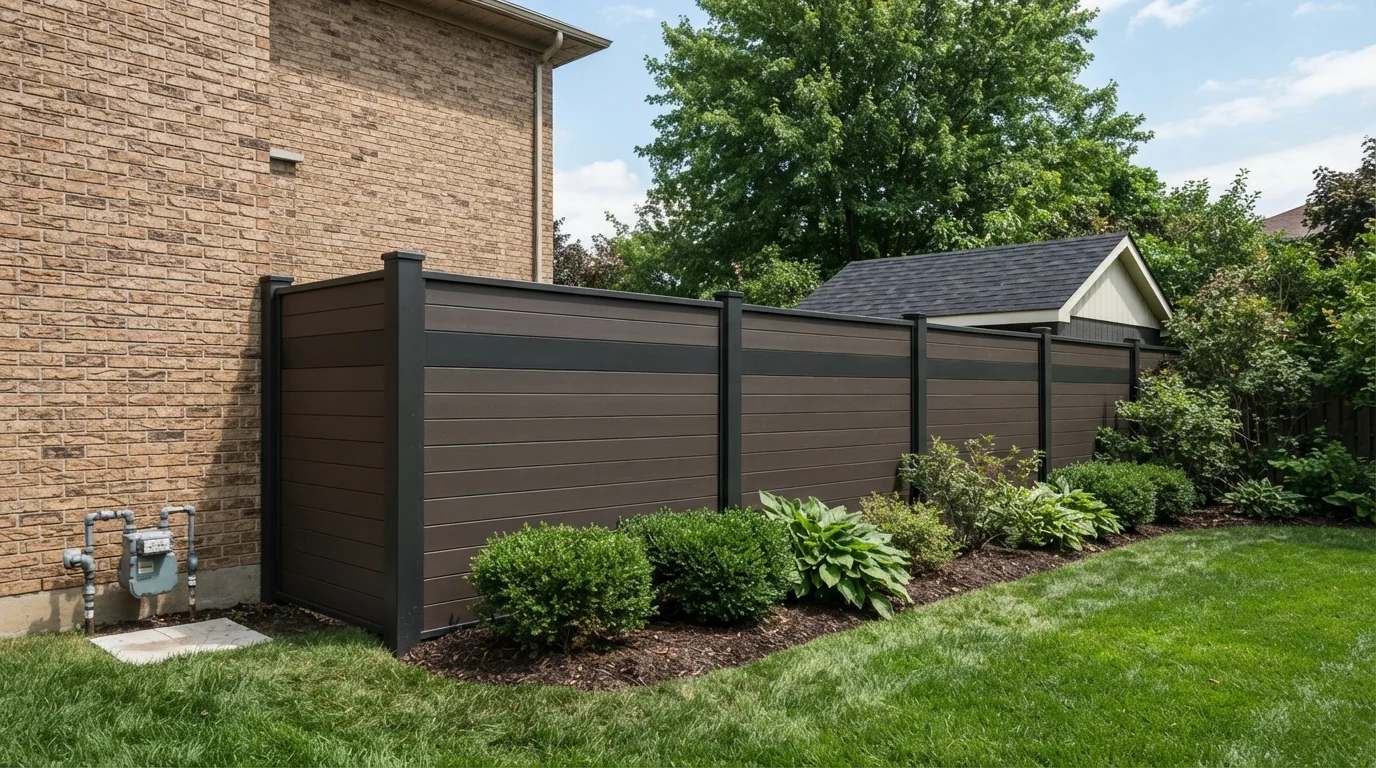
Cool slate horizontal fencing creates a calm, structured backdrop for modern outdoor lounging amidst lush greenery.
Slate grey is a clean, balanced neutral with crisp cool tones. In this outdoor space, smooth horizontal grey fence panels are framed by dark charcoal posts, complementing the pale grey composite deck and dark wicker table. The setting feels open, tidy, and peaceful. The combination works because cool grey structure creates a sharp contrast against bright natural green trees and foliage. It is a great choice for anyone looking to build a neat, contemporary outdoor living space that stays stylish across every season.
SEE NUTS AND BOLTS ON YOUR WALLS →
Choose this grounded classic for a crisp, stylish border around your entire property.
SEE SLATE GRAY ON YOUR WALLS →
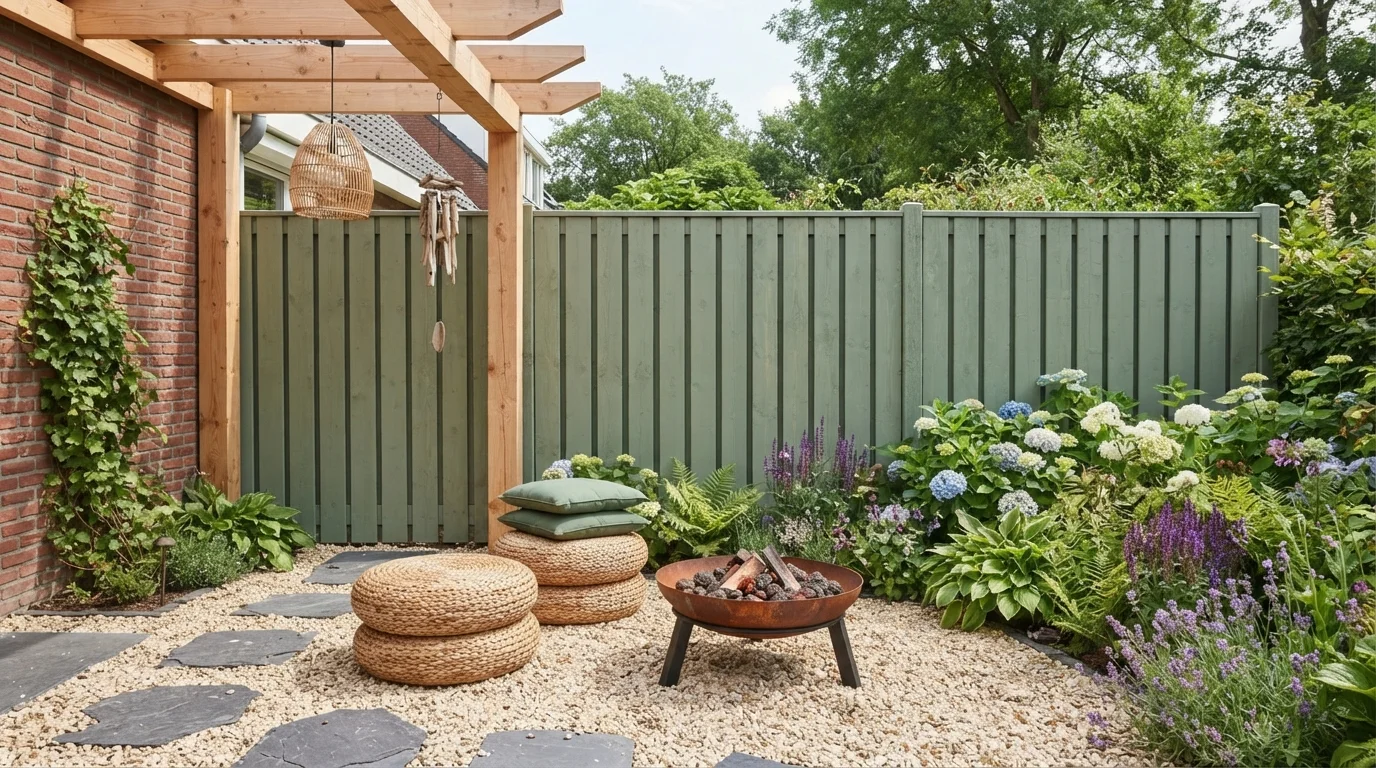
You'll love how this soft, welcoming shade blends naturally with outdoor landscaping.
SEE PLATINUM GRAY ON YOUR WALLS →
Give your yard a fresh, airy backdrop that makes garden greenery truly pop.
SEE GULL WING GRAY ON YOUR WALLS →
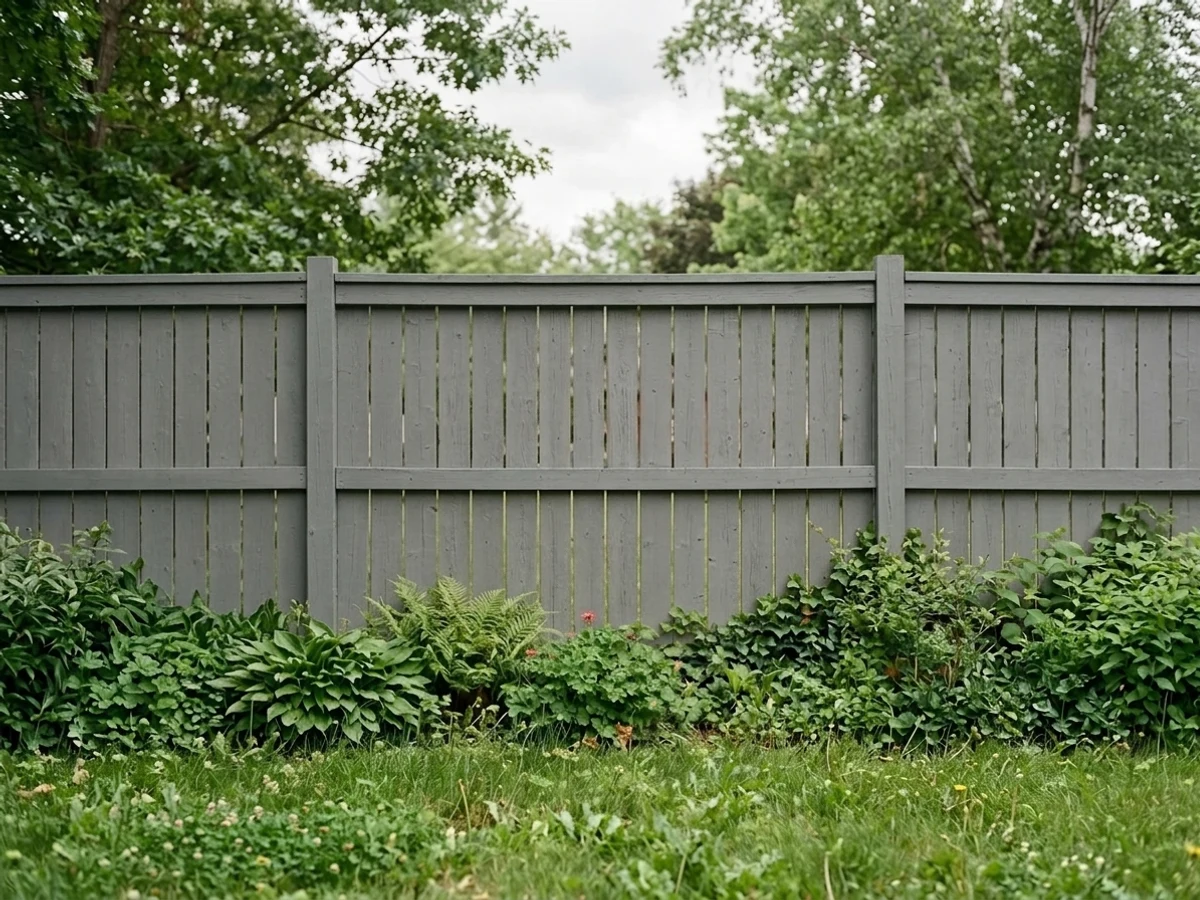
Modern weathered gray fence — the Pacific Northwest and modern-farmhouse pick.
SEE GAUNTLET GRAY ON YOUR WALLS →Gray Fence Wall Color Combinations
A wall color never works alone. These are the full schemes from the rooms above — the lead color first, then the supporting colors that make the photo work.
Crisp horizontal gray slats and neutral piers create a sleek, peaceful modern boundary surrounded by lush greenery.
TRY THIS PALETTE →Clean vertical lines, cool slate tones, and sculptural greenery create a private, tranquil outdoor lounge you will love.
TRY THIS PALETTE →Cool slate horizontal fencing creates a calm, structured backdrop for modern outdoor lounging amidst lush greenery.
TRY THIS PALETTE →A cool ash gray softened by deep teal and a warm soft white, for a calm, grounded look with one confident pop of color. Each shade is matched to real paint you can buy.
TRY THIS PALETTE →Pair the fence against the house, not just the plants. A white or light-sided house reads cleanest against Slate Gray or Gauntlet Gray — the contrast keeps the fence from disappearing into the siding, and both take a natural wood gate or wood-capped posts well since their warm undertones don't fight with cedar or pressure-treated pine left unfinished. On a darker-sided or black-trimmed modern house, flip it: Gull Wing Gray or Platinum Gray on the fence gives the eye a lighter edge at the property line instead of stacking two dark planes on top of each other.
For a moodier, high-end backyard look, Fired Bronze or Dark Shadows on the fence pairs with black hardware, black or bronze gate hinges, and stone or concrete pavers — the kind of palette that reads intentional rather than just "unfinished wood, painted." Keep any painted or stained gate on the same product line as the fence panels; mixing an oil-based fence paint with a water-based stain on the gate is the fastest way to end up with two different sheens standing side by side.
More Fence Color Ideas
Set on a color family already? Each page has its own real rooms and picks.
Light or Dark Gray Fence Colors?
Go Light (LRV 60+) If…
The room is small, faces north, or has to work at every hour. Light warm colors make it feel bigger and stay calm in evening light — the light you actually live in.
Go Dark (LRV Under 20) If…
You want the cocoon effect and the room has real daylight. Dark works best on one feature wall — or fully color-drenched in a large room with good windows.
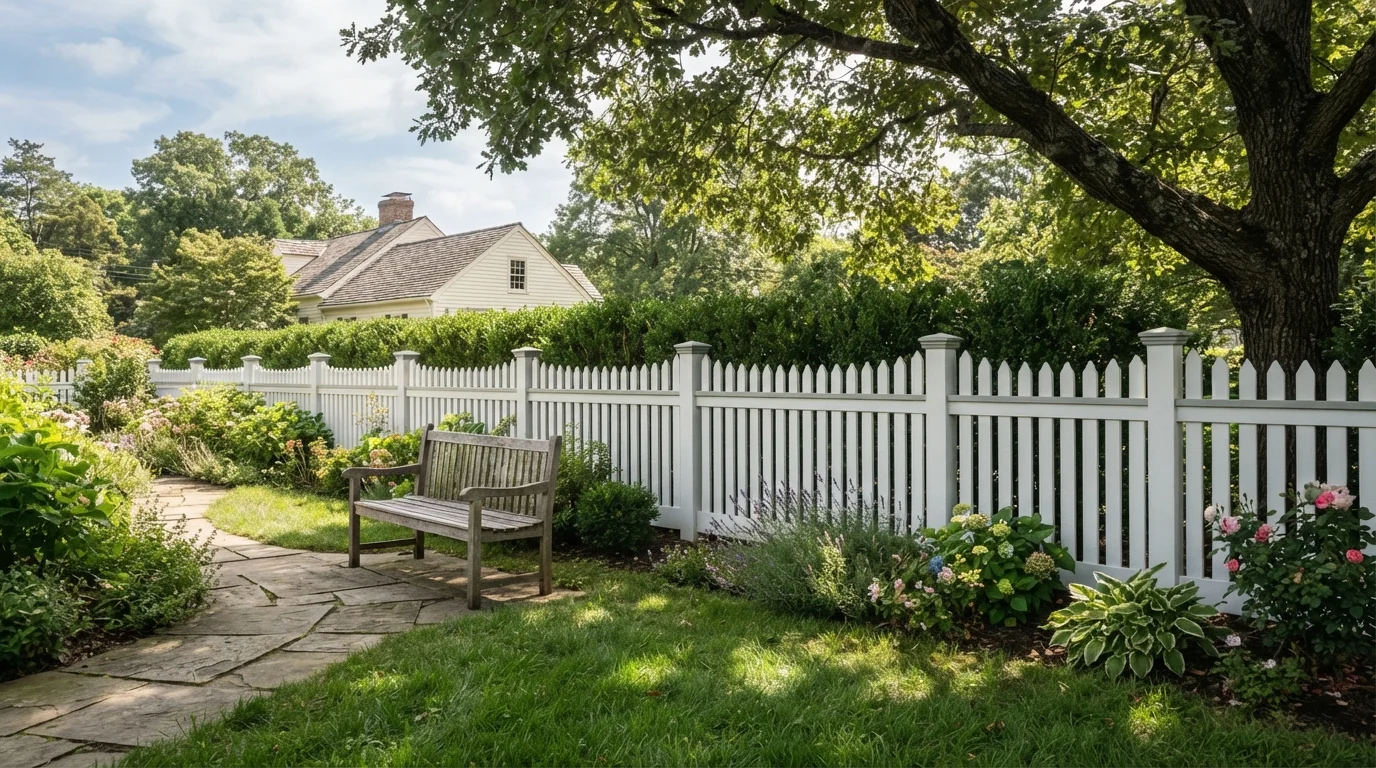
Yard size and how much direct sun the fence gets should decide light versus dark more than personal taste alone. A small or narrow backyard, or one that's shaded most of the day, gets swallowed by a charcoal fence — Gull Wing Gray or Platinum Gray (LRV 40-42) keep the boundary from reading as a dark wall closing the space in, and they bounce more light back into planting beds that don't get full sun.
A larger yard, or one with strong afternoon sun, can carry the darker end without feeling heavy. Cracked Pepper, Dark Shadows, and Fired Bronze absorb more heat than the lighter picks, which matters on a south- or west-facing fence in summer, but they also hide pollen, dust, and water spotting far better than a light gray does — a real advantage since a fence gets rained on and mowed next to constantly. Slate Gray (LRV 24) and Gauntlet Gray (LRV 17) split the difference: dark enough to disguise grime between cleanings, still light enough not to need a bright white house or bold flowers to balance it.
See It. Love It.
Paint It.
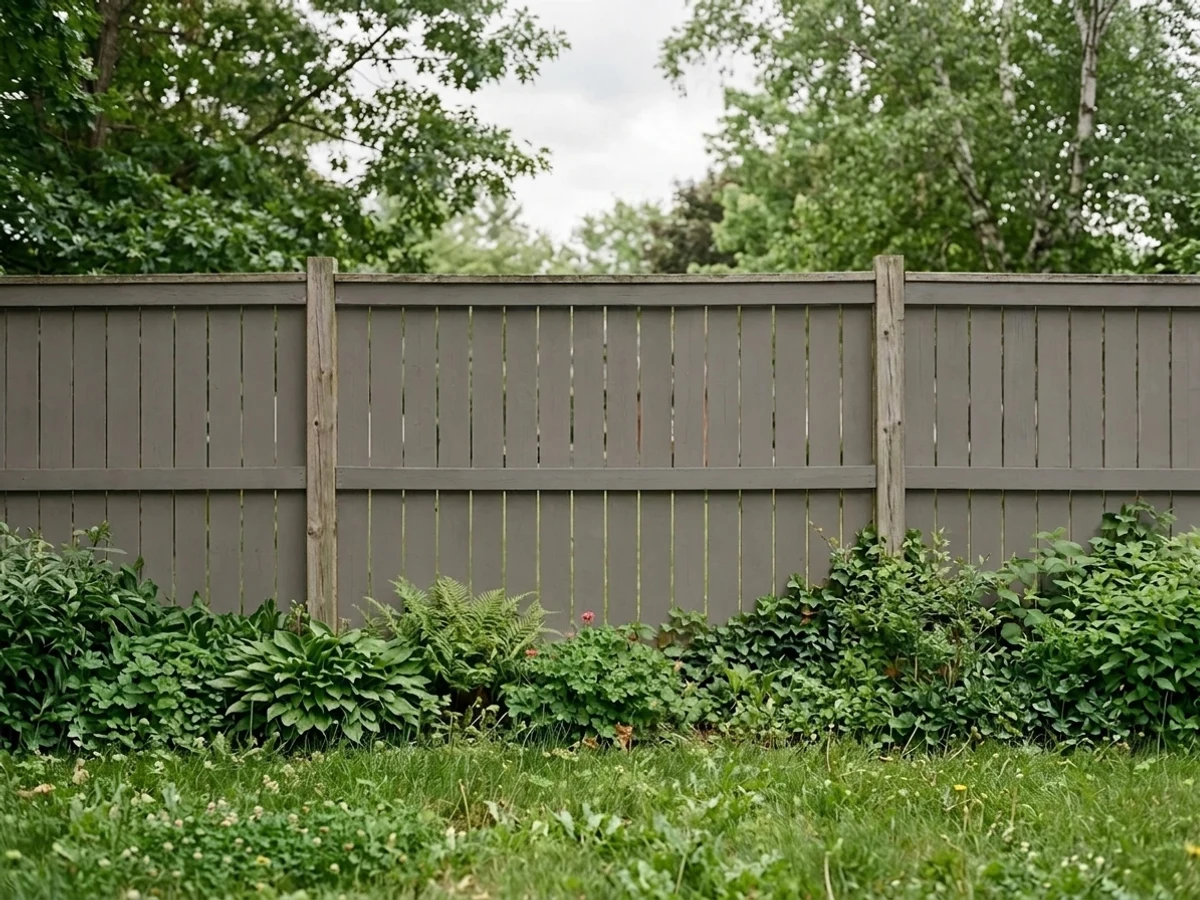
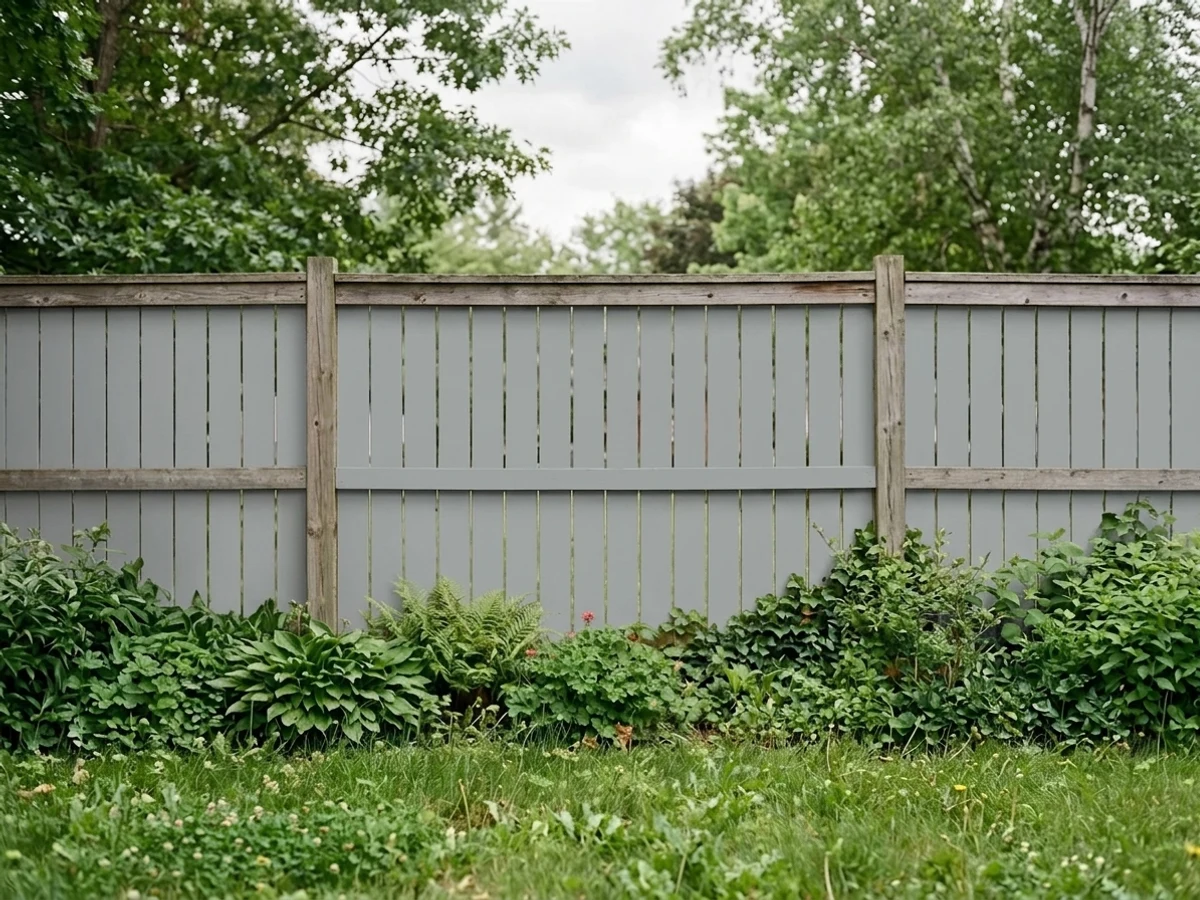
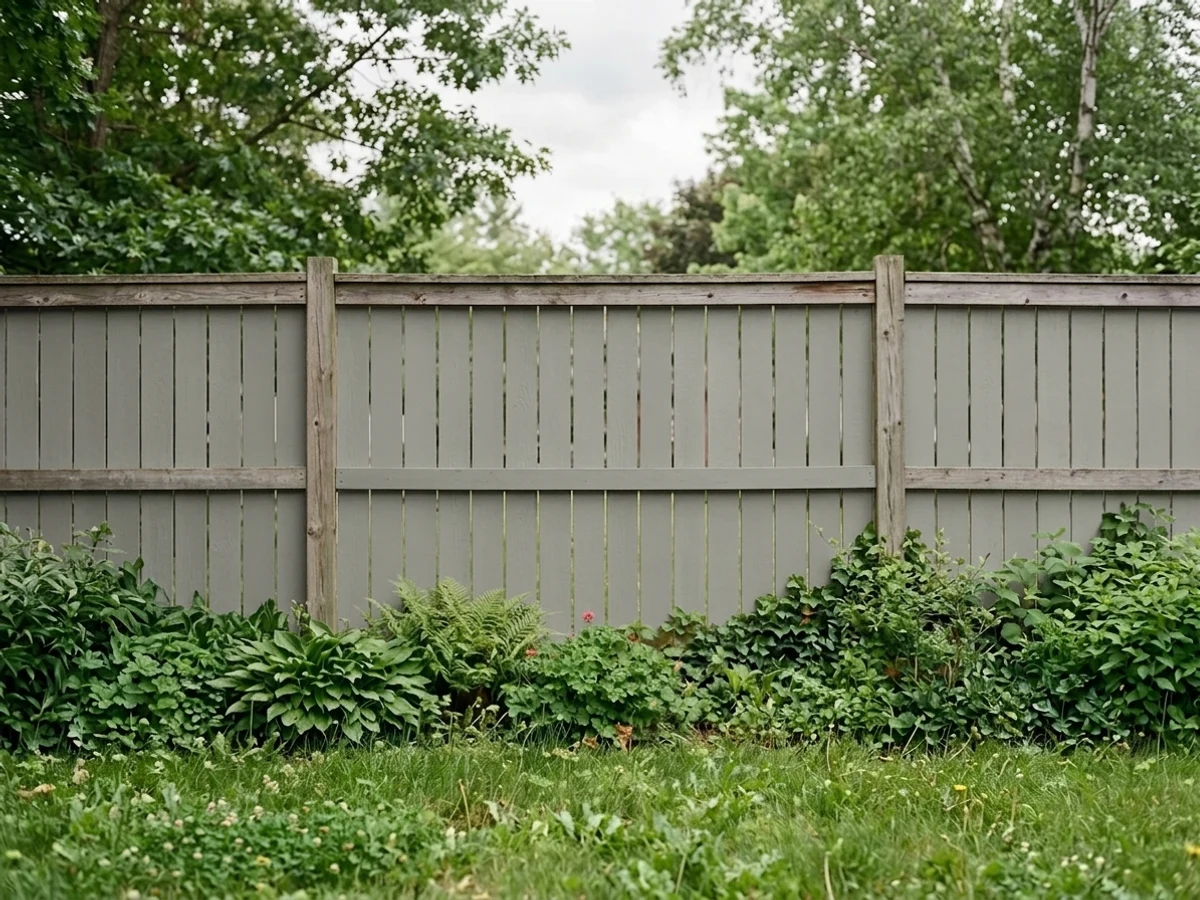
Upload one photo of your gray fence and try every color on this page on your own walls — in your own light, before you buy a drop of paint.

Gauntlet GrayBeforePaint Vs. Solid Stain For A Gray Fence
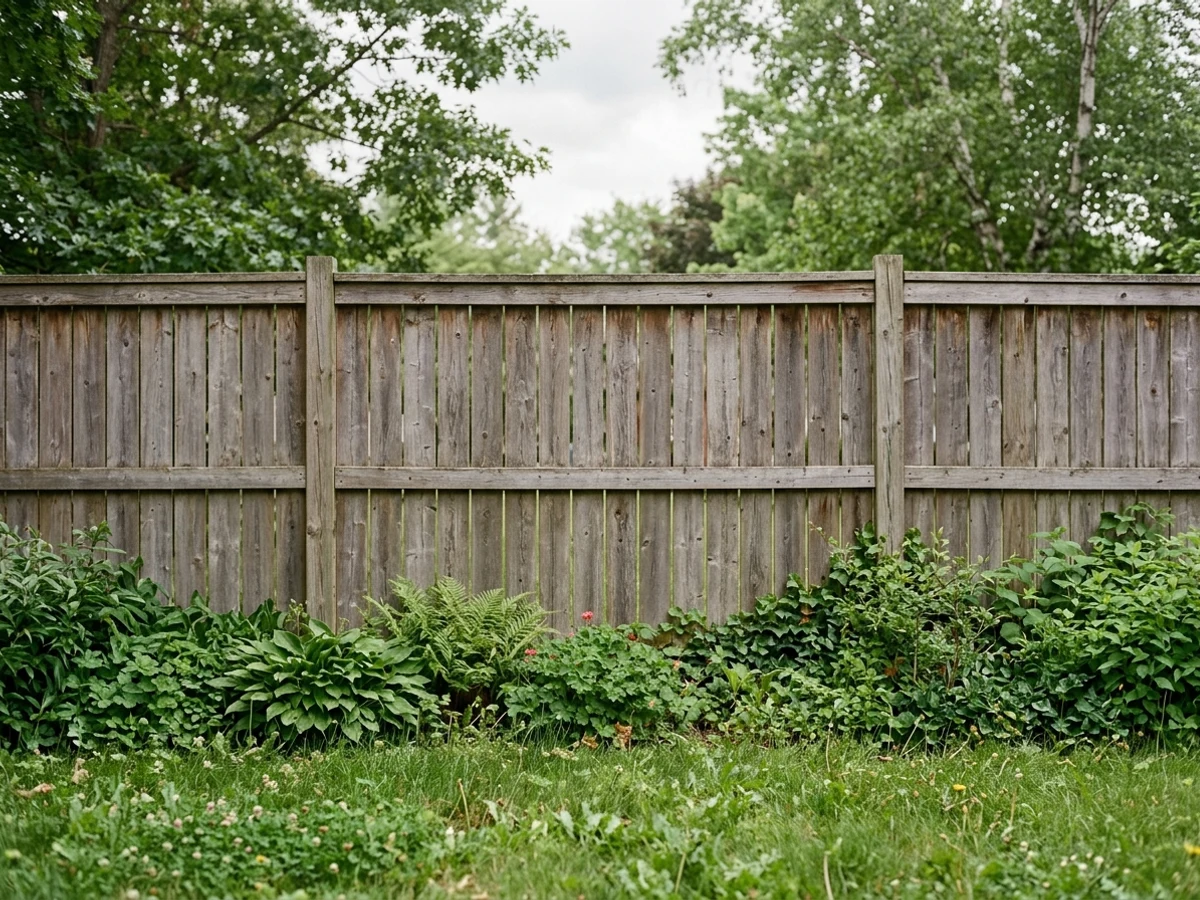
Solid-color exterior stain is the lower-maintenance choice for a gray fence. It penetrates the wood fibers instead of sitting on top, so instead of peeling and flaking like paint eventually does, it just fades gradually and gets a fresh coat every 3 to 5 years with no scraping or sanding first. That's a real difference on a fence, which takes more weather exposure than a wall ever will.
Paint holds its exact color longer before it starts to look worn, which matters if you're set on a specific shade like Cracked Pepper or Slate Gray and don't want it drifting warmer or duller as it ages. The tradeoff is prep: paint doesn't bond well to pressure-treated lumber without the right primer, and when it does eventually fail, it needs to be scraped or sanded back before recoating — stain never asks for that step.
Prepping Pressure-Treated Wood Before You Finish It
Most fence lumber comes pressure-treated, and freshly treated wood is still wet with preservative. Paint or solid stain applied too soon won't bond — it can peel within a season. Let new pressure-treated fencing weather outdoors until it's dried out (a simple test: splash water on it; if it beads up, it's not ready, if it soaks in, it is) before picking up any of these grays.
Once it's dry, a bonding primer made for exterior wood is worth the extra step under paint, especially with the darker picks like Fired Bronze or Dark Shadows where uneven absorption shows up as blotching. Solid stain skips the primer requirement entirely, which is part of why it's the more forgiving option on a fence built from mixed-age boards.
About Gray Fence Paint Colors
A gray fence works because gray behaves like structure instead of decoration — it frames the yard without competing with whatever is actually growing in it. On the lighter end, Benjamin Moore's Gull Wing Gray (2134-50, LRV 42) and Platinum Gray (HC-179, LRV 40) sit close enough in value that they read almost interchangeable in a photo, but Gull Wing Gray leans a touch cooler and airier while Platinum Gray carries more warmth, so it settles into beds of green shrubs and mulch instead of standing apart from them.
Drop the LRV and the fence starts doing more work as a backdrop rather than a frame. Behr's Slate Gray (6695, LRV 24) is the middle ground — dark enough to look intentional, light enough to still read as a neutral border around the property line. Below that, Behr's Cracked Pepper and Dark Shadows, Dunn-Edwards' Fired Bronze, and Sherwin-Williams' Gauntlet Gray (SW 7019, LRV 17) move into charcoal territory. Gauntlet Gray in particular has become the go-to for modern-farmhouse and Pacific Northwest exteriors because its brown undertone keeps it from turning flat or blue in overcast light, which is exactly the light a fence usually sits in under trees or a covered patio.
All of these mix at any paint store as either exterior paint or solid-color stain — a gray fence isn't a special-order finish, and switching between these picks later is just a new gallon, not a new material.
The Questions Everyone Asks
What color should I paint my gray fence?
If you want one answer, start with the safe picks above — Slate Gray, Weathered Moss, Platinum Gray, Gull Wing Gray. They read well in any light and survive furniture changes. Then check the light: strong afternoon sun wants a step cooler, a north-facing room wants a step warmer.
what color should i paint my fence gray or white
Gray hides dirt, pollen, and water spotting far better than white does, and a fence takes more of that than any wall in the house. White also needs repainting more often to stay looking clean. A mid-tone like Behr's Slate Gray (LRV 24) gets the same crisp, defined-border look as white without showing every rain streak by midsummer.
is it better to paint or stain a gray fence
Solid-color stain is usually the better call for fencing specifically — it penetrates the wood instead of coating the surface, so it fades instead of peeling and just needs a recoat every 3 to 5 years with no scraping. Paint holds a truer, more saturated color longer, which matters more for something like Cracked Pepper's deep charcoal than for a fence a full shade lighter.
how often do you need to repaint a gray fence
Solid stain on a fence typically needs a recoat every 3 to 5 years; painted fences can go longer if the paint stays intact, but once it starts to crack it traps water and needs full scraping before a repaint. Darker picks like Dark Shadows or Fired Bronze show fading less obviously between coats than lighter grays like Gull Wing Gray do.
what color goes with a gray fence
Wood tones, black hardware, and stone or concrete hardscaping all pair naturally with gray fencing since gray reads as a neutral rather than a color choice. A warm gray like Gauntlet Gray (SW 7019) sits especially well against cedar gates or natural wood posts, while a cooler gray like Gull Wing Gray plays better next to white trim or light-colored siding.
does a gray fence need primer
If you're painting rather than staining, yes — paint doesn't bond well to pressure-treated lumber without a bonding primer made for exterior wood, and skipping it is a common reason fence paint peels within a year or two. Solid-color stain doesn't require primer since it soaks into the wood instead of sitting on the surface.
What two-color combination works best in a gray fence?
The reliable pattern is a quiet main color plus one deep accent on a single wall. Keep trim and ceiling in one warm white so the two colors are the only event in the room — the combination cards above show complete schemes from real rooms.
What colors make a gray fence look bigger?
High-LRV, slightly warm colors — LRV 60–75 is the sweet spot. Paint the walls and trim close to the same light color so the corners blur, and keep the ceiling white. Stark cool white actually works against you; it creates hard shadows that show the room's edges.

Ask a Question