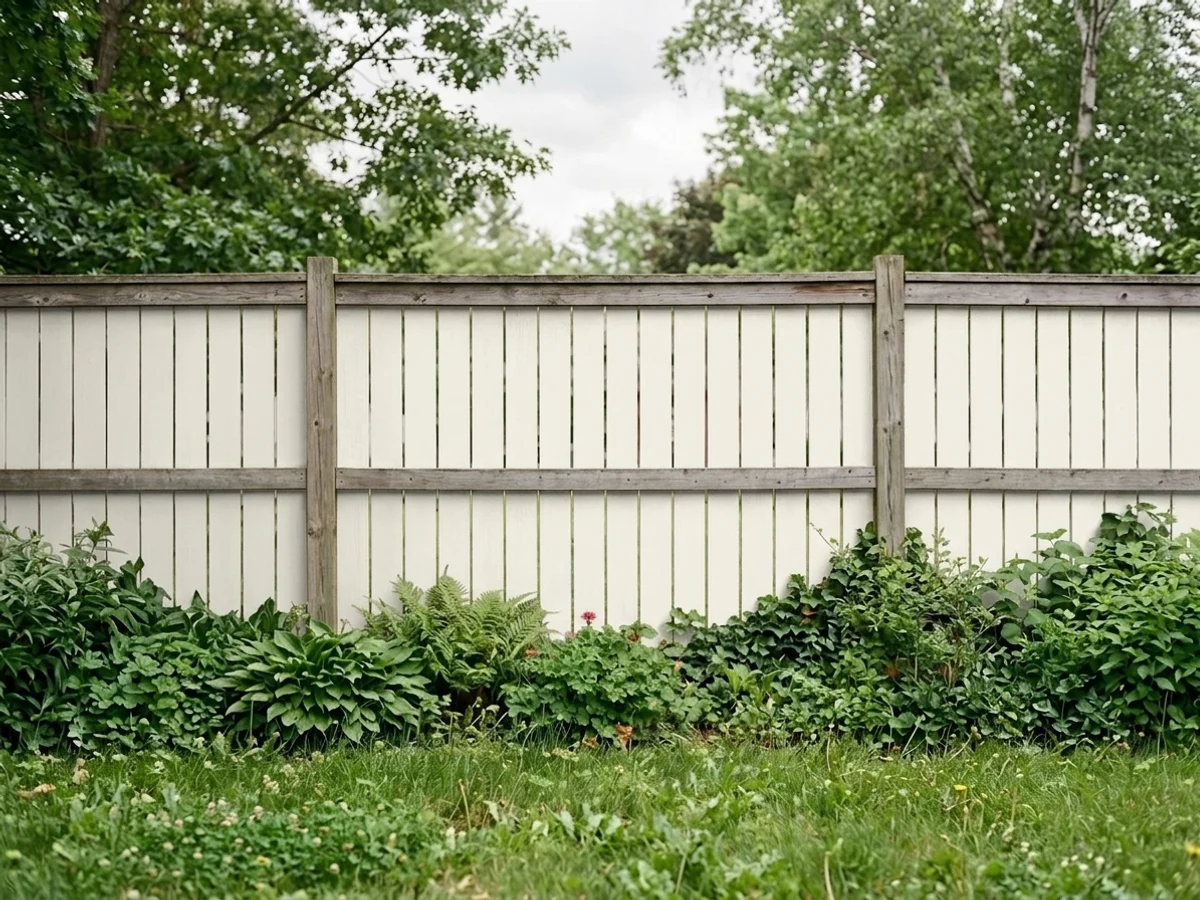
Room Colors · White Fence
8 Best White Fence Paint Colors for 2026
ideas, combinations, and real rooms
8 curated picks from real white fences — with the exact colors, honest reasons why, and the combinations that hold the room together.

Former interior stylist who can spot a green undertone from across a room. Jessica writes the color and mood pieces — what to choose, what pairs, and why your "white" looks pink.
The Fast Answer
Don't want to read 8 picks? These four are the safe answers.

Top Picks for the White Fence
Tap a shade to see the white fence in it, then try it on your own room.
White Fence Color Trends 2026 — What's In, What's Out


- Yellowed Off-White — Aged, slightly yellow off-white fences from older oil-based paints now read as dingy rather than classic next to today's cleaner whites.
- Bright White With No Contrast Details — A flat white fence with matching white gate hardware and posts is losing ground to fences that add black or bronze accents for depth.
- Stark Cool-Blue White — Icy, blue-leaning white paint that reads clinical in daylight is giving way to softer, warmer whites that photograph better against green landscaping.
The 8 Best White Fence Paint Colors
Every pick below is a real rendered white fence, not a chip. The lead color first; the swatches are the full scheme in the photo — walls, furniture, textiles, accent.

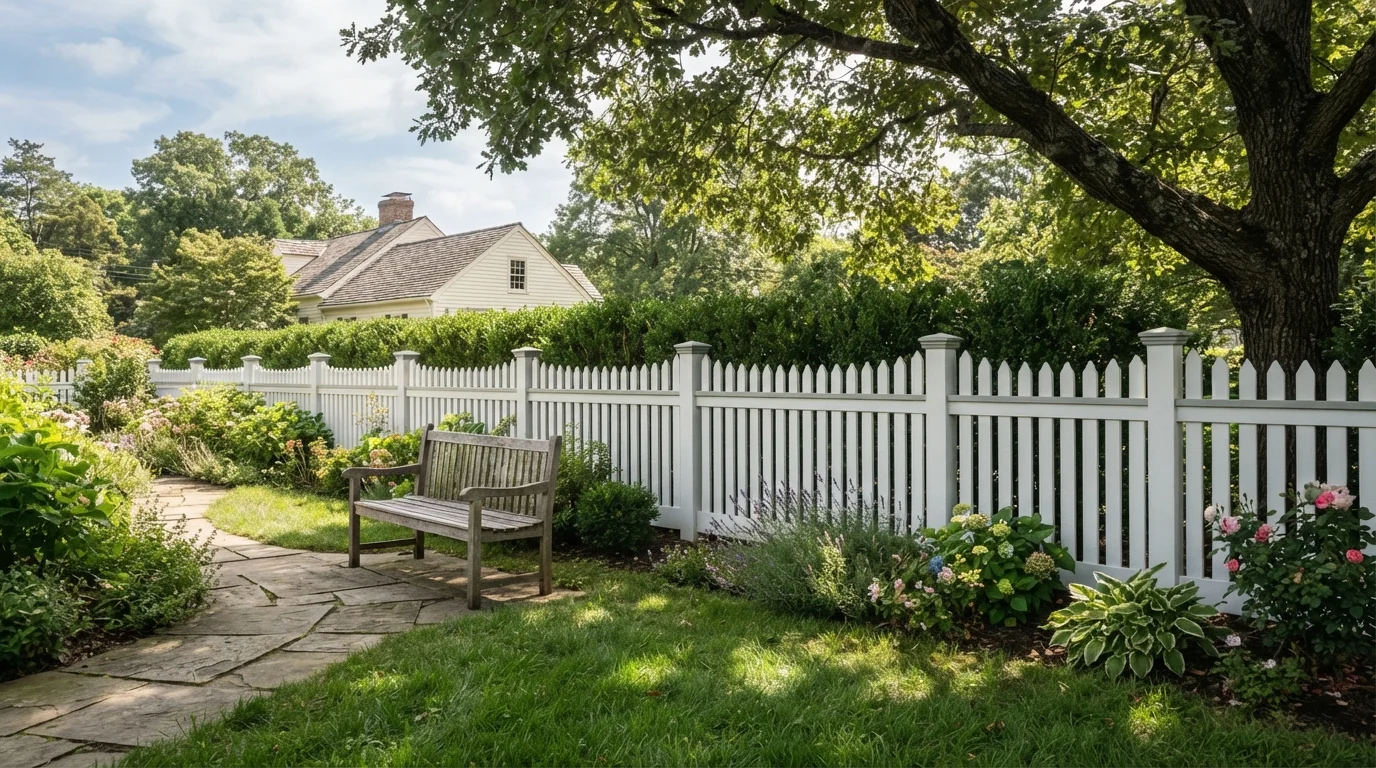
Bright white pickets line lush green hedges, framing a quiet wooden bench in warm, dappled sunlight.
Crisp white is a clean, bright neutral that gives any outdoor space a cheerful lift. In this photo, sharp white paint covers the classic picket fence, contrasting beautifully with the deep green boxwood hedge and gray-toned wooden garden bench. The space feels calm, welcoming, and effortlessly charming. The combo works because the bright white fence defines the garden boundary while making all the natural greenery pop. It is perfect for anyone wanting timeless cottage curb appeal.
SEE LIGHTHOUSE ON YOUR WALLS →
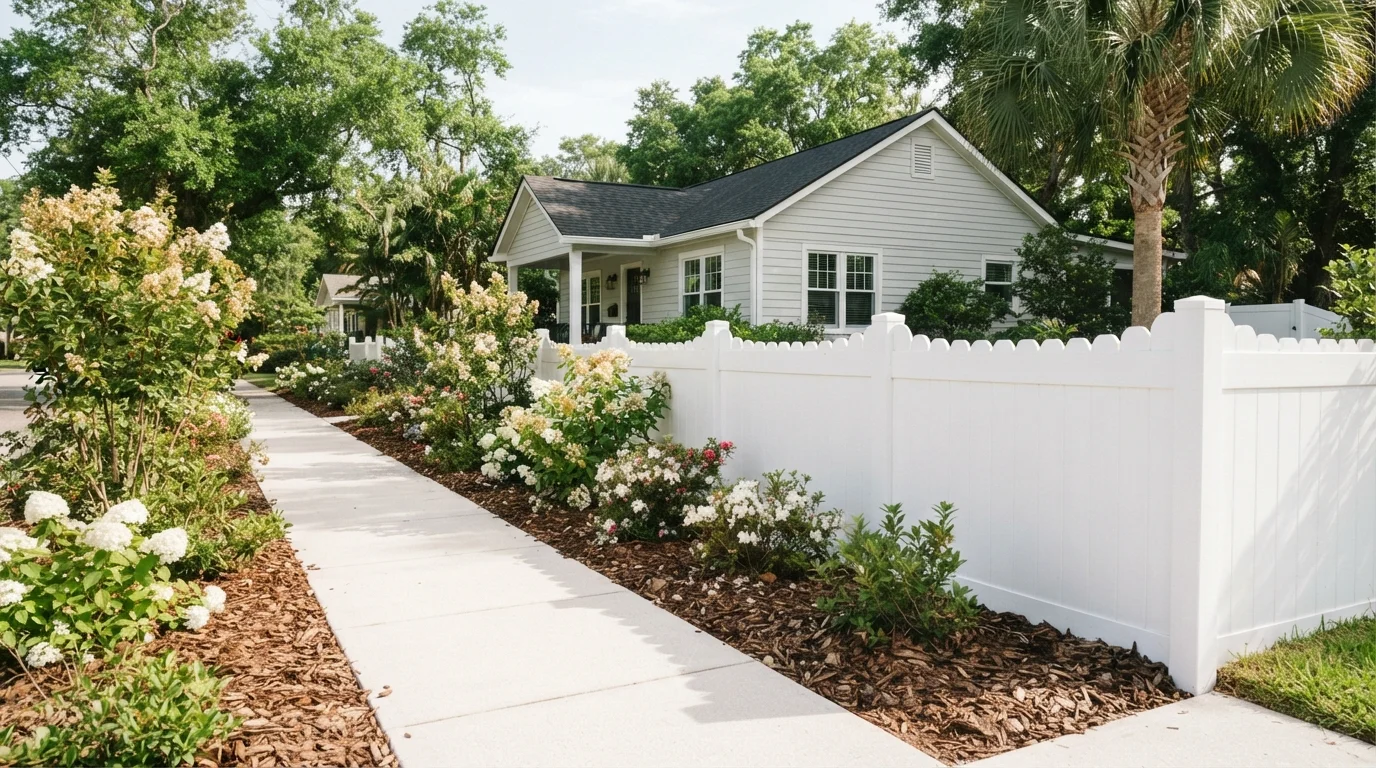
Sunlight washes over a crisp white fence and blooming garden, creating a peaceful, picture-perfect neighborhood scene.
Crisp white is a bright, timeless pure white. In this yard, clean white covers the tall paneled fence and the cheerful cottage siding behind it. The outdoor space feels sunny, welcoming, and beautifully cared for. This combination works because the bright white boards make the green leaves, white blooms, and dark mulch stand out instantly. It is perfect for anyone wanting classic curb appeal that looks fresh, neat, and uplifting in every season.
SEE LINEN WHITE ON YOUR WALLS →
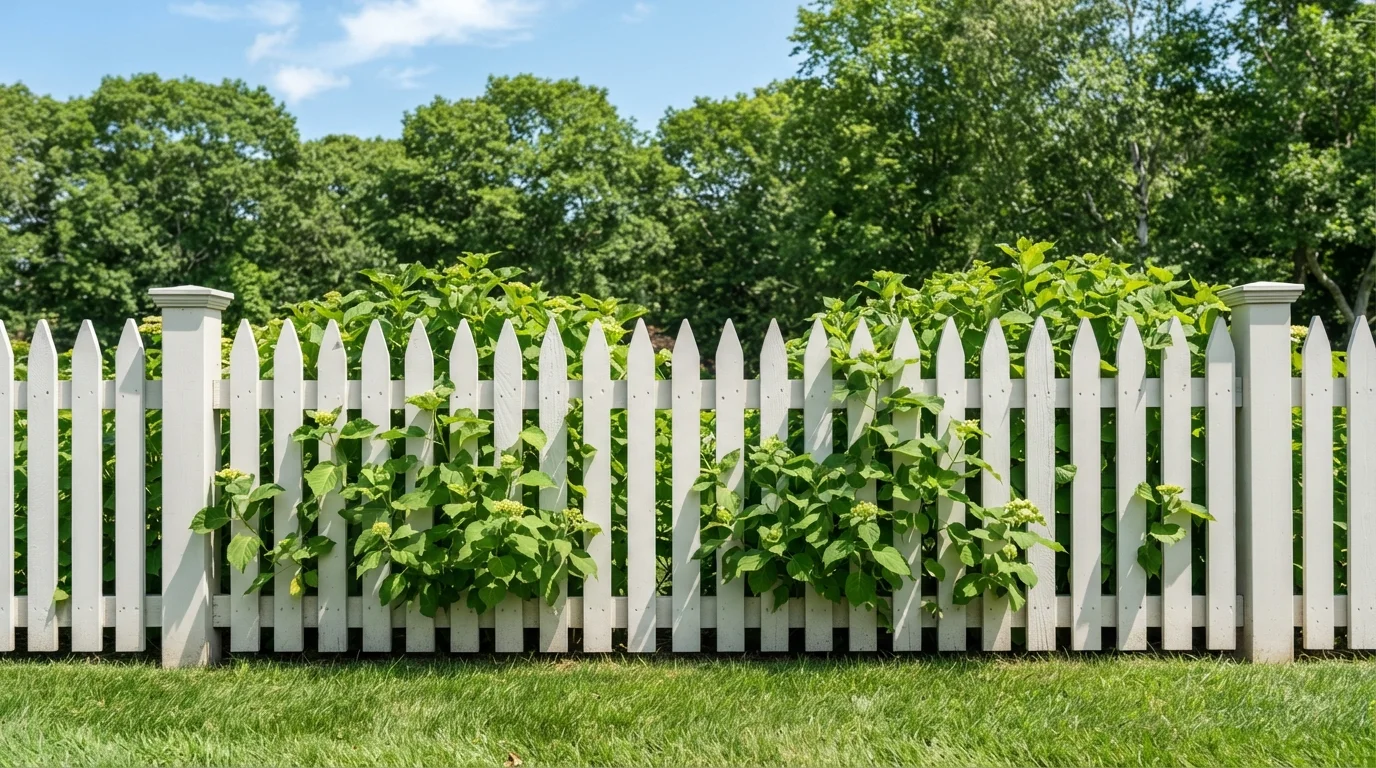
Bright white pickets stand sharp against sunlit leafy greens, creating a timeless, welcoming garden border on a warm summer day.
Pure white is a crisp, clean neutral that reflects pure sunshine. In this yard, a classic wooden picket fence is coated in a bright white that frames rich green hydrangea foliage and tall canopy trees. The whole scene feels fresh, cheerful, and inviting. The combo works because high-contrast white makes every shade of natural garden greenery pop with vivid energy. It is ideal for anyone who wants timeless curb appeal and a quintessential cottage garden look.
SEE SWEET VANILLA ON YOUR WALLS →
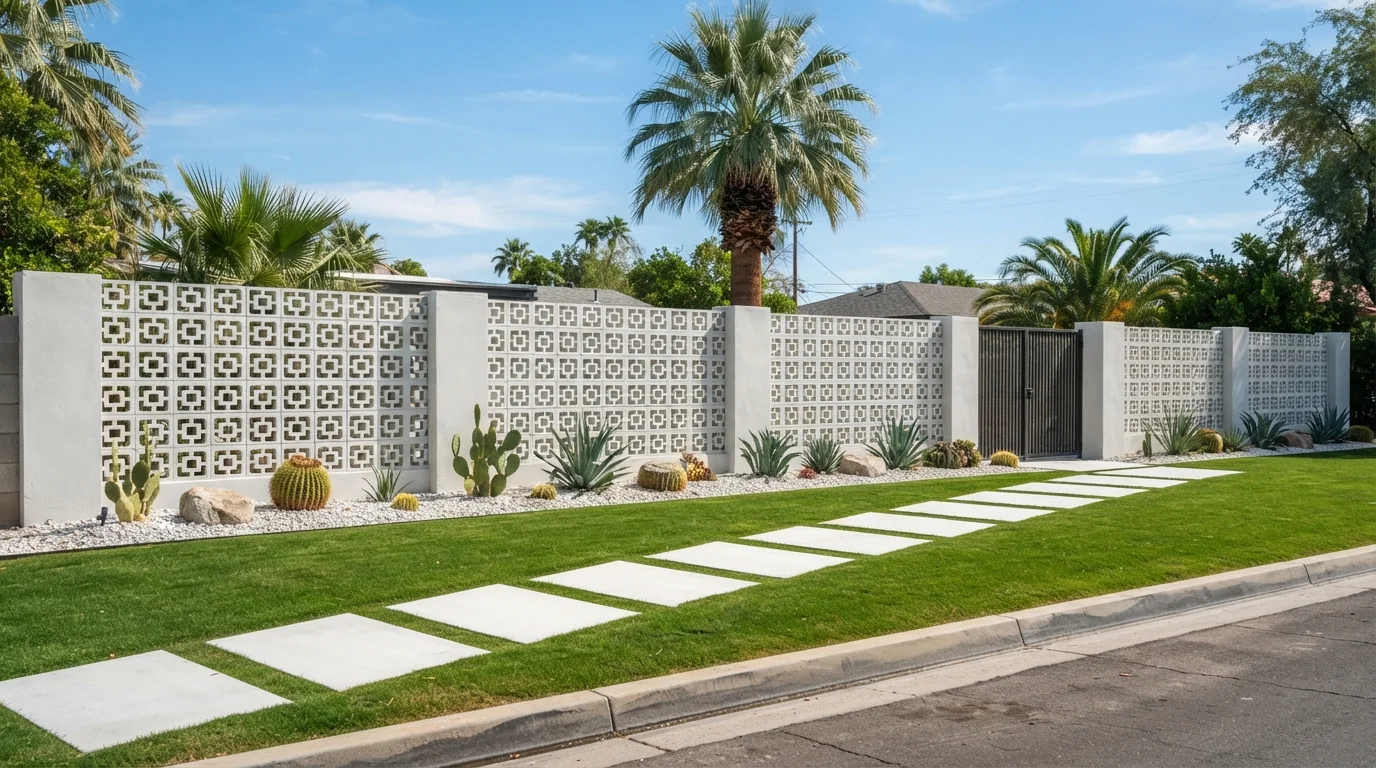
Crisp white breeze blocks meet lush tropical greenery and manicured grass under brilliant, sun-drenched coastal skies.
Crisp white is a clean, sun-loving neutral that feels fresh and bright. In this front yard, pure white covers the geometric breeze block wall and smooth pillars, paired with matching stepping stones, desert cacti, and a vibrant green lawn. The space feels cheerful, open, and full of vintage resort charm. The bright white wall creates a clean contrast that makes the green palms and grass pop instantly. It is ideal for anyone wanting a chic mid-century entrance with instant curb appeal.
SEE WHITE DAISY ON YOUR WALLS →
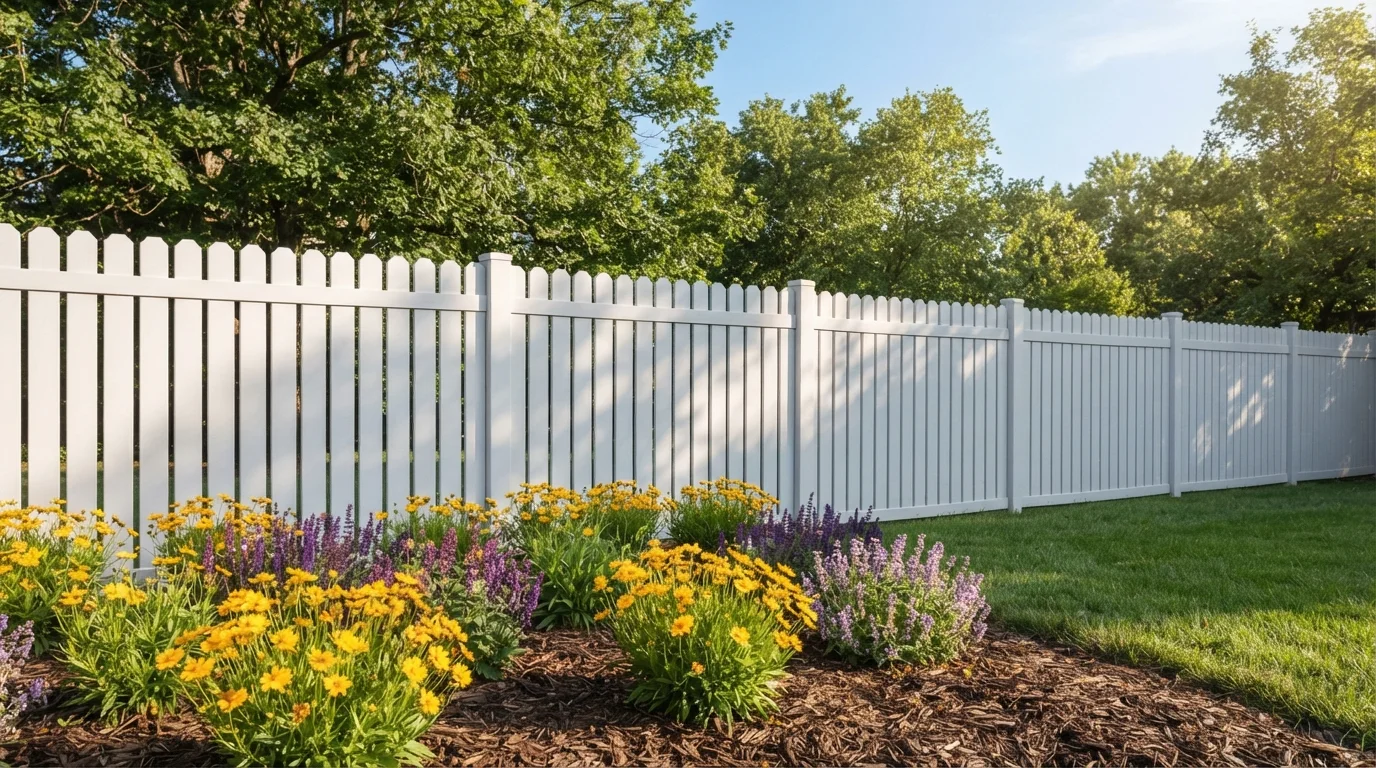
A bright white fence frames lush greenery and cheerful garden blooms under the golden summer sun.
Bright white is a clean, timeless neutral. In this yard, crisp white covers the tall picket fence, standing out against dark garden mulch, cheerful yellow blooms, and fresh green grass. The space feels open, tidy, and endlessly welcoming. It works because pure white creates sharp contrast that makes colorful flowers and lush green trees pop. It is perfect for anyone who loves a traditional, polished garden perimeter.
SEE SABLE ON YOUR WALLS →
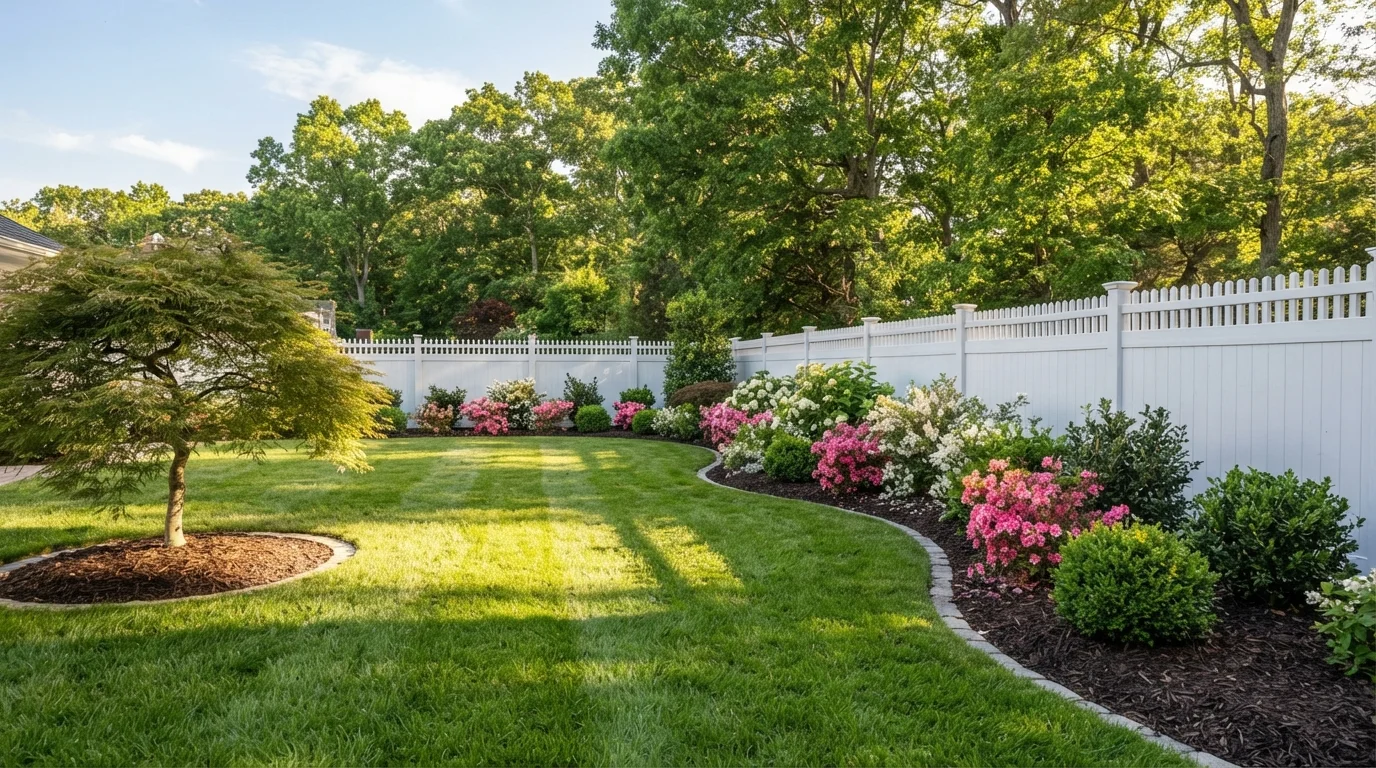
Bright white fencing frames a lush, blossoming garden bathed in warm afternoon sunlight for pure timeless charm.
Bright white is a clean, crisp neutral that feels forever fresh. In this backyard, clean white coats the tall picket privacy fence, creating a sharp backdrop for the lush green grass and vibrant pink and white flowering shrubs. The space feels cheerful and delightfully tidy. The stark contrast between the bright white fence and the rich natural greens makes all the flowers instantly pop. It is the perfect choice for anyone who loves traditional curb appeal and a neat, storybook garden look.
SEE TWINKLE ON YOUR WALLS →
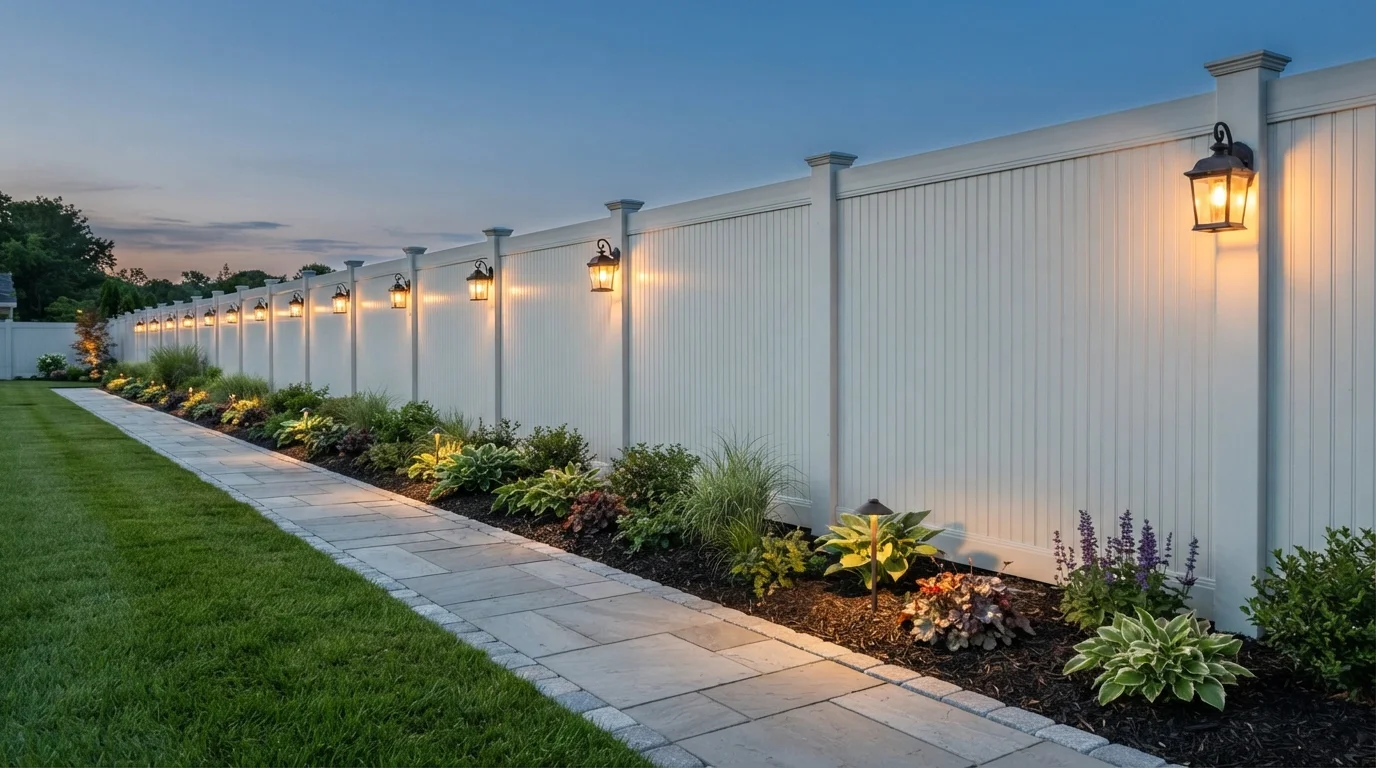
Warm glowing lanterns illuminate a crisp white fence, turning a quiet evening garden path into an enchanting retreat.
Soft off-white is a clean, bright neutral that reflects light beautifully. In this outdoor space, the tall privacy fence is coated in a crisp warm white that catches the golden glow of the classic black wall lanterns. The whole walkway feels cozy, calm, and magical as night falls. The pairing works because the bright white fence creates a luminous backdrop that lets lush green foliage and rich blooms stand out. It is a wonderful choice for anyone who loves evening garden entertaining.
SEE FROTHY SURF ON YOUR WALLS →
Bright white privacy fencing frames lush green turf and neat garden beds for an orderly, serene backyard escape.
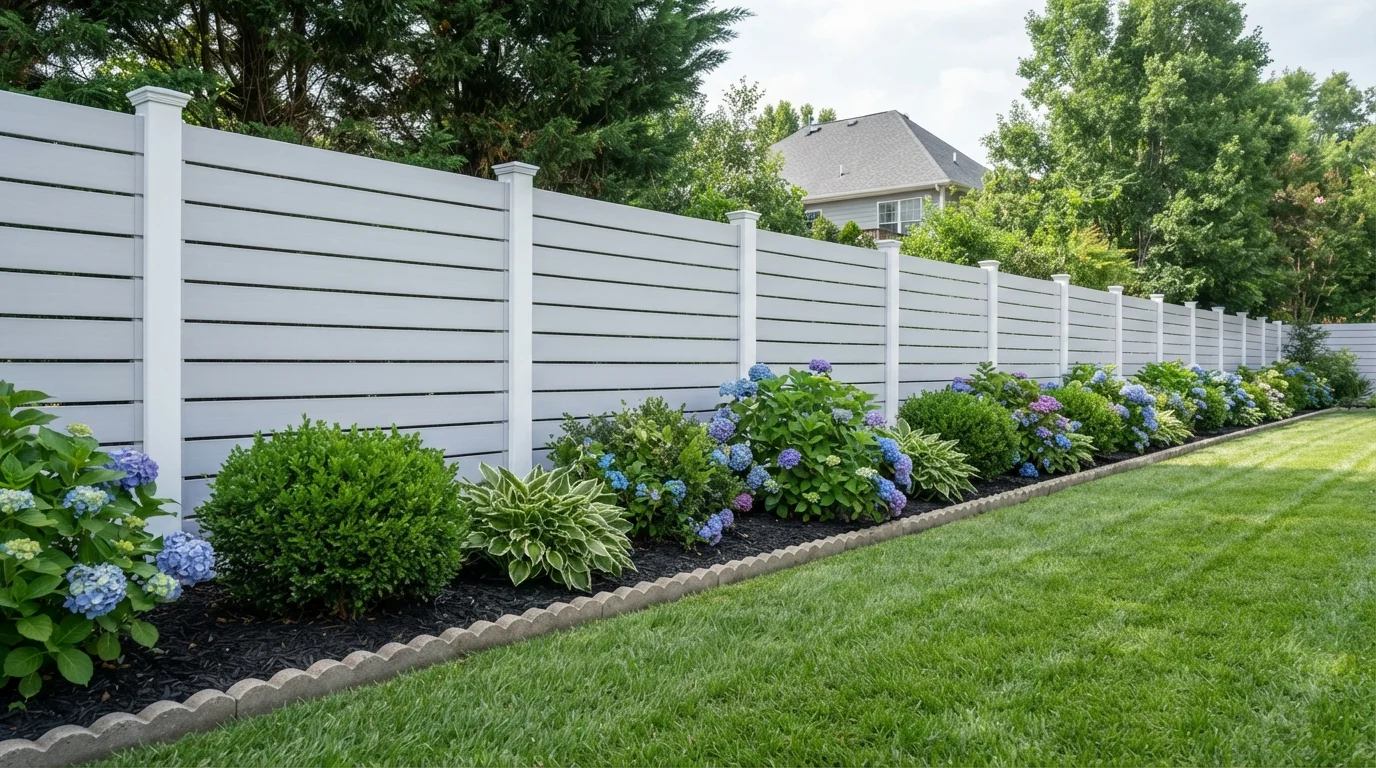
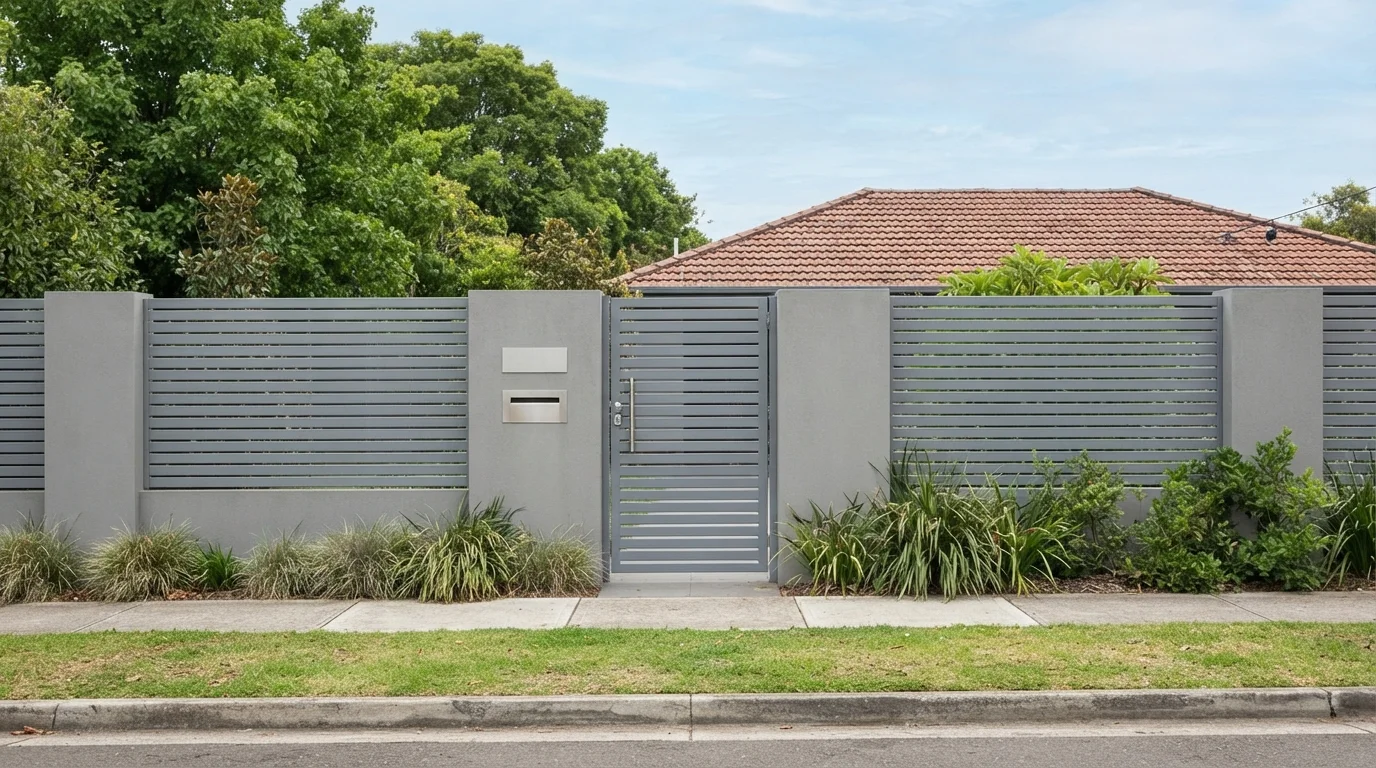
Bright white is a clean, crisp neutral that always feels fresh. In this yard, pure white covers the tall horizontal privacy fence panels and matching square posts from end to end. The whole outdoor space feels exceptionally bright, open, and well-kept. This clean look works because the stark white fence provides a high-contrast backdrop that makes the vibrant green lawn and dark flowerbeds stand out instantly. It is ideal for anyone who loves an organized, modern yard with effortless curb appeal.
SEE LAVENDAR WISP ON YOUR WALLS →White Fence Wall Color Combinations
A wall color never works alone. These are the full schemes from the rooms above — the lead color first, then the supporting colors that make the photo work.
Bright white pickets line lush green hedges, framing a quiet wooden bench in warm, dappled sunlight.
TRY THIS PALETTE →Sunlight washes over a crisp white fence and blooming garden, creating a peaceful, picture-perfect neighborhood scene.
TRY THIS PALETTE →Bright white pickets stand sharp against sunlit leafy greens, creating a timeless, welcoming garden border on a warm summer day.
TRY THIS PALETTE →Crisp white breeze blocks meet lush tropical greenery and manicured grass under brilliant, sun-drenched coastal skies.
TRY THIS PALETTE →The classic pairing is a bright wall white with black or dark bronze hardware — Ultra White or Superwhite against matte-black hinges, latches, and post caps gives a picket or shadowbox fence real contrast without adding another paint color. For a softer, more traditional look, run Decorator's White or Alabaster on the pickets and let the natural wood tone show through on an attached arbor, gate frame, or trellis; the warmth in the wood keeps the white from feeling flat.
If the fence borders a garden bed, Delicate White or Hush White works well as the main color with a deeper accent — forest green, navy, or a warm gray — reserved for the gate itself, which gives visitors a clear focal point without repainting the whole run. Iceberg pairs naturally with cooler exterior trim colors already on the house, so it's the pick to reach for when you want the fence to visually match existing white trim or shutters rather than stand apart from them.
More Fence Color Ideas
Set on a color family already? Each page has its own real rooms and picks.
Light or Dark White Fence Colors?
Go Light (LRV 60+) If…
The room is small, faces north, or has to work at every hour. Light warm colors make it feel bigger and stay calm in evening light — the light you actually live in.
Go Dark (LRV Under 20) If…
You want the cocoon effect and the room has real daylight. Dark works best on one feature wall — or fully color-drenched in a large room with good windows.
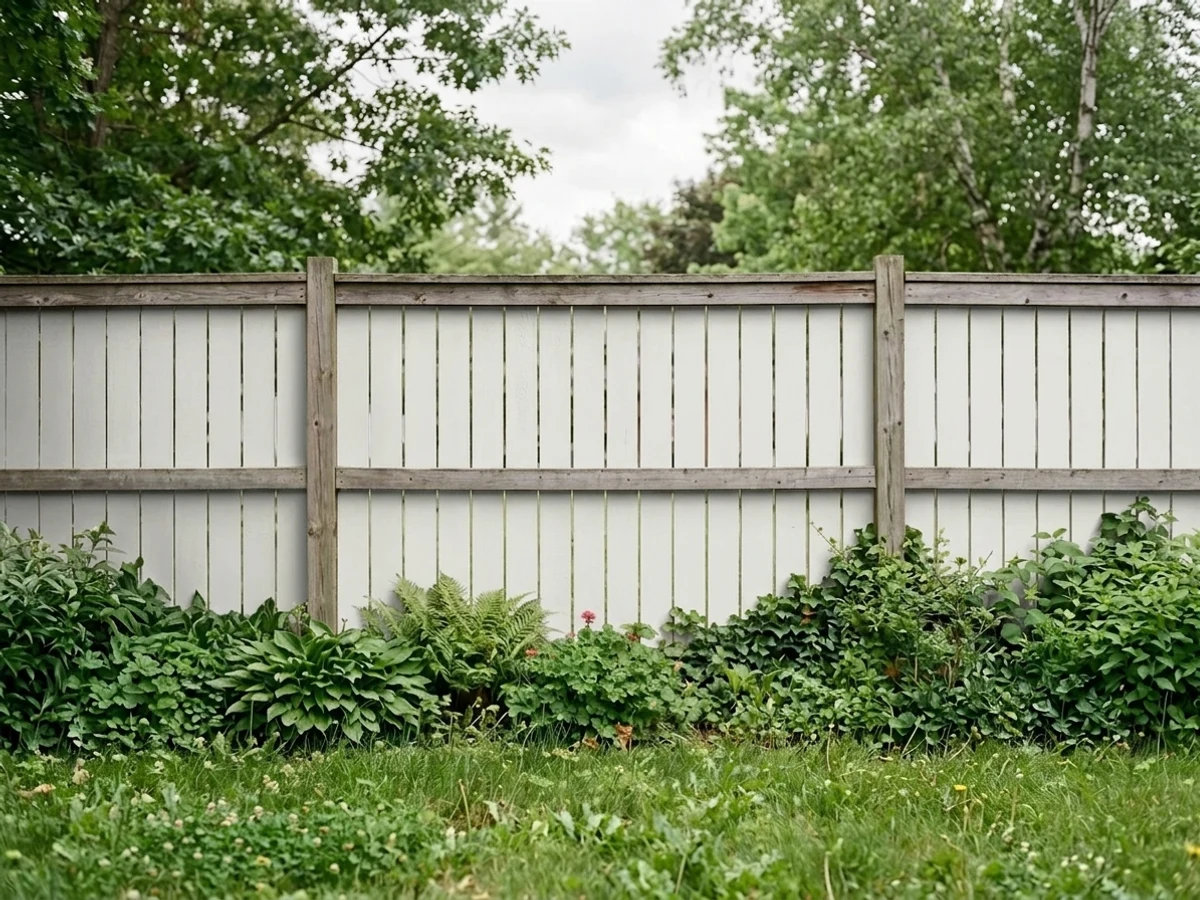
For a fence, "light vs dark" really means choosing how bright a white to run, since the whole family sits at the pale end of the scale. Ultra White (LRV 92) is the brightest of the group and works best in yards with a lot of shade — under mature trees or on a north-facing side of the house — where the extra reflectance keeps the fence from reading dull or gray. In full, unobstructed sun, that same brightness can bounce back hard enough to feel glary up close, which is where a slightly softer white like Decorator's White (LRV 84) or Delicate White (LRV 88) earns its keep — still bright, but with enough give that it doesn't compete with the sunlight itself.
Warmth matters as much as brightness here. Hush White and Alabaster both carry a warm undertone that suits wood-toned houses, brick, and cottage-style plantings, while Superwhite and Iceberg run cooler and pair better against gray or blue-toned siding and more contemporary landscaping. If the fence sits close to a lot of foliage, a warmer white avoids the slightly cold, sterile look a stark cool white can get when it's surrounded by green all summer and bare brown in winter.
See It. Love It.
Paint It.
Upload one photo of your white fence and try every color on this page on your own walls — in your own light, before you buy a drop of paint.

AlabasterBeforeChoosing The Right Paint And Sheen For A Fence
Fences take more weather abuse than almost anything else you paint, so the product matters as much as the color. A 100% acrylic latex exterior paint, rated specifically for wood, holds up better against UV, rain, and temperature swings than a generic wall paint, and a dedicated exterior primer underneath helps any of these seven whites resist peeling at the joints where boards meet.
Satin is the most common sheen choice for a fence — it sheds rain and pollen better than flat, but doesn't show every surface flaw the way semi-gloss does. Flat can work if the fence is more decorative than functional and you're prioritizing a soft, matte look over easy cleaning, but expect to wash it more often to keep a bright white like Ultra White or Superwhite from looking dingy.
Two thin coats beat one heavy one on a fence. A single thick coat is more likely to sag, drip in the corners of pickets, and wear unevenly, while two thin coats build a more durable, even film — especially important on a white, where any unevenness in coverage shows up as blotching once the sun hits it.
Keeping A White Fence From Turning Yellow Or Chalky
White fence paint doesn't age quietly. Sun and moisture break down the paint's binders over time, and that shows up as a chalky, powdery surface — often mistaken for dirt — or, with older oil-based products, an actual yellow cast as the paint's chemistry oxidizes. A modern acrylic latex is far less prone to yellowing than an oil-based paint, so it's worth checking the can before repainting an older fence that's already gone that direction.
Because fences sit low and take direct splashback from mowing, sprinklers, and mud, plan on a rinse with a hose or mild soap a couple of times a year rather than waiting for the paint to look obviously dirty. That single habit does more to keep any of these whites — especially the brighter Ultra White or Superwhite — looking fresh than any paint choice can on its own.
Exterior fence paint generally needs a full repaint every one to three years, noticeably more often than the seven-to-ten-year cycle for house siding, simply because a fence takes more direct sun and ground moisture at once. Budgeting for that shorter cycle up front avoids the surprise of a fence that looks tired well before the rest of the yard does.
Common Mistakes When Painting A Fence White
The biggest mistake is skipping prep. Old paint, dirt, and mildew left under a fresh coat of white telegraph through almost immediately, since any texture or discoloration underneath shows more on a pale color than it would on a mid-tone. Scraping loose paint and giving the wood a light sand before priming is what actually makes the white look clean, not the paint itself.
The second mistake is painting the fence after it's already installed and expecting full coverage on every angle. Pickets have edges and end grain that are easy to miss once boards are attached side by side, which is why painting the pieces before installation — or at minimum getting a brush into every gap — gives more even results than rolling over an assembled fence from one side.
The third is picking the brightest white in the lineup for a fence in constant, unshaded sun without expecting the upkeep that comes with it. Ultra White's LRV of 92 looks great in photos, but it will show dirt and mildew streaks sooner than Decorator's White or Hush White in the same spot — worth knowing before committing, not after the first dusty August.
About White Fence Paint Colors
A white fence is the one paint choice that never asks the yard to change to fit it. Ultra White from Valspar (LRV 92) sits at the bright end — a true, near-reflective white that reads crisp against green lawns and dark mulch, the kind of shade you see on picket fences that photograph well from the street. Benjamin Moore's Decorator's White (OC-149, LRV 84) pulls back just slightly, giving a softer, more timeless look that blends into garden beds and ivy instead of competing with them, and PPG/Glidden's Delicate White (PPG1001-1, LRV 88) sits between the two — gentle enough to feel airy without disappearing into the greenery around it.
The other picks solve for different fence styles. Alabaster is the color most people picture when they say "white picket fence" — it's the default American fence white because it reads as pure and traditional without being clinical. Sherwin-Williams' Superwhite is the modern counterpart: a cleaner, cooler white that suits contemporary horizontal-slat or shadowbox fences better than a classic picket. Hush White (Sherwin-Williams) and Iceberg (Benjamin Moore) round things out with warmer and cooler undertones respectively — Hush White gives a welcoming, slightly creamy cast that flatters cottage gardens, while Iceberg leans crisp and refreshing for a breezier, more modern feel.
What all seven share is high reflectance, which is both the appeal and the catch of a white fence. A high-LRV white bounces light back into the yard and makes a small backyard feel bigger and more open, but it also shows dirt, pollen, and green mildew streaks faster than a mid-tone would. That trade-off is worth knowing before you pick a shade, not after the first summer.
The Questions Everyone Asks
What color should I paint my white fence?
If you want one answer, start with the safe picks above — Lighthouse, Linen White, Sweet Vanilla, White Daisy. They read well in any light and survive furniture changes. Then check the light: strong afternoon sun wants a step cooler, a north-facing room wants a step warmer.
what is the best white paint for a wood fence
There isn't one universal best — it depends on the look. Alabaster is the classic, warm pick most people mean when they say "white picket fence." Ultra White (Valspar, LRV 92) gives the brightest, most modern contrast. Whatever shade you choose, use a 100% acrylic exterior latex rated for wood, not a leftover interior wall paint, since fences need real UV and moisture resistance.
should i paint or stain my fence white
Paint, not stain, is how you get a true white — stains are translucent and let the wood grain show through, so they can't produce a clean, opaque white like Superwhite or Iceberg. Paint also lasts a bit longer against weather than stain, though it requires more prep and a primer coat to bond well and resist peeling at the joints.
how often do you need to repaint a white fence
Plan on every one to three years for a fence, which is far more often than the seven-to-ten-year cycle for house siding. Fences sit closer to the ground, take direct splashback from sprinklers and mowing, and get full sun exposure on both sides, all of which wear paint down faster — brighter whites like Ultra White show that wear the soonest.
why does white fence paint turn yellow or chalky
Yellowing usually comes from older oil-based or alkyd paints, whose binders oxidize under UV and heat over time — a modern acrylic latex resists this much better. Chalking is different: it's the paint's surface breaking down into a powdery residue, often mistaken for dirt. Regular rinsing and starting with a quality primer under any of these whites slows both problems.
what sheen should i use to paint a fence white
Satin is the standard choice for fences — it sheds rain and pollen better than flat while still hiding minor wood imperfections better than gloss. Flat can work for a purely decorative fence you're willing to wash more often, since a flat white like Decorator's White or Delicate White will show dirt sooner than the same color in satin.
What two-color combination works best in a white fence?
The reliable pattern is a quiet main color plus one deep accent on a single wall. Keep trim and ceiling in one warm white so the two colors are the only event in the room — the combination cards above show complete schemes from real rooms.
What colors make a white fence look bigger?
High-LRV, slightly warm colors — LRV 60–75 is the sweet spot. Paint the walls and trim close to the same light color so the corners blur, and keep the ceiling white. Stark cool white actually works against you; it creates hard shadows that show the room's edges.

Ask a Question