Rodda Gray All 76, sorted honestly.
Every gray in the Cascadia + Northwest deck: 76 colors, LRV 71 down to 7, grouped by undertone and depth.
All 76 Rodda Gray Paint Colors
Every gray in the Cascadia + Northwest deck, LRV 71 down to 7. Grouped by undertone, warm to cool. Filter by depth or change the order.
Hex values are display approximations from Rodda's published swatch tools, not a physical sample under controlled lighting. Order a brand-direct sample before specifying.
Upload a photo of the room. We paint it in the gray you chose with your light and your floor, and you can swap colors until one holds.
Light to Dark
The whole Rodda gray range by depth. LRV is the number to trust: the same gray looks two steps darker on a wall than on a chip.
LRV (Light Reflectance Value) is a 0 to 100 scale of how light or dark a color reads, and gray shifts with the light more than any other family, so the number matters most here. Rodda prints it on every chip, which makes the choice easier.
For a bright, open wall, look high with Moonstone (CA181) or Clear Skies (CA189). For a soft mid-gray with presence, sit with Verdigris (CA185), Patina (CA190), or Harbour Grey (CA195), watching whether you want the green or the blue undertone. When you want depth, drop to December Sky (R094) or Moody Hue (R105), and reach for Deep Well (R101), Shale (CA192), or Meraki (R108) when you want near-charcoal walls, a moody accent, or a strong door. Under the flat PNW daylight these were built for, always brush a sample and check it morning and night before ordering.
Rodda Gray, Room by Room
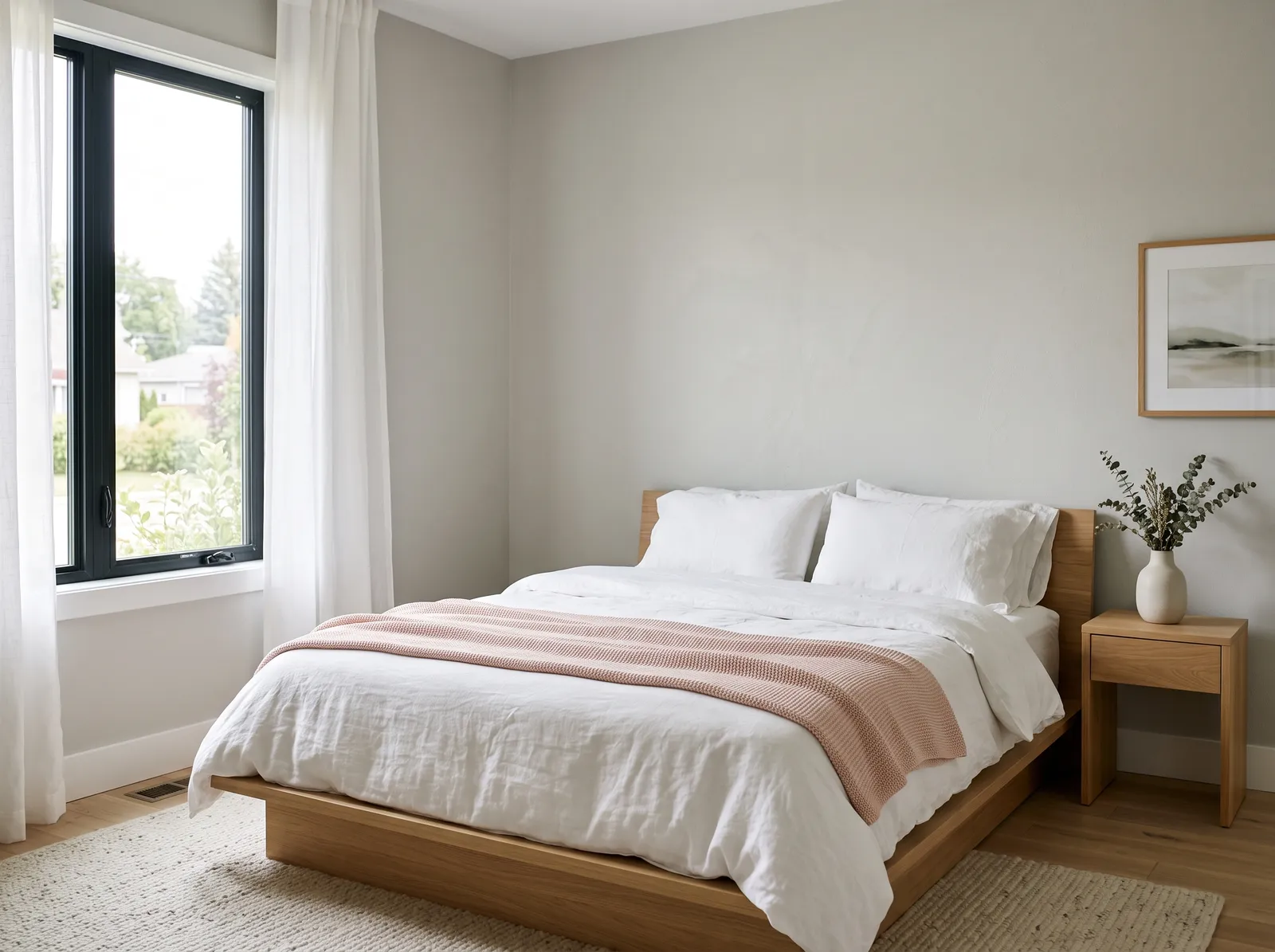
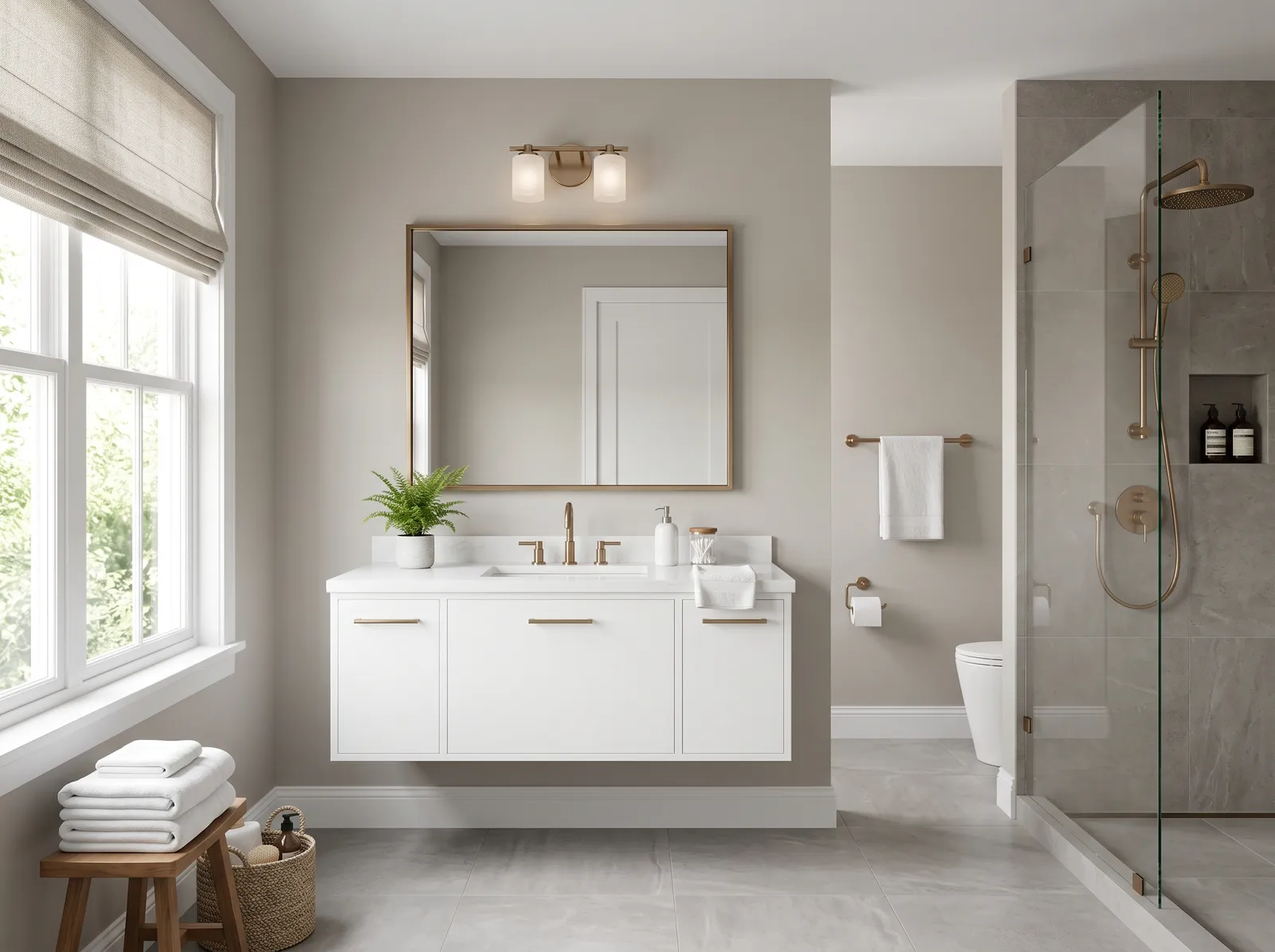
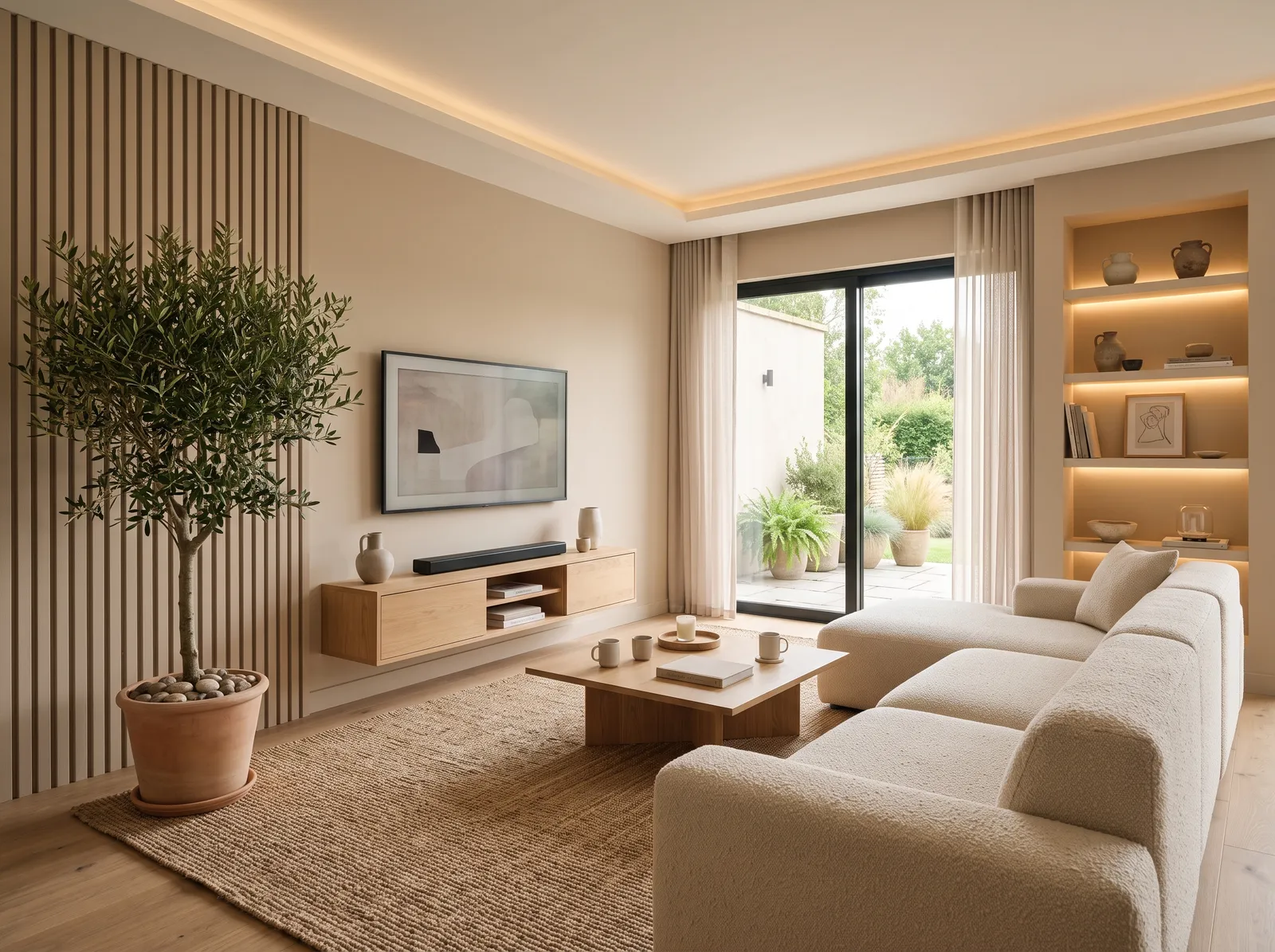
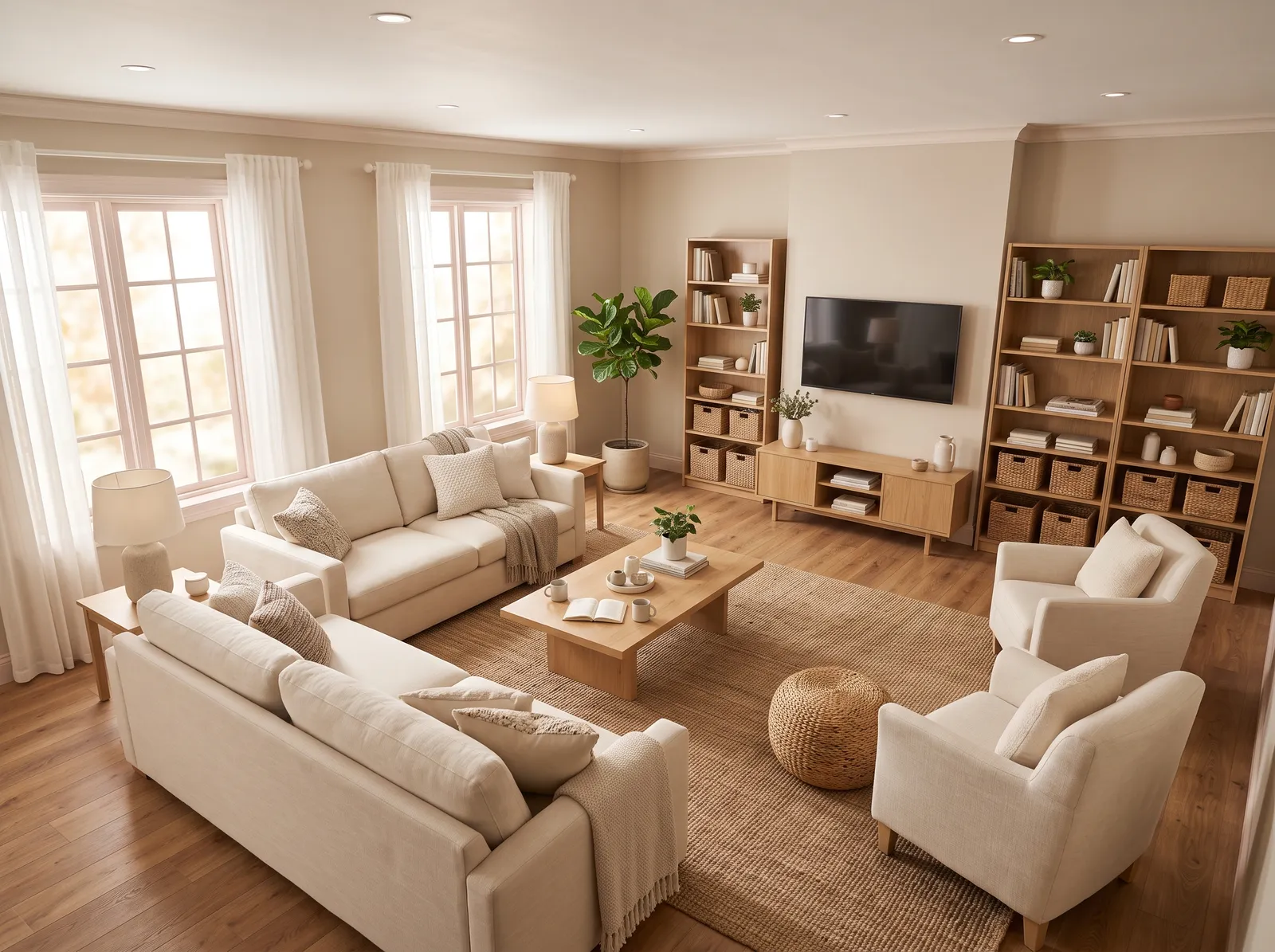
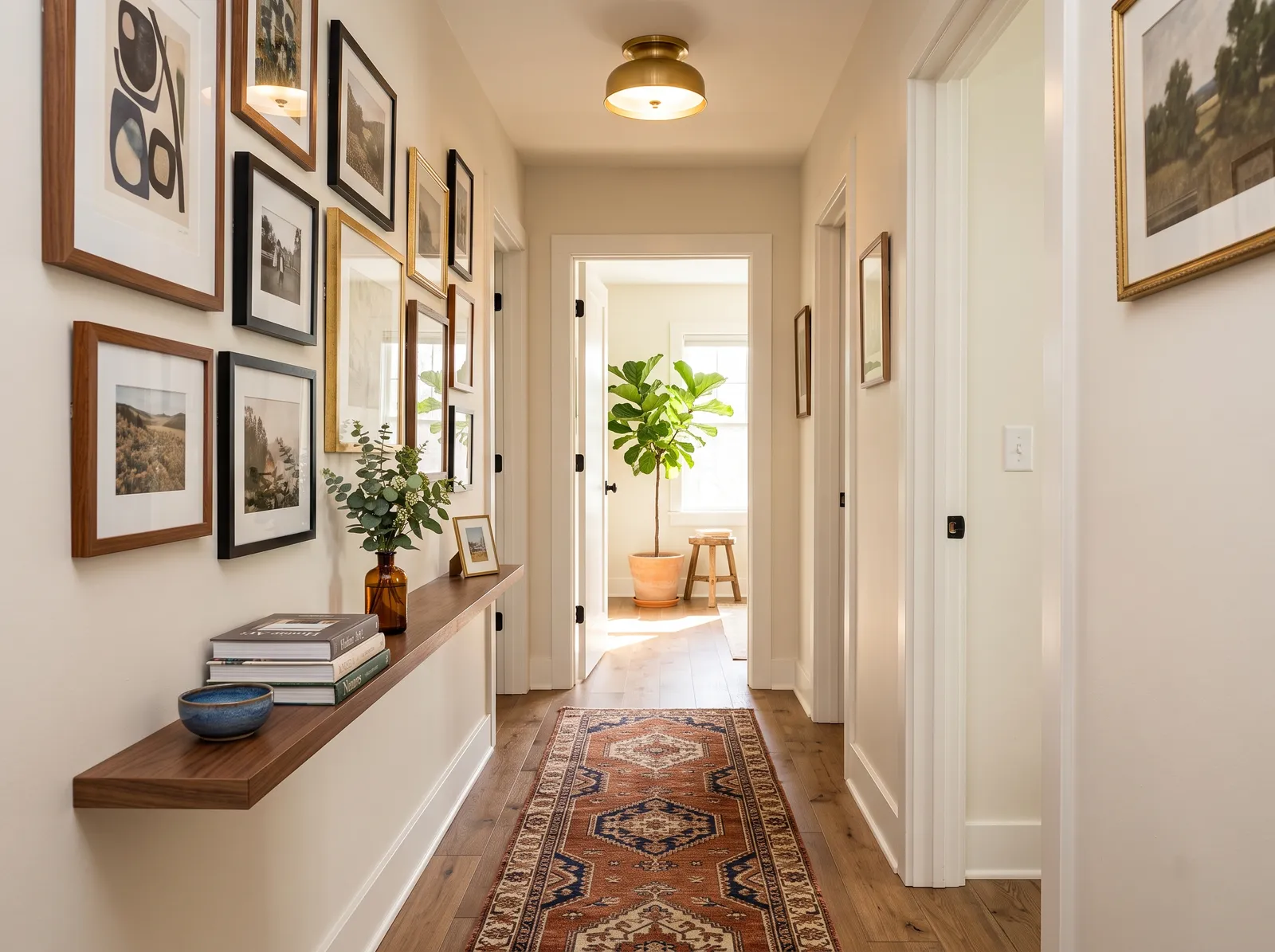
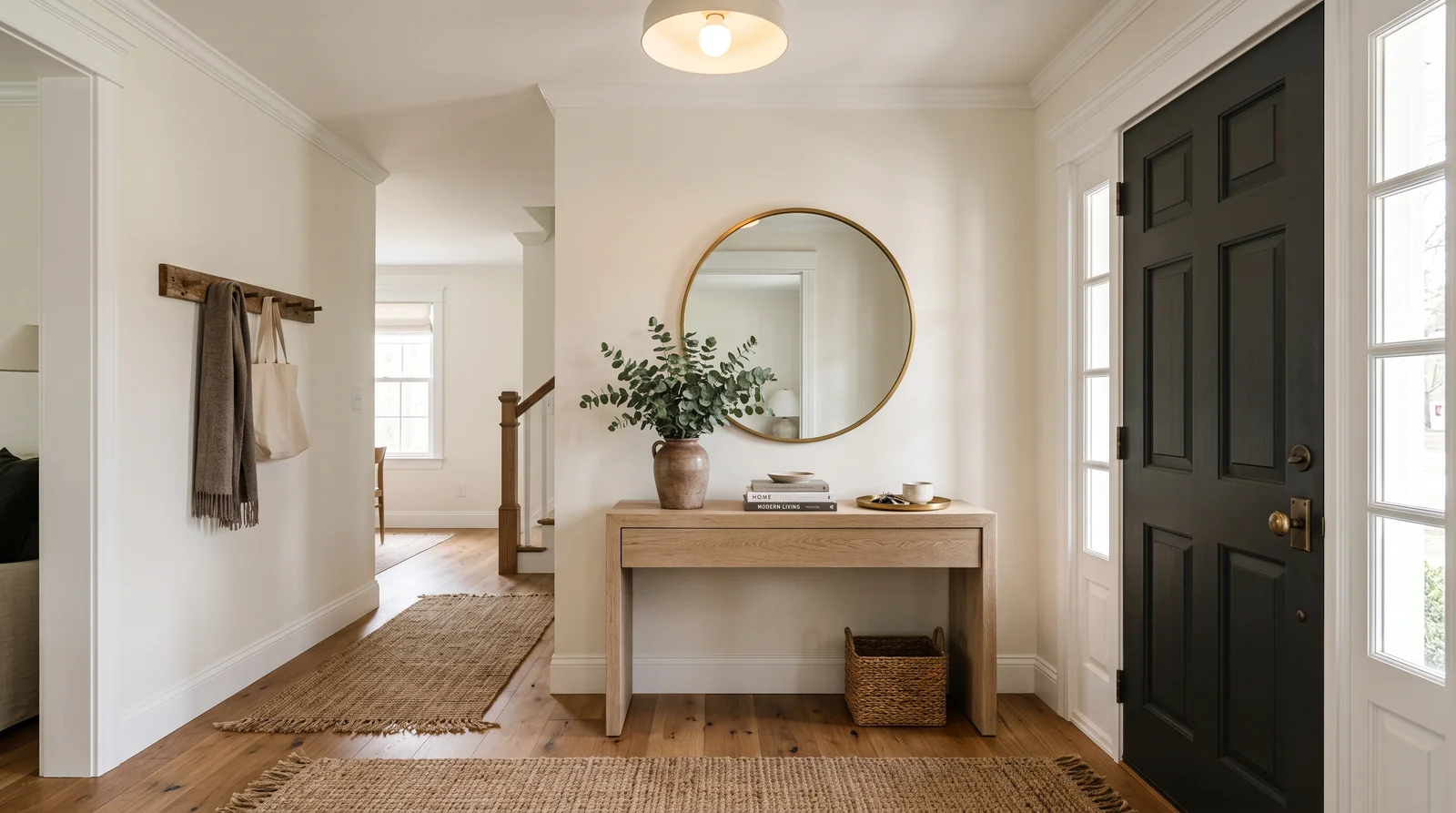
Each room page shows gray picks from every US brand side by side, so you can compare in context.
How Deep Each Gray Deck Goes
How many gray colors each brand carries, drawn with that deck's own grays from light to dark. Pick your store first, then the color. Every brand equal, no favorites.
More on Rodda gray paint colors
What Rodda Grays Are Really Like
Gray is a natural fit for a Pacific Northwest brand, and Rodda's grays read like the misty, foggy skies the Cascadia deck was named for. They come with an official LRV on every chip, and the undertones run quietly cool to soft green rather than stark.
The family covers the full range. Moonstone (CA181) is a light, airy gray at the top, with Clear Skies (CA189) as a soft mid-light. The middle holds the working grays: Verdigris (CA185) leans green, Patina (CA190) and Buried Fossil (R057) read as easy mid-grays, and Harbour Grey (CA195) carries a soft blue cast. The deep end gets moody, with December Sky (R094) and Moody Hue (R105) as shadowy mid-darks, and Deep Well (R101), Shale (CA192), and Meraki (R108) anchoring the bottom as near-charcoal grays.
Rodda Gray Paint FAQ
Do Rodda grays have undertones?
Yes, mostly quiet ones. Verdigris (CA185) leans green, Harbour Grey (CA195) carries a soft blue cast, and the foggier Cascadia grays read calm and muted. Each chip's official LRV and the named undertone help you pick the lane you want.
Which Rodda gray works for a dark, dramatic wall?
Look at the deep end of the family. Deep Well (R101), Shale (CA192), and Meraki (R108) are near-charcoal grays that make strong picks for an accent wall, cabinetry, or a front door. Their low LRV means they absorb light and read moody.
Why does my gray look different at night?
Gray shifts more than any other family as the light changes, which is exactly why Rodda's foggy Cascadia grays were tuned for flat Northwest daylight. Always brush a real sample on the wall and check it in morning daylight and under your evening bulbs before committing.
Ask a Question