 1
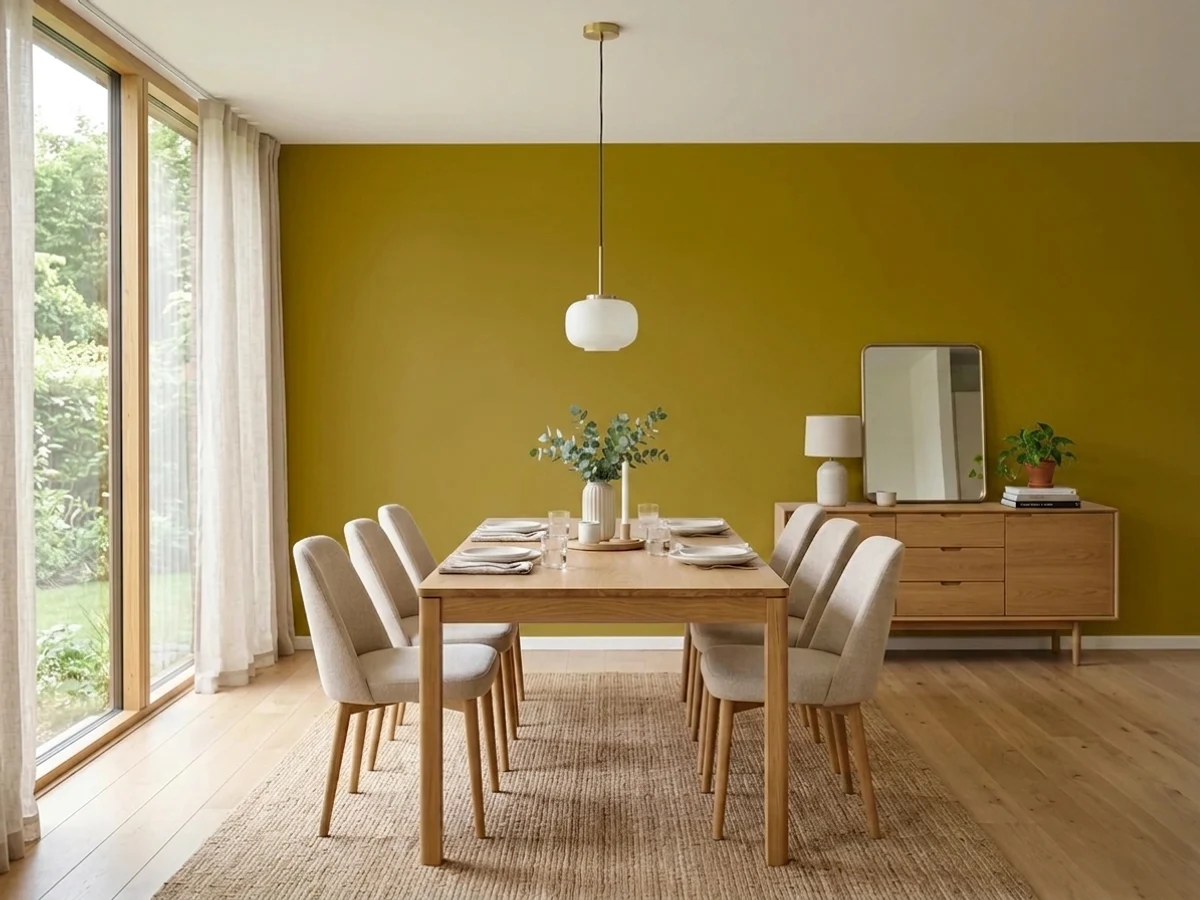
1Thai CurryM320-7 · LRV 21
A bold mustard-gold at LRV 21, best used as a single accent like a door or niche rather than on full walls.
10 curated yellows with undertones, LRV, and the honest reasons why, plus the full 396-color yellow deck below.
Don't want to compare 396 yellows? These four cover most real projects.
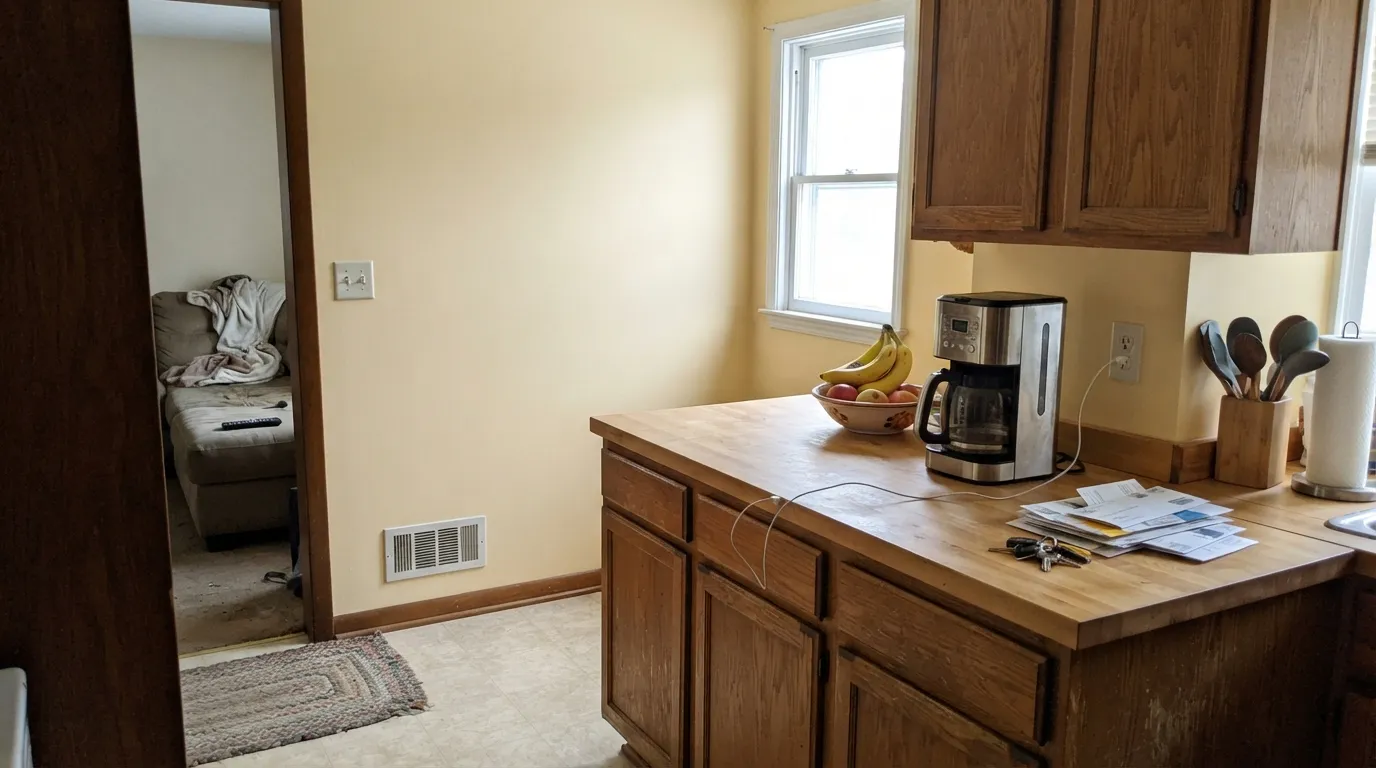
One of Behr's expertly picked yellows — a creamy vanilla that lights a kitchen without glare.
A bold mustard-gold at LRV 21, best used as a single accent like a door or niche rather than on full walls.
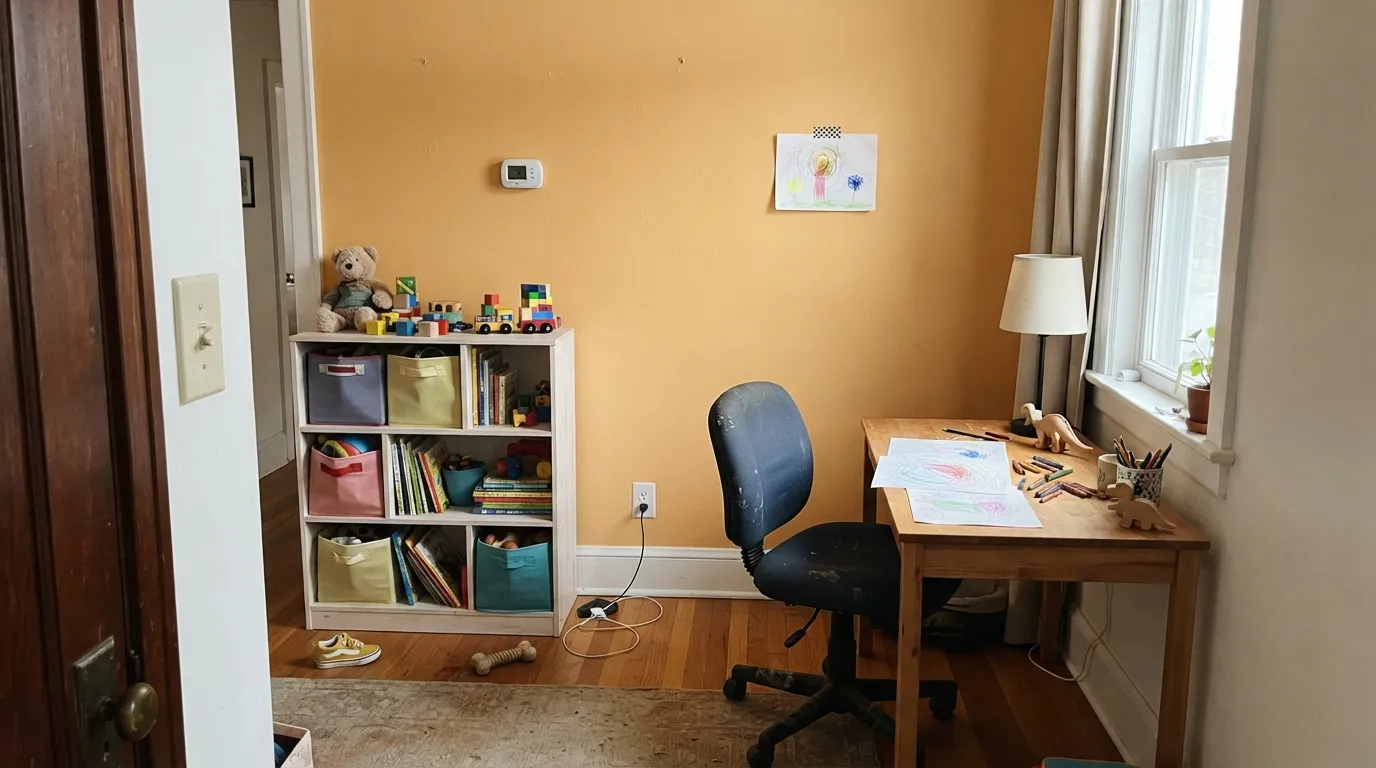
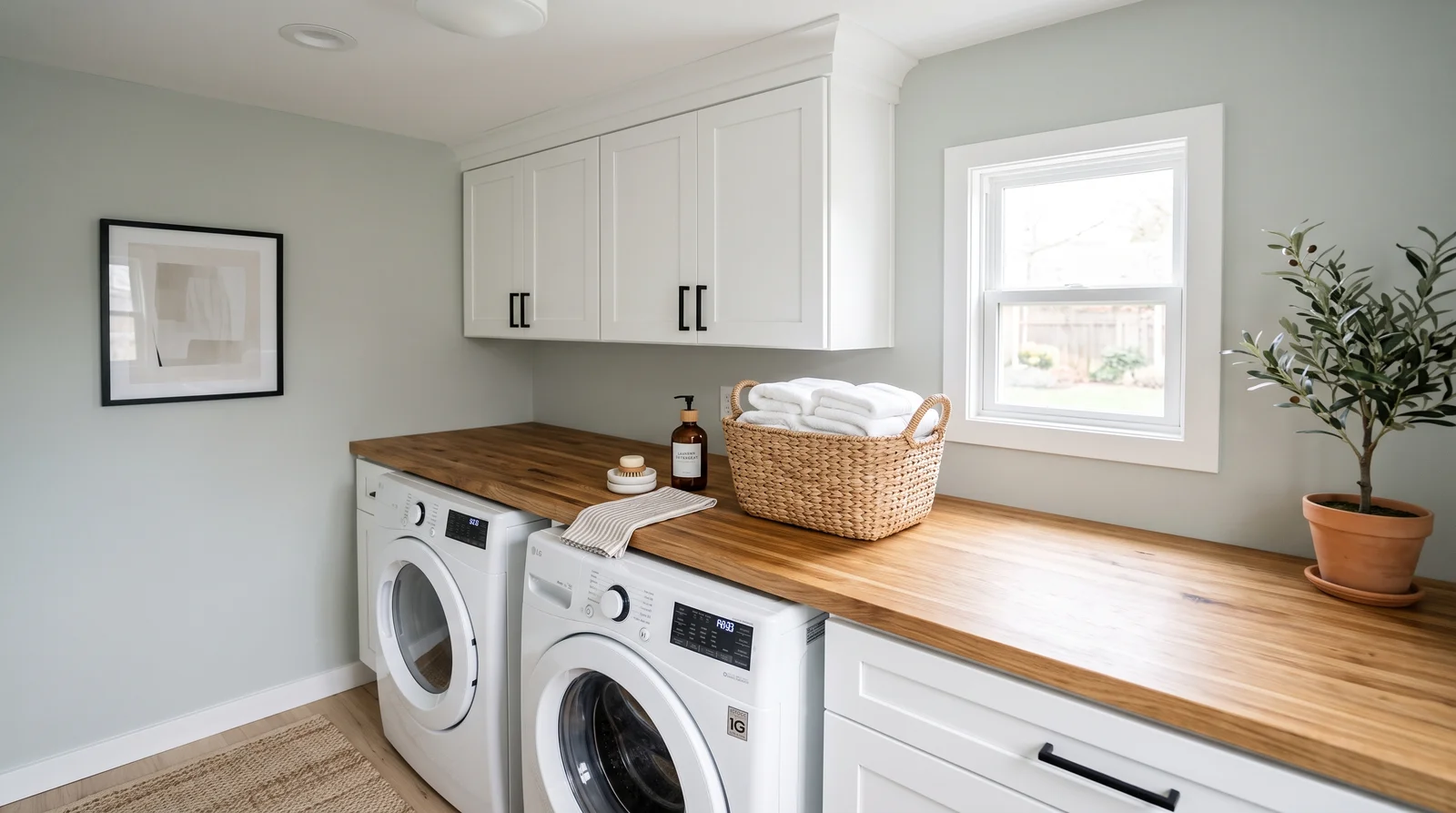
A ripe apricot-gold yellow at LRV 62, warm enough to carry a front door, laundry room, or accent wall without going acid.
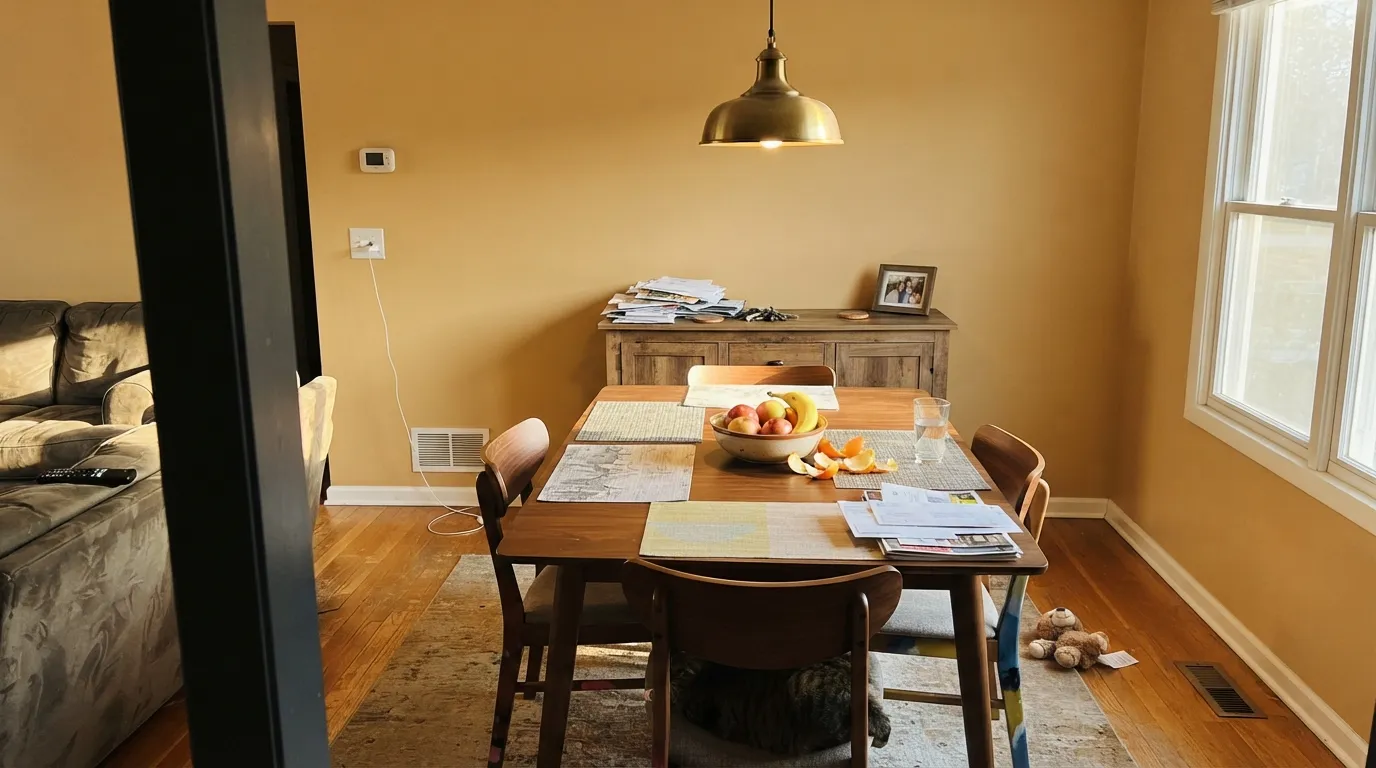
A tea-stained amber with steady demand — cozy and traditional in dens.
Numbered and curated. Tap any color for its full review, or see it on your own walls in the visualizer.
1A bold mustard-gold at LRV 21, best used as a single accent like a door or niche rather than on full walls.
 2
2A ripe apricot-gold yellow at LRV 62, warm enough to carry a front door, laundry room, or accent wall without going acid.
 3
3A tea-stained amber with steady demand — cozy and traditional in dens.
 4
4One of Behr's expertly picked yellows — a creamy vanilla that lights a kitchen without glare.
 5
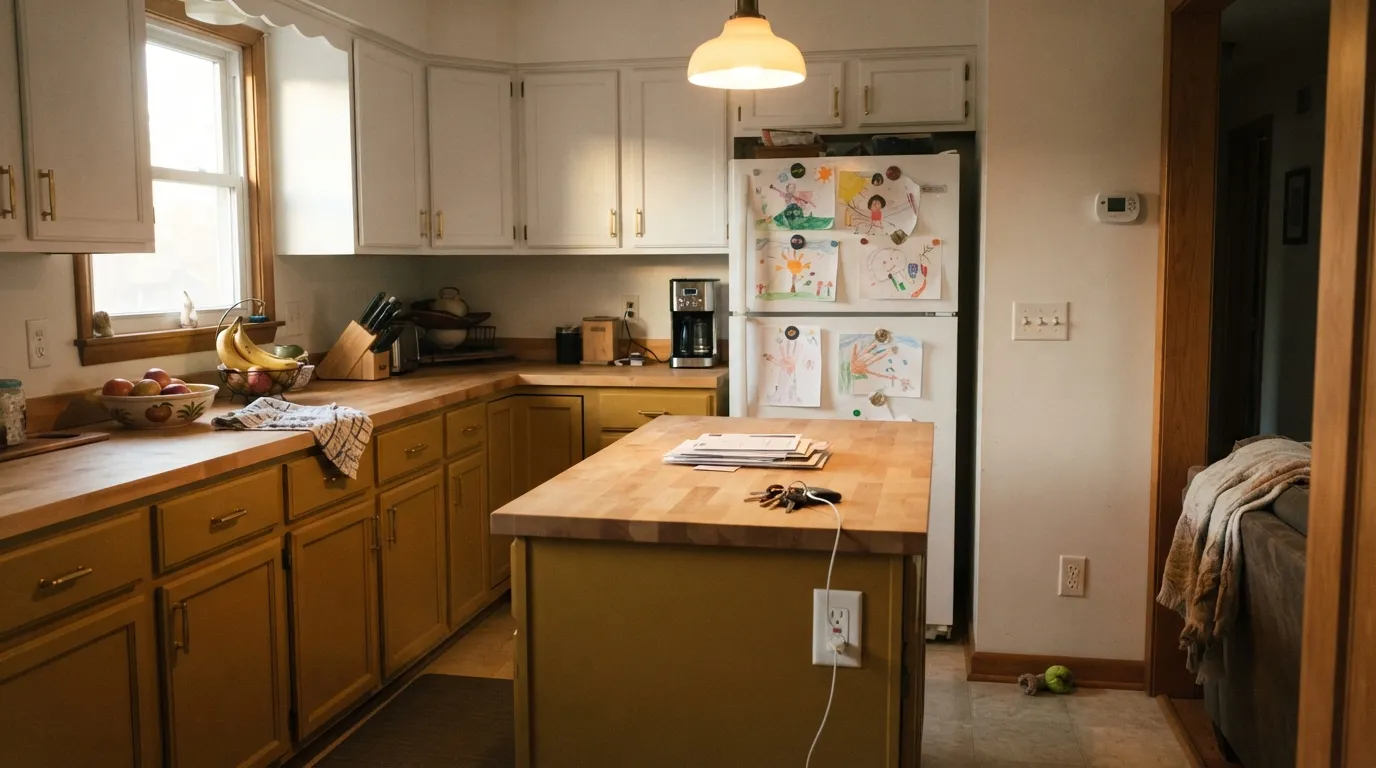
5An antique amber-gold buyers search for — warm and unexpected on a front door.
 6
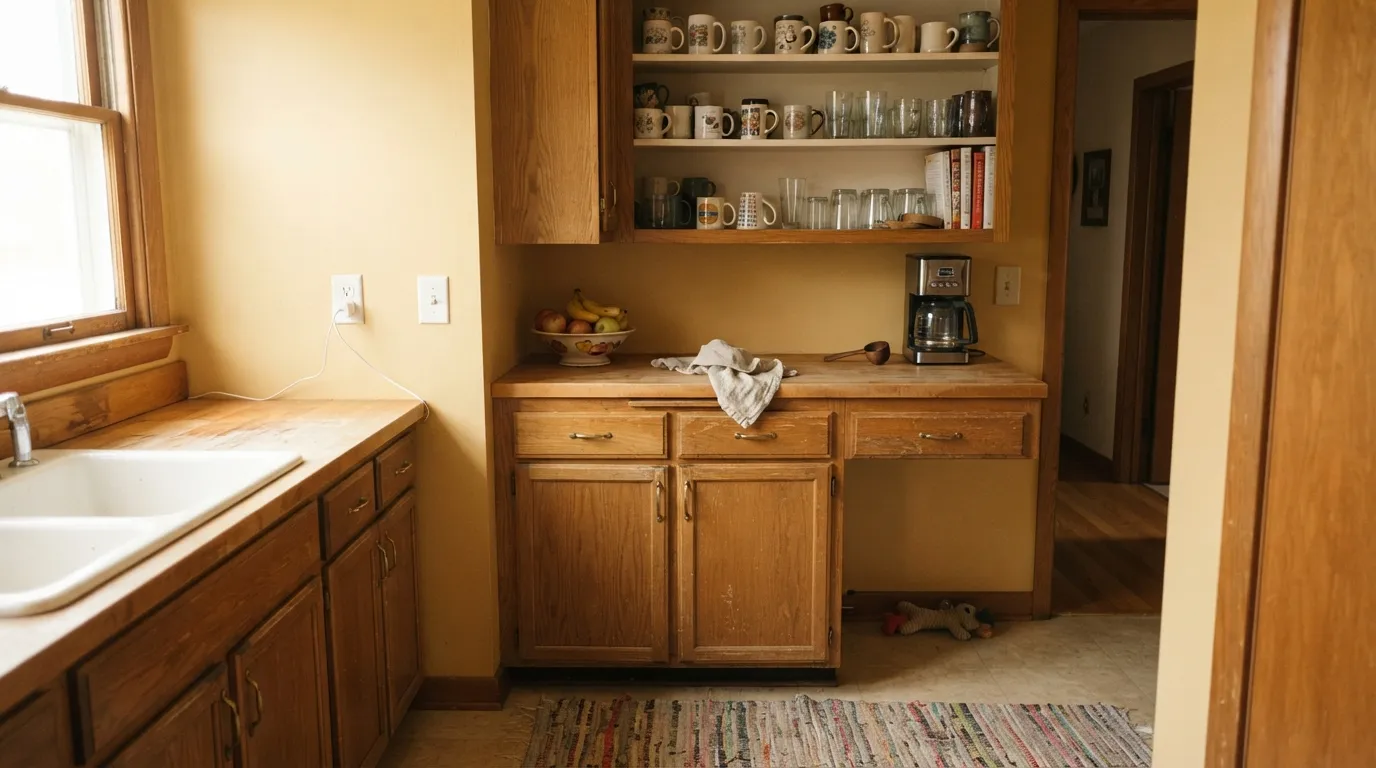
6A honeyed cream with real search volume — the easy warm yellow for whole rooms.
 7
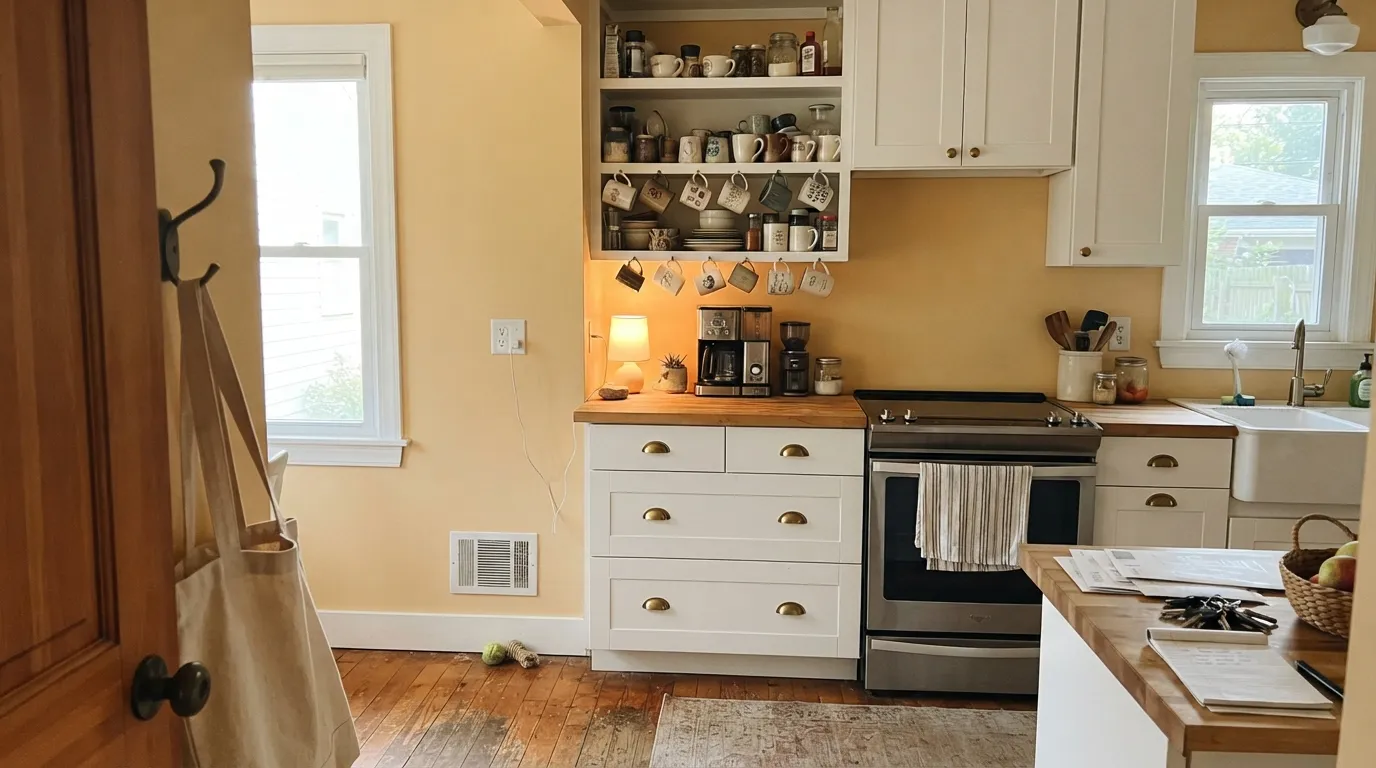
7A soft harvest gold people look up by name — cheerful without shouting.
 8
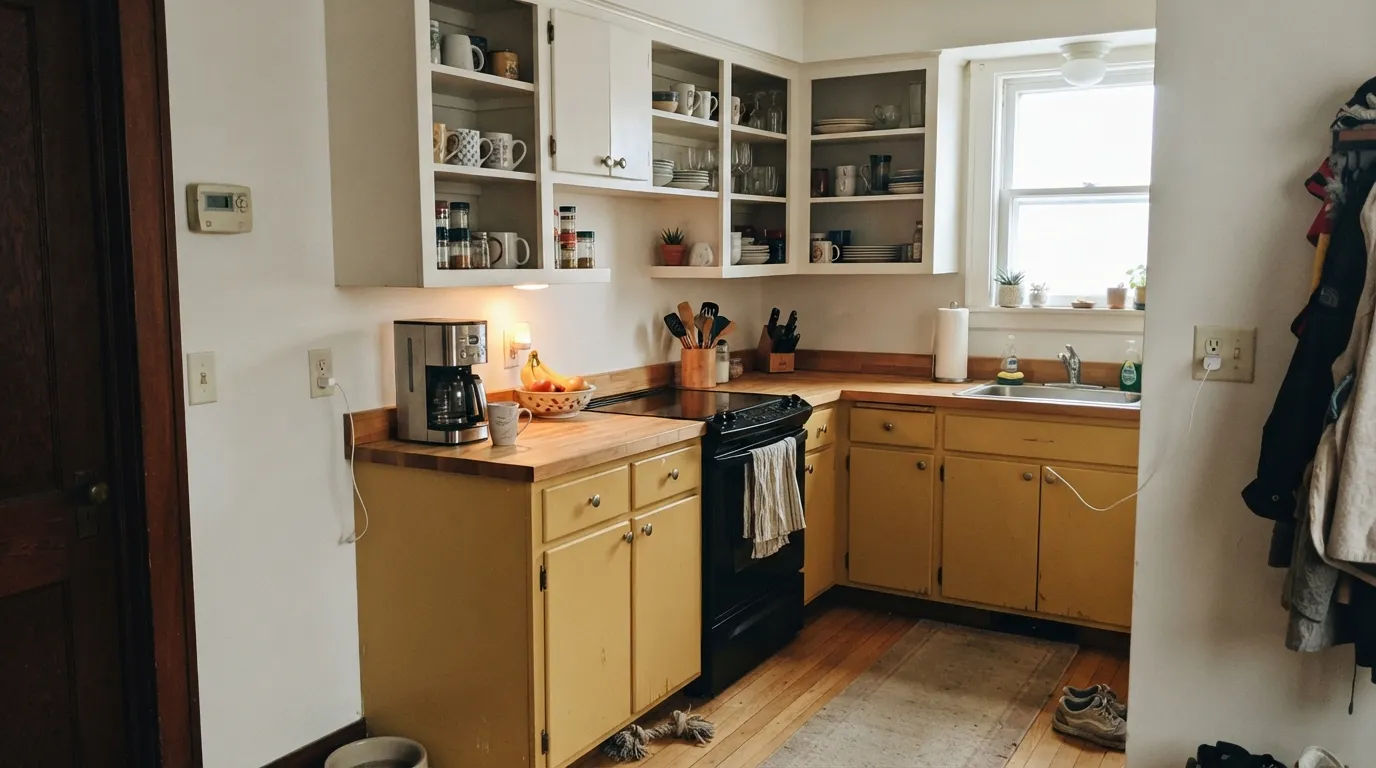
8On Behr's own expert favorites list — a golden-honey yellow with real presence.
 9
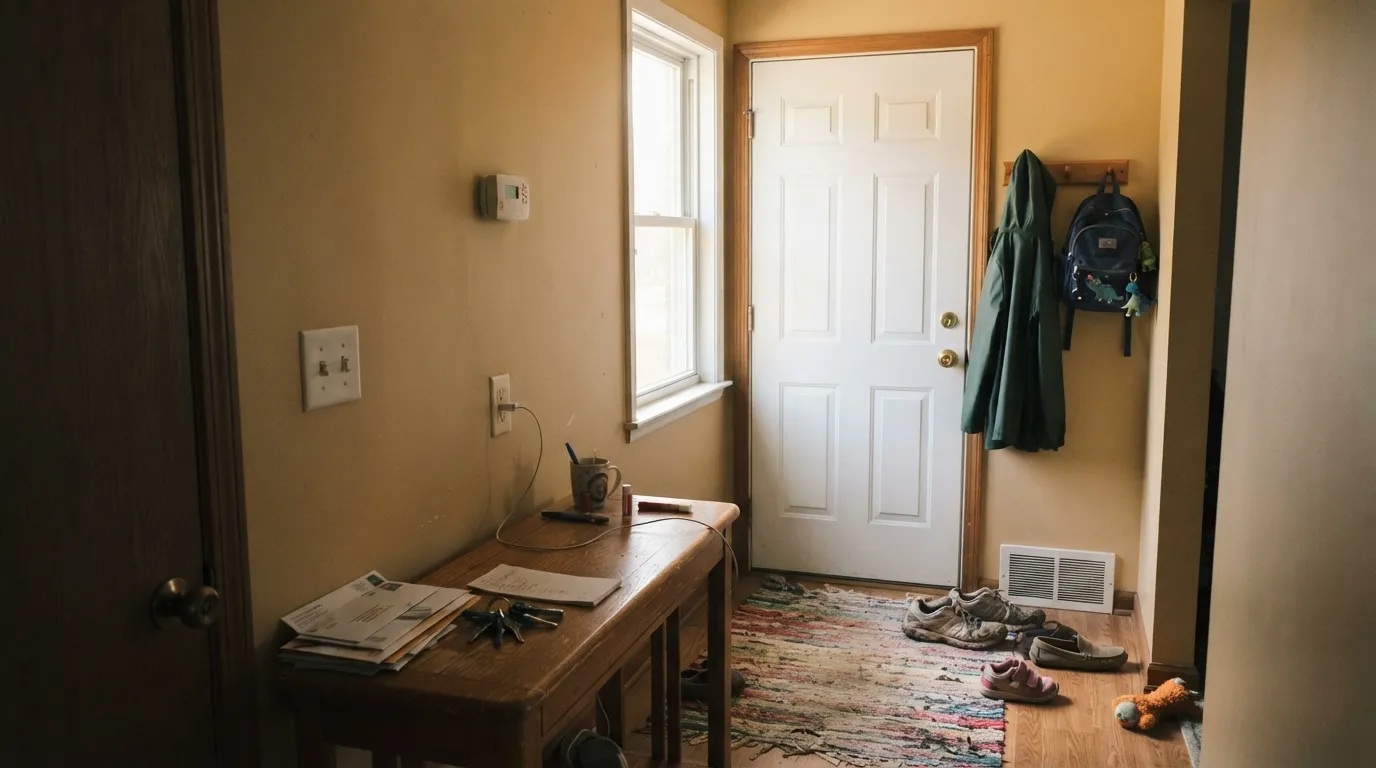
9A misted butter-cream searched by name — barely-yellow warmth for hallways.
 10
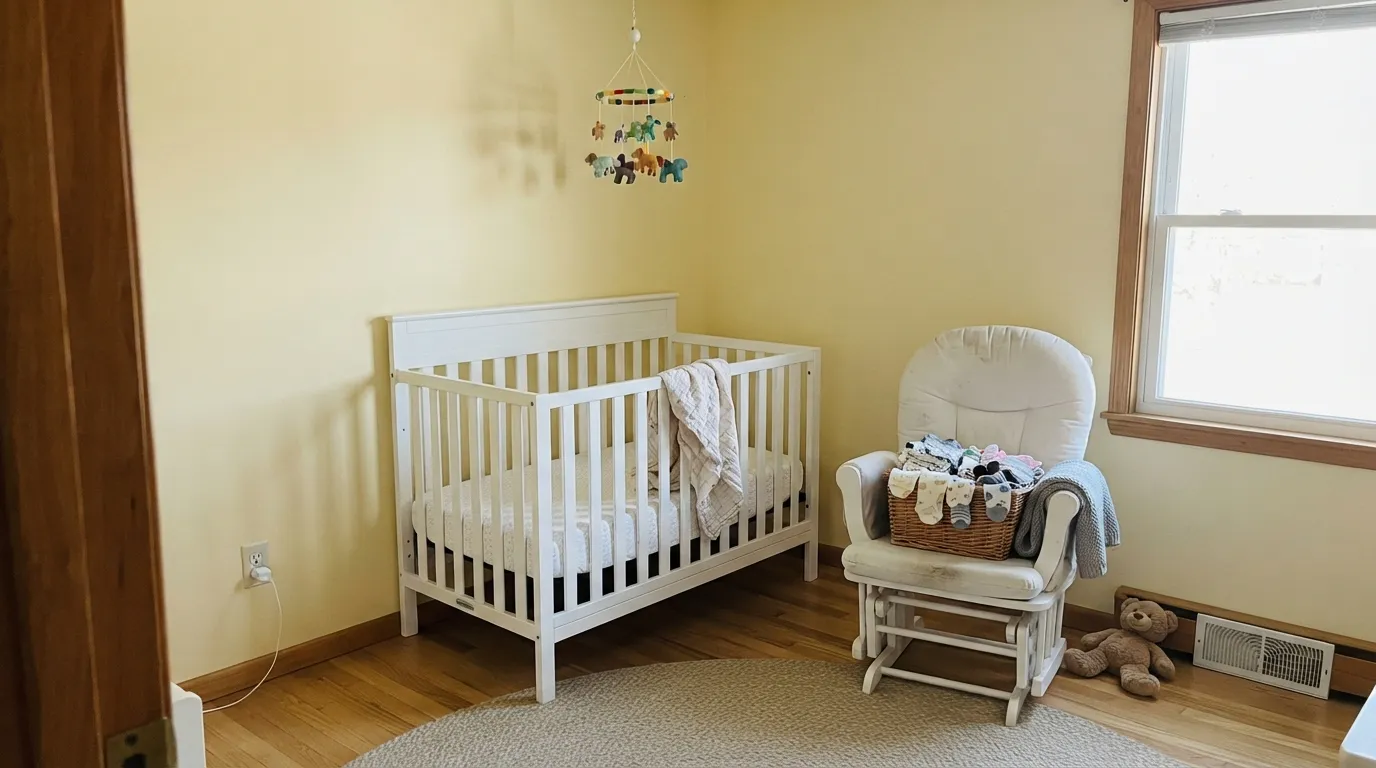
10A light sunflower yellow with its own search following — nursery-bright, still soft.
The whole Behr yellow range by depth. LRV is the number to trust: the same yellow looks two steps darker on a wall than on a chip.
LRV (Light Reflectance Value) tells you how much light a color bounces back. In this yellow slice it runs from 18 on the darkest colors up to 93 on the lightest, like Green Shimmer. The higher the number, the brighter and more open a room feels.
For walls in a room that already gets good light, mid-range yellows like Abstract (64) or Twenty Carat (56) give you color you can actually see without going dark. In a small or north-facing room, stay above 75 with something like Satin Souffle or Cornsilk so the space stays airy. Save the low-LRV golds like Tapestry Gold (32) for accent walls, doors, or rooms where you want a cozy, enclosed feeling.
Each room page shows yellow picks from every US brand side by side, so you can compare in context.
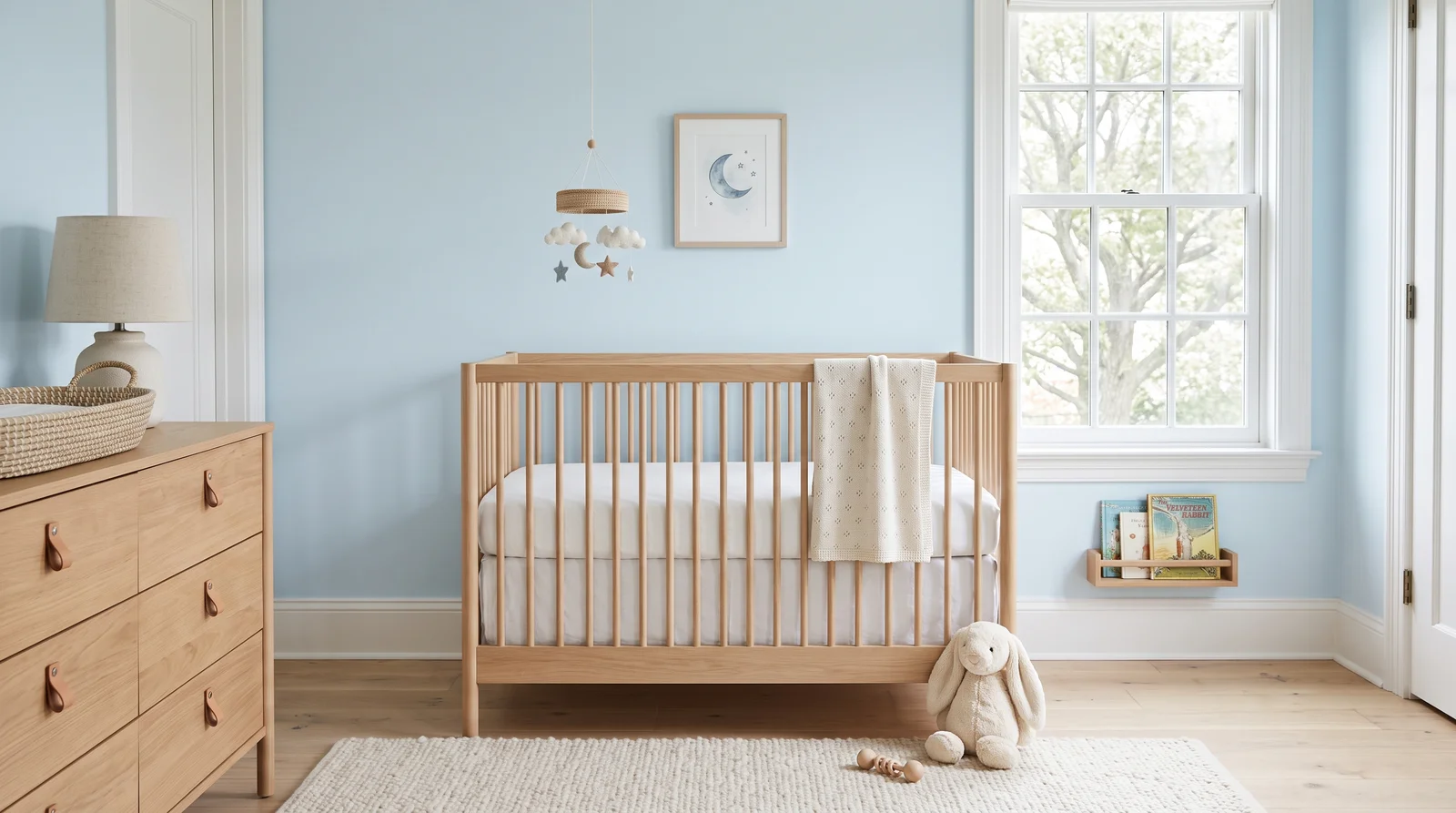
Light yellows are kitchen and breakfast-nook favorites because they hold onto morning light and feel clean next to white cabinets and counters. Cornsilk and Satin Souffle also do well in hallways and entryways, where a soft warm tone makes a windowless space feel welcoming.
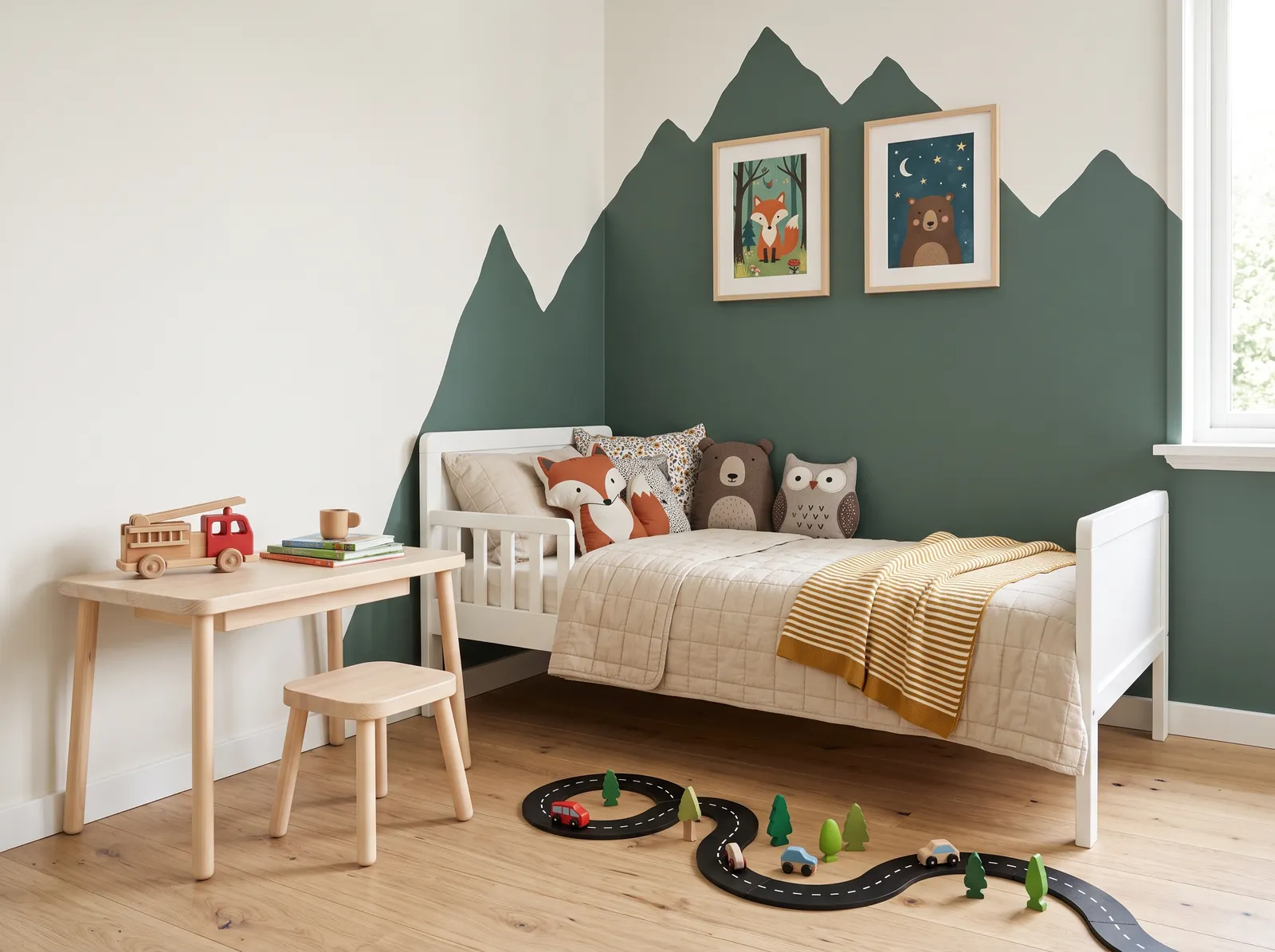
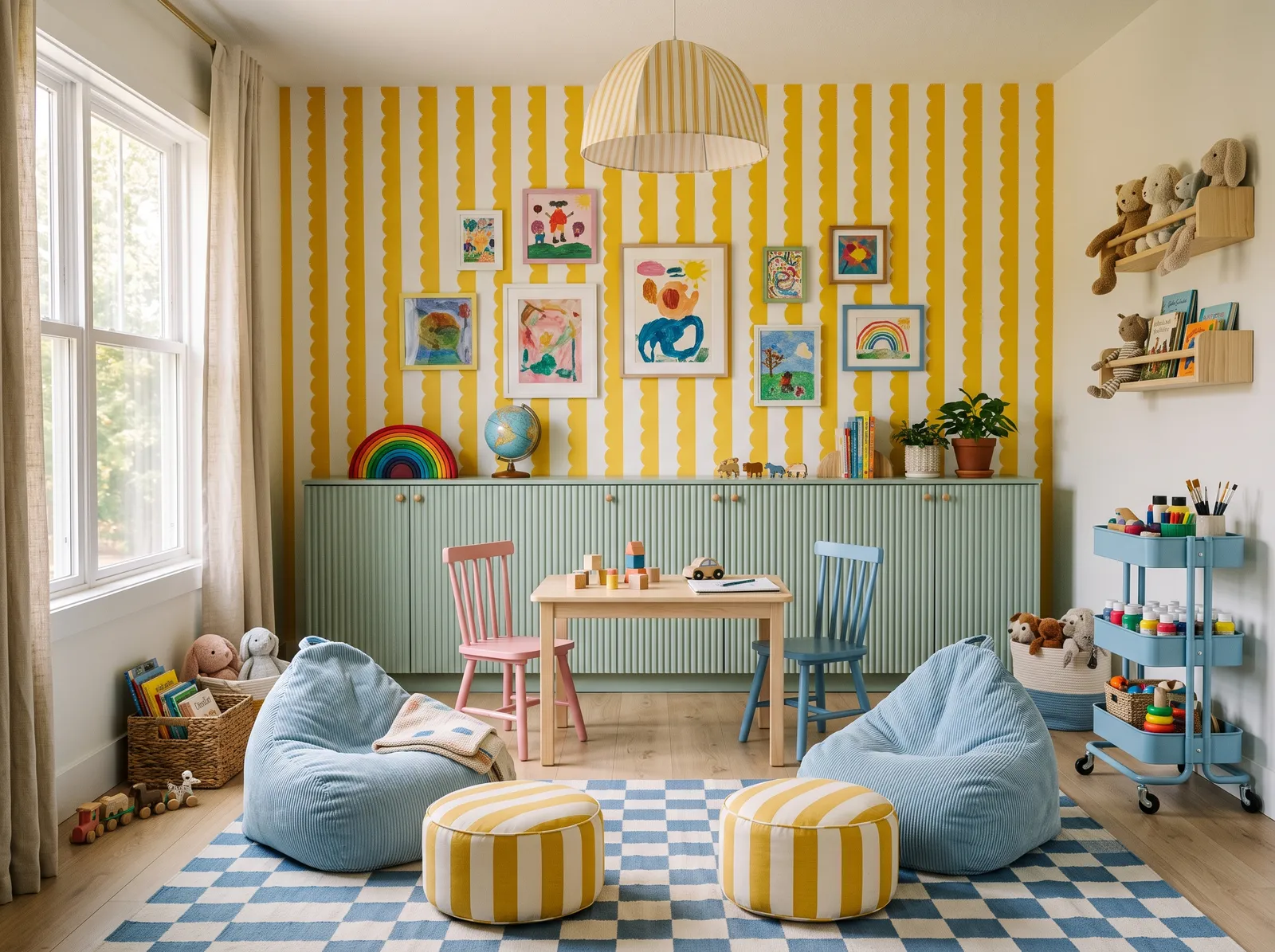
The deeper yellows earn their keep as accents. Tapestry Gold or Coriander Seed look rich on a study wall, a dining room, or a front door. For kids' rooms and playrooms, the brighter mid-tones like Vibrant bring energy without the harshness of a primary yellow.
Every Behr yellow, grouped by undertone, warm to cool. Filter by depth or change the order.
Hex values are display approximations from Behr's published swatch tools, not a physical sample under controlled lighting. Order a brand-direct sample before specifying.
Upload a photo of the room. We paint it in the yellow you chose with your light and your floor, and you can swap colors until one holds.
Behr is sold exclusively at The Home Depot, and every one of these yellows is mixed to order at the paint counter. You pick the color and the line, and the machine tints a base to match, so there is no shelf of pre-made cans to dig through. The value line is Premium Plus (around $35 a gallon), with Ultra above it, then Marquee (around $55, one-coat coverage) and Dynasty (around $65, the most stain- and scuff-resistant) at the top.
Because paint is mixed to a formula, you can also cross-match. If you fell in love with a Behr yellow but buy a different brand, most paint counters can color-match it closely, and the same works in reverse with brands like Benjamin Moore, Sherwin-Williams, or the featured Kompozit deck. The match is rarely exact across brands, so always test a sample, but it means a yellow you like is never locked to one store.
How many yellow colors each brand carries, drawn with that deck's own yellows from light to dark. Pick your store first, then the color. Every brand equal, no favorites.
Behr's yellow family is wide and varied, with 352 colors that run from barely-there tints to deep, saturated golds. At the light end you get soft, creamy yellows like Cornsilk and Satin Souffle that read almost neutral in daylight. They warm a room without shouting, which is why so many of them work as whole-room wall colors.
The deeper colors carry more personality. Coriander Seed and Tapestry Gold lean into honey and ochre tones, while names like Twenty Carat and Vibrant push toward true, sunny yellow. Most of Behr's yellows have a warm undertone, but a few skew green or gold depending on the light, so it pays to test before you commit.
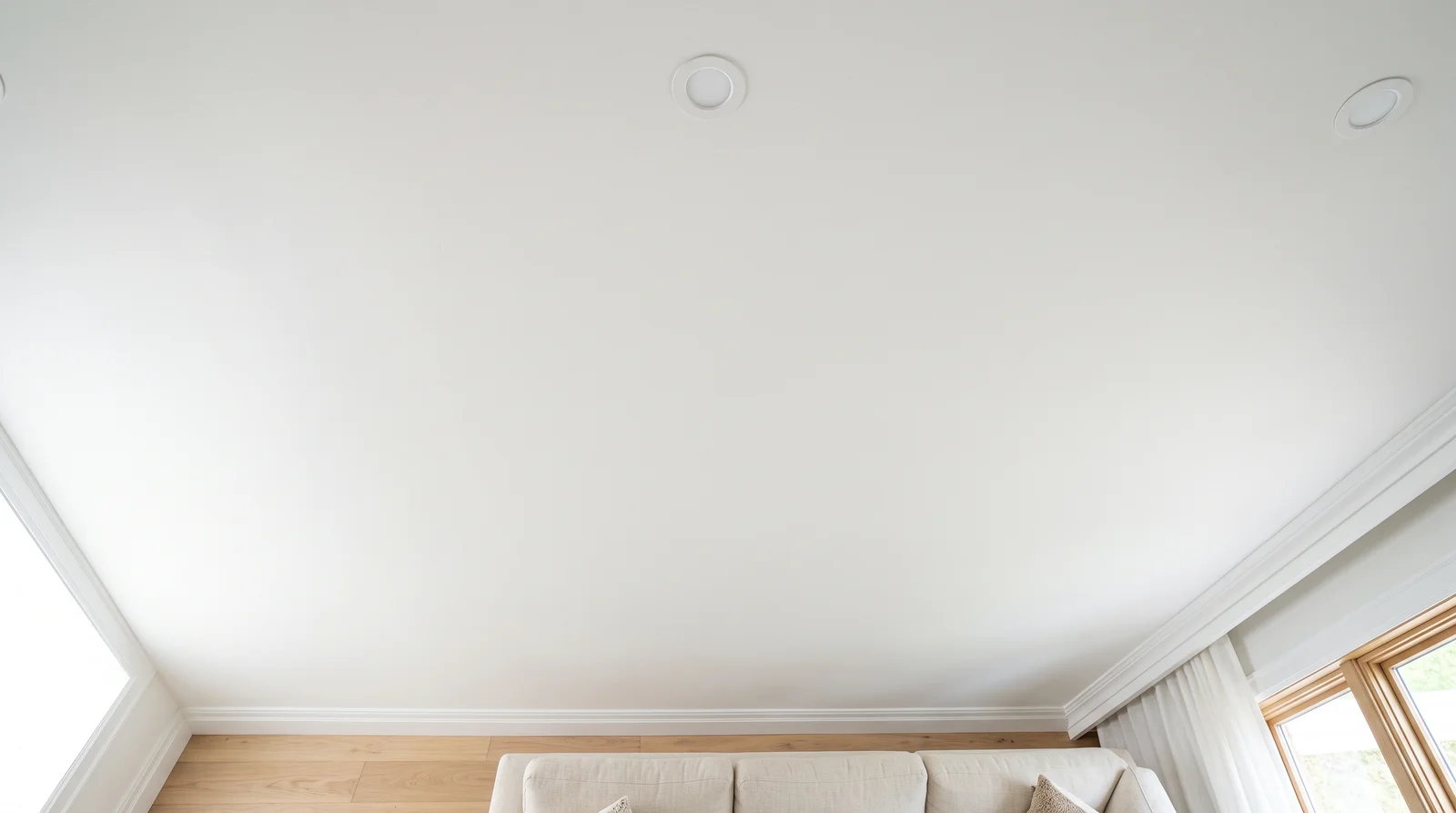
Yellow walls almost always look best with a clean white trim. Behr's own Ultra Pure White or a warm white like Swiss Coffee keeps the edges crisp and lets the yellow stay the star. For the ceiling, a flat white a shade lighter than the trim keeps the room from feeling top-heavy.
For coordinating colors, warm grays and soft greiges balance the lighter yellows, while a deep navy or charcoal like Cracked Pepper grounds the brighter ones. If you want a quieter pairing, set a gold like Tapestry Gold against a creamy neutral and let the contrast stay gentle.
Thai Curry (M320-7) — A bold mustard-gold at LRV 21, best used as a single accent like a door or niche rather than on full walls. Vanilla Ice Cream and Jackfruit and Honey Tea round out the short list most people choose from.
Behr's yellow family includes 352 colors, ranging from very light creams like Cornsilk and Satin Souffle to deep golds like Tapestry Gold and Coriander Seed. That gives you room to go subtle and neutral or bold and saturated within the same family.
LRV (Light Reflectance Value) measures how much light a color reflects, from dark to light. In this Behr yellow slice it runs from 18 to 93. Higher LRVs like Green Shimmer (93) or Satin Souffle (78) brighten a room, while lower ones like Tapestry Gold (32) feel cozier and work better as accents.
Stay with the lighter, higher-LRV colors so the space feels open. Cornsilk (84) and Satin Souffle (78) hold light well and warm up a north-facing or windowless room without making it feel closed in. Pair them with a clean white trim to keep things crisp.
A clean or warm white is the safest choice. Behr's Ultra Pure White keeps trim bright and modern, while Swiss Coffee gives a softer, warmer edge that suits the creamier yellows. For the ceiling, use a flat white slightly lighter than the trim.
Behr is sold only at The Home Depot, and every color is mixed to order at the paint counter. You choose the color and the line, from Premium Plus up to Dynasty, and the machine tints it to match while you wait.
Yes. Because paint is mixed from formulas, most paint counters can color-match a Behr yellow into another brand, and the reverse works too with brands like Benjamin Moore, Sherwin-Williams, or the Kompozit deck. Matches across brands are close but rarely identical, so test a sample before buying a full gallon.
Ask a Question