 1
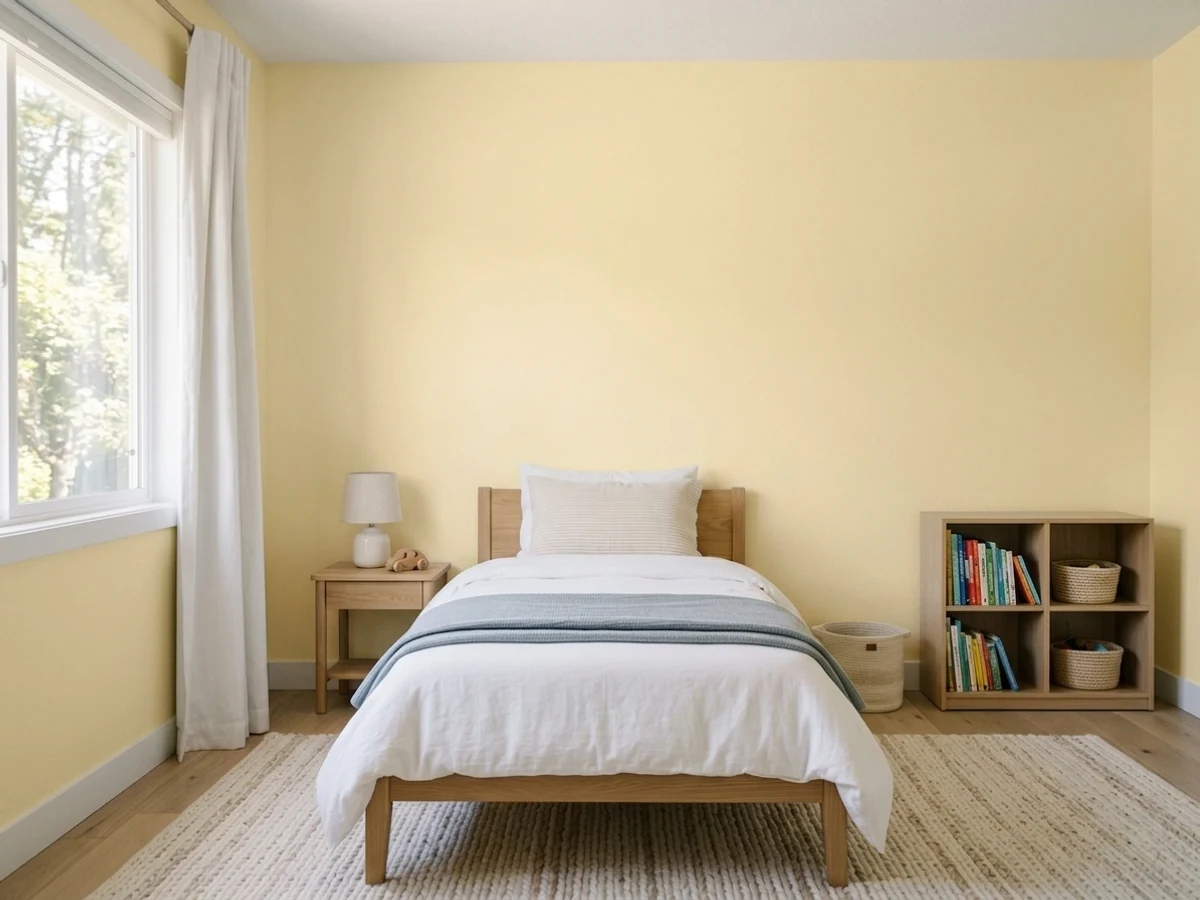
1Lemon ChiffonSW 6686 · LRV 79
Lemon Chiffon is a soft, creamy pale yellow with the volume turned down just enough to avoid candy or neon territory.
10 curated yellows with undertones, LRV, and the honest reasons why, plus the full 119-color yellow deck below.
Don't want to compare 119 yellows? These four cover most real projects.
Icy Lemonade is butter yellow with the sugar cooled out of it.
Lemon Chiffon is a soft, creamy pale yellow with the volume turned down just enough to avoid candy or neon territory.
Lemon Twist is the yellow people picture when they say yellow: clear, saturated, faintly green-edged citrus with no cream and no gold in it.
Bee is a real yellow — not a butter, not a cream, not a beige with ambitions.
Numbered and curated. Tap any color for its full review, or see it on your own walls in the visualizer.
1Lemon Chiffon is a soft, creamy pale yellow with the volume turned down just enough to avoid candy or neon territory.
 2
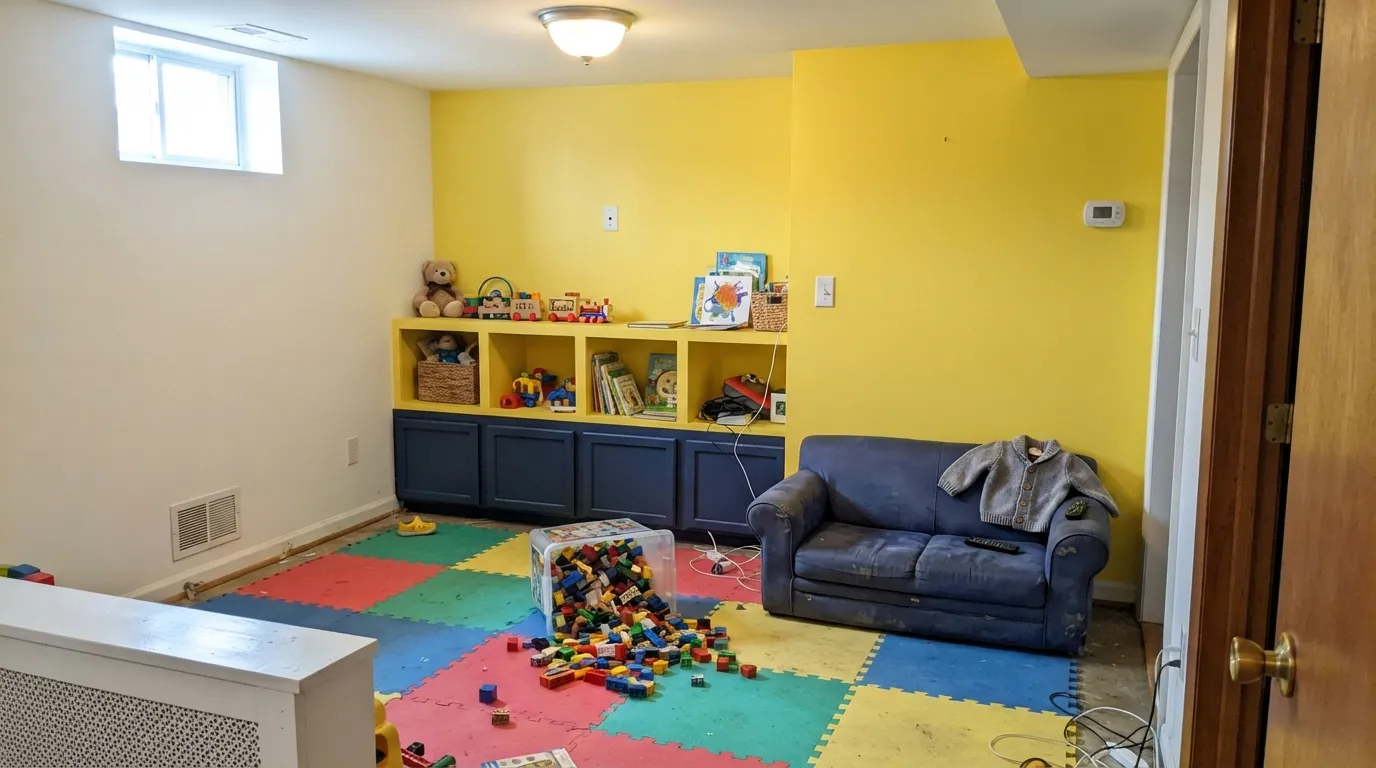
2Lemon Twist is the yellow people picture when they say yellow: clear, saturated, faintly green-edged citrus with no cream and no gold in it.
 3
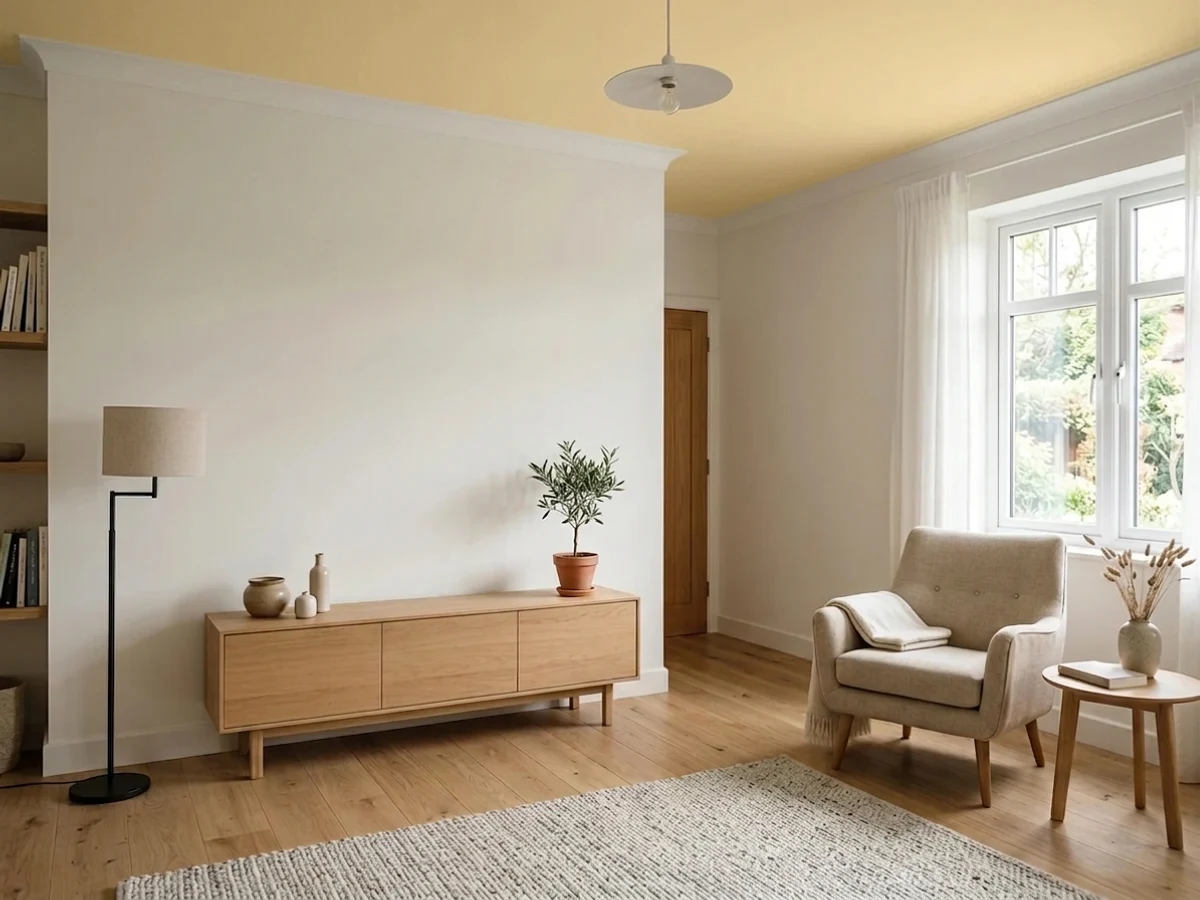
3Friendly Yellow is the rare yellow that behaves like a neutral without pretending to be one.
 4
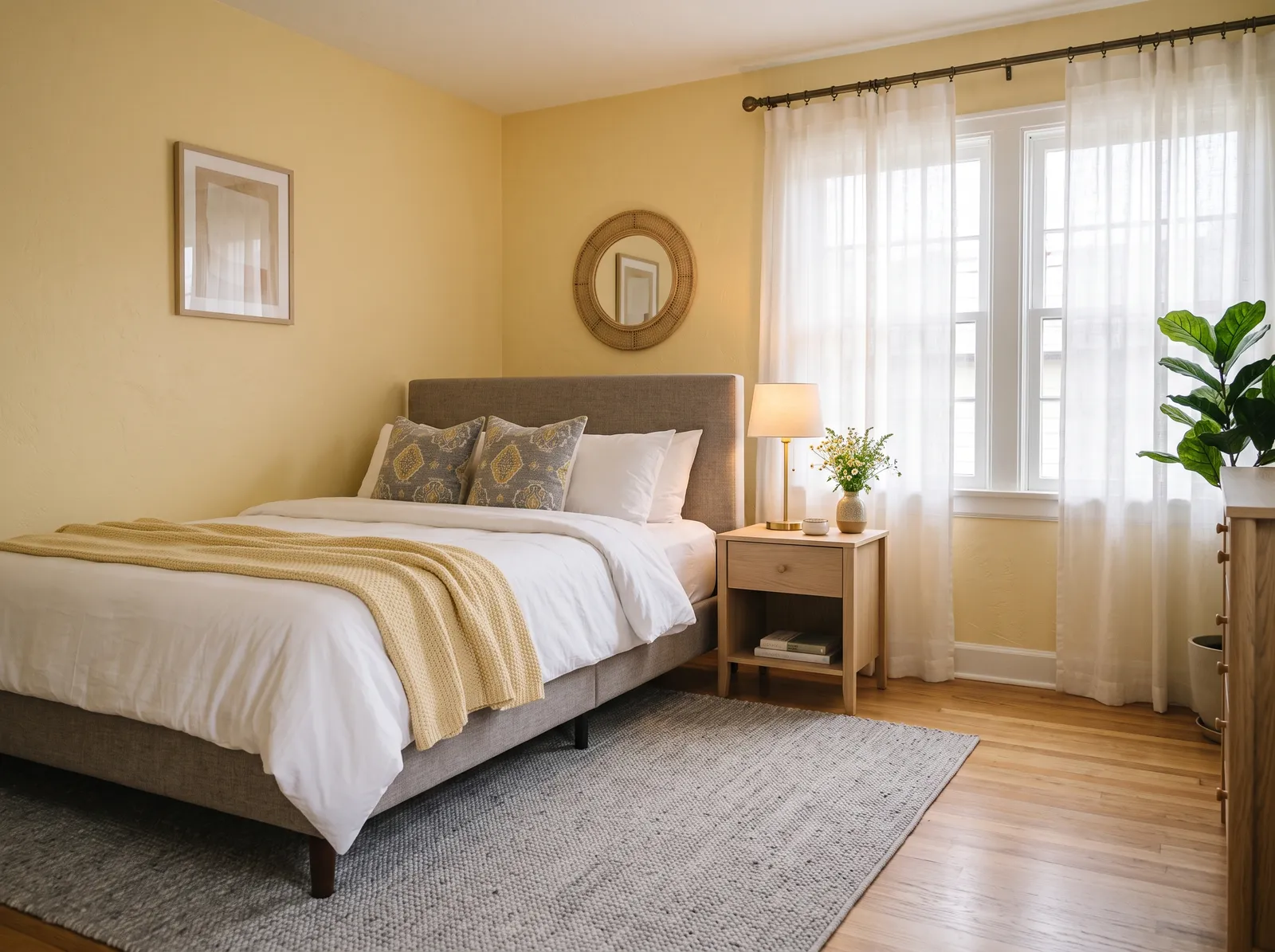
4Butter Up is what people picture when they say butter yellow, and that is exactly the problem and the point.
 5
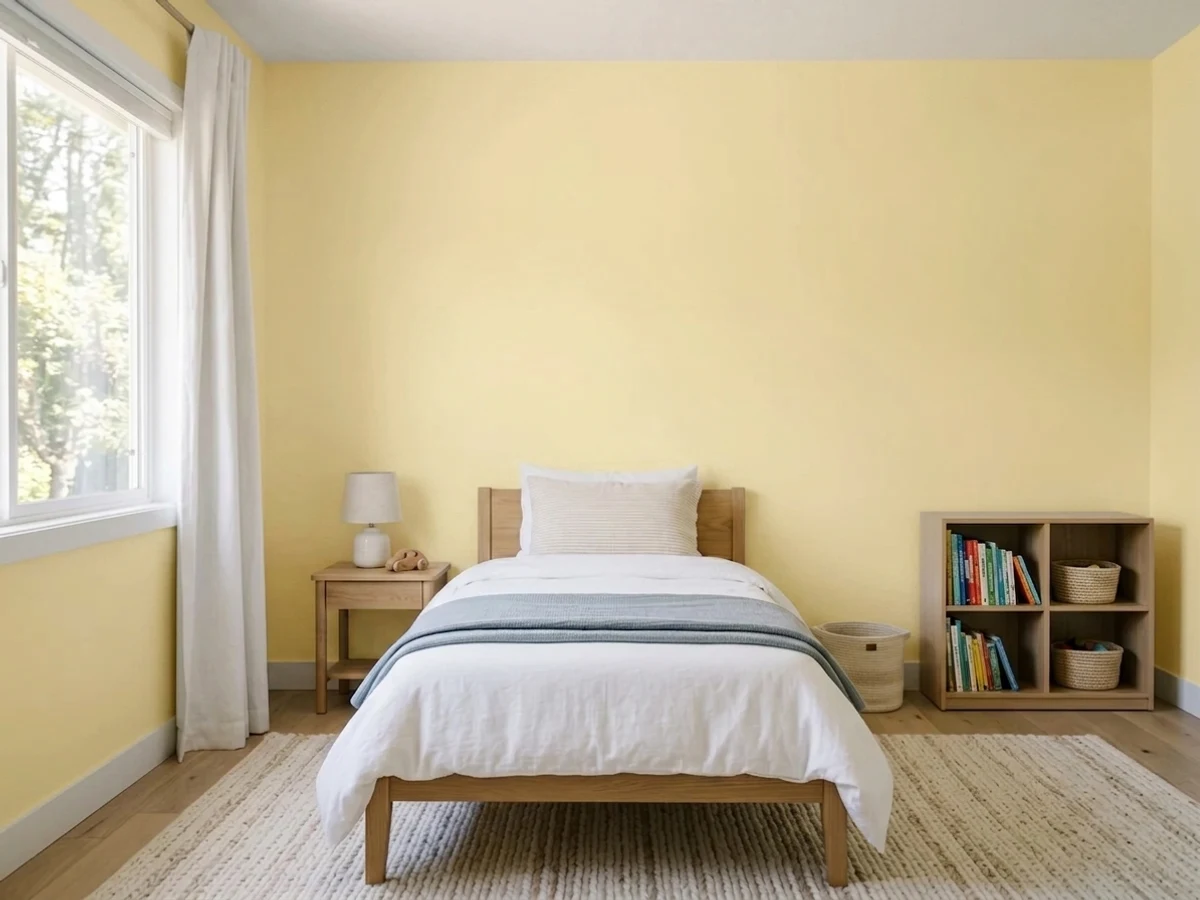
5Icy Lemonade is butter yellow with the sugar cooled out of it.
 6
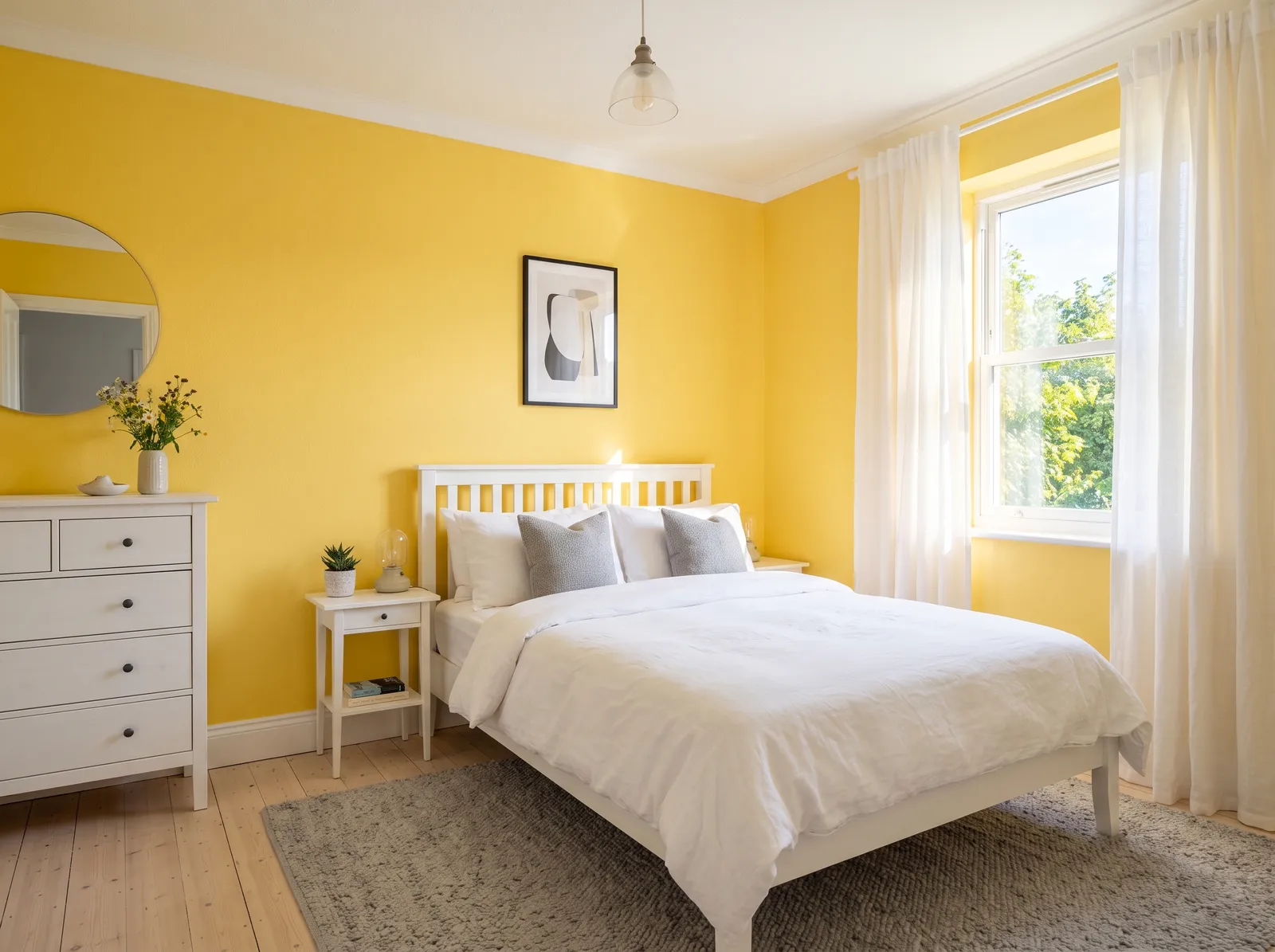
6Sunny Side Up is a real, saturated yellow — egg yolk, not custard.
 7
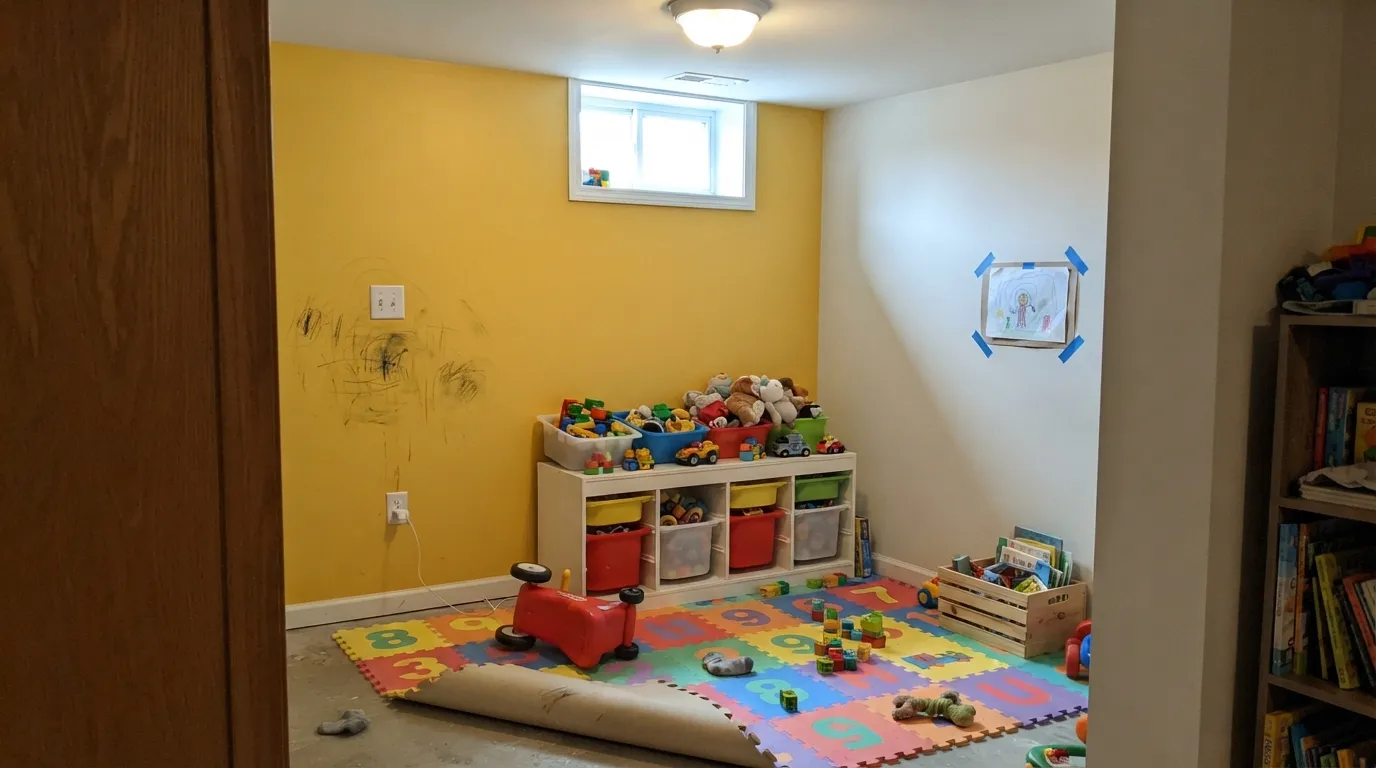
7June Day is a real yellow — golden, saturated, unmistakable from the doorway — and that is both the reason to buy it and the reason most people should buy less of it than they plan to.
 8
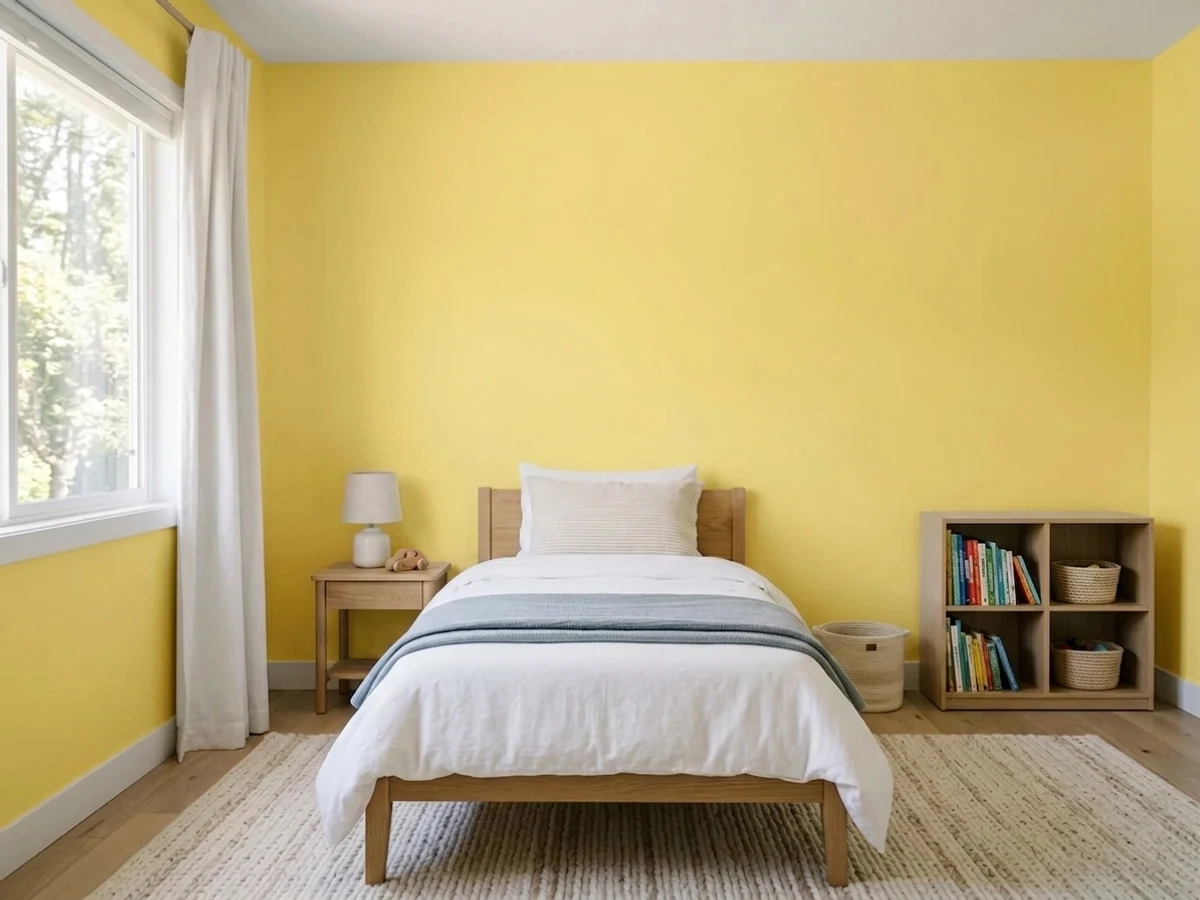
8Fun Yellow is the color people think they are getting when they buy a butter-yellow chip and then don't.
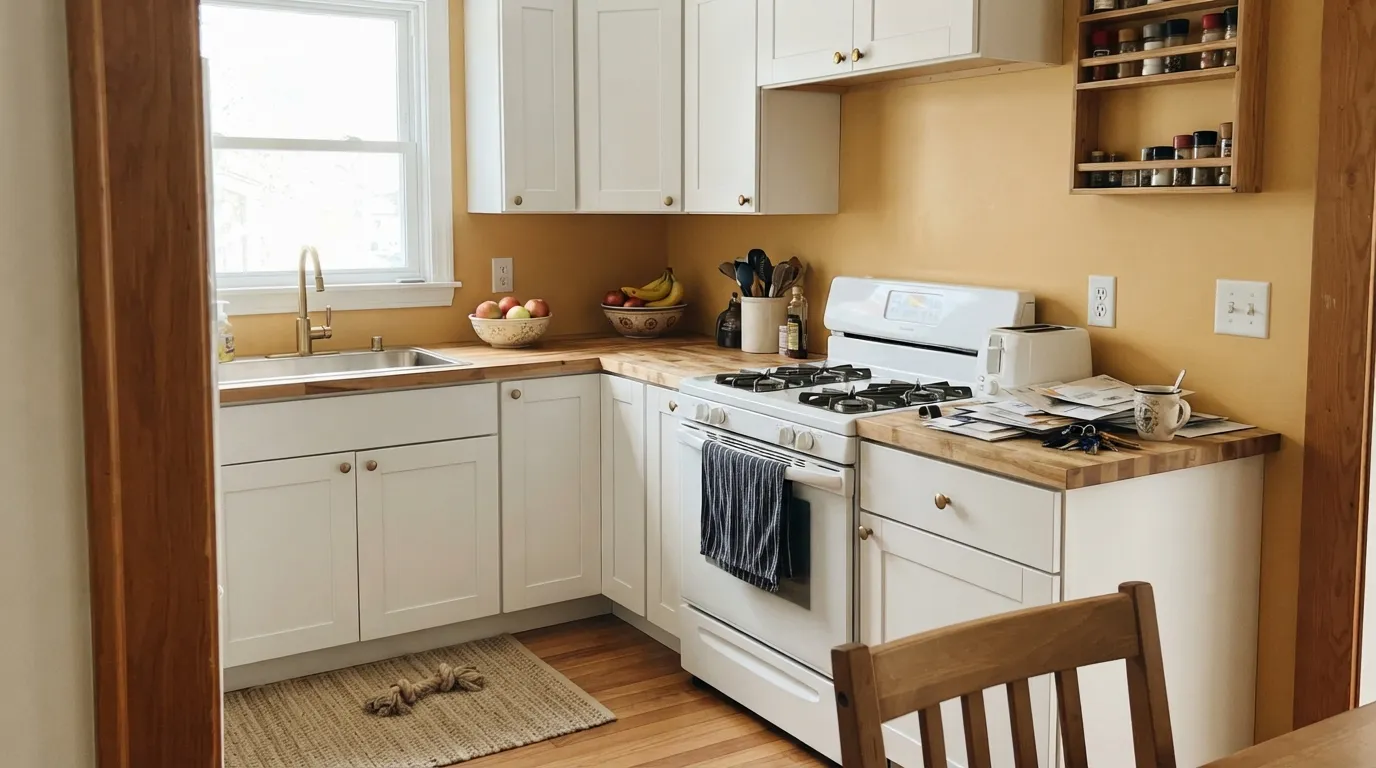 9
9A creamy honey-yellow from Sherwin-Williams' expert picks — sunshine without the neon edge.
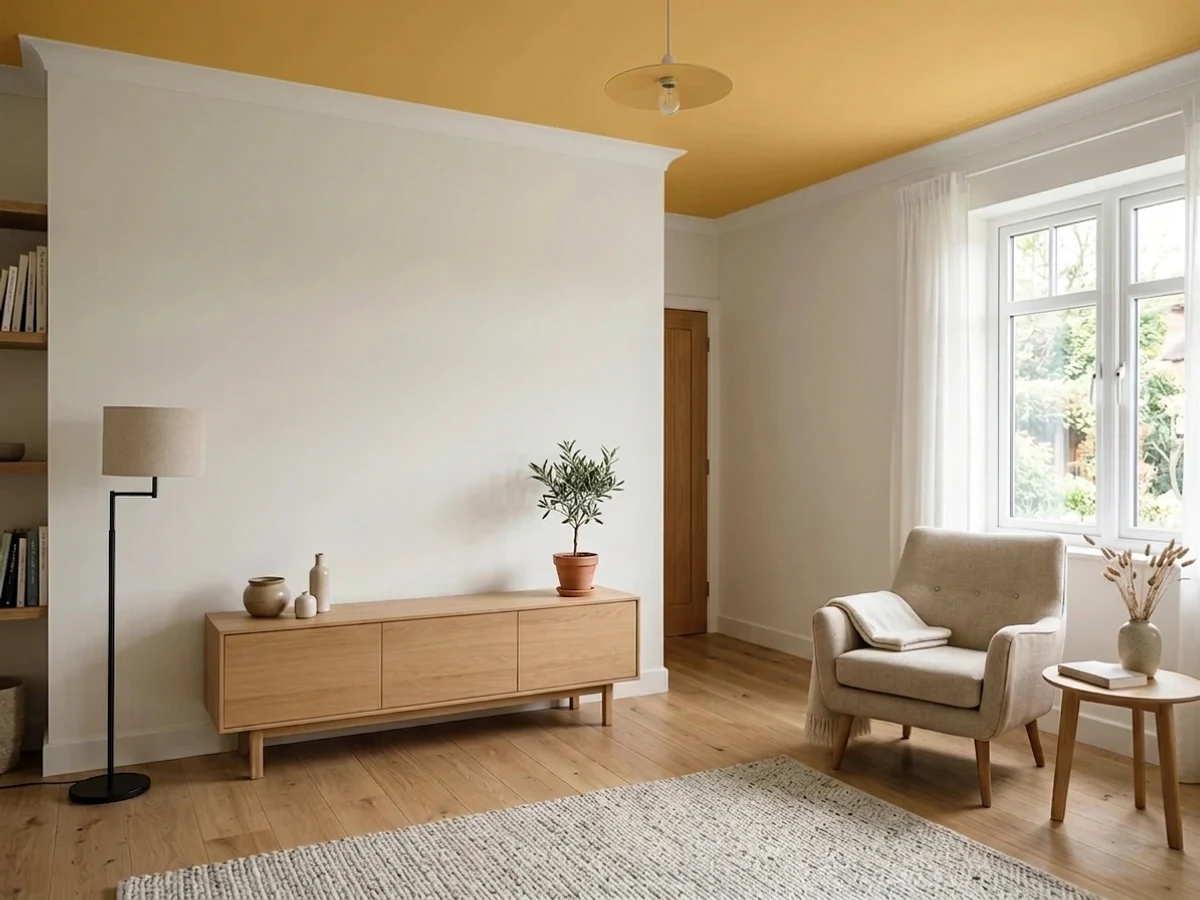 10
10Bee is a real yellow — not a butter, not a cream, not a beige with ambitions.
The whole Sherwin-Williams yellow range by depth. LRV is the number to trust: the same yellow looks two steps darker on a wall than on a chip.
LRV is a 0-to-100 number for how much light a color bounces back. In this yellow slice it runs from 23 at the darkest to 82 at the lightest, so you have real range to work with. Pineapple Cream (SW 1668) at 82 is a soft, airy tint, while Gold Crest (SW 6670) at 39 is deep and grounded.
A simple way to think about it: high-LRV yellows above 70, like Lantern Light (SW 6687) at 76, stay gentle and won't overwhelm a room. Mid-range picks like Frolic (SW 6703) at 56 give you clear color you can actually see. Anything in the 30s and 40s, like Nugget (SW 6697) at 47, will feel rich and should be tested in big swatches first, since strong yellows can look brighter on a wall than on a chip.
Each room page shows yellow picks from every US brand side by side, so you can compare in context.
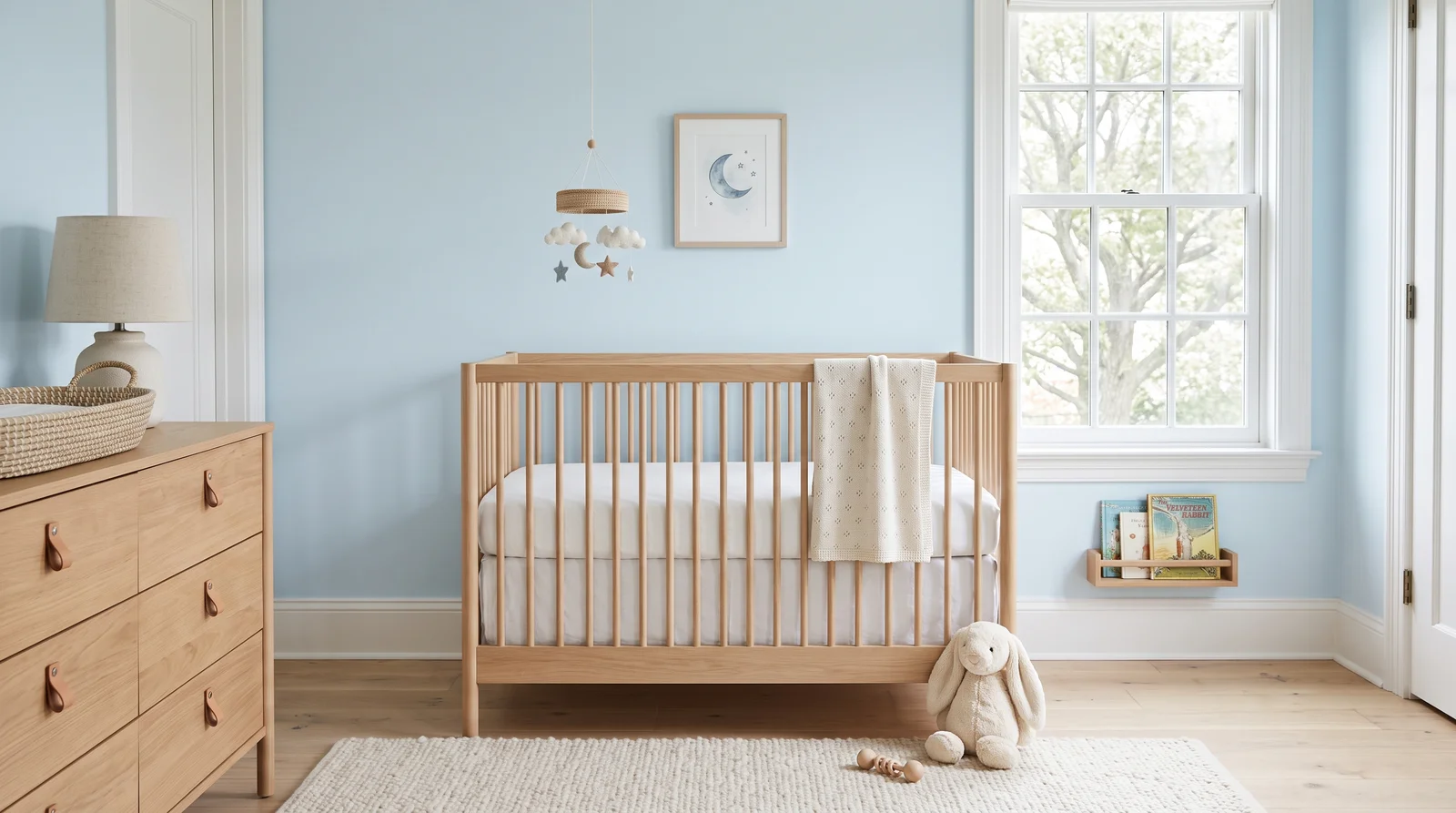
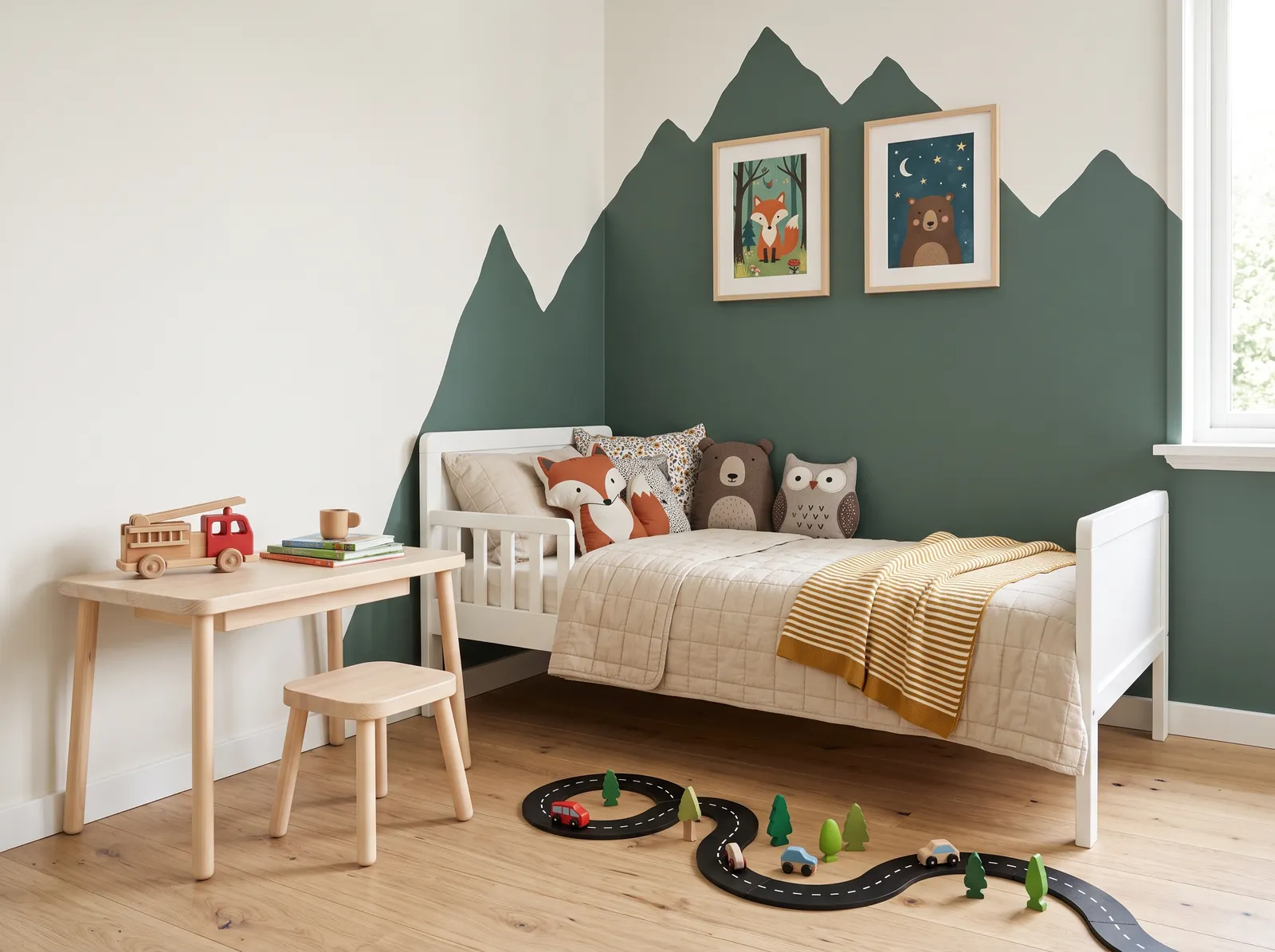
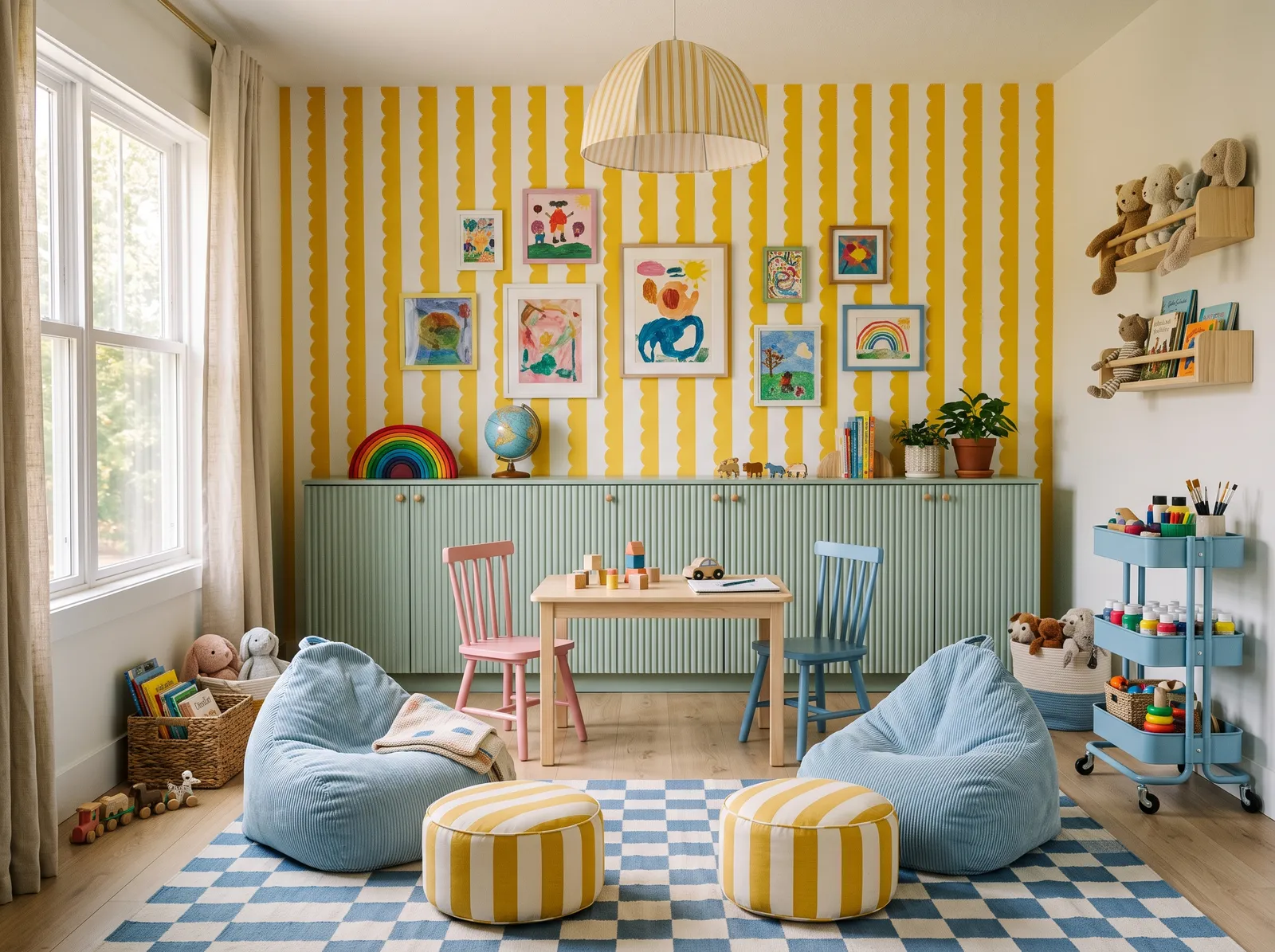
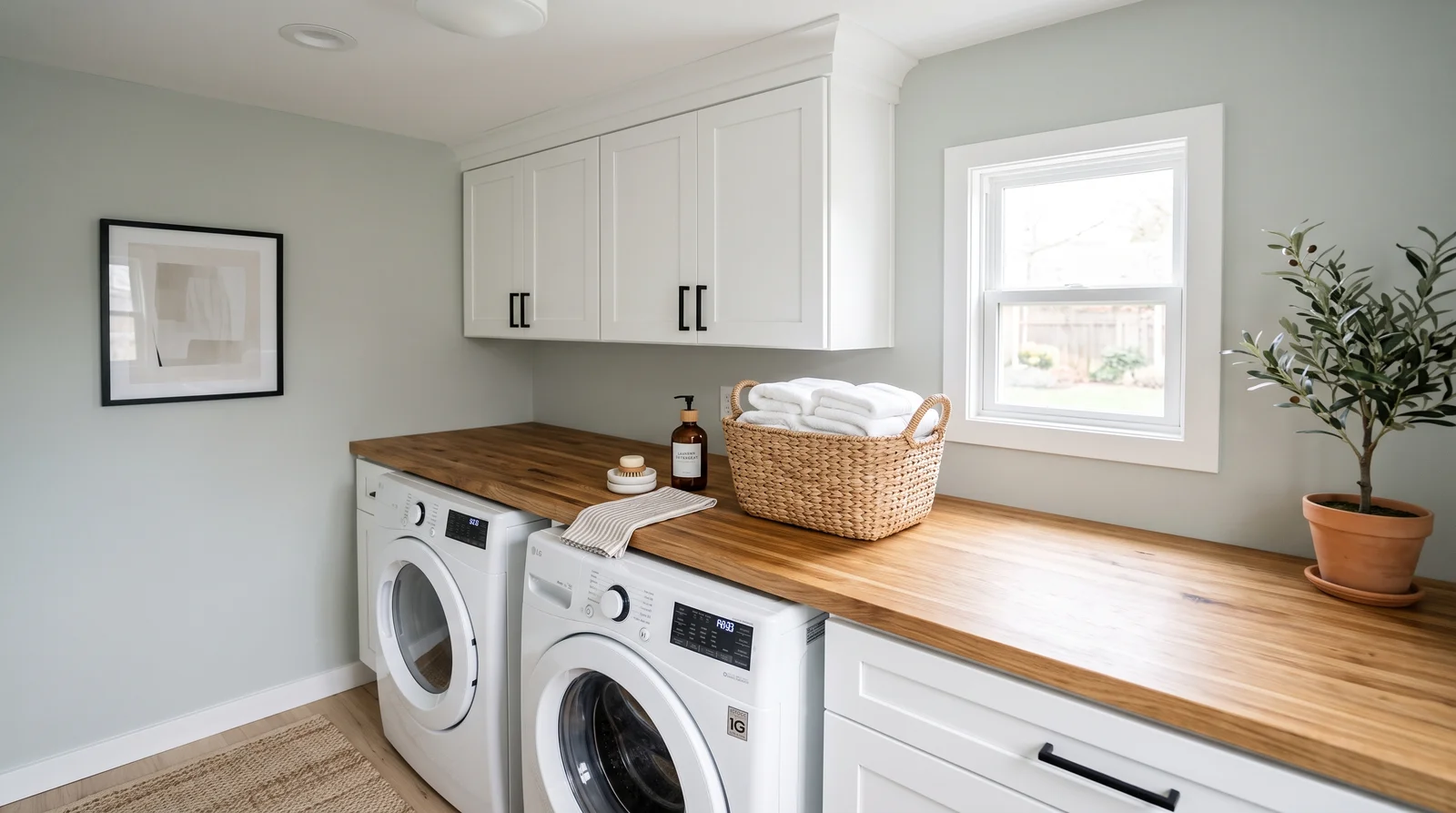
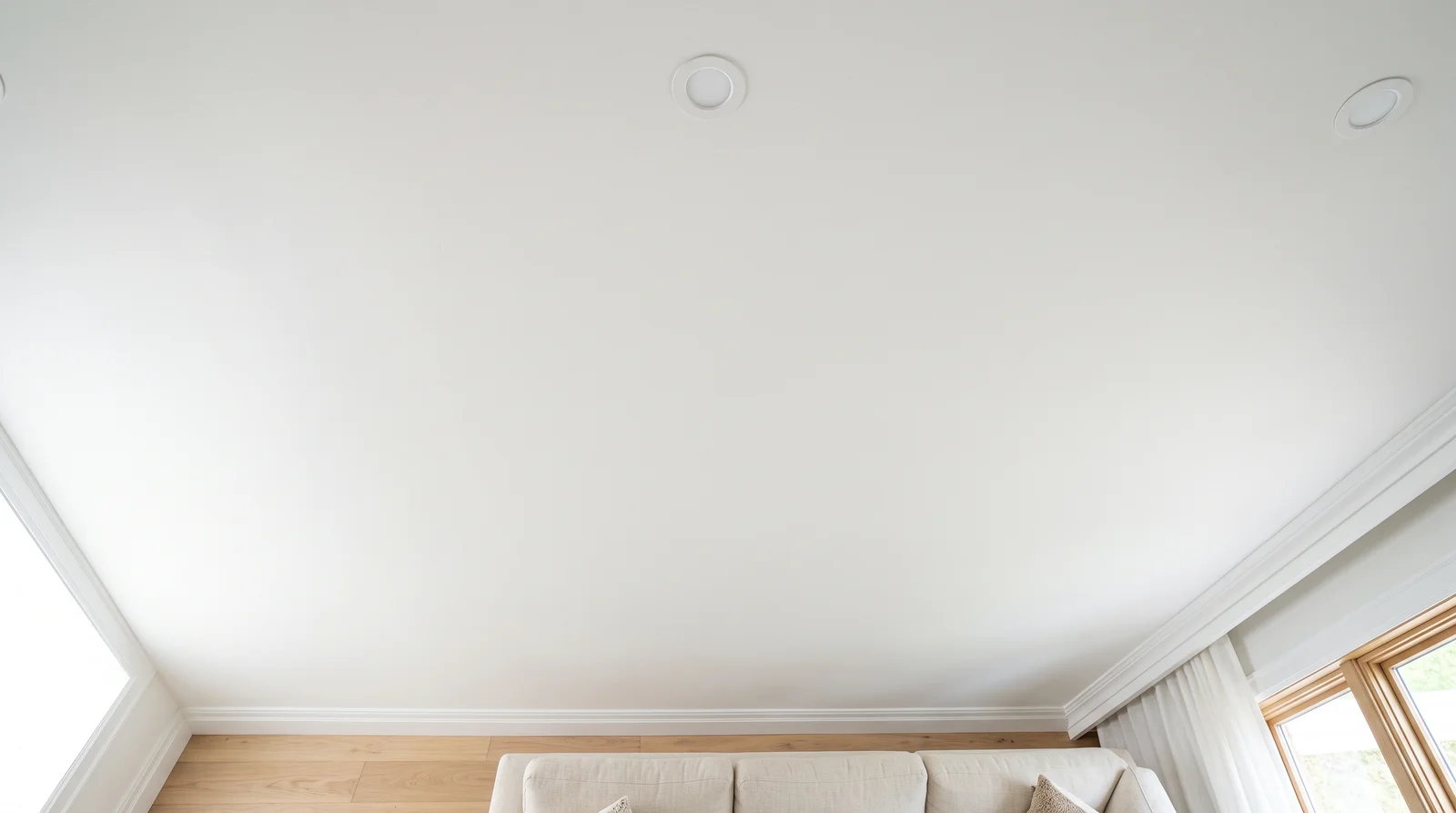
The pale, high-LRV yellows are the easy everyday choice. Pineapple Cream and Lantern Light work in kitchens, hallways, bathrooms, and north-facing rooms that get cool light, where a little warmth helps. They give you a hint of sunshine without committing the whole room to a bold color.
The brighter and deeper yellows are better used with intent. Sunbeam Yellow or Lemon Twist can make a cheerful kid's room, a laundry room, or a small accent wall. Golds like Nugget and Gold Crest work well on a front door, a built-in, or as a warm anchor in a den. Test any yellow against your own light at different times of day, because daylight pushes yellow brighter and lamplight pushes it warmer.
Every Sherwin-Williams yellow, grouped by undertone, warm to cool. Filter by depth or change the order.
Hex values are display approximations from Sherwin-Williams's published swatch tools, not a physical sample under controlled lighting. Order a brand-direct sample before specifying.
Upload a photo of the room. We paint it in the yellow you chose with your light and your floor, and you can swap colors until one holds.
Every one of these yellows is mixed to order. You pick the color, and the store tints a base to match it, so the chip on the wall is a real, buyable product, not just inspiration. Sherwin-Williams colors are sold at company-owned Sherwin-Williams stores and online; note that the HGTV Home by Sherwin-Williams line at Lowe's is a separate, lower-tier brand. Their main paint lines run good to best: Cashmere, SuperPaint, Duration, and Emerald. List prices are nominal because 30-40% off sales run almost constantly, so it is worth waiting for a sale before you buy.
If you have a Sherwin-Williams yellow you love but want to buy elsewhere, almost any paint store can color-match it from the SW code, like SW 6697, or from a painted chip. The match is read by a machine and tinted into that store's own base, including the featured Kompozit deck. It will be very close but not always identical, since each brand's base and sheen affect the final look, so always check a sample before committing.
How many yellow colors each brand carries, drawn with that deck's own yellows from light to dark. Pick your store first, then the color. Every brand equal, no favorites.
Sherwin-Williams keeps 95 yellows in its ColorSnap deck, and they cover a lot of ground. At the soft end you get quiet, creamy tints like Pineapple Cream (SW 1668), pale enough to read almost like a warm white on a wall. At the saturated end you get true, sunny color like Sunbeam Yellow (SW 78) and the green-leaning Chartreuse (SW 73).
The family runs from butter to gold to lemon. Some lean warm and golden, like Nugget (SW 6697) and Gold Crest (SW 6670). Others lean fresh and citrusy, like Lemon Twist (SW 6909) and Lantern Light (SW 6687). Knowing which way a yellow leans matters more than the name, because it decides whether the room feels cozy or crisp.
Yellow walls want a clean, calm trim. Sherwin-Williams Alabaster is a soft white that flatters warm yellows without going stark, and a crisp white ceiling keeps a bright yellow from feeling heavy overhead. If you want more contrast, the brand's trusted grays like Repose Gray or Agreeable Gray pair nicely with golds and let the yellow stay the star.
For coordinating colors, lean on neutrals that share the warm undertone. Accessible Beige and a greige like Agreeable Gray sit comfortably next to butter and gold yellows. If you want a sharper, more modern look against a citrusy yellow like Chartreuse, a deep navy such as Naval or a near-black like Tricorn Black makes the yellow pop.
Lemon Chiffon (SW 6686) — Lemon Chiffon is a soft, creamy pale yellow with the volume turned down just enough to avoid candy or neon territory. Icy Lemonade and Lemon Twist and Bee round out the short list most people choose from.
There are 95 yellows in the Sherwin-Williams ColorSnap deck. They range from soft, creamy tints like Pineapple Cream (SW 1668) to deep golds like Gold Crest (SW 6670), so you have plenty of options across the family.
In this slice the LRV runs from 82 down to 23. Pineapple Cream (SW 1668) at 82 is the airy, light end, and the deeper golds like Gold Crest (SW 6670) at 39 sit toward the darker, richer end.
The high-LRV, pale yellows are the safest everyday choice. Pineapple Cream (SW 1668) and Lantern Light (SW 6687) give a gentle warmth without taking over a room, which makes them good for kitchens, hallways, and rooms with cooler light.
A soft white like Alabaster flatters warm yellows without looking stark, and a crisp white ceiling keeps a bright yellow from feeling heavy. If you want more contrast, grays like Repose Gray or Agreeable Gray pair well, especially with golds.
They are mixed to order. You choose the color and the store tints a base to match it, so it is a real product you buy, not just a sample. Sherwin-Williams sells them at its own stores and online.
Yes. Almost any paint store can match a color from the SW code, such as SW 6909, or from a painted chip, including into the Kompozit deck. The result is very close but may not be exact, since each brand's base and sheen change the look, so test a sample first.
Ask a Question