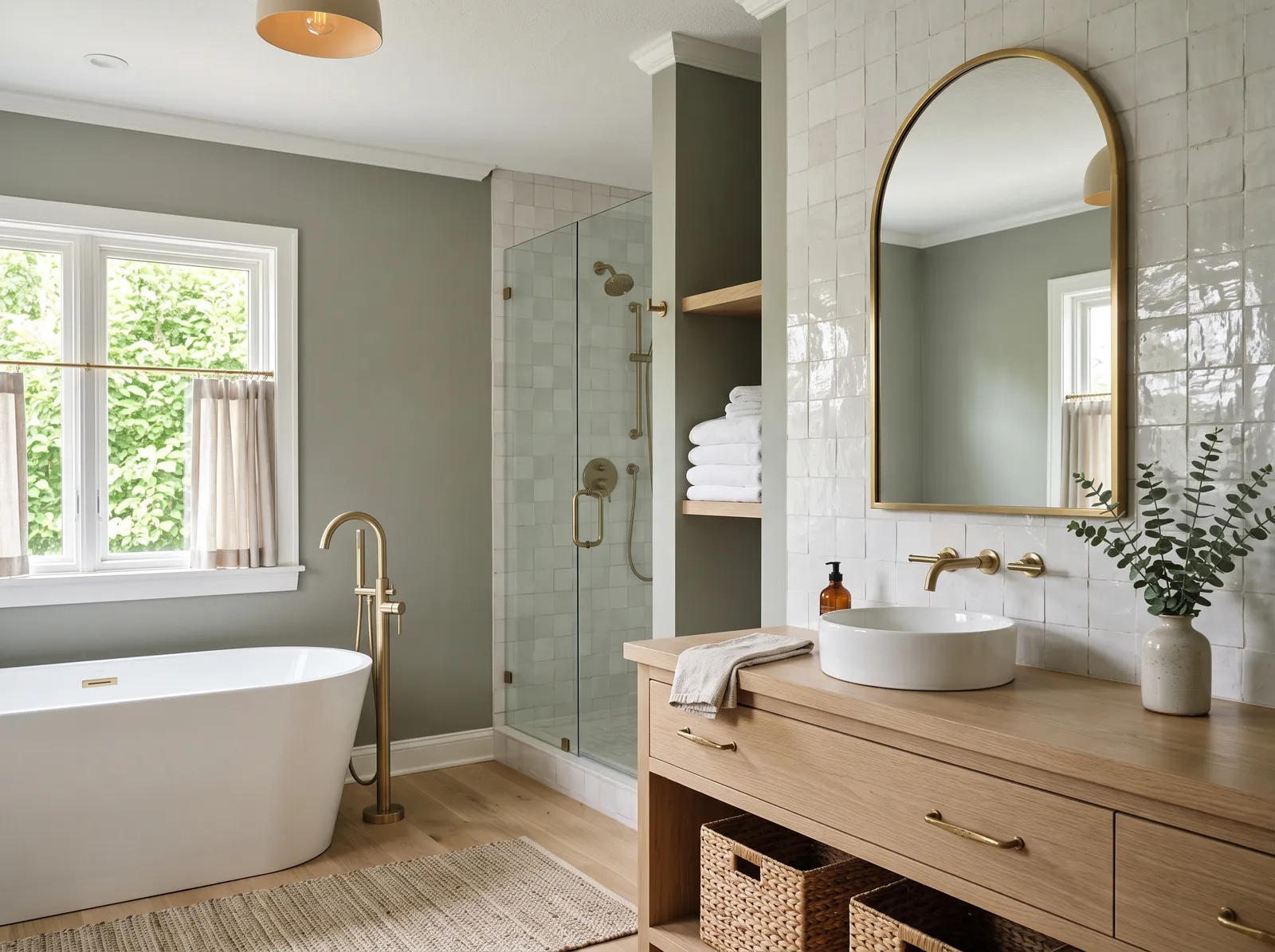
 1
1Evergreen FogSW 9130 · LRV 30
2022 SW Color of the Year; muted sage that dominated kitchen-cabinet trends.
10 curated greens with undertones, LRV, and the honest reasons why, plus the full 171-color green deck below.
Don't want to compare 171 greens? These four cover most real projects.
Softened Green is Sherwin-Williams filing a genuinely gray-leaning color under "green" and being right about it either way.
2022 SW Color of the Year; muted sage that dominated kitchen-cabinet trends
Clary Sage is the green people pick when they do not want to be brave.
Ripe Olive is what happens when a dark olive-brown gets pushed almost all the way to black.
Numbered and curated. Tap any color for its full review, or see it on your own walls in the visualizer.
12022 SW Color of the Year; muted sage that dominated kitchen-cabinet trends.
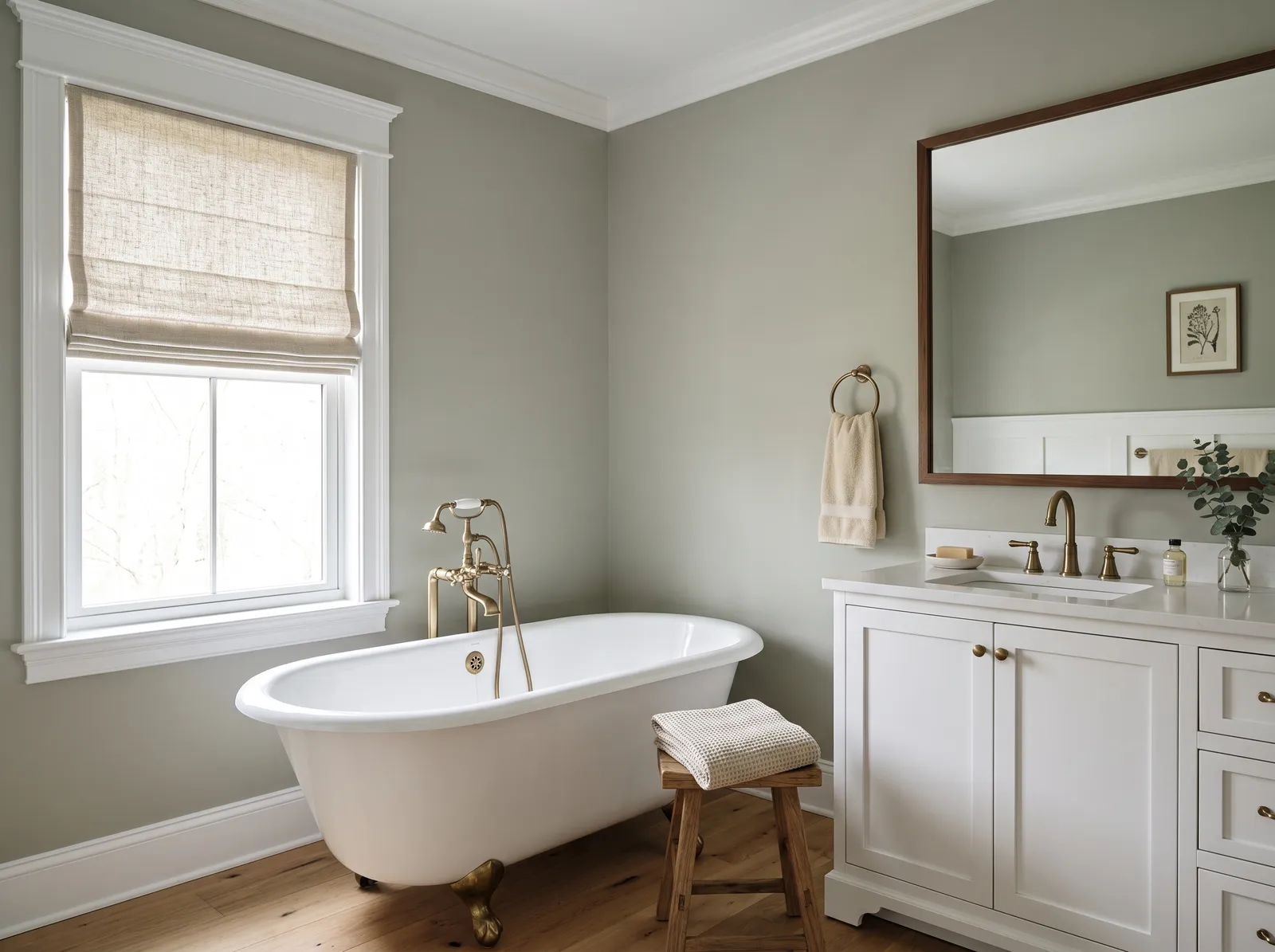 2
2Clary Sage is the green people pick when they do not want to be brave.
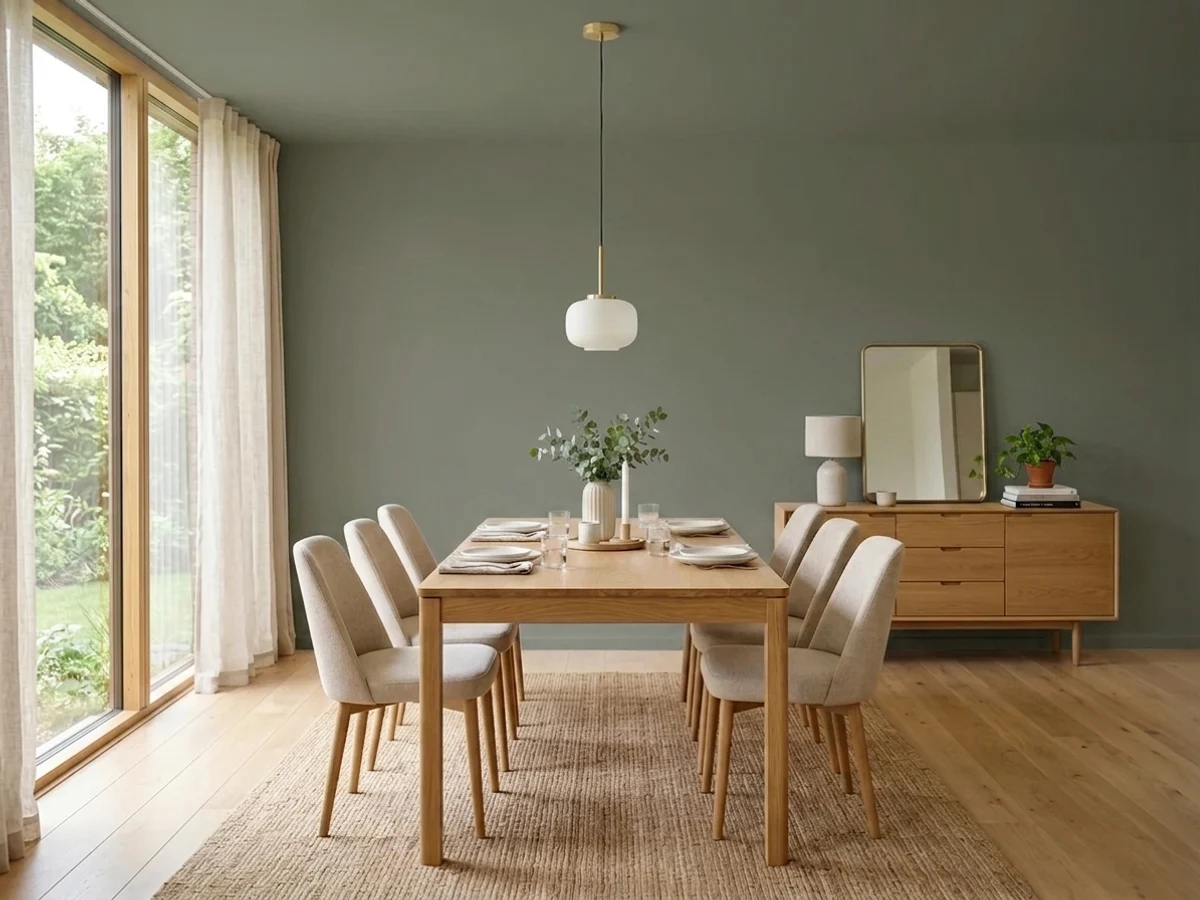 3
3Dried Thyme is the green people choose when black feels too hard and a true sage feels too sweet.
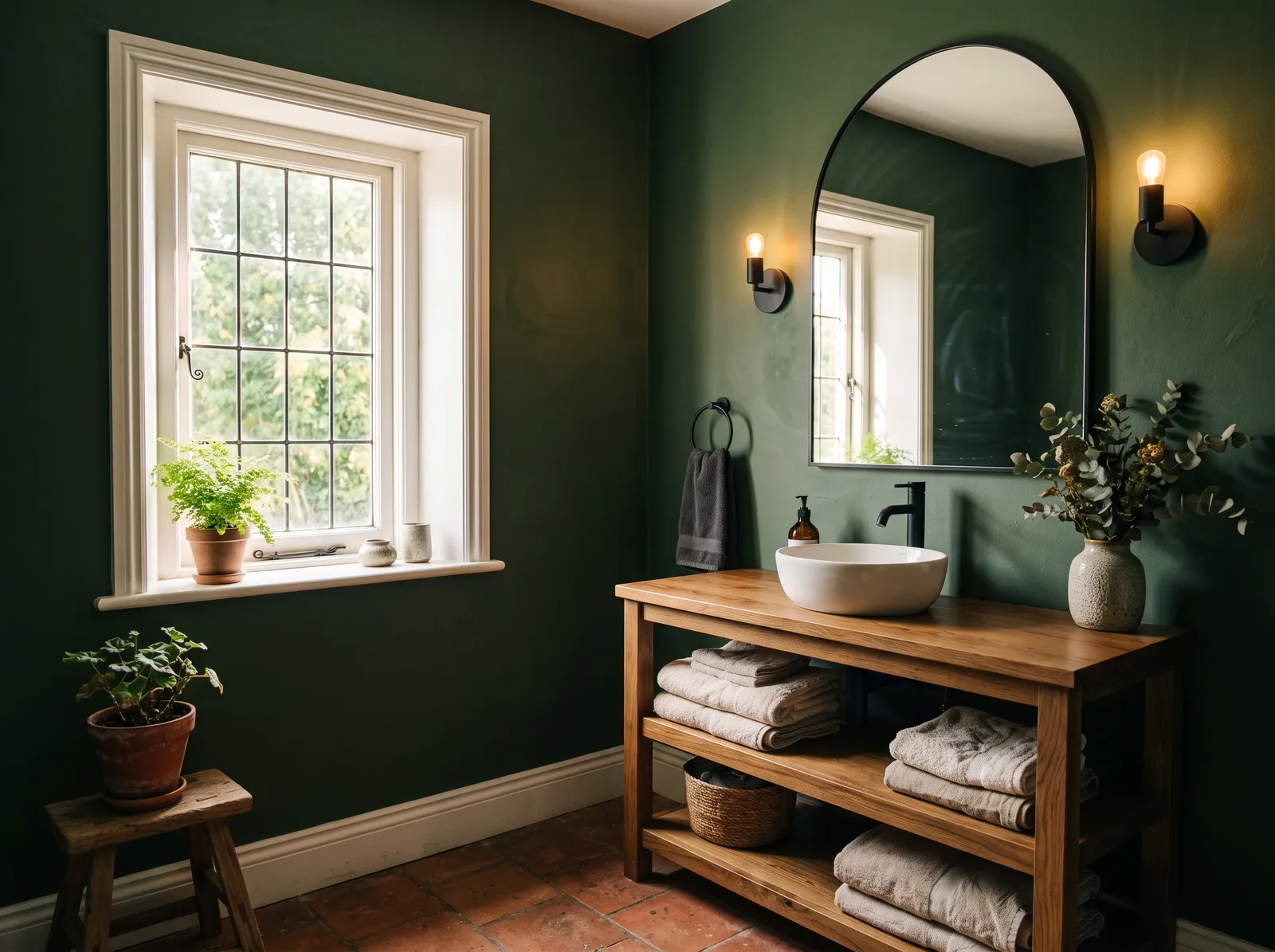 4
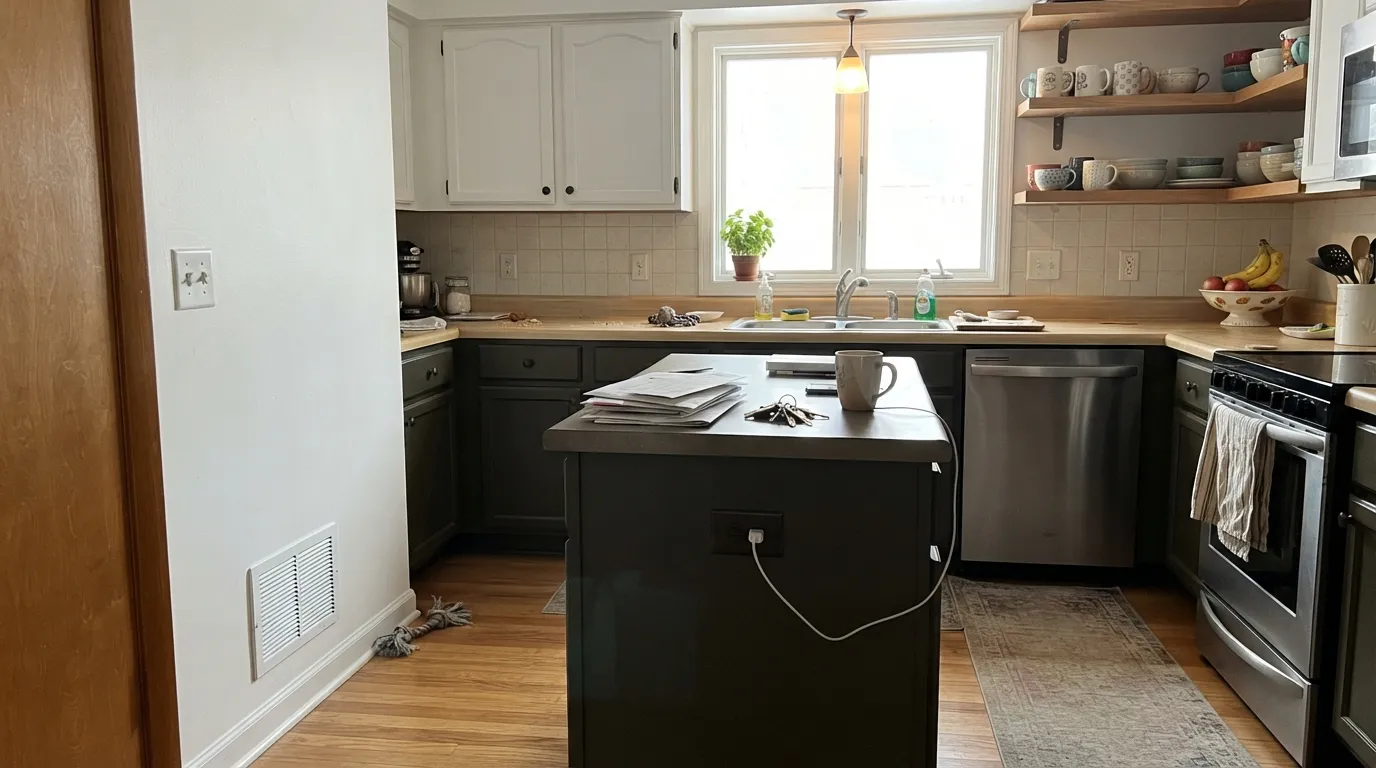
4Rosemary is the green people choose when black feels heavy and navy feels cold.
 5
5Shade-Grown is a near-black with a whisper of green left in it — the darkest member of a three-color strip in the SW deck, sitting a full step below its cousin Rosemary.
 6
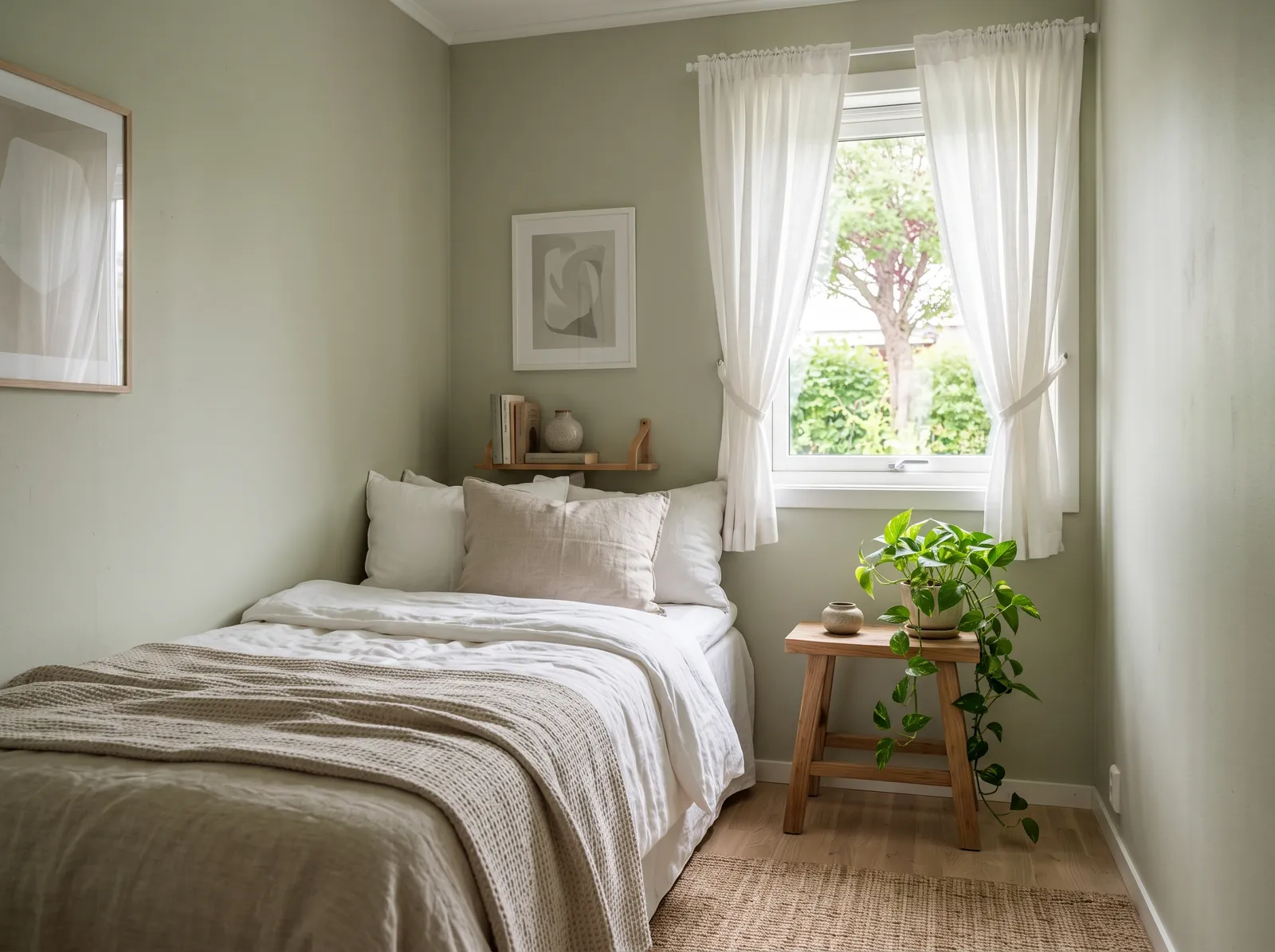
6Softened Green is Sherwin-Williams filing a genuinely gray-leaning color under "green" and being right about it either way.
 7
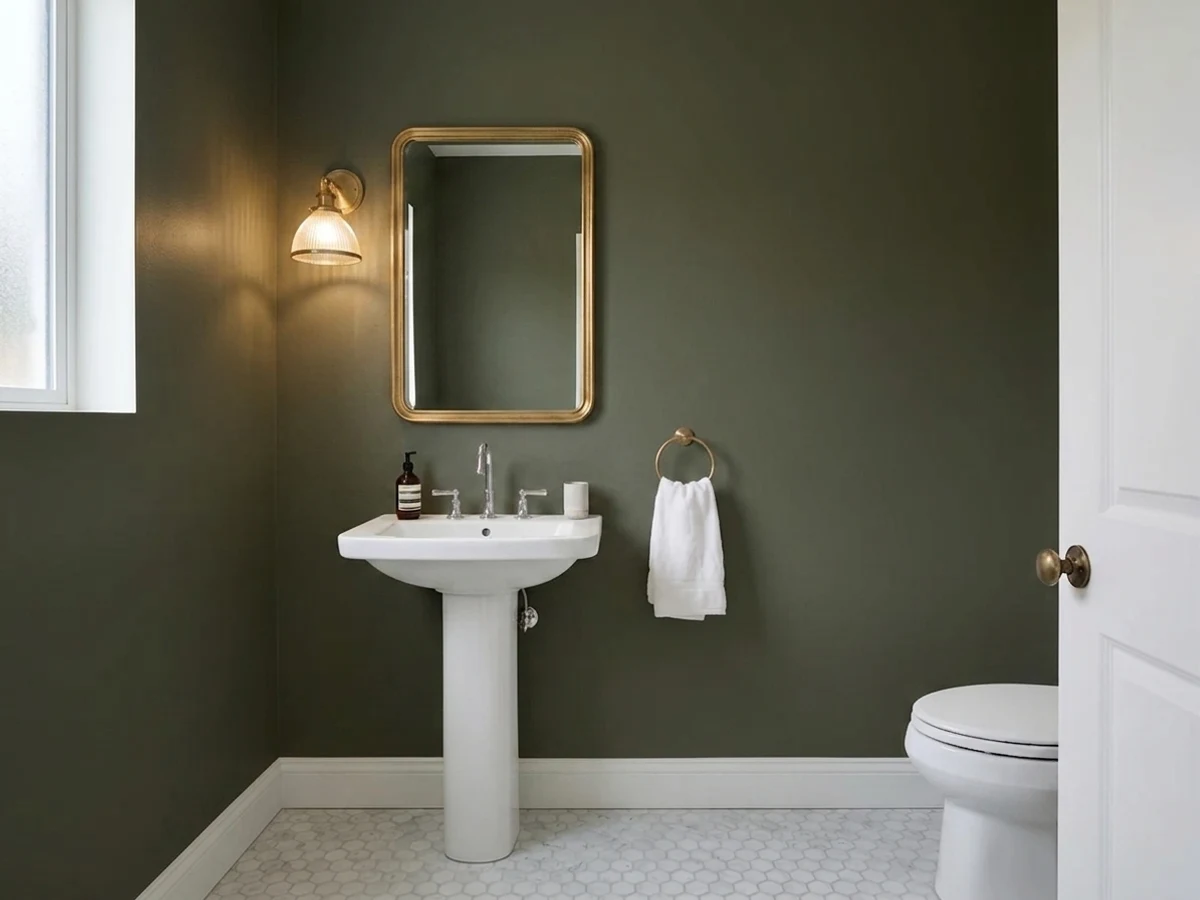
7Ripe Olive is what happens when a dark olive-brown gets pushed almost all the way to black.
 8
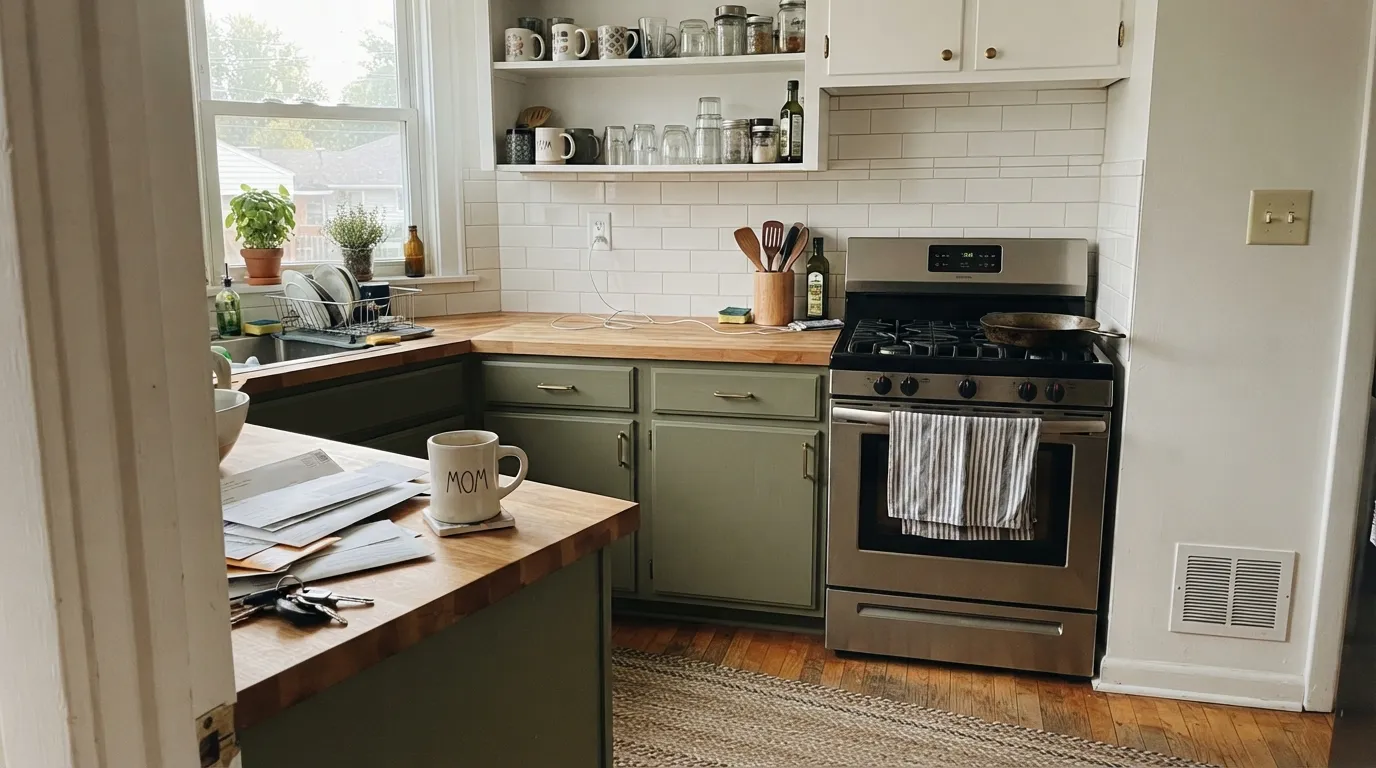
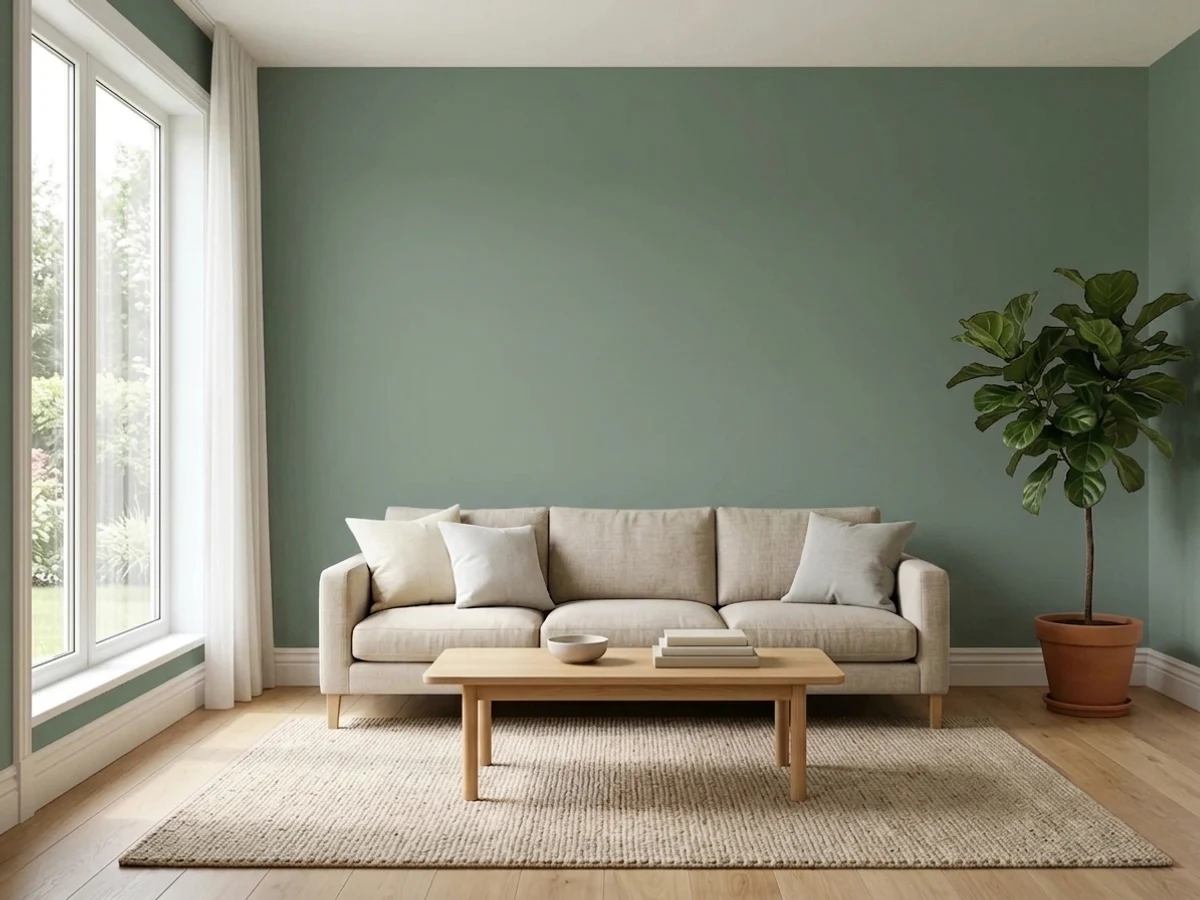
8A mid-depth gray-green with a dusty olive cast at LRV 31, dark enough to read as a real color on cabinets or a moody bedroom wall without going black.
 9
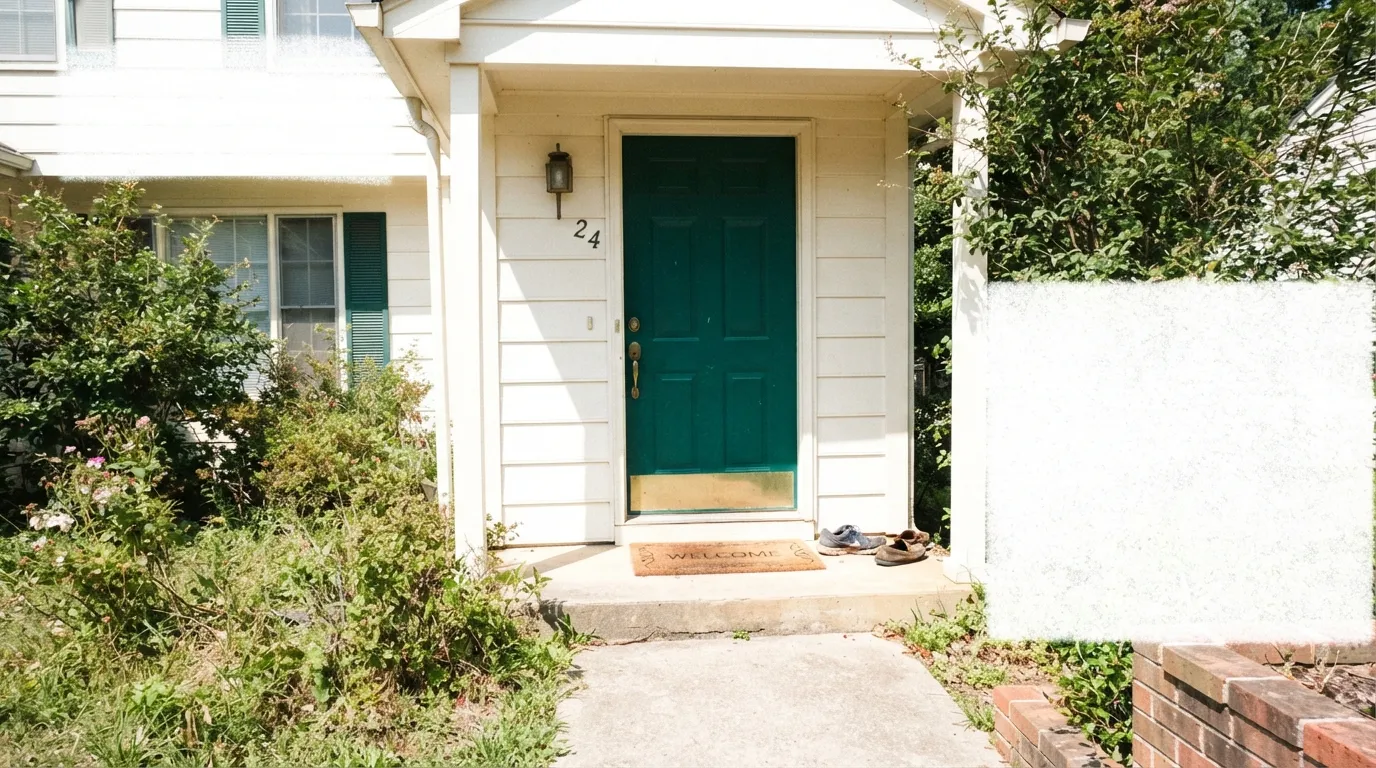
9Muted blue-sage pick designers cite as the quiet alternative to Pewter Green.
 10
10A saturated emerald at LRV 10, the deep jewel green people want for a library, a powder room, or a statement front door.
The most common green-buyer regret is a surprise undertone on the wall. Start from the direction the color leans, not the chip alone.
Sherwin-Williams built its name on dependable neutrals with undertones you can predict, and that same steadiness carries into its greens. Across the 102 colors in this family you get a clean range: soft sages that read almost gray, fresh leafy mids, and deep forest tones that anchor a room. Examples like Restful (SW 6458) sit in calm, muted territory, while Picnic (SW 6731) and Julep (SW 6746) lean fresher and more saturated.
The upside of this brand is that the greens behave the way the swatch promises. You are less likely to get a surprise blue or yellow shift once the paint is on the wall, which makes the whole family easier to plan around.
The whole Sherwin-Williams green range by depth. LRV is the number to trust: the same green looks two steps darker on a wall than on a chip.
LRV (light reflectance value) tells you how much light a color bounces back, on a scale of 0 (black) to 100 (pure white). This green slice runs from 6 at the darkest to 75 at the lightest, so you have the full spread to work with. A high number like Green Vibes (SW 6928) at LRV 75 stays airy and barely-there, good when you want a hint of color without darkening the room.
The middle is where most rooms live. Jardin (SW 6723) at 59 and Picnic at 47 give you real color while keeping a space bright. Drop into the 20s and teens, like Envy (SW 6925) at 20 or Greenfield (SW 6439) at 15, and the green turns rich and moody, which reads best in rooms with good light or where you want drama on purpose.
Stuck between two? These head-to-heads settle the ones people actually can't pick between.
Each room page shows green picks from every US brand side by side, so you can compare in context.
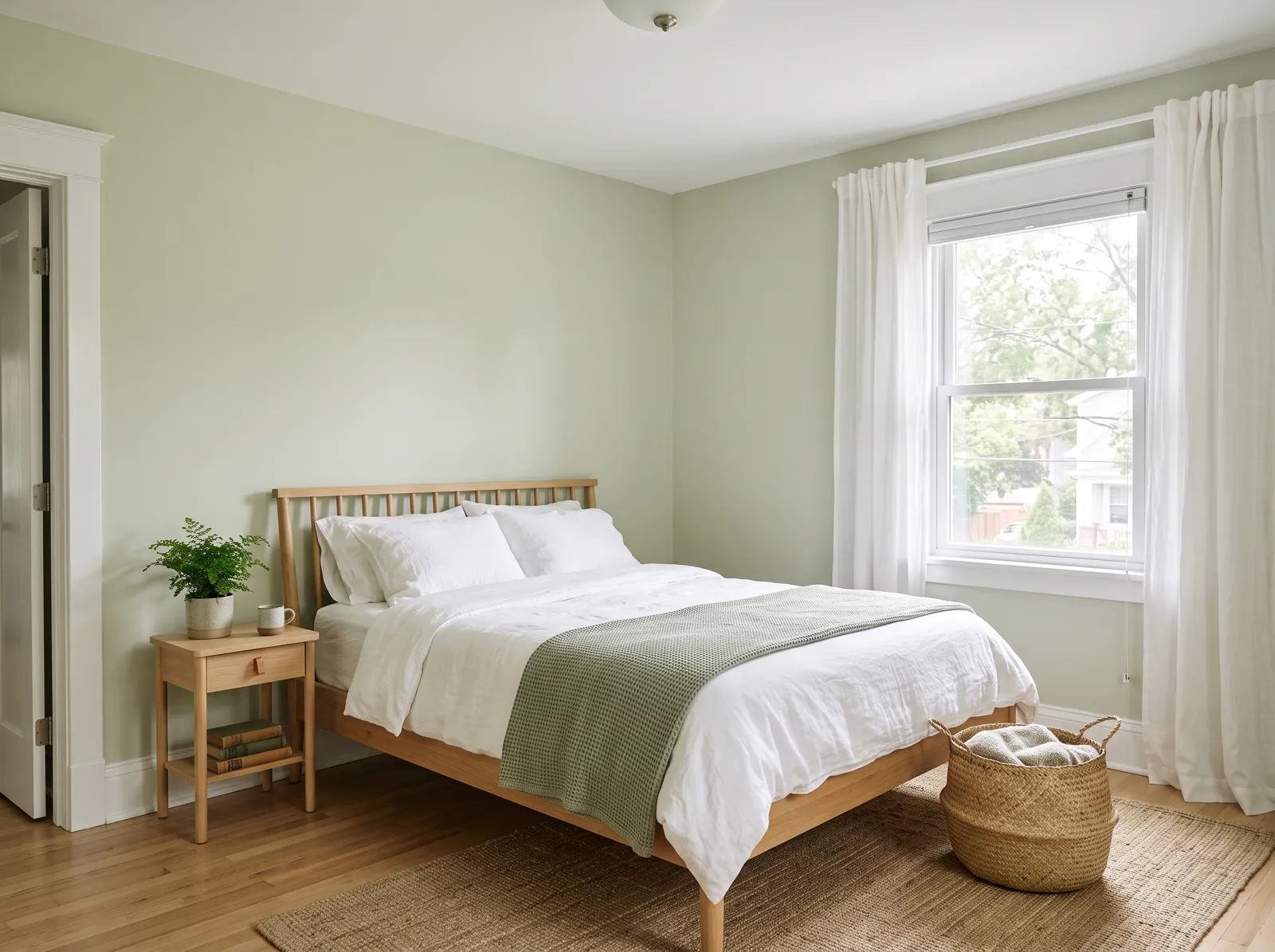
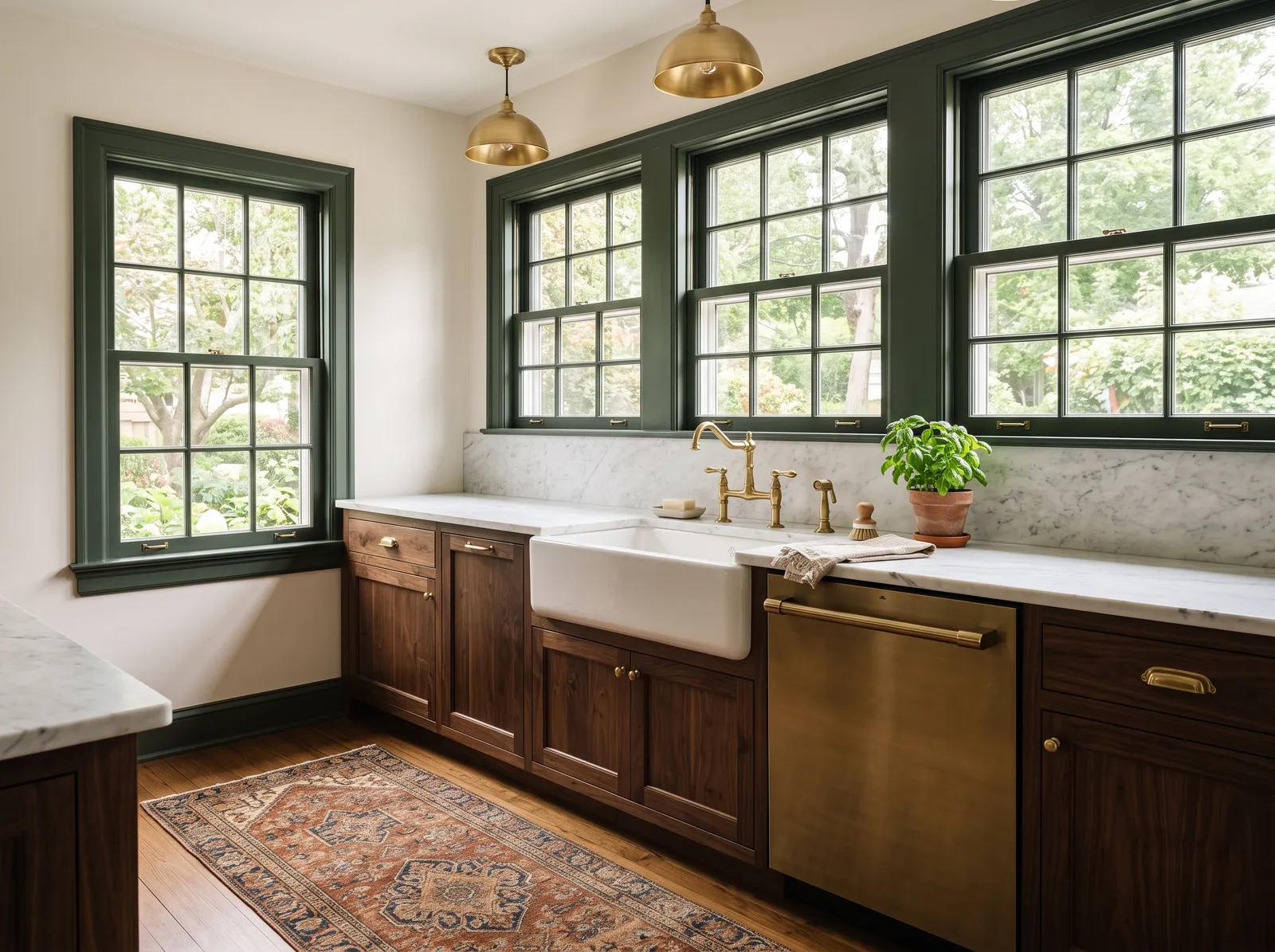
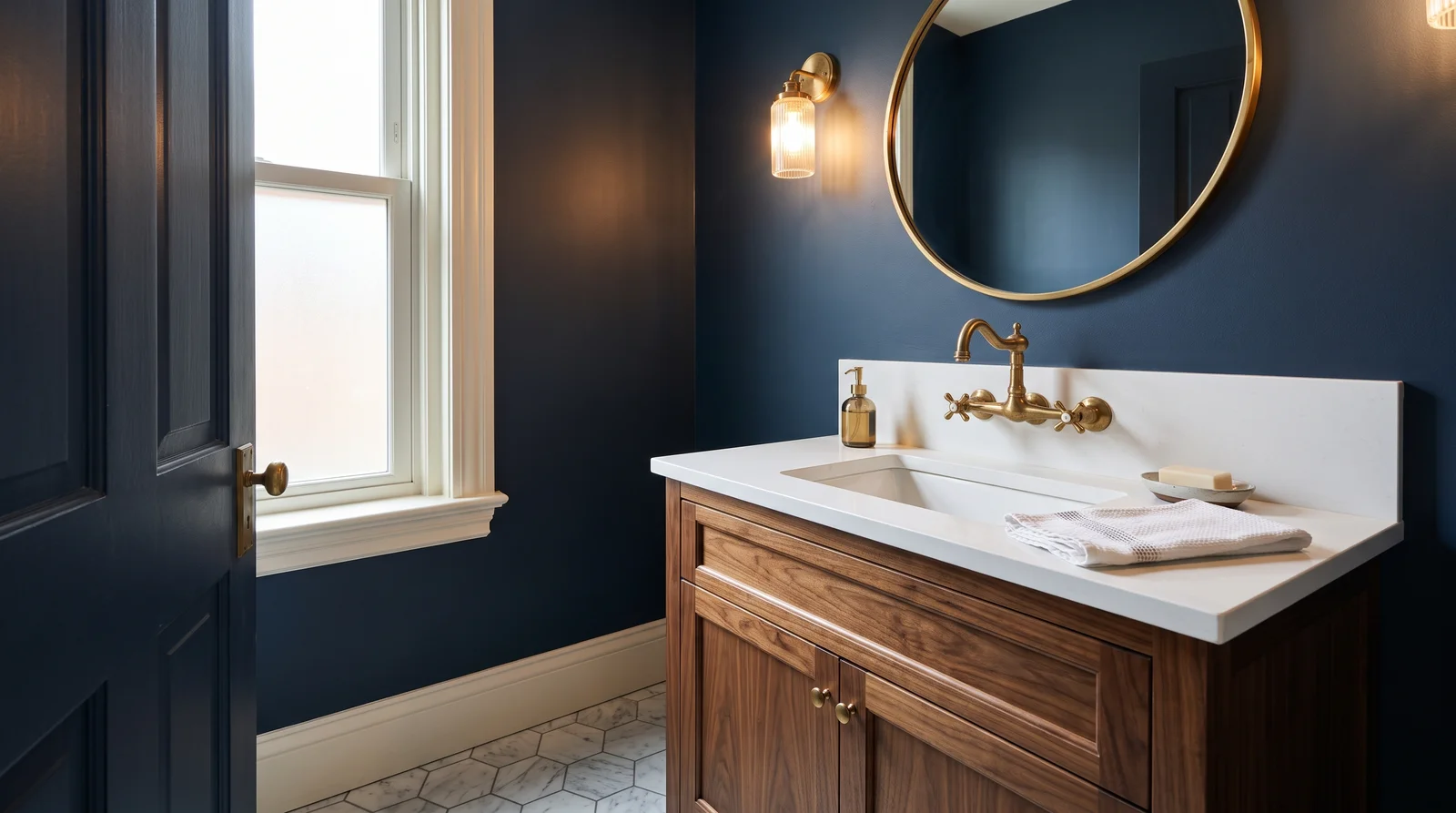
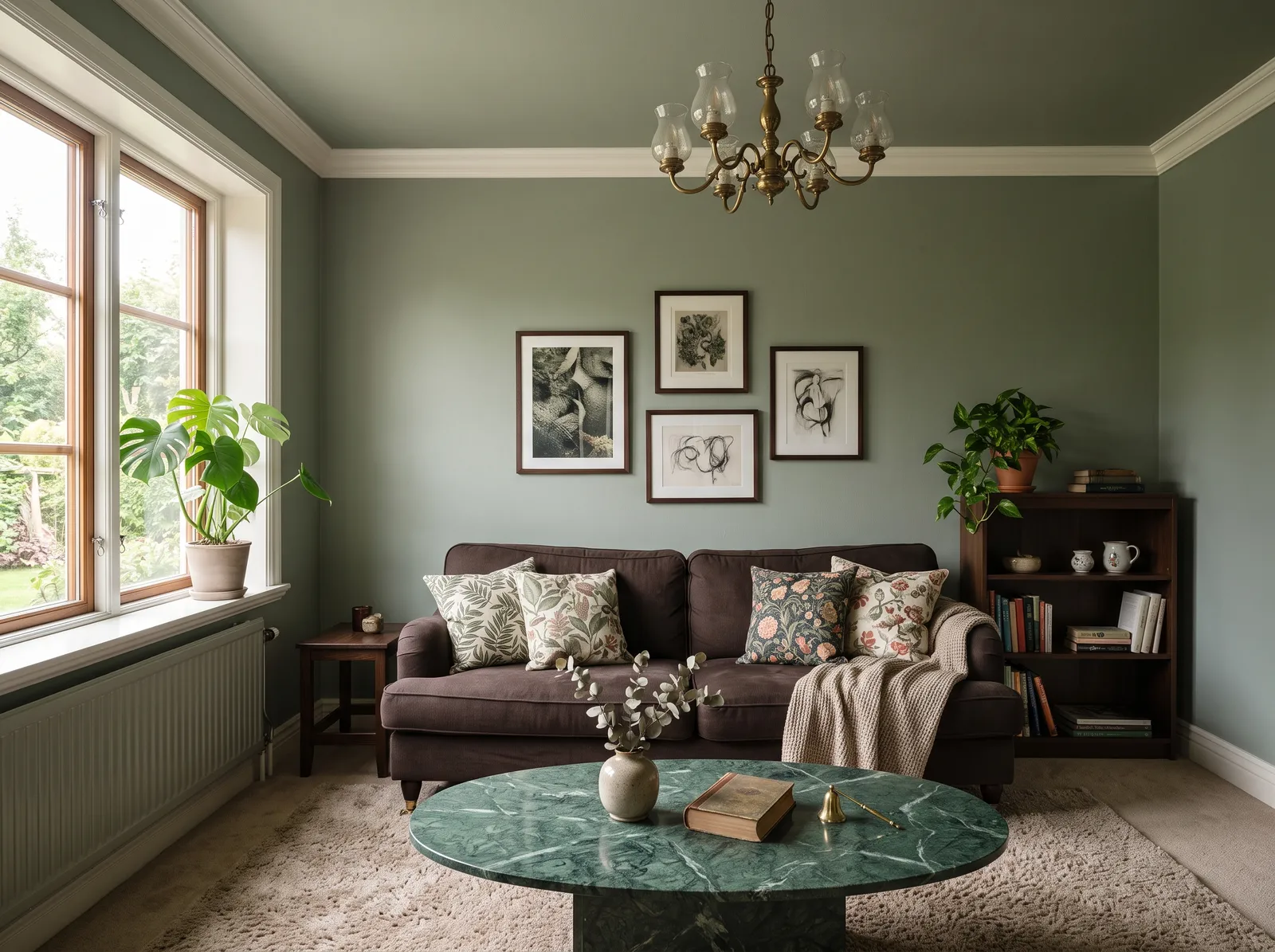
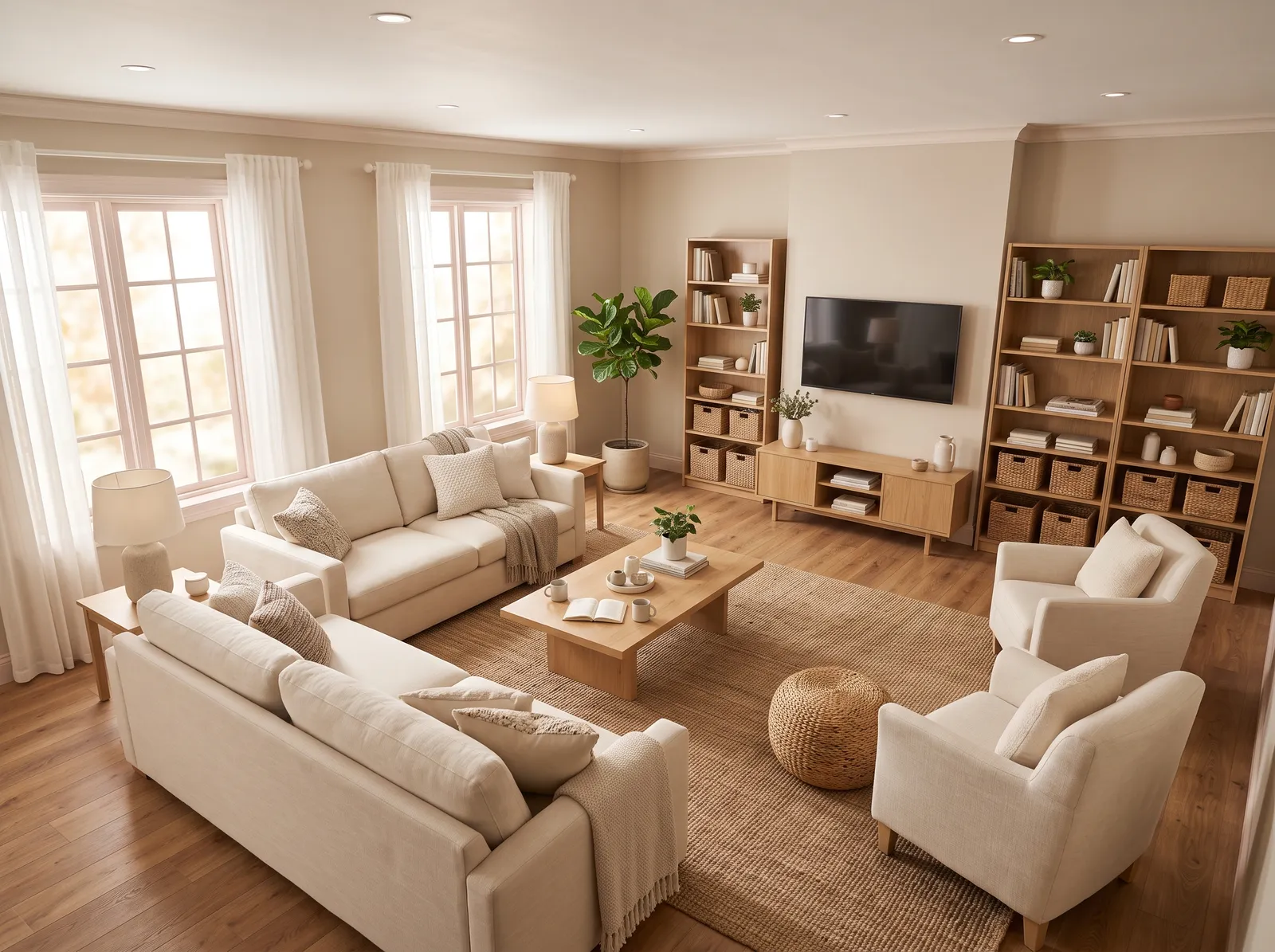
Light greens like Green Vibes and Jardin work almost anywhere, but they shine in kitchens, bathrooms, and bedrooms where you want a calm, clean feeling and plenty of brightness. Mid greens such as Picnic and Julep are a smart pick for a feature wall, a cheerful laundry or mudroom, or cabinetry that needs personality without going dark.
The deep tones are your statement makers. Gallery Green (SW 15) at LRV 22, Envy at 20, and Greenfield at 15 look at home on a dining room, a home office, a study, or painted built-ins and an island. In a small or low-light room, test these on the wall first, since a dark green can close a space in faster than the chip suggests.
Every Sherwin-Williams green, grouped by undertone, warm to cool. Filter by depth or change the order.
Hex values are display approximations from Sherwin-Williams's published swatch tools, not a physical sample under controlled lighting. Order a brand-direct sample before specifying.
Upload a photo of the room. We paint it in the green you chose with your light and your floor, and you can swap colors until one holds.
Every Sherwin-Williams green is mixed to order at a company-owned store or through their site, so the color you see is tinted into the base you pick. Lines run good to best: Cashmere (about $55/gal), SuperPaint (about $68), Duration (about $75), and Emerald (about $80). Those are list prices only; Sherwin-Williams runs 30 to 40 percent sales almost constantly, so it is worth waiting for a sale before you buy. Note the HGTV Home by Sherwin-Williams line at Lowe's is a separate, lower-tier brand and is not the same paint.
Any store with a tinting machine can come close to these colors, so you are not locked in. If you love a Sherwin-Williams green like Julep or Greenfield but buy elsewhere, ask the counter to color-match it, or bring a chip to match into the featured Kompozit deck or another brand. Matches get you very close, though sheen and base can shift the look slightly, so always confirm with a sample before committing a whole room.
How many green colors each brand carries, drawn with that deck's own greens from light to dark. Pick your store first, then the color. Every brand equal, no favorites.
Greens are easy to pair because Sherwin-Williams has so many trusted whites and neutrals. A crisp white like Alabaster on trim and ceiling keeps a green feeling fresh, while a warm neutral like Accessible Beige softens a sage and makes it feel cozier. For a deeper green wall, a soft off-white trim adds contrast without the harsh edge of a bright white.
If you want a green to feel grounded rather than loud, lean on the brand's gray and greige favorites. Agreeable Gray and Repose Gray sit comfortably next to muted greens like Restful, and Sea Salt bridges green and gray-blue if you want a quiet, coastal feel across rooms.
Evergreen Fog (SW 9130) — 2022 SW Color of the Year; muted sage that dominated kitchen-cabinet trends. Softened Green and Clary Sage and Ripe Olive round out the short list most people choose from.
This green family includes 102 colors, spanning soft near-gray sages, fresh leafy mids, and deep forest tones. That range is wide enough to find a green for almost any room and any amount of light.
The slice runs from an LRV of 6 at the darkest to 75 at the lightest. Green Vibes (SW 6928) at LRV 75 is among the airiest, while colors like Greenfield (SW 6439) at LRV 15 sit at the deep, moody end.
If you want brightness, choose a high-LRV green like Green Vibes (SW 6928) or Jardin (SW 6723), which keep a space feeling open. If you want a rich, cozy look on purpose, a deep green like Envy (SW 6925) can work beautifully, but test it on the wall first since dark colors can shrink a small space.
A clean white like Alabaster keeps greens feeling fresh on trim and ceilings, while a warm neutral like Accessible Beige softens a sage. For deep greens, a soft off-white trim gives contrast without looking harsh.
Yes, every color is tinted to order at a Sherwin-Williams store or online. List prices run roughly $55 to $80 a gallon depending on the line, but sales of 30 to 40 percent run almost constantly, so it pays to wait for one.
Yes. Any store with a tinting machine can color-match a chip, so you can recreate a green like Julep (SW 6746) in another brand or in the featured Kompozit deck. Always confirm with a sample first, since base and sheen can shift the final look slightly.
Ask a Question