Dutch Boy Green All 137, sorted honestly.
Every green in the Dutch Boy deck: 137 colors, LRV 85 down to 5, grouped by undertone and depth.
All 137 Dutch Boy Green Paint Colors
Every green in the Dutch Boy deck, LRV 85 down to 5. Grouped by undertone, warm to cool. Filter by depth or change the order.
Hex values are display approximations from Dutch Boy's published swatch tools, not a physical sample under controlled lighting. Order a brand-direct sample before specifying.
Upload a photo of the room. We paint it in the green you chose with your light and your floor, and you can swap colors until one holds.
Light to Dark
The whole Dutch Boy green range by depth. LRV is the number to trust: the same green looks two steps darker on a wall than on a chip.
Dutch Boy Green, Room by Room
Each room page shows green picks from every US brand side by side, so you can compare in context.
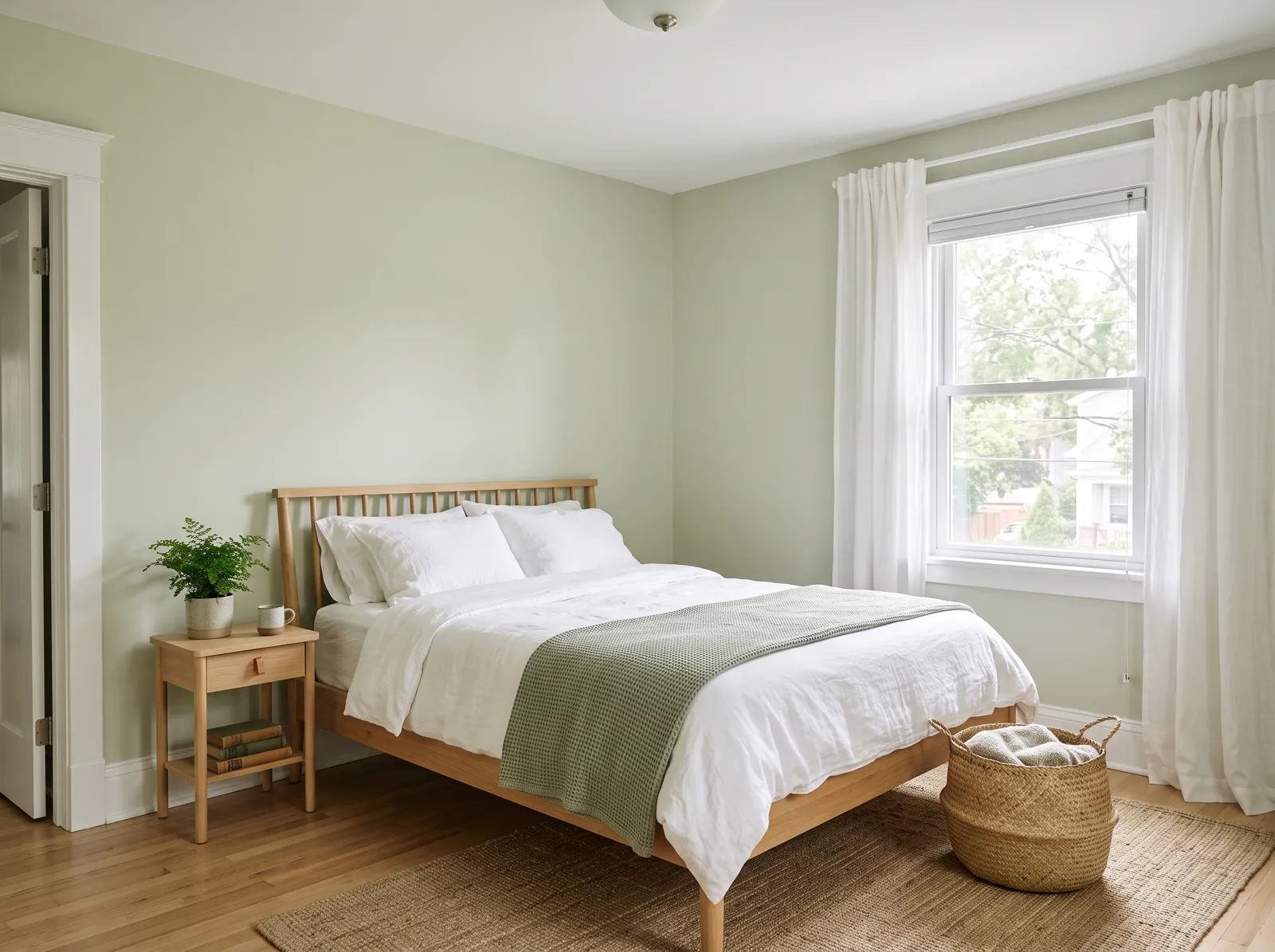
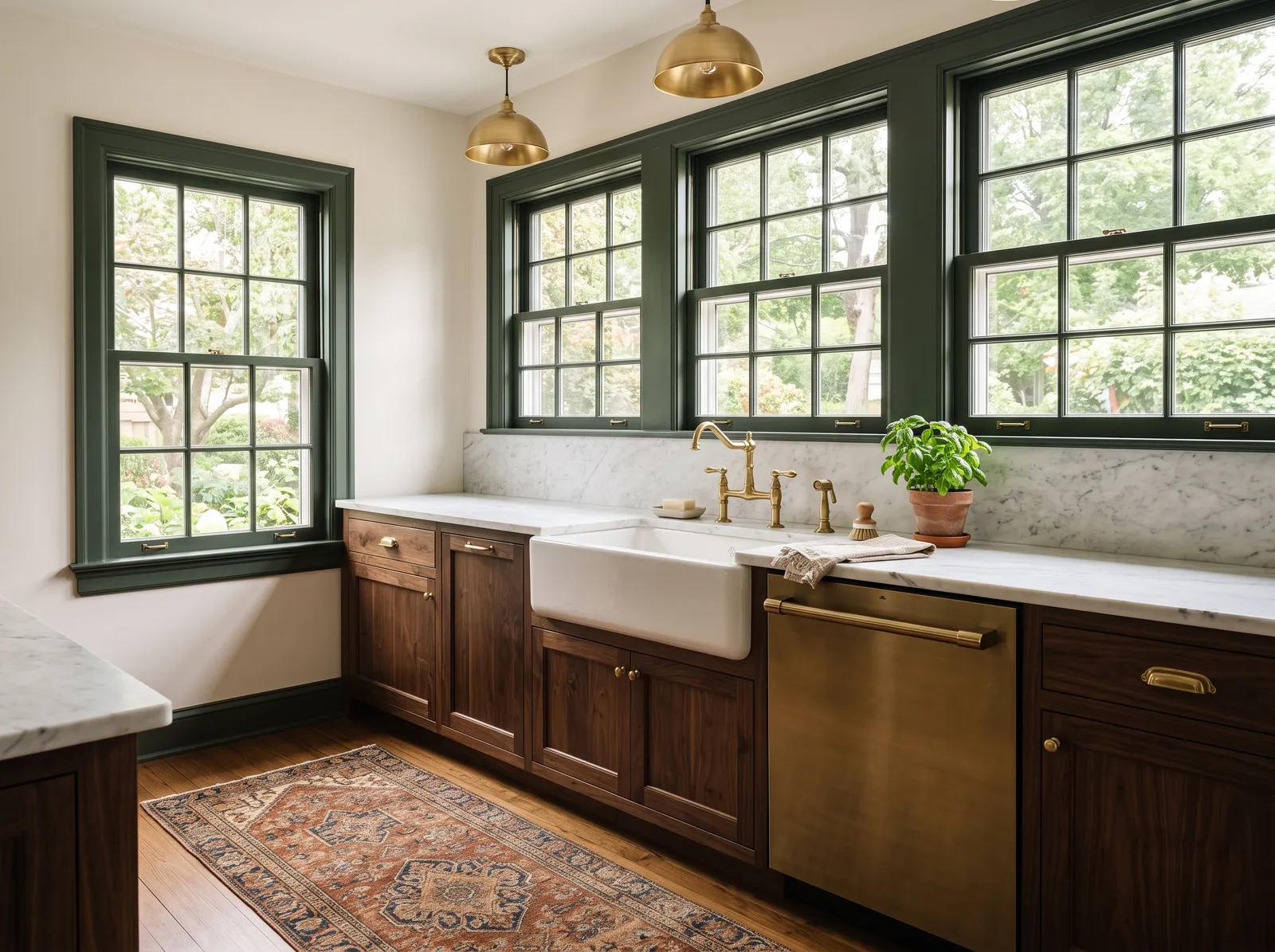
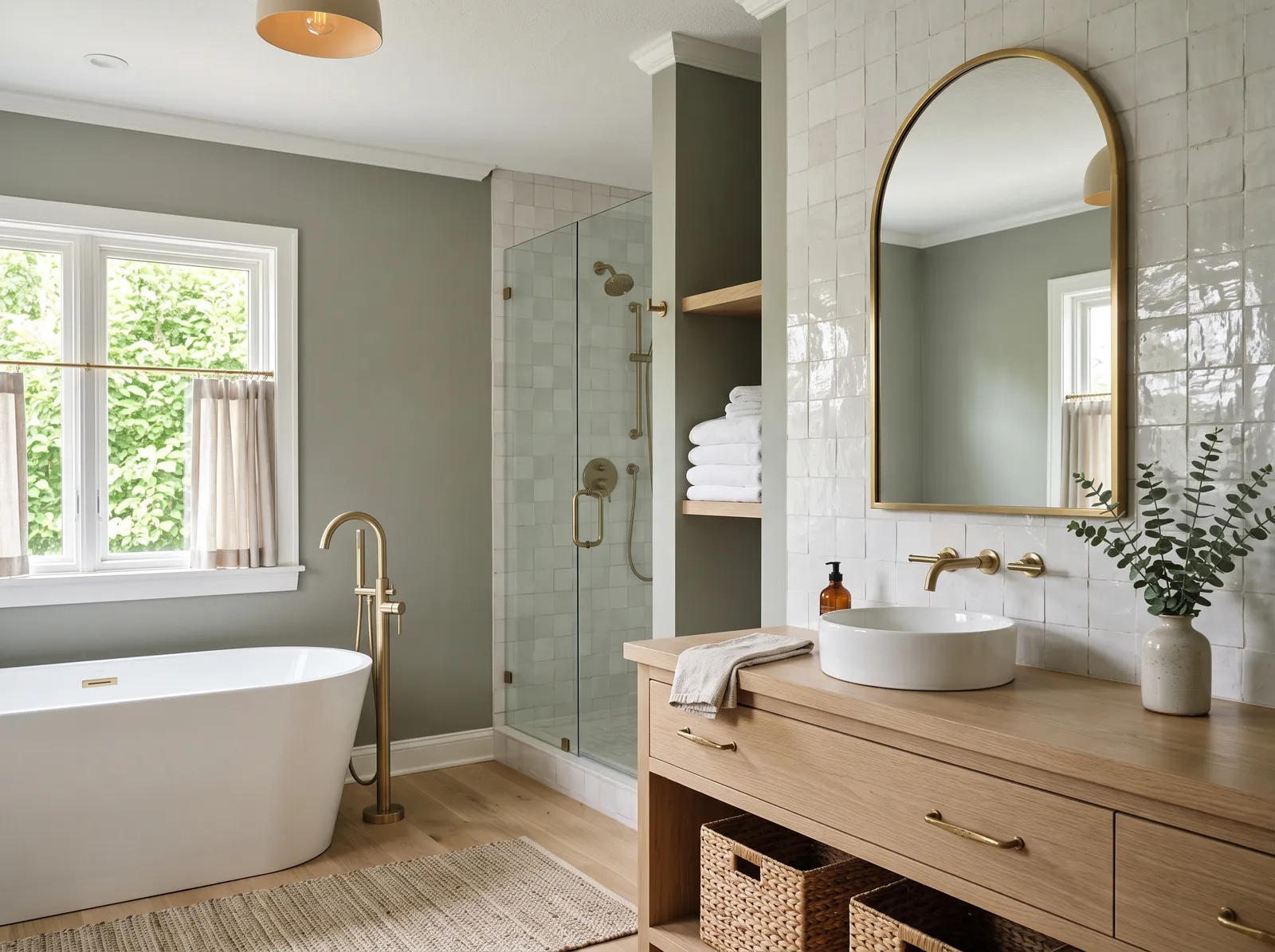
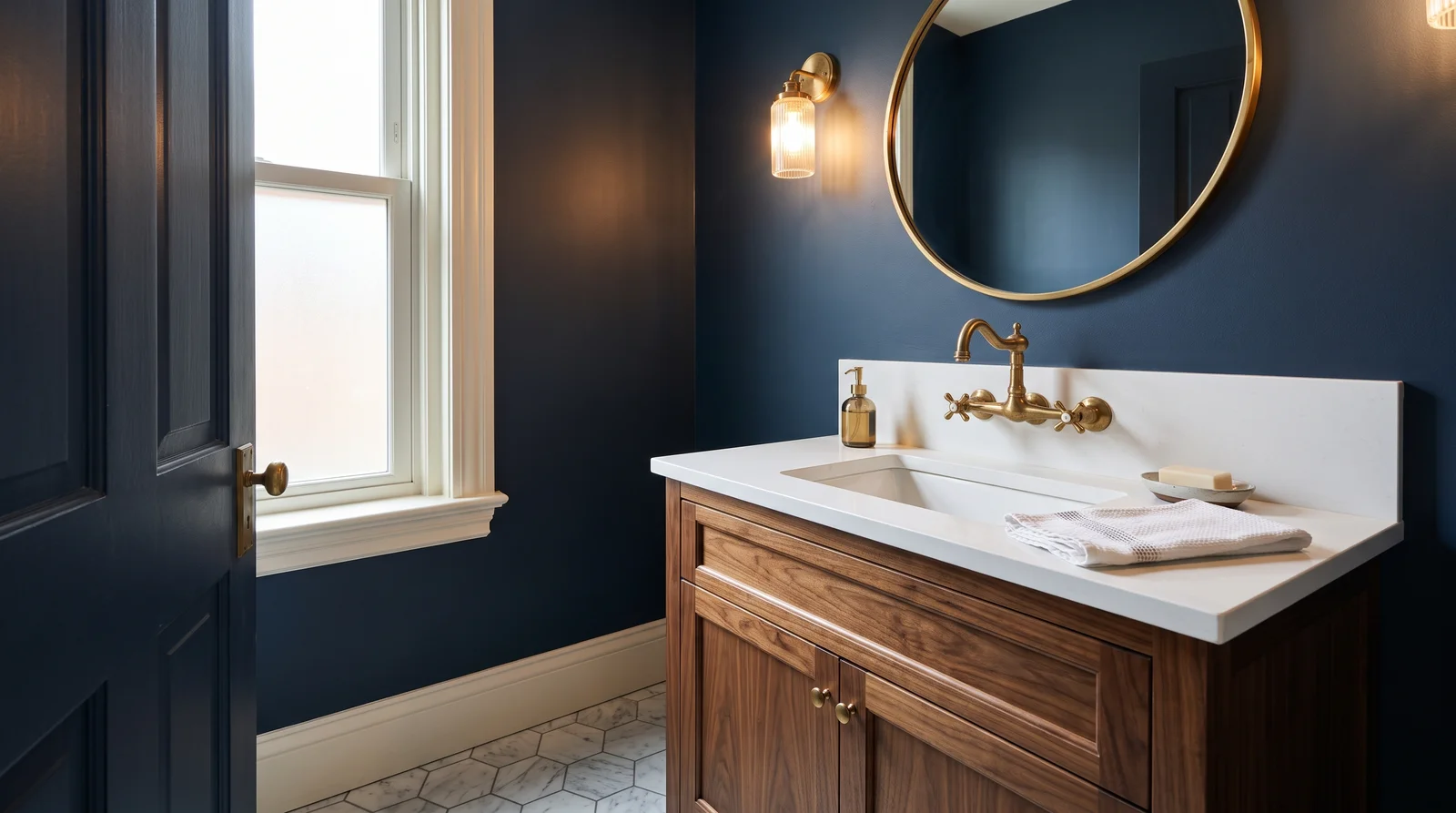
How Deep Each Green Deck Goes
How many green colors each brand carries, drawn with that deck's own greens from light to dark. Pick your store first, then the color. Every brand equal, no favorites.
More on Dutch Boy green paint colors
What Dutch Boy Greens Are Like
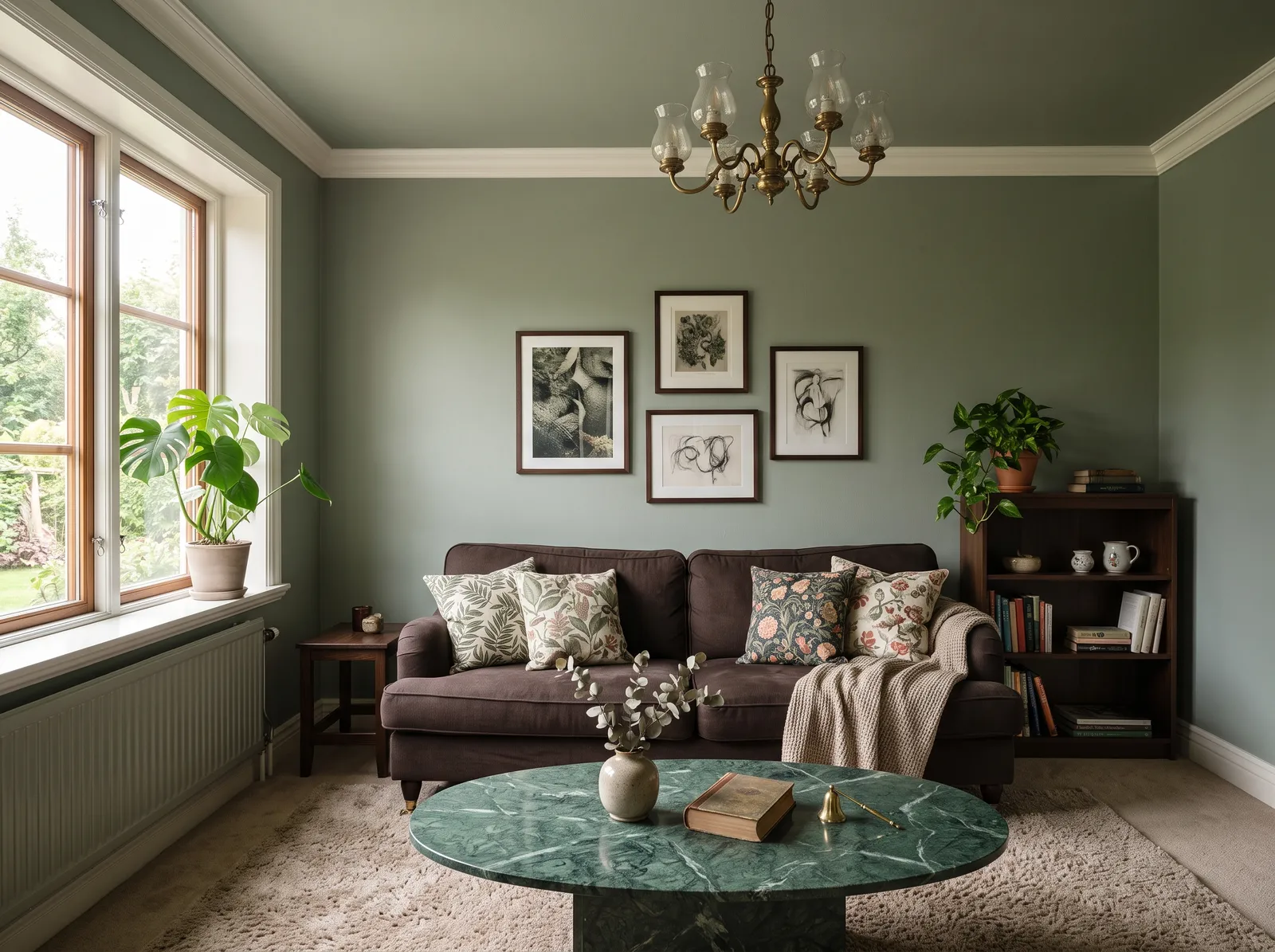
Green is one of Dutch Boy's richest families, and it spans the whole spectrum from pale minty whisper-greens to deep forest tones. The soft end is fresh and calming, with light sage-and-mint picks like Dainty Lime and Welcoming Green that work almost like tinted neutrals. The popular middle is the sage-and-olive zone, where grounded tones such as Urban Zen, Chopped Mint, and Sweetened Green give walls a natural, restful color that pairs with everything.
The deep end delivers true statement greens like the emerald Croquet Green and the dark forest Forestlawn, ideal for an accent wall, cabinetry, or a moody study. Because greens read as calming and nature-adjacent, this family suits bedrooms, baths, kitchens, and any room you want to feel relaxed in.
How to Choose Within Dutch Boy's Greens
Sort by LRV and undertone together. A pale mint like Welcoming Green near LRV 75 keeps a room light and airy, a mid sage like Urban Zen around 42 or Chopped Mint near 51 gives a grounded, comfortable wall color, and a deep pick like Forestlawn near LRV 8 is firmly accent and cabinet territory.
Greens swing between yellow-leaning and blue-leaning, so watch the undertone against your light. A sage with a gray base reads quiet and sophisticated, while a brighter yellow-green like Sweetened Green feels fresher and more energetic. Greens also reflect off grass and trees outside, so a green wall can shift through the day. Sample on the wall and pair sage tones with warm whites, wood, and brass; save crisp white trim for the deeper greens to make them pop.
Dutch Boy Green Paint FAQ
What's a good Dutch Boy sage green?
Mid-tone picks like Urban Zen and Chopped Mint sit in the popular sage zone, grounded and easy to pair with wood and warm whites. Welcoming Green is a lighter, airier option if you want a softer mint.
Which Dutch Boy green works for cabinets or an accent wall?
The deep end is where to look. Croquet Green reads as a rich emerald and Forestlawn as a dark forest tone, both strong choices for cabinetry, a study, or a moody accent wall against white trim.
Do Dutch Boy greens lean yellow or blue?
It varies across the family. A yellow-leaning green like Sweetened Green feels fresh and lively, while gray-based sages read quieter and more refined. Greens also catch reflected light from outside, so always sample on the wall.
Ask a Question