Annie Sloan Green All 4, sorted honestly.
Every green in the Chalk Paint deck: 4 colors, LRV 38 down to 20, grouped by undertone and depth.
All 4 Annie Sloan Green Paint Colors
Every green in the Chalk Paint deck, LRV 38 down to 20. Grouped by undertone, warm to cool. Filter by depth or change the order.
Hex values are display approximations from Annie Sloan's published swatch tools, not a physical sample under controlled lighting. Order a brand-direct sample before specifying.
Upload a photo of the room. We paint it in the green you chose with your light and your floor, and you can swap colors until one holds.
None of these four greens are part of Annie Sloan's separate Wall Paint line. Duck Egg Blue in particular is popular enough as a look that many people specifically ask a paint store to color-match it for walls, trim, or cabinetry — any US paint brand can take a sample chip and produce a matched formula.
Greens are one of the trickier families to match with total precision, since small shifts in the blue-versus-yellow balance change whether the result reads as sage, moss, or true green. Get an actual sample pot for any of these four and test it on your wall in real light before painting a full room.
Annie Sloan Green, Room by Room
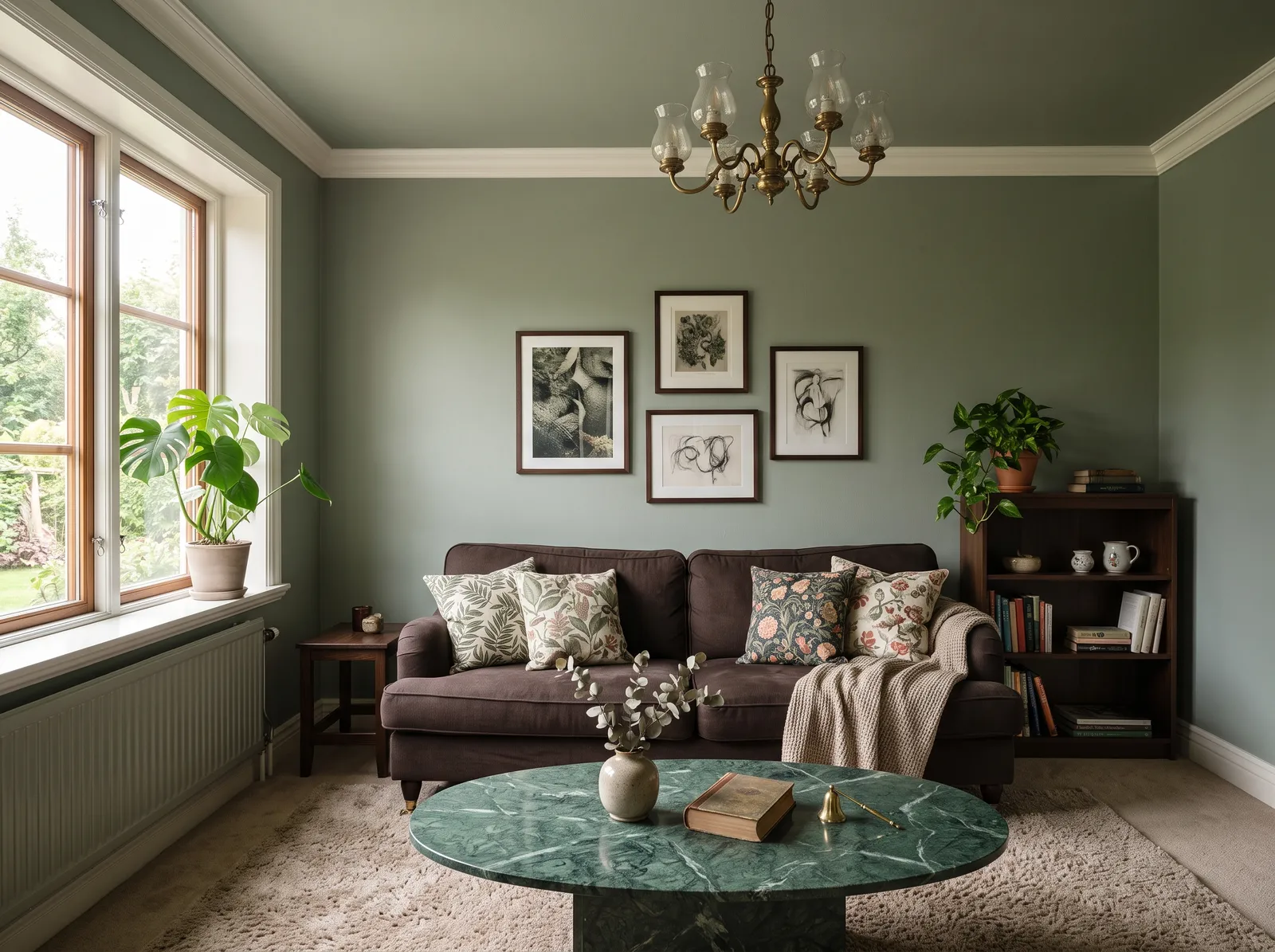
Each room page shows green picks from every US brand side by side, so you can compare in context.
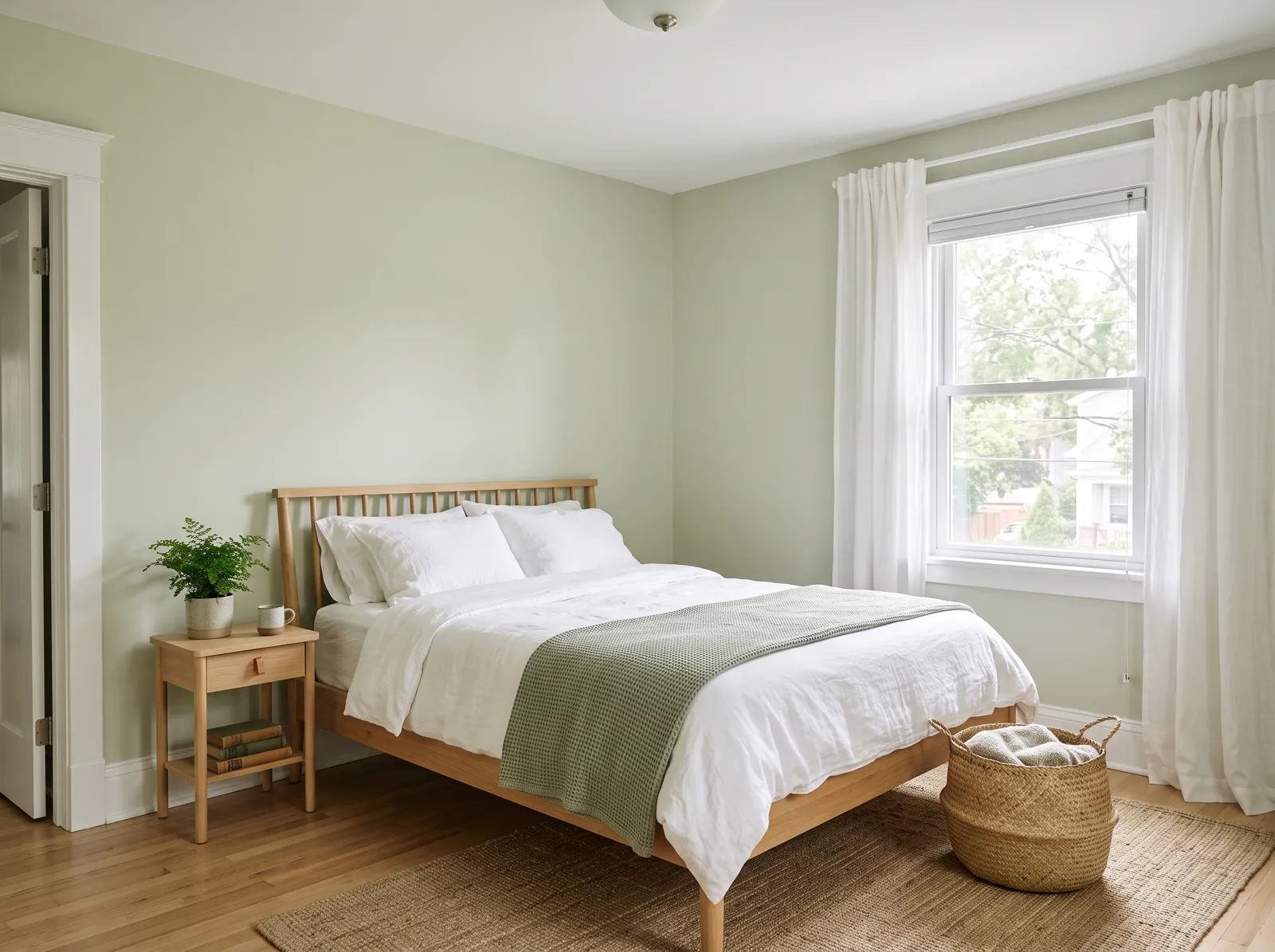
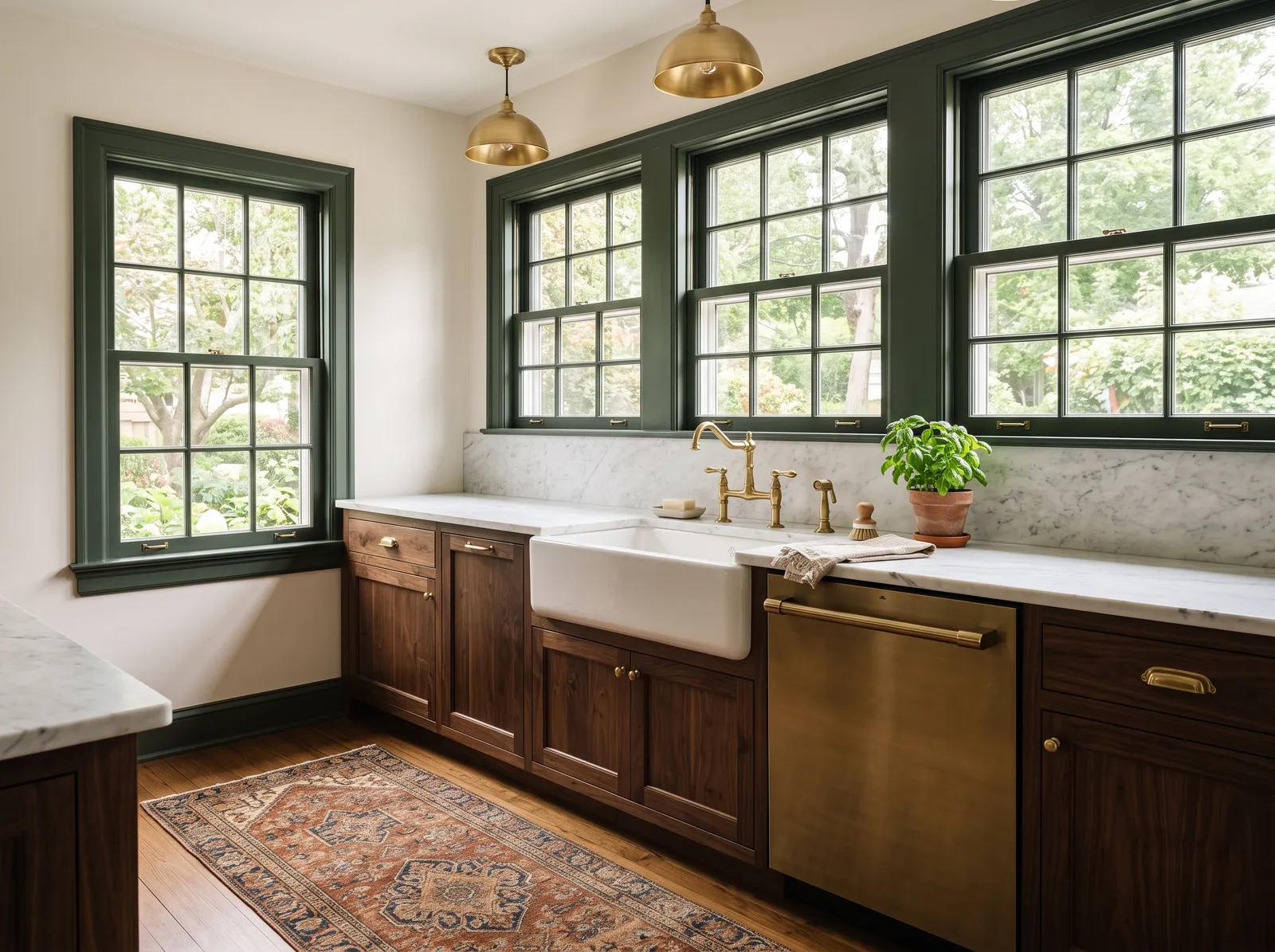
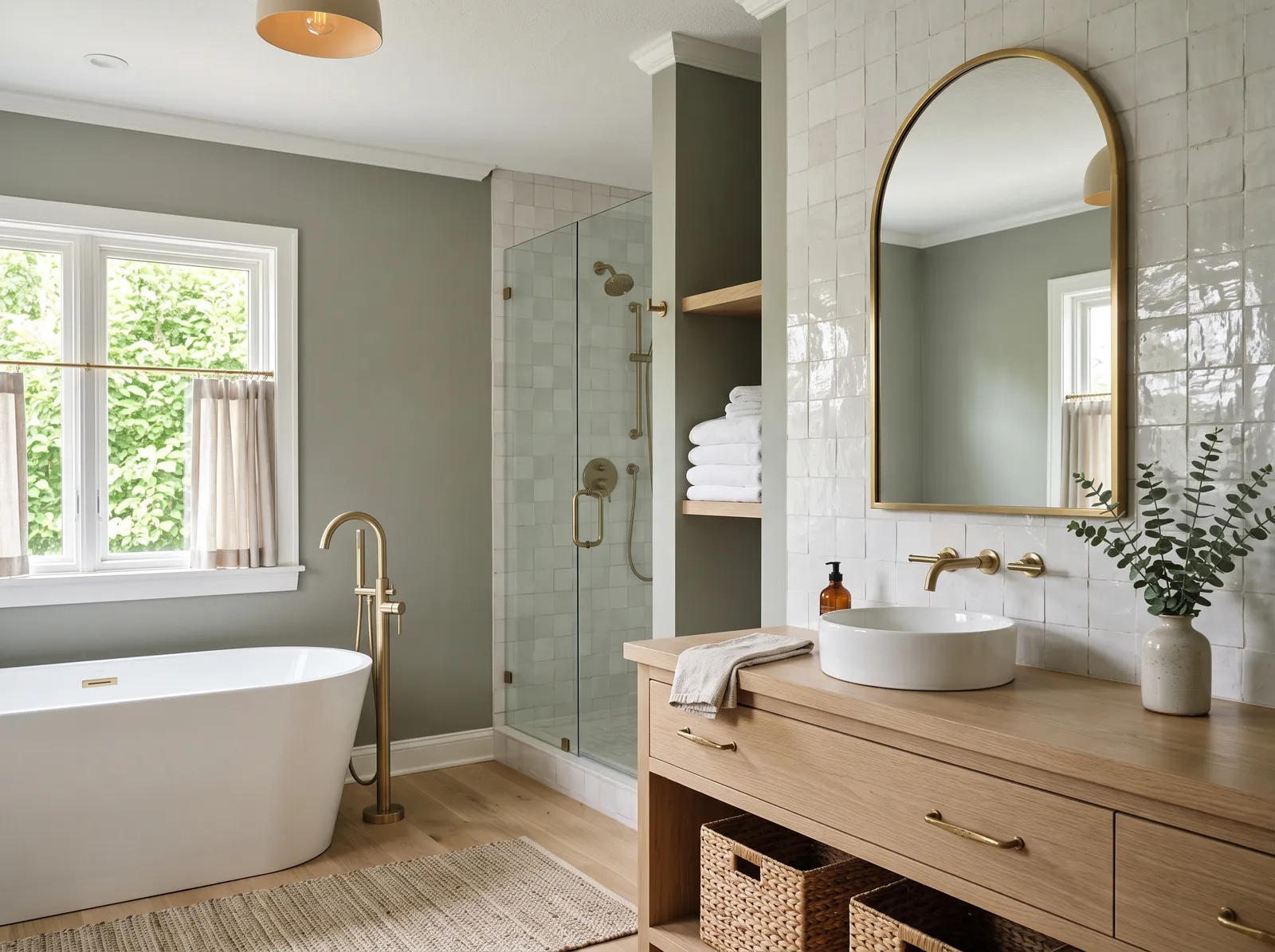
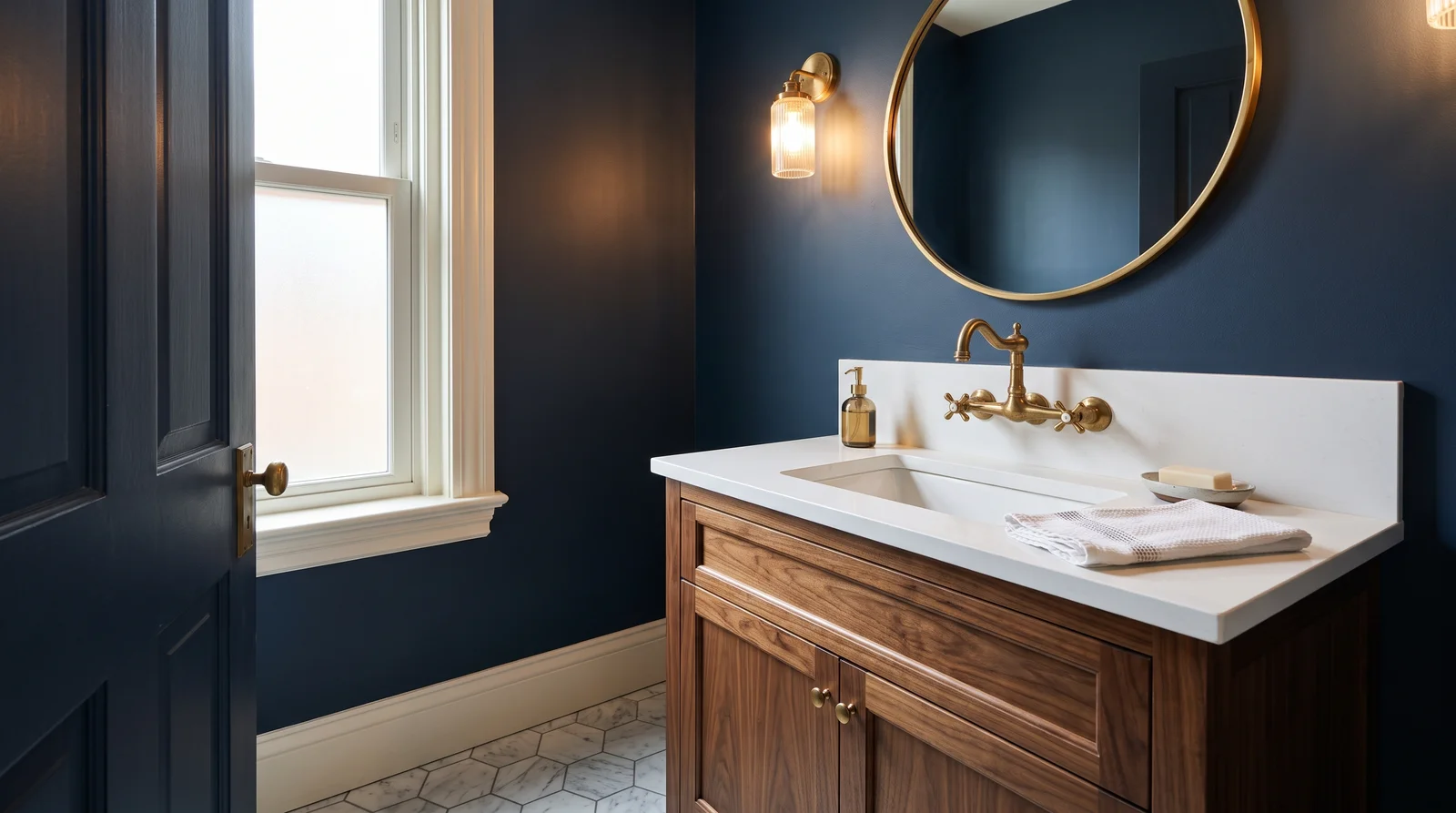
How Deep Each Green Deck Goes
How many green colors each brand carries, drawn with that deck's own greens from light to dark. Pick your store first, then the color. Every brand equal, no favorites.
More on Annie Sloan green paint colors
Four Greens With Genuinely Different Personalities
This family covers real ground. Antibes Green (#519B50, LRV 26) is the most vivid — a true, saturated grass green named for the sunny south of France. Duck Egg Blue (#99AB9D, LRV 38), despite the name, is one of Annie Sloan's most iconic colors and reads as a soft, pale sage-gray-green rather than blue at all; it's been a signature shade since the brand's early years. Firle (#969C3B, LRV 31) leans olive-yellow, a mossy, earthy green closer to the neutral family in spirit. Florence (#018B72, LRV 20) is the deepest and most saturated of the four, a rich teal-leaning green with real depth.
Duck Egg Blue's name is a good reminder that Annie Sloan's color names describe a feeling or reference more than a strict hue — always check the actual swatch, not just the name, before you commit to a color for a project.
Where Each Green Works Best
Duck Egg Blue is the most versatile of the four for whole-piece furniture, since its soft, grayed quality works in almost any room and pairs easily with wood, white, and most of Annie Sloan's other families — it's a common first-choice color for beginners for exactly that reason. Antibes Green, being far more saturated, works best as a deliberate accent: a single chair, a small table, or a front door where you want real, cheerful color.
Firle's mossy, olive character suits rustic or farmhouse pieces and layers naturally with the neutral family, especially Old Ochre and French Linen. Florence, with its depth and teal lean, makes a strong statement on a larger piece like a hutch or armoire, especially in a room with plenty of natural wood to play against.
Wax and Finish Across the Green Family
Dark wax has a strong, attractive effect on Firle, deepening its already-mossy tone into something that looks genuinely aged and mineral, well suited to farmhouse or rustic furniture. On Duck Egg Blue, dark wax mutes the pale, soft quality that makes it popular in the first place, so many people prefer clear wax to keep that signature soft look intact.
Antibes Green and Florence both deepen noticeably under dark wax, pushing toward richer, more antique-looking versions of themselves — worth testing on a hidden edge first, since both are already saturated colors. Lacquer is the better call for any of the four on furniture that gets daily handling, like a kitchen piece or a tabletop.
Annie Sloan Green Paint FAQ
how many green colors does annie sloan have?
Four: Antibes Green, Duck Egg Blue, Firle, and Florence. Despite the small count they cover real range, from Antibes Green's vivid grass tone to Duck Egg Blue's soft sage-gray to Firle's mossy olive and Florence's deep teal-green.
why is duck egg blue in the green family?
Its color measurement places it as a soft, pale sage-gray-green (#99AB9D) rather than a true blue, even though the name says blue. Annie Sloan's color names often describe a feeling or reference rather than a strict hue, so it's always worth checking the actual swatch.
is duck egg blue a good color for beginners?
Yes — it's one of Annie Sloan's most iconic, versatile colors, a soft LRV 38 sage-gray that pairs easily with wood tones, white, and most of the brand's other families. Its gentle, forgiving quality is a big reason it's a common first choice for a first furniture project.
which annie sloan green is the most vivid?
Antibes Green (LRV 26) is the most saturated and vivid of the four, a true grass green. Florence (LRV 20) is close behind but leans more teal than pure green, giving it a deeper, moodier feel than Antibes Green's brighter tone.
can i get duck egg blue or firle as a wall paint?
Neither is part of Annie Sloan's Wall Paint line, but any paint store can color-match a sample chip into a standard wall formula — Duck Egg Blue is popular enough that many people specifically request the match. Test a sample on your wall first, since greens shift more between formulas than neutrals.
Ask a Question