 1
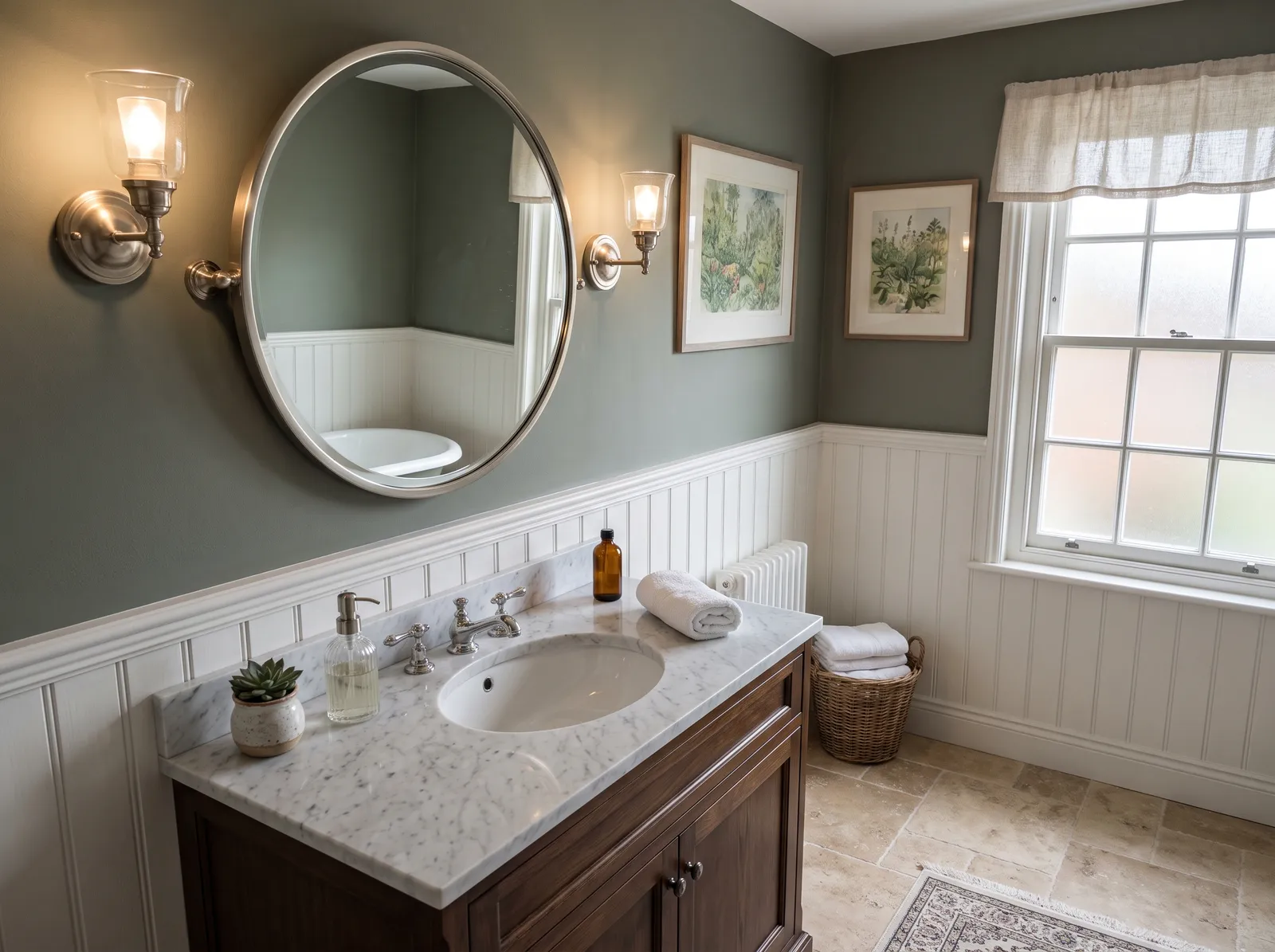
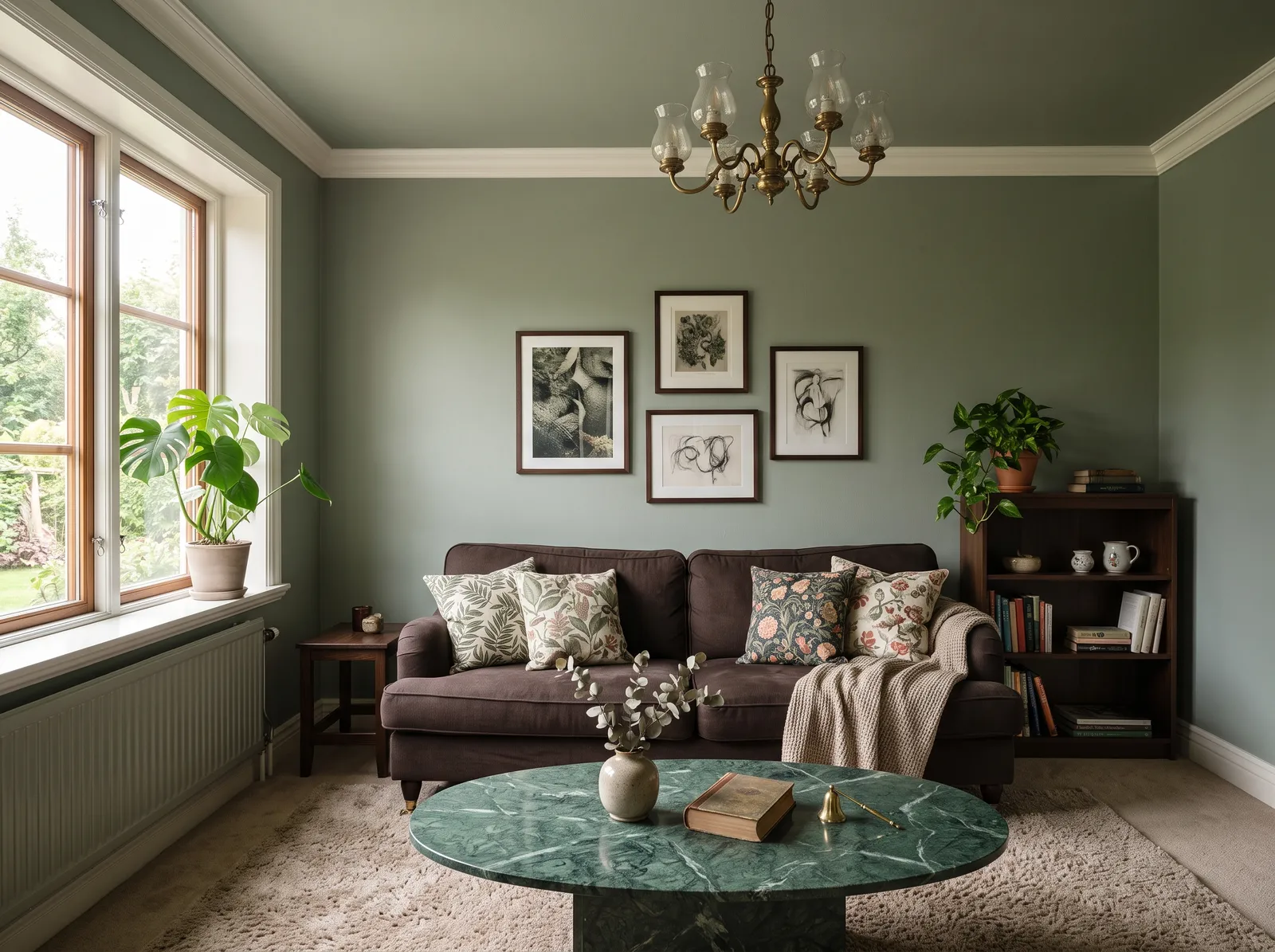
1Card Room GreenNo. 79 · LRV 26
Deep muted sage-olive; recurring F&B feature for Anglo-traditional rooms.
5 curated greens with undertones, LRV, and the honest reasons why, plus the full 32-color green deck below.
Don't want to compare 32 greens? These four cover most real projects.
Deep muted sage-olive; recurring F&B feature for Anglo-traditional rooms
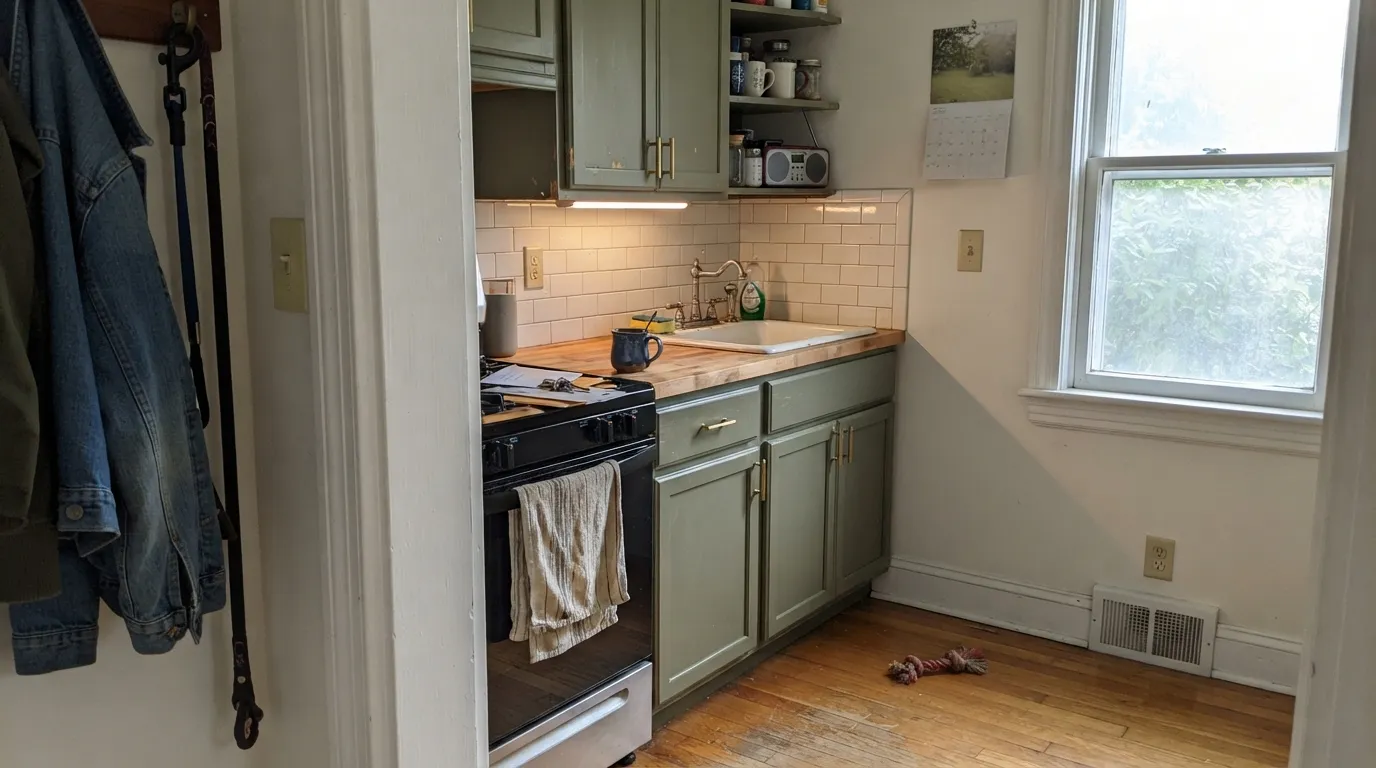
Earthy yellow-green named after Calke Abbey; designer-favorite library color
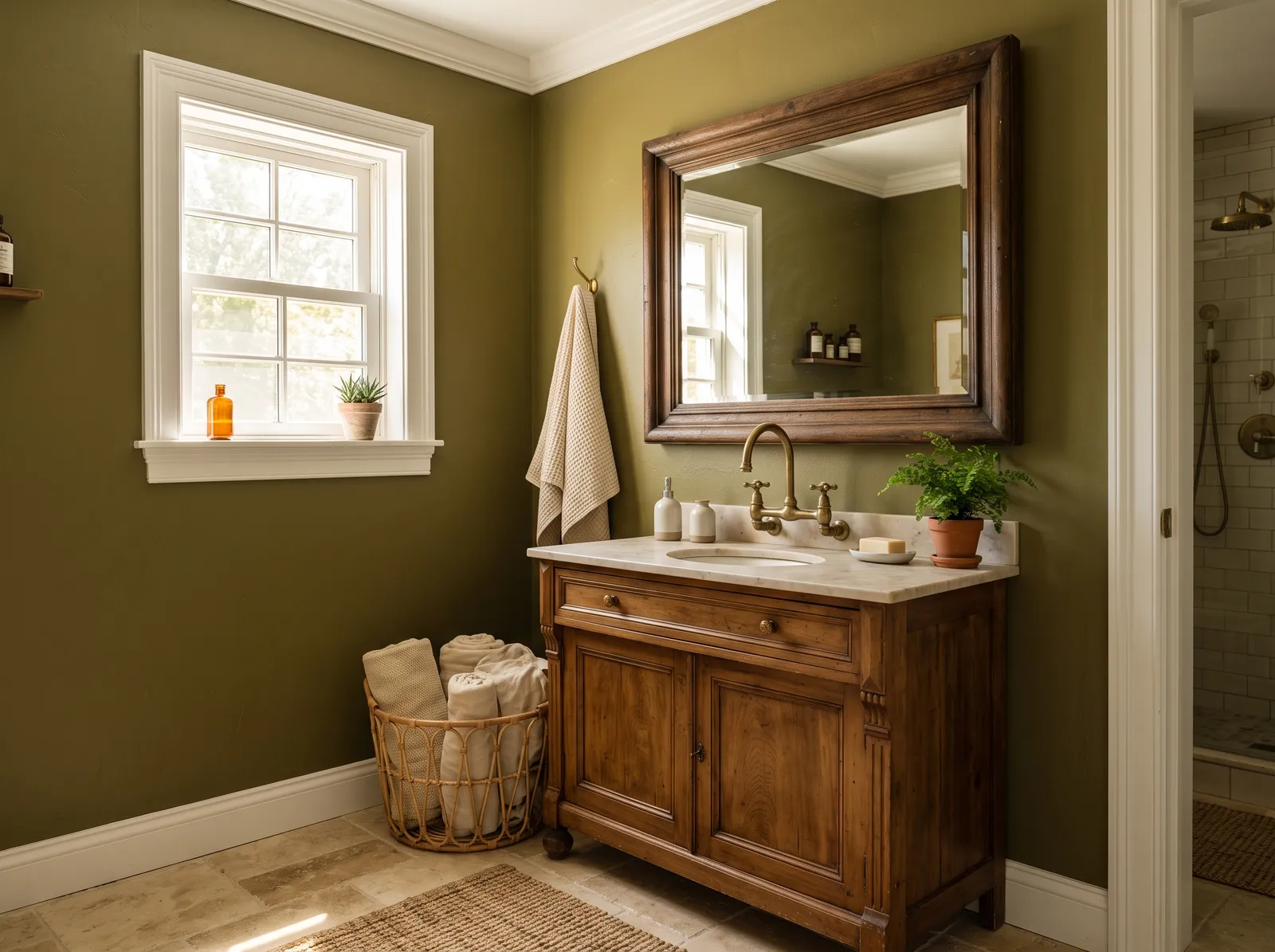
Bancha is the olive designers reach for when a client wants color but not a spectacle: a deep tea-leaf green with enough yellow to stay warm and enough gray to stop it looking like a uniform.
Numbered and curated. Tap any color for its full review, or see it on your own walls in the visualizer.
1Deep muted sage-olive; recurring F&B feature for Anglo-traditional rooms.
 2
2Earthy yellow-green named after Calke Abbey; designer-favorite library color.
 3
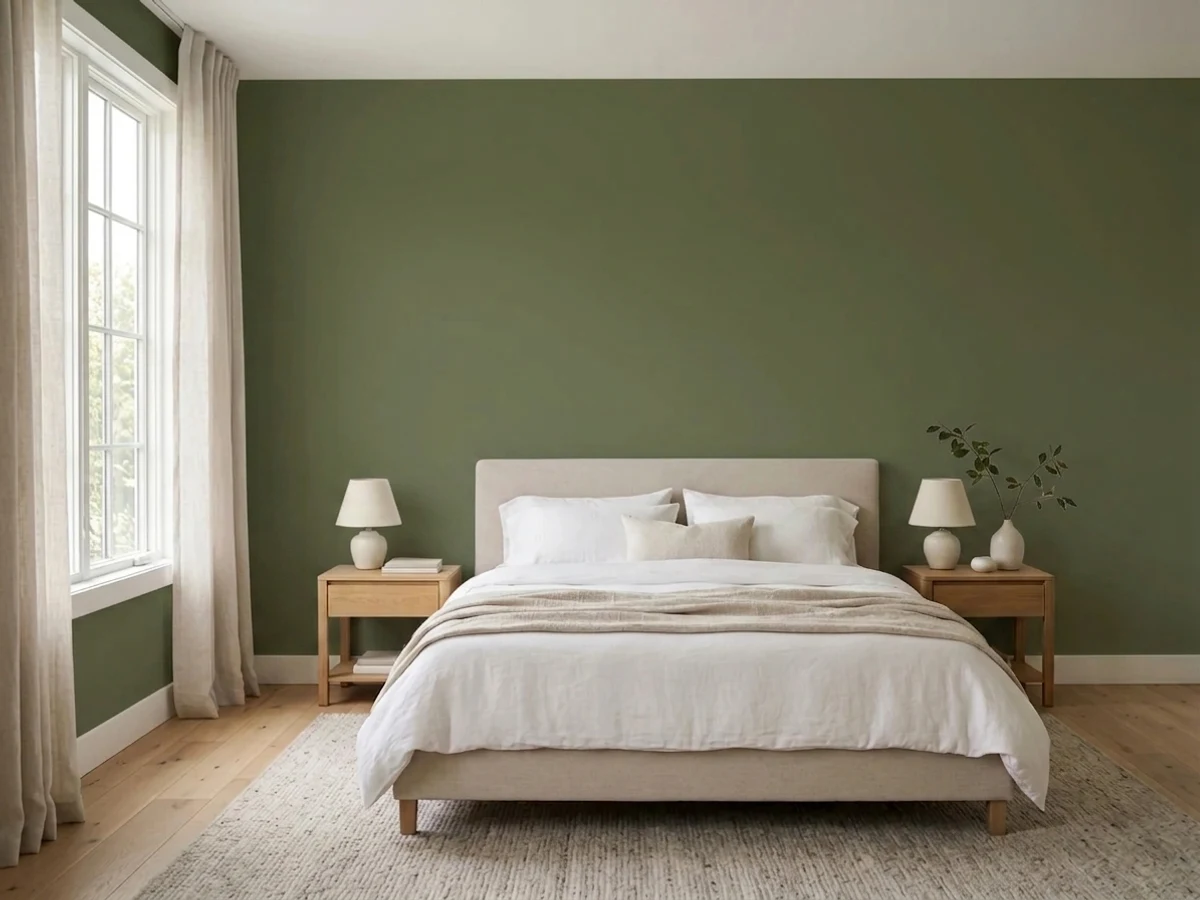
3Farrow & Ball's deep grassy olive at LRV 32, saturated enough to wrap a dining room or study in walls, trim, and ceiling all at once.
 4
4Bancha is the olive designers reach for when a client wants color but not a spectacle: a deep tea-leaf green with enough yellow to stay warm and enough gray to stop it looking like a uniform.
The whole Farrow & Ball green range by depth. LRV is the number to trust: the same green looks two steps darker on a wall than on a chip.
LRV (Light Reflectance Value) tells you how much light a color bounces back. The higher the number, the lighter and brighter the room feels. This green slice runs from 14 at the darkest to 69 at the lightest, so you have real range to work with.
For a bright, open feel, lean toward the high end: Green Ground (No. 206) at LRV 69 or Cooking Apple Green (No. 32) at 55 keep things fresh. For a cozy, enveloping room, drop lower — Yeabridge Green (No. 287) at 32 or Calke Green (No. 34) at 22 wrap a space in color. The mid-range options like Green Blue (No. 84) at 48 and Arsenic (No. 214) at 40 sit comfortably in most rooms with average light.
Stuck between two? These head-to-heads settle the ones people actually can't pick between.
Each room page shows green picks from every US brand side by side, so you can compare in context.
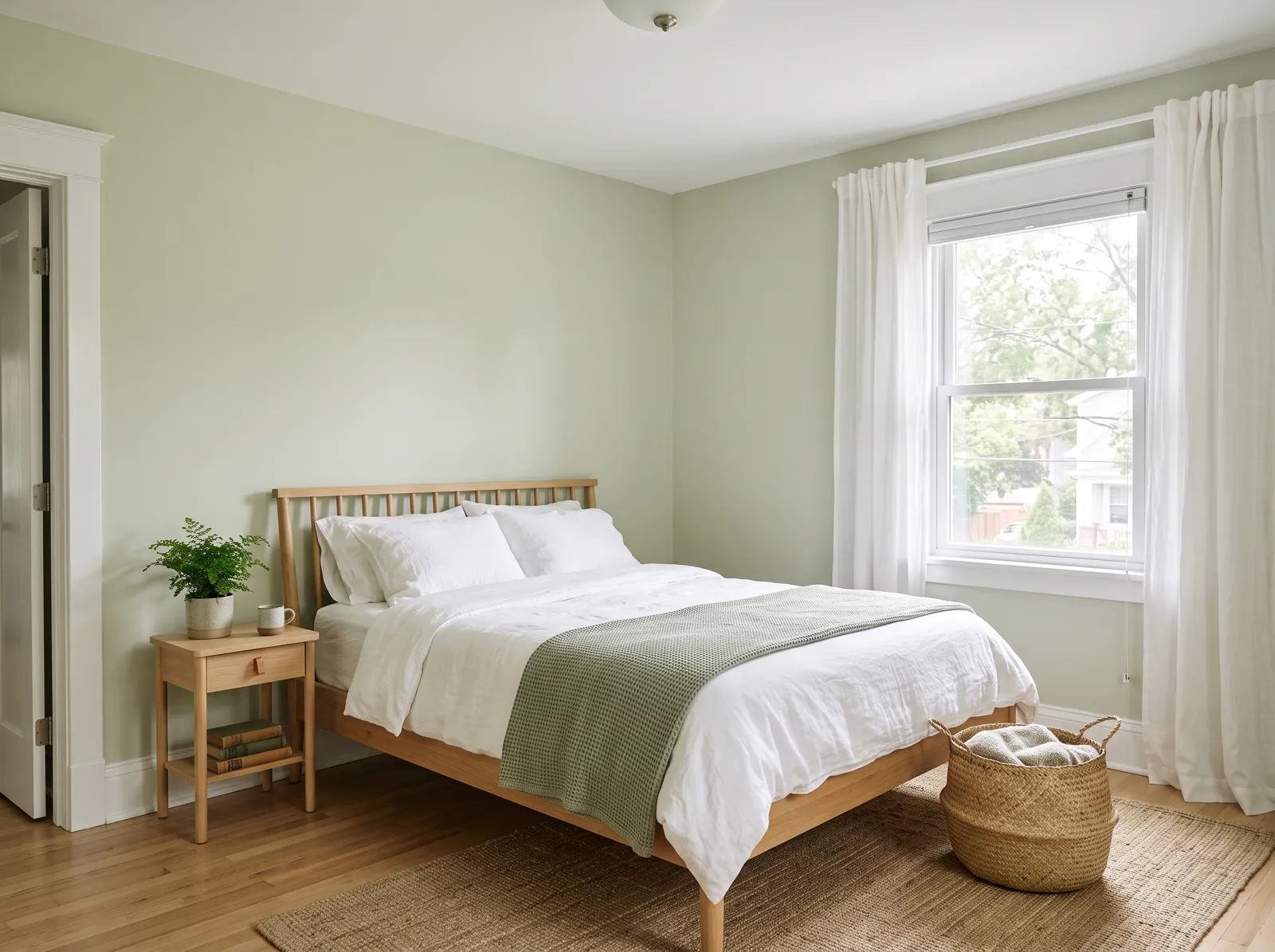
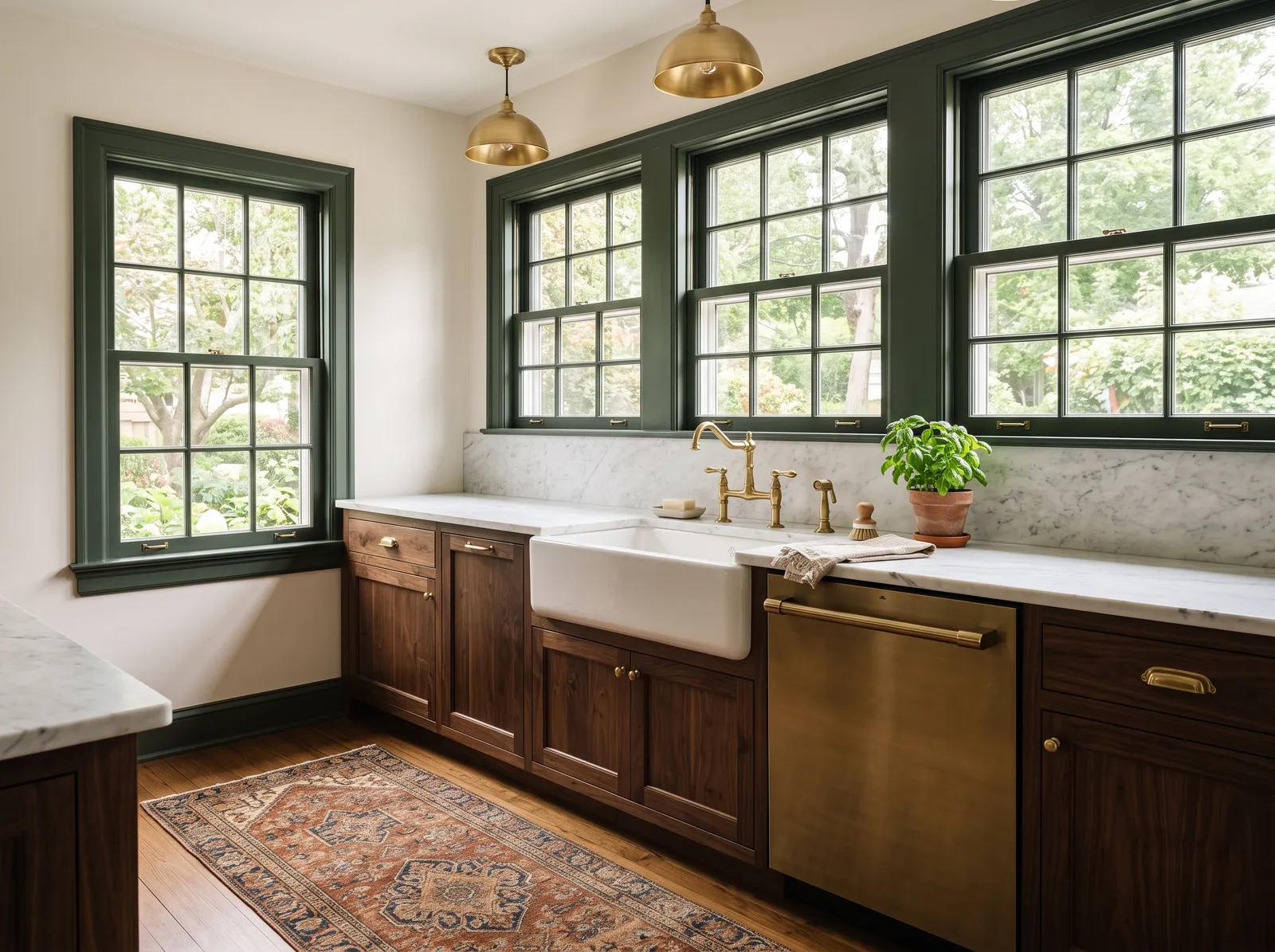
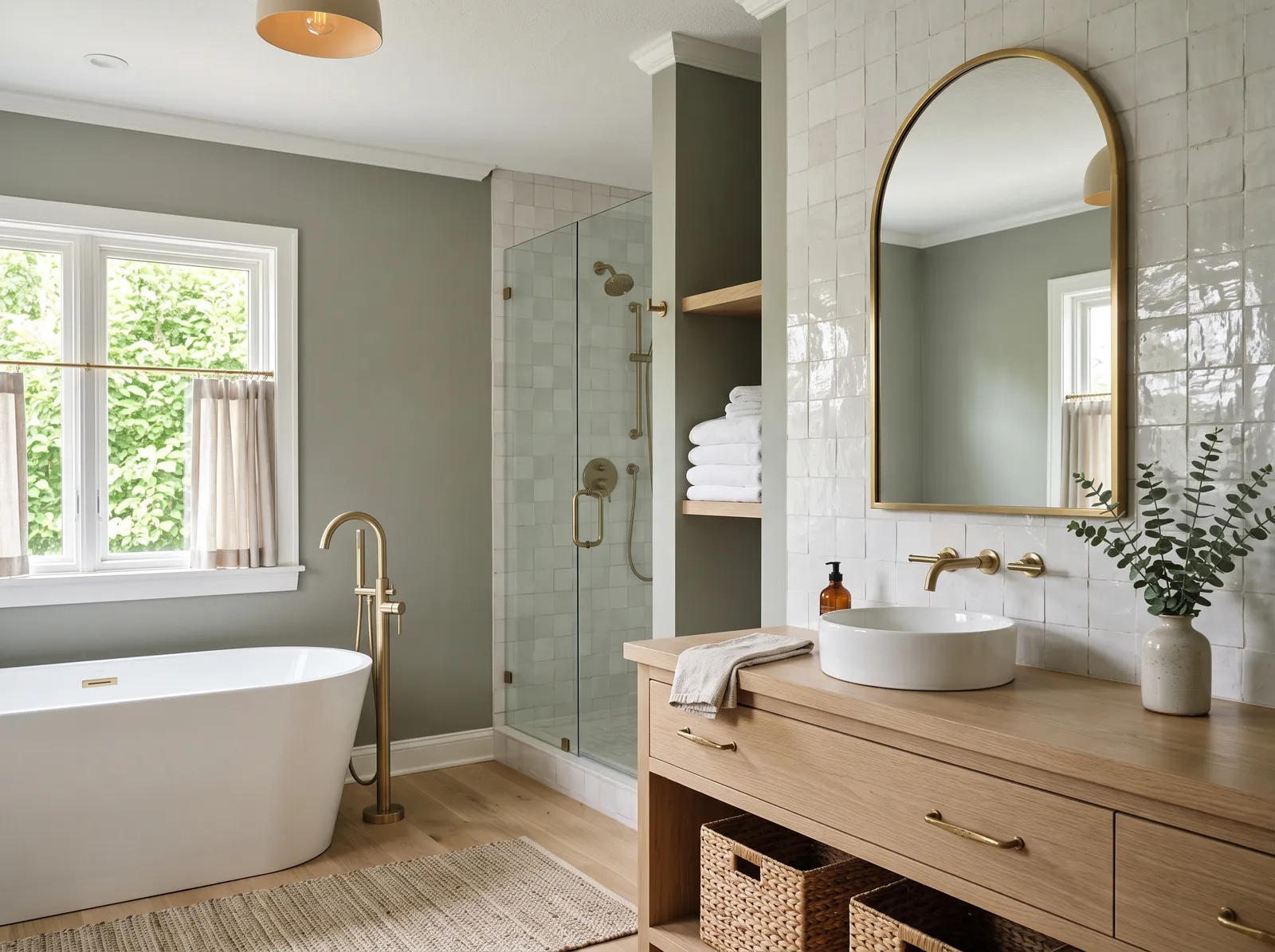
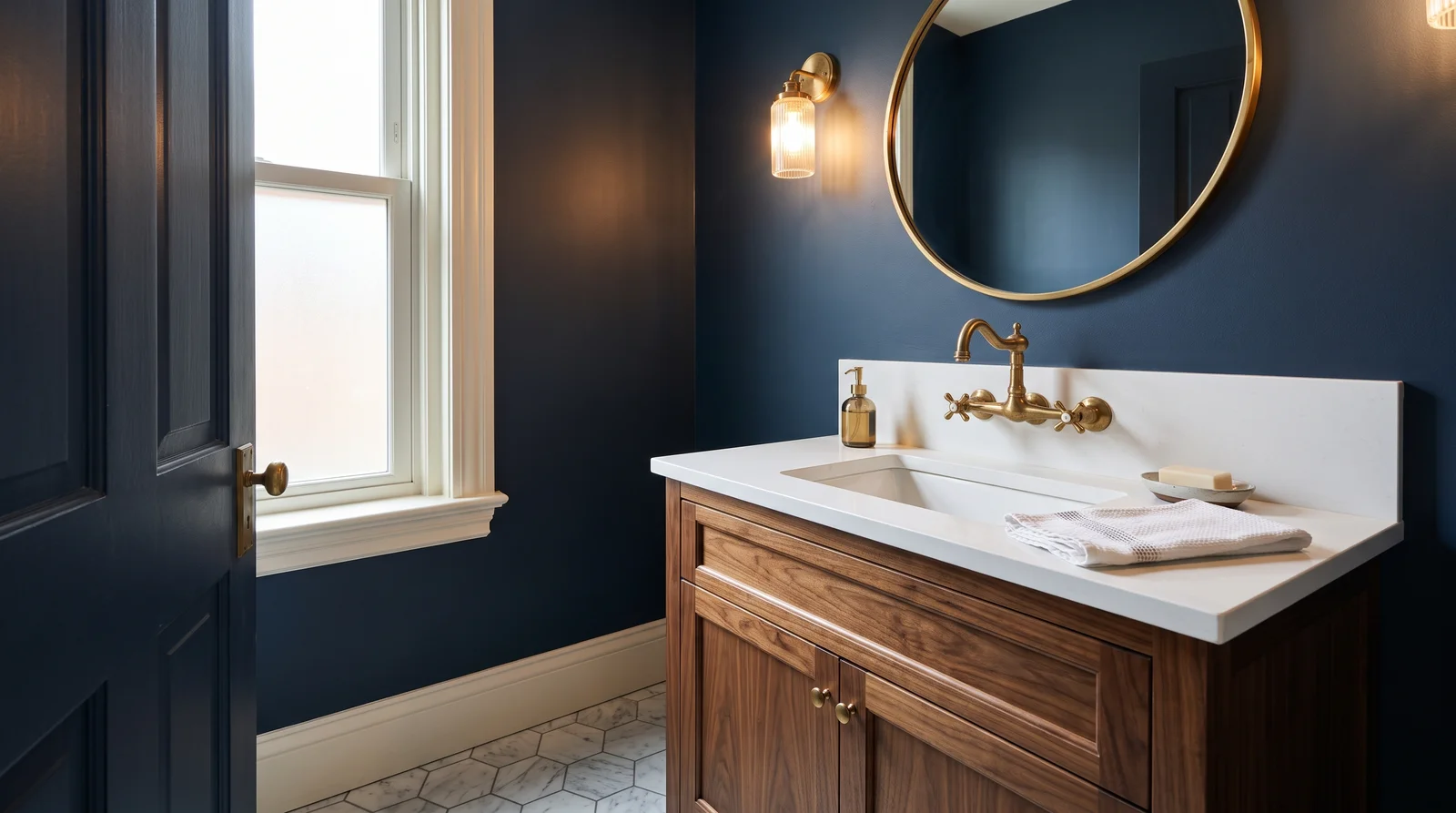
Lighter greens earn their keep in rooms you want to feel open and easy — kitchens, bathrooms, hallways, and north-facing spaces that need help staying bright. Green Ground and Cooking Apple Green work well on full walls in those spots without closing the room in.
Deeper greens are made for drama and comfort. Breakfast Room Green (No. 81), Yeabridge Green (No. 287), and Calke Green (No. 34) look rich in dining rooms, libraries, studies, and accent walls, and they pair beautifully with natural wood and brass. If you love a green but worry it's too dark for a whole room, use it on a single wall, on cabinetry, or on the lower half of a wall below a picture rail.
Every Farrow & Ball green, grouped by undertone, warm to cool. Filter by depth or change the order.
Hex values are display approximations from Farrow & Ball's published swatch tools, not a physical sample under controlled lighting. Order a brand-direct sample before specifying.
Upload a photo of the room. We paint it in the green you chose with your light and your floor, and you can swap colors until one holds.
Farrow & Ball is a British premium import sold through its own showrooms and authorized stockists. Expect to pay roughly $100 or more per gallon — about two to three times what mainstream brands cost — so it's worth ordering sample pots and living with them on your wall before committing.
Every color is mixed to order, so you pick your color and finish at the time of purchase. The greens come in the brand's named finishes: Estate Emulsion for chalky matt walls, Modern Emulsion for a washable wall finish, Estate Eggshell and Modern Eggshell for wood and metal, plus Dead Flat and Full Gloss. Match the finish to the surface — flat or matt for walls, eggshell for trim, doors, and cabinets that get touched and cleaned.
How many green colors each brand carries, drawn with that deck's own greens from light to dark. Pick your store first, then the color. Every brand equal, no favorites.
Farrow & Ball builds greens with real depth. These are not flat, one-note colors — they hold a lot of pigment, so they shift through the day as the light changes. A green like Vert de Terre (No. 234) can read soft and grayed-out at noon, then turn warmer and earthier by late afternoon.
The slice runs the full range, from the pale, airy Green Ground (No. 206) to the deep, inky Calke Green (No. 34). Most of these greens carry a touch of gray or yellow rather than a clean spring tone, which is why they feel calm and grounded instead of loud. The names tell stories too — Cooking Apple Green, Breakfast Room Green, Arsenic — which is part of the brand's charm.
Greens this earthy look best with a soft white rather than a stark, blue-white. A warm off-white on trim and ceilings lets the green stay the star without a harsh contrast line. For deep greens like Calke Green, painting the trim the same color in an eggshell finish makes a room feel intentional and tailored.
For coordinating walls, these greens pair naturally with warm neutrals, muted blues, and clay or terracotta tones. A deep blue makes a confident partner for a mid green, while a chalky stone or mushroom neutral keeps a green scheme relaxed. Greens generally play well together too, so layering two from this slice — a pale one on walls, a deep one on a door or built-in — is a safe, good-looking move.
Card Room Green (No. 79) — Deep muted sage-olive; recurring F&B feature for Anglo-traditional rooms. Saxon Green and Calke Green and Bancha round out the short list most people choose from.
In this green slice, Green Ground (No. 206) is the lightest at an LRV of 69. It's a pale, airy green that keeps a room feeling open, which makes it a good pick for smaller spaces or rooms with limited natural light.
Look at the deeper end of the slice. Calke Green (No. 34) at LRV 22 is the darkest here, with Yeabridge Green (No. 287) at 32 and Breakfast Room Green (No. 81) at 35 close behind. These wrap a room in color and look rich in dining rooms, studies, and on cabinetry.
Yes. These greens hold a lot of pigment, so they shift as the light changes through the day — softer and grayer in flat light, warmer and deeper in direct sun. That's why ordering a sample pot and watching the color on your own wall for a day or two matters before you buy gallons.
They're sold through Farrow & Ball showrooms and authorized stockists, and every color is mixed to order. You choose your color and finish — like Estate Emulsion for walls or Estate Eggshell for trim — at the time of purchase. Plan for roughly $100 or more per gallon.
Often, yes. Many paint counters can color-match a sample or chip to another brand's base, including the featured Kompozit deck. The match is usually very close but not always perfect, since these greens shift with light and lean on heavy pigment, so test a sample of the matched version before painting a full room.
A warm, soft white works best — it avoids the harsh line a stark blue-white creates against an earthy green. For deep greens, you can also paint the trim the same color in an eggshell finish for a tailored, all-over look.
Ask a Question