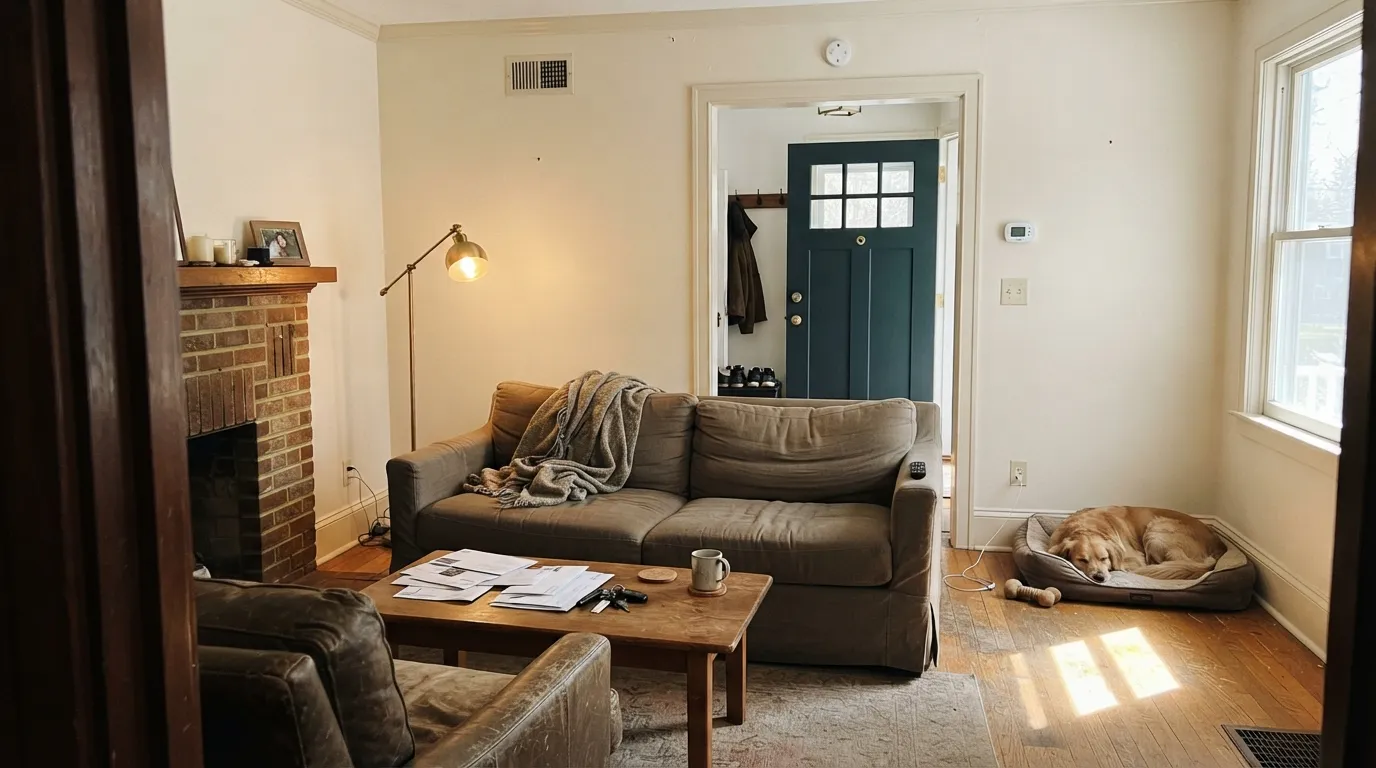
 1
1PointingNo. 2003 · LRV 86
Warm off-white that anchors most F&B traditional and cottage palettes.
6 curated whites with undertones, LRV, and the honest reasons why, plus the full 17-color white deck below.
Don't want to compare 17 whites? These four cover most real projects.
The pure F&B white most-compared to BM Chantilly Lace
Warm off-white that anchors most F&B traditional and cottage palettes
F&B's flagship white-with-bones; staple of American Tudor restorations
Pale warm off-white with a barely-grey cast; F&B's most-searched soft trim white
Numbered and curated. Tap any color for its full review, or see it on your own walls in the visualizer.
1Warm off-white that anchors most F&B traditional and cottage palettes.
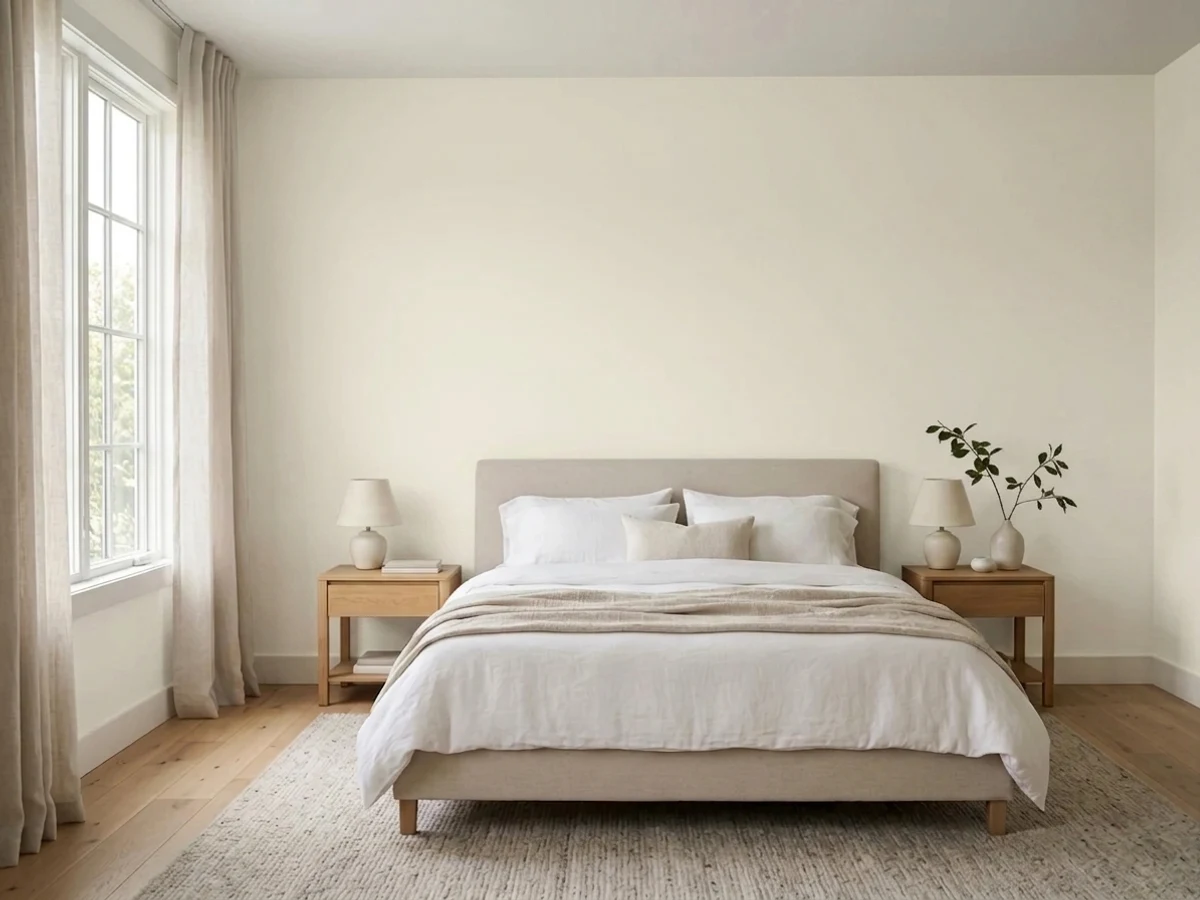 2
2F&B's flagship white-with-bones; staple of American Tudor restorations.
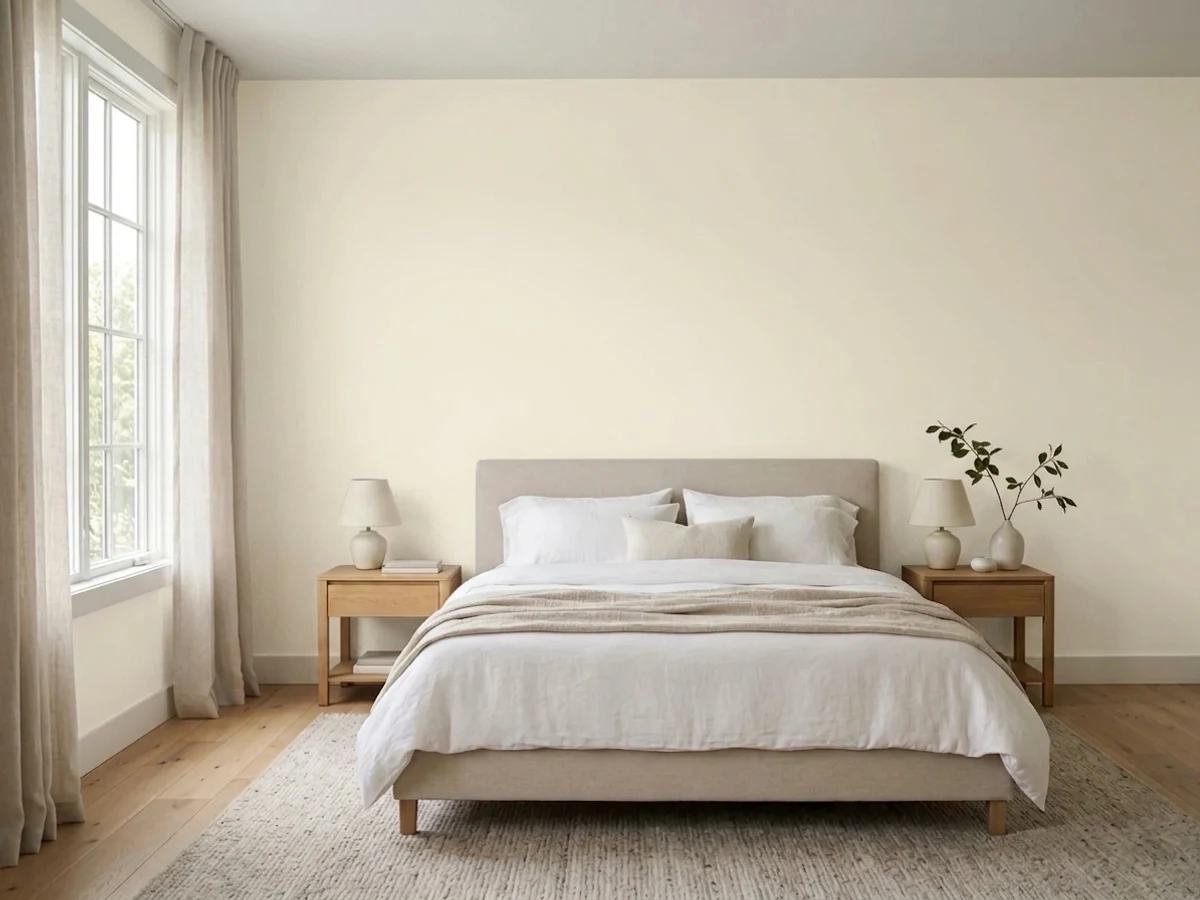 3
3The pure F&B white most-compared to BM Chantilly Lace.
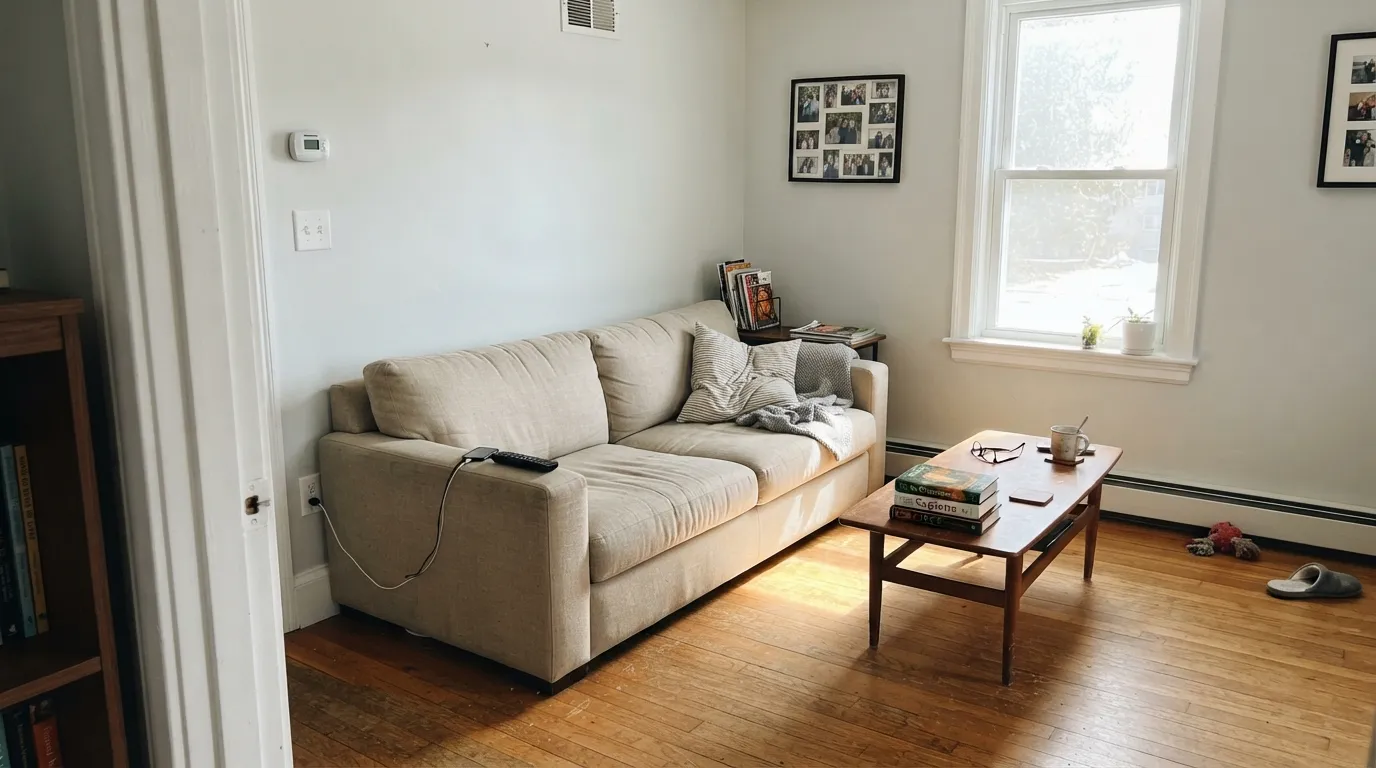 4
4Pale warm off-white with a barely-grey cast; F&B's most-searched soft trim white.
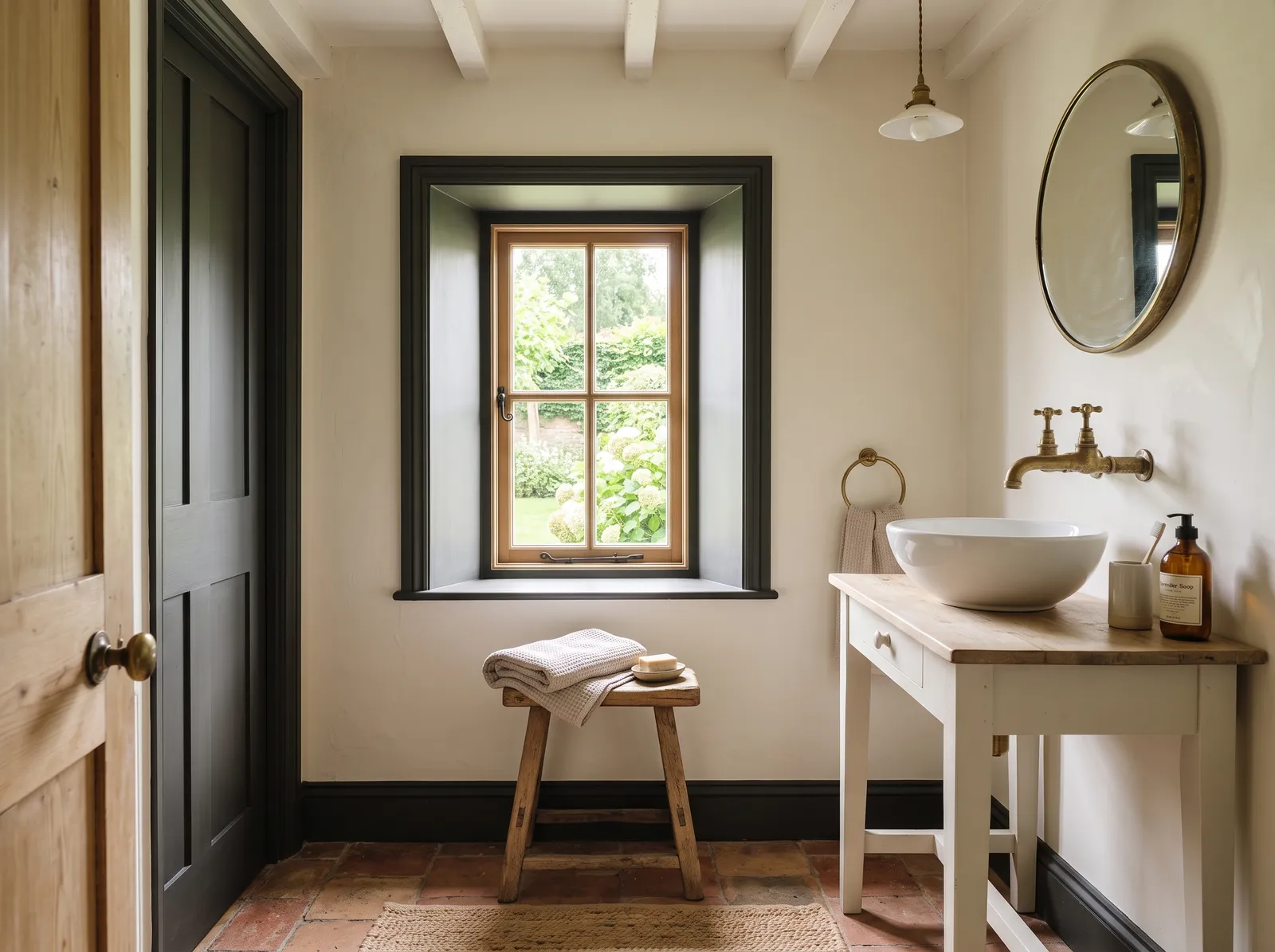 5
5Stuck between two? These head-to-heads settle the ones people actually can't pick between.
Each room page shows white picks from every US brand side by side, so you can compare in context.
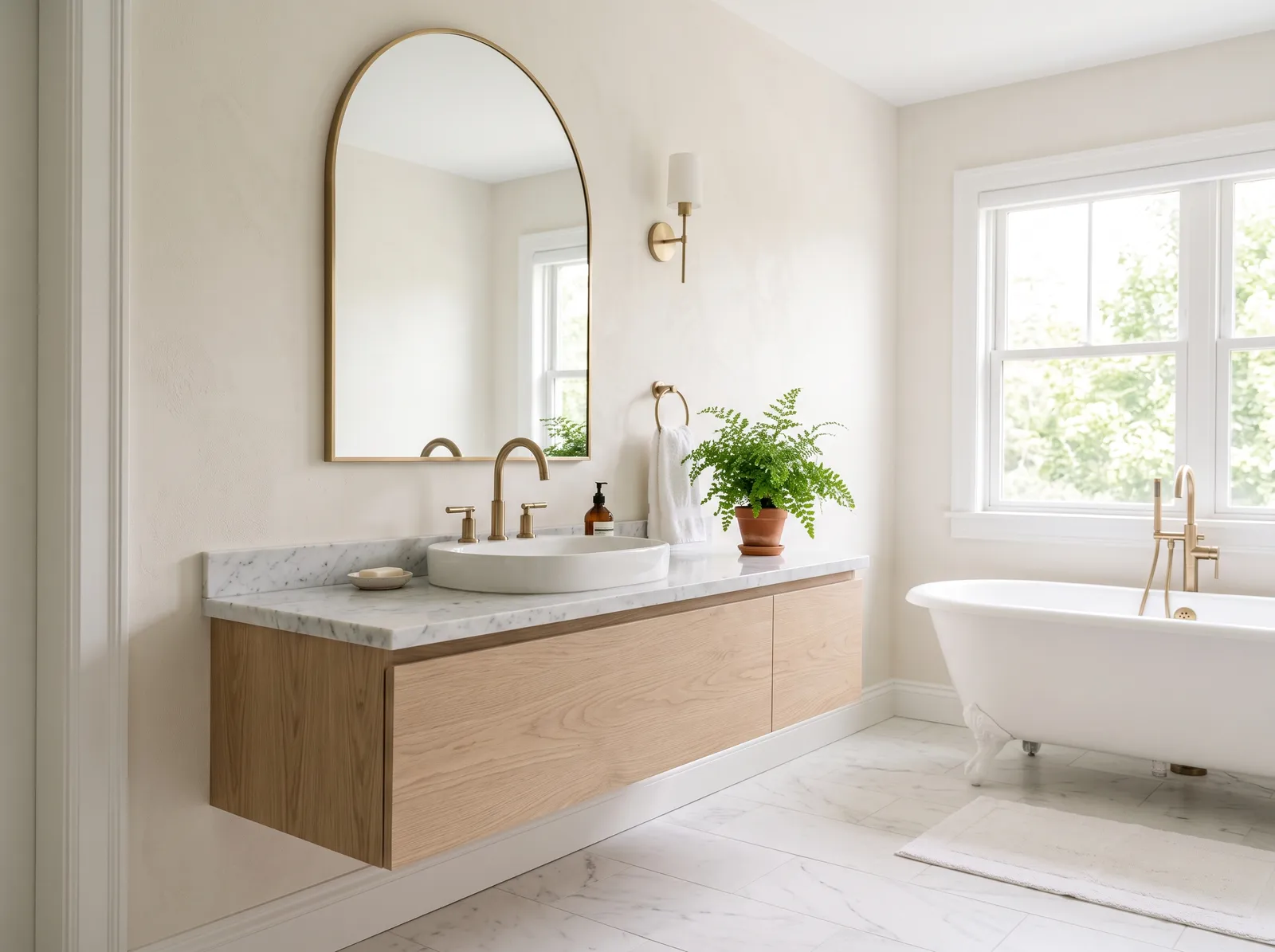
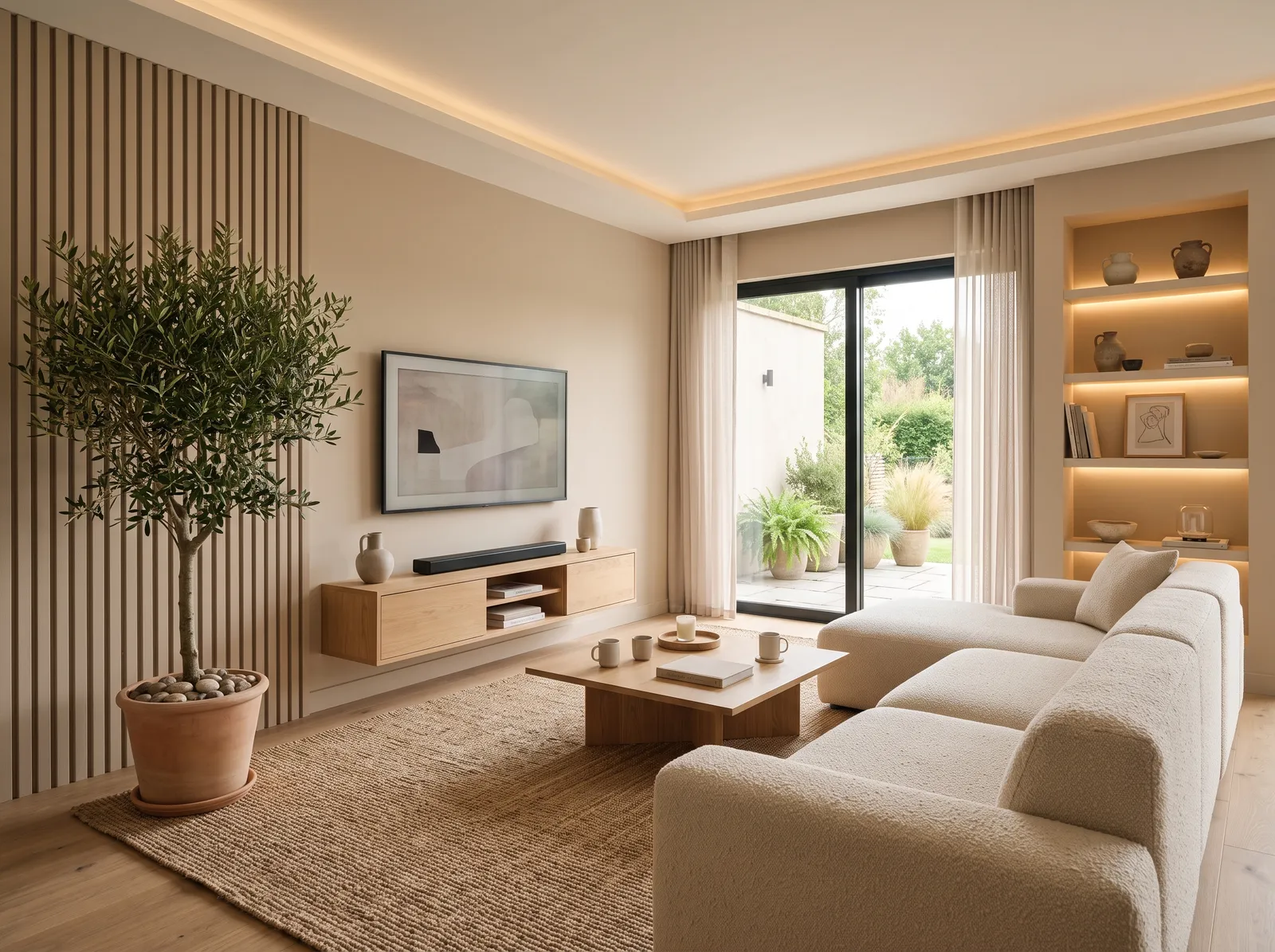
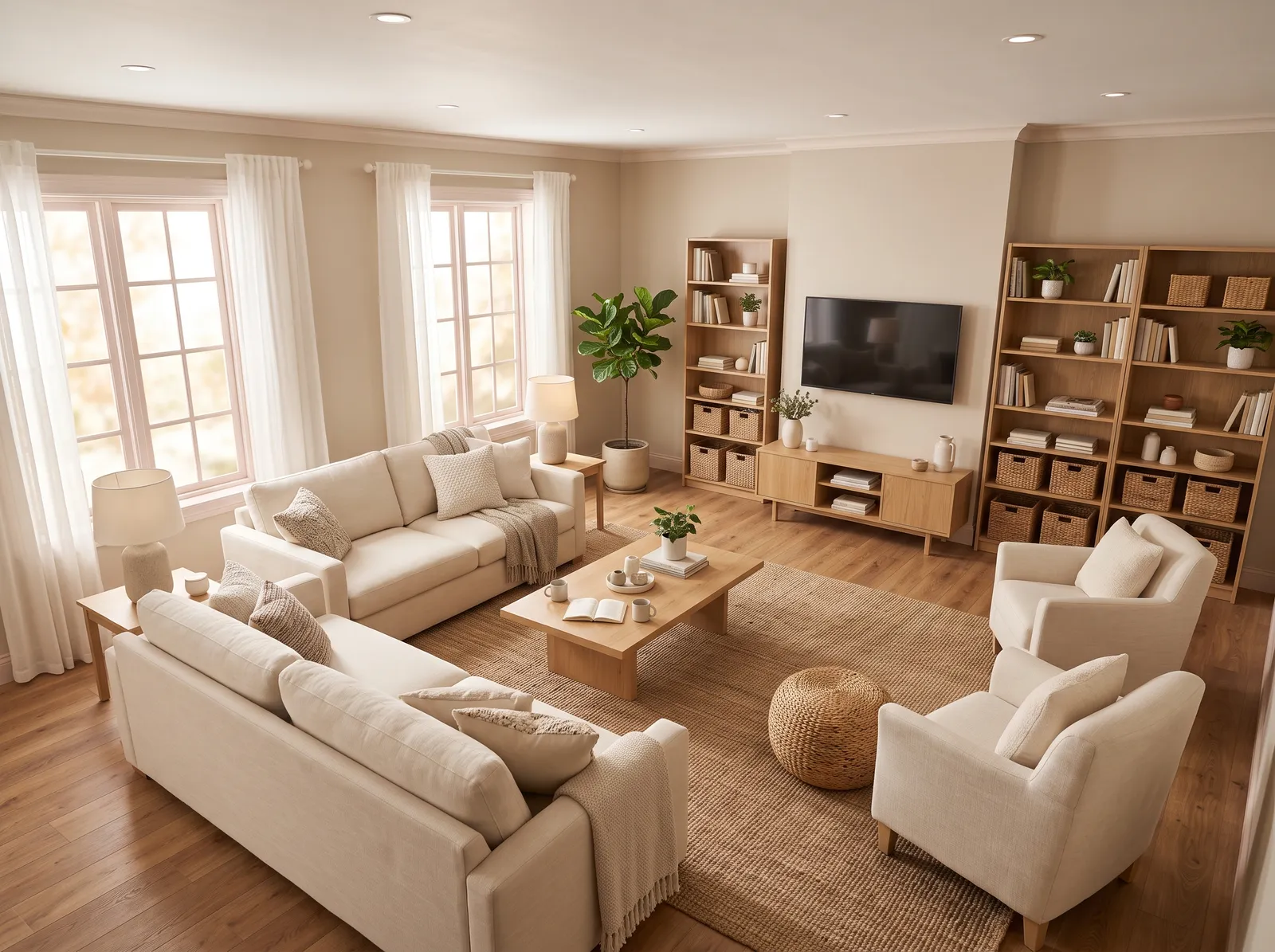
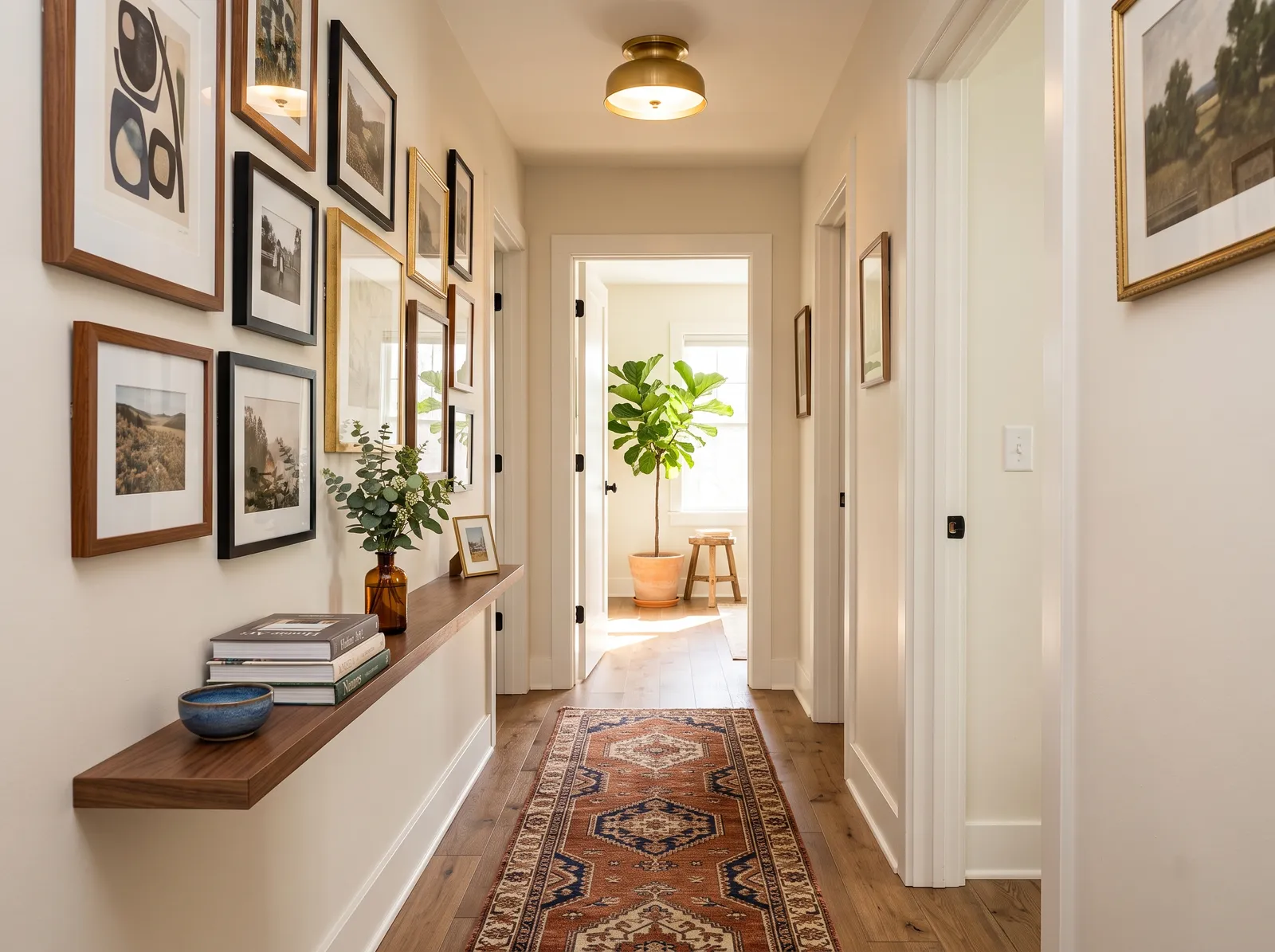
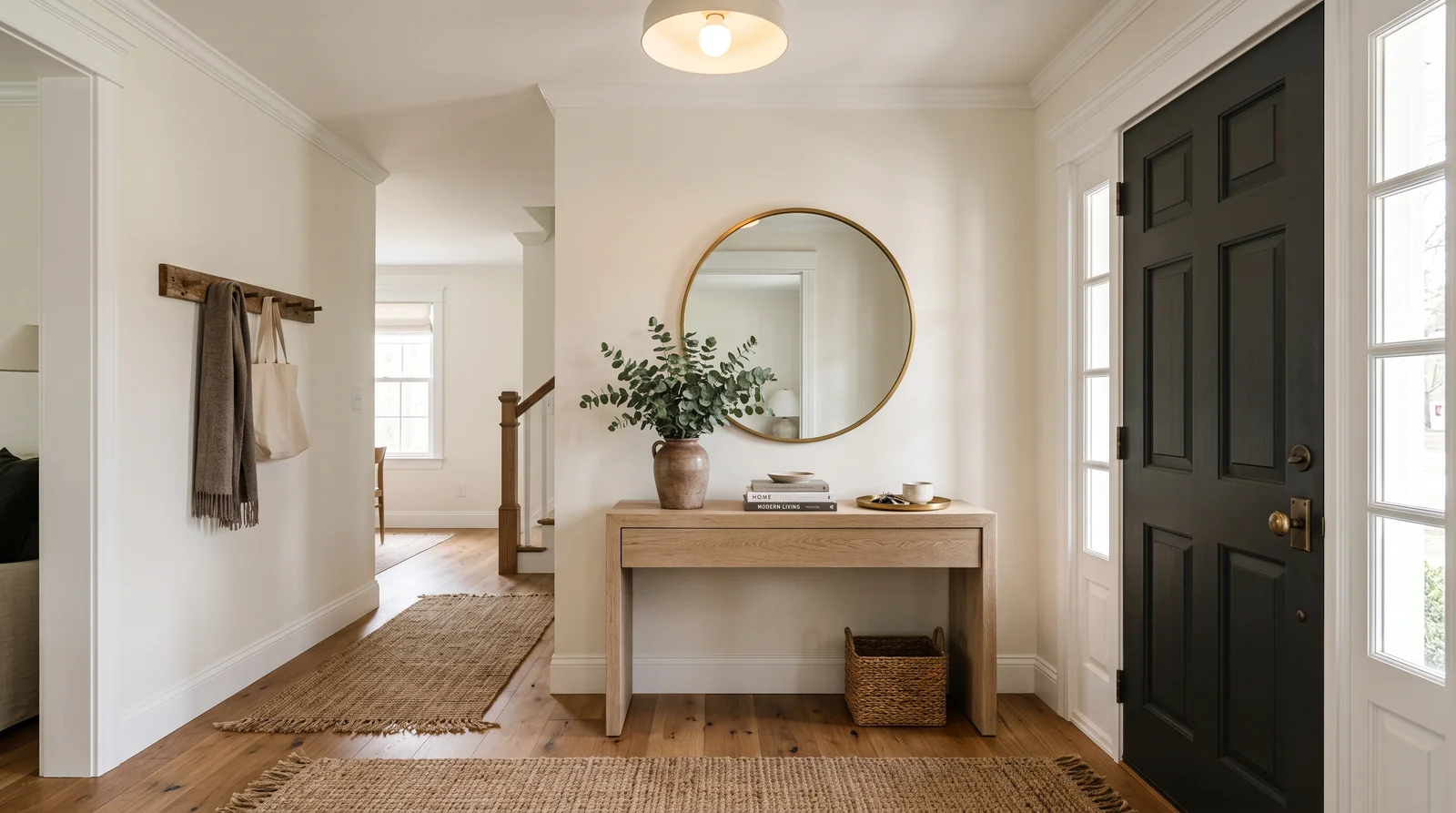
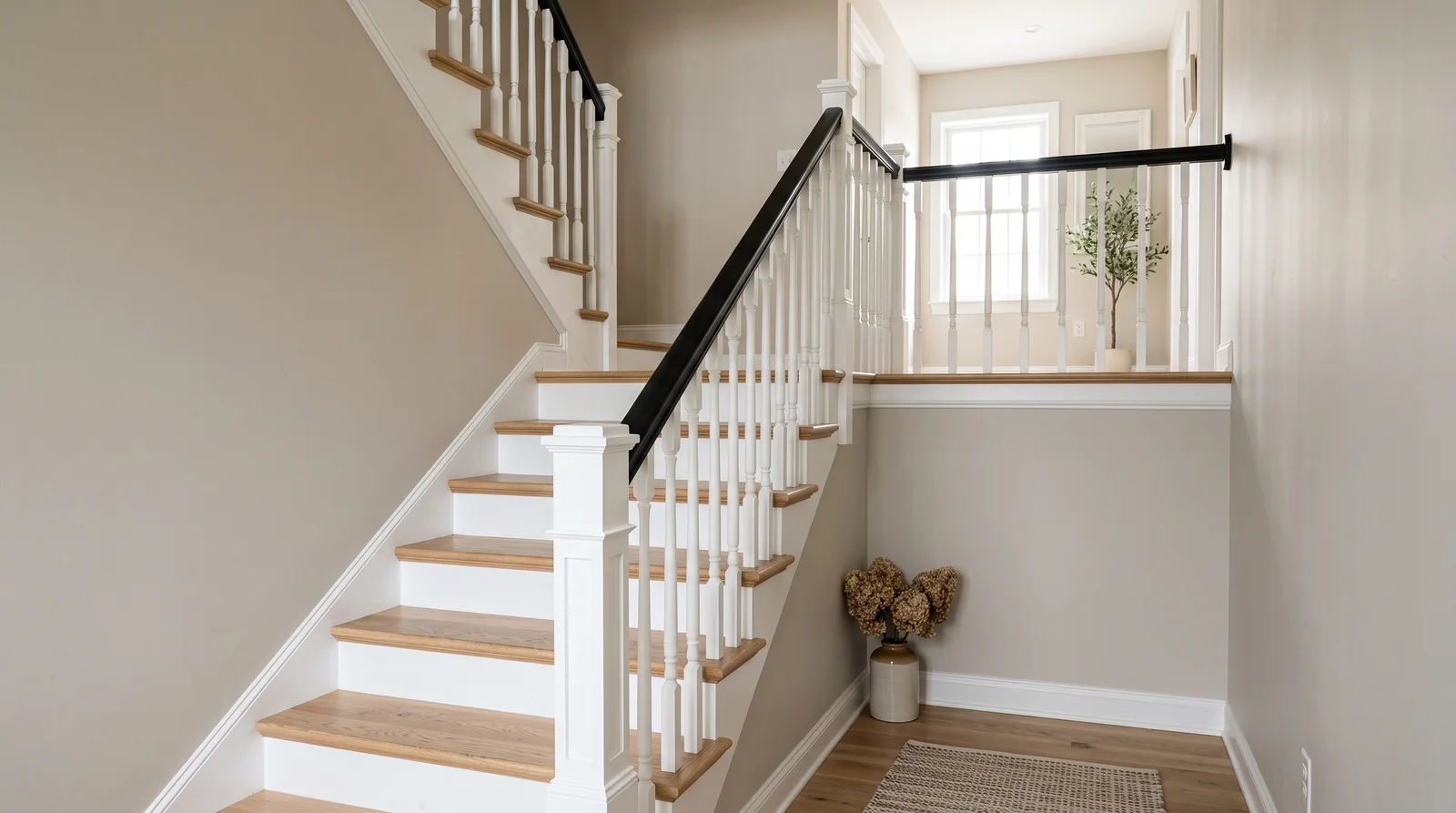
Bright, high-LRV whites like All White and Wimborne White earn their keep in north-facing rooms, small spaces, and anywhere short on natural light, because they reflect what little light there is. They also make a clean backdrop for art and bold furniture. Use them where you want the room to feel open and uncluttered.
The warmer, slightly lower-LRV whites such as Tallow, White Tie (No. 2002), and New White suit bedrooms, living rooms, and south-facing spaces that already get warm light. They keep a room calm without going cold or clinical. Pointing and Wevet are reliable all-rounders that work in kitchens, hallways, and trim throughout a house.
Every Farrow & Ball white, grouped by undertone, warm to cool. Filter by depth or change the order.
Hex values are display approximations from Farrow & Ball's published swatch tools, not a physical sample under controlled lighting. Order a brand-direct sample before specifying.
Upload a photo of the room. We paint it in the white you chose with your light and your floor, and you can swap colors until one holds.
Farrow & Ball is a British premium import, typically around $100+ a gallon, which is two to three times the price of mainstream US brands. You buy it through the company's own showrooms or authorized stockists, and every can is mixed to order rather than pulled off a shelf, so the color you choose is tinted fresh for you. The deck is tightly curated at roughly 132 colors, each with its own number, like Pointing (No. 2003).
If the price is a stretch, you can cross-match a Farrow & Ball white to a more affordable line by matching the LRV and undertone, then ordering a sample to confirm under your own light. The same approach works in reverse, and you can match these whites to or from the featured Kompozit deck. Always test a sample before committing, because pigment depth and finish can make two "matching" whites read differently on the wall.
How many white colors each brand carries, drawn with that deck's own whites from light to dark. Pick your store first, then the color. Every brand equal, no favorites.
LRV (Light Reflectance Value) tells you how much light a color bounces back, on a scale from 0 (black) to 100 (pure white). This white slice runs from 75 at the darkest to 94 at the lightest, so even the "deepest" option here is still firmly a white. The higher the number, the brighter and more reflective the wall will feel.
For a crisp, airy room with lots of bounce, look near the top: All White (No. 2005) at 94 or Wimborne White (No. 239) at 90. For a softer, cozier white that won't glare, drop into the low 80s with Wevet (No. 273) at 82 or New White (No. 59) at 82. Pointing (No. 2003) at 88 sits in the sweet spot many people want: bright, but with enough warmth to feel lived-in.
Farrow & Ball doesn't sell a stack of identical bright whites. This deck holds 12 whites, and most of them carry a soft, deliberate undertone instead of a clean optical white. The range runs from the near-pure All White (No. 2005) at the top to warmer, more grounded tones with hints of cream, stone, or gray.
The brand is known for high pigment depth and colors that shift as the light changes through the day. A white like Tallow (No. 203) can read creamy in morning sun and quieter at dusk. That movement is the point, and it is why these whites rarely look flat on a wall.
A classic Farrow & Ball move is to use two whites together: a brighter white on the trim and ceiling against a warmer white on the walls. Pointing (No. 2003) is a long-time favorite for trim and woodwork because it sits just off pure white and frames warmer wall tones cleanly. White Tie and Tallow both work as gentle wall whites under a crisper ceiling.
For finishes, Estate Emulsion gives the chalky matt look on walls, while Estate Eggshell or Modern Eggshell handle wood and metal trim. If you want a contrast color to anchor an all-white room, the brand's deeper signatures like Hague Blue (No. 30), Railings (No. 31), or Studio Green pair well as a door, island, or single accent wall.
Pointing (No. 2003) — Warm off-white that anchors most F&B traditional and cottage palettes. All White and Strong White and Wevet round out the short list most people choose from.
This slice of the deck has 12 whites. They range from a near-pure white down to warmer, softer tones, so you have room to pick the exact temperature you want without leaving the white family.
All White (No. 2005) is the brightest in this group, with an LRV of 94. It reflects the most light and reads as the cleanest, most optical white, which makes it a strong choice for dark or small rooms.
The warmer options sit lower on the LRV scale, like Wevet (No. 273) and New White (No. 59) at 82, and Tallow (No. 203) at 86. These keep a soft, cozy feel and avoid the cooler, crisper look of the higher-LRV whites.
It is a British premium import that runs roughly $100 or more per gallon, about two to three times the cost of mainstream US brands. You pay for high pigment depth, a curated palette, and color that shifts nicely with the light. Each can is also mixed to order at a showroom or authorized stockist.
Yes. Pick the Farrow & Ball white you like, then match a US brand or the Kompozit deck by LRV and undertone. Order a sample and test it on your own wall, since pigment and finish differences can make two matches look slightly different.
Pointing (No. 2003) is a popular trim and woodwork white because it sits just off pure white and frames warmer wall tones cleanly. A simple, reliable scheme is a brighter white on trim and ceiling with a warmer white like Tallow or White Tie on the walls.
Ask a Question