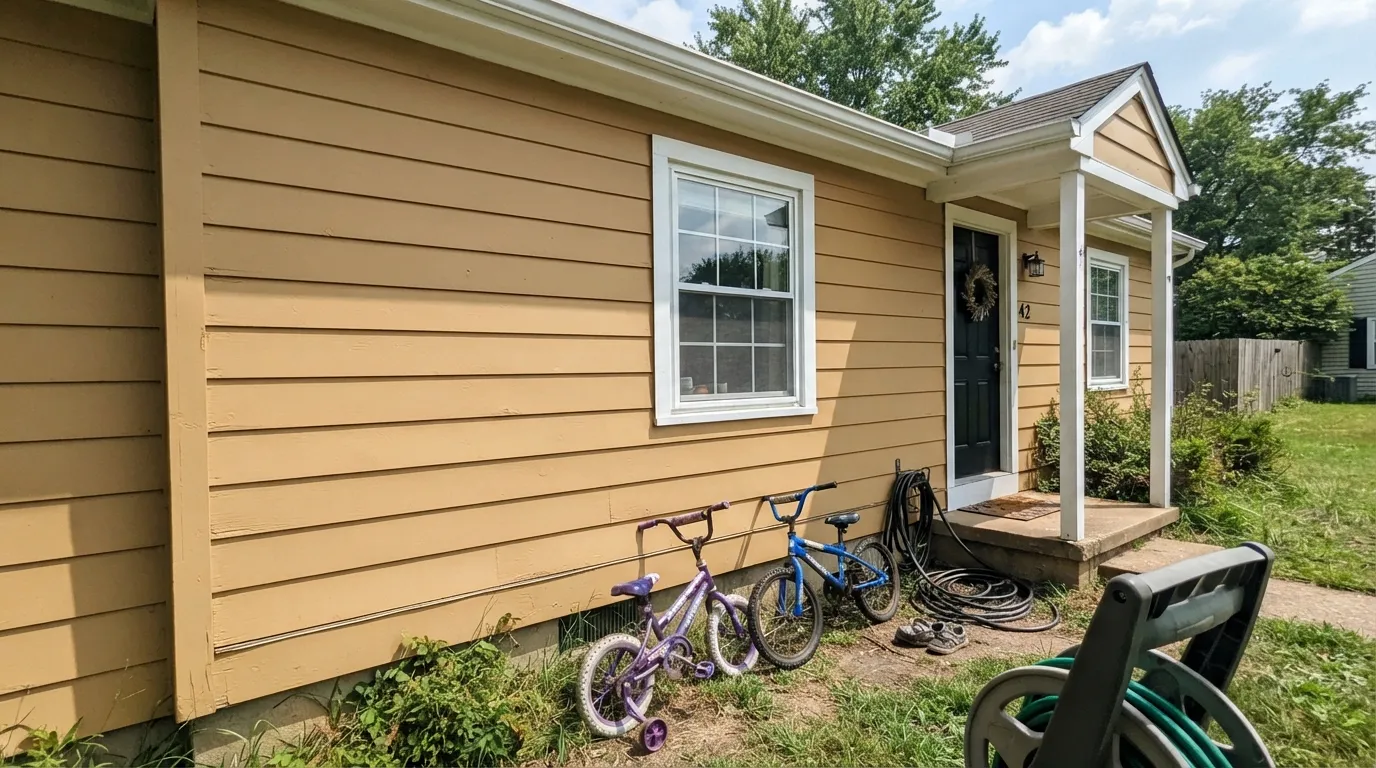
 1
1CaramelizedSW 9186 · LRV 35
Caramelized is a genuine caramel-tan, not a beige wearing a fun name — a warm gold-brown that reads like polished leather or toffee candy when the light is on its side.
10 curated oranges with undertones, LRV, and the honest reasons why, plus the full 128-color orange deck below.
Don't want to compare 128 oranges? These four cover most real projects.
Historic gold-orange (LRV 59) with centuries of use on colonial exteriors and halls.
Caramelized is a genuine caramel-tan, not a beige wearing a fun name — a warm gold-brown that reads like polished leather or toffee candy when the light is on its side.
Osage Orange is the likeable end of orange: a clean, golden, sunlit color that never tips into rust or neon.
The heritage terracotta from Sherwin-Williams' historic collection — an expert pick for warm exteriors and dining rooms.
Numbered and curated. Tap any color for its full review, or see it on your own walls in the visualizer.
1Caramelized is a genuine caramel-tan, not a beige wearing a fun name — a warm gold-brown that reads like polished leather or toffee candy when the light is on its side.
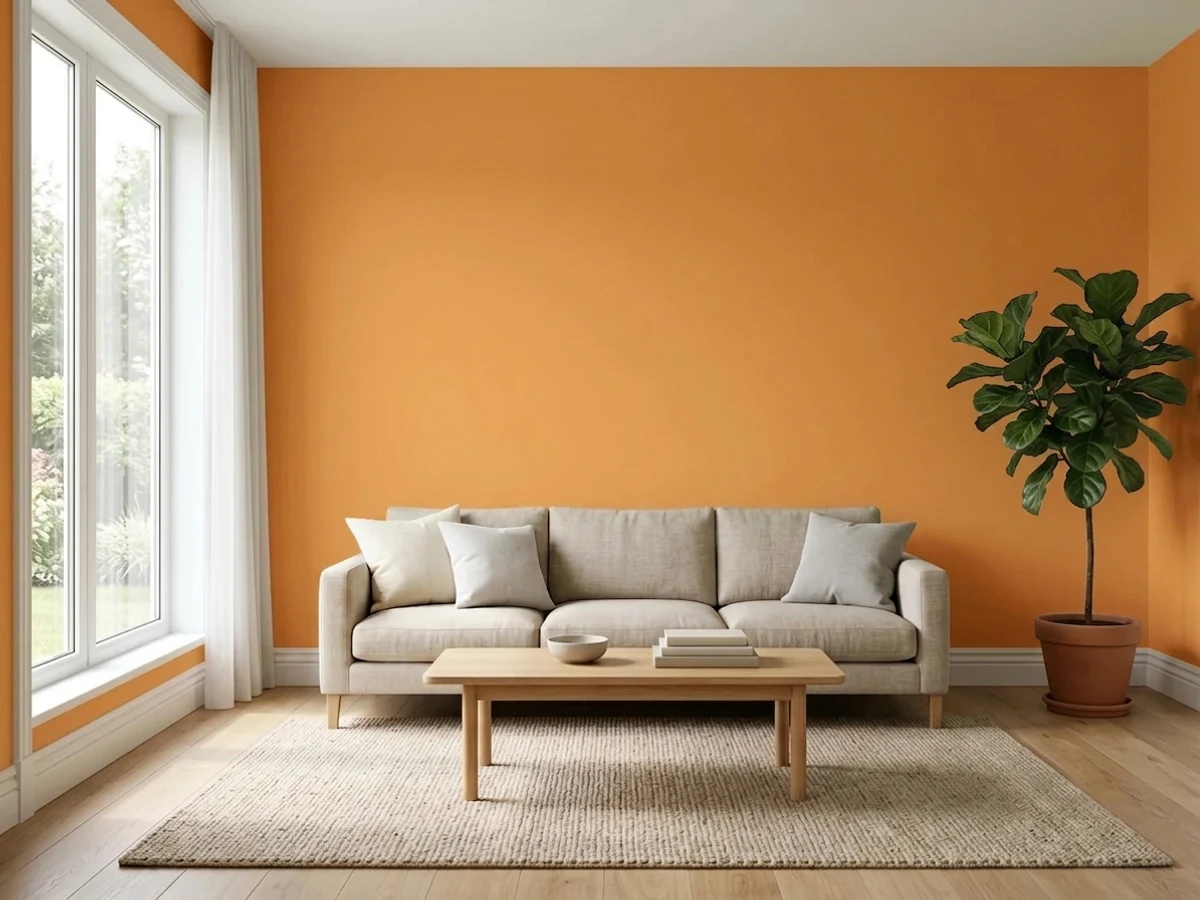 2
2Osage Orange is the likeable end of orange: a clean, golden, sunlit color that never tips into rust or neon.
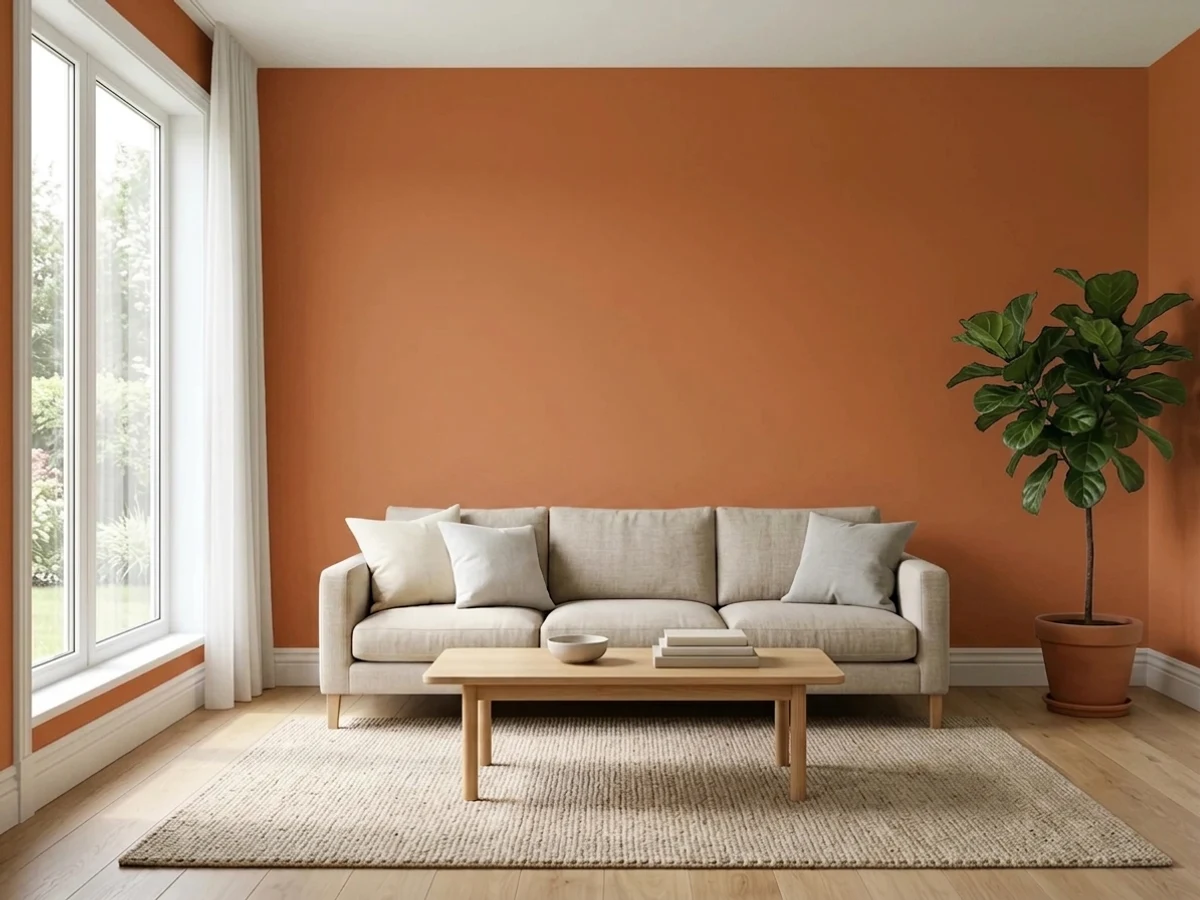 3
3Determined Orange is what most people expect terracotta to be, and then it isn't.
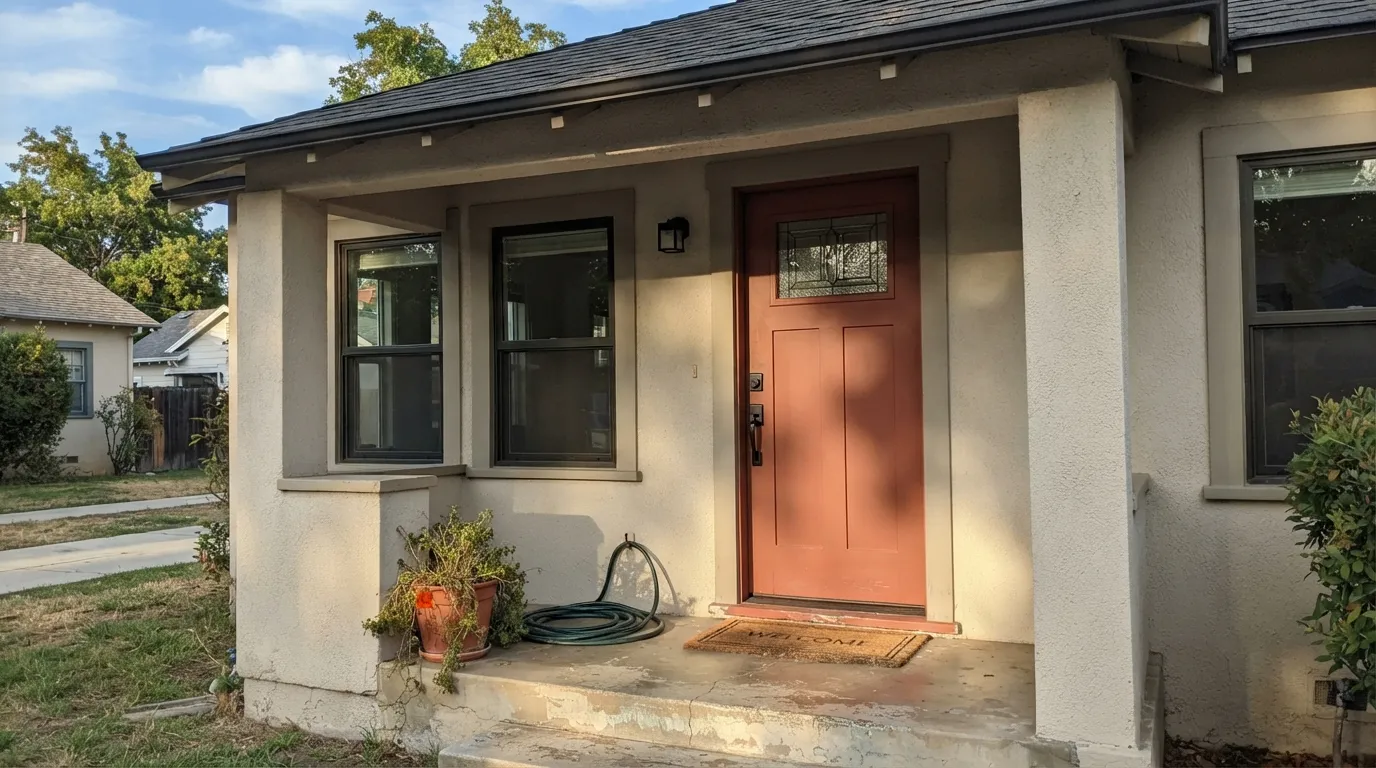 4
4The heritage terracotta from Sherwin-Williams' historic collection — an expert pick for warm exteriors and dining rooms.
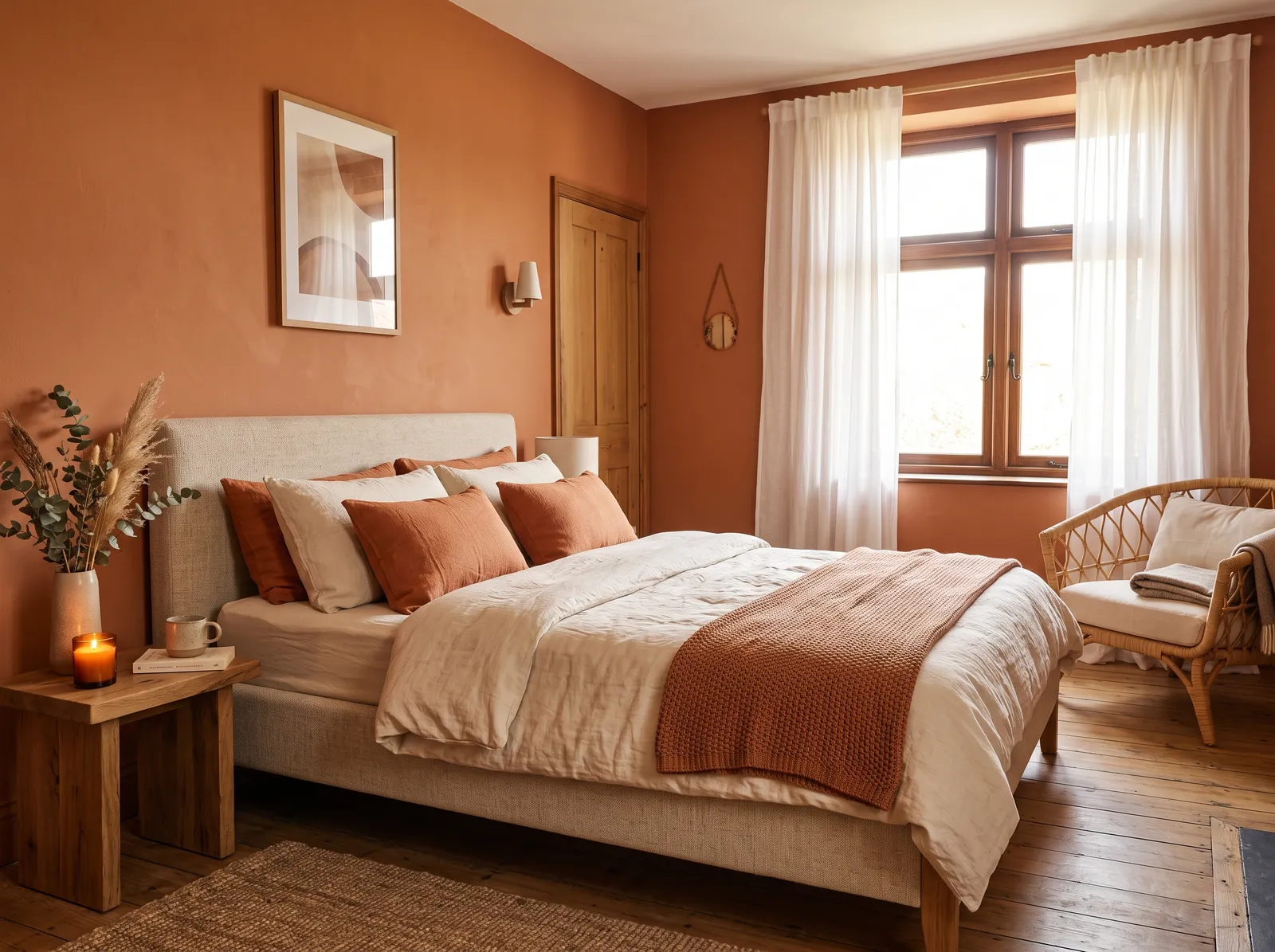 5
5A true adobe clay tone on Sherwin-Williams' expert orange list, calmer than the terracotta trend colors.
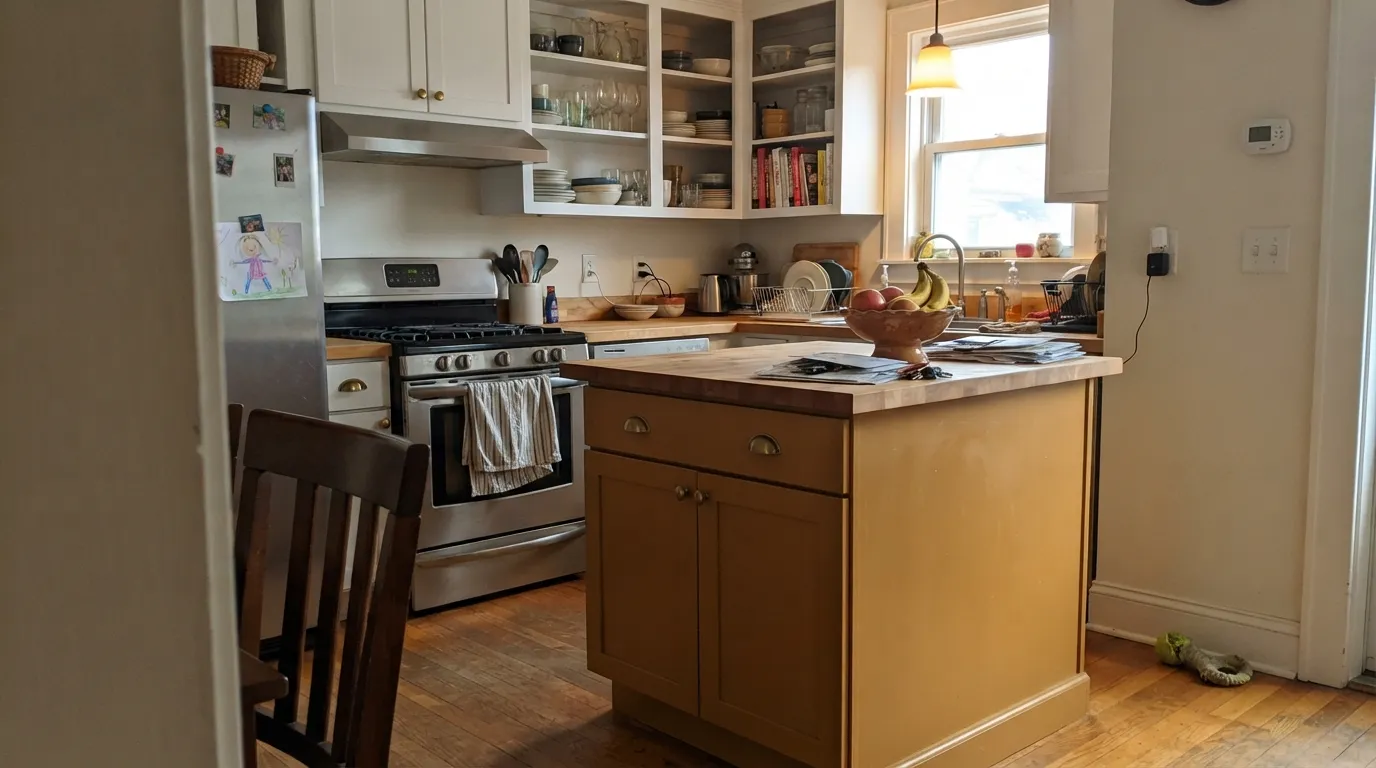 6
6A golden caramel-orange Sherwin-Williams' experts pick for rooms that want warmth with some depth.
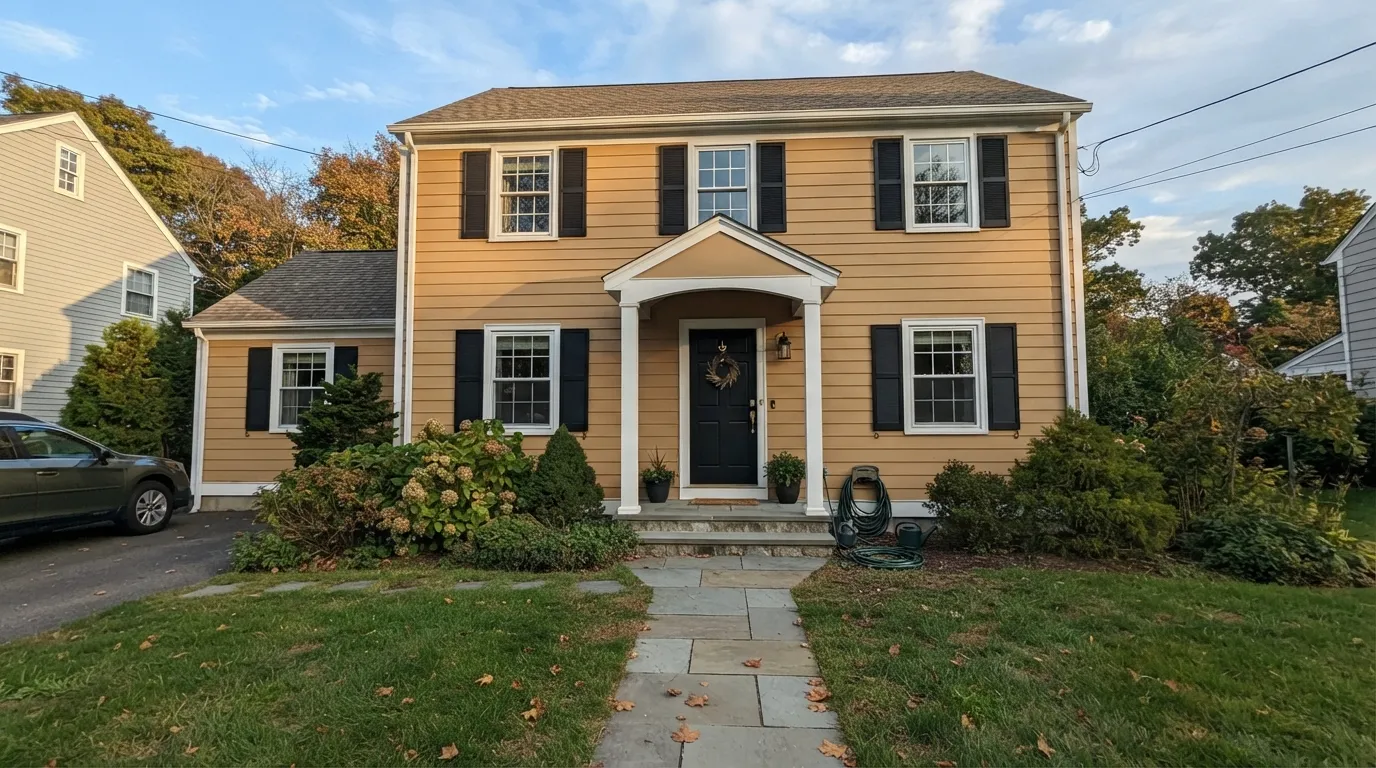 7
7A historic buff-gold from Sherwin-Williams' expert picks — the traditional porch-and-hallway color.
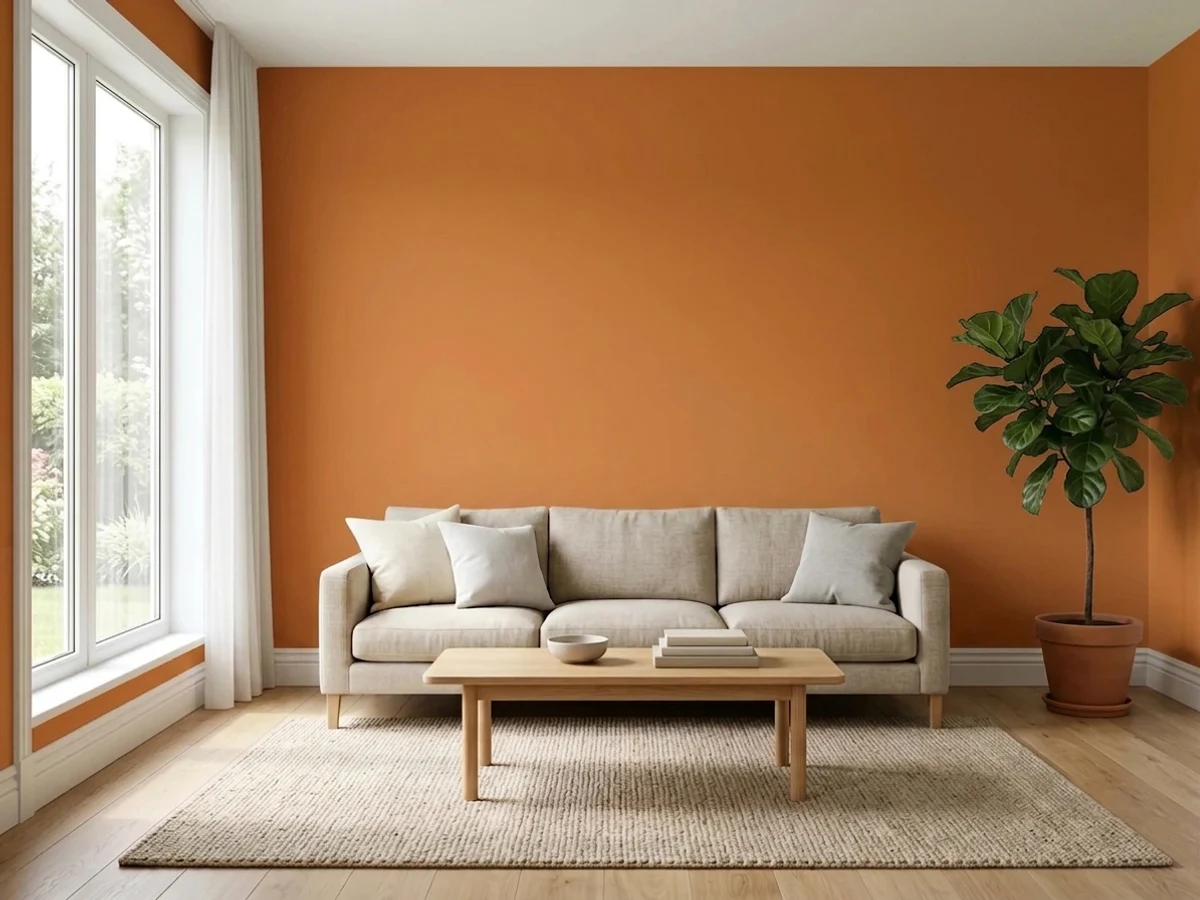 8
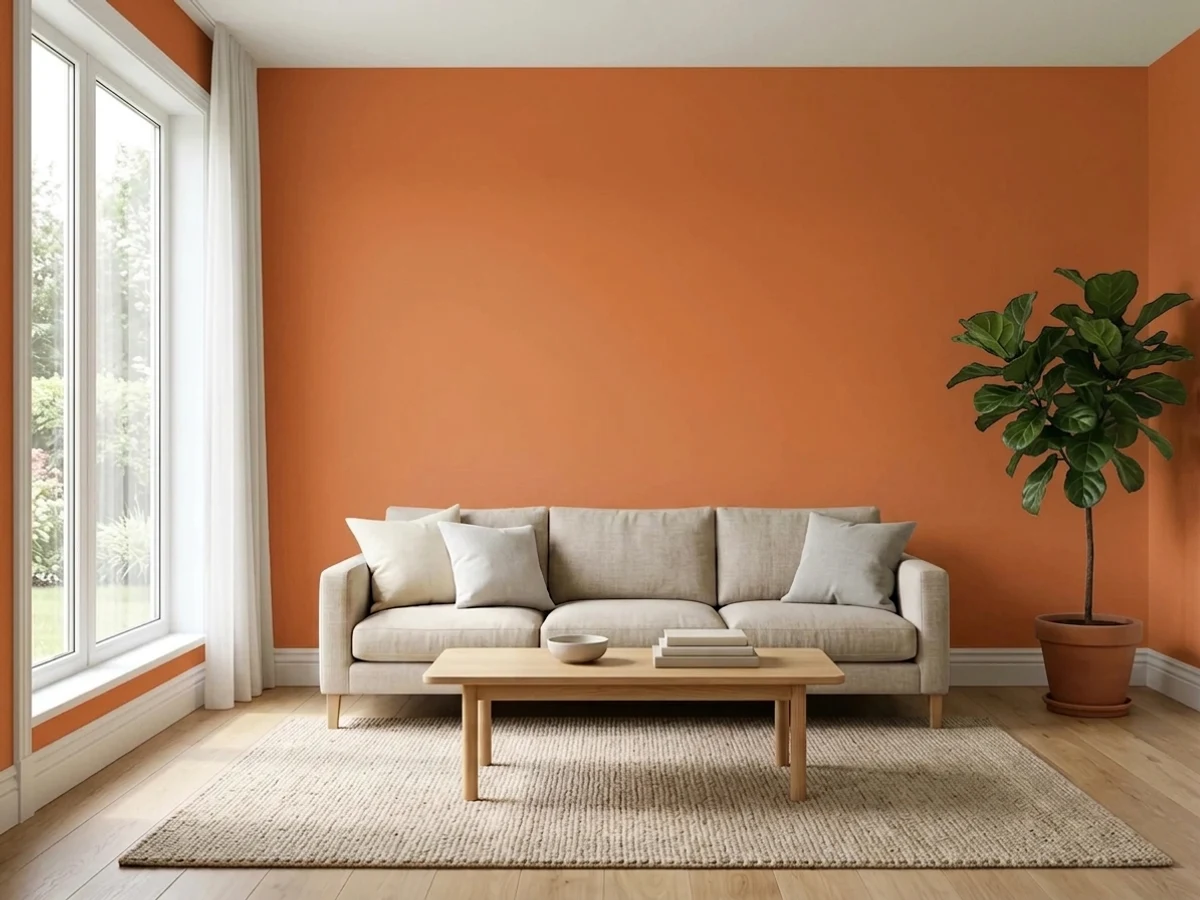
8Navel is a clean, sunlit citrus orange with a red lean — not a rust, not a terracotta, not a muted clay.
 9
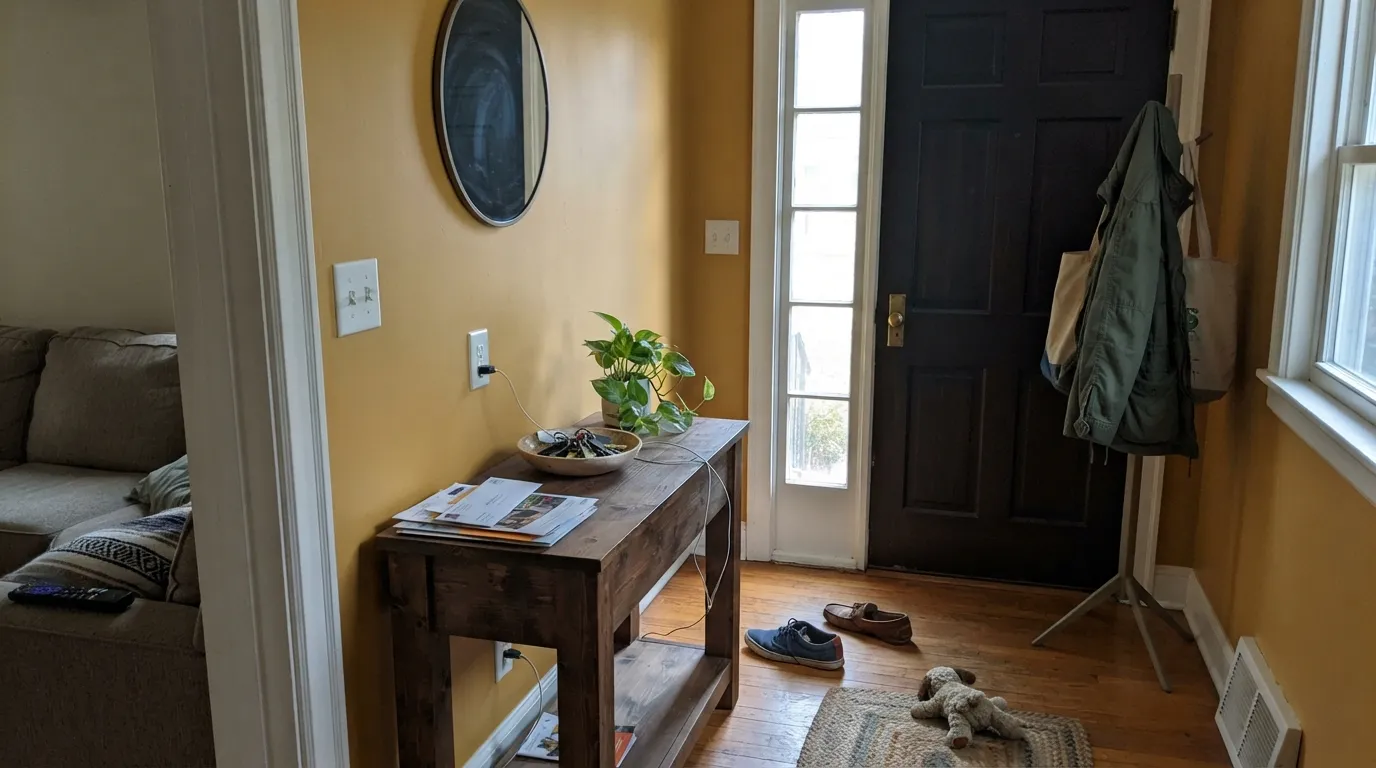
9Invigorate is a red-leaning tangerine — loud, high-chroma, and completely honest about it.
 10
10Historic gold-orange (LRV 59) with centuries of use on colonial exteriors and halls.
The whole Sherwin-Williams orange range by depth. LRV is the number to trust: the same orange looks two steps darker on a wall than on a chip.
LRV is light reflectance value. It runs roughly 0 (black) to 100 (white) and tells you how light or dark a color will feel on the wall. In this orange slice the range is 15 at the darkest to 63 at the lightest, so even the brightest pick here is still a mid-tone, not a pastel.
For full walls in a room you want to keep open and warm, look high in the range: Delicious Melon at 63 or Papaya at 54 bounce back plenty of light. For an accent wall, a front door, or cabinetry, drop lower. Sunset (SW 6626) at 38, Chrysanthemum at 27, and Determined Orange at 22 hold their color in shade and read rich rather than washed out.
Each room page shows orange picks from every US brand side by side, so you can compare in context.
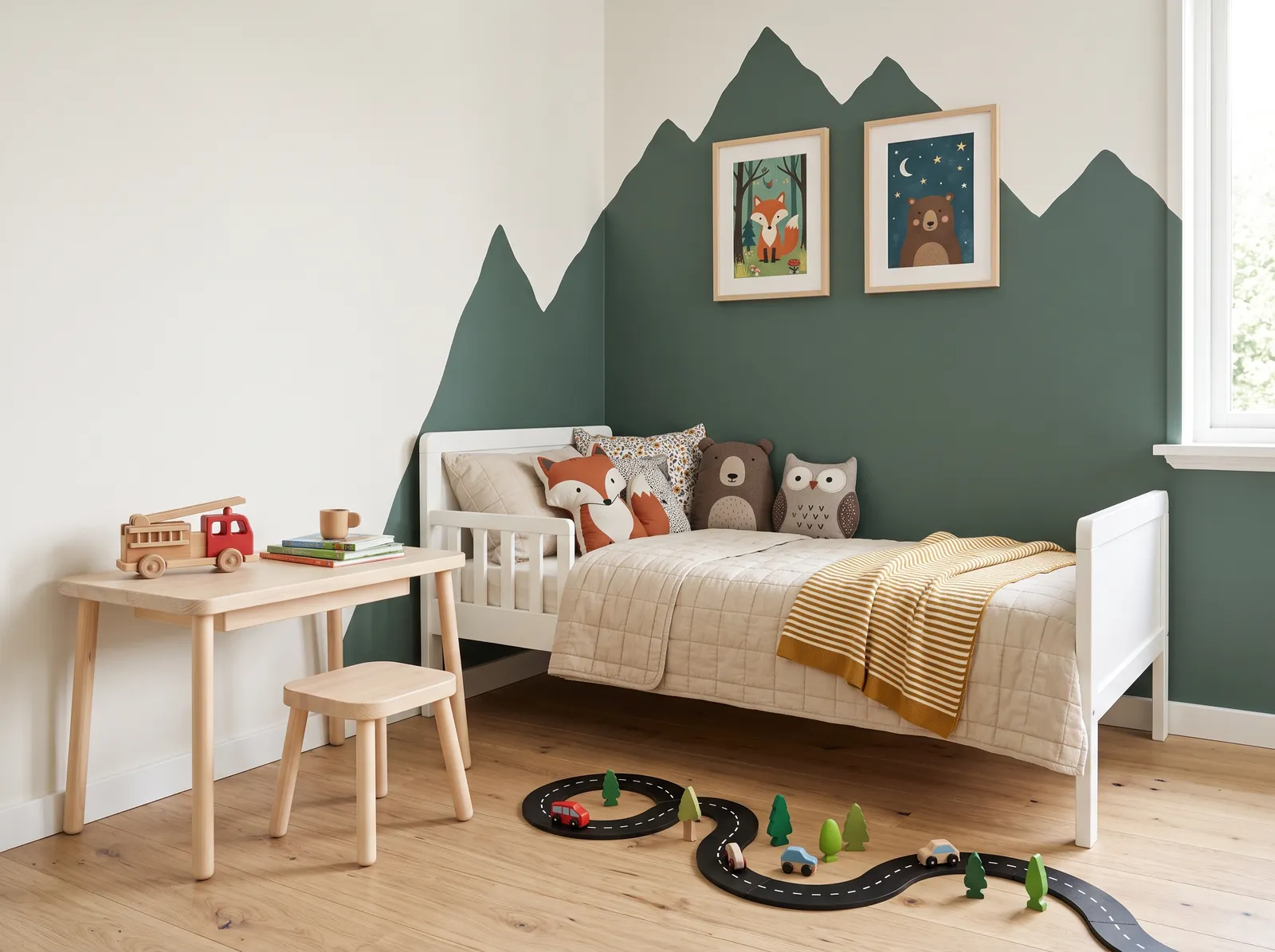
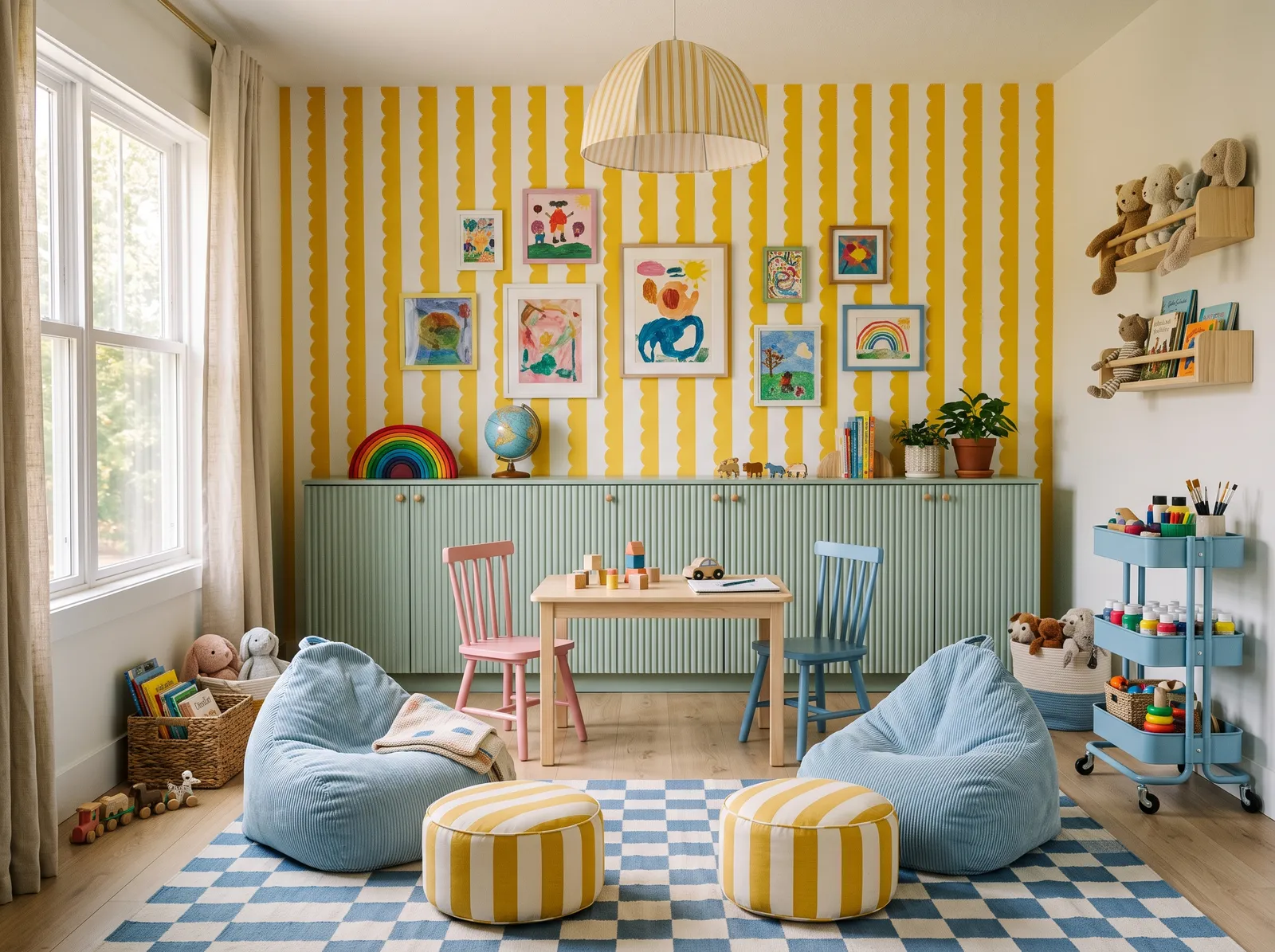
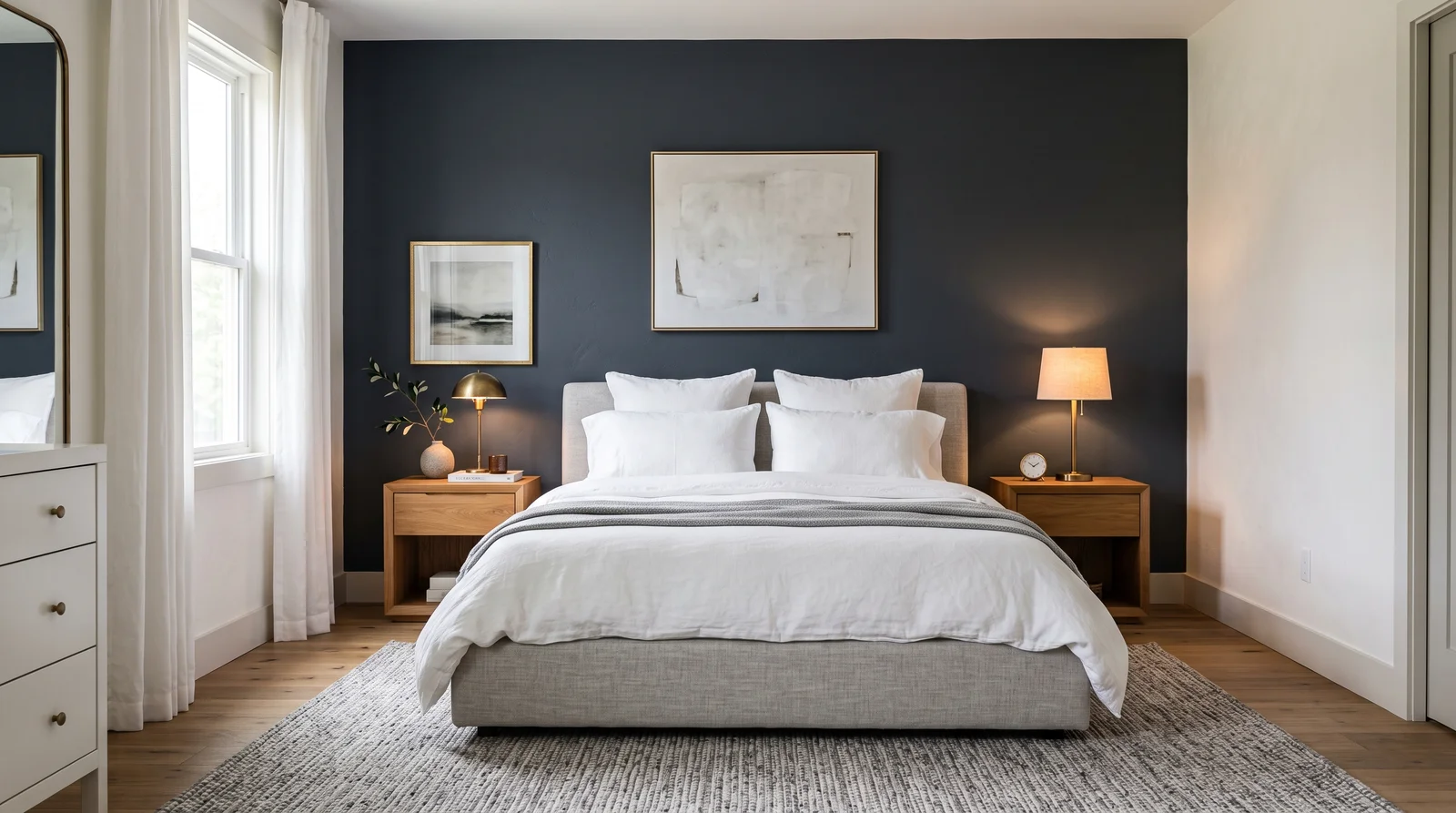
Lighter oranges like Summer Day (SW 6662) at 47 and Papaya work well on kitchen and dining walls, where warm light makes them glow at mealtime. They also suit sunrooms, breakfast nooks, and kids' rooms that get good daylight. Because they reflect a fair amount of light, they keep small spaces from feeling closed in.
Deeper picks are better as accents than as whole rooms. Lei Flower (SW 6613) at 30 or Determined Orange make a strong front door, an island, a powder room, or a single feature wall. Used in small doses, the saturated oranges add energy without overwhelming the space.
Every Sherwin-Williams orange, grouped by undertone, warm to cool. Filter by depth or change the order.
Hex values are display approximations from Sherwin-Williams's published swatch tools, not a physical sample under controlled lighting. Order a brand-direct sample before specifying.
Upload a photo of the room. We paint it in the orange you chose with your light and your floor, and you can swap colors until one holds.
Every Sherwin-Williams color is mixed to order. You pick the color, then choose a paint line, and the store tints a base to match. Lines run good to best: Cashmere (around $55 a gallon), SuperPaint (around $68), Duration (around $75), and Emerald (around $80). Those are list prices and Sherwin-Williams runs 30 to 40 percent sales almost constantly, so it is worth waiting for a sale. Buy from a company-owned Sherwin-Williams store or online. Note the HGTV Home by Sherwin-Williams line at Lowe's is a separate, lower-tier brand, not the same paint.
Because these colors are tinted from a formula, you are not locked into one store. Any quality paint counter can scan a Sherwin-Williams chip or punch in the code (codes look like 'SW 7029') and mix a close match in their own line. The same works in reverse: if you like an orange from another deck, including the featured Kompozit line, bring the chip in and have it matched into your preferred Sherwin-Williams product. A scan match gets you very close, but always brush a sample and check it in the actual room light before committing.
How many orange colors each brand carries, drawn with that deck's own oranges from light to dark. Pick your store first, then the color. Every brand equal, no favorites.
Sherwin-Williams is best known for dependable, designer-trusted neutrals, but the orange family in the ColorSnap deck is real and broad. There are 93 oranges here, running from soft, fruity tones to deep, saturated statement colors. Expect warm undertones across the board, with the lighter shades leaning peach and apricot and the darker ones reading more terracotta and burnt.
Names like Delicious Melon (SW 6653) and Papaya (SW 6661) sit on the gentle, sun-warmed end. Charisma (SW 6605), Chrysanthemum (SW 6347), and Determined Orange (SW 6635) bring more punch and pigment. That spread means you can use this family for a quiet warm wash or a bold accent without leaving the deck.
Sherwin-Williams's strength is its neutrals, so lean on them here. A crisp white like Alabaster on trim and ceiling keeps a warm orange wall feeling clean and intentional. For a softer, more blended look, pair oranges with a warm gray or greige such as Accessible Beige or Agreeable Gray so the orange stays the star.
For contrast, a deep grounding color works well. Naval or Tricorn Black on a door, window sash, or built-in gives a bright orange something solid to push against. If you want a calmer companion, the blue-greens in the deck balance orange naturally since they sit opposite it on the color wheel.
Caramelized (SW 9186) — Caramelized is a genuine caramel-tan, not a beige wearing a fun name — a warm gold-brown that reads like polished leather or toffee candy when the light is on its side. Colonial Yellow and Osage Orange and Rookwood Terra Cotta round out the short list most people choose from.
There are 93 colors in the orange family of the Sherwin-Williams ColorSnap deck. They range from soft, fruity peaches like Delicious Melon (SW 6653) to deep, saturated tones like Determined Orange (SW 6635).
In this slice, Delicious Melon (SW 6653) is the lightest at an LRV of 63. Papaya (SW 6661) at 54 and Summer Day (SW 6662) at 47 are also on the lighter, brighter end and reflect a good amount of light.
Yes, if you choose carefully. Stick to the lighter end like Papaya or Summer Day for full walls, and save the deeper oranges such as Chrysanthemum (SW 6347) or Determined Orange for accents like a door, island, or single feature wall.
A clean white like Alabaster keeps an orange wall crisp on trim and ceiling. For a softer look, pair with a warm neutral like Accessible Beige or Agreeable Gray, and use Naval or Tricorn Black for bold contrast on a door or built-in.
List prices range from about $55 a gallon for Cashmere up to about $80 for Emerald, but those numbers are nominal. Sherwin-Williams runs 30 to 40 percent sales almost constantly, so wait for a sale rather than paying full price.
Yes. Since every color is mixed to order from a formula, any quality paint counter can scan the chip or use the code to mix a close match in their own line, and the reverse works too. Bring a chip from another deck, including the Kompozit line, and have it tinted into your preferred Sherwin-Williams product, then test a sample in your room light first.
Ask a Question