 1
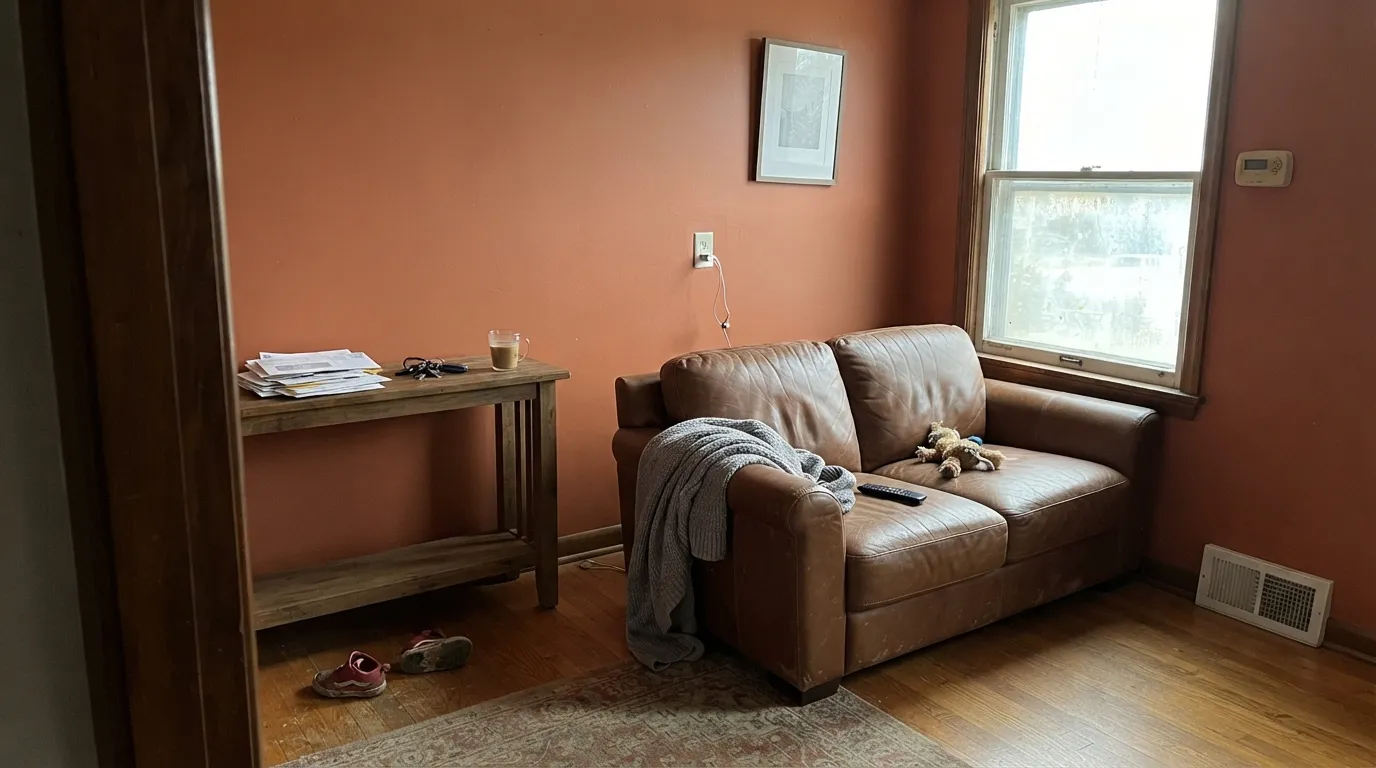
1Canyon DuskS210-4 · LRV 36
A dusty clay pink-beige with terracotta warmth at LRV 36, the southwestern earth tone people search for stucco exteriors and adobe-style rooms.
10 curated oranges with undertones, LRV, and the honest reasons why, plus the full 277-color orange deck below.
Don't want to compare 277 oranges? These four cover most real projects.
A golden honey-amber people search by name — sunny but grounded.
A dusty clay pink-beige with terracotta warmth at LRV 36, the southwestern earth tone people search for stucco exteriors and adobe-style rooms.
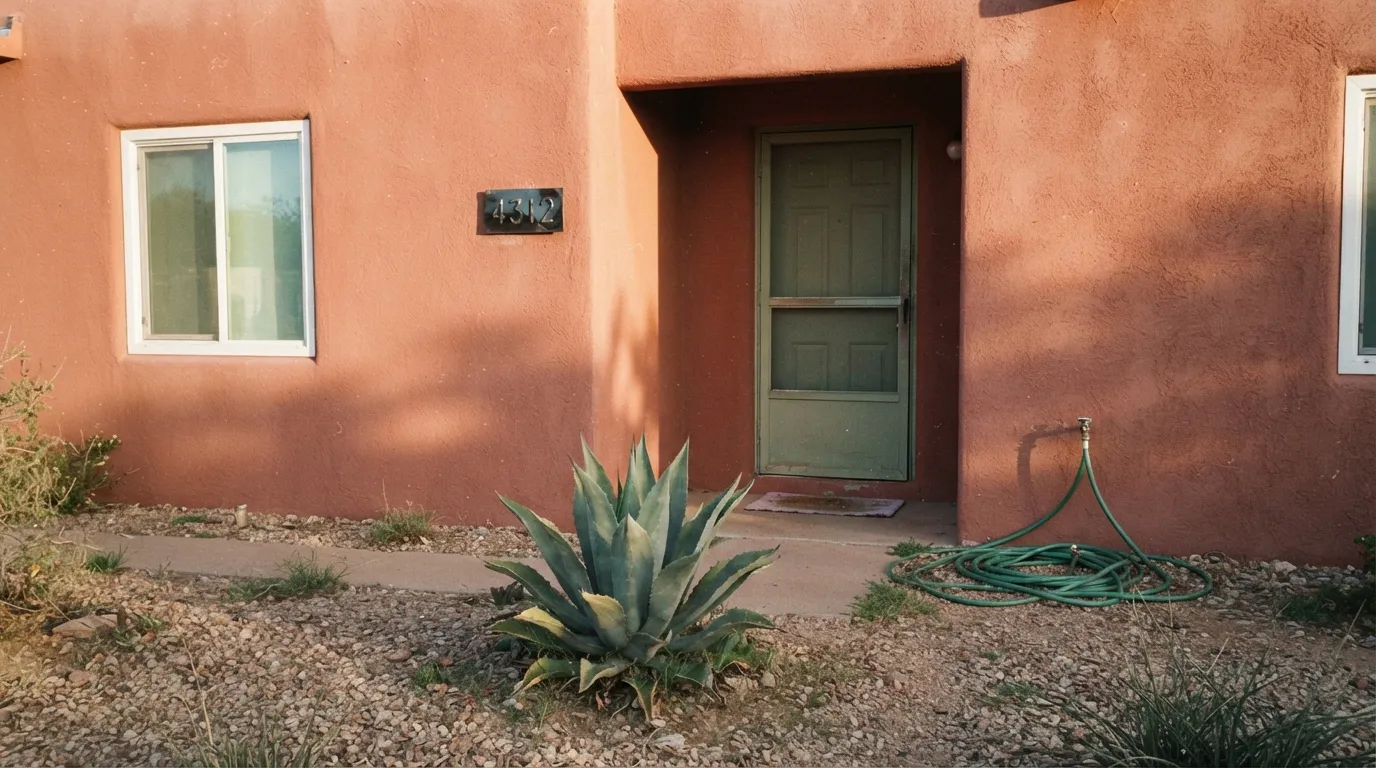
A warm clay pink-orange at 31 LRV that reads earthenware rather than peach, spec'd for Southwestern accent walls and terracotta-toned exteriors.
A maple-syrup brown-orange buyers look up — rustic warmth for exteriors.
Numbered and curated. Tap any color for its full review, or see it on your own walls in the visualizer.
1A dusty clay pink-beige with terracotta warmth at LRV 36, the southwestern earth tone people search for stucco exteriors and adobe-style rooms.
 2
2A warm clay pink-orange at 31 LRV that reads earthenware rather than peach, spec'd for Southwestern accent walls and terracotta-toned exteriors.
 3
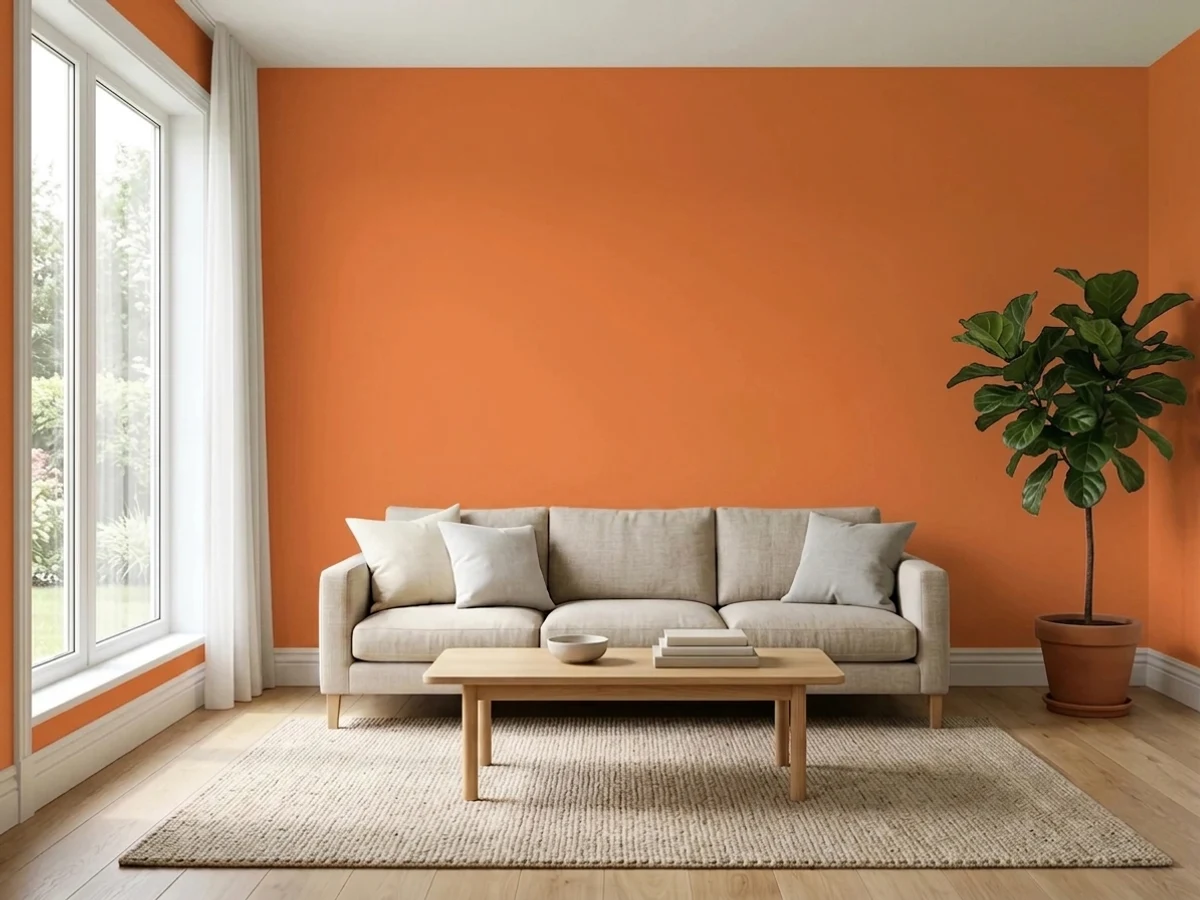
3Tart Orange is a real orange — not a terracotta, not a rust, not a clay neutral hiding behind an orange name.
 4
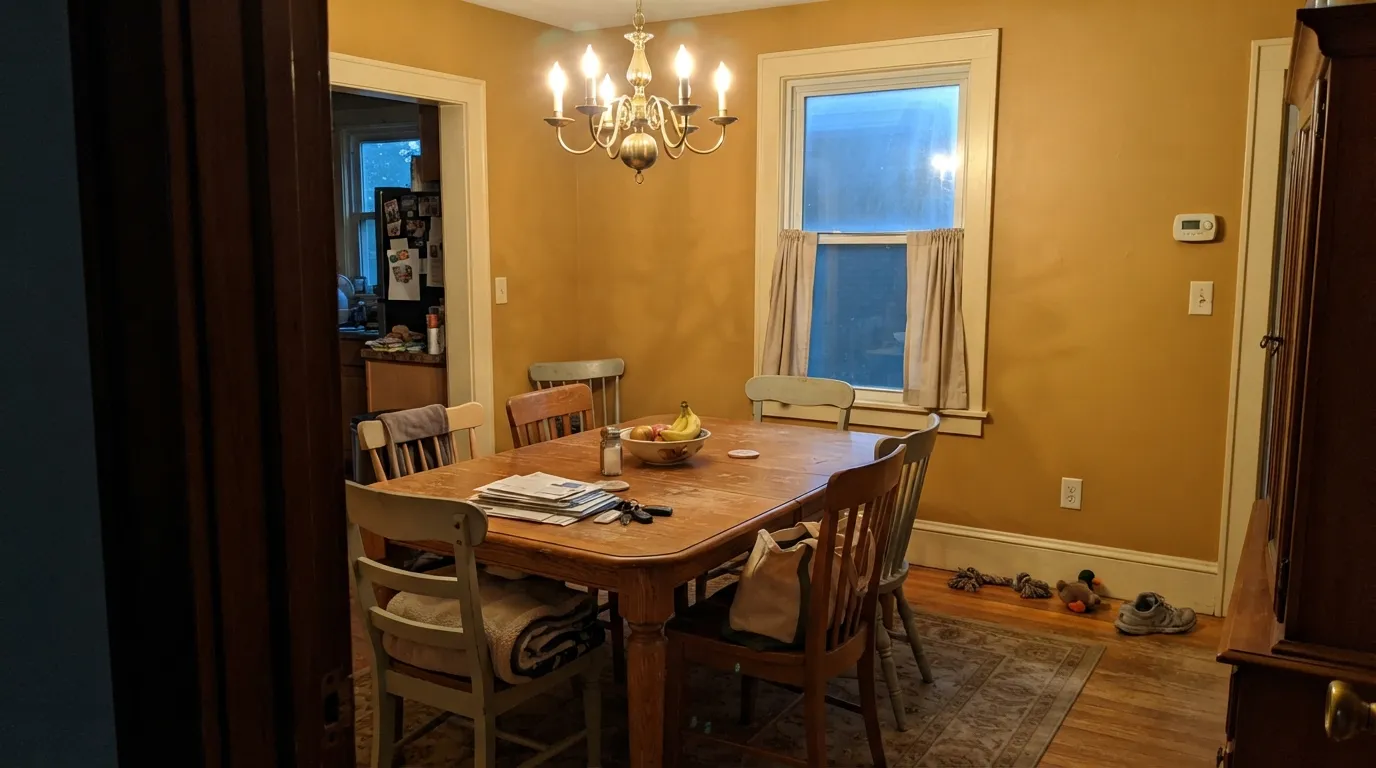
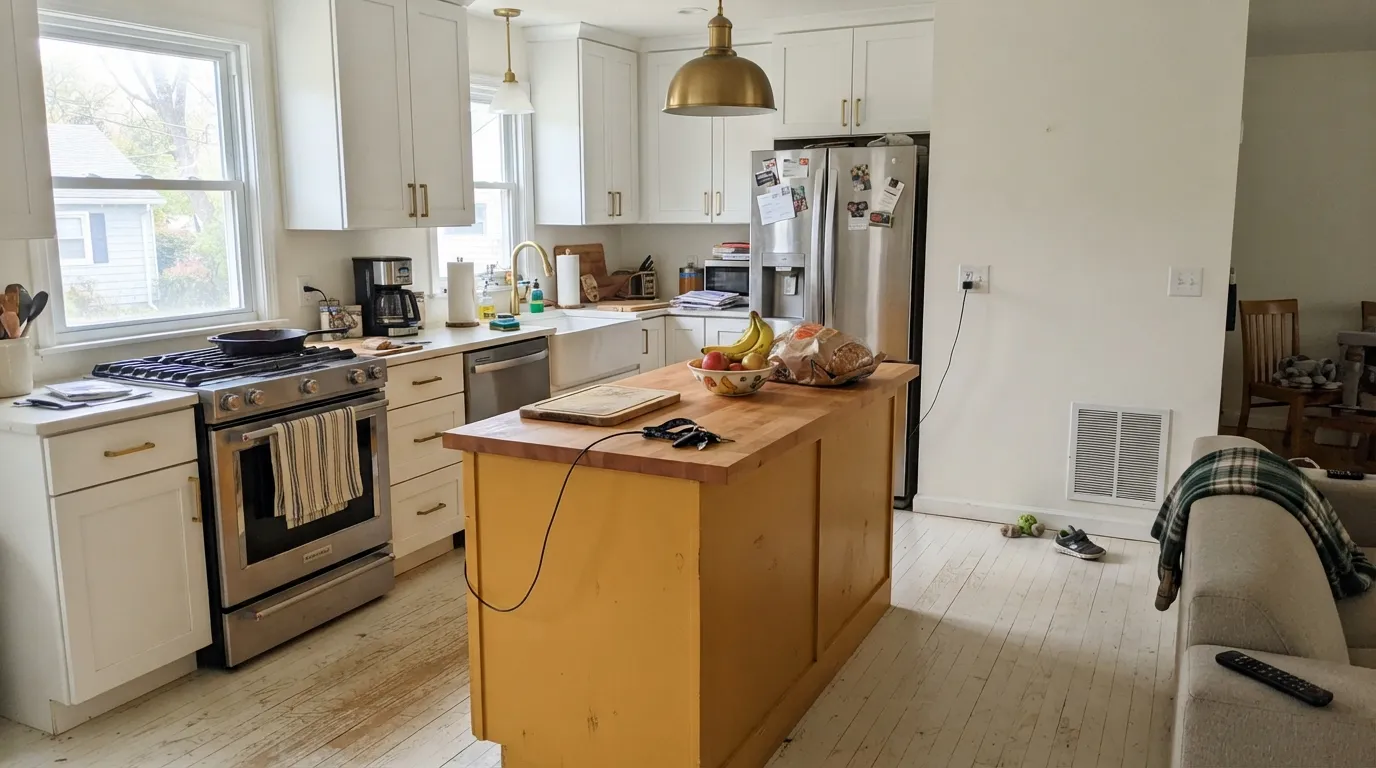
4A brewed-amber gold with real search demand — autumn warmth for dining rooms.
 5
5The saffron-spice gold buyers seek out — rich, food-warm, kitchen-ready.
 6
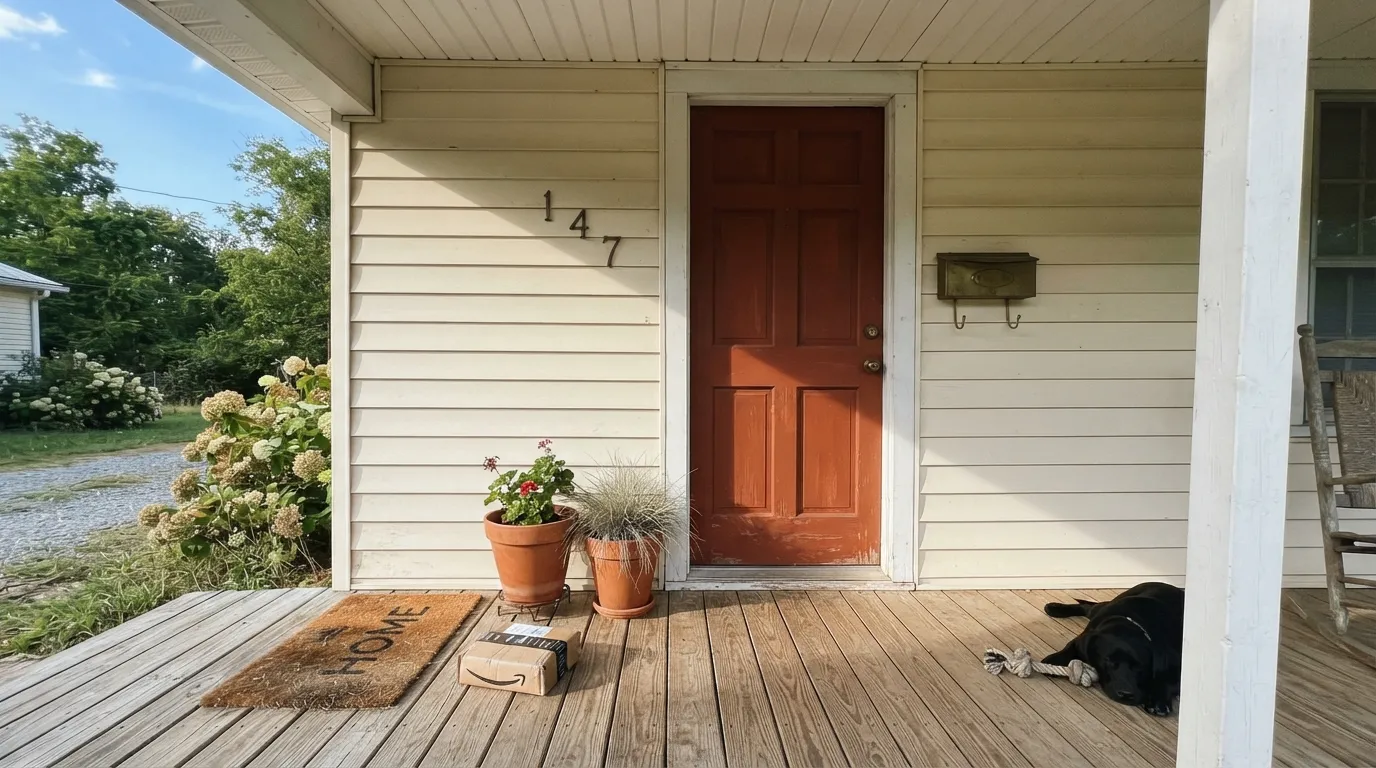
6The rusted-iron red-brown buyers seek out — farmhouse patina for doors and siding.
 7
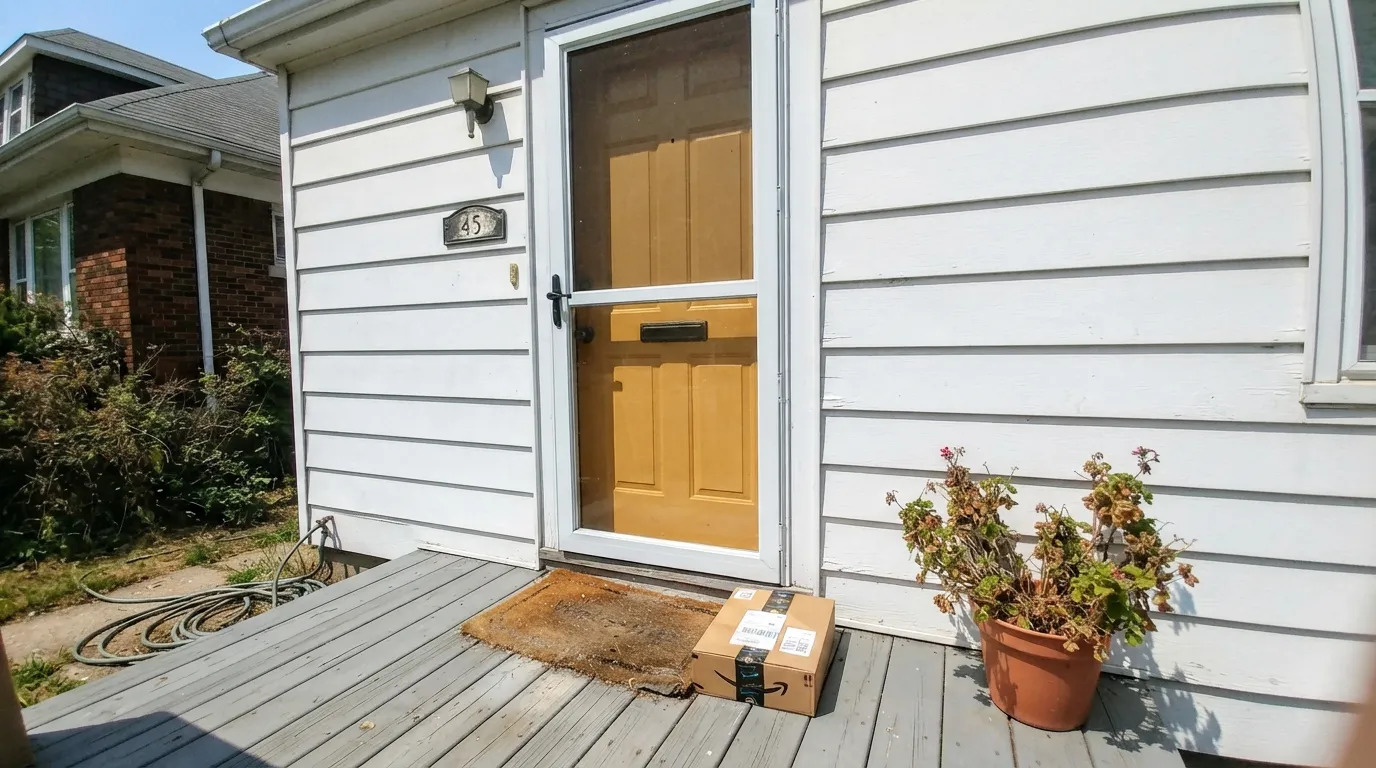
7A golden honey-amber people search by name — sunny but grounded.
 8
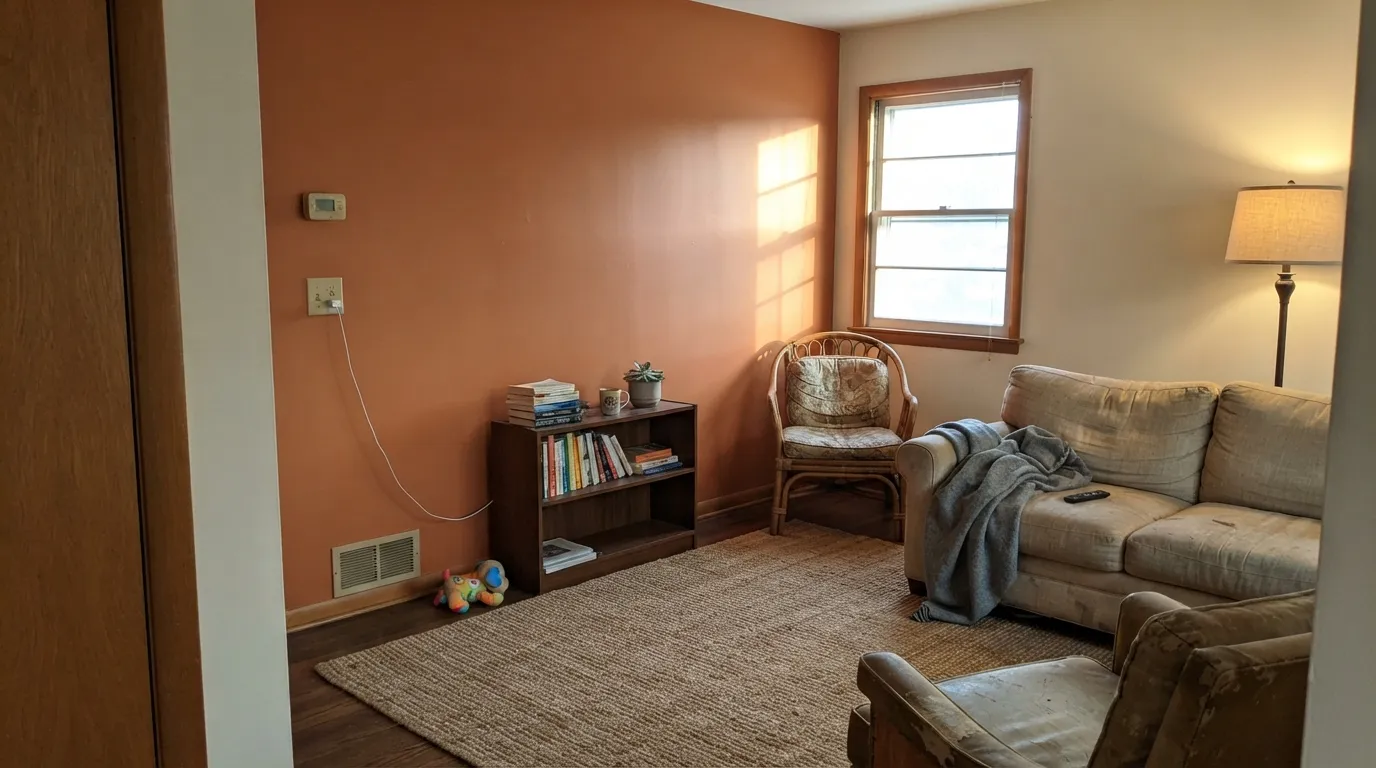
8The terracotta-clay orange with its own search following — sunset color for accent walls.
 9
9A maple-syrup brown-orange buyers look up — rustic warmth for exteriors.
 10
10A deep rust-brick orange at LRV 22, the burnt autumn tone searched for front doors, exterior accents, and moody dining rooms.
The whole Behr orange range by depth. LRV is the number to trust: the same orange looks two steps darker on a wall than on a chip.
LRV (Light Reflectance Value) tells you how light or dark a color reads on the wall. In this orange slice the range is 11 at the darkest to 70 at the lightest, so you have real control over how bold the room feels. A higher number bounces more light; a lower number soaks it up and reads moody.
For a soft, sunny wall, stay near the top, like Delicious Melon at LRV 70 or Kernel (BIC-29) at LRV 53. For a richer mid-tone with more presence, look at Peach Butter (47) or Dazzle And Delight (MQ1-27) at 38. When you want orange as a deep statement, drop to Sizzling Sunset (P200-6) at 28 or Orange Liqueur at 23, and know those darker tones need good light or they can feel heavy.
Each room page shows orange picks from every US brand side by side, so you can compare in context.
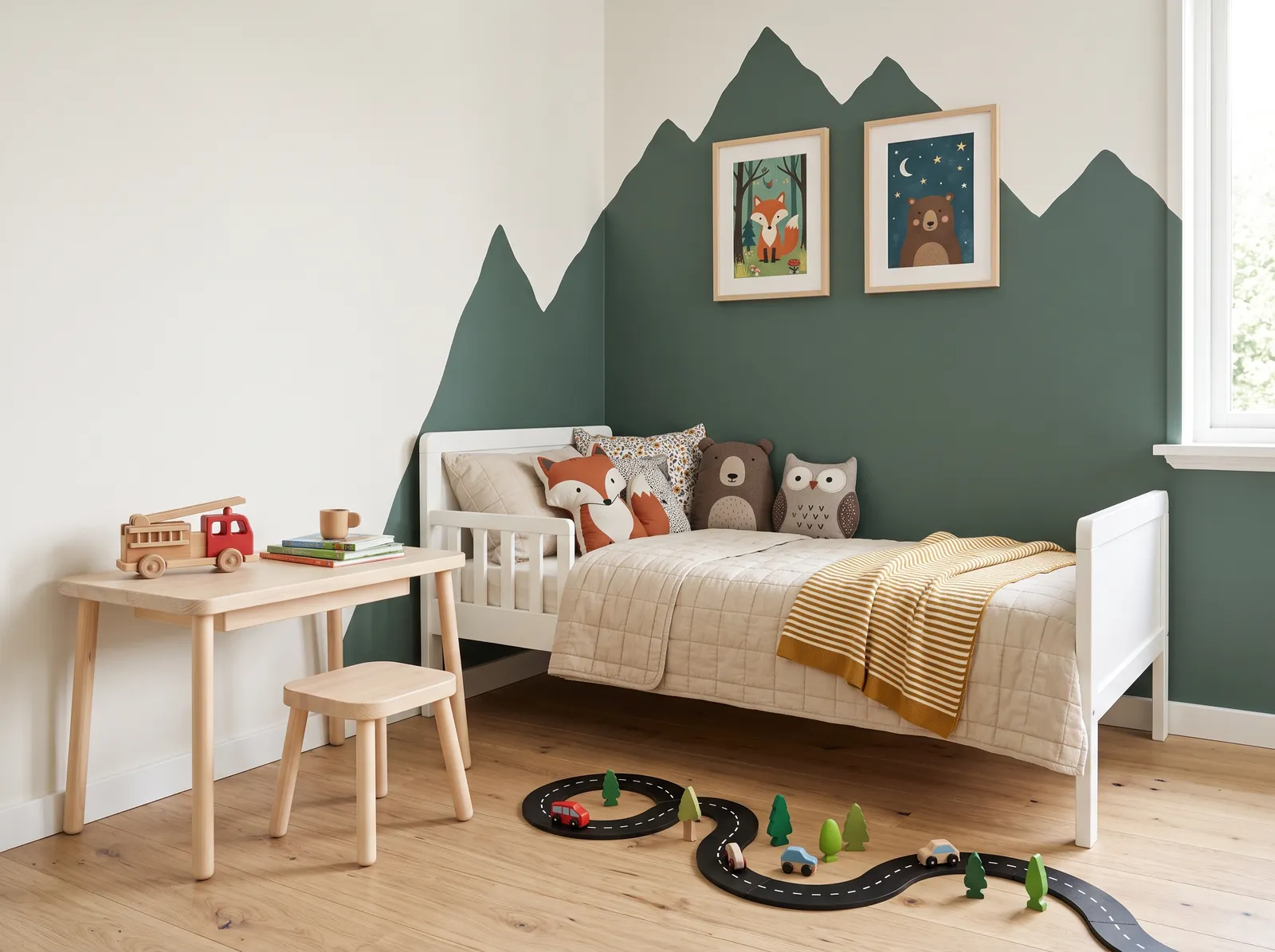
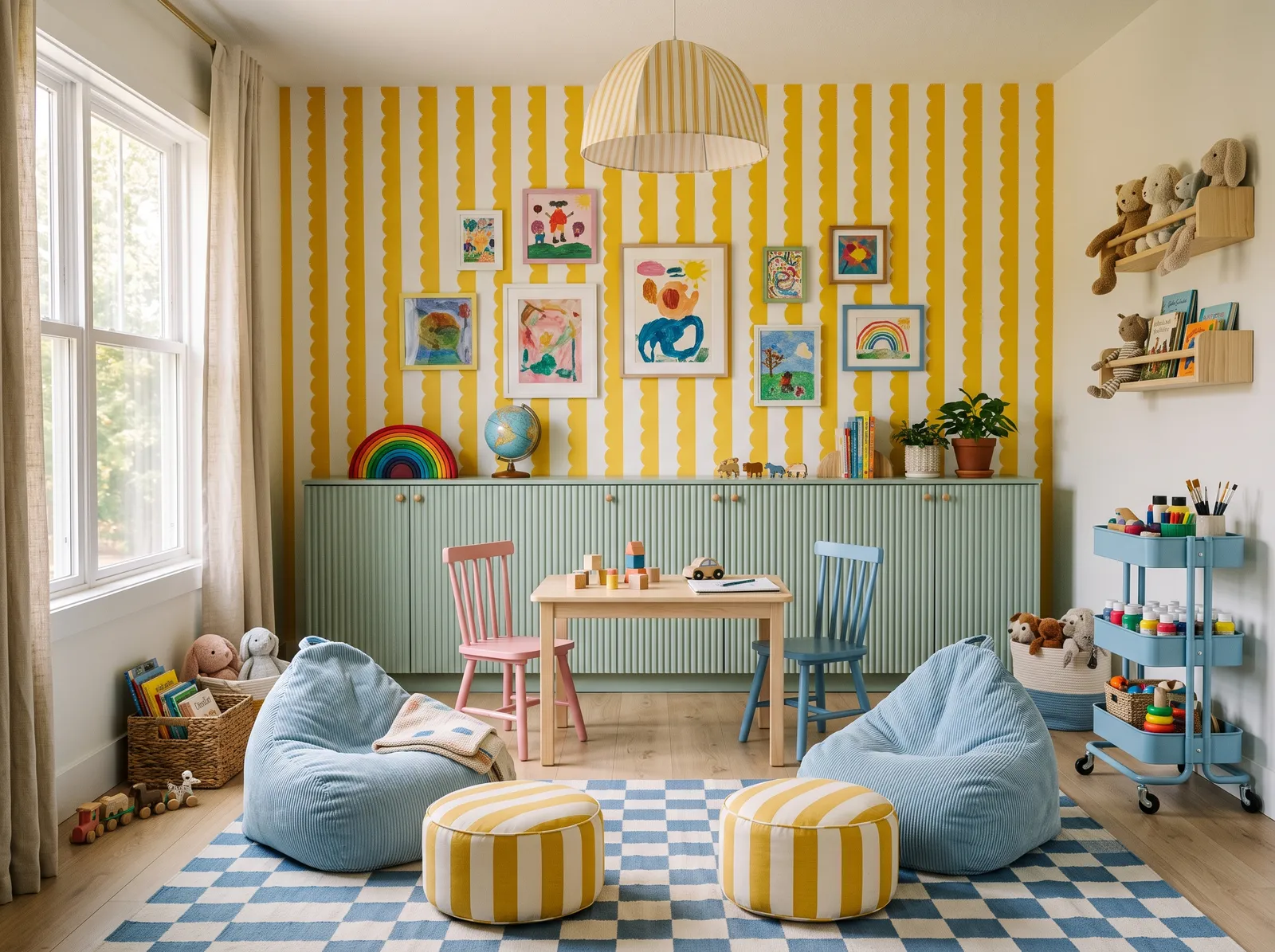
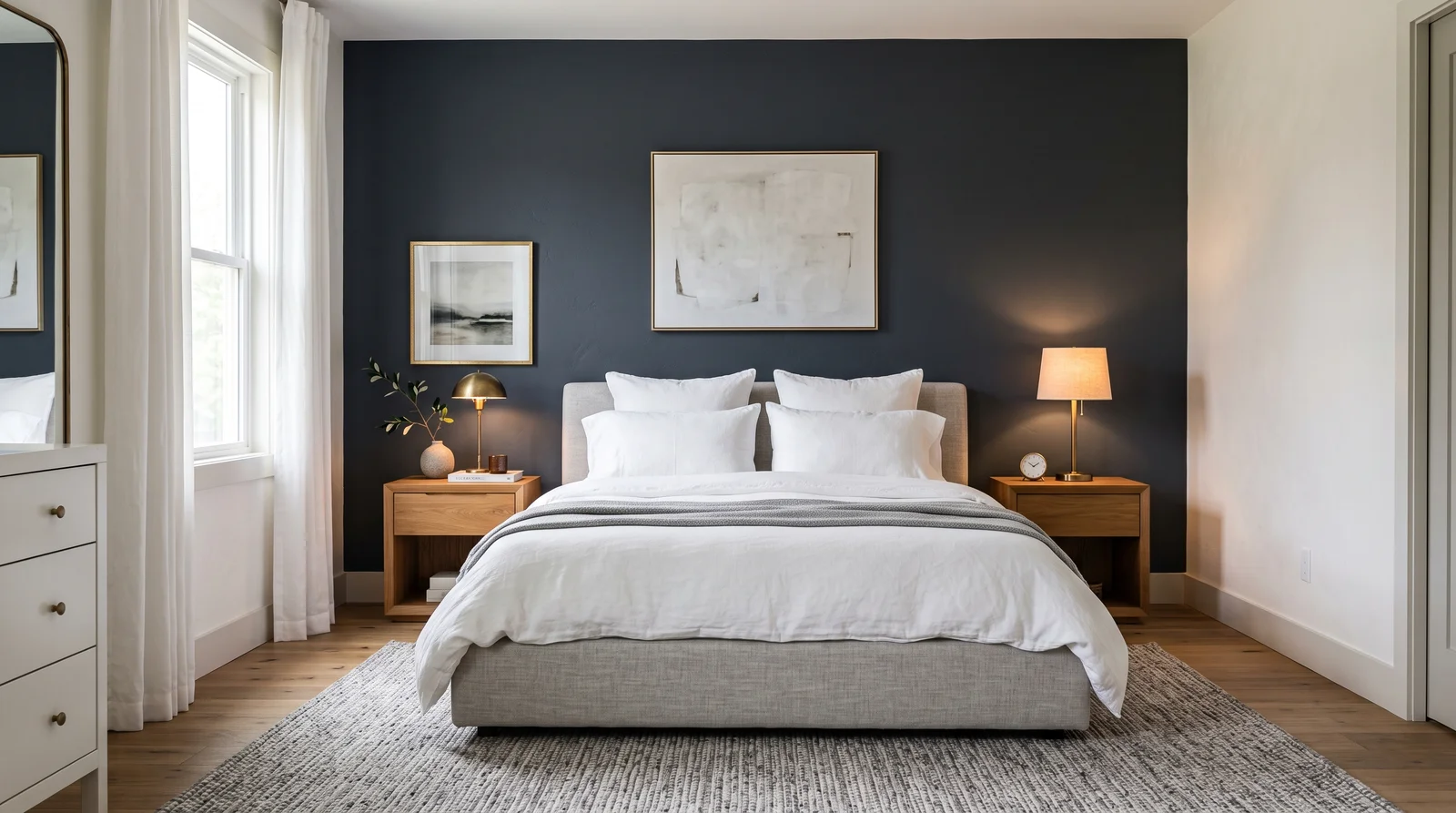
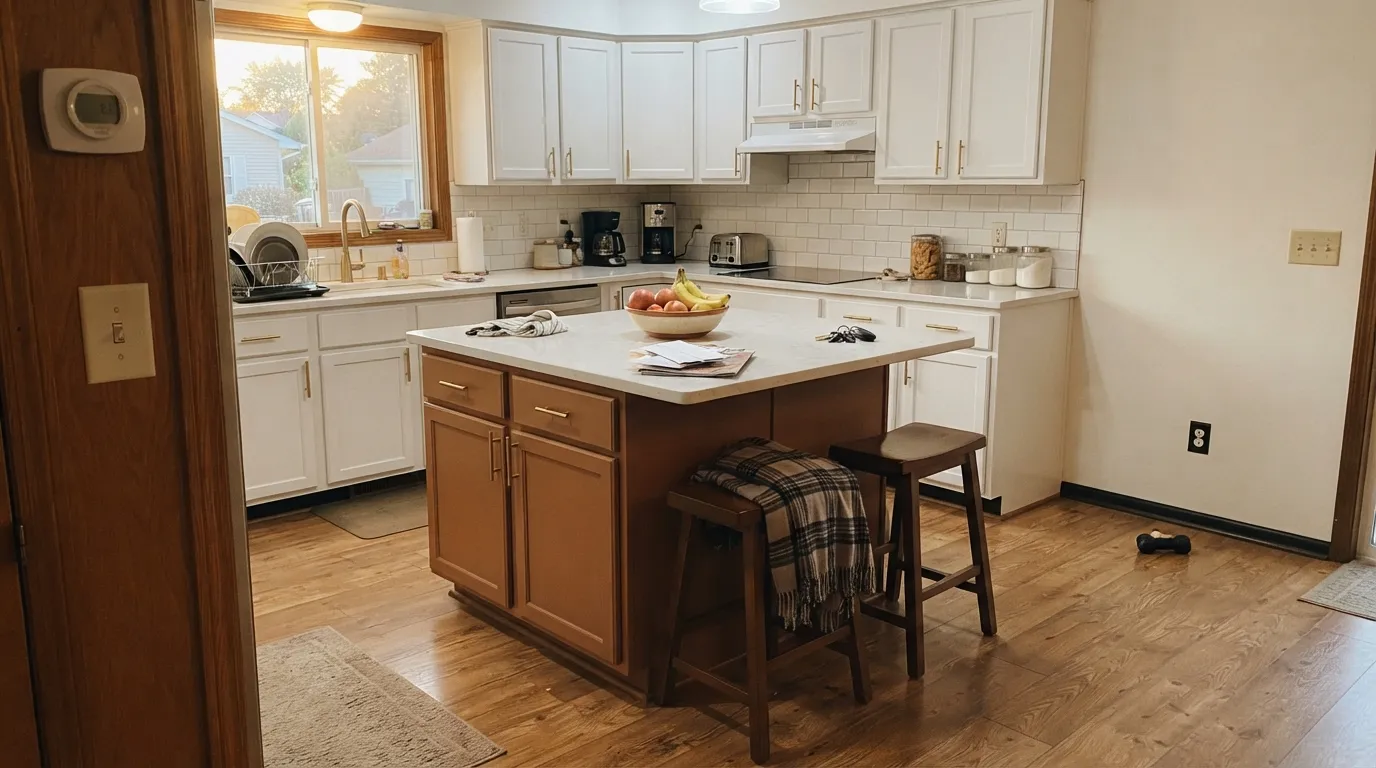
The lighter peaches and melons are easy wall colors for kitchens, breakfast nooks, and sunrooms where warmth feels natural. Kernel and Peach Butter give a gentle glow without taking over, which makes them friendly in spaces you use every morning. They also flatter wood tones and warm metals.
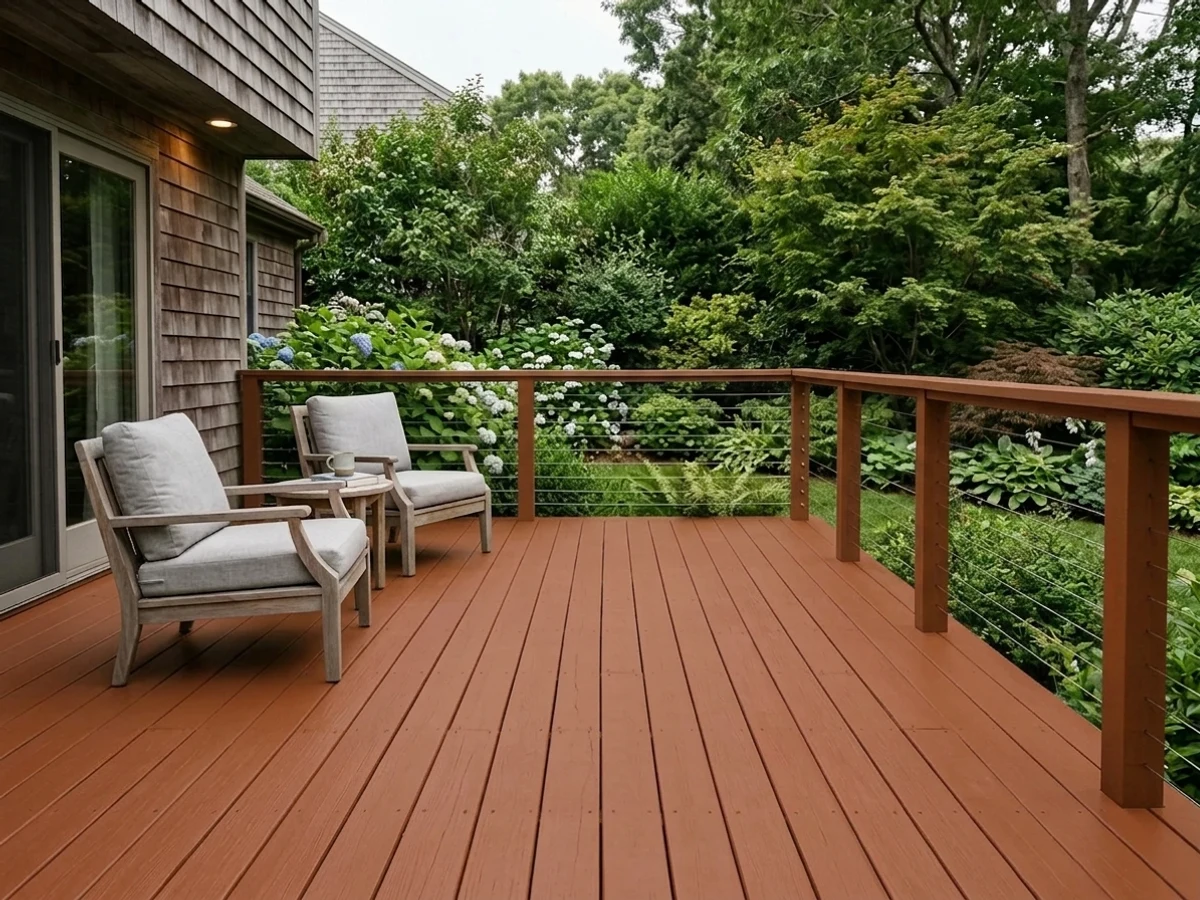
The deeper oranges work best as accents or in rooms you want to feel cozy and enclosed. Burnt Pumpkin, Sizzling Sunset, and Orange Liqueur are strong as a single feature wall, a front door, a powder room, or built-in shelving. Used on every wall in a small dim room, the darkest tones can close the space in, so test a sample first.
Every Behr orange, grouped by undertone, warm to cool. Filter by depth or change the order.
Hex values are display approximations from Behr's published swatch tools, not a physical sample under controlled lighting. Order a brand-direct sample before specifying.
Upload a photo of the room. We paint it in the orange you chose with your light and your floor, and you can swap colors until one holds.
Behr is sold exclusively at The Home Depot, and every color here is mixed to order. The store tints a base to the exact formula when you buy, so the name and code (like M250-5 or P200-6) are what you bring to the counter. Choose the line by need: Premium Plus for value around $35 a gallon, Marquee near $55 for one-coat coverage, and Dynasty around $65 for the most stain and scuff resistance.
If you already love an orange from another brand, you can usually get close with Behr. Bring a chip or the name and the paint desk can color-match it, and the same works in reverse to recreate a Behr orange elsewhere. The featured Kompozit deck can also be matched against these tones by LRV and undertone, so a peachy Behr like Delicious Melon or a deep Sizzling Sunset can be approximated across brands rather than locking you to one store.
How many orange colors each brand carries, drawn with that deck's own oranges from light to dark. Pick your store first, then the color. Every brand equal, no favorites.
Behr's orange deck is wide and varied. Across 217 colors it runs from soft, fruity tints like Delicious Melon (280A-3) to deep, smoky tones like Orange Liqueur (M210-6). The brighter end leans peachy and warm, while the darker end pulls toward terracotta, burnt clay, and roasted spice.
Most of these oranges carry a warm, earthy undertone rather than a loud neon punch. Names like Peach Butter (S-G-310), Autumn Malt (230F-4), and Burnt Pumpkin (M250-5) hint at where the family lives: comfortable, food-warm, and easy to live with. If you want orange that feels grounded instead of jarring, this slice has plenty of room to work.
Warm oranges look cleanest against a soft white trim rather than a stark blue-white. Behr's well-known Swiss Coffee or a creamy off-white keeps the transition gentle, while Ultra Pure White gives a crisper edge if you want contrast. A simple white or barely-warm ceiling lets the wall color stay the star.
For coordinating colors, oranges sit well with warm neutrals, deep greens, and muted blues that cool the room back down. Pair a mid-tone like Autumn Malt with a greige or a soft sage, or let a deep tone like Orange Liqueur play against charcoal or a warm gray such as Behr's Cracked Pepper. Keep one orange as the lead and let the partners stay quieter.
Canyon Dusk (S210-4) — A dusty clay pink-beige with terracotta warmth at LRV 36, the southwestern earth tone people search for stucco exteriors and adobe-style rooms. Beehive and Terra Cotta Clay and Maple Glaze round out the short list most people choose from.
Both, depending on where you look in the deck. The lighter end is soft and peachy with colors like Delicious Melon and Peach Butter, while the darker end gets bold and earthy with Burnt Pumpkin, Sizzling Sunset, and Orange Liqueur. Most of the family leans warm and grounded rather than neon.
LRV is Light Reflectance Value, a number that shows how much light a color bounces back. In this slice it runs from 11 (darkest) to 70 (lightest), so a high number like Delicious Melon at 70 reads bright and airy, and a low number like Orange Liqueur at 23 reads deep and moody. Use it to judge how bold a room will feel before you buy.
Lighter tones like Kernel and Peach Butter are easy on full walls because they stay warm without overwhelming the space. Deeper tones like Sizzling Sunset and Orange Liqueur usually look better as a feature wall, front door, or small cozy room. Always test a sample in your own light first.
A soft white trim like Swiss Coffee keeps warm oranges looking clean and gentle, while Ultra Pure White gives a crisper contrast. A plain white or barely-warm ceiling lets the orange stay the focus. Avoid a cold blue-white trim, which can fight the warmth.
Behr is sold only at The Home Depot, and the colors are mixed to order at the paint desk. You bring the color name and code, they tint the base, and you pick the line, such as Marquee for one-coat coverage or Dynasty for the toughest finish. Nothing is pre-bottled by color.
Yes. The Home Depot paint desk can color-match a chip or formula from another brand into a Behr base, and you can recreate a Behr orange elsewhere the same way. The featured Kompozit deck can also be matched by LRV and undertone, so a peachy or deep Behr orange can be approximated across brands.
Ask a Question