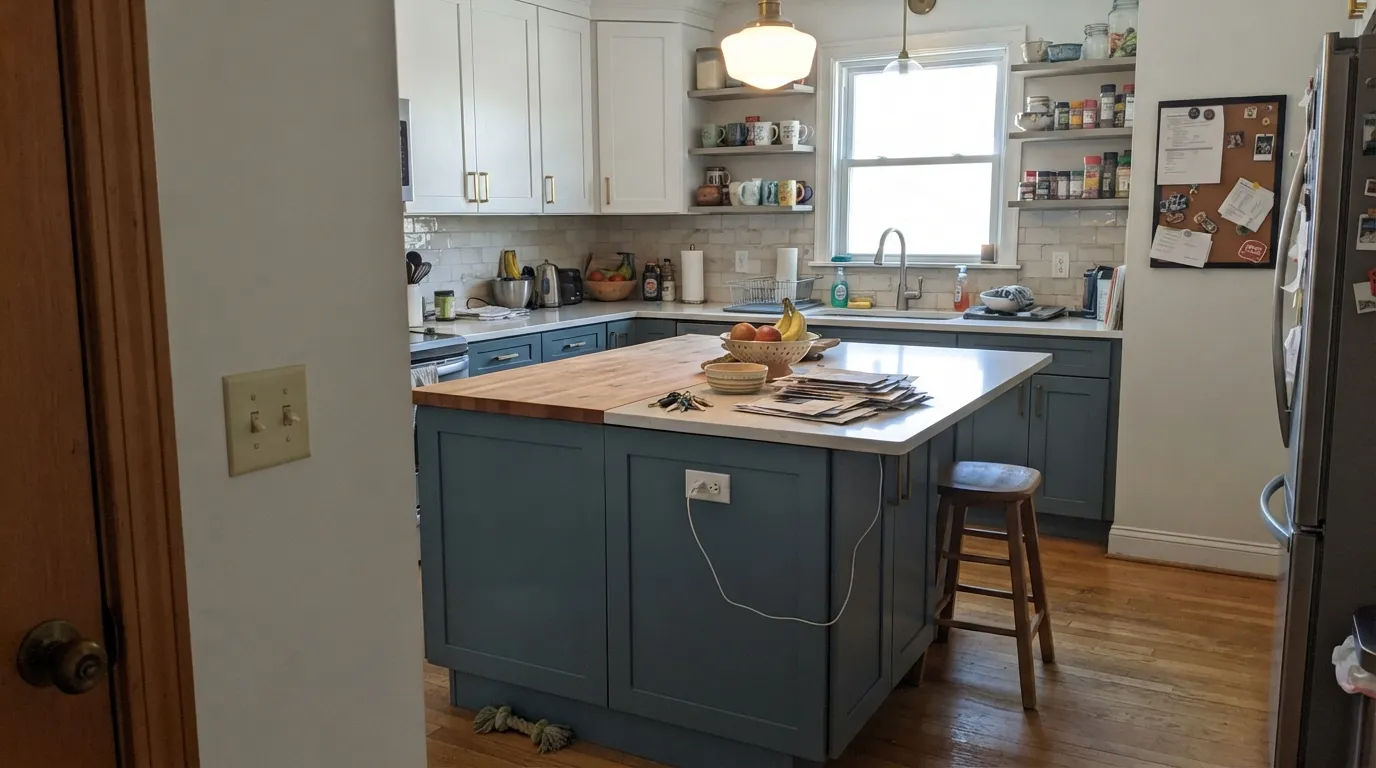
 1
1Blustery SkySW 9140 · LRV 22
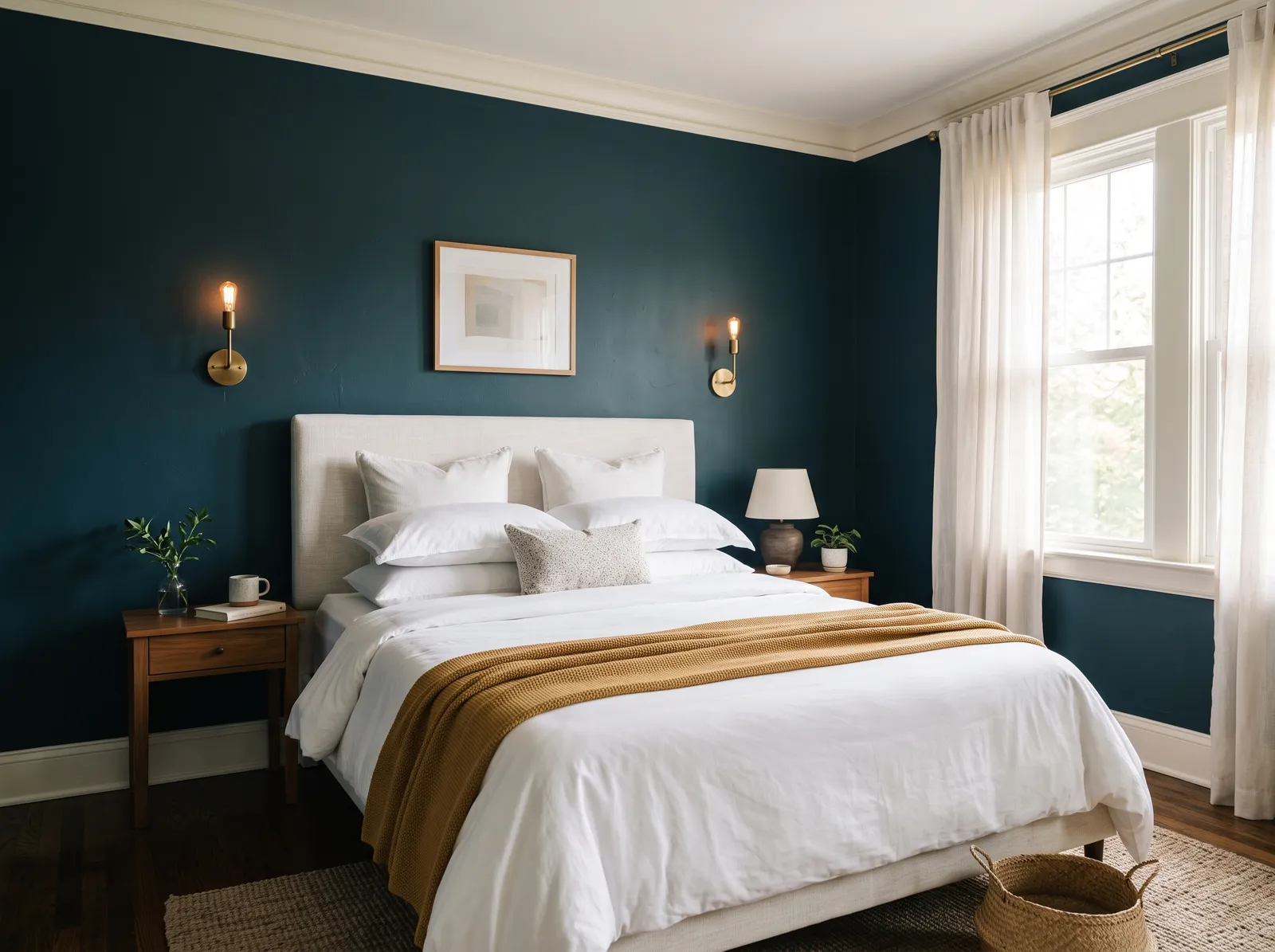
Blustery Sky is a genuine blue-gray with a green whisper hiding under warm light — moody without going full navy, and honestly quiet enough that it never became a headline color.
10 curated teals with undertones, LRV, and the honest reasons why, plus the full 154-color teal deck below.
Don't want to compare 154 teals? These four cover most real projects.
Refresh is Sherwin-Williams' under-the-radar answer to the spa-bathroom question: a pale, gray-restrained blue-green, part aqua and part seafoam depending on the light, at a workable LRV 59.
Blustery Sky is a genuine blue-gray with a green whisper hiding under warm light — moody without going full navy, and honestly quiet enough that it never became a headline color.
Teal-leaning near-black that reads softer than true black — a go-to for dramatic accents and exteriors.
Cascades is a true teal — equal parts green and blue in the mix — pushed down to LRV 4, a hair above pure black.
Numbered and curated. Tap any color for its full review, or see it on your own walls in the visualizer.
1Blustery Sky is a genuine blue-gray with a green whisper hiding under warm light — moody without going full navy, and honestly quiet enough that it never became a headline color.
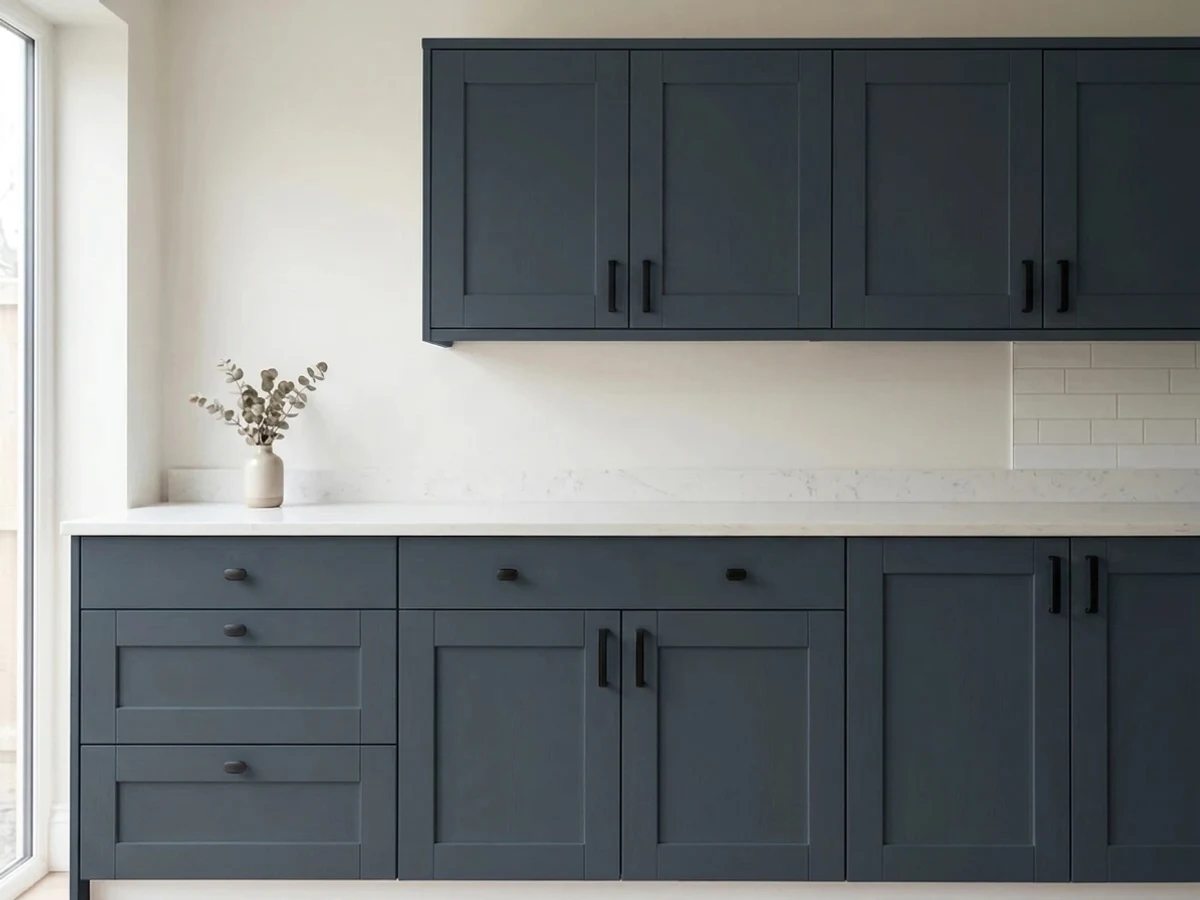 2
2Teal-leaning near-black that reads softer than true black — a go-to for dramatic accents and exteriors.
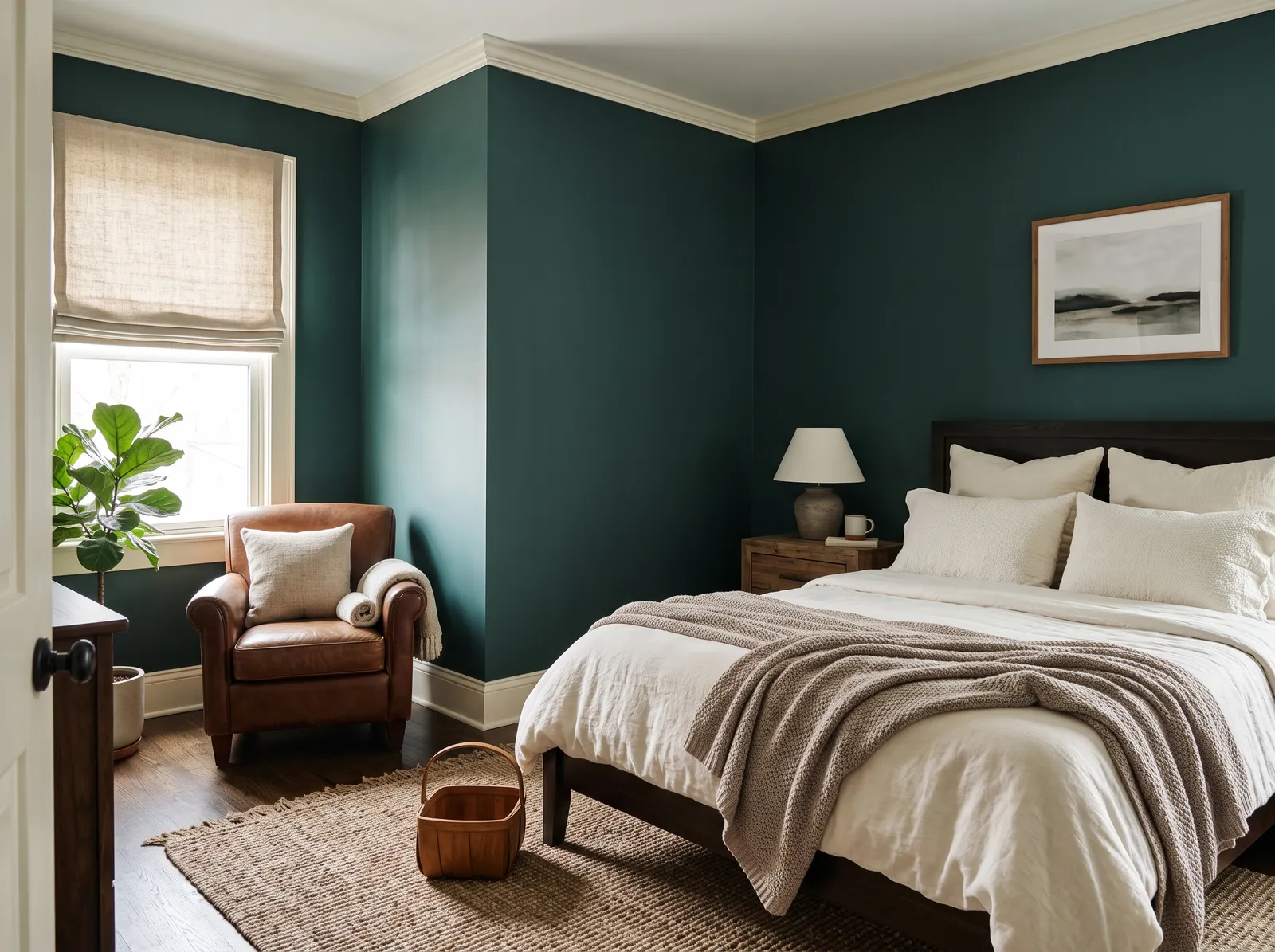 3
3Cascades is a true teal — equal parts green and blue in the mix — pushed down to LRV 4, a hair above pure black.
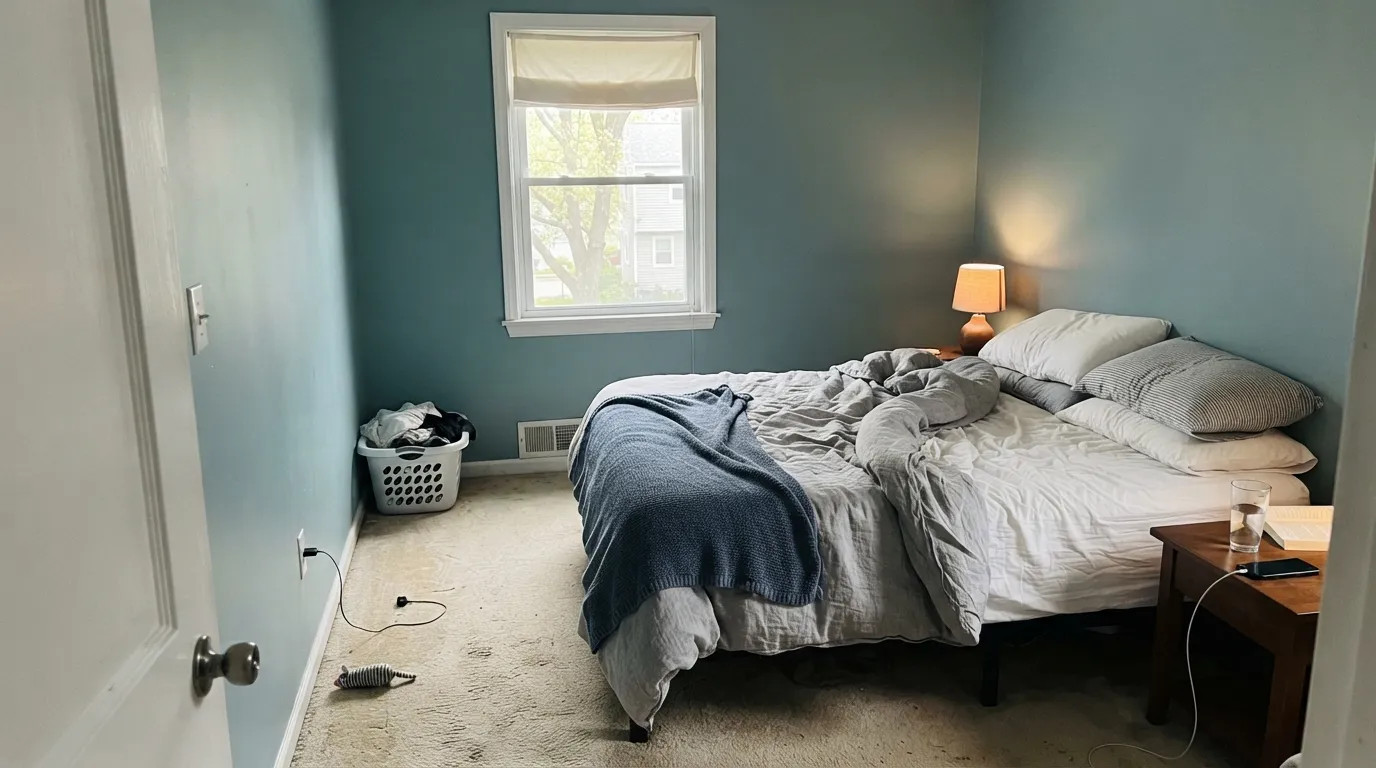 4
4Morning at Sea is a cool, muted blue-green that behaves backward from most colors in this deck: bright daylight is what makes it look good, and warm lamplight is what makes it fade.
 5
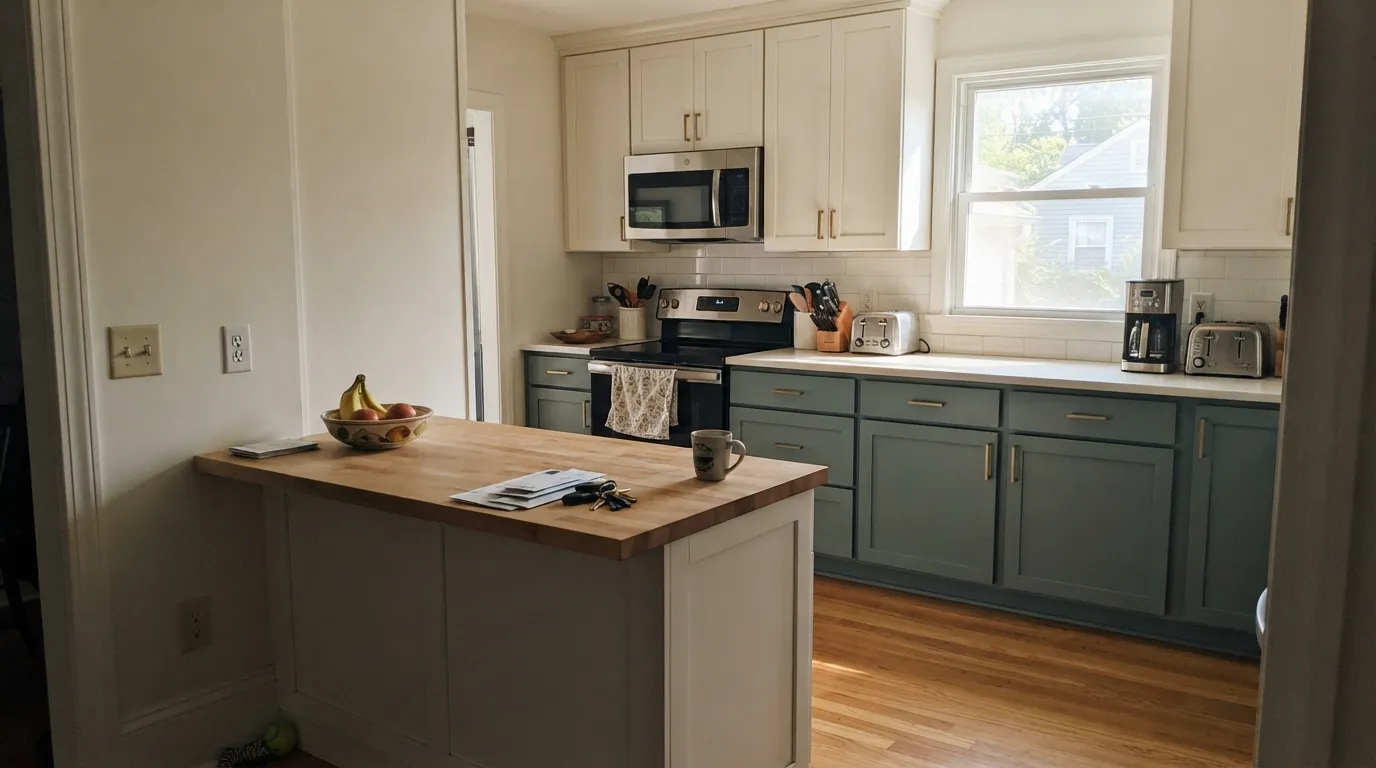
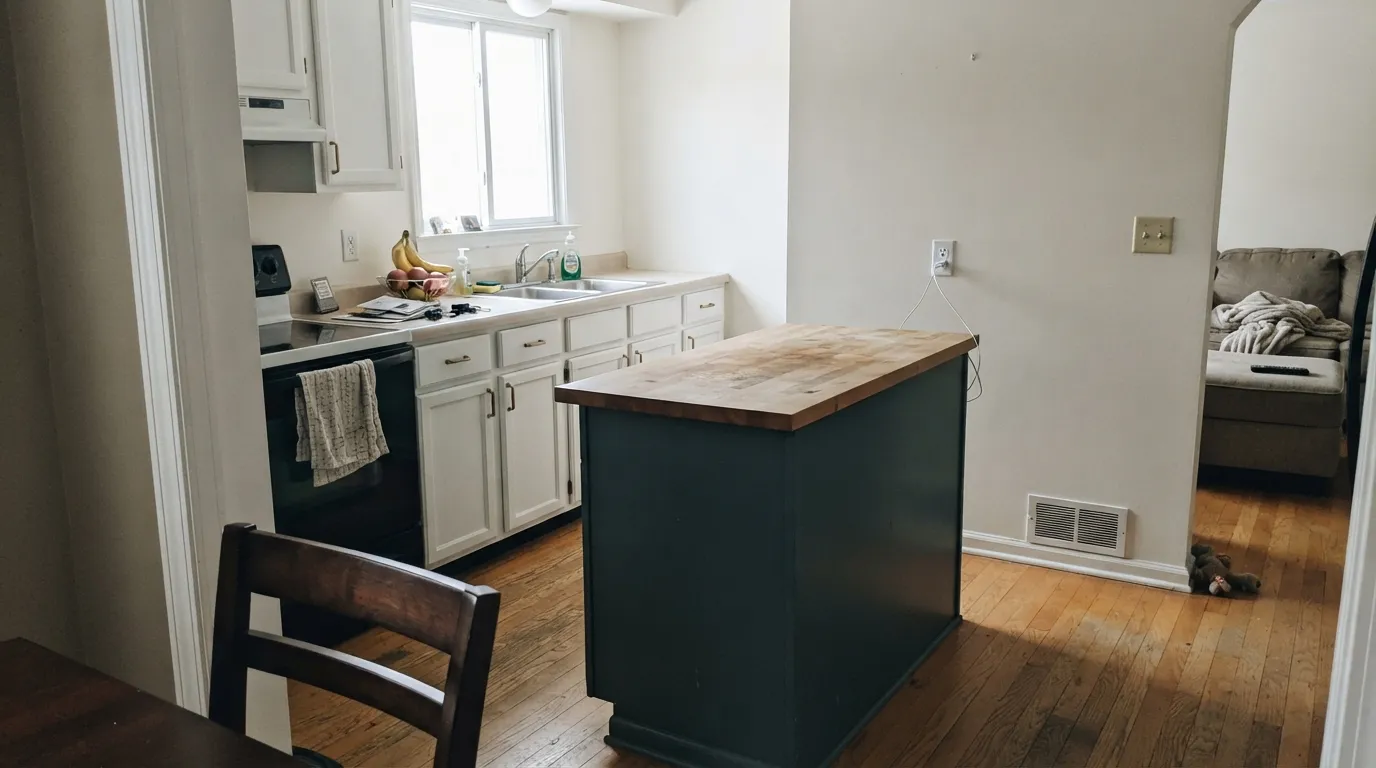
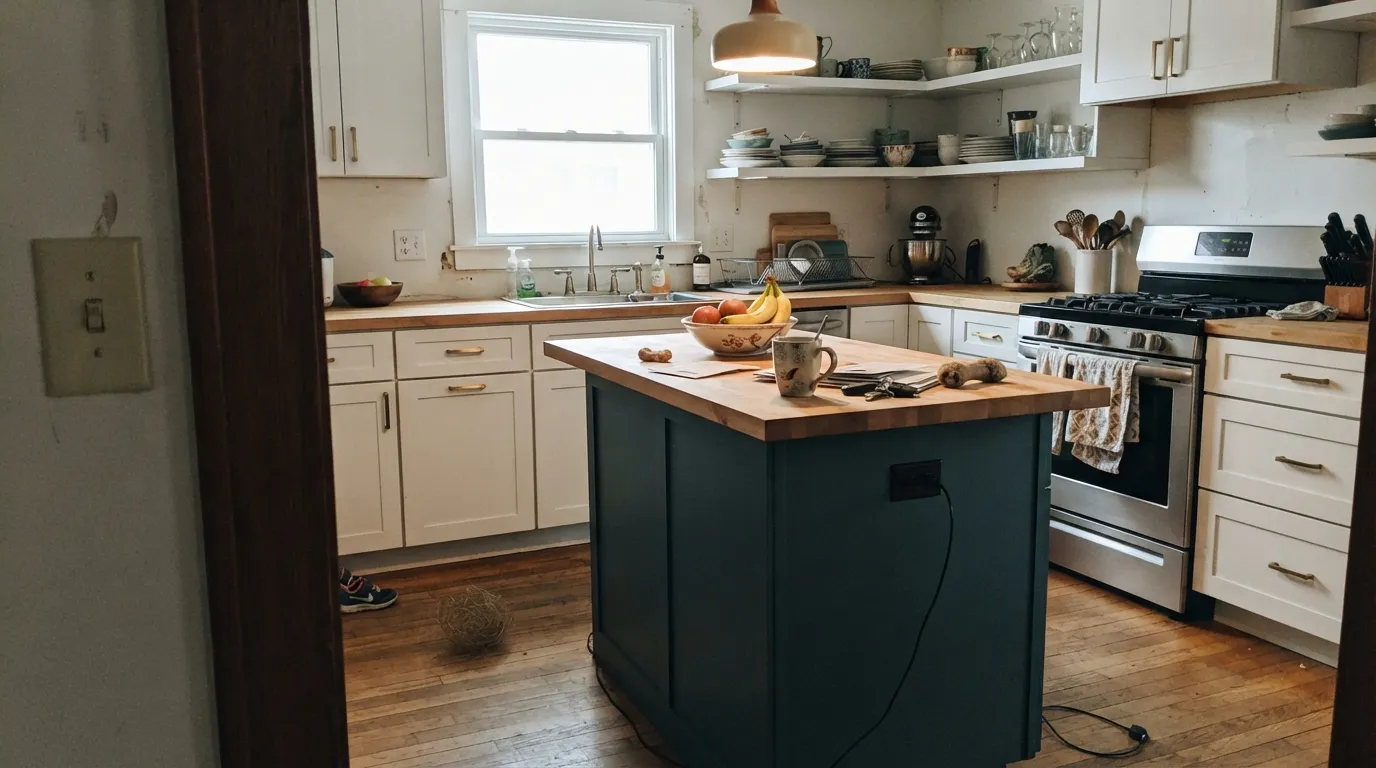
5Blackened navy with a green undercurrent — a favorite for kitchen islands and front doors.
 6
6A muted blue-green gray at LRV 22, filed as neutral in the deck but reads distinctly teal once it's up on a wall.
 7
7Gale Force is what you get when a navy stops pretending it's only blue.
 8
8Still Water is a deep, grayed-down blue-green — teal pulled back to slate depth, not a jewel tone.
 9
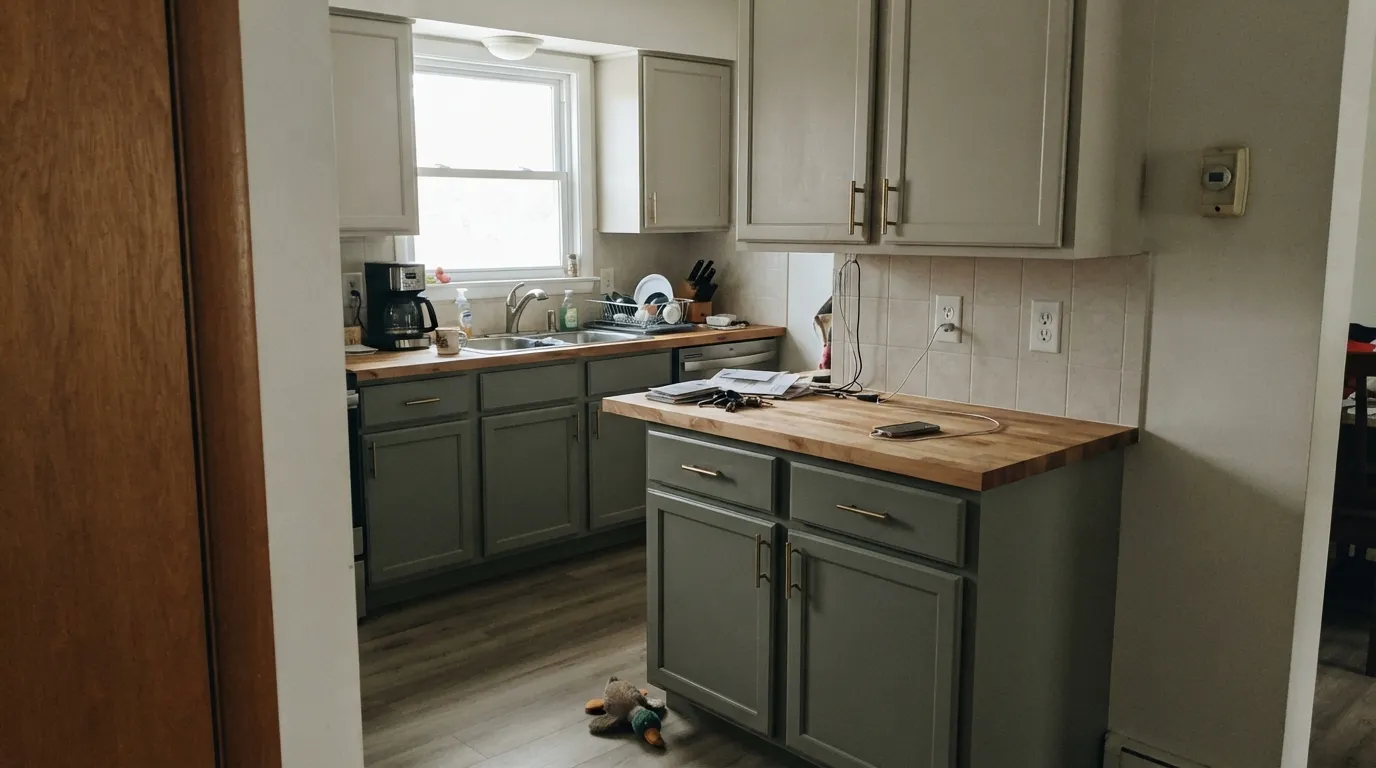
9A balanced green-gray at LRV 32, versatile enough for kitchens or living rooms without leaning too cool or too warm.
 10
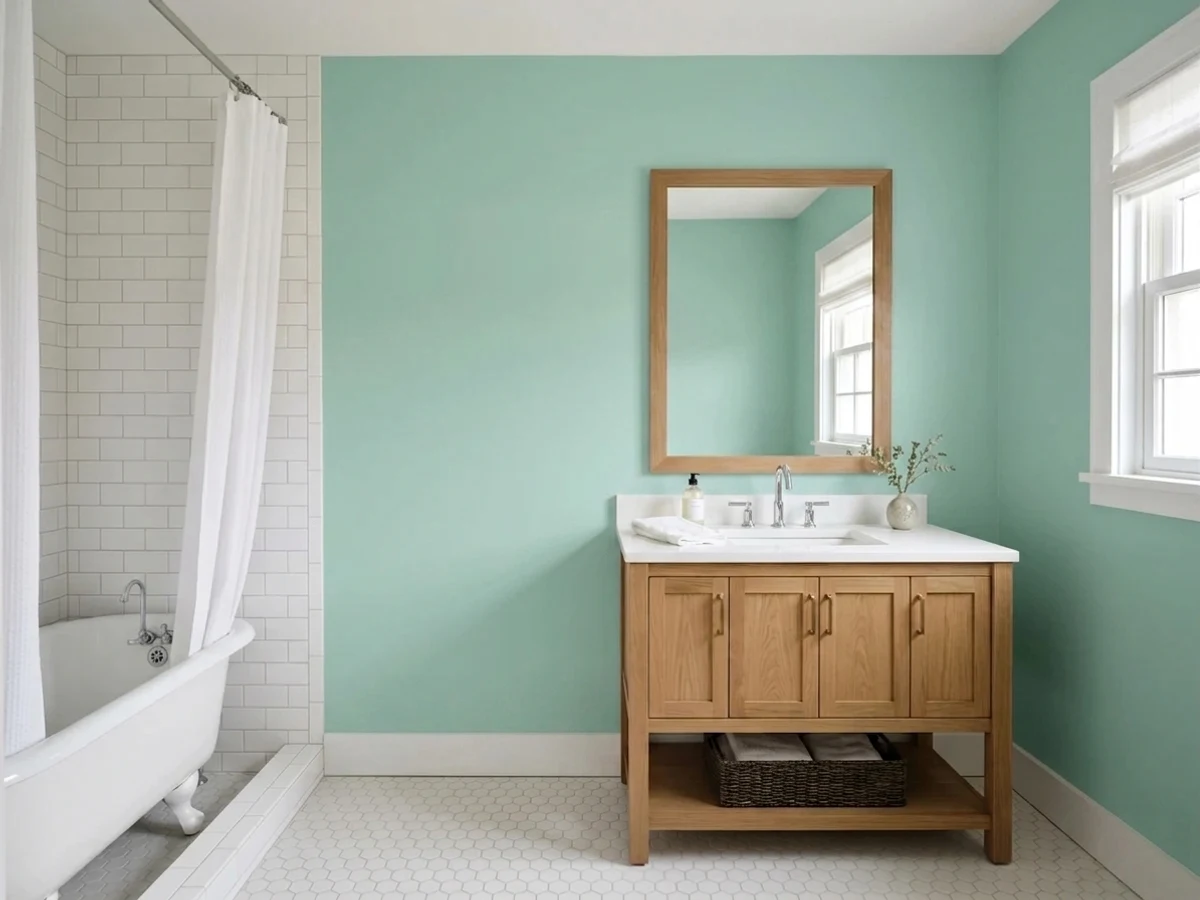
10Refresh is Sherwin-Williams' under-the-radar answer to the spa-bathroom question: a pale, gray-restrained blue-green, part aqua and part seafoam depending on the light, at a workable LRV 59.
The whole Sherwin-Williams teal range by depth. LRV is the number to trust: the same teal looks two steps darker on a wall than on a chip.
LRV is how much light a color bounces back, from 0 (black) to 100 (pure white). This teal slice runs from LRV 4 at the darkest down to 73 at the lightest, so the same family gives you both an airy wall color and a near-black accent. Use the number to predict how dark a color will feel in your room.
For a light, open feel, look at Tame Teal (SW 6757) at LRV 73 or Blue Sky (SW 63) at 58. For something with more presence, Aquitaine (SW 9057) at 38 or Cloudburst (SW 6487) at 26 still hold color without going dark. For a dramatic, saturated look, Great Falls (SW 6495) at 15 or Billiard Green (SW 16) at 9 read deep and rich, best in rooms with good natural light.
Each room page shows teal picks from every US brand side by side, so you can compare in context.
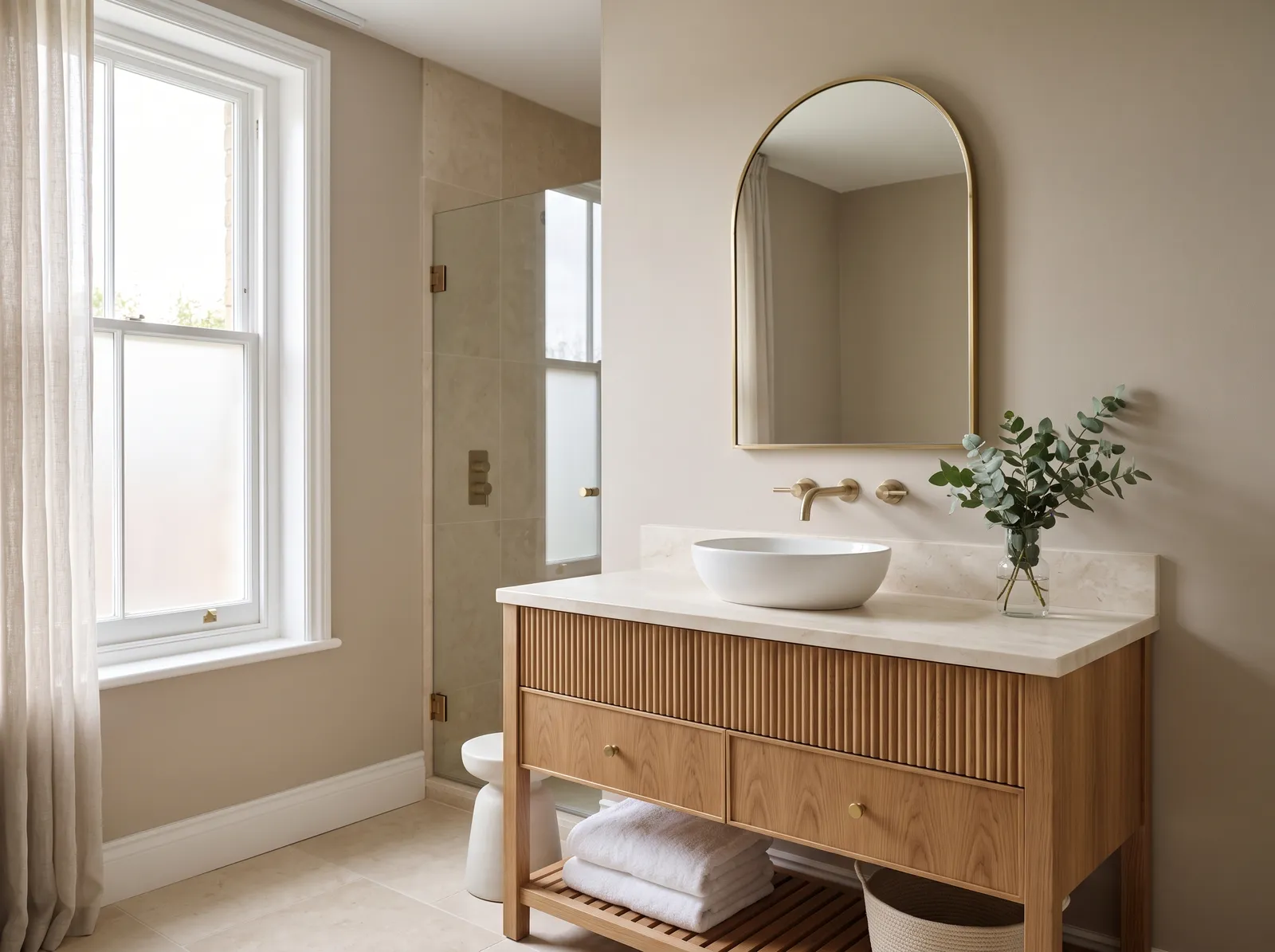
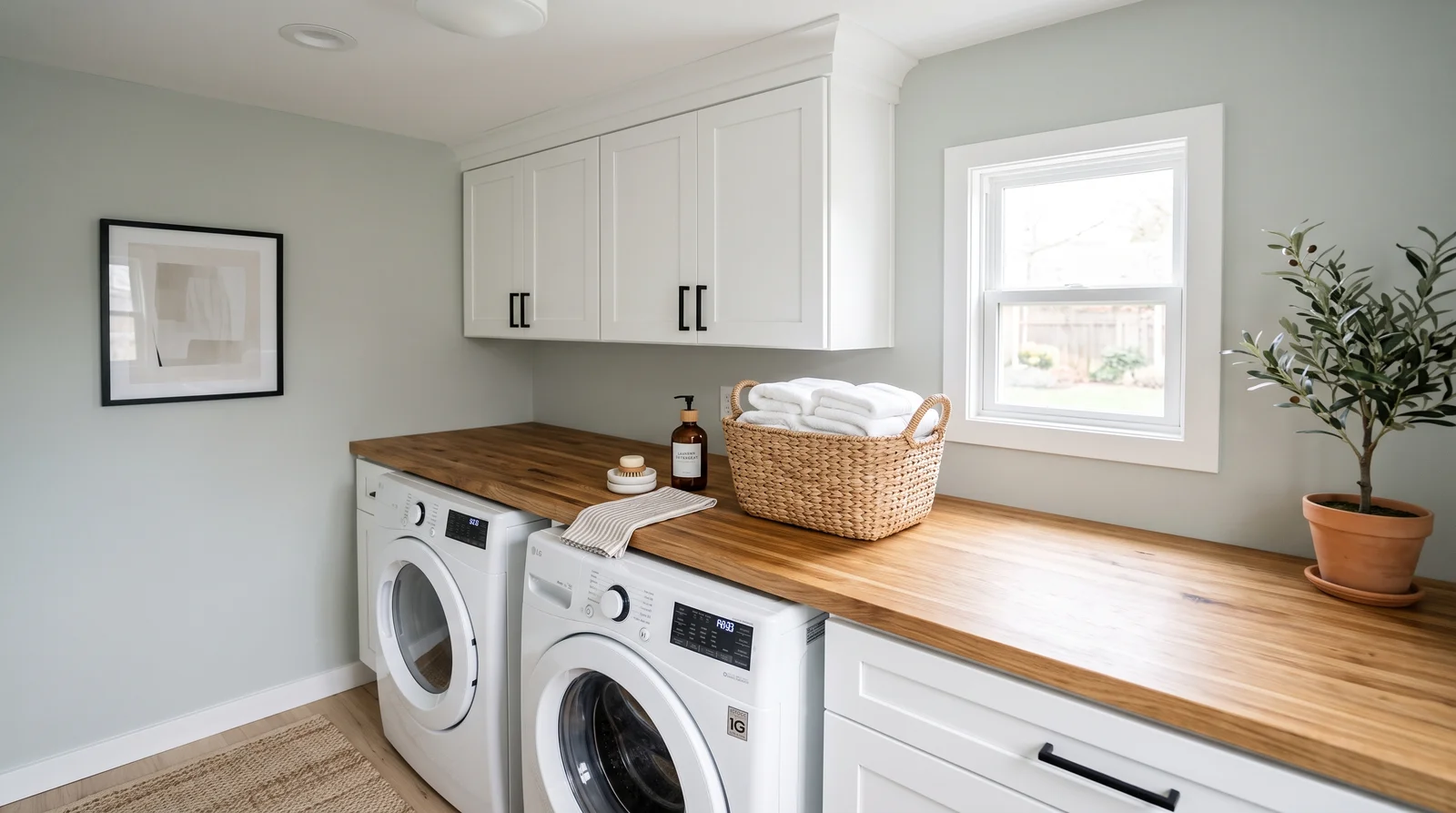
The lighter teals work well on full walls in bathrooms, bedrooms, and kitchens, where Tame Teal and Blue Sky feel calm without dimming the space. They also make good ceiling colors when you want a soft tint instead of plain white.
The mid-tones like Rapture Blue, Aquitaine, and Cloudburst are strong choices for a single accent wall, a kitchen island, or built-in shelving. The darkest teals, Great Falls and Billiard Green, shine on cabinets, a front door, or a dining room you want to feel cozy and bold. Save those deep shades for spaces with enough light, since they soak up a lot of it.
Every Sherwin-Williams teal, grouped by undertone, warm to cool. Filter by depth or change the order.
Hex values are display approximations from Sherwin-Williams's published swatch tools, not a physical sample under controlled lighting. Order a brand-direct sample before specifying.
Upload a photo of the room. We paint it in the teal you chose with your light and your floor, and you can swap colors until one holds.
Every one of these teals is mixed to order. You pick the color and the finish, and the store tints a base for you at a company-owned Sherwin-Williams store or online, so you are buying a real product, not just a swatch. (The HGTV Home by Sherwin-Williams line sold at Lowe's is a separate, lower-tier brand, not the same paint.)
The paint lines run good to best: Cashmere (around $55 a gallon), SuperPaint (around $68), Duration (around $75), and Emerald (around $80). Those list prices are mostly for show, because Sherwin-Williams runs 30 to 40 percent sales almost constantly. The simple advice: never pay full price, and wait for a sale before you buy.
How many teal colors each brand carries, drawn with that deck's own teals from light to dark. Pick your store first, then the color. Every brand equal, no favorites.
Sherwin-Williams sorts its ColorSnap deck into a teal family of 120 colors, and they cover a wide range. Some lean blue and cool, like Blue Sky (SW 63) and Rapture Blue (SW 6773). Others sit closer to true blue-green, like Aquitaine (SW 9057), Cloudburst (SW 6487), and the deep, almost forest-leaning Billiard Green (SW 16).
The brand's reputation is built on predictable undertones, and that holds here. A teal that reads soft and watery in the chip stays that way on the wall, so you are less likely to get a surprise green or gray shift once it dries. That makes this family easy to plan around.
Teal pairs cleanly with warm whites and soft neutrals, which is where Sherwin-Williams's famous neutrals come in handy. Alabaster or Accessible Beige on the trim keeps a deep teal like Billiard Green from feeling cold, while a crisp white ceiling brightens a darker wall. Tricorn Black makes a sharp accent for hardware or a door against a lighter teal.
If you want a calmer, tone-on-tone look, layer a light teal wall with a deeper teal from the same family on cabinets or built-ins. Warm woods, brass, and natural materials all sit well against these blue-greens and keep the room from feeling flat.
Blustery Sky (SW 9140) — Blustery Sky is a genuine blue-gray with a green whisper hiding under warm light — moody without going full navy, and honestly quiet enough that it never became a headline color. Refresh and Dark Night and Cascades round out the short list most people choose from.
Mostly, yes. Sherwin-Williams is known for predictable undertones, so a teal that looks watery or blue-green on the chip stays close to that on the wall. Always paint a test patch and look at it in both daylight and lamplight before you commit, since room lighting still affects how any color reads.
Go with a lighter LRV. Tame Teal (SW 6757) at LRV 73 or Blue Sky (SW 63) at 58 bounce back the most light and keep a small space feeling open. Save the deep shades like Great Falls (SW 6495) or Billiard Green (SW 16) for rooms with plenty of natural light.
Bring the color name and code, like SW 6757, to any paint store. Most stores, including the featured Kompozit deck, can scan a chip or look up a cross-match and tint their own base to that target. The match is very close but rarely exact, so check a sample before doing a whole room.
They can be, especially because the list prices are misleading. Sales of 30 to 40 percent run almost constantly, so a gallon of SuperPaint or Duration often costs far less than the sticker. Wait for one of those sales and the value is strong for the durability and color accuracy you get.
A warm white like Alabaster keeps a deep teal such as Billiard Green from feeling cold and dark. Accessible Beige works too if you want a softer, warmer contrast. For hardware or accents, Tricorn Black adds a sharp, modern edge.
For a single accent wall, Cashmere or SuperPaint are plenty. Deep teals can need an extra coat for full color, so a quality line helps. If it's a high-traffic or moisture-prone spot like a bathroom or kitchen, step up to Duration or Emerald for better durability.
Ask a Question