 1
1WengeAF-180 · LRV 5
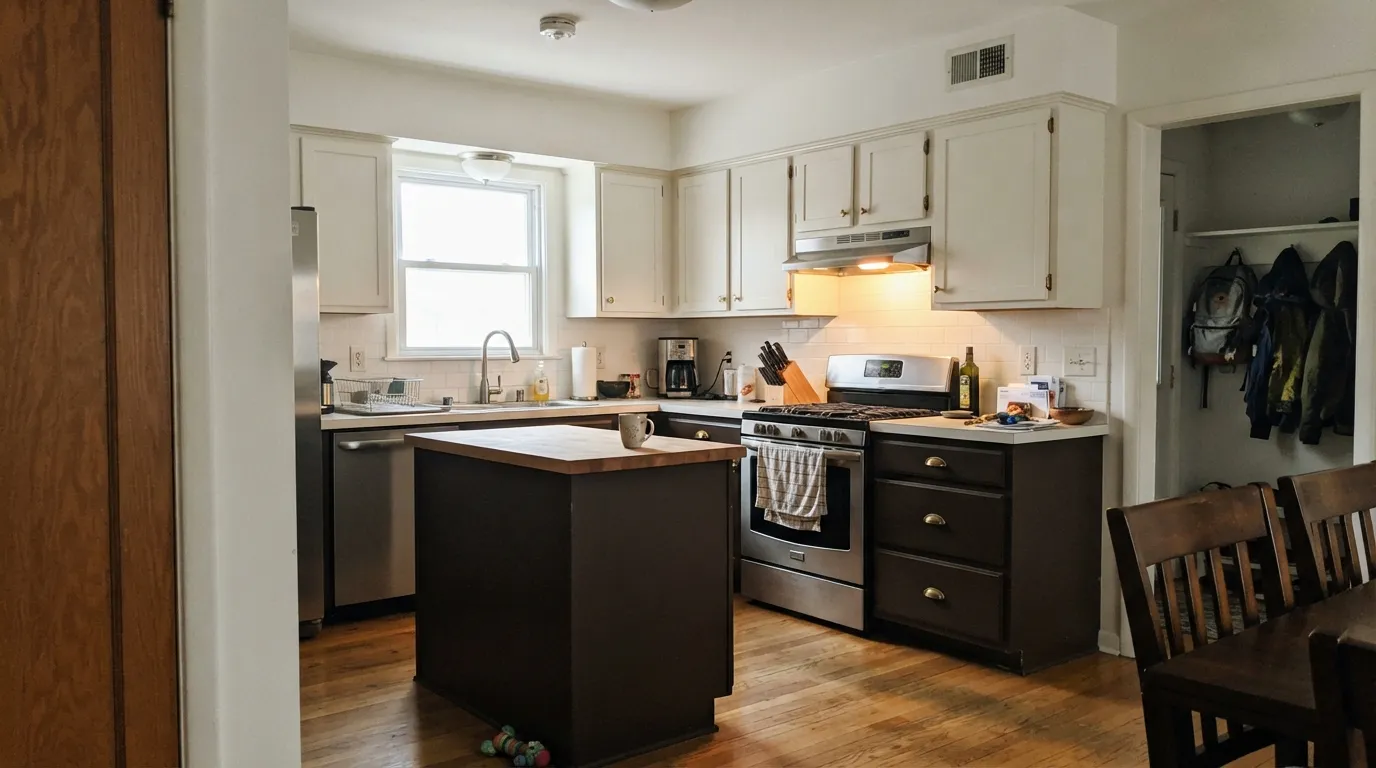
Wenge is Benjamin Moore's answer to the wenge-wood look: a warm near-black brown, not a true black, meant for cabinetry, built-ins, and doors rather than a whole room.
10 curated browns with undertones, LRV, and the honest reasons why, plus the full 296-color brown deck below.
Don't want to compare 296 browns? These four cover most real projects.
A rosy adobe-brown buyers look up by name — soft southwestern warmth.
Wenge is Benjamin Moore's answer to the wenge-wood look: a warm near-black brown, not a true black, meant for cabinetry, built-ins, and doors rather than a whole room.
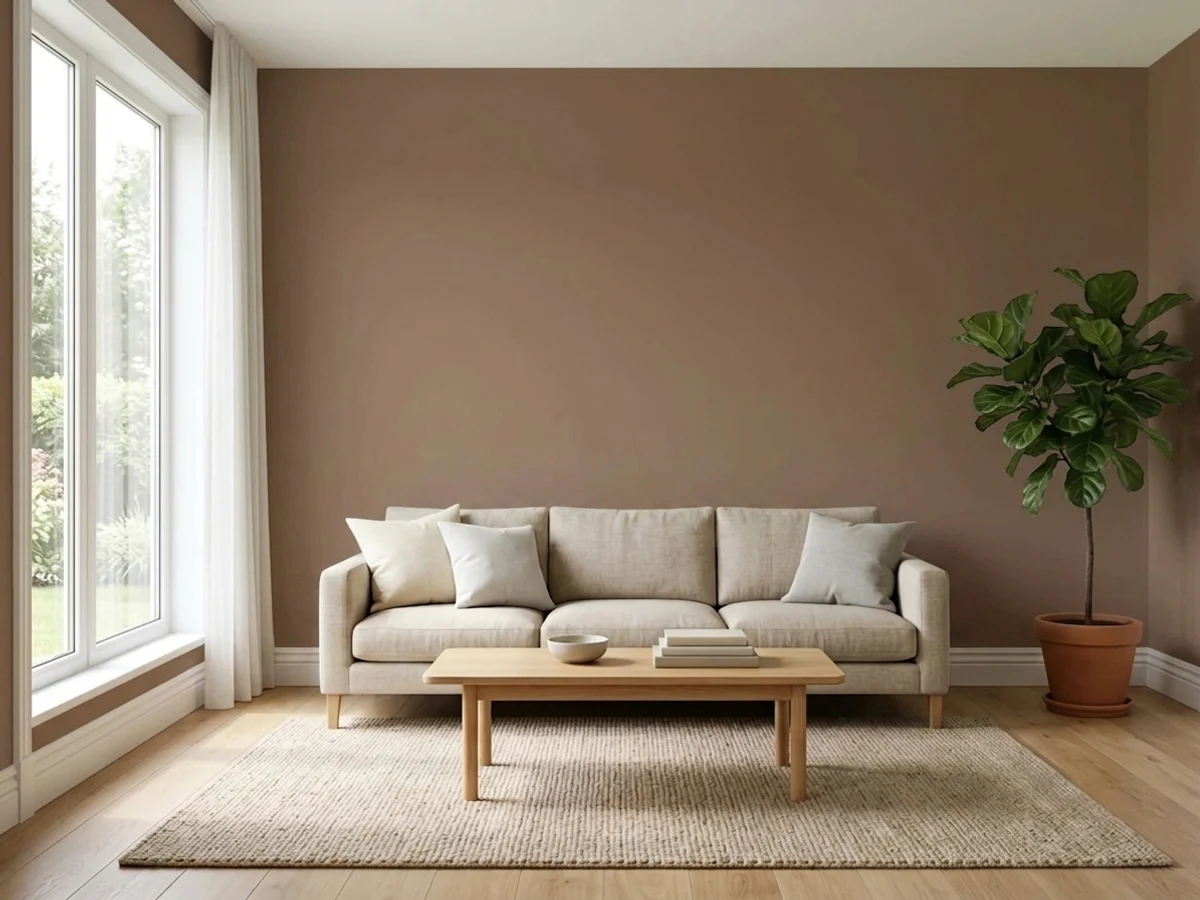
Saddle Soap is brown with the heaviness taken out.
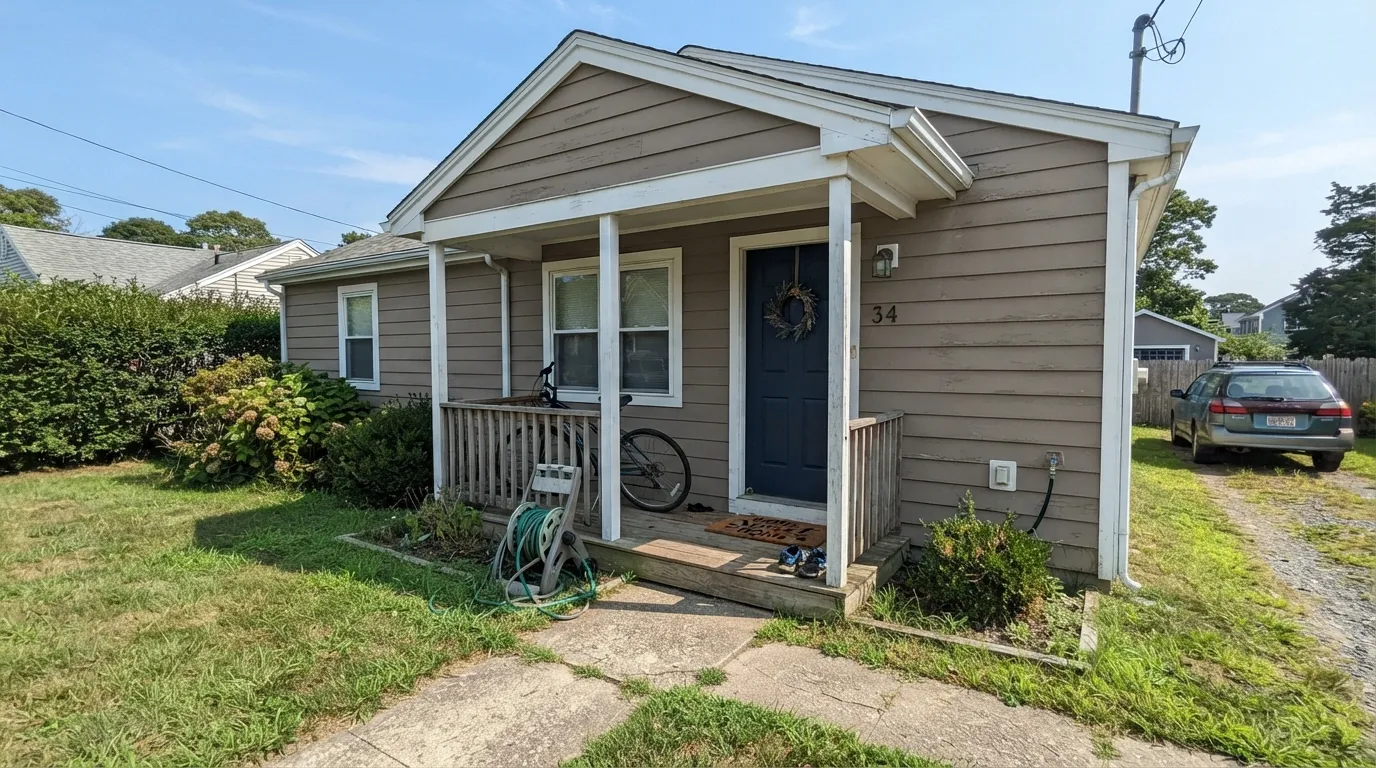
The weathered gray-brown people search by name — driftwood calm for coastal exteriors.
Numbered and curated. Tap any color for its full review, or see it on your own walls in the visualizer.
1Wenge is Benjamin Moore's answer to the wenge-wood look: a warm near-black brown, not a true black, meant for cabinetry, built-ins, and doors rather than a whole room.
 2
2Saddle Soap is brown with the heaviness taken out.
 3
3The weathered gray-brown people search by name — driftwood calm for coastal exteriors.
 4
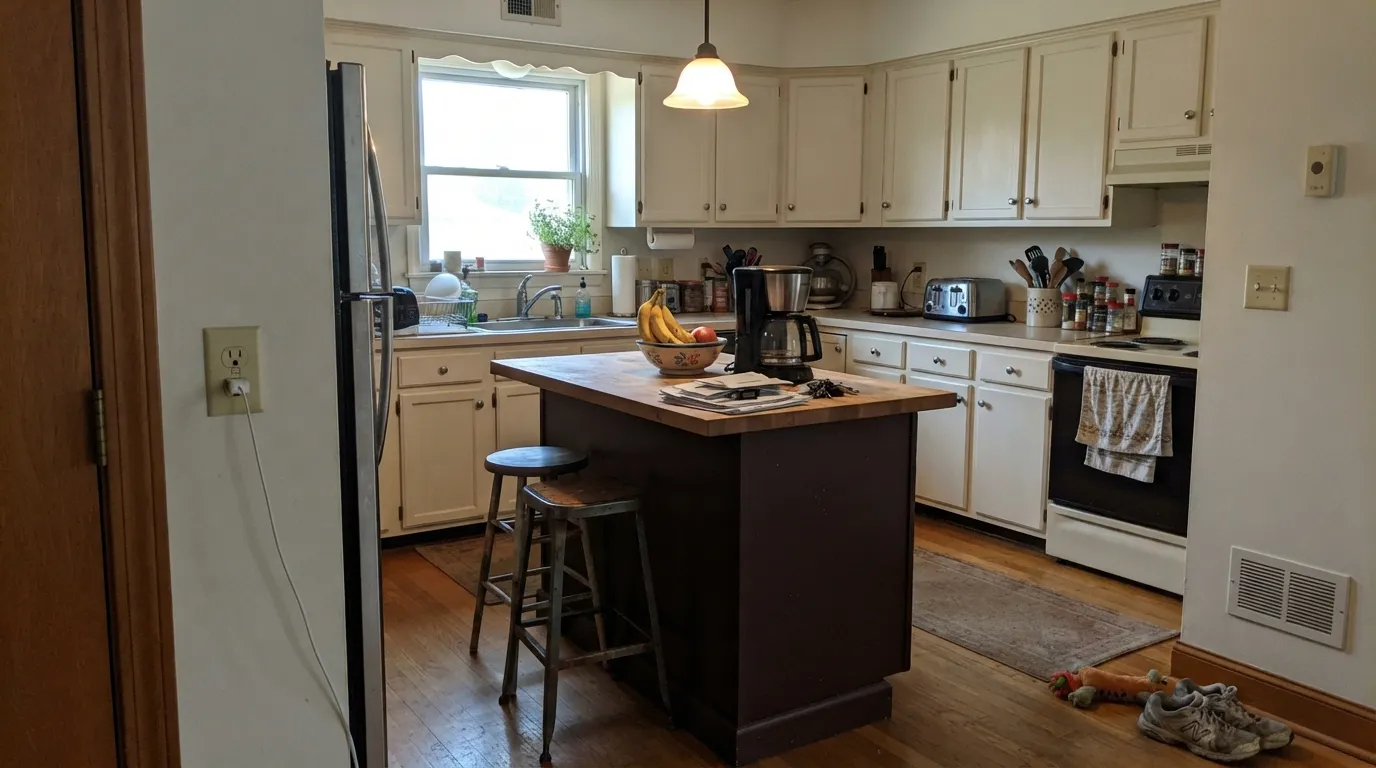
4An espresso-dark brown with real search demand — coffee-house depth for islands and doors.
 5
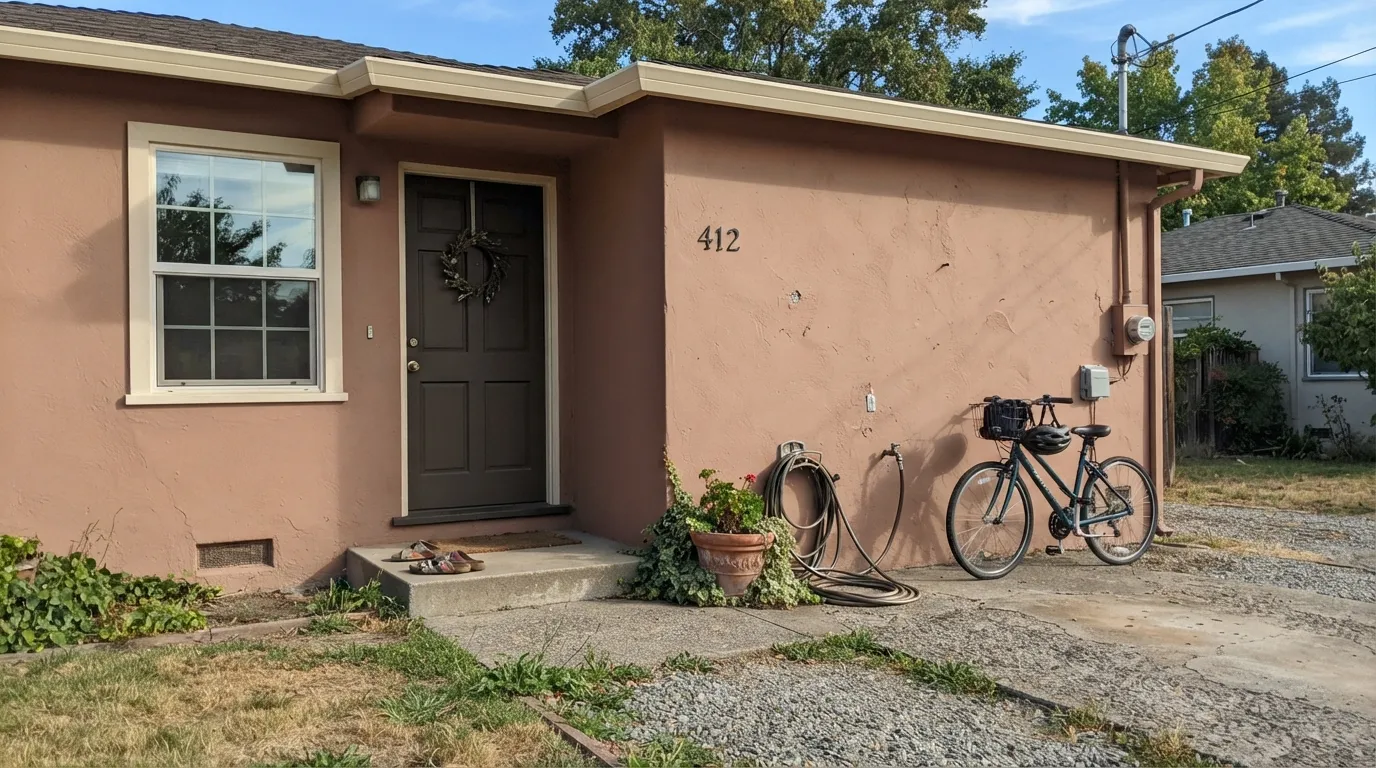
5A rosy adobe-brown buyers look up by name — soft southwestern warmth.
 6
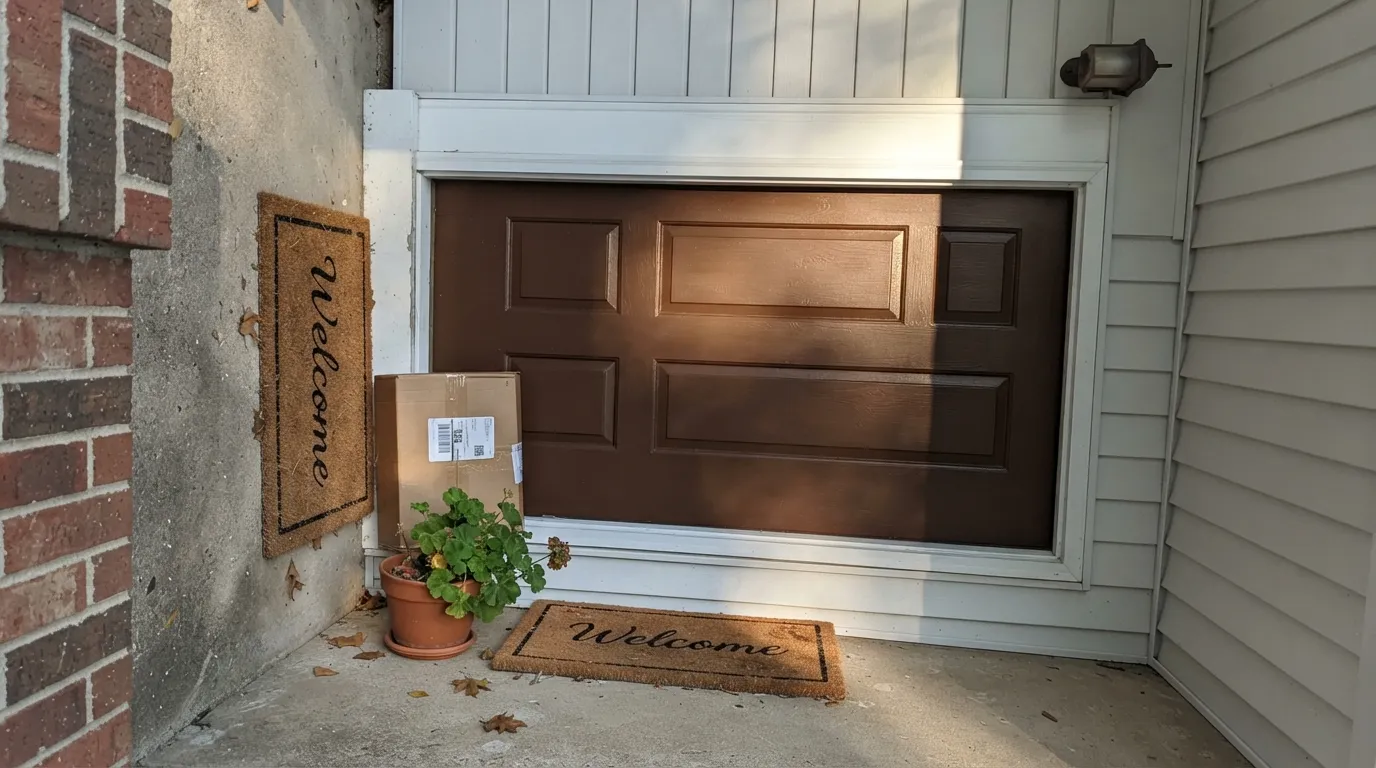
6BM's own popular pick for a rich saddle brown — leather-warm for dens and doors.
 7
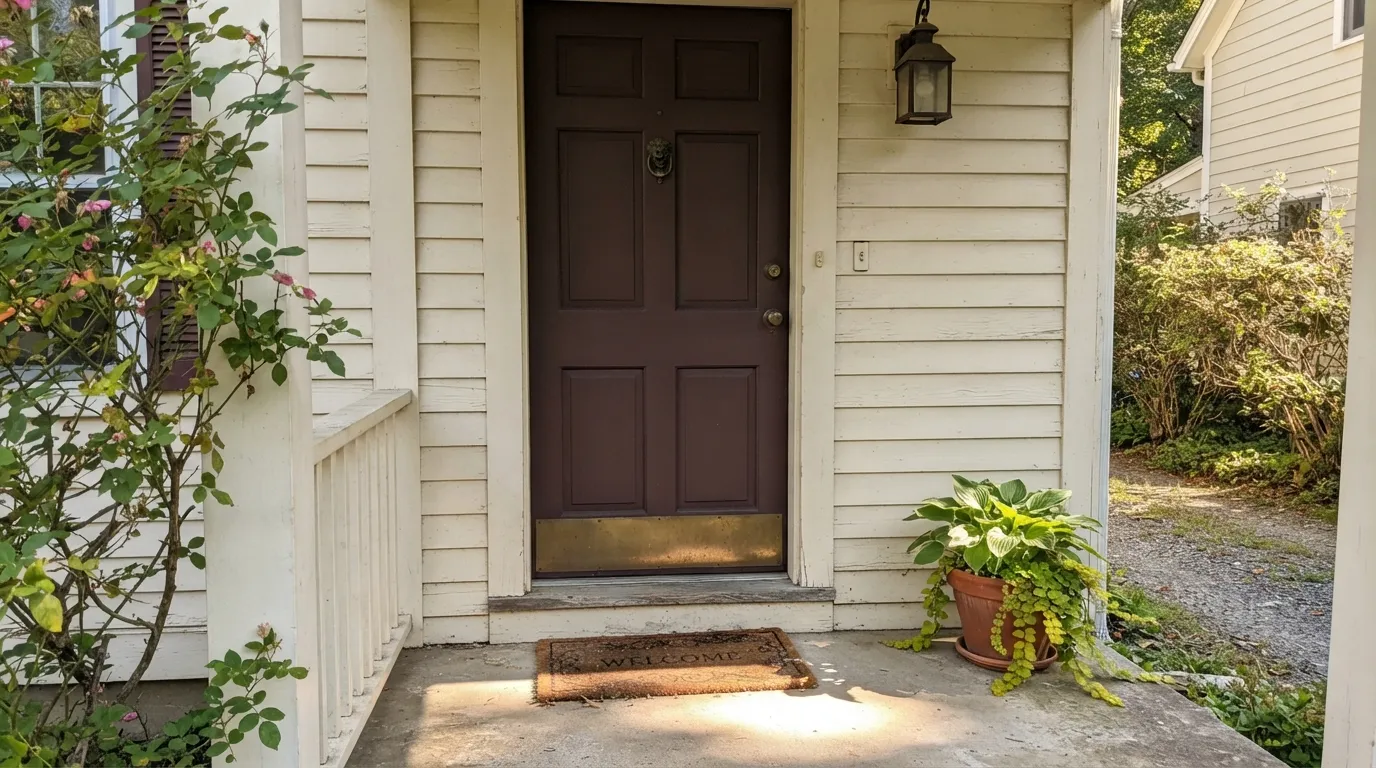
7A Historical Collection taupe-brown BM lists among its populars — quiet and grounded.
 8
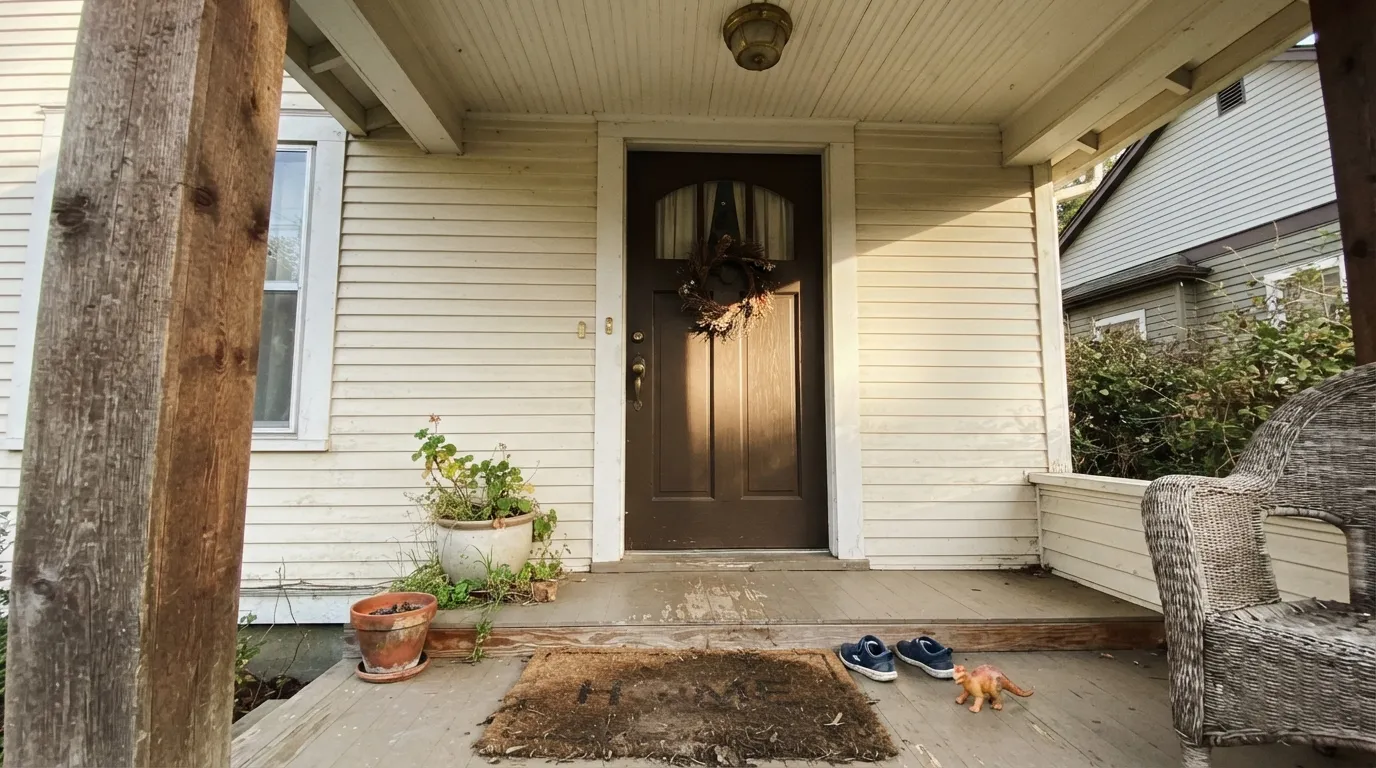
8An earthy olive-brown from BM's popular picks — woodsy and calm on exteriors.
 9
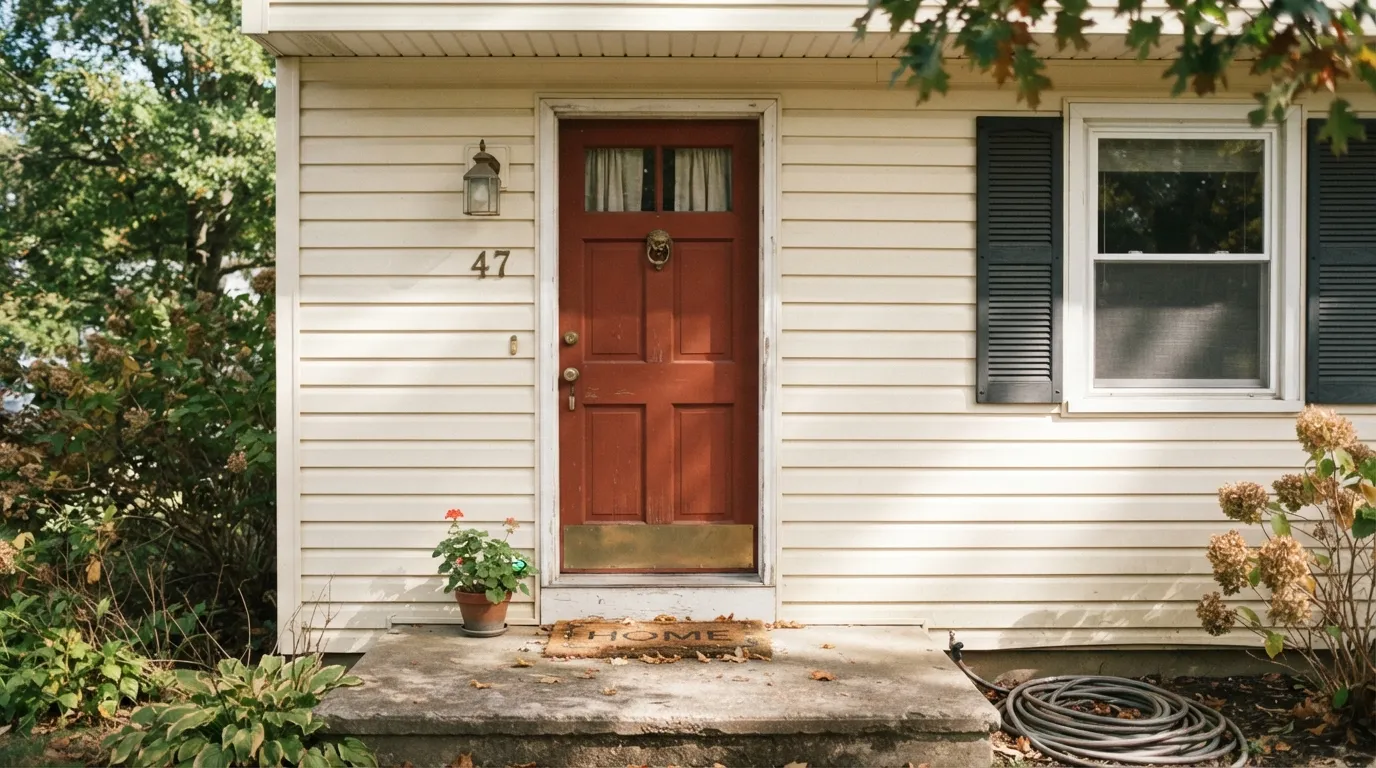
9The classic brick brown-red on BM's own bestseller list — front-door heritage.
 10
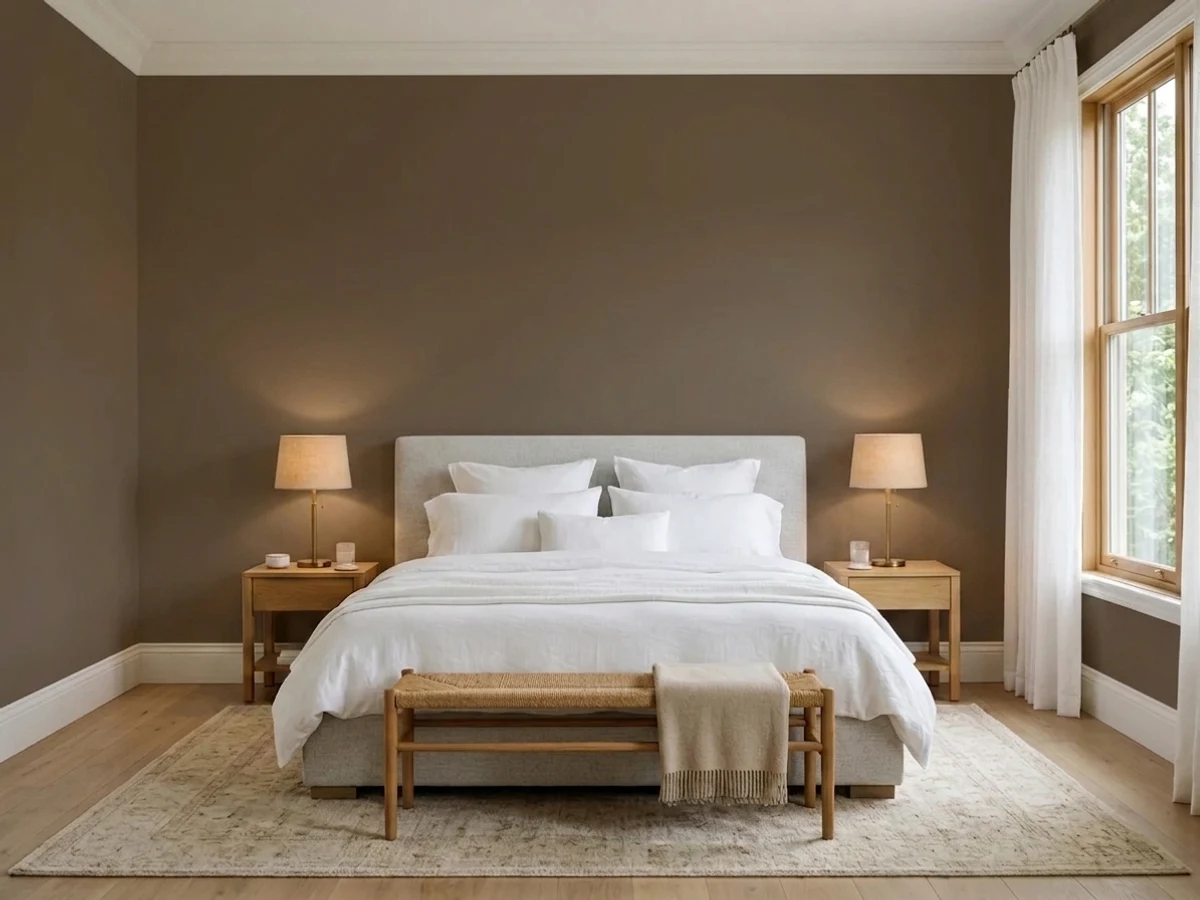
10Taupe 2110-10 is not the soft mushroom neutral the name promises.
Each room page shows brown picks from every US brand side by side, so you can compare in context.
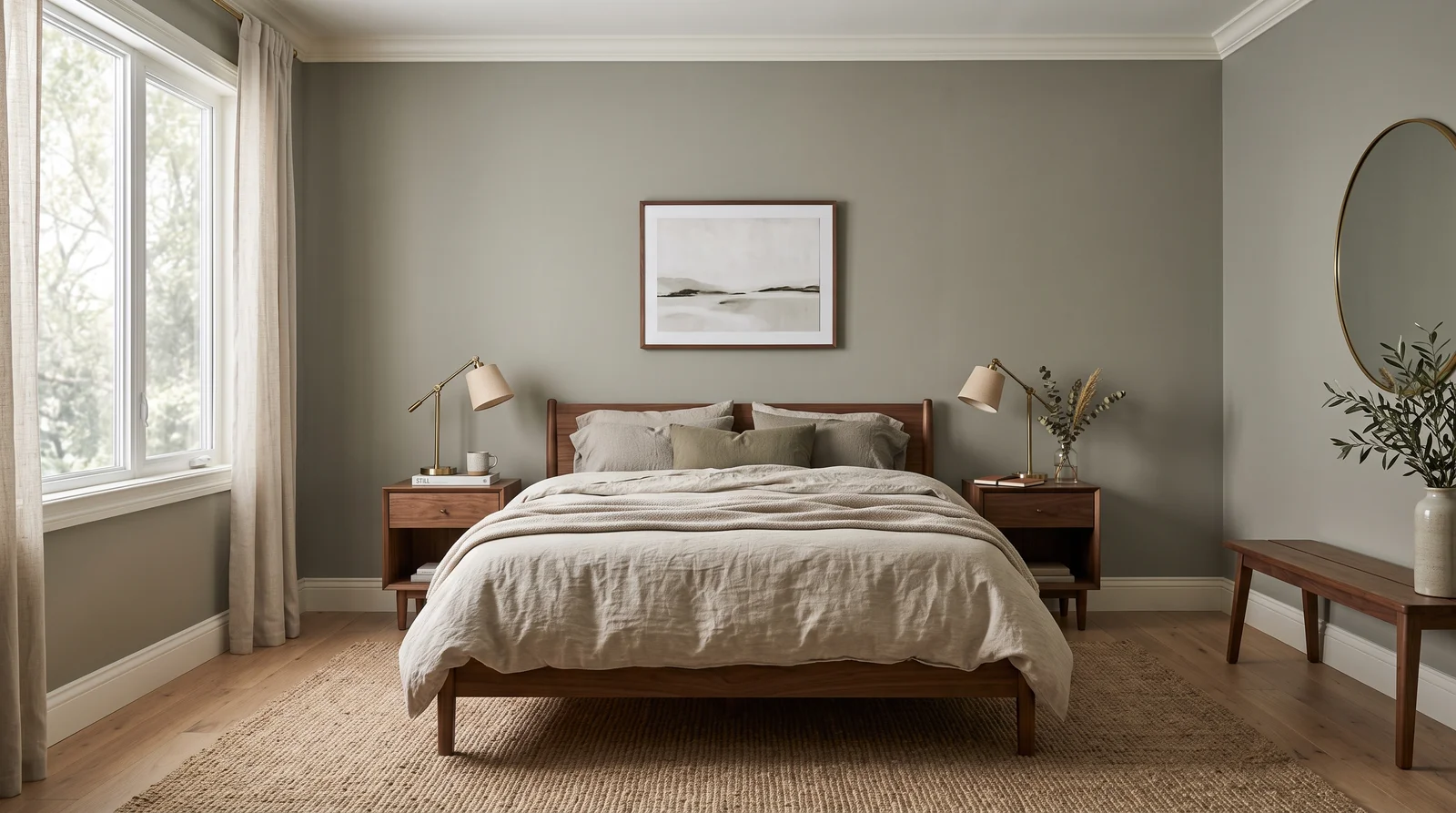
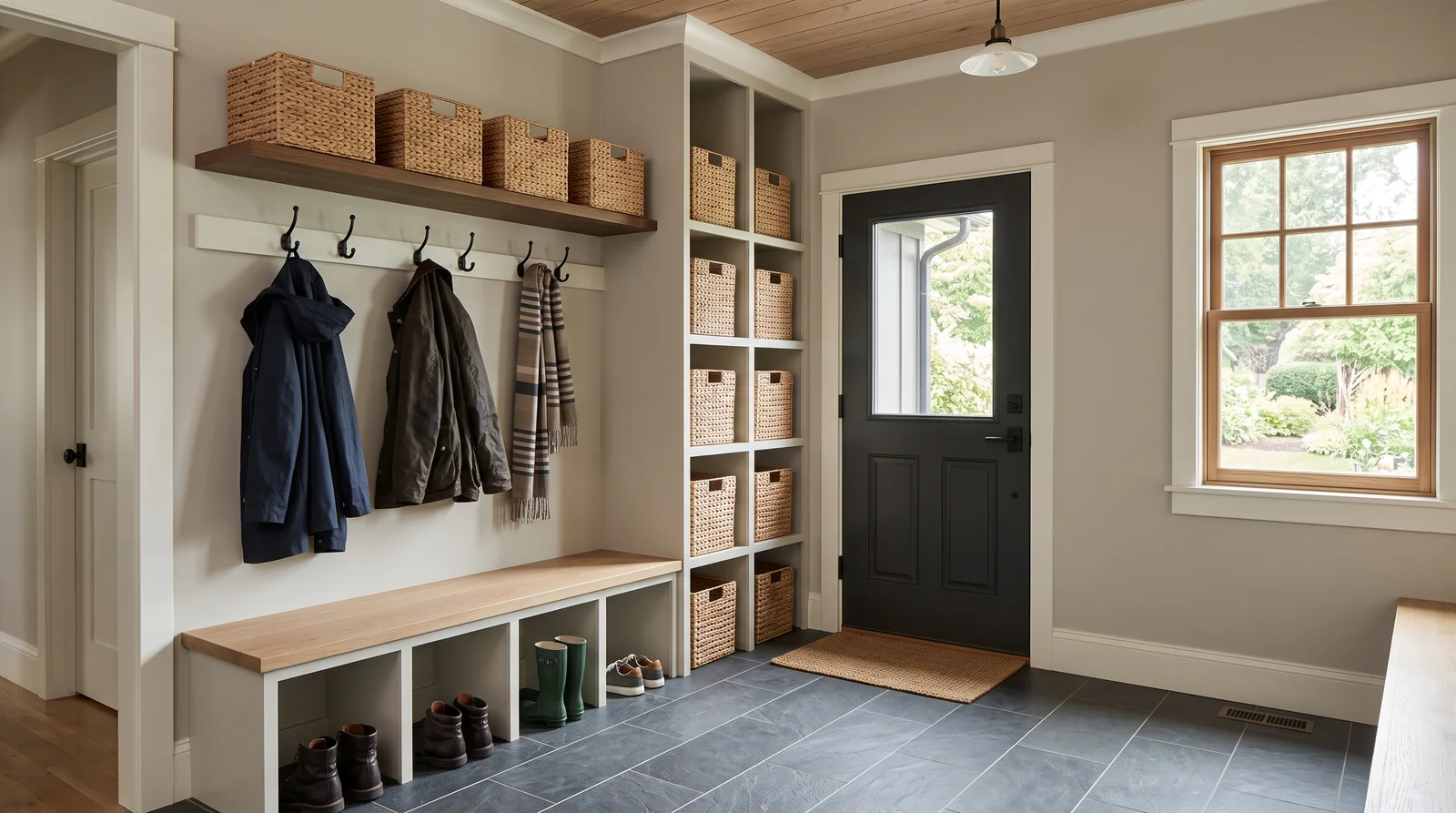
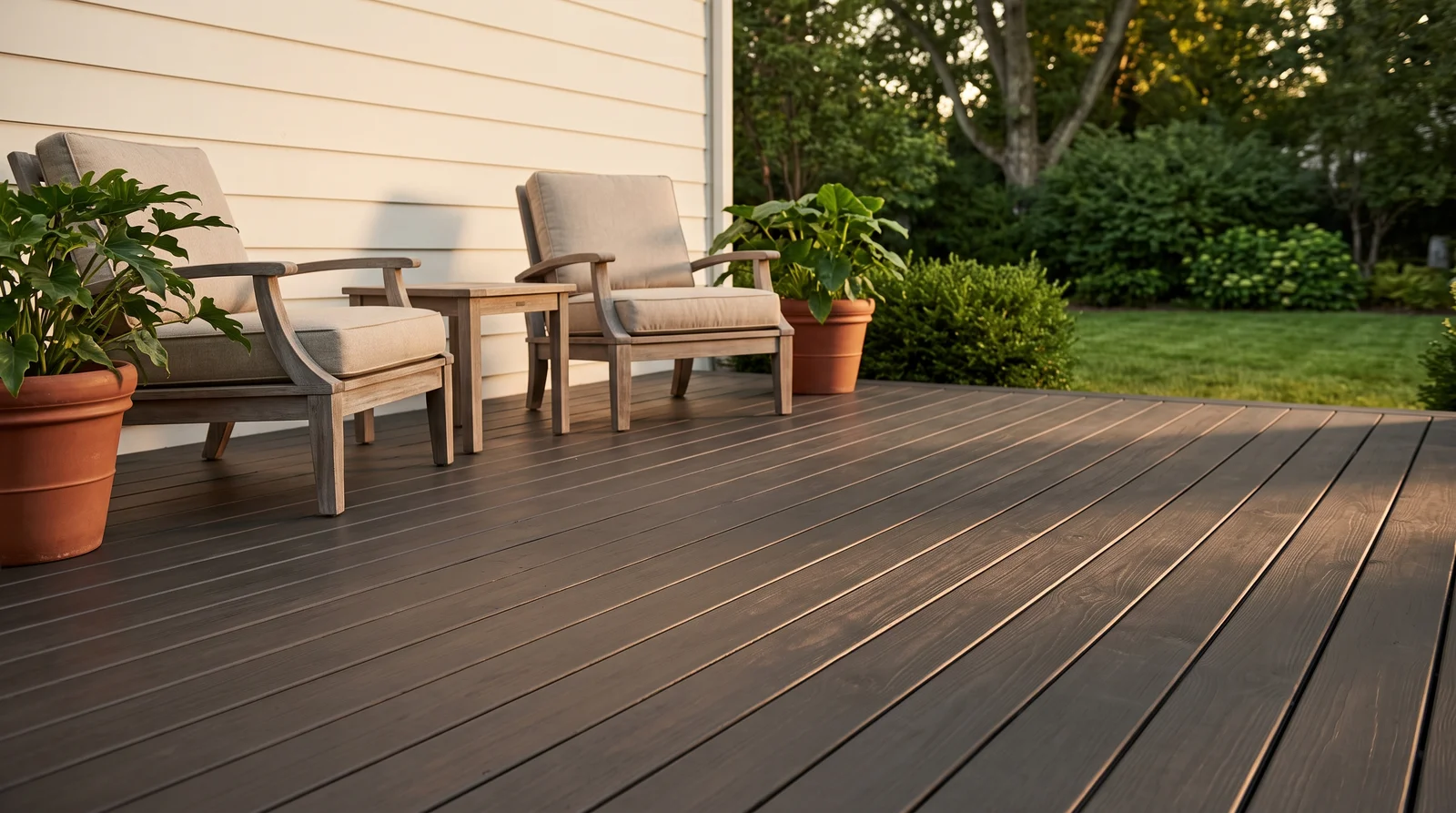
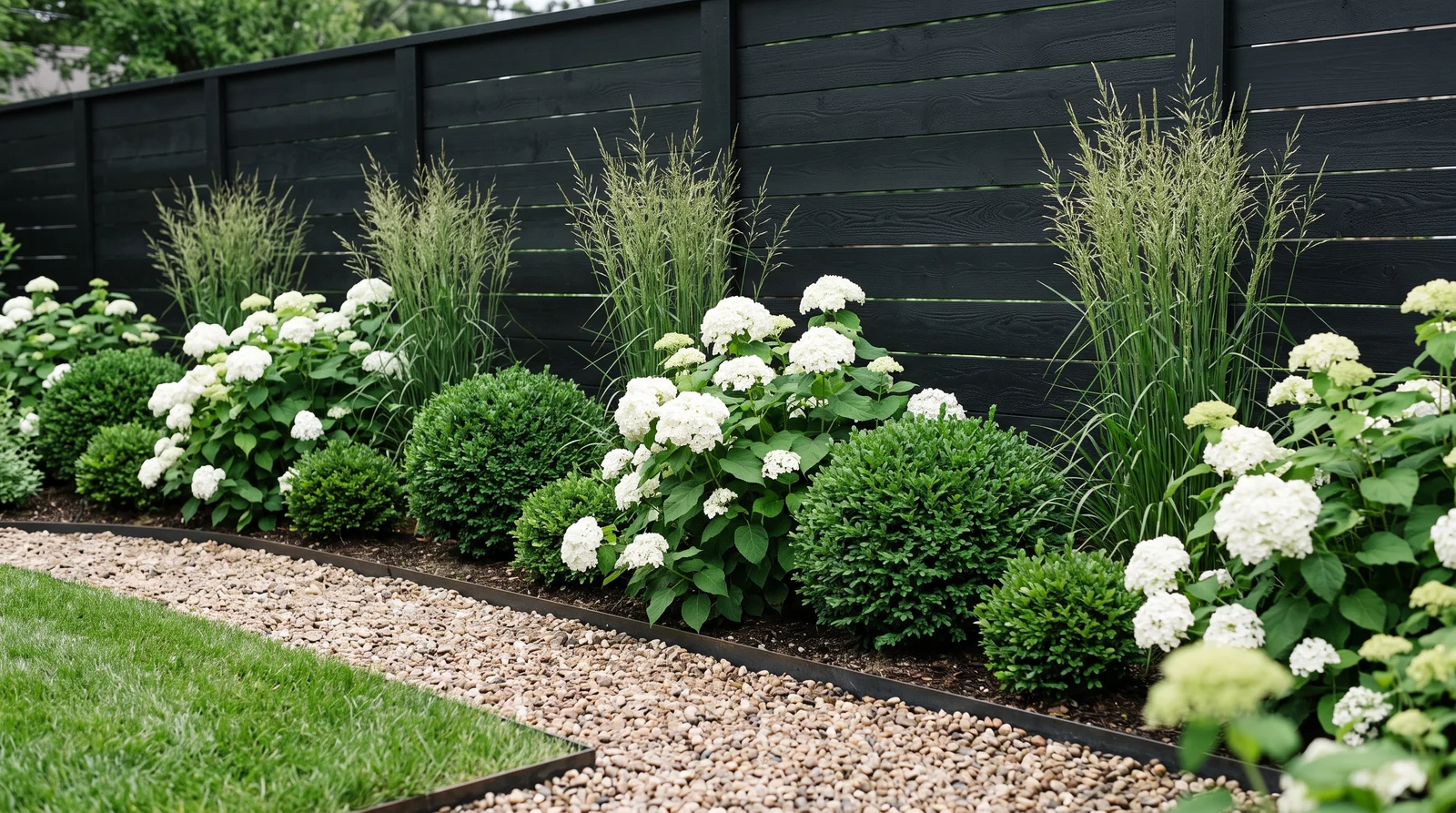
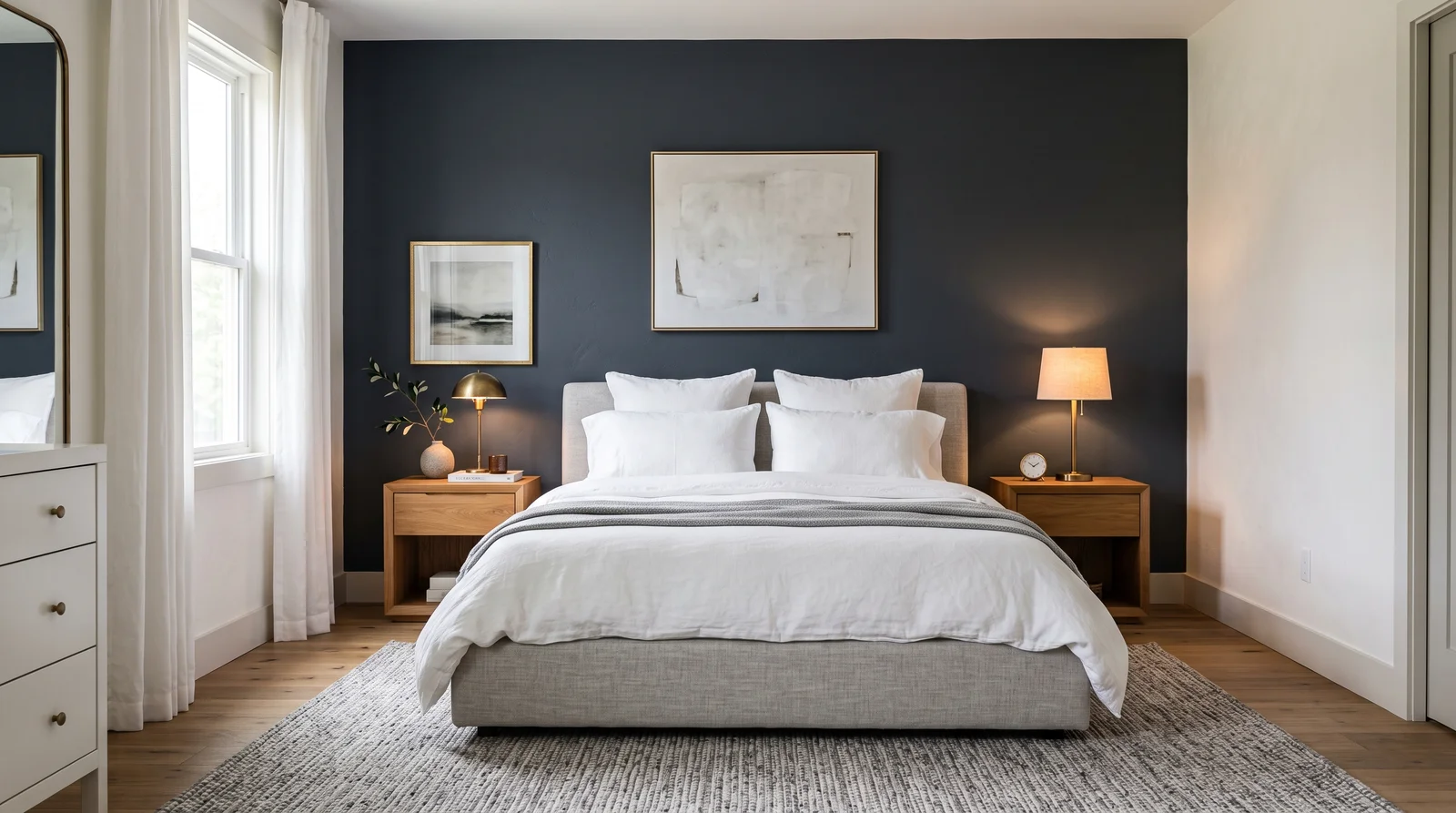
Lighter browns like Ipanema and Jackson Tan are easy whole-room colors. They warm up living rooms, bedrooms, and hallways without feeling dark. Iced Coffee and Penny add more depth for a dining room or study, while deep shades like Sage (2143-10), Country Lane (2088-20), Mocha Brown, and Pancake Syrup make rich accent walls, cozy dens, cabinets, and front doors.
Brown loves a crisp white nearby, and Benjamin Moore is famous for its off-whites. Pair a warm brown with White Dove (OC-17) or Simply White (OC-117) on trim and ceilings, or use Chantilly Lace (OC-65) for the cleanest contrast. For a coordinating wall, Hale Navy (HC-154) is a handsome deep partner and Revere Pewter (HC-172) bridges brown and gray for an easy flow between rooms.
Every Benjamin Moore brown, grouped by undertone, warm to cool. Filter by depth or change the order.
Hex values are display approximations from Benjamin Moore's published swatch tools, not a physical sample under controlled lighting. Order a brand-direct sample before specifying.
Upload a photo of the room. We paint it in the brown you chose with your light and your floor, and you can swap colors until one holds.
Benjamin Moore colors are not on a big-box shelf. You buy them through independent Benjamin Moore dealers, where any color is mixed to order on a tinting machine the moment you ask. So every brown here is a real, buyable product — not just a swatch.
You also pick a paint line at the counter. ben is the good everyday option (around $56 a gallon), Regal Select is the mid step (around $75), and Aura is the flagship that often covers in one coat (around $95). Deep browns like Pancake Syrup hide better and may save you a coat in Aura. The codes help you find a color fast: OC means Off-White, HC means Historical Collection, and AF means Affinity, a curated designer palette — so Ipanema's AF-245 simply marks it as part of that line.
How many brown colors each brand carries, drawn with that deck's own browns from light to dark. Pick your store first, then the color. Every brand equal, no favorites.
LRV means Light Reflectance Value. It runs from 0 (black) to 100 (pure white) and tells you how much light a color bounces back. The browns in this slice run from 0 at the darkest up to 40 at the lightest, so this whole family sits in the lower-to-middle range.
Use it as a quick guide. For a soft, airy brown that keeps a room bright, look near the top: Ipanema (AF-245) at 40 or Jackson Tan (HC-46) at 28. For a grounded mid-brown, Iced Coffee (CSP-985) at 22.3 or Penny (2163-30) at 19 work well. For deep, cozy walls, drop down to Mocha Brown (2107-20) at 10 or Pancake Syrup (2104-10) at 8 — just know they drink up light and want good lamps or big windows.
Benjamin Moore is the brand designers reach for when undertones matter, and that strength shows clearly in the brown family. These 304 browns are not flat or muddy. They lean in real directions you can name: warm tan, gray-green earth, soft coffee, deep chocolate.
You see it across the slice. Jackson Tan (HC-46) reads as a clean, warm tan. Iced Coffee (CSP-985) is a creamy light brown. Mocha Brown (2107-20) and Pancake Syrup (2104-10) go deep and rich. The undertones stay predictable in different light, which is the main reason people trust this brand for browns.
Any of these browns can be matched at a paint counter, including across brands. A dealer scans or keys in the color and tints it into the line you want, so you are not locked in if your store carries something else.
If you are working from another deck — or from the featured Kompozit deck — bring the name and code (for example Mocha Brown 2107-20) and ask for a cross-match. The match is close but rarely identical, because each brand's base and tints differ slightly. For anything important, brush a small sample on the wall and check it in your own light before committing to gallons.
Wenge (AF-180) — Wenge is Benjamin Moore's answer to the wenge-wood look: a warm near-black brown, not a true black, meant for cabinetry, built-ins, and doors rather than a whole room. Santa Rosa and Saddle Soap and Driftwood round out the short list most people choose from.
This brown family includes 304 colors pulled from Benjamin Moore's main deck — the Classics, Off-White (OC), Historical (HC), and Color Capsule (CC) collections. They range from light warm tans down to deep chocolates, so you have plenty to choose from at every depth.
LRV is Light Reflectance Value — how much light a color bounces back, from 0 (black) to 100 (white). These browns run from 0 to 40. Pick a higher number like Ipanema (AF-245) at 40 to keep a room bright, or a lower one like Pancake Syrup (2104-10) at 8 for a deep, cozy wall.
Through independent Benjamin Moore dealers, not big-box stores. The store mixes your color to order on a tinting machine, so every shade is available even if it is not sitting on a shelf.
ben is the affordable everyday choice at about $56 a gallon, Regal Select is the mid step at about $75, and Aura is the flagship at about $95 and often covers in one coat. For deep browns like Mocha Brown or Pancake Syrup, Aura's coverage can save you a coat.
Benjamin Moore's off-whites are the easy answer. White Dove (OC-17) and Simply White (OC-117) give a soft warm contrast, while Chantilly Lace (OC-65) is the crispest, brightest white. For a coordinating wall, Hale Navy (HC-154) or Revere Pewter (HC-172) pair well with brown.
Yes. Bring the color name and code, like Iced Coffee CSP-985, to a paint counter and ask for a cross-match into the line you want — including from or to the Kompozit deck. The result is close but not exact, so test a sample on your wall before buying gallons.
Ask a Question