North Creek Brown
Benjamin Moore's blackish, soil-dark brown reviewed honestly: where it reads warm and grounded, the light that flattens it to plain black, and the rooms it was never built to cover.

Jessica has spec'd whites and neutrals for more than 300 rooms and keeps a sample wall of painted drawdowns in her studio. Every color review is checked against real reader rooms in the comments and re-tested when a formula changes. About the testing process →
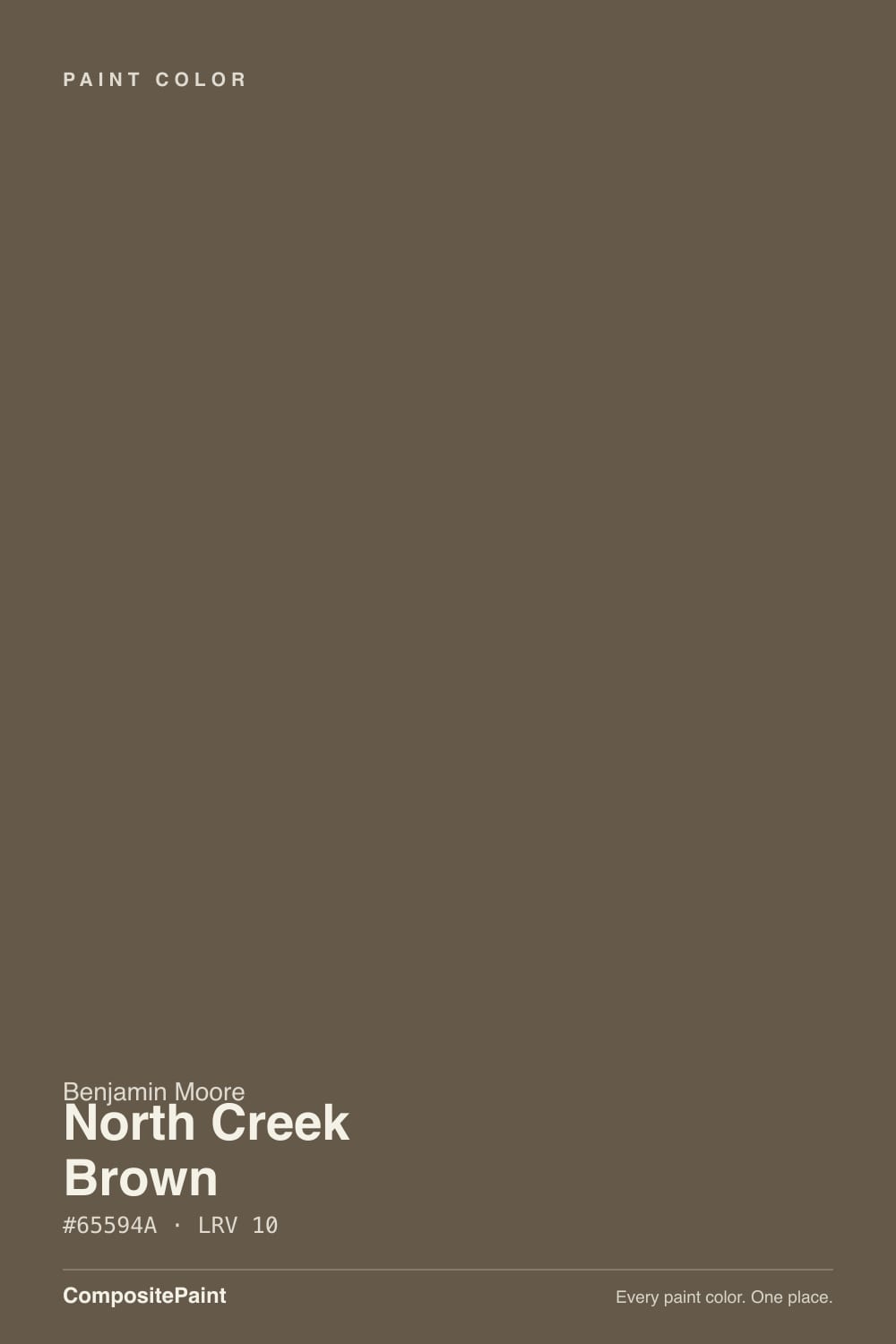
- 1Mahogany0
- 2Turkish Coffee5
- 3North Creek Brown10
- 4Cavern Clay20
- 5Redend Point30
The Fast Verdict
North Creek Brown is Benjamin Moore's own description made literal: a blackish brown that reads like rich, wet soil. At LRV 10 it sits right at the edge of true black, and it needs real light to prove it is brown at all — full daylight or a warm lamp pulls the soil warmth forward, but a dim room flattens it to plain charcoal-black. It is not a color for four walls in low light. It is a color for a front door, a kitchen island, or one built-in wall that gets a fair amount of light.
Front doors and shutters on craftsman or cabin-style homes · exterior trim over cream or white siding · kitchen islands under lighter perimeter cabinets · dens and home offices with warm lamps
You want a true chocolate brown, not near-black · your room has no real daylight and you won't add warm lamps · you're covering all four walls of a room, not an accent · you're hoping for one-coat coverage over a light wall
- A genuine near-black brown that stays brown instead of turning cold or gray
- Reads intentional and craftsman-classic on a front door
- Deep enough (LRV 10) to anchor a cream or white exterior without shouting
- Restrained, low-chroma character that pairs easily with warm neutrals and wood
- Sold in exterior-grade lines (Regal Select, Element Guard) built for lasting curb color
- At LRV 10 it reads flat black in any dim room with no lamps
- Not a true chocolate brown — closer to blackish soil than cognac or saddle
- Fewer real owner photos and reviews online than BM's bigger dark neutrals
- A full room of it needs serious daylight or it feels like a cave
What Color Is North Creek Brown, Really?
Benjamin Moore's own line on this color is unusually blunt: a blackish brown evocative of rich, wet soil. That is the honest way to describe it — this is not a cheerful cognac or a red-leaning saddle brown, it is a deep, muted, low-chroma brown that has been sitting quietly in the Classics collection for decades, overshadowed by louder deck-mates like Kendall Charcoal and Iron Mountain. It has real character, but it is a restrained one: think a plowed field after rain, not a leather armchair.
At LRV 10 it reflects almost no light, which puts it firmly in near-black territory. That depth is the whole story of how this color behaves: give it daylight or a warm bulb and the brown identity holds — grounded, soil-dark, unmistakably brown. Take the light away and it reads as plain black, the same way any color this deep does. Plan for the wall or door to look noticeably darker in person than the chip suggests; low-LRV colors always do.
Undertone in one line: warm brown first, with a grayed, muted cast that keeps it from ever looking glossy or saturated. It is not a true olive or green — it is closer to a desaturated, soil-warm brown-black. If your sample looks flat and cool, that is a lack of light, not a hidden undertone fighting you.
Where It Shines
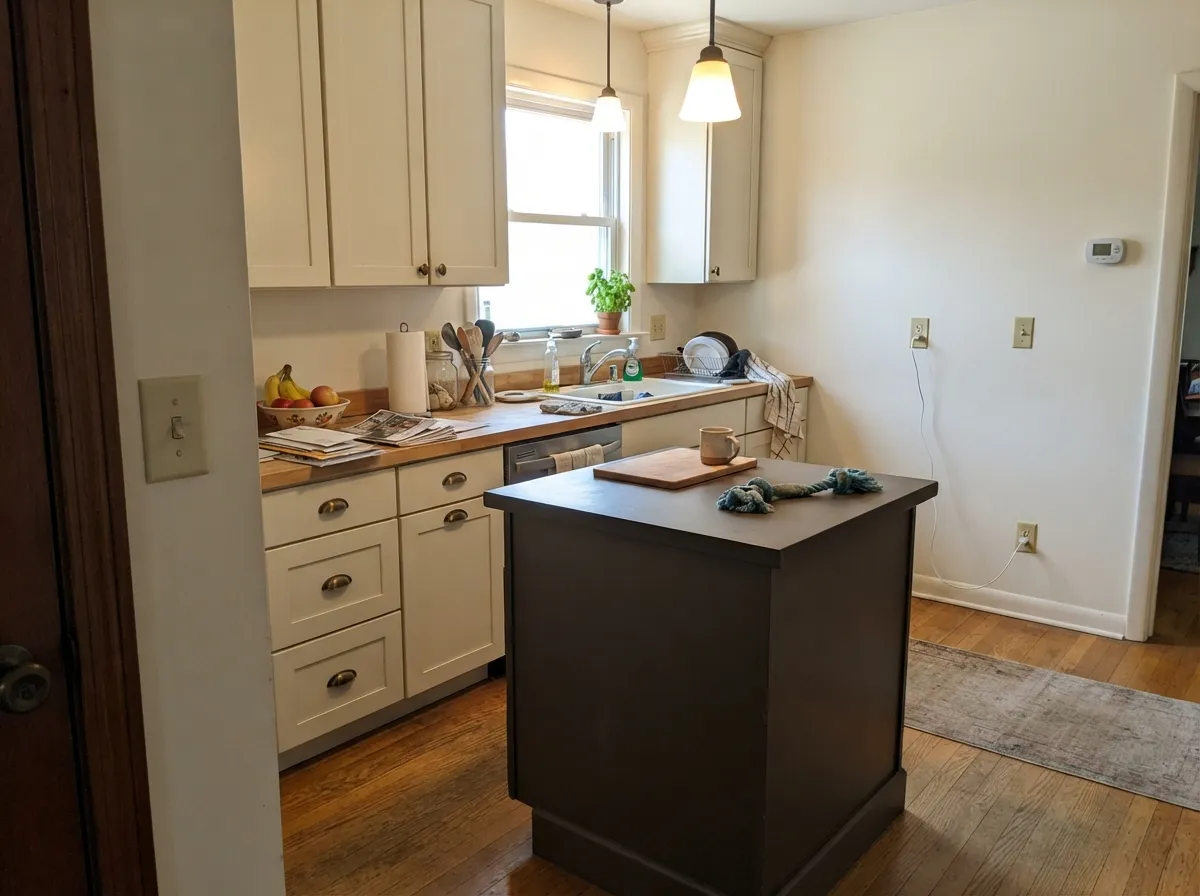
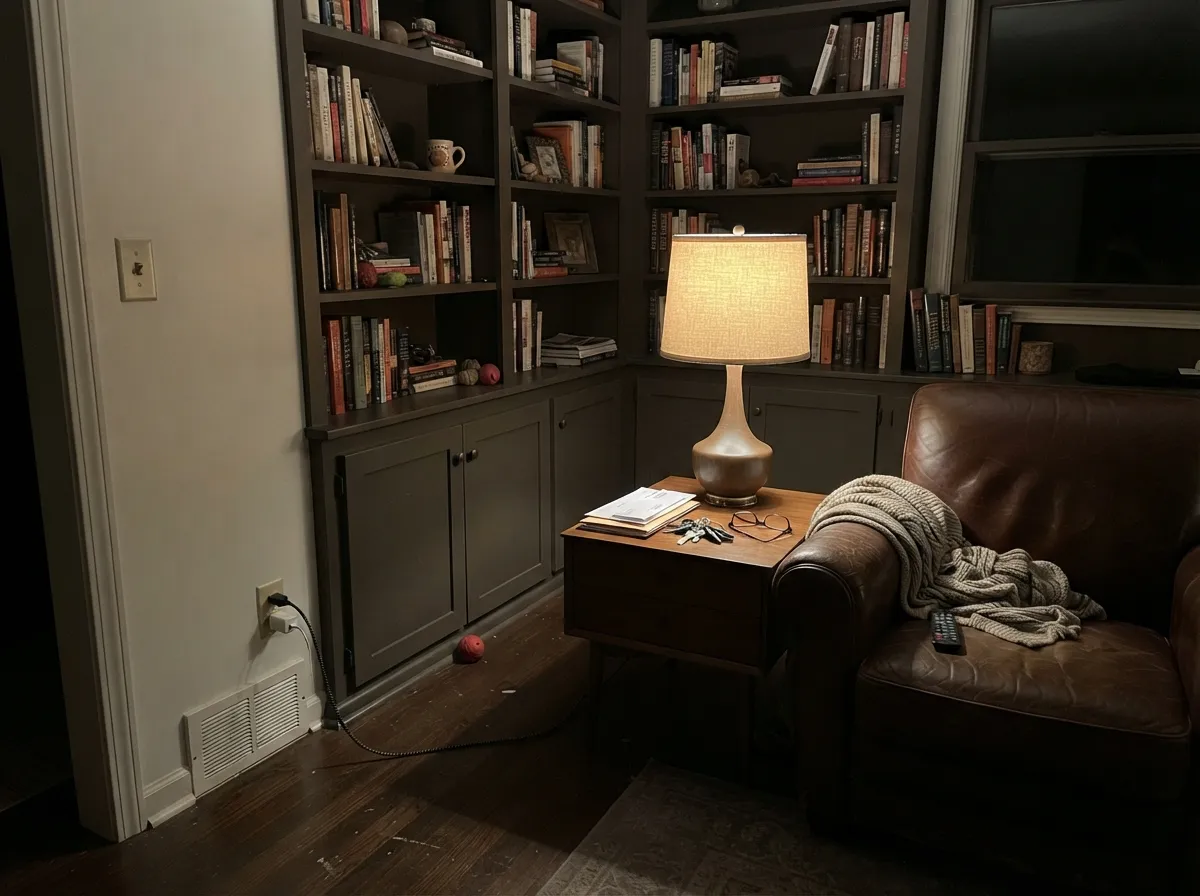
This color is built for edges and accents, not fields. On a front door under real daylight it reads intentional and craftsman-classic — deep enough to feel substantial without going flat black. On a kitchen island under lighter perimeter cabinets, or on built-in shelving in a lamplit den, it carries the same grounded, soil-warm weight in doses that actually get seen. Give it walnut, leather, brass and cream, and it looks like it was chosen on purpose, not left over from a darker era of the house.
Where It Fails
Almost every regret story with a near-black color this deep comes from one of three predictable setups. None of them are the paint's fault — but if your plan matches one of these, this is not the right spot for North Creek Brown.
At LRV 10 there is almost no light left to reflect. Without daylight or a warm bulb doing real work, the brown identity disappears and the wall reads as plain black — flat, heavy, and hard to read as a color at all. This paint needs light to have an opinion.
Benjamin Moore calls this one "blackish" for a reason — it is closer to soil-dark near-black than to a warm cognac or saddle brown. If you are picturing a rich, obviously-brown leather chair, sample it in full daylight first; in anything less than bright light it reads darker and blacker than that mental picture.
A whole room of a color this deep is a real commitment even in good light, and in a room that depends on artificial light alone it can feel like a cave. It is a far safer bet as a door, an island, built-ins, or one accent wall than as full room coverage.

Room by Room
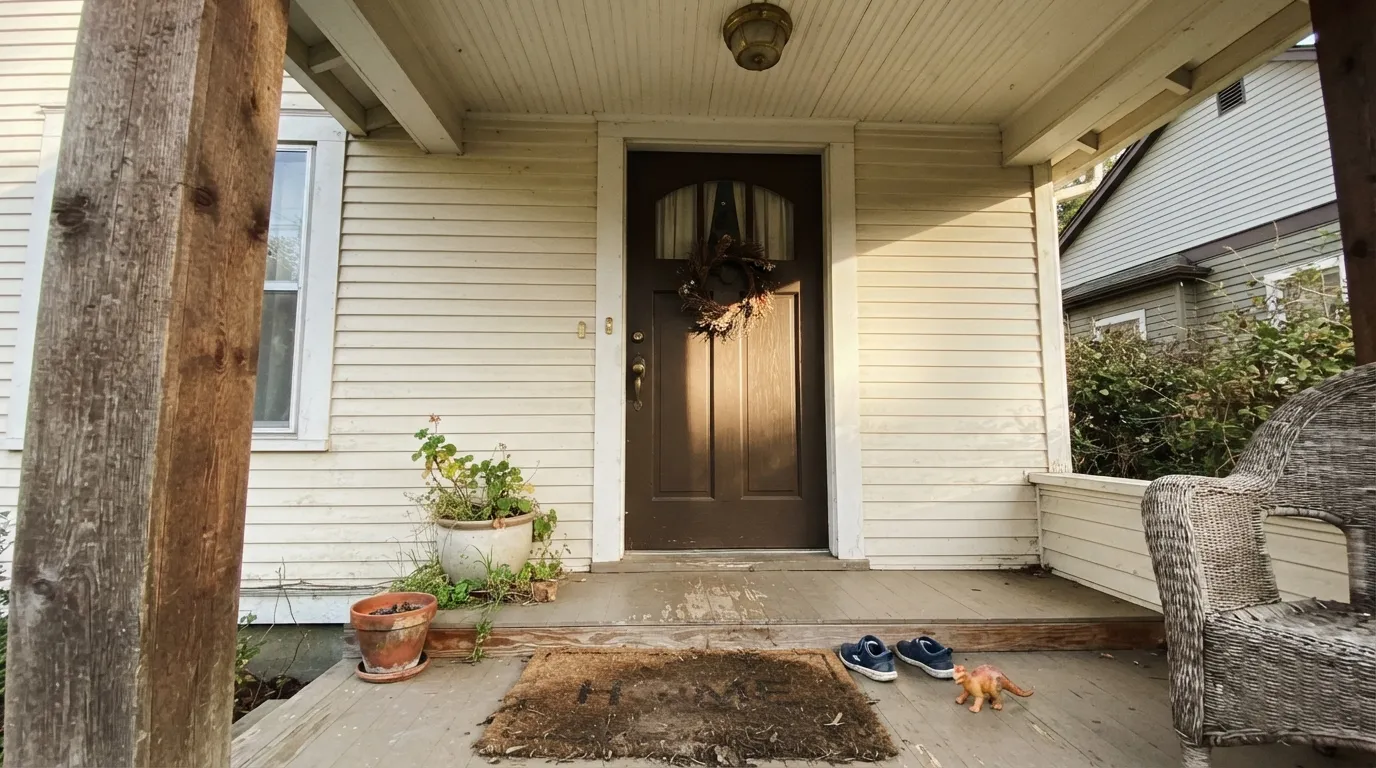
Semi-gloss North Creek Brown against cream or white siding is the classic craftsman move: deep enough to anchor the facade, warm enough not to read as flat black. Brass hardware and a natural doormat finish the look.
It is sold in Benjamin Moore's exterior-grade Regal Select and Element Guard lines, built for weather exposure. Works best as shutters or trim against a lighter body color rather than as the whole house — full sun will read it a shade lighter than it looks in the can.
Satin cabinet enamel on an island, with cream perimeter cabinets and walls, gives the near-black brown enough surrounding light to keep reading as brown rather than black. A whole kitchen of it over honey-oak floors is a much riskier bet.
Low, warm light flatters it, so a den or home office with leather, walnut shelving and a lamp turned on at night is exactly its habitat. Eggshell where hands and chairs will scuff it.
One wall behind the headboard, with warm bulbs, can feel cocoon-like and grounded. Four walls of it in a room that leans on overhead cool lighting is the setup behind most "too dark" regrets.
At LRV 10, covering an entire room in real daylight-poor conditions swallows light fast. Reserve this color for accents and edges unless the room gets serious daylight and you are committed to warm bulbs after dark.
Your Light Is the Risk
Direct sun or a bright window keeps the soil-brown warmth visible instead of letting it collapse into black.
With no real light source doing work, this color reads as plain black — the brown identity needs light to survive.
Flatter and cooler-looking at harsh midday sun; warms toward its soil-brown character as the light lowers and yellows.
2700K warm bulbs deepen the brown and keep it grounded at night. Cool white LEDs flatten it toward charcoal-black — swap the bulb before you second-guess the paint.
Most complaints about North Creek Brown are a light mismatch. Upload a photo of your actual room and see it on your walls — then ask for the same wall in north light or evening lamps before you buy a single sample.
Need It From Another Brand?
Any paint counter can custom-tint Benjamin Moore 1001 directly. If you would rather stay in one brand's own deck, these are the closest stock matches, measured as ΔE2000. Under 2 is a difference you will not see on the wall.
| Brand | Closest color | ΔE | LRV | |
|---|---|---|---|---|
| Sherwin-Williams | Oak Leaf BrownSW 7054 · Sherwin-Williams | 1.2 | 10 | Color page → |
| Behr | Clove BrownPPU7-25 · Behr | 1.4 | 11 | Color page → |
| Valspar | Midnight Forest8004-20G · Valspar | 1.9 | 10 | Color page → |
| PPG / Glidden | Chocolate LabPPG1000-7 · PPG / Glidden | 0.6 | 10 | Color page → |
| Glidden | Chocolate LabPPG1000-7 · Glidden | 1.1 | 10 | Color page → |
| Dutch Boy | Deeply Brown406-6DB · Dutch Boy | 4.1 | 10 | Color page → |
Similar Benjamin Moore Colors
The nearest shades to North Creek Brown within Benjamin Moore's own range, ranked by perceptual color distance — useful when you want the same look a touch lighter, darker, or warmer.
WCAG 2.1: AA is 4.5 : 1 for normal text, 3 : 1 for large text, AAA is 7 : 1.
North Creek Brown vs the Colors You're Also Considering
Every North Creek Brown sample board has the same rivals on it. The numbers show the real lightness gap — then it comes down to which risk you would rather live with.
Pick this when you want the color to still read distinctly as earth and soil, not just "very dark."
Benjamin Moore AF-180 · LRV 5WengePick this for a true near-black brown with even less light-dependent drama — built for cabinets, doors and built-ins.
Pick this for the quieter, grayer, more restrained soil tone instead of an orange-leaning brown.
Sherwin-Williams SW 6083 · LRV 8SablePick this for a warmer, more visibly orange-brown at a similar depth.
Pick this for a color with a steadier brown identity that does not drift toward gray in cooler light.
Benjamin Moore 2134-30 · LRV 11Iron MountainPick this if you want a near-black that leans gray as often as it leans brown.
Pick this if you specifically want a Benjamin Moore brown for a door or exterior job, not a bronze-leaning near-black.
Sherwin-Williams SW 7048 · LRV 8Urbane BronzePick this for Sherwin-Williams' hugely popular version of the same idea — a warm dark that can also read black in the wrong light.
North Creek Brown Coordinating Colors
This is a color that wants company, not a solo act. Warm creams and off-whites give it somewhere to read as brown instead of black, a charcoal-greige keeps a room from turning into one giant dark box, and a deep exterior green makes a classic craftsman shutter-and-door pairing. These are the partners that keep coming up:
North Creek Brown Outdoors: Where It Actually Earns Its Keep
This is an exterior-first color more than it is an interior one. Benjamin Moore sells it in its exterior-grade Regal Select and Element Guard lines, both built for weather exposure, which tells you where it is meant to live: a front door, shutters, or exterior trim rather than a living-room accent wall. It has none of the marketing push of Kendall Charcoal or Iron Mountain, its more famous deck-mates, but it does the same job — a near-black neutral with enough brown warmth to avoid looking cold — with a distinctly earthier, soil-dark character.
It belongs to Benjamin Moore's Classic Color Collection, a set of colors that has been in the deck for decades rather than a current trend pick, which is worth knowing if you want a dark exterior accent that will not date itself the way a viral trend color might. Full sun reads it noticeably lighter and browner than it looks in the can or on a shaded swatch — always sample it on the actual wall or door, at the actual time of day you will see it most.
North Creek Brown With Wood Tones and Floors
Indoors, this color's best friends are warm woods that can hold their own against it: walnut, aged leather, wrought iron hardware and brass all sit comfortably next to a soil-dark near-black without disappearing into it. It reads as intentional and grounded against those materials rather than simply "the dark thing in the room."
The floors that need the most caution are very pale, cool-toned ones — white-washed or gray-washed wood can make the contrast feel stark and unresolved rather than deliberate. Warmer oak, walnut, or a rug with some depth in it bridges the gap far better, especially on a kitchen island or a piece of furniture rather than a full wall.
Three Ready Palettes Built on North Creek Brown
A color is never alone on the wall. These are complete combinations in the 60-30-10 pattern, with the reason each one holds together. Every one opens in the visualizer.
Cream siding and a warm white trim give the near-black door somewhere to stand out from — the classic craftsman contrast, without either color fighting for attention.
Try this palette in your roomWhite Dove walls and Pale Oak perimeter cabinets keep the kitchen bright, so the island can carry all the depth without the room losing its light.
Try this palette in your roomChelsea Gray as a secondary wall keeps the room from becoming one giant near-black box, and Swiss Coffee trim bounces enough light around to keep North Creek Brown reading as brown after dark.
Try this palette in your roomNorth Creek Brown FAQ
Is north creek brown black or brown?
Brown — but only just. Benjamin Moore itself describes it as "blackish," and at LRV 10 it sits right at the edge of true black. In real daylight or under a warm lamp it reads as a deep, soil-dark brown; in a dim room with no lamps it can look like plain black.
Does it work on a front door?
Yes — this is its best use. Semi-gloss over cream or white siding gives it the classic craftsman contrast, and the near-black depth reads as a deliberate design choice rather than a leftover dark color.
Is it good for a kitchen island?
Yes, especially paired with lighter perimeter cabinets and walls. A whole kitchen in this color, particularly over honey-oak floors, is a much bigger commitment and needs real daylight to pull off.
What trim color goes with north creek brown?
A warm white or cream — White Dove or Swiss Coffee both work. A stark, cool white can make the near-black door or accent look harsher than intended; a warm white keeps the whole scheme cohesive.
Can I paint a whole room in it?
You can, but it is a serious commitment. At LRV 10 a full room needs strong daylight and warm evening lamps to avoid feeling like a cave. It is a far safer bet as a door, an island, built-ins or a single accent wall.
How many coats does it need?
Expect two coats minimum over an existing light color, and prime first if you are covering a much lighter wall — going from white straight to a color this deep without a tinted primer usually means a third coat.
Have you painted with North Creek Brown?
Rate it — one tap helps the next reader decide.
Ask a Question