Essex Green
The near-black green that made its name on shutters, reviewed honestly: where the green actually shows, where it turns into plain black, and what to pick instead.

Jessica has spec'd whites and neutrals for more than 300 rooms and keeps a sample wall of painted drawdowns in her studio. Every color review is checked against real reader rooms in the comments and re-tested when a formula changes. About the testing process →
- 1Black Emerald1
- 2Essex Green6
- 3Sage Green22
- 4Evergreen Fog30
The Fast Verdict
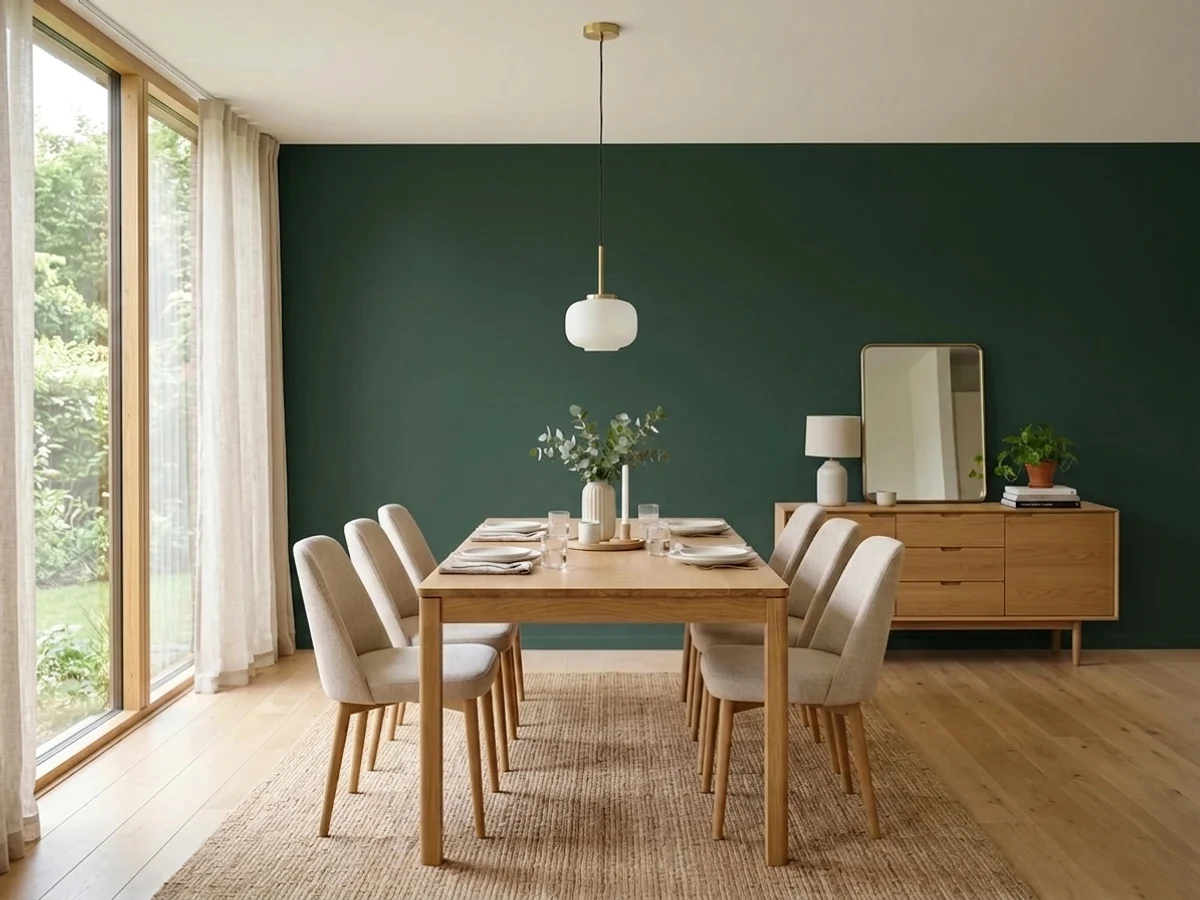
Essex Green is a black with a secret. At LRV 4 it gives back almost no light, so the green only appears where real sun or a reflective sheen forces it out — outside on shutters and a front door, it is close to perfect. Inside, in a normal room with normal windows, most people just see black, and the ones who post regret stories are almost always the ones who painted four walls of a dim room. Buy it for daylight and for sheen, not for a dark hallway.
Shutters, front doors and window sash · kitchen islands and lower cabinets · color-drenched studies and libraries with lamps · classic white or cream houses that need a dark outline
The room faces north and stays dim · you want to see green, not black · you cannot live with three coats and no touch-ups · your walls are bumpy plaster or patched drywall
- Black-level weight with real color hiding in it
- One of the classic American shutter and front-door greens
- Hides scuffs, fingerprints and boot marks on cabinets and benches
- Makes brass, bronze and warm wood look deliberate
- Sharp outline against any white or cream house body
- Reads as plain black in north light and in any dim room
- Deep base: usually three coats over white without a tinted primer
- Spot touch-ups flash — you repaint the whole panel
- Matte finish kills the green and shows dust on dark walls
What Color Is Essex Green, Really?
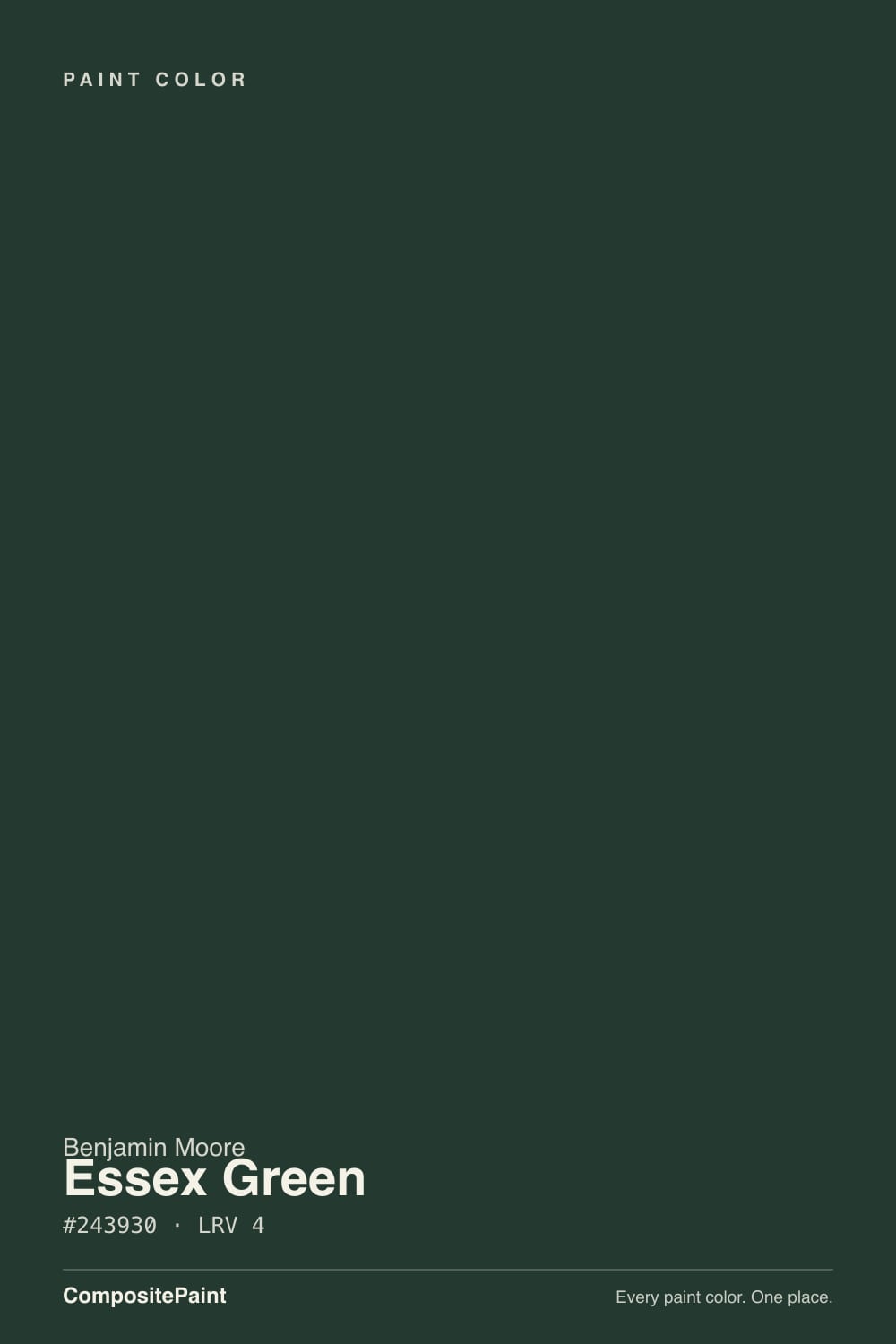
A blue-green sitting on an almost-black base. The hex #243930 lands at hue 154 degrees, so this is the cool side of green — no olive, no moss, nothing yellow in it. Saturation is around 23 percent, which is a real amount of color for something this dark, and that is why the paint has a double life: bright light drags the green up to the surface, shade pushes it back down to black. Nobody sees both versions on the same day unless the sun moves across it.
LRV 4 is the number to respect. That is near the floor of a 0 to 100 scale, and it means the surface takes light instead of returning it. Salamander 2050-10 sits at LRV 6 and already shows noticeably more of its color in the same room; Essex Green is two points darker and reads a full step blacker for it. Put another way, a white wall reflects roughly twenty times more light than this does. It cannot brighten anything, ever.
Undertone in one line: cool blue-green over black — never olive, never warm. If your sample looks like flat charcoal on the wall, that is your light level, not a bad can.
Where It Shines
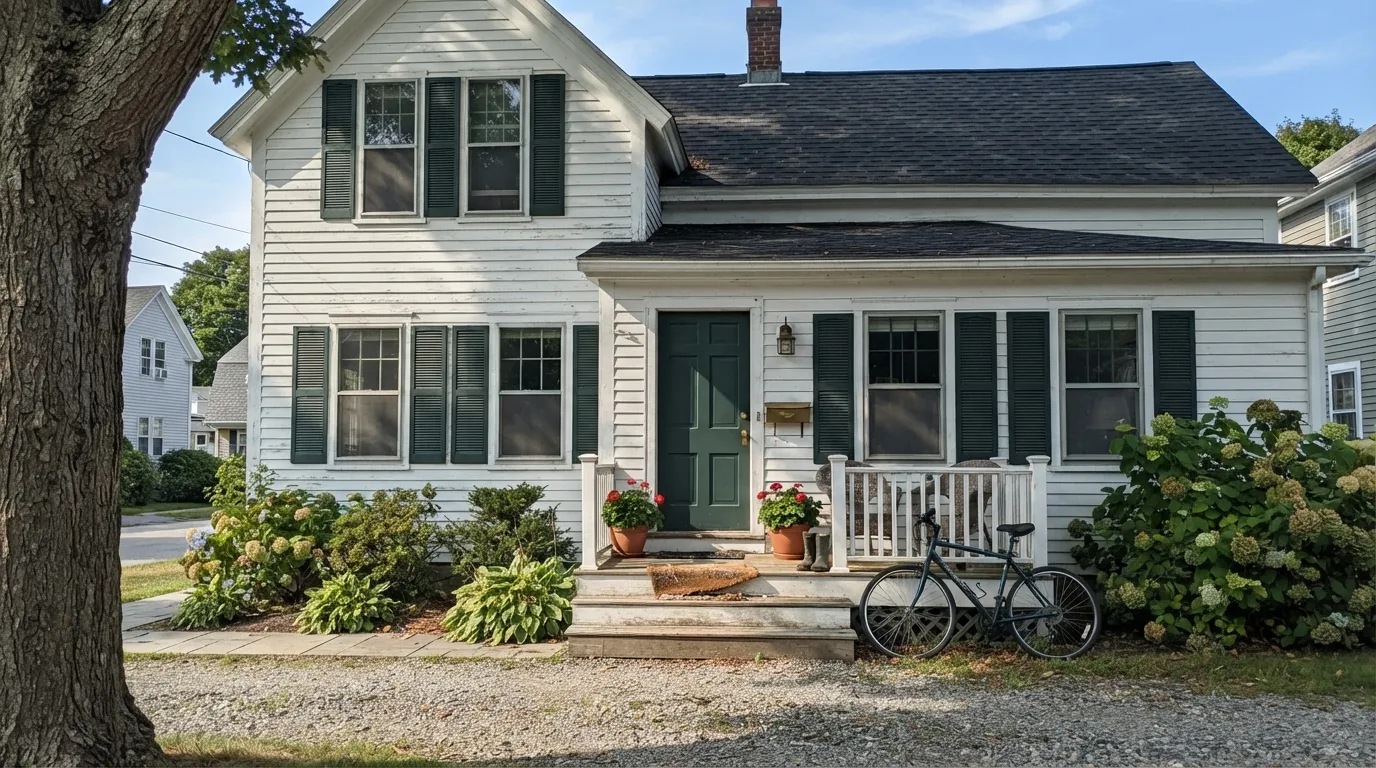
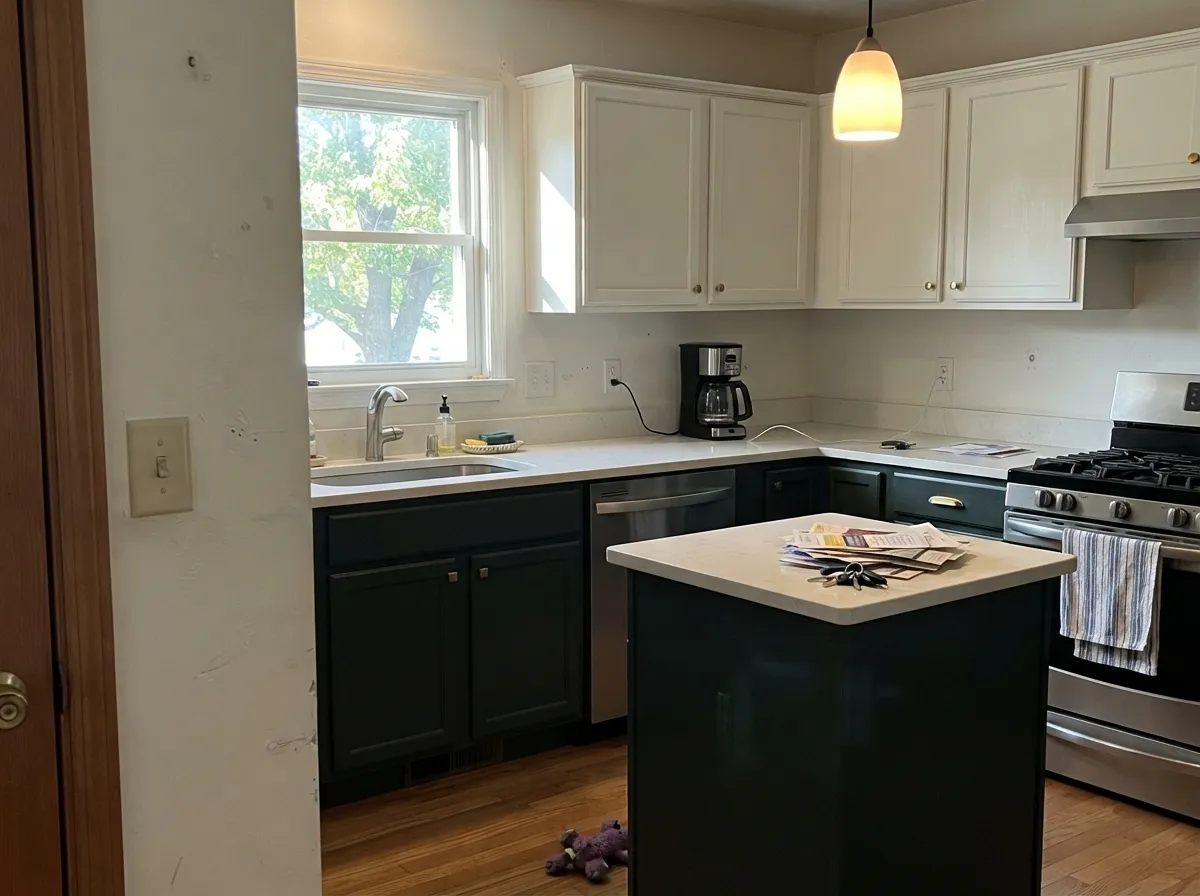
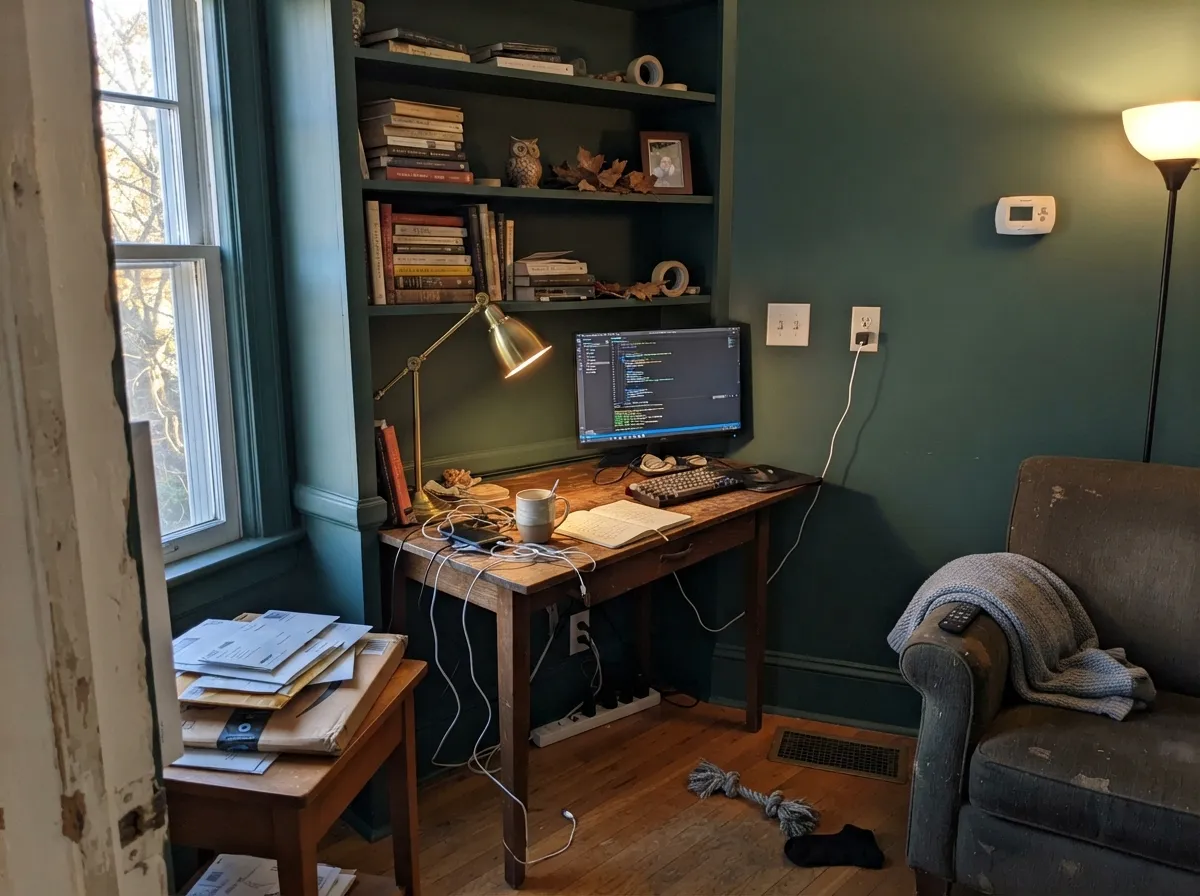
This color earns its reputation outdoors and on furniture-sized surfaces. On shutters, a front door, or a run of lower cabinets it does exactly what people hope: it reads as a deep, settled dark from across the room, then shows green the moment sun or a lamp hits it at the right angle.
Where It Fails
The bad reviews for Essex Green are remarkably consistent, and they cluster into three situations. In every one of them the paint did what LRV 4 paint does — the room, the sheen, or the prep was the problem.
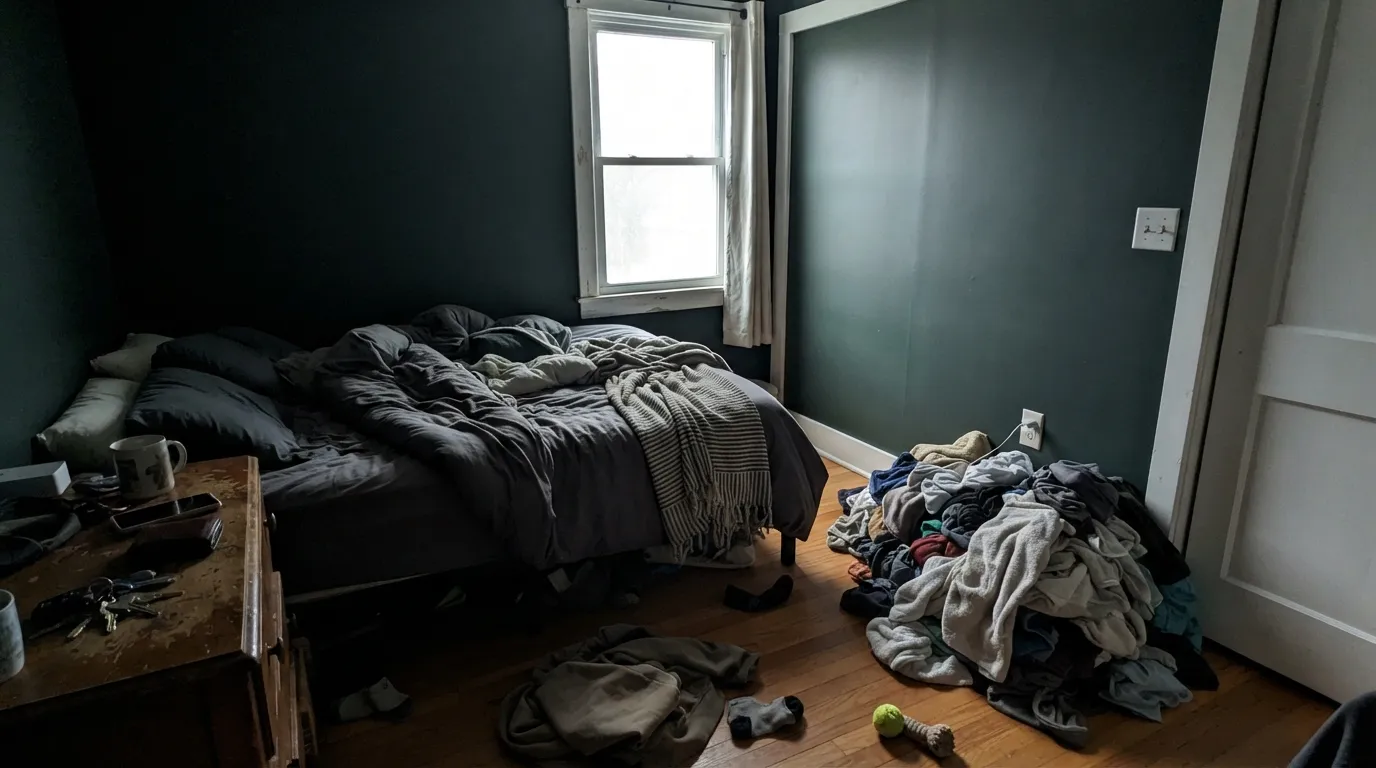
North light is cool, indirect, and weak, and at LRV 4 there is nothing for it to bounce off. The green never appears and people describe a flat black box with no color in it. If you want the room to read green in that light, go up the ladder to Cushing Green HC-125 at LRV 18 — it stays a green even on a gray day.
Matte is the sheen most people pick for a moody room, and it is the sheen that swallows this color whole. With no reflection, the green has no way out, and matte on a dark wall also broadcasts dust, lint, and every patched screw hole. Use satin, or if you truly want low sheen pick something lighter like Tarrytown Green HC-134 at LRV 10, which still holds its color without any help from gloss.
This is a deep-base color. Rolled straight over white it goes on streaky, and two coats is often not enough; a gray-tinted primer first is the difference between two coats and four. Spot repairs are the other trap — dark deep-base paint flashes at every touch-up, so you repaint the whole panel or wall. If a surface will get scuffed weekly, use a mid-tone like Saybrook Sage HC-114 that covers and blends.
Room by Room
Exterior daylight is the one condition that reliably shows the green, and the depth draws a hard, clean outline on a light house. Semi-gloss or a soft gloss; pair with Linen White OC-146 or White Dove OC-17 body and trim.
Satin on the island, White Dove OC-17 on the uppers, unlacquered brass or aged bronze pulls. The cool green makes warm brass look intentional instead of yellow. Get the doors sprayed if you can — brush marks show badly at this depth.
Color-drenching works here: walls, trim, and built-ins all Essex Green, ceiling in White Dove OC-17. It will be a dark room by design, so plan two or three warm lamps before you plan the paint.
Hides boot scuffs and dog noses better than any light color, and satin wipes clean. Keep the walls above it light — Manchester Tan HC-81 or White Dove OC-17 — so the space still works on a winter morning.
Candlelight and warm 2700K bulbs turn it into a soft, sooty backdrop that flatters wood and brass. Skip it if the room is also your homework table; at LRV 4 you will be turning lights on at three in the afternoon.
No window means no green, and no green means you paid for a black box. Powder rooms can carry it only when there is real lighting and a mirror doing some of the work.
Your Light Is the Risk
Cool, weak daylight never pulls the green out. It reads flat black all day.
Direct sun is what this color was built for — the forest green finally shows up.
2700K bulbs make it soft and sooty; 4000K keeps a little more green. Both need lamps.
On shutters and doors it is convincingly green from morning through late afternoon.
Most complaints about Essex Green are a light mismatch. Upload a photo of your actual room and see it on your walls — then ask for the same wall in north light or evening lamps before you buy a single sample.
Similar Benjamin Moore Colors
The nearest shades to Essex Green within Benjamin Moore's own range, ranked by perceptual color distance — useful when you want the same look a touch lighter, darker, or warmer.
WCAG 2.1: AA is 4.5 : 1 for normal text, 3 : 1 for large text, AAA is 7 : 1.
Essex Green vs the Colors You're Also Considering
Every Essex Green sample board has the same rivals on it. The numbers show the real lightness gap — then it comes down to which risk you would rather live with.
Pick this if you want the green to survive ordinary daylight.
Benjamin Moore HC-187 · LRV 5Black Forest GreenPick this if you basically want black with a hint of something.
Pick this for a true forest green with no teal in it.
Benjamin Moore 2050-10 · LRV 5SalamanderPick this for a dark green that leans blue-teal and shows more color.
The closest confusion is with the other chips that share the name. Essex Green HC-188 at LRV 6 and Essex Green PM-11 at LRV 4 both carry the hex #27362E, which is a touch lighter and slightly less blue than PM-22 at #243930. In practice HC-188 is the one that gives you a bit more visible green because of the extra two points of LRV. Order by number, not name.
Chrome Green PM-10 shares that same #27362E hex at LRV 4, so it sits right beside PM-22 with a marginally warmer face.
Against the blacks the difference is clearer. Black Satin 2131-10 at #313435 and Black Knight 2136-10 at #303536 are both LRV 5 and both essentially neutral, so they never show green in any light. Waller Green CW-510 at #363A32 and LRV 6 is the lightest of the group and leans a little yellow-green, which makes it look softer and more olive next to Essex Green's cooler tone.
Essex Green Coordinating Colors
Essex Green is cool, so its partners should carry the warmth. Creamy whites, tans, and warm woods stop it from turning severe; cold gray-blues next to it make the whole scheme feel like a parking garage. These are the pairings that keep showing up on real houses:
Essex Green on Shutters and Front Doors
This is the use the color was made for, and the one people almost never regret. On a white or cream house it draws a firm dark line around every opening, and because exterior daylight is so much stronger than anything indoors, the green stays visible instead of collapsing into black. Semi-gloss or a soft gloss is the right call: the reflection is doing half the work of showing the color, and it also sheds rain and pollen.
Two practical warnings. A south- or west-facing door in unshaded sun runs hot and will lose depth sooner than the shaded elevations, so buy the best exterior product on the shelf rather than the cheapest. And if you are repainting shutters that were originally factory-finished, do not try to blend new paint into old — strip or coat the whole shutter, because a partial repair in a deep base will always show as a patch.
Essex Green on Cabinets and Islands
Indoors, this color does its best work on things you can walk around: an island, a bank of lower cabinets, a built-in bookcase, a mudroom bench. Those surfaces catch light from several directions and usually sit under a fixture, which is exactly the condition that keeps the green alive. Satin is the sheen — flat looks dead and shows every fingerprint, semi-gloss on a big cabinet run starts to look like a car.
Keep the balance honest. Dark below, light above is the arrangement that works: Essex Green base cabinets under White Dove OC-17 uppers, with Revere Pewter HC-172 walls to hold the warmth. Hardware matters more than usual here — unlacquered brass and antique bronze warm the cool green, while polished chrome makes it look colder and cheaper than it is.
Three Ready Palettes Built on Essex Green
A color is never alone on the wall. These are complete combinations in the 60-30-10 pattern, with the reason each one holds together. Every one opens in the visualizer.
Linen White OC-146 at LRV 83 carries the 60 percent, Essex Green takes the 30 on shutters and door, and the charcoal floor is the 10 that keeps the eye down. The warm white softens the cool green so the house reads historic rather than severe.
Try this palette in your roomThe dark base and light uppers split the room in half so the green never crowds it, and Revere Pewter HC-172 keeps the walls warm enough that the cool green looks chosen. Brass hardware is the whole point of this combination.
Try this palette in your roomOne color on walls, trim, and door removes every contrast line, which is what makes a small dark room feel deliberate instead of cramped. Tyler Taupe HC-43 at LRV 32 is the warm 10 percent that stops the whole thing from going cold.
Try this palette in your roomEssex Green FAQ
Does Essex Green look black or green?
Outdoors in sun, green. Indoors in an average room, black. The split is not subtle — the same door can read forest green at noon and charcoal at five. If you need the green to be obvious, put the color where direct light lands and use satin or semi-gloss.
Is PM-22 the same as HC-188?
They are close but not identical. PM-22 is #243930 at LRV 4; the Historical Collection chip HC-188 is #27362E at LRV 6, slightly lighter and a touch less blue, so it shows a bit more green. Order by the number, because more than one Benjamin Moore chip carries the Essex Green name.
What white trim goes with Essex Green?
Warm whites for old houses, clean whites for new ones. Linen White OC-146 and White Dove OC-17 soften the cool green and suit clapboard and traditional trim; Chantilly Lace 2121-70 gives the sharpest modern edge. At LRV 4 every white gives you plenty of contrast, so pick on warmth, not brightness.
How many coats does it take?
Plan on three over a white or light wall unless you prime first. It is a deep-base color with low hide, and thin coats look streaky in raking light. A gray-tinted primer usually gets you to full color in two finish coats.
Is it good for kitchen cabinets?
Yes, especially on an island or lower run. Use a satin cabinet enamel, spray if you can, and keep the uppers light so the room does not close in. It flatters unlacquered brass and warm wood and hides handprints around the pulls.
Essex Green or Black Forest Green for shutters?
Essex Green if you want passers-by to see green. Black Forest Green HC-187 sits at LRV 5 with hex #242E2C and carries more black, so it reads near-black except in strong midday sun. On a shaded north elevation the two are hard to tell apart.
Does it fade in the sun?
Dark greens on a full-sun south or west elevation work harder than any other color — they run hotter and lose depth faster. Use a top-tier exterior product rather than a builder-grade one, and expect a sunny door to need a refresh sooner than the shaded side of the house.
Have you painted with Essex Green?
Rate it — one tap helps the next reader decide.
Ask a Question