Driftwood
The weathered gray-brown people search by name, reviewed honestly: the light where it glows like real driftwood, the light where it goes flat, and what to pick instead.

Jessica has spec'd whites and neutrals for more than 300 rooms and keeps a sample wall of painted drawdowns in her studio. Every color review is checked against real reader rooms in the comments and re-tested when a formula changes. About the testing process →
- 1Turkish Coffee5
- 2Porpoise13
- 3Driftwood25
- 4Redend Point30
The Fast Verdict
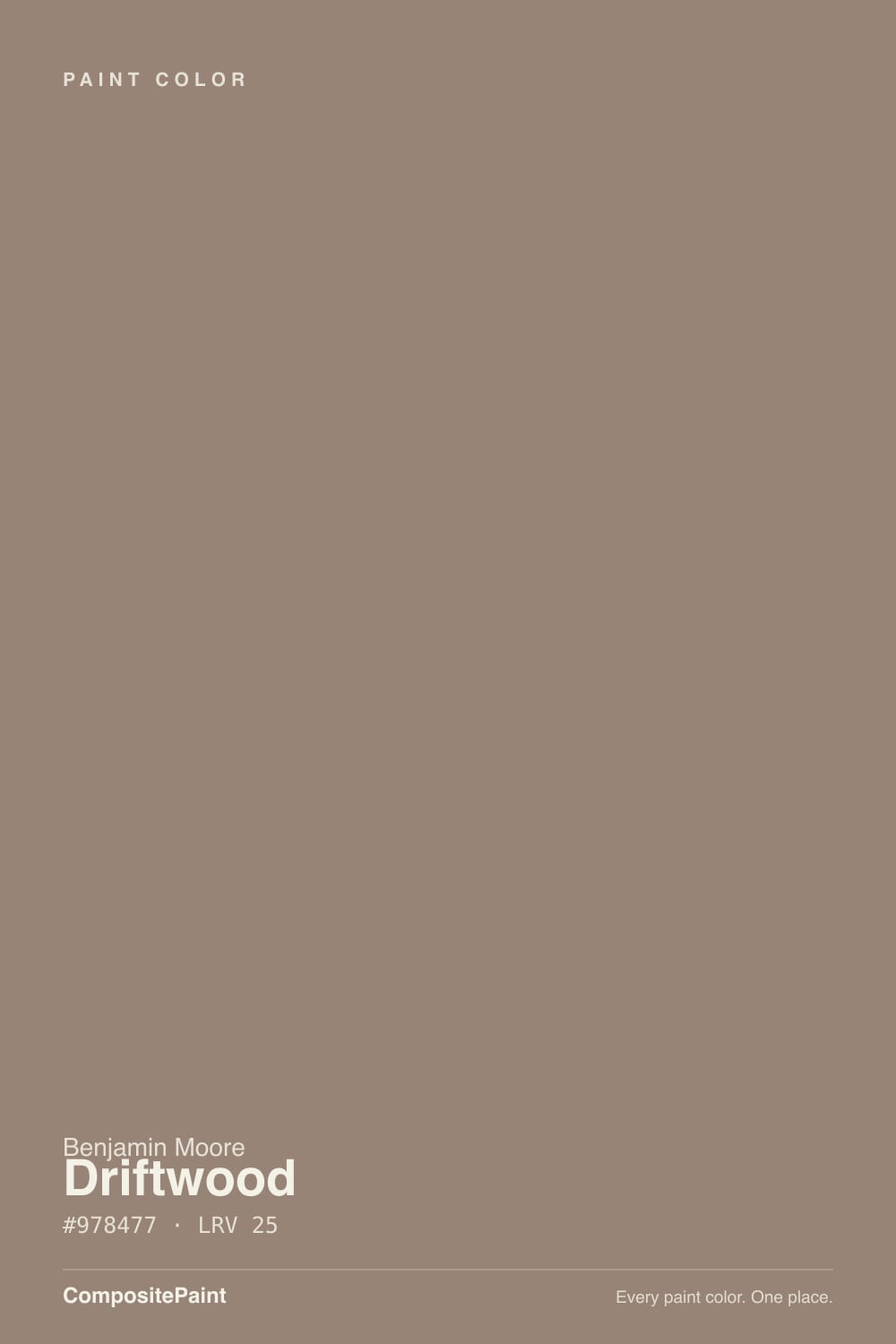
Driftwood is what a color name promises and rarely delivers: a genuine weathered, sun-bleached gray-brown, the color of beach wood left outside for a decade. Benjamin Moore doesn't just sell it as a wall color — it is also a real Woodluxe deck-and-siding stain and an Element Guard exterior paint option, which tells you where this color actually earns its keep. Give it real light and it reads calm, taupe-brown and coastal; starve it of light and it slumps into flat, muddy charcoal-gray.
Exterior siding, shutters and doors that want a coastal, weathered look · dens and home offices with warm wood and brass · kitchen islands and cabinets that want depth without going full dark · anyone who typed "driftwood gray" into a search bar
Your room is dim and north-facing · your floors and trim are already a similar deep brown · you actually want a true cool gray, not a warm taupe-brown · you want a light, airy neutral
- Genuinely reads like weathered driftwood in real daylight — the name is not marketing
- Sold by Benjamin Moore as an actual exterior stain and paint color, not just a wall shade
- Mid-depth (LRV 25) gives real color without a full dark-room commitment
- Warm gray-brown works with both warm wood tones and cooler stone or gray accents
- A believable, search-demanded neutral that doesn't read trendy
- Goes flat, muddy gray in dim or north-facing rooms — loses its warmth fast
- Not a true gray — the red-brown undertone surprises buyers expecting cool gray
- Can vanish against equally deep brown floors, trim or millwork
- Needs real daylight to look its best; artificial light alone can flatten it
What Color Is Driftwood, Really?
A warm gray-brown taupe with a whisper of red running under it — that red is what keeps Driftwood from reading like plain concrete-gray. Benjamin Moore files it in the Color Preview collection, but the color's real proof of concept is that it also ships as an actual Woodluxe deck-and-siding stain and as an Element Guard exterior paint: this is not a wall color BM's marketing team dressed up with a beach name, it is a shade genuinely used to weather real cedar and pine. That is the whole story of Driftwood — the name is earned.
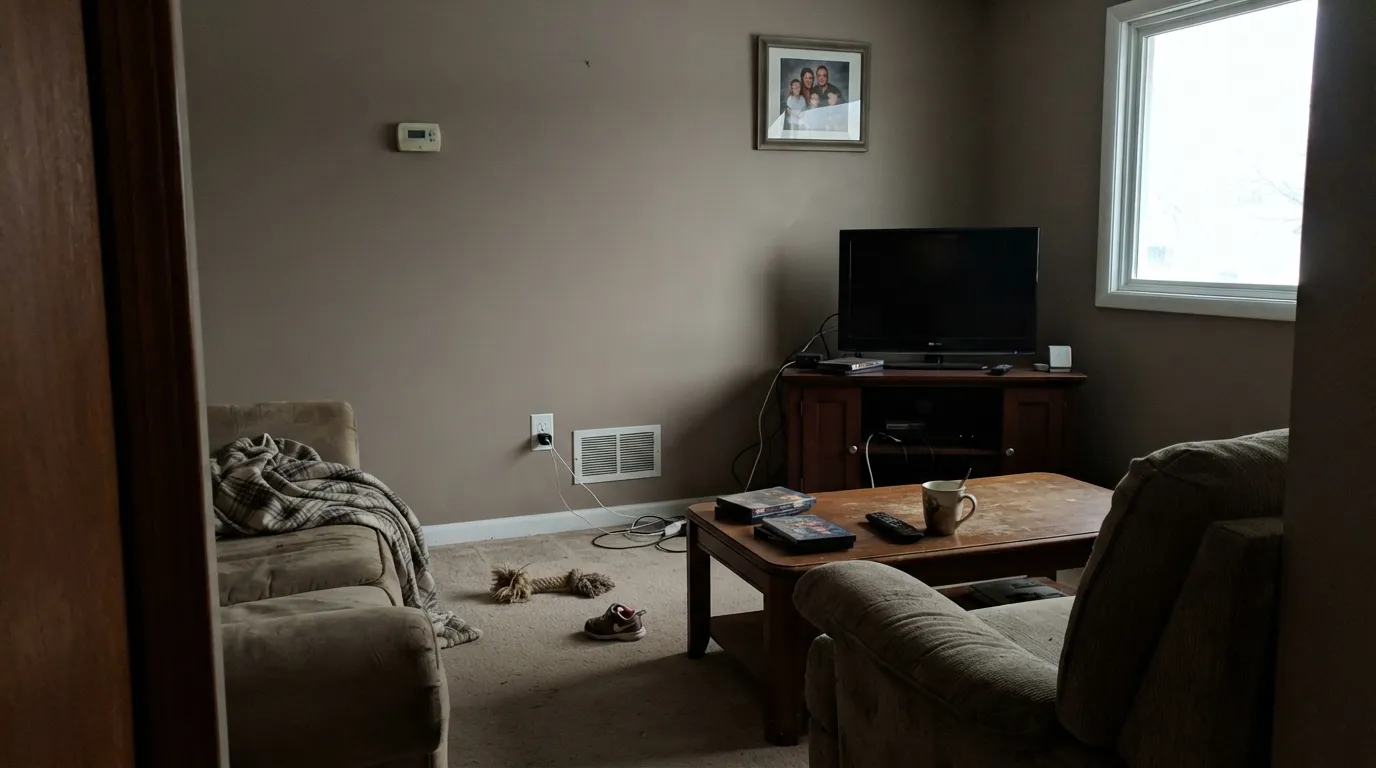
At LRV 25 it sits solidly in the mid-depth range, dark enough to read as real color rather than a pale neutral, light enough to still breathe in a room with decent daylight. The undertone swings noticeably with the light: in a bright, south-facing room it warms up into a clear taupe-brown, close to actual driftwood; in a north-facing or overcast room it cools down and flattens toward plain gray, losing the warmth that makes the color interesting. Plan on testing it in the actual room, at the actual time of day you use that room most.
Undertone in one line: warm gray-brown with a red base — never a true cool gray, never a straight brown. If your swatch reads flat or slightly muddy, that is dim or north light draining the red out of it, not a bad batch of paint.
Where It Shines
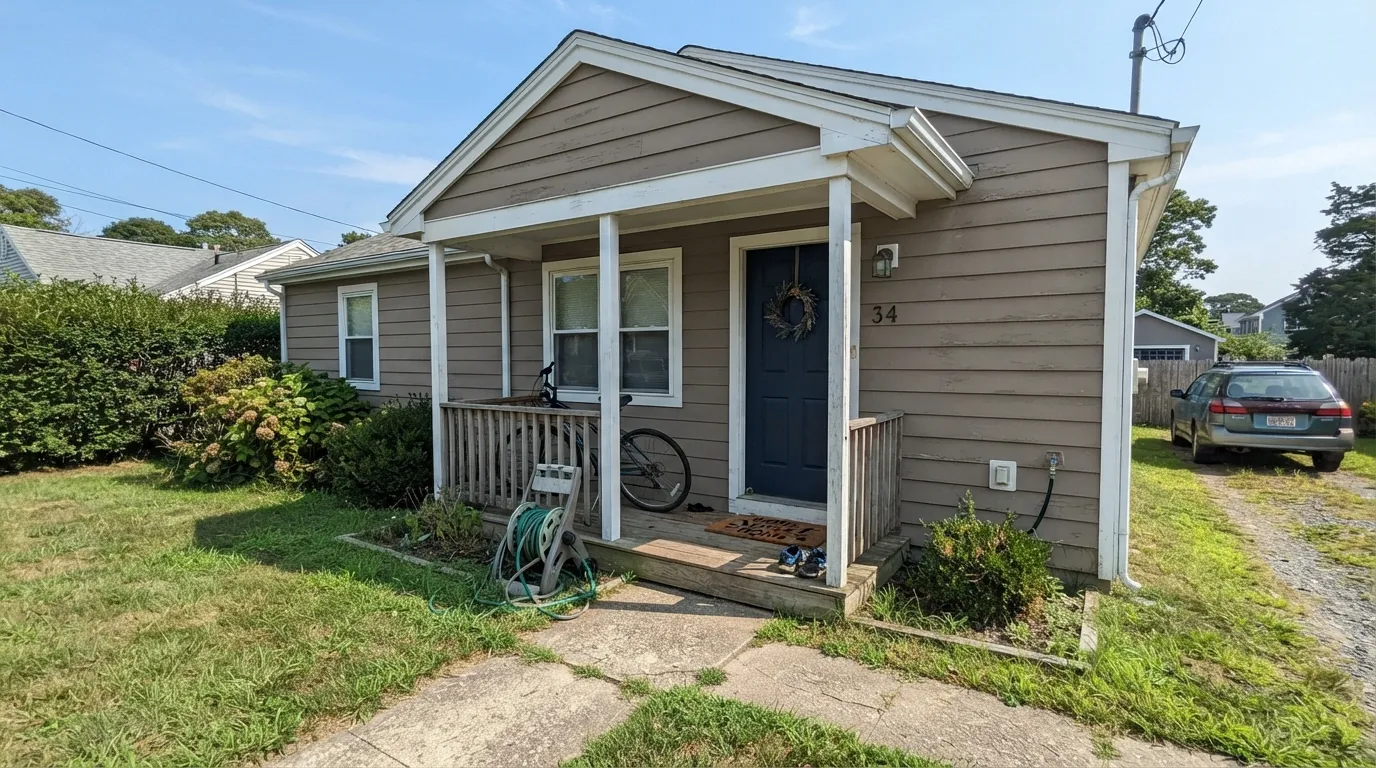
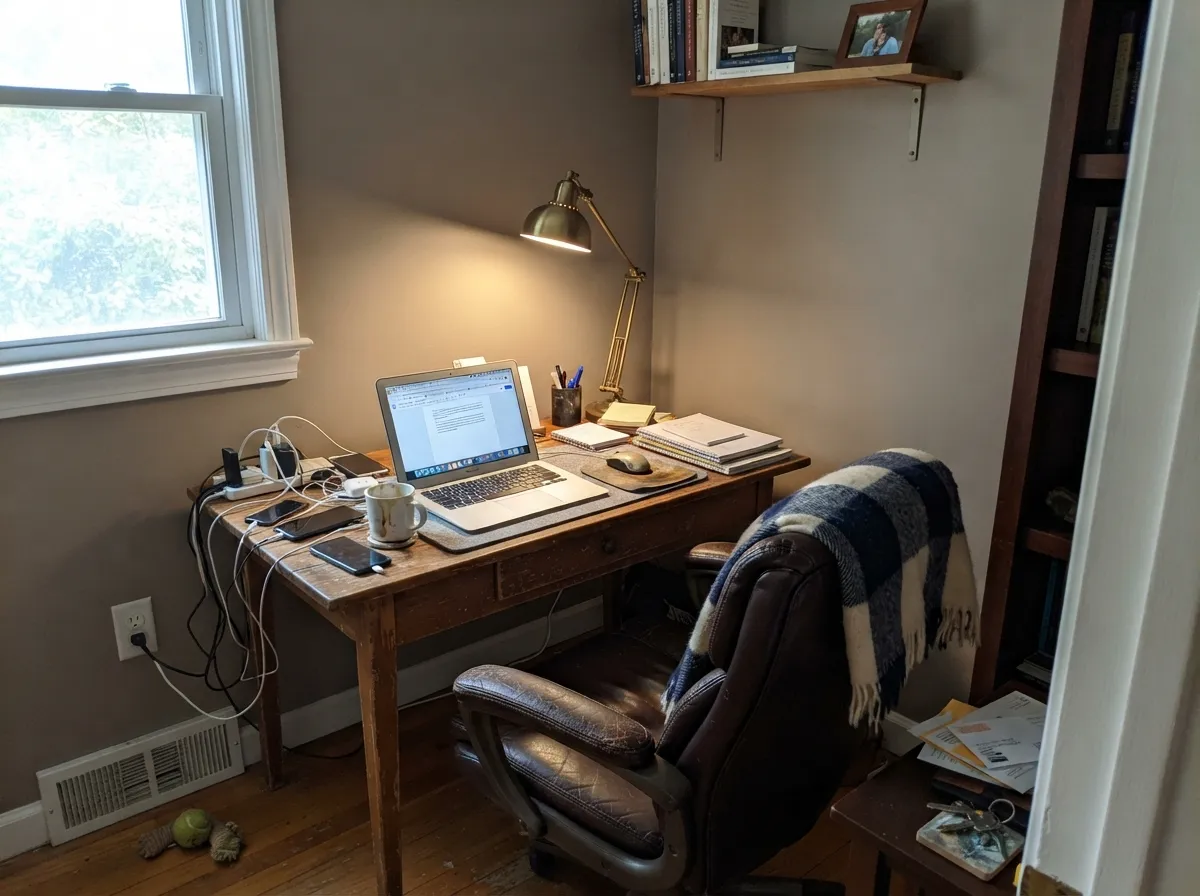
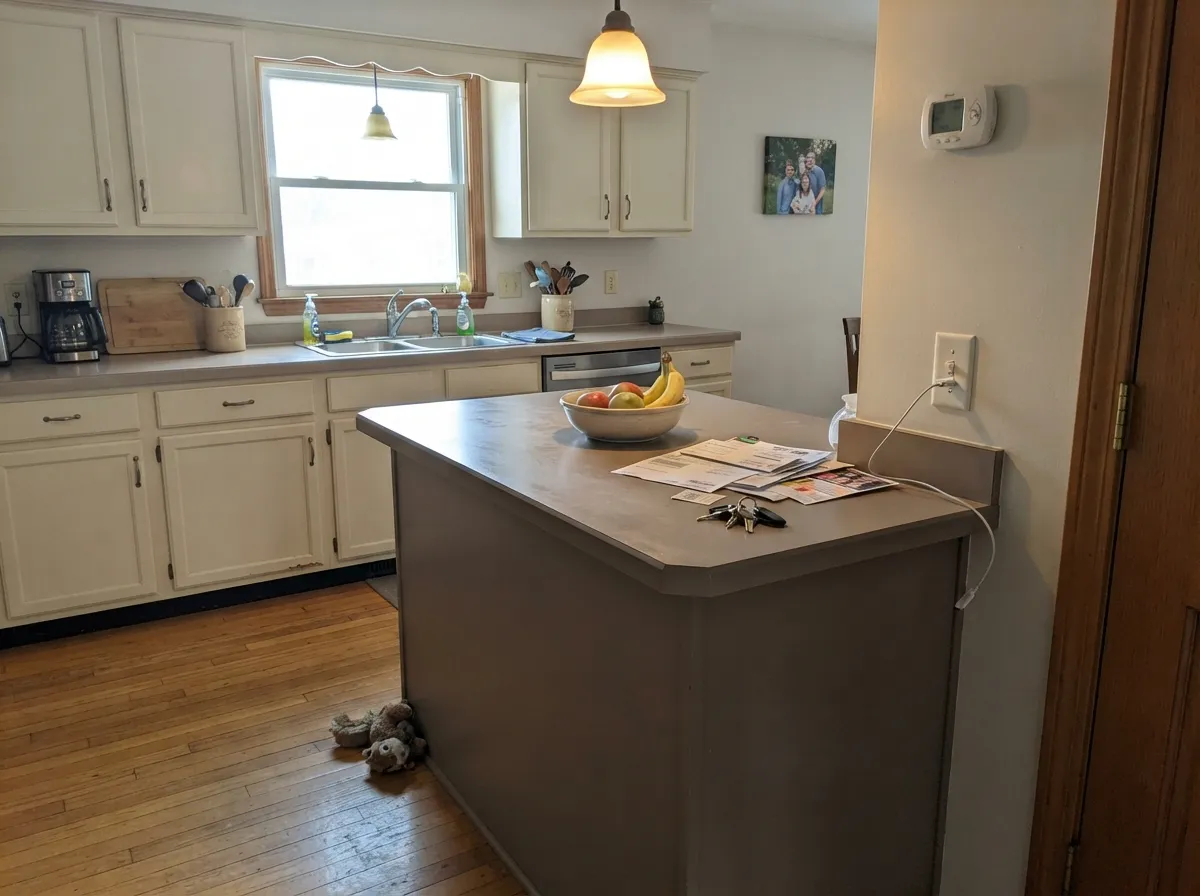
Outdoors is where Driftwood is most honestly itself. It is sold as a literal exterior stain and paint color, and on siding, shutters or a front door it reads exactly like its name: sun-bleached, weathered wood, calm rather than trendy. Indoors, give it real daylight and warm company — walnut, leather, brass, a kitchen island — and it does the same job on a smaller scale: depth without going full dark, warmth without turning brown.
Where It Fails
Almost every disappointed review of Driftwood comes down to one of three mismatches, and all three are predictable before the first coat goes on. None of them are the paint's fault — but if your room or your expectation matches one of these, this is not your color.
Cool daylight is Driftwood's enemy — it drains the red warmth out and leaves a flat, slightly muddy charcoal-gray that reads dingy rather than driftwood-calm. If the room stays dim most of the day, either add warm lamps or pick a lighter greige instead.
Driftwood at LRV 25 is already a mid-to-deep color; put it against similarly dark brown floors or millwork and the contrast disappears, so the whole room reads muddy and matchy instead of layered. Give it a lighter trim (Simply White or White Dove) or a paler floor to play against.
The red undertone is real and it shows on four walls, even though the chip can look close to neutral gray in the store. Buyers expecting a clean, cool gray are the most common source of regret — if that is you, look at a true gray like Metropolitan instead.
Room by Room
This is the one room type Benjamin Moore itself backs with a dedicated product: Woodluxe deck-and-siding stain and Element Guard exterior paint both come in Driftwood. On cedar or fiber-cement siding it reads coastal and weathered in full sun, cooler and grayer in shade — walk the house at different times of day before committing a full order.
With walnut shelving, leather and brass task lighting it reads grounded and quietly expensive. Eggshell on the walls; keep at least one warm lamp running since overhead LEDs alone can flatten it.
In a bright room it is a confident, warm neutral that flatters wood furniture without the commitment of a darker color. In a dim room, skip it or add real lamp light.
On an island under lighter perimeter cabinets it carries real depth without shrinking the room. A full kitchen of Driftwood cabinets against honey-oak floors can read too matchy-brown; break it up with a lighter counter or backsplash.
It is a statement door for people who don't want a statement — muted and weathered rather than glossy-bold. Pairs cleanly with white or pale-gray siding; against dark siding it can vanish, so save it for lighter exteriors.
Under 2700K lamps it turns cozy and enveloping. In a north-facing bedroom with no lamps, it is one of the rooms most likely to disappoint — expect flat gray, not warm taupe.
Your Light Is the Risk
Bright, direct sun — indoors or out — is where the red-brown comes forward and it reads exactly like weathered driftwood. This is the light BM's own exterior stain relies on.
Cool, flat daylight strips the warmth and leaves a dull, slightly muddy gray. Test it in the actual room before committing a whole exterior to it.
Warmer and more clearly brown at the sun hours, cooler and grayer the rest of the day — a normal, honest shift most owners get used to.
2700K lamps pull it toward warm brown and cozy. Cool white LEDs push it back toward flat gray — swap the bulbs before you swap the paint.
Most complaints about Driftwood are a light mismatch. Upload a photo of your actual room and see it on your walls — then ask for the same wall in north light or evening lamps before you buy a single sample.
Need It From Another Brand?
Any paint counter can custom-tint Benjamin Moore 2107-40 directly. If you would rather stay in one brand's own deck, these are the closest stock matches, measured as ΔE2000. Under 2 is a difference you will not see on the wall.
| Brand | Closest color | ΔE | LRV | |
|---|---|---|---|---|
| Sherwin-Williams | Dusted TruffleSW 9083 · Sherwin-Williams | 2.4 | 25 | Color page → |
| Behr | Flower WoodPMD-52 · Behr | 1.6 | 24 | Color page → |
| Valspar | Tempered Allspice2006-9C · Valspar | 2.1 | 23.4 | Color page → |
| PPG / Glidden | Ranch MinkPPG1075-5 · PPG / Glidden | 1.4 | 24 | Color page → |
| Glidden | Ranch MinkPPG1075-5 · Glidden | 1.6 | 24 | Color page → |
| Dutch Boy | Seemingly Perfect443-4DB · Dutch Boy | 3.1 | 26 | Color page → |
Similar Benjamin Moore Colors
The nearest shades to Driftwood within Benjamin Moore's own range, ranked by perceptual color distance — useful when you want the same look a touch lighter, darker, or warmer.
WCAG 2.1: AA is 4.5 : 1 for normal text, 3 : 1 for large text, AAA is 7 : 1.
Driftwood vs the Colors You're Also Considering
Every Driftwood sample board has the same rivals on it. The numbers show the real lightness gap — then it comes down to which risk you would rather live with.
Pick this for real weathered-wood depth — Pashmina is airier and doesn't have that sun-bleached driftwood read.
Benjamin Moore AF-100 · LRV 44PashminaPick this for a lighter, more traditional warm greige that stays neutral in more light conditions.
Pick this when you want a genuine mid-depth taupe-brown, not just a pale greige.
Benjamin Moore HC-172 · LRV 56Revere PewterPick this for BM's most popular light warm greige — safer in dim rooms, less personality.
Driftwood Coordinating Colors
Benjamin Moore's own pairing guidance points to bright, crisp whites and cooler true grays to balance Driftwood's warmth — think trim, not more brown. Simply White and White Dove both do the job depending on how much contrast you want; Metropolitan is one of BM's own suggested companions, a true gray that keeps built-ins or an accent wall from reading too heavy-brown. Wrought Iron and Kendall Charcoal supply the one near-black note the color often wants on a door or exterior trim.
Driftwood on Exteriors
This is where Driftwood is most literally itself: Benjamin Moore sells the exact color as a Woodluxe deck-and-siding stain for cedar, pine and pressure-treated wood, and again as an Element Guard exterior paint built for high-moisture climates. That is a real product decision, not a marketing story — this color was chosen and tested for outdoor wood.
On the house it behaves like every mid-depth exterior color: full sun reads it warmer and more clearly taupe-brown, a shaded north wall reads cooler and grayer, so walk the whole exterior with a sample before ordering paint by the gallon. White or pale-gray trim keeps it crisp and coastal; a near-black door or shutters (Wrought Iron, Kendall Charcoal) gives it the one dark accent the look wants.
Driftwood With Wood Tones and Floors
Because Driftwood is itself a wood-toned color, it plays best with lighter, cooler-toned woods — whitewashed oak, pale ash, driftwood-finish flooring — that let the wall or siding carry the depth instead of competing with it.
The pairing to watch is anything similarly dark and brown: espresso floors, walnut trim, dark-stained cabinetry. Put Driftwood next to wood that close in value and the two blur together, and the room reads muddy rather than layered. Keep one side light — either the floor or the trim — so the color has something real to contrast against.
Three Ready Palettes Built on Driftwood
A color is never alone on the wall. These are complete combinations in the 60-30-10 pattern, with the reason each one holds together. Every one opens in the visualizer.
Benjamin Moore sells Driftwood as an actual siding stain color, and this is the pairing it was built for: sun-bleached taupe-brown walls, a crisp white trim edge, and a near-black door for the one dark note. It is the color at its most authentic.
Try this palette in your roomMetropolitan is one of Benjamin Moore's own suggested companions for Driftwood — the cooler true gray keeps built-ins from reading too brown-heavy against the warmer wall, and White Dove trim stays soft instead of stark.
Try this palette in your roomSwiss Coffee keeps the perimeter light and warm while Driftwood carries all the color on the island — enough depth to feel intentional without committing the whole kitchen. Kendall Charcoal on the hood gives one near-black note that ties the two together.
Try this palette in your roomDriftwood FAQ
Is Driftwood warm or cool?
Warm-leaning — it's a taupe-brown gray with a subtle red undertone underneath, not a true cool gray. In dim or north-facing light it flattens and reads grayer, but it never turns truly cold.
Is Driftwood good for exterior siding?
Yes, and unusually well documented for it: Benjamin Moore sells this exact color as a Woodluxe deck-and-siding stain for cedar, pine and pressure-treated wood, and again as an Element Guard exterior paint. That is a real product decision, not just a marketing name.
What trim color goes with Driftwood?
A bright white like Simply White for crisp contrast, or a soft white like White Dove for a warmer, gentler edge. Both are Benjamin Moore's own recommended pairings.
Does Driftwood look gray or brown?
Both, depending on the light. In bright, warm daylight it reads as a clear taupe-brown; in a dim or north-facing room it cools down and flattens toward plain gray. Test a large sample in your actual room before committing.
Is it good for a front door?
Yes, if you want understated rather than a bold statement — it's a muted, weathered look, not a glossy-bold color. It works cleanest against white or pale-gray siding; against a dark exterior it can nearly disappear.
Does it work in a dark room?
No — this is its biggest weakness. A dim, north-facing room drains the red warmth out and leaves a flat, slightly muddy charcoal-gray. If your room doesn't get real daylight, choose a lighter greige or plan on warm lamps running most of the day.
Have you painted with Driftwood?
Rate it — one tap helps the next reader decide.
Ask a Question