Onyx
Benjamin Moore's truest black, reviewed honestly: where it reads pure and dramatic, the rooms where it turns into a void, and what to pick instead.

Jessica has spec'd whites and neutrals for more than 300 rooms and keeps a sample wall of painted drawdowns in her studio. Every color review is checked against real reader rooms in the comments and re-tested when a formula changes. About the testing process →
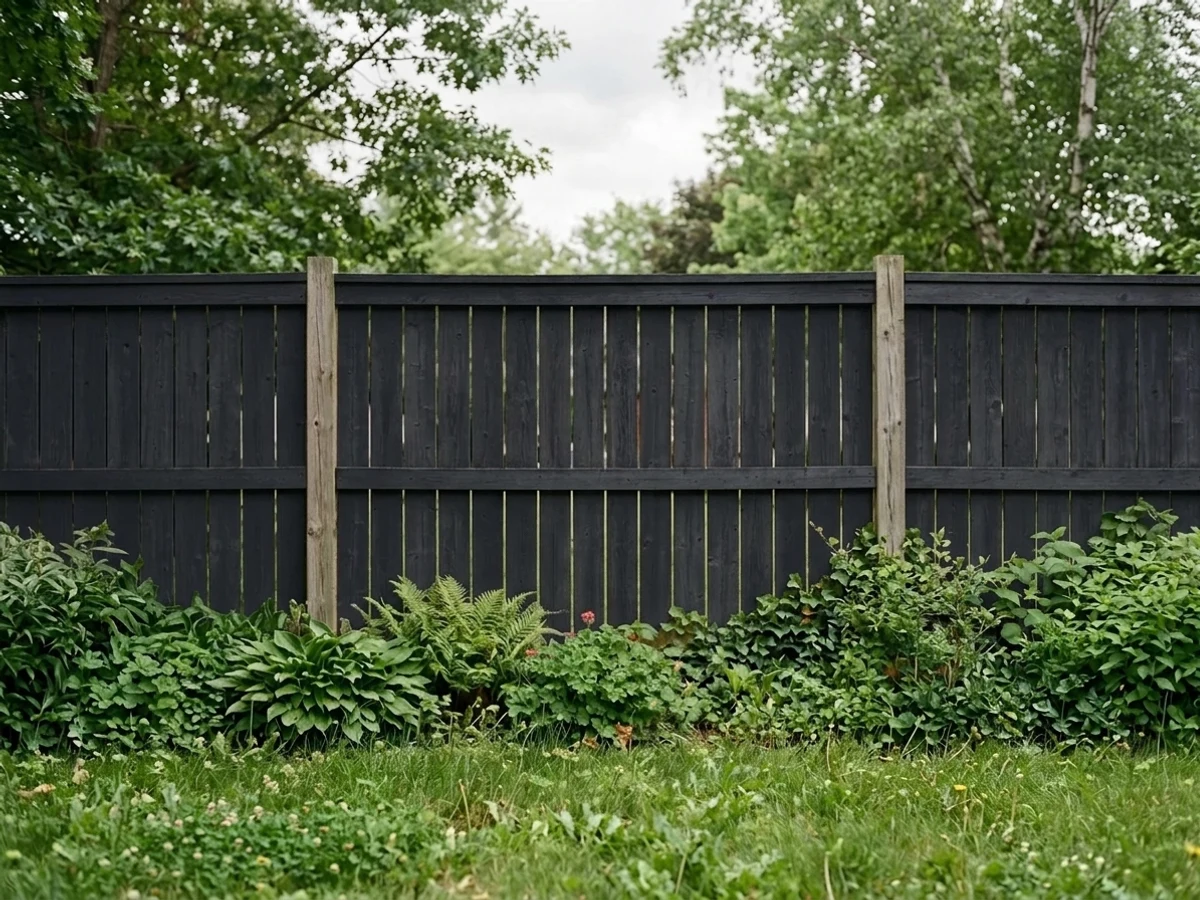
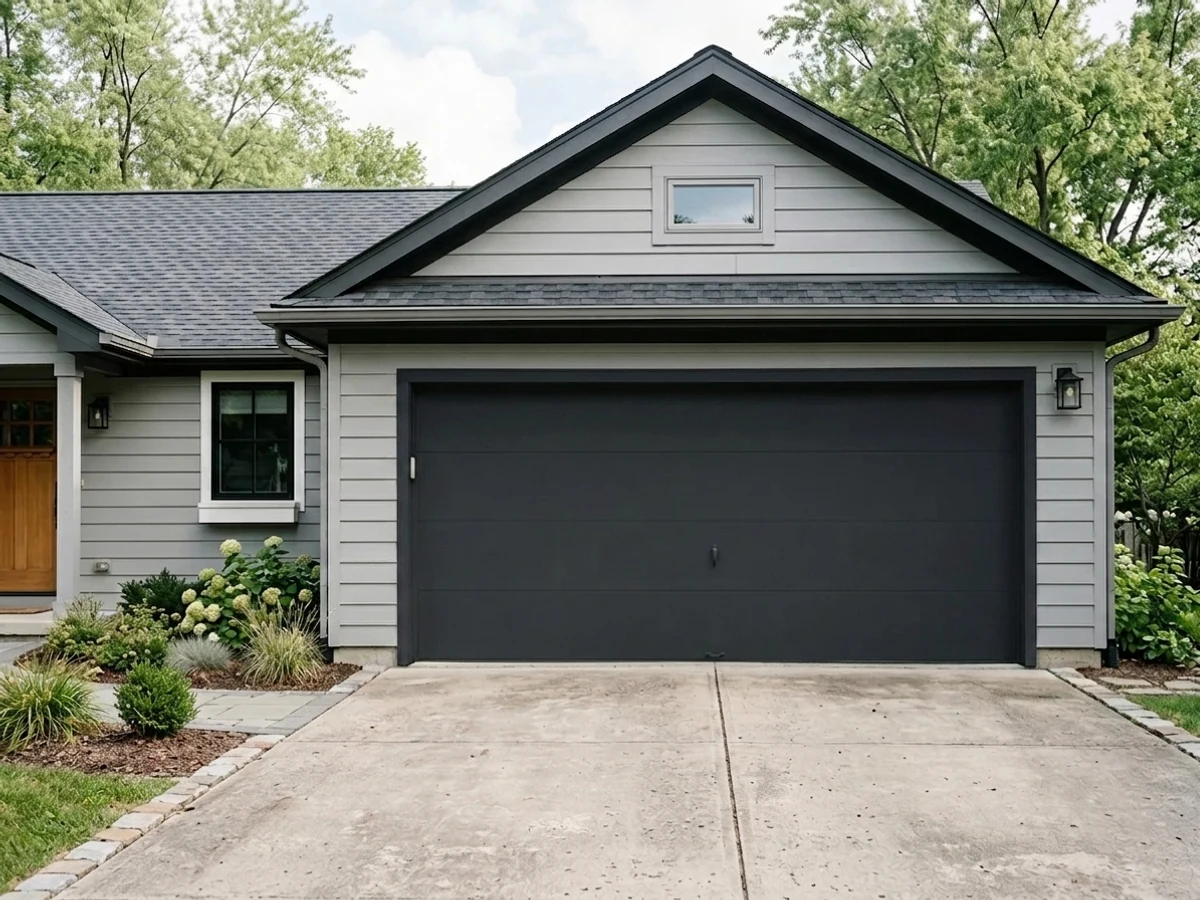
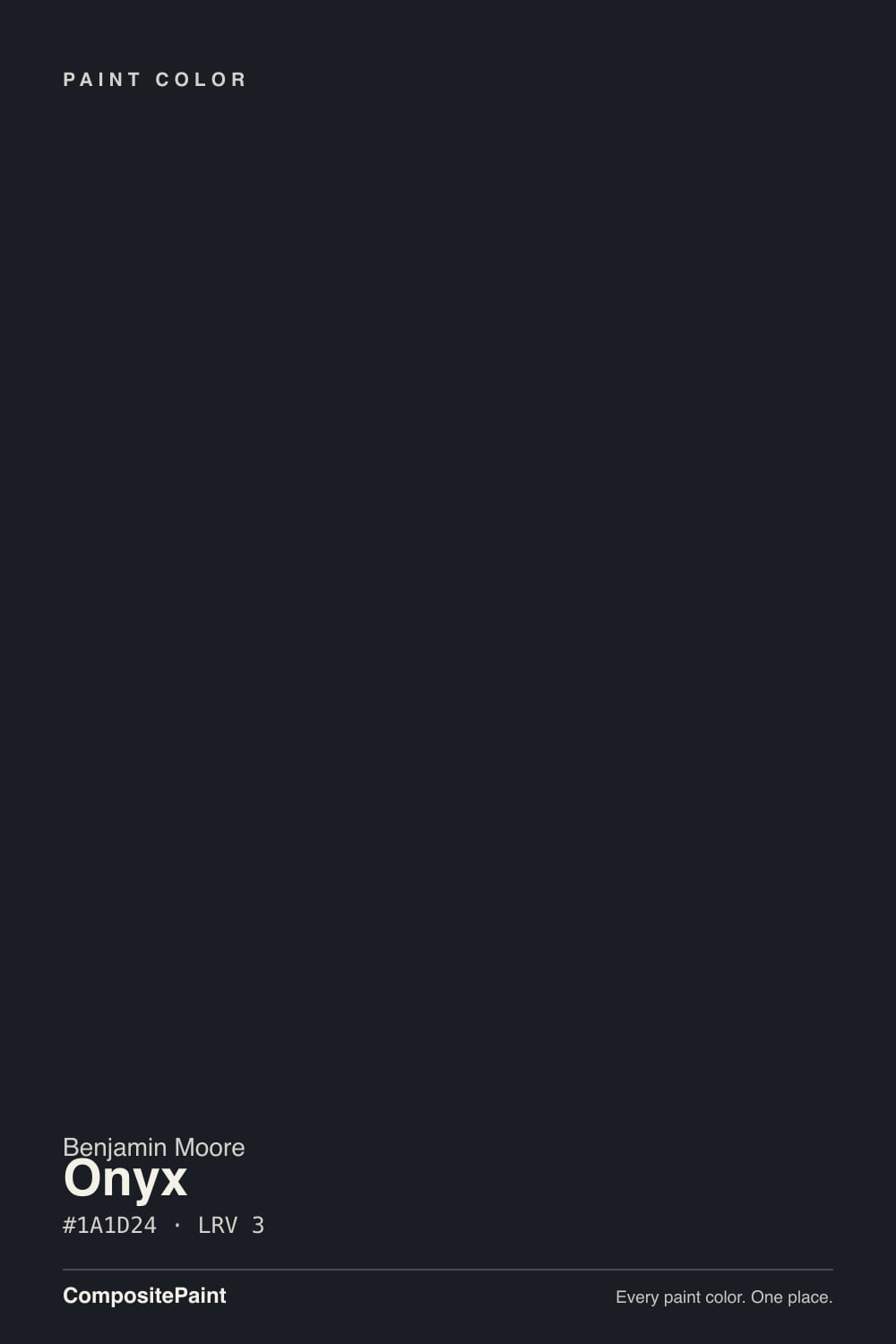
- 1Onyx3
- 2Graphite8
The Fast Verdict
Onyx is Benjamin Moore's answer to "just give me black" — no green flash, no blue creep, no brown warmth to negotiate with your trim. At LRV 3 it is one of the deepest colors in the entire deck, and it looks it: on a door, an island, or a single wall it reads as pure, confident black in almost any light. Spread across four ordinary walls, that same certainty turns into a room with no visible edges — this is a color built for a surface, not usually a whole room.
Front doors and exterior trim · kitchen islands and lower cabinets under white uppers · one deliberate accent wall with real daylight · rooms with black hardware, black window frames, or a black-and-white kitchen already in play
You're painting all four walls of a small or naturally dim room · your exterior is vinyl siding in a hot climate and you haven't checked the paint line · you want a black that leans warm or cool rather than neutral · you're hoping two coats will do it
- A genuinely undertone-neutral black — no green flash, no blue creep, no brown warmth to fight
- The reference front-door black: reads crisp and modern against any house color
- Kitchen islands and cabinets: hides fingerprints and daily wear better than any white
- Sold through Regal Select Exterior for real outdoor durability on doors and trim
- Pairs with brass, chrome, warm wood, and cool marble alike, with zero clash risk
- LRV 3 means small or dim rooms read as a void, not a rich black
- Needs three coats and real technique — lap marks show more than on any lighter color
- Full exteriors on vinyl siding need to check for heat-safe formulation before committing
- Too extreme for buyers who actually want charcoal or "off-black" — this is the real thing
What Color Is Onyx, Really?
Ask five designers what undertone lives inside Onyx and you'll get three different answers — one says a whisper of warm brown, another swears at faint blue-green, a third calls it flatly neutral. That disagreement is itself the review: at LRV 3, so little light bounces off the surface that the eye has almost nothing to read an undertone from. Compared with a color like Wrought Iron, which visibly leans one direction, Onyx is Benjamin Moore's closest attempt at a black that doesn't argue with anything — brass, chrome, warm oak, or cool marble all sit next to it without a fight.
That depth also puts it in a different league than BM's other "black" options. Onyx sits with Sherwin-Williams' Tricorn Black and Black Magic — both also parked at LRV 3 — rather than with softer near-blacks like Wrought Iron (LRV 8) or Kendall Charcoal (LRV 15). The distinction matters more than the name suggests: at LRV 3, a wall needs real daylight or it simply reads as a void rather than a rich black. On a door, a cabinet run, or a single accent wall — surfaces the eye takes in at a glance rather than a room you sit inside — that same depth is what makes it look expensive instead of oppressive.
Onyx also does the thing every true black does at the paint-store counter: two coats over a mid-tone primer usually isn't enough. Painters commonly go to three coats for even, lap-free coverage, and Benjamin Moore sells it through the Regal Select Exterior line with alkyd-fortified technology specifically so it holds up as a door and trim black outdoors. Budget the extra coat and the extra day before committing to anything bigger than a door.
Where It Shines
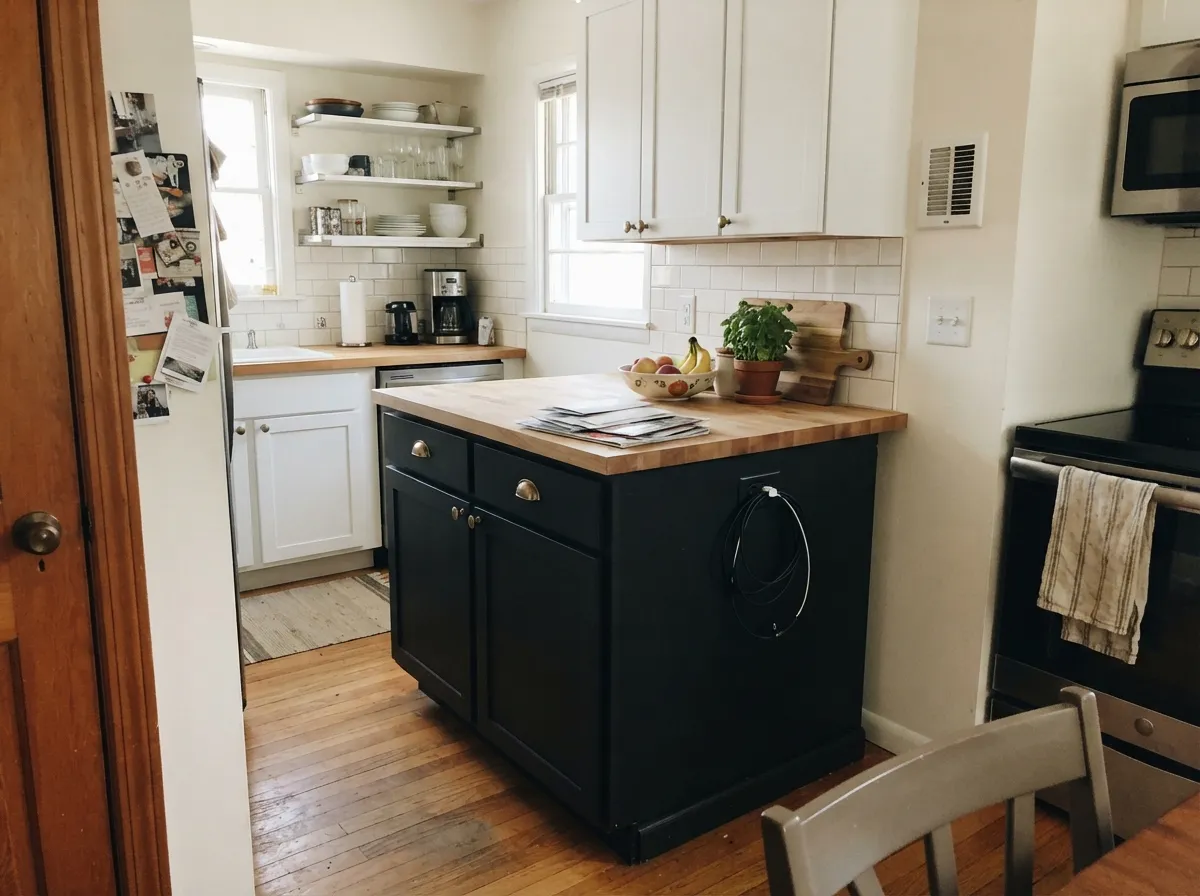
Give it a defined surface and real light and Onyx is nearly unbeatable — it's the color people reach for when "off-black" or "charcoal" isn't dramatic enough. Front doors are its best-known job: against a white or cream house it's the modern-classic combination realtors photograph first. Kitchen islands are its second home — a run of white upper cabinets over an Onyx island reads custom and grounds an all-white kitchen without a single other color in the room.
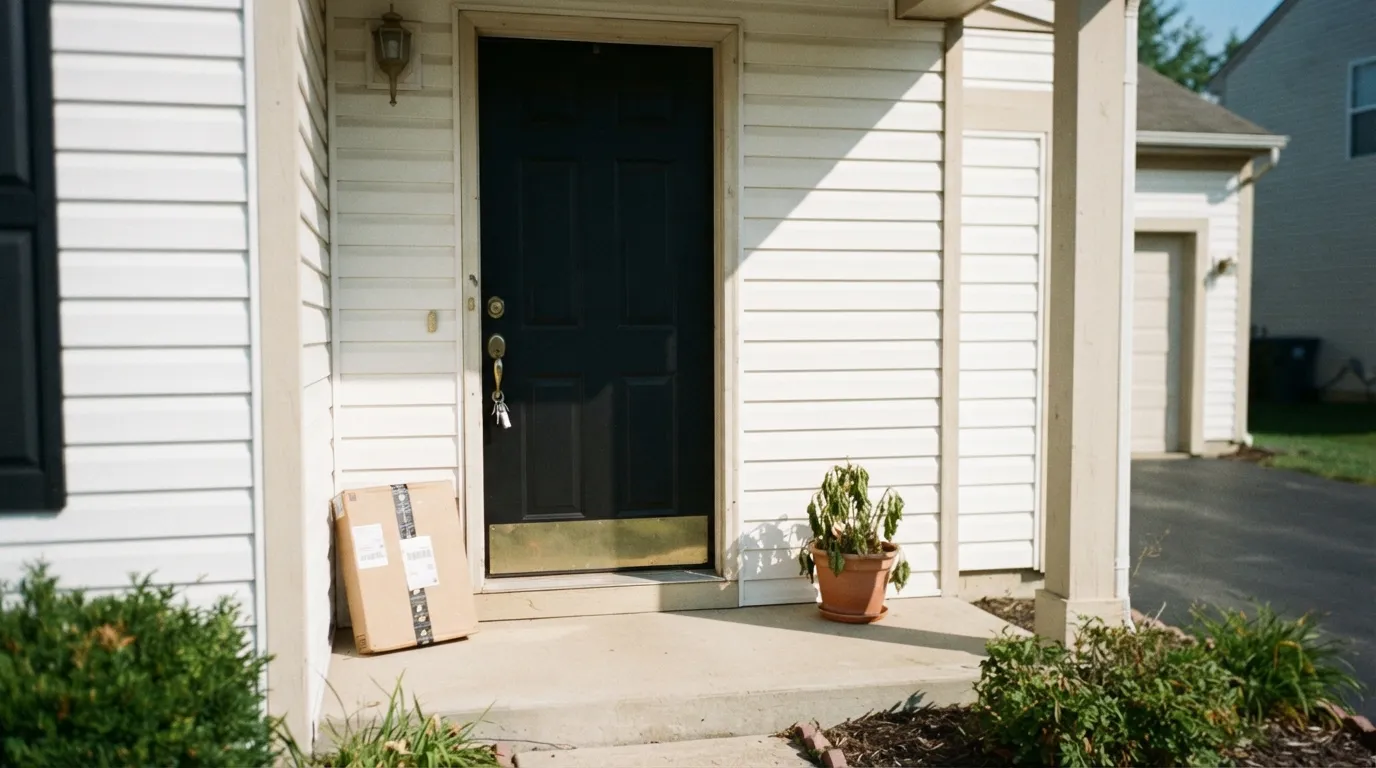
Where It Fails
Almost every regret story about Onyx comes from treating it like an ordinary wall color instead of the extreme it is. None of these are the paint's fault — but if your situation matches one, this is a surface color for you, not a whole-room color.
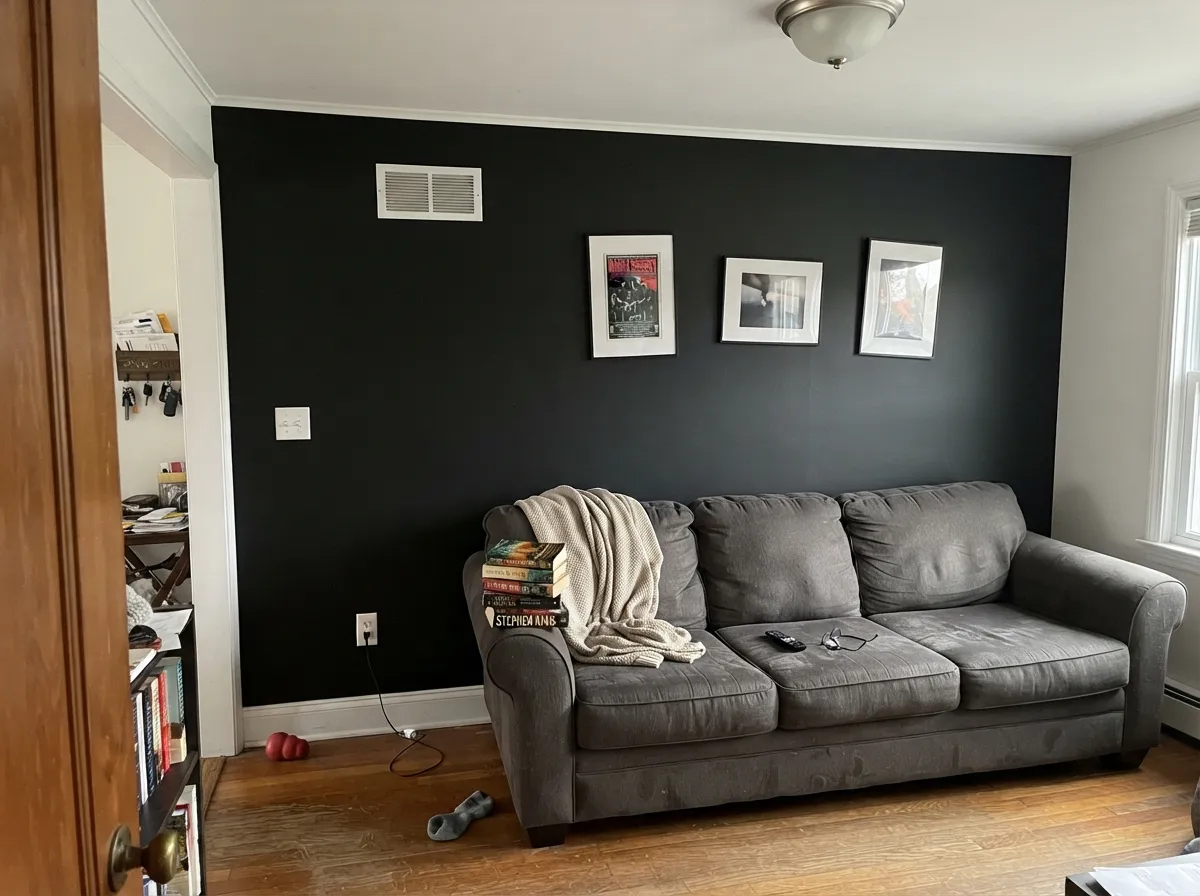
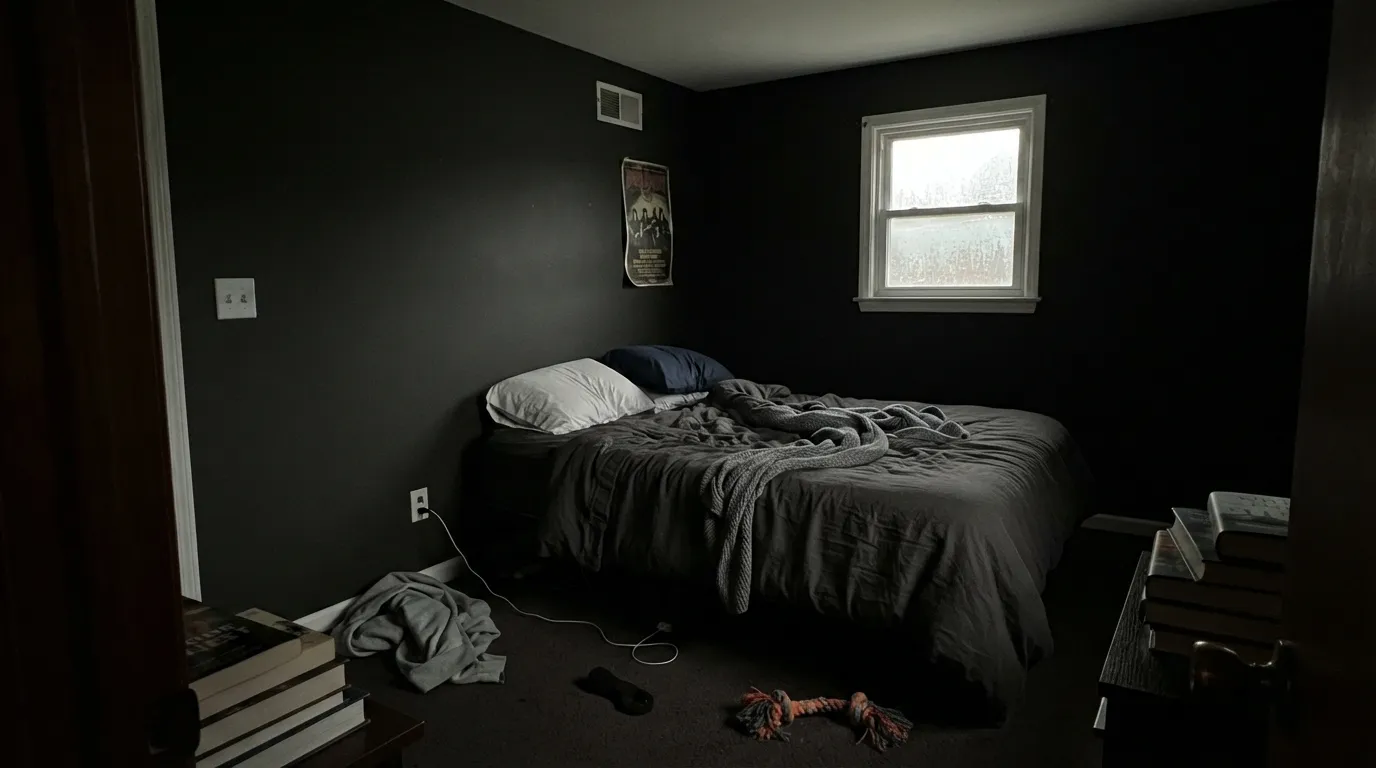
At LRV 3 the wall reflects almost nothing back. In a bedroom or living room without big south-facing windows, the room stops reading as "dramatic black" and starts reading as a hole where a wall should be — corners disappear, the ceiling feels lower, and photos come out as a dark rectangle. One accent wall, or a small room flooded with daylight, works; four ordinary walls usually don't.
True blacks are the least forgiving finish to roll — any spot where the roller reloads or an edge dries before the next pass shows up as a visible streak or sheen difference under angled light. Plan on three coats over a gray-tinted primer, keep a wet edge, and don't expect two-coat drugstore-black coverage on a door or an island.
Dark colors absorb real heat, and on vinyl siding that heat can warp or buckle the panels if the product isn't rated for it. Onyx on wood, fiberglass, or fiber-cement trim in Regal Select Exterior is fine; don't put a standard-formula black over vinyl without checking the can for a heat-resistant, dark-color-safe listing first.
Room by Room
The single most common and most successful use of Onyx. Against a white, cream, or gray house it's the modern-classic front-door black, and a door only needs two square surfaces to look dramatic — none of the whole-room risk. Semi-gloss, three coats, Regal Select Exterior.
White or cream upper cabinets over an Onyx island or lower run is a design-magazine pairing that never really goes out of style. A full kitchen of Onyx cabinets is a much bigger, glossier commitment — reserve it for kitchens with serious daylight.
Beautiful as a single accent wall behind a sofa or a fireplace, with the other three walls in a warm white like White Dove. As a color for all four walls it needs real, generous daylight, or it reads flat and cave-like by afternoon.
Same logic as the living room, doubled: bedrooms already run dimmer at night, so a full Onyx bedroom depends entirely on warm lamp light to stay inviting rather than oppressive. One headboard wall is the safer bet.
A small, already-enclosed powder room can take a full Onyx wall well, and an Onyx vanity under a white or marble counter is a classic contrast move. It's riskier on all four walls of a windowless bathroom with zero daylight to give the black anything to reflect.
This is a trim-and-door black, not a body color. A full Onyx exterior absorbs enormous heat and reads as flat and featureless from the street; save the drama for the door, shutters, and window frames instead.
Your Light Is the Risk
Big windows or a well-lit door alcove keep it reading as a rich, confident black instead of a shadow. This is the light every dramatic photo of Onyx was taken in.
Without a strong light source the wall stops reading as black and starts reading as an absence — corners and trim lines disappear into it. Confirm the room gets real daylight before committing to more than one wall.
This is the one place Onyx behaves better than most colors: with almost no undertone to shift, it barely moves warm or cool between a gray day and full sun. It just goes a shade richer or flatter — never a different color.
Warm bulbs put a soft glint on the sheen and keep the black feeling cozy at night; cool LEDs read colder and slightly blue against it. Either works — this is a decision about the room's mood, not a paint problem.
Most complaints about Onyx are a light mismatch. Upload a photo of your actual room and see it on your walls — then ask for the same wall in north light or evening lamps before you buy a single sample.
Need It From Another Brand?
Any paint counter can custom-tint Benjamin Moore 2133-10 directly. If you would rather stay in one brand's own deck, these are the closest stock matches, measured as ΔE2000. Under 2 is a difference you will not see on the wall.
| Brand | Closest color | ΔE | LRV | |
|---|---|---|---|---|
| Sherwin-Williams | DominoSW 6989 · Sherwin-Williams | 2.9 | 3 | Color page → |
| Behr | Bitter Chocolate790B-7 · Behr | 2.6 | 4 | Color page → |
| Valspar | Fired Earth6011-1 · Valspar | 3.6 | 3.7 | Color page → |
| PPG / Glidden | Starless SkyPPG0995-7 · PPG / Glidden | 3.1 | 5 | Color page → |
| Glidden | Onyx Black00NN 05/000 · Glidden | 2.4 | 5 | Color page → |
| Dutch Boy | Deep Cosmos444-7DB · Dutch Boy | 4.7 | 4 | Color page → |
Similar Benjamin Moore Colors
The nearest shades to Onyx within Benjamin Moore's own range, ranked by perceptual color distance — useful when you want the same look a touch lighter, darker, or warmer.
WCAG 2.1: AA is 4.5 : 1 for normal text, 3 : 1 for large text, AAA is 7 : 1.
Onyx vs the Colors You're Also Considering
Every Onyx sample board has the same rivals on it. The numbers show the real lightness gap — then it comes down to which risk you would rather live with.
Pick this when you want zero doubt the color reads as true black, not dark gray.
Benjamin Moore 2124-10 · LRV 8Wrought IronPick this if you want the depth of black without the intensity — Wrought Iron is BM's softer near-black at LRV 8.
Pick this for a front door or island that has to read as black from the street, not charcoal.
Benjamin Moore HC-166 · LRV 15Kendall CharcoalPick this for a dark neutral that actually behaves on all four walls of an ordinary room.
Onyx Coordinating Colors
Onyx's whole personality is that it doesn't really have one — no undertone to negotiate with, which means the rule for coordinating with it is about contrast level, not temperature. Crisp cool whites sharpen it into a modern look; warm creamy whites soften it into something more classic. These are the partners that keep showing up in rooms that work:
Onyx vs. Benjamin Moore's Other Blacks
Benjamin Moore doesn't have one black — it has a ladder of them, and Onyx sits at the very bottom rung. Wrought Iron (LRV 8) is the popular one for a reason: it's dark enough to read as near-black in most rooms while staying just soft enough not to feel like a void on four walls. Kendall Charcoal (LRV 15) is softer again, closer to a true dark gray that behaves in an ordinary room with ordinary light.
Reach for Onyx specifically when you need the real thing — a front door, an island, black hardware and black window frames that need to actually match, not just gesture at black. Reach for Wrought Iron or Kendall Charcoal when the ambition is a dark, moody room you'll actually live in every day.
Onyx With Hardware, Wood Tones and Metal Finishes
Because Onyx carries essentially no undertone, it is one of the easiest colors in the deck to match to hardware and metal finishes — matte black door hardware, black window frames, and black plumbing fixtures all read as the same black next to it, which isn't true of colors with a visible warm or cool lean.
Wood is equally forgiving: walnut, white oak, and butcher block all sit comfortably against it, and it's one of the few true blacks that doesn't visually fight honey-toned oak the way a blue-black or green-black can. The one pairing worth testing first is polished brass in direct sun — it can read slightly gold-heavy against pure black; unlacquered or antique brass is the safer default.
Three Ready Palettes Built on Onyx
A color is never alone on the wall. These are complete combinations in the 60-30-10 pattern, with the reason each one holds together. Every one opens in the visualizer.
White Dove keeps the body soft and warm rather than stark, so the Onyx door reads as the one deliberate dark note instead of competing with a bright white. Wrought Iron on the shutters and window frames carries the black through the facade without doubling the intensity of the door itself.
Try this palette in your roomWhite Dove uppers and Edgecomb Gray walls keep the kitchen bright and warm, so the Onyx island reads as the intentional anchor rather than an overwhelming amount of black. Unlacquered or antique brass hardware is the natural finish for this combination.
Try this palette in your roomRevere Pewter is a greige mellow enough not to fight the one black wall, and White Dove trim keeps the room's edges soft so the Onyx wall reads as a deliberate design choice, not a leftover dark corner.
Try this palette in your roomOnyx FAQ
Is Onyx a true black or a dark gray?
As true a black as Benjamin Moore sells. At LRV 3 it sits alongside Sherwin-Williams' Tricorn Black and Black Magic, not with softer near-blacks like Wrought Iron (LRV 8) or Kendall Charcoal (LRV 15). If you want a dark neutral that reads as gray rather than black, pick one of those instead.
Is Onyx good for a front door?
One of its best jobs. Against almost any house color it reads as the modern-classic black door, and Benjamin Moore sells it through Regal Select Exterior with alkyd-fortified technology built for exactly this use. Semi-gloss, three coats.
Can I paint a whole room Onyx?
Only if the room has real, generous daylight — a sunroom or a large south-facing bedroom can pull it off. In an ordinary room without strong daylight, stick to one accent wall; four walls without light tends to read as a void rather than a rich color.
How many coats does Onyx need?
Plan on three over a gray-tinted primer for even, lap-free coverage. Two coats is the standard claim for most colors, but true blacks at this depth show every roller lap and sheen difference under angled light — the extra coat is worth the day.
What trim white goes with Onyx?
A warm white like White Dove keeps the contrast soft and classic; a cooler white like Chantilly Lace sharpens the contrast for a more modern look. Either works — Onyx has almost no undertone to clash with.
Does Onyx work on kitchen cabinets?
Very well, especially as an island or lower-cabinet color under white uppers. It hides fingerprints and daily wear better than any white, though a full kitchen of Onyx cabinets is a much bigger commitment best saved for kitchens with serious daylight.
Have you painted with Onyx?
Rate it — one tap helps the next reader decide.
Ask a Question