Benjamin Moore Gray OwlvsBenjamin Moore Classic Gray
Why this comparison: Gray Owl is a real gray, Classic Gray a tinted white — yet they get sampled for the same rooms. Gray Owl and Classic Gray are very close (ΔE 3.51). The difference shows up most in side-by-side comparison and under specific light.

Built from our full reviews of both colors — same measured data, same real-room photos. About the testing process →
The Numbers
Classic Gray is slightly lighter (LRV 74 vs 65, 9-point delta).
What Each Color Really Is
A very light gray with a grayed-out yellow-green lean — and the lean is the whole story. At about 7 percent saturation there is barely any color in the can, so Gray Owl has almost nothing holding it in place. Give it strong sun and it tips toward soft sage. Give it a gray, overcast north window and the warmth vanishes and it drifts blue. The two most common complaints about this color, "it looks green" and "it looks blue," are both true, in the same house, on different walls.
At LRV 65 it reflects a lot of light, which is why it became a whole-house default. Put it next to Repose Gray SW 7015 at LRV 58 and Gray Owl is clearly the lighter, airier one — Repose looks a shade heavier and slightly taupe. Go the other way and stand it next to Classic Gray OC-23 at LRV 74 and Gray Owl suddenly looks like a real gray instead of an off-white. That middle position is exactly what people want from it, and exactly why it is so easy to get wrong.
The name is the most misleading thing about it. Classic Gray is not a gray in the way Repose Gray or Gray Owl are grays — it is an off-white with a very small amount of warm pigment stirred in. The warmth sits on the red-orange side, which on a wall shows up as a passive violet-pink cast rather than a yellow-beige one. That is unusual and it is why the color plays nicely with cool floors and cool stone in a way most warm neutrals do not. It is also why it occasionally throws people: a violet base behaves very differently from a yellow base when the light turns.
At LRV 74 it reflects most of the light in a room, and that number is doing a lot of work. Next to White Dove OC-17 at LRV 85 you can clearly see Classic Gray has body — it looks like a color. Next to Edgecomb Gray HC-173 at LRV 63 it looks like a white. Both comparisons are true at the same time, which is exactly the confusion people describe. What determines which version you get is not the paint, it is how much daylight the room already has.
Specs Side by Side
| Spec | Gray Owl | Classic Gray |
|---|---|---|
| Brand | Benjamin Moore | Benjamin Moore |
| SKU | 2137-60 | 1548 |
| Hex | #D3D4CC | #E3E0D7 |
| RGB | 211, 212, 204 | 227, 224, 215 |
| LRV | 65 | 74 |
| Undertone | yellow / warm | yellow / warm |
| Family | Gray | White |
How Light Changes Them
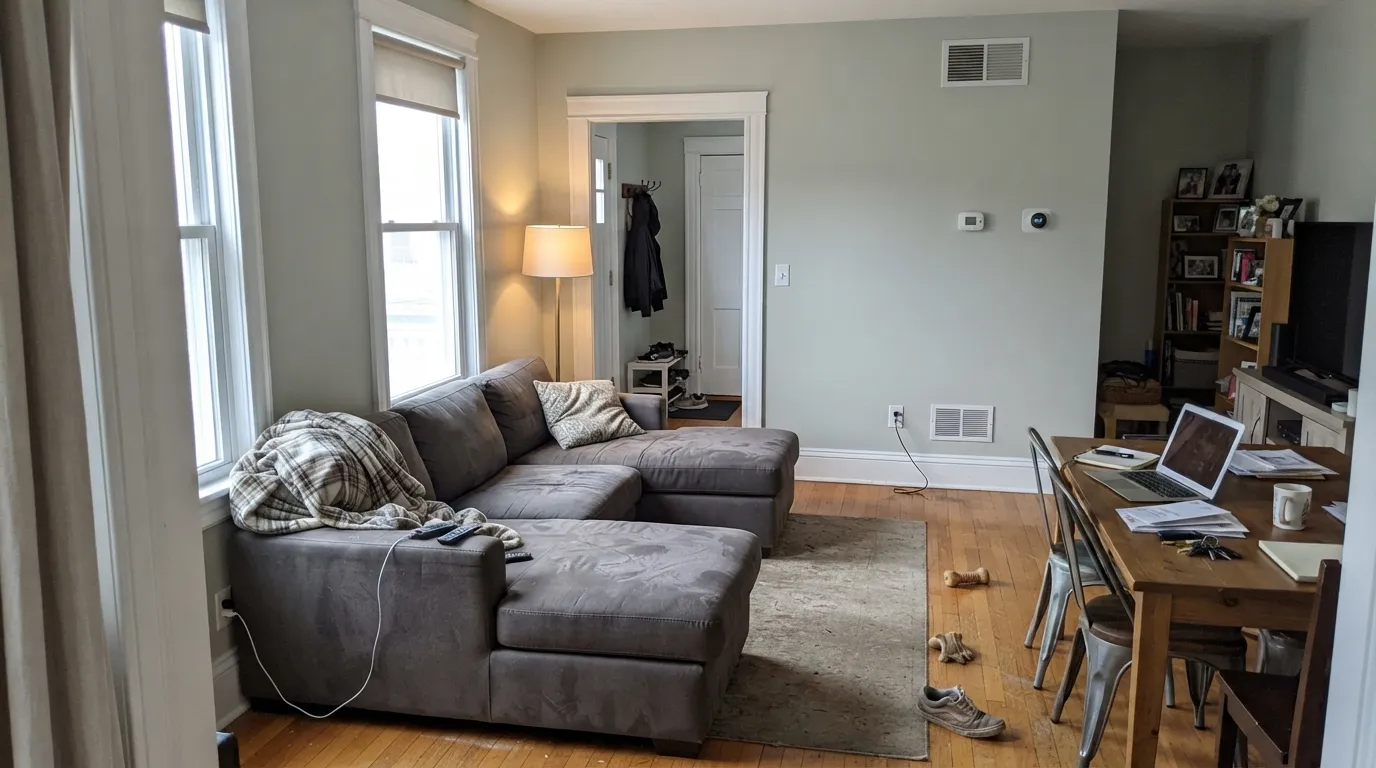
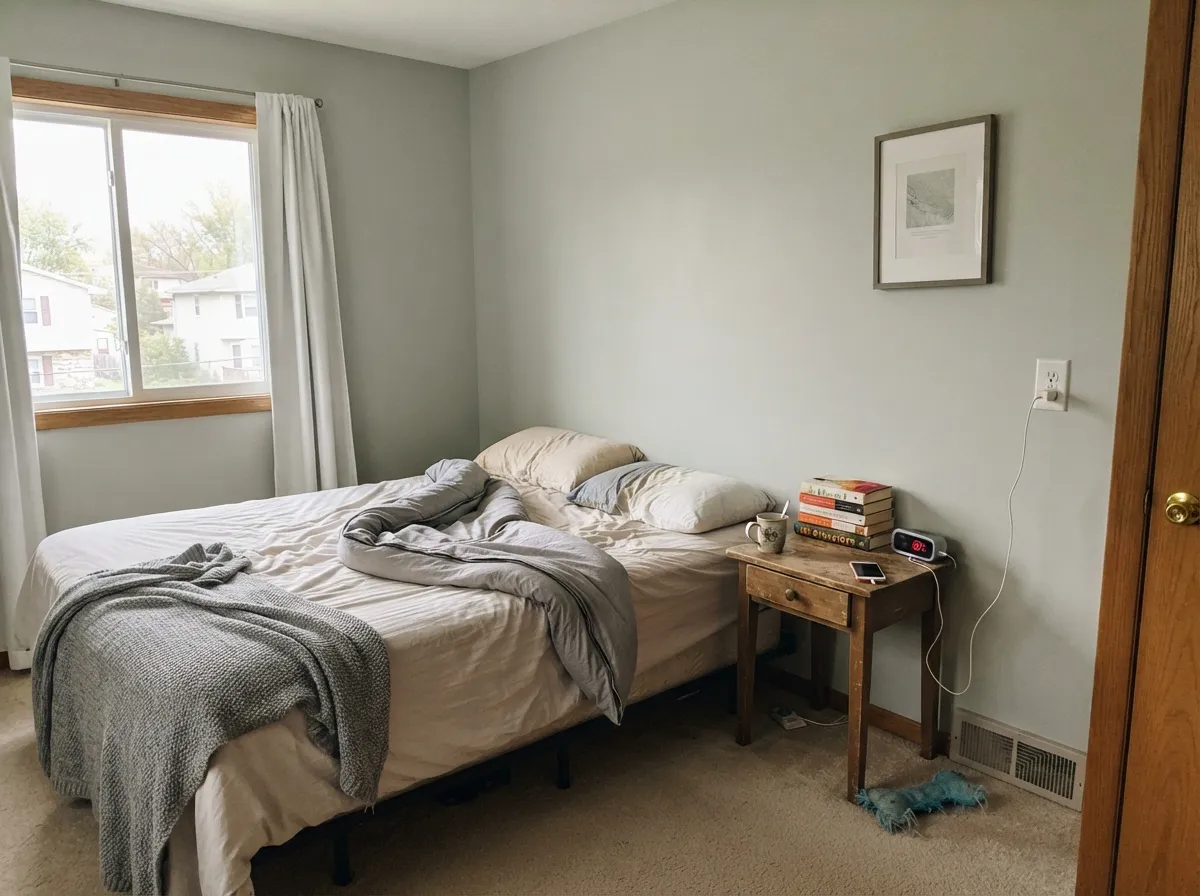
Warm at the sun hours, settles to a quiet neutral gray after. Its sweet spot.
Direct warm sun brings the yellow-green forward. Lovely as soft sage — a problem if you wanted gray.
Cool daylight strips the warmth out and leaves a thin blue-gray. The most regretted room.
2700K lamps: creamier, slightly greener. 3500-4000K: crisp, clean gray. Change bulbs before you change paint.
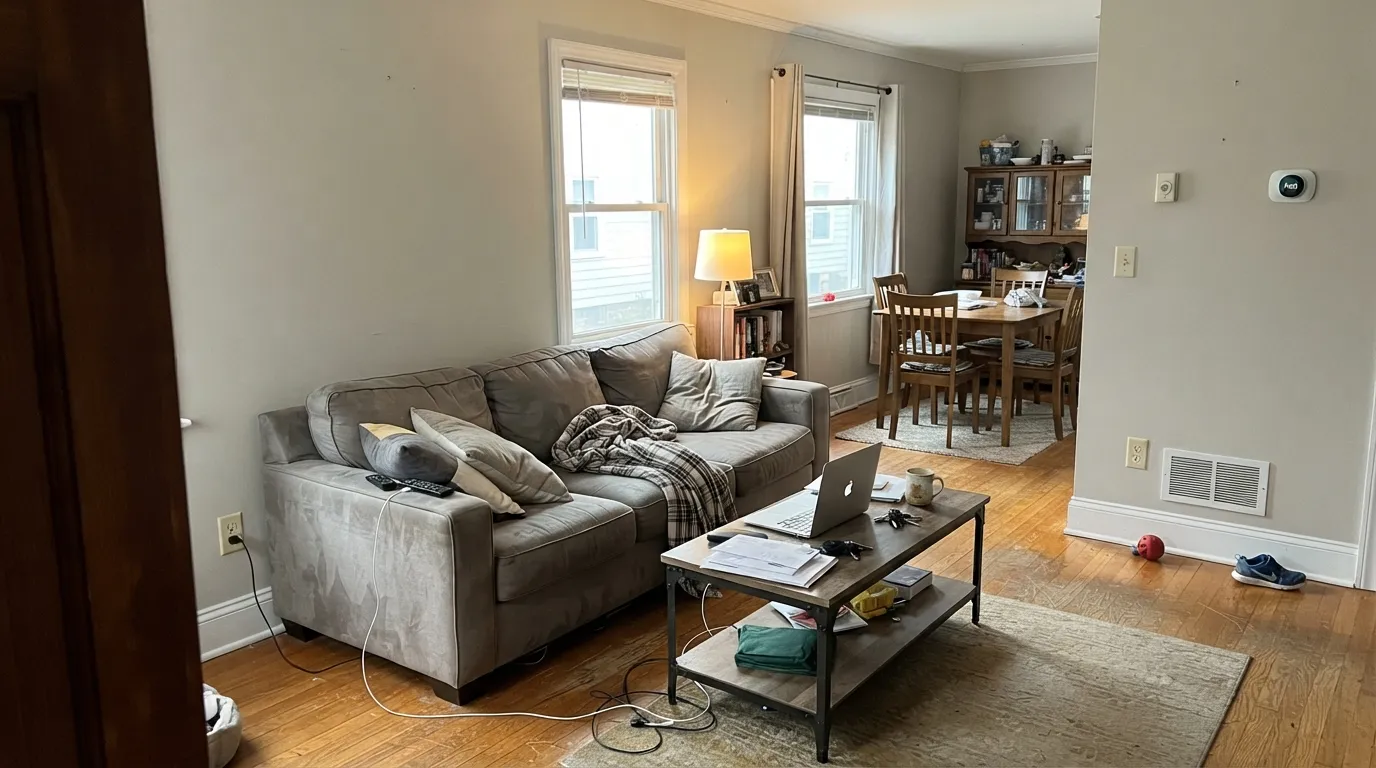
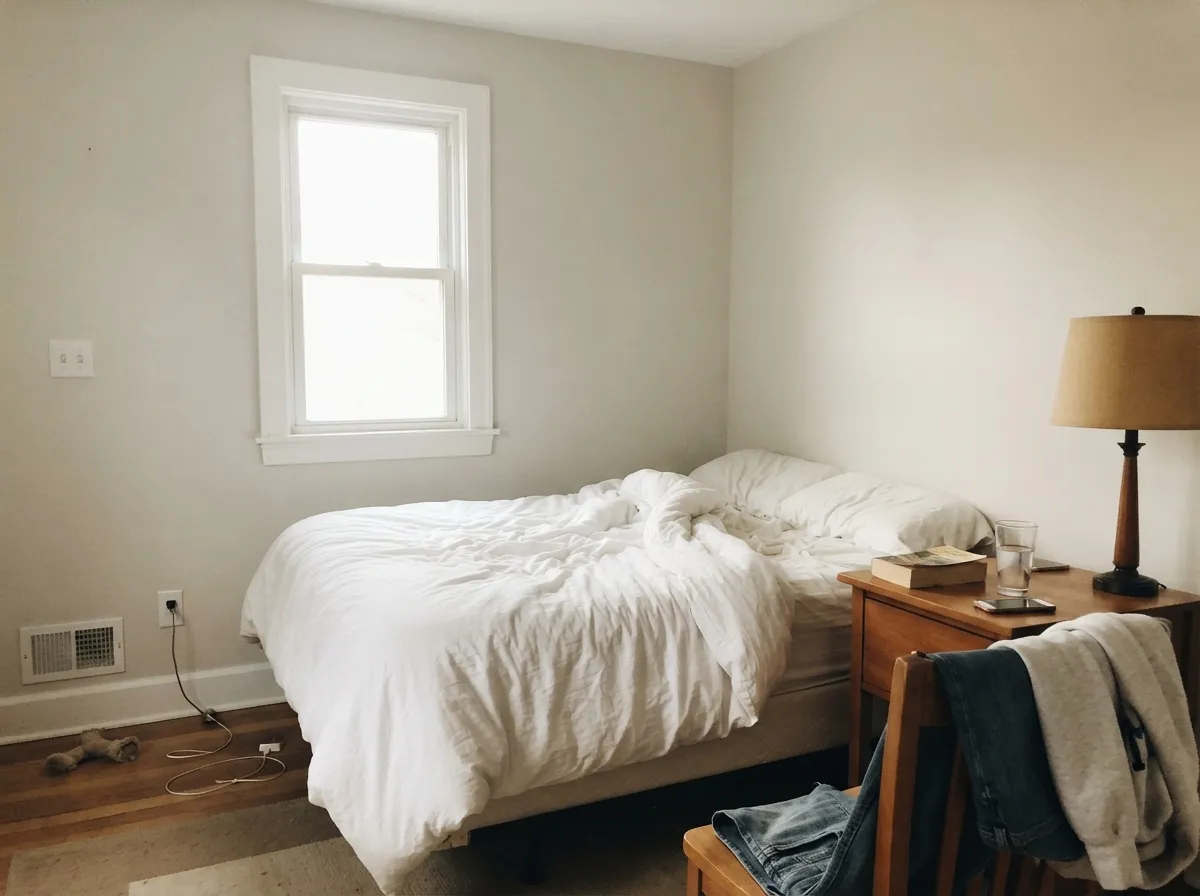
One or two normal windows is its sweet spot: soft, warm, clearly a color. This is the room it was made for.
Cool daylight is where it finally looks like gray. Watch overcast afternoons — that is when mauve can surface.
Strong sun bleaches out the small amount of pigment. Expect off-white, not gray, for most of the day.
Warm 2700K to 3000K bulbs keep it creamy and soft. Cool 4000K LEDs make it drab and pull the violet forward.
Both Colors in Real Rooms
Photos from our full reviews — the same rooms and captions, so you can judge each color where it actually lives, not on a chip.
When to Pick Which
Whole-house walls where one gray has to work everywhere · rooms with steady, even daylight · dark hallways and small rooms that need to feel bigger · anyone who tried a true gray and found it cold
Your room is dim and faces north · you have green-toned floors, tile or quartz · you want a gray that obviously reads gray · your trim is bright white and you want real contrast
Medium-light rooms and whole-house schemes · new builds with a lot of white trim · bedrooms and nurseries · anyone who wants gray without commitment
Your room gets strong all-day sun · you actually want to see gray on the wall · you need contrast against white trim · your lighting is dim with cool LED bulbs
No comparison page can see your light. Upload one photo of your room and try both colors on the same walls, seconds apart.
Gray Owl vs Classic Gray FAQ
Which is lighter, Gray Owl or Classic Gray?
Classic Gray is lighter: LRV 74 vs 65. Classic Gray is slightly lighter (LRV 74 vs 65, 9-point delta).
Which is warmer, Gray Owl or Classic Gray?
They share the same undertone family — both read yellow / warm. The difference between them is lightness and depth, not temperature.
How similar are Gray Owl and Classic Gray?
Gray Owl and Classic Gray are very close (ΔE 3.51). The difference shows up most in side-by-side comparison and under specific light. The only reliable test is seeing both in your own room and light — a side-by-side on a screen or chip flattens the difference.
Can I use Gray Owl and Classic Gray together in one house?
Not in the same room, and be careful in the same house. At ΔE 3.51 they are so close that two walls in each will read as a tinting mistake, not a design choice. Pick one, or keep them on different floors where they are never seen together.
Ask a Question