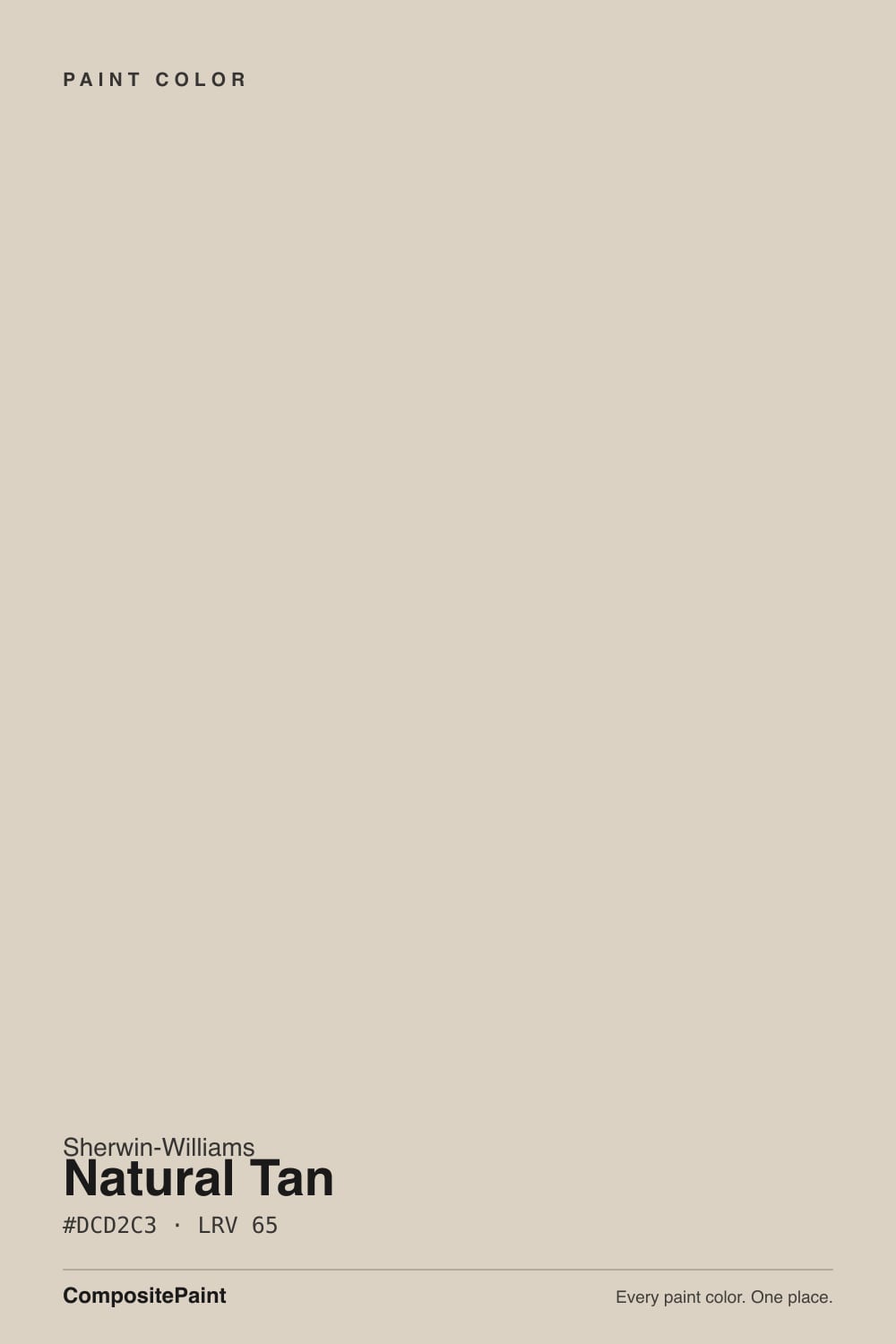
Natural Tan
A grayed tan at LRV 65, reviewed honestly: the whole-house walls where it stays quiet, the north light that turns it pink or flat, and what to pick instead.

Jessica has spec'd whites and neutrals for more than 300 rooms and keeps a sample wall of painted drawdowns in her studio. Every color review is checked against real reader rooms in the comments and re-tested when a formula changes. About the testing process →
- 1Revere Pewter55
- 2Agreeable Gray60
- 3Natural Tan65
- 4Shoji White74
- 5Dover White83
The Fast Verdict
Natural Tan is the color you pick when beige felt too yellow and greige felt too gray. At LRV 65 it sits in the useful middle: light enough to run a whole house, deep enough that cream trim has something to cut against. A faint green-gray in the mix keeps it from going orange, which is why it keeps showing up on oak floors and cream millwork. It is not bulletproof. Cool north rooms can drain the tan and leave gray — or, in the complaint that actually surprises people, a dusty blush.
Whole-house walls with wood floors and cream trim · south and west living rooms · hallways that have to connect rooms · anyone who wants tan without the 1990s yellow
Your room faces north and stays dim · you hate even a hint of pink · your tile or carpet is peachy-orange · you want a color that is obviously beige or obviously gray
- Quiet tan that sits between beige and greige without committing to either
- LRV 65 is a genuine whole-house depth — halls, living, bedrooms, one color
- Grayed enough that afternoon sun does not turn it honey-orange
- Flatters oak, walnut, brass, and cream millwork
- Lighter and cleaner than Accessible Beige in the same room
- North rooms can read dusty pink — the complaint that surprises people
- Cool dim light strips the tan and leaves it gray and flat
- Faint green shows against peachy-orange tile and pink-beige carpet
- The name oversells the tan — it reads more beige than brown
What Color Is Natural Tan, Really?
A tan that borrows from beige and greige without committing to either. The trick is the gray in the mix: most tans are built on yellow-orange that goes honey the minute afternoon sun hits them. Natural Tan carries the warmth, then mutes it with a drop of green-gray, so the wall reads sand instead of caramel. Sherwin-Williams files it in the yellow family, which is technically true and practically misleading — on four walls it behaves like a quiet warm neutral, not a yellow.
At LRV 65 it is a genuine light wall color: seven points lighter than Accessible Beige (LRV 58) and five points deeper than Neutral Ground (LRV 70). That gap is the useful part. It will not wash out the way an off-white does in a bright south room, and it will not close a hallway the way a mid-50s beige can. Designers keep it as a whole-house color for exactly this reason — one depth that carries living rooms, halls, and bedrooms without a handoff. One owner who swapped Accessible Beige for Natural Tan in a small living room said the room felt lighter and fresher almost immediately.
Undertone in one line: warm tan first, a faint green-gray second — never yellow-orange, never pink in the can. If your sample looks blush, that is cool north light, tree canopy, or a big-box color match doing it. If it looks gray, your light is cold. Both versions are the same paint being honest about the room.
Where It Shines
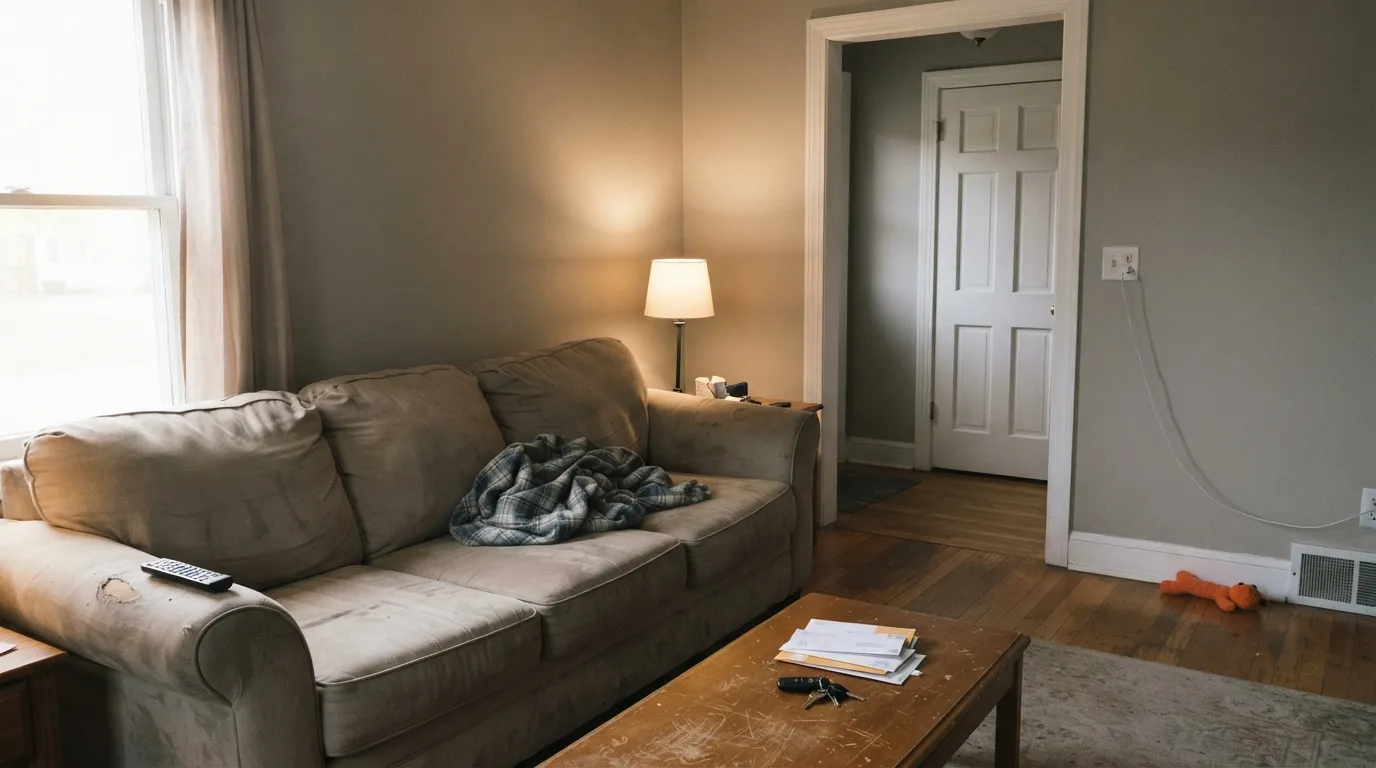
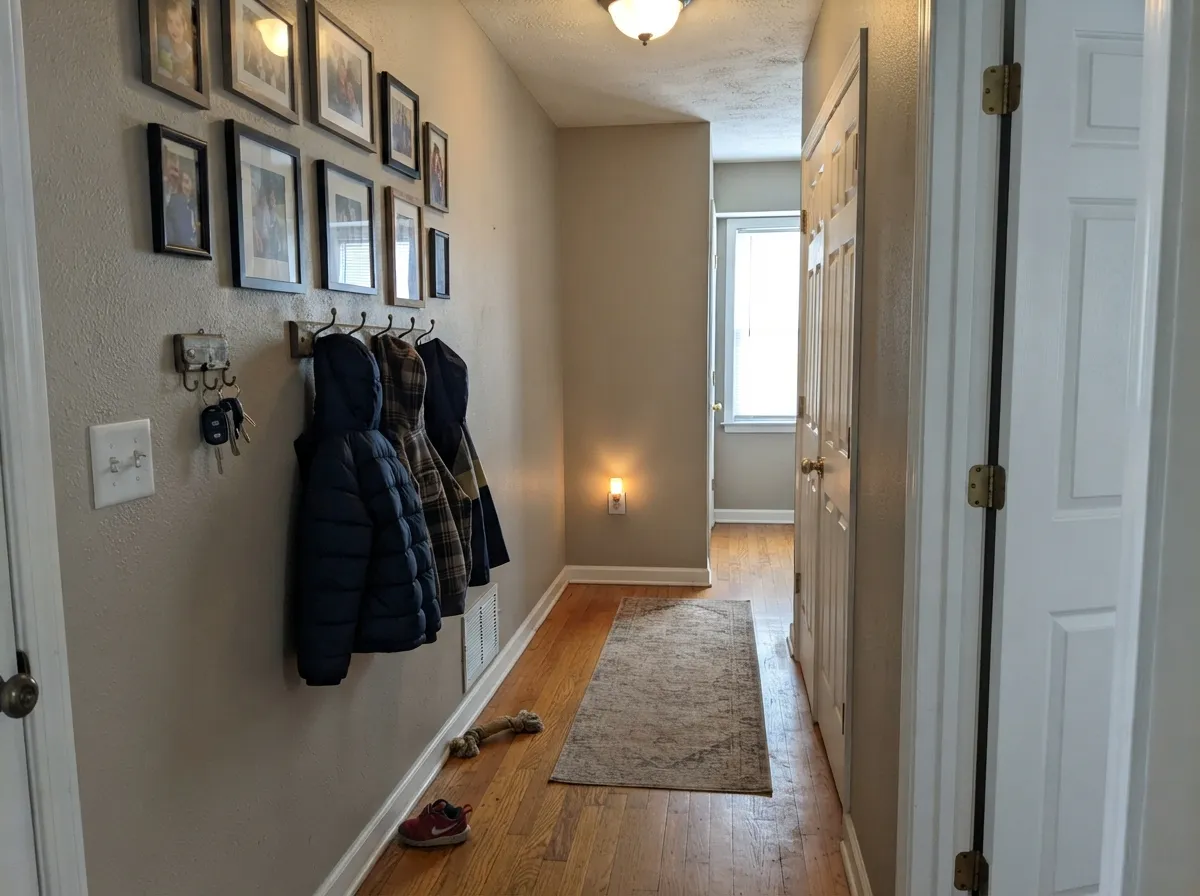
Give it real daylight, wood floors, and a clean white or cream trim and it is one of the easiest whole-house tans in the Sherwin-Williams deck. Open living rooms with south or west windows, hallways that have to connect rooms, bedrooms that should feel finished not decorated. The grayed warmth is why oak, walnut, and brass all sit comfortably against it — the color stays quiet while the wood does the talking.
Where It Fails
Almost every regret story about Natural Tan follows one of three scripts, and all three are visible on a large sample before the first gallon. None of them are the paint's fault — but if your room matches one, this is not your tan, and a second coat will not fix it.
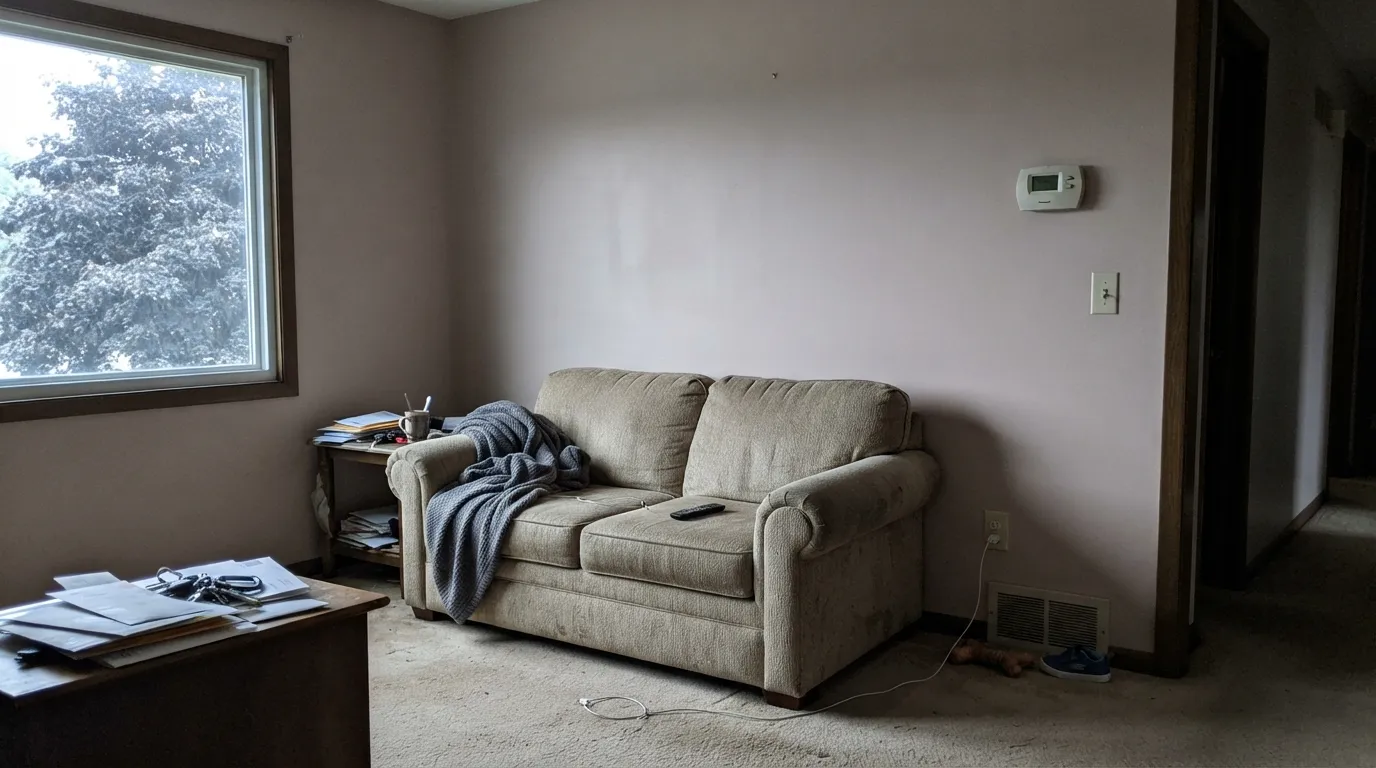
Cool north light — especially through trees — is the complaint that actually stings. Owners who sampled a tan and committed to gallons report dusty-pink walls most of the day, gray for a few minutes at noon. One realtor who used it in a listing said the bright room went '90s pinky beige.' The can is green-grayed tan, not pink; the room is doing it. Sample a large board in that north room for several days. If blush is a dealbreaker, this is not your color.
When there is not enough warmth in the daylight, the gray-green base takes over and the tan you bought goes flat. Readers call it cooler and duller than the chip. This is the same north-light problem Accessible Beige has, just a step lighter. Warm 2700K lamps help. If the room stays dim and you refuse lamps, pick a creamier beige — Neutral Ground (LRV 70) holds more yellow in cool light.
The faint green undertone is a wallflower until it meets its complement. Orange-pink tile, salmon laminate, and very yellow builder beige next door will pull the green forward. Oak and walnut are fine; peachy floors and pink-beige carpet are not. If the orange is staying, Kilim Beige is the beige that was built for it.
Room by Room
In south or west daylight it is the calm tan that makes oak, leather, and brass look chosen. Eggshell on the walls; Pure White on the trim in semi-gloss. In a north-facing living room, sample two walls for a full day — this is where the blush and the gray both show up.
LRV 65 is the reason people paint an entire main floor this color. Halls, stairs, and open plans carry without a handoff, and the grayed warmth does not clash with whatever the bedrooms wear. This is where Natural Tan earns its keep.
Warm counters, oak or walnut, brass, cream cabinets: all of it loves this color. Keep it on the walls and let Alabaster or Pure White take the cabinets unless you specifically want a tan kitchen. Satin on any painted millwork.
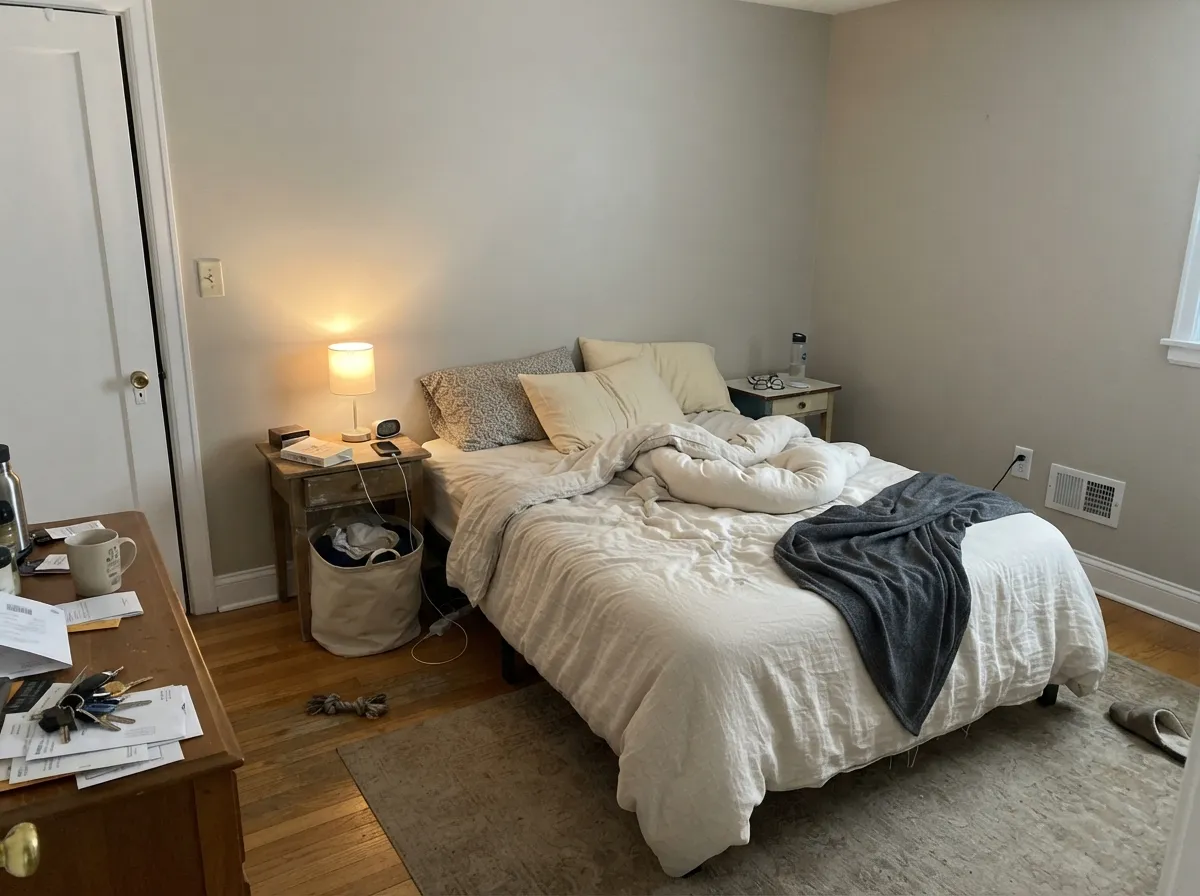
Soft, restful, not a color you have to decorate around. Under 2700K bulbs it turns gently tan at night. If the bedroom faces north and stays dim, the gray comes forward — Neutral Ground is the safer beige there.
With warm tile, wood vanities, and brass: easy. With peachy-orange tile or pink-beige cultured marble: the green undertone shows, and you will hate it. Sample against the actual tile, not the chip.
Full sun bleaches a color this light toward a pale, slightly dusty beige, and the tan you liked indoors goes missing from the street. A shaded porch ceiling can work. For siding, go deeper or pick a true exterior beige and walk around the house with a sample first.
Your Light Is the Risk
Warm sun all day keeps the tan present without tipping yellow. This is the light the color was bought for — whole-house safe.
Cool daylight can strip the tan and leave gray — or a dusty blush, especially through trees. Sample a large board here for several days.
Warmer at the sun hours, quieter and slightly grayer after. West afternoon is the coziest read; east rooms go flatter after noon. The shift is gentle, not a new color.
2700K lamps: cozier, more clearly tan. Cool LEDs above 3500K flatten it toward gray — swap bulbs, not paint.
Most complaints about Natural Tan are a light mismatch. Upload a photo of your actual room and see it on your walls — then ask for the same wall in north light or evening lamps before you buy a single sample.
Need It From Another Brand?
Any paint counter can custom-tint Sherwin-Williams SW 7567 directly. If you would rather stay in one brand's own deck, these are the closest stock matches, measured as ΔE2000. Under 2 is a difference you will not see on the wall.
| Brand | Closest color | ΔE | LRV | |
|---|---|---|---|---|
| Behr | Roman PlasterPPU7-10 · Behr | 1.0 | 65 | Color page → |
| Benjamin Moore | Elmira WhiteHC-84 · Benjamin Moore | 1.2 | 65 | Color page → |
| Valspar | Warm Putty6006-1A · Valspar | 1.0 | 64.8 | Color page → |
| PPG / Glidden | Gray BeigePPG14-30 · PPG / Glidden | 1.3 | 65 | Color page → |
| Glidden | Papyrus Paper50YY 65/071 · Glidden | 1.6 | 65 | Color page → |
| Dutch Boy | Existence420-1DB · Dutch Boy | 1.8 | 63 | Color page → |
Similar Sherwin-Williams Colors
The nearest shades to Natural Tan within Sherwin-Williams's own range, ranked by perceptual color distance — useful when you want the same look a touch lighter, darker, or warmer.
WCAG 2.1: AA is 4.5 : 1 for normal text, 3 : 1 for large text, AAA is 7 : 1.
Natural Tan vs the Colors You're Also Considering
Every Natural Tan sample board has the same rivals on it. The numbers show the real lightness gap — then it comes down to which risk you would rather live with.
Pick this when Accessible Beige closed the room in and you want the same idea a step lighter and cleaner.
Sherwin-Williams SW 7036 · LRV 58Accessible BeigePick this if you want more body and a greiger read — it is seven LRV points deeper and the default warm neutral until the light goes cool.
Pick this when Kilim Beige is too orange and you want tan that stays quiet next to cream trim.
Sherwin-Williams SW 6106 · LRV 57Kilim BeigePick this if you truly want beige — it is the one that saves honey oak, and it does not hide the warmth.
Taupe of the Morning SW 9590 at LRV 65 is the closest neighbor in lightness, but its hex #DAD2C6 holds a little more blue, so it leans greige where Natural Tan leans sand. Canvas Tan SW 7531 at LRV 64 goes the other way with more yellow at #DCD1BF. Natural Linen SW 9109 at LRV 66 is a shade lighter and very close in character.
Across brands, HGTV Home by Sherwin-Williams sells the same color as Natural Tan HGSW 4019 at LRV 65 with a deltaE of 0, so it is identical. Rodda Wool CA031 at LRV 64 is 0.57 and C2 Benchmark C2-801 at LRV 64 is 0.83, both close enough to swap without noticing.
Behr Roman Plaster PPU7-10 at LRV 65, Valspar Warm Putty 6006-1A at LRV 64.8, and Benjamin Moore Elmira White HC-84 at LRV 65 land between 1.01 and 1.23, so all three look visually identical in normal room light. Farrow and Ball Off-White No. 3 at LRV 66 measures 3.29, which is very close but worth sampling first.
Natural Tan Coordinating Colors
The rule for coordinating with Natural Tan is simple: stay on the warm-to-neutral side of the fence, and give it a clean white rather than a yellow cream. It flatters oak, walnut, muted sage, and warm blacks — and it argues with peachy-orange tile, icy gallery whites, and anything that wants to pull the green. These are the partners that keep showing up in rooms that work:
The Name Is a Little Wrong
Natural Tan sits in the Sherwin-Williams deck between Westhighland White (SW 7566) and Neutral Ground (SW 7568) — a three-chip run of warm, sandy neutrals, not a trend color. It has never been Color of the Year. It is not a TV-show beige. What it is, is a designer-blog staple: the tan Kylie M Interiors and others keep recommending when a client wants warmth without the yellow that dated 1990s beige.
The name oversells the brown. Reviewers keep saying it out loud: this is closer to a grayed beige than to a brown-orange tan, and a more honest label would be Natural Beige. That gray backdrop is the whole reason it works as a whole-house color — it stays quieter than Kilim Beige, cleaner than Manchester Tan, and lighter than Accessible Beige. If you came here because the chip looked like a true tan, live with a large sample. The wall is softer, sandier, and less brown than the name promised.
Natural Tan With Wood Tones and Floors
This decision gets made at the floor, and the short answer is: most warm wood loves it. Medium oak, walnut, hickory, and butcher block all sit comfortably against Natural Tan because the gray in the paint meets their warmth halfway instead of doubling it. Honey oak — the orange builder stain that fights cool grays — is acceptable here in a way it is not with Repose Gray; the green-gray in Natural Tan tamps the orange rather than amplifying it.
The honest no is peachy: salmon laminate, pink-beige carpet, orange-pink tile. Those finishes pull the faint green undertone into the room, and no amount of coats fixes geometry. Red-toned cherry is a maybe, not a yes — sample it, because red bounce can do the same green trick Accessible Beige is famous for. Cool gray LVP is the other test: it can make the walls look slightly yellow by comparison. A large rug and brass usually fix that; a whole-house gray floor may not.
Metals are easy. Unlacquered brass, antique bronze, and matte black all work. Polished chrome is the only one that leans a little cold against it.
Three Ready Palettes Built on Natural Tan
A color is never alone on the wall. These are complete combinations in the 60-30-10 pattern, with the reason each one holds together. Every one opens in the visualizer.
Pure White is the trim designers actually put next to this color — clean enough to cut, warm enough not to make the walls look dingy. Black Fox supplies the single dark note the scheme needs without going blue-black.
Try this palette in your roomAlabaster is the cabinet white that flatters wood and brass; against Natural Tan it reads cream, not stark. Evergreen Fog on the island is the muted sage that belongs with a grayed tan — restful, not a theme kitchen.
Try this palette in your roomWesthighland White is the chip sitting next to Natural Tan in the deck — an honest warm white that cuts without going icy. Retreat adds one muted green-gray note so the room does not read as all tan.
Try this palette in your roomNatural Tan FAQ
Is Natural Tan warm or cool?
Warm — the quiet kind. A drop of green-gray keeps the tan from reading yellow-orange, which is why it behaves more like a modern neutral than a 1990s beige. In cold light it drifts toward gray, and in some north rooms it can flash blush. It never reads icy.
What trim white goes with Natural Tan?
Pure White is the default — clean contrast, no cream fight. Extra White if you want a crisper cut; Westhighland White or Alabaster if you want the edge softer. A stark gallery white is fine; a very creamy yellow-white can make the walls look dingy by comparison. Semi-gloss on the trim, eggshell on the walls.
Natural Tan or Accessible Beige?
Same family, different depth. Accessible Beige (LRV 58) is the greiger, more grounded default; Natural Tan (LRV 65) is lighter and cleaner, which is why people repaint small rooms from Accessible Beige into this and feel the air come back. If your rooms are already bright, Accessible Beige has more body. If they felt closed-in, start here.
Does Natural Tan work with oak floors?
Yes — oak, walnut, and most medium woods are this color's natural company. Honey oak is acceptable in a way it is not with violets and cool grays, because the gray in Natural Tan tamps the orange instead of amplifying it. The honest no is peachy-orange laminate or pink-beige carpet, which pull the green undertone forward.
Will Natural Tan look pink?
It can, and that is the review you should take seriously. The paint is not pink — it is a green-grayed tan — but cool north light, tree canopy, and some bright rooms have pushed it dusty-blush on real walls. A few of those stories were Lowe's color-matches, not true SW 7567, so buy it at Sherwin-Williams. Either way, live with a large sample in the actual room before you commit.
Can I use it on cabinets or a whole house?
Whole-house walls are the main use: LRV 65 carries halls and open plans without a color change. Cabinets work in satin if you want a tan kitchen, but most people keep Natural Tan on the walls and put Alabaster or Pure White on the boxes. It is a weak exterior siding color — full sun washes it out.
Have you painted with Natural Tan?
Rate it — one tap helps the next reader decide.
Ask a Question