Basil
The deep, earthy olive-green Sherwin-Williams built for cabinets and moody rooms, reviewed honestly: where it glows next to wood and terracotta, the exact light where it goes muddy, and what to pick instead.

Jessica has spec'd whites and neutrals for more than 300 rooms and keeps a sample wall of painted drawdowns in her studio. Every color review is checked against real reader rooms in the comments and re-tested when a formula changes. About the testing process →
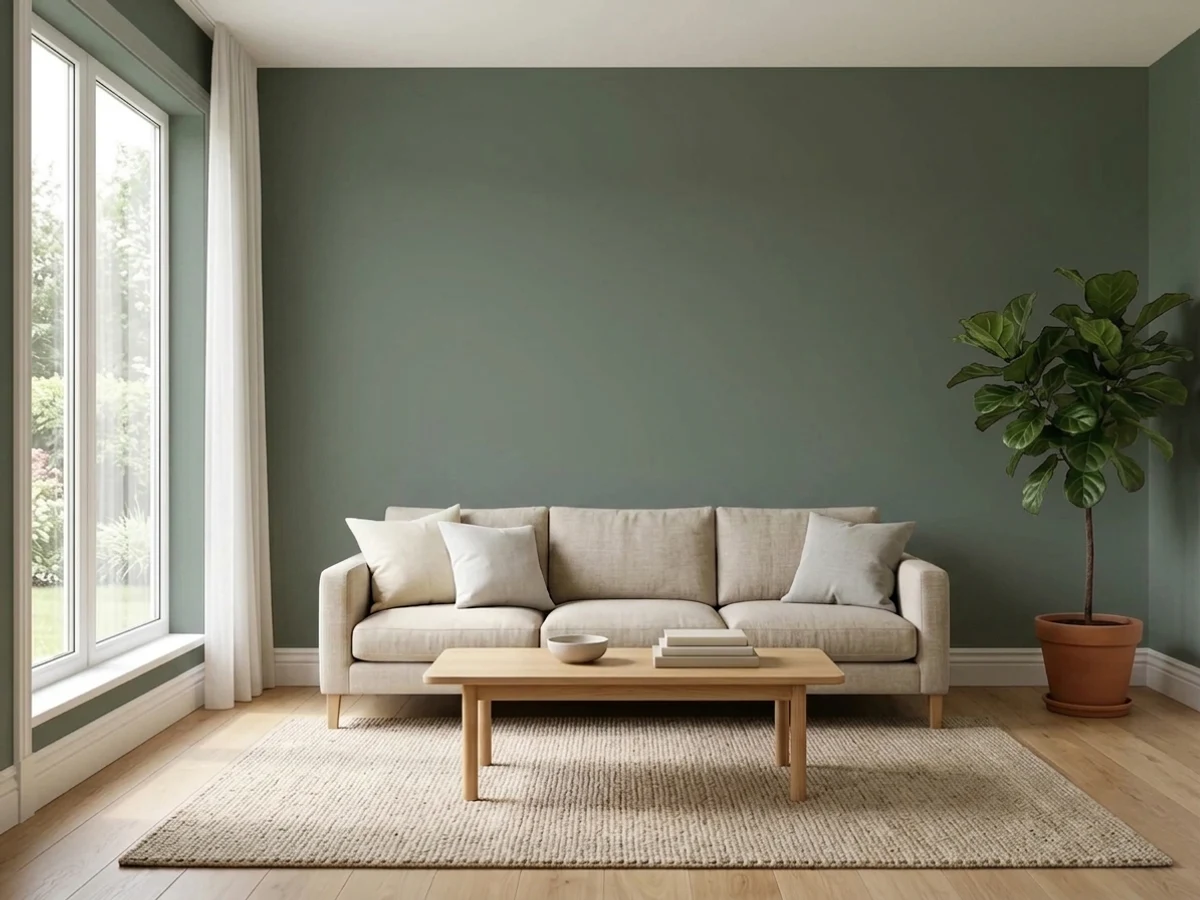
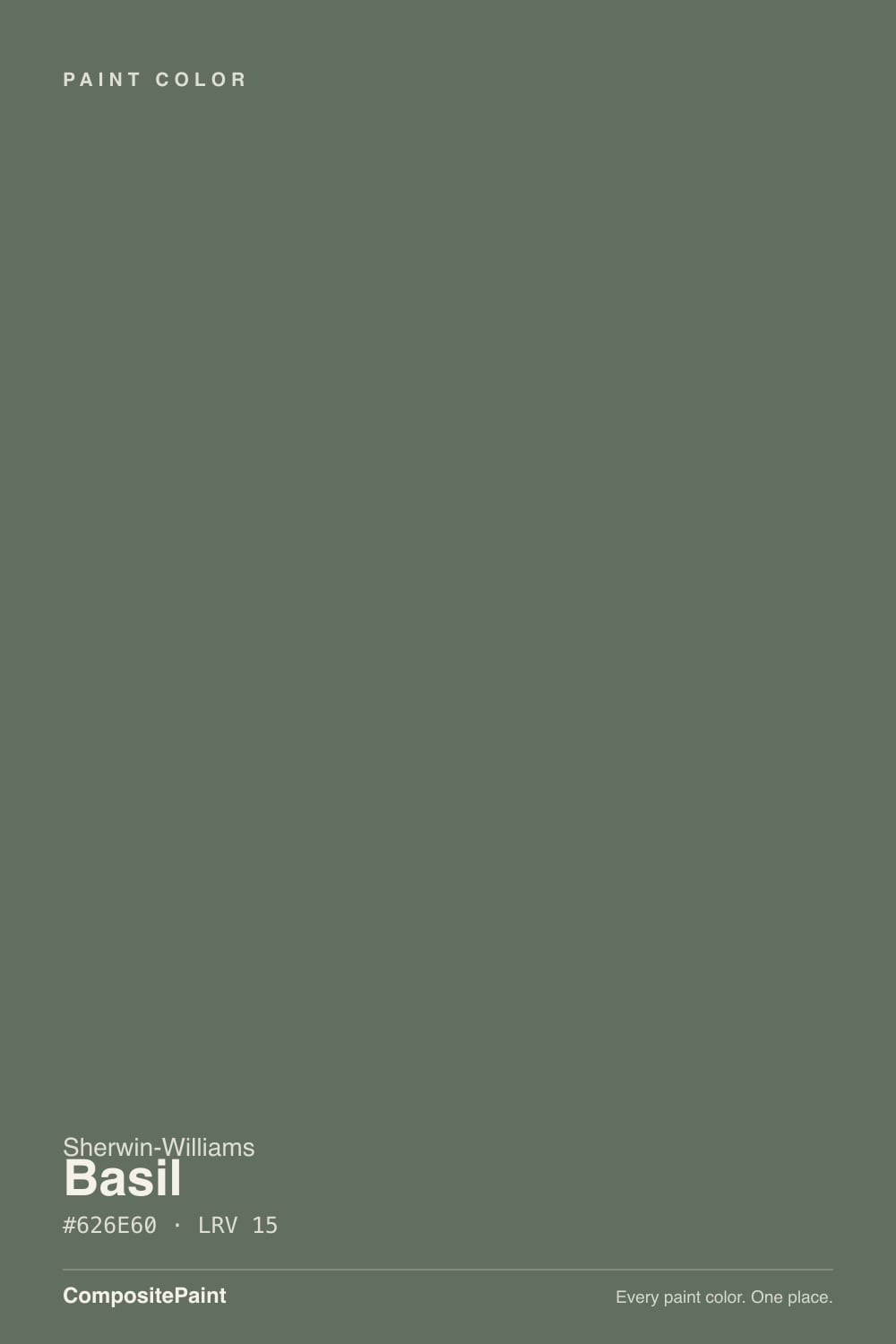
- 1Black Emerald1
- 2Essex Green6
- 3Basil15
- 4Sage Green22
- 5Evergreen Fog30
The Fast Verdict
Basil is the green you reach for when "sage" feels too safe and "forest" feels too loud. It's a deep, warm olive with a whisper of brown — no blue, no gray pretending to be neutral — so it sits happily next to terracotta, brass and butcher block instead of fighting them. At LRV 15 it is genuinely dark: gorgeous on cabinets and a front door, honest about needing daylight anywhere it covers four walls.
Kitchen and bathroom cabinets · a front door or shutters · a den or office with real daylight · anyone who wants green without it reading gray or blue
Your room stays dim most of the day · you want a true saturated grass-green · your countertops or trim run icy cool · you're chasing a Color of the Year name (that was Evergreen Fog, not this one)
- Genuinely warm olive-green — no blue, no gray pretending to be neutral
- Reads rich and expensive on cabinets, vanities, and doors
- Pairs naturally with brass, butcher block, terracotta and burnt orange
- Deep enough (LRV 15) to hold real color under kitchen lighting
- An earthy alternative to the sage-green wave that won't look like everyone else's kitchen
- Goes near-black and muddy in a dim or north-facing room
- Too dark for most full-wall use without real daylight
- Clashes with cool white trim and icy gray stone
- Not a saturated green — disappoints buyers picturing grass or emerald
What Color Is Basil, Really?
A deep, earthy olive-green built on a warm brown base — not the blue-green of a spa color, not the ashy gray-green of a true sage. Sherwin-Williams groups it with the nature-inspired, organic-modern greens that took over kitchens once the all-gray decade ended, and it's easy to see why designers reach for it on an island before they reach for it on a whole room: the color has enough brown in it to read like a material — bronze, leather, aged wood — rather than a straight hue. Some retail write-ups mix Basil up with Sherwin-Williams' 2022 Color of the Year; that title actually belongs to Evergreen Fog, a lighter, grayer cousin. Basil never had the marketing moment, and it doesn't need one — its reputation comes from cabinet painters, not awards.
At LRV 15 it is a genuine dark color, close in depth to Rosemary and Pewter Green (both LRV 12) and noticeably deeper than lighter cabinet sages like Dried Thyme (LRV 21) or Evergreen Fog (LRV 30). That depth is the whole appeal on cabinetry — it reads rich and expensive under kitchen lighting — and the whole risk on walls, where a room with one small window can swallow the color into near-black by late afternoon.
Undertone in one line: warm olive with a brown lean — never blue, never a true cool gray. In shade it can look almost khaki or army-green; in strong sun it turns a richer, more herbal green. If your sample reads flat and lifeless, that's a light problem, not a paint problem.
Where It Shines
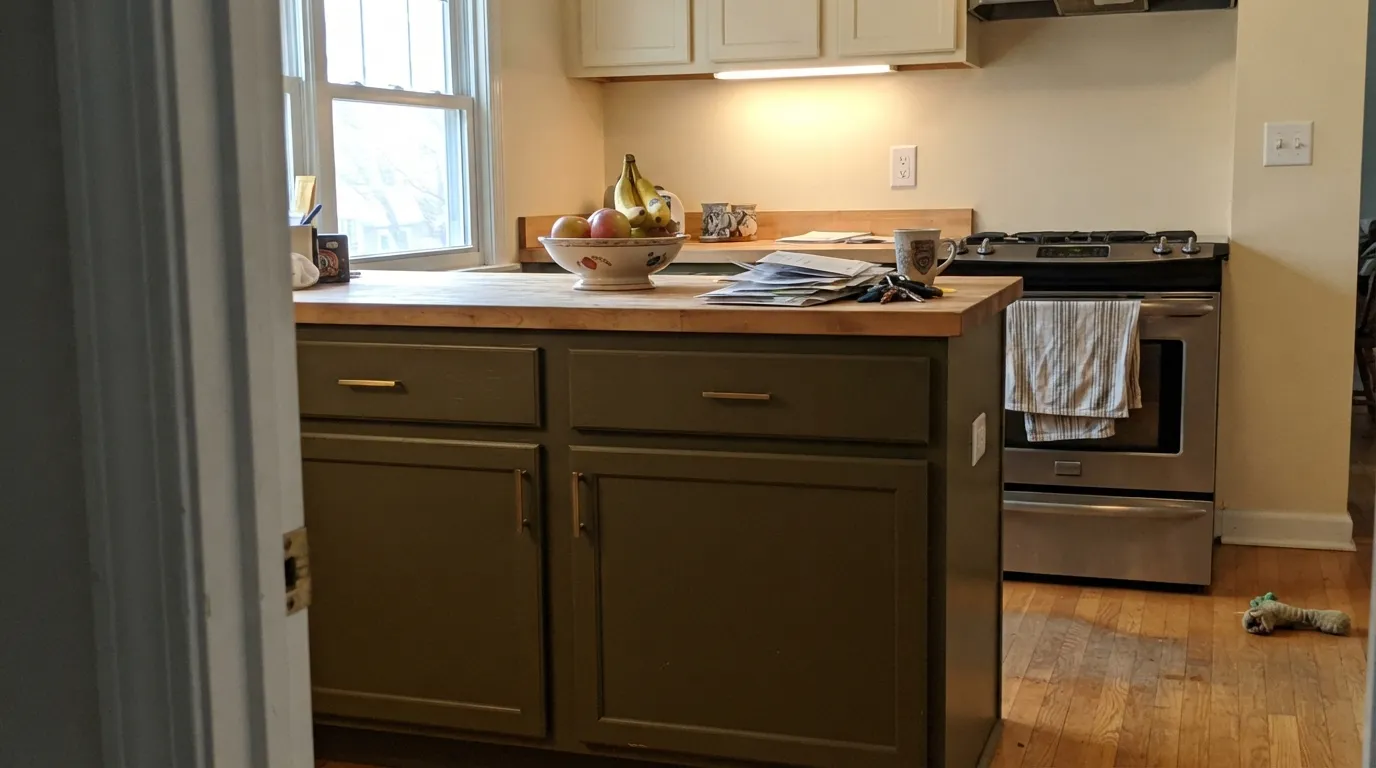
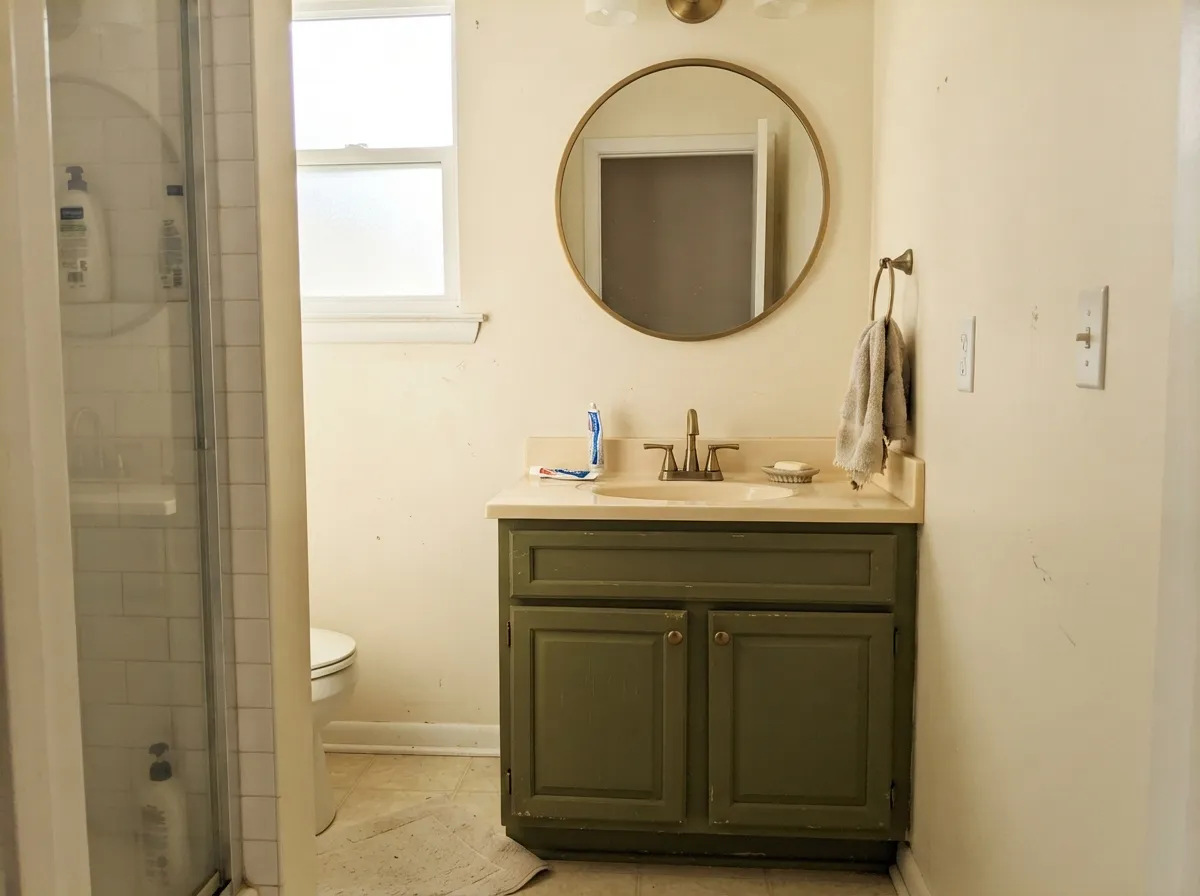
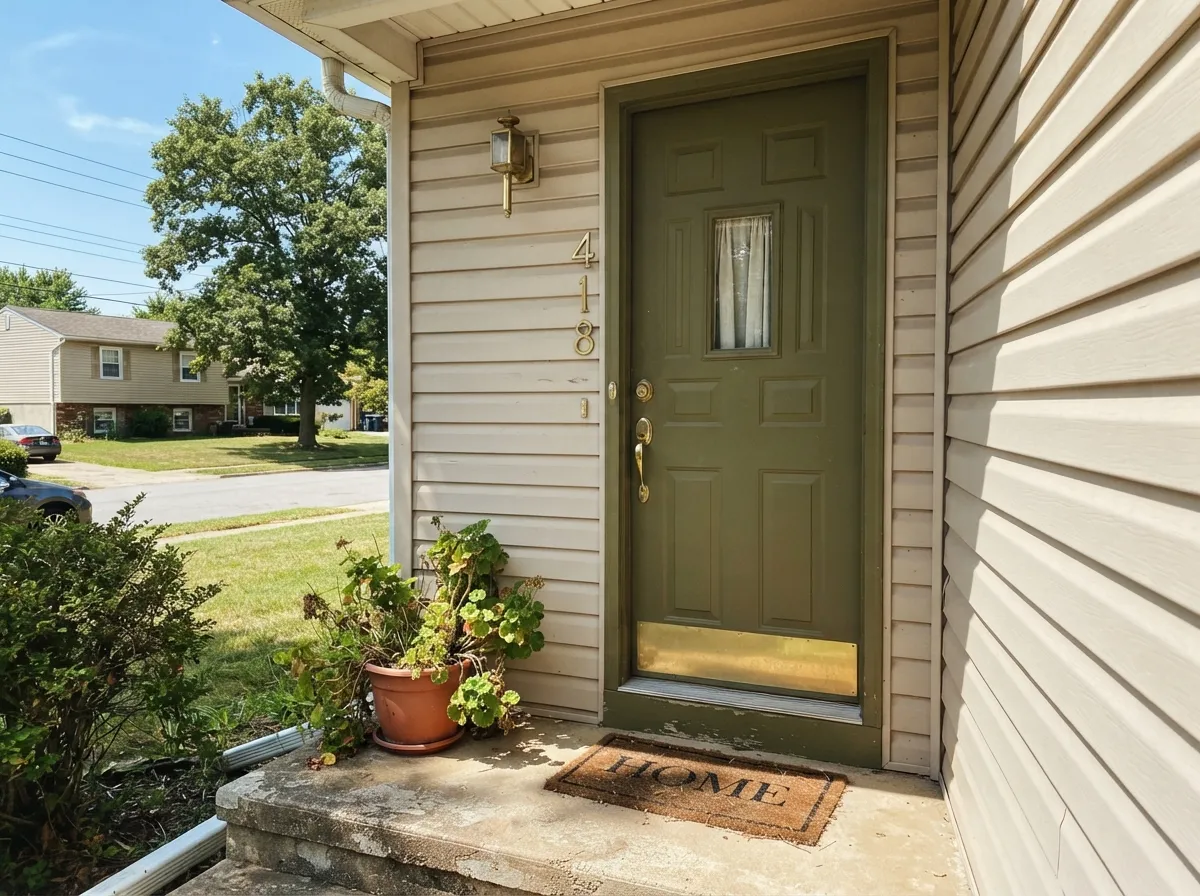
Give it cabinets, a door, or a room that sees real daylight and Basil earns its name. It's a natural on kitchen islands and bathroom vanities against warm wood and brass, and it's one of the few greens confident enough to sit next to burnt orange or terracotta without a fight. On a front door or exterior shutters it reads sophisticated rather than trendy — the brown undertone keeps it from looking like a seasonal accent color.
Where It Fails
Almost every regret story about Basil traces back to one of three situations, and all three are predictable before the first coat. None of them are the paint's fault — but if your room matches one, this is not your green, and a bigger sample will only confirm it.
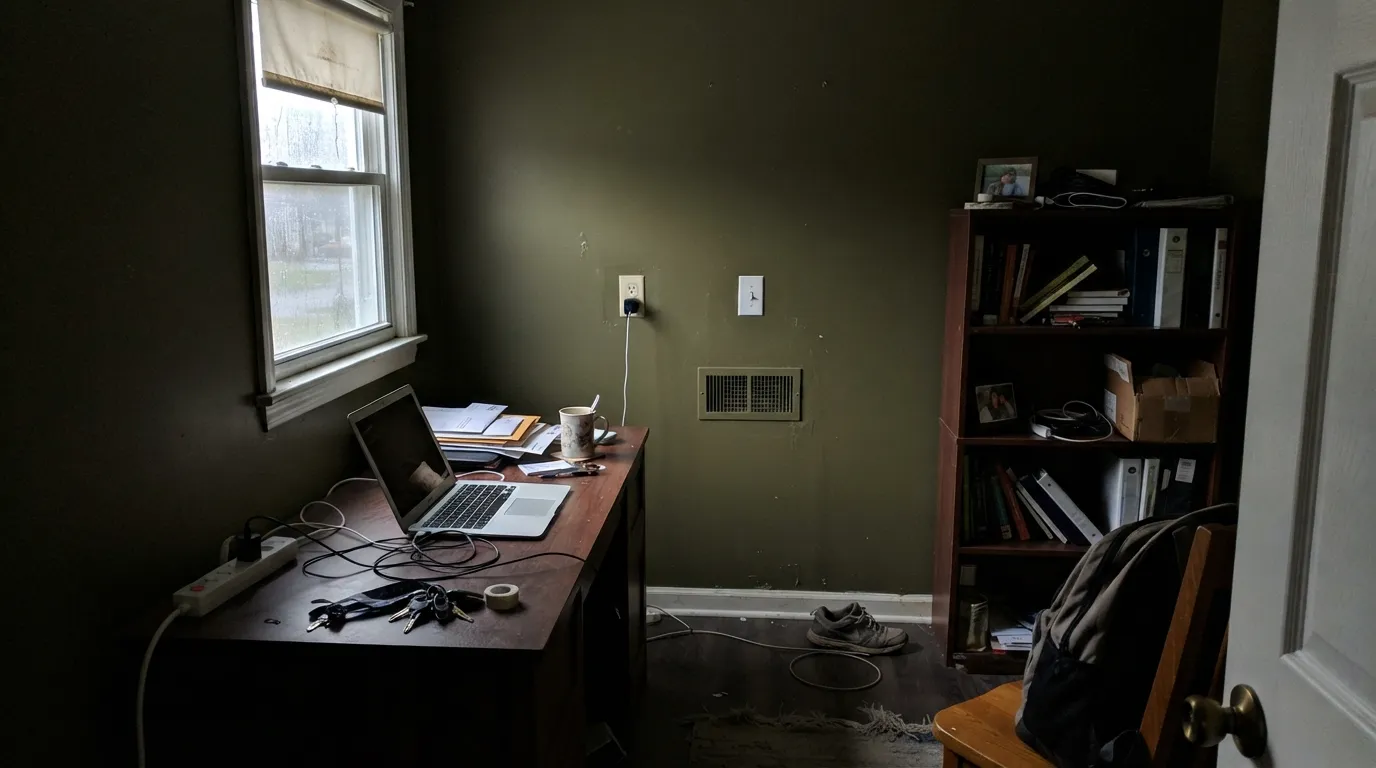
LRV 15 is already dark; take away daylight and Basil stops reading as green at all — it goes near-black, muddy, and hard to tell apart from a plain charcoal wall. This is a cabinet-and-accent color first; committing four walls of a dim room to it is the single most common regret.
The warm brown undertone argues with icy whites and blue-gray stone the same way any warm color does — the trim looks sterile, the green looks muddier than it should. Pair it with a warm white like Dover White or Natural Linen instead, and warm-toned quartz or butcher block on the counters.
Basil is muted and earthy by design — closer to olive than to grass. Buyers picturing a vivid kelly green end up disappointed by how gray-brown it reads in person. If saturation is the point, this one is built for subtlety, not brightness.
Room by Room
Against butcher block, brass and warm quartz it's the color cabinet painters get asked for by name. Satin cabinet enamel wipes clean and hides fingerprints better than a pale sage would.
A single Basil vanity under a warm-white countertop and brass hardware reads like a design-fee decision. Full walls in a small windowless bath are the one place to hesitate — see the fails section.
Low, warm light flatters it the way it flatters any dark color; a west-facing office with afternoon sun is close to ideal. A north-facing office with no lamps will feel like working in a cave.
Beautiful as an accent wall or built-in bookcase color with warm wood and brass lamp light. A full room needs south or west exposure to stay green instead of sliding to black by evening.
Reads as a sophisticated dark green against most siding colors, and the brown undertone keeps it from looking like a trend color that will date. Full sun brightens it noticeably compared to how it reads indoors.
As a full exterior body color it needs a house that gets consistent daylight; on the shaded side it can read nearly black. Where it works, pair it with a warm white trim, not a stark cool one.
Your Light Is the Risk
Full daylight keeps the olive-green alive and lets the brown undertone show instead of muddying it. The light this color was built for.
Cool, dim daylight collapses the color toward black. On four walls this is the single most common complaint.
Herbal and green at midday, deeper and more brown-black as the light drops in the evening. Expect real movement over the course of a day.
Warm 2700K bulbs keep the brown undertone glowing; cool LEDs flatten it toward gray-charcoal. Use warm bulbs anywhere this color has to work at night.
Most complaints about Basil are a light mismatch. Upload a photo of your actual room and see it on your walls — then ask for the same wall in north light or evening lamps before you buy a single sample.
Need It From Another Brand?
Any paint counter can custom-tint Sherwin-Williams SW 6194 directly. If you would rather stay in one brand's own deck, these are the closest stock matches, measured as ΔE2000. Under 2 is a difference you will not see on the wall.
| Brand | Closest color | ΔE | LRV | |
|---|---|---|---|---|
| Behr | TerrariumN400-6 · Behr | 1.7 | 14 | Color page → |
| Benjamin Moore | Enchanted Forest700 · Benjamin Moore | 1.5 | 15 | Color page → |
| Valspar | Puddle JumperT606 · Valspar | 1.4 | 15.3 | Color page → |
| PPG / Glidden | Gunmetal GrayPPG1033-6 · PPG / Glidden | 2.7 | 15 | Color page → |
| Glidden | Gunmetal GrayPPG1033-6 · Glidden | 3.4 | 14 | Color page → |
| Dutch Boy | Preserved Moss327-6DB · Dutch Boy | 1.3 | 14 | Color page → |
Similar Sherwin-Williams Colors
The nearest shades to Basil within Sherwin-Williams's own range, ranked by perceptual color distance — useful when you want the same look a touch lighter, darker, or warmer.
WCAG 2.1: AA is 4.5 : 1 for normal text, 3 : 1 for large text, AAA is 7 : 1.
Basil vs the Colors You're Also Considering
Every Basil sample board has the same rivals on it. The numbers show the real lightness gap — then it comes down to which risk you would rather live with.
Pick this for the warmer, browner green that actually likes brass and warm wood.
Sherwin-Williams SW 6208 · LRV 12Pewter GreenPick this for a cooler, grayer green that reads more neutral against gray stone and cool whites.
Pick this for real depth and drama — Evergreen Fog is a chameleon; Basil commits.
Sherwin-Williams SW 9130 · LRV 30Evergreen FogPick this for a lighter, more forgiving cabinet sage that can handle more of a room, not just an island.
Within the Sherwin-Williams deck, Rosemary (SW 6187) at LRV 14 is a near neighbor that leans warmer and more olive, so it looks earthier where Basil stays cool. Succulent (SW 9650) at LRV 14 pulls slightly toward blue-green. Rocky River (SW 6215) at LRV 15 is cooler again and closer to a green-teal. Homburg Gray (SW 7622) at LRV 15 and Storm Warning (SW 9555) at LRV 14 both sit at the same depth with most of the green removed, and Thunderous (SW 6201) at LRV 15 tips warm gray. Across brands, HGTV Home by Sherwin-Williams Fresh Balsam (HGSW 3252) is an exact match at a deltaE of 0, and Dunn-Edwards Windswept Willow (DEPF03) at 0.73 is effectively the same color. Dutch Boy Preserved Moss (327-6DB) at 1.33, Valspar Puddle Jumper (T606) at 1.38, and Benjamin Moore Enchanted Forest (700) at 1.53 are visually identical in normal room light. Farrow and Ball Douter (No. 318) at 3.33 is very close but worth sampling first.
Basil Coordinating Colors
The rule for coordinating with Basil: warm whites, brass, and earthy accents — keep cool grays and icy whites at arm's length. It's happiest next to terracotta, aged wood and other muted greens from its own family. These are the partners that keep showing up in rooms that work:
Basil and the Earthy Green Wave
Basil didn't get a Color of the Year moment — that credit went to its lighter, grayer cousin Evergreen Fog in 2022 — but it's been quietly riding the same shift away from cool gray kitchens toward warmer, nature-inspired palettes. Where Evergreen Fog reads as a chameleon sage that can cover a whole room, Basil stays committed to its depth and its brown undertone, which is exactly why it shows up on cabinets and doors more often than walls.
That's not a demotion. A color that only works in the right light and the right room is still the right color for a lot of kitchens — it just isn't a whole-house answer, and it was never trying to be one.
Basil With Wood Tones and Metals
Warm wood is this color's best friend: butcher block, walnut, and honey-toned oak all read as intentional pairing partners rather than accidents, because the brown in Basil meets the wood halfway. Cool, gray-washed wood is the one flooring or countertop that fights it — the two undertones pull in opposite directions and the room ends up looking unfinished.
Metals follow the same warm logic: unlacquered brass and aged bronze are the classic match, matte black works as a quieter contrast, and polished chrome or nickel is the one hardware finish that reads cold against it.
Three Ready Palettes Built on Basil
A color is never alone on the wall. These are complete combinations in the 60-30-10 pattern, with the reason each one holds together. Every one opens in the visualizer.
Dover White's cream base keeps the room bright enough for Basil's darkness to read as intentional, not heavy, and Cavern Clay's terracotta warmth is the exact partner the olive undertone was built for.
Try this palette in your roomWhite Dove keeps the room's one bright surface soft instead of stark, and Peppercorn's neutral dark gives the built-ins weight without competing with the green — the room ends up moody, not murky, as long as there's a lamp.
Try this palette in your roomNatural Linen's warmth matches Basil's undertone instead of fighting it, and Pure White trim gives the eye a clean line to rest on — the same warm-to-dark logic that makes the color work indoors.
Try this palette in your roomBasil FAQ
Is Basil a warm or cool green?
Warm — it's built on a brown base, not a blue one. That's what lets it sit comfortably next to brass, wood and terracotta instead of reading cold like a blue-green spa color.
Is it good for kitchen cabinets?
One of its best uses. At LRV 15 it reads rich and deep under kitchen lighting without going flat, and it flatters butcher block, brass hardware and warm quartz. Use a satin urethane-fortified cabinet enamel.
What wall or trim white goes with Basil?
A warm white — Dover White or Natural Linen — keeps the pairing coherent. A stark cool white or icy gray makes the green look muddy by contrast.
Will it work in a room with little natural light?
Not as a full wall color. LRV 15 is already dark, and without daylight it collapses toward black. Save it for cabinets, doors, or accent walls in rooms that do get real light, and add warm lamps at night.
Basil or Pewter Green — which one?
Pewter Green is cooler and grayer, a safer match for gray stone and cool whites. Basil is warmer and browner, and the better pick next to brass, wood and terracotta. Both need real daylight if you're covering more than an accent.
Does it work on exterior doors and shutters?
Yes — it's one of the more sophisticated dark exterior greens because the brown undertone keeps it from reading as a trend color. Expect it to look noticeably brighter and greener in full sun than it does indoors.
Have you painted with Basil?
Rate it — one tap helps the next reader decide.
Ask a Question