Silver Strand
The Fixer Upper gray-green-blue, reviewed honestly: why it can't decide what color it is, the light that turns it cold, and what to pick if you actually want plain gray.

Jessica has spec'd whites and neutrals for more than 300 rooms and keeps a sample wall of painted drawdowns in her studio. Every color review is checked against real reader rooms in the comments and re-tested when a formula changes. About the testing process →
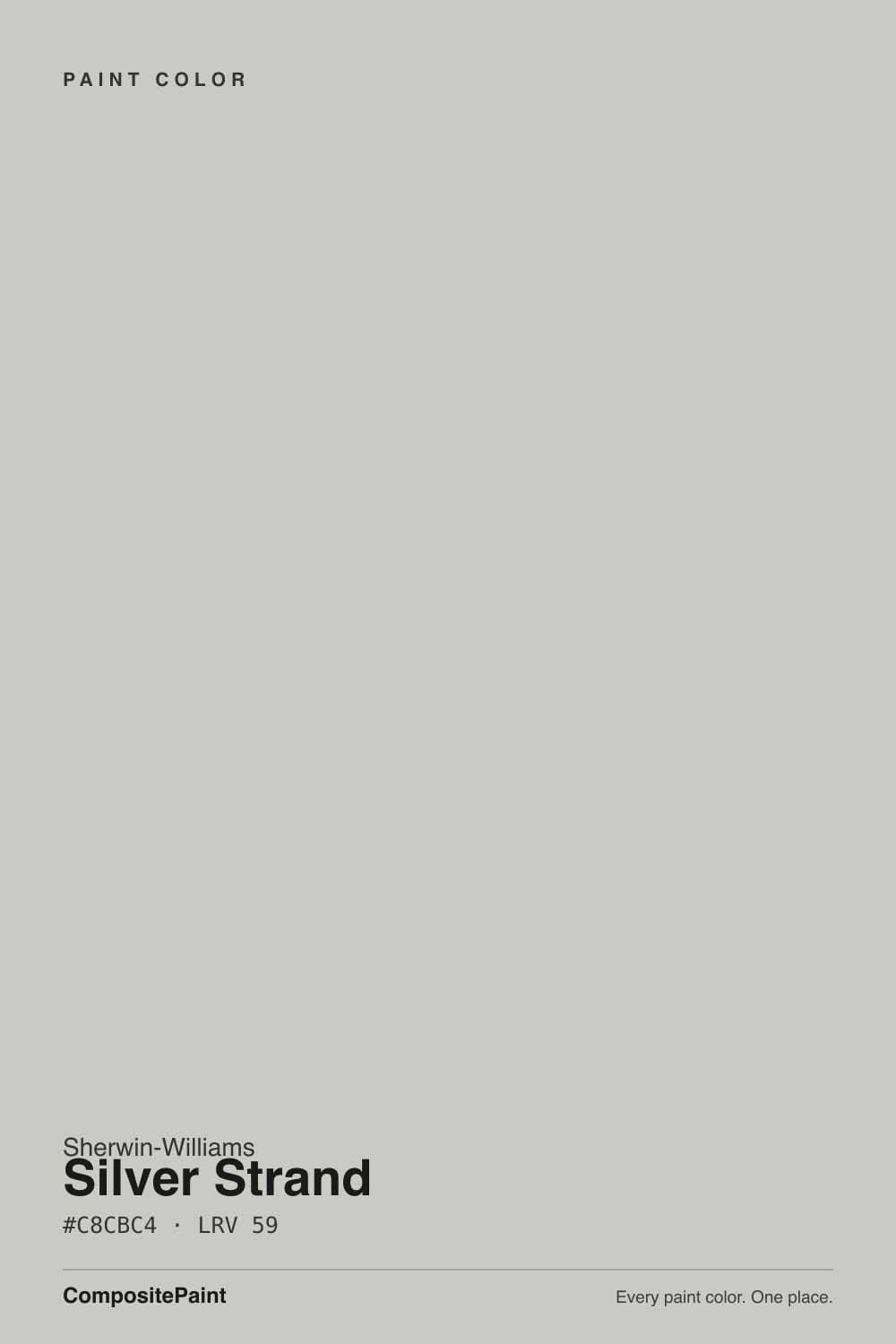
- 1Stardew43
- 2Quietude48
- 3Silver Strand59
- 4Gray Owl65
- 5Glass Slipper70
The Fast Verdict
Silver Strand is a gray built on two competing pigments — a little green, a little blue — and depending on the hour, the room, and your bulbs, one of them wins. In bright, warm light it settles into a soft sage-gray that reads coastal and calm. In cool, indirect light the blue takes over and it goes watery, almost spa-blue. Both versions are genuinely lovely. The complaint pattern is always the same: buyers who wanted a plain, well-behaved gray get a color with opinions.
Spa-feel bathrooms and laundry rooms · coastal and modern-farmhouse exteriors · hallways that need one neutral to carry a whole floor · anyone chasing the early-Fixer-Upper gray-green look
You want a paint-chip-plain gray with zero drama · your room is small, north-facing and lit with cool LEDs · your floors or cabinets lean orange or cherry-red · you can't sample a large swatch before committing the whole house
- Genuinely versatile — reads sage-gray, spa-blue, or plain neutral depending on the room
- The color behind the classic modern-farmhouse exterior look (Fixer Upper fame)
- LRV 59 keeps rooms bright without going stark
- Excellent in bathrooms and laundry rooms — the spa read is real
- Pairs cleanly with white oak, black shutters, navy accents
- Not a plain gray — the number-one source of buyer regret
- Turns cold and flat in small north-facing rooms with cool LEDs
- Fights orange-toned or cherry-red wood
- A 3-inch chip can't show you which undertone will win in your room
What Color Is Silver Strand, Really?
Silver Strand carries two undertone pigments at once — a green and a blue — and unlike most "greige" colors that blend their two influences into one stable read, this one lets each pigment take turns. Sherwin-Williams files it as a neutral, but reviewers who've lived with it agree on the chameleon description before they agree on anything else: walk into the same room at different times of day and you'll swear it's a different paint. That instability is also its fame. Joanna Gaines reached for it repeatedly on early seasons of Fixer Upper, and it became one of the signature grays of the modern-farmhouse look that show popularized — soft, weathered, a little beachy, never stark.
At LRV 59 it sits in the middle of the deck: light enough to keep a room from feeling closed in, deep enough to read as an actual color rather than an off-white. In bright, warm daylight — south-facing rooms, afternoon sun, a warm bulb at night — the green pigment steps forward and the wall reads like soft sage fog, the exact "greenest gray" some owners rave about. In cool or indirect light — north windows, overcast days, cool-white LEDs — the blue pigment wins instead, and the same wall reads watery spa-blue, sometimes cold enough that small rooms are described as hospital-like. Both are the same paint being honest about the light it's given.
Undertone in one line: green and blue in a near-tie, gray only when the light is neutral enough to let neither win. A 3-inch fan-deck chip cannot show you this swing — it shows you one moment of light. Sample a large piece of poster board and watch it across a full day before you commit a whole room.
Where It Shines
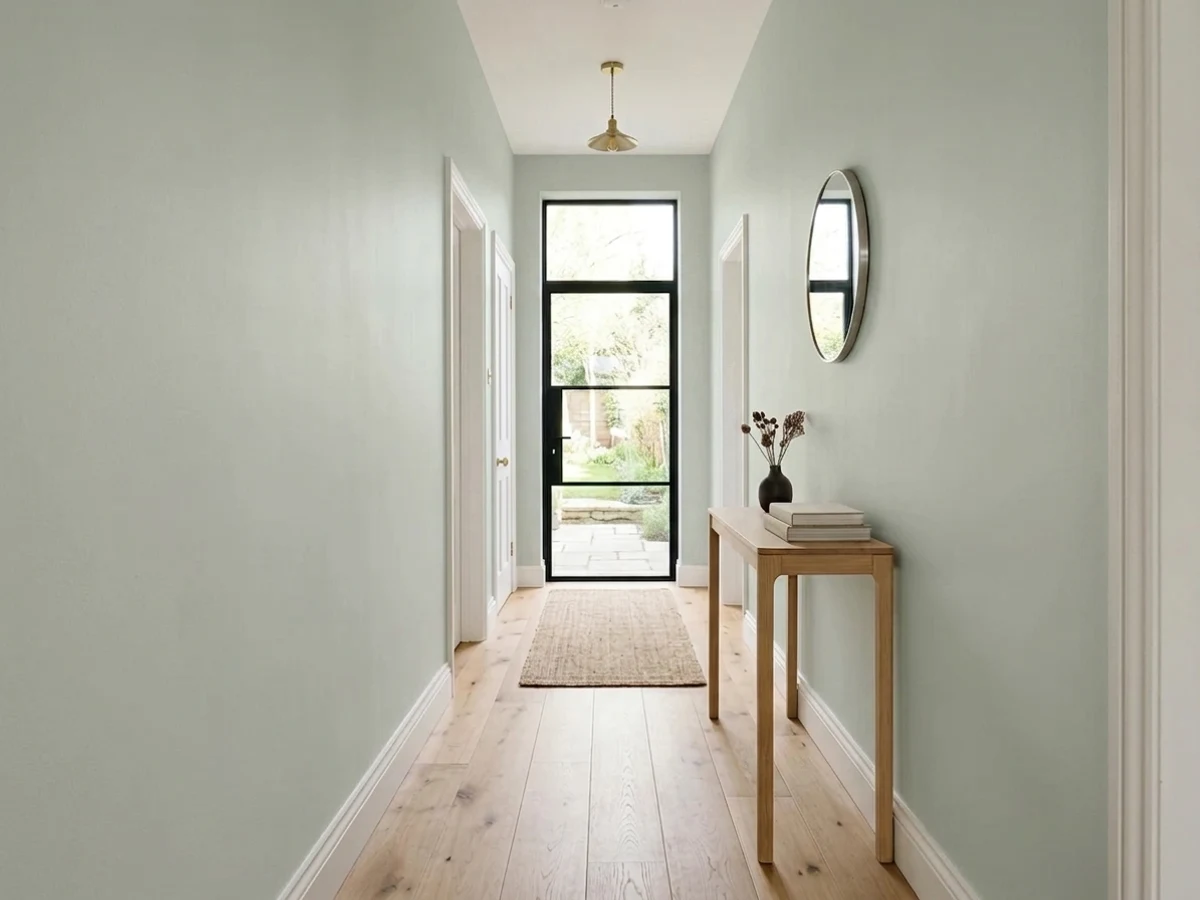
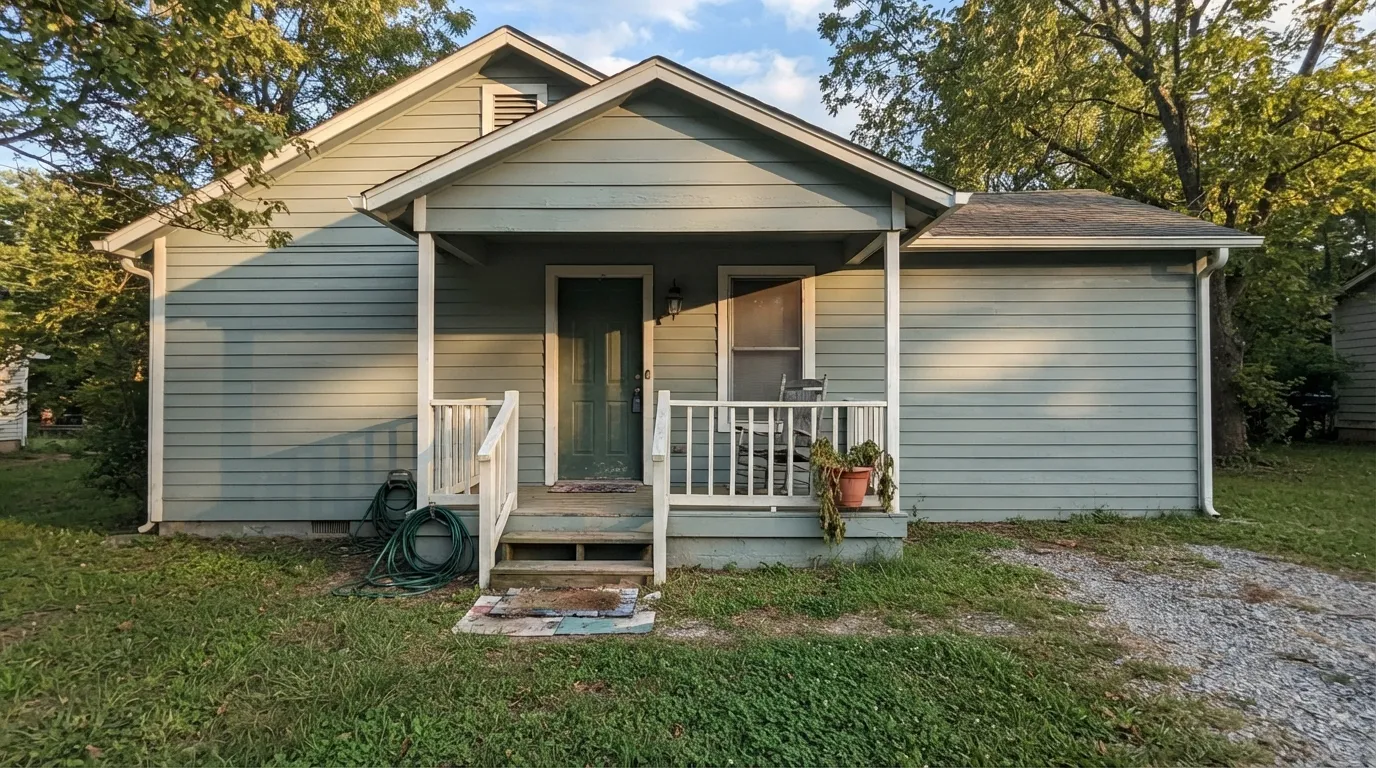
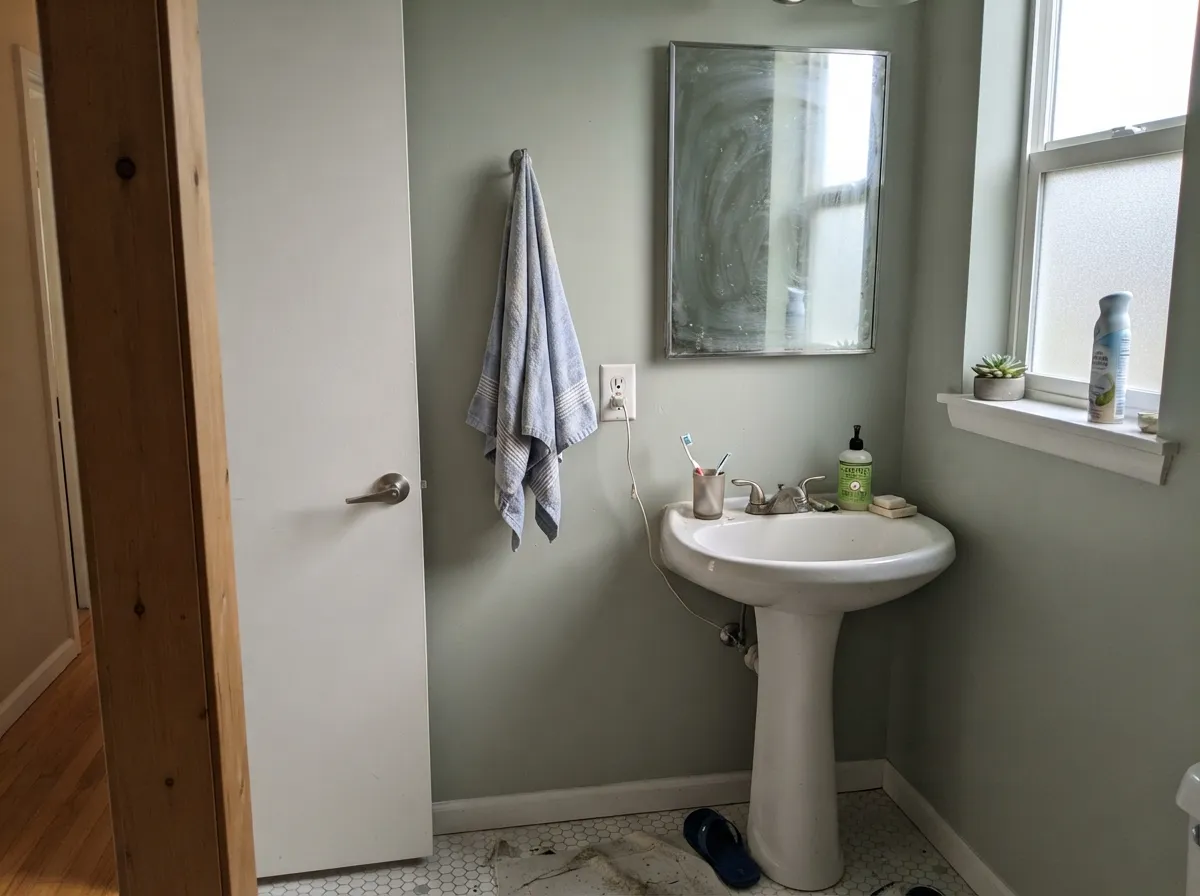
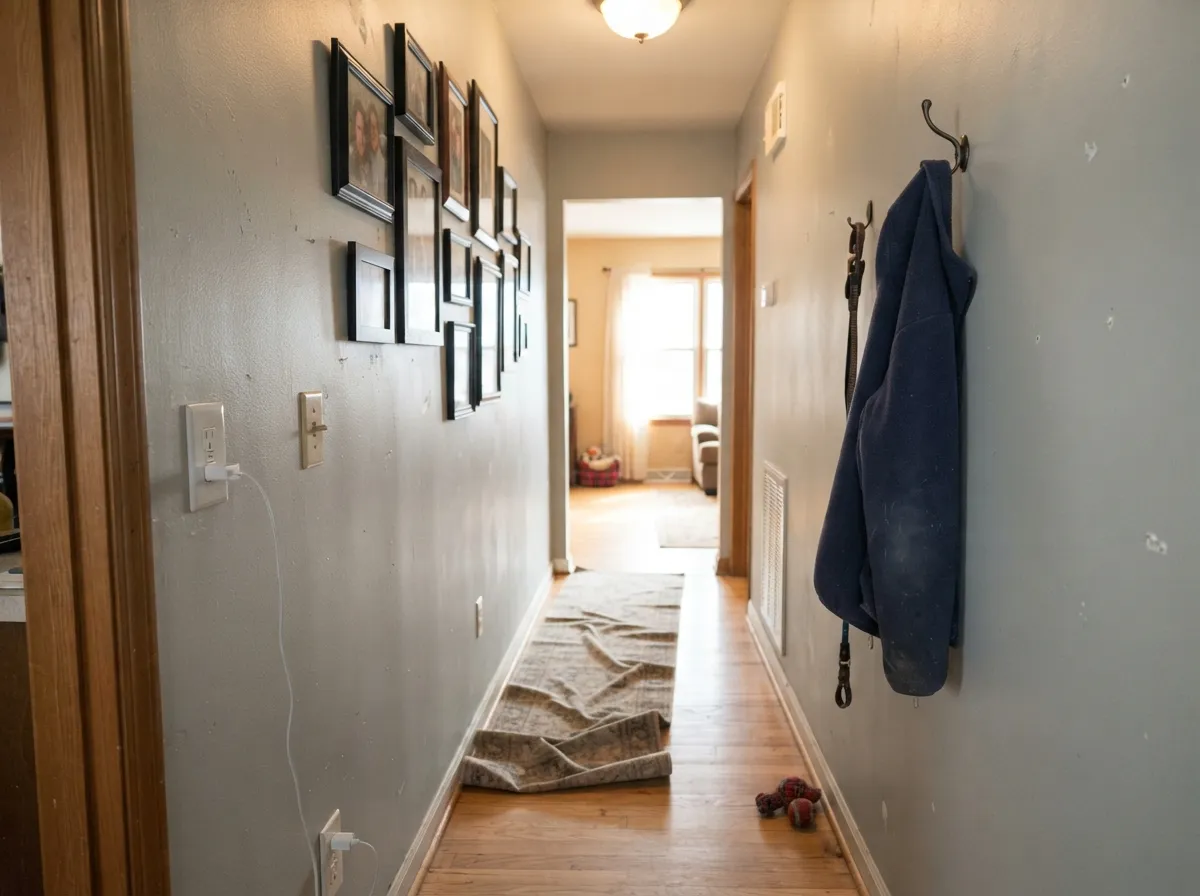
Give it a bathroom or a coastal-leaning house and it earns its reputation. Small bathrooms and powder rooms take the green-gray side beautifully — spa-calm, airy, the color that makes a builder-grade tile job look intentional. Outside, it's the classic Fixer Upper exterior: siding in Silver Strand, white trim, black shutters, and the wall reads weathered and collected rather than gray-gray. Hallways and laundry rooms are its quiet third home — enough personality to feel finished, neutral enough to hand off to whatever color lives in the rooms on either side.
Where It Fails
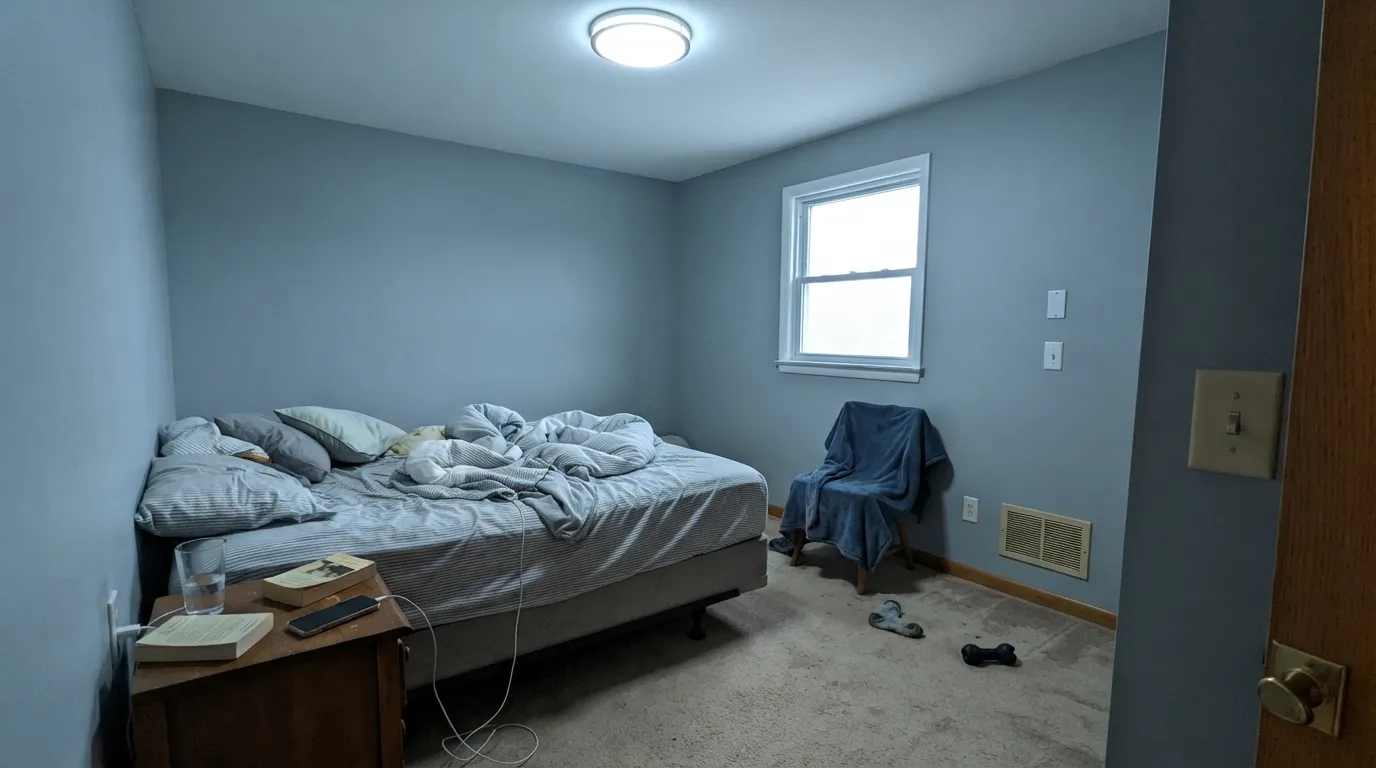
Nearly every disappointed review of Silver Strand traces back to one of three situations, and all three are predictable before the first coat goes on. None of them are the paint failing — but if your room matches one, this chameleon will show you its worst side.
This is the single most common complaint, almost word for word: "I wanted gray and got green" or "this is not gray, it's blue." Silver Strand was never a plain gray — it's two pigments taking turns — and no amount of extra coats settles the argument. If you want a gray that stays put, this isn't it; look at SW Repose Gray instead.
Cool light and cool bulbs both push toward the blue pigment at once, with nothing warm in the room to counter it. Owners describe the result as flat, cold, almost clinical — "hospital gray" is the phrase that comes up. Swap to warm 2700K bulbs before you blame the paint; if the room stays dim and north-facing regardless, pick a warmer neutral.
Honey-orange oak, red cherry cabinetry and orange-stained trim sit close to Silver Strand's green pigment on the color wheel and create a muddy fight — the wood looks duller, the wall looks murkier, and neither wins. White oak, gray-washed floors, walnut and painted trim all get along with it fine; strongly orange wood does not.
Room by Room
Small bathrooms and powder rooms take the spa read beautifully; the blue-green shift feels intentional rather than confusing when the room is already about water and calm. Satin or semi-gloss for moisture and easy cleaning.
Calm and coastal under warm 2700K lamps. Skip cool-white overhead LEDs, especially if the room faces north — that combination is exactly where the "cold and blue" complaints come from.
Handles full cabinetry without feeling stark, and pairs cleanly with white oak, painted islands or butcher block. Avoid it near cherry or strongly orange-stained cabinets — the undertone conflict is the most common kitchen regret.
Enough character to feel finished, neutral enough to carry a whole floor plan without clashing with whatever color lives in the rooms it connects.
Works well in bright, open rooms with real daylight; in an open-plan layout it has to negotiate with kitchen wood tones and adjacent-room colors, so test the swatch where the walls actually meet those other surfaces.
Siding in Silver Strand with white trim and black shutters is the modern-farmhouse pairing that made the color famous. Walk the whole house with a sample first — the shaded north elevation reads noticeably more blue than the sun-hit south side.
Your Light Is the Risk
The green pigment wins and the wall settles into a soft, coastal sage-gray. The most flattering, most photographed version of this color.
The blue pigment takes over with nothing warm to balance it. Small rooms in this combination read cold, flat, almost hospital-like. Test with warm bulbs first.
Genuinely two different colors across one day — greener in the morning or evening sun hours, bluer the rest of the time. Most owners find this the whole appeal.
2700K lamps pull it toward green-gray and cozy. Cool-white LEDs pull it toward blue-gray and can read cold — this one swap fixes most "too cold" complaints.
Most complaints about Silver Strand are a light mismatch. Upload a photo of your actual room and see it on your walls — then ask for the same wall in north light or evening lamps before you buy a single sample.
Need It From Another Brand?
Any paint counter can custom-tint Sherwin-Williams SW 7057 directly. If you would rather stay in one brand's own deck, these are the closest stock matches, measured as ΔE2000. Under 2 is a difference you will not see on the wall.
| Brand | Closest color | ΔE | LRV | |
|---|---|---|---|---|
| Behr | Heath GrayN380-2 · Behr | 1.0 | 59 | Color page → |
| Benjamin Moore | Stonington GrayHC-170 · Benjamin Moore | 1.2 | 59 | Color page → |
| Valspar | Filtered Shade4003-1B · Valspar | 2.9 | 58.4 | Color page → |
| PPG / Glidden | Pittsburgh GrayPPG0994-2 · PPG / Glidden | 2.0 | 59 | Color page → |
| Glidden | Pittsburgh GrayPPG0994-2 · Glidden | 2.0 | 59 | Color page → |
| Dutch Boy | Silvered Cloud426-2DB · Dutch Boy | 1.9 | 61 | Color page → |
Similar Sherwin-Williams Colors
The nearest shades to Silver Strand within Sherwin-Williams's own range, ranked by perceptual color distance — useful when you want the same look a touch lighter, darker, or warmer.
WCAG 2.1: AA is 4.5 : 1 for normal text, 3 : 1 for large text, AAA is 7 : 1.
Silver Strand vs the Colors You're Also Considering
Every Silver Strand sample board has the same rivals on it. The numbers show the real lightness gap — then it comes down to which risk you would rather live with.
Pick this for the moodier, more gray-anchored version — Sea Salt reads green first; Silver Strand keeps you guessing between green and blue.
Sherwin-Williams SW 6204 · LRV 63Sea SaltPick this if you want it lighter and more clearly green, with a fresher, more colorful spa feel — Sea Salt is Silver Strand's brighter, more confidently green sibling.
Side-by-side comparison →Pick this when a little color is the whole point — Repose Gray is the safe, quiet answer; Silver Strand has a personality Repose Gray was built to avoid.
Sherwin-Williams SW 7015 · LRV 58Repose GrayPick this if you actually want gray, full stop — Repose Gray only ever flashes a faint violet, never green or blue-green.
Pick this for the lighter LRV and a color that still bounces plenty of daylight around a smaller room.
Sherwin-Williams SW 6212 · LRV 41QuietudePick this for a deeper, more committed green-gray that barely swings blue — Quietude picks a lane where Silver Strand hedges.
Pick this if your painter works in Sherwin-Williams, or you'd rather have the green side available on the days the light allows it.
Benjamin Moore 2122-40 · LRV 56SmokePick this for the steadier blue-forward version of this family — Smoke leans watery blue-green more consistently and swings less across the day.
Sea Salt SW 6204 at LRV 63 and hex #CDD3CB is the comparison people make most. Sea Salt is lighter and its green-blue is stronger and easier to see, so it commits to color where Silver Strand stays closer to gray. Pick Sea Salt if you want the spa green to be obvious, Silver Strand if you want a gray that only hints at it.
Repose Gray SW 7015 at LRV 58 and hex #CCC9C0 is the warm counterpart. It leans greige, so side by side Silver Strand looks cooler and greener while Repose Gray looks softer and browner. Zircon SW 7667 at LRV 59 sits between them as the most neutral option.
Across brands, Behr Paving Stones PPF-16 at deltaE 1.04 and Benjamin Moore Stonington Gray HC-170 at deltaE 1.17 are visually identical in normal room light. Farrow and Ball Cromarty No. 285 at deltaE 2.22 is very close, so sample first. Annie Sloan Paris Grey at deltaE 3.9 and LRV 52 is close but visibly different side by side, and clearly darker.
Silver Strand Coordinating Colors
The rule for coordinating with Silver Strand: pick anchors that don't care which way the undertone swings. Crisp whites, near-blacks and navy all sit far enough from the green-blue argument that they ground the room regardless of the hour; a same-family green-gray deepens the look on purpose instead of by accident. These are the partners that keep showing up in rooms that work:
The Fixer Upper Color: Why Joanna Gaines Kept Reaching For It
Silver Strand isn't a manufactured trend color — it was sitting quietly in the Sherwin-Williams deck before HGTV's Fixer Upper made it a household name. Joanna Gaines used it repeatedly across the show's early seasons, on siding, shiplap and whole rooms, and it became one of the defining neutrals of the modern-farmhouse look the show popularized nationally: weathered, coastal-adjacent, softer than a builder gray.
That fame is also why so many buyers arrive expecting a specific, single color and are surprised by a chameleon instead. The show's lighting and camera color grading tend to flatten a room's real daylight shifts, so viewers see one consistent "Fixer Upper gray" on screen that the paint itself doesn't reliably reproduce at home. The color is the same; the light doing the showing is not.
Silver Strand With Wood Tones and Floors
White oak, gray-washed floors and walnut are the safe, flattering partners — all three sit cool or neutral enough that they let Silver Strand do its green-blue shift without a fight. Painted cabinetry and shiplap trim, the actual Fixer Upper look, work for the same reason: nothing warm-orange in the room to argue with.
The one wood to sample carefully is anything strongly orange or red — honey oak, cherry, red-toned stained trim. Orange sits close to Silver Strand's green pigment on the wheel, and the two pull against each other: the wood looks duller and slightly gray, the wall looks murkier and less clean. It isn't a hard no, but it's the pairing worth testing at full scale before committing a kitchen full of cabinets to it.
Three Ready Palettes Built on Silver Strand
A color is never alone on the wall. These are complete combinations in the 60-30-10 pattern, with the reason each one holds together. Every one opens in the visualizer.
Two depths of the same green-gray family read as one deliberate palette instead of a color argument. Oyster Bay grounds the vanity so the room doesn't float, and Pure White keeps the trim crisp without fighting Silver Strand's blue moments.
Try this palette in your roomThis is the pairing that made Silver Strand famous on Fixer Upper: crisp white trim and near-black shutters give the eye two fixed anchors, so the siding's undertone swing reads as weathered charm instead of an inconsistent paint job.
Try this palette in your roomNaval sits on the same cool side of the wheel, so it never fights Silver Strand's blue days the way a warm accent would; Alabaster's soft warmth on the trim keeps the whole room from tipping cold when the light goes gray.
Try this palette in your roomSilver Strand FAQ
Is Silver Strand gray, green, or blue?
All three, depending on the light — that's the honest answer and the reason it has such a loyal following and such a vocal complaint file. It carries a green pigment and a blue pigment at close to equal strength; bright warm light lets the green win, cool or north light lets the blue win. If you need a color that reads the same in every room, this isn't it.
What's the difference between Silver Strand and Sea Salt?
Sea Salt (LRV 63) is lighter and more clearly, consistently green — a fresher, more "spa" color. Silver Strand (LRV 59) is stormier and less decided, swinging between green and blue depending on the room. If you want the color to commit, Sea Salt commits harder.
Will it look too blue or too cold in my room?
Only in a specific combination: a small, north-facing room lit with cool-white LED bulbs. Swap to warm 2700K bulbs first — it fixes most of the "cold and blue" complaints without repainting. If the room stays dim regardless, this chameleon will lean cool there.
Is it good for bathrooms and kitchens?
Bathrooms are its best room — the blue-green shift reads spa-calm rather than confusing. Kitchens work well too, especially with white oak or painted cabinetry; avoid it near cherry or strongly orange-stained wood, which creates a visible undertone clash.
What trim white goes with Silver Strand?
Pure White or Alabaster both work — Pure White for a crisper, more coastal look, Alabaster if you want the trim to stay slightly warm and keep the whole room from reading cold on gray days. Semi-gloss on trim and doors.
Is this still the Fixer Upper color, or has it dated itself?
It's the color from the early, most-imitated seasons of the show, and yes, the modern-farmhouse look it anchors has cooled from its peak. But because Silver Strand is a genuine chameleon rather than a single trendy hue, it reads less "2016 farmhouse" and more "coastal neutral" than its Fixer Upper reputation suggests — it has more staying power than the exact look it's associated with.
Have you painted with Silver Strand?
Rate it — one tap helps the next reader decide.
Ask a Question