Front Door Paint Colors
Top Picks for the Front Door
4 editor's picksAll Front Door Colors at Every Brand
103 colors · 4 familiesA representative color from every brand that makes this family — most-recognized brands first, with a second pick from the biggest names. Tap any swatch with a curated guide for full spec and cross-brand matches.
Browse by Family Hub
About Front Door Paint Colors
Your front door is the one piece of your house everyone sees up close. It frames the welcome, sets the tone for the whole exterior, and it's small enough that you can be bold without committing to a color you'd regret on a whole wall. That's why the front door is the best place in the entire house to take a risk.
The right color depends on your siding, your trim, and the way light hits the entry through the day. A door that looks rich and confident in the afternoon can read flat and muddy in morning shade. We'll walk through the color directions that work, how your entry light should steer the pick, the finish that holds up to sun and weather, and the small mistakes that quietly ruin an otherwise great door.
Every color we mention is mixed to order at a paint counter, so you're never locked into one brand. If you love a shade but buy a different paint line, the counter can cross-match it closely. Pick the look first, then choose the paint that fits your budget and exterior needs.
The Best Color Directions for a Front Door
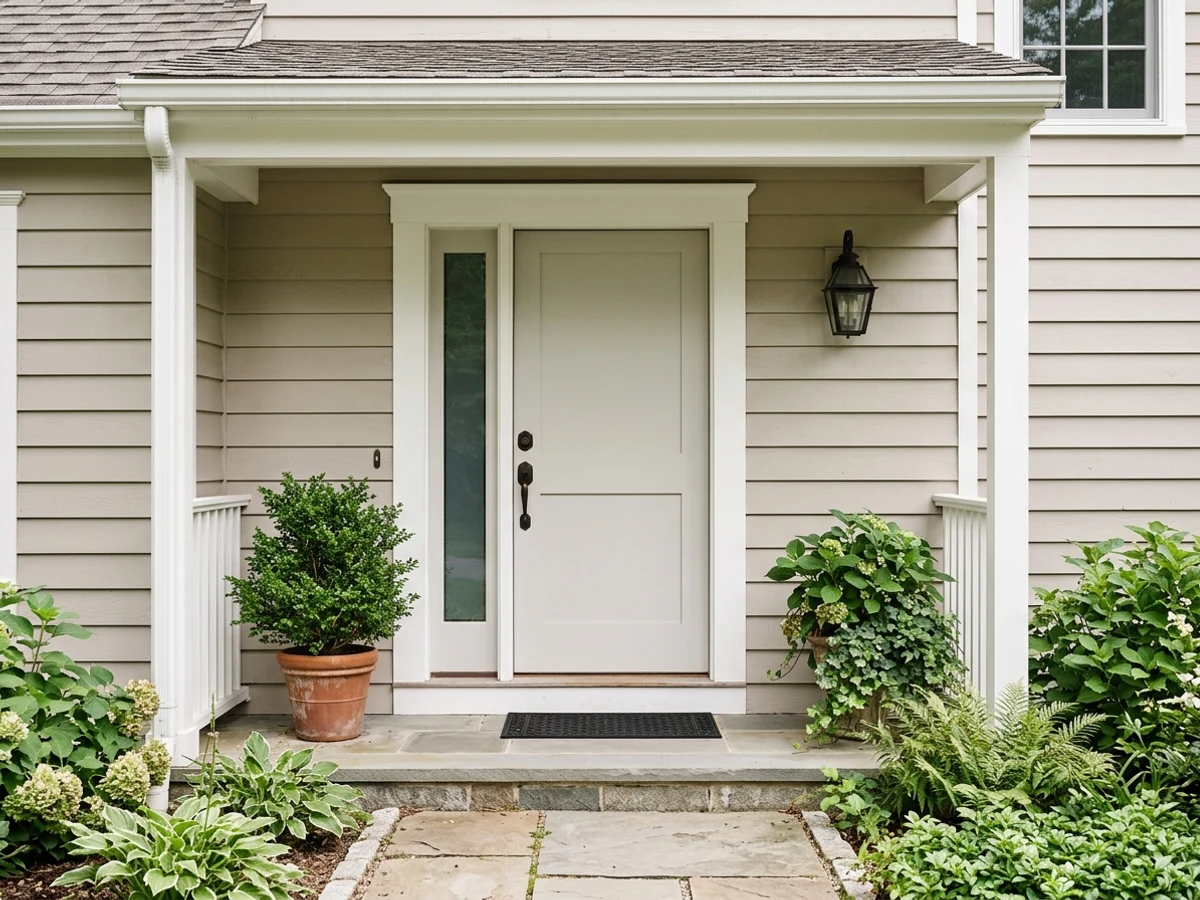
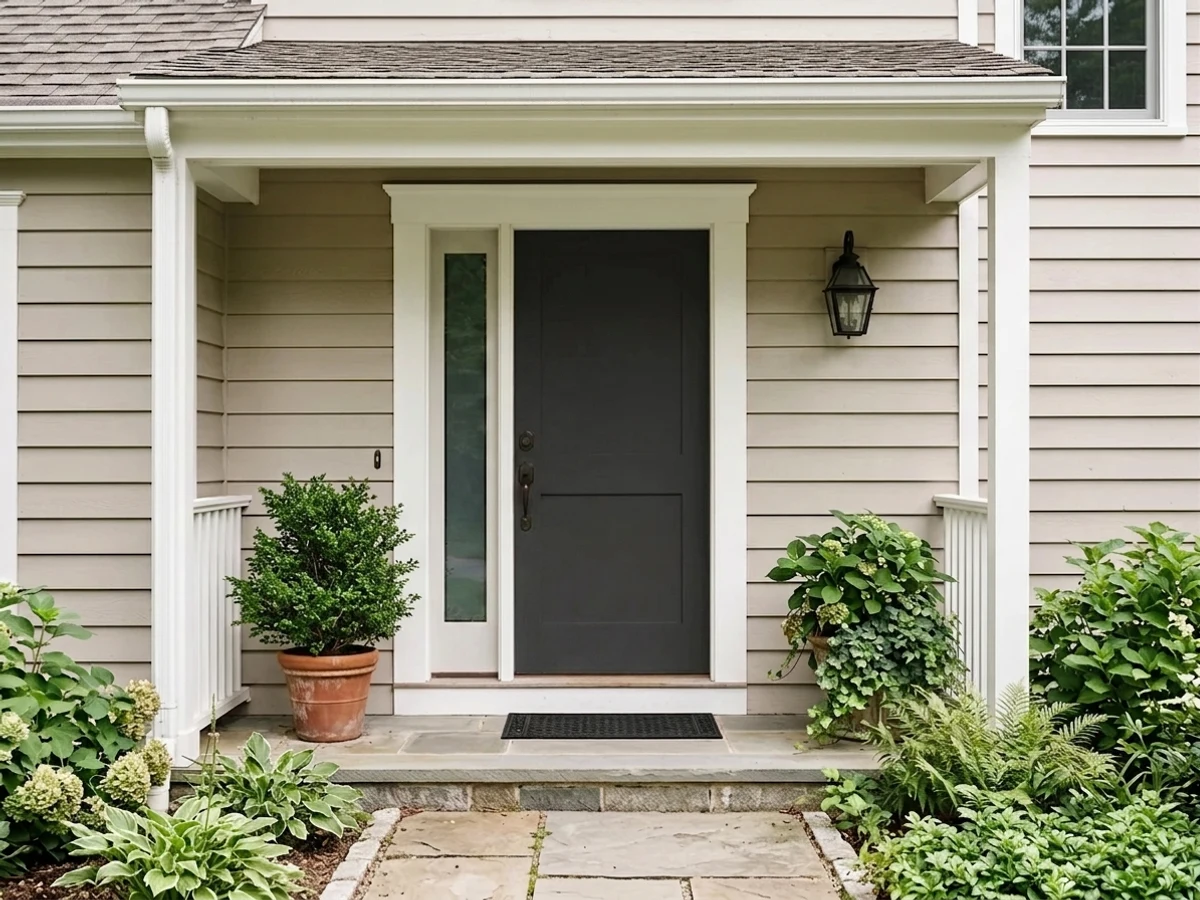
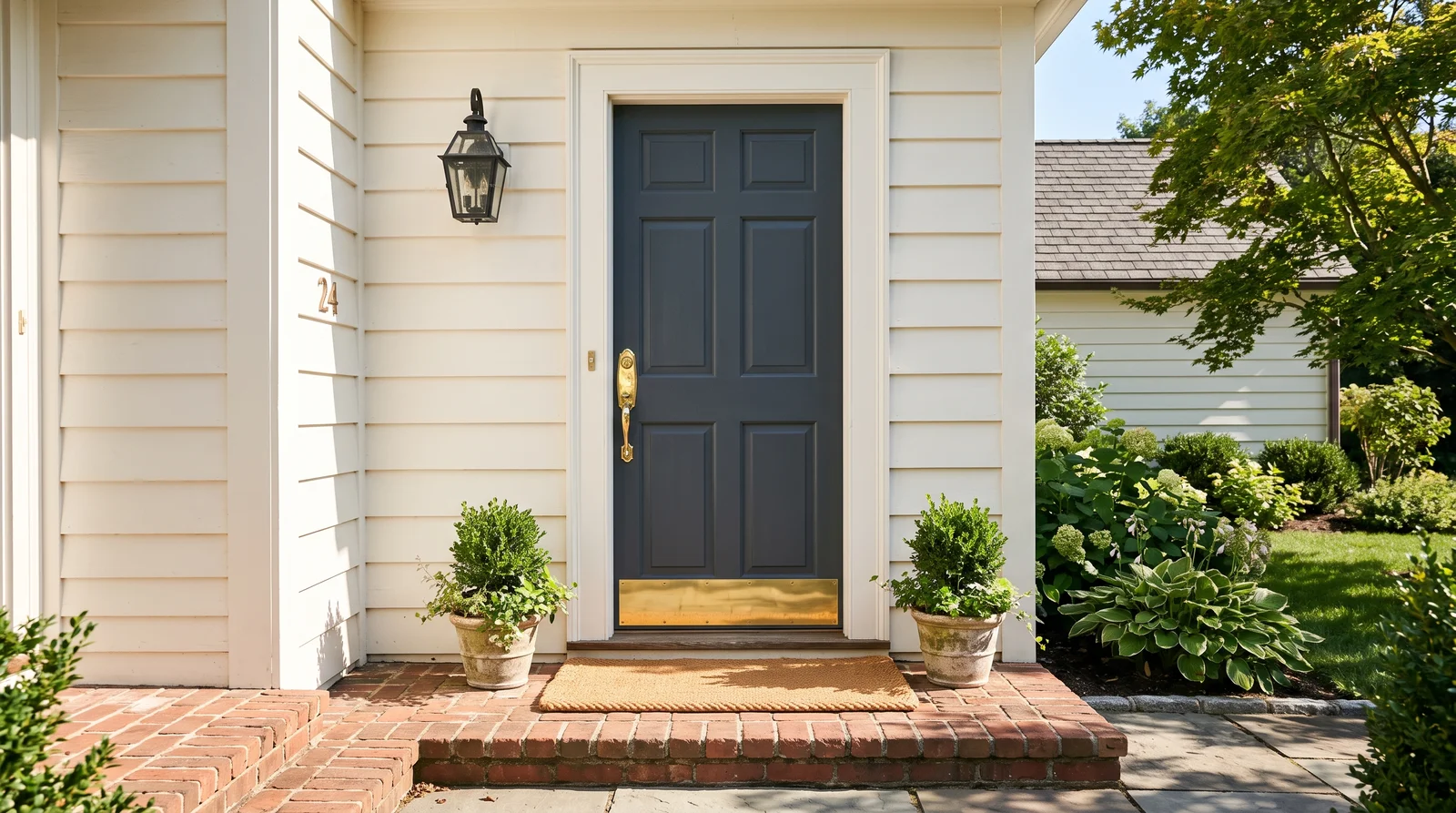
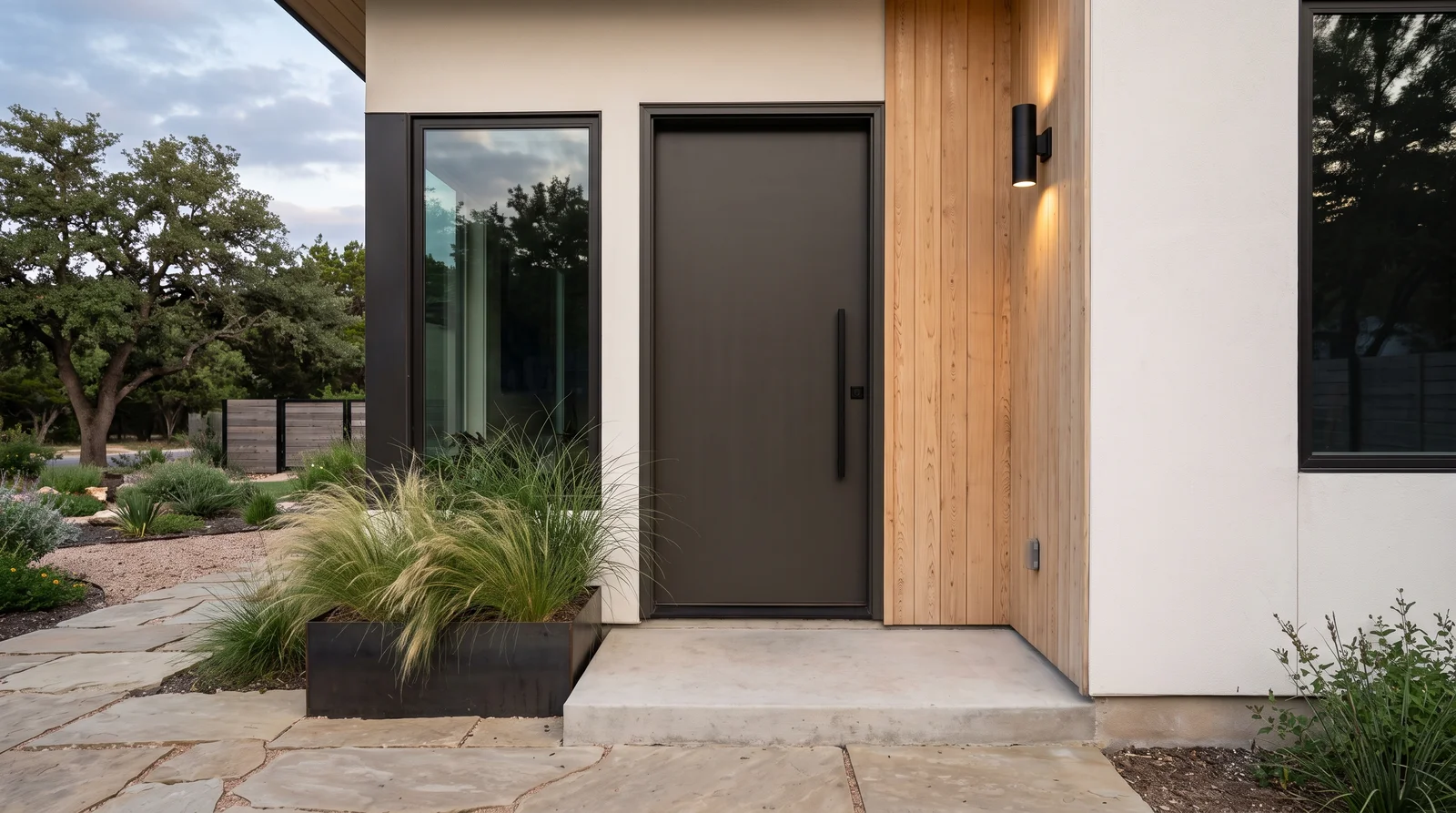
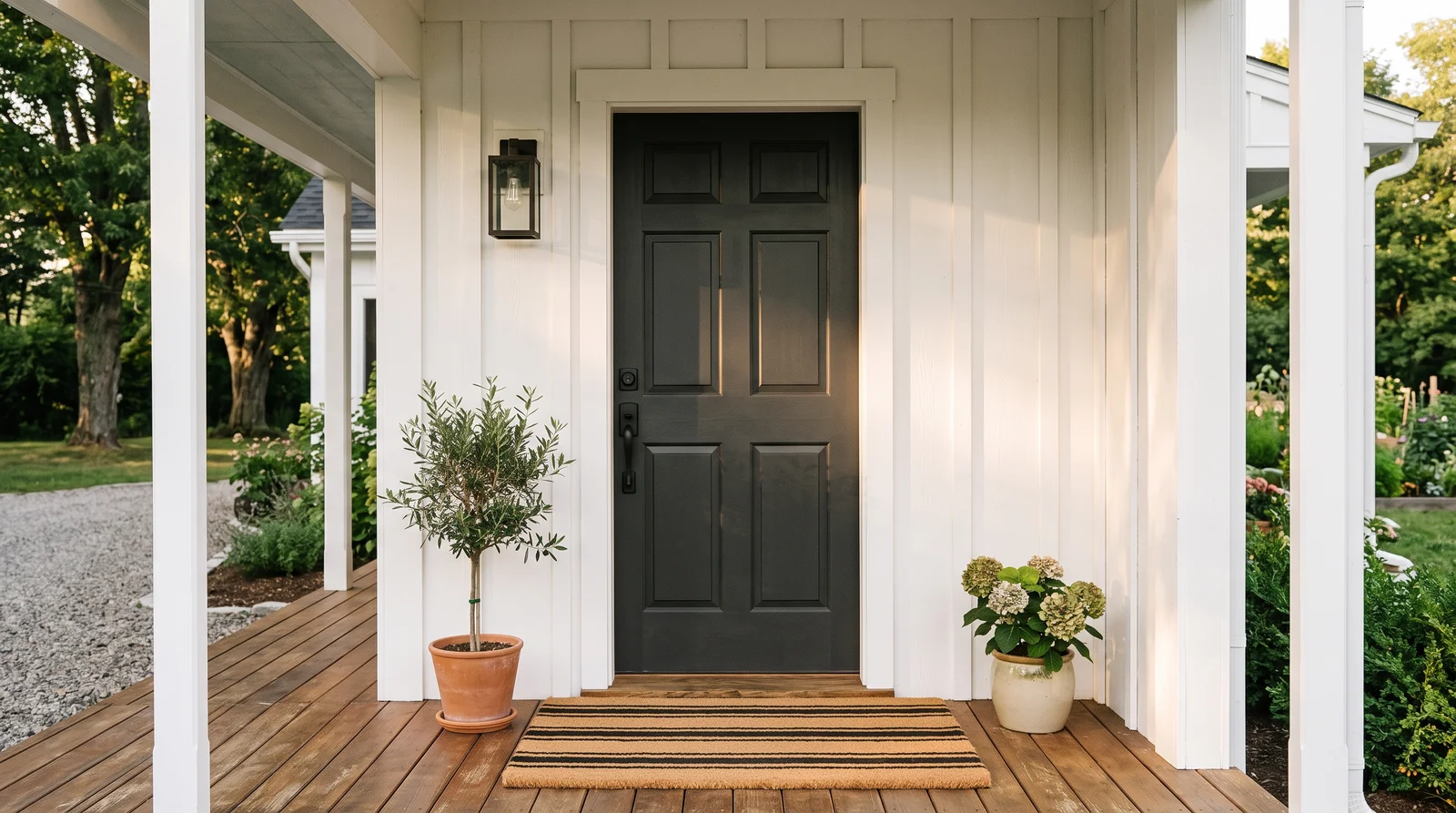
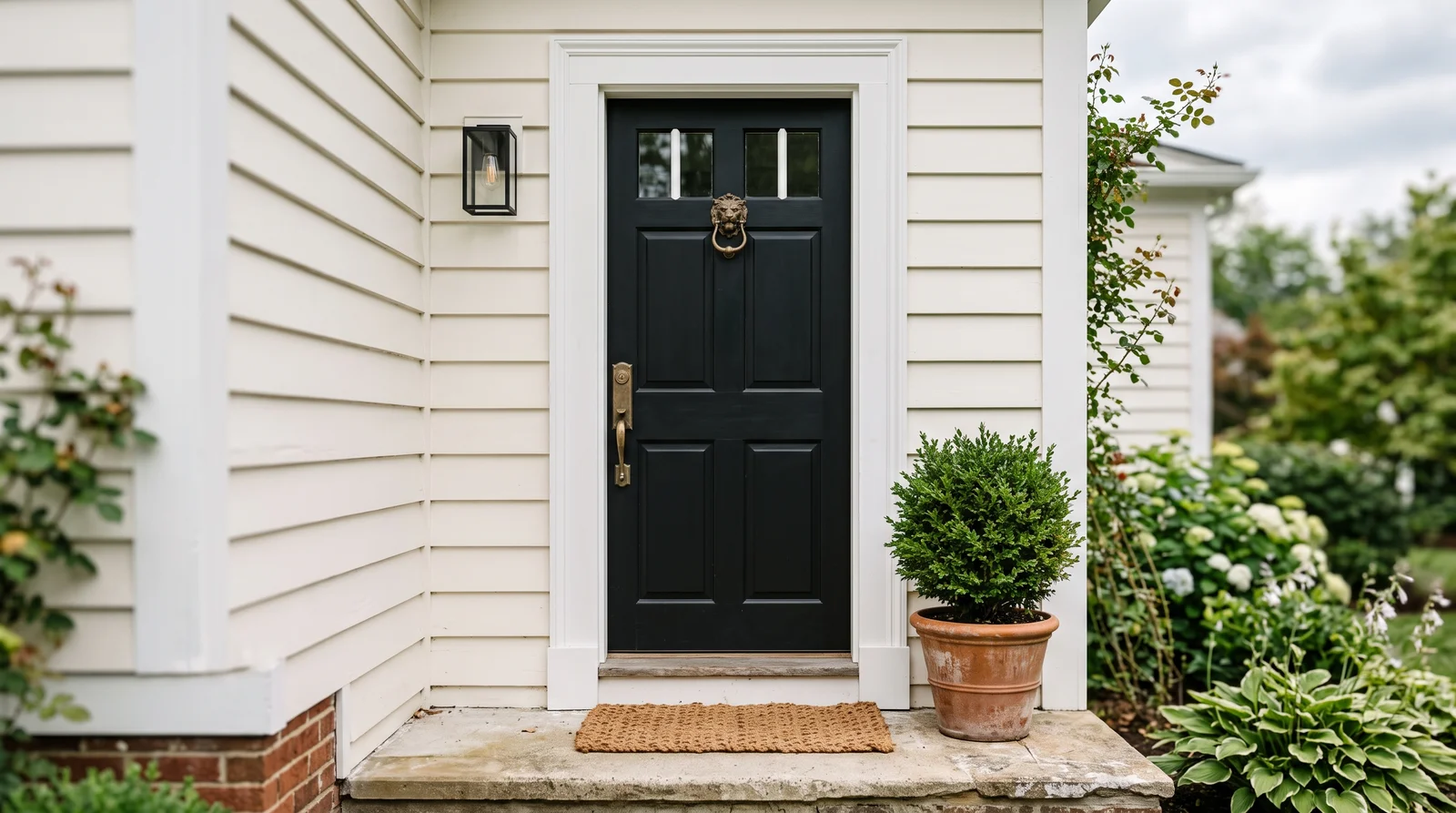
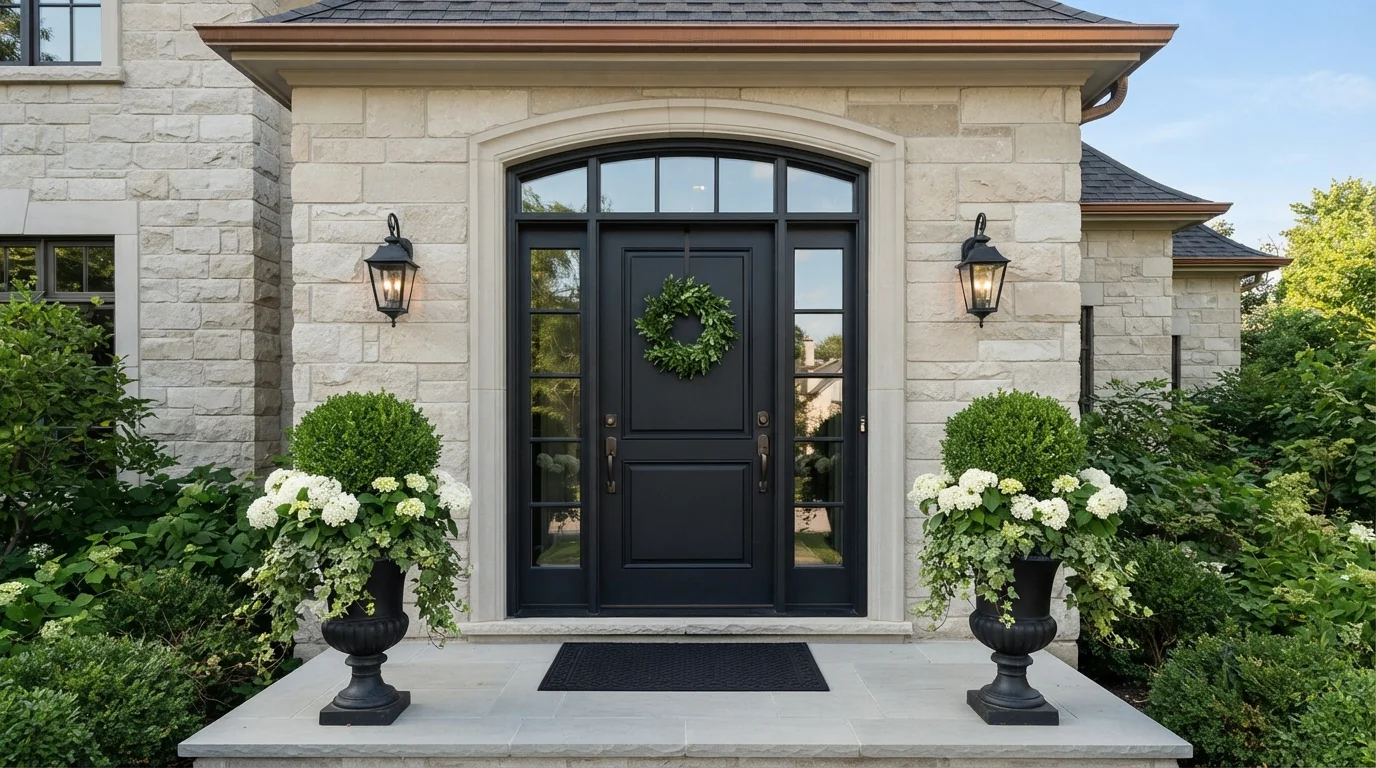
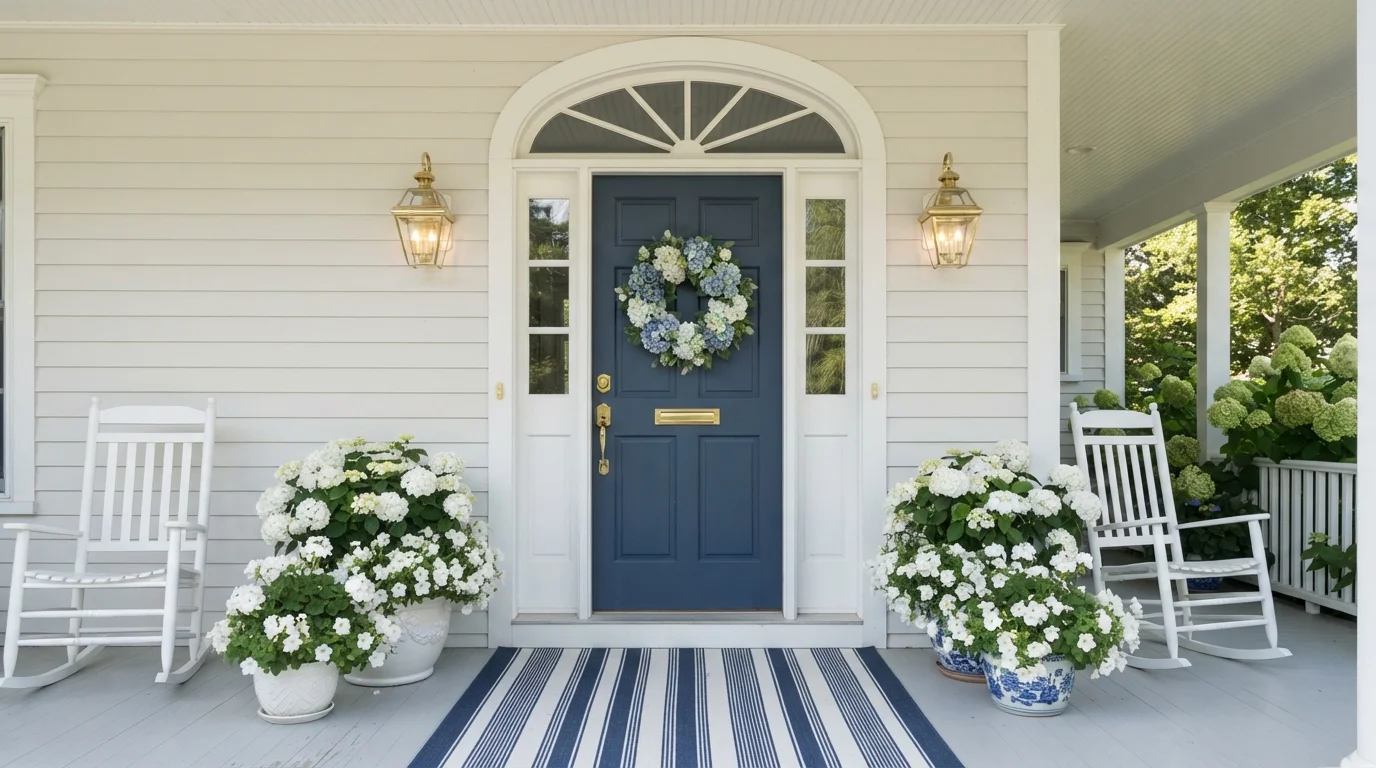
Four families do most of the heavy lifting on a front door: black, blue, green, and red. A true black like Tricorn Black reads sharp and modern against almost any siding, and it makes brass or matte-black hardware look intentional. A deep navy like Hale Navy feels classic and calm without being as severe as black, which is why it works on so many house styles.
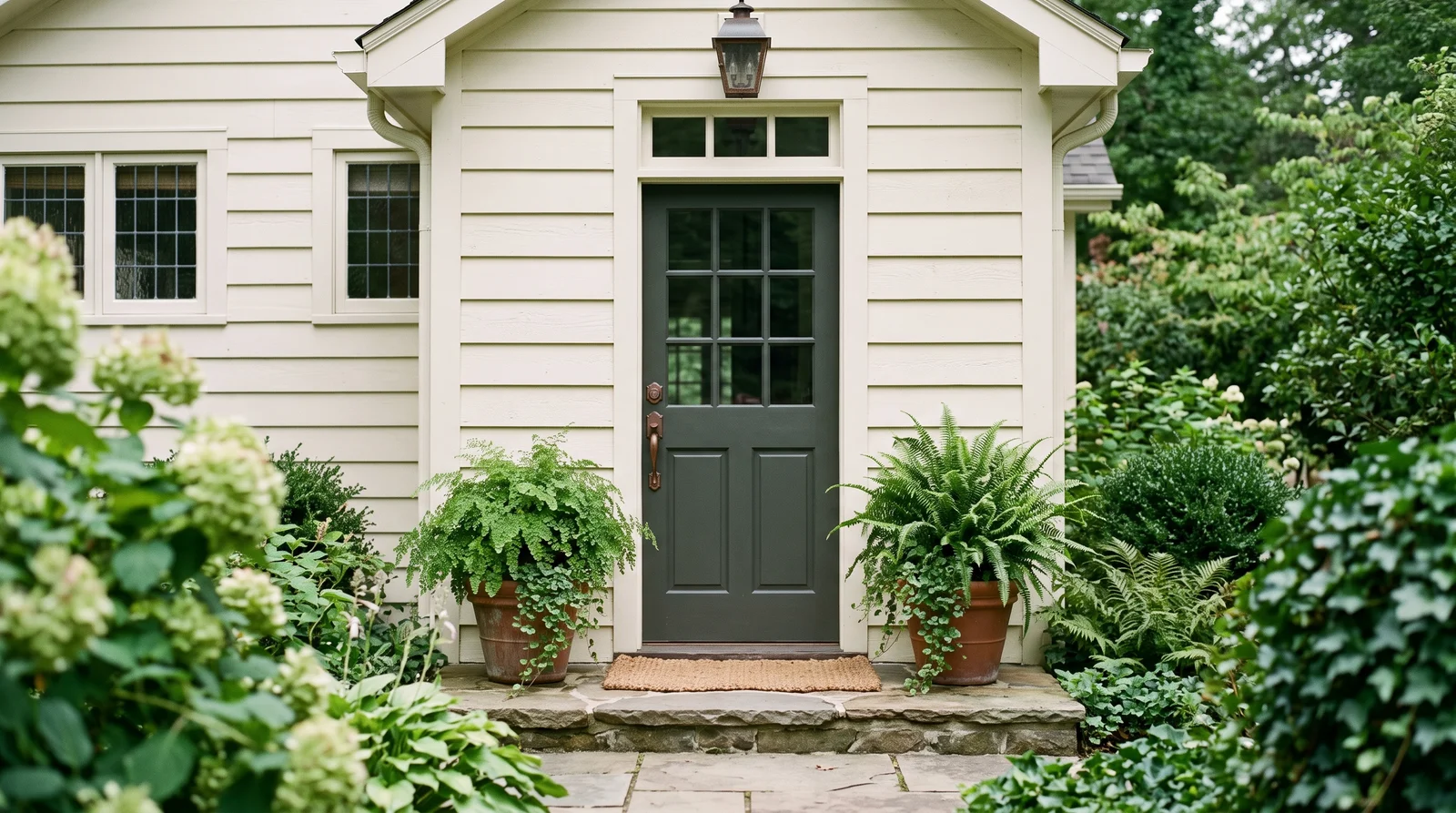
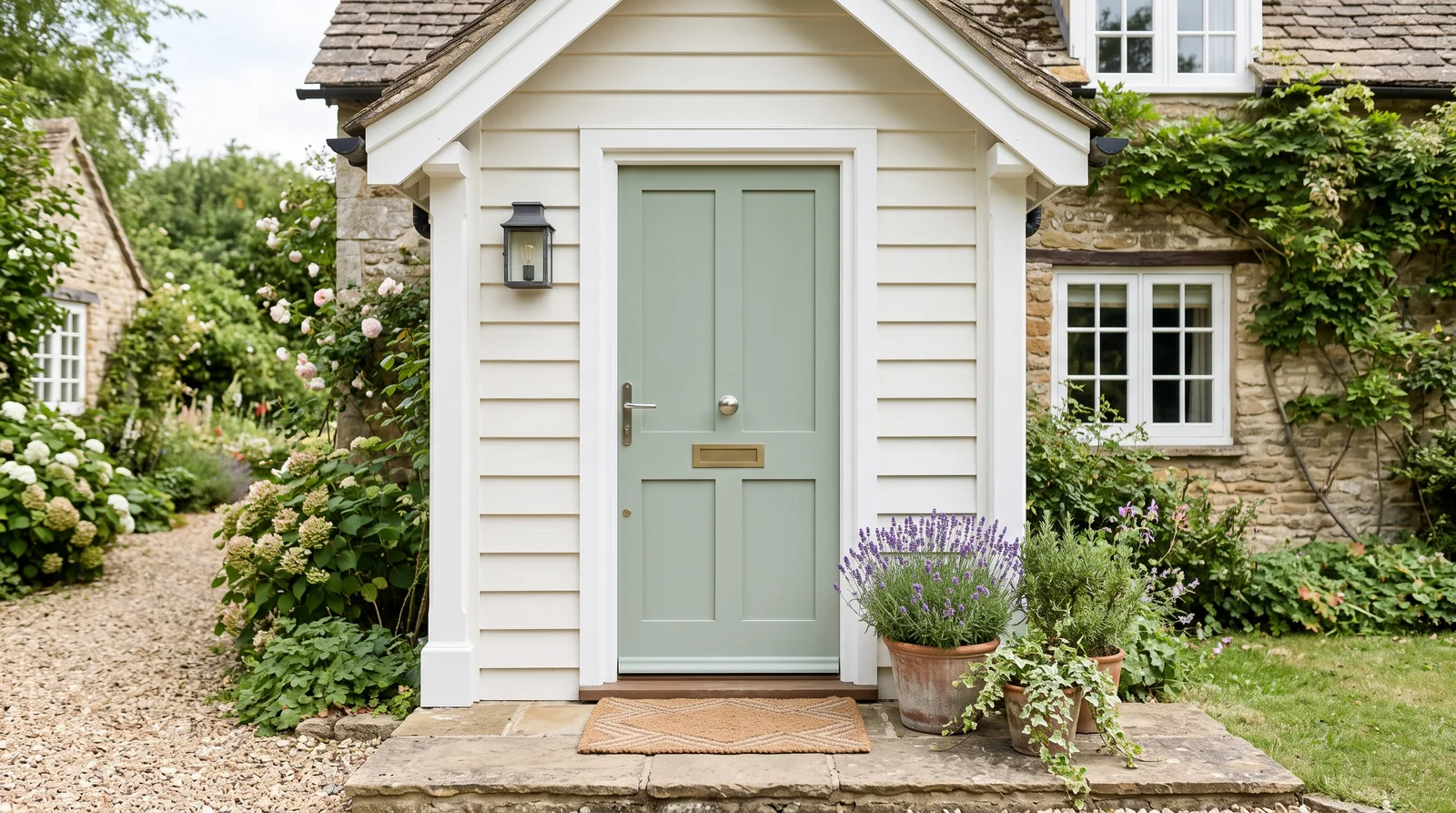
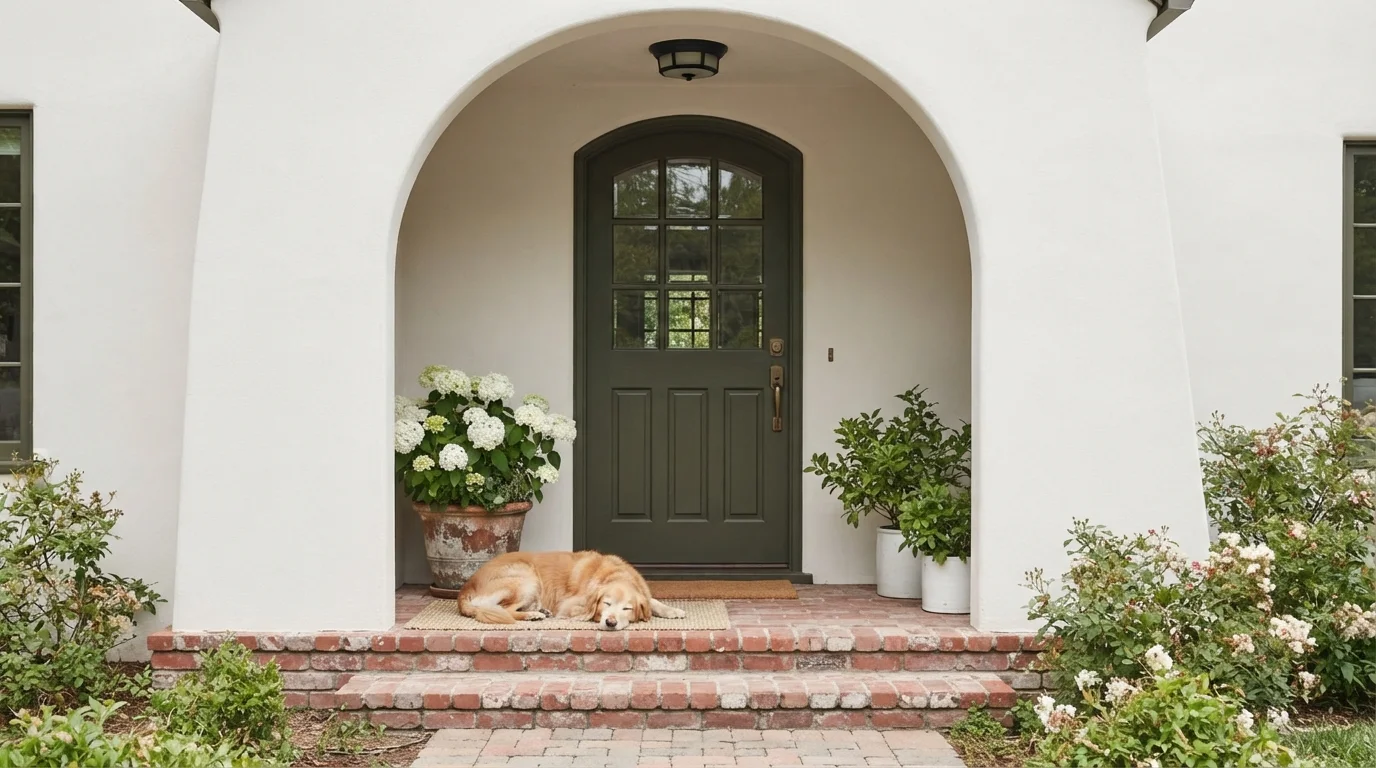
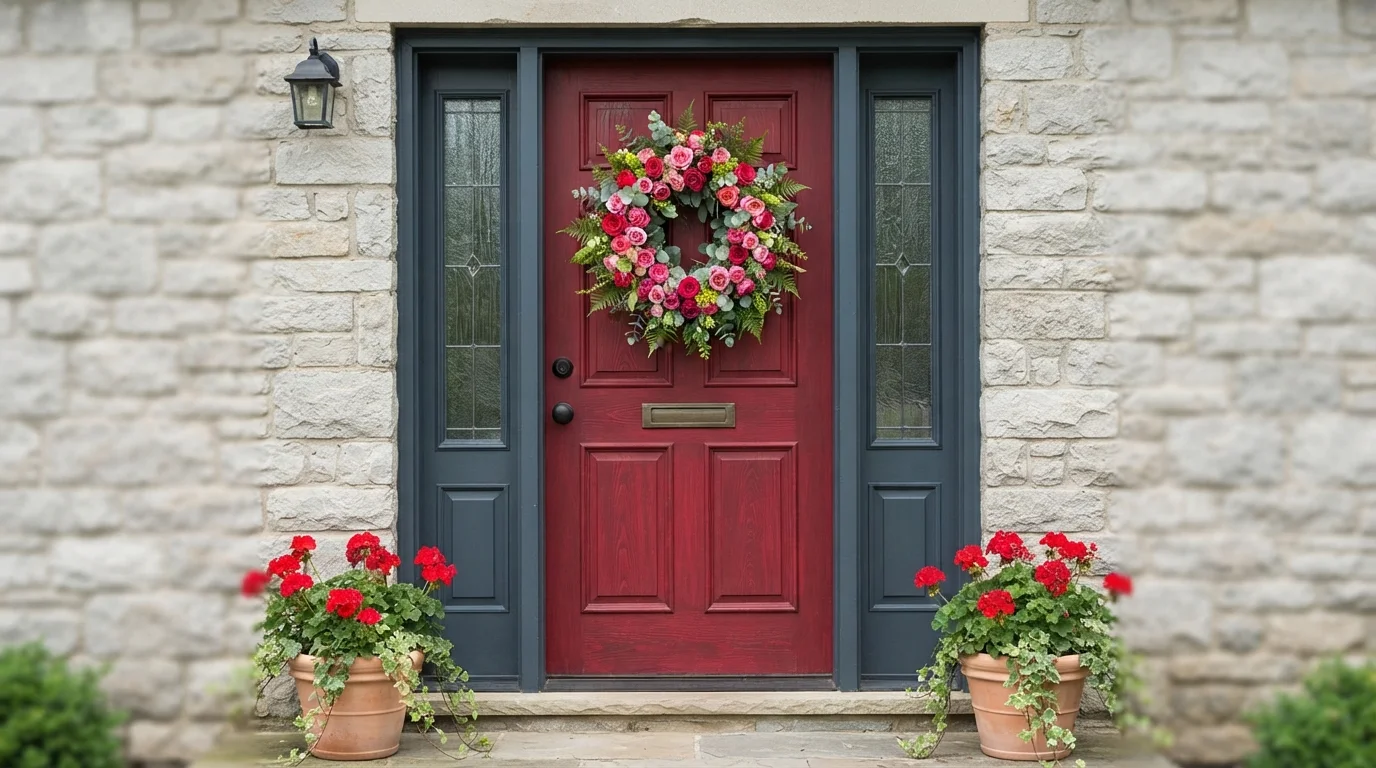
Greens and reds bring more personality. Hunter Green leans traditional and pairs beautifully with brick and stone, while a deep red like Burgundy or a warm earthy Rust gives a craftsman or farmhouse entry real warmth. If you want color that still feels grounded, Classic Blue sits in the friendly middle: confident, a little playful, and easy to live with for years.
Let Your Entry Light Steer the Pick
A front door faces one direction, and that direction changes everything. North-facing doors get cool, indirect light all day, so warm colors like Burgundy and Rust stay rich while cool blues can drift gray and lifeless. South-facing doors get strong sun that washes color out and fades it faster, so a deeper, more saturated shade holds its punch.
East doors glow in the morning and fall into shade by afternoon; west doors do the opposite and take harsh, hot light late in the day. Test your color in the actual spot, at the actual time you see the door most. A swatch that looks perfect at noon can go dull at the 6 p.m. moment when you and your guests actually walk up to it.
The Right Finish for an Exterior Door
Skip flat and matte on a front door. They show every fingerprint, scuff, and pollen smear, and they're hard to wipe clean. For a door that gets touched, rained on, and baked by sun, you want satin or semi-gloss.
Satin gives a soft, low glare that hides minor surface flaws on older doors. Semi-gloss is tougher and the easiest to wash, and it makes panel shadows and trim details pop, which is why a glossy navy or black door looks so crisp. Use an exterior-rated paint either way, since interior finishes won't survive UV and weather.
Using LRV to Set the Mood
LRV, or light reflectance value, is just a number from 0 to 100 that tells you how light or dark a color reads. Front door colors live at the low end on purpose. Tricorn Black sits near the bottom, Hale Navy and Hunter Green a bit higher, and a color like Classic Blue higher still.
A low-LRV door feels anchored, dramatic, and high-contrast against light siding, which is the look most people want at an entry. Just know that very dark doors absorb heat and can fade or warp in direct southern sun, so on a hot, sun-blasted entry a slightly higher-LRV version of the same family stays cooler and ages better.
Pairing With Trim, Siding, Hardware, and Porch
Contrast is what makes a door read as a deliberate choice. Crisp white or off-white trim around a Hale Navy or Hunter Green door creates a clean frame; dark trim with a dark door can look heavy unless that's the moody look you're after. Let your siding decide the family too: warm beige and brick love green, Rust, and Burgundy, while cool grays and white pair cleanly with black and blue.
Don't forget the hardware and porch. Brass and bronze handles warm up a navy or green door, while matte black hardware sharpens a lighter door. Tie the color to a porch ceiling, a planter, or a doormat so it reads as part of a plan instead of a lone splash of color.
Common Front Door Mistakes to Avoid
The biggest mistake is judging color from a tiny chip held indoors. Paint a real sample on a scrap board, prop it against the door, and look at it in daylight and at dusk before you commit. The second mistake is using interior paint or the wrong sheen, which leads to a chalky, hard-to-clean door within a season.
People also skip prep. A glossy door over a dirty, peeling, or glossy old surface will flake no matter how good the color is, so clean, scuff-sand, and prime bare or shiny spots first. Last, watch your timing: painting in direct hot sun or high humidity causes streaks and lap marks, so work in the shade on a mild, dry day.
Front Door Paint Colors — Frequently Asked Questions
What is the most popular front door color?+
Black and deep navy lead the pack right now. A true black like Tricorn Black looks modern and sharp on almost any house, and a navy like Hale Navy feels classic and a little softer. Both are easy to live with and pair well with most siding colors.
Do I need special paint for an exterior door?+
Yes. Use a paint rated for exterior use so it can stand up to sun, rain, and temperature swings. Interior paint will fade, chalk, and break down quickly outdoors, even if the color looks right at first.
What sheen is best for a front door?+
Satin or semi-gloss. Satin has a soft, low glare and hides small flaws, while semi-gloss is the most durable and easiest to wipe clean. Avoid flat and matte, since they scuff easily and are hard to keep looking fresh.
Will a dark front door fade or get too hot?+
It can, especially on a south- or west-facing entry with strong direct sun. Very dark colors absorb heat and may fade or warp faster. If your door takes hard afternoon sun, choose a quality exterior paint and consider a slightly lighter version of the same color family.
What color door goes with a brick house?+
Brick has warm tones, so it pairs beautifully with green, deep red, and earthy shades. Hunter Green, Burgundy, and Rust all look at home against brick. Black and navy work too if you want more contrast and a cleaner, more modern feel.
Can I match a color from one brand using a different brand's paint?+
Usually, yes. Every color shown here is mixed to order at a paint counter, and the counter can cross-match a shade you like into a different paint line. Pick the look you want first, then choose the paint brand that fits your budget and exterior needs.
How do I test a front door color before committing?+
Paint a sample on a scrap board or poster board and prop it against the actual door. Look at it in morning light, midday, and at dusk, since the color will shift through the day. This catches surprises before you've painted the whole door.