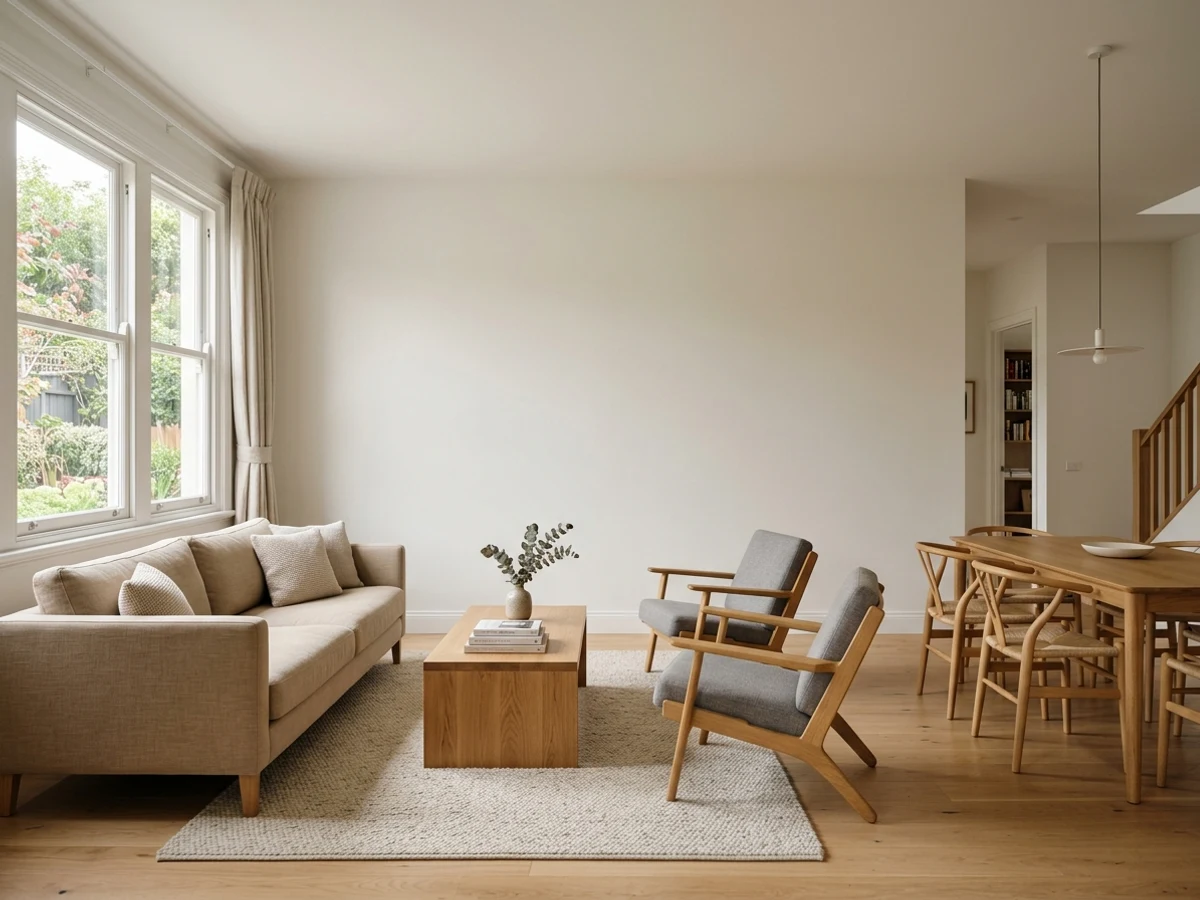
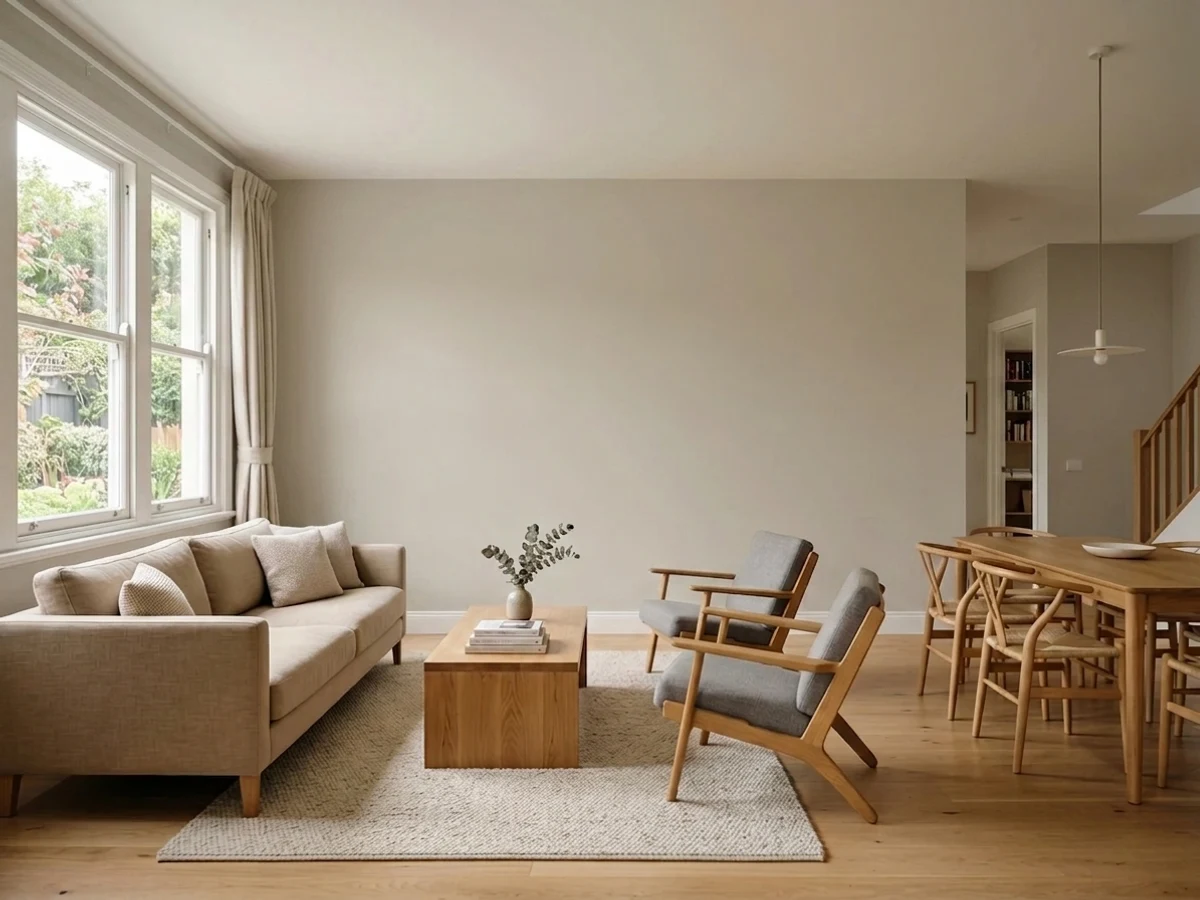
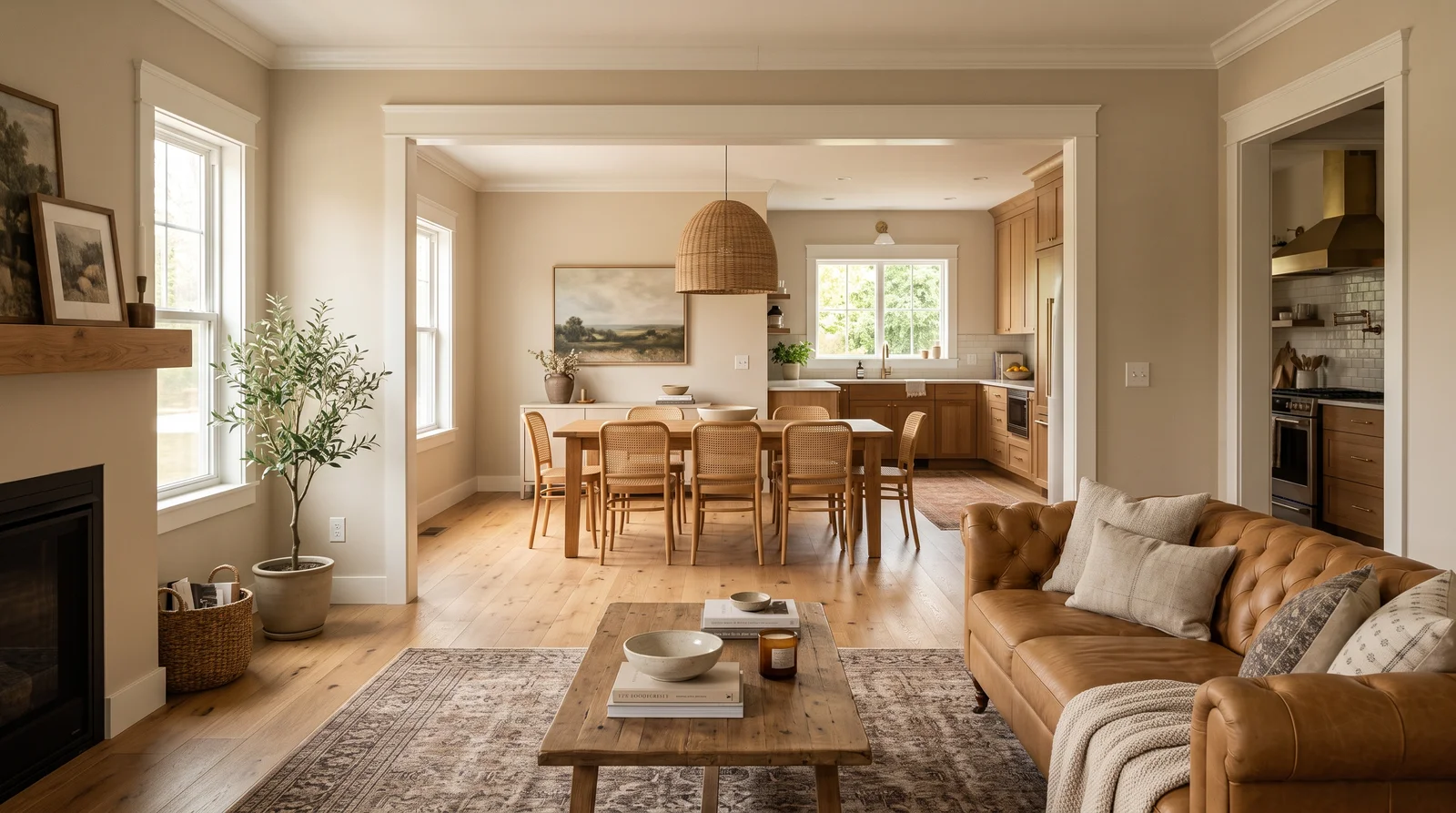
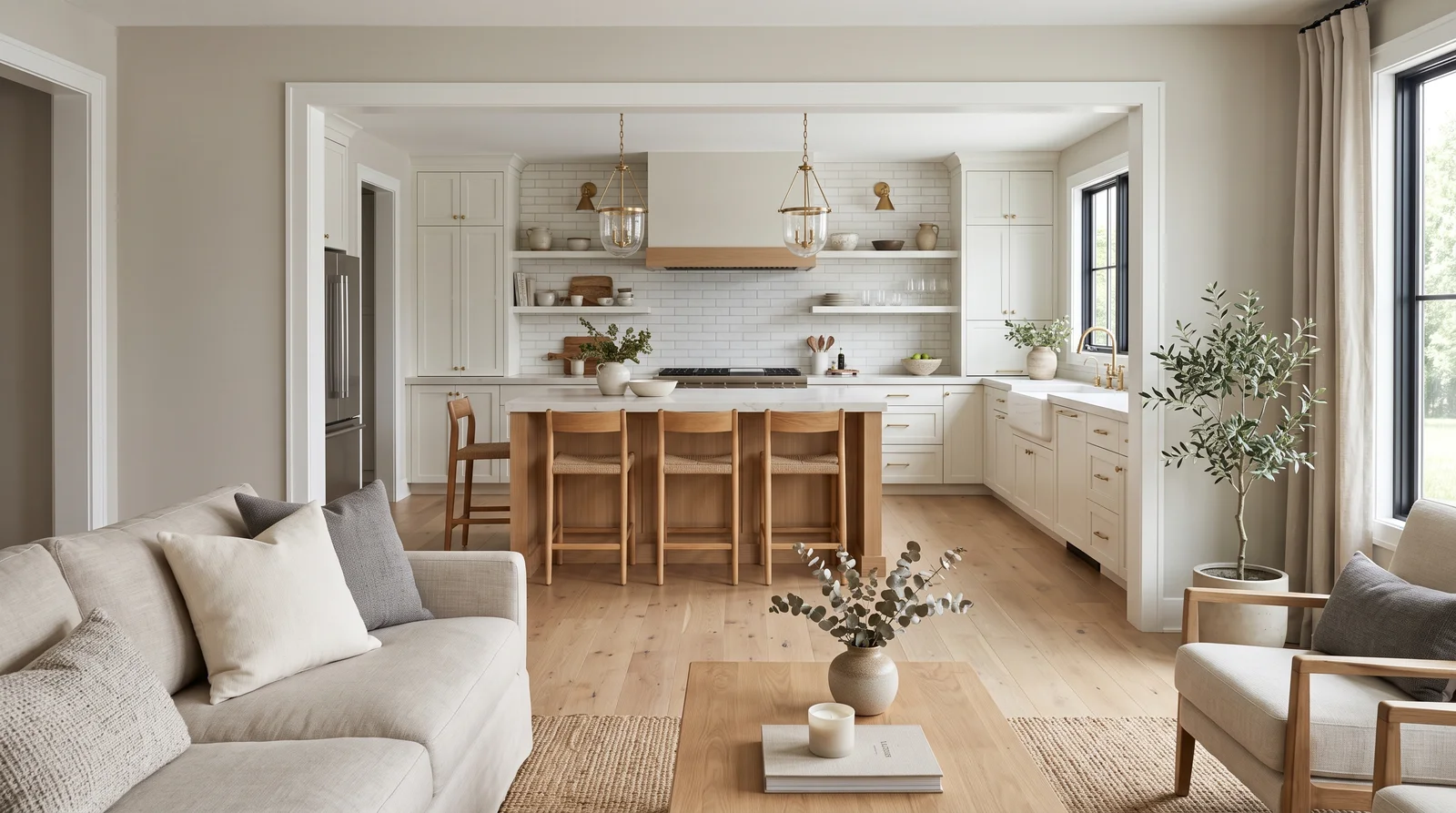
Whole House Paint Colors
Top Picks for the Whole House
4 editor's picksAll Whole House Colors at Every Brand
79 colors · 3 familiesA representative color from every brand that makes this family — most-recognized brands first, with a second pick from the biggest names. Tap any swatch with a curated guide for full spec and cross-brand matches.
Browse by Family Hub
About Whole House Paint Colors
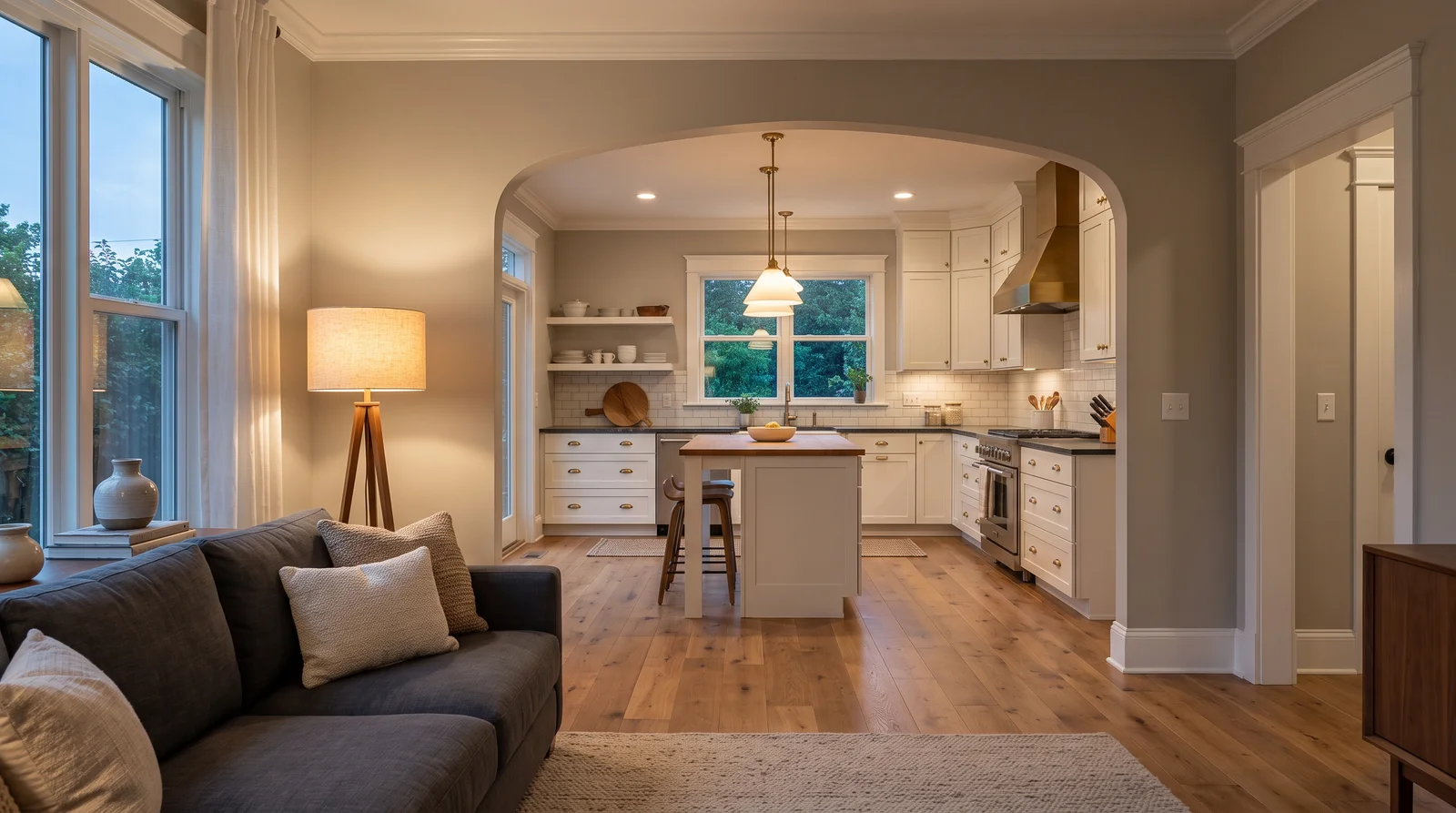
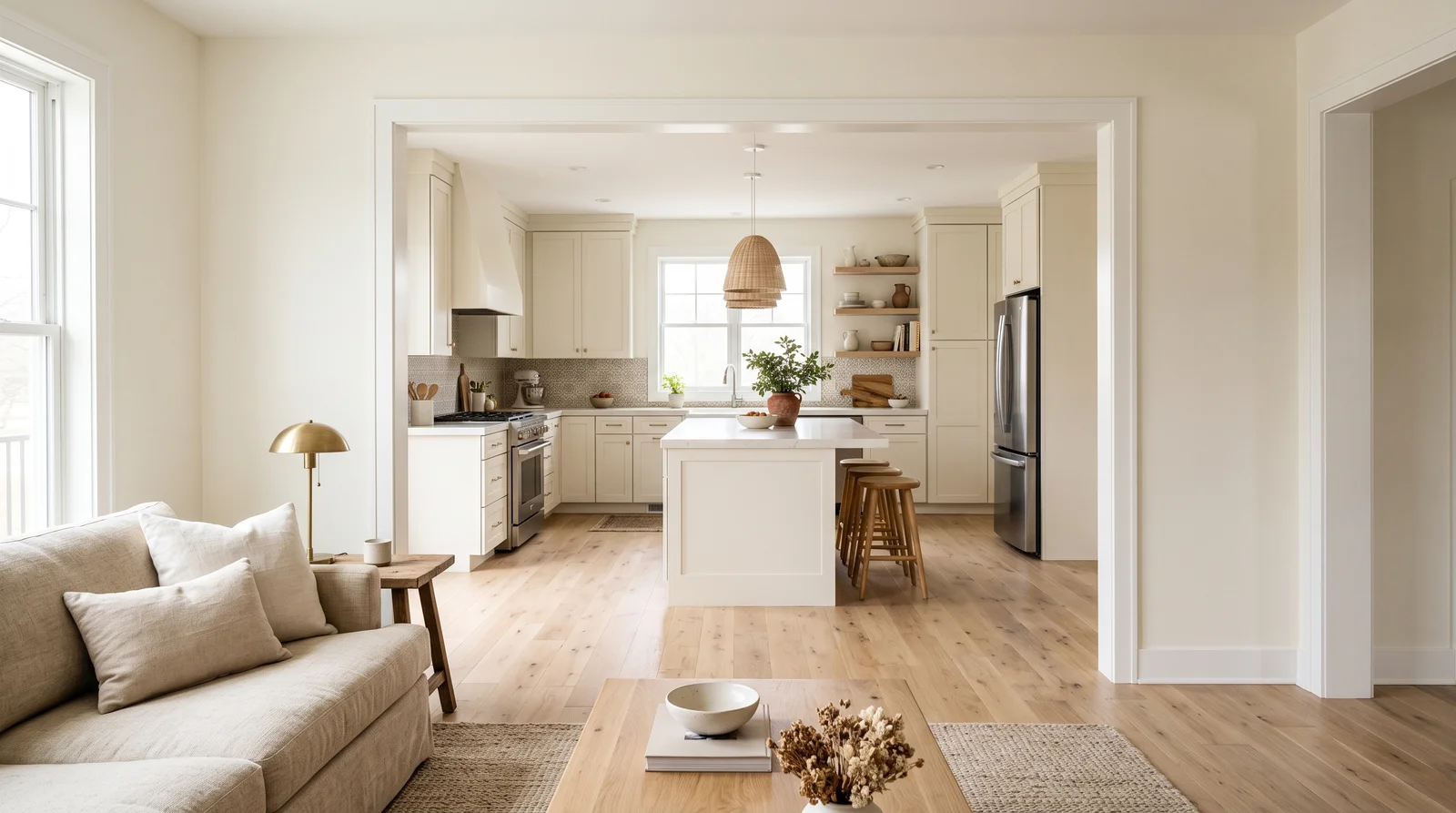
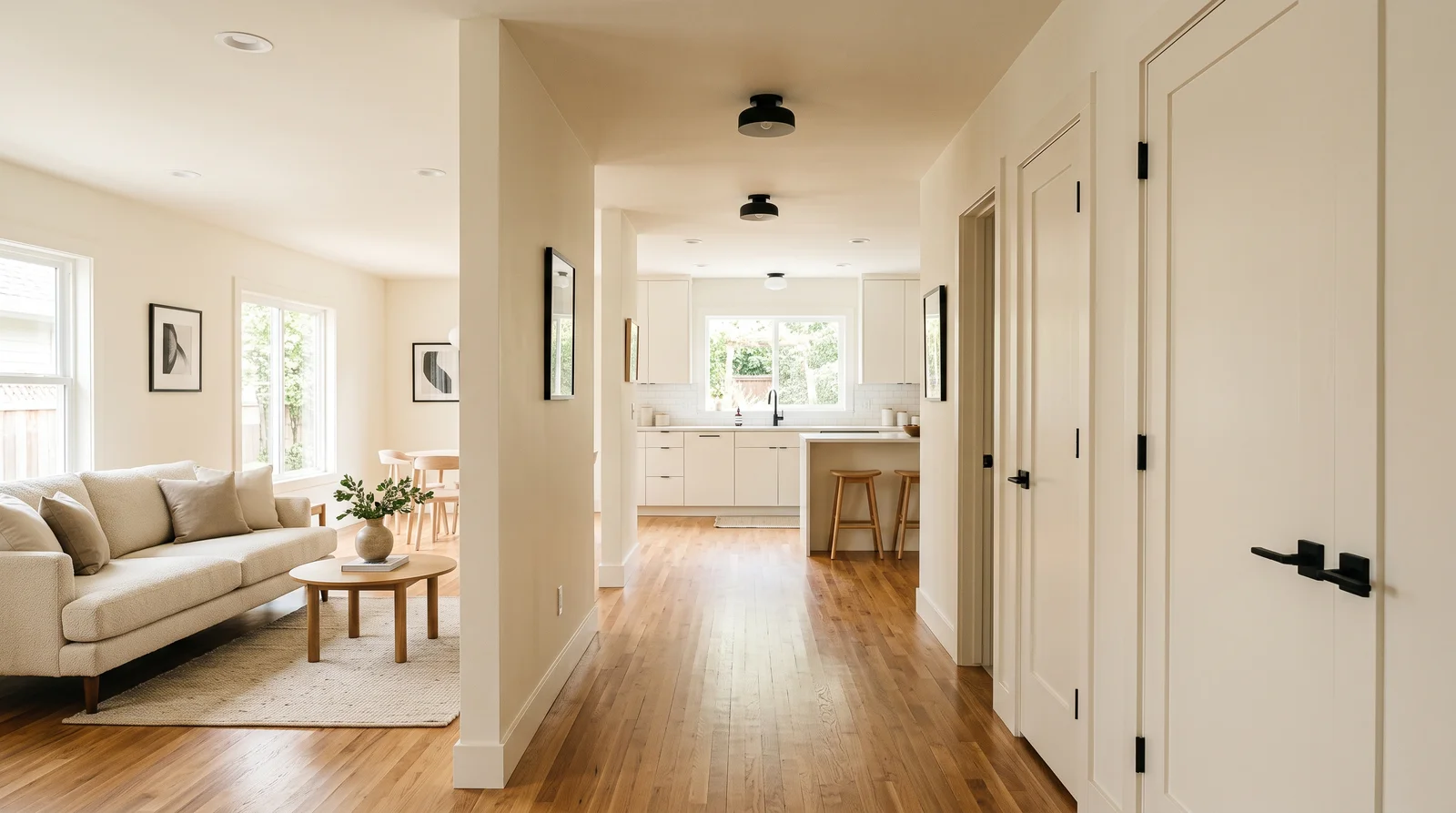
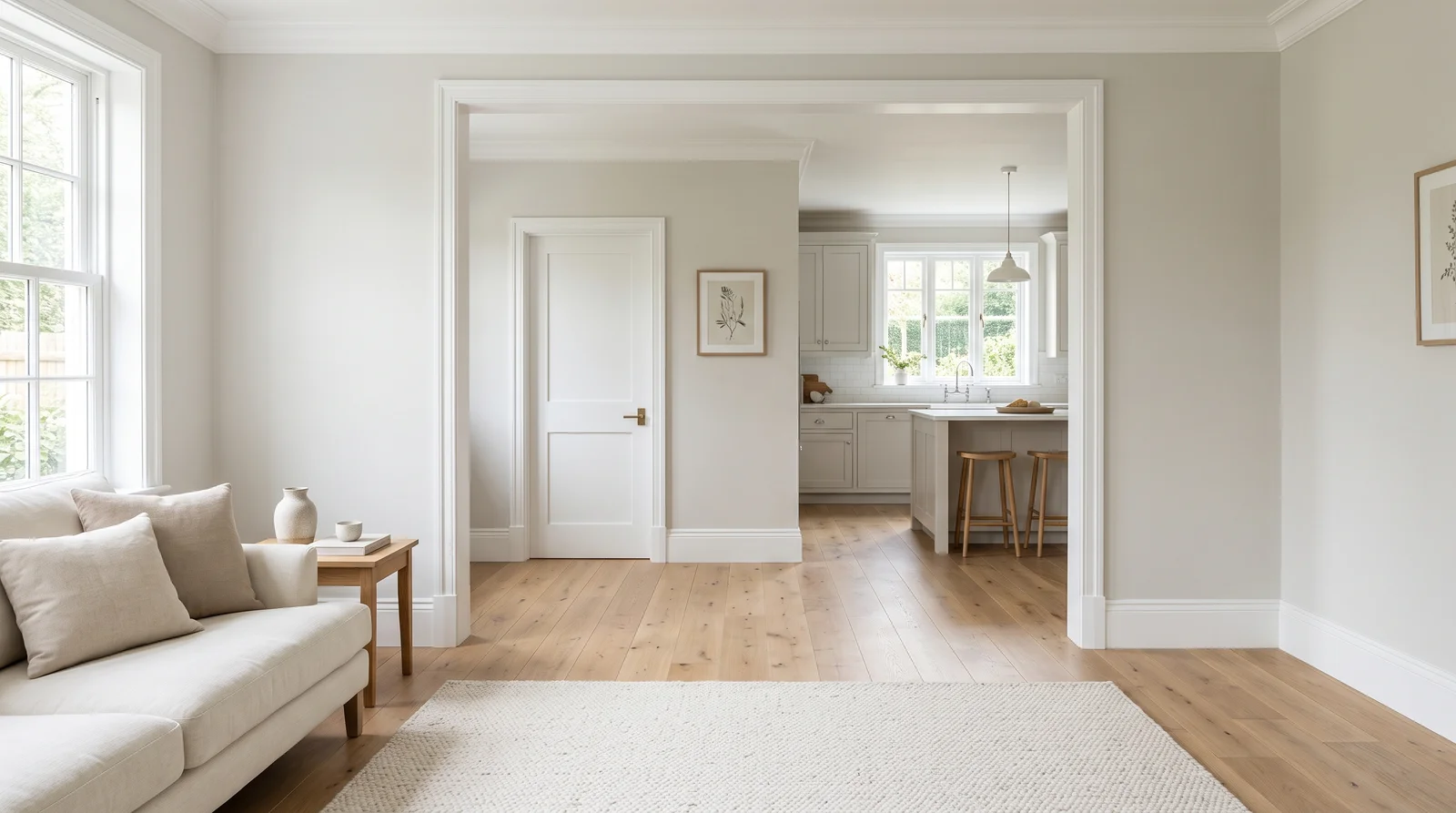
Painting a whole house is different from painting one room. You are not picking a single favorite color; you are picking a small family of colors that flow from room to room so the home feels calm and connected instead of choppy. That is why neutrals, soft grays, and warm whites do most of the heavy lifting here. They are the colors that look good in every kind of light and never fight with the next room down the hall.
The smart move is to choose one main wall color, one trim color, and maybe one or two close cousins for special spots like a bedroom or powder room. Colors like Revere Pewter, Agreeable Gray, and Accessible Beige are popular whole-house picks for exactly this reason: they are flexible greige and gray neutrals that sit happily next to most flooring, cabinets, and furniture. For trim and ceilings, soft whites like White Dove, Alabaster, and Cashmere keep everything fresh without looking cold.
Every color on this page is mixed to order at a paint store, so you are not locked into one brand. If you love a shade but buy a different brand's paint, the store can cross-match it closely. That gives you room to shop on price, finish, and availability without giving up the look you want.
The Best Color Directions for a Whole House
For a whole house, lean on three directions: warm gray (greige), soft warm white, and a true light neutral. Greige tones like Revere Pewter, Agreeable Gray, and Accessible Beige feel grounded and welcoming, and they carry through an open floor plan without ever feeling like a statement. Warm whites like White Dove, Alabaster, and Cashmere brighten small or dark rooms and make a great trim color everywhere else.
The mood each one creates is simple to predict. Greige feels cozy and lived-in, soft white feels clean and airy, and a light gray reads calm and modern. Pick one as your main color, then borrow from the others for rooms that want a slightly different feeling.
Let the Light in Each Room Steer the Choice
A whole house never gets one kind of light, so test your color in the actual rooms it will live in. North-facing rooms get cool, flat light that can turn gray paint dull or blue; warmer greiges like Accessible Beige or Revere Pewter hold up better there. South and west rooms get warm, strong light that can push beige toward yellow, so a more balanced gray like Agreeable Gray stays truer.
Light also changes from morning to night. Paint a big sample on two walls and look at it at breakfast, mid-afternoon, and under your evening lamps before you commit. Artificial light matters as much as sun, since most rooms are used after dark.
Picking the Right Finish for Each Surface
Use sheen by where the surface lives, not by room. Walls in bedrooms, living rooms, and hallways look best in a flat or matte finish, which hides drywall flaws and gives color its richest, softest look. Kitchens, bathrooms, mudrooms, and busy hallways do better in eggshell or satin because those wipe clean and shrug off moisture and fingerprints.
Trim, doors, and cabinets want semi-gloss or satin so they stand up to scrubbing and bumps. Ceilings stay flat to kill glare and hide imperfections. Keeping the wall color the same but stepping up the sheen on hardworking surfaces is how a whole-house scheme stays both pretty and practical.
Using LRV to Keep Each Room Bright or Cozy
LRV (Light Reflectance Value) is a 0–100 number that tells you how light or dark a color reads; higher reflects more light. Whites like White Dove and Alabaster sit high on that scale, so they bounce light around and make small or dark rooms feel bigger. Mid-range greiges like Revere Pewter and Accessible Beige land lower, which is why they feel cozier and more grounded.
For a whole house, a good trick is to keep one main wall color throughout but let LRV do the adjusting. Use your lighter whites in dim rooms and north-facing spaces, and save the deeper neutrals for rooms that already get plenty of sun and can handle a cozier feel.
Pairing With Trim, Ceilings, Cabinets, and Floors
The easiest whole-house formula is a warm neutral on the walls with a soft white on the trim and ceilings. Agreeable Gray or Revere Pewter on the walls with White Dove, Alabaster, or Cashmere trim gives you crisp lines without a harsh contrast. Keeping the same trim white in every room is what makes the home feel like one connected space.
Watch your undertones with floors and cabinets. Warm wood floors and beige tile pair naturally with greige; cooler gray floors and white cabinets pair better with a balanced gray. Hold a paint sample right against the floor and the cabinets in daylight, because the surfaces you cannot repaint should guide the color you can.
The Most Common Whole-House Color Mistakes
The biggest mistake is choosing a color from a tiny chip or a phone screen instead of a large sample on the wall. The second is using too many unrelated colors, which makes the house feel busy and broken up instead of calm and flowing. Stick to one main color and a couple of close relatives.
People also forget that a neutral has an undertone, so a greige can suddenly look pink or green next to certain floors and lighting. And do not assume a color you loved in a friend's house will look the same in yours; their light and finishes are different. Sample, look at it day and night, then buy.
Whole House Paint Colors — Frequently Asked Questions
What are the best whole-house paint colors?+
Flexible neutrals work best because they flow room to room. Popular whole-house picks include Revere Pewter, Agreeable Gray, and Accessible Beige for walls, with White Dove, Alabaster, or Cashmere for trim and ceilings. Choose one main color and a couple of close relatives so the home feels connected.
Should every room in the house be the same color?+
Not necessarily, but it helps to keep one main wall color through the open, connected spaces. You can vary it in bedrooms or a powder room with a close cousin shade. The goal is flow, so any change should feel like a small step, not a jump to an unrelated color.
What sheen should I use throughout the house?+
Use flat or matte on most walls because it hides flaws and looks rich. Step up to eggshell or satin in kitchens, baths, mudrooms, and busy hallways so they wipe clean. Keep trim and doors in satin or semi-gloss, and ceilings flat to cut glare.
How does room lighting change a whole-house color?+
North light is cool and can make grays look dull or blue, so warmer greiges hold up better there. South and west rooms get warm light that can push beige toward yellow. Always test a large sample in each room and look at it in daylight and under your evening lamps before deciding.
What is LRV and why does it matter for a whole house?+
LRV (Light Reflectance Value) is a 0–100 scale showing how much light a color reflects; higher numbers read brighter. High-LRV whites like White Dove and Alabaster open up small or dark rooms, while mid-range greiges like Revere Pewter feel cozier. Use lighter colors in dim rooms and save deeper neutrals for sunny ones.
Can I match a color across different paint brands?+
Yes. Every color shown here is mixed to order at a paint store, so you are not locked into one brand. If you love a shade but want to buy a different brand's paint, the store can cross-match it closely, which lets you shop on price and availability without losing the look.
How do I avoid picking the wrong neutral?+
Buy a sample and paint a large patch on two walls instead of judging from a chip or your phone. Hold it against your floors and cabinets in daylight to check the undertone, since greige can read pink or green next to certain surfaces. Then look at it morning, afternoon, and night before you commit.